BIRDSVILLE TO LAKE EYRE

Lake Eyre rarely contains water, so hearing of rising levels and heavy flow in from the north, we decided to drive out and have a look. We plodded our way slowly out to Birdsville then headed south along the Birdsville track
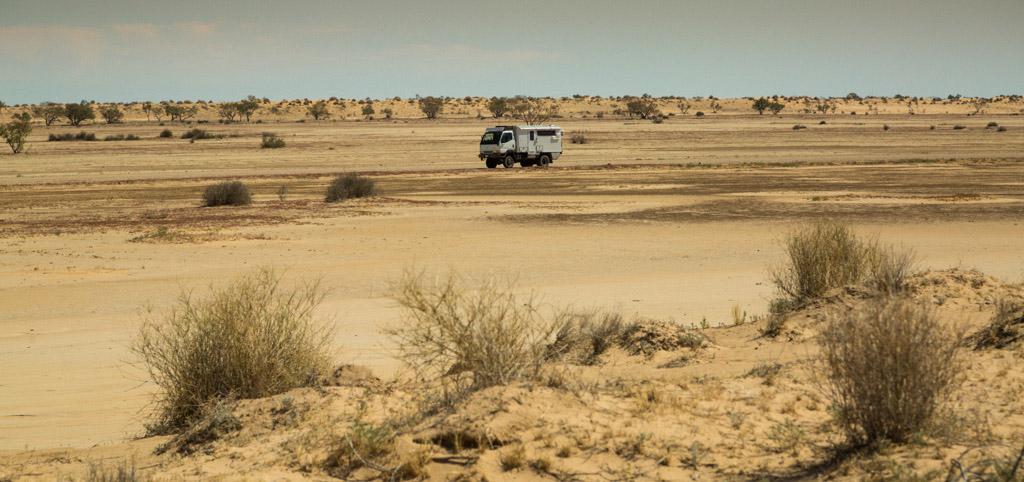
© John Lovett 2016Birdsville Track – dry and flat

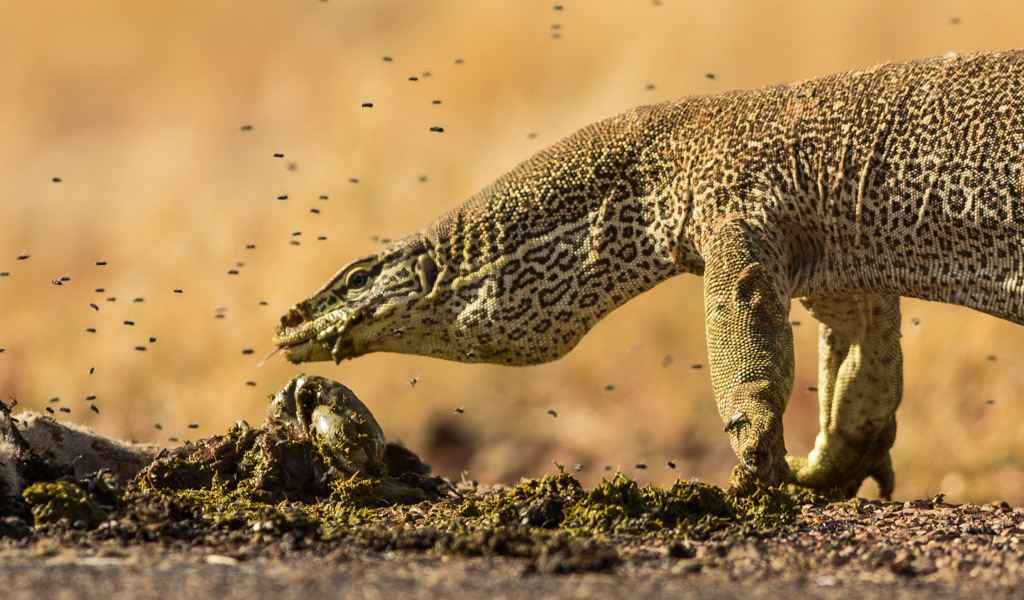
© John Lovett 2016 Goanna Feasting

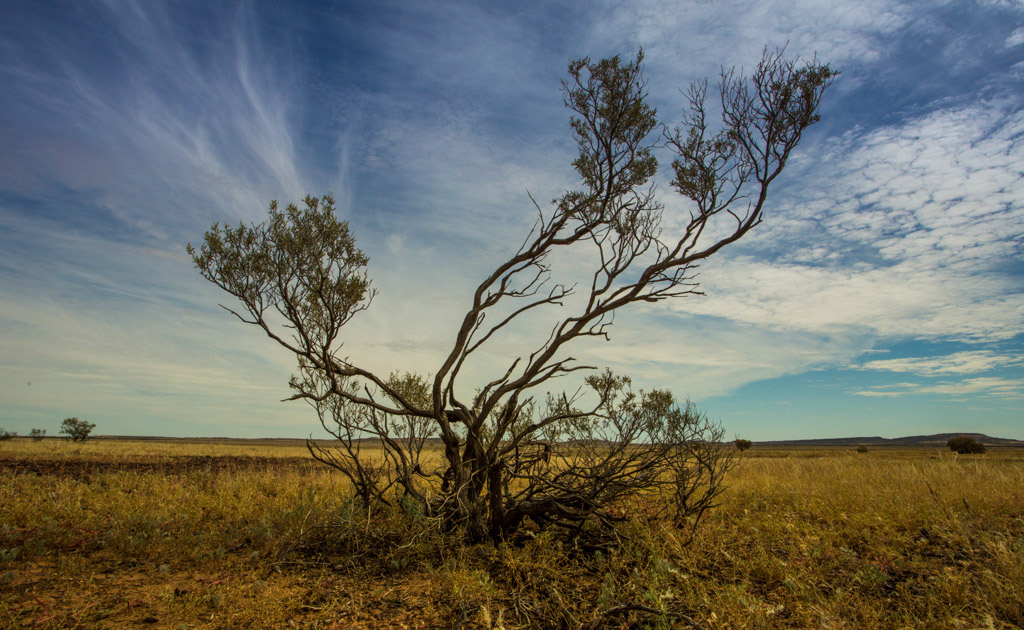
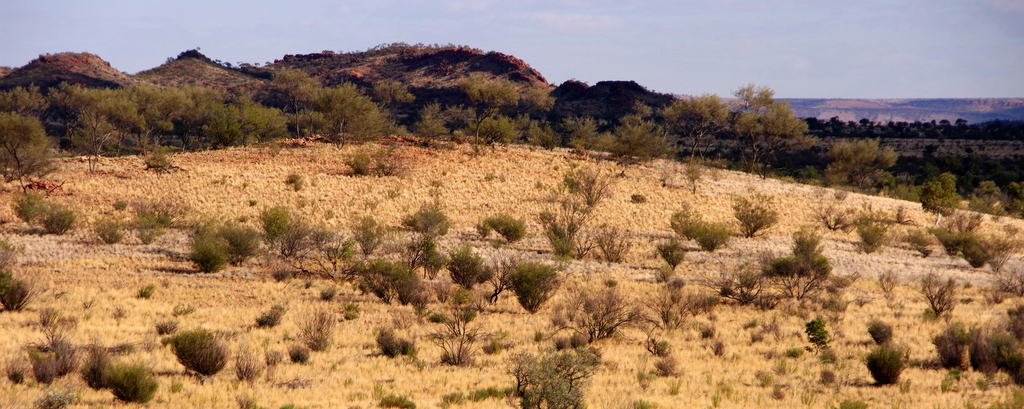
© John Lovett 2016Vegetation in this area is sparse but interesting. Mostly Saltbush, Mulga and Desert Oak.
© John Lovett 2016

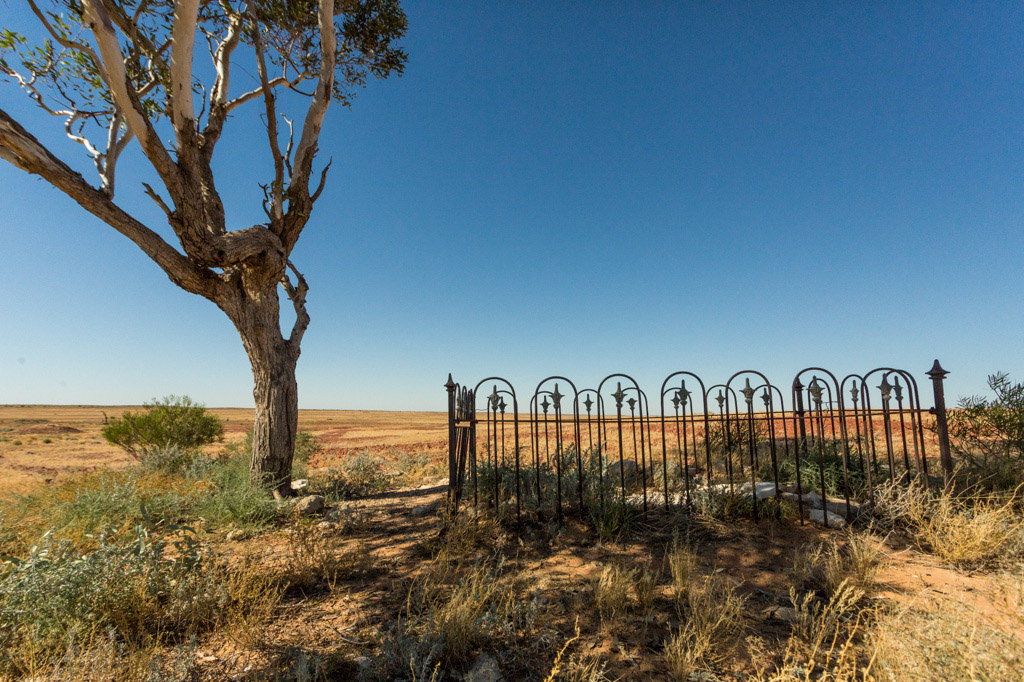
Early settlers along the Birdsville Track lived a hard life. This is the grave of the two youngest Scobie children who died of pneumonia in the 1890’s.
© John Lovett 2016

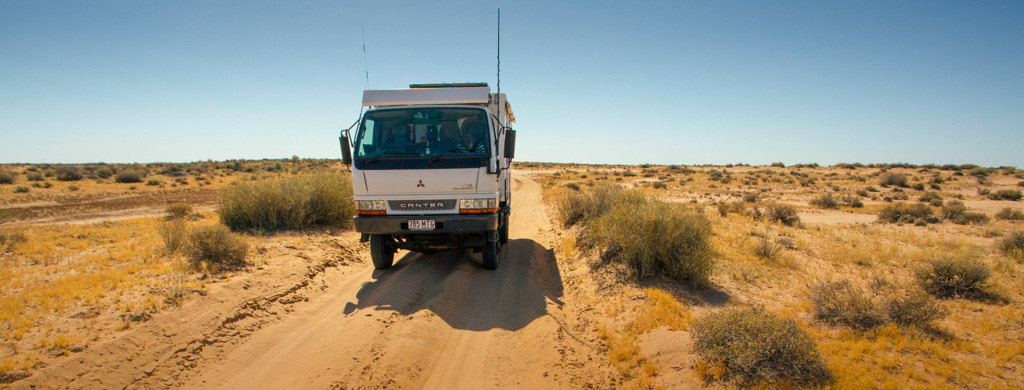
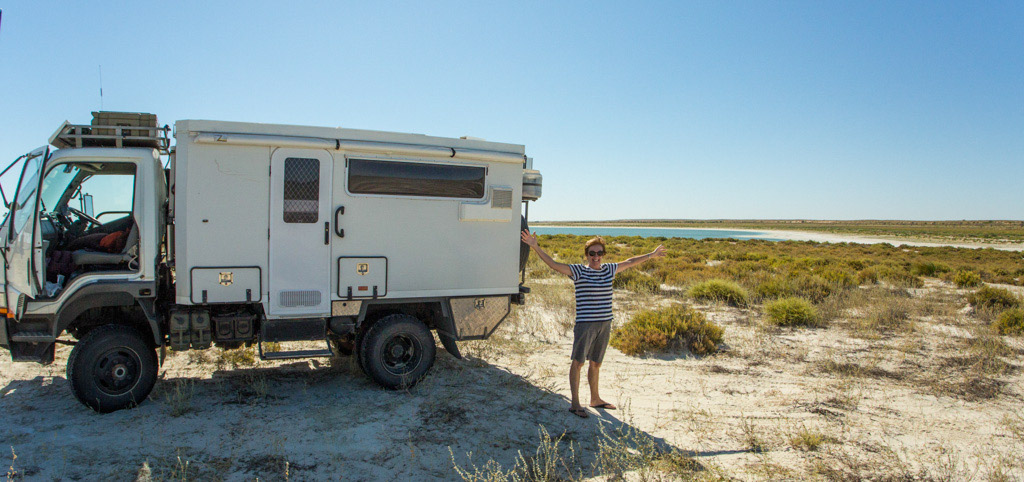
We called in to Etadunna Station and picked up a key and directions to one of the large lakes, already full of water, to the North of lake Eyre.
© John Lovett 2016

A slow trip through the sand dunes finally brought us out at a huge lake filled with water and surrounded by a crust of white salt. A strange sight in the middle of a desert.
 

© John Lovett 2016 © John Lovett 2016

© John Lovett 2016

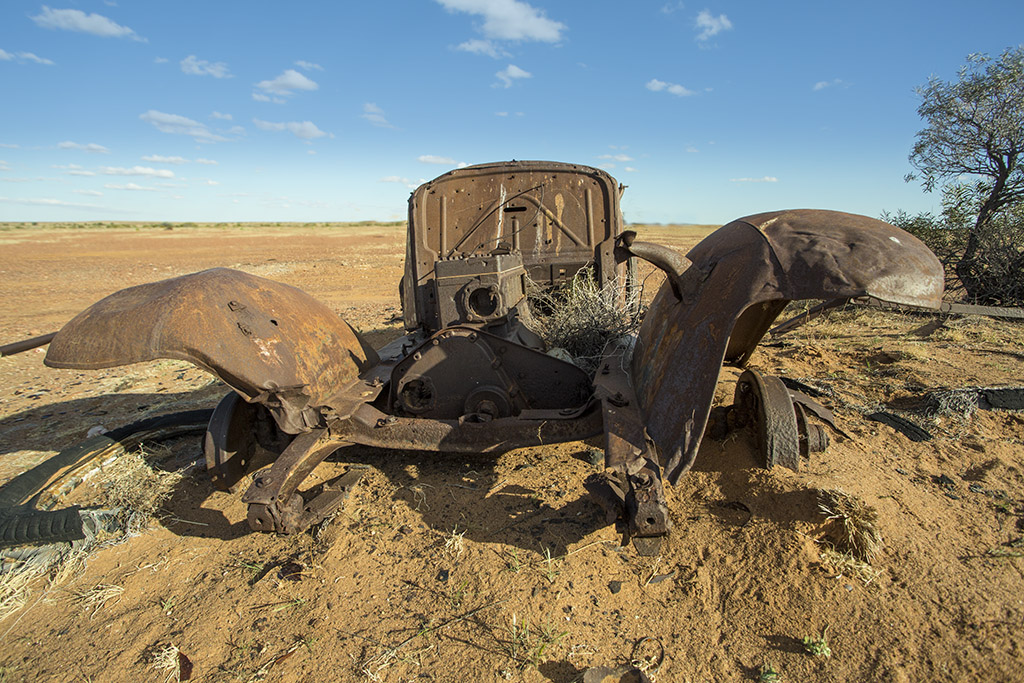
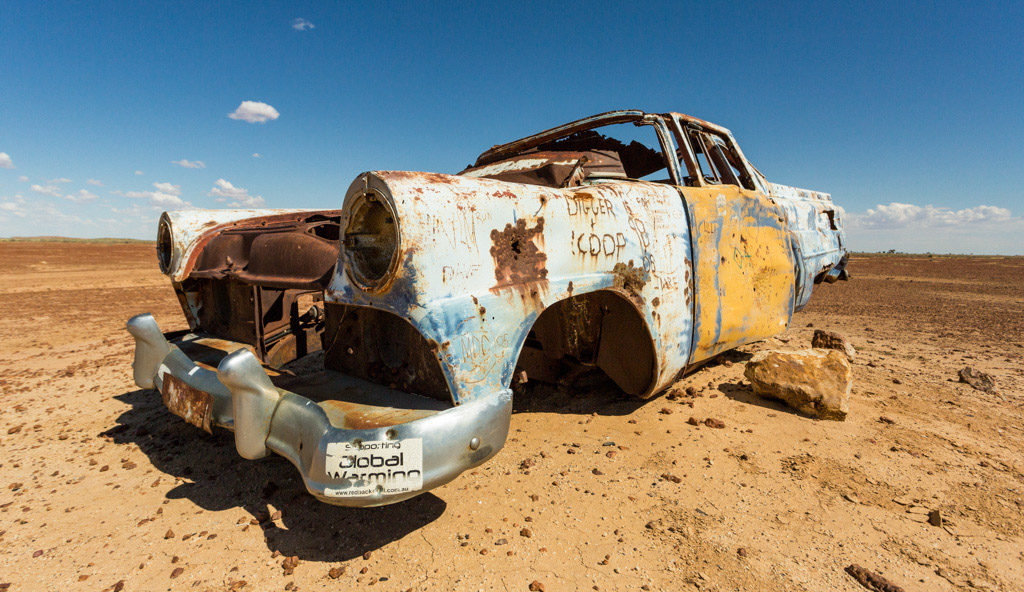
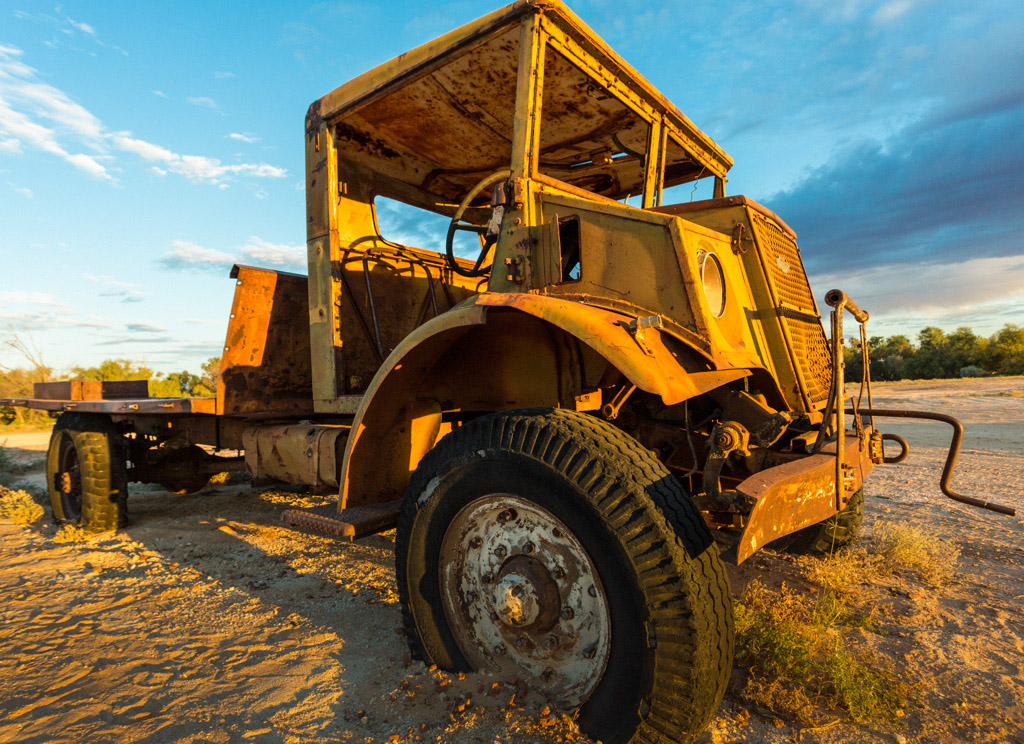
There are some interesting old relics scattered along the Birdsville Track. I’d love to know the stories behind them.

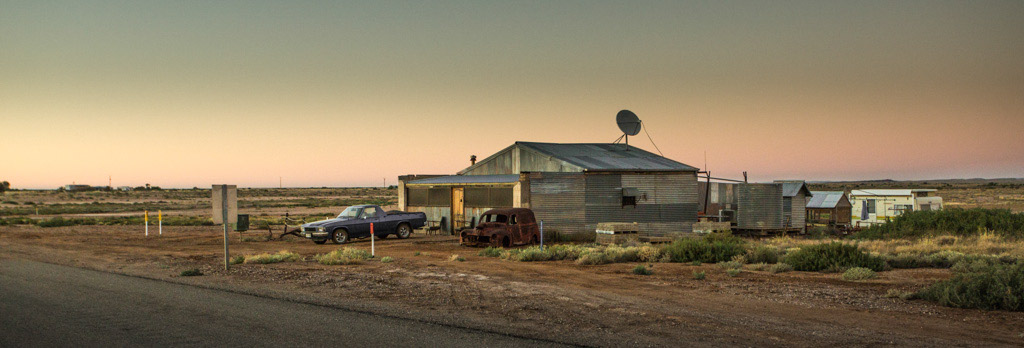
We continued South to Maree – a sleepy little town with a Pub, “Yacht Club” and remnants of the old Ghan Railway Line. Maree marks the southern end of the Birdsville Track and is the best access point to Lake Eyre. We obtained maps and information from the Yacht Club and headed out to see the Lake.
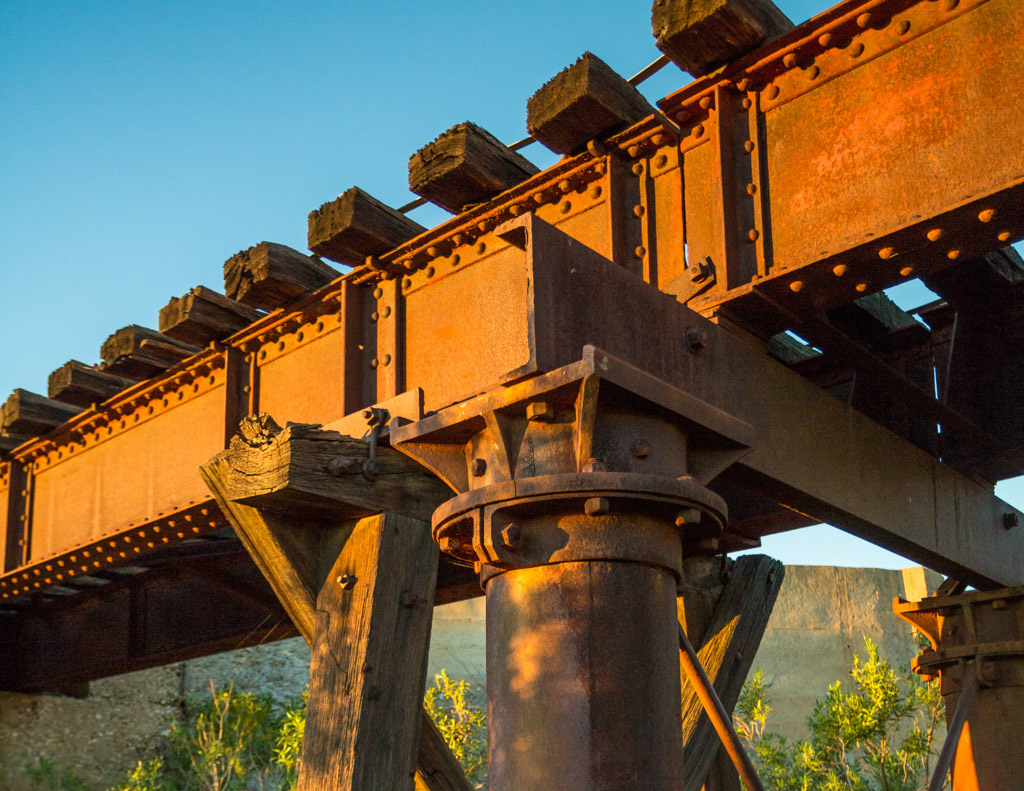
© John Lovett 2016 © John Lovett 2016 Old Ghan Railway Bridge

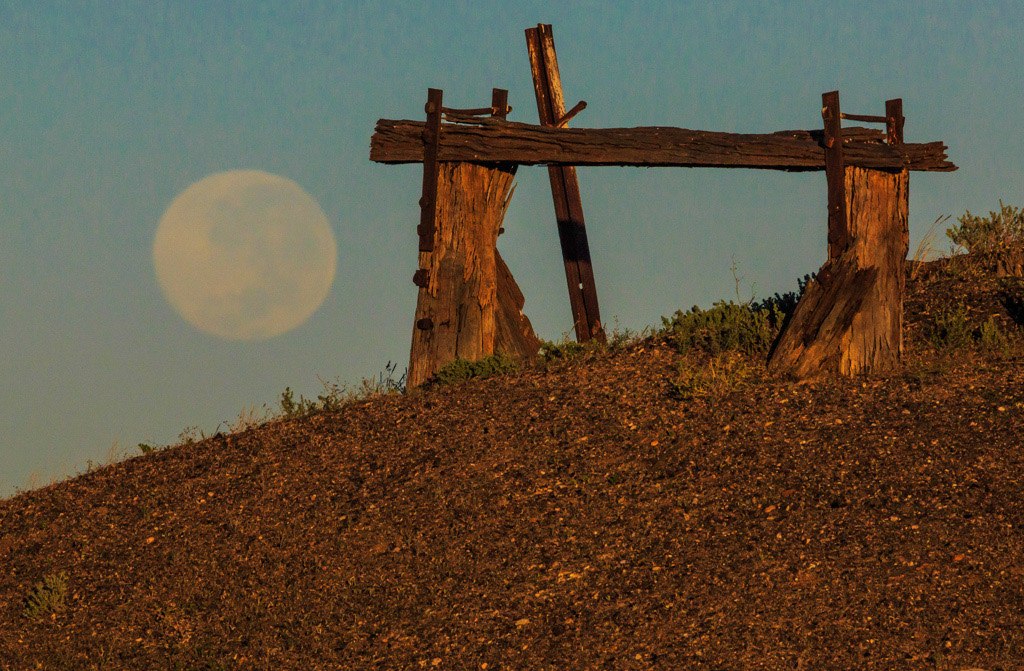
© John Lovett 2016Remnants of a railway siding and full moon.

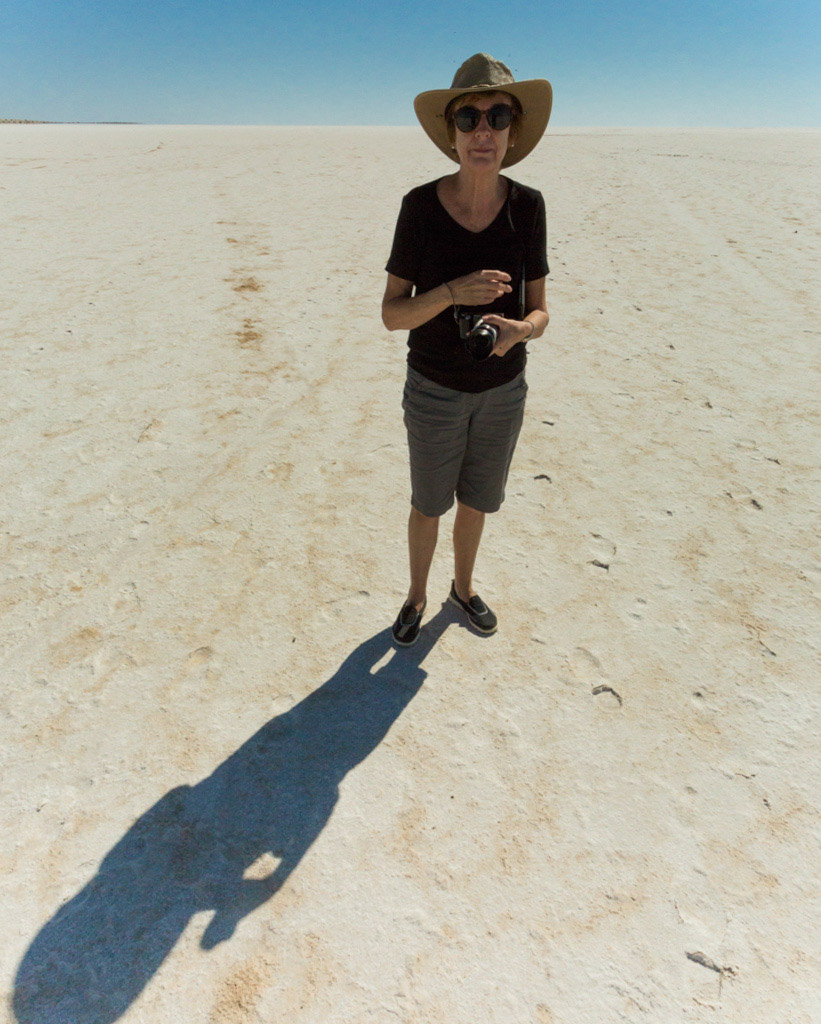
We camped on a waterhole at Muloorina Station and drove out to Lake Eyre South, across the Goyder Channel and on to, a still dry, Lake Eyre North. It’s an amazing sight to see a brilliant white salt pan disappear over the horizon. As you walk out into the lake the sand dunes begin to disappear and all you can see is blue sky and white salt.
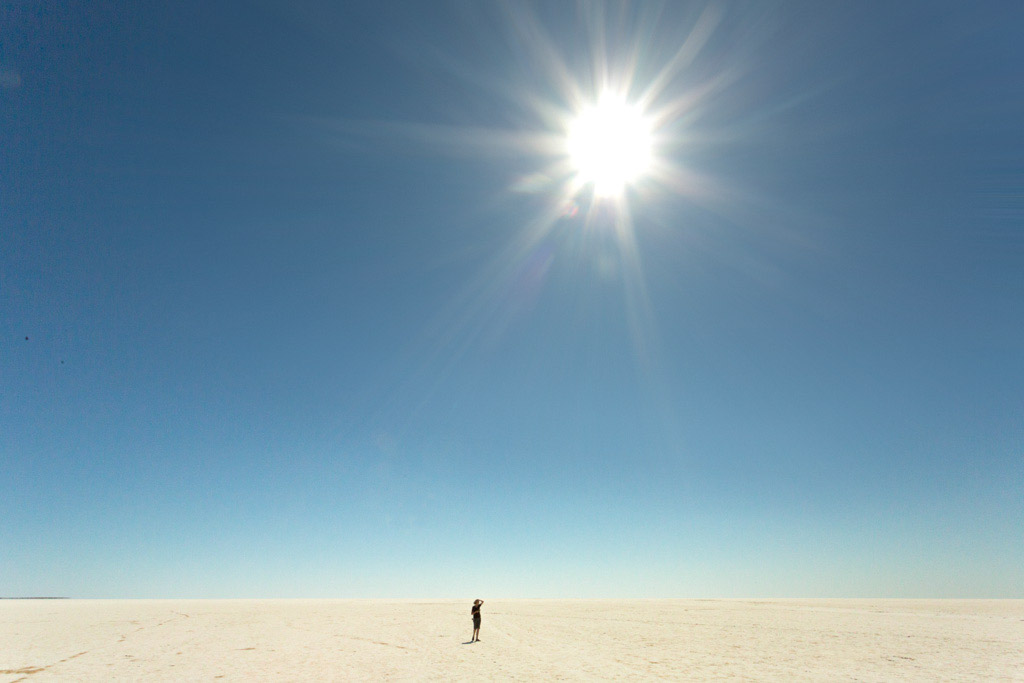
© John Lovett 2016 © John Lovett 2016

© John Lovett 2016

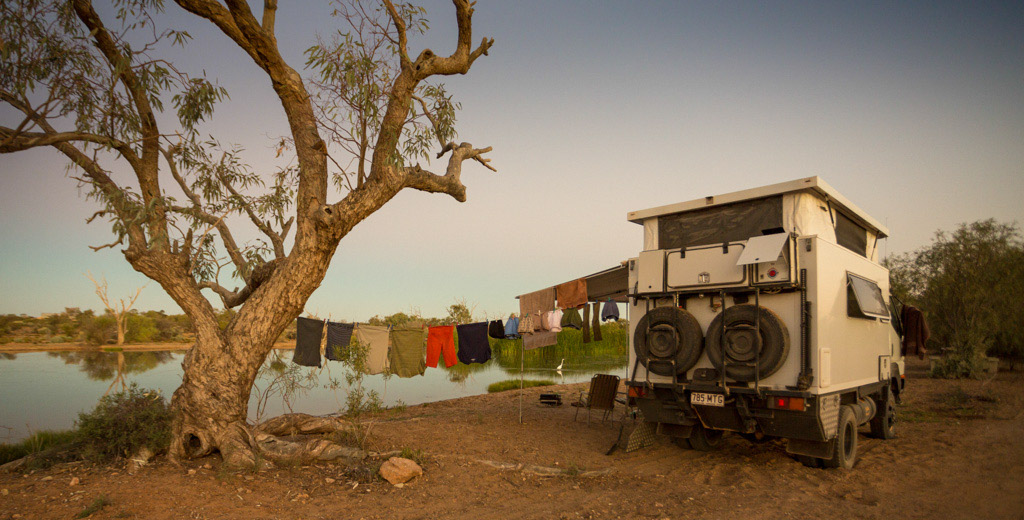
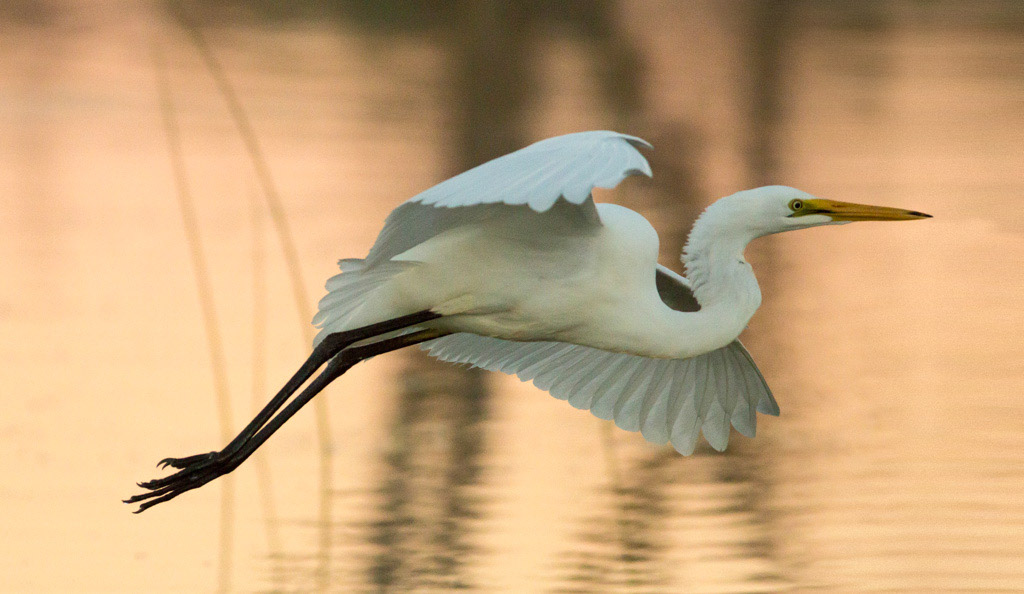
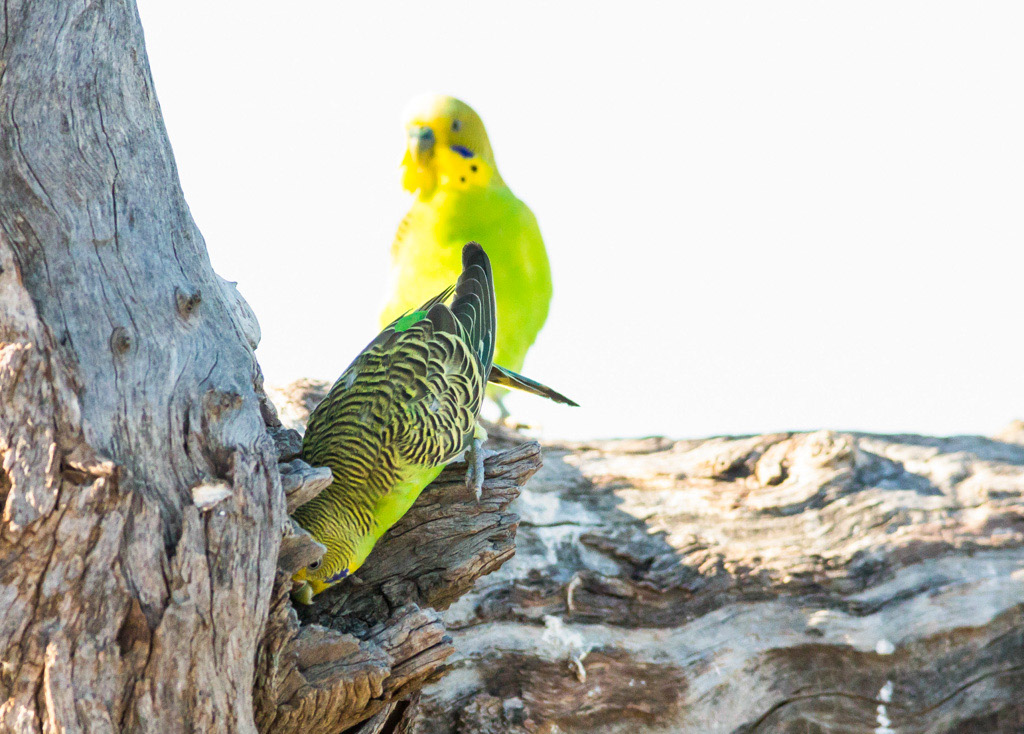
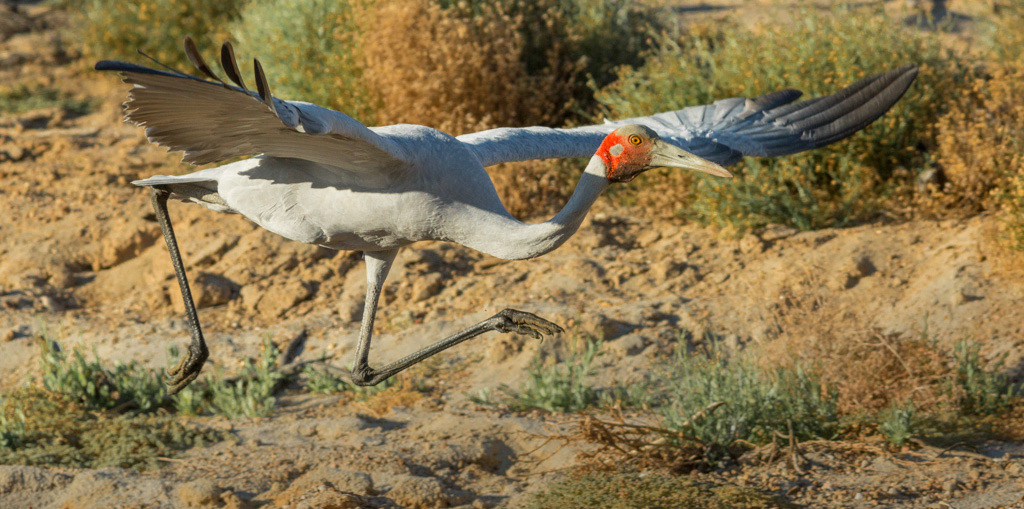
A couple of days at Muloorina waterhole gave us a chance to catch up on some washing and photograph some of the birdlife.
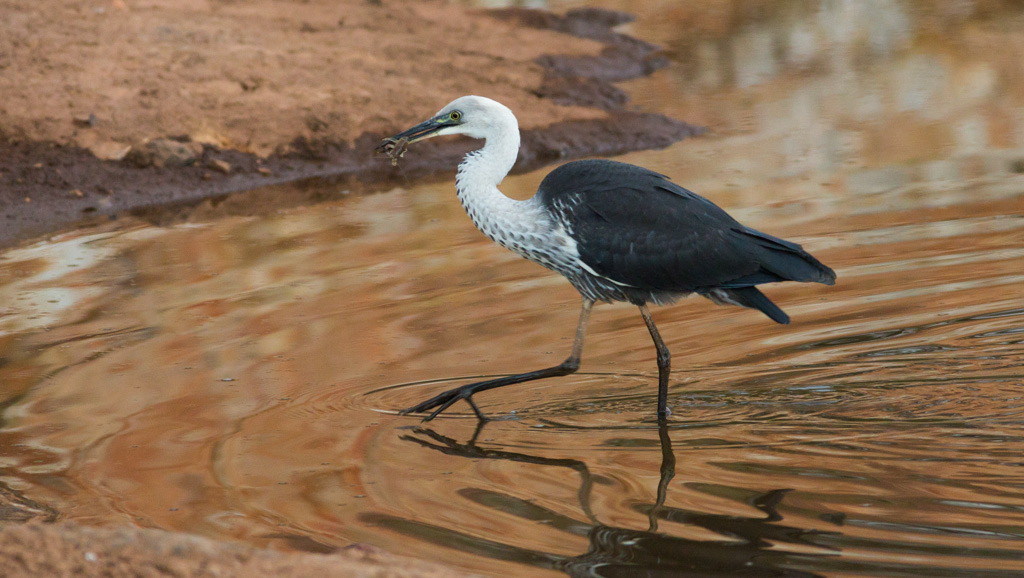
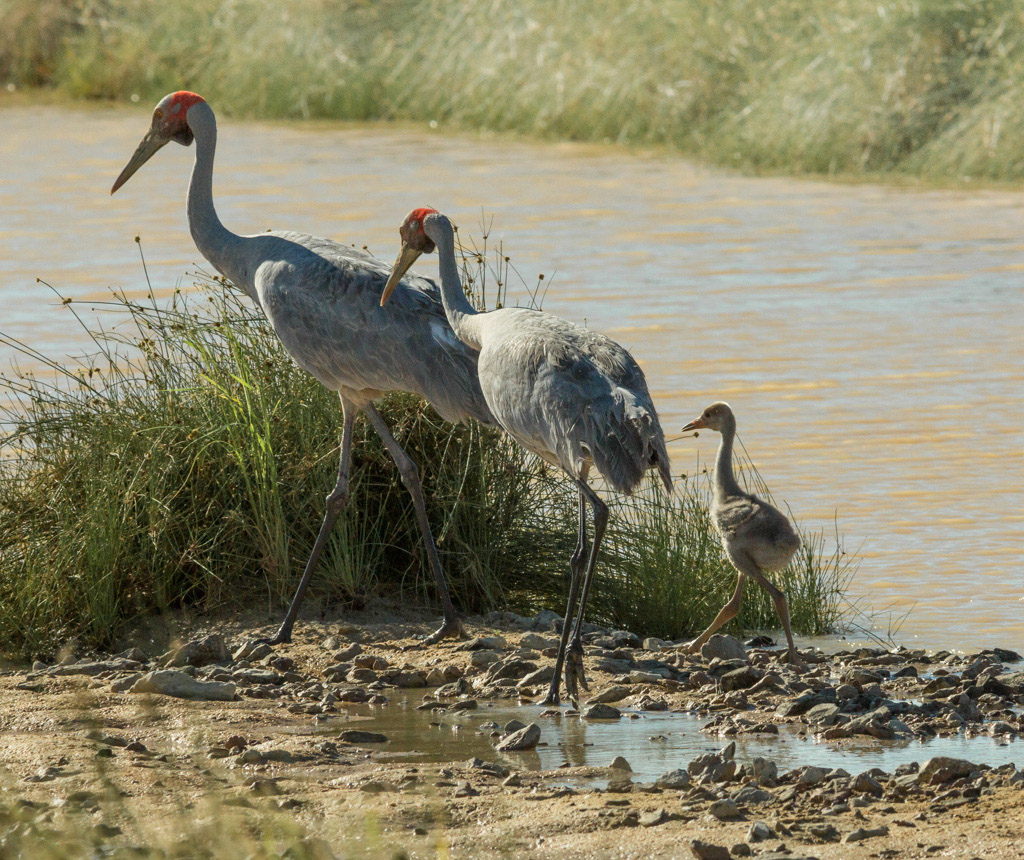
© John Lovett 2016 © John Lovett 2016© John Lovett 2016 © John Lovett 2016© John Lovett 2016 48 © John Lovett 2016 © John Lovett 2016

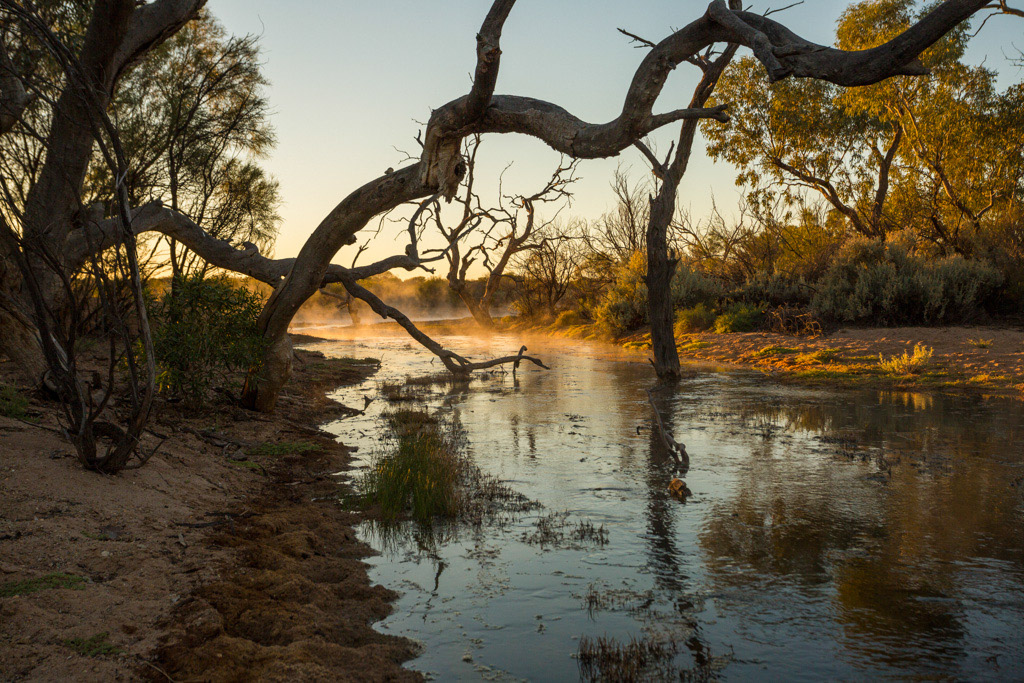
Muloorina waterhole is fed by an artesian bore. Boiling hot water bubbles up and creates a steamy mist early in the morning. By the time it reaches the waterhole it has cooled enough to support fish and yabbies.
SOUTH THROUGH LIMMEN

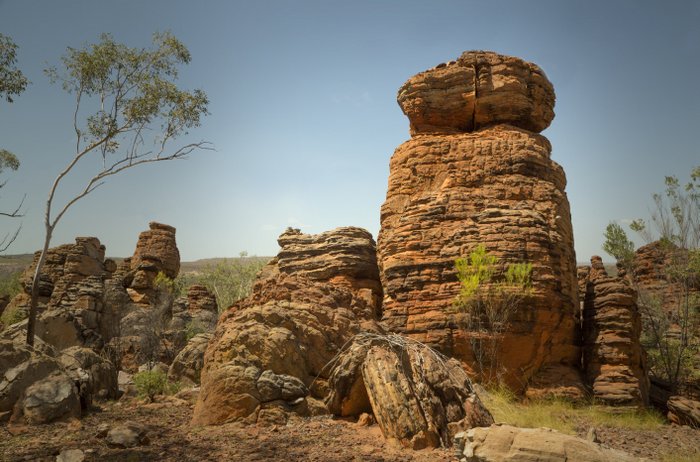
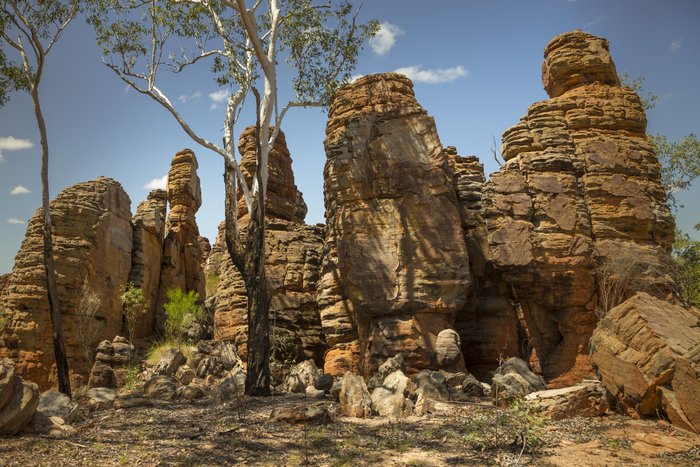
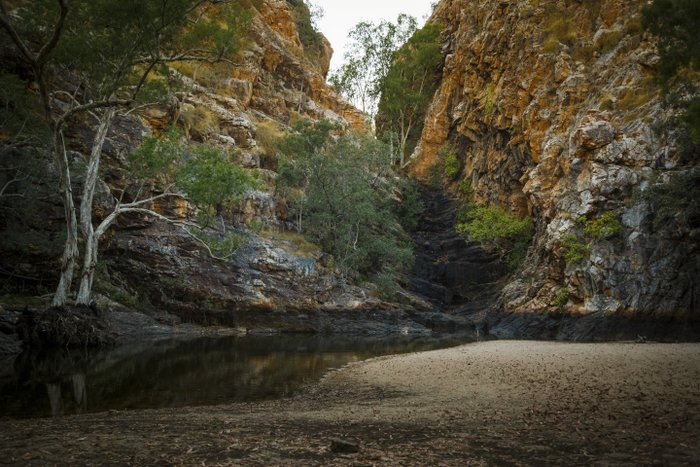
Following the road east from Mataranka out to Roper Bar brings you into the top of Limmen National Park. The Northern region of the park is popular with Barramundi fishermen, but heading south along a badly corrugated road towards Cape Crawford brings you to Butterfly Gorge and a number of areas dotted with strange sandstone formations.   xrNT__2951
Butterfly Gorge (minus waterfall at end of dry season)
xrNT__2978
This little Azure Kingfisher spent a lot of time patiently watching the ever diminishing waterhole for fish.
xrNT__3024
Pillars of sculpted rock.
xrNT__3027
xrNT__3135
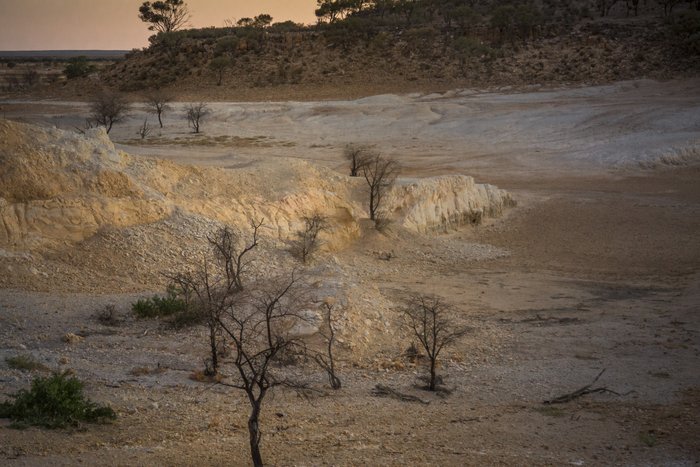
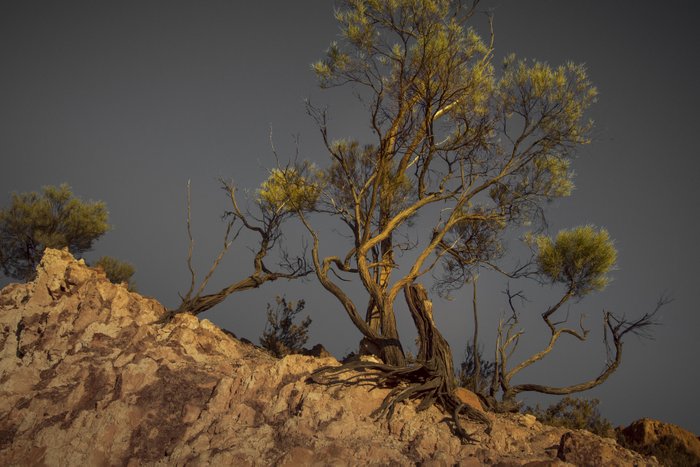
Heading south east, we camped at the Ayrshire Hills. Another spectacularly weathered landscape 70kms out of Winton.
xNT__3166

xNT__0506xrNT__3145 xrNT__3148

xNT__3196

xrNT__3202


xrNT__3174


xrNT__3181 xrNT__3205

ANNECY, FRANCE

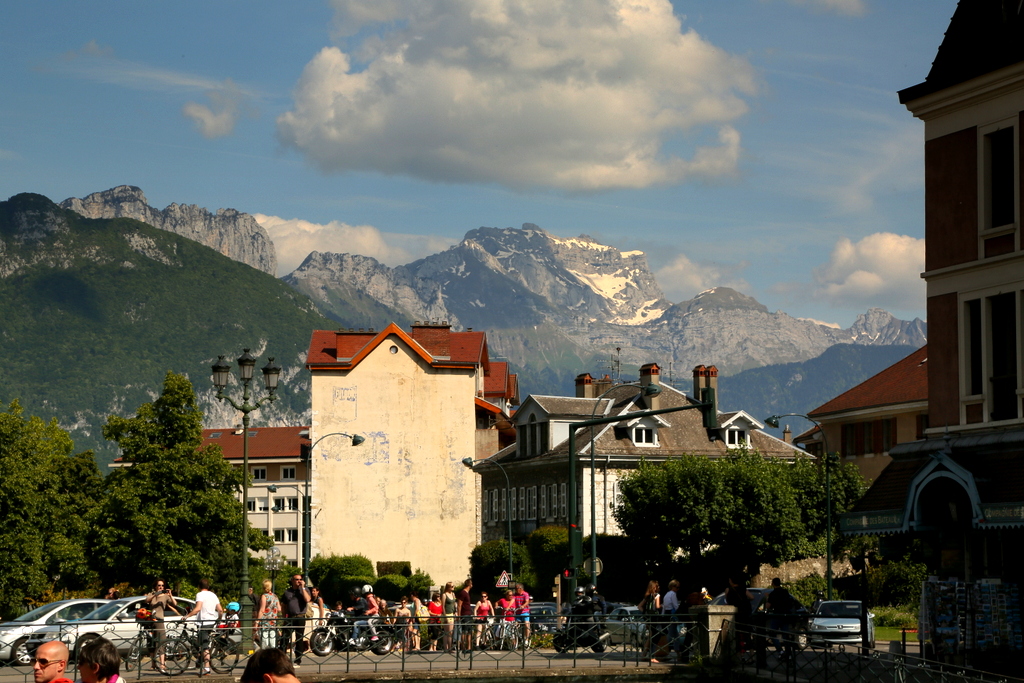
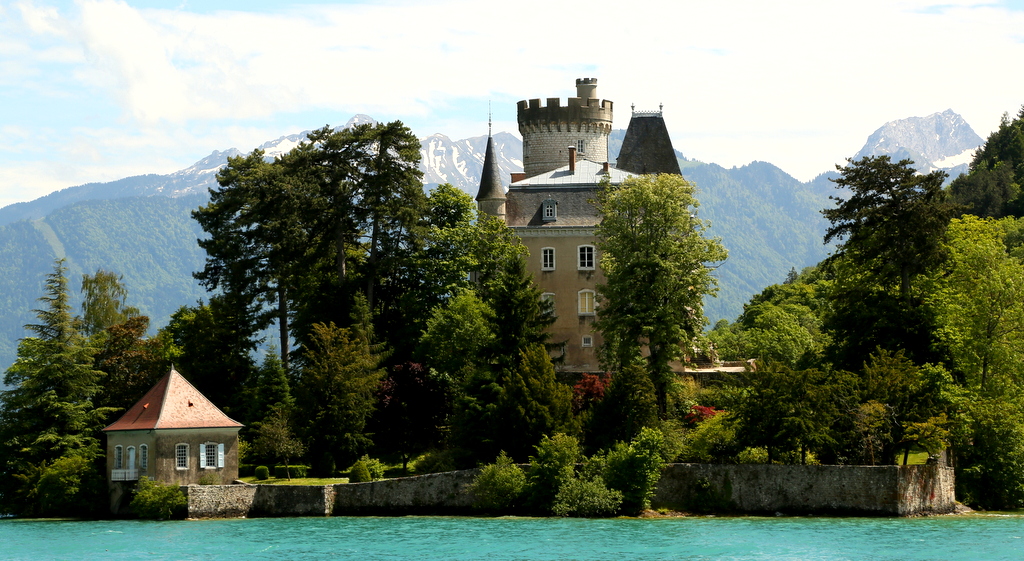
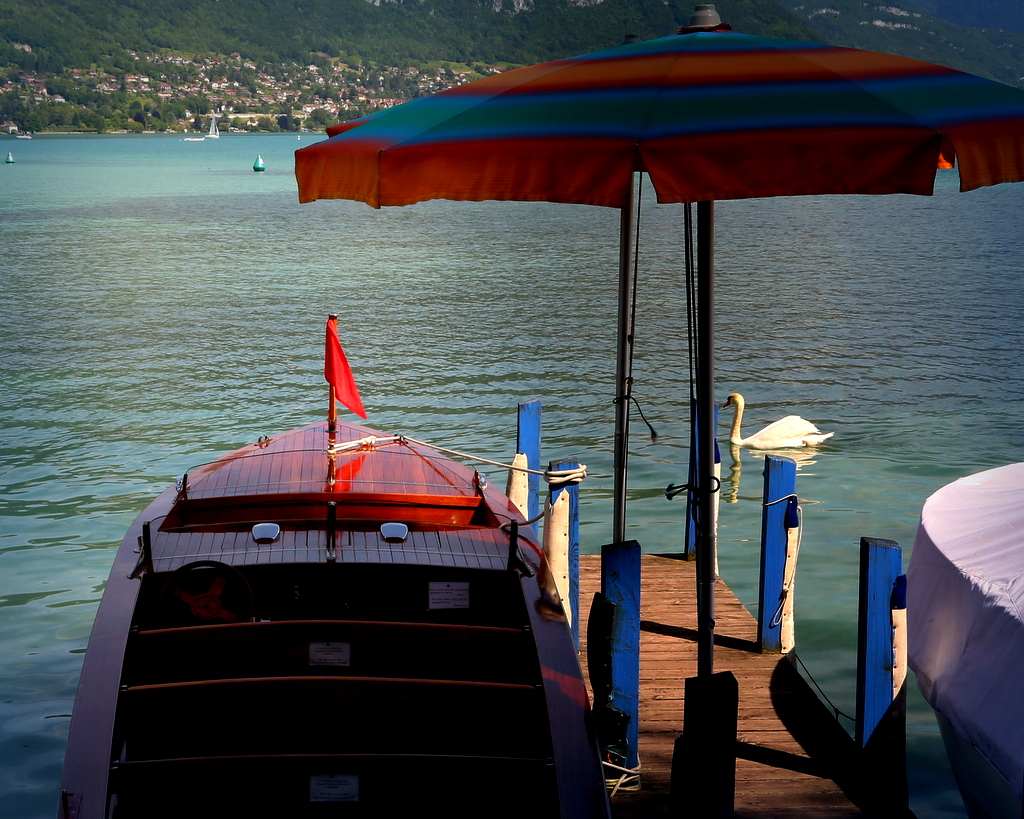
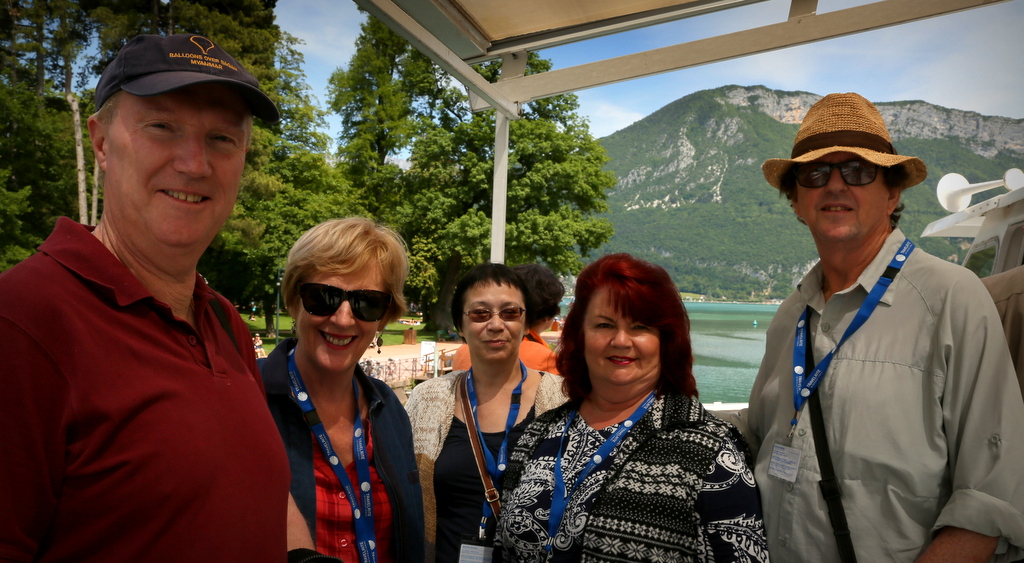
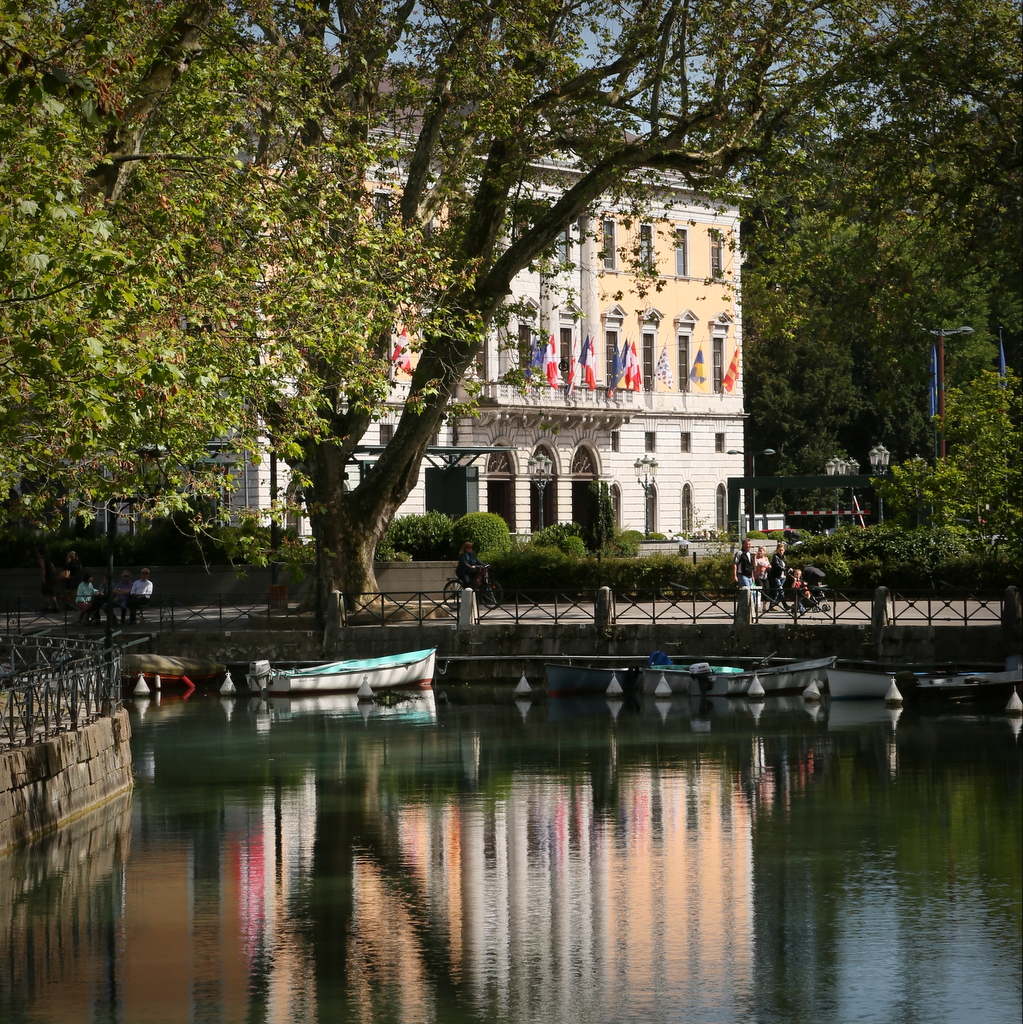
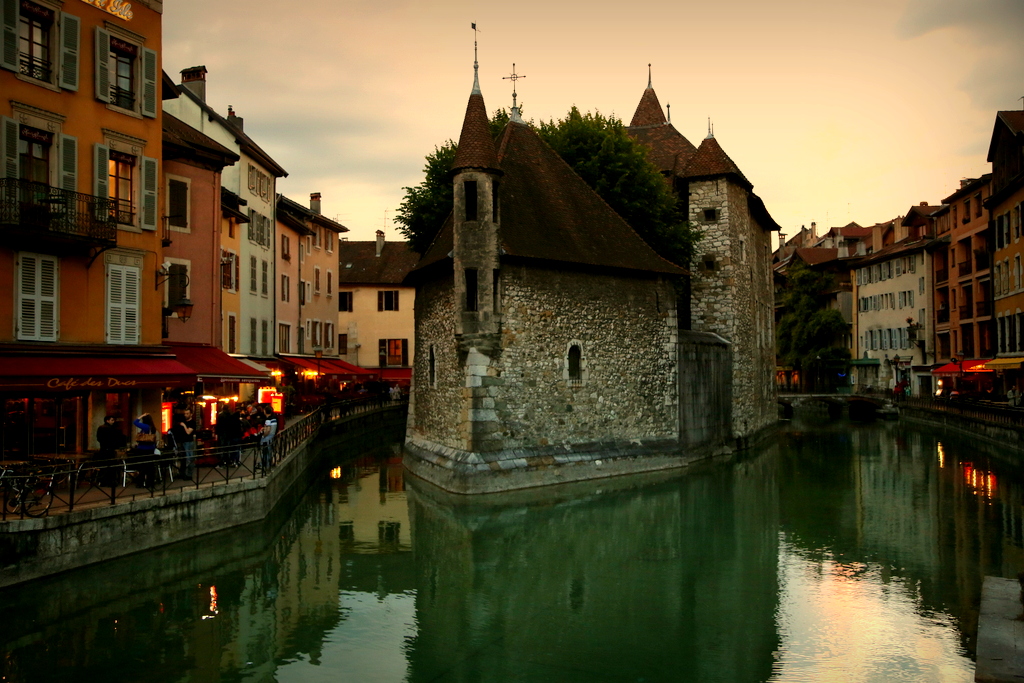
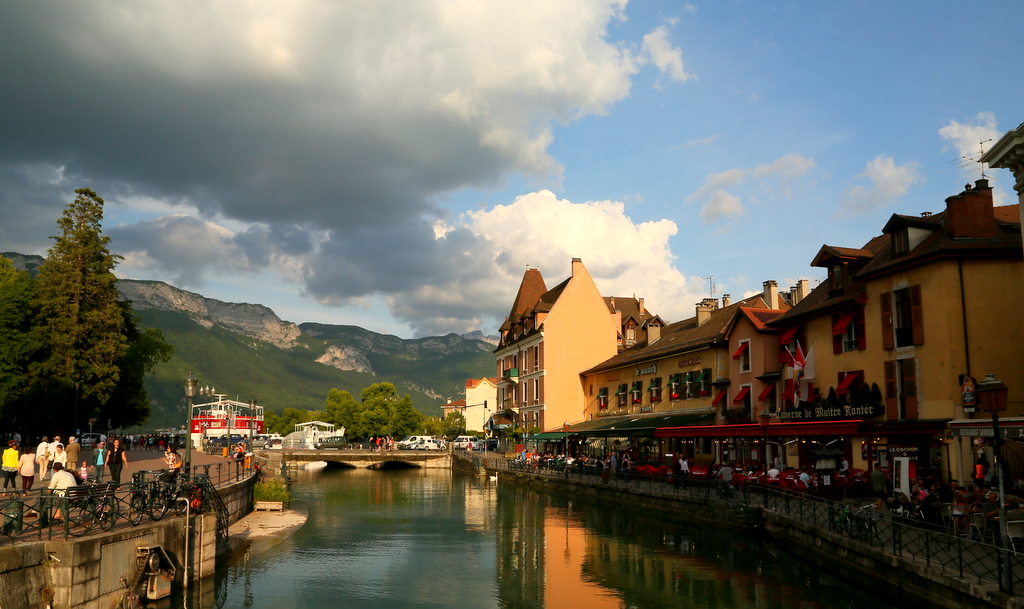
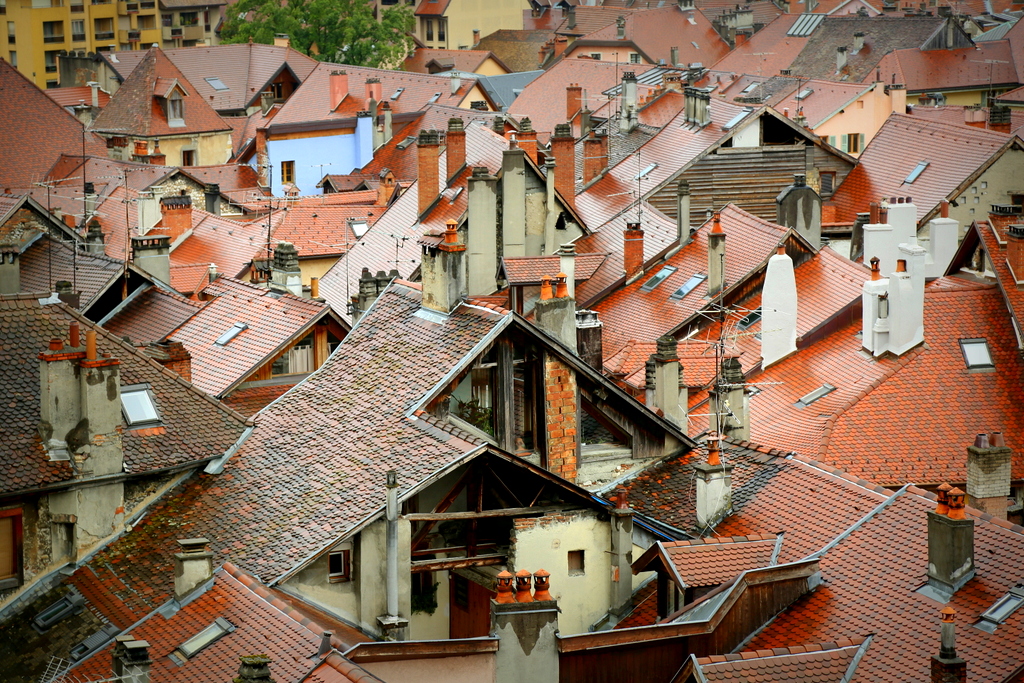
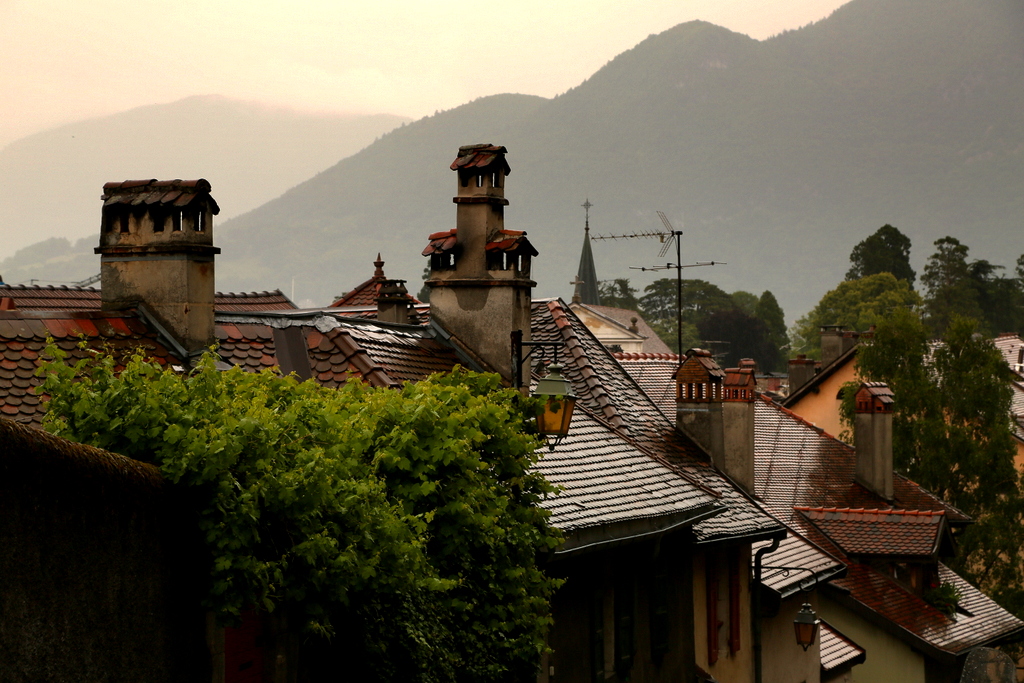
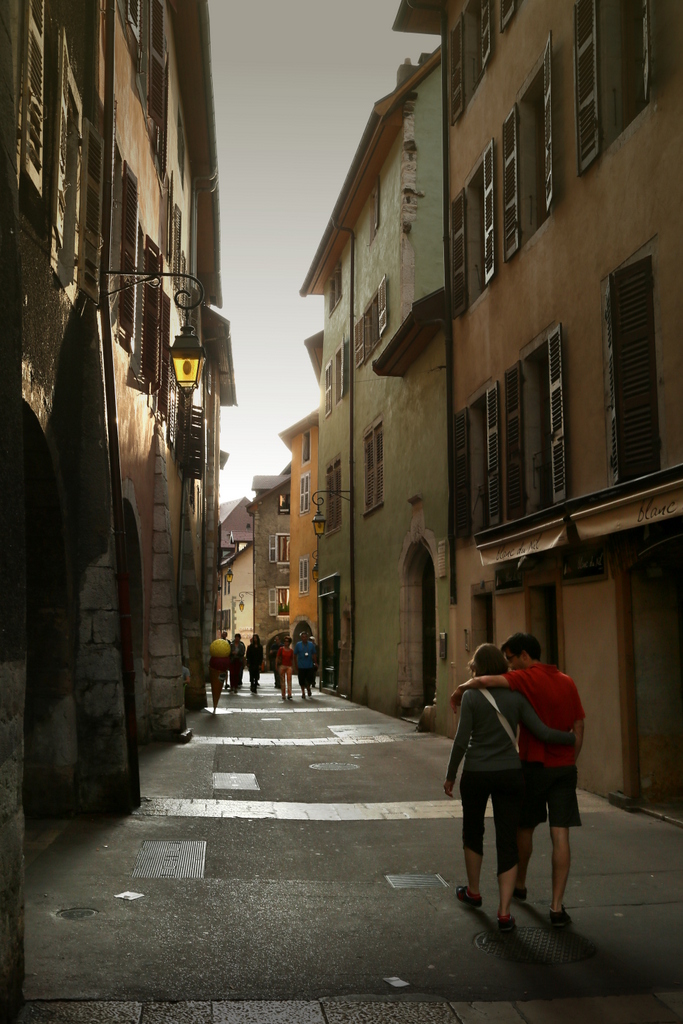
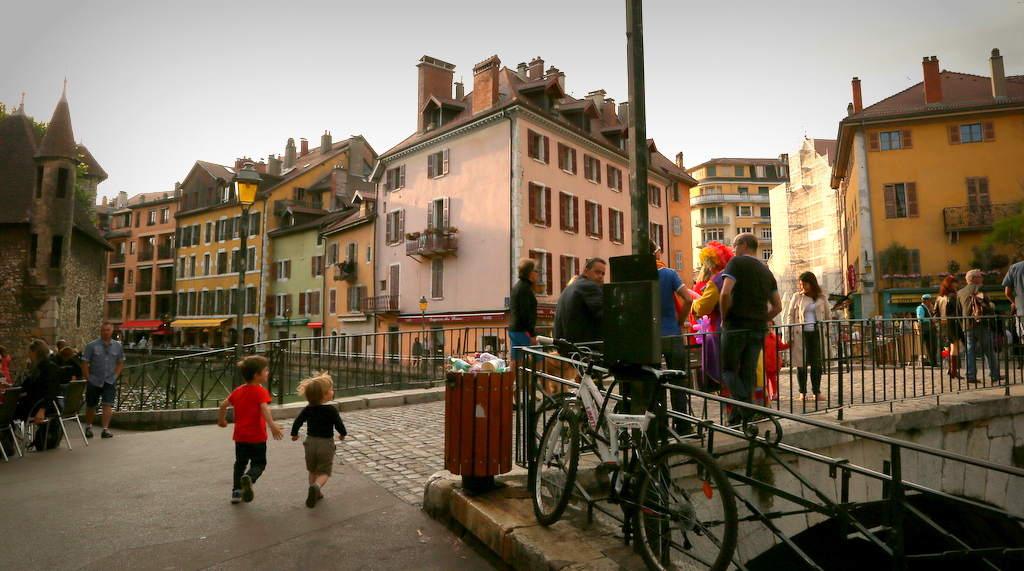
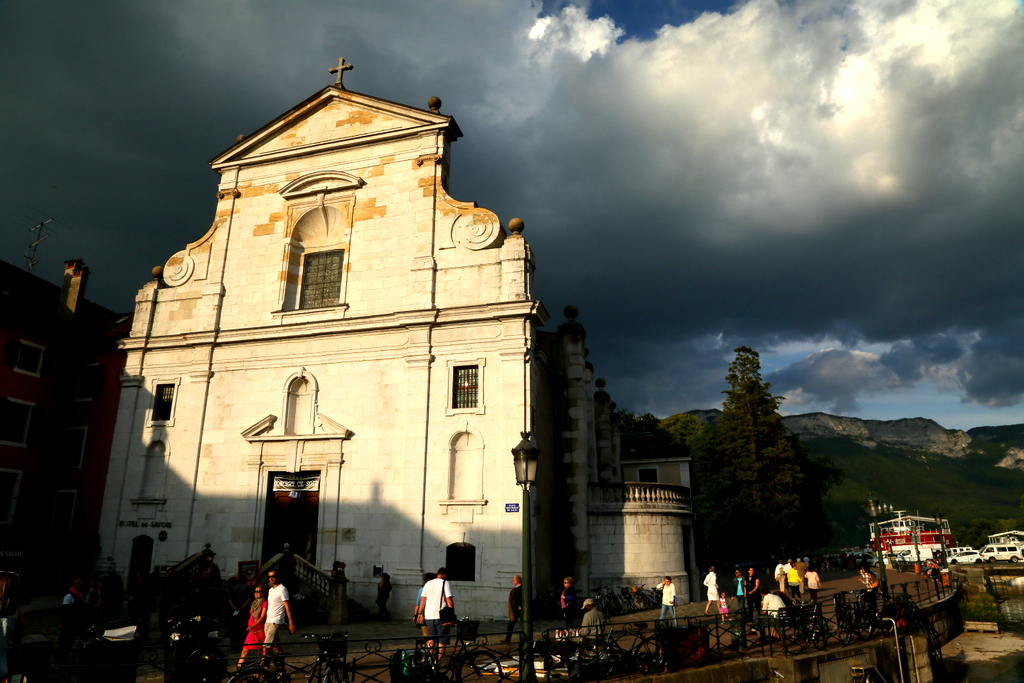
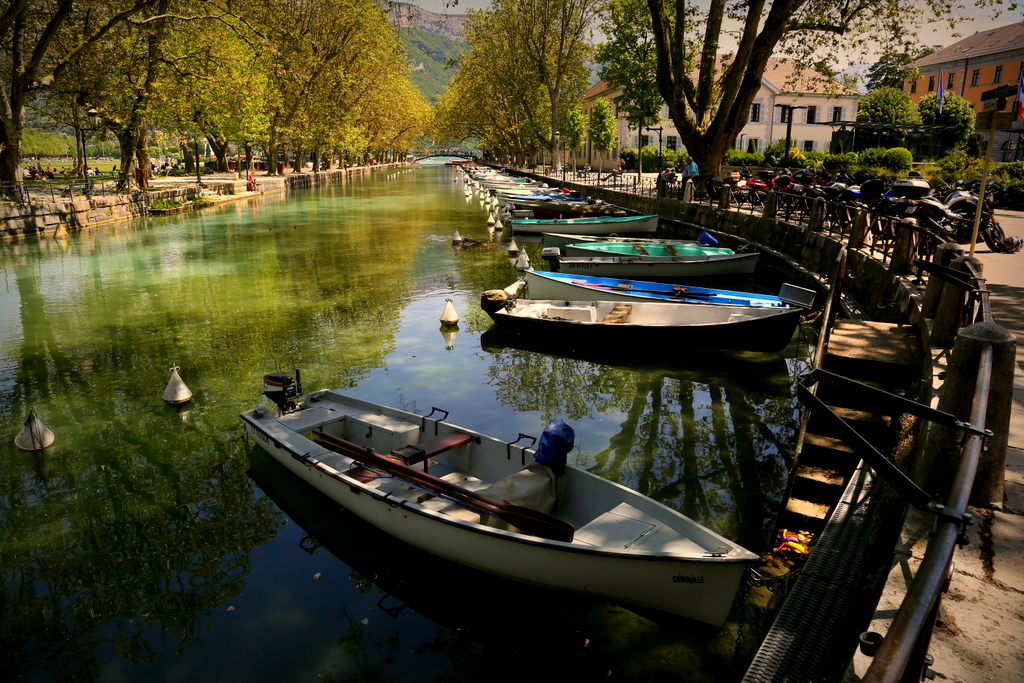
With a couple days up our sleeves before the French Painting Workshop started, we had time to get our bearings and explore the lake and old town of Annecy. The town is just over the Swiss border and sits on a a series of canals that run out of a beautiful, spring fed lake. The town and lake are surrounded by the spectacular French Alps, so that postcard feeling of alpine bliss is everywhere.


FRAN1354

FRAN1614

FRAN1632

FRAN1563


FRAN1643

FRAN1416

FRAN1376

DSC06811Two small Painting Inspectors watch with a critical eye.

DSC06879

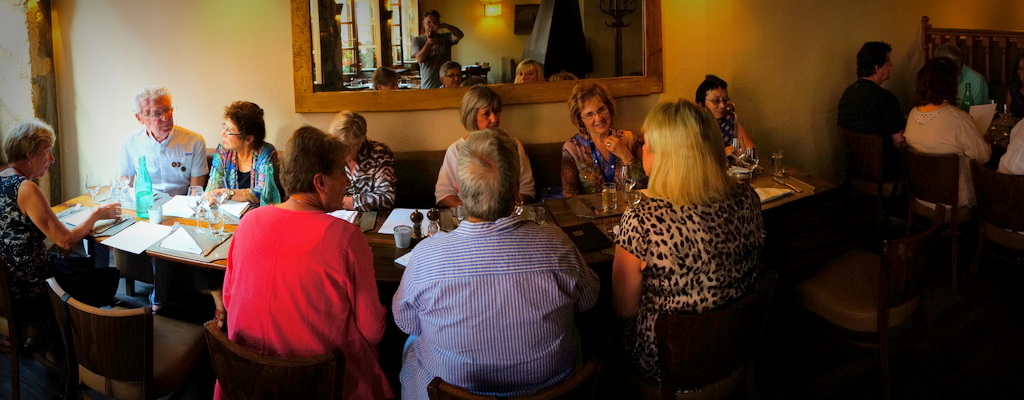
There is very little the French wont eat. We enjoyed snails, frogs legs and a selection of various internal organs transformed into mouth watering delicacies in this little restaurant.

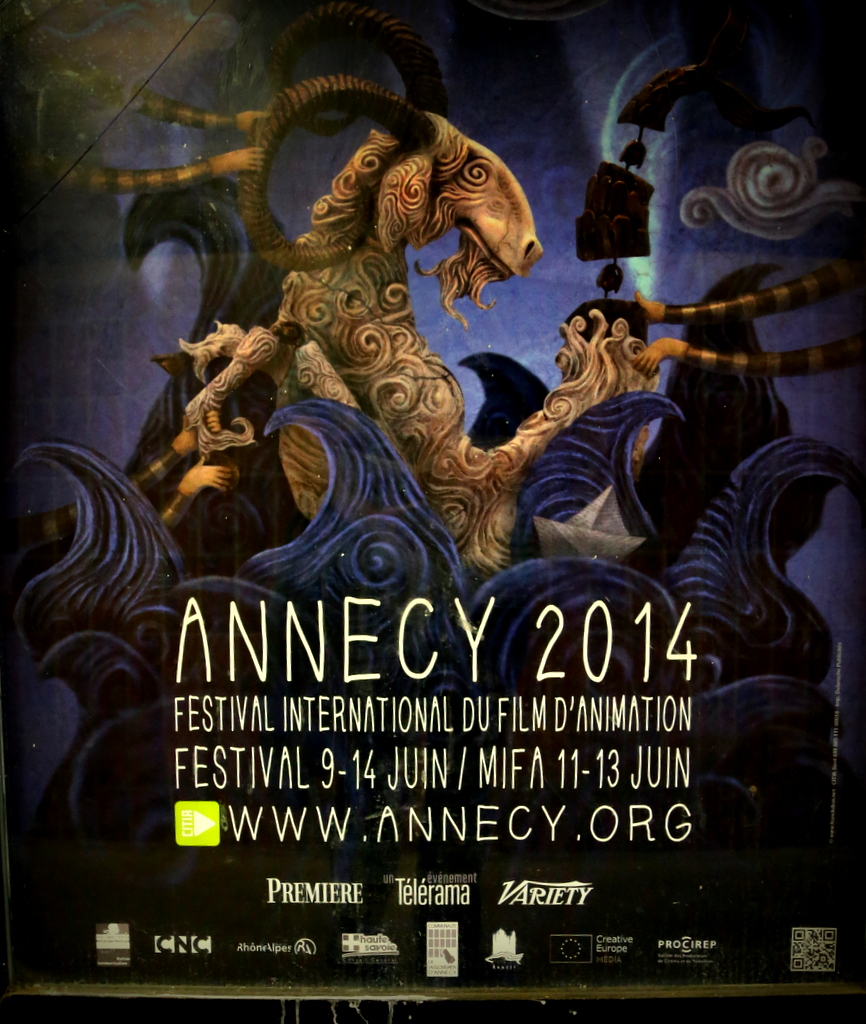
FRAN1644Annecy hosted the International Animation Festival while we were there.

DSC06881

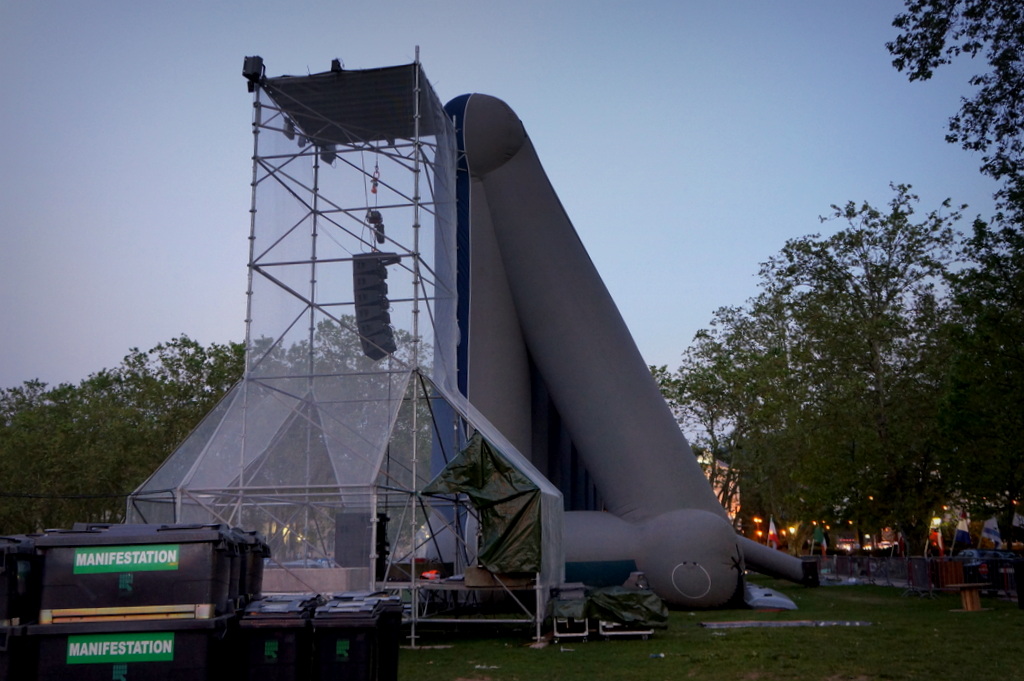
This giant inflatable screen and elaborate sound system provided a lake side outdoor venue for the festival.

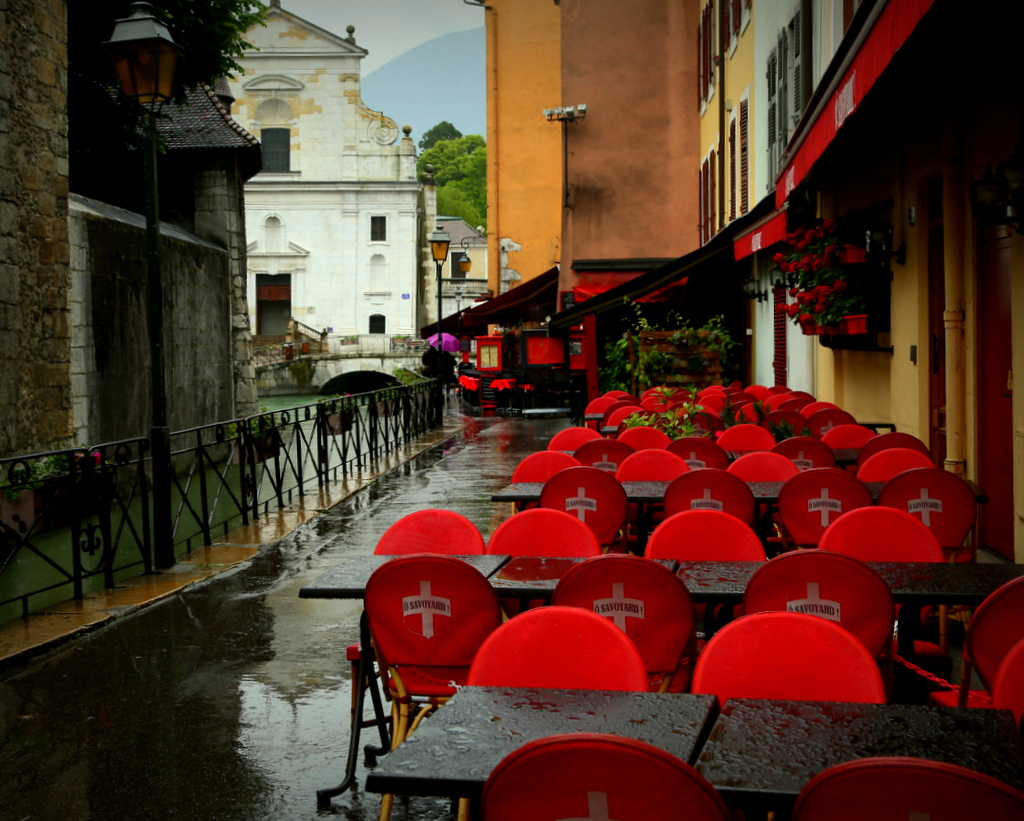
FRAN1512Red chairs in the rain.

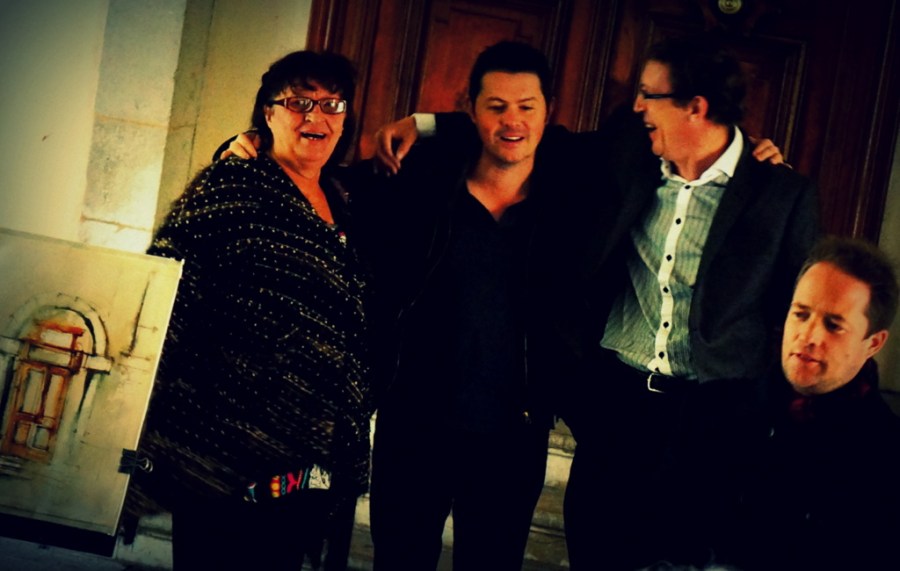
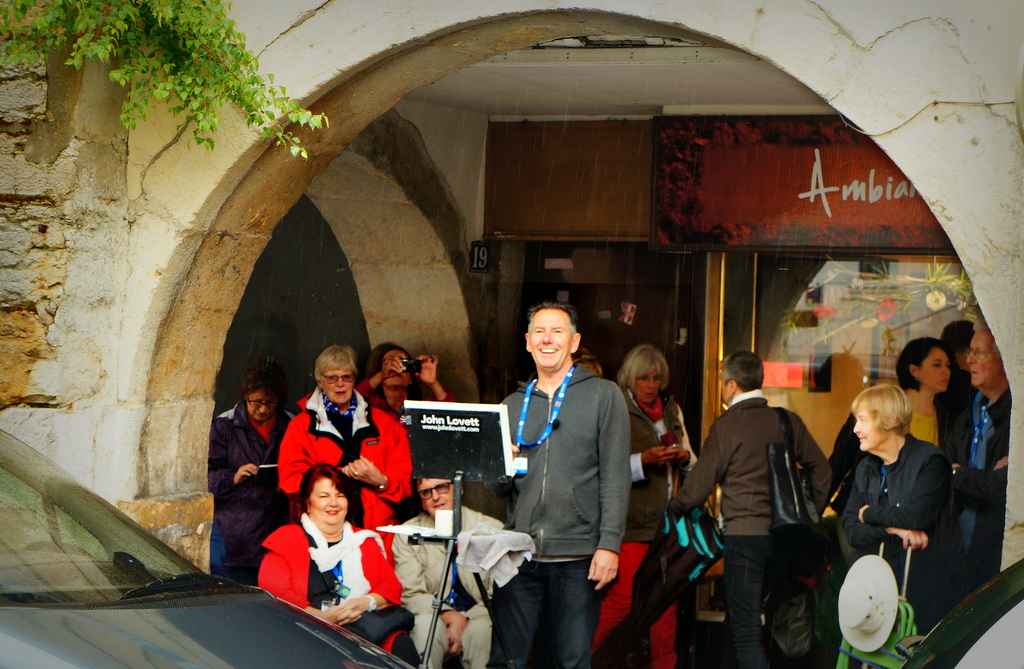
DSC06668Lecturers from the Annecy Conservatorium pose for us as we paint the ancient entry door.
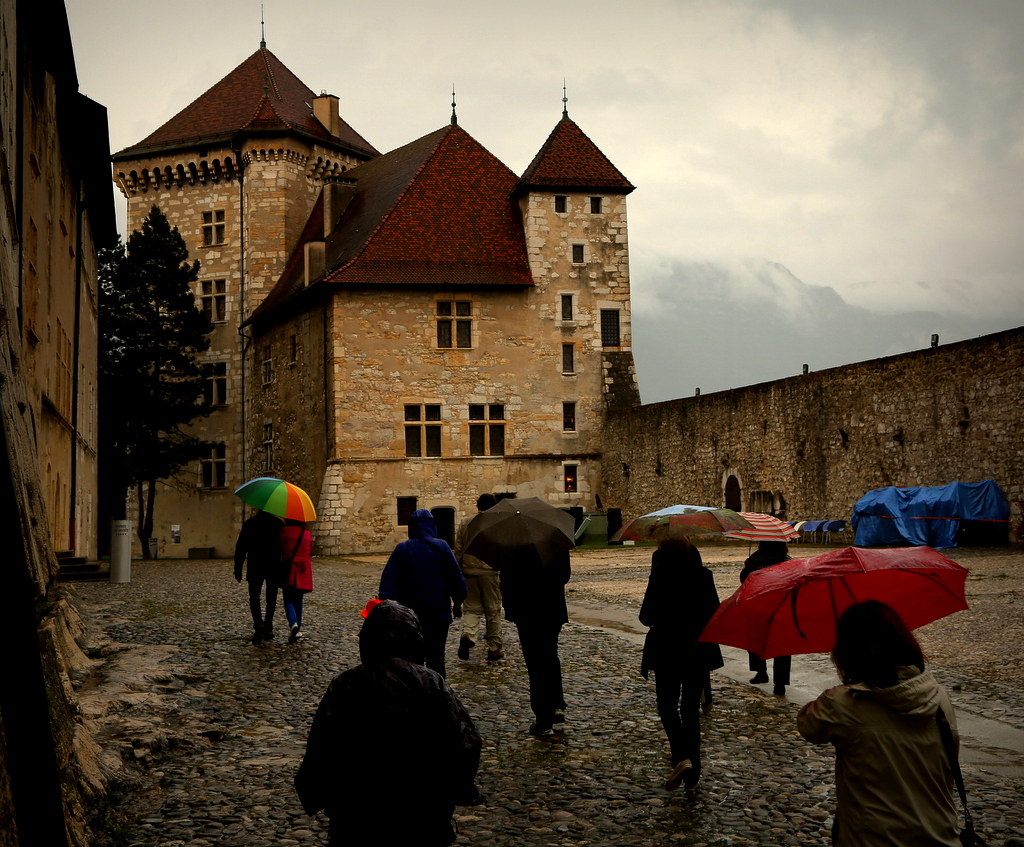
FRAN1531We had rain on the first day of the workshop then, fortunately,  fine weather for the remainder

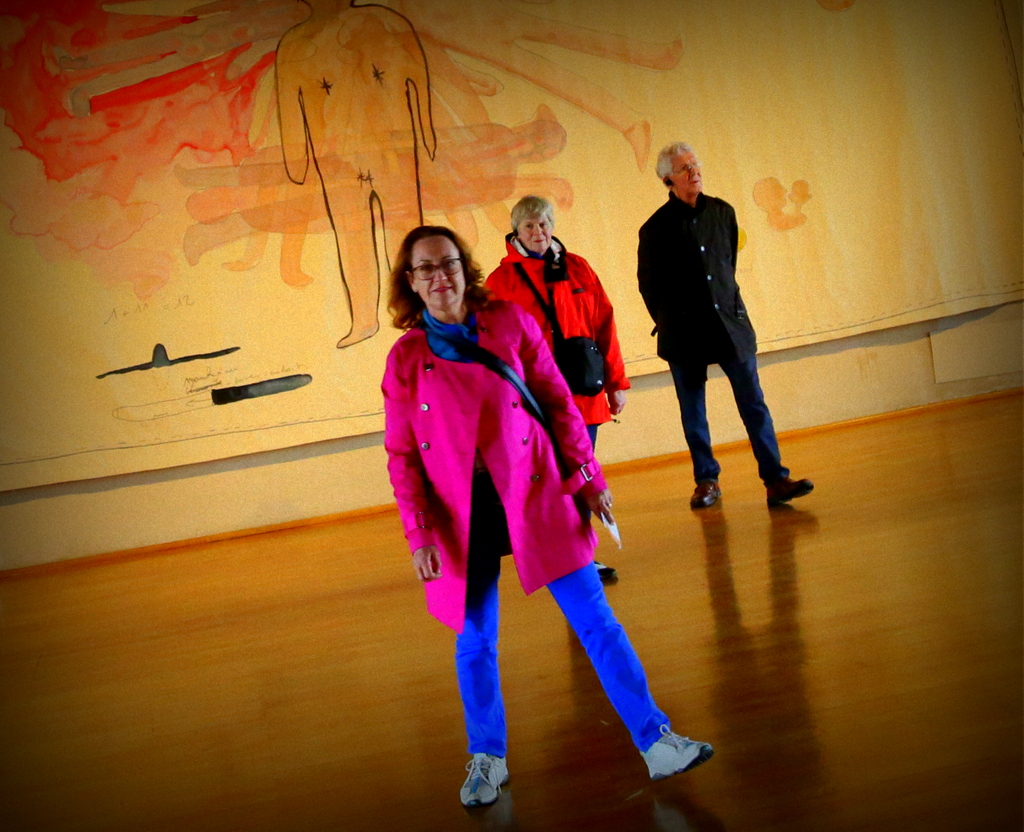
FRAN1533Annecy public gallery in the old castle.(Noreen dancing sideways)

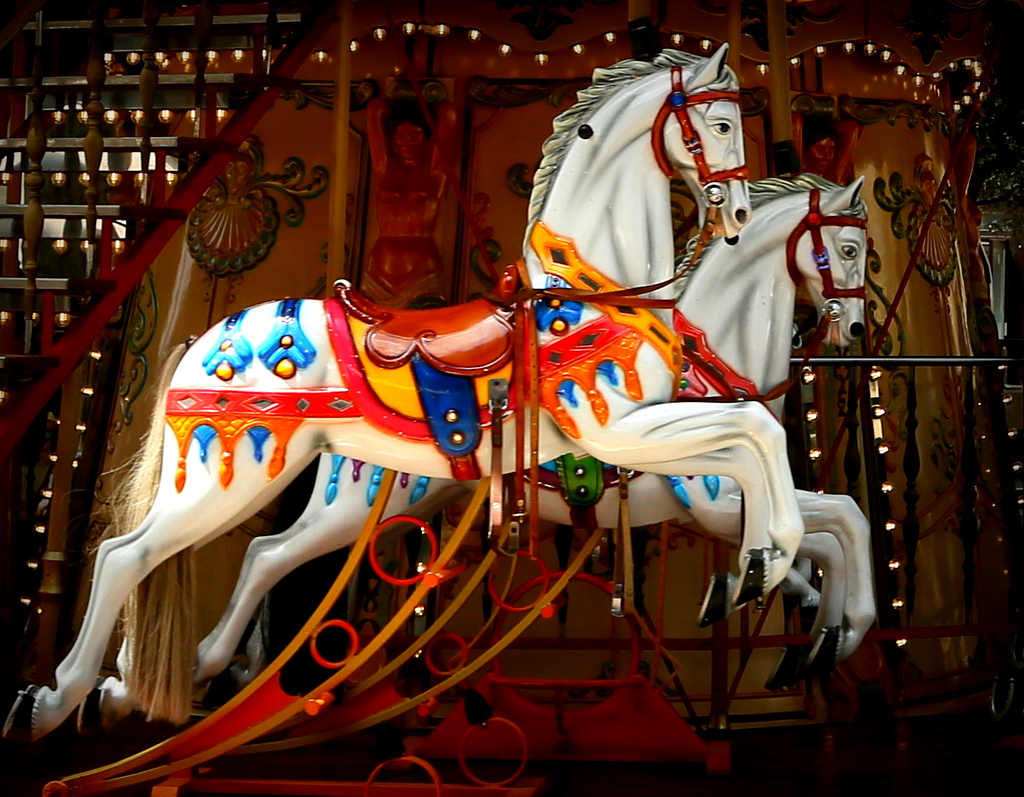
FRAN1688Wild wooden horses

FRAN1652     Border confusion.FRAN1560

FRAN1549

FRAN1526

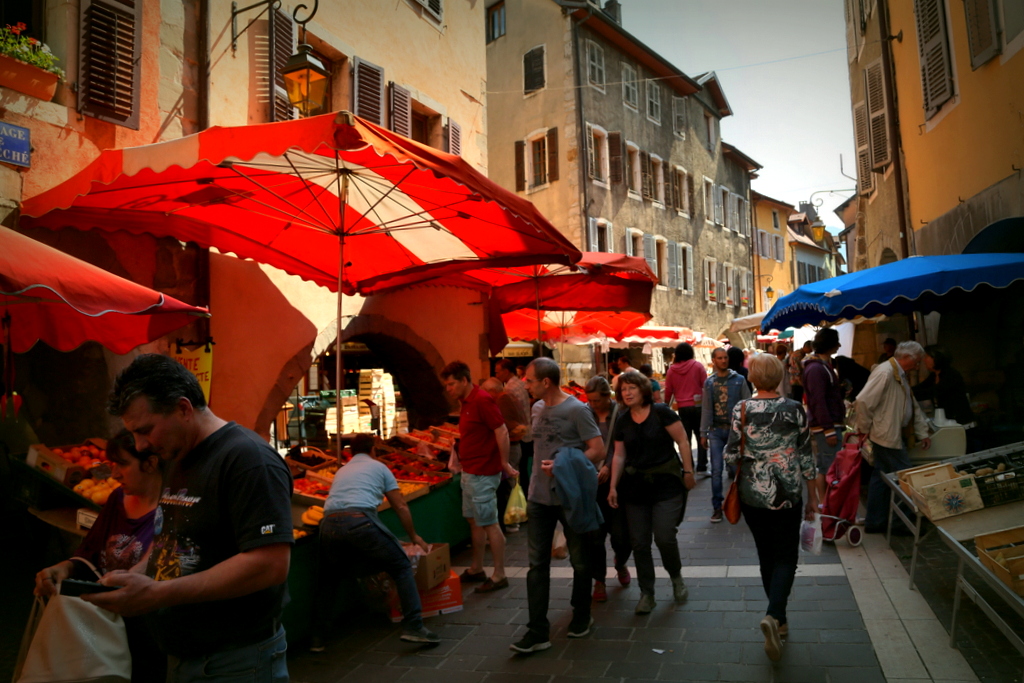
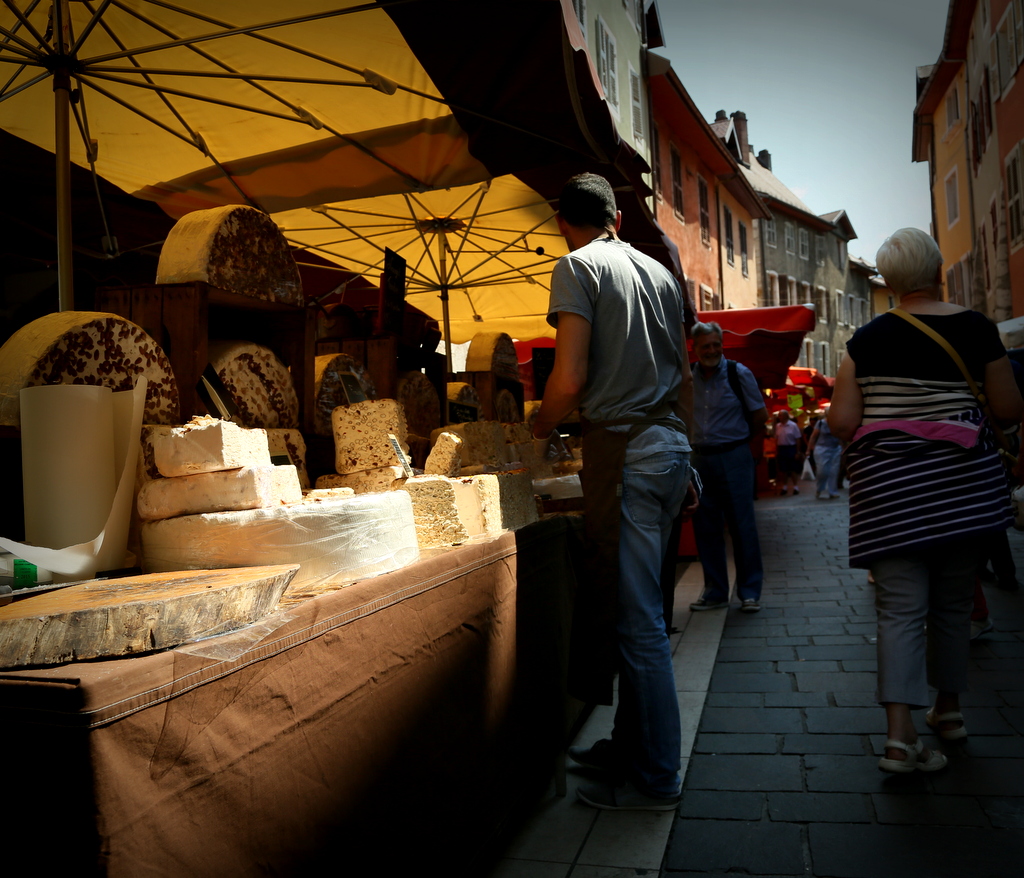
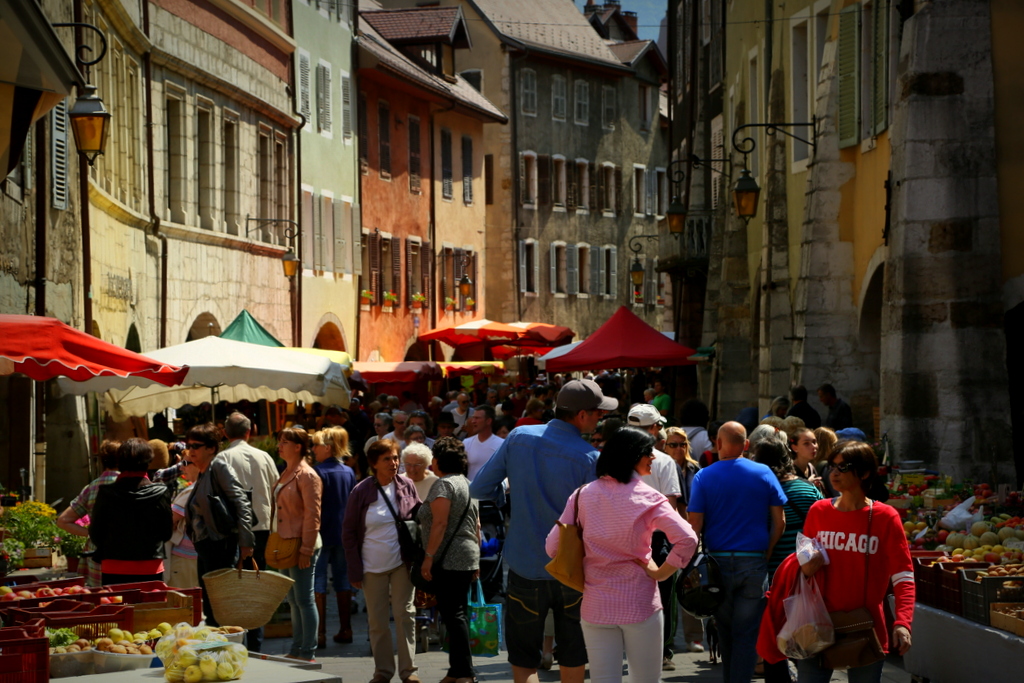
FRAN1485Produce Markets keep the town busy three days a week.

FRAN1480 Fromage

FRAN1472

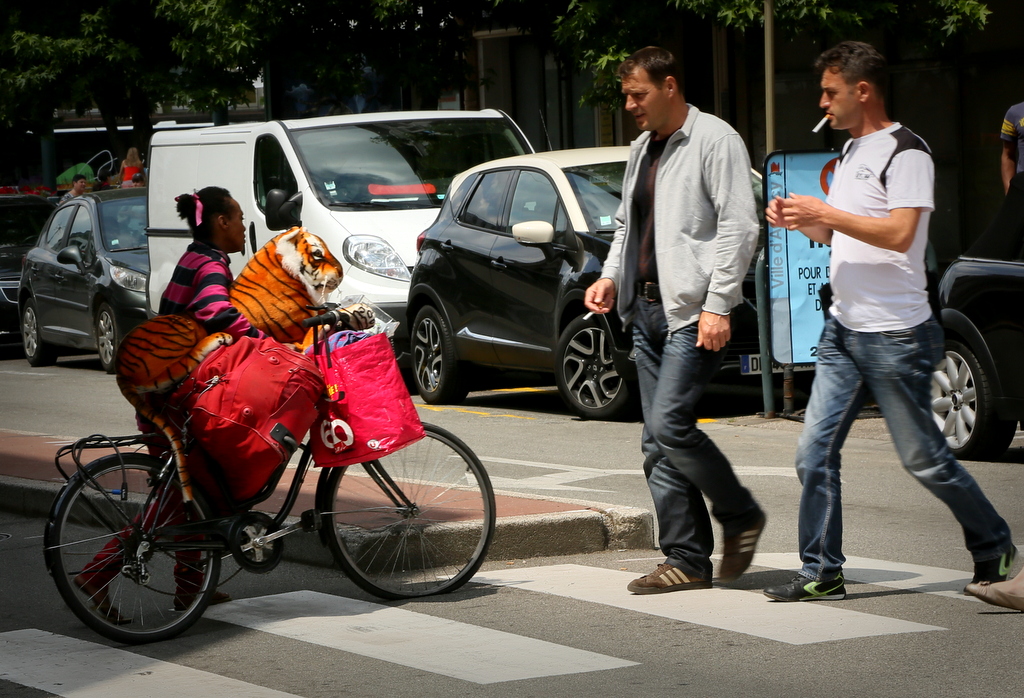
FRAN1428Tiger riding bike

FRAN1402x

FRAN1390

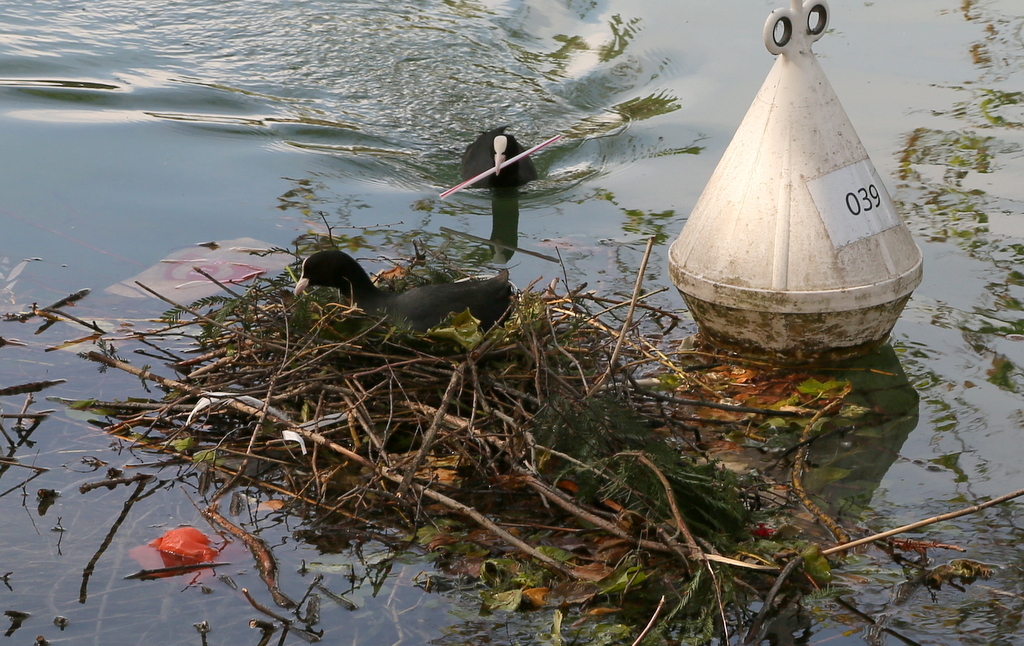
FRAN1377  FRAN1370Straw to line the nest.

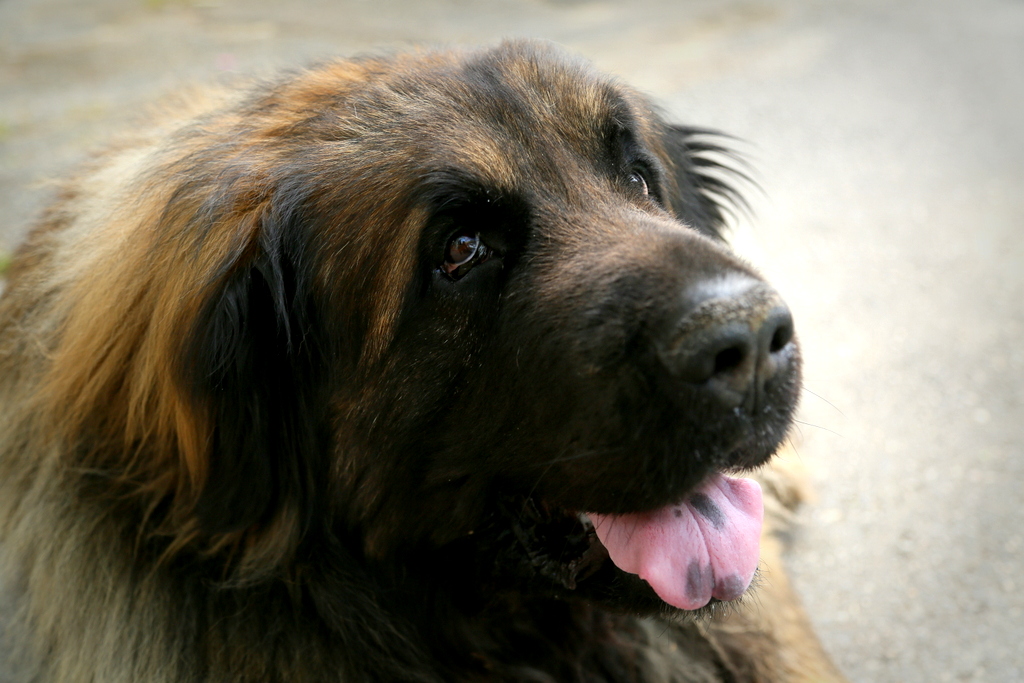
FRAN1361 This dog carries brandy to lost soles in the alps

FRAN1337  FRAN1222x

DSC06677x Day one, painting in the rain


TASMANIA

Two weeks in Tasmania and not a sign of rain! The workshop was great and all the foul weather plans were unnecessary – talk about lucky. After we all said goodbye in Launceston, Dianne and I found our truck in the car park of Launceston Airport and headed south to explore some more of Tasmania.port arthur

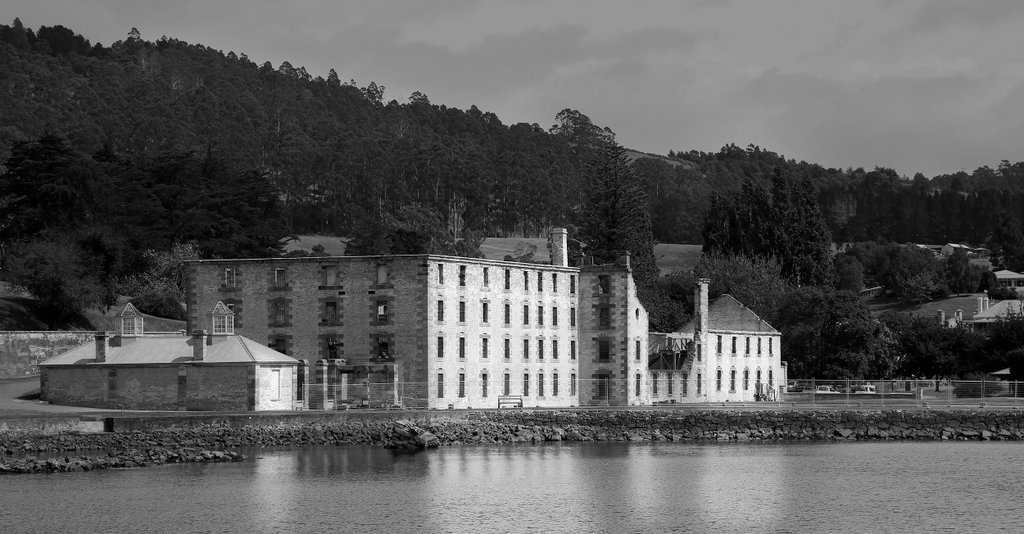
Port Arthur from the cold waters of the bay.

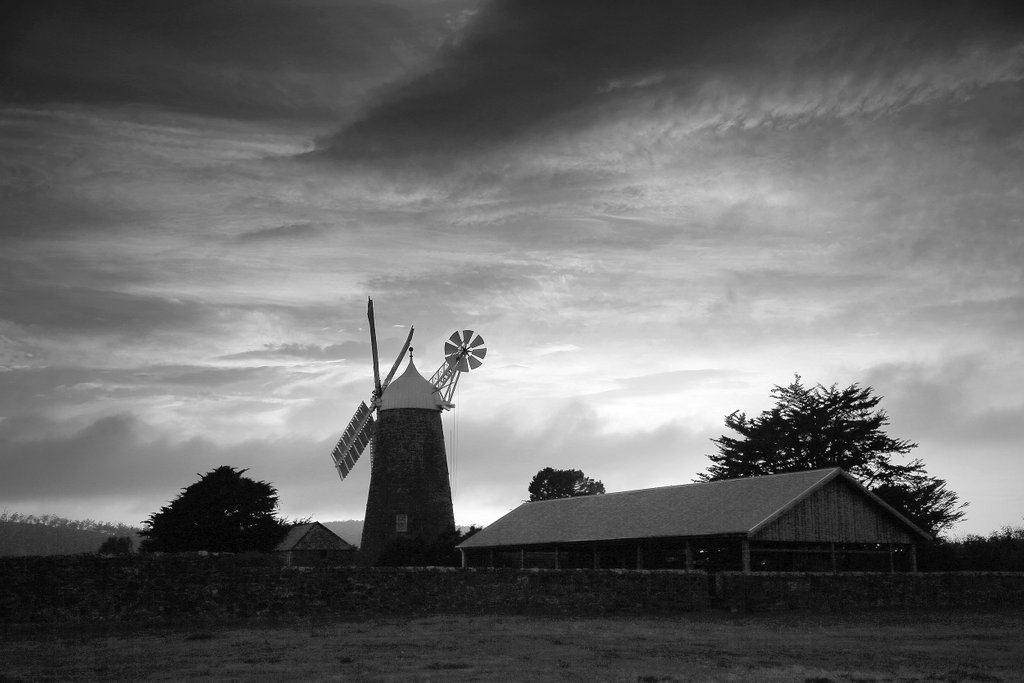
oatlands mill

Oatlands Mill

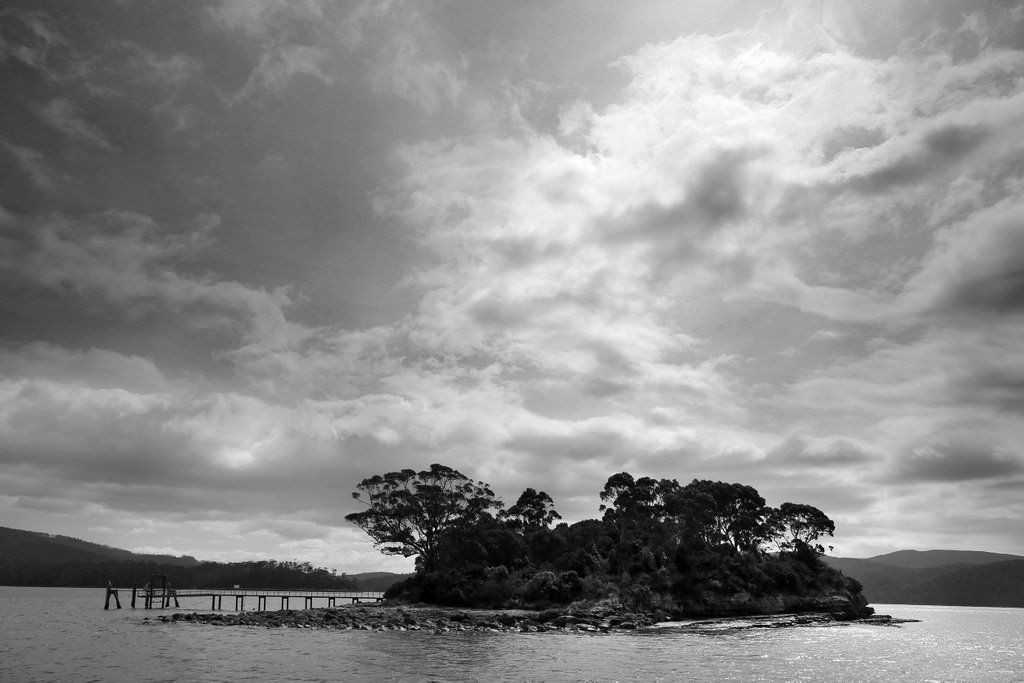
island of the dead

Island of the Dead – Port Arthur

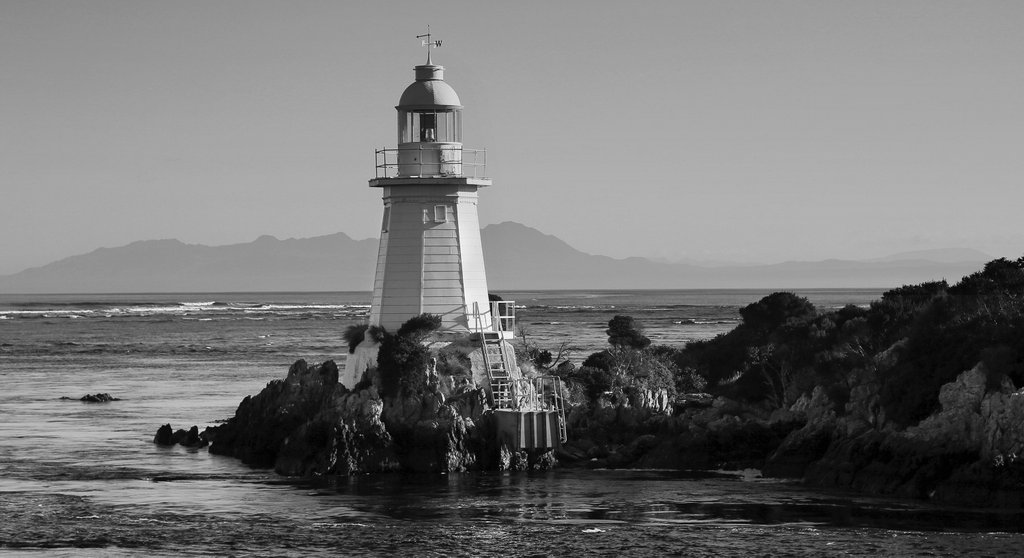
hells gates

Hells Gate Lighthouse on a rare sunny day.

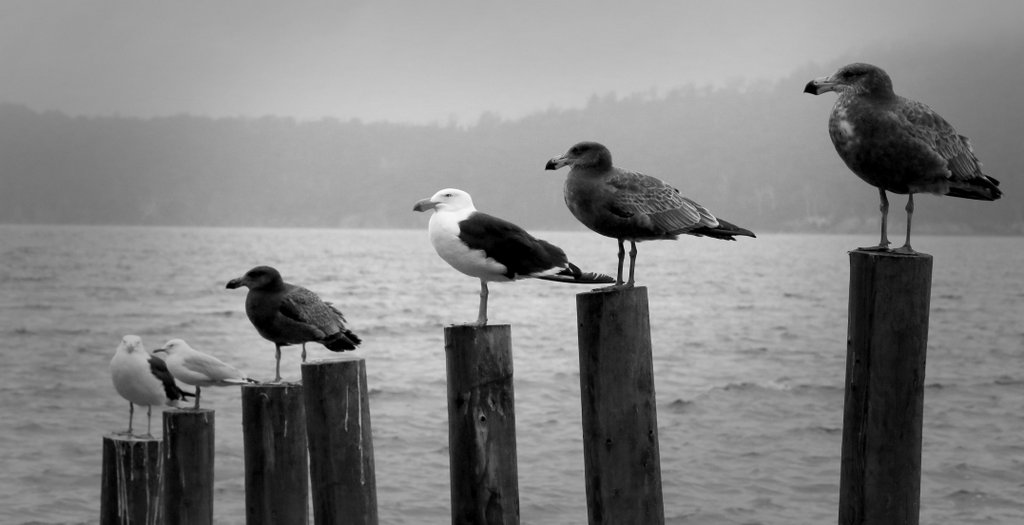
gulls

Six obedient seagulls – Bruny Island

graves

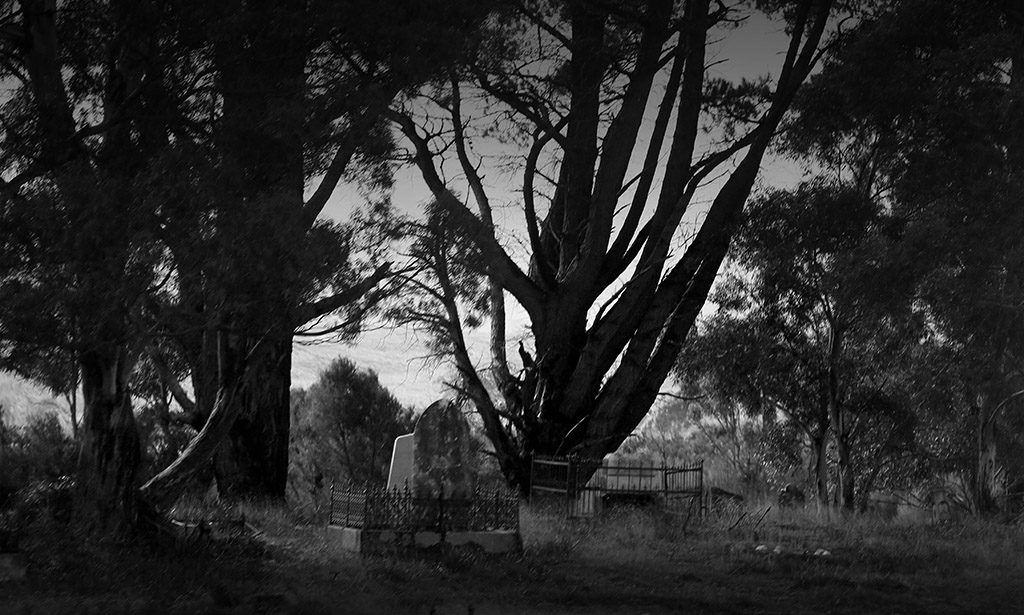
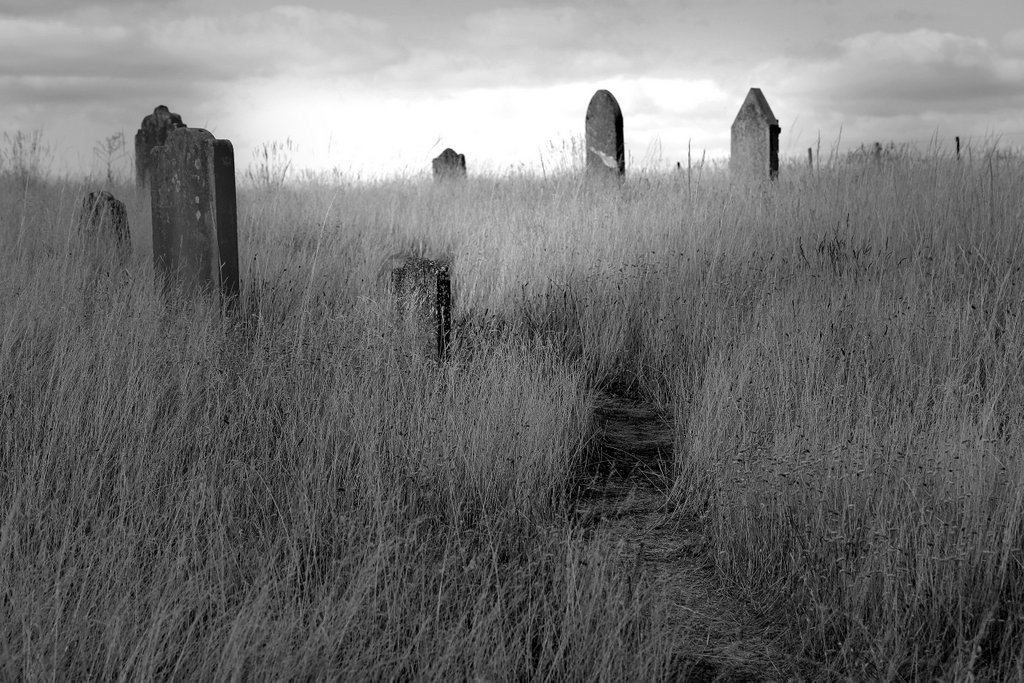
Long forgotten graves

mountains

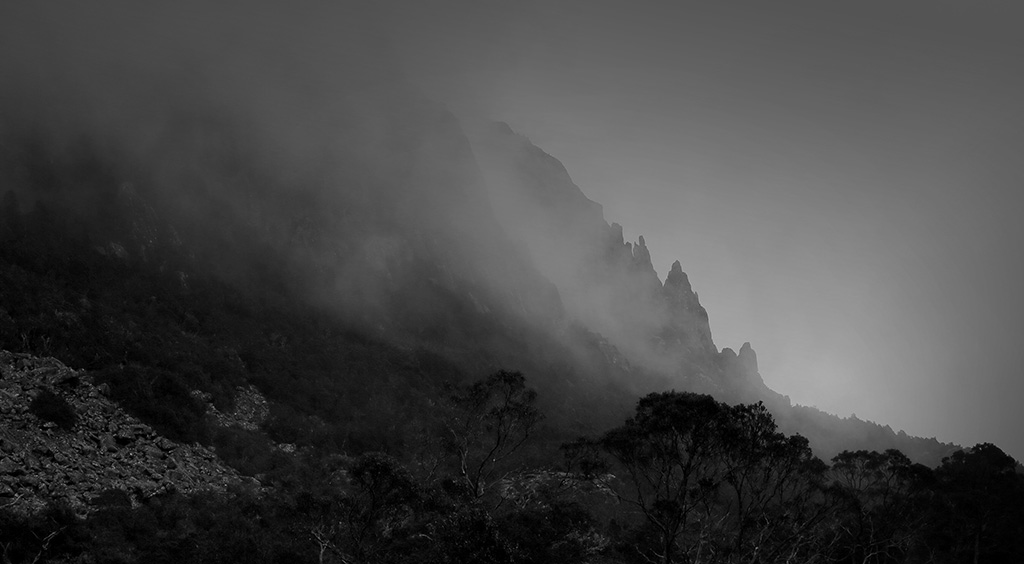
Fog towards Cradle Mountain

winter wood

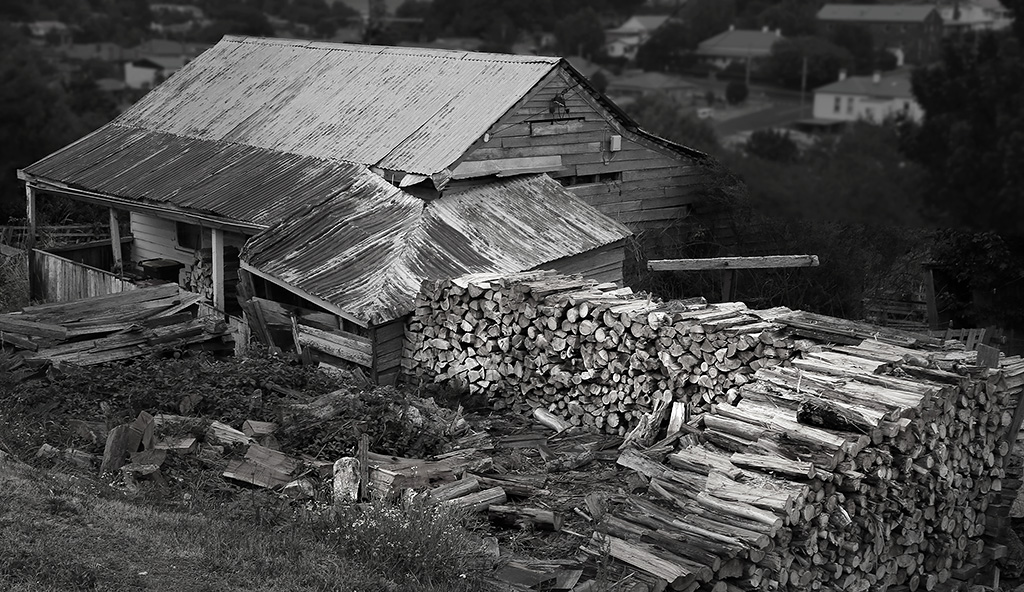
Winter wood – New Norfolk

graves ross

Convict graves – Ross

georgetown lighthouse

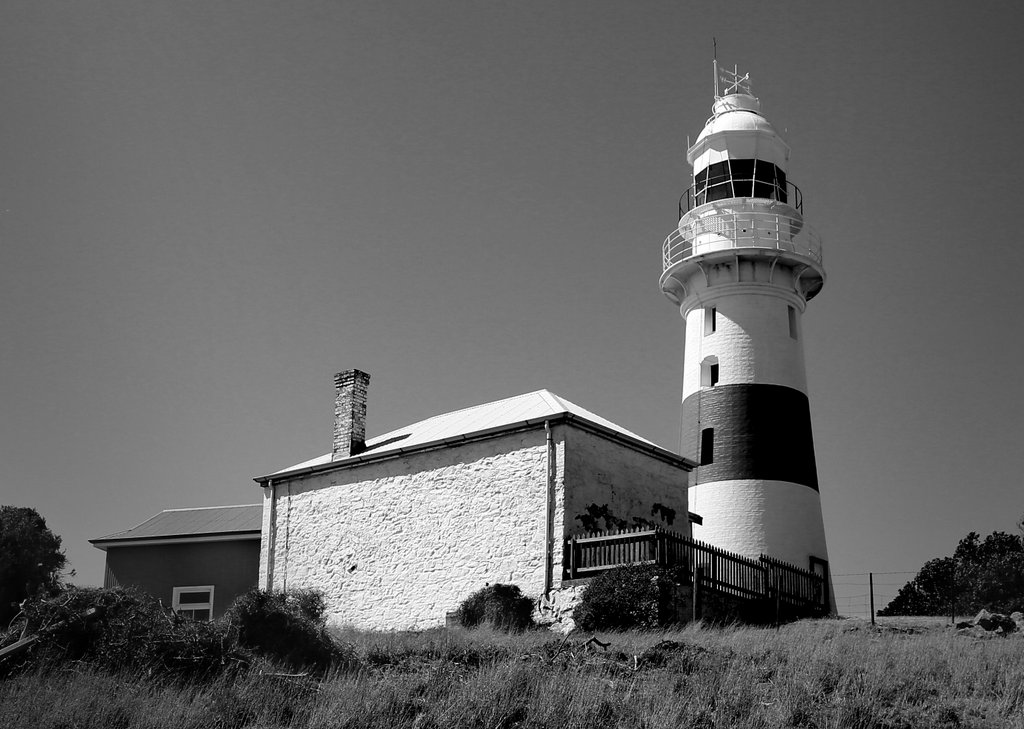
Low Head lighthouse

foam

Ripples on the Gordon River

dummy

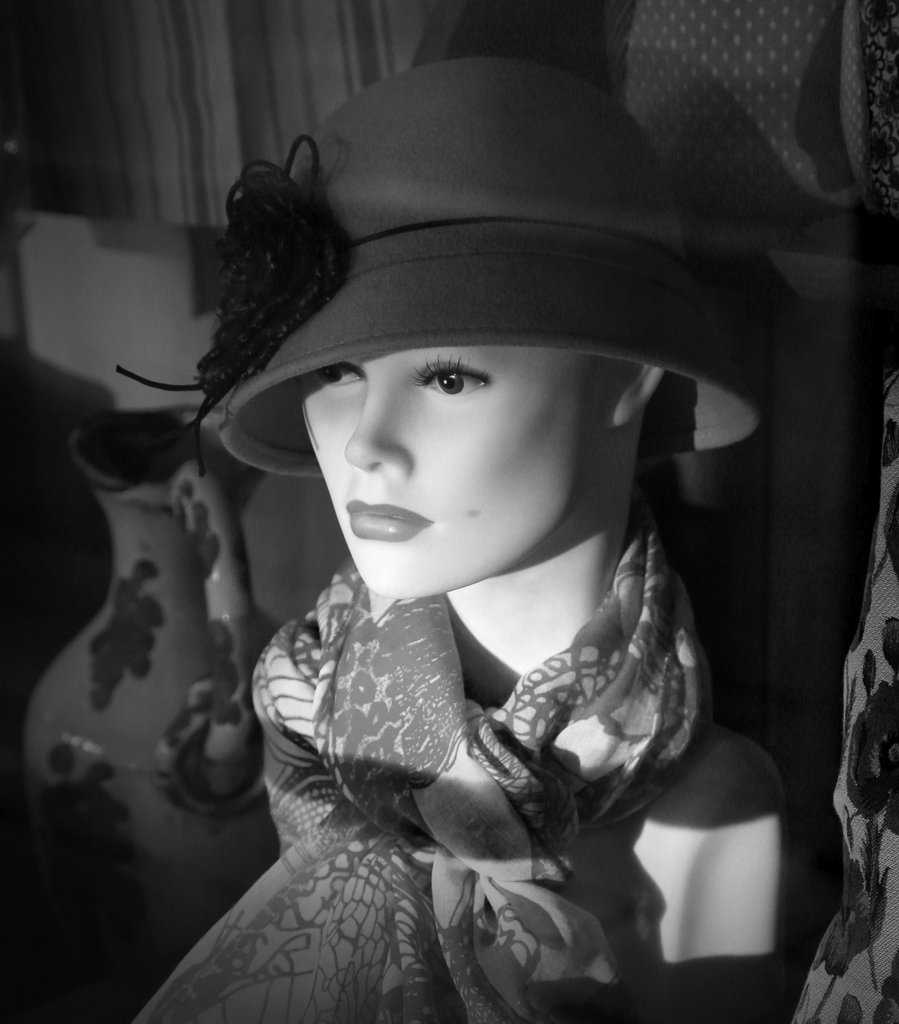
Shop Dummy – Ross

cradle mt

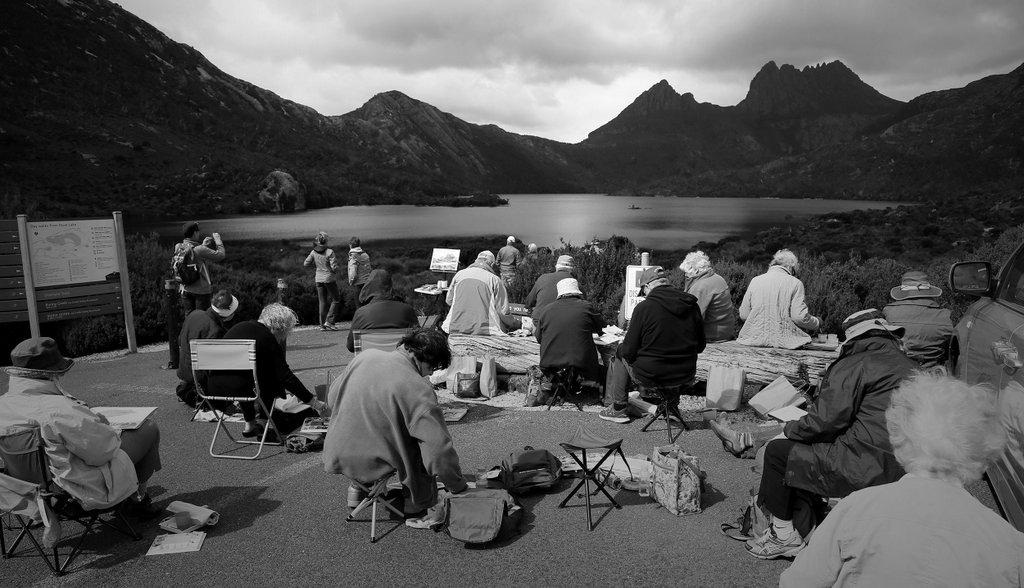
Painting at Dove Lake – Cradle Mountain

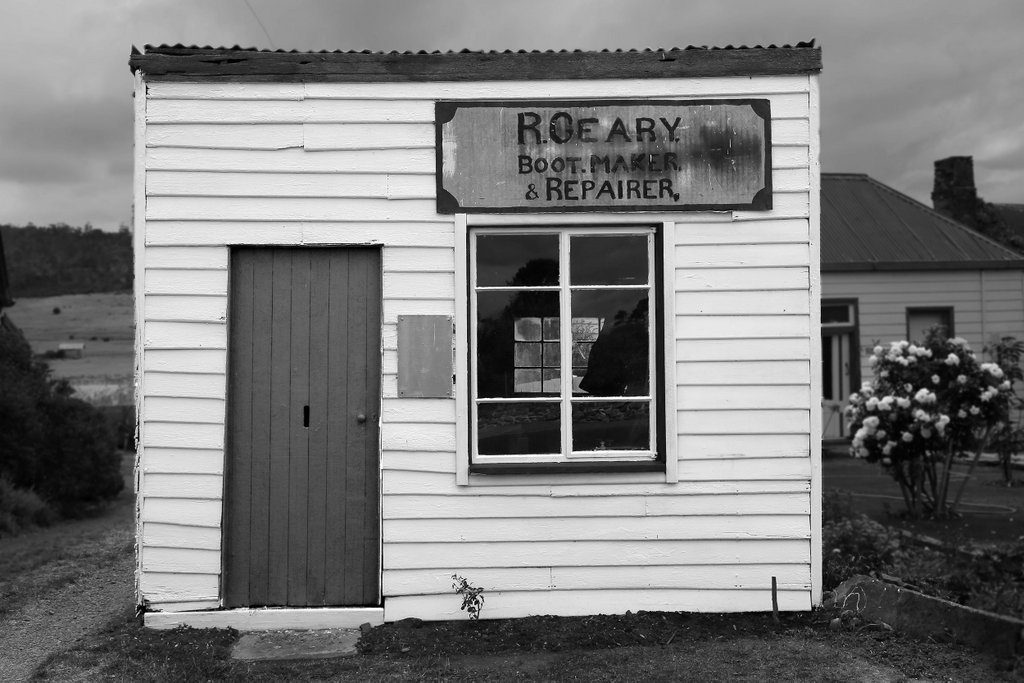
bootmaker otlands

Architectural Minimalness -Oatlands

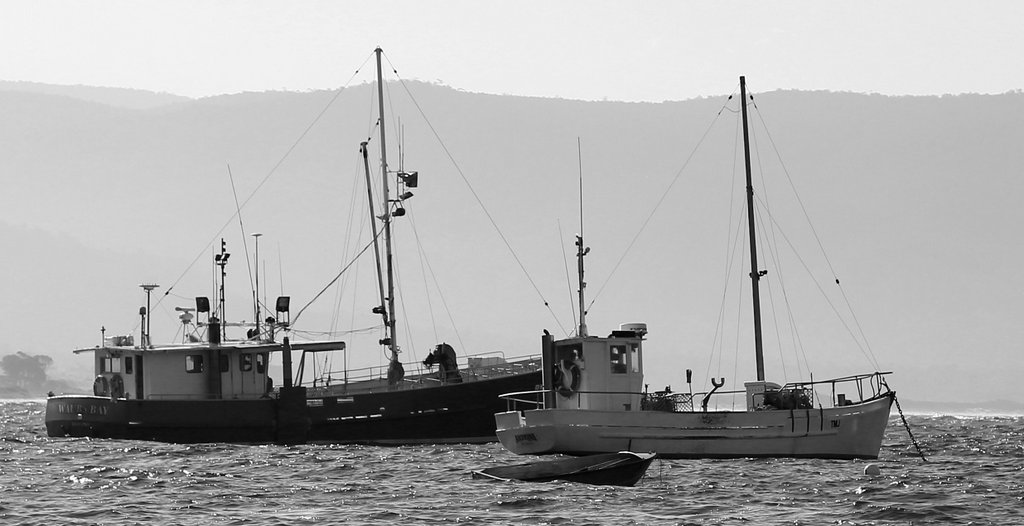
bicheno

Bichneo fishing boats

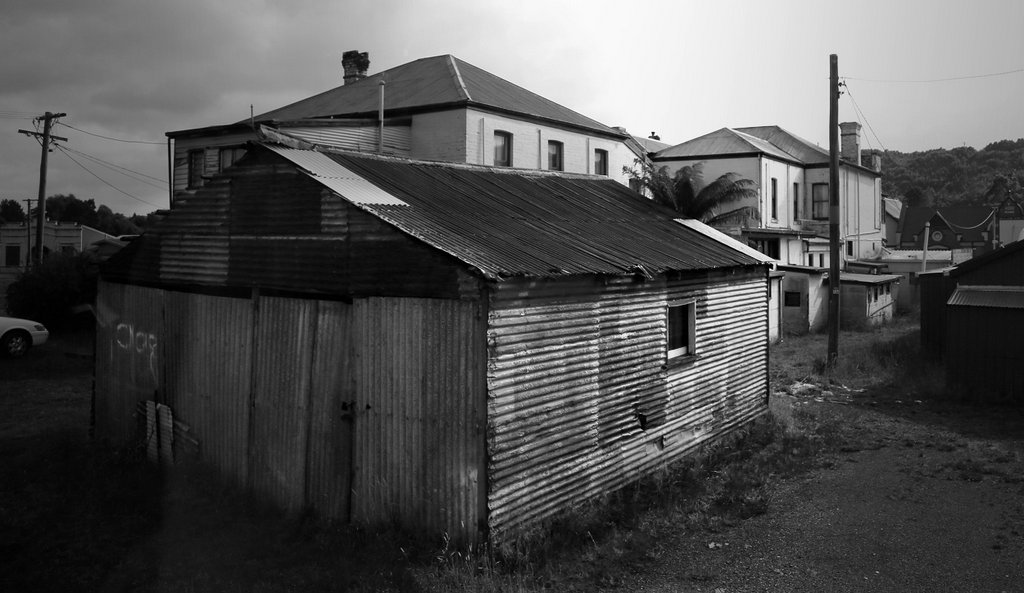
zeehan

Architectural Practicalness – Zeehan

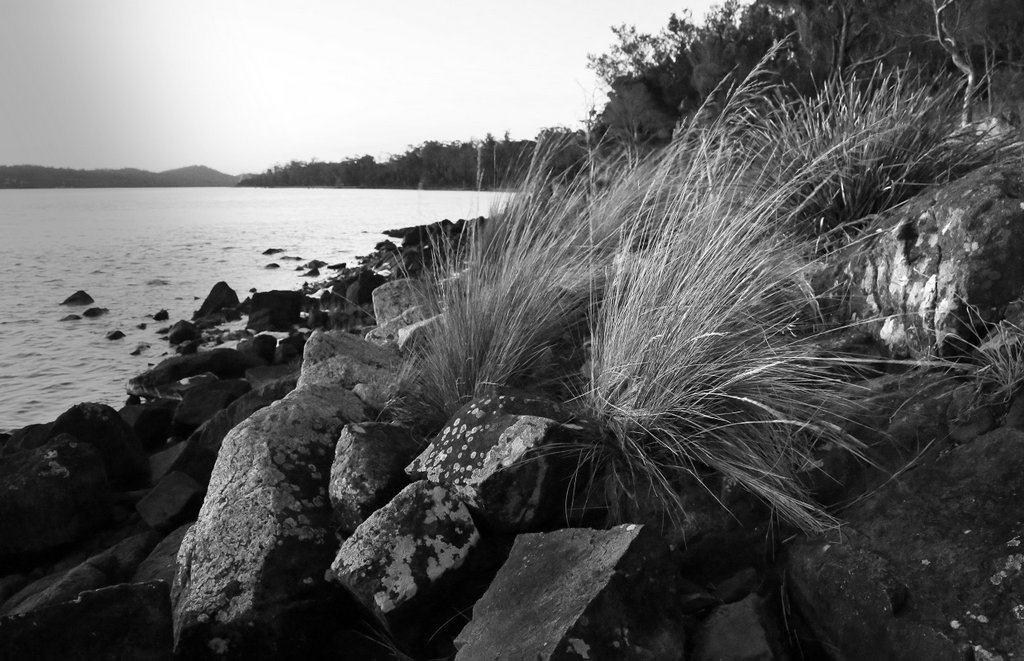
tamar banks

Banks of the Tamar

sale

Cheap Beer

rr

Port Arthur get away car

ross church

Archictectural Impressiveness – Ross

rosbury

Architectural Awesomeness – Rosebury

AUGUST STUDIO WORKSHOP

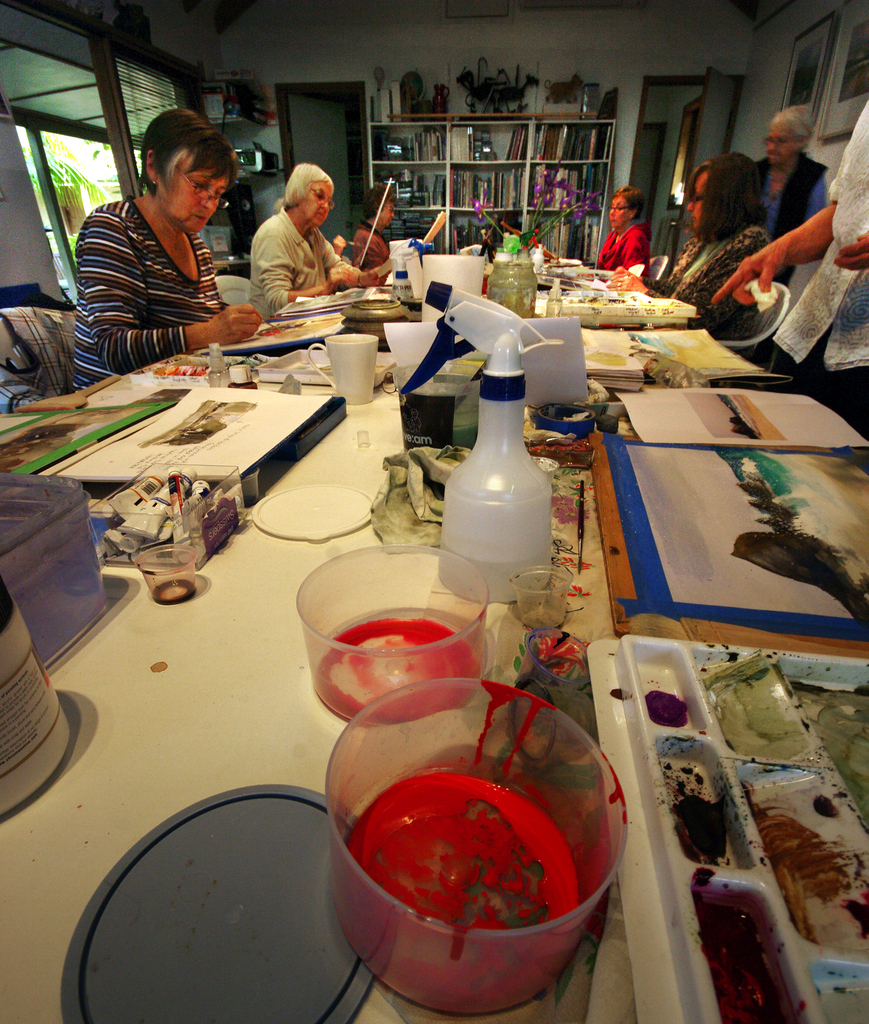
We have just finished two full on weeks of workshops in the studio. Some familiar faces and some new faces. This is the first time we have had a completely new group for the second week, so I thought it would be interesting to repeat some of the demonstrations with some variation.

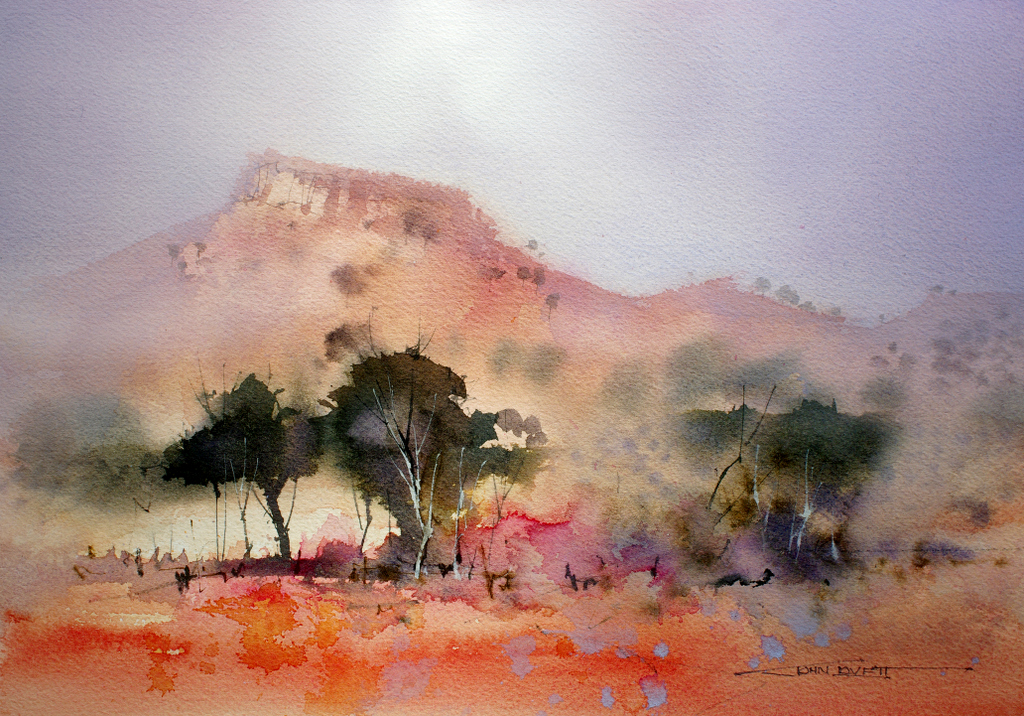
These two landscapes based on recent photos from Western Queensland were started with transparent washes (Quinacridone Gold, Cobalt Blue and Permanent Rose) Then the trees and other details were added with more opaque mixtures of Ultramarine Blue, Phthalo Blue, Alizarin Crimson and Quinacridone Gold. Graded washes were used on either side to create a band of light through the focal point, then various layers of gesso and White gouache glazes were worked through the sky and distance.

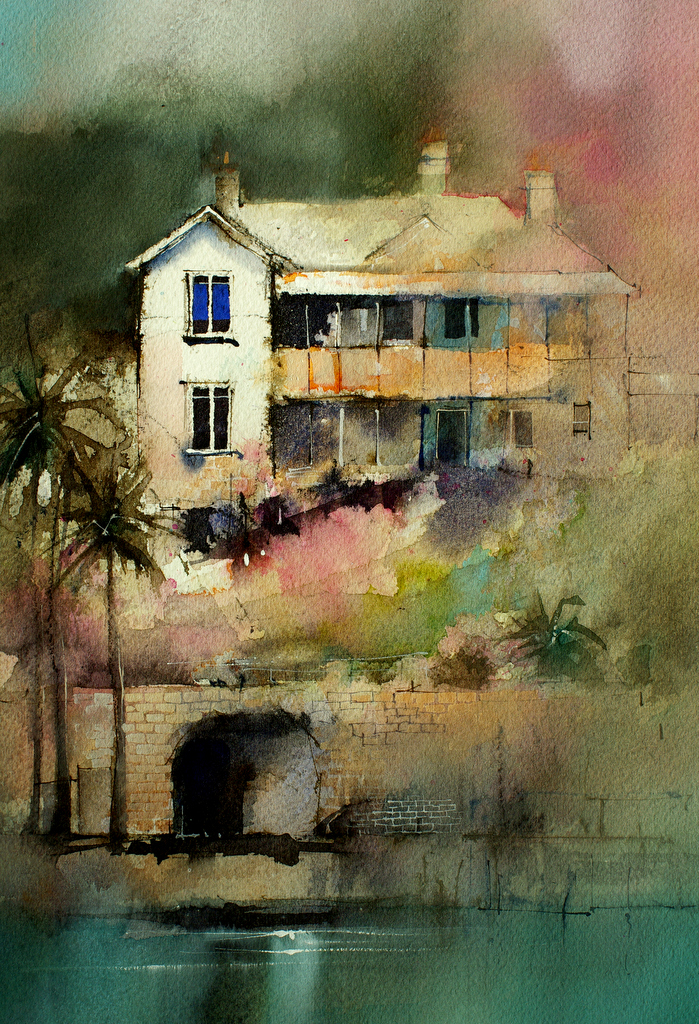
I have painted this Old house on Sydney Harbour from various angles and thought it would be a good workshop subject, having problems of symmetry and conflicting focal points to be sorted out.

I was surprised when we started drawing, to find that one of the students had lived in the flat behind the house back in the 70’s – when Brett Whitely lived and painted a little further around the bay.

These paintings were done with the same simple palette of Quinacridone Gold, Alizarin Crimson, French Ultramarine Blue, Phthalo Blue and Permanent Rose. I also used Charcoal pencil, White Gouache, Gesso and Burnt Sienna Ink. The vibrant blue window in the top painting was painted with Ultramarine Gouache.

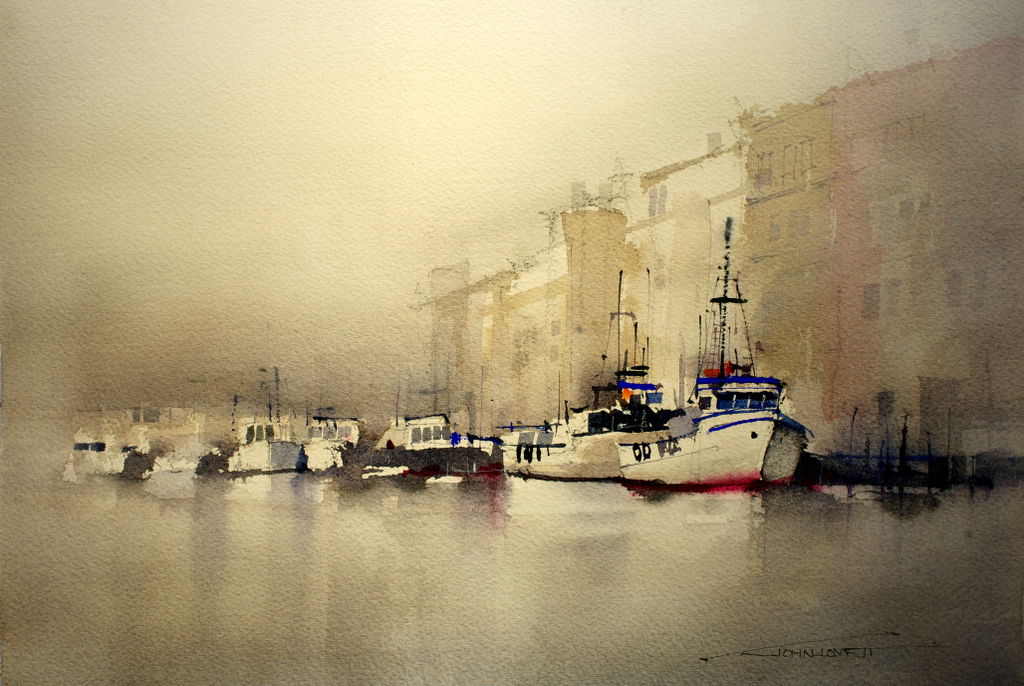
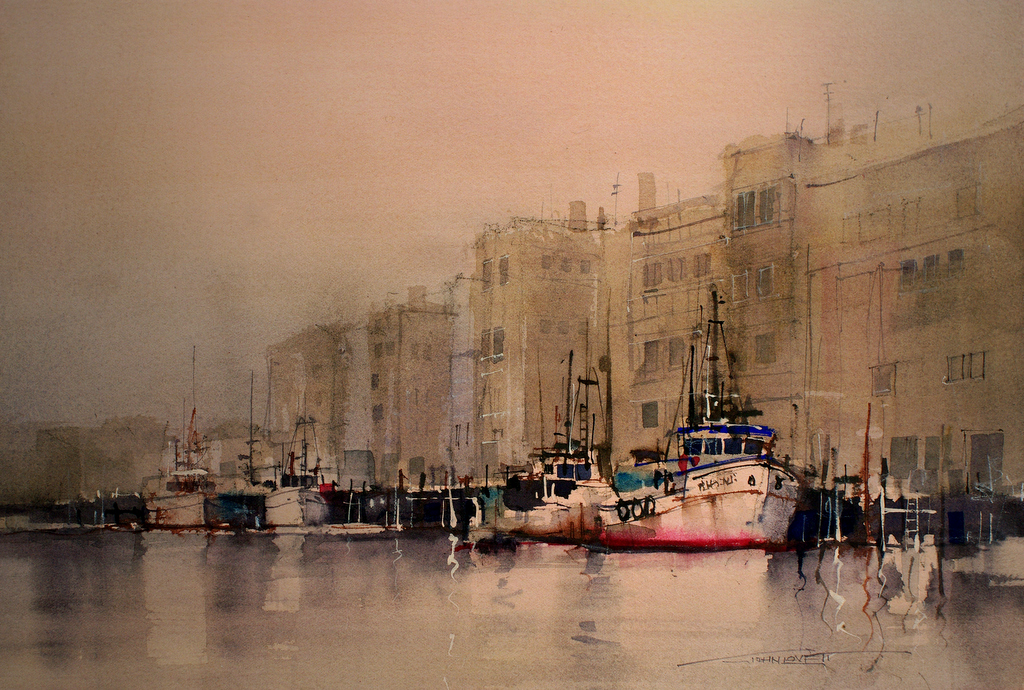
Not far from Venice is the small fishing port of Chioggia. These weather beaten trawlers make an interesting subject with their confusion of masts and rigging and the complicated backdrop of ancient buildings. The idea here was to suggest all the complicated detail without trying to carefully render it. We started with under washes of Permanent Rose and Aureolin and gradually built up detail over the tinted paper.
A different subject using the same transparent under wash technique. This time graded washes of Cobalt Blue and Permanent Rose formed the under wash.
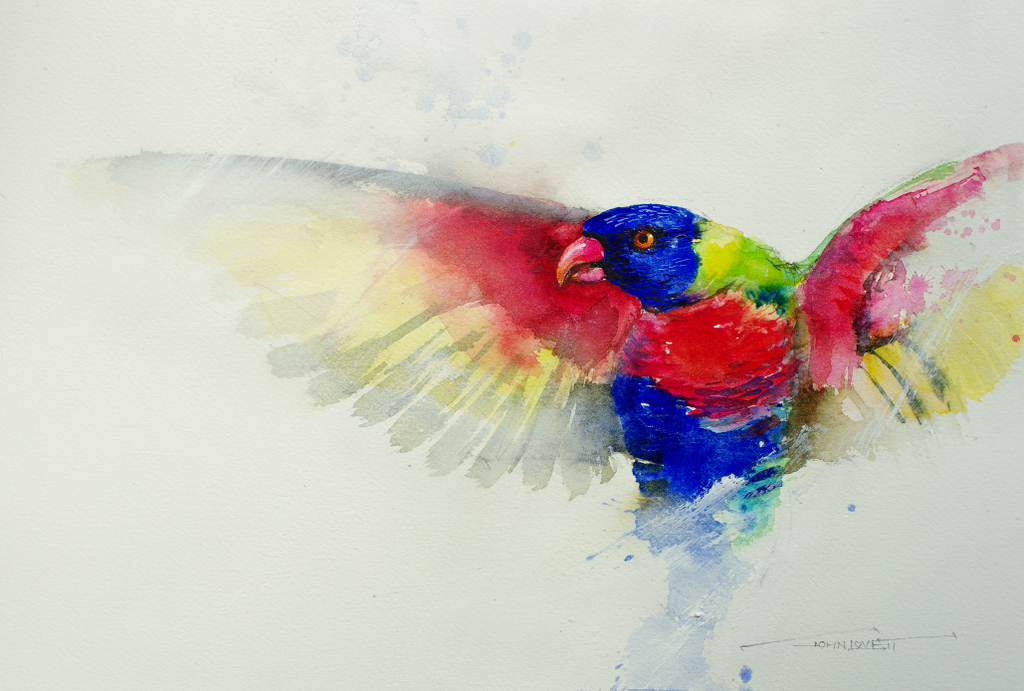
Painting these Lorrikets was a lot of fun – balancing sharp detail with loose suggestion. The wings and much of the body were roughly washed in with an old 1/2″ bristle brush. Detail was built up around the head and body with a 1/4″ flat brush and a #1 rigger. Finally the wings were attacked with gesso and a white charcoal pencil to get a feeling of movement.

Everyone enjoyed painting these rocks and sapplings. The purpose was to shuffle around the source material to create an interesting composition, then to build up textures and depth with watercolor, gouache, ink, charcoal pencil and Gesso. We used a number of techniques – splashing, splattering and spraying to build up the textures and gesso glazes to soften and push back the distance.

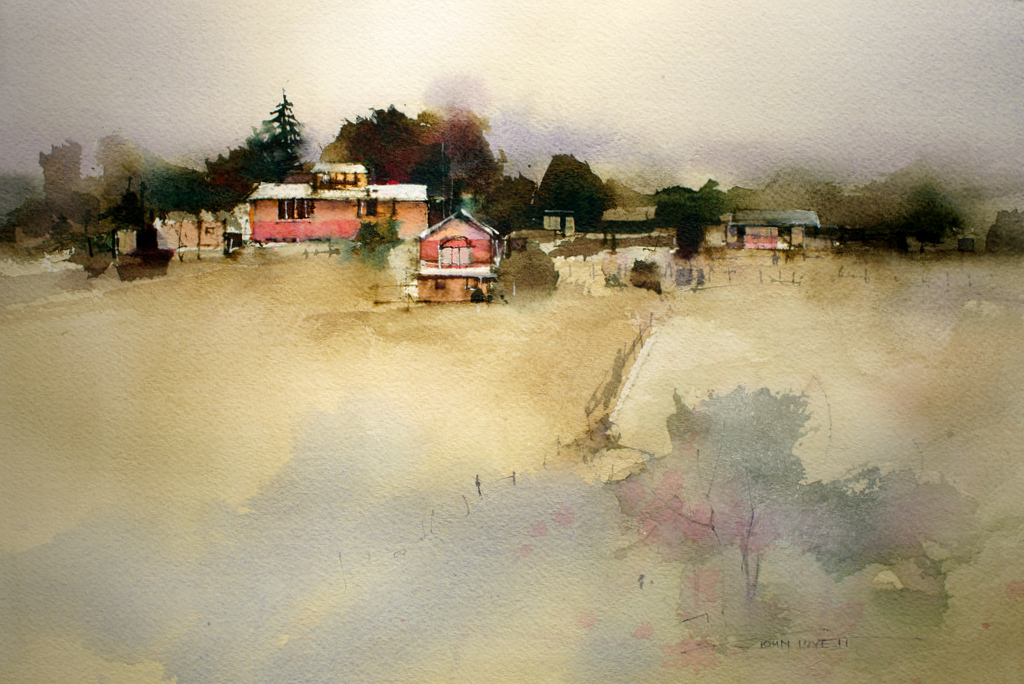
Another exercise in rearranging  the subject. This time a soft abstract foreground to lead the eye into the focal point of trees and buildings.

So thanks to everyone that attended the workshops and thanks to Dianne for the mighty cakes – back to dry biscuits now!

ACROSS THE PLENTY

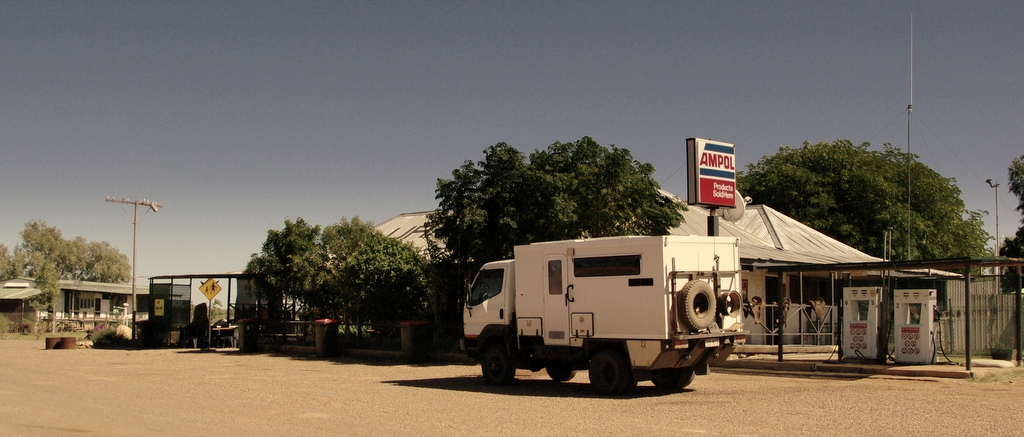
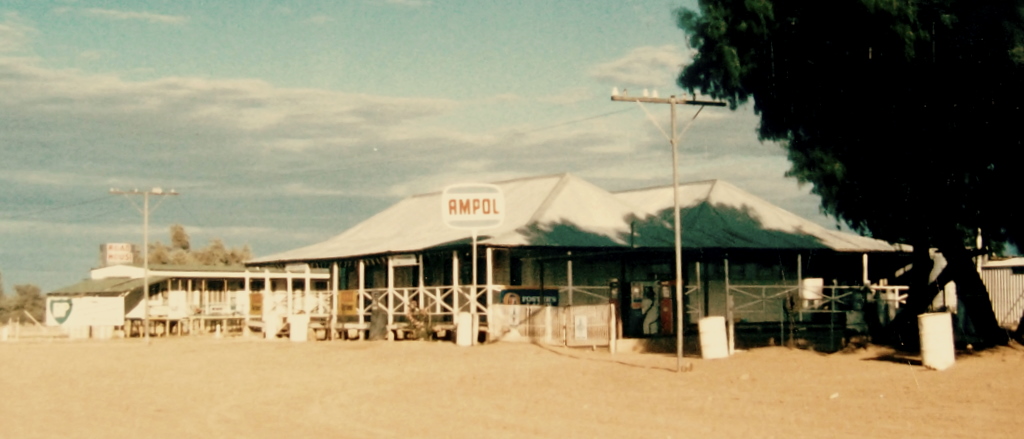
From Mt Isa we drove south west to Urandangi, a pub, a couple of houses and a small aboriginal community near the Georgina River. The last time I visited Urandangi was 1988 and before that 1982. Not much has changed. The store has closed down and the pub now sells essential supplies. Trees have grown taller, the pub has changed hands and the fuel pumps are newer.

Urandangi 2012

Urandangi 1988

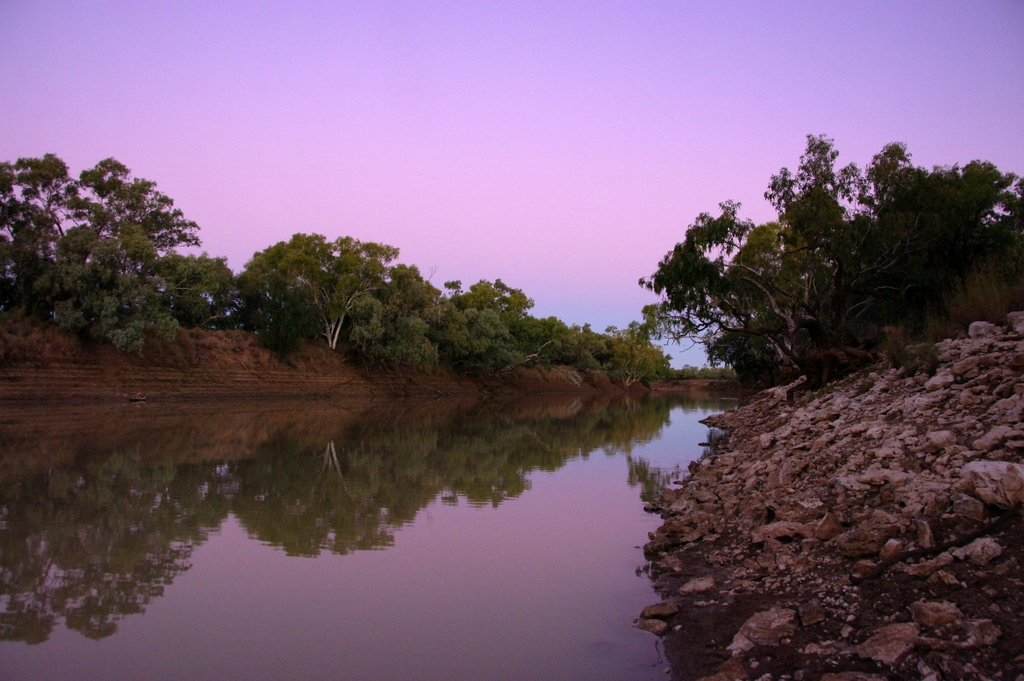
We called into the pub for a beer and to catch up on all the local news, then drove down to a waterhole on the Georgina. As I sat and watched it get dark on the waterhole I could hear a faint hiss. It turned out to be the inside dual wheel on the truck.

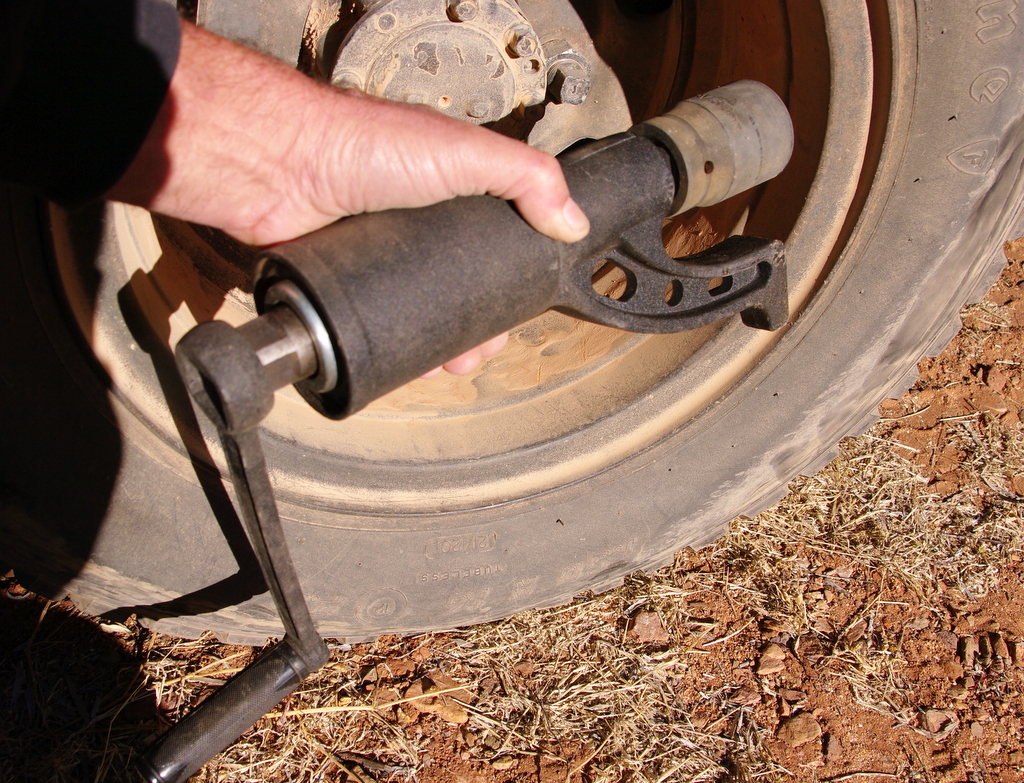
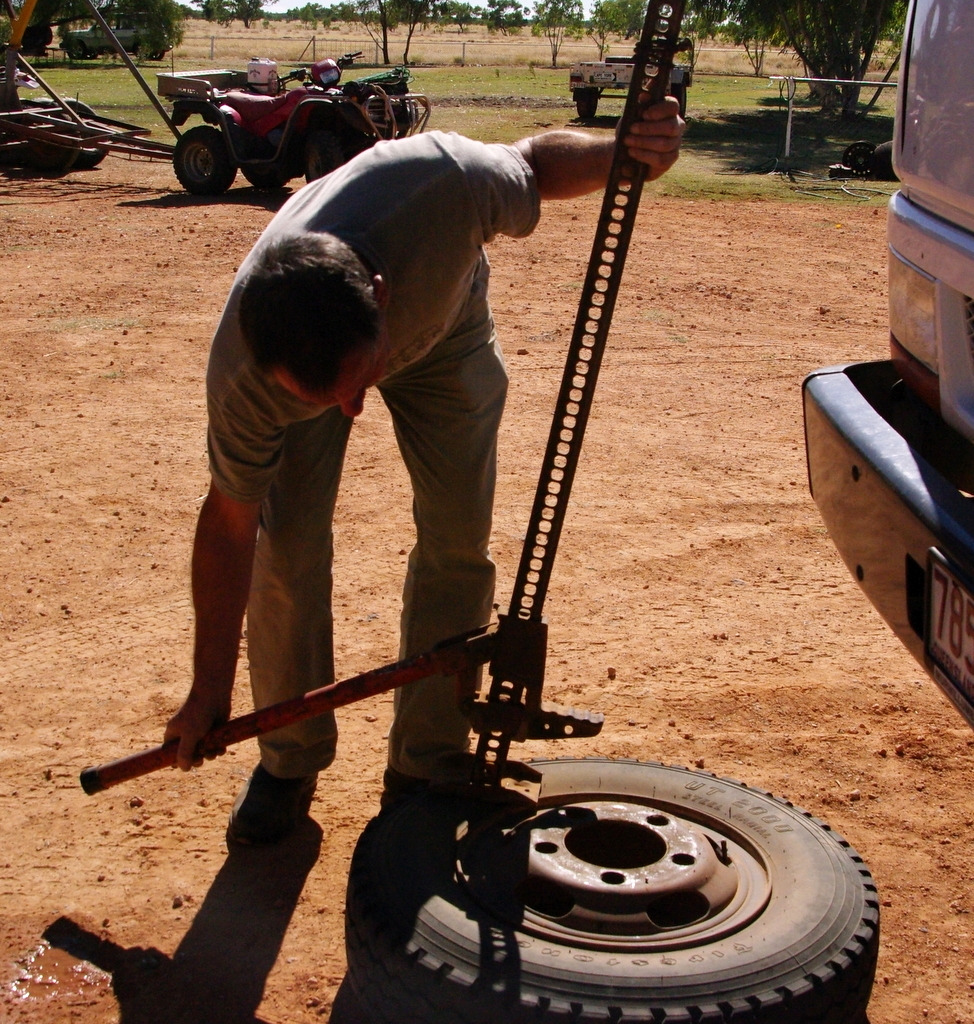
Next morning I got to try out this handy device I purchased from the Mining Expo in Mt Isa. A Torque Multiplier – guaranteed to remove the most impossible truck wheel nuts. It worked a treat.

WINT7693

After fitting the spare we headed back into Urandangi to use their compressor and mend the puncture.

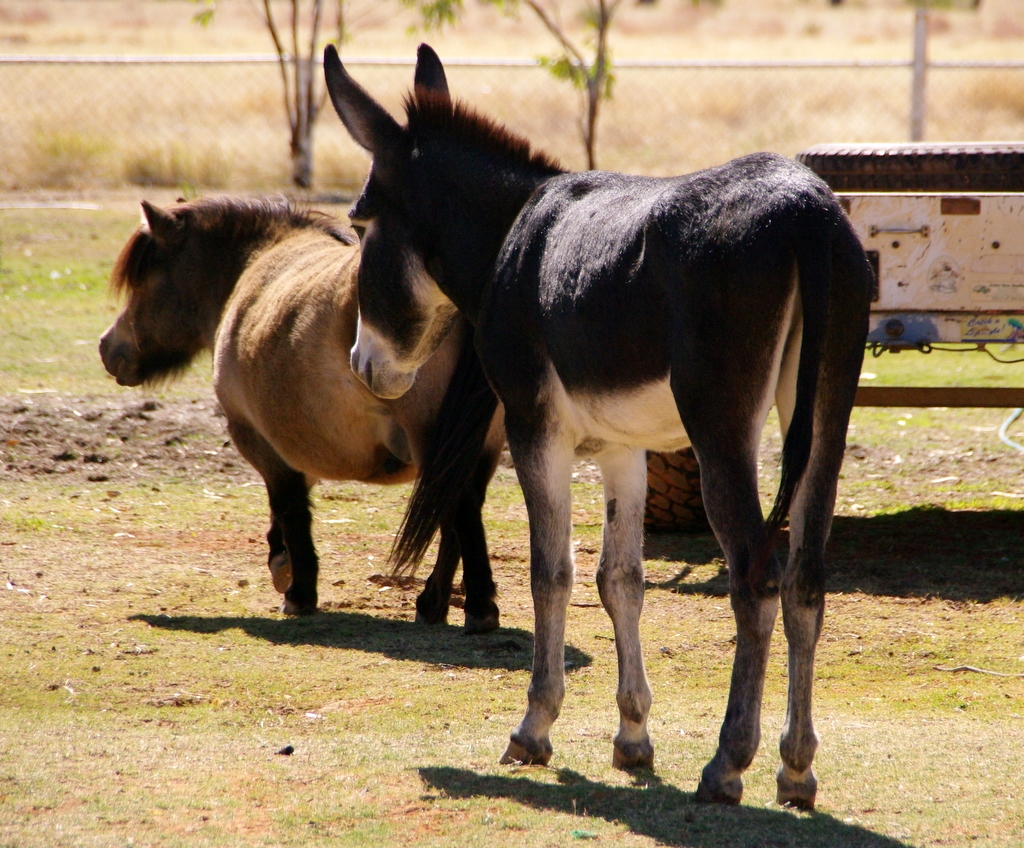
A donkey and a small horse were entertained for ages watching me break the bead on this rusted rim.

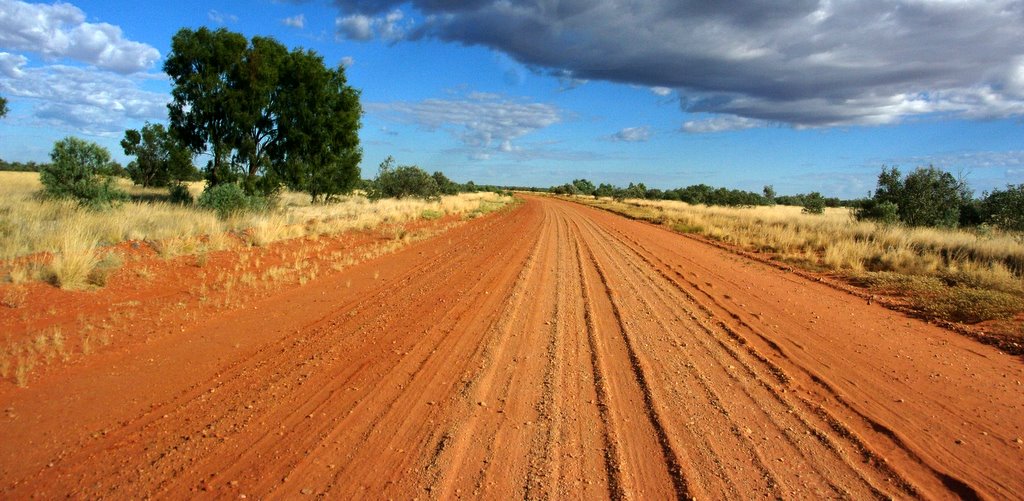
Once the puncture was mended we headed down to Tobermorey station and across the Plenty Highway. The road was surprisingly good compared to the last time we used it. A few big patches of bull dust and corrugations, but mostly fairly smooth. Parts of the road appeared to have been recently graded. Our last trip across this road was after a dozen road trains had beaten it to a strip of rock and pulverized bull dust that could swallow a car.

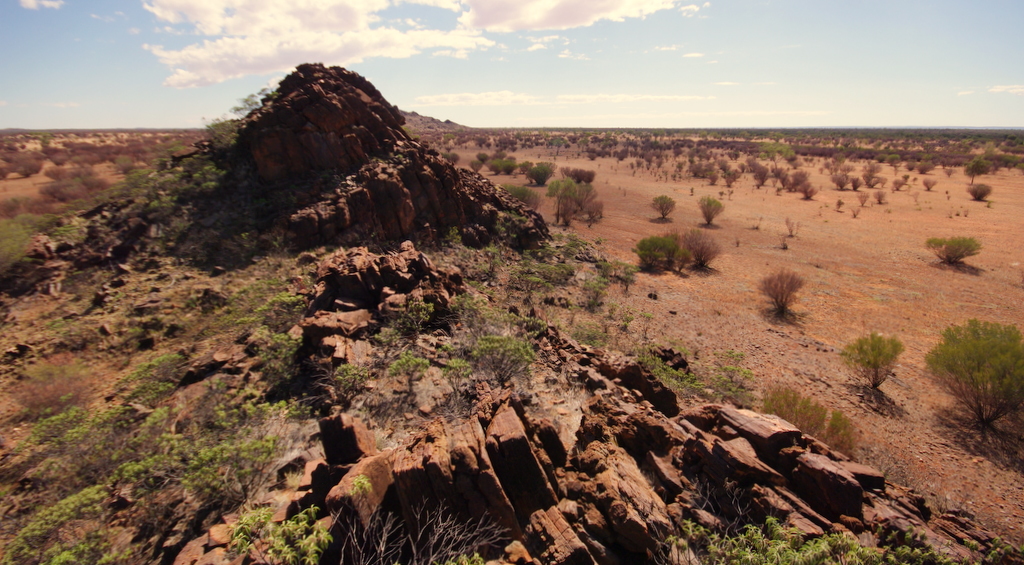
Along the road the landscape varies from big plains of Mitchell Grass to tortured looking rocky outcrops and gibber plains

Approaching Harts Range, the size of the mountains increase and they take on the typical Central Australian pinks and purples.

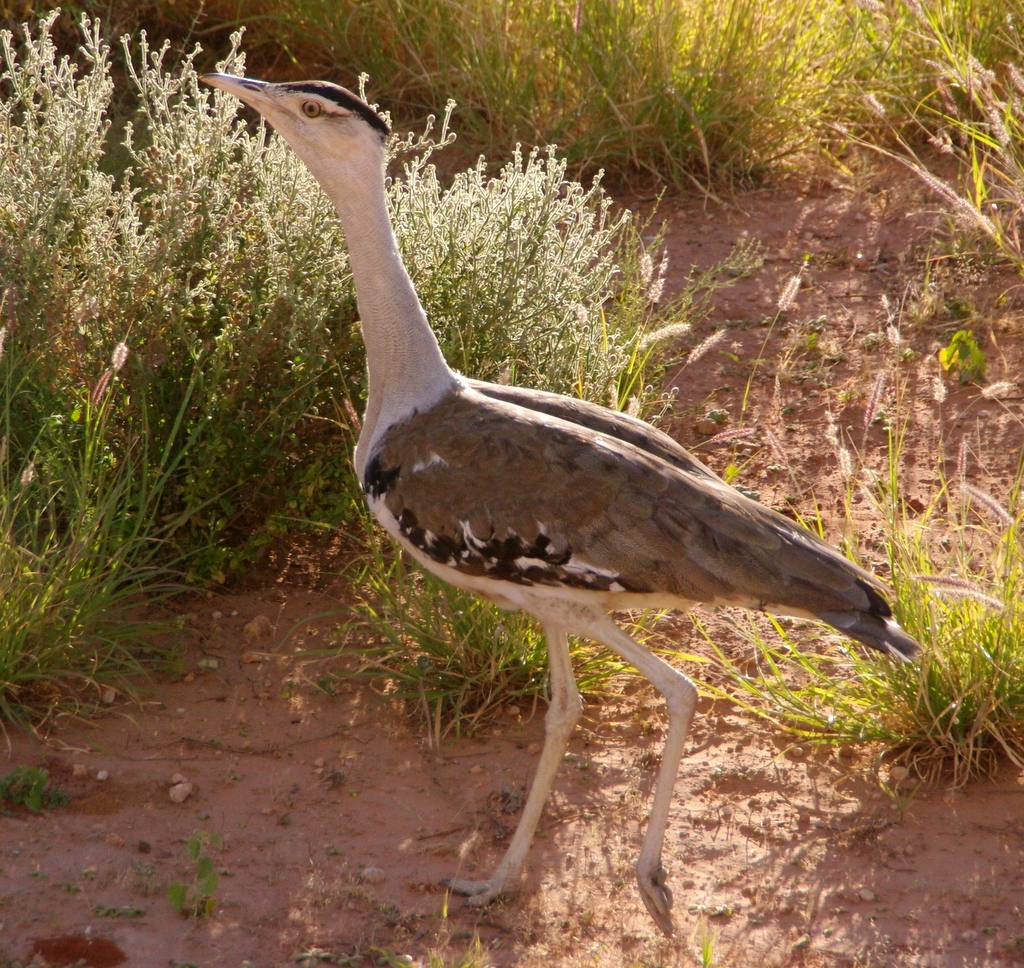
Plains Turkeys are fairly common along the road. They walk slowly with their heads in the air and stand about 750mm tall.

Cool Mornings – even with the sun shining.

VIA HONG KONG

After the busy pace of the workshop, we figured a week relaxing in Hong Kong would be a good idea. The idea of relaxing in a city that only seems to run at full speed, was probably misguided.  So, rather than relax, we went for the full on shopping, galleries, bars, tours type of recreation.

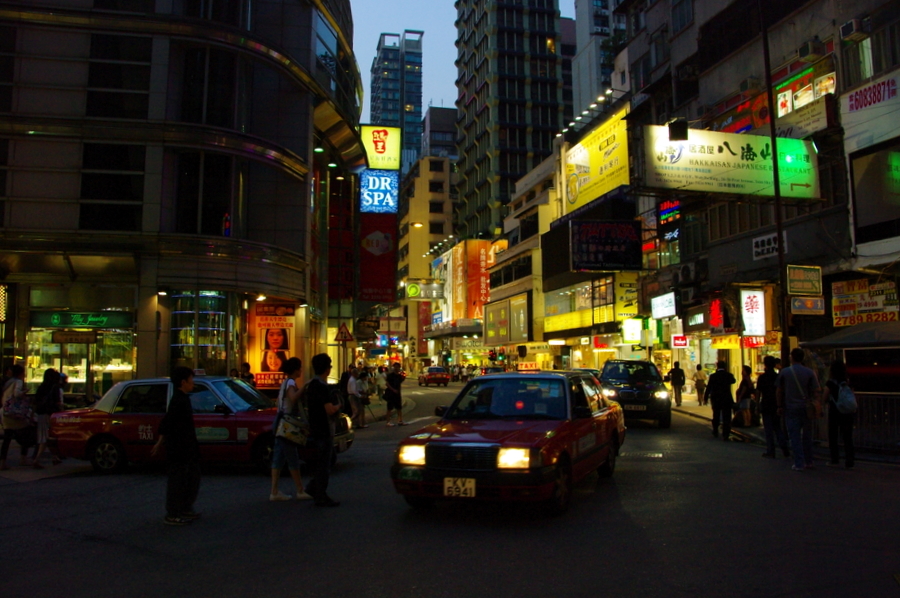
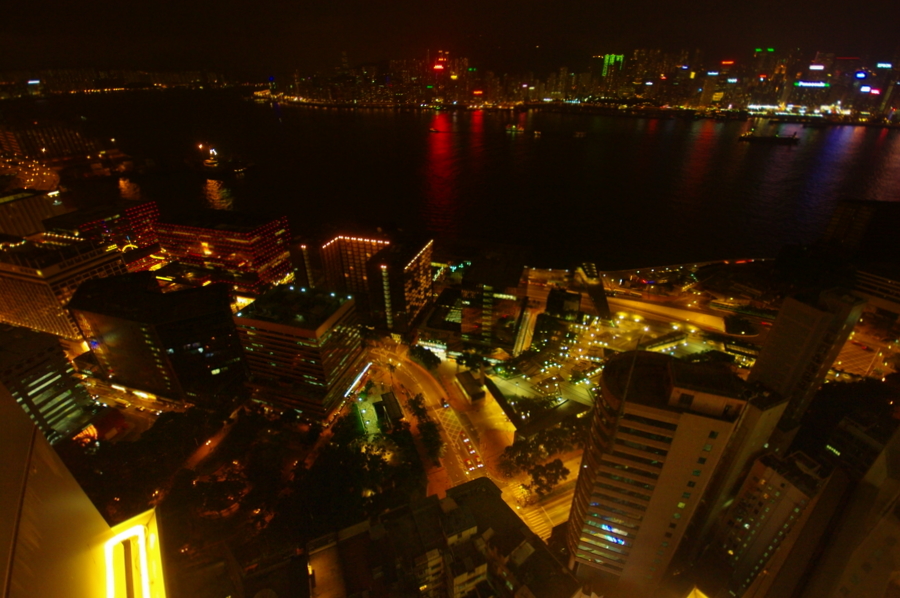
Hong Kong seems to run full paced 24 hours a day.

The Harbour is spectacular, serving as a transport route and recreation area at the same time.

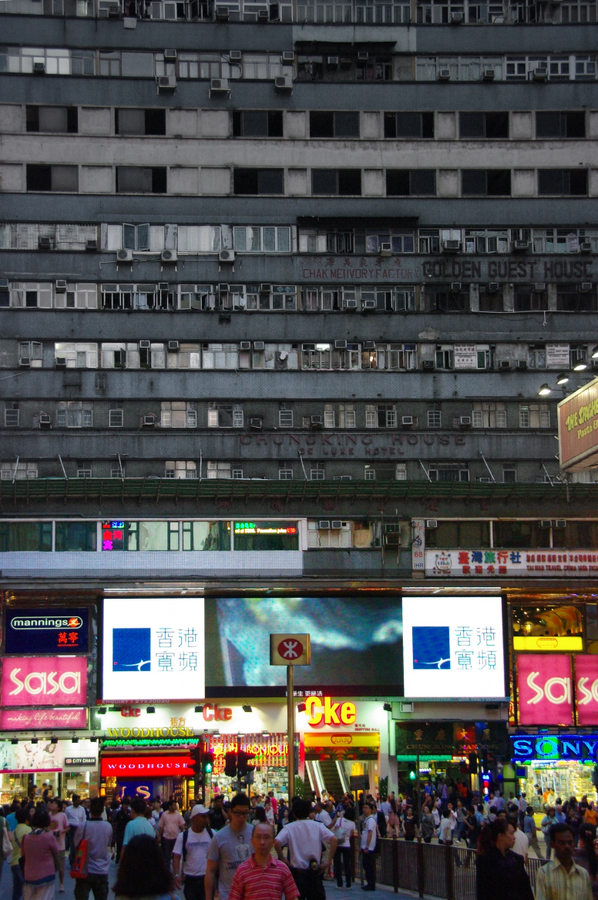
The citys heart is buzzing with lights and color, while above street level is the patchwork of balconys, windows and washing that make up the high rise appartments of the inner city dwellers.

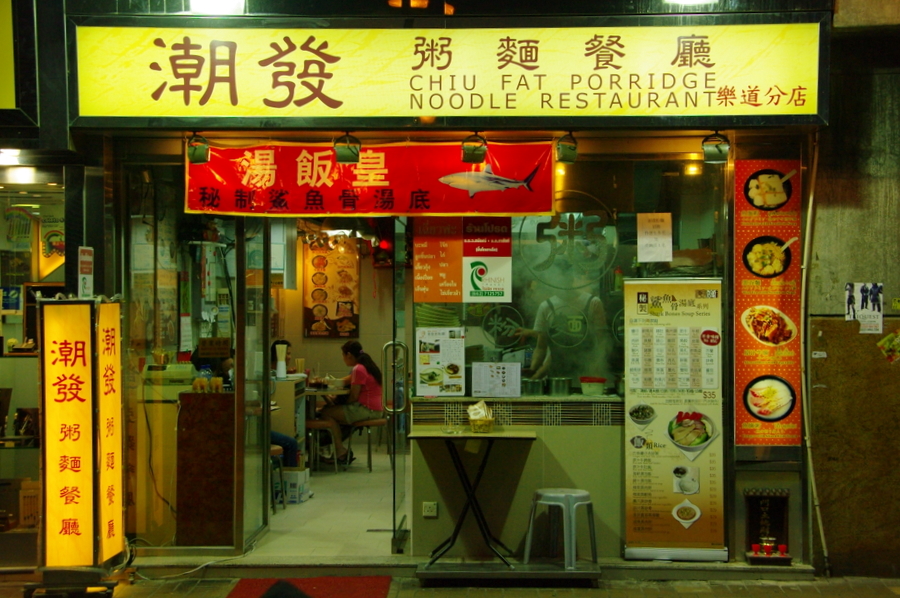
The shops are interesting but some of the names don’t translate too well to English.

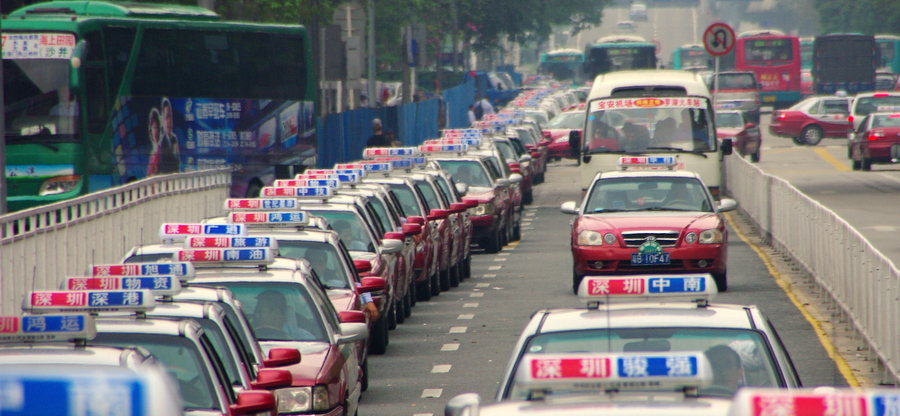
Across the boarder into Shenzhen, pressure from street vendors increases as does the number of taxis waiting at the local rank.

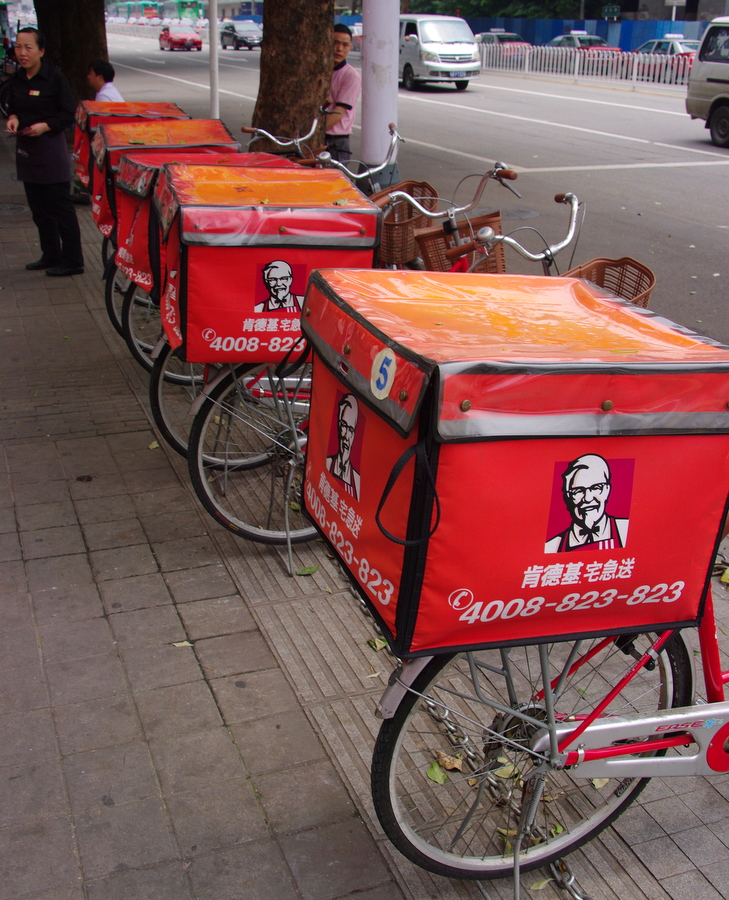
The Rickshaw may have disappeared, but the chicken delivery cycle has sure taken off.

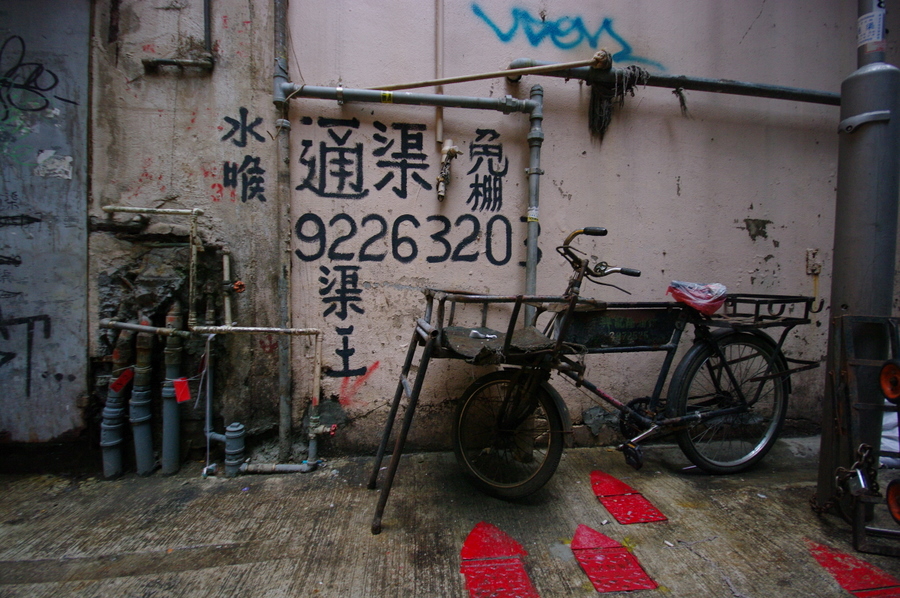
The humble push bike in China has resisted the temptation to switch to light weight aluminium and carbon fibre construction. Instead, preferring the solid reliability of braced and reinforced steel.

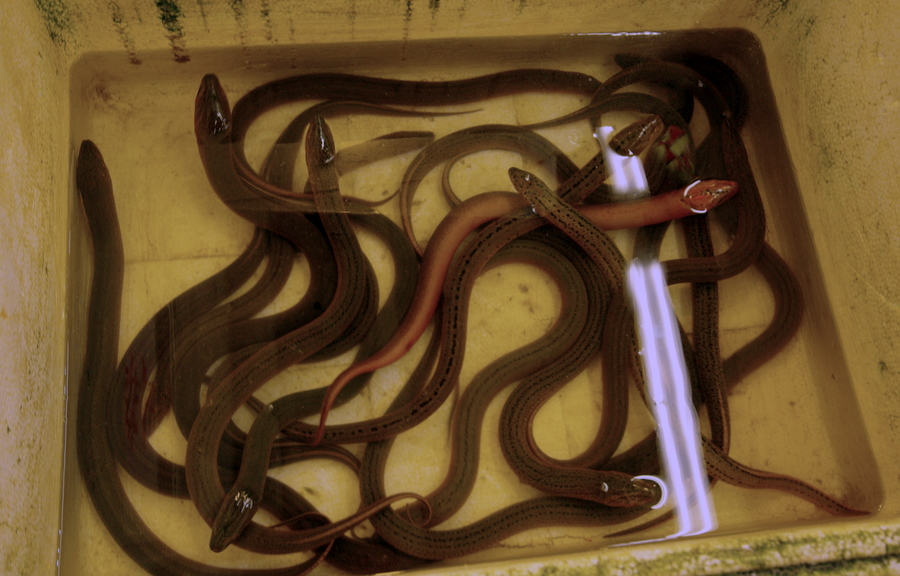
For me, the most fascinating area of the city is the food markets, which in the Mon Kok district seem to blend with the bird, goldfish and pet markets. These live sea snakes fall into the food category.

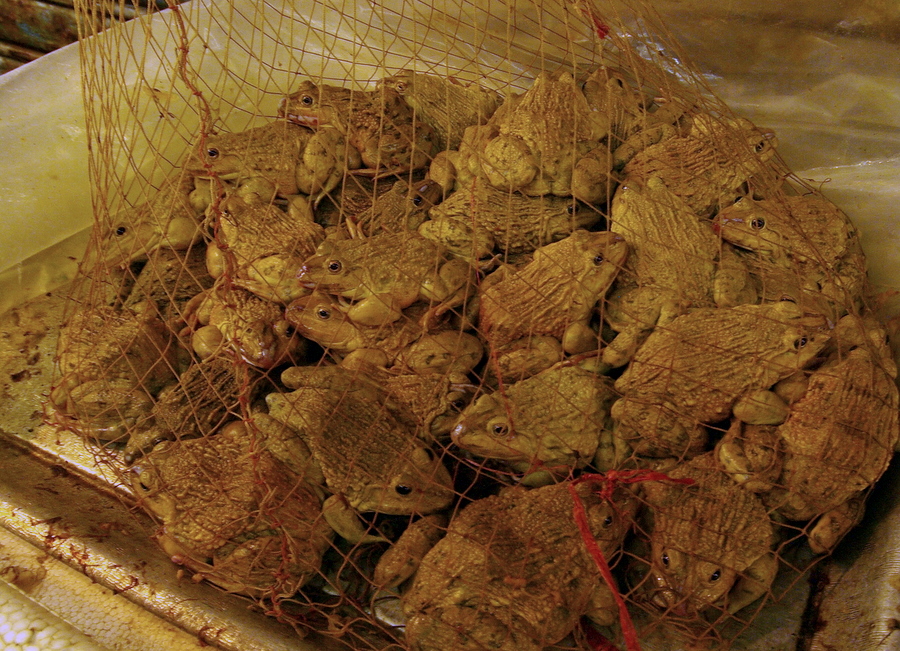
This bag of tasty live toads are also classed as food (and delicious according to the store owner).

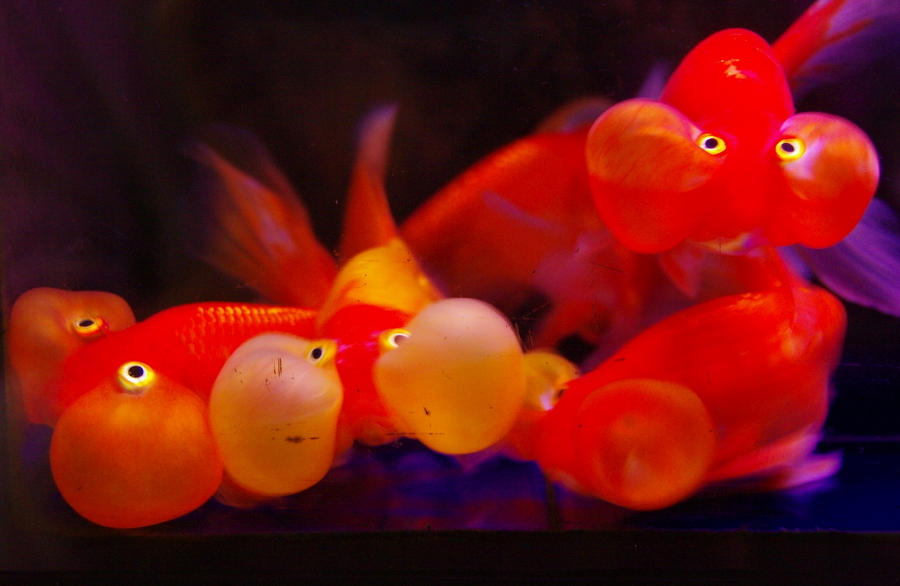
These weird, distorted goldfish are from the pet market…

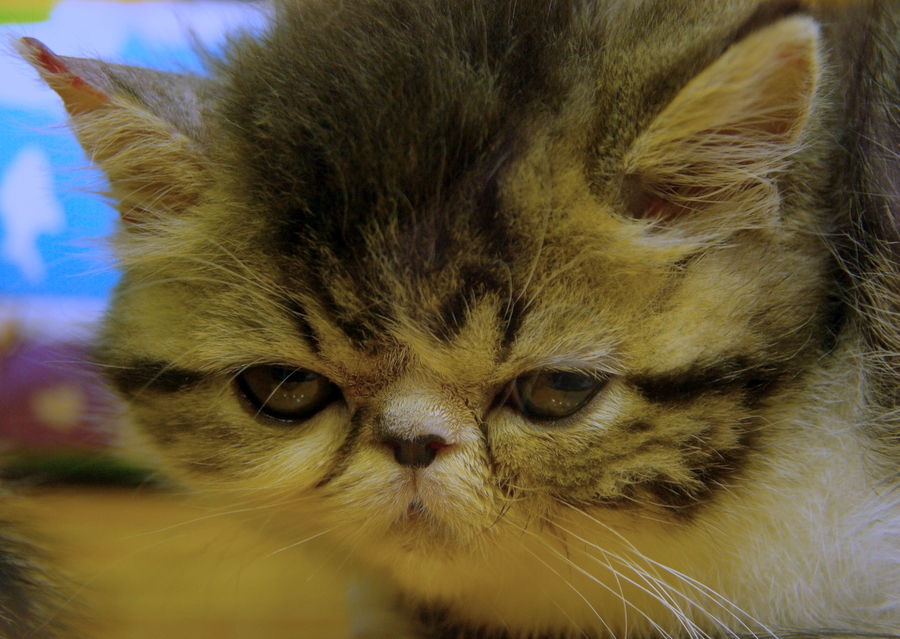
…as is this strange little kitten.

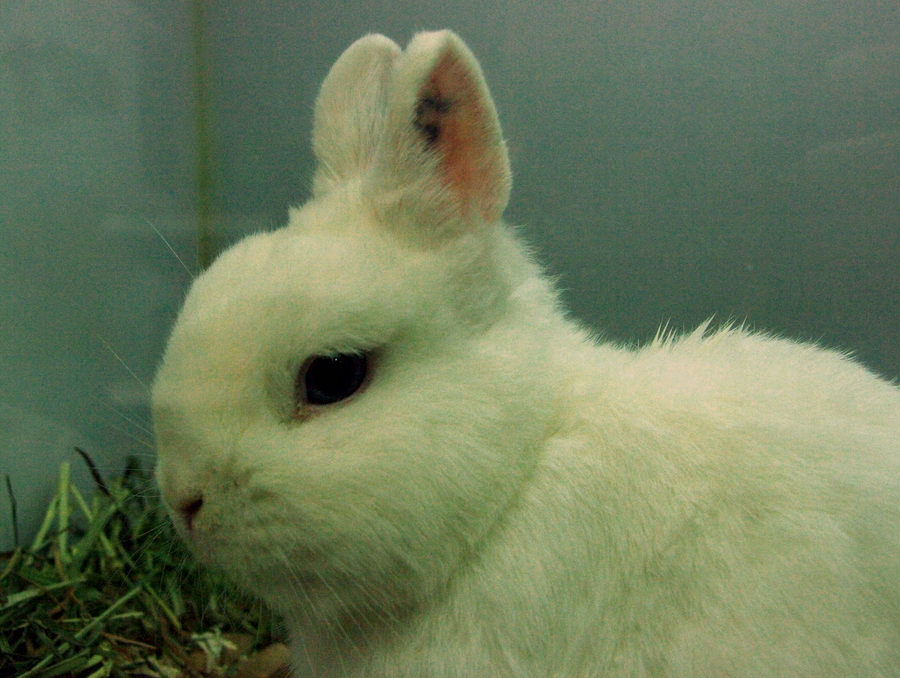
Strangely distorted rabbits are also available from the pet market

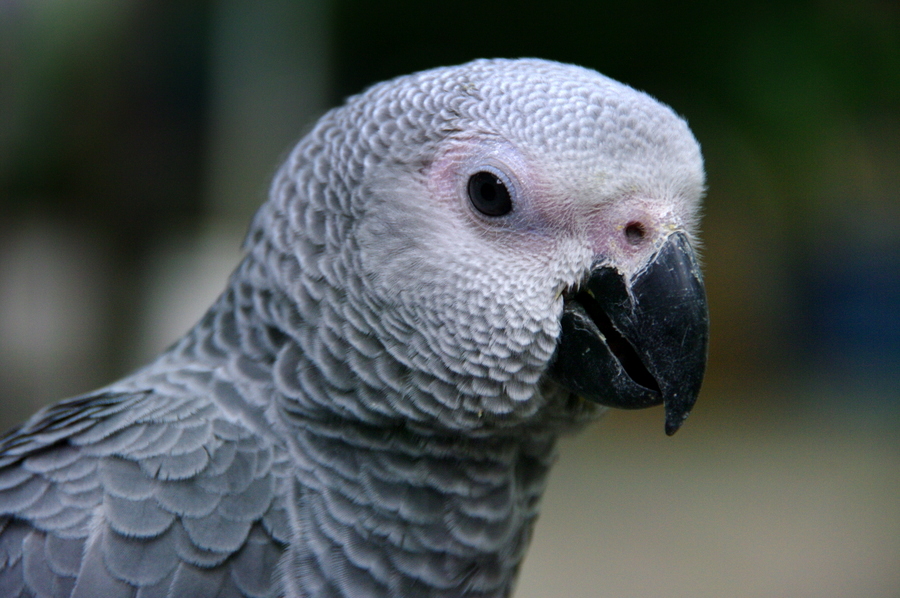
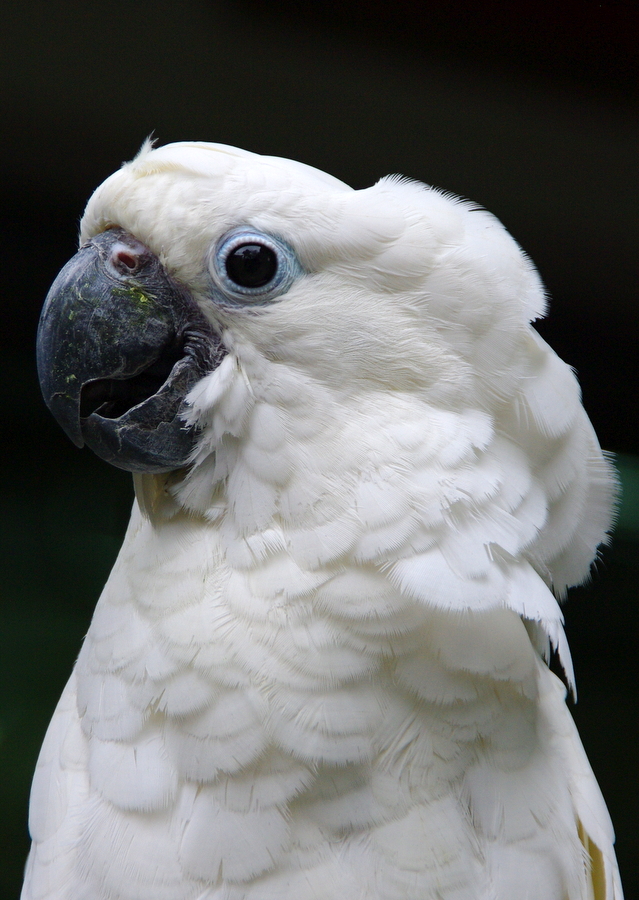
At the bird markets you can pick up birds from all over the world. There are bags of live grass hoppers and packets of writhing grubs available to keep your bird in top condition.

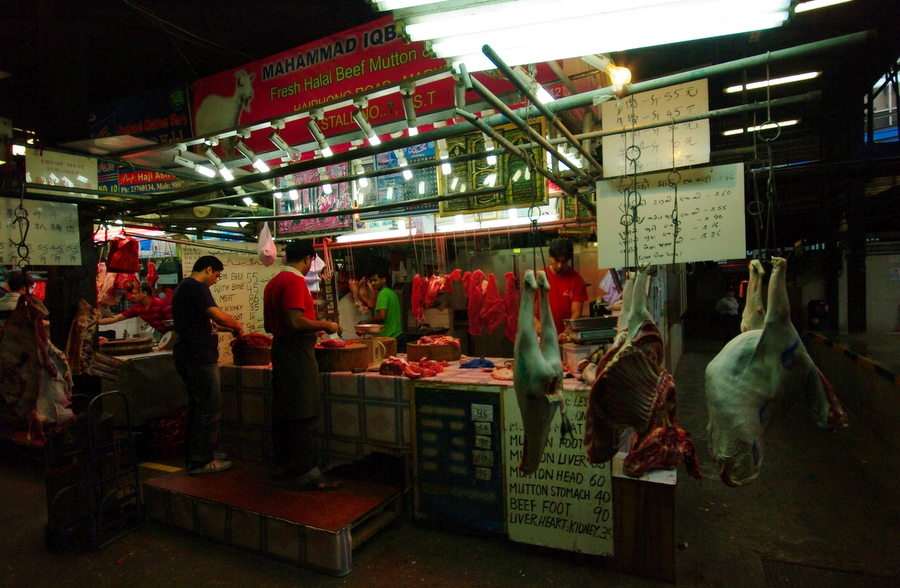
The food markets not only sell live produce, but will chop up almost anything for you to take home and barbecue.

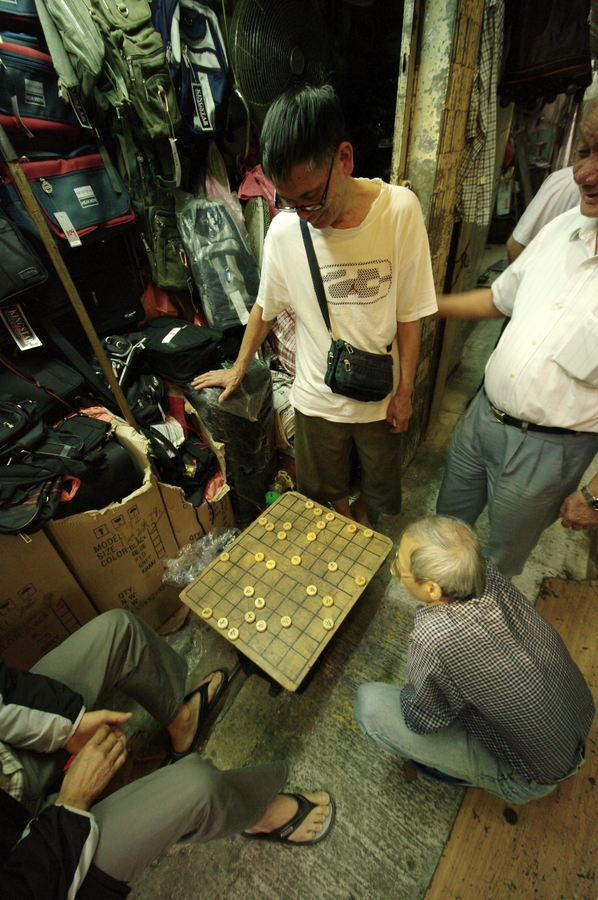
Store holders engaged in a game of some kind of checkers.

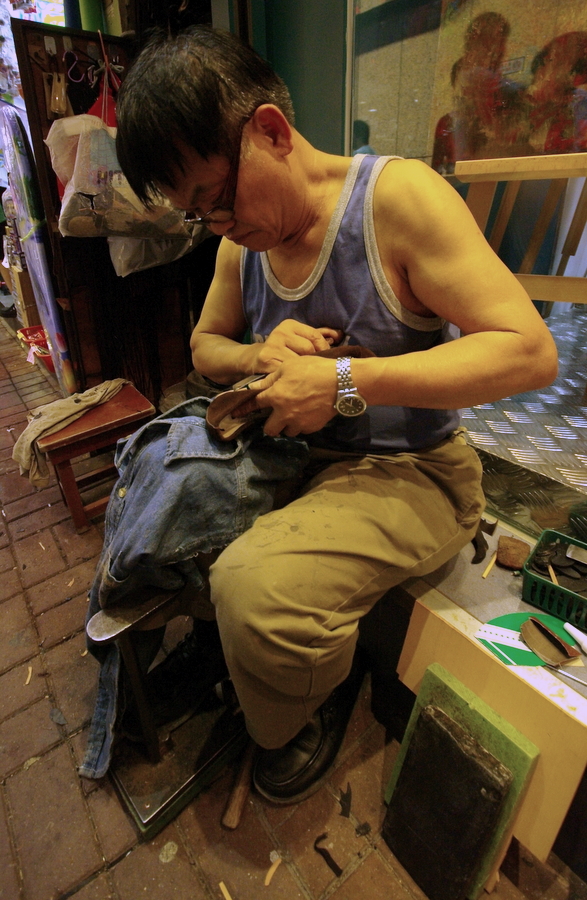
This man, sitting on a tiny stool with a handful of tools, will fix up your worn out shoes in next to no time for a couple of dollars.

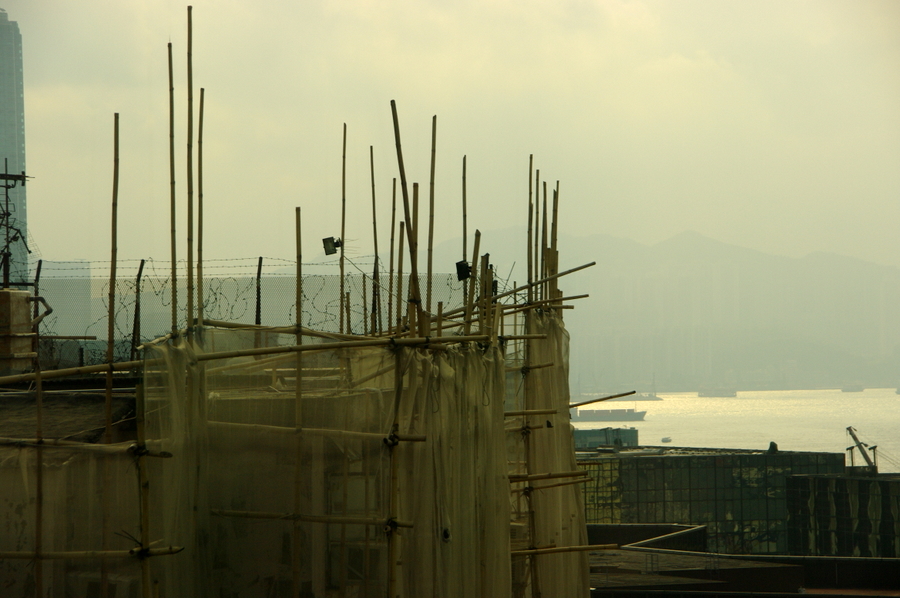
In the half light through our hotel window,  primitive bamboo scaffolding contrasts starkly with the modern high rise construction. It seems to sum up the strange, diverse character of Hong Kong.