STRANGE ANIMALS

frog1

Small green frog – thinks he’s a handsome prince

hairy chook

Weird hairy chicken

IMGP6038

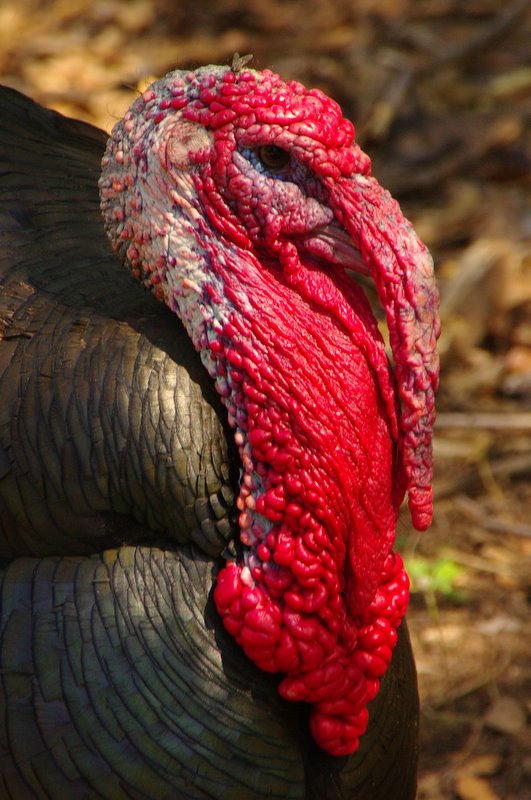
Turkey with over decorated head

IMGP6089

Small green frog – happy just to be a small green frog.

fishbone

Fishbones from Darwin Museum

IMGP3304

Scrub Turkey with moderately decorated head.

IMGP6070

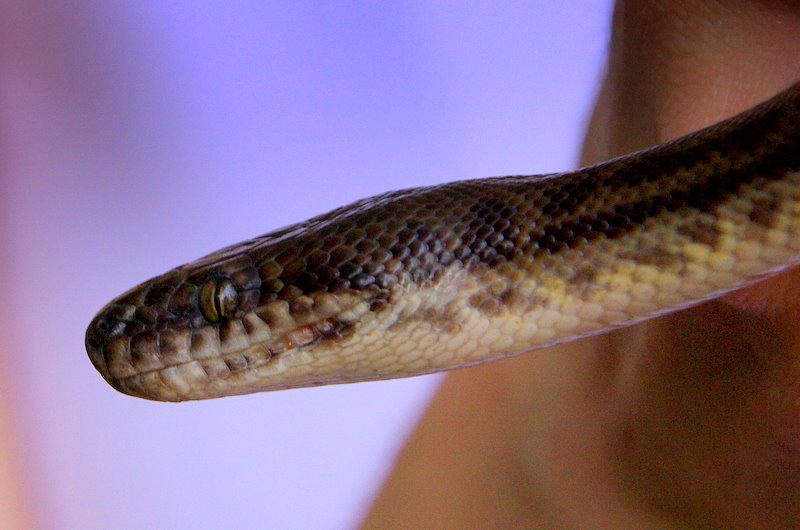
Children’s Python – not because they eat them, because they play with them

IMGP4329

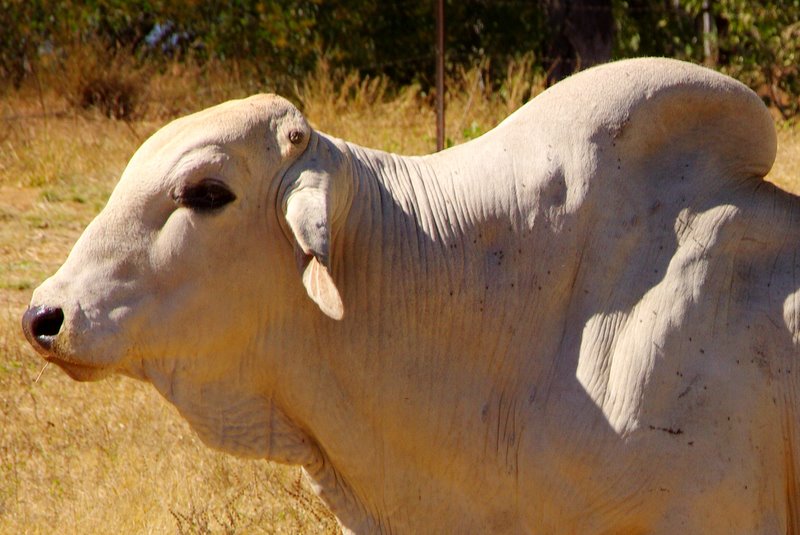
Brahman Bull profile

IMGP5048-1

Quiet Wallaby – confused by sound of flowing water

IMGP4832

Apostle Birds – because they hang around in groups of twelve

IMGP5007

Fluro Blue Butterfly

IMGP7747

Blue Faced Fig Bird with bad haircut

IMGP8475

Poor old camp dog –  may have been bitten by a snake at some stage. The cure was to cut off the tips of the ears and tail to bleed out the poison! Or maybe he’s just the victim of too many camp fights.

IMGP6462-1

Big Pig

MINING MACHINERY

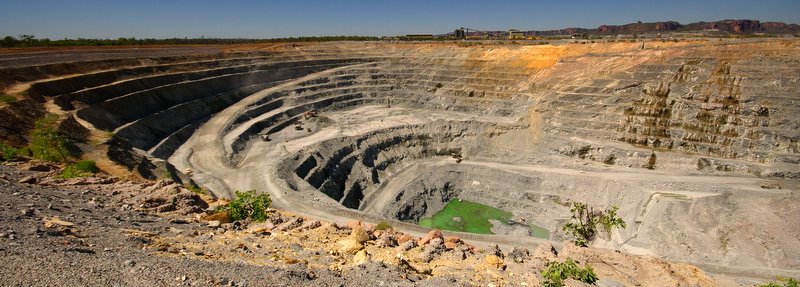
Ranger Uranium Mine, in the heart of Kakadu National Park, has the weird attraction of a car accident. It’s all very horrific but you just can’t help looking!

IMGP5796

The dirt from an enormous hole in the ground satisfies 10% of  the worlds hunger for uranium. They dig it up, crush it, mix it with various toxic chemicals (ammonia, sulphuric acid, kerosene), then , once separated and purified, pack it into 44 gallon drums and sell them for over half a million bucks a pop.

All this so the Chinese and Indians can have two door fridges, plasma TV’s and  air conditioned shopping centres,  just like we do.

IMGP5790

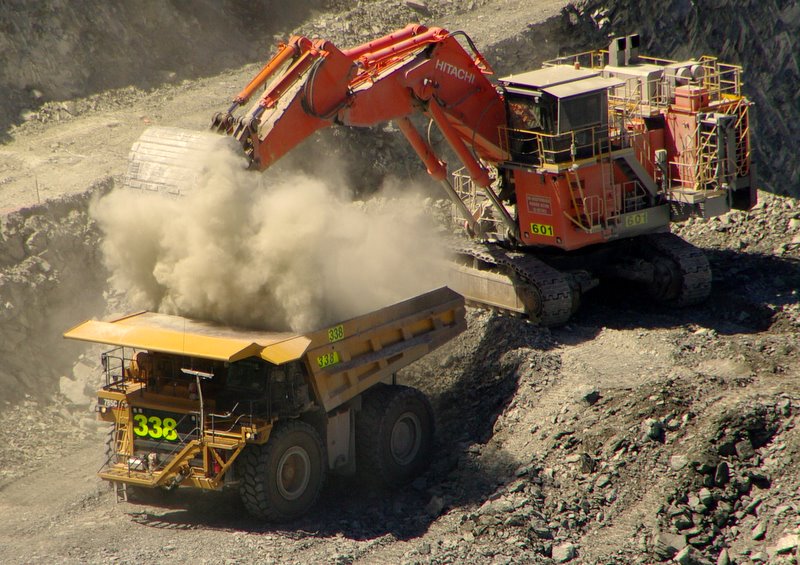
As crazy as all this is, I just cant help admiring the technology and machinery that brings it all about. One small human can sit in a giant loader and, with the assistance of hundreds of litres of burning diesel, pick up 30tons of earth in one scoop and drop it in the back of a monstrous truck. These really are awesome machines and they make great painting subjects.

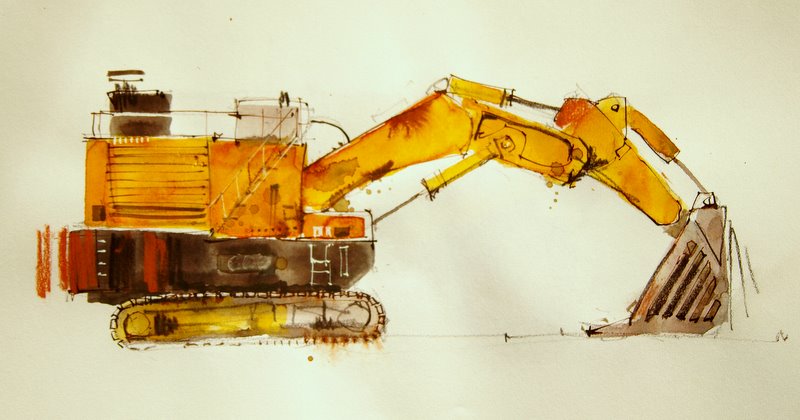
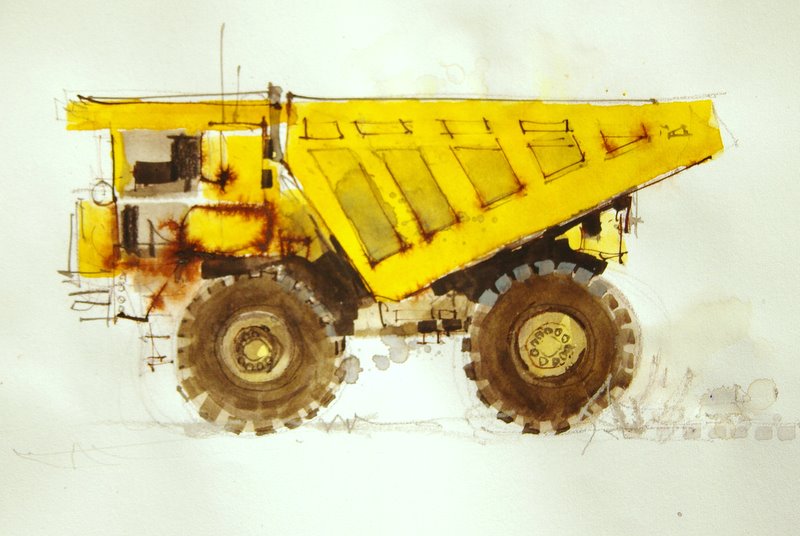
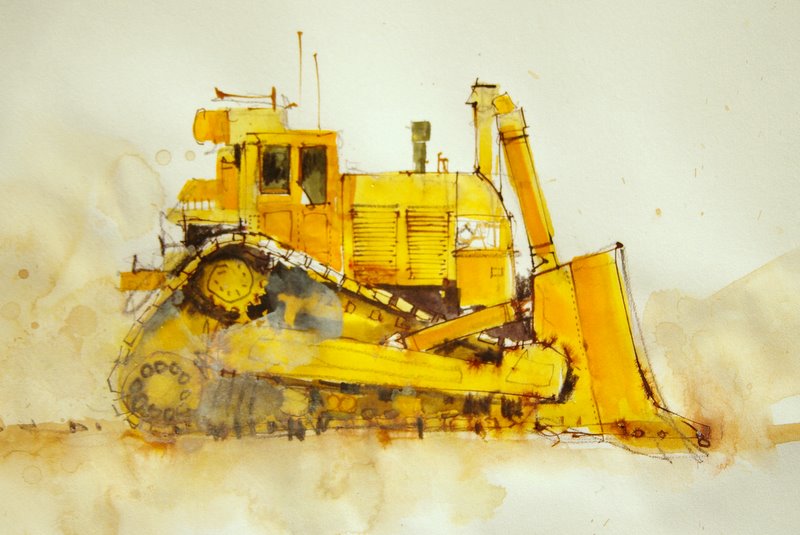
These sketches were done with Indian Yellow, Alizarin Crimson, Ultramarine Blue and White Gouache. Burnt Sienna Ink and charcoal pencil provided most of the fine lines.

IMGP6165

I liked the way this machine was resting, with it’s bucket on the ground like a big, tired elephant

IMGP6167

These trucks carry 100ton of dirt, in and out of the pit all day long. Even so, they look over designed – as if nothing could ever stop them.

IMGP6168

I used bleeding ink lines, rough charcoal marks and washes of dirty white gouache to try and get the smell of grease and diesel into this sketch.

It seems weird I guess, sitting in one of the most beautiful places on earth, painting trucks and graders!  It’s a lot of fun though.

ARNHEM LAND REFLECTIONS

WATERCOLOR AND MIXED MEDIA PAINTING DEMONSTRATION

Throughout Kakadu National Park, the landscape is dominated by the Arnhem land and Kakadu escarpments. In their own  right, these bands of ancient sandstone are spectacular sights. Seen across the wetlands and  through curtains of paperbark trees, the escarpments add a rich, warm shot of colour to a fairly monochrome landscape.

In this painting I want to use a sickly pink acrylic pigment to exaggerate the warm hues of the escarpment. To really give this colour some impact I will contrast it with some raw Ultramarine Blue

IMGP5808

The spectacular Kakadu escarpment

The range of colours for this painting is very small. Medium Magenta Acrylic being the only unusual pigment.

materials

On the extreme left, above, is a small water spray. Not in the image is a 3″ Hake brush
IMG_4691

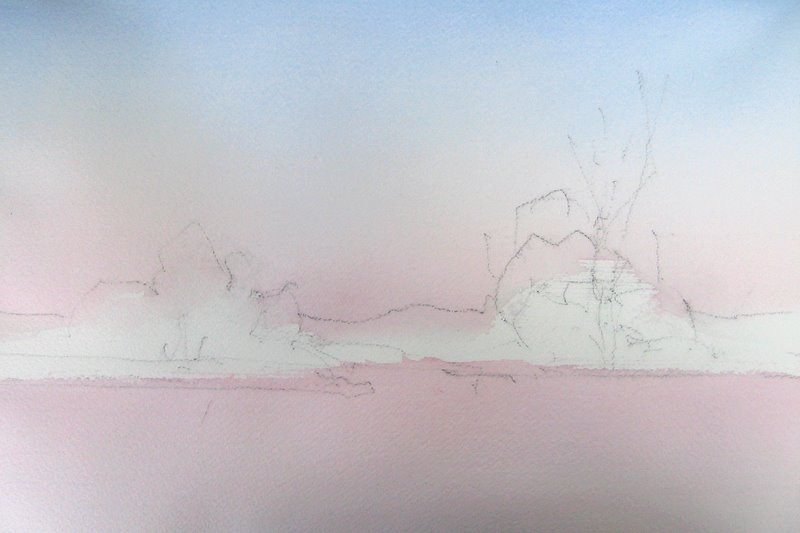
A rough sketch sketch provides just enough information to place the various elements. The first washes are gradations of Ultramarine Blue and Alizarin Crimson.

IMG_4692

Once the first washes are completely dry, the foliage can be suggested with varying mixtures of Quinacridone Gold, Alizarin and Phthalo Blue. In order to make the shapes appear random and uncontrived, the paint is splashed onto the paper then the edges are adjusted before the pigment dries.  The important thing to remember with these shapes is to put as much variation as possible into the edges.

The horizontal bands of white paper will later be tinted to represent the horizontal line of the waters edge.
IMG_4694

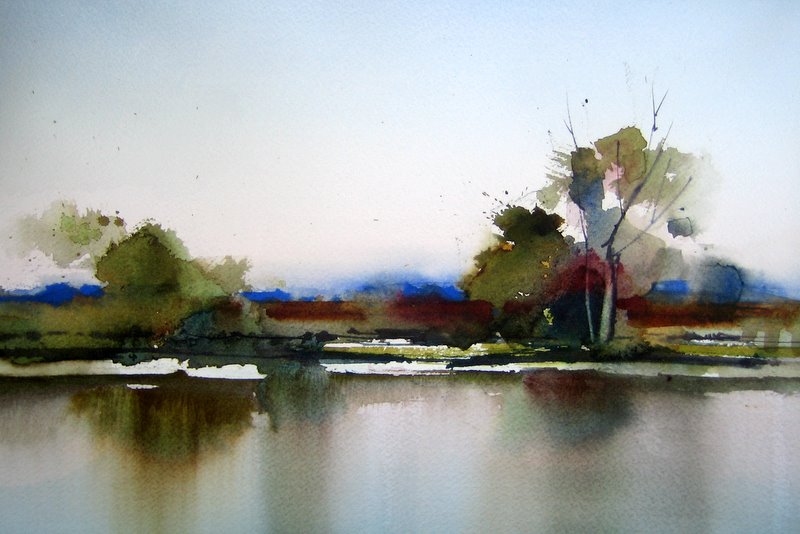
More detail is added to the foliage and reflections. The pure Ultramarine that will form the shadow at the bottom of the escarpment is dropped in and softened with a damp 1″ brush

A liner brush is used to add the fine twigs and branches. The paler, main tree trunks, are lifted out with a damp 1″ flat brush.

IMG_4695

Finally the sickly pink acrylic is dropped in over a wash of Quinacridone Gold and Alizarin Crimson. A wash of Phthalo Blue cools down the water. Graded washes of Ultramarine Blue darken the outer edges of sky and water.

With the painting once again , thoroughly dry, pools of White Gouache are dropped into the sky and water and adjusted with a dry hake brush and water spray.

The last step is to add some Burnt Sienna Ink marks and Black and White charcoal pencil lines to suggest  finerl detail.

KAKADU POSTCARDS

kakadu map

Random shots of Kakadu National Park taken with Pentax K20D

IMGP5746

Rock art – Nourlangie

IMGP5776

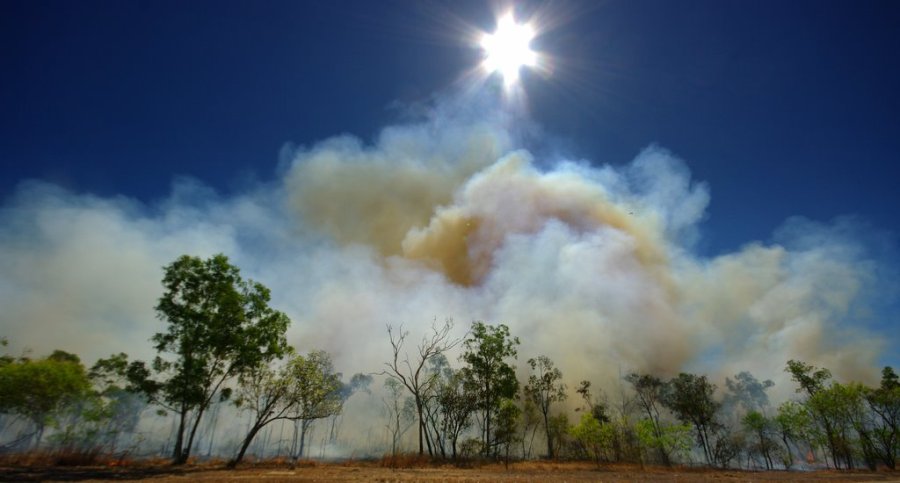
Kakadu Burn Off – Sigma 10-20mm lens

IMGP5807

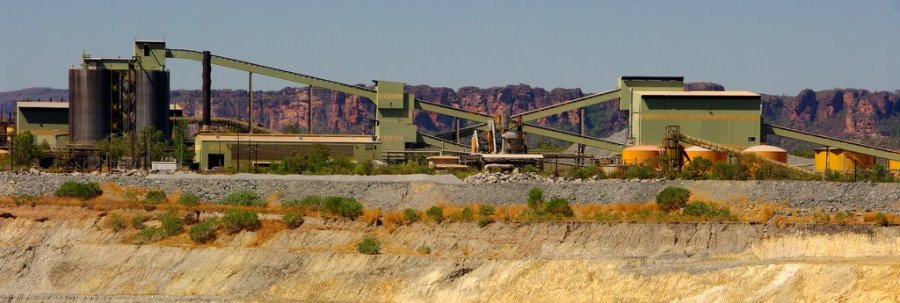
Under the picturesque backdrop of the Kakadu Escarpment is Ranger Uranium Mine – carefully placed in the middle of a World Heritage National Park

IMGP5849

Ranger Uranium Mine –

all very safe, where nothing can go rong wronge ronge wrong

IMGP5855x

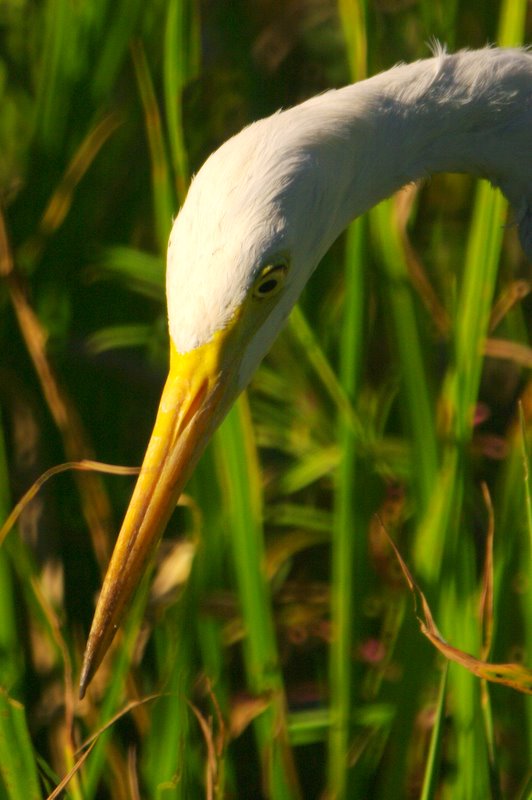
Great Egret – 500mm mirror lens

IMGP5870

Nankeen Night Heron – 500mm mirror lens

IMGP5935

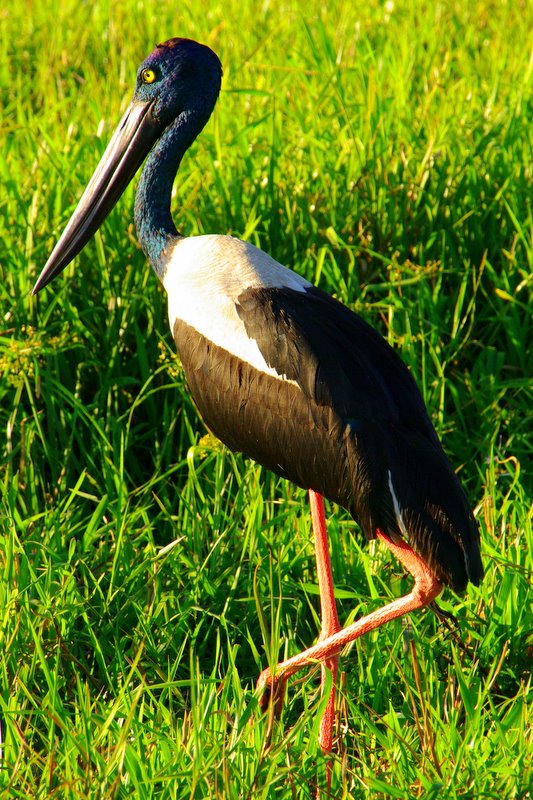
Jabiru – 18-250 pentax lens

IMGP5950

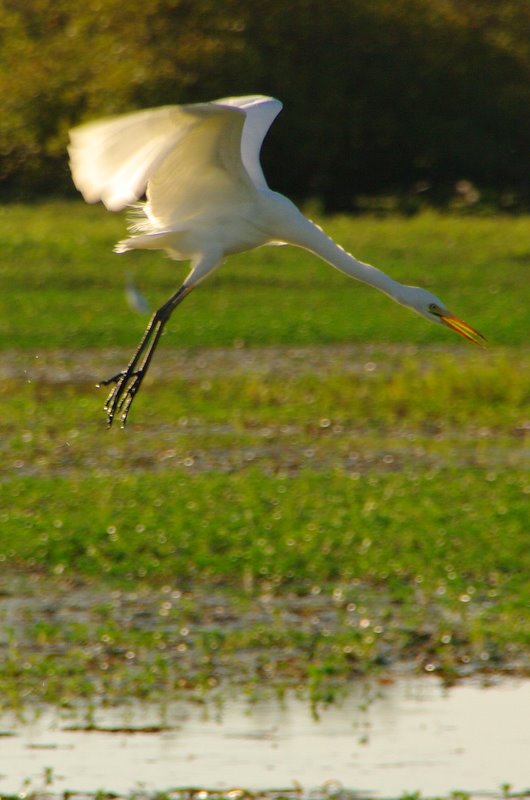
Hovering Egret – 500mm mirror lens

IMGP5951

Same Hovering Egret – 500mm mirror lens

IMGP5976

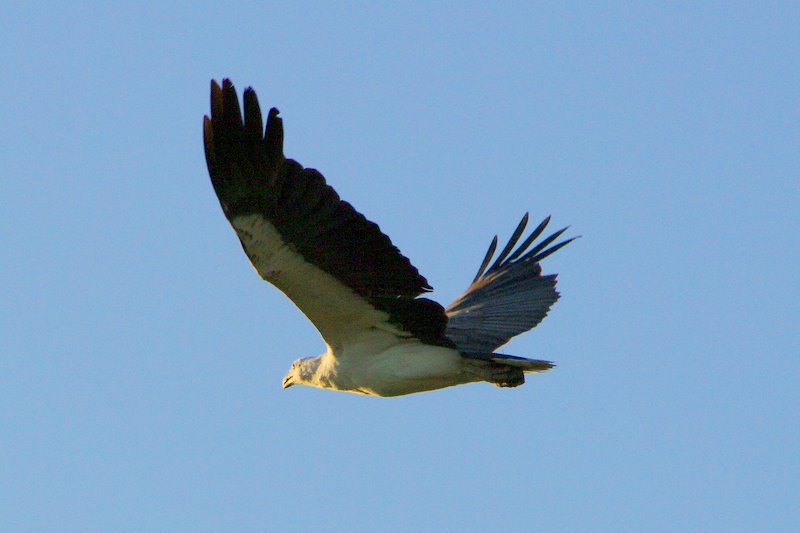
White Bellied Sea Eagle full of Barramundi – 18-250 Pentax lens

IMGP5989

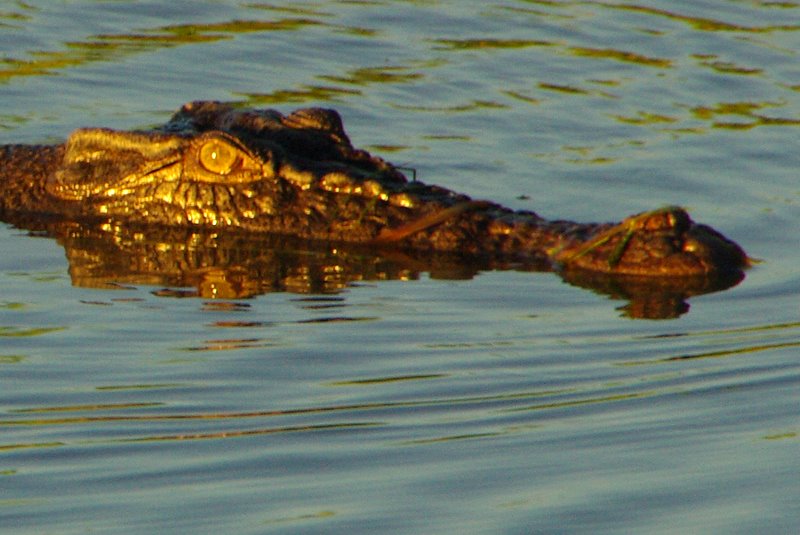
Cruising Croc  18-250 Pentax Lens

IMGP5997

Watching Croc 18-250 Pentax lens

IMGP5873

Waiting Croc – 10mm super wide angle just kidding – 500mm mirror Lens

IMGP6017

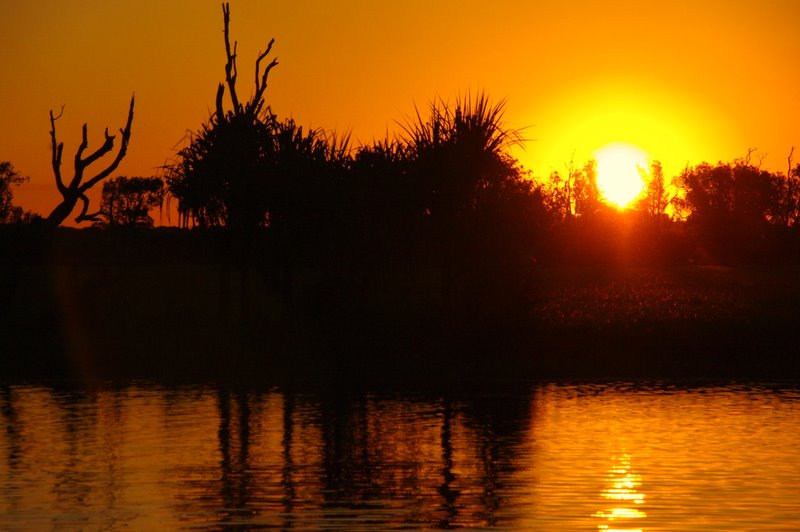
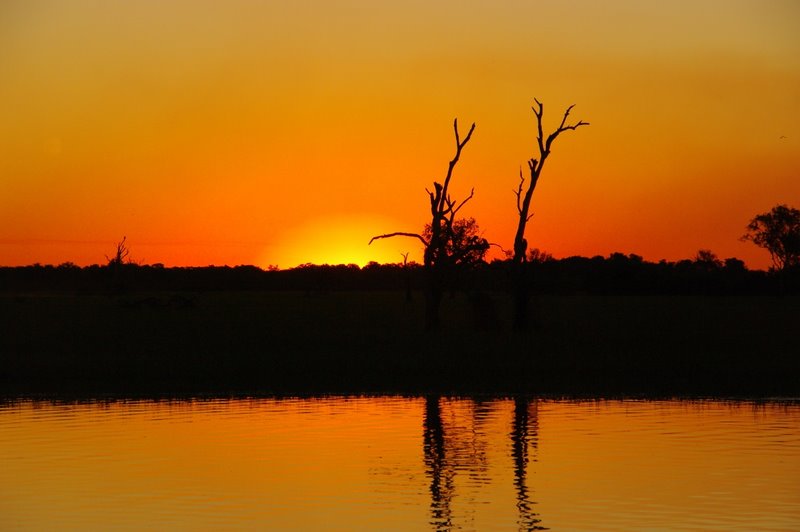
Yellow Waters sunset

IMGP6025

Same Yellow Waters Sunset.

UBIRR JABIRU

IMGP5709

The view at sunset, across the Arnhem Land Floodplain, from the top of Ubirr is an incredibly spectacular site. – almost too good to be true. When we come to Kakadu it’s a place we always visit.

IMGP5697

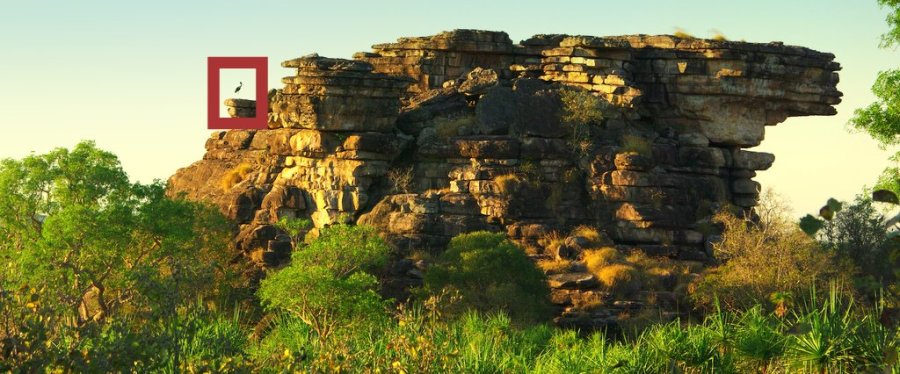
This time, as we headed up to the top of the rock, perched on one of the sandstone outcrops was a Jabiru. What an amazing site. He was standing there when we arrived and an hour later was still posing for photographs as we left.

IMGP5720

I guess Jabirus like to stand on Ubirr, look out over the flood plain and watch the sun go down just like humans do.

MUDGINBERRI

IMGP5725

MEATWORKS SUNRISE

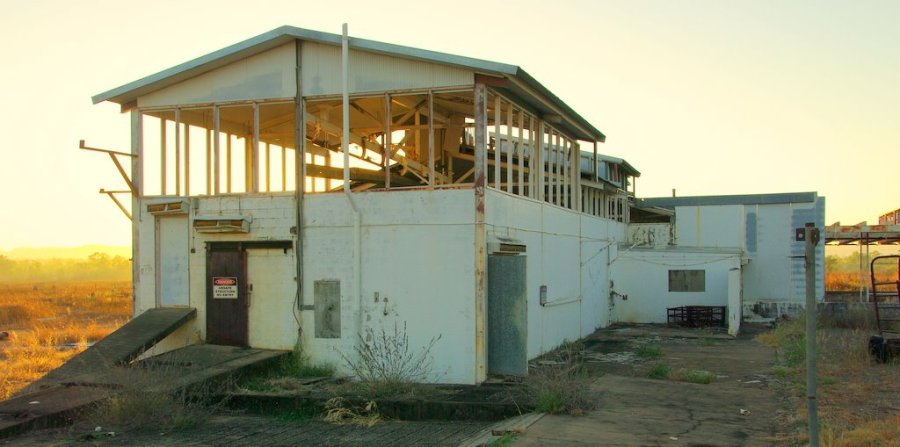
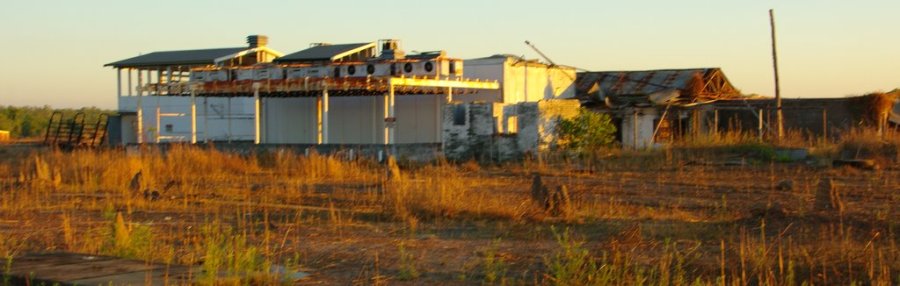
This, now defunct, little abattoir within Kakadu National Park was the catalyst for a huge change in the Australian Union movement. In 1985, the Australasian Meat Industry Employees Union were forced to pay 1.5 million dollars to the owners of  Mudginberri Meatworks to compensate  for costs and lost earnings due to Union picket lines halting production.

This led the ACTU to call three National strikes. The press turned the  AMIEU into public enemy number one. Ian Mclachlan, (president of the National Farmers Federation) said at the time that Mudginberri  “changed the nature of industrial relations in Australia”

The Barrister acting for Mudginberri at the time was Peter Costello.

So, this little slaughterhouse was the beginning of the end of union power in Australia. It’s demise was brought about by the refusal of meat inspectors to cross the picket line. In a sense, the meatworks became the sacrificial lamb to cripple  union power

IMGP5722

IMGP5733

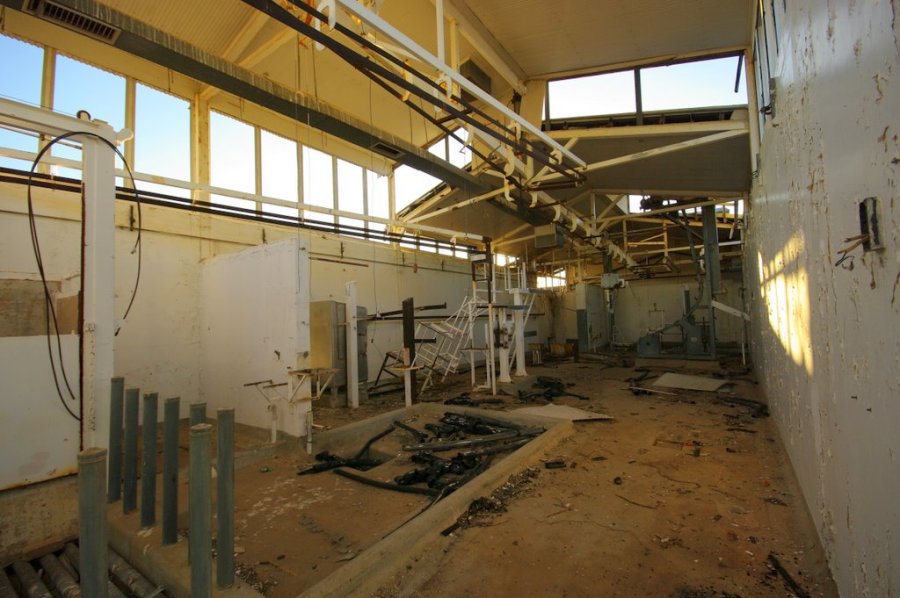
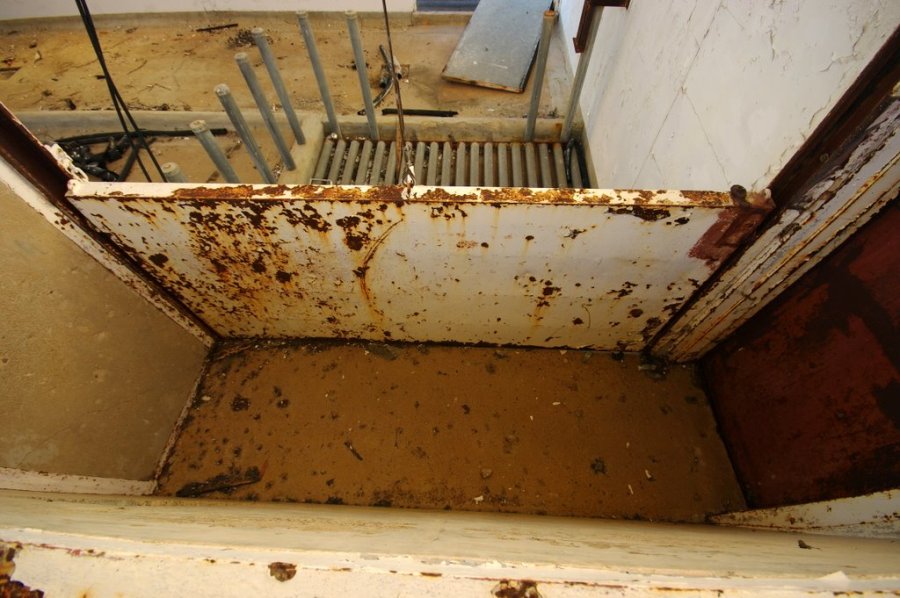
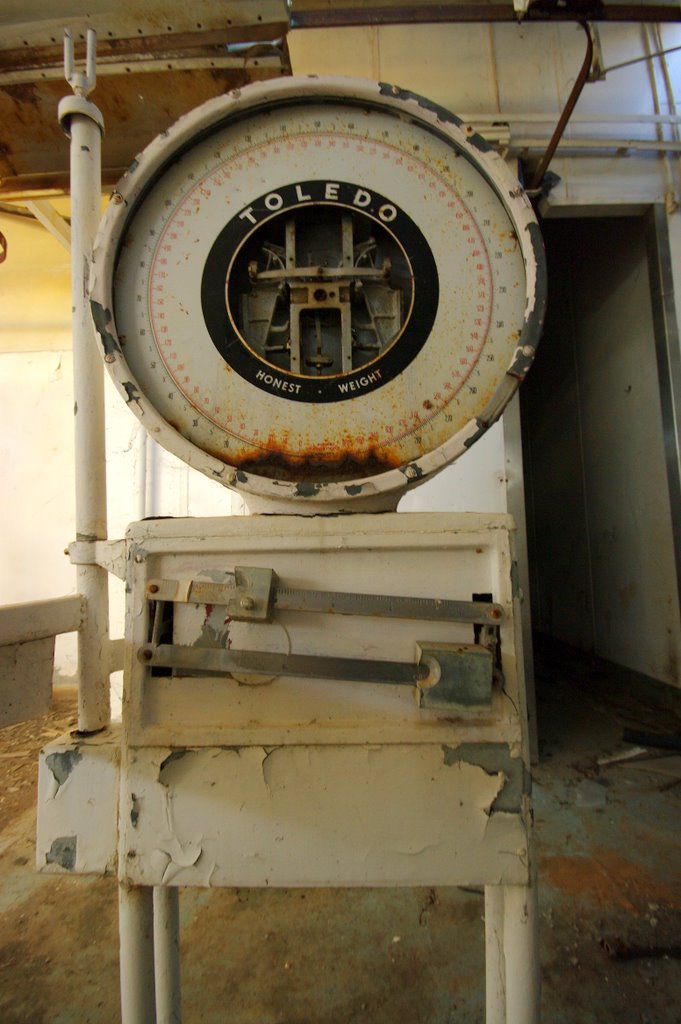
Feral water buffalo entered through a door at one end of this room and exited frozen and packed in small cardboard boxes at the other end.

IMGP5737

The Buffalo would enter through the door, lower right and be dispatched by the slaughter-man. The white steel petition would be lifted and the carcass hoisted from the grate beyond, to be conveyed through the processing room

IMGP5740

IMGP5741

25 years after the demise of Mudginberri, a pile of buffalo horns lie beaten and bleaching in the sun where a picket line once stood.

NORTHERN TERRITORY ARCHITECTURE

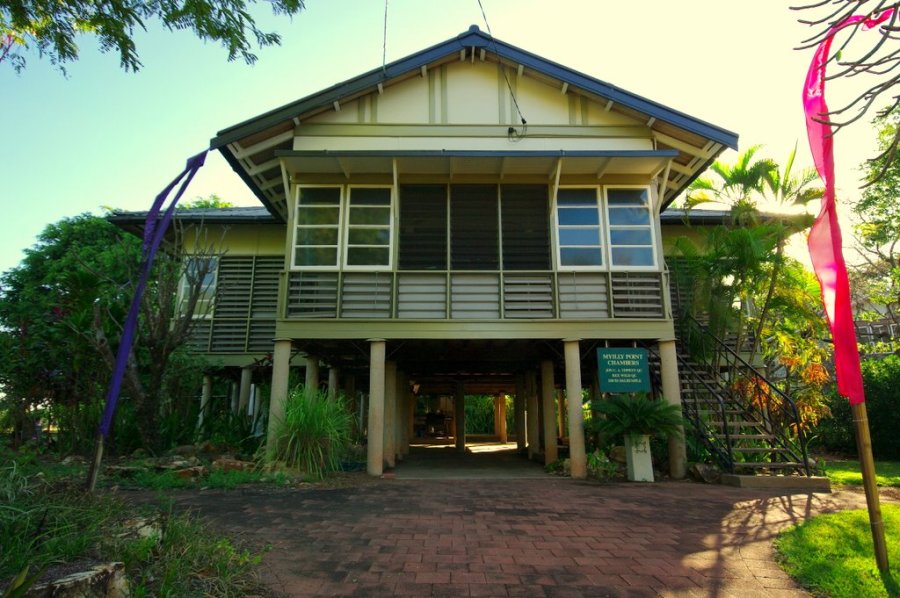
The Northern Territory has its own unique style of architecture created to cope with  the hot tropical climate. Some of the most important examples of pre WWII N T architecture are the Burnett Houses.

Beni Burnett was born in Mongolia, raised in China and worked in Singapore, Japan and China. His Northern Territory buildings are influenced by the Colonial architecture of Malaysia and Singapore.

He employed a system of screened asbestos cement louvers to allow for cross ventilation, no matter which way the breeze was blowing. Open eaves, ventilated roof ridging and open topped internal walls provided easy evacuation of warm air. Steep pitched roofs and two story construction also aid in keeping the building cool.
IMGP5602

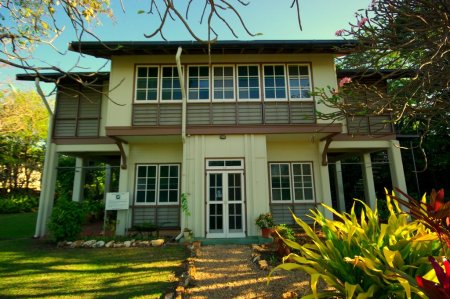
“K Type” Burnett House – 1939

IMGP5605

“E Type”  Burnett House – 1939

IMGP5372

Parliament house in Darwin echoes the colonial windows and louvers of the traditional Burnett House

IMGP5448

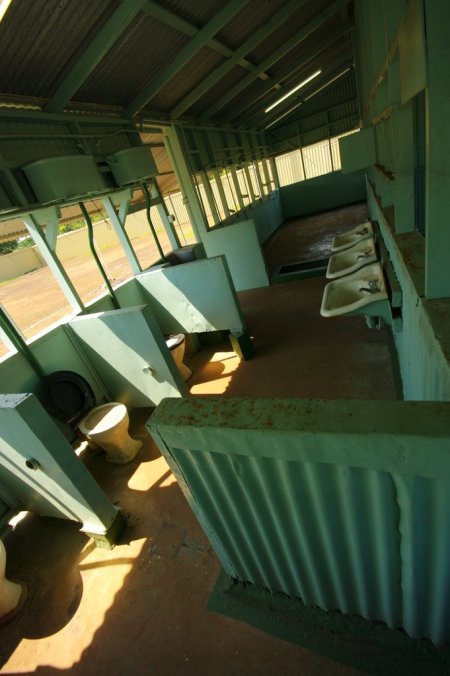
This is the toilet block at the old Fanny Bay Gaol  Darwin. From waist height, external walls are timber stud frame with fly wire mesh attached. The internal walls also stop at waist height. Great for ventilation, not so good for privacy. I have a sneaking suspicion that this may have had an influence on Burnett’s designs. I’d like to think so. The Burnett houses were originally designed for high ranking public servants. I’d like to think they lived in houses influenced by a prison toilet block.

.

.

SKETCHES

materials2

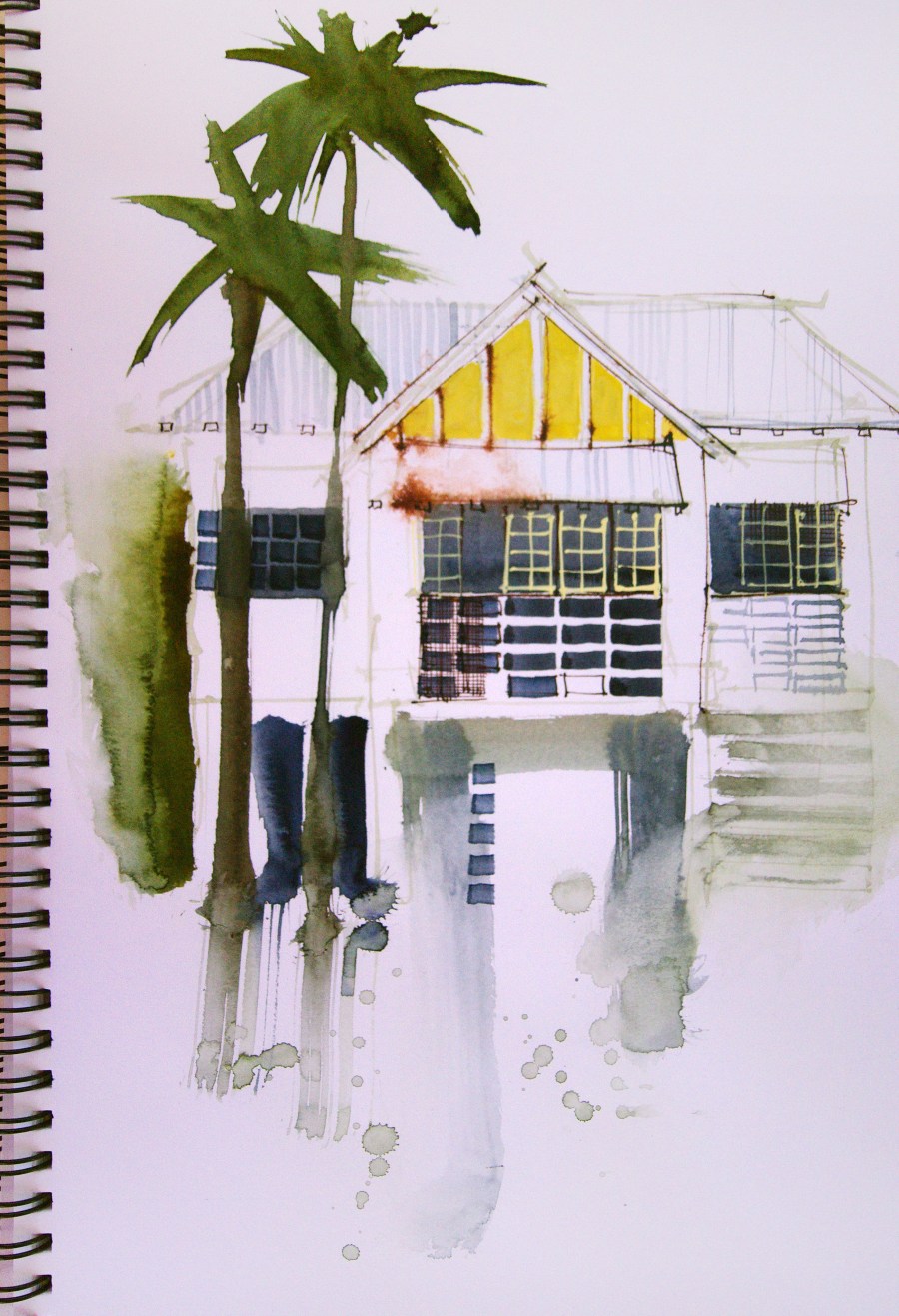
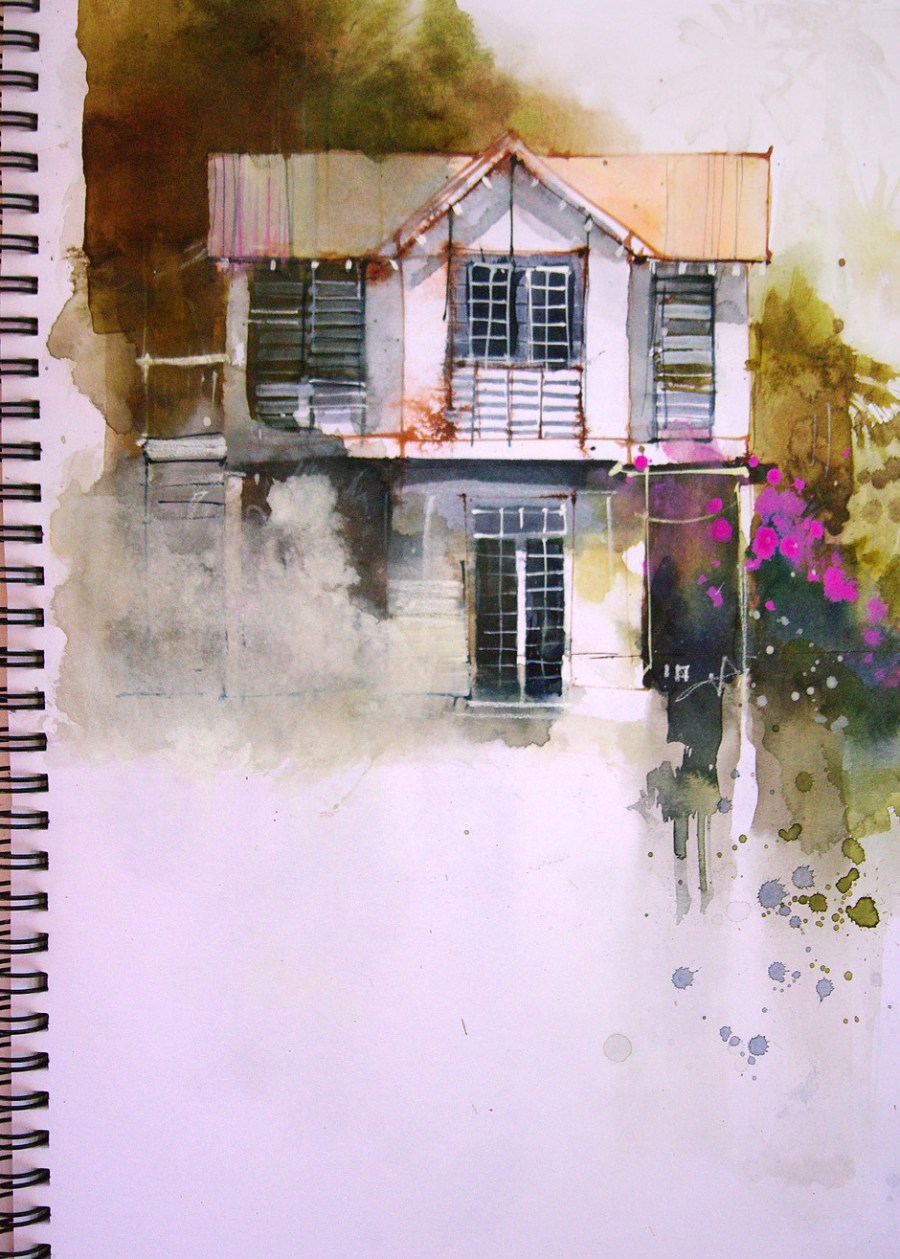
Embroidery mesh was used to press geometric squares into the colonial windows. White Gouache was also used in the sketches.

burnett 2

burnett house

burnett 1

.

.

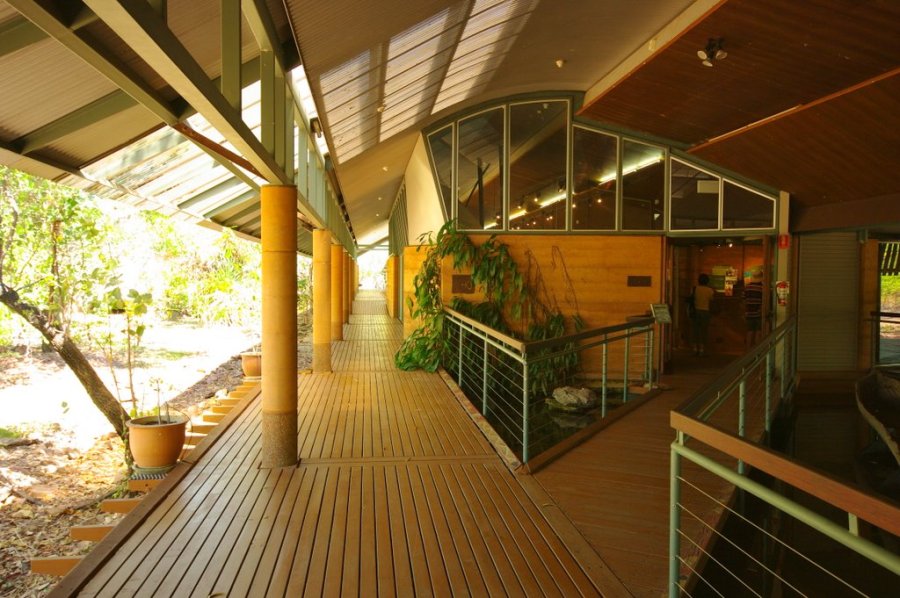
One of my favourite examples of NT architecture is the Glenn Murcutt “Bowali Visitors Centre” in Kakadu National Park. Built of  formed, tinted concrete, corrugated iron, steel and timber. Its colours and textures look to have come directly from the ground it sits on. The building feels big and open and natural, inspired by one of the rock art galleries in the Park

IMGP5677

IMGP5665

IMGP5680

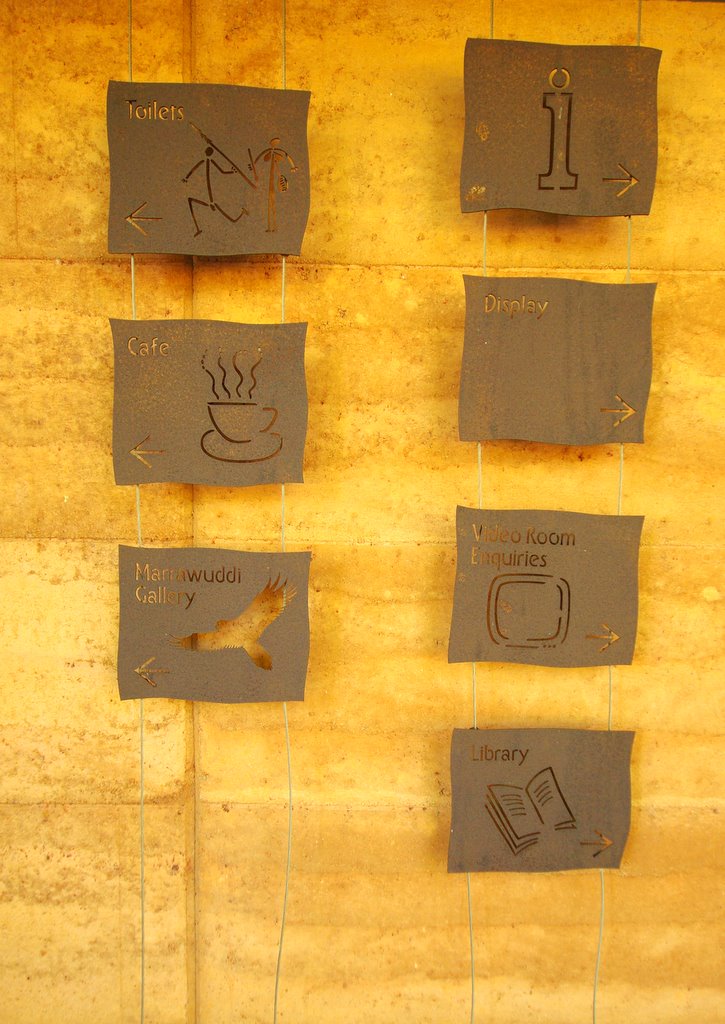
Information signs are made of 1/4″ steel plate, laser cut and left to rust. Here they are suspended by wire in front of an off the form concrete wall panel Tinted with natural ochre.