PRAGUE

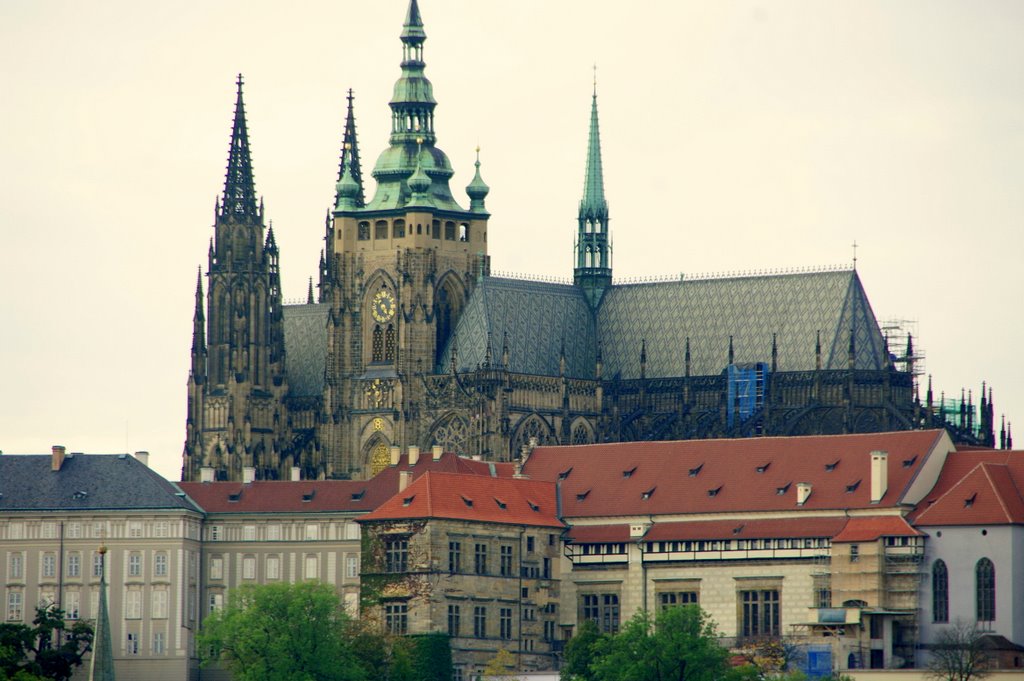
The old city of Prague is an amazing collection of domes, turrets and spires. The ground is completely covered in cobble stones  and the Gothic architecture is fantastic – the only downside is that thermometers in Prague only need very small numbers.

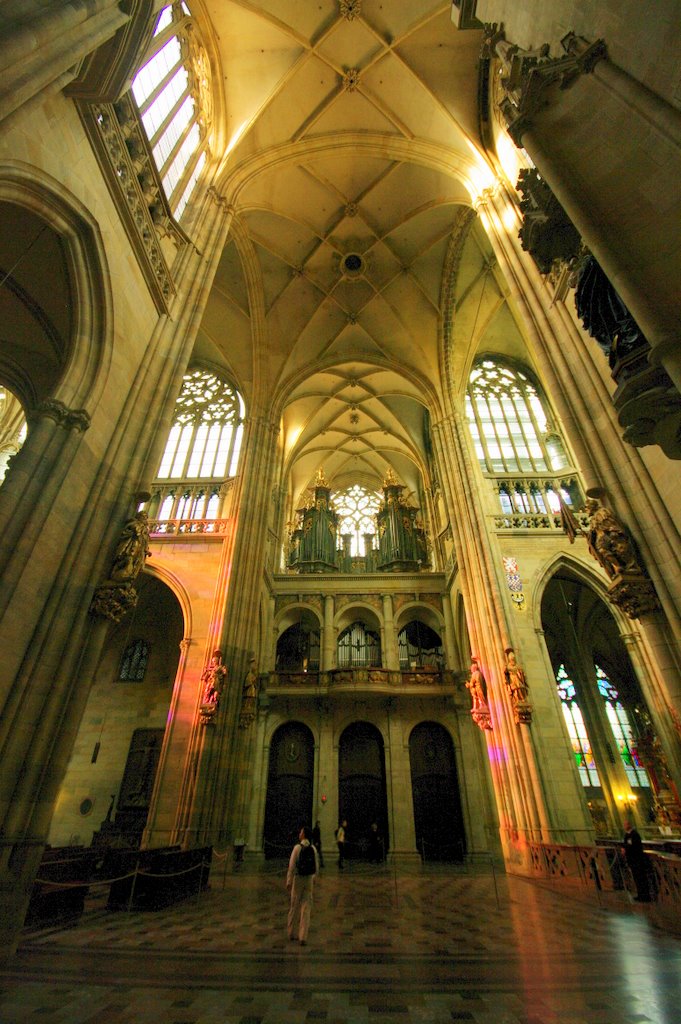
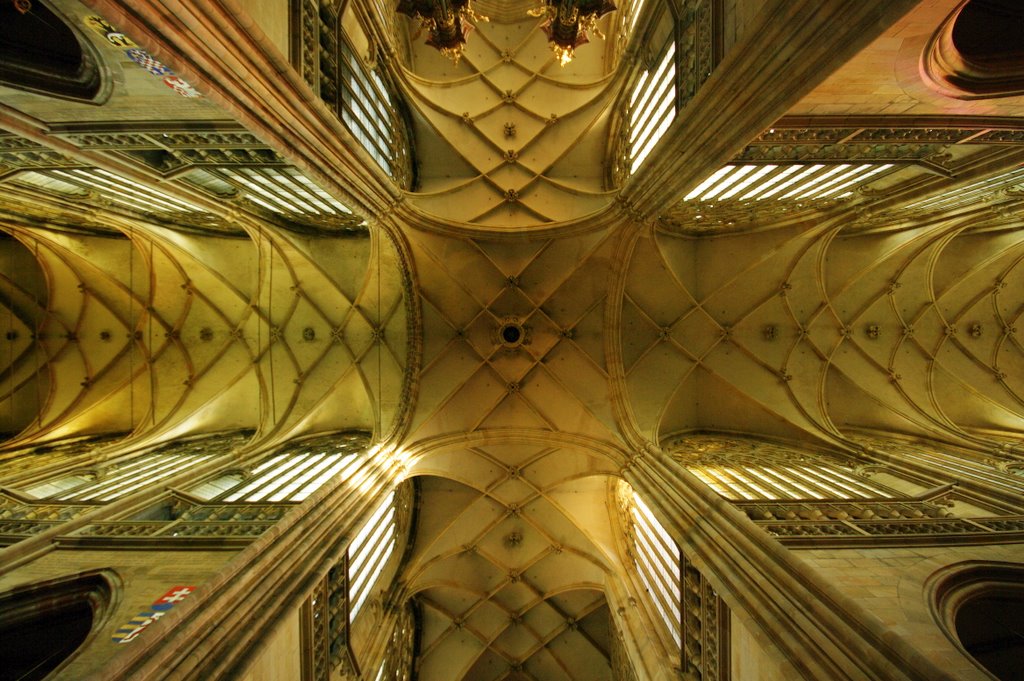
St Vitas Church

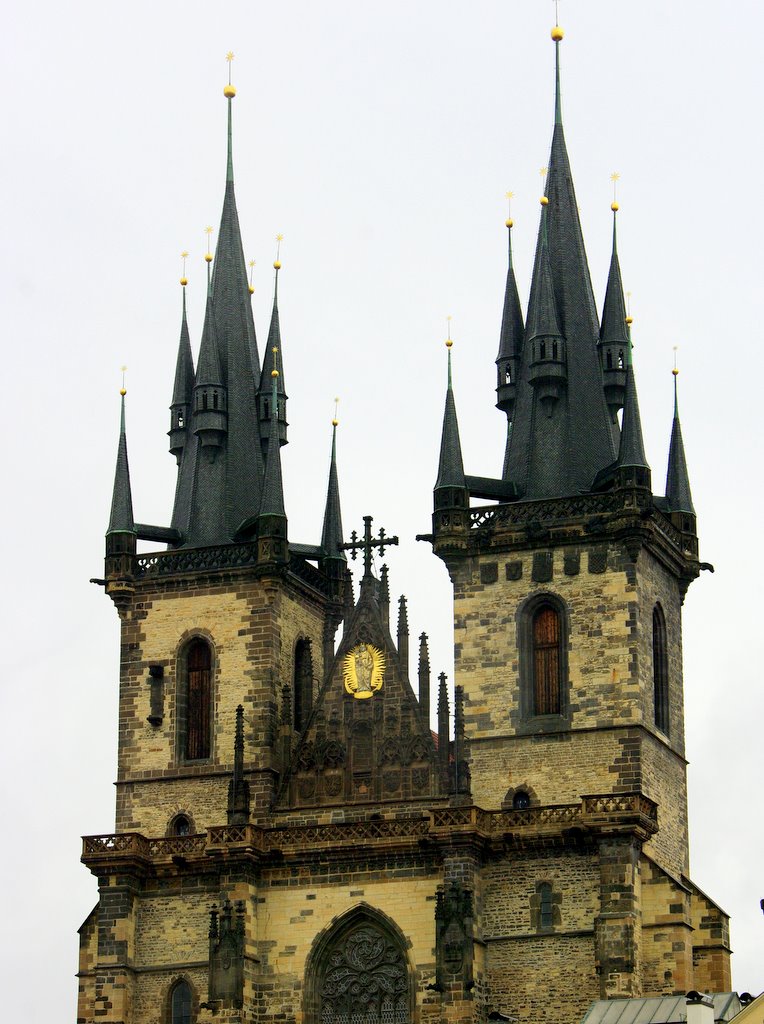
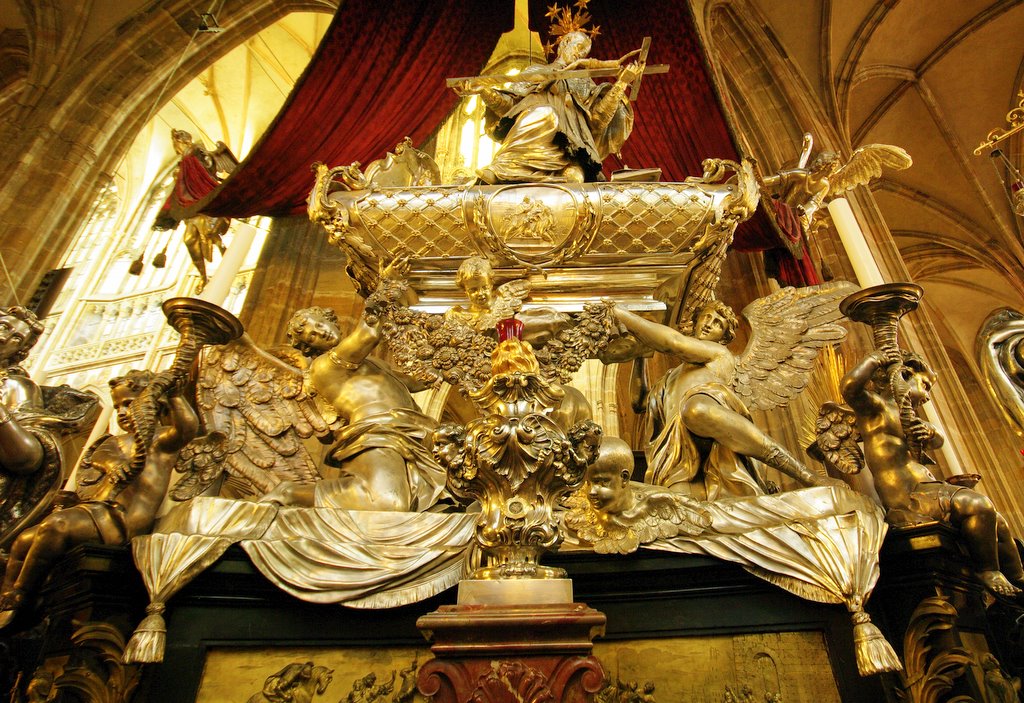
Large Religious thing covered in gold, silver and angels – St. Vitas Church.

Inside St Nicholas Church – No man in red suit inside.

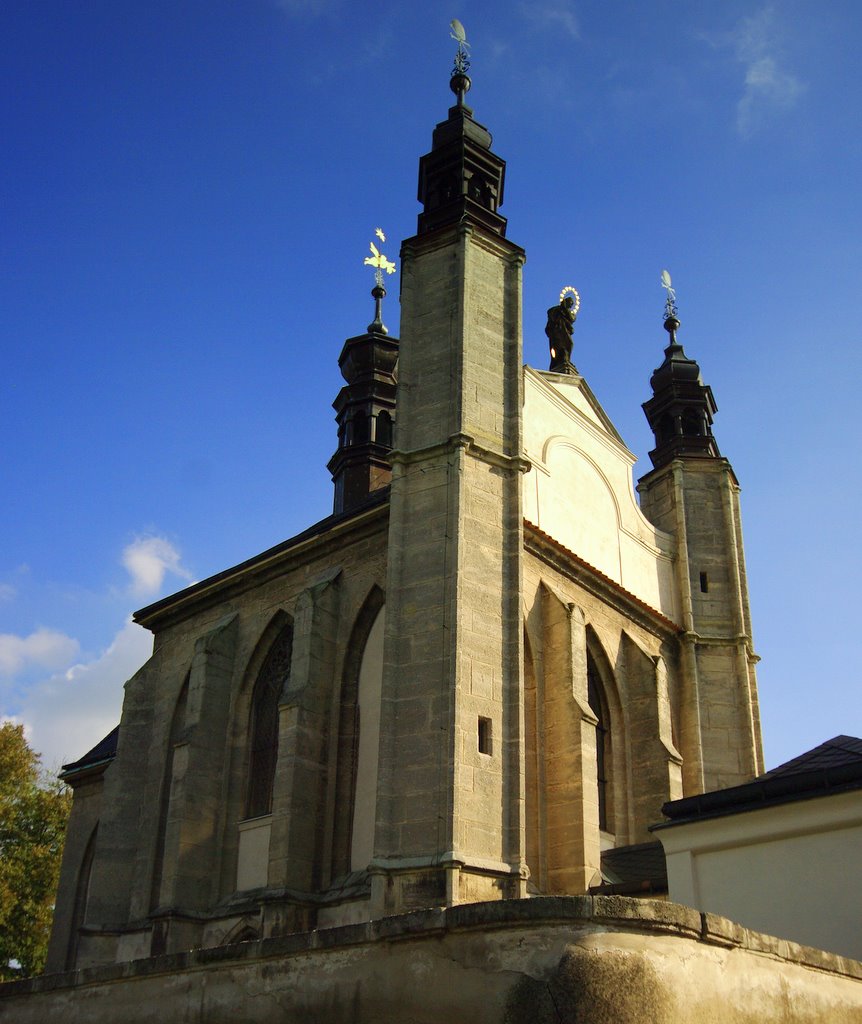
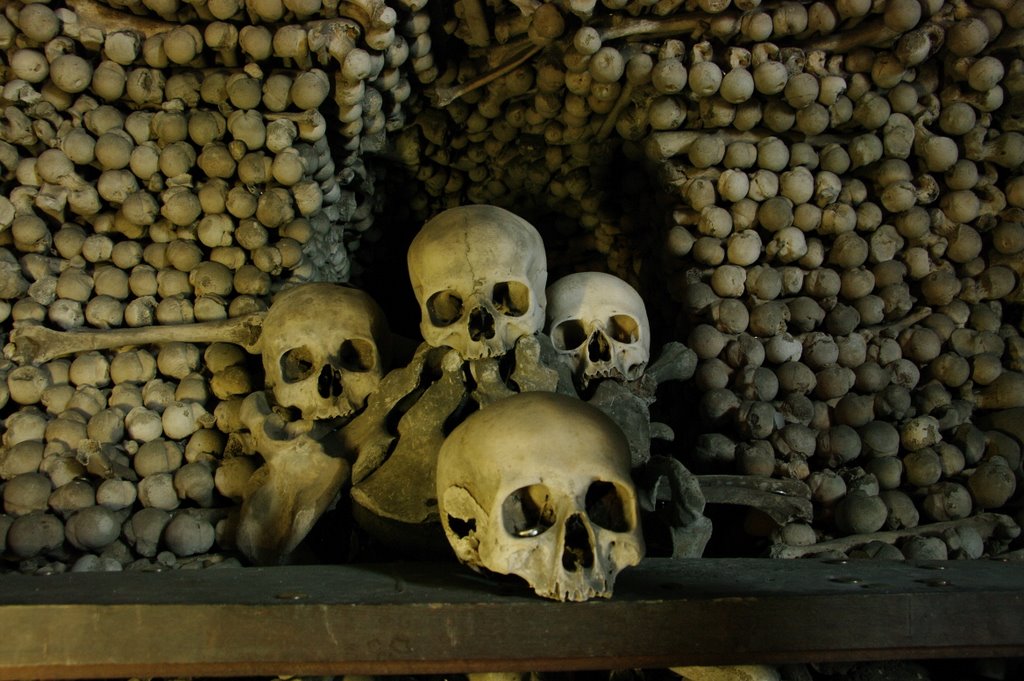
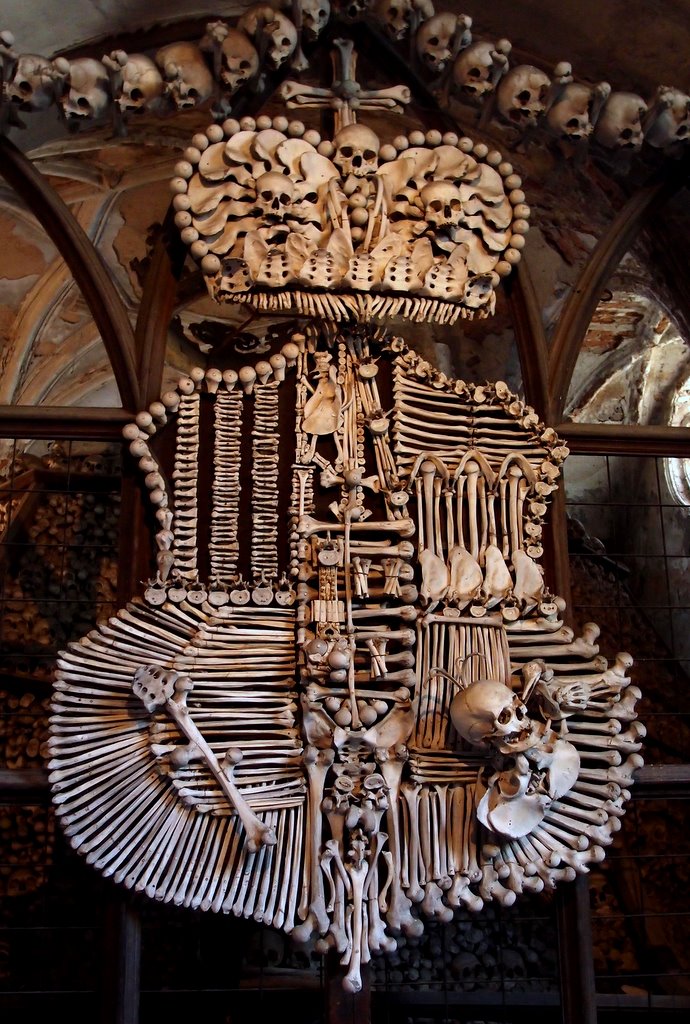
The Chapel of All Saints in the town of Kutna Hora, outside Prague, is completely decorated with human bones – the remnants of up to 17000 bodies killed by the plague in the 16th century.


PRAG1063

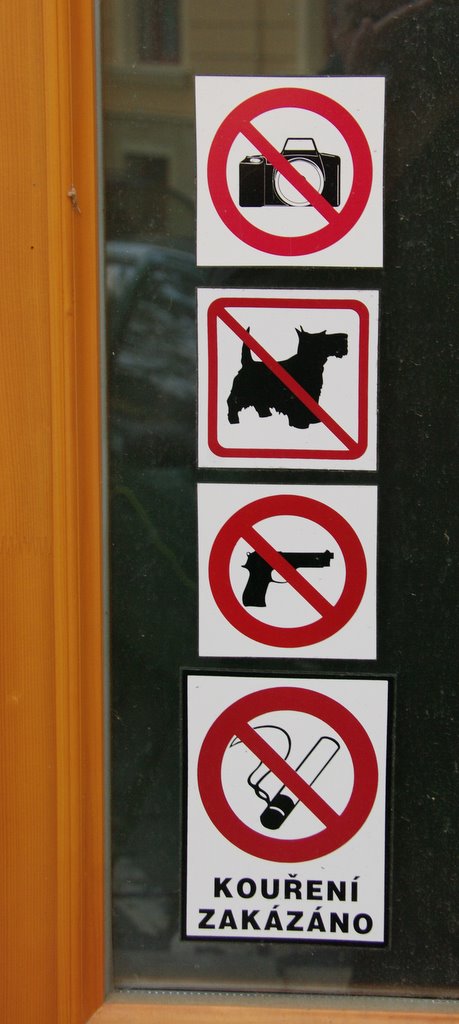
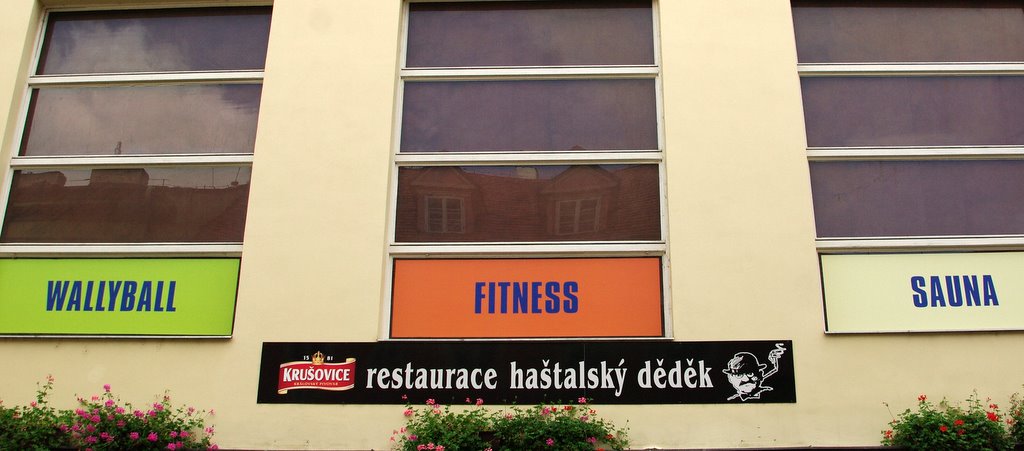
Kutna Hora – a quaint little town with some weird signs on the shop windows

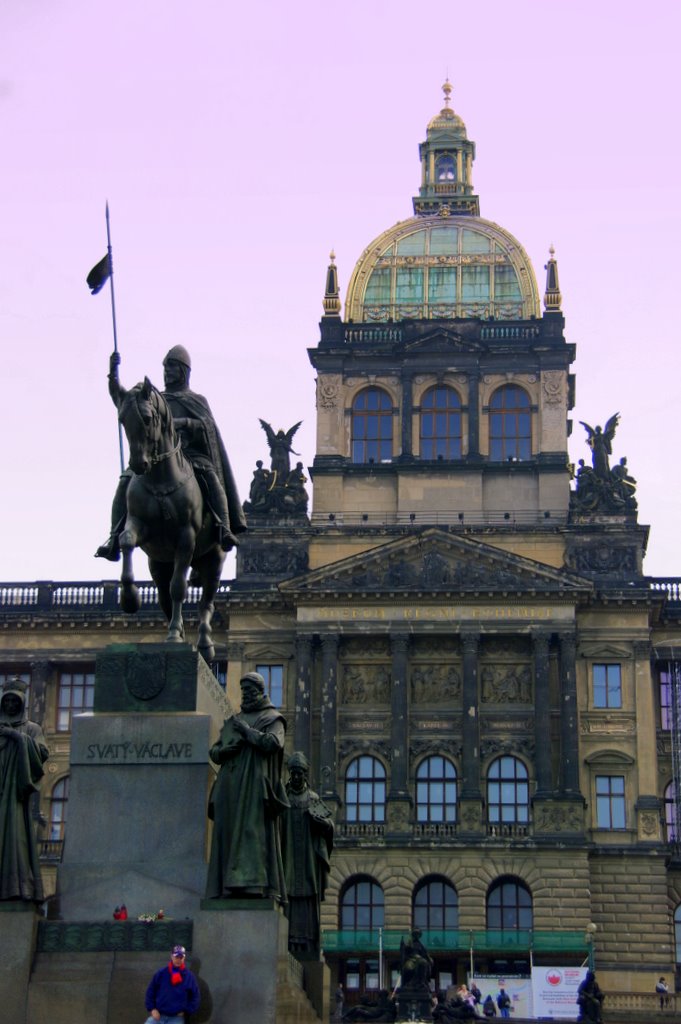
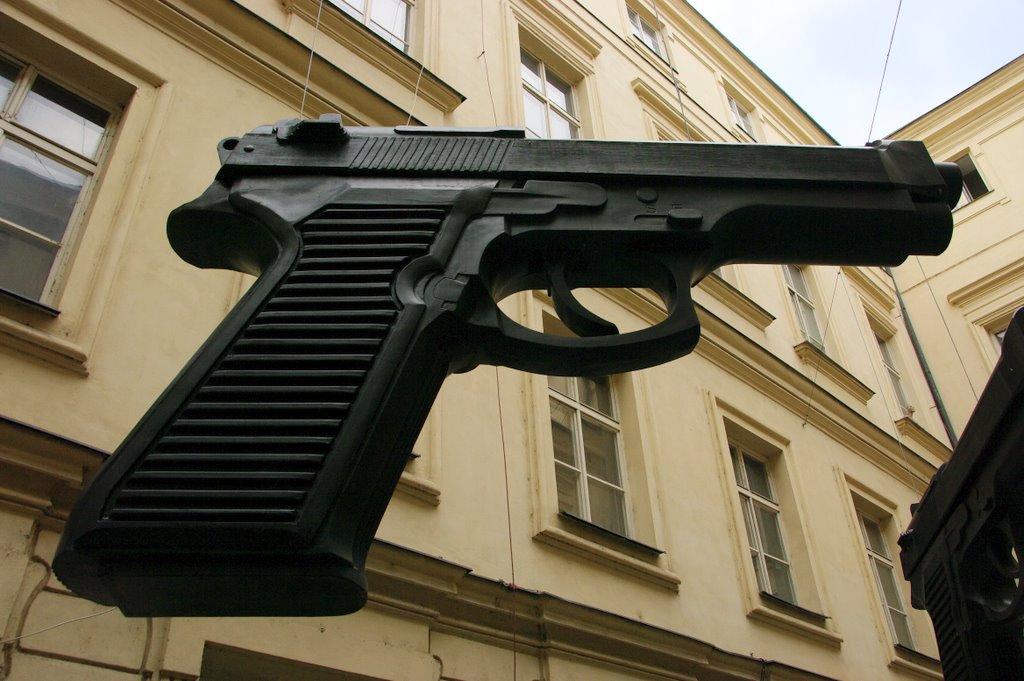
Big gun in central Prague

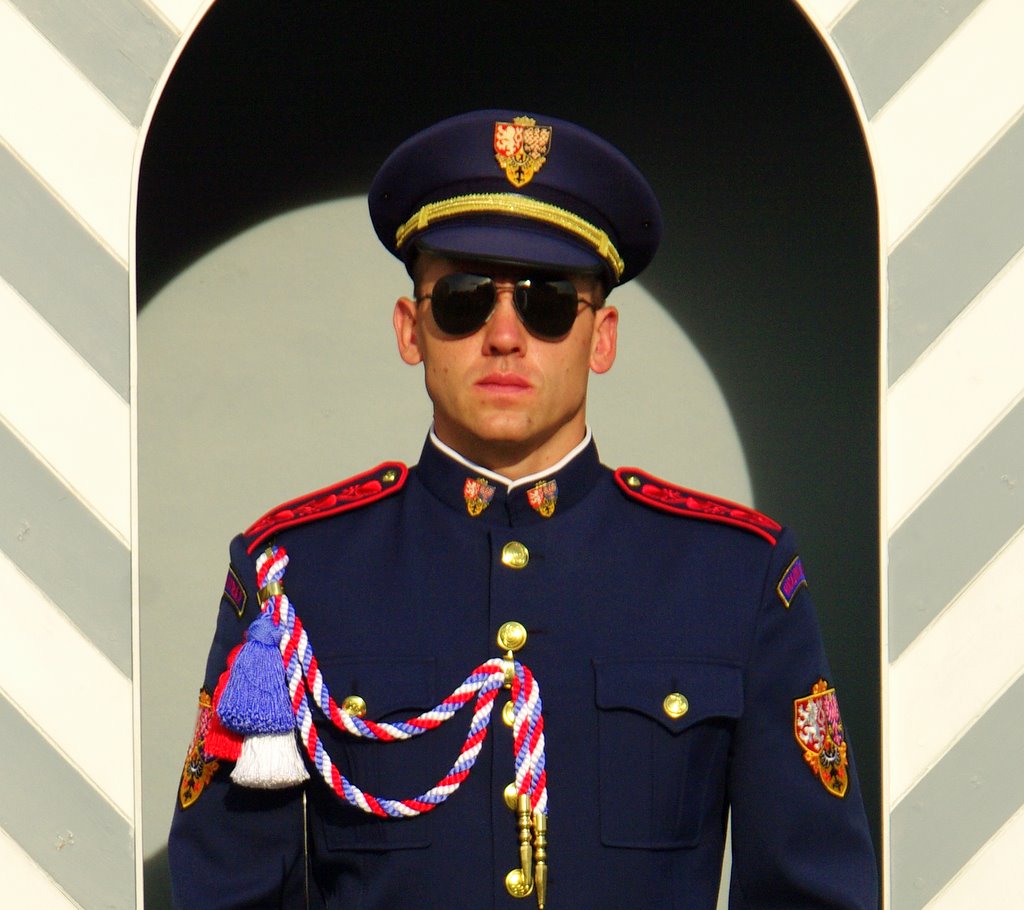
The Palace Guards do a much better job of standing still and doing nothing than the white faced, sheet draped buskers standing on boxes around the city.

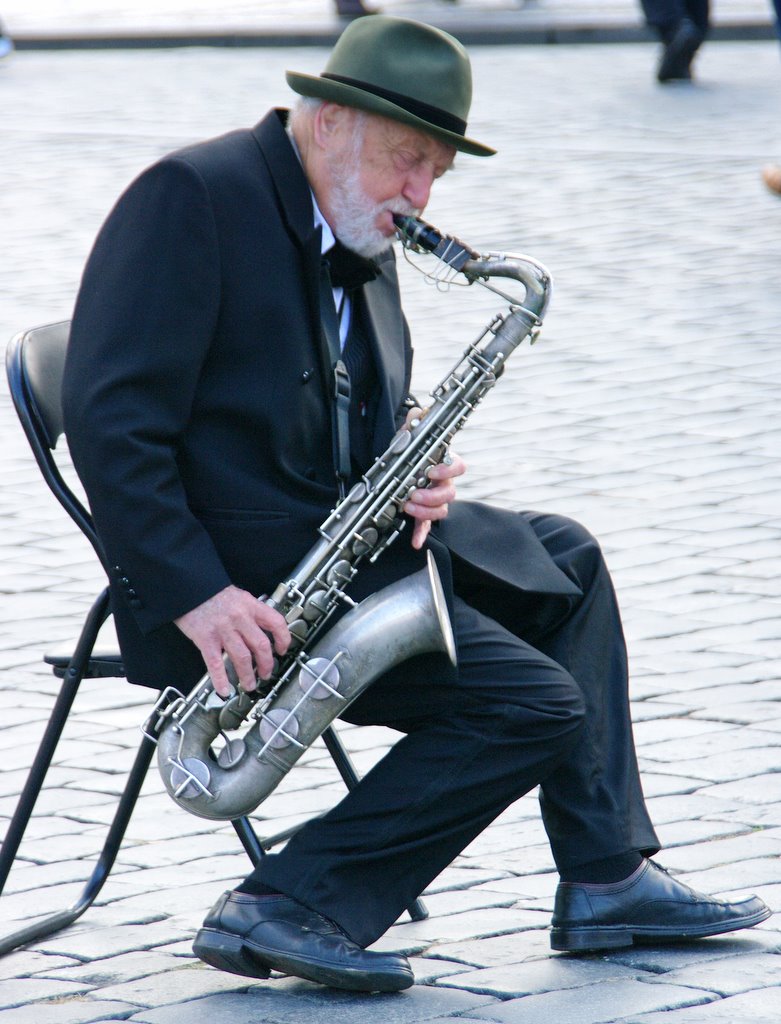
Buskers on Charles Bridge

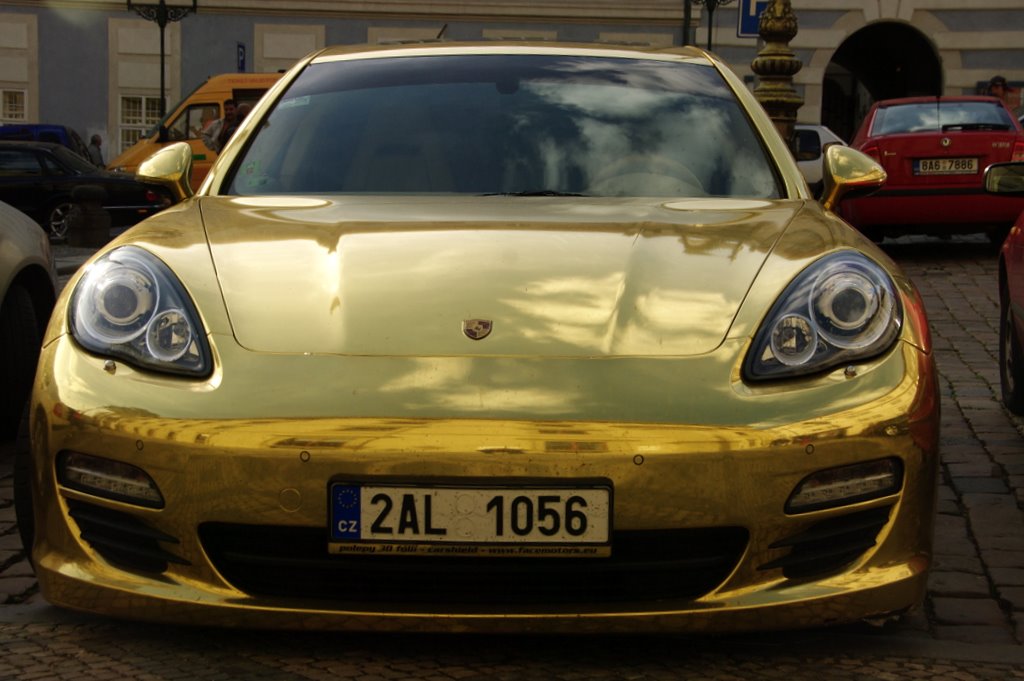
Prague has very few old cars, in fact late model Porsche’s are such a common site that, to stand out in the crowd, the owners must go to ridiculous lengths.

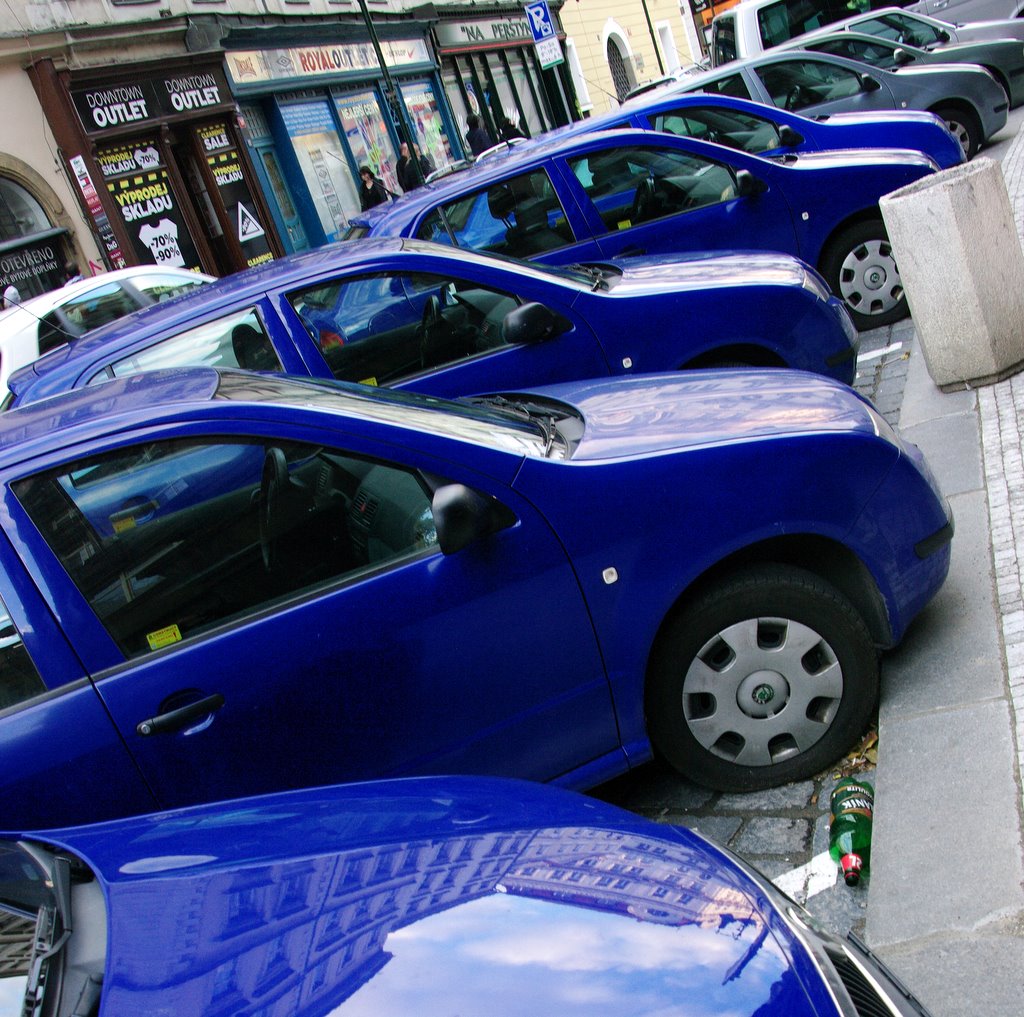
These tiny blue cars are police vehicles.

Lost in translation

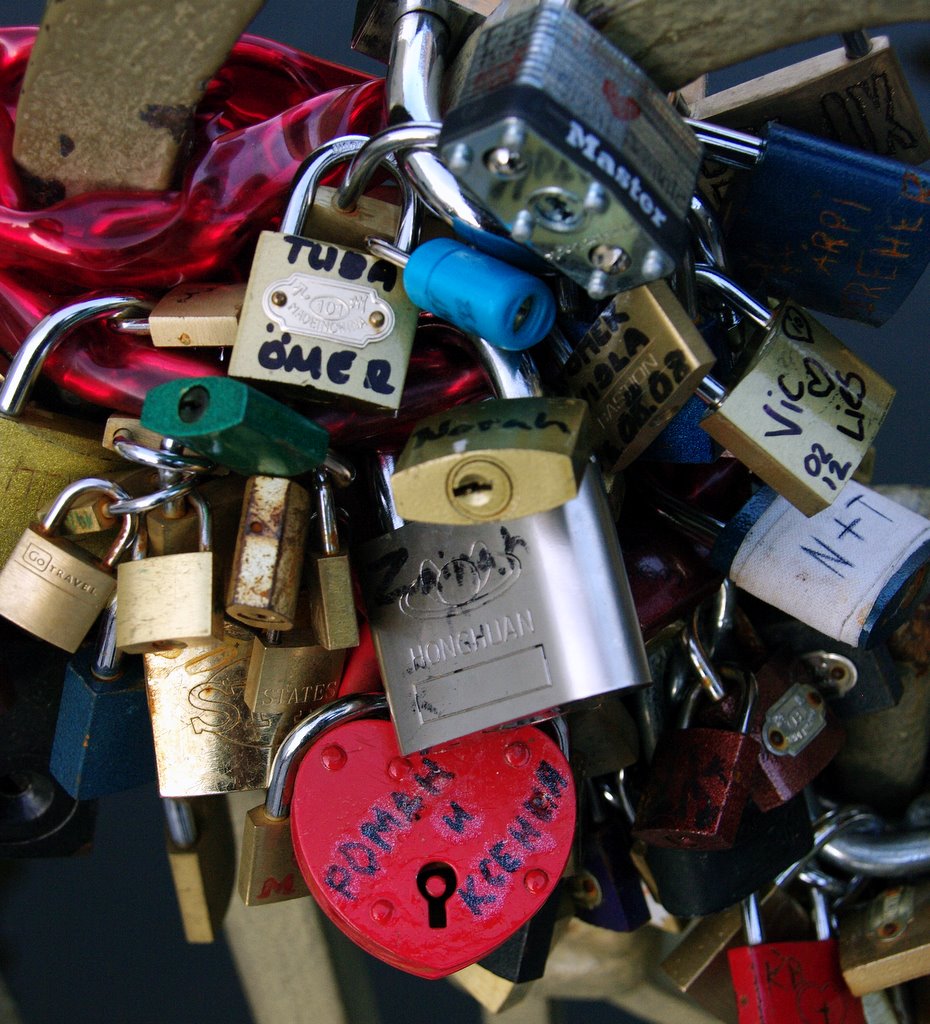
Like many bridges throughout Europe, Prague has it’s share of Lovers Padlocks. The idea is you take your sweetheart down to the bridge, pledge your undying love, attach the lock then throw the key in the river.

This guy must have had commitment issues and opted for a combination lock! (names were written in pencil too)

The ultimate extreme sport – a balloon ride over the spikiest city in the world.

LAKE COMO

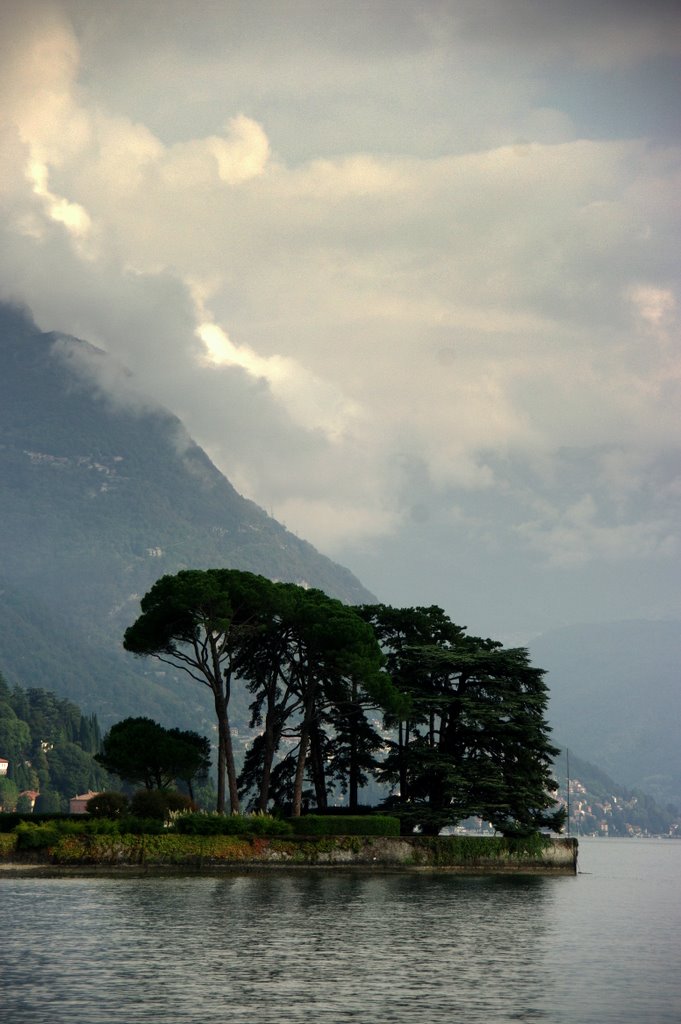
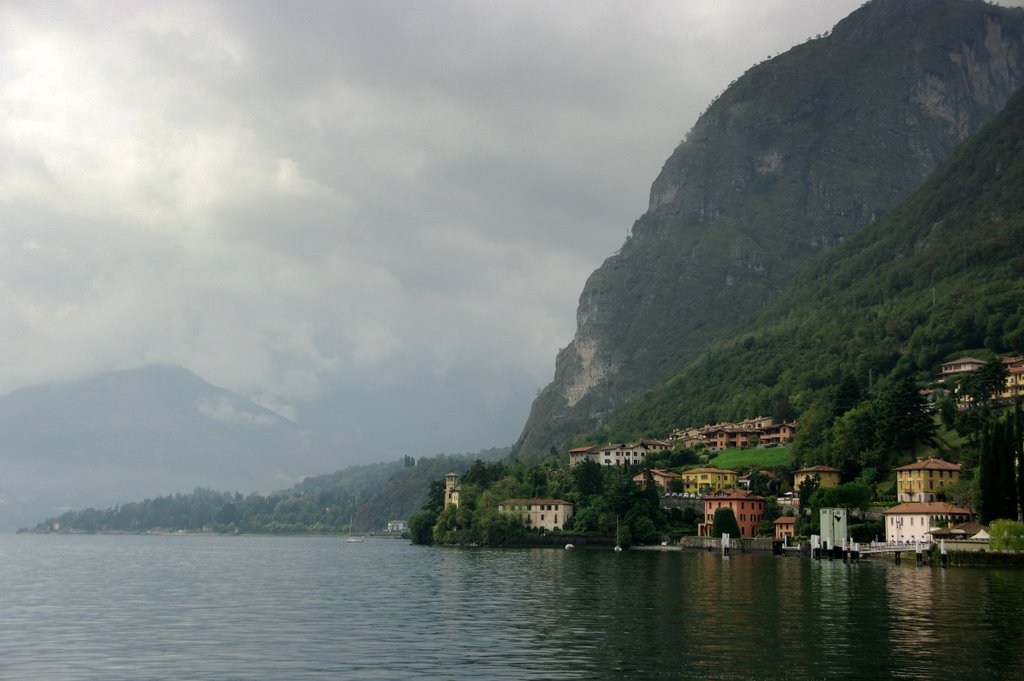
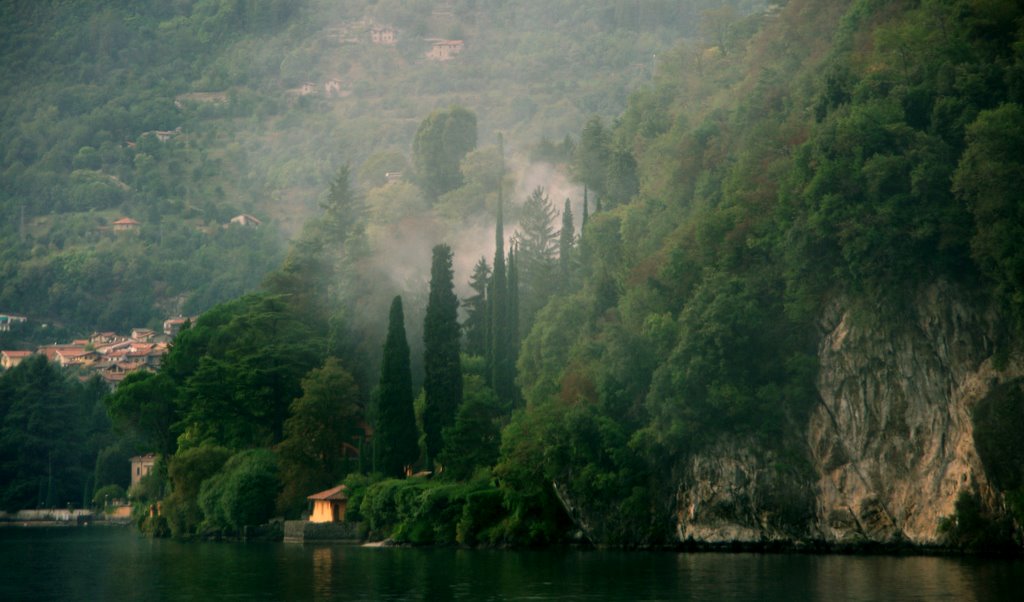
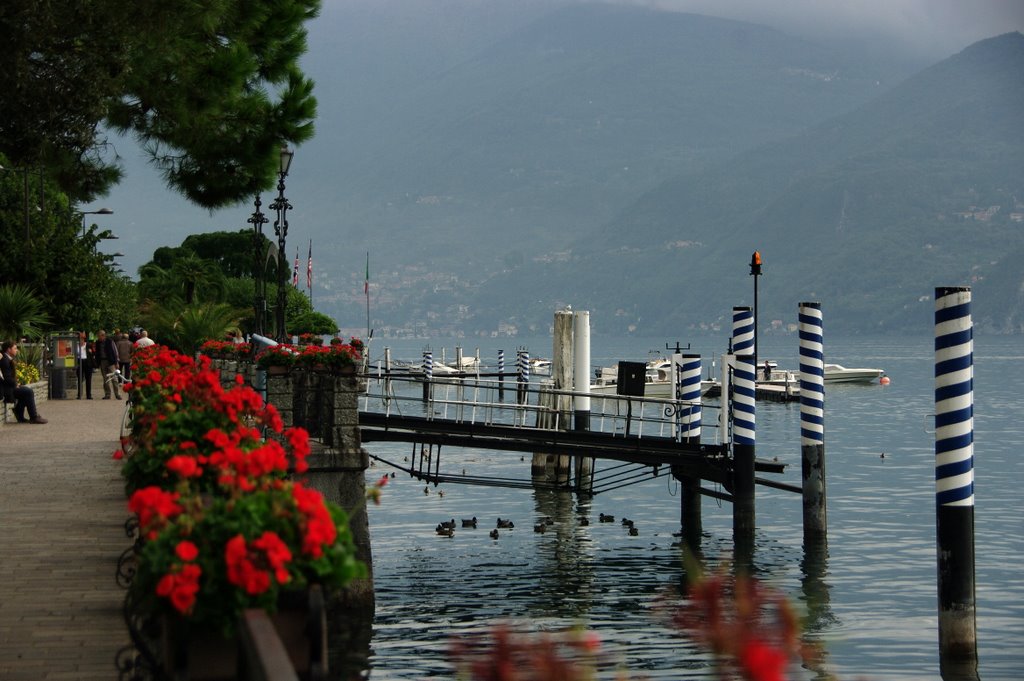
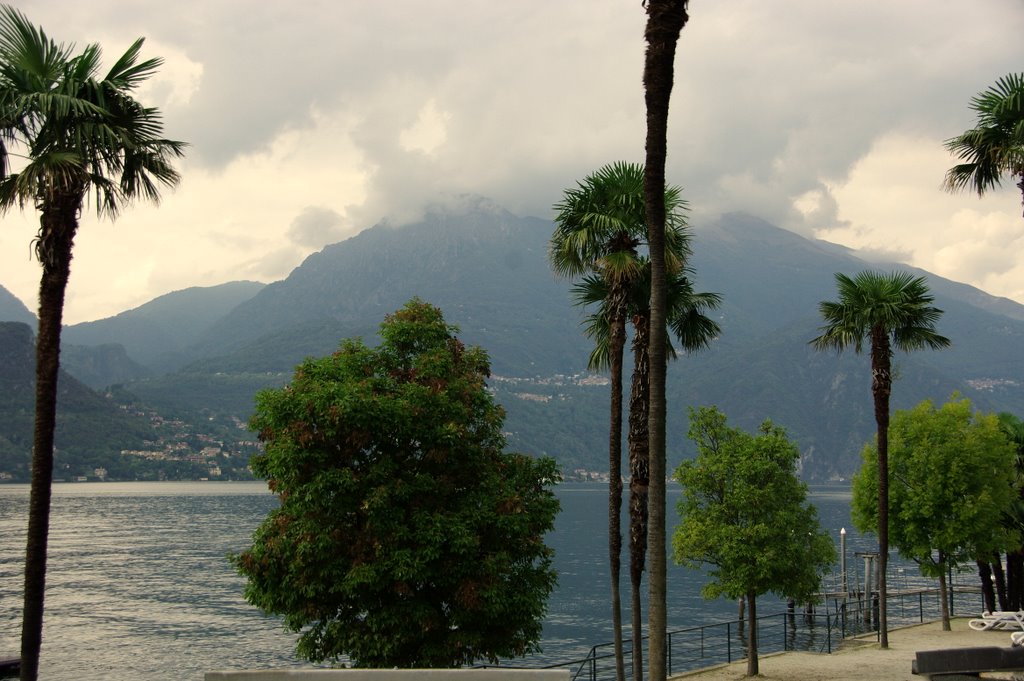
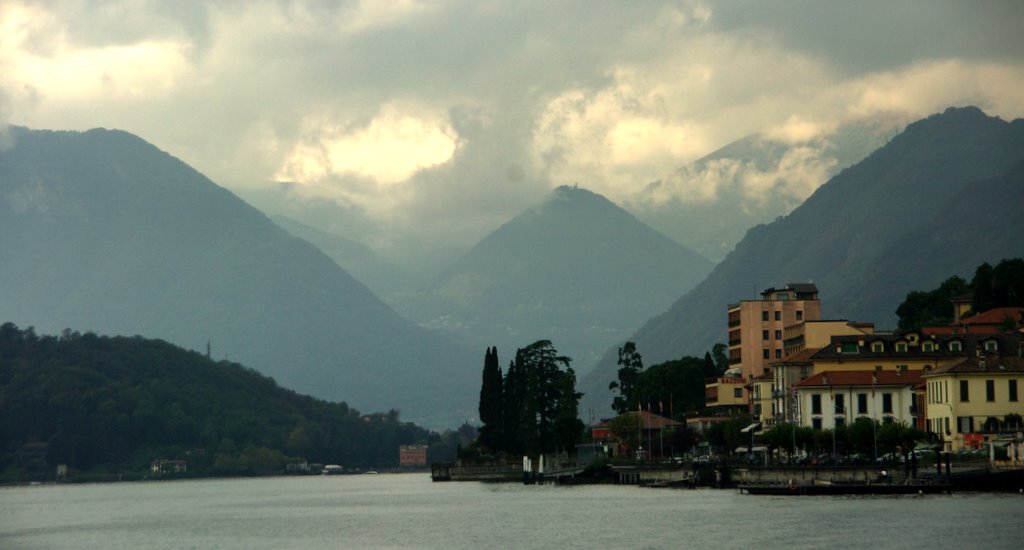
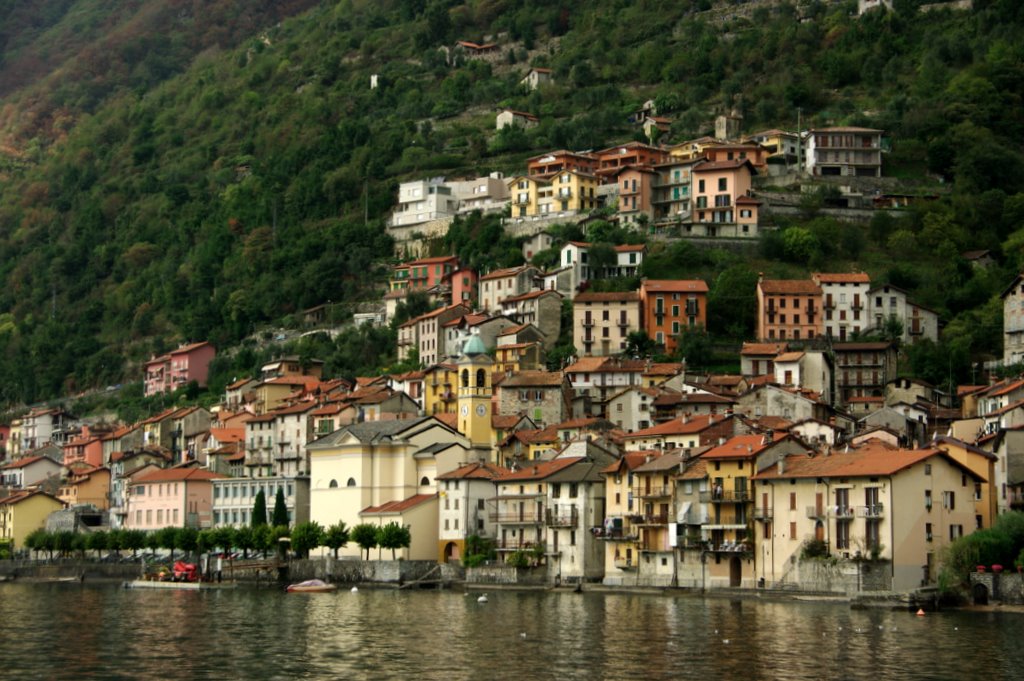
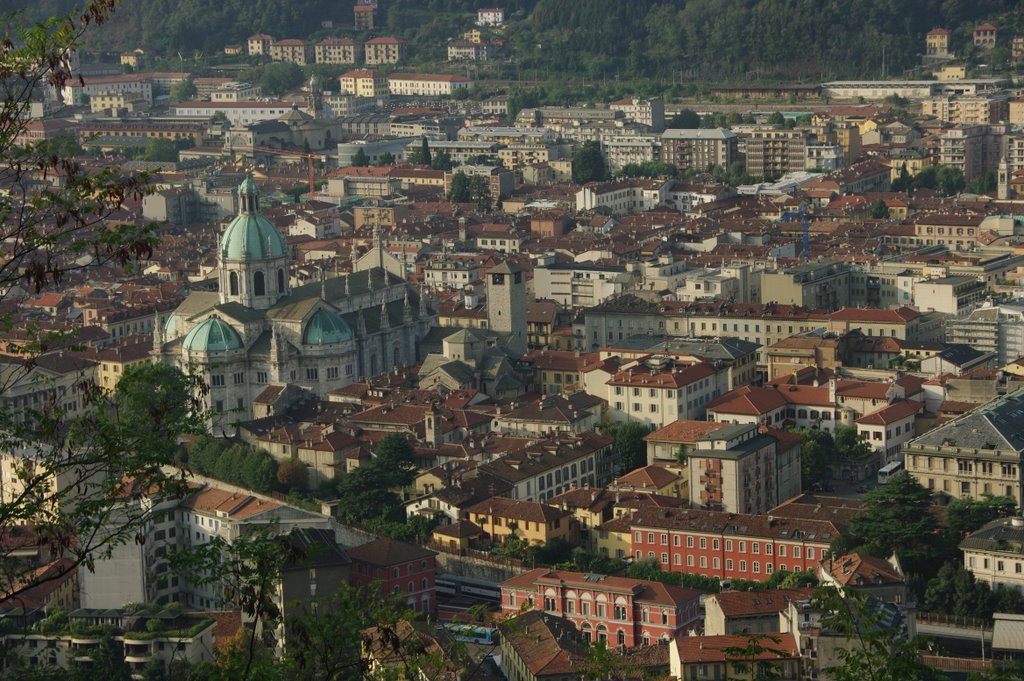
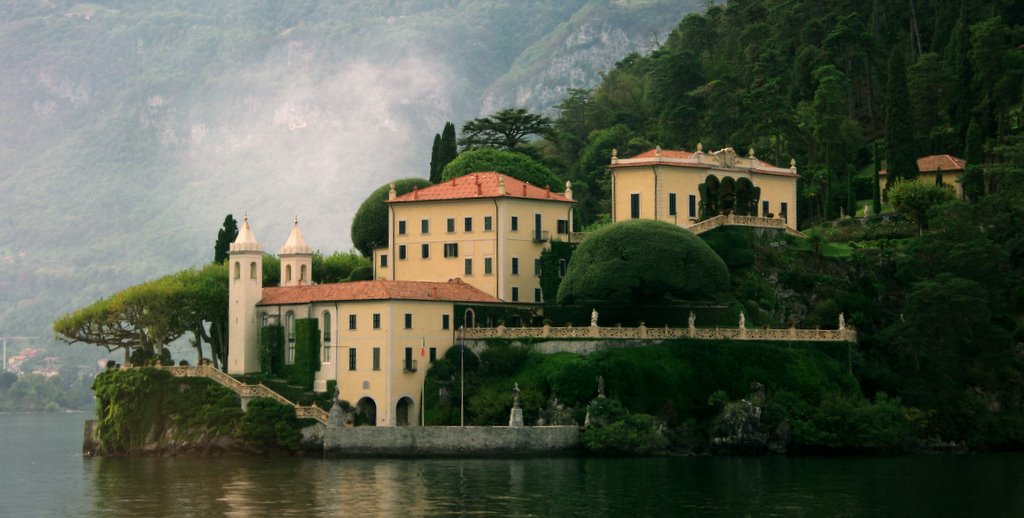
Lake Como is a long V shaped lake set among steep, mist covered mountains in Northern Italy.

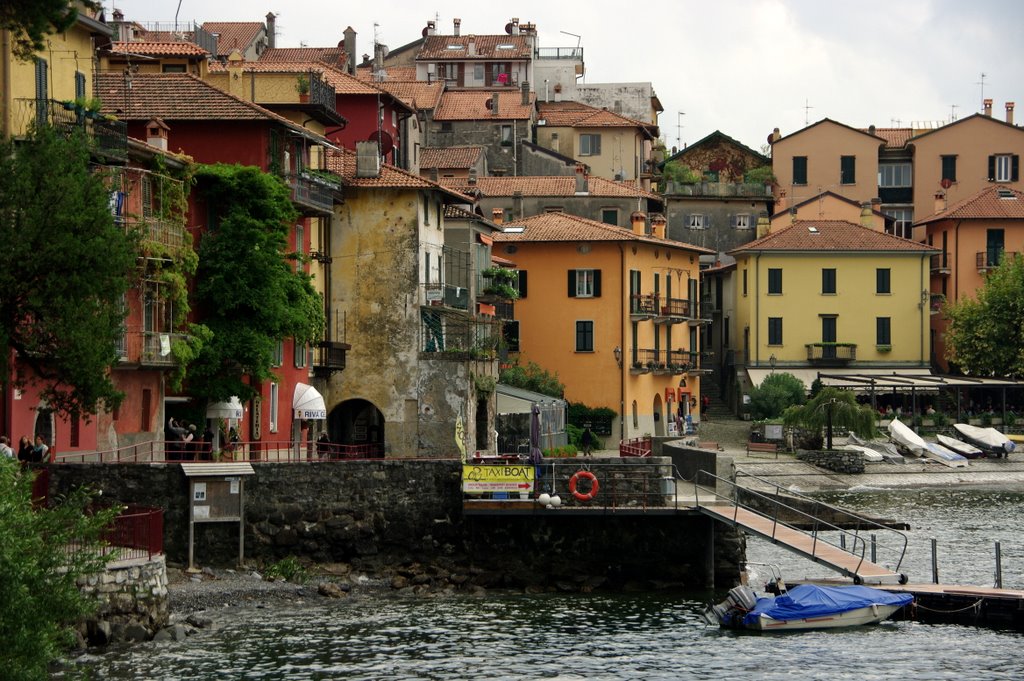
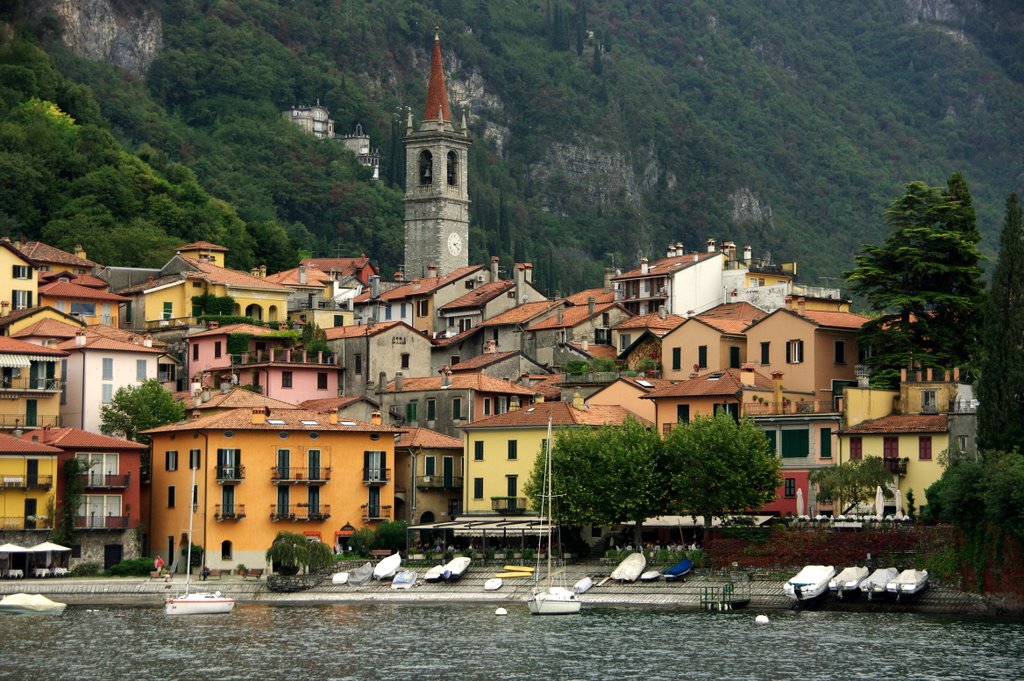
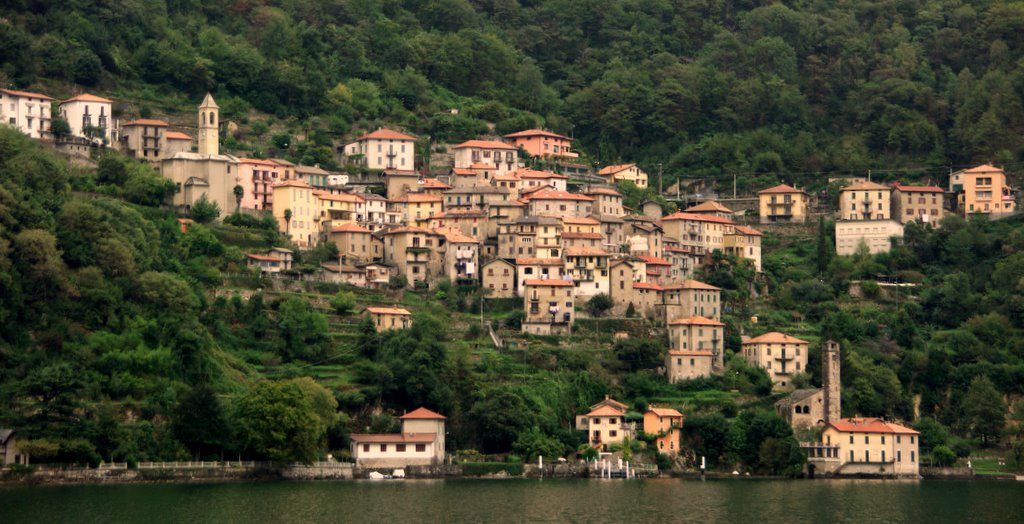
It is fringed with small villages accessed by a winding maze of roads or a busy network of ferries.

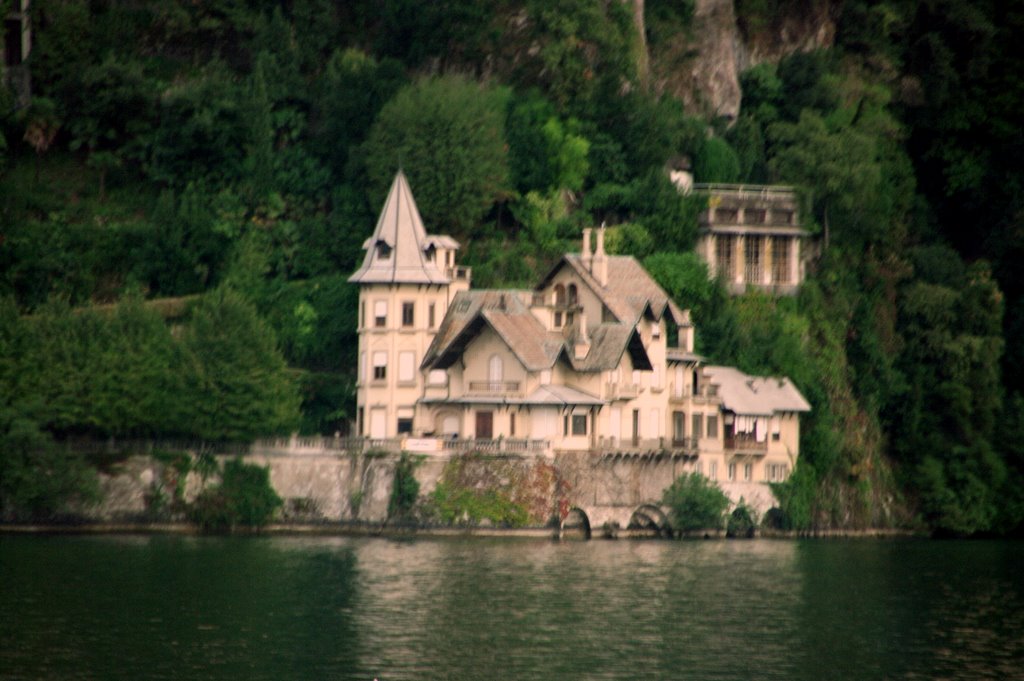
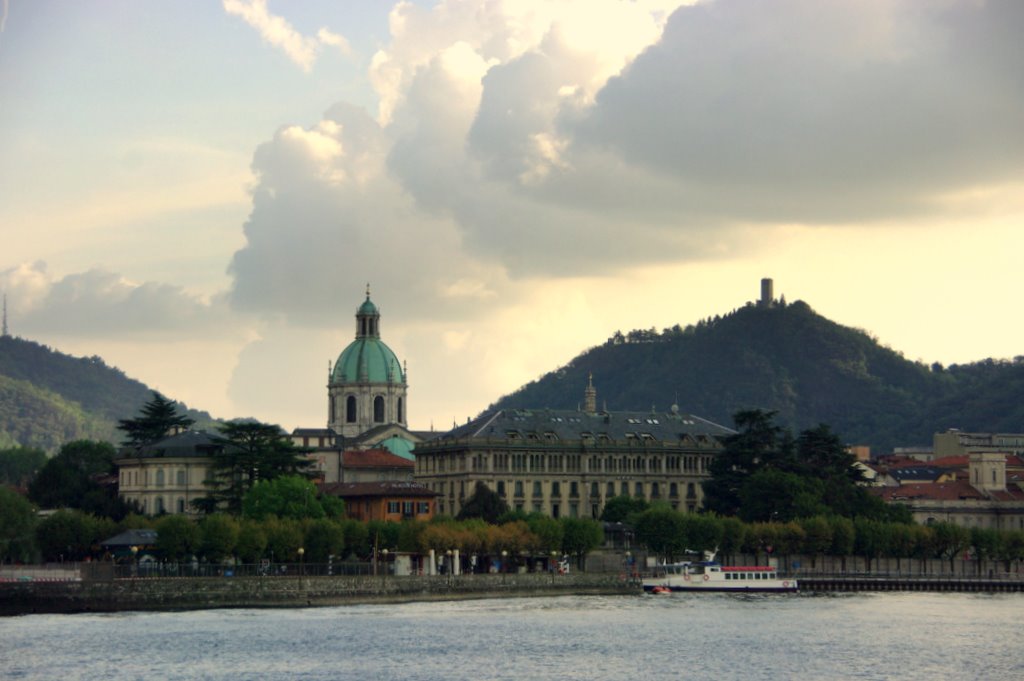
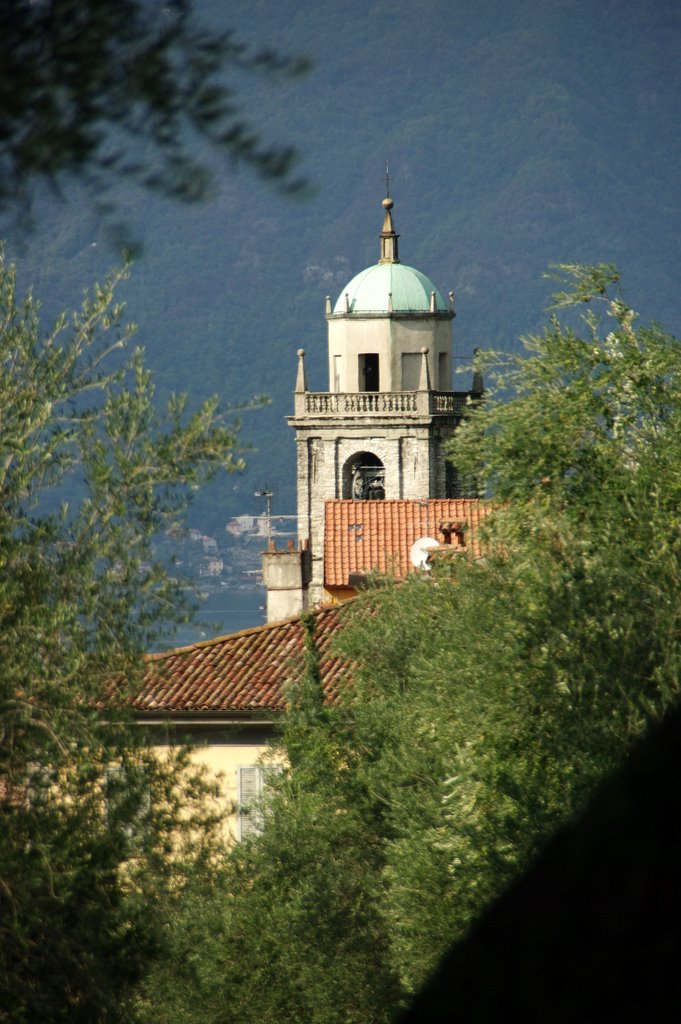
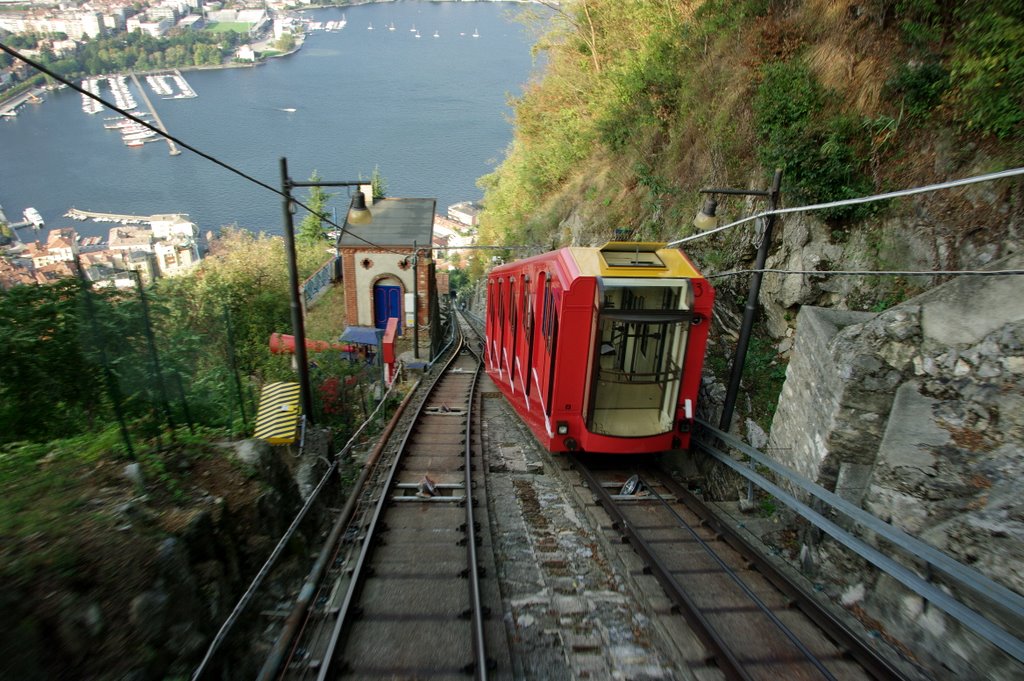
The town of Como is the main Ferry hub and has a Funicular railway to the village above.  The views from the mountains are spectacular and from the water the lake takes on a mysterious, fairytale quality with imposing villas and castles and small picturesque villages set at the bottom of steep, dramatic mountains.


ITAL0275


ITAL0210


ITAL0212

Como

Varenna

Varenna

ITAL9886

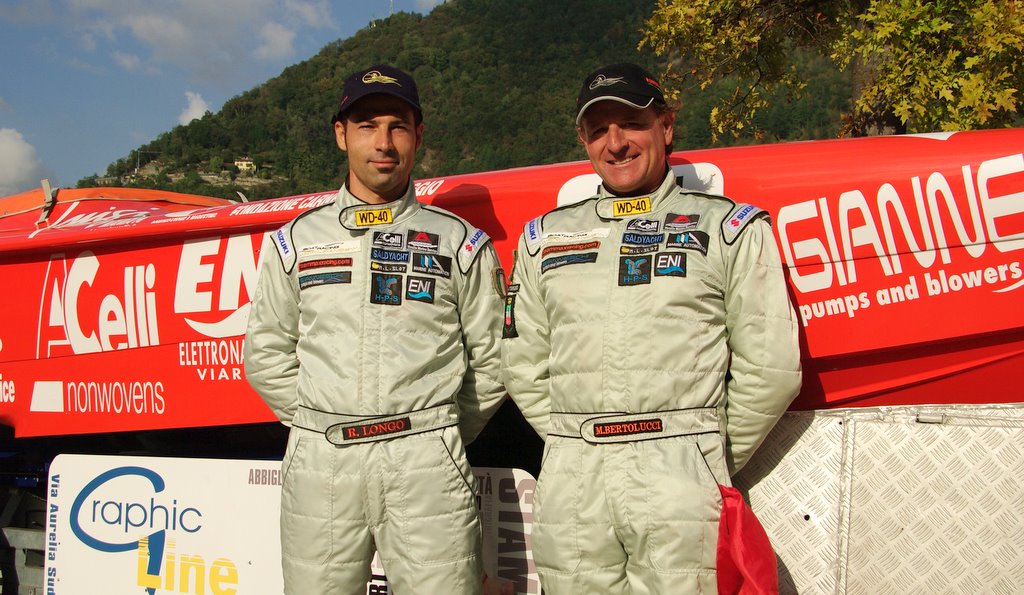
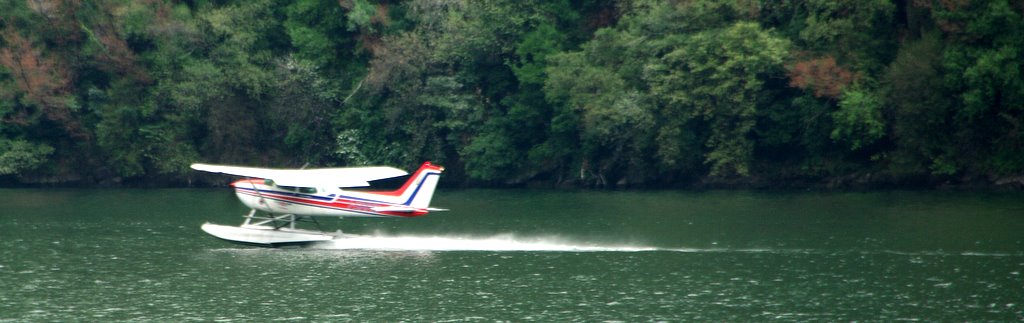
Italians love anything that goes fast. Lake Como host boat races that see speeds of 130kph. These guys came a proud third.

ITAL0281

Menaggio

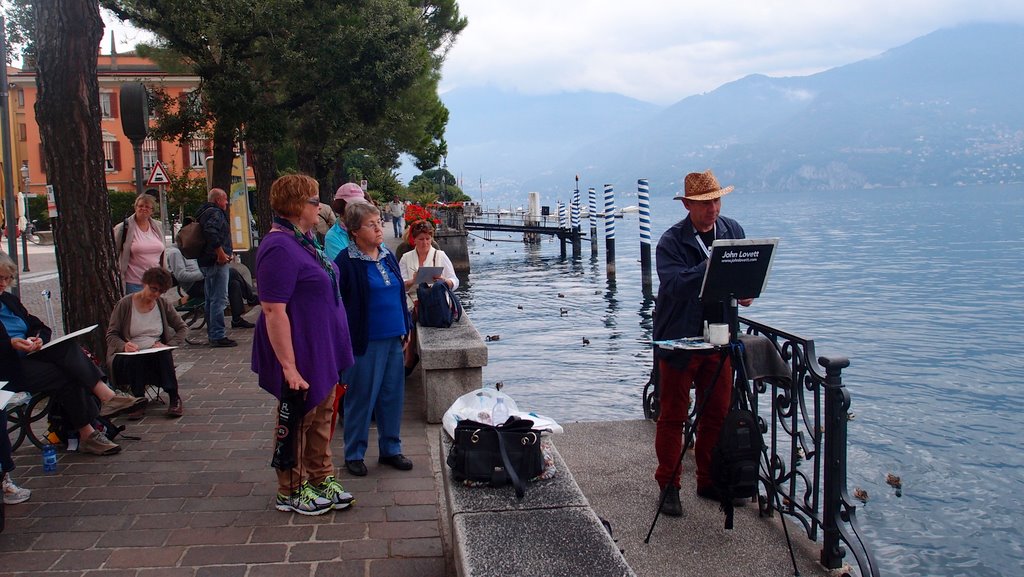
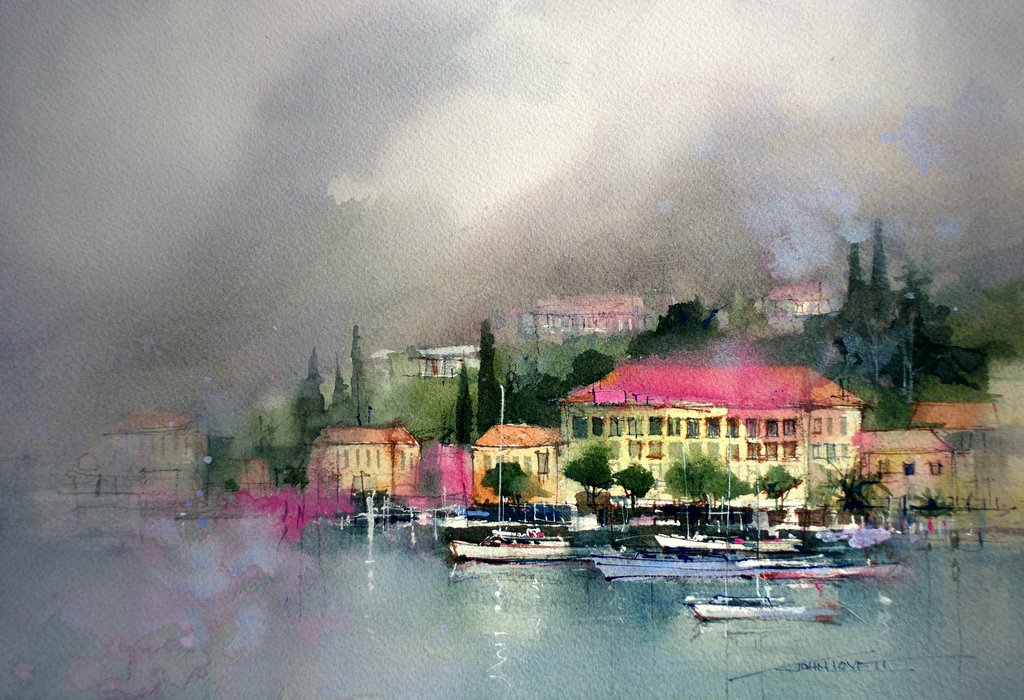
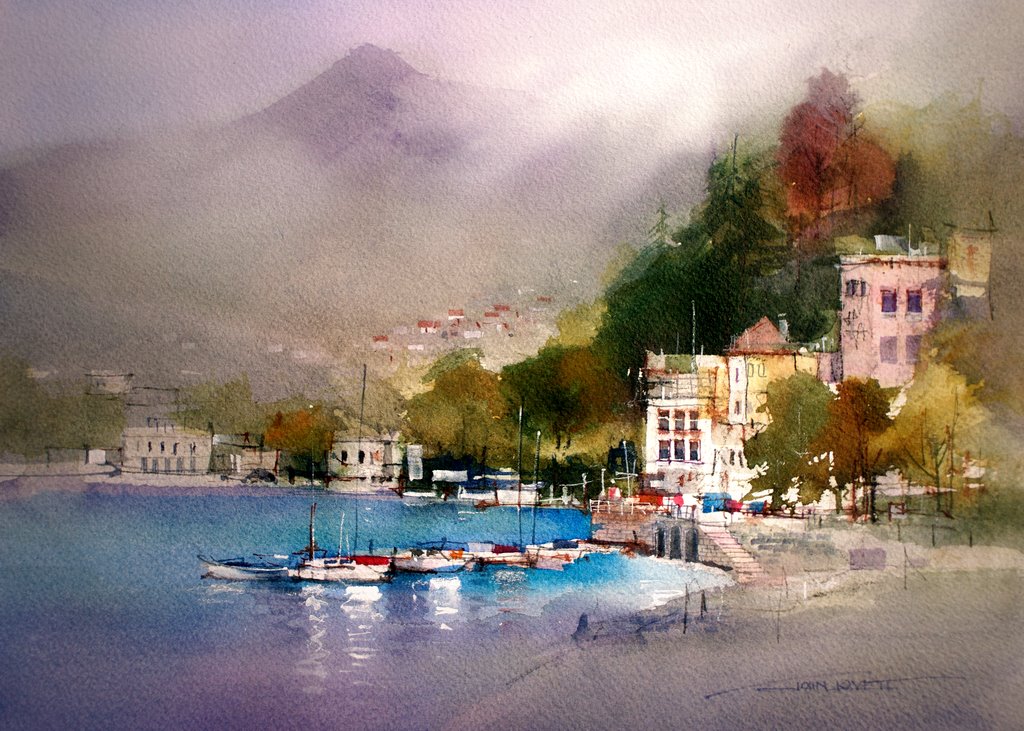
Painting at Menaggio

como1

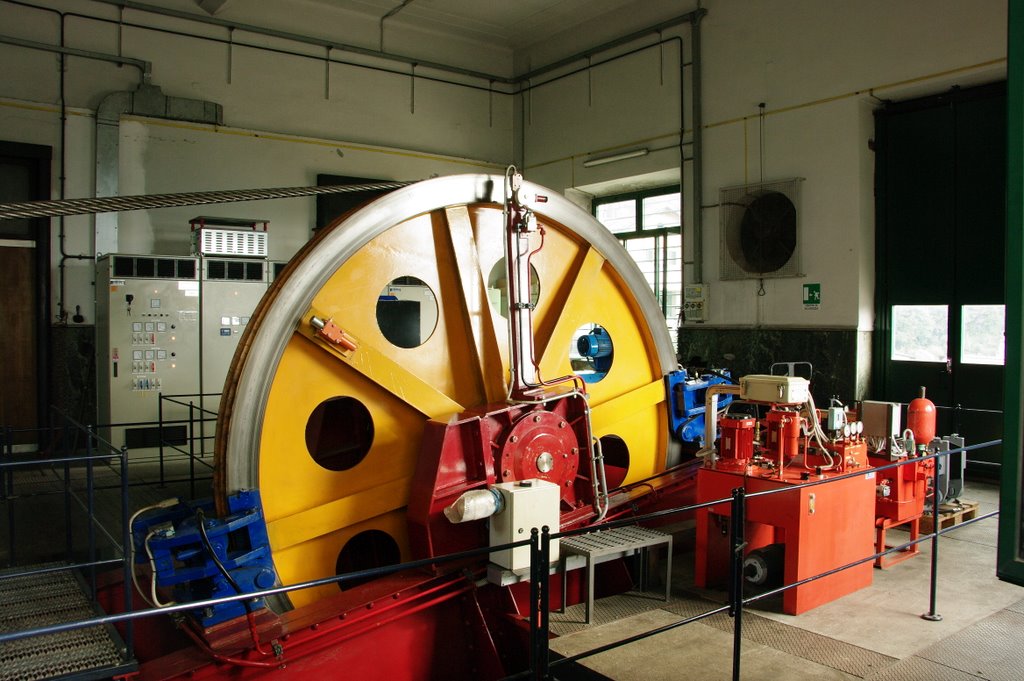
Como Funicular

ITAL0373

All the colored mechanical bits that pull the carriage up the hill.

ITAL0399

View of Como from the ascending funicular.

ITAL0368

VENETIAN BOATS

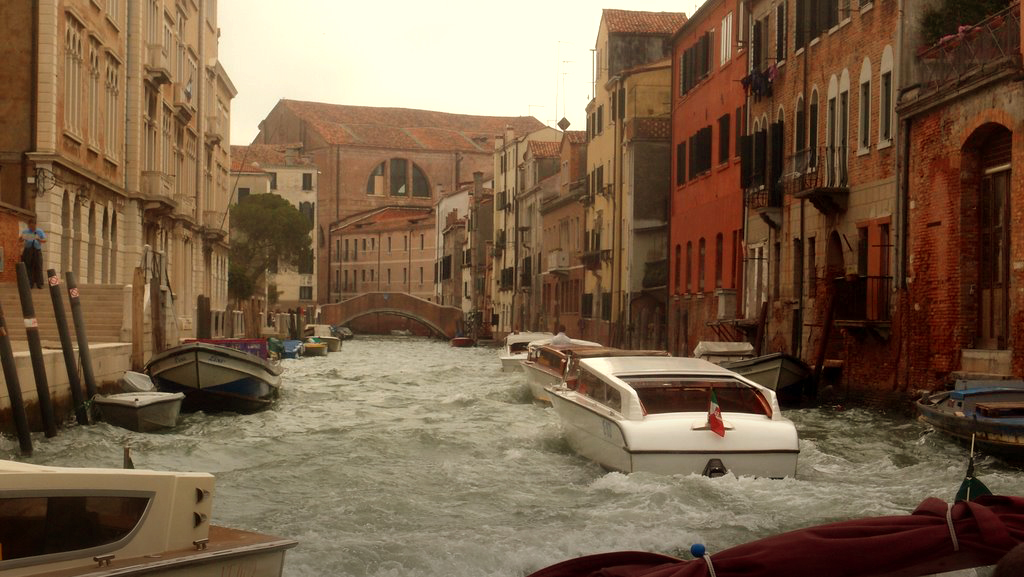
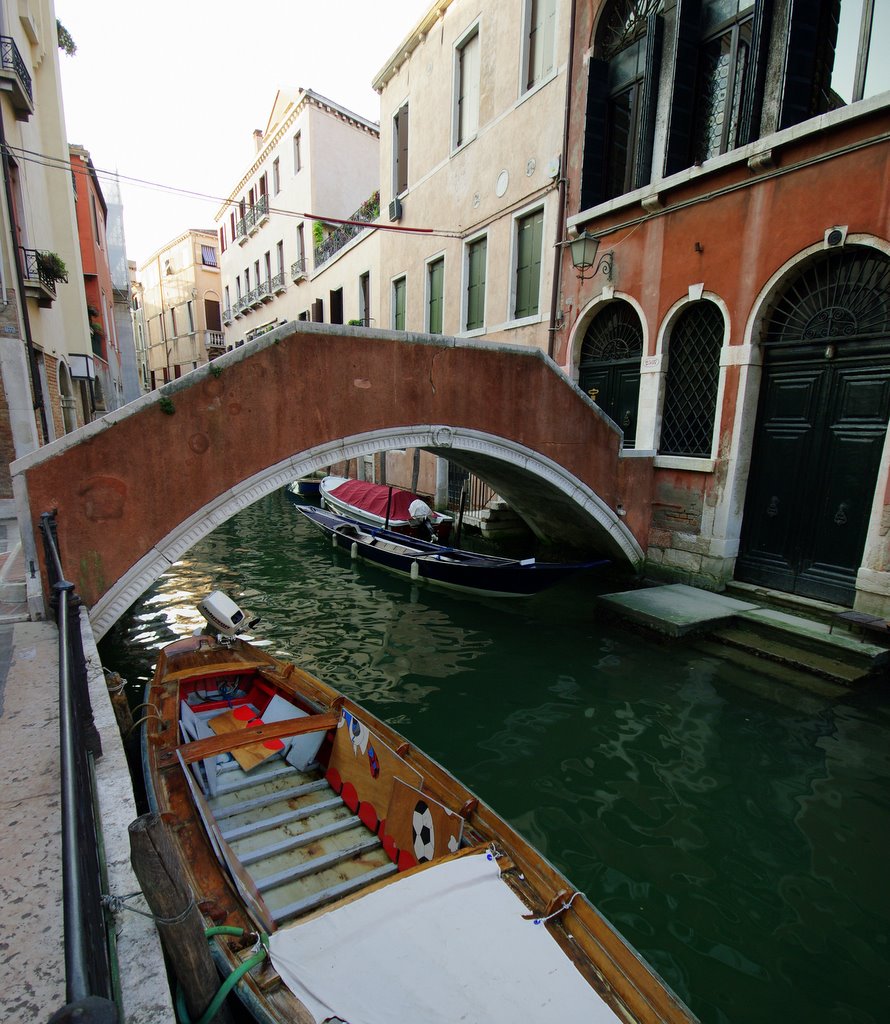
Boats in Venice are long, skinny and stylish. They vary slightly depending on what function they perform.

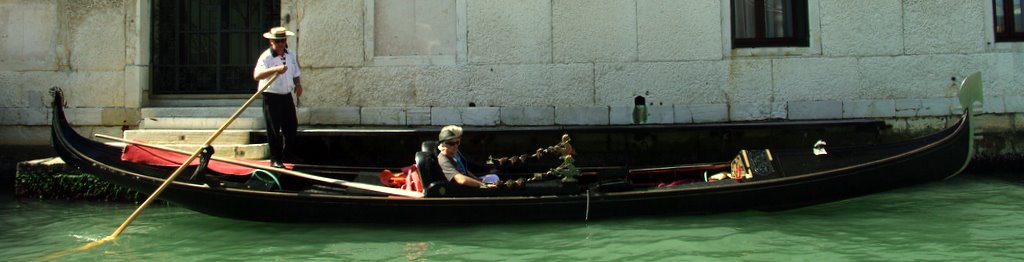
Traditional ,cool and stylish

Fast and stylish.

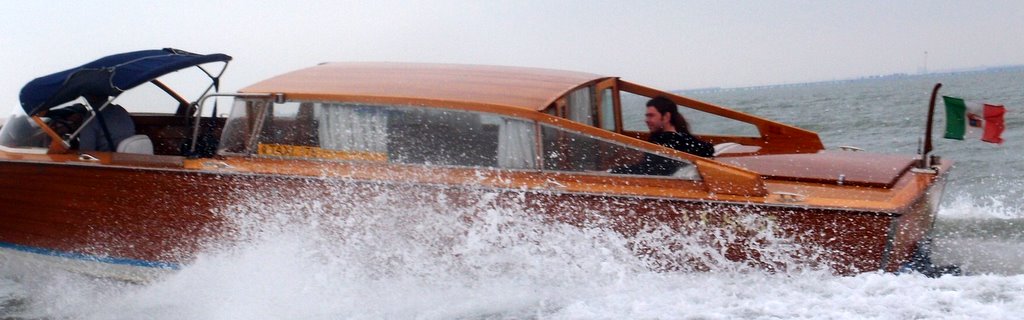
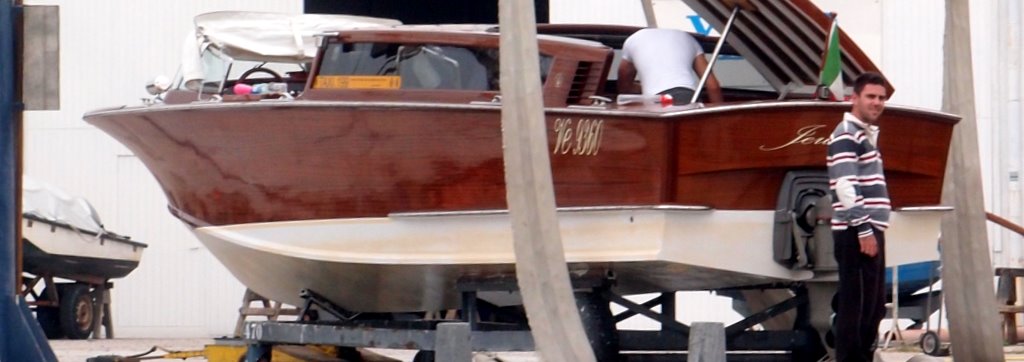
Fast, wooden and stylish.

Yellow Vaporetto.

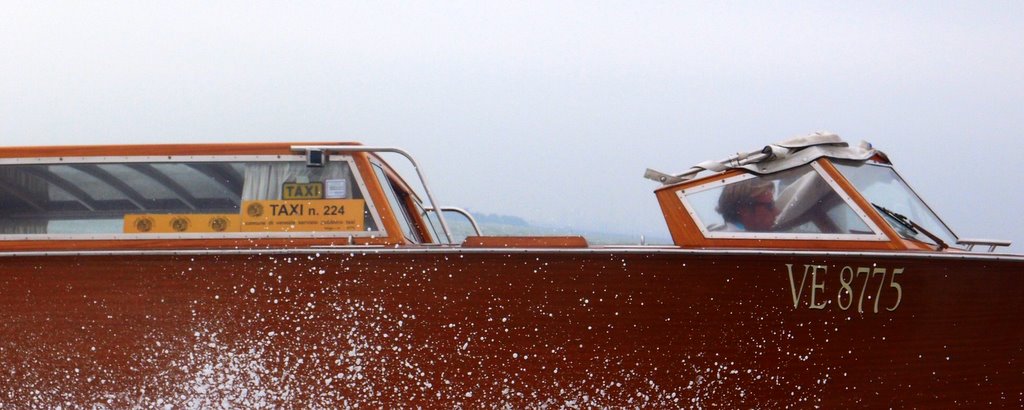
Airport taxi.

Cool and wooden.

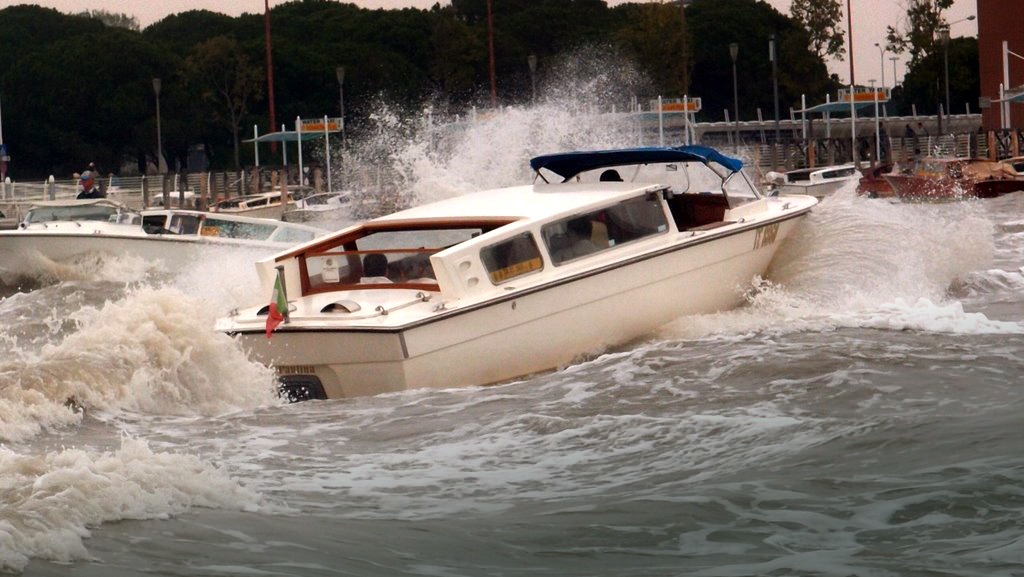
High speed transport

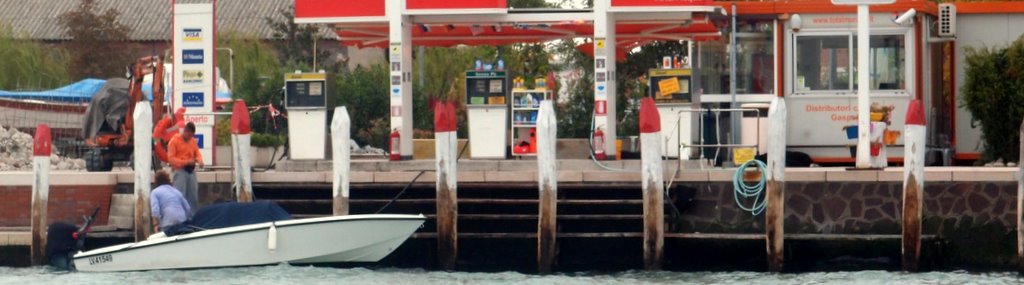
Service station

Italian Cool

Foreign invader

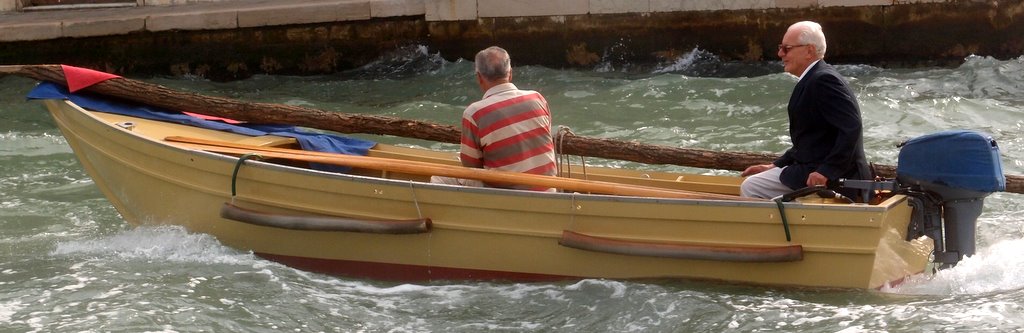
Two men in boat with a pole.

Ugly

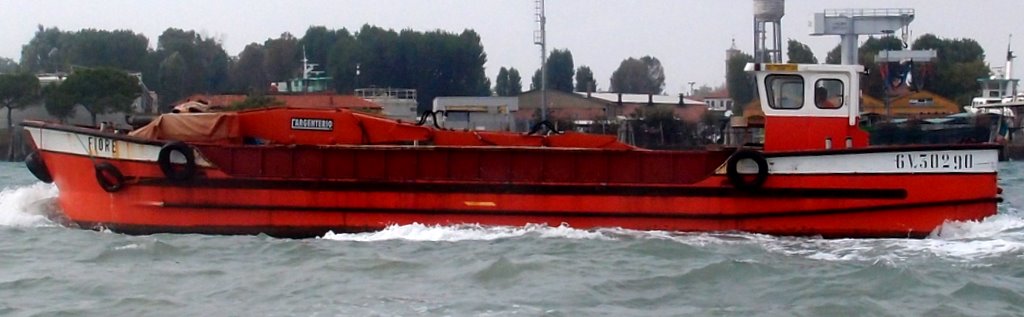
Sewerage barge

Work barge

Happy work boat

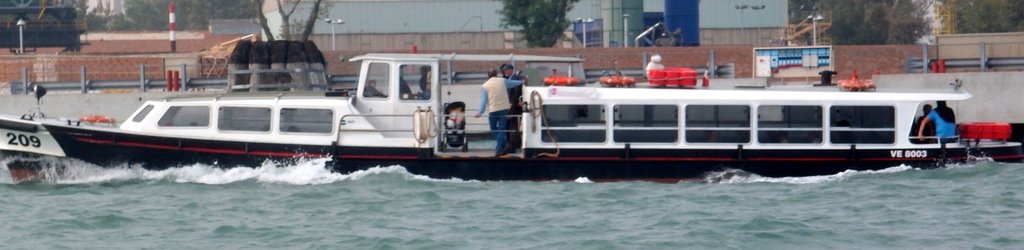
Black vaporetto.

Goods barge

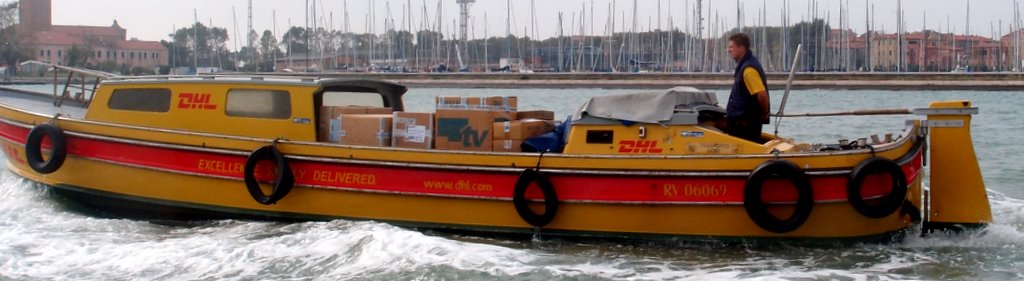
Courier Barge

Garbage Barge

New Vaporetta

Old Vaporetto

Middle aged vaporetto

Very long boat

Color coordinated delivery barge

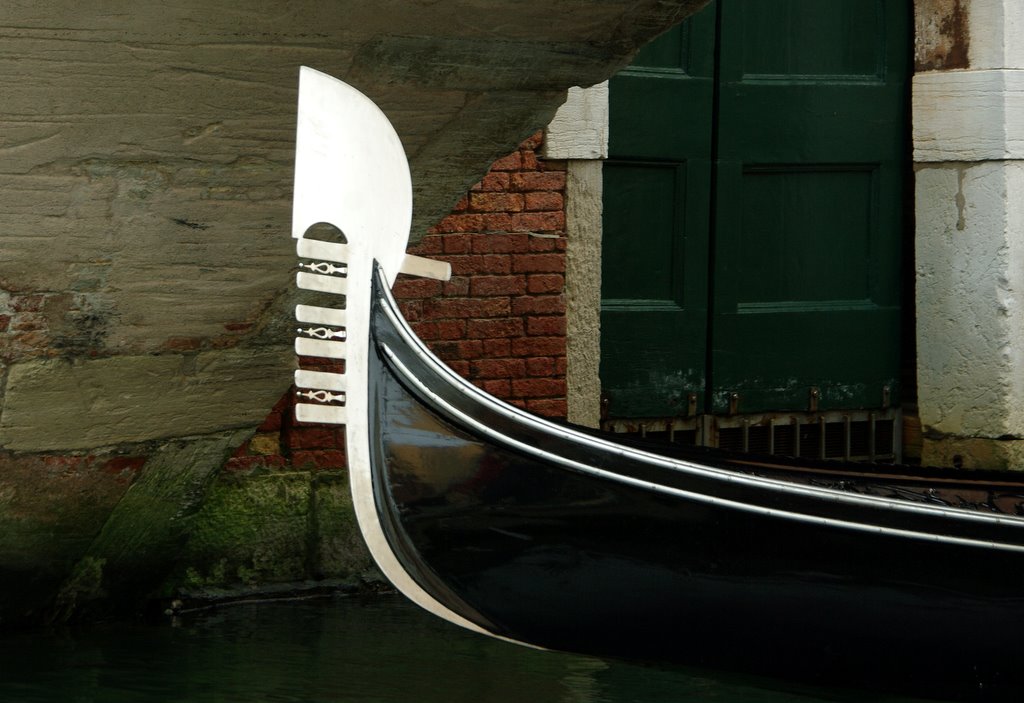
Work Barge Figure Head.

VENICE WORKSHOP

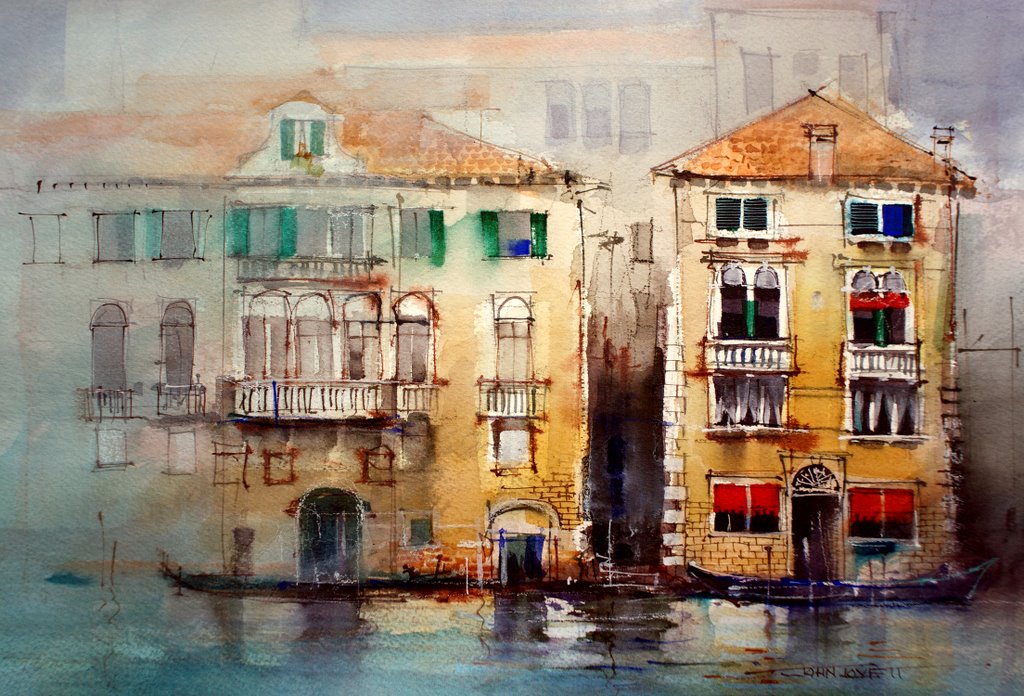
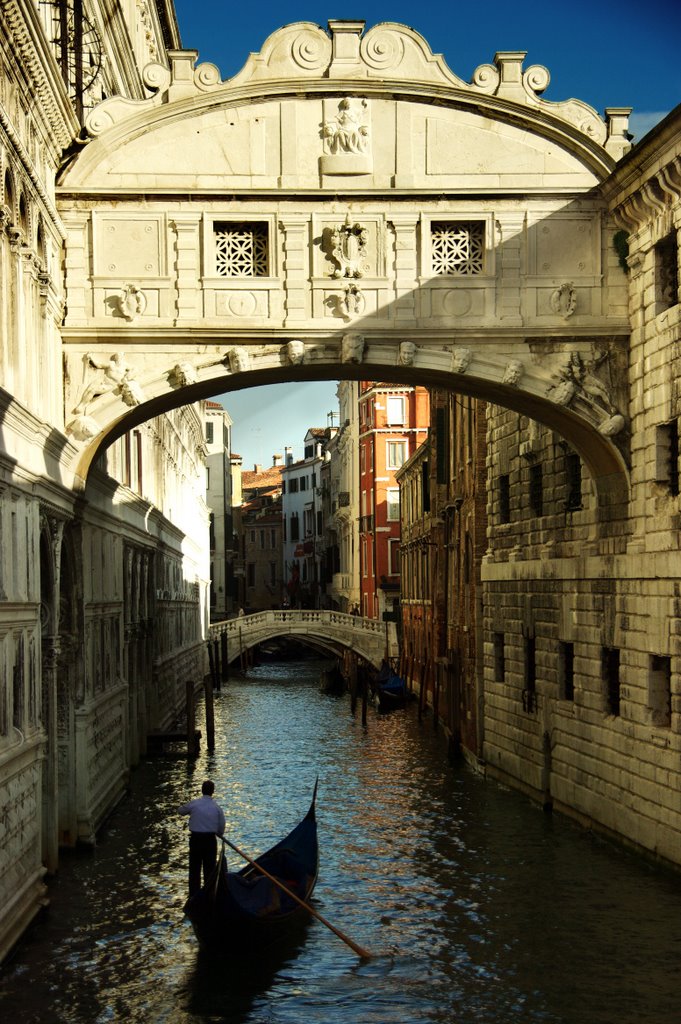
Venice has to be one of  the most spectacular painting destinations in Italy. Standing on Rialto bridge and looking down the Grand Canal feels more like watching a bizarre movie than experiencing a thriving city.

We arrived in the afternoon and were rapidly transported to our hotel by water taxi.

Leaving Marco Polo Airport by water taxi is a chaotic experience. 110 Euro from the airport to the city means the drivers are pretty serious about getting the job done quickly.

Churning through the back alleys en route to Accademia Bridge

Painting on the grand canal.

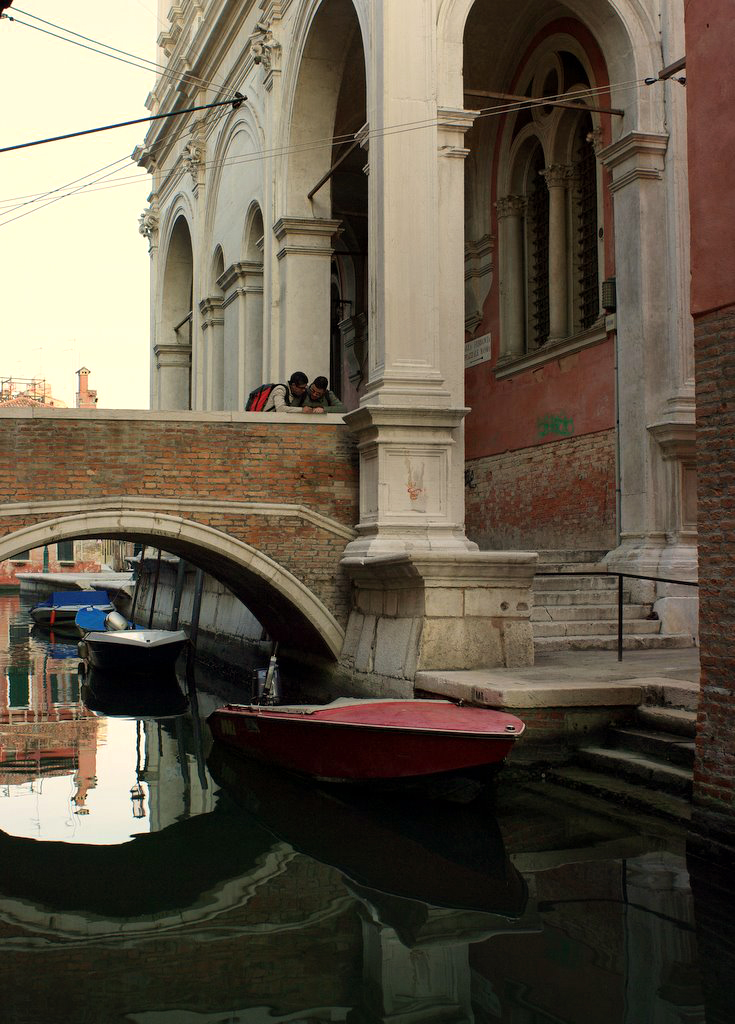
Early morning along the canals

The last gondola workshop in Venice was just around the corner from our hotel … and right opposite a great little bar.

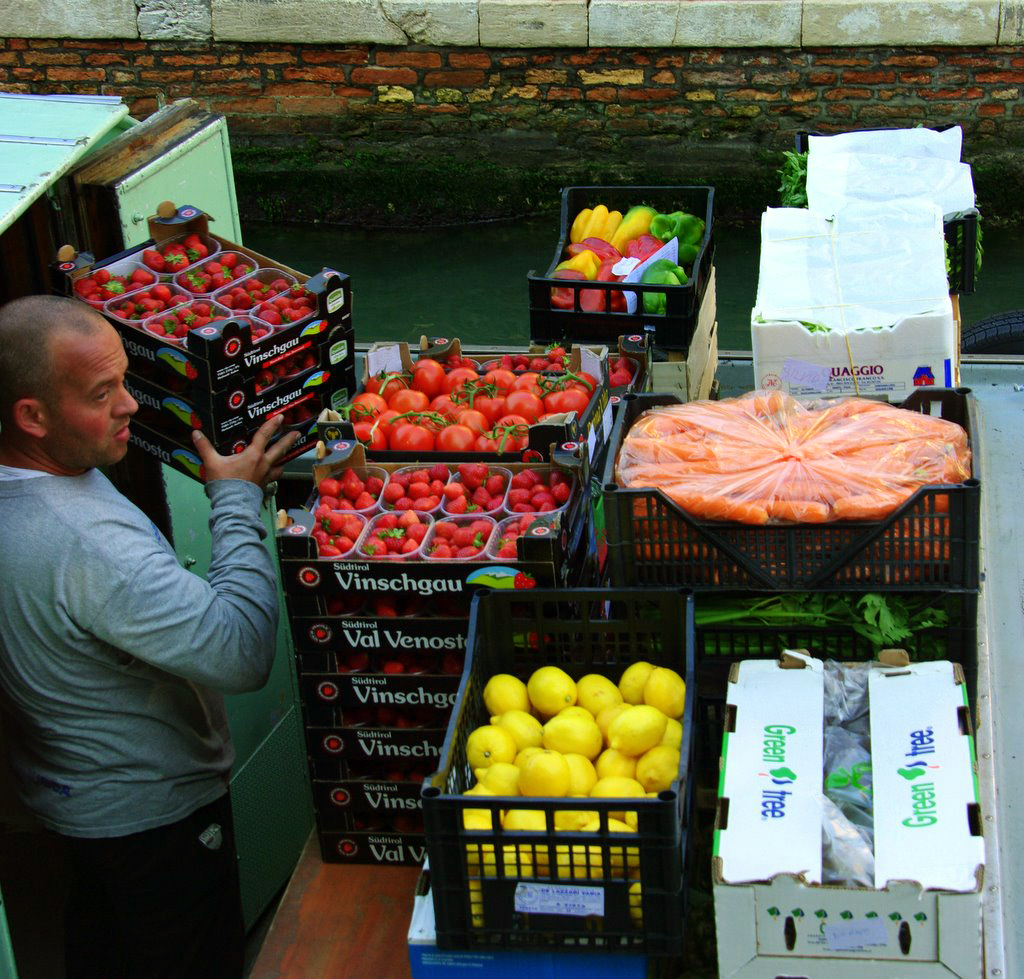
Everything is delivered by barges along the canals

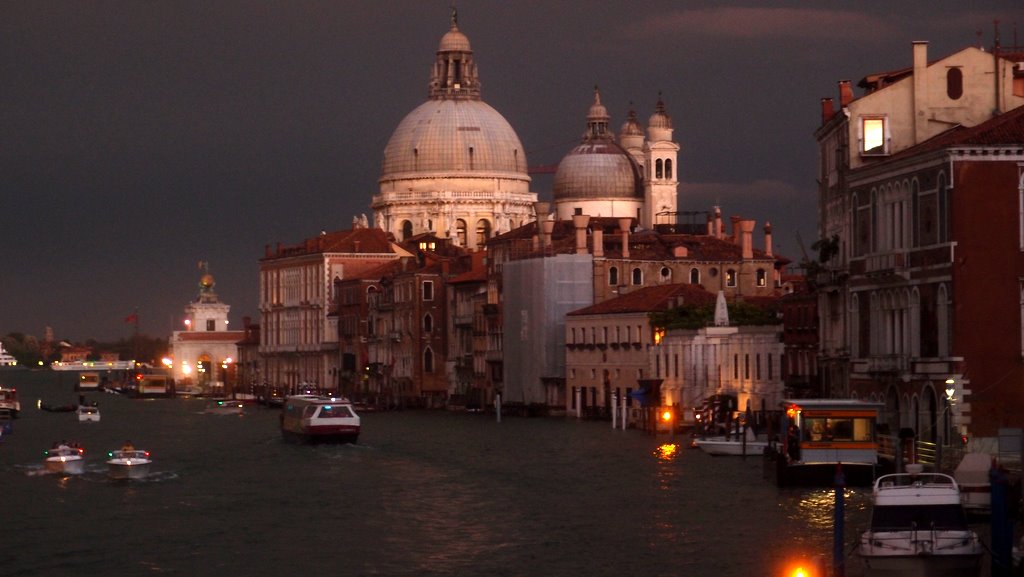
A late afternoon storm blackened the sky behind Santa Maria della Salute making for some great photos.

Evening drinks along the waterfront

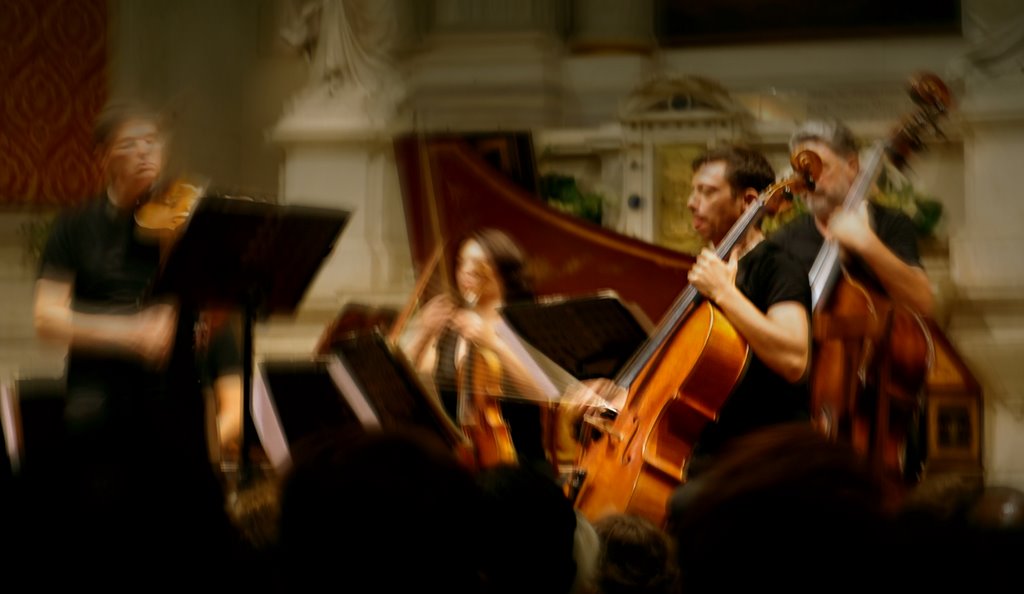
Interpreti Veneziana were performing at the San Vidal Church, 5 minutes from our hotel. Italian Baroque played with passion and enthusiasm – a fantastic night.

Burano Houses

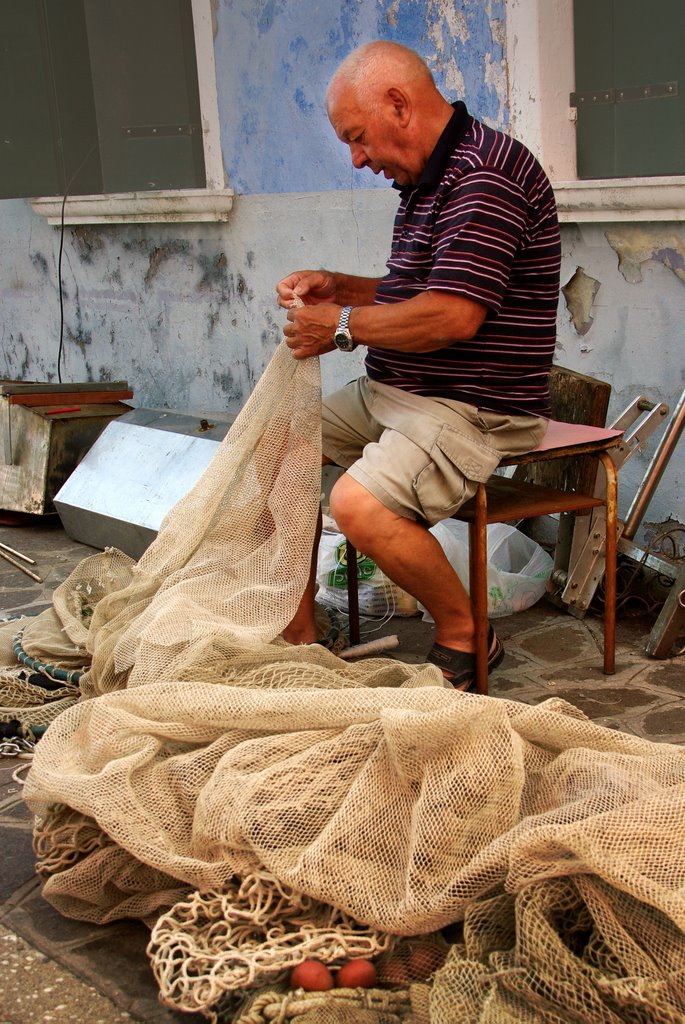
Burano is famous for its lace making, but I think this guy is mending a fishing net.

AUGUST STUDIO WORKSHOP

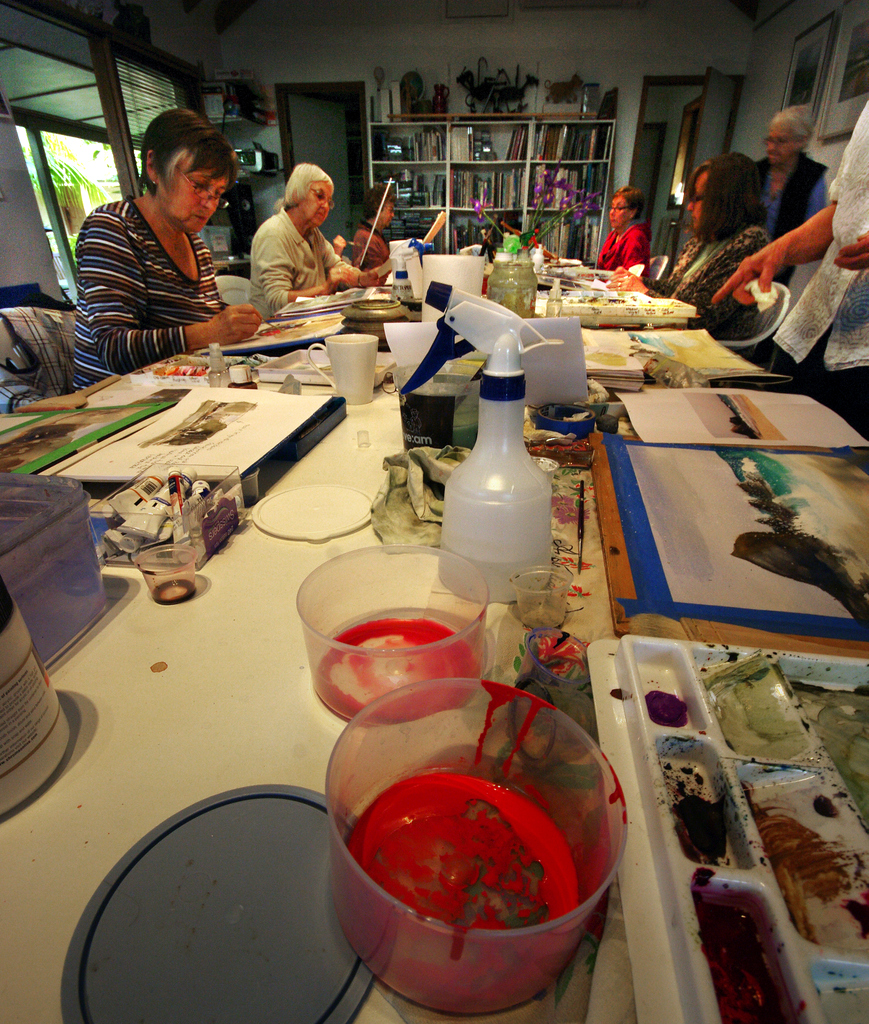
We have just finished two full on weeks of workshops in the studio. Some familiar faces and some new faces. This is the first time we have had a completely new group for the second week, so I thought it would be interesting to repeat some of the demonstrations with some variation.
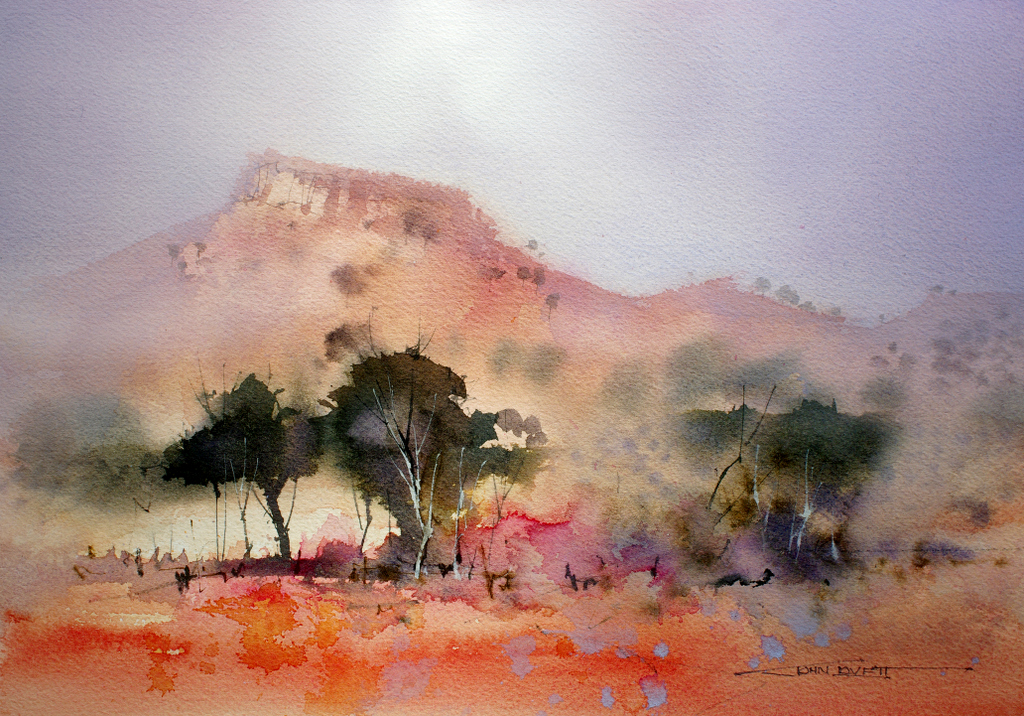
These two landscapes based on recent photos from Western Queensland were started with transparent washes (Quinacridone Gold, Cobalt Blue and Permanent Rose) Then the trees and other details were added with more opaque mixtures of Ultramarine Blue, Phthalo Blue, Alizarin Crimson and Quinacridone Gold. Graded washes were used on either side to create a band of light through the focal point, then various layers of gesso and White gouache glazes were worked through the sky and distance.

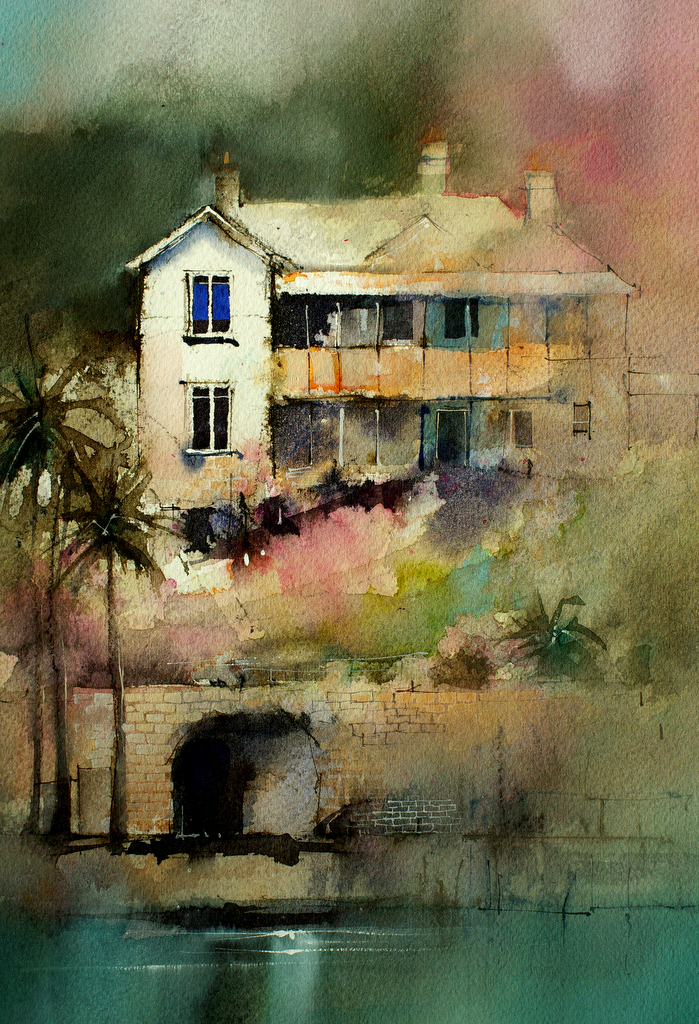
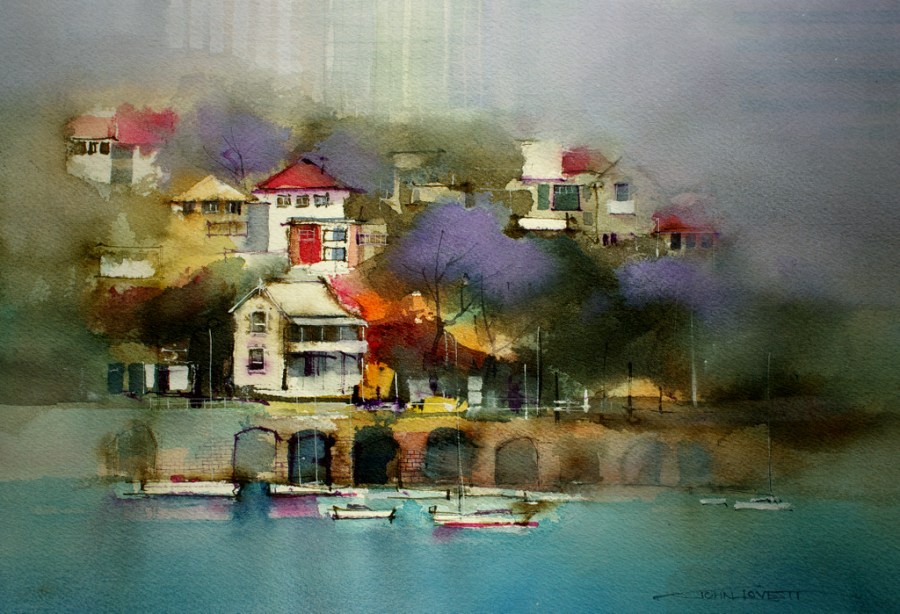
I have painted this Old house on Sydney Harbour from various angles and thought it would be a good workshop subject, having problems of symmetry and conflicting focal points to be sorted out.

I was surprised when we started drawing, to find that one of the students had lived in the flat behind the house back in the 70’s – when Brett Whitely lived and painted a little further around the bay.

These paintings were done with the same simple palette of Quinacridone Gold, Alizarin Crimson, French Ultramarine Blue, Phthalo Blue and Permanent Rose. I also used Charcoal pencil, White Gouache, Gesso and Burnt Sienna Ink. The vibrant blue window in the top painting was painted with Ultramarine Gouache.

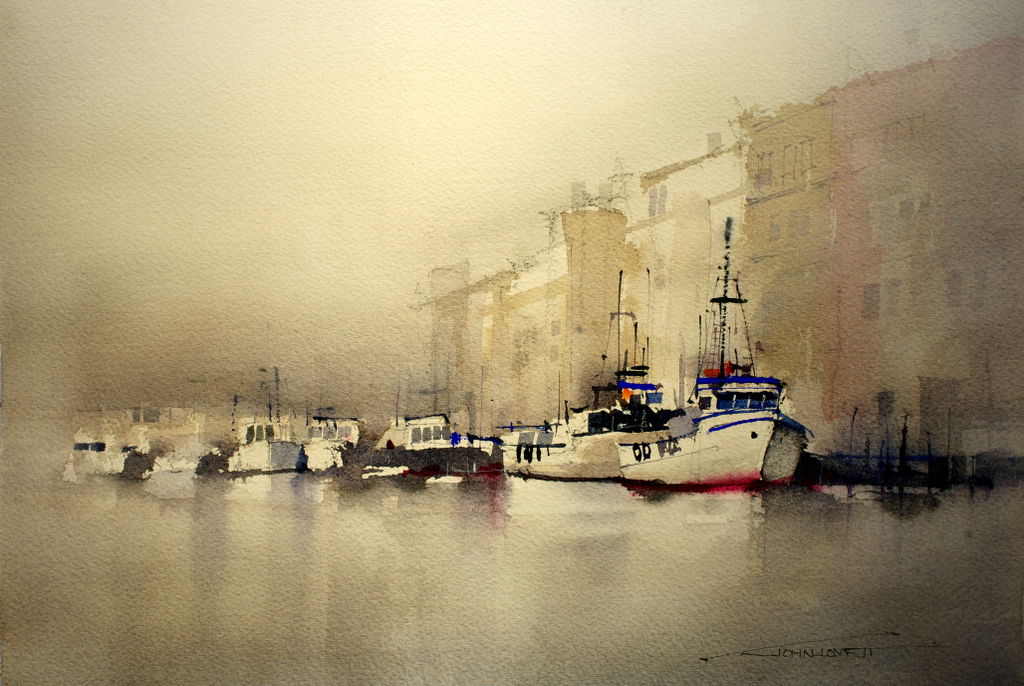
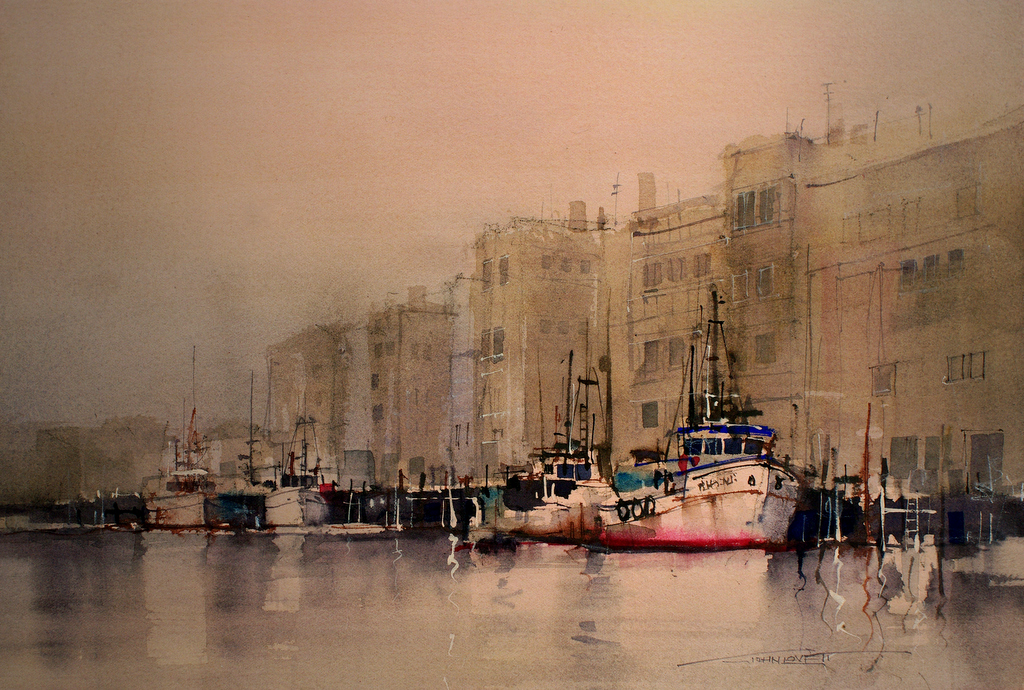
Not far from Venice is the small fishing port of Chioggia. These weather beaten trawlers make an interesting subject with their confusion of masts and rigging and the complicated backdrop of ancient buildings. The idea here was to suggest all the complicated detail without trying to carefully render it. We started with under washes of Permanent Rose and Aureolin and gradually built up detail over the tinted paper.
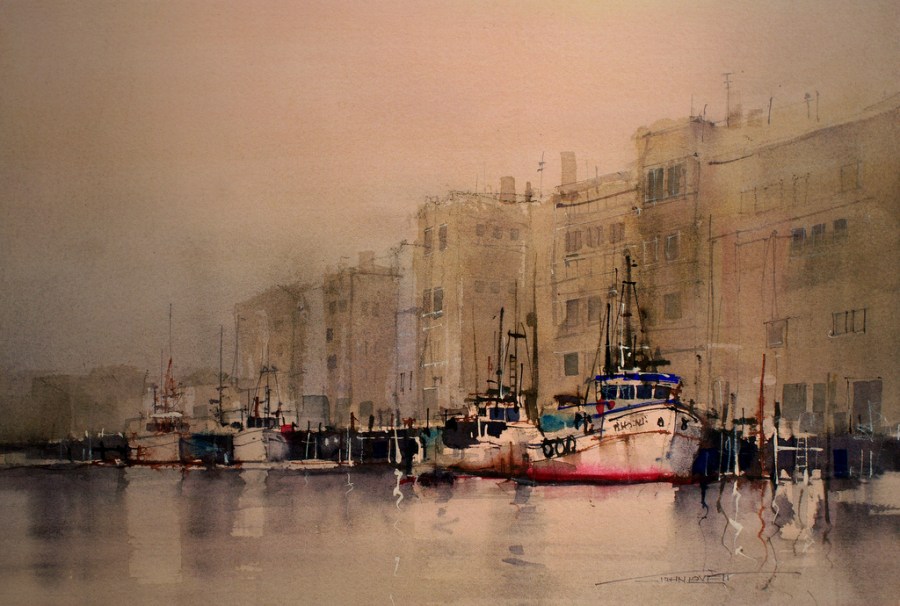
A different subject using the same transparent under wash technique. This time graded washes of Cobalt Blue and Permanent Rose formed the under wash.
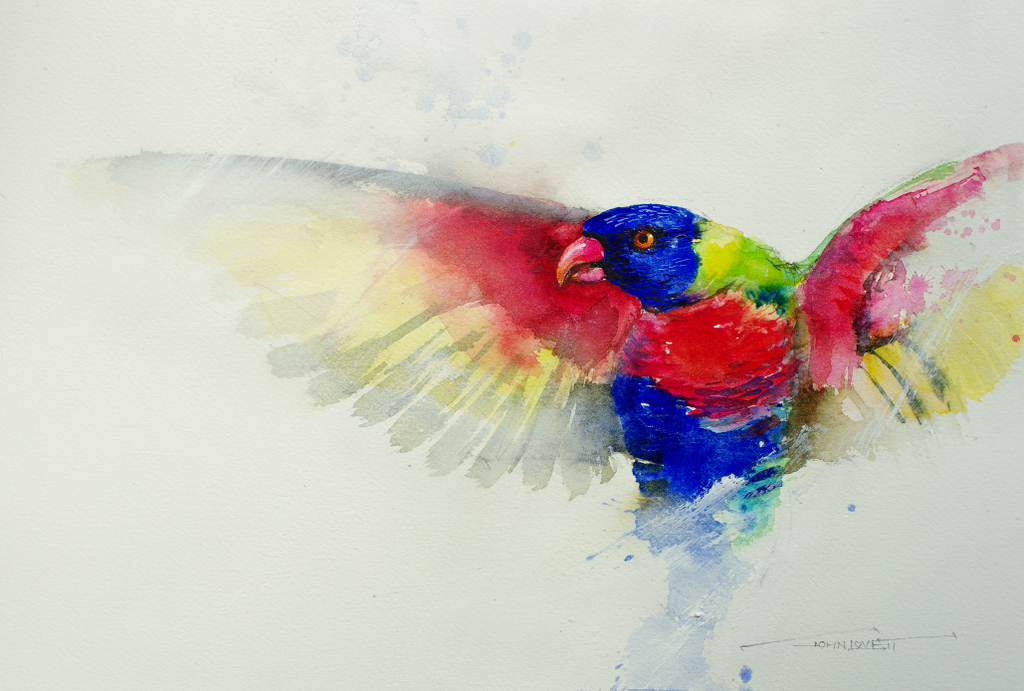
Painting these Lorrikets was a lot of fun – balancing sharp detail with loose suggestion. The wings and much of the body were roughly washed in with an old 1/2″ bristle brush. Detail was built up around the head and body with a 1/4″ flat brush and a #1 rigger. Finally the wings were attacked with gesso and a white charcoal pencil to get a feeling of movement.
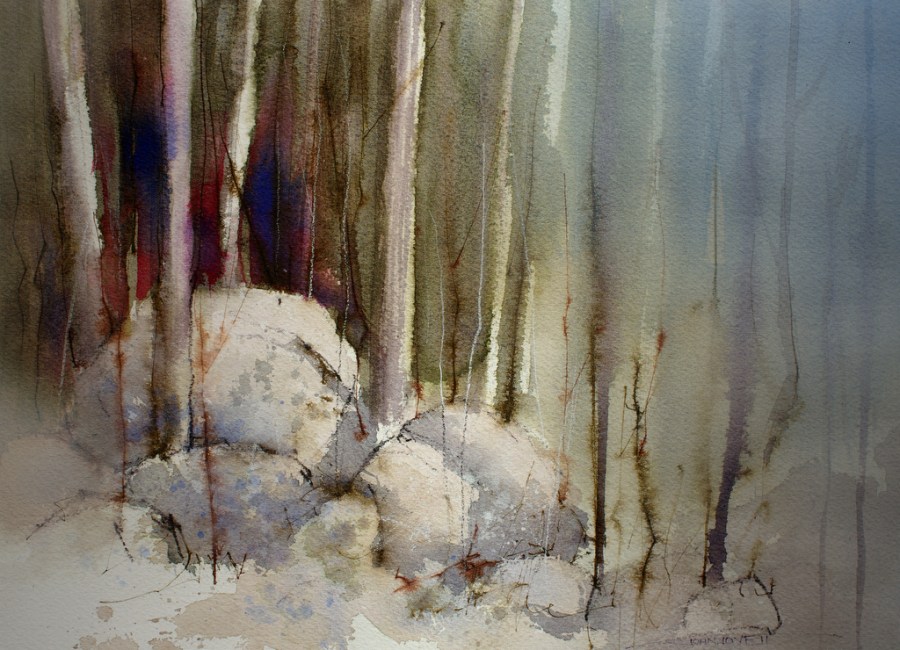
Everyone enjoyed painting these rocks and sapplings. The purpose was to shuffle around the source material to create an interesting composition, then to build up textures and depth with watercolor, gouache, ink, charcoal pencil and Gesso. We used a number of techniques – splashing, splattering and spraying to build up the textures and gesso glazes to soften and push back the distance.

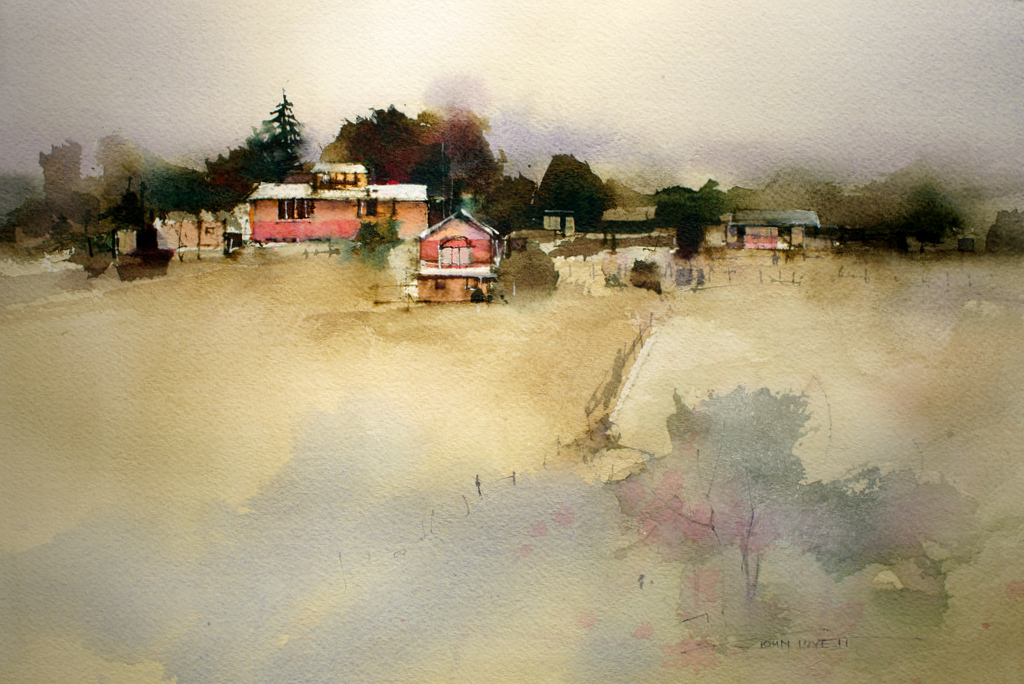
Another exercise in rearranging  the subject. This time a soft abstract foreground to lead the eye into the focal point of trees and buildings.

So thanks to everyone that attended the workshops and thanks to Dianne for the mighty cakes – back to dry biscuits now!

HEADING EAST

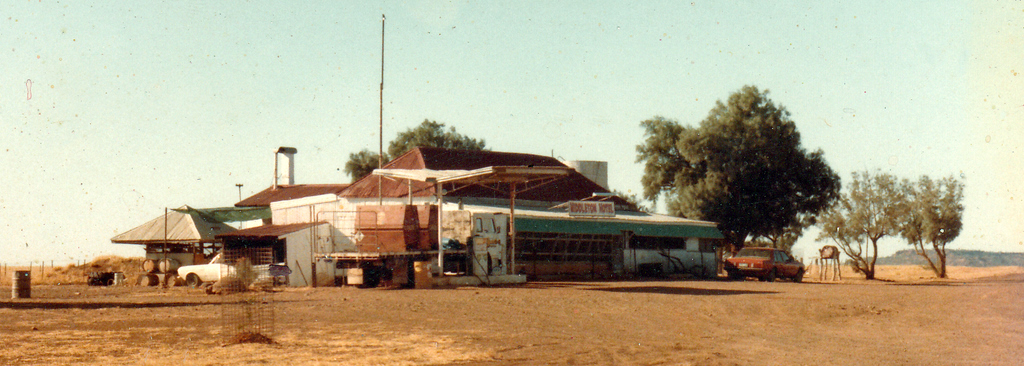
After a week in the Eastern Macdonnells we wound our way slowly back to the Plenty Highway and east to Boulia. From Boulia we took the Kennedy Development Road back to Winton.  This road takes us through the old settlement of Hamilton – once an interesting pub, now a roadside stop with remnants of the old settlement.

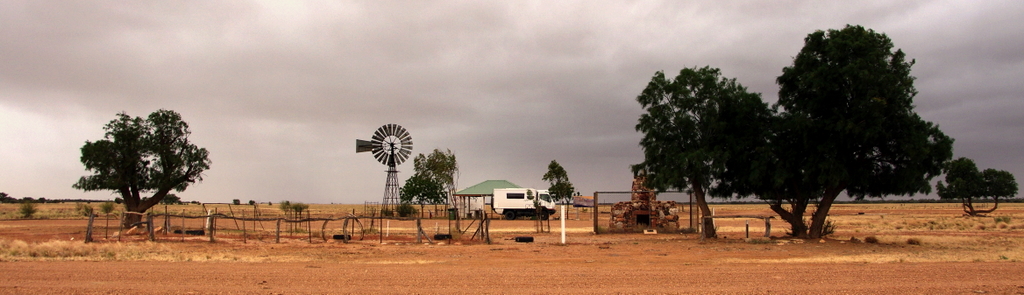
Hamilton 2012

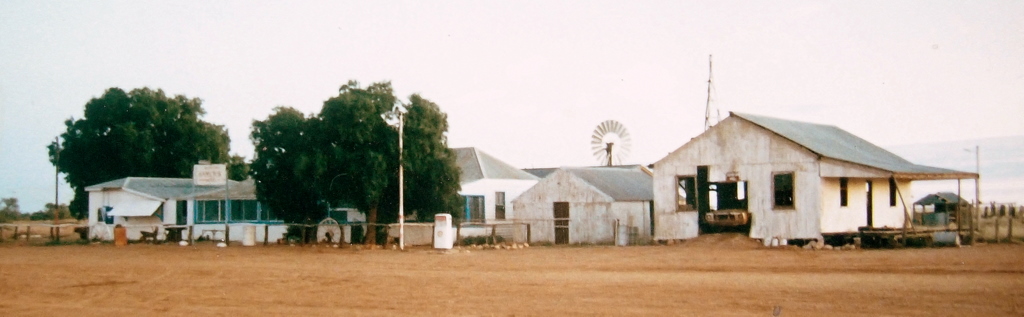
Hamilton 1988

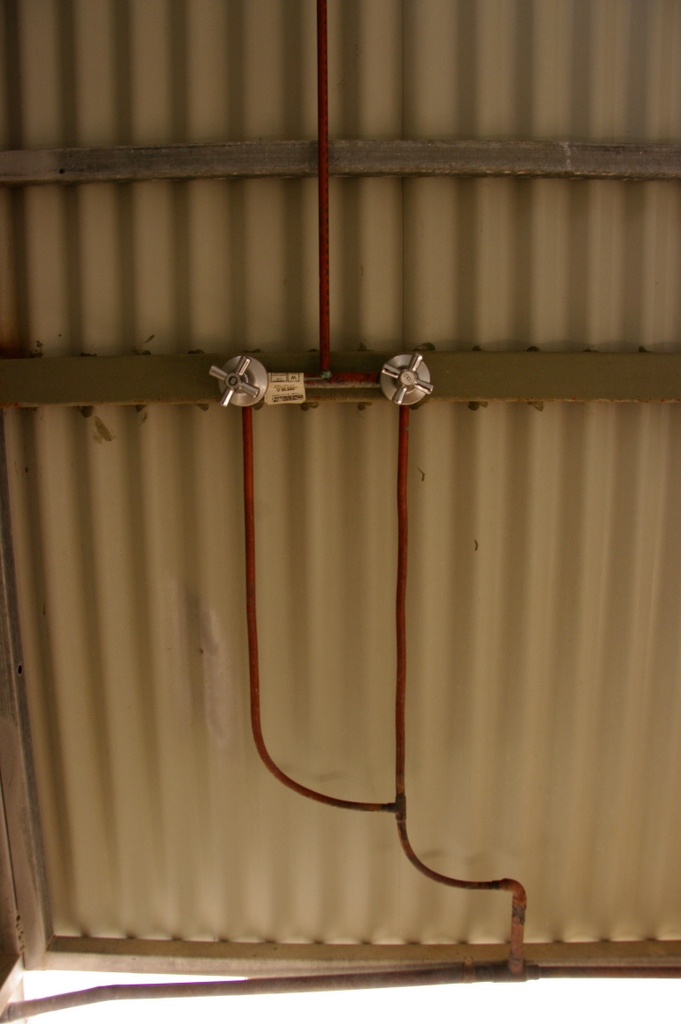
The roadside stop even has a shower – with cold and cold running water!
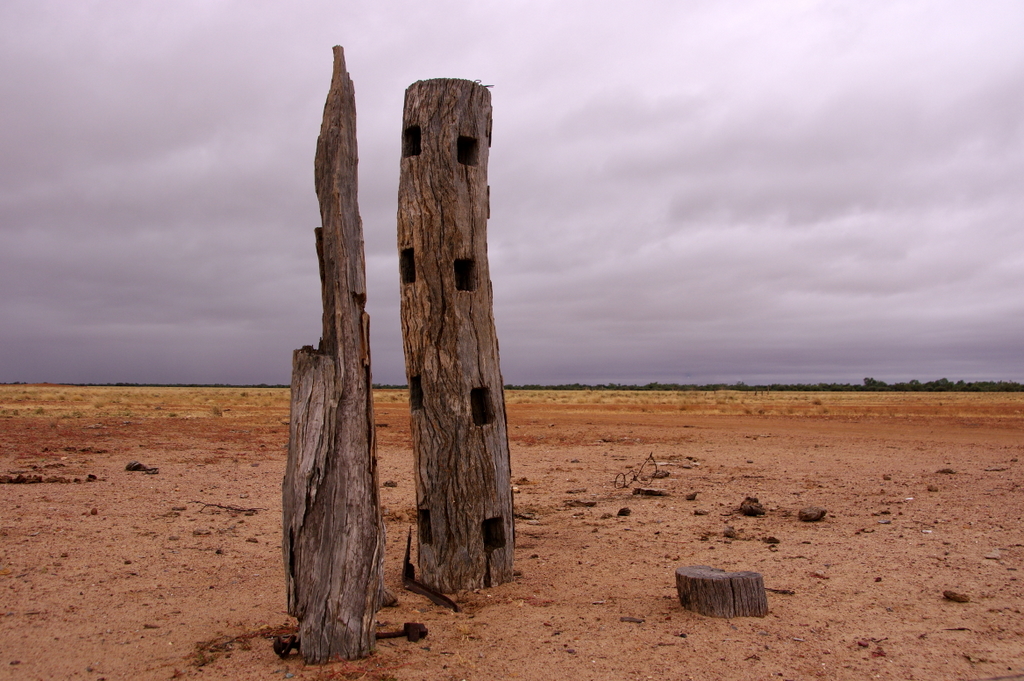
Remains of the old Hamilton stock yards.

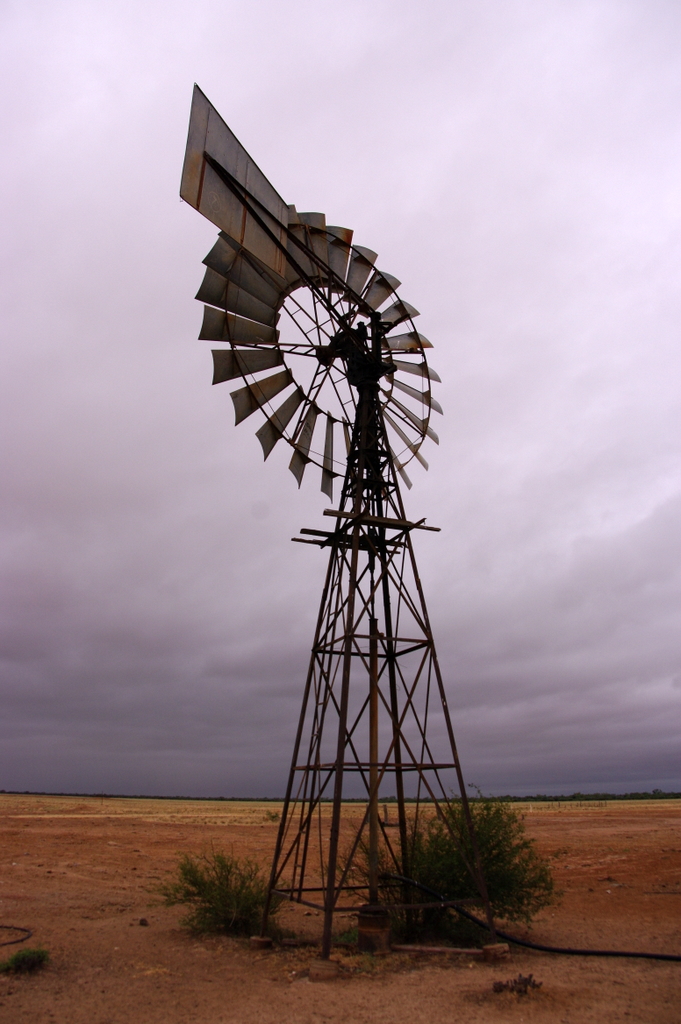
This old windmill still pumps water up from underground to supply the shower.

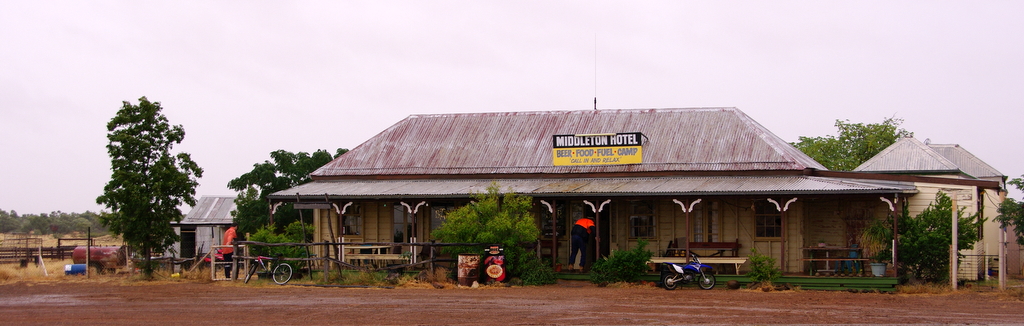
Middleton Pub is further along the Kennedy Development Rd towards Winton. It has gone through a few changes over the years. The photo above is 2012 and the shot below is how it looked when we stopped there back  in 1982.

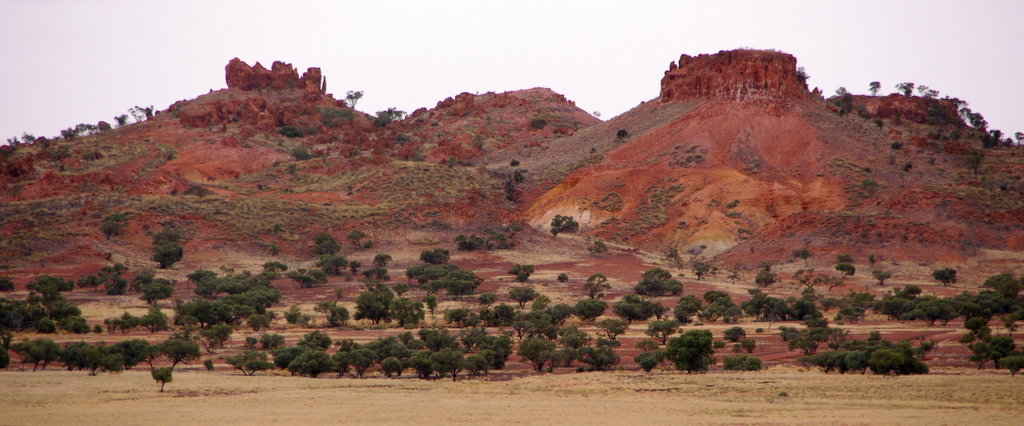
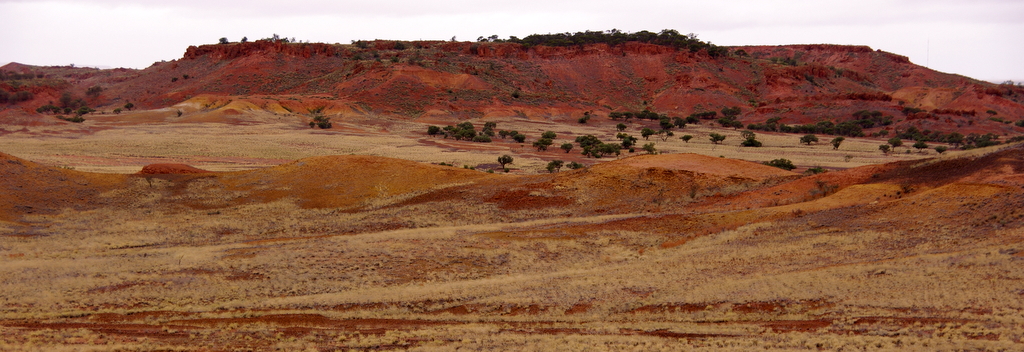
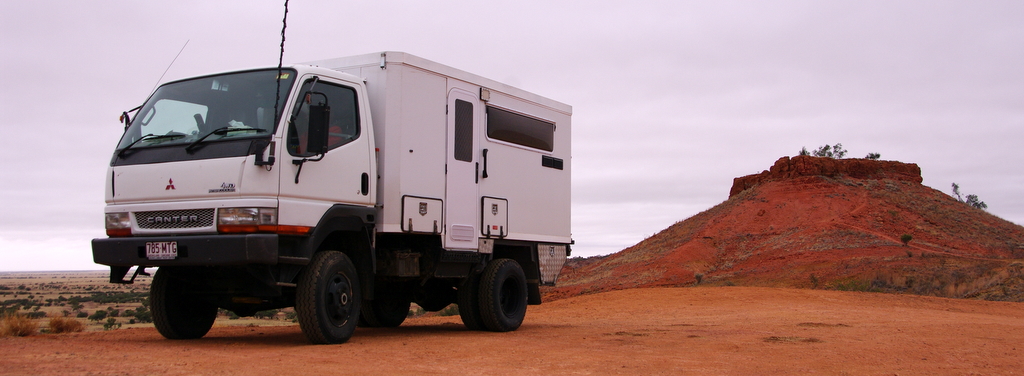
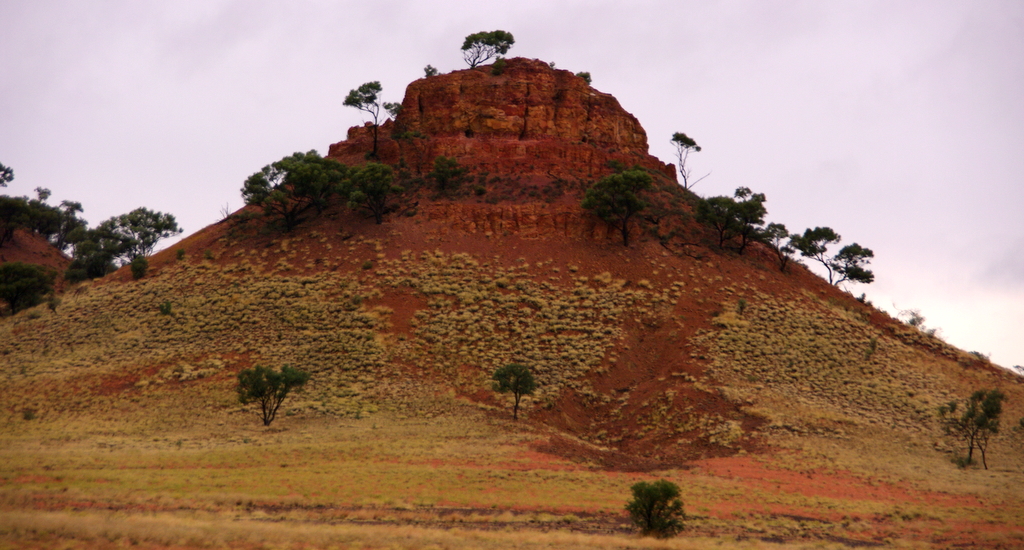
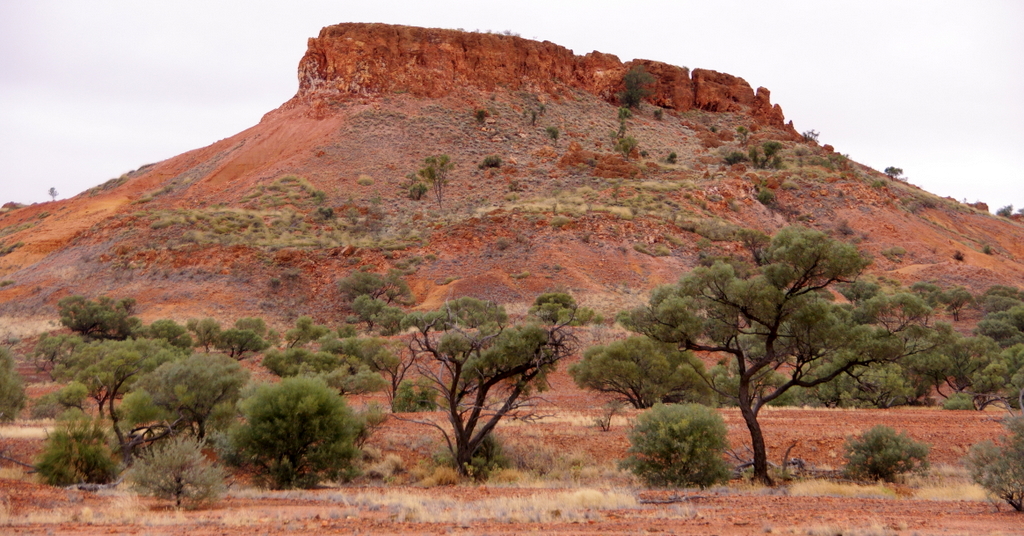
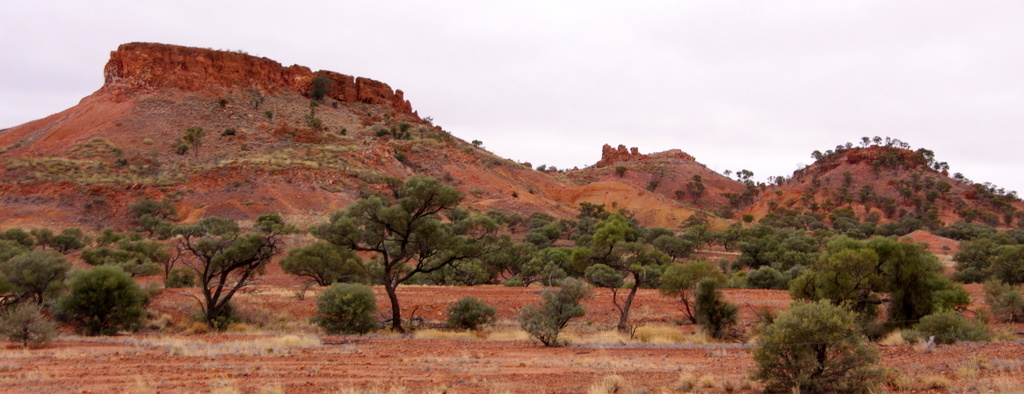
Between Hamilton and Middleton are the Lilleyvale Hills – a spectacular range of jump ups protruding from the flat landscape

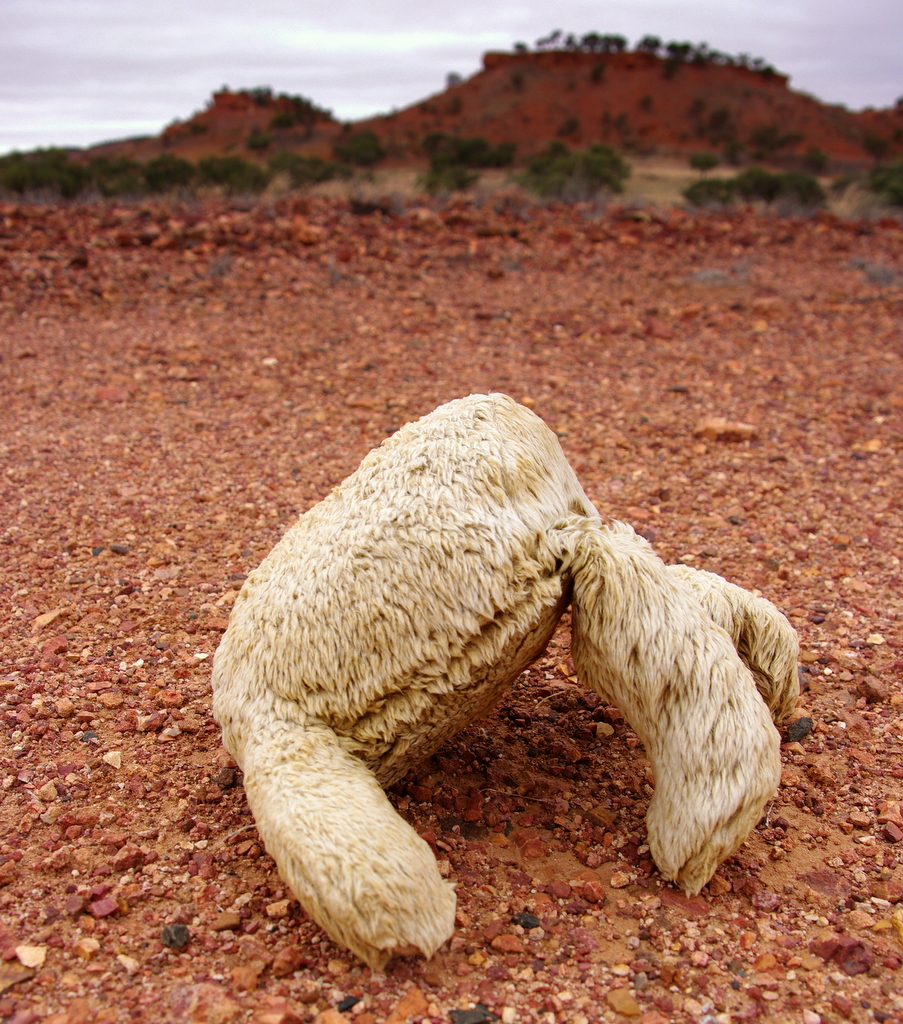
We found this wet teddy bear, overcome by the grandeur of it all, head buried in the sand.

The Cawnpore lookout provides a great panorama of the hills.

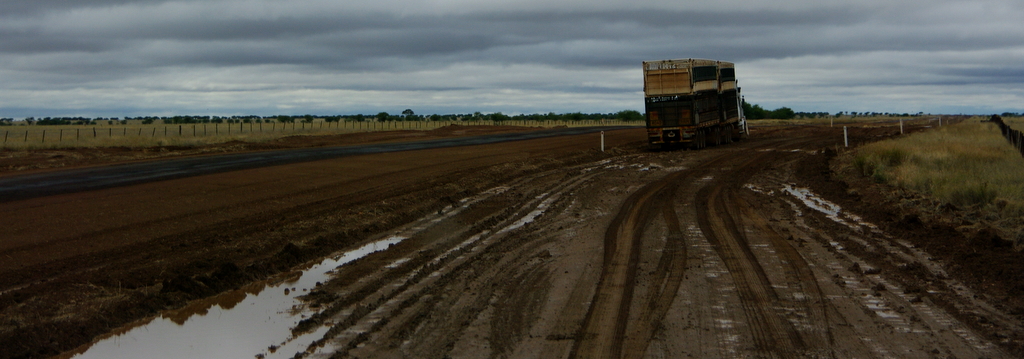
The Kennedy Development Road is normally a 360km single lane strip of bitumen connecting Boulia and Winton. Unfortunately about 20kms approaching Winton had been dug up to be resurfaced. This would have been OK except heavy rain had turned the detour into impassable bog.

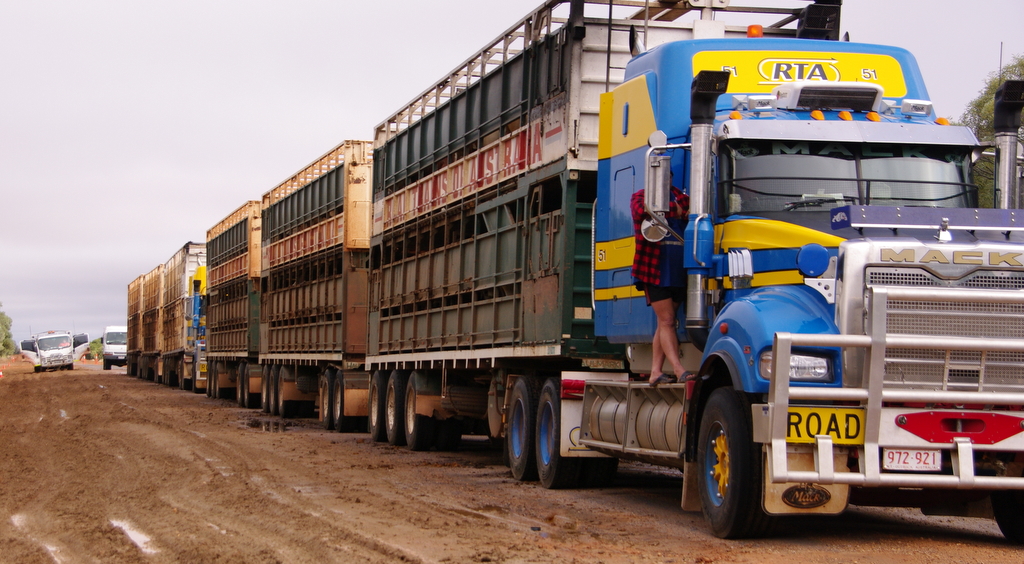
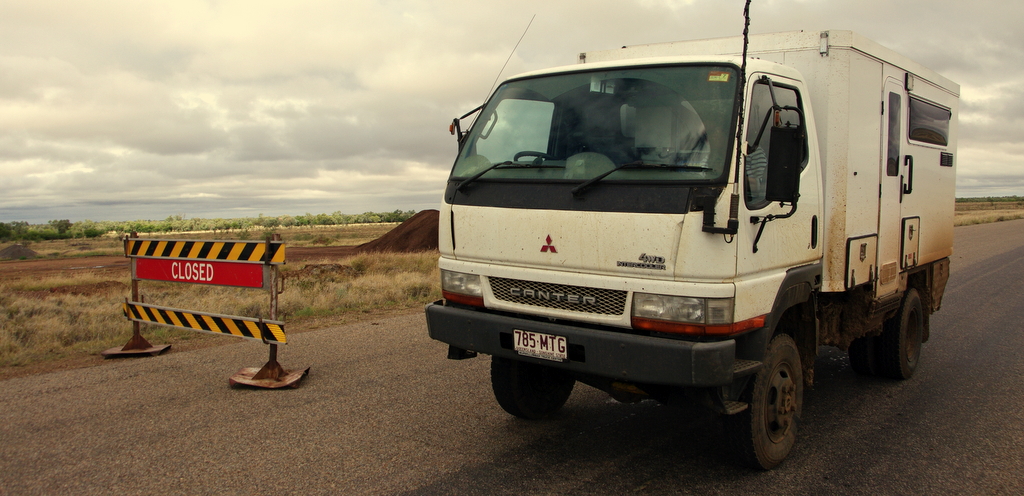
There were two road trains bogged in the mud and two more, each loaded with 120 ton of cattle, stopped on the edge of the formed road. The drivers told us the road had been closed so we camped the night on the road behind them. (Big fines for driving on closed roads.)  In the middle of the night another truck arrived and tried to drive around us, only to slide down, bogged in the side drain. Next morning road workers arrived with a grader to pull the road trains through.

We managed to churn our way through in front of the grader. Once in Winton we headed for the wash down hose at the saleyards to remove what looked like half a tone of thick sticky mud form under the truck.

By the time we reached Winton rain had set in so we headed for home

EASTERN MACDONNELLS

Our plan was to buy fuel at Gemtree at the end of the Plenty Highway then head directly down into the Eastern Macdonnell Ranges via the cattle water pass. Unfortunately, Gemtree was out of diesel so we had to continue on to Alice Springs then head out to the Eastern Macdonnells.

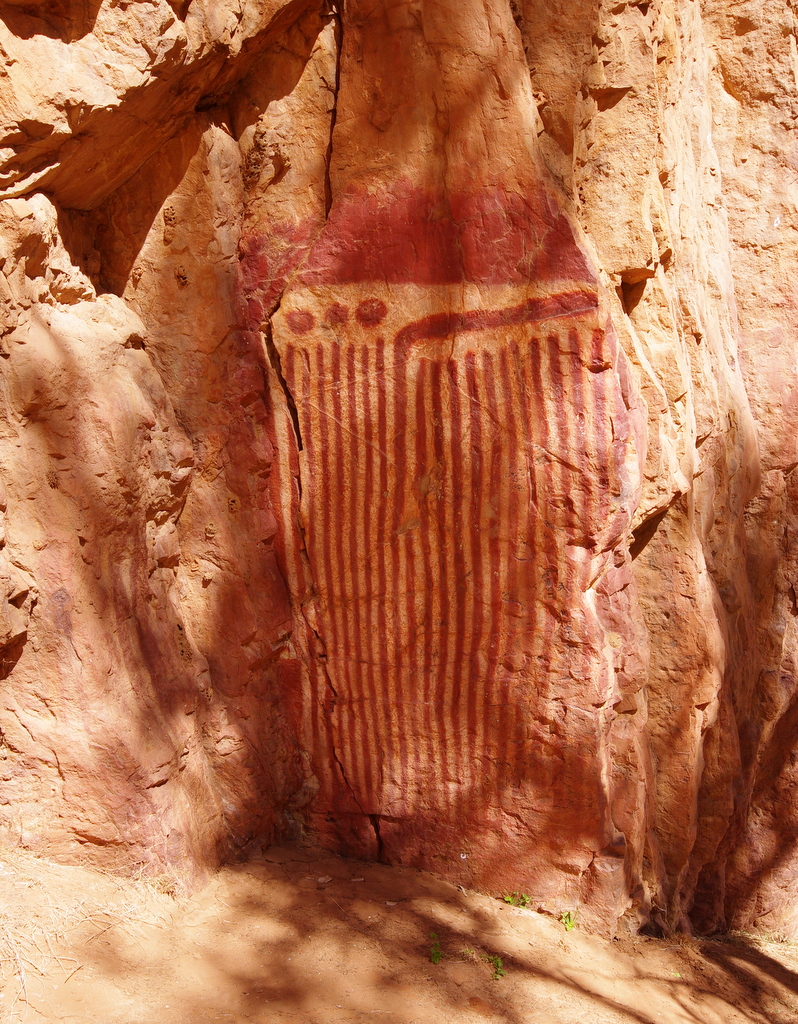
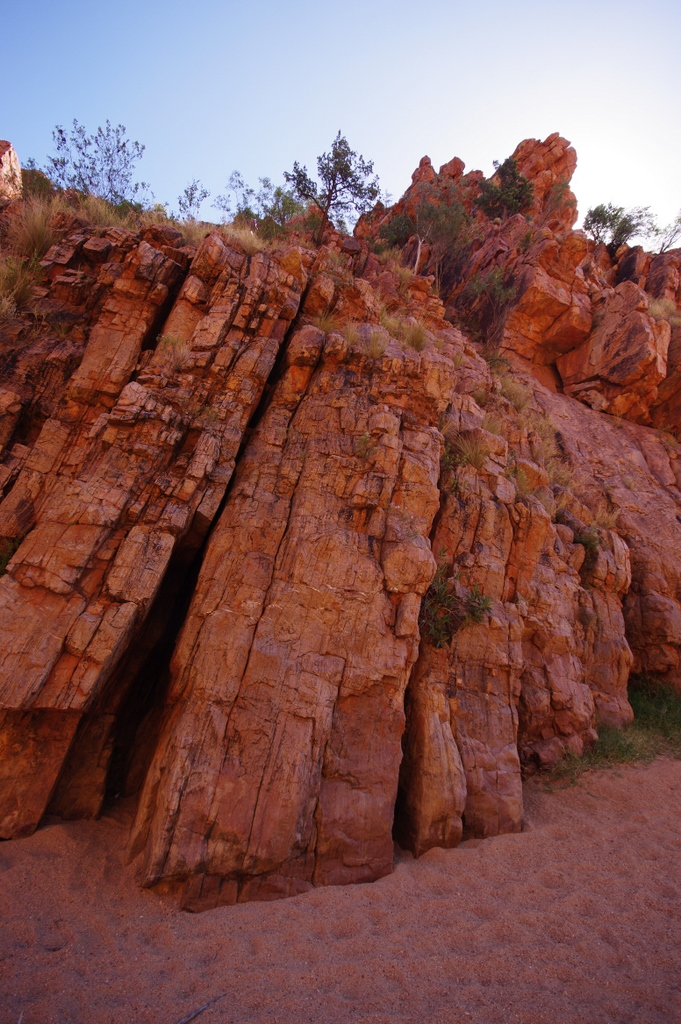
Our first stop was Emily Gap – a small gorge and waterhole cutting through the range. The Aboriginal rock art here is unusual and very spectacular.

WINT7665


WINT7668

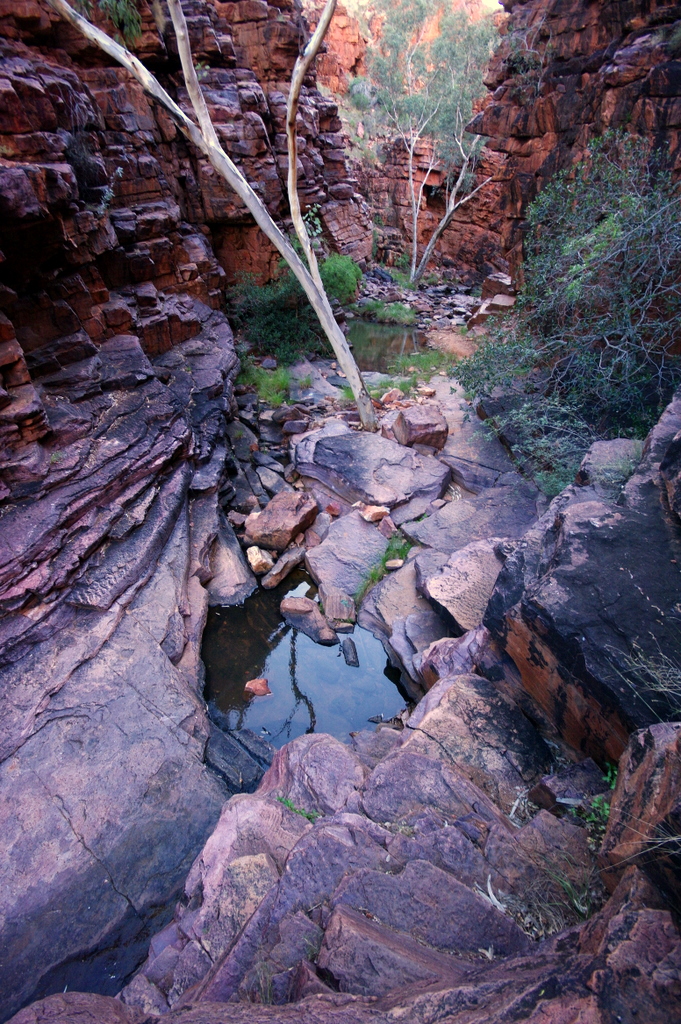
Down the end of a rough track are the John Hayes Rock Holes. We were lucky to be the only ones camped here, so enjoyed a quiet walk over the ridge and down through the chain of rock pools. The rough track means this area is much quieter than nearby Trephina Gorge

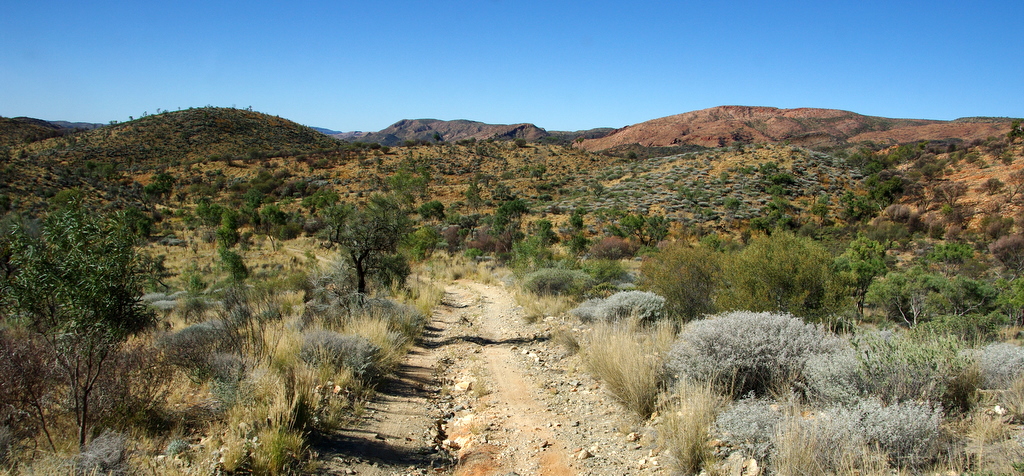
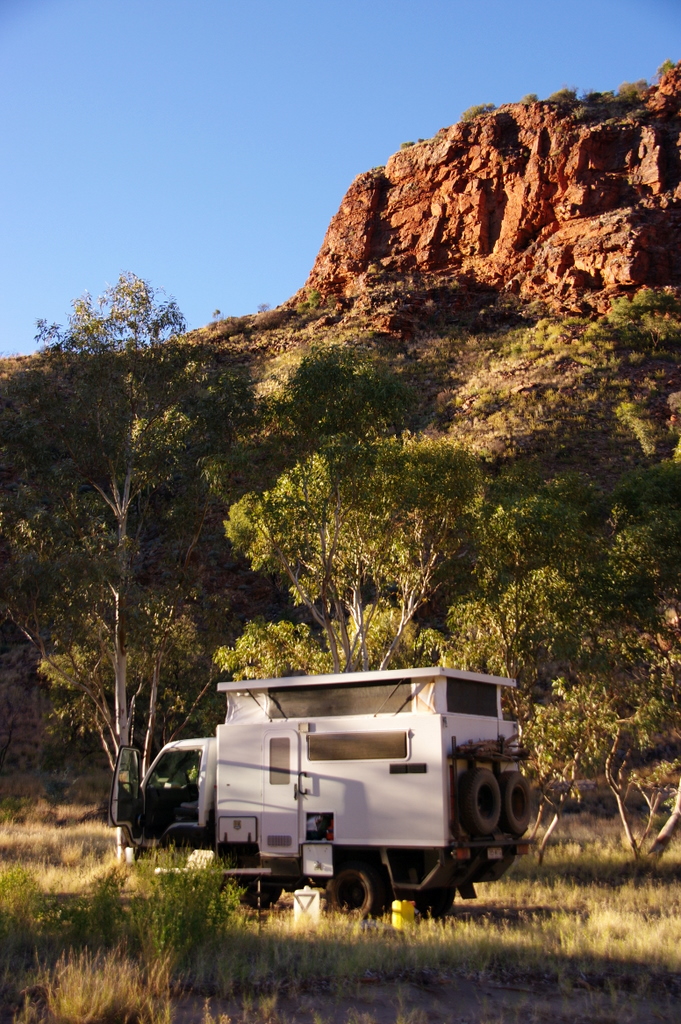
Traveling to the eastern extremity of the Macdonnells you come to Ruby Gap. The track for the last 40 km is pretty slow going at around 3 hours, but Ruby Gap and the walk up to Glen Annie Gorge make the trek worth while.

WINT7813

Ruby Gap

We managed to find a 4km detour on our way up to Glen Annie Gorge

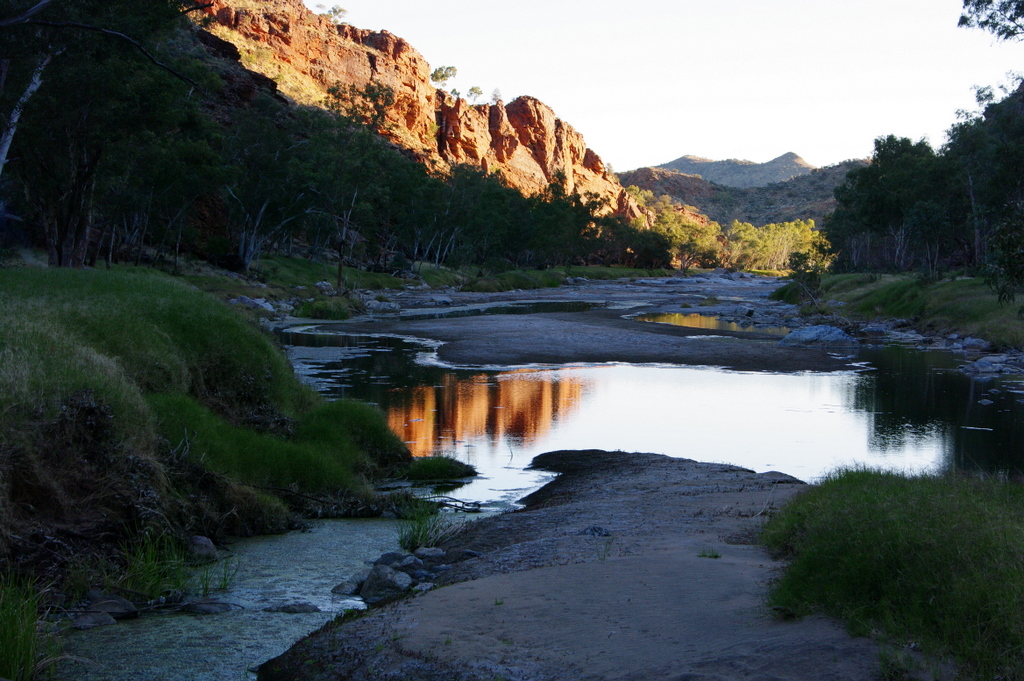
Glen Annie Gorge

After a 12km walk,  mostly in soft river sand, we were happy to be heading back to our camp.