BACK IN THE STUDIO

After 5 months away it’s good to get back in the studio and start painting. As much as I enjoy painting outdoors, I always feel the best work comes when conditions are under control and there is limitless time to consider things

.

The first thing I did when I got back to the studio was pull out the last demonstration painting I did at the workshop in Pemberton. At the time I was wrestling with it and hurrying to get it finished. I just wanted to see where it would go with a little more time and less pressure.

I attacked it with a 1″ house painting brush full of gesso , leaving the central core of previously painted watercolor untouched. After the gesso dried, detail was added and blotted back with tissue.

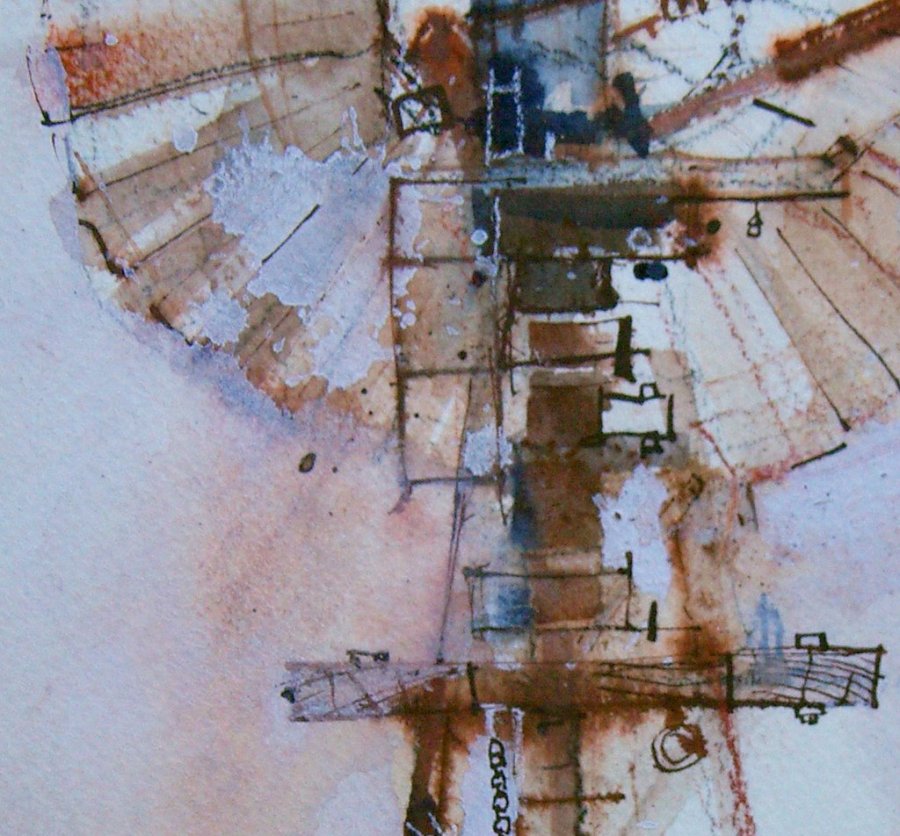
The pigment sits on the surface of the gesso, so can be sprayed and blotted back similar to yupo paper. This produces the subtle effects seen in the detail above. It is an interesting, very controllable way to work and produces unusual results.

INKTENSE PENCILS

pencil

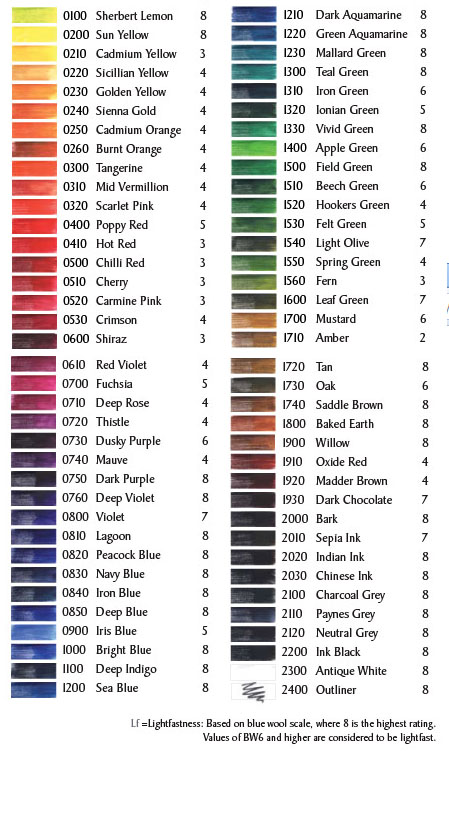
Derwent Cumberland make a great pencil that will draw equally well on wet or dry paper. They come in a broad range of colors, however some are not really lightfast. Fortunately most of the browns, greys, earth colors, and many of the blues are, according to the list below, tested to be lightfast.

IMGP1238

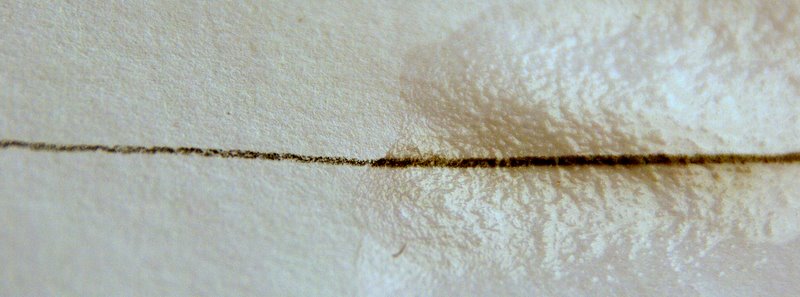
Inktense pencils will produce a strong dark mark on wet or dry paper.

IMGP1232-1

Light shading can be quickly dissolved with a damp brush to make subtle watercolor like washes. Once these washes dry they are permanent and insoluble just like permanent ink. This means they can be worked over without being disturbed.

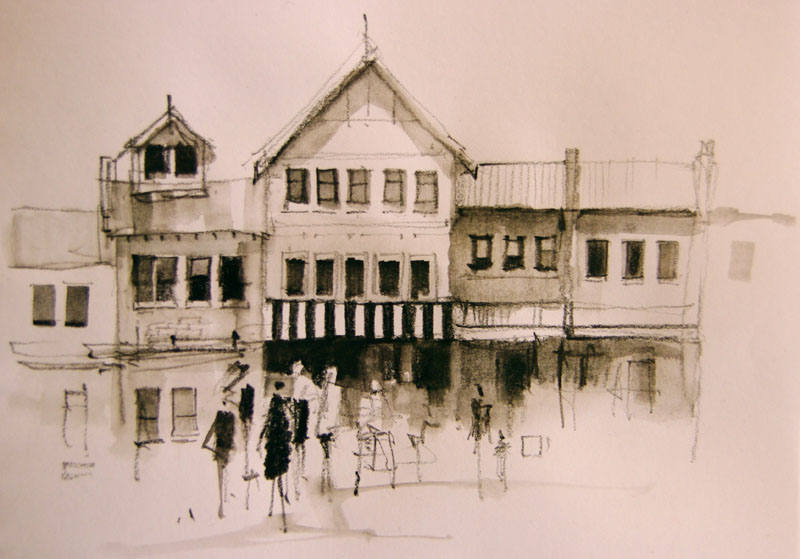
sketch

detail1

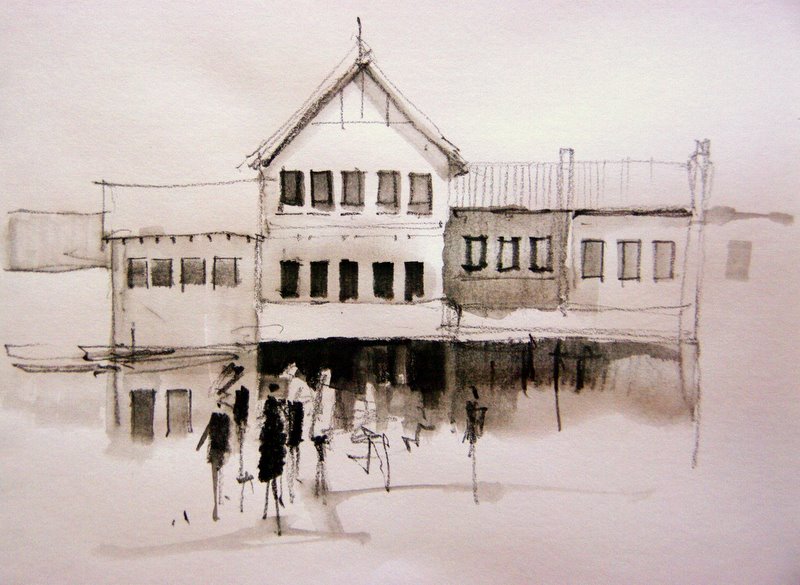
Drawing with Inktense pencils and a damp brush produces interesting results hovering somewhere between pencil and watercolor.

The sketch above was done with a dark brown (Bark 2000). I haven’t experimented with colors yet, but imagine they would be a lot of fun. I have used the Bark (2000) pencil and the Charcoal Grey (2100) in a number of watercolor paintings and I’m really happy with the results.

The pencils are nice and smooth to use and release pigment easily. They sharpen well and the leds, being of a waxy consistency, are resistant to fracturing

colors

Read more about them on the Derwent website (link opens in new window)

INDUSTRIAL STUFF

If you’re into over the top industrial hardware, then Western Australia sure is the state to visit.

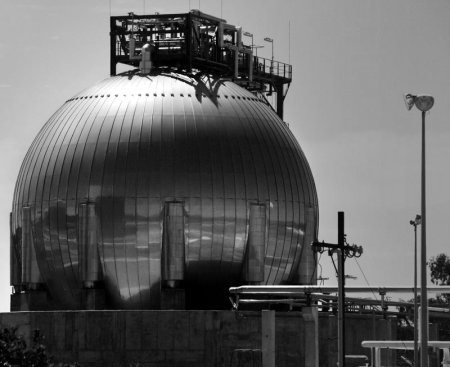
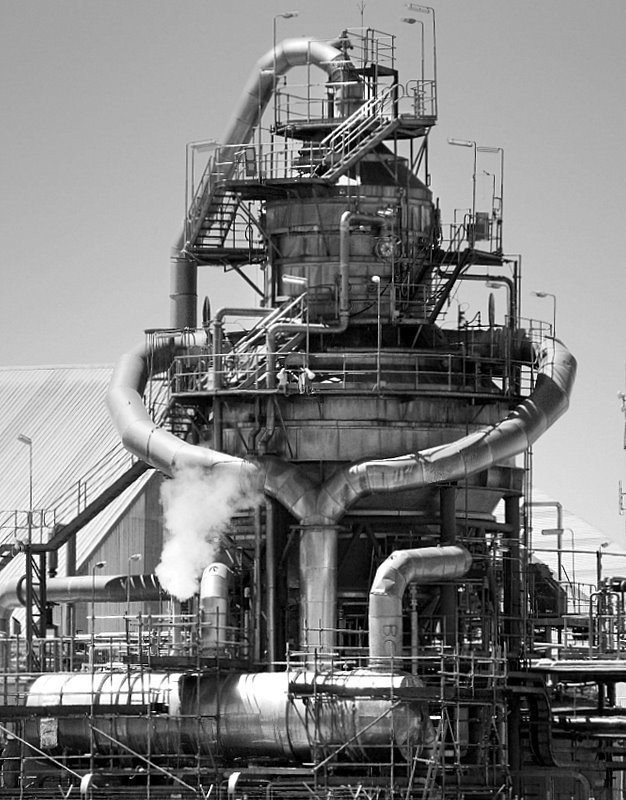
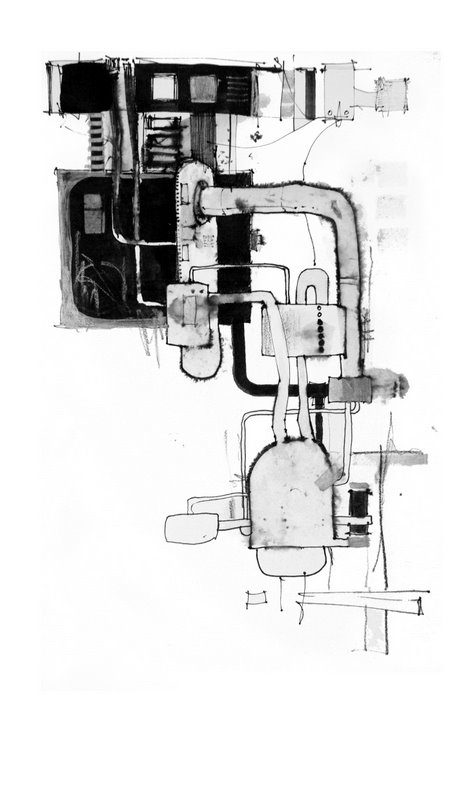
These giant pieces of apparatus look almost organic. It’s hard to imagine someone sitting at a drawing board, under a cold fluorescent light, creating this sort of stuff. It looks so random and chaotic.

I hope you enjoy the photographs. It’s a dangerous business, standing on the roof of a landcruiser pointing a long lens over five strands of barbed wire. I’m sure I was viewed with much suspicion and, in a different country, would have probably been shot on site.

The sketches are done with a 0.4 Black Artline 204 fibre tip, a White uni posca fibre tip, Indigo watercolor and a tea bag

IMGP1138x-1z

.

IMGP1142x-1
.

IMGP1148xz
.


IMGP5841z

.
sketch1
0.4 Black Artline 204 fibre tip, White uni posca fibre tip, Indigo watercolor and a tea bag
sketch2-1
0.4 Black Artline 204 fibre tip,  White uni posca fibre tip, Indigo watercolor, Tissue paper and a glue stick

OUTBACK WORKSHOP 1

DARWIN, KAKADU, KATHERINE

IMG_4703

We arrived back in Darwin, put our vehicle into storage and met Amanda and Gordon, our tour guides, at the Mindil Beach Markets. After wandering  around and watching the sun set into the ocean, we all headed back into the city for dinner.
IMGP6447

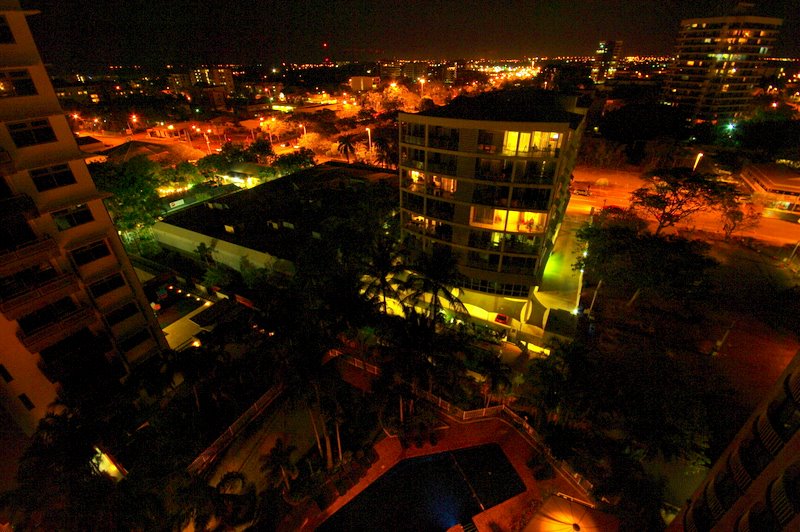
Monday, the 26 people that form our group got to know each other over drinks on the balmy veranda of the Holiday Inn.

IMGP6459

Tuesday, our first painting day,  we headed down to Government House , spread ourselves out on the rolling lawns opposite, and filled in the morning painting under the shade of a banyan tree.
IMGP6460

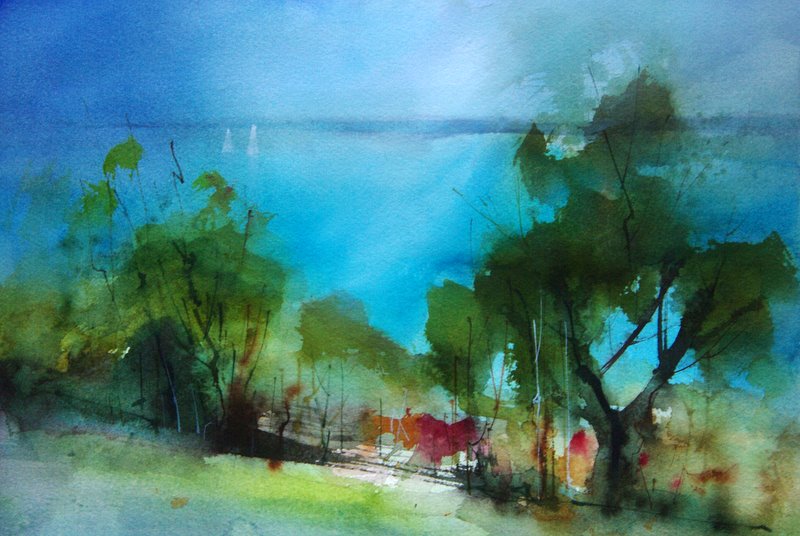
The afternoon was hot, so we found a shady spot opposite our hotel and painted the fringe of vegetation between us and the Arafura Sea

IMGP6480

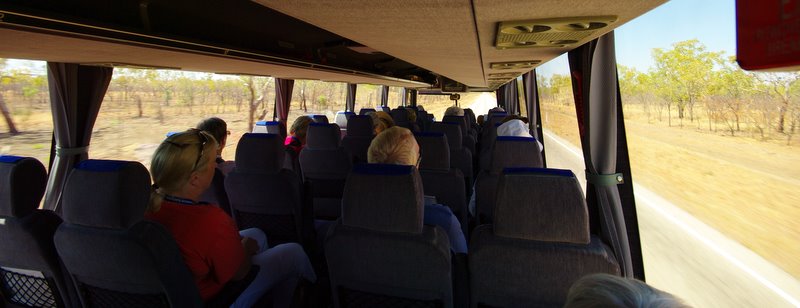
Off to Kakadu and three days at Cooinda Lodge, Our coach driver had a tremendous knowledge of the aboriginal people of the area, having lived and worked with them over the years, He took us around Nourlangie and filled us in on many of the aboriginal customs and beliefs.

IMGP6510

Nourlangie

IMGP6539

Whistling Ducks – Yellow Waters. Except for the fact that these guys are walking around, they are the most artificial looking animal I have ever seen. They don’t  like getting wet either, happy just to stand beside the water.

IMGP6551

We watched this Croc cruise past our boat accompanied by a large Barramundi with a death wish.
IMGP6588

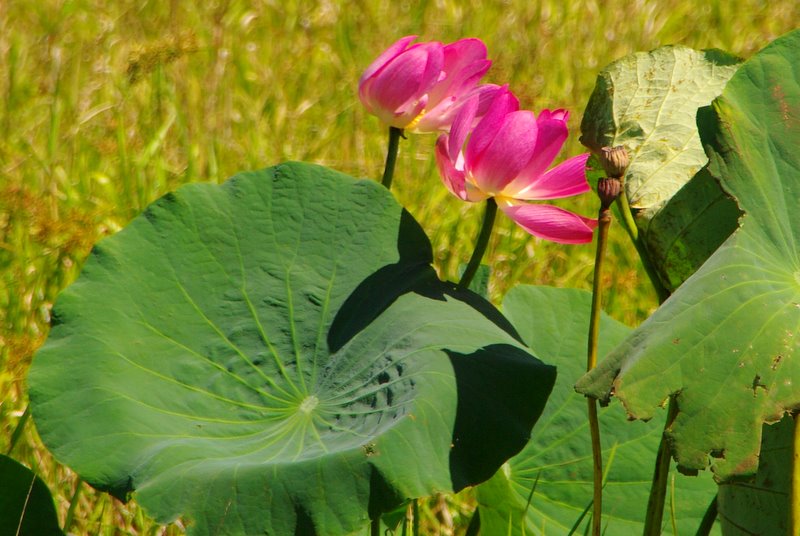
Red Lillys – It may not look like it, but every bit is edible!
IMGP6597

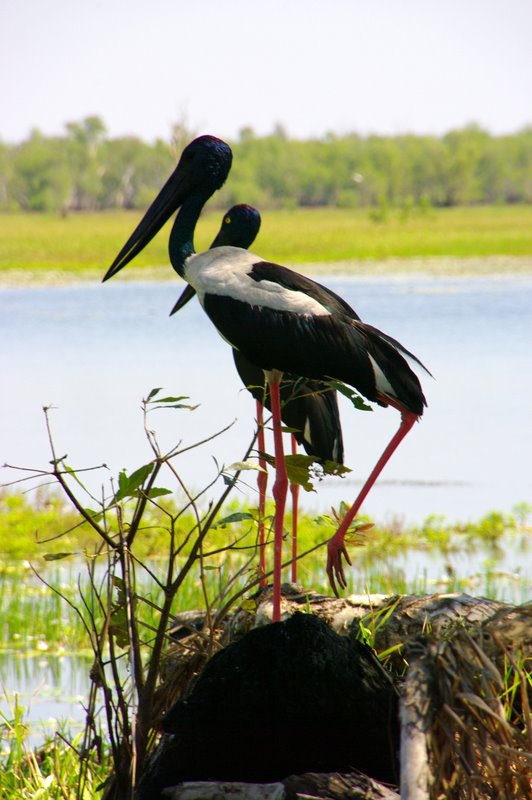
Pair of Jabiru (Male with dark eye)

IMGP6505

Cruising Black Cockatoo – they fly slowly in formation like a flock of B52’s on a mission.

IMGP6618

Wetland Waterlilies

IMGP6893

In the afternoon heat, an old Akubra in front of our lodge was a more comfortable option for a painting subject. Just so things didn’t become too comfortable, we limited ourselves to just two colours.
IMGP6622

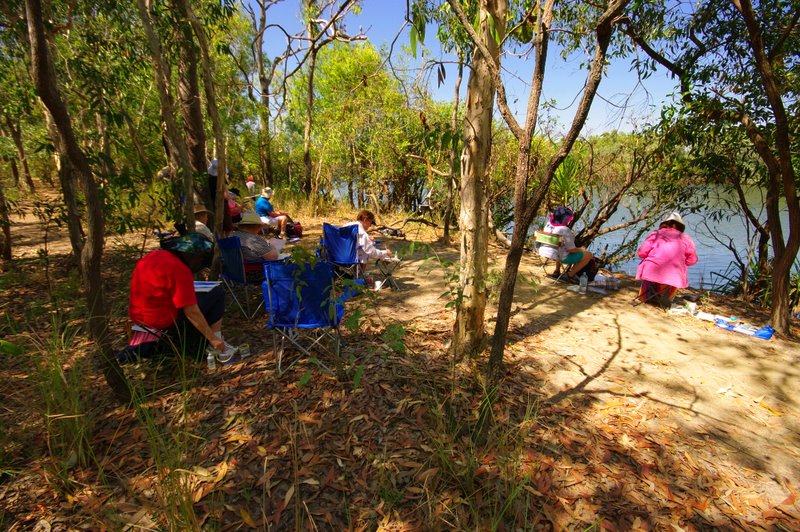
Home Billabong at Cooinda Lodge was dotted with shady clearings looking across the water – great places to paint.

IMGP6894

Home Billabong – Cooinda

IMGP6757

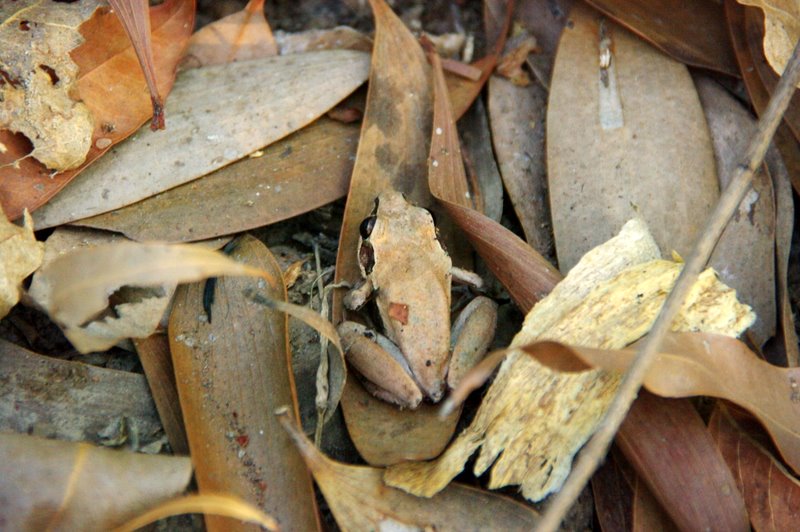
If this little fellow hadn’t hopped, we would never have seen him
IMGP6733

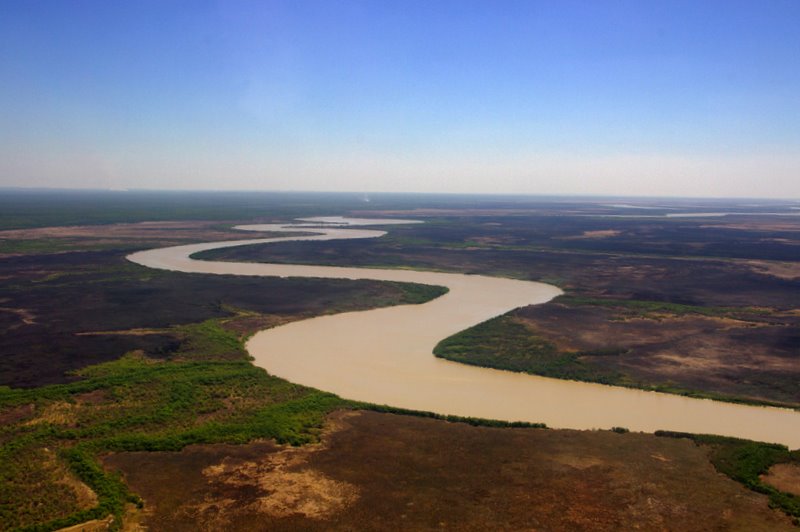
South Alligator River, meandering across the wetlands

IMGP6680

Arnhemland Escarpment

IMGP6703

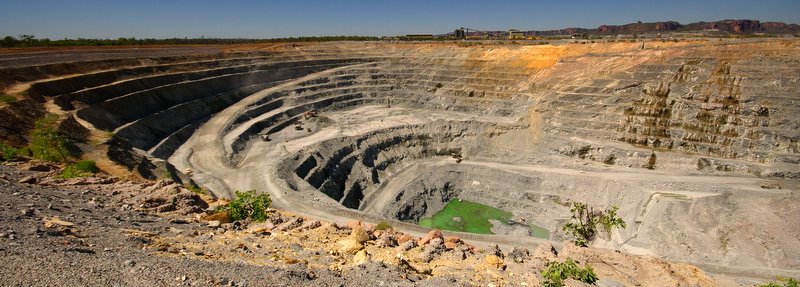
Ranger Uranium Mine

IMGP6890

South to Katherine

IMGP6883

Gold rush architecture, Pine Creek NT

IMGP6896

Another shady Banyan tree, this time in Katherine
IMGP8312

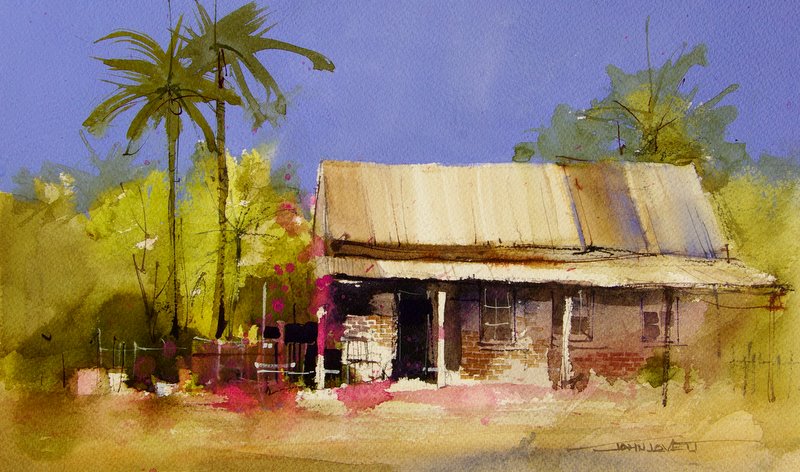
Some transparent watercolor washes and a lot of pale Ultramarine Gouache made this demo a lot of fun.

IMGP8312-1

Splashes of Alizarin, ink marks, charcoal pencil lines and fine rigger strokes suggest a lot of complicated detail without being too descriptive.

MINING MACHINERY

Ranger Uranium Mine, in the heart of Kakadu National Park, has the weird attraction of a car accident. It’s all very horrific but you just can’t help looking!

IMGP5796

The dirt from an enormous hole in the ground satisfies 10% of  the worlds hunger for uranium. They dig it up, crush it, mix it with various toxic chemicals (ammonia, sulphuric acid, kerosene), then , once separated and purified, pack it into 44 gallon drums and sell them for over half a million bucks a pop.

All this so the Chinese and Indians can have two door fridges, plasma TV’s and  air conditioned shopping centres,  just like we do.

IMGP5790

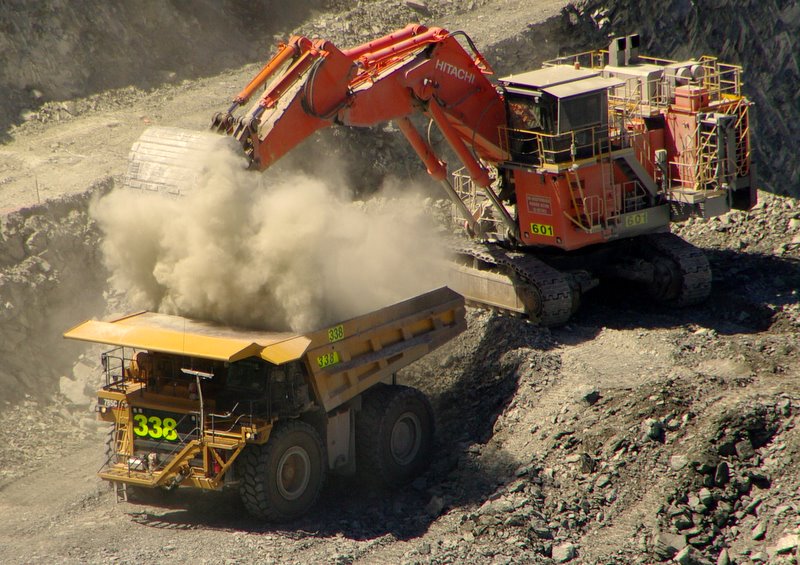
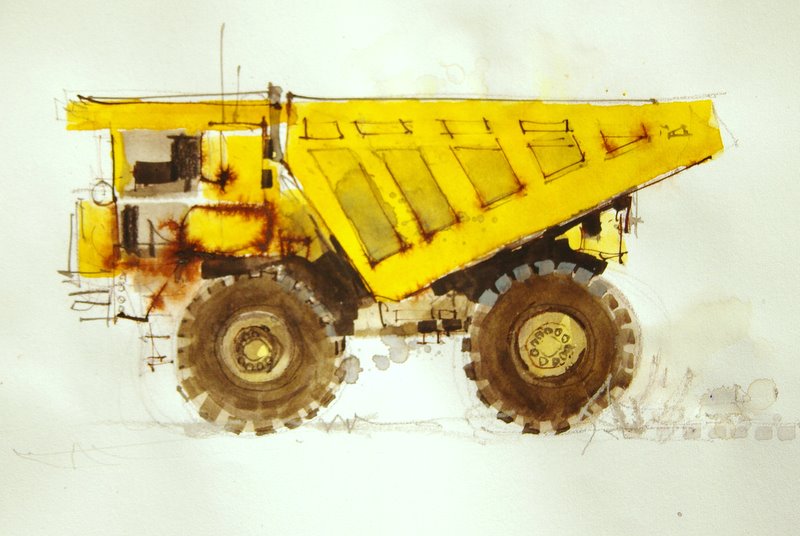
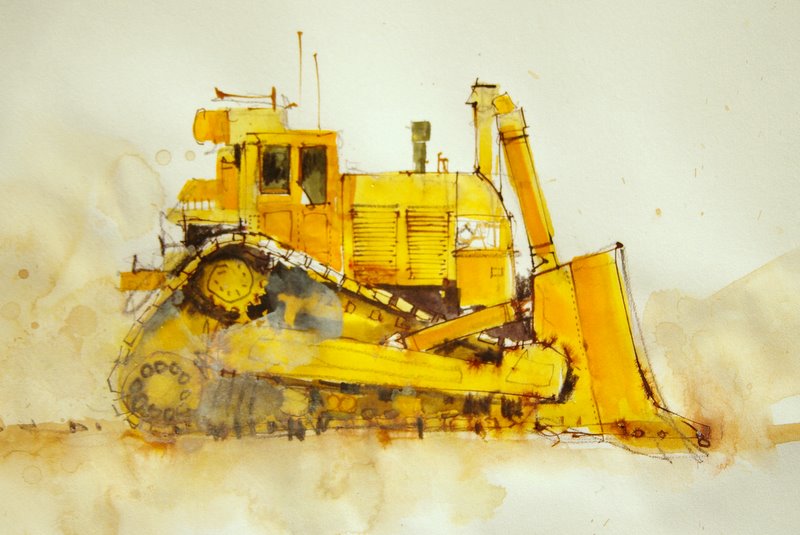
As crazy as all this is, I just cant help admiring the technology and machinery that brings it all about. One small human can sit in a giant loader and, with the assistance of hundreds of litres of burning diesel, pick up 30tons of earth in one scoop and drop it in the back of a monstrous truck. These really are awesome machines and they make great painting subjects.

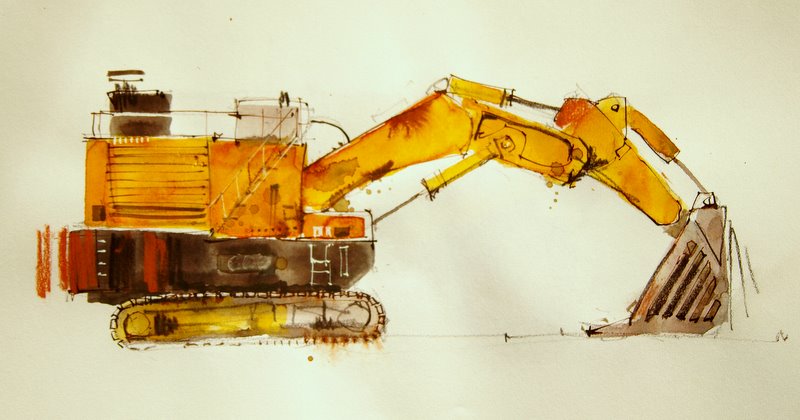
These sketches were done with Indian Yellow, Alizarin Crimson, Ultramarine Blue and White Gouache. Burnt Sienna Ink and charcoal pencil provided most of the fine lines.

IMGP6165

I liked the way this machine was resting, with it’s bucket on the ground like a big, tired elephant

IMGP6167

These trucks carry 100ton of dirt, in and out of the pit all day long. Even so, they look over designed – as if nothing could ever stop them.

IMGP6168

I used bleeding ink lines, rough charcoal marks and washes of dirty white gouache to try and get the smell of grease and diesel into this sketch.

It seems weird I guess, sitting in one of the most beautiful places on earth, painting trucks and graders!  It’s a lot of fun though.

ARNHEM LAND REFLECTIONS

WATERCOLOR AND MIXED MEDIA PAINTING DEMONSTRATION

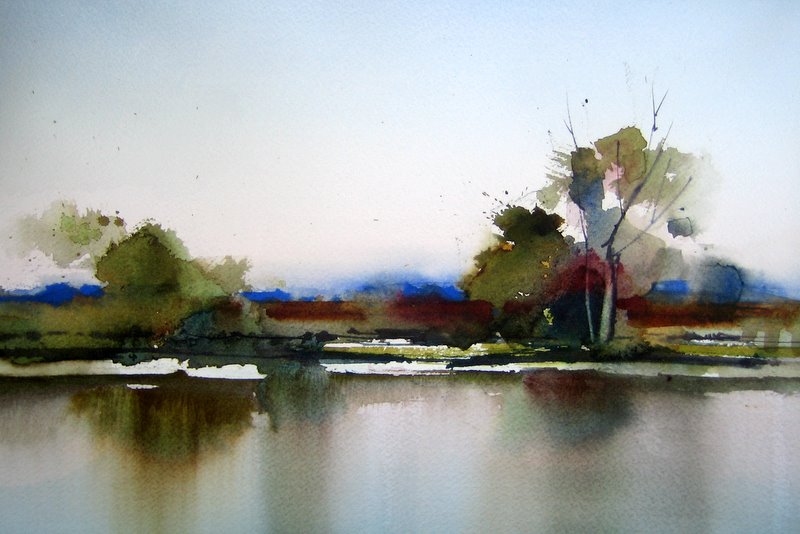
Throughout Kakadu National Park, the landscape is dominated by the Arnhem land and Kakadu escarpments. In their own  right, these bands of ancient sandstone are spectacular sights. Seen across the wetlands and  through curtains of paperbark trees, the escarpments add a rich, warm shot of colour to a fairly monochrome landscape.

In this painting I want to use a sickly pink acrylic pigment to exaggerate the warm hues of the escarpment. To really give this colour some impact I will contrast it with some raw Ultramarine Blue

IMGP5808

The spectacular Kakadu escarpment

The range of colours for this painting is very small. Medium Magenta Acrylic being the only unusual pigment.

materials

On the extreme left, above, is a small water spray. Not in the image is a 3″ Hake brush

IMG_4691

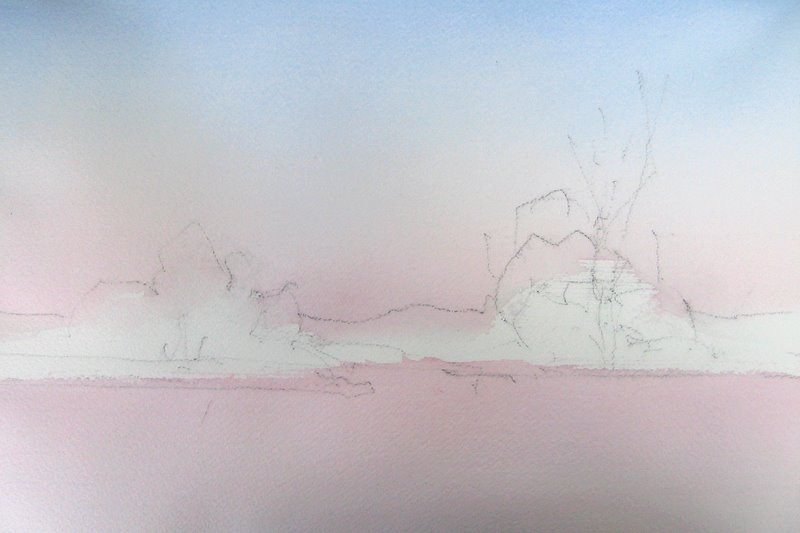
A rough sketch sketch provides just enough information to place the various elements. The first washes are gradations of Ultramarine Blue and Alizarin Crimson.

IMG_4692

Once the first washes are completely dry, the foliage can be suggested with varying mixtures of Quinacridone Gold, Alizarin and Phthalo Blue. In order to make the shapes appear random and uncontrived, the paint is splashed onto the paper then the edges are adjusted before the pigment dries.  The important thing to remember with these shapes is to put as much variation as possible into the edges.

The horizontal bands of white paper will later be tinted to represent the horizontal line of the waters edge.

IMG_4694

More detail is added to the foliage and reflections. The pure Ultramarine that will form the shadow at the bottom of the escarpment is dropped in and softened with a damp 1″ brush

A liner brush is used to add the fine twigs and branches. The paler, main tree trunks, are lifted out with a damp 1″ flat brush.

IMG_4695

Finally the sickly pink acrylic is dropped in over a wash of Quinacridone Gold and Alizarin Crimson. A wash of Phthalo Blue cools down the water. Graded washes of Ultramarine Blue darken the outer edges of sky and water.

With the painting once again , thoroughly dry, pools of White Gouache are dropped into the sky and water and adjusted with a dry hake brush and water spray.

The last step is to add some Burnt Sienna Ink marks and Black and White charcoal pencil lines to suggest  finerl detail.

WATERCOLOR WINDMILL

batchelor map

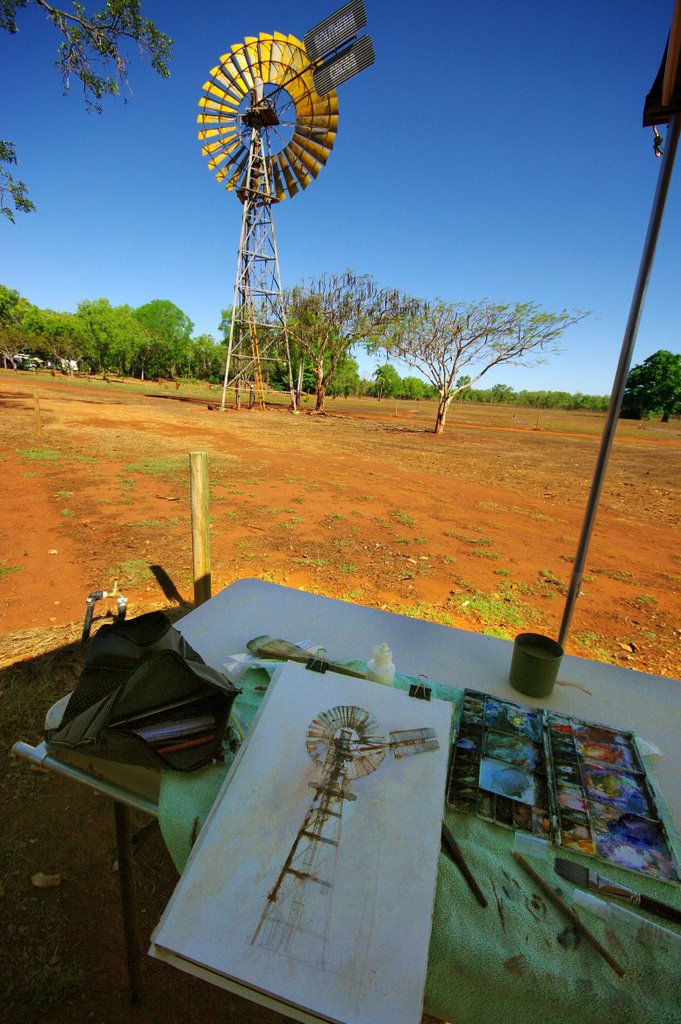
Outside the town of Batchelor, we camped under a huge old Southern Cross windmill. The kind that turn and creak at the slightest breath of wind.

IMGP5323x

I started to sketch it but every time I looked up the wind had changed and it looked completely different. I decided to ignore what it looked like from where I sat and draw it square on from in front.

Once it had shifted around a few times I had enough information to disregard perspective and make the drawing flat and mechanical.

IMGP5324

The initial drawing was done with Charcoal pencil, then washes of indigo and Burnt Sienna were put in fairly loosley with a 1″ and 1/4″ flat brush. The windmill was old and coated with rust and grease. I wanted the sketch to give the impression of reliability while indicating the wear and tear of a hard life.

Burnt Sienna ink lines were added then the drawing was broken up slightly with washes and splashes of White  Gouache.

windmill detail

This detail shows the Burnt Sienna ink lines, some left hard and sharp, others sprayed and softened with a mist of water. You can also see lines of white charcoal pencil adding to the detail and loose splashes of White Gouache.

These mechanical subjects are a lot of fun to paint. You can fill them with atmosphere and character, saying more about their life and function than their actual appearance.