CEFALU

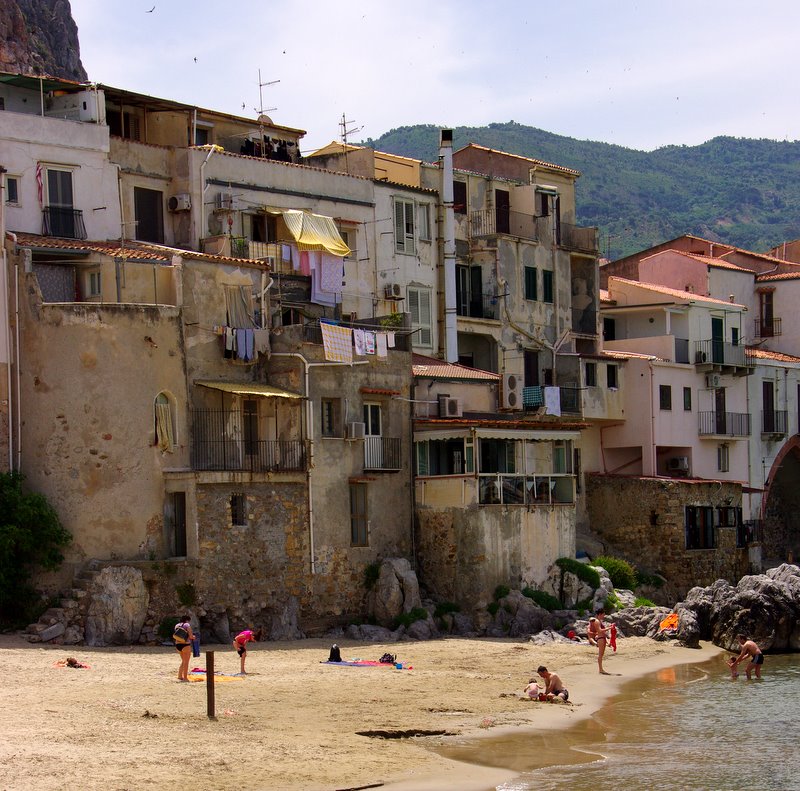
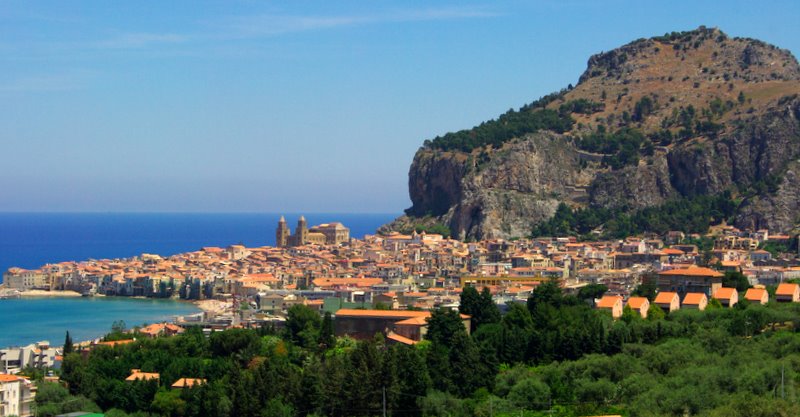
Tucked under an enormous rock outcrop on the North coast of Sicily, the small town of Cefalu is dominated by its impressive Norman cathedral.

The old town has a wonderful, busy character and it’s maze of streets and alleys are fun to explore.

The town wraps around some attractive, sheltered beaches and has a fleet of small wooden fishing boats providing fresh fish for the local restaurants.

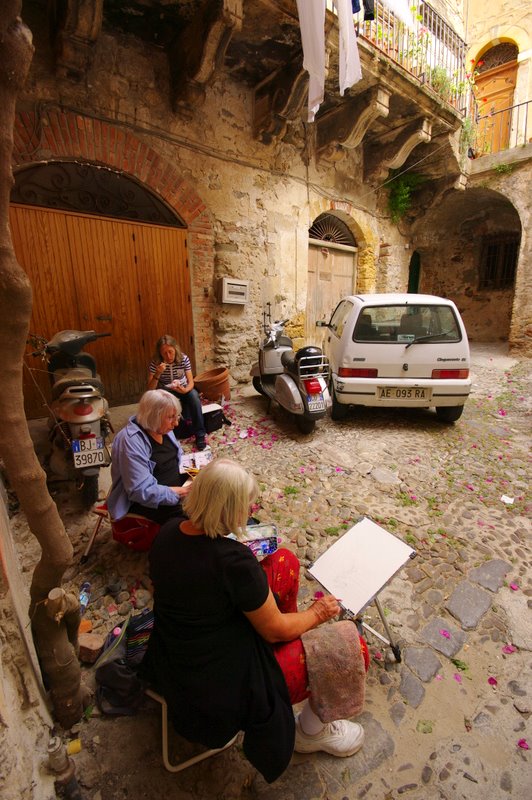
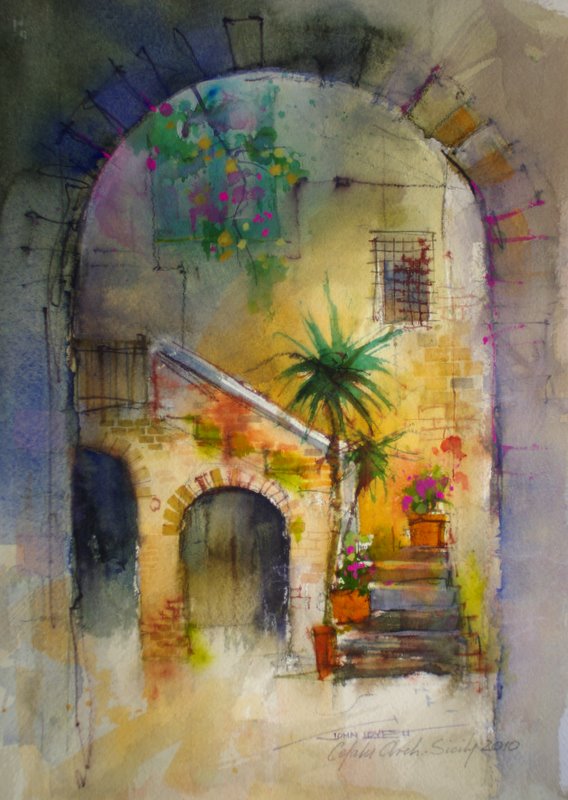
We managed to find some great painting locations tucked into out-of-the-way alleys.

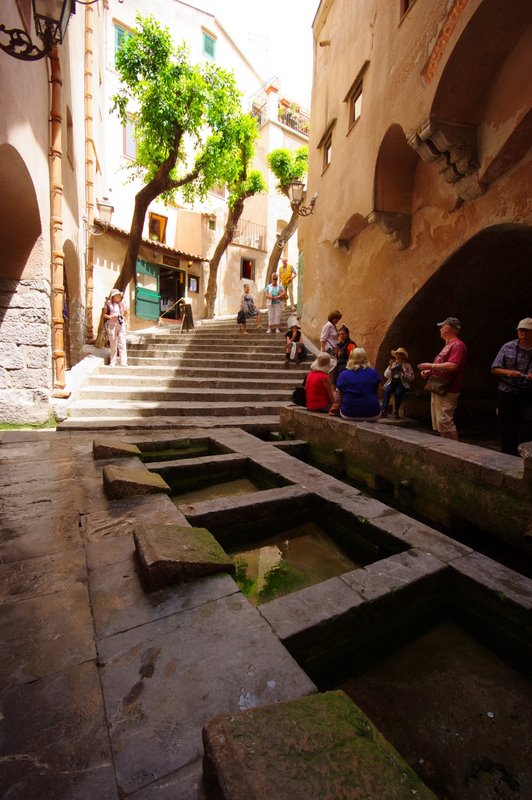
Up until 20 years ago, these old Roman wash tubs were still in use. An endless supply of clean, spring water flushes through them and out to sea. The luxury of electricity and white goods has relegated them to a tourist attraction.

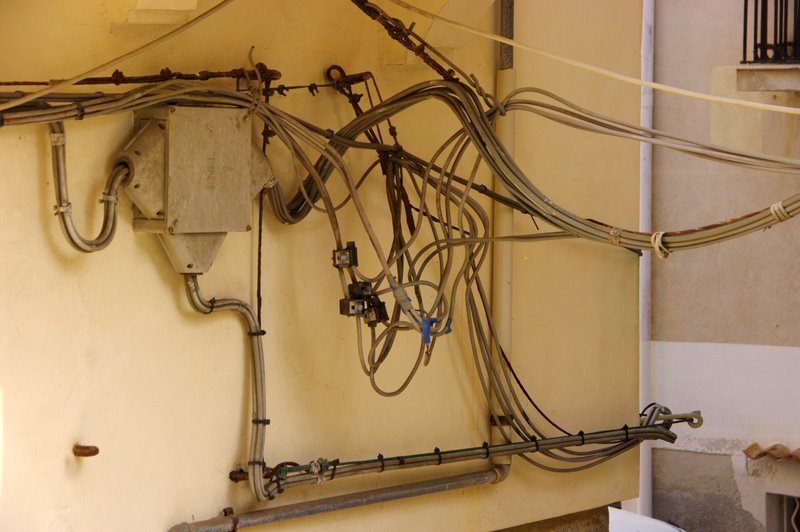
Electric wiring in Cefalu is an incredibly confusing tangle of cables, strung haphazardly from building to building.

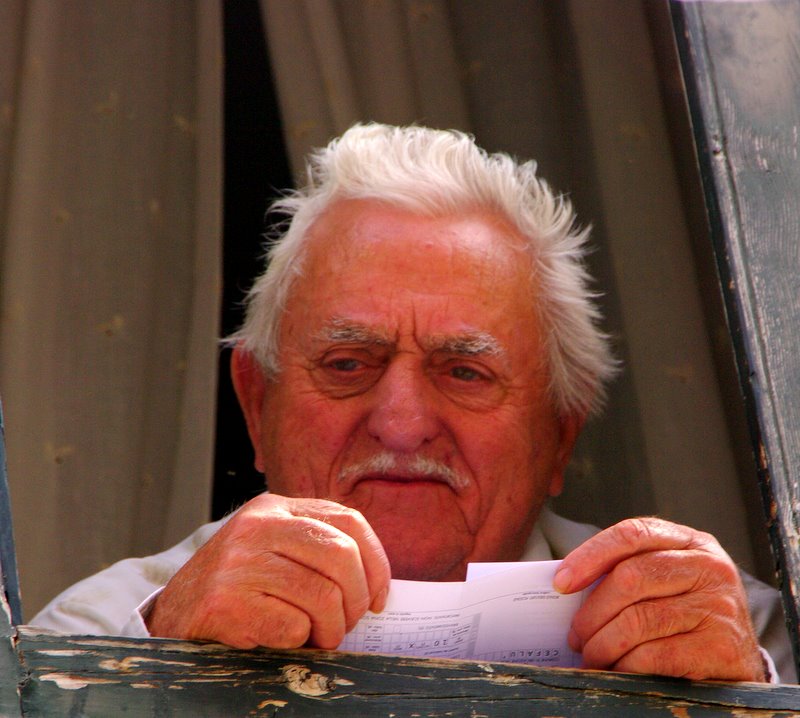
Little wonder the locals puzzle over electricity bills.

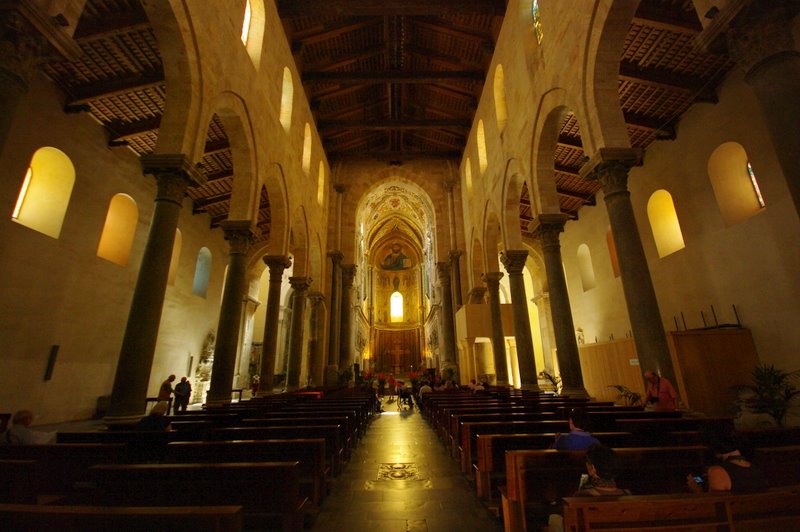
In the centre of town, the huge Norman cathedral is an impressive structure. Interior decoration is fairly schizophrenic,  having chopped and changed over the centuries according to religious preference, politics and fashion

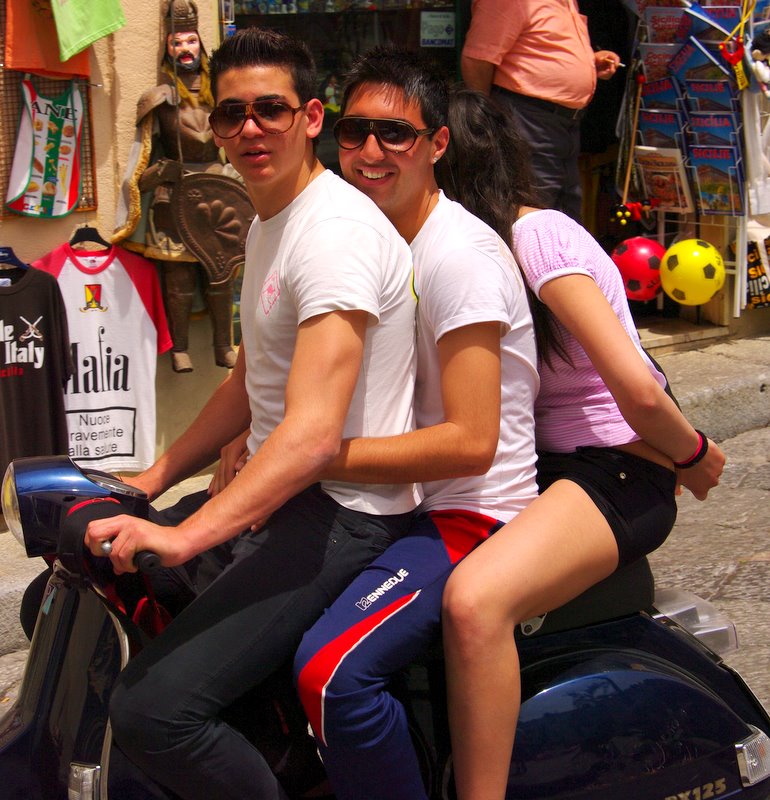
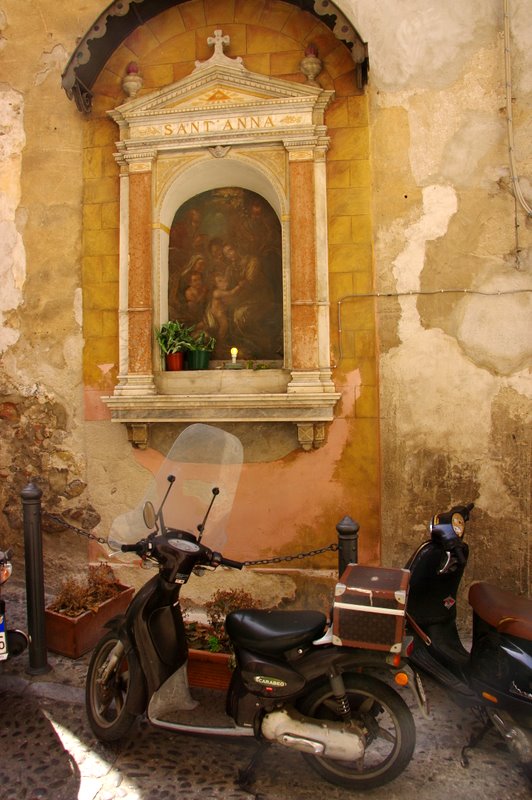
Young people in Cefalu have the same crazy desire to push a vesper to the edge of suicidal self destruction as is found in most of Italy.

Parking under religious icons guarantees safety here too!

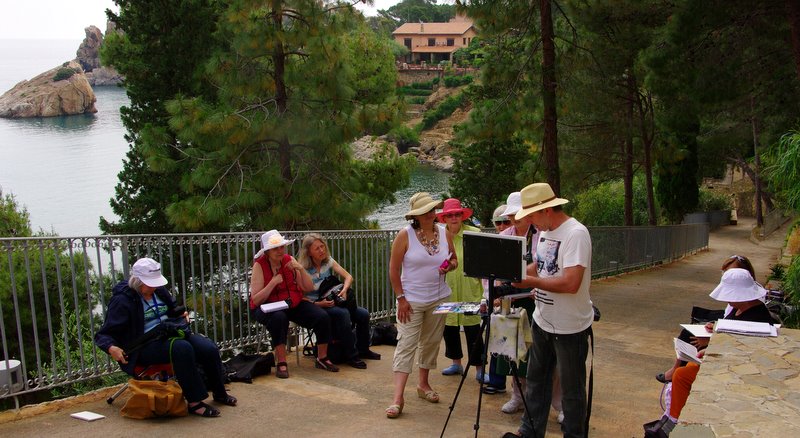
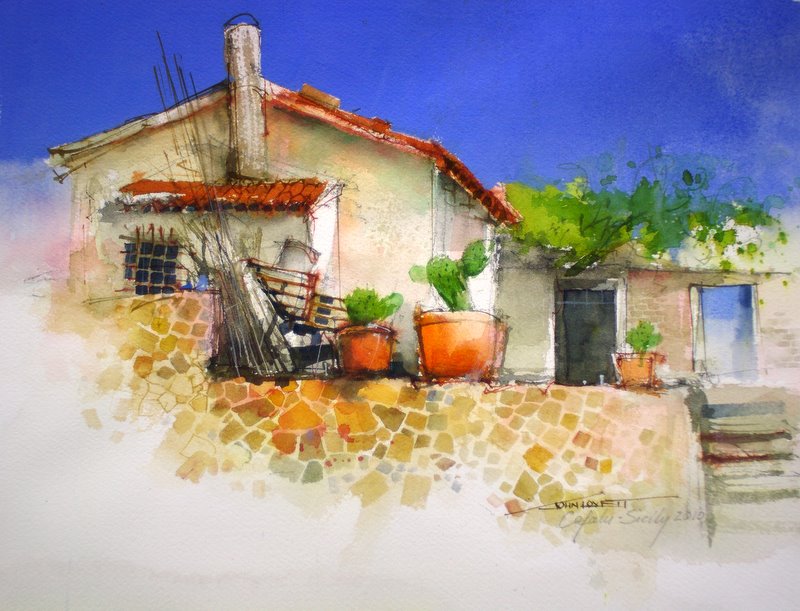
Our Hotel was perched above the bay on the opposite side of the rock to the town. This path led down to a terrace, swimming pool and small beach. It made a comfortable, shady spot to paint some old buildings and garden walls attached to the hotel.

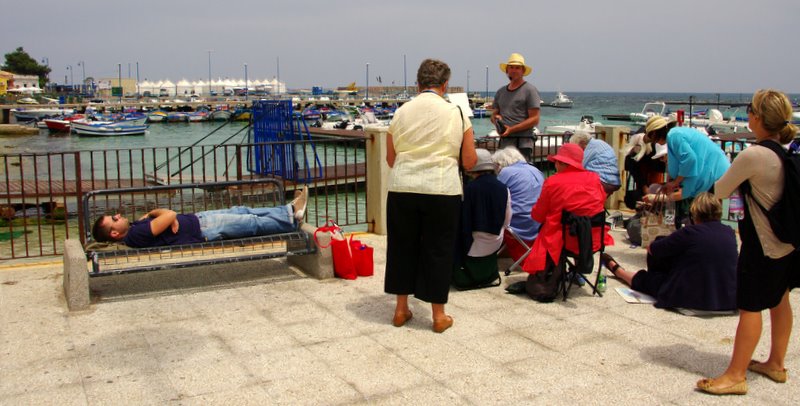
We found this poor fellow sound asleep on a bench at a small beach resort out of Palermo. He was a bit confused when he woke up and found 20 people spread around him with easels and paint boxes.

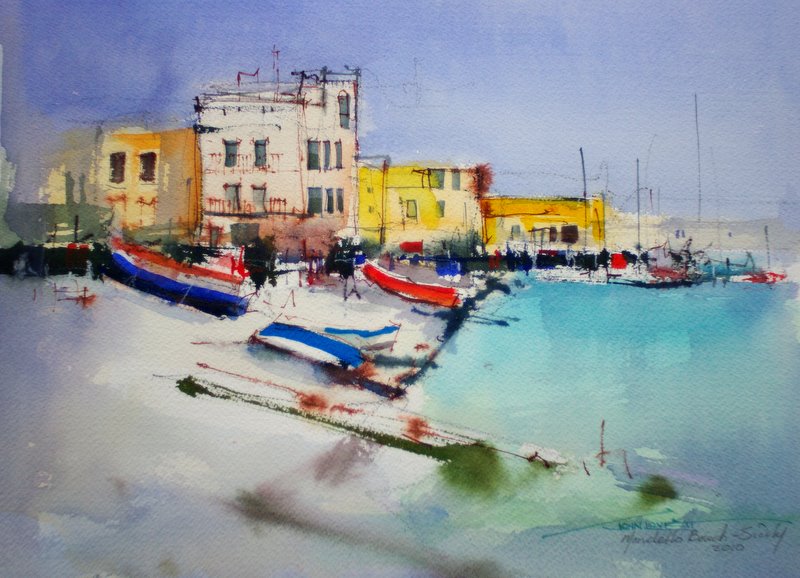
Mondello waterfront – Sicily

ON TO SICILY

After five days painting in Sorrento, we traveled back up the coast to Naples and flew to Sicily. Our first stop was Taormina, a town first settled by the Greeks then invaded by the Romans, the Arabs, Lord Rodger and the Normans and any other marauding horde that drifted across the salty waters of the Ionian Sea. Today the main invaders are tourists and traveling artists.
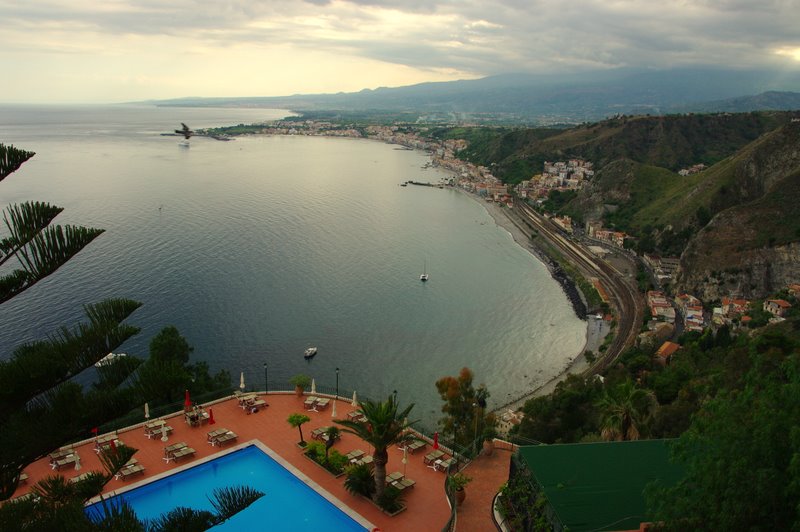
Our Hotel had fantastic view of the coast from its vantage point above the steep incline to the water.

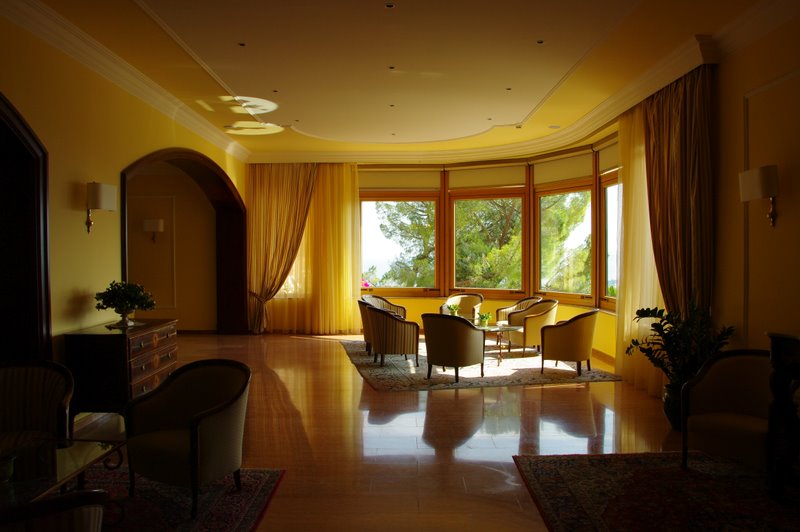
The Hotel was typical of the stylish, post war, Italian opulence created to attract tourists and build local economys.  High ceilings, large panoramic windows, polished marble floors and beautiful antique furniture created just the atmosphere to make a group of traveling artists feel right at home.

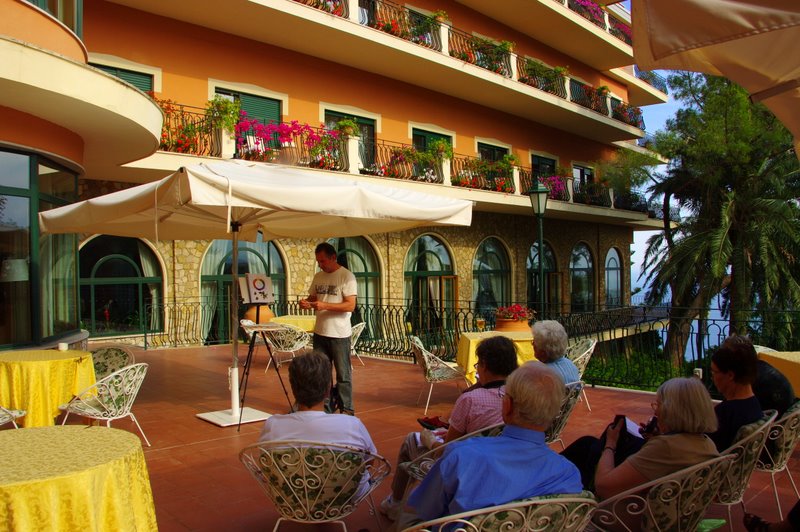
A large shaded terrace, adjacent to the bar and looking over the sea made a great location for our critique sessions at the end of a hard day painting.

Unusual in Italy, the white sandy beaches of Taormina look more like those in the tropics than from a volcanic island.

Rich Volcanic soil and plentiful water from melting snow mean the gardens of Taormina are something else.

On a hill in the middle of town, the Greeks built this theatre. It faced the sea breeze so the actors voices would be carried into the crowd. The Romans, less than happy with the Greek architecture, decided to add the brick structure across the far end of the theatre. After the Romans were moved on, various other pillages removed bits and pieces of the structure for their own creative efforts.
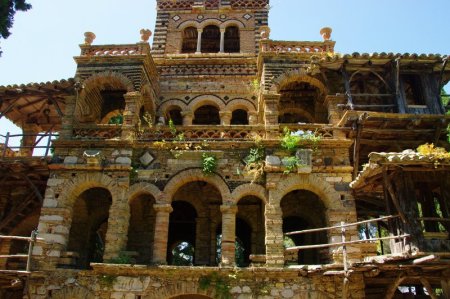
This impressive structure in the Town Gardens was built in the late 1800’s from a mixture of  salvaged ruins and contemporary materials. Paid for by a British woman, Florence Trevelyan, who was encouraged to leave England due to an affair with the future King Edward. The building served no practical purpose other than to decorate the garden.
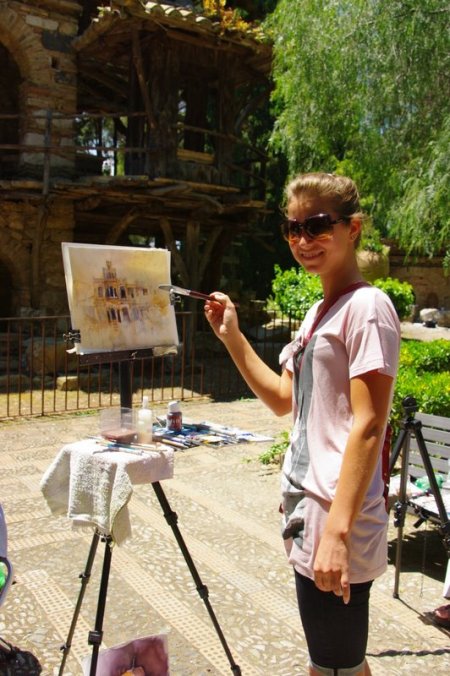
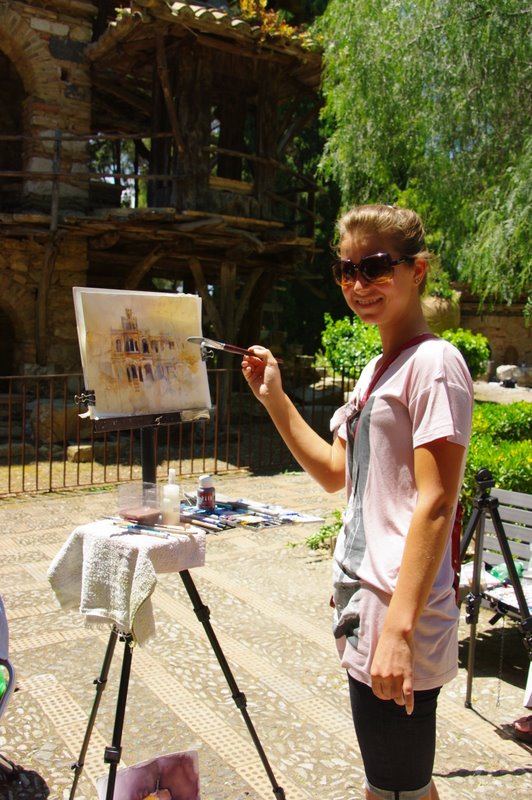
I wandered away from my painting of the garden structure to see how everyone else was going. The painting was quickly hijacked by this young girl. Her mother snapped a photo of her painting in the garden to send to the folks back home.

Hiding in the theatre alcoves.
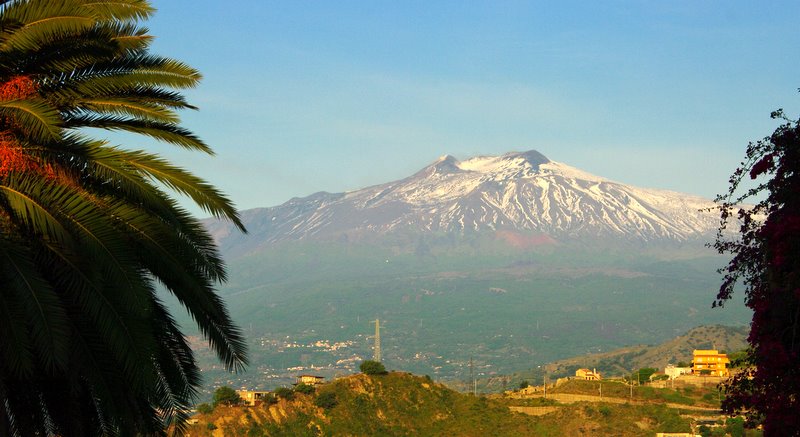
Mt. Etna makes an impressive backdrop to the town. It is often cloaked in cloud, but on a clear, still day, steam can be seen rising from the volcano’s crater.
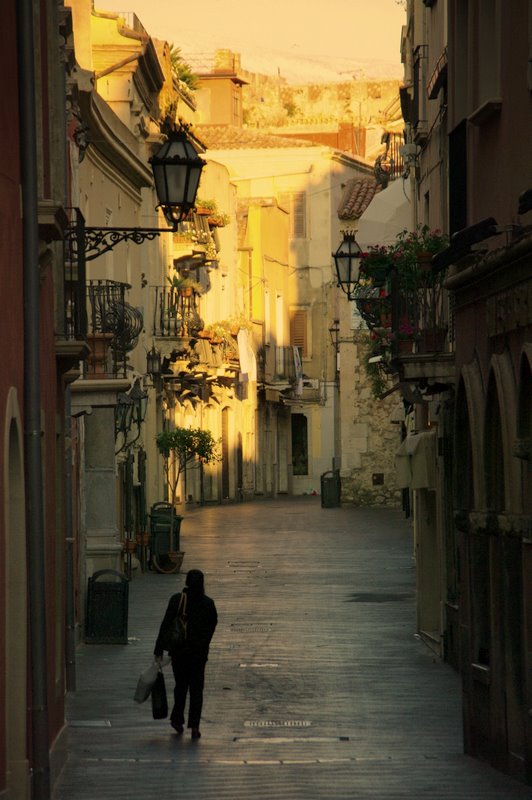
The old town of Taormina is made up of winding cobbled streets and narrow laneways. We arrived in a massive bus which the driver managed to maneuver through town to our hotel on roads a normal person wouldn’t attempt to ride a Vesper!
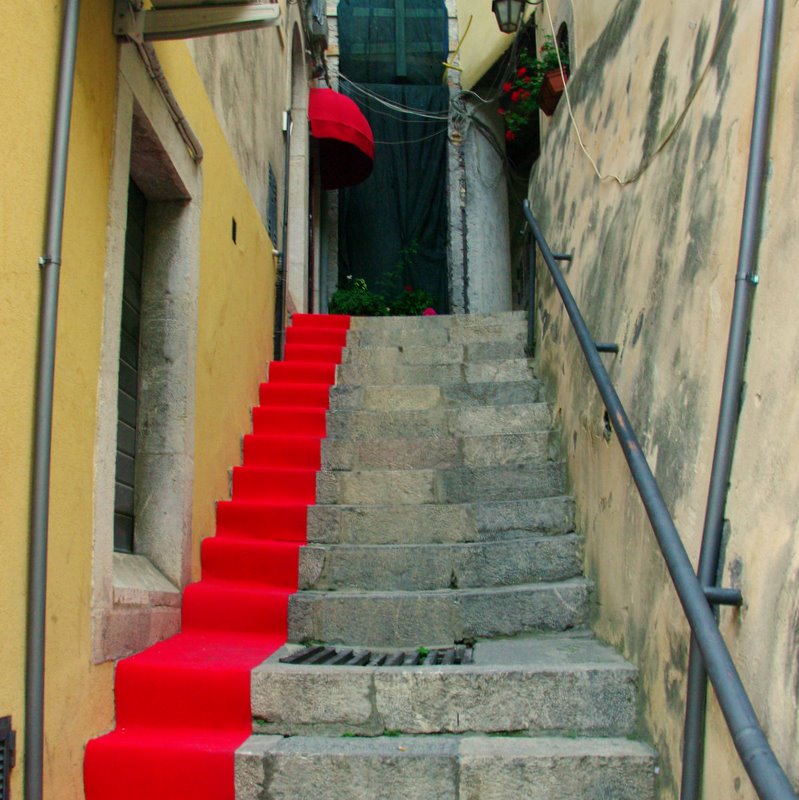
Red carpet for thin people.

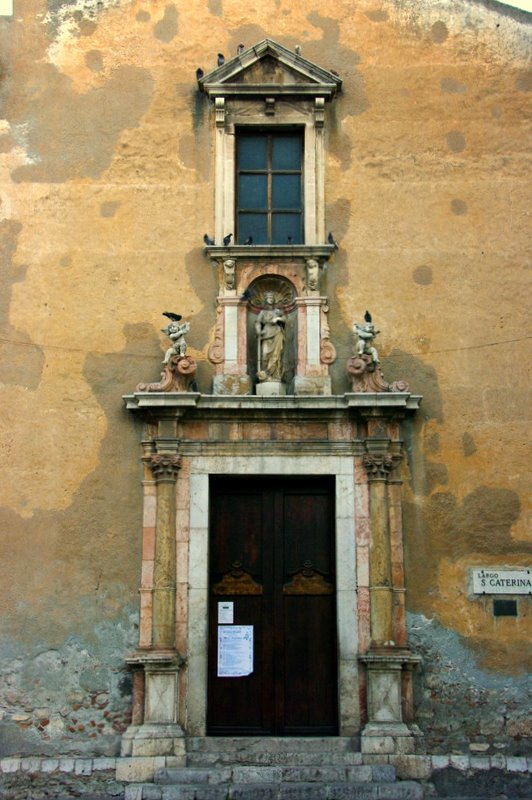
Ornate church doorway on not so ornate church.

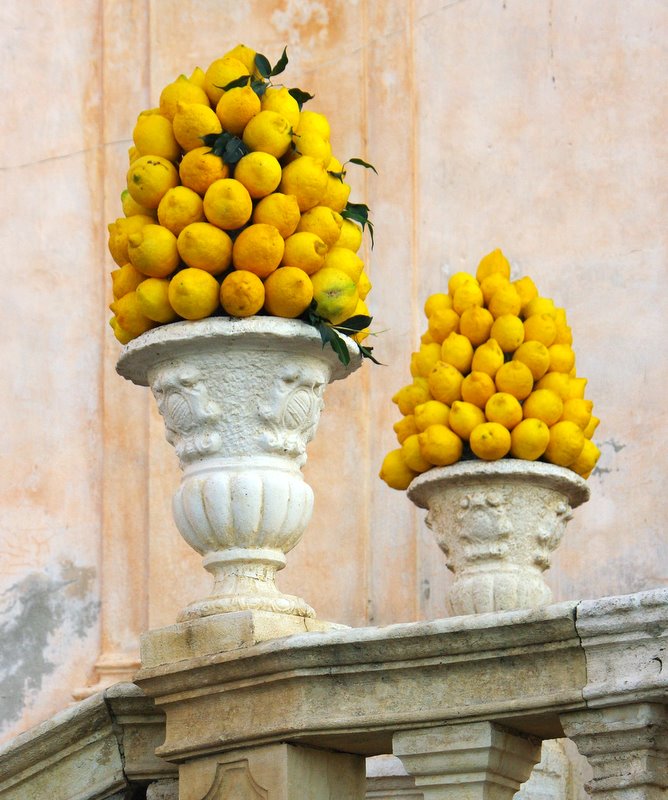
Ceremonial lemons outside a more ornate church.

Ice cream was introduced to Europe by the Sicilians. First brewed up on Mt Etna from a mixture of  Ice, fruit juice and sugar. The same recipe is followed today and is called Granite. The best Granite in Sicily comes from Saretto’s Bam Bar.

We were painting Saretto’s scooter and bar one afternoon and were all treated to a sample of his granite – what fantastic stuff! He showed us photos of numerous Hollywood icons enjoying his wares, and a quote from the New York Times stating his was the best granite in the world! You can’t argue with that.
The small square we sat in to paint, turned out to be the driveway to a lady’s house. We watched, amazed, as she somehow juggled a smart car into a dog kennel sized garage on a lane not much wider than the car. She was interested in our paintings and proud of her beautiful little corner of town. She later brought us down a bowl of cherries in ice to enjoy as we sat and painted. We found the local people in Taormina really friendly and extremely helpful.

POMPEI RELICS

Wandering through the ruins of Pompei is a weird experience. The place feels like a recently evacuated settlement rather than a 2000 year old ruin. The major roads and alleyways are all well intact and many of the buildings still have walls and roofs in place. Spacious villas with internal court yards, mosaic floors and large painted frescos could be re-inhabited today. There are the remnants of many stores lining the main roads, large amphitheaters with food and drink venders shops outside, a public forum at the junction of the main roads, even a public toilet and brothel have been uncovered. It gives the impression that life really hasn’t changed much in 2000 years.

Oil, wine and honey pots

Columns were built of small scalloped bricks then rendered with plaster and painted to took like marble.

Deep ruts from wagon wheels suggest that rubber tyres were not popular 2000 years ago

Villas owned by the wealthy inhabitants were impressive structures.

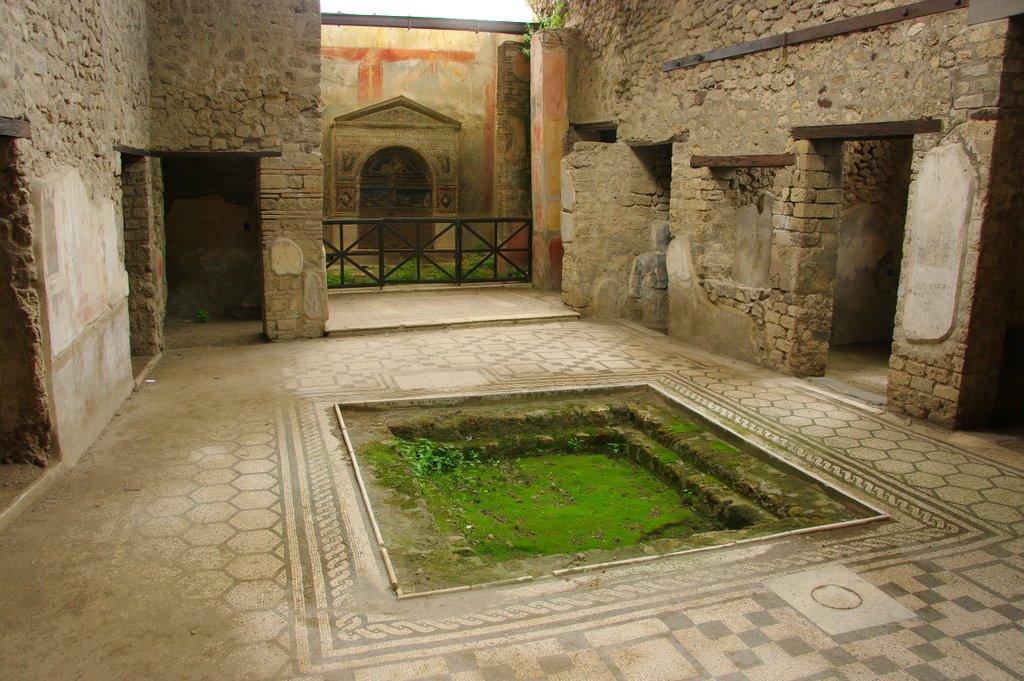
Mosaic internal courtyard

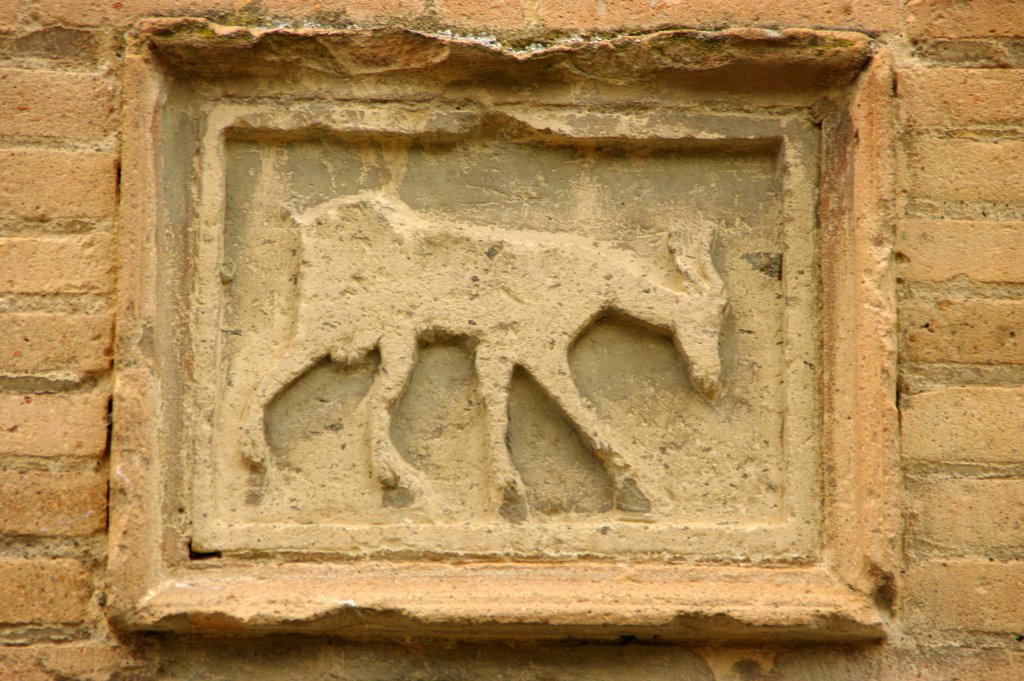
Carved sign on street corner

Large storage vessels in what was once a food store

Decorated alcove in a Villa

Before the compacted ash was removed, plaster was pumped into the cavities left by decomposed flesh. This encased the bone and made an accurate model of the unfortunate victim.

Ancient Roman bobcat

Interesting brick doorway locked into a stone wall.

Marble counter top in food vendor’s store.

Defiant columns in the shadow of Mt Vesuvius.

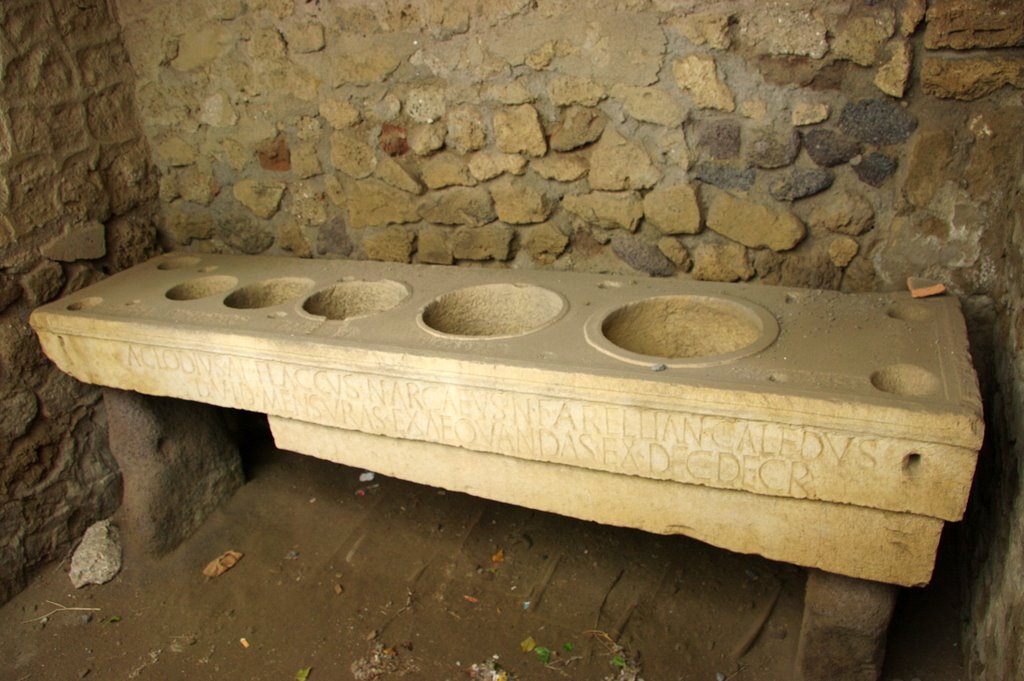
Public measuring device in the forum. Grain could be measured in the various sized holes to make sure merchants weren’t  cheating the public.

DOWNTOWN SORRENTO

The down town area of Sorrento is the old part of town made up of narrow winding alleys and streets just wide enough for a small, thin car.

Cruise ships stop off in the port so the shops and markets in the down town area are always crowded and hectic.

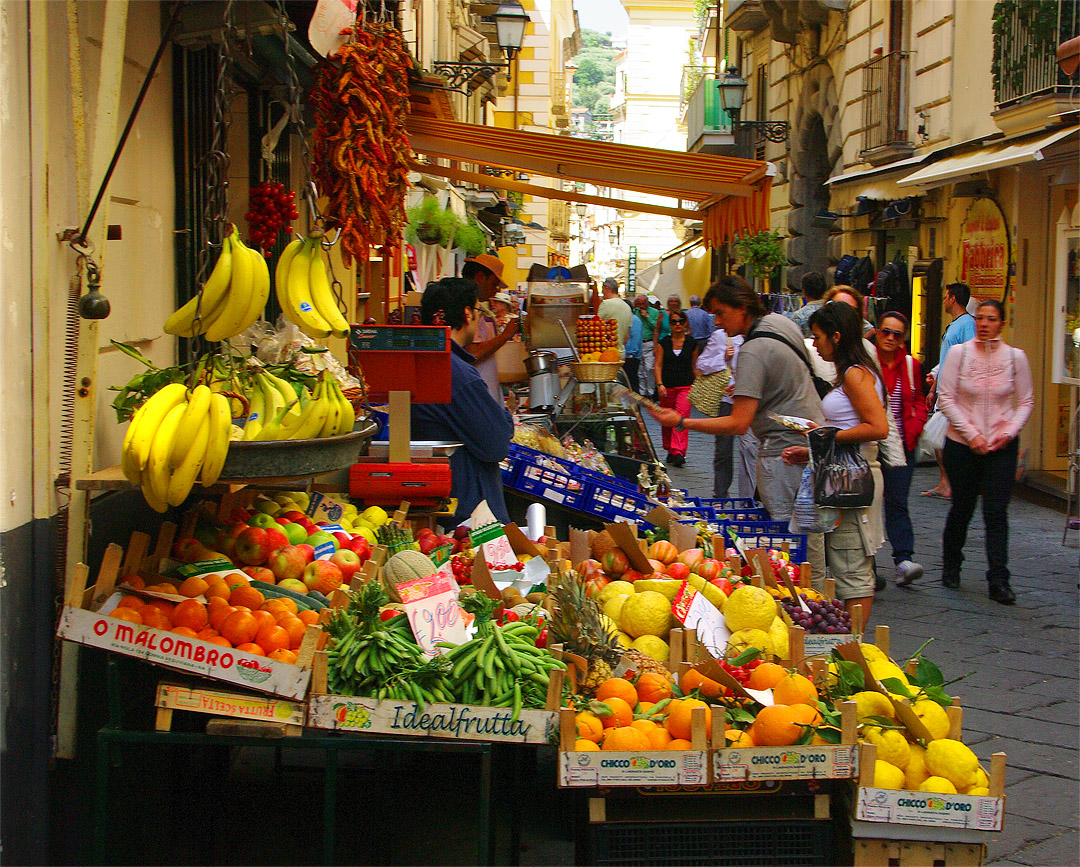
Cheap leather goods, inlaid timber products and all sorts of fresh food are available. There are bars and cafes everywhere and competition for patronage is fierce. There are three cafes within a hundred meters of one another all offering the best Cappuccino in the world.

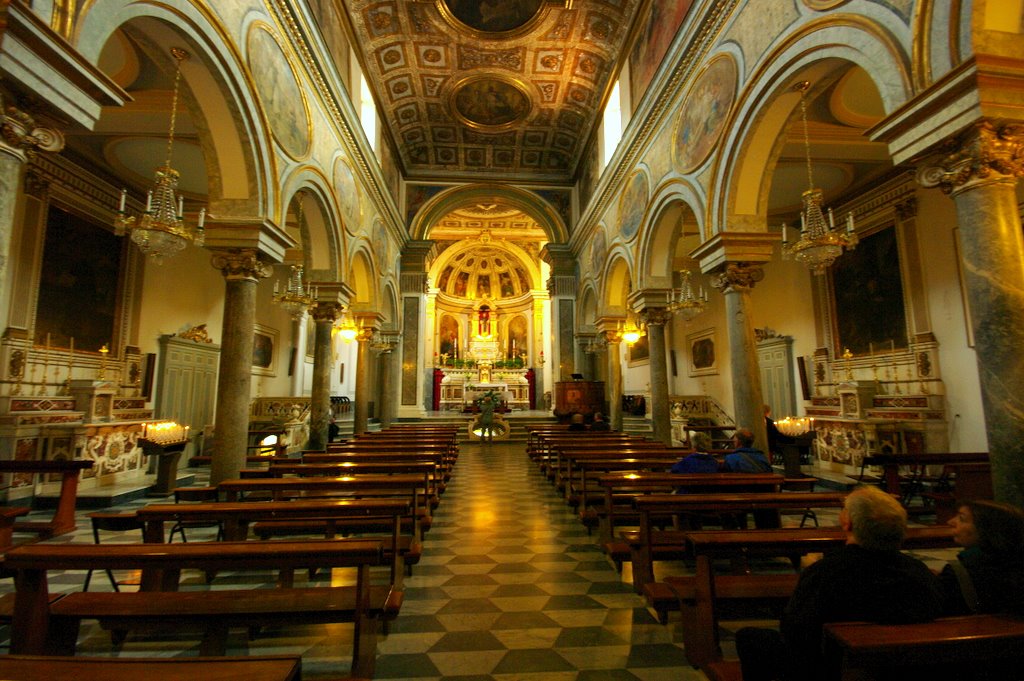
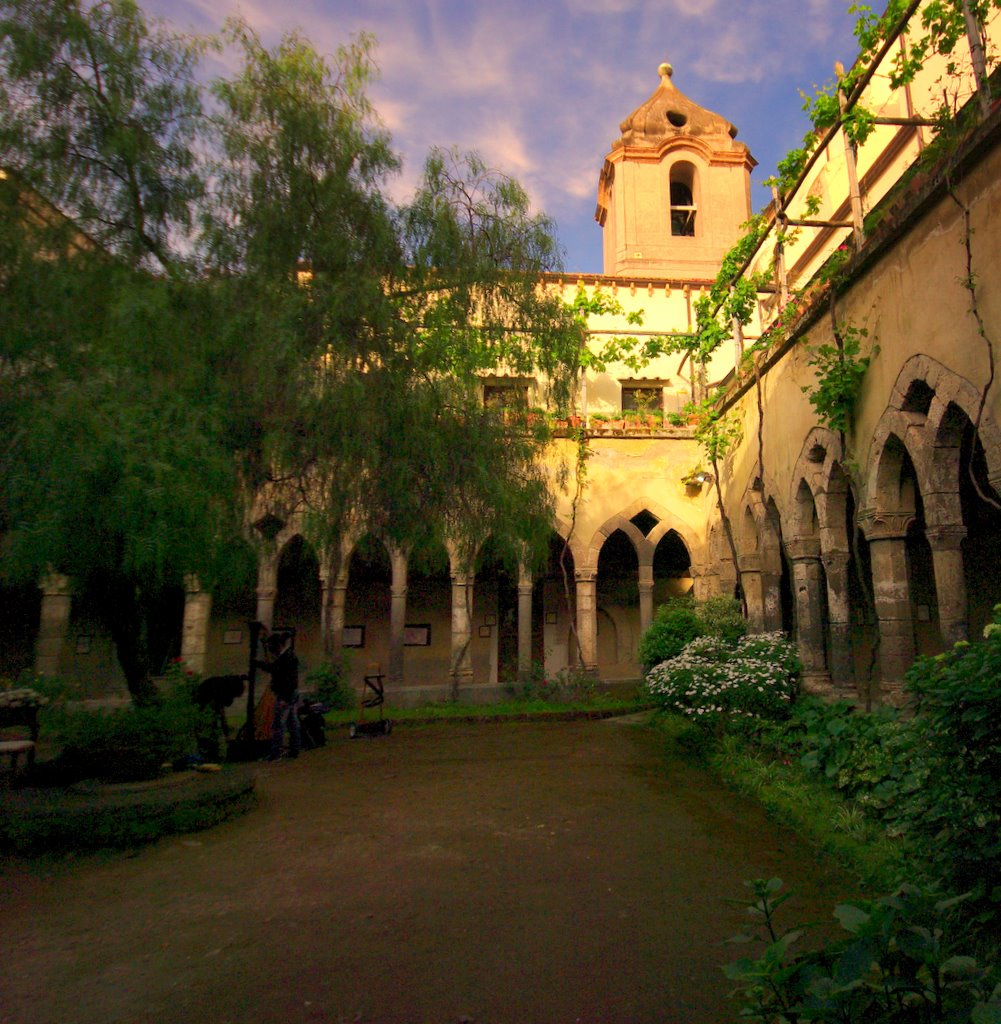
Not surprisingly, Italy has some incredible churches and Sorrento has some great examples

When space is lacking to build great, sprawling cathedrals, the Italians have perfected the optical illusion of constructing a small room and painting it to appear cavernous and spectacular.

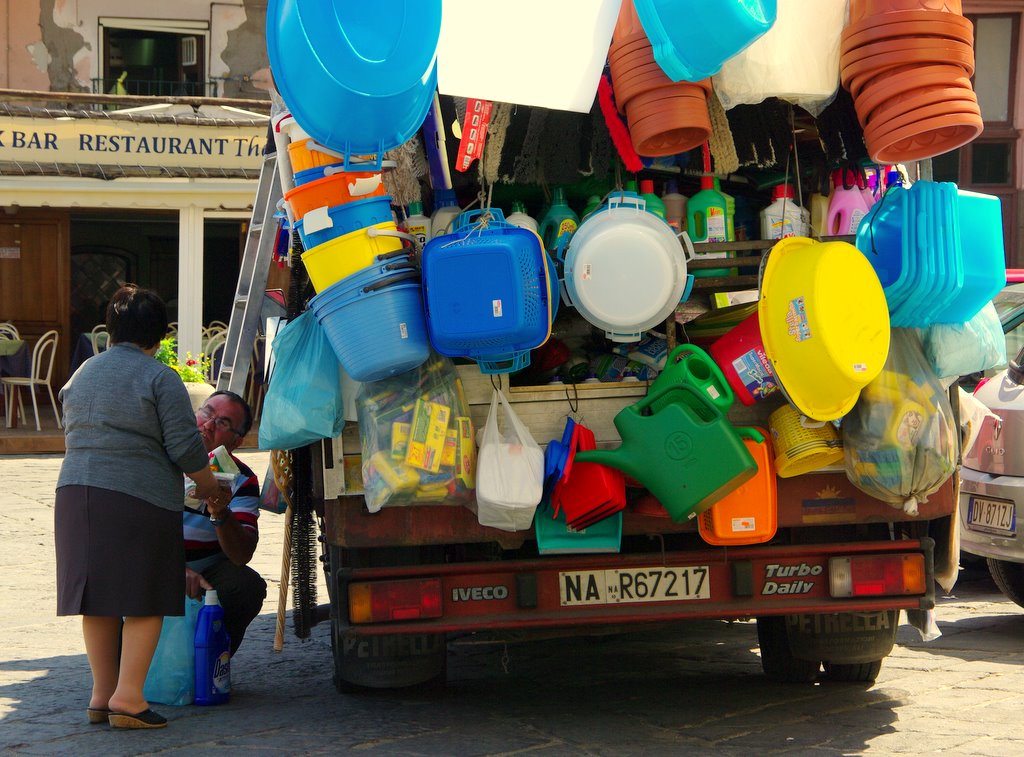
Not all shopping is done in the down town markets. This guy has a truck loaded with bargains. Anything you could possibly want so long as its made out of plastic.

Small motor scooters are the preferred mode of transport for most of the population of Sorrento. Parking them under religious icons guarantees safety no matter where or how fast they are driven – even while texting, smoking a cigarette or carrying a case of wine.

Folks without access to religious icons opt for a safer means of transport.

Even the police choose to live dangerously, cutting through hoards of suicidal commuters on these uncontrollable wheeled pogo sticks. It says a lot for Italian optimism – How do you pull over a speeding Ferrari on one of these things?

Not everyone succumbs to the adrenalin rush of all day peak hour madness. These incredibly underpowered, three wheeled Piaggios are favored by many of the elderly Italians with a need to move a very small amount of stuff around very slowly at maximum decibels.

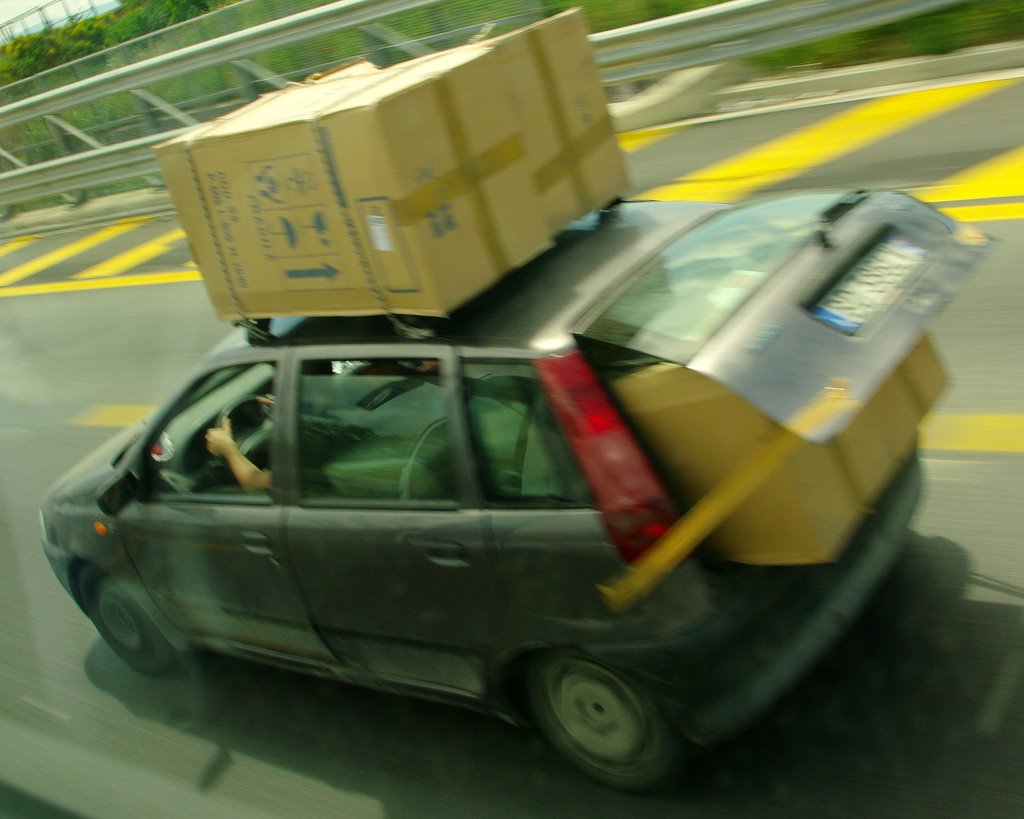
Of course, if you have a large amount of stuff to move around, then you go for a big car.

SORRENTO – ITALY

After 36 hours sitting in planes, airport lounges, buses and taxis, we finally arrived in Sorrento. Unfortunately, we parted company with our luggage in Frankfurt. We were assured, in fractured English, by an overstressed baggage attendant at Naples airport that our bags would arrive in a couple of days. Fortunately she was right.

Sorrento is a busy little town, looking across the Bay of Naples to Mt Vesuvius.

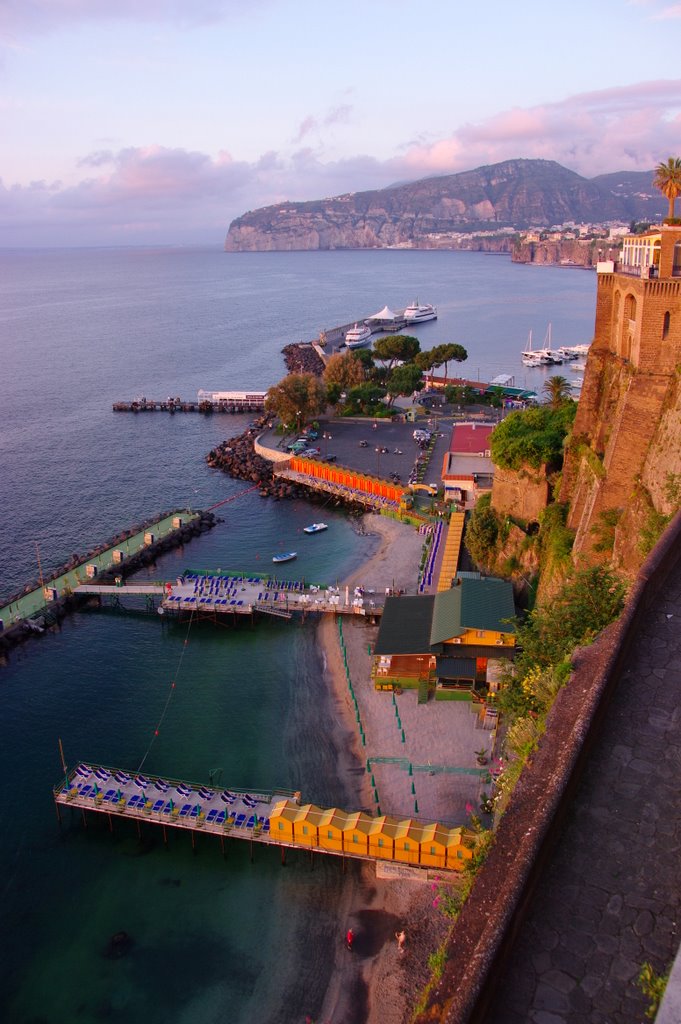
It is a popular holiday destination and at peak season must be pretty hectic. The beaches are black volcanic sand and are mostly sectioned off and privately controlled.

For a few Euro you can hire a deck chair and a patch of sand, a few Euro more gets you a colored umbrella and with a hefty investment you can also secure a small, brightly colored change room. All very organised!

Mt Vesuvius dominates the landscape across the bay. This photo looks pretty exciting but the cloud is just a regular rain cloud, not a billowing  plume of volcanic ash.

Most of the shoreline around Sorrento is sheer cliffs of volcanic rock with buildings clinging precariously to the edge

As the sun sets into the Mediterranean, visitors flock to spectacular vantage points to photograph one another and drink Prosecco and Peroni.

Some of the Grand old Hotels are situated on the cliff tops, but have elevators to deliver guests to their little beach side annexes below.

Once on the beach, visitors have a variety of ocean going vessels at their disposal.

One of the great features of Sorrento is what must be one of the most extreme hairpin bends in the world. This ancient piece of road design explains why such a busy town has such short buses.

At the bottom of the hairpin bend the road loops around to bring you out at the port where swarms of commuters on motor scooters arrive early each morning to catch a ferry across the bay to Naples.

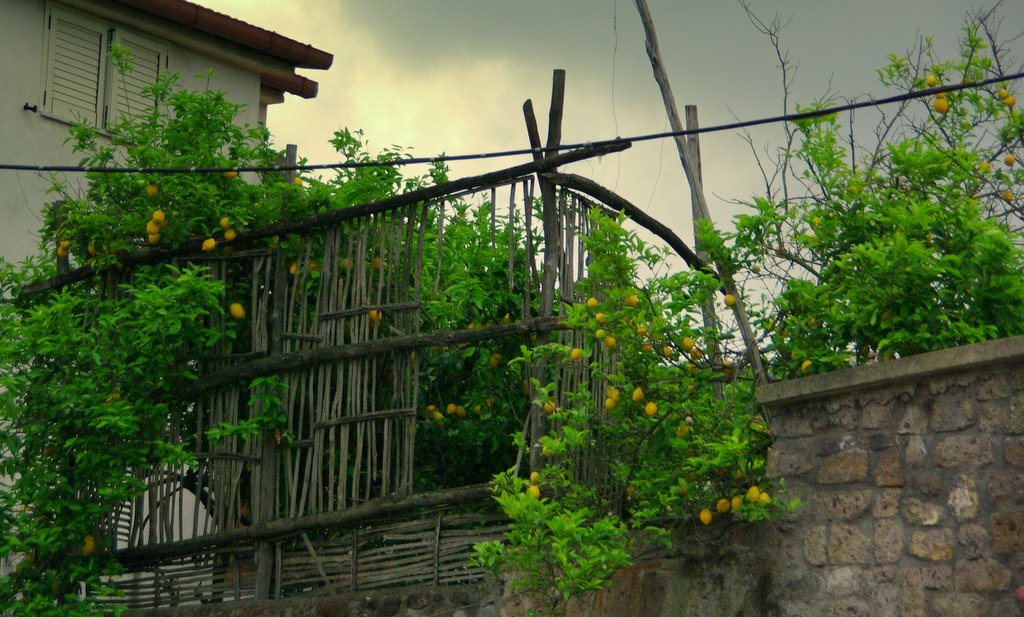
The regions rich, volcanic soil and mild climate grows amazing flowers and produces three crops of citrus fruit a year.

Scattered through Sorrento are numerous citrus orchards covered with lattice and shade cloth. They must be part of the towns tradition because, even with three pickings per year, there is no way the multi million Euro plots of land could even pay the land rates.

Cyclists in Sorrento dispense with helmets and reflective clothing and adopt a more sensible form of typically Italian bicycle safety.

Tomorrow our workshop group arrives and we will head of to some of the fantastic painting locations around the town.

LOOKING BACK

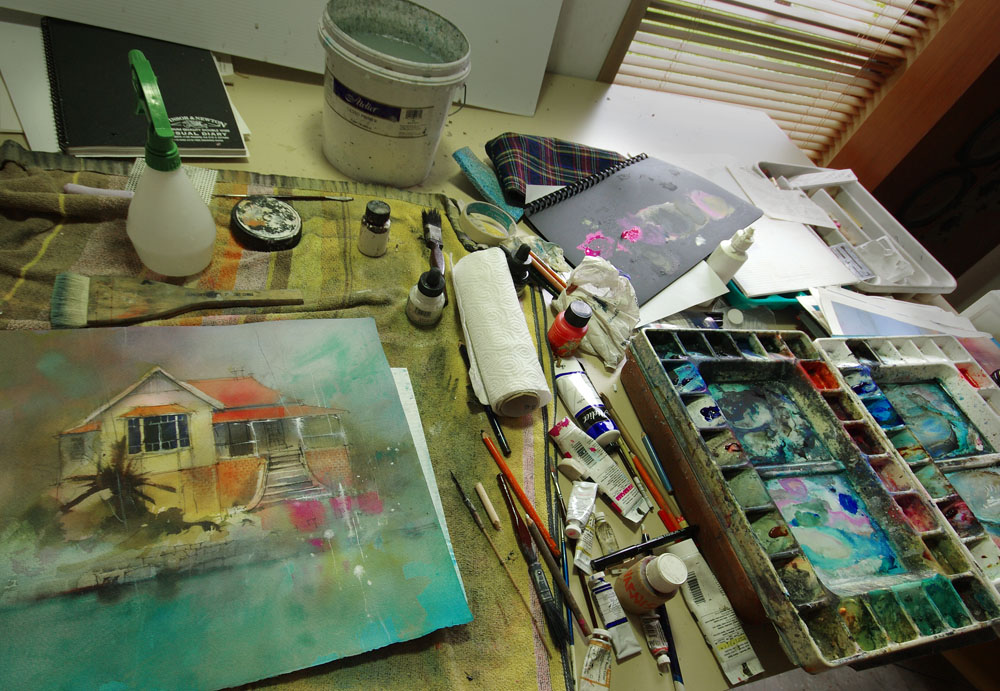
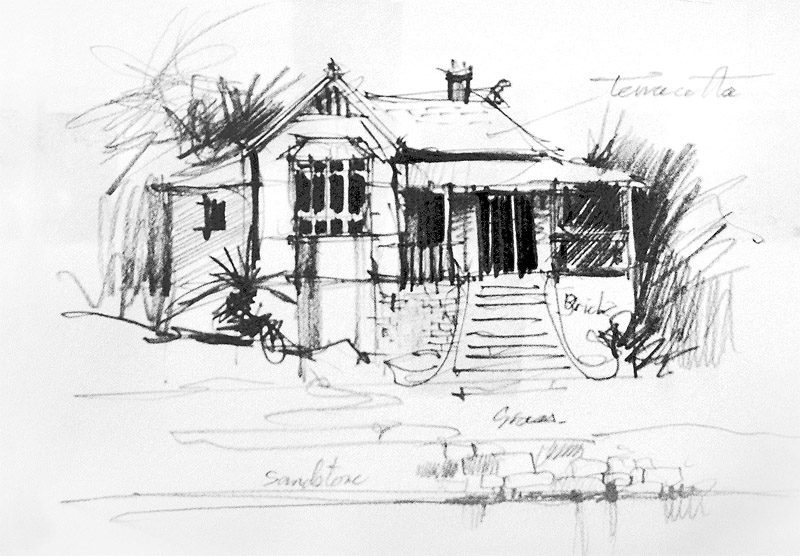
A few years ago I sketched this little cottage on Sydney Harbour. It was late in the afternoon and there was no activity – no sign of life at all. As I did the sketch I started wondering what had gone on here in the past. Such an amazing location, I could imagine parties on the verandah, kids running around, boats in the water, but now, nothing – just a little cottage gazing out across the water. It had a kind of empty sadness – a little neglected with vague evidence of lively past.

COLORS:

Quinacridone Gold, Alizarin Crimson,  French Ultramarine Blue,  Phthalo Blue, Medium Magenta Acrylic, White Gesso, White Gouache

INK:

White pigment Ink, Burnt Sienna Pigment Ink

PENCILS:

White Charcoal,  Black Charcoal, Dark Brown Derwent Inktense

COOBER PEDY

sa map

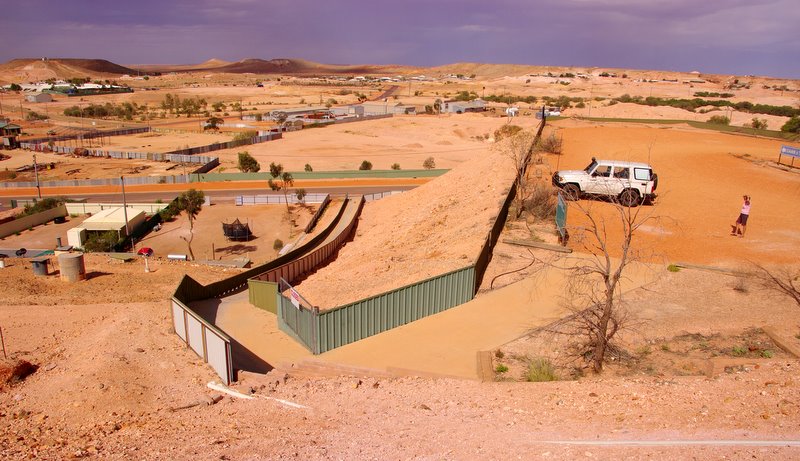
Coober Pedy is a strange town. Half the population live underground and most of what appears above ground is weirdly tacky.

IMGP2156

The landscape is sparse, barren and pink

IMGP2133

IMGP2121

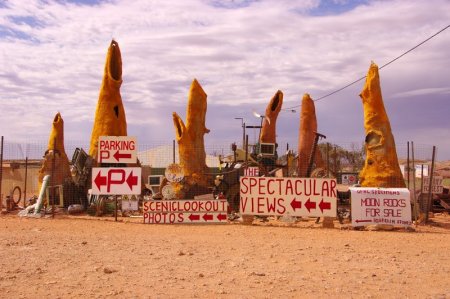
Tourist attractions and opal sales blend into crass, desperate attempts to extract money from passing visitors

IMGP2170

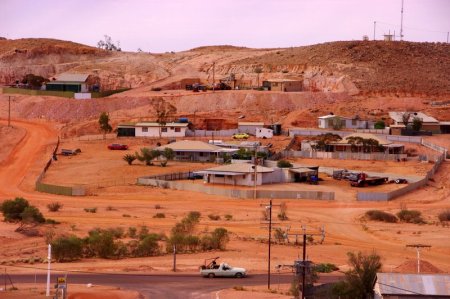
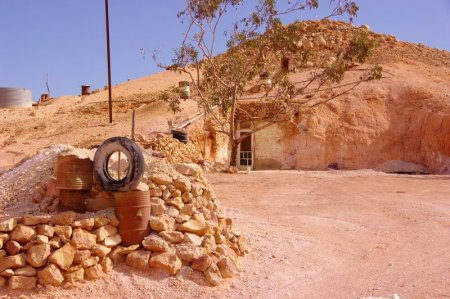
Underground houses are burrowed into the hillsides around the town

IMGP2181

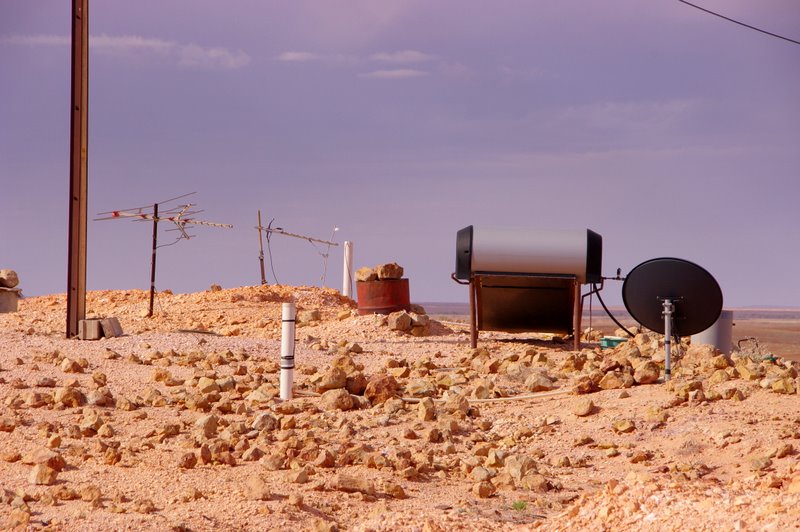
It is a strange sight, TV antennas, satelite dishes and solar heaters apparently mounted on the ground.

IMGP2140

Makeshift structures of corrugated iron and junk are everywhere.

IMGP2131

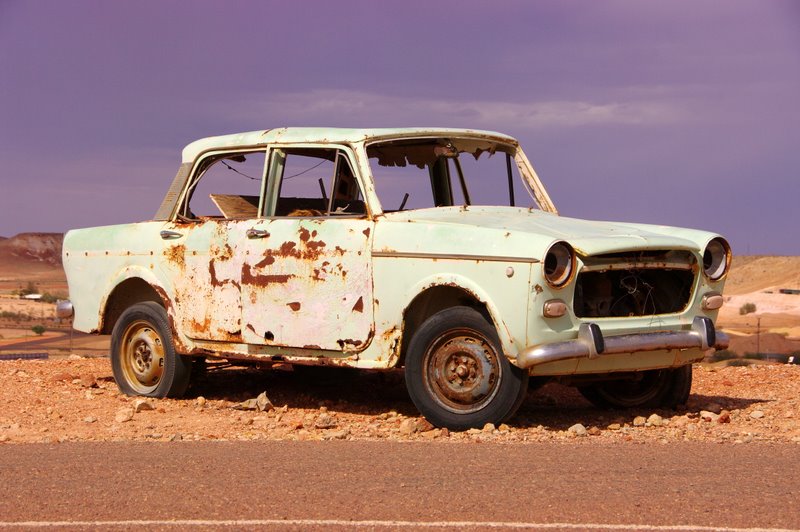
Trashed cars abandoned on the streets don’t look at all out of place

IMGP2123

Architecture leans more towards functional than decorative.

IMGP2114

The odd time function gives way to decoration the theme of over the top tackiness still triumphs.

The town is incredibly unique and, after a while, the trashy mixture of junk, dirt and recycled tin becomes oddly appealing.