UMBRAWARRA GORGE

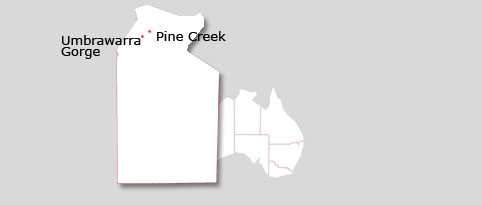
umbra map

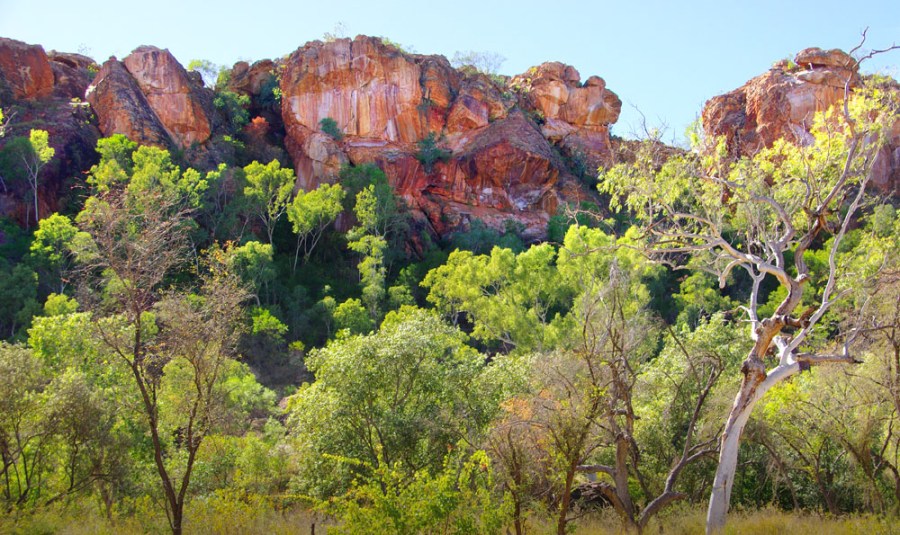
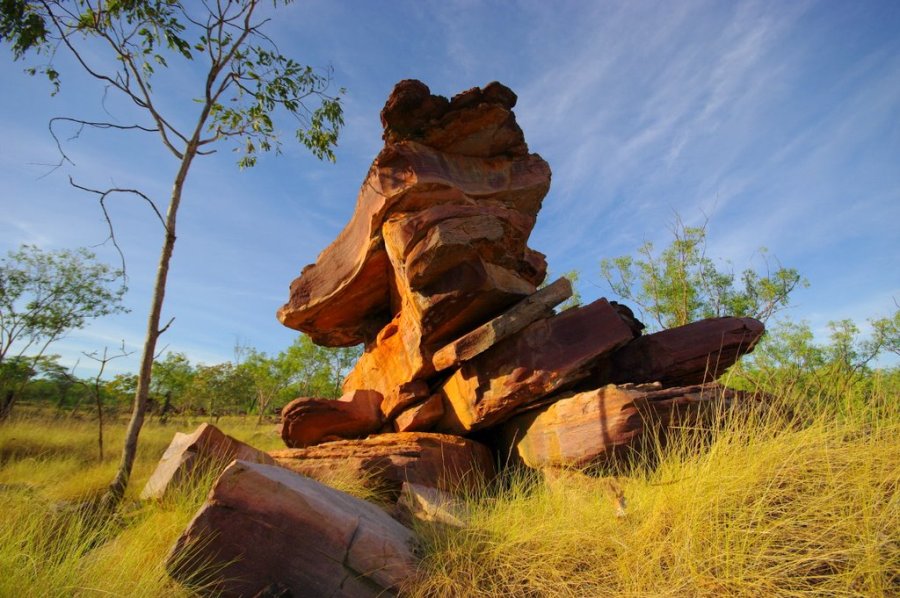
This morning I was up before sunrise to explore the escarpment behind our camp at Umbrawarra Gorge. From the top of the escarpment the view was fantastic as the sun came up.  The country between the escarpment and the gorge is an undulating stretch of spinifex and spear grass, punctuated by amazing outcrops of weathered stone.

IMGP5249

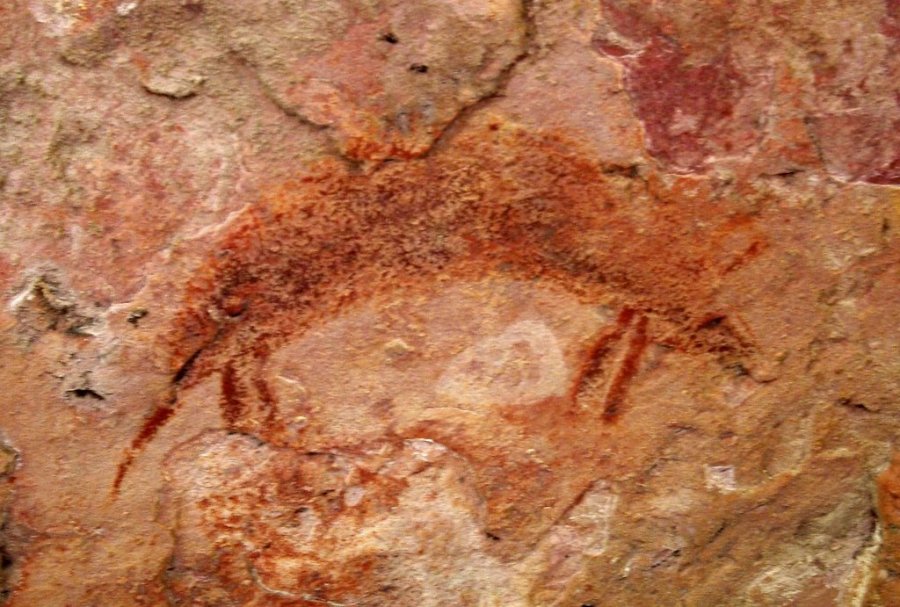
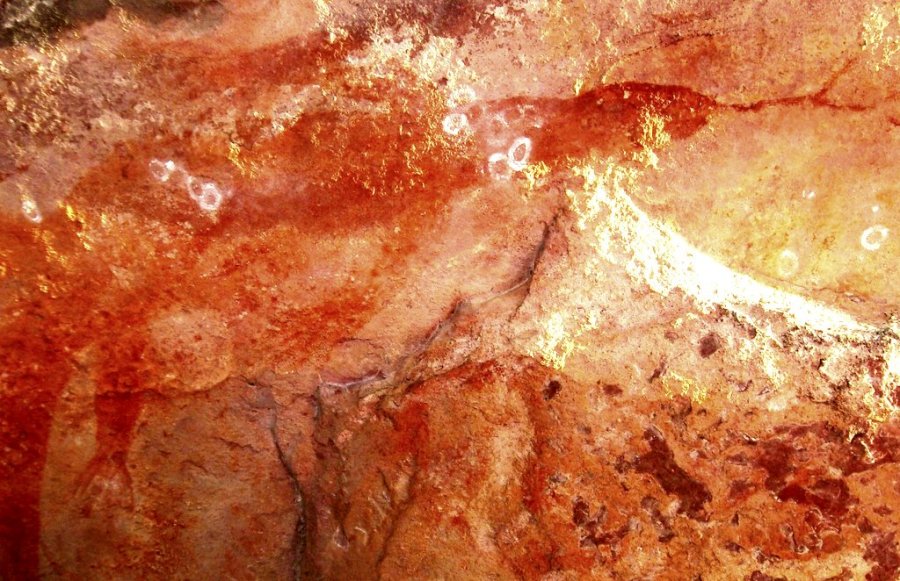
These outcrops vary in size and complexity. Some have large overhangs and cavities and many contain aboriginal paintings, grinding surfaces and flint chippings.

IMGP5240

IMGP5235

IMGP5236

These outcrops make great photographic subjects in the early morning light. The blue sky and sea of yellow spinifex provide a great colour arrangement.
IMGP5262

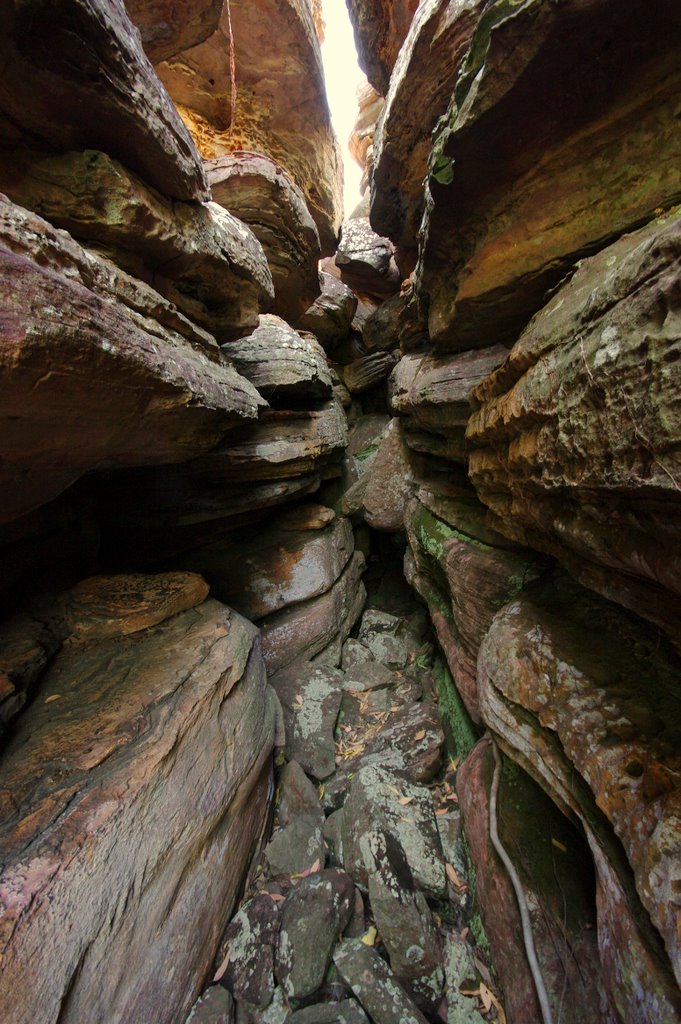
Crossing the area of grassland behind the escarpment eventually brings you to the Umbrawarra Gorge. I found more rock paintings along the top of the gorge, also some interesting caves and crevasses.
IMGP5264

IMGP5217

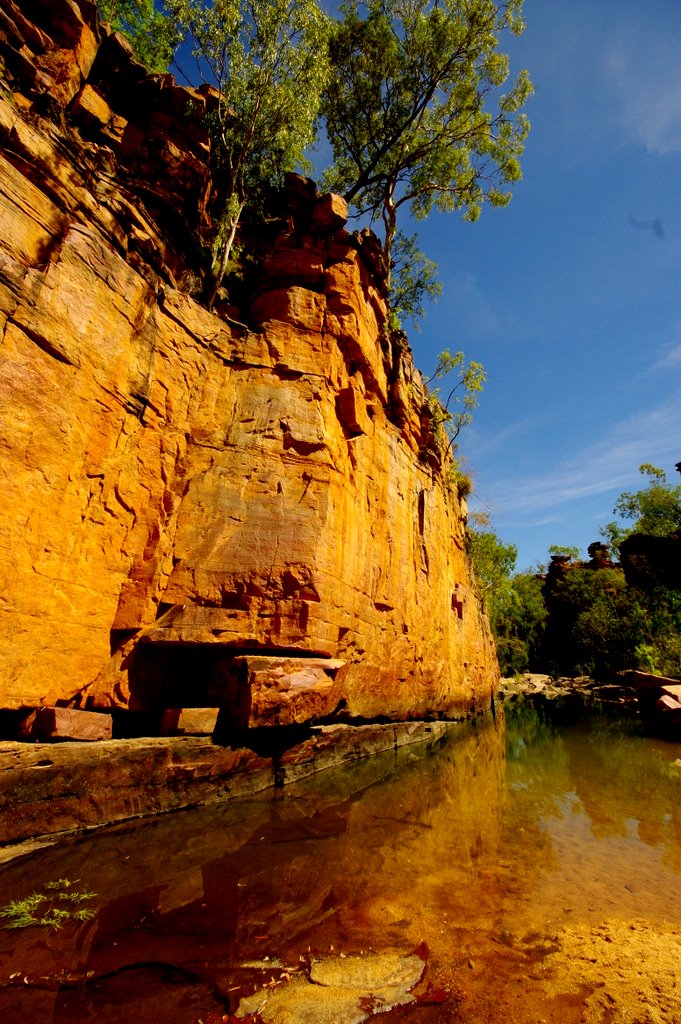
There are permanent waterholes at the bottom of the gorge, some with sandy beaches and full of small fish. The water is bloody freezing when you first dive in but after a while numbness sets in and it feels pretty good.
IMGP5135

IMGP5128

IMGP5251

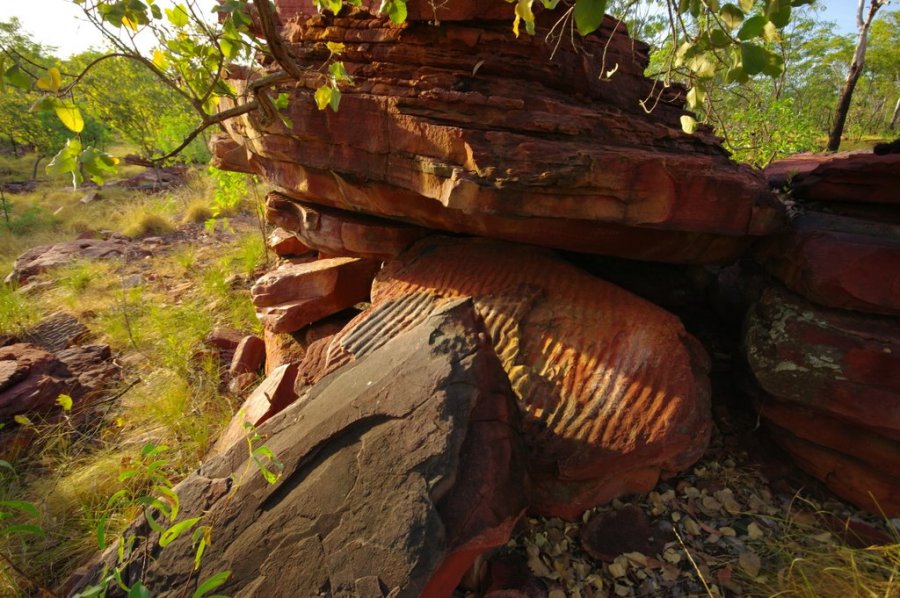
Many of the rocks along the escarpment and through the gorge have a rippled surface similar to the texture of sand after the tide has gone out. I guess it means this whole area was once under water, or just that it’s covered in ripply rocks.

Dianne and I walked up the gorge and found some weird little red flowers covered with a sticky fluid to trap insects.

IMGP5174

These flowers looked like a type of soft cactus. They grew in clusters near the water and were about 20cm in diameter.

We also found some tiny yellow orchids, about the size of your little fingernail. They grew in shady pockets along the floor of the gorge

IMGP5165

Exploring the gorge and the surrounding country is a fantastic experience. The fascinating geography and interesting aboriginal art sites make you want to just keep on walking and exploring.

KATHERINE

We left Mataranka and headed up the Stuart Highway to Katherine. There was washing and shopping to be done , the car was due for a service, Dianne had to catch up on some bookwork and I wanted to do some painting along the river.

IMGP5088

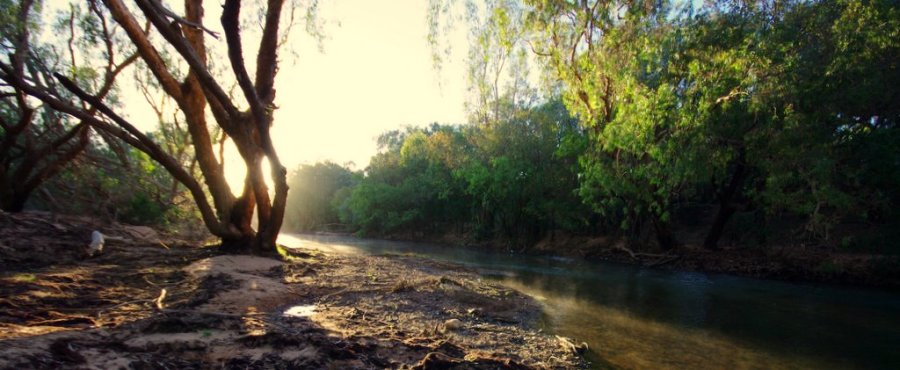
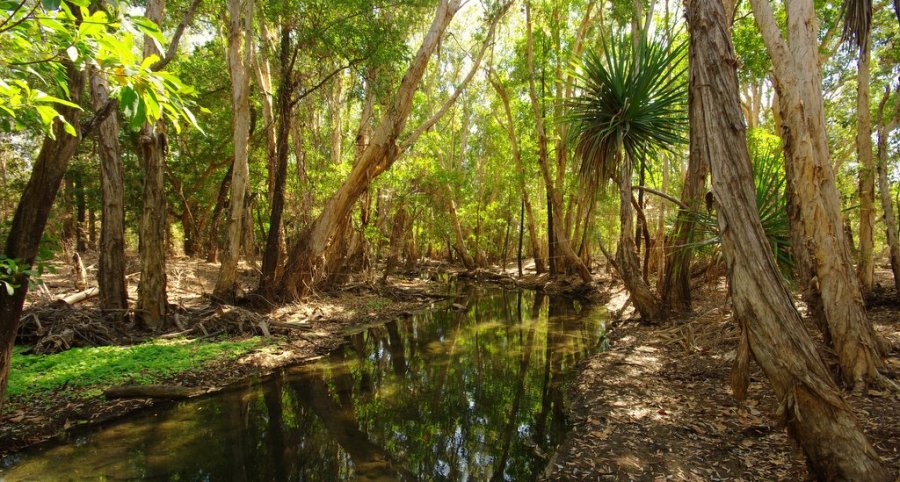
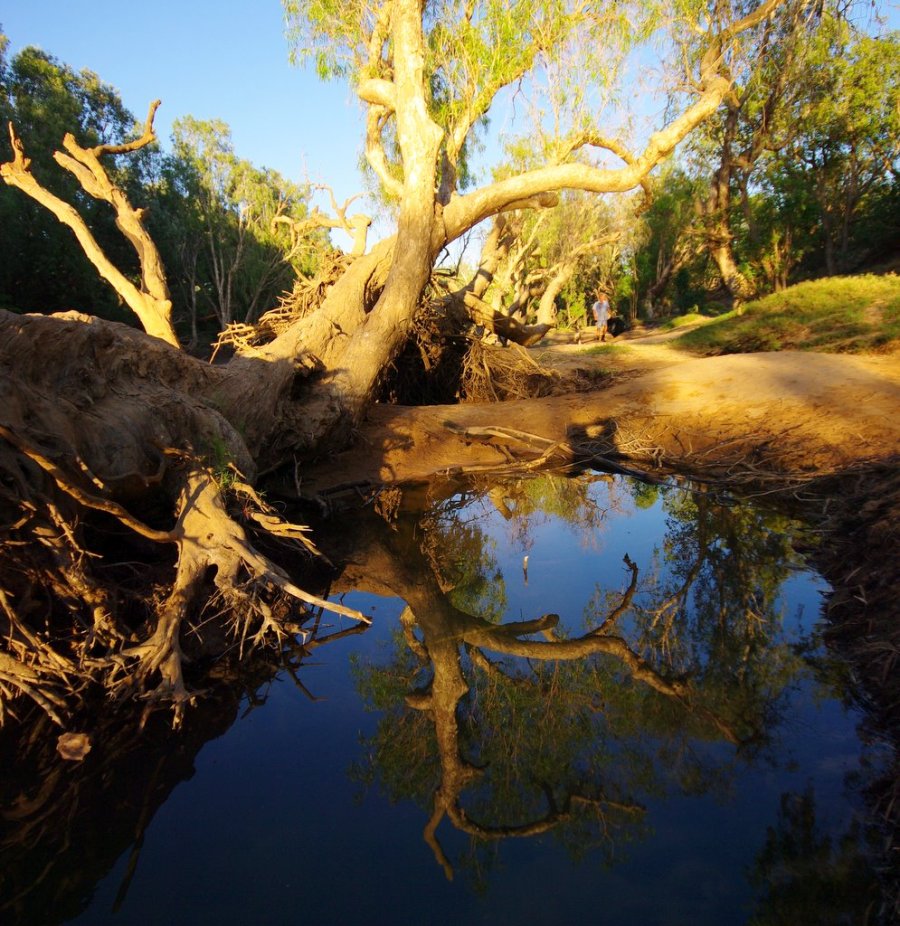
Katherine river in the dry season is lined with huge distorted paperbarks and Pandanas Palms. As you walk along the river bed evidence of the wet season floods can be seen in the tops of many of the large trees. Huge logs and branches suspended 20 to 30 feet up. All the trees slope in the direction of flow

IMGP5117

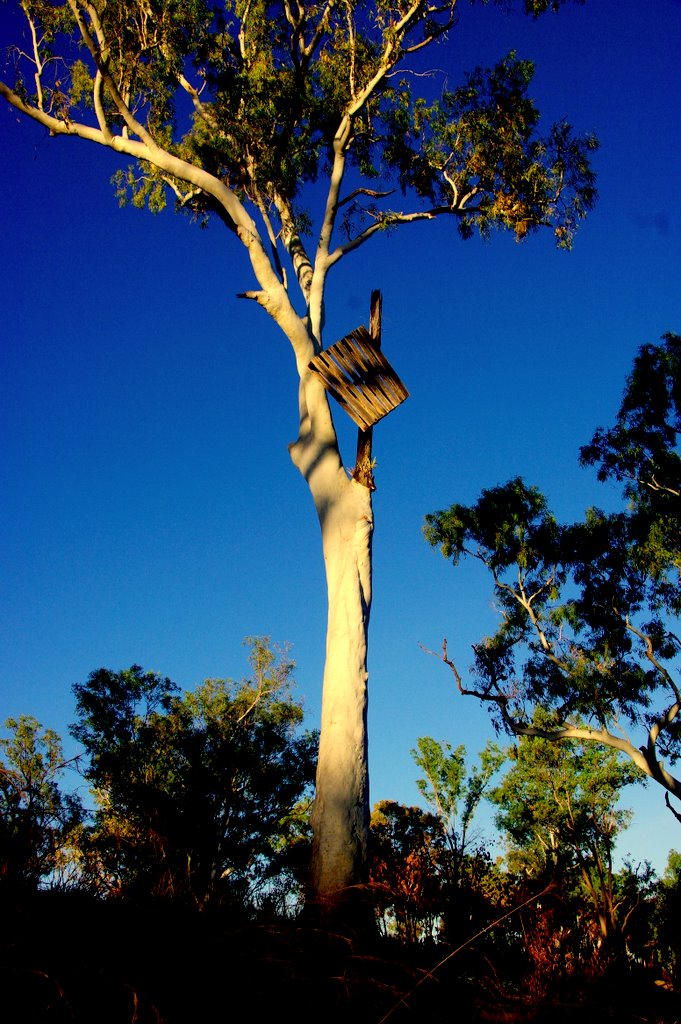
Walking back towards the town I found this palette 30 foot up a tree. It’s hard to imagine that much water.

IMGP5082

IMGP5114

During the dry everything looks peaceful and sedate. In 6 months time all this will be under metres of fast flowing water.

Next month we will be back in Katherine with with the International Artist Workshop. We will be staying in town and visiting the gorge.

RIVER PAPERBARKS – KATHERINE

PAINTING DEMONSTRATION

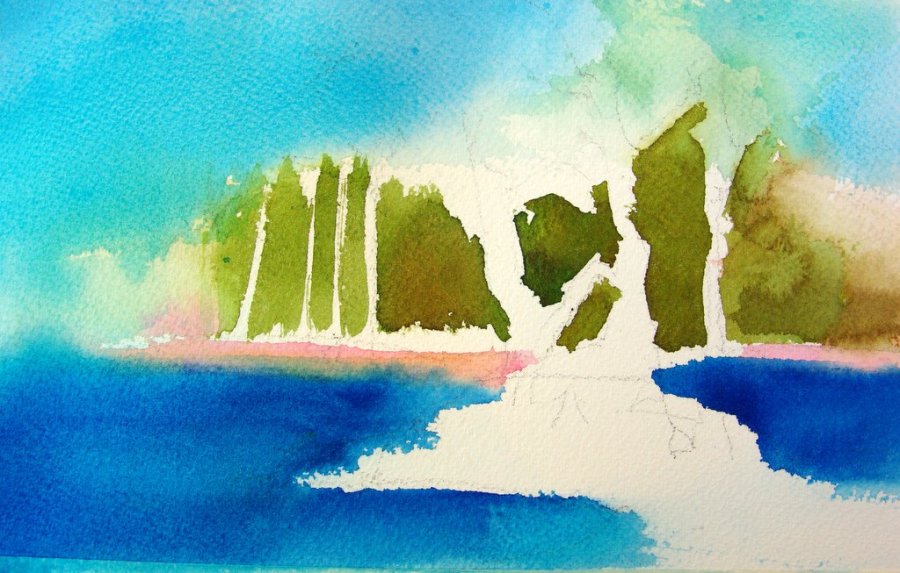
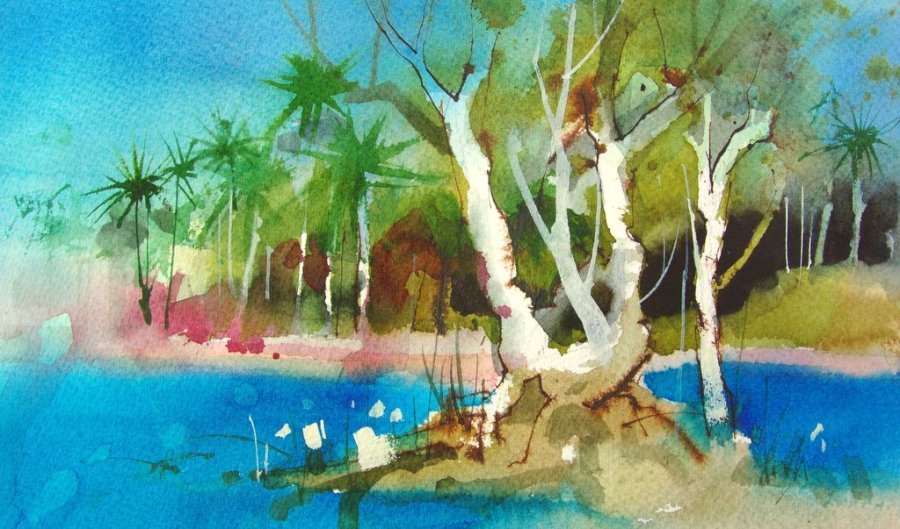
The big, distorted paperbarks along Katherine River are awesome things. They defy the battering dished out by the annual wet season, accumulating scars and debris, to emerge each dry with an invincible appearance that defines the rivers character.

IMGP5089

This painting started with a simple charcoal sketch

.

.

IMGP5092

The first washes were cut in around the tree shapes with a  a dirty green mixed from Quinacridone Gold, Phthalo Blue and Alizarin Crimson. Some Phthalo Blue was dropped into the sky and a pale Alizarin dragged along the river bank.

.

.

IMGP5094

A strong  Phthalo Blue was washed into the water then diluted slightly for the sky. These areas are more intense than I want, as I plan to knock them back with a glaze of Gesso.

.

.

IMGP5097

The next step was to put a contrasting band of dark behind the main trees. More detail was added to the trees and foliage, then a few rough ink lines were scratched in. Splashes of pure Alizarin were dropped into the area I plan to soften with the Gesso glaze

.

.

IMGP5099

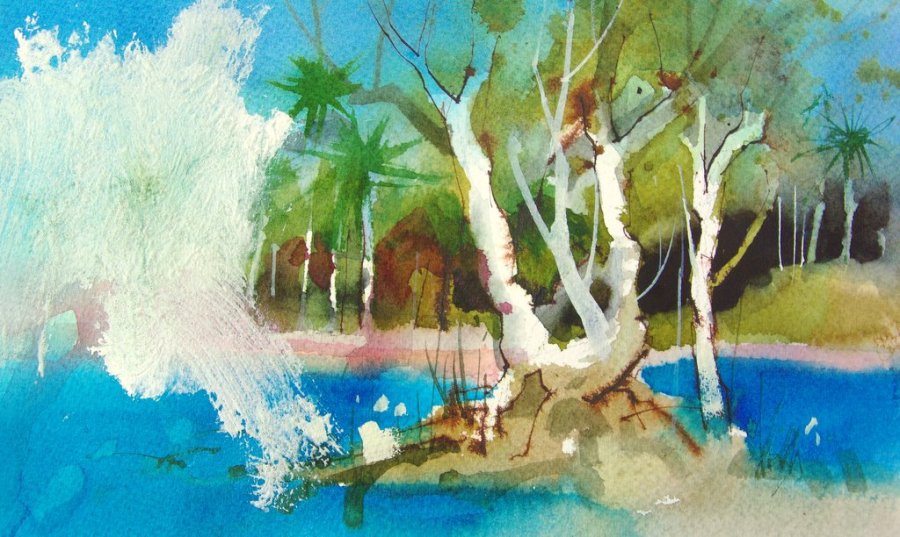
Before the colours were completely dry Gesso, straight out of the pot, was worked over the distant bank with a 1/2″ bristle brush.

.

.

IMGP5100

The Gesso was quickly spread and thinned with water.

.

.

IMGP5101

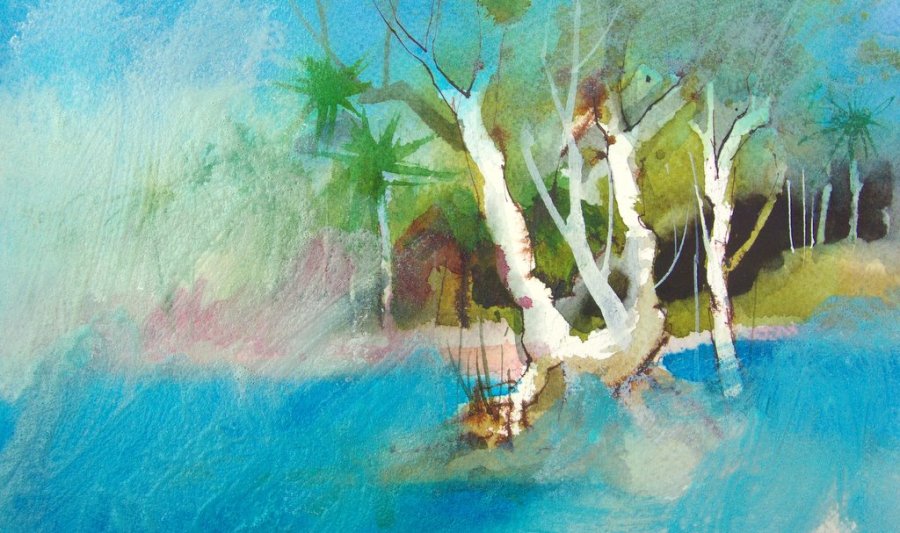
While everything was still wet a 3″ Hake brush was used to smooth the Gesso into a soft, transparent haze. This was done quickly and lightly, keeping the brush very dry with an old towel.

.

.

IMGP5102

With the painting still wet, patches of tinted white Gouache were put on and softened with a fine spray of water.

.

.

IMGP5103

The final step was to add more detail and definition with ink, white charcoal pencil  and rigger lines

MATERIALS

Phthalo Blue

Ultramarine Blue

Permanent Alizarin Crimson

Quinacridone Gold

Burnt Sienna Ink

White Gouache

Gesso

Black and White charcoal pencils

1/2″ bristle brush

1″ and 1/4″ flat taklon one stroke

#2 liner

3″ Hake

WESTERN BOWERBIRD

IMGP4929

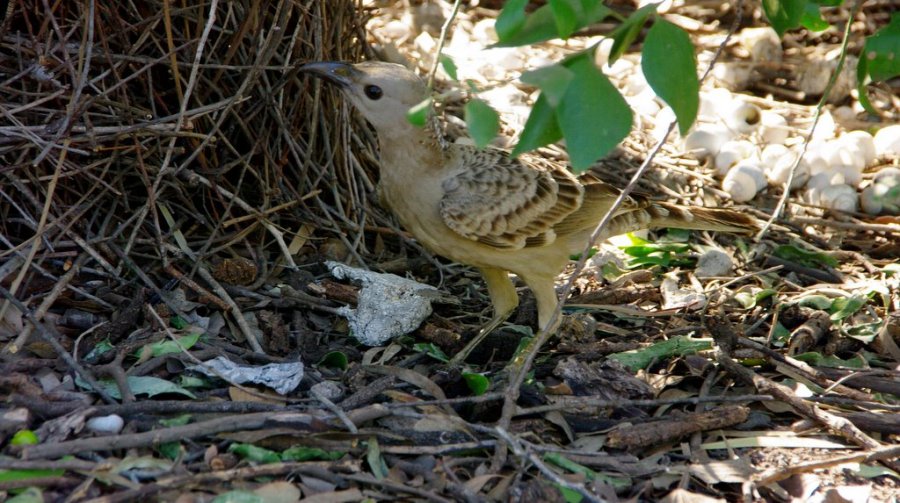
These birds seem to occur all over Northern Australia. They are hyperactive, noisy little guys with elaborate bowers. The purple plume on the back of their heads rises when they want to impress another bird.

IMGP4989

The male builds a bower and decorates it with white and silver objects to impress the female. The female builds a nest elsewhere to lay her eggs.

IMGP4934

This impressive bower was decorated with white snail shells, bits of broken glass and crumpled wads of silver foil. The males are incredibly fussy about the arrangement of the decoration around their bower. If you drop in an extra snail shell, the bird will quickly pick it up and remove it.

MATARANKA

IMGP5005

Roper River Undergrowth

12 miles down the Roper River from Mataranka is the Elsey  National Park campground (called 12 mile yards) It’s much cleaner and quieter than the Mataranka Homestead campground. There are some excellent walks and interesting tracks to cycle along.

IMGP4938

Creek Crossing No.2

We discovered an old National Parks service road and decided to see where it led. Two hours and 4 creek crossings later, we emerged at Mataranka Falls.

IMGP4943

Mataranka Falls

Beautiful clear water, huge stands of Livingstonia Palms and a couple of freshwater crocodiles. The kind of place you don’t want to leave, especially when we had two hours of peddling to get home.

IMGP4949

Pandanas and Livistonia Palms

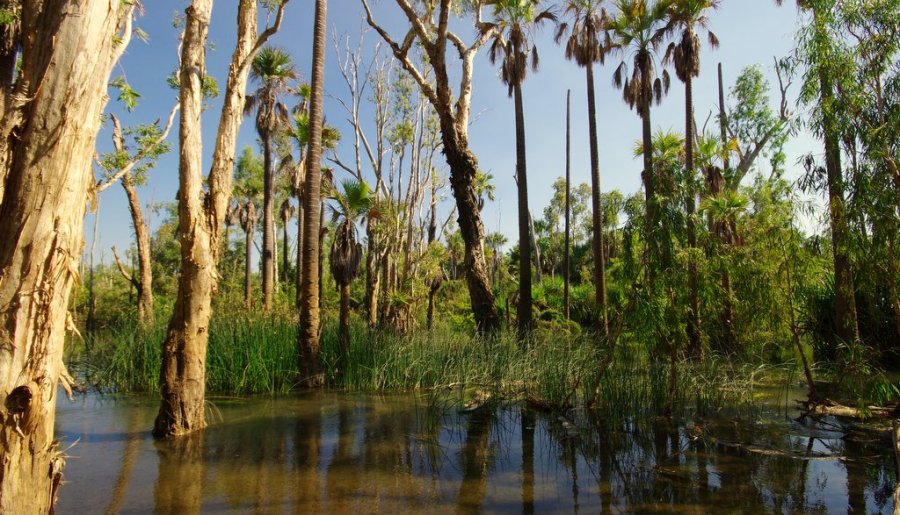
Livistonia  and Pandanas palms turn the Roper River and surrounding wetlands into a magnificent oasis. Most of the surrounding area is a dry savannah landscape.

IMGP5001

Paperbark Swamp Wetlands

Dry Savanna Country

Dry Savannah Country at Breakneck Speed

Once away from the river the country becomes hot and dry. Open eucalypt country with dry grass and lots of anthills – completely different to the area fringing the river.

Barb Wire Penetrating Anthill

Barb Wire Penetrating Anthill

How did they do that? Poke a fence right through an anthill.

Clear Water

Clear Water

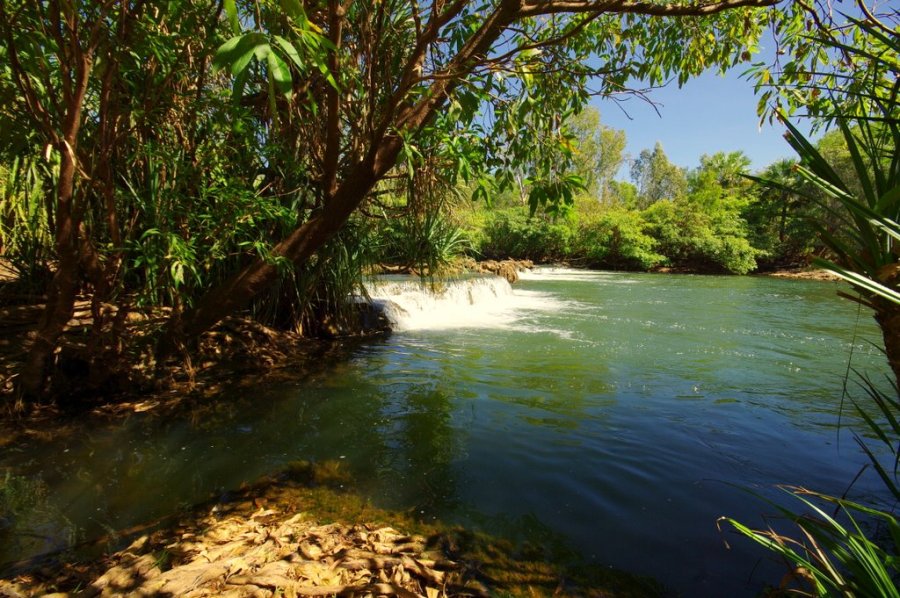
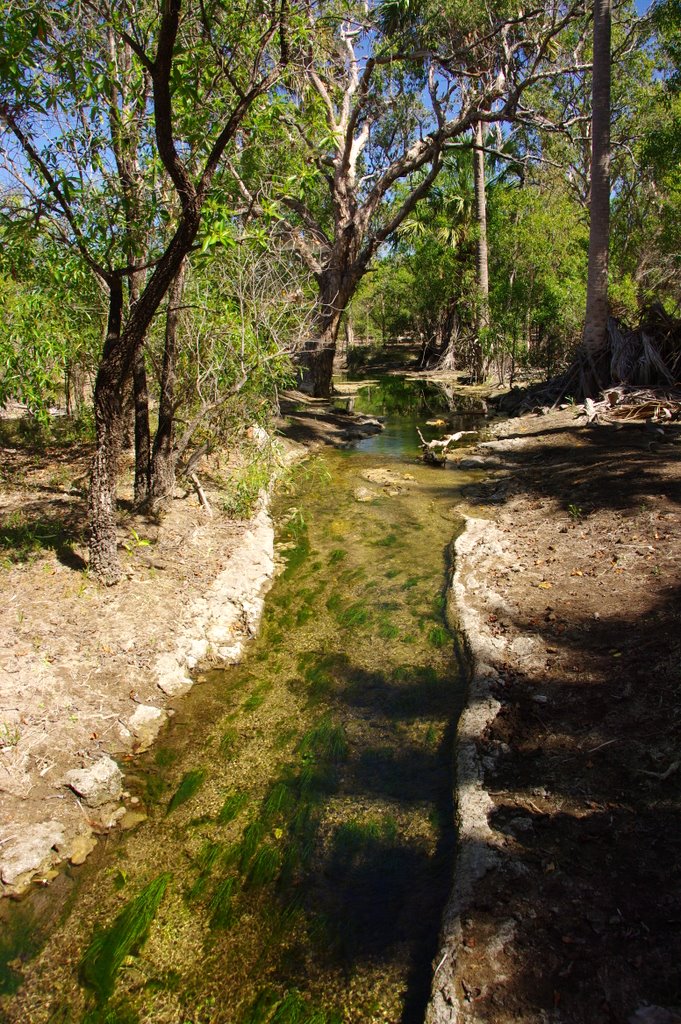
The creeks feeding into Roper River are spring fed and have a high calcium content. This makes the water incredibly clear. It also causes calcium deposits to build up in certain areas.

We came across this little creek that had built up a hard limestone gutter over the years, making it look almost man-made.

Limestone lined Creek

Limestone lined Creek

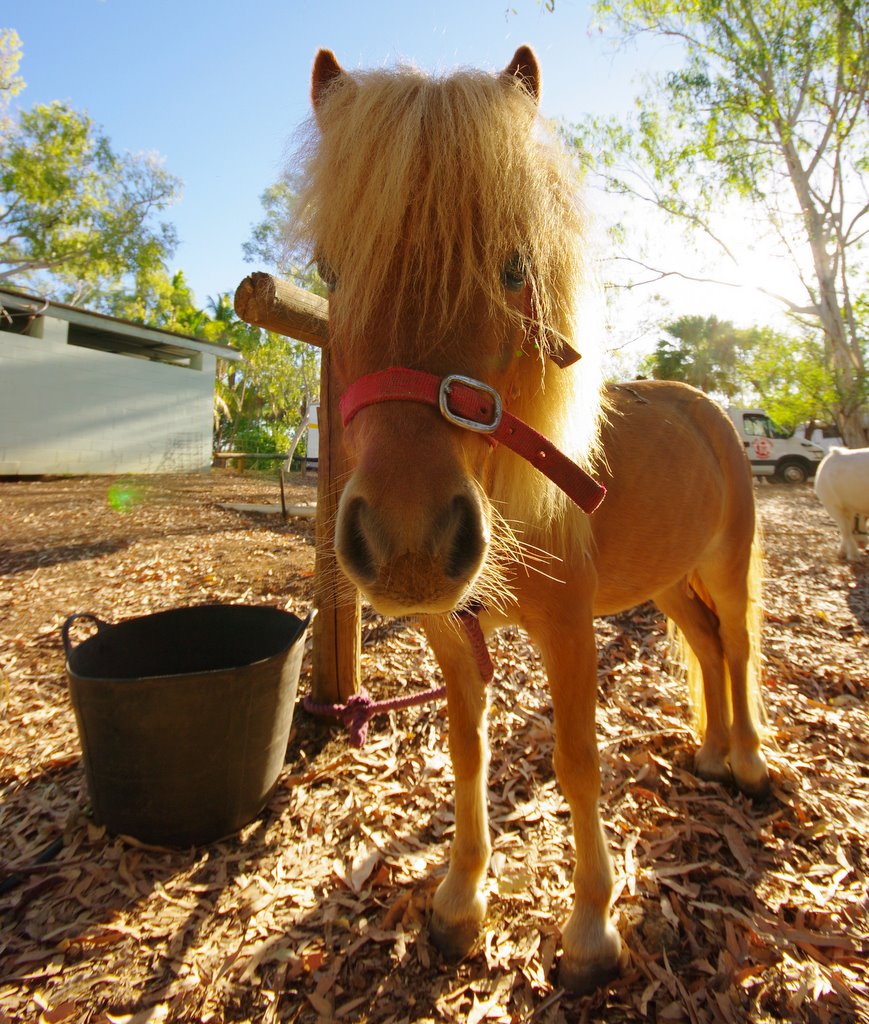
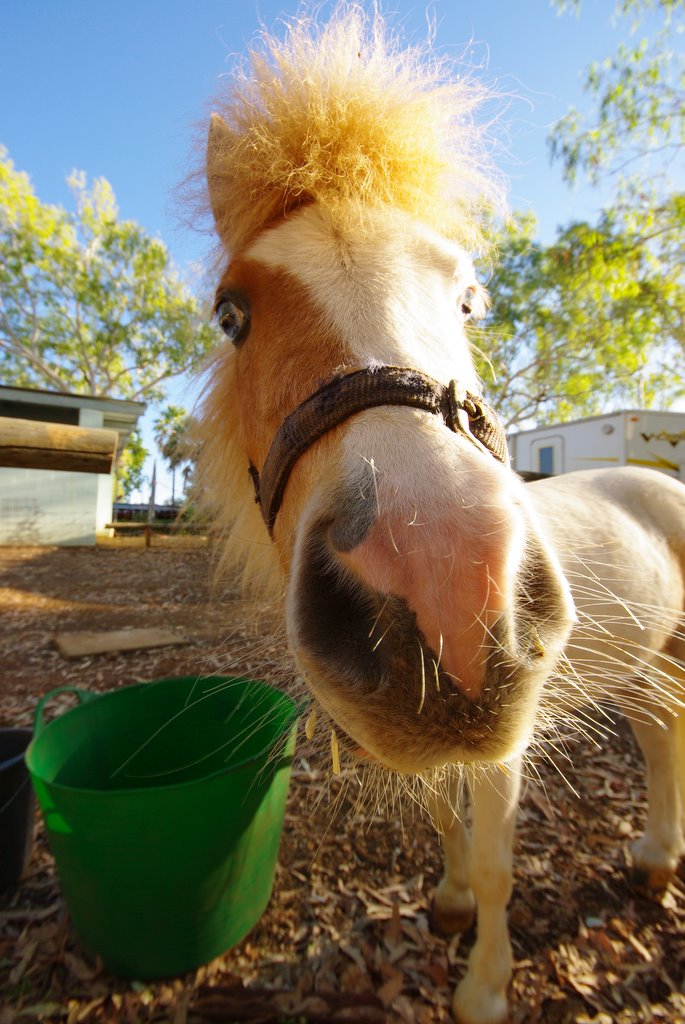
Before we left Mataranka we decided to stay a night at the Homestead and have dinner in their restaurant. We found a reasonably isolated spot and set up camp. I went for a walk up along the river. When I came back a guy with four weird tiny little horses had camped nearby. I went and said g’day to him and he told me he was with the Moscow Circus and 40 trucks and trailers were following him! Within an hour the place was overun.

IMGP5042

I expected lions, tigers and elephants, but all the Moscow Circus has are four freaky little horses – I think they are to frighten children.

IMGP5017

IMGP5029

The Circus was incredibly well organised They had all moved off  in small groups by 9:00 next morning – bound for Alice Springs.

MALLAPUNYAH

MALLAPUNYA
The state of origin football final was on the night we arrived at Cape Crawford. All the stockmen from the surrounding stations were in town for a big night. We met one of the guys that run Mallapunya. He gave us directions in to an escarpment and waterfall on the property. We drove in the following day. The escarpment was spectacular but we couldn’t find the waterfall
Mallapunya Escarpment
A lot of the open country reminded me of Fred Williams paintings. The yellow grass, flowering Kapok trees and skyline saplings looked fantastic against the Ultramarine sky
Mallapunya meat

IMGP4791

The state of origin football final was on the night we arrived at Cape Crawford. All the stock-men from the surrounding stations were in town for a big night. We met one of the guys that run Mallapunyah. He gave us directions in to an escarpment and waterfall on the property. We drove in the following day. The escarpment was spectacular but we couldn’t find the waterfall

Mallapunyah Escarpment

Mallapunyah Escarpment

IMGP4787

A lot of the open country reminded me of Fred Williams paintings. The yellow grass, flowering Kapok trees and skyline saplings looked fantastic against the Ultramarine sky

IMGP4793

Mallapunyah meat