PORTUGAL

After a three year postponement due to covid, our Portugal workshop finally went ahead. We were joined by our guides Amanda and Gordon and around twenty keen painters. The workshop started in Lisbon where we all got to know each other and some great friendships were formed. A mixture of painting, sightseeing, shopping, wining and dining kept us all very busy.
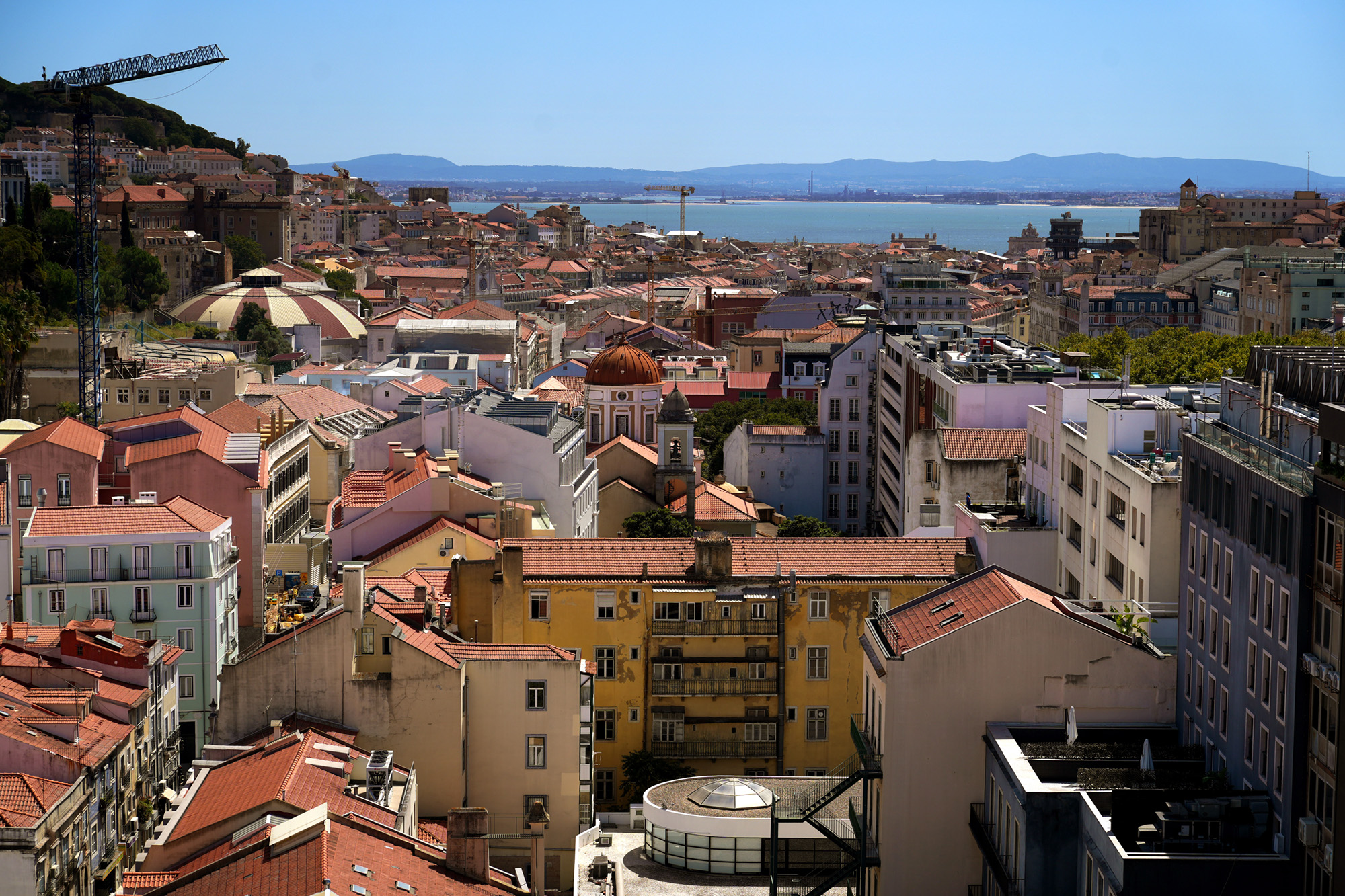
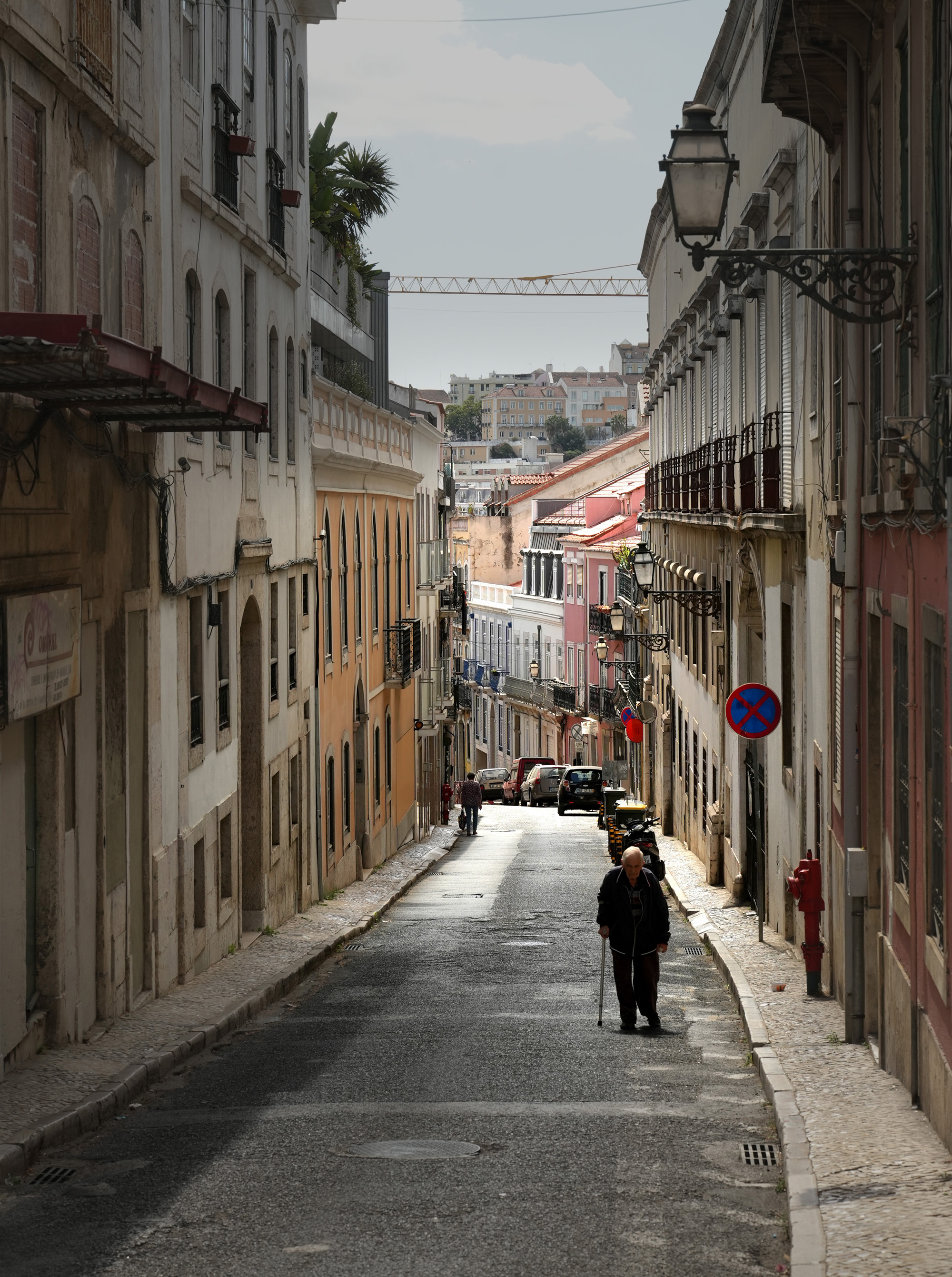
The view from the rooftop bar at our hotel in Lisbon was stunning. It’s a densely packed city and most of the population seem to be out walking.
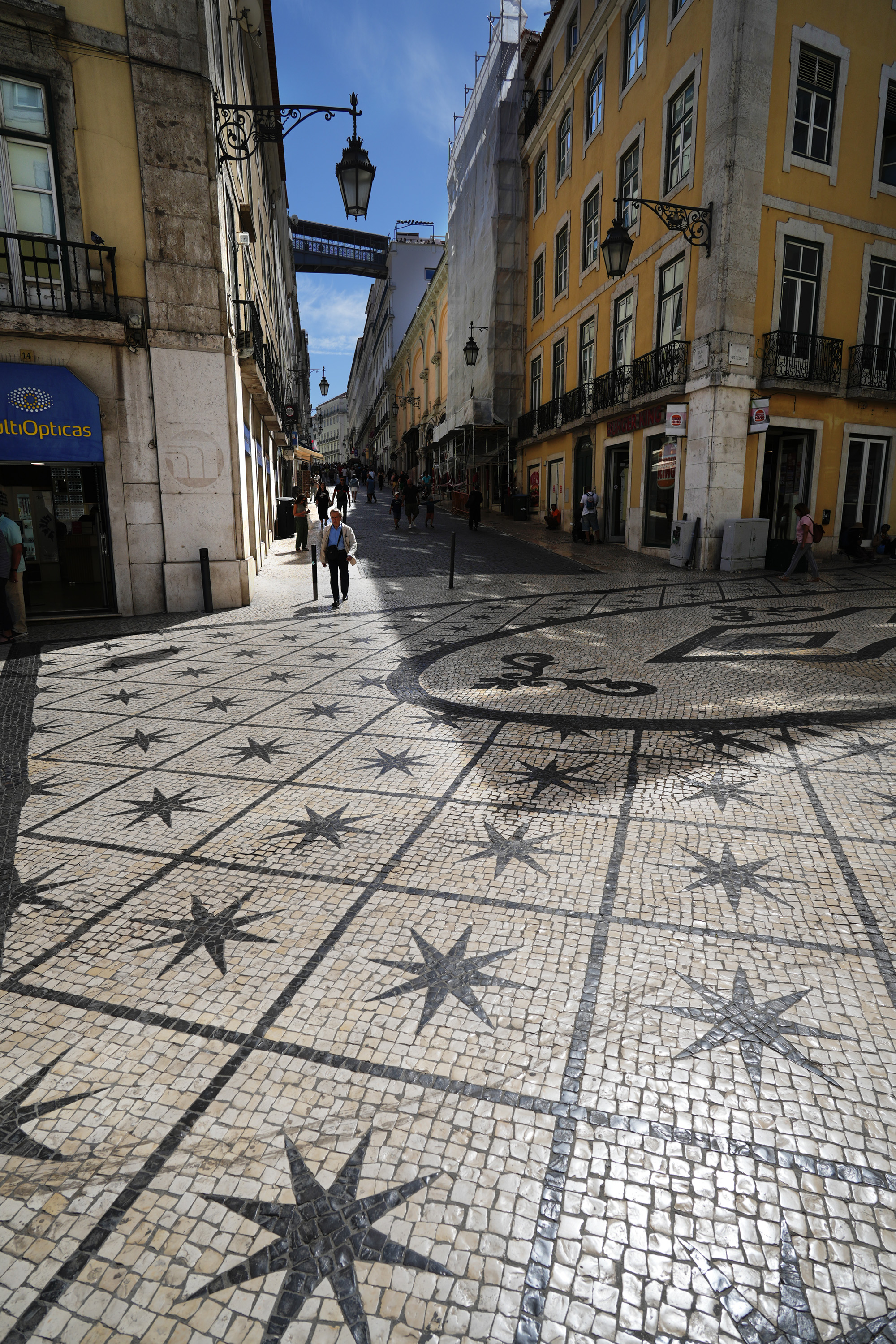
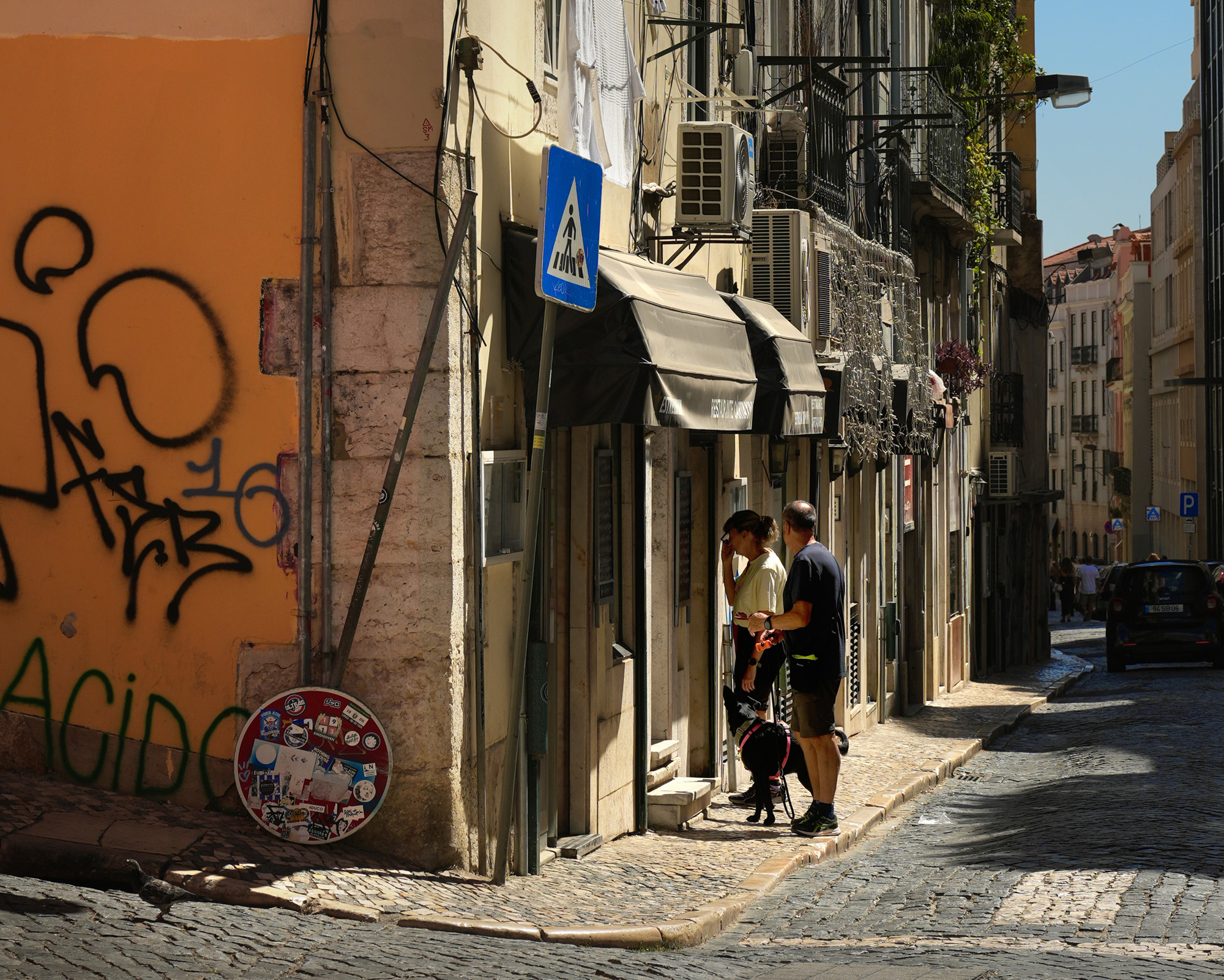
Most towns we visited in Portugal had beautifully tiled streets and pavements – time consuming work to lay all these tiny stone blocks by hand but it looks fantastic.
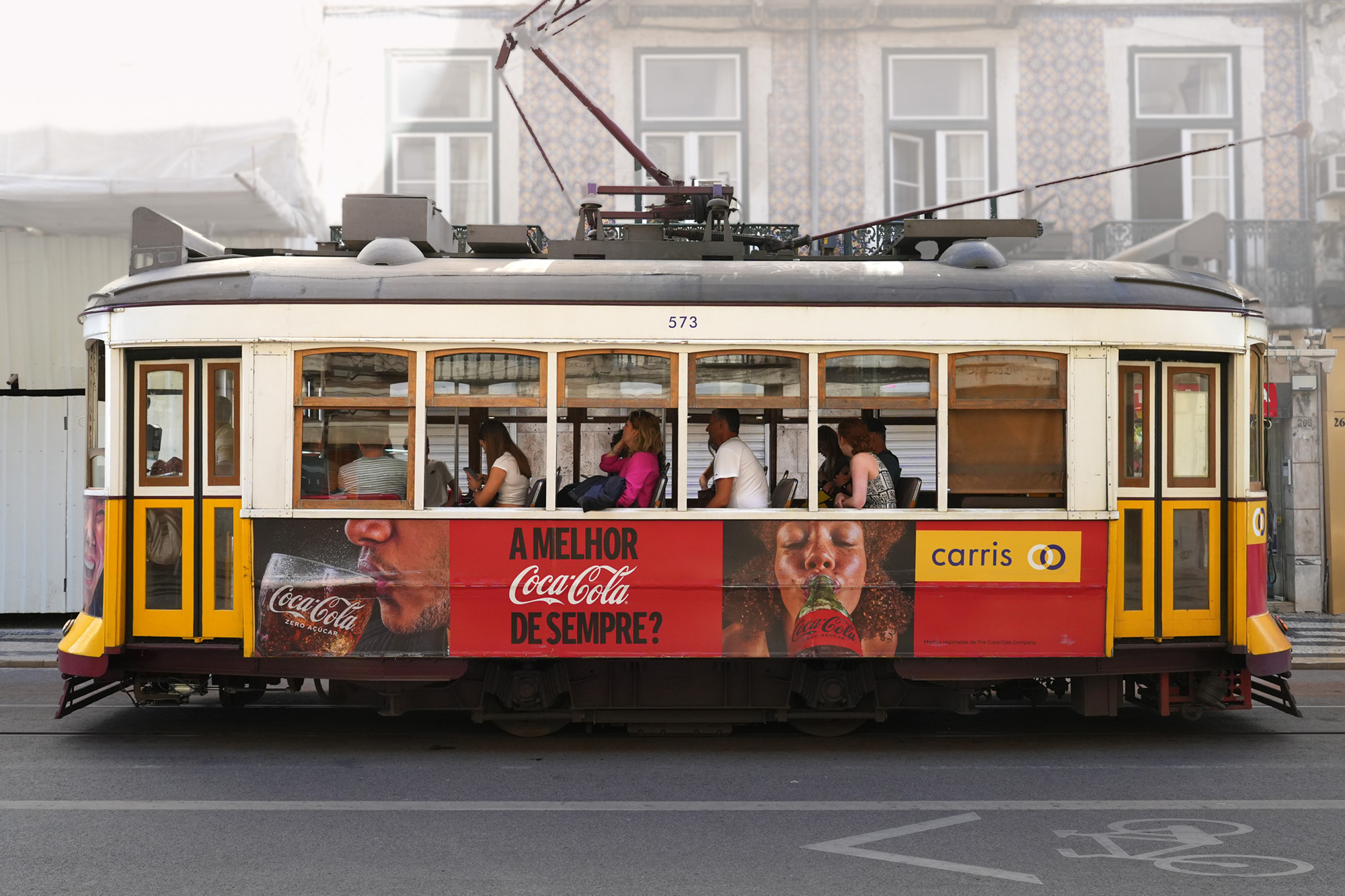
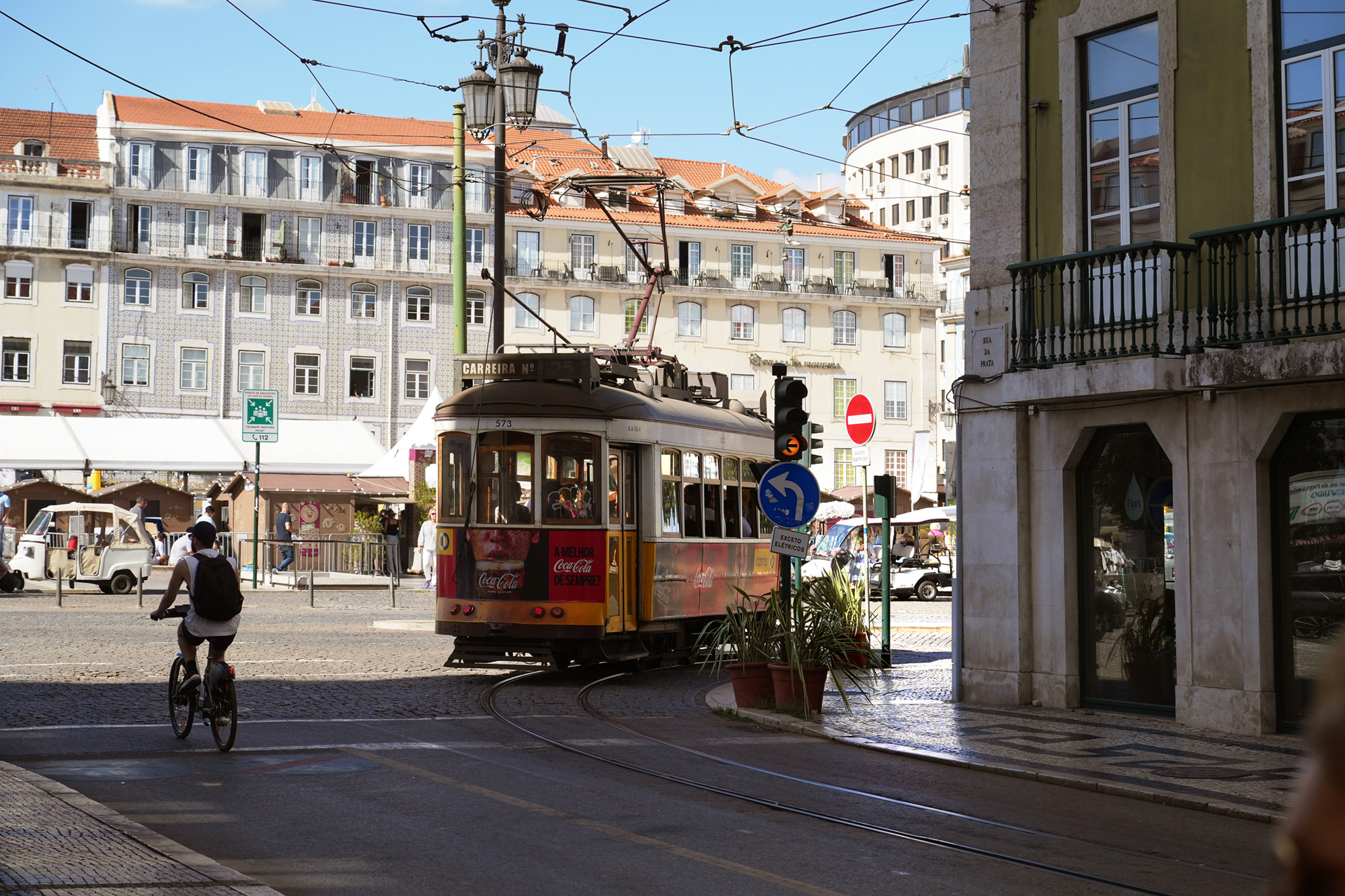
Lisbon’s vintage trams move people around the city centre pretty efficiently but walking seems to be the preferred mode of transport.
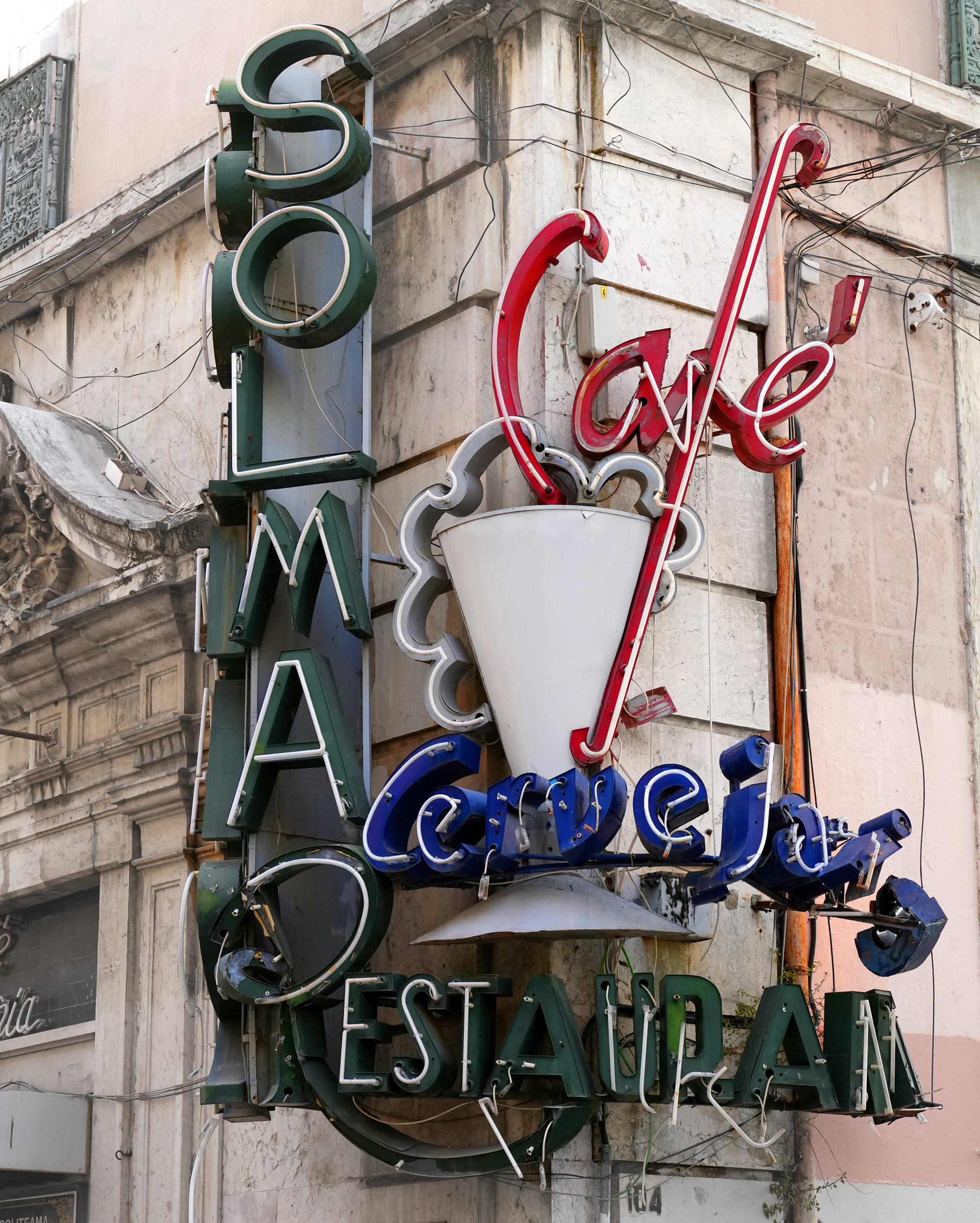
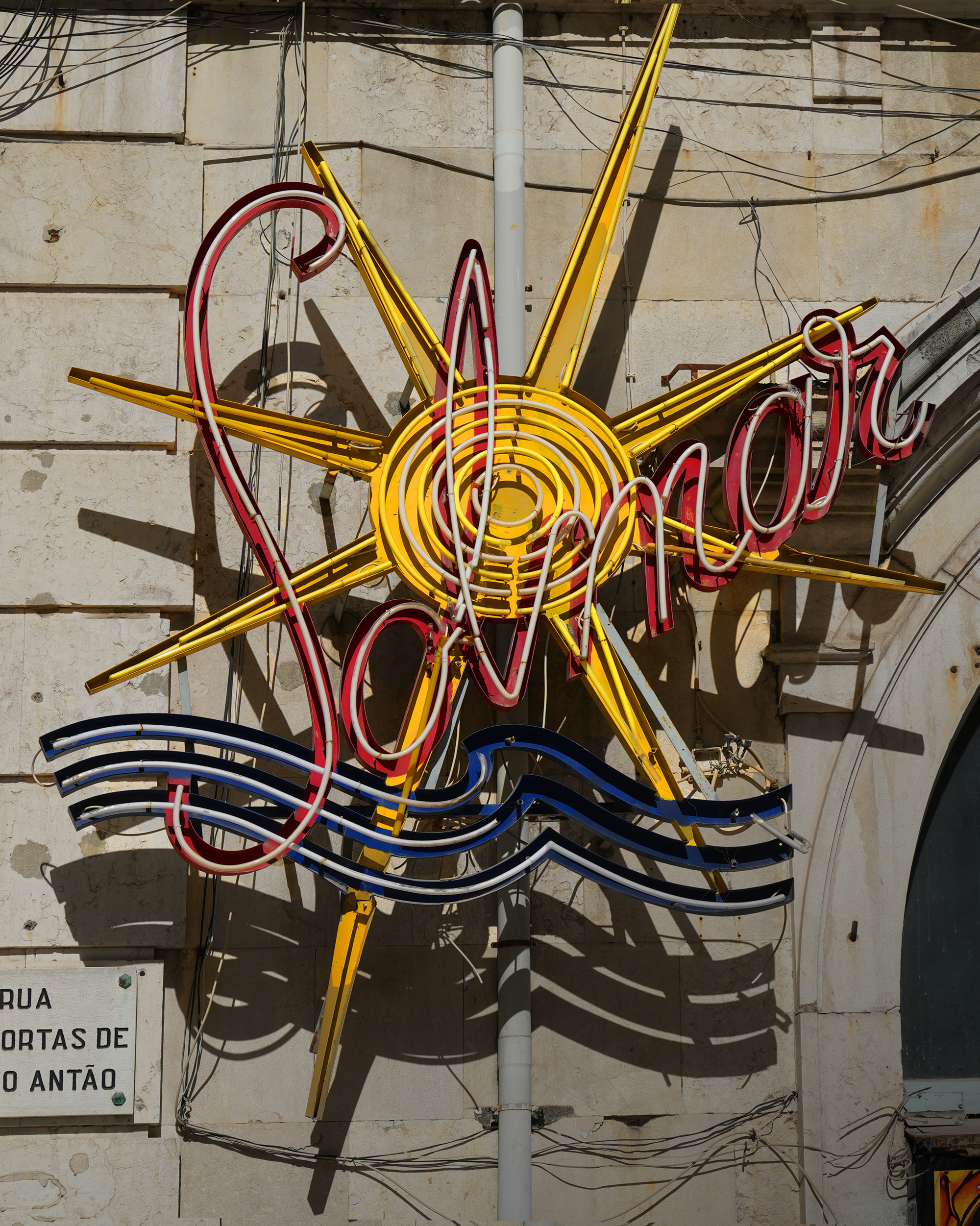
Fancy neon
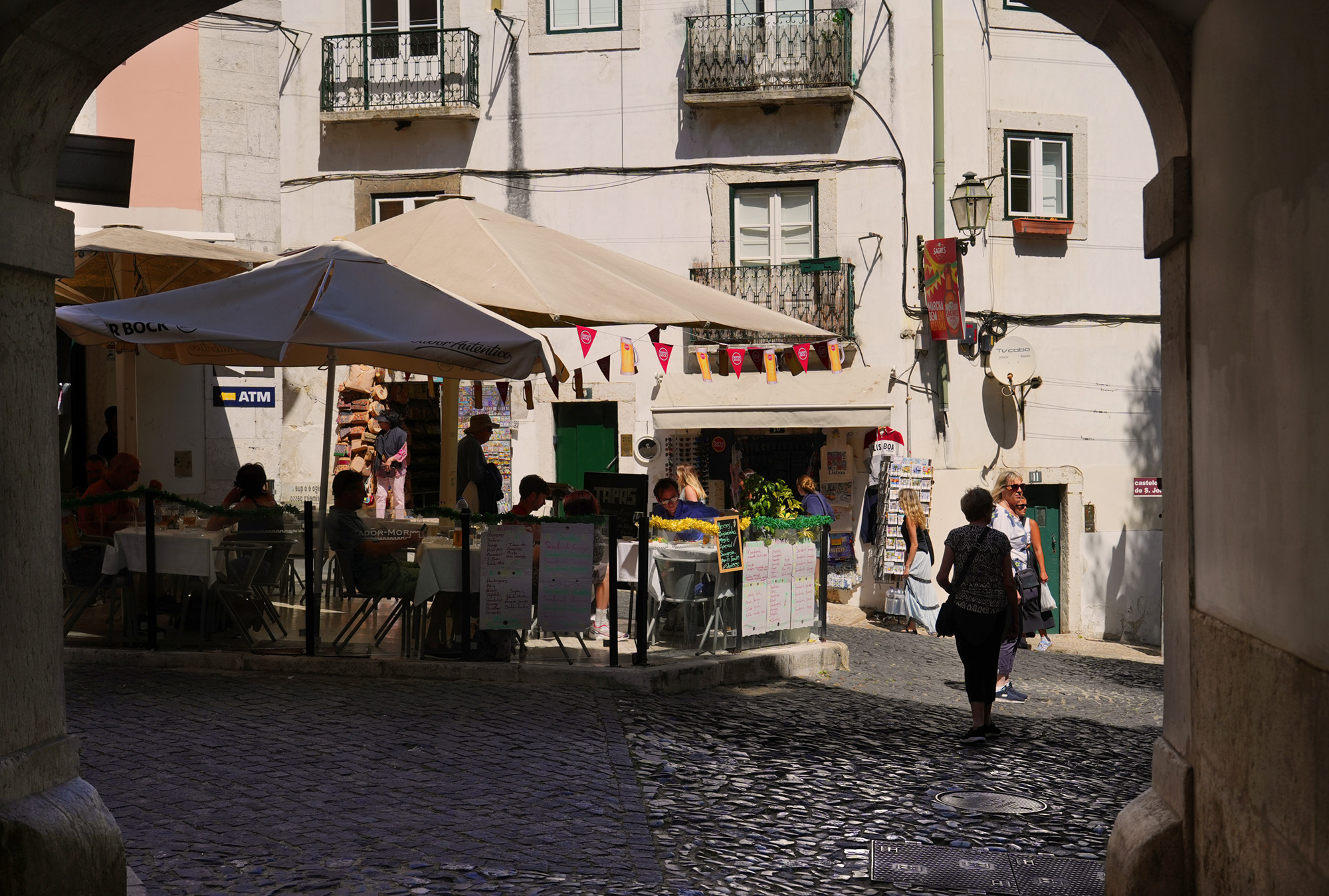
The streets and alleyways are a great place to take photographs. There is always somewhere catching just the right light and the bends, twists and undulations make interesting compositions.
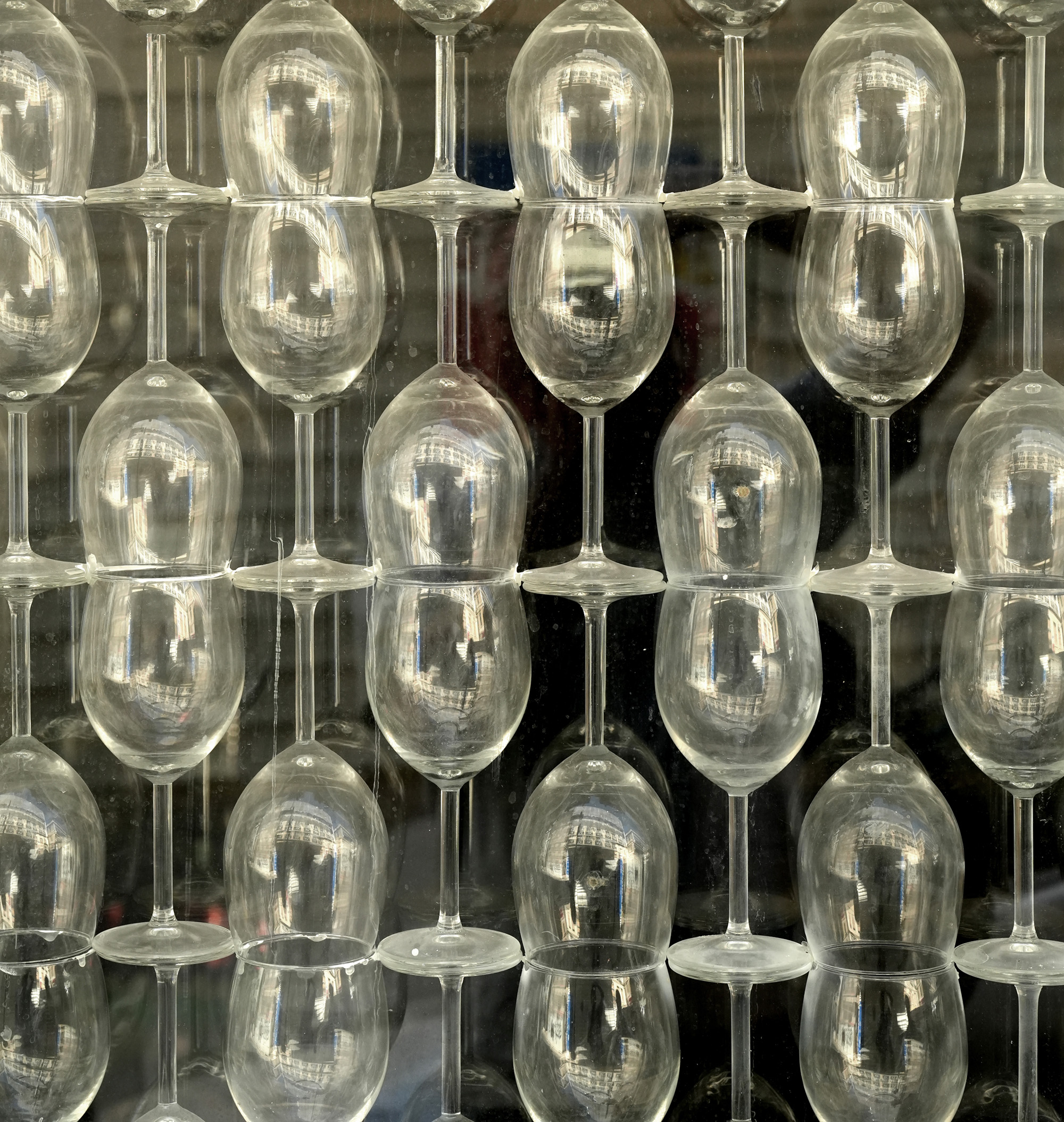
Stacked wine glasses in a restaurant window
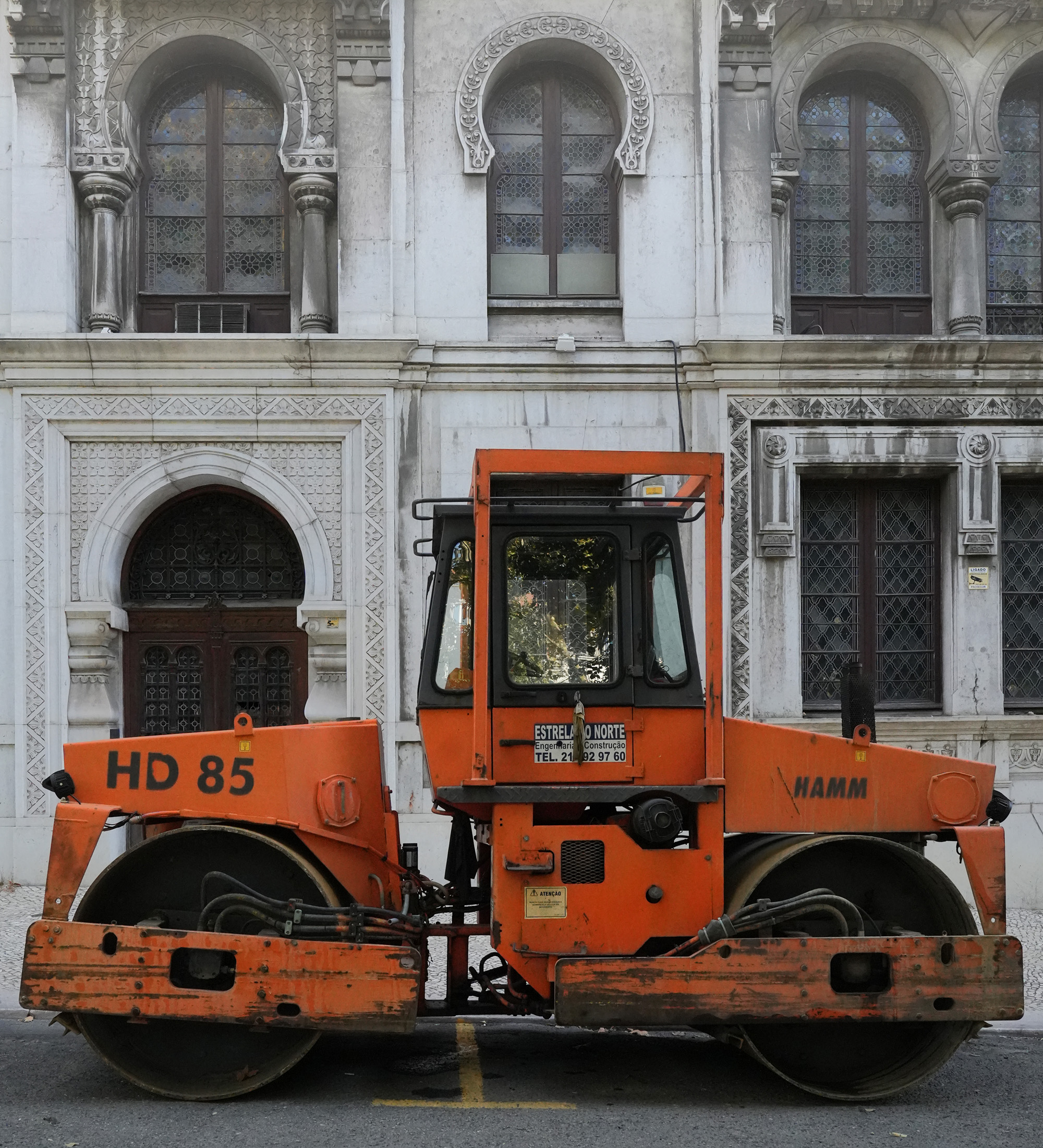
Interesting machine parked outside a high end store
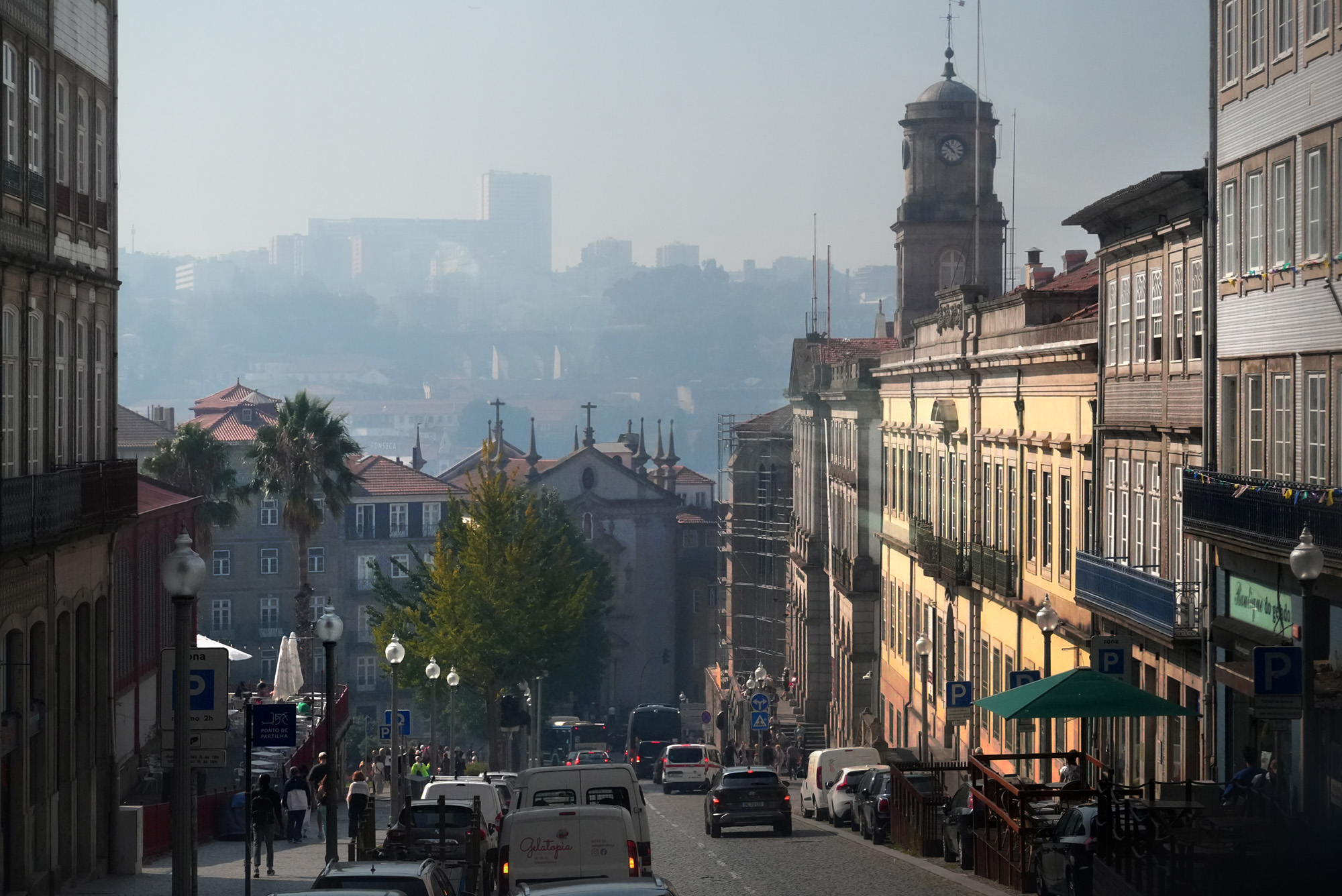
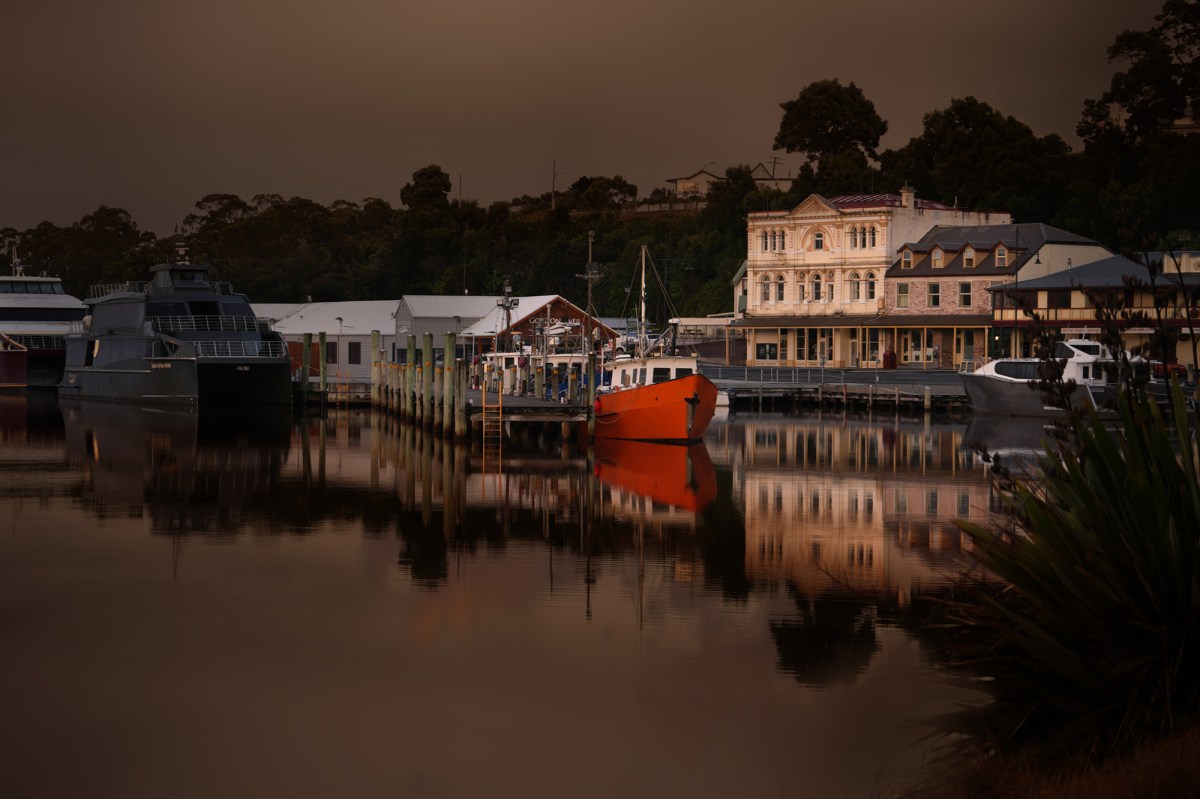
Porto was clouded in smoke from nearby bushfires. It was hard to breathe, it stung your eyes, but looked fantastic
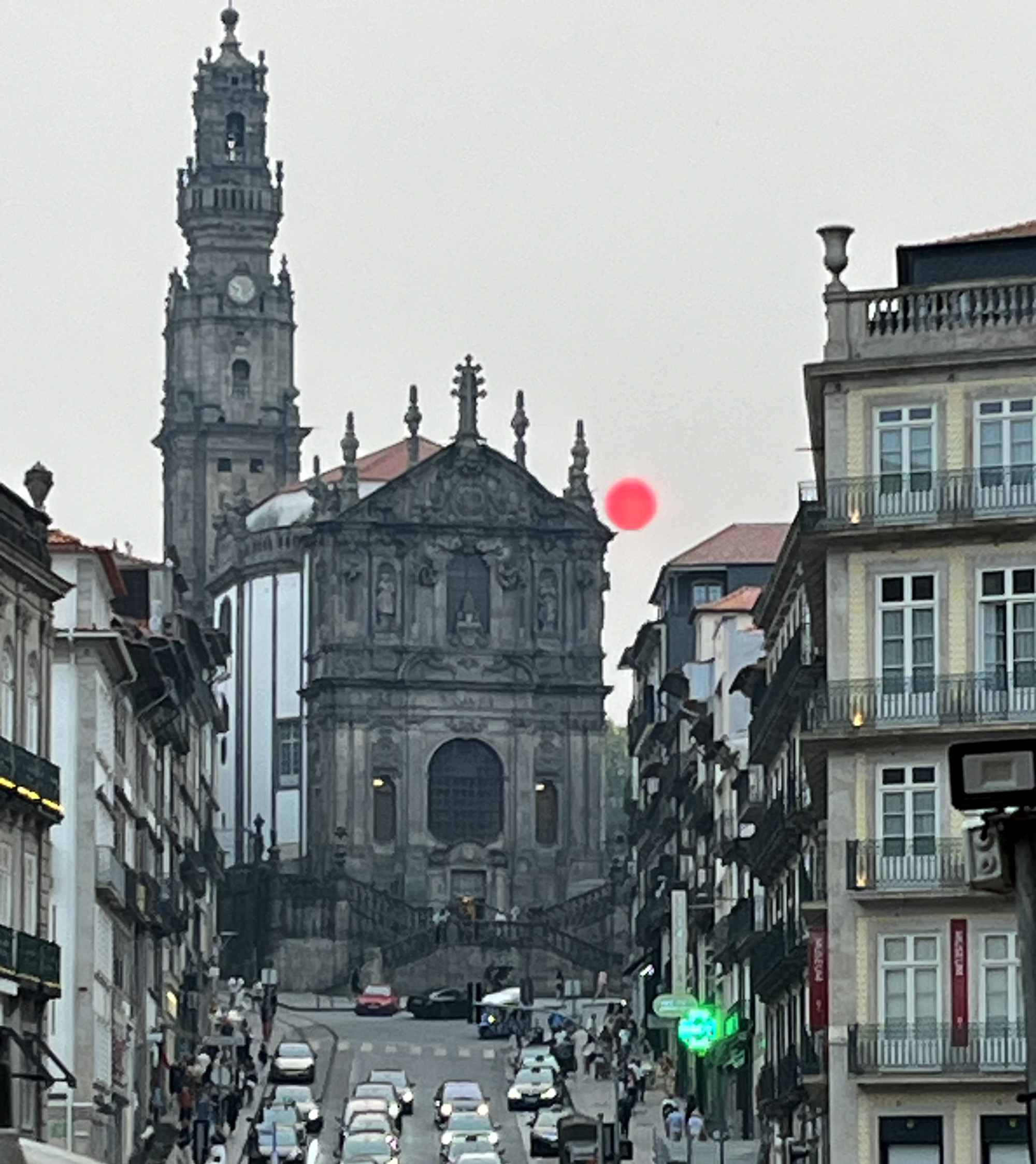
Strange red sun as it set through a curtain of smoke
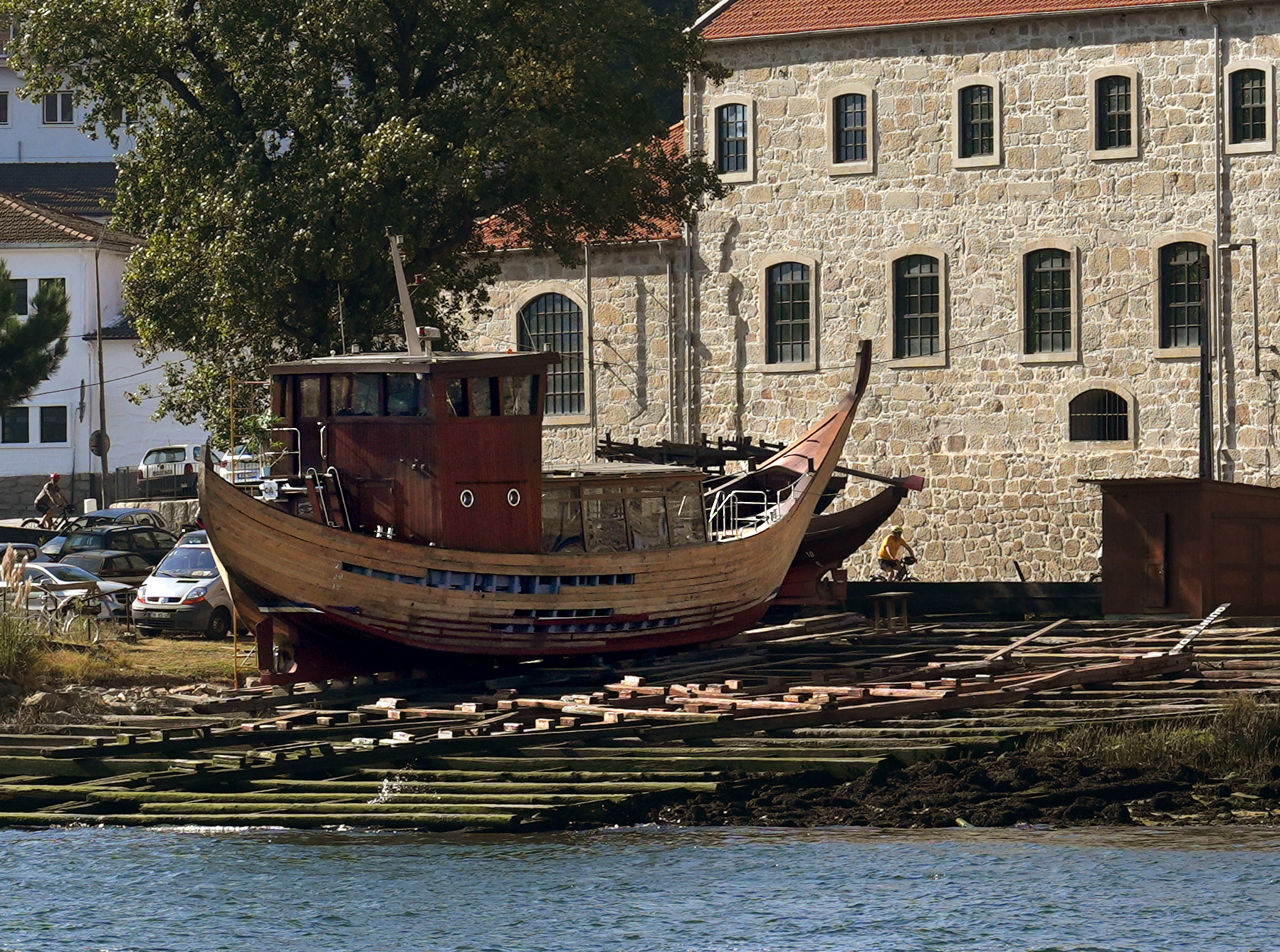
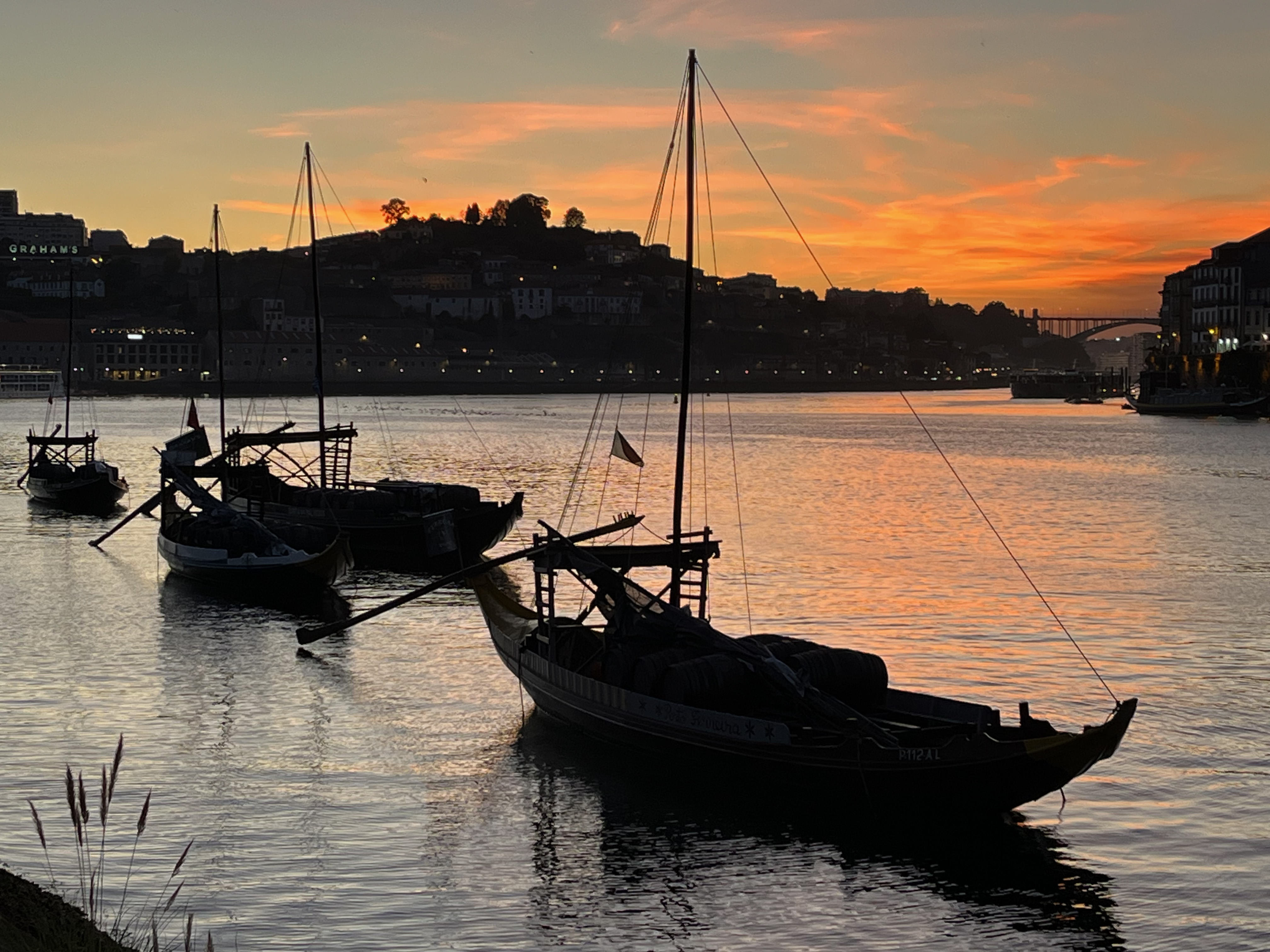
Traditional river boats in Porto are still built and maintained on the riverside slipway
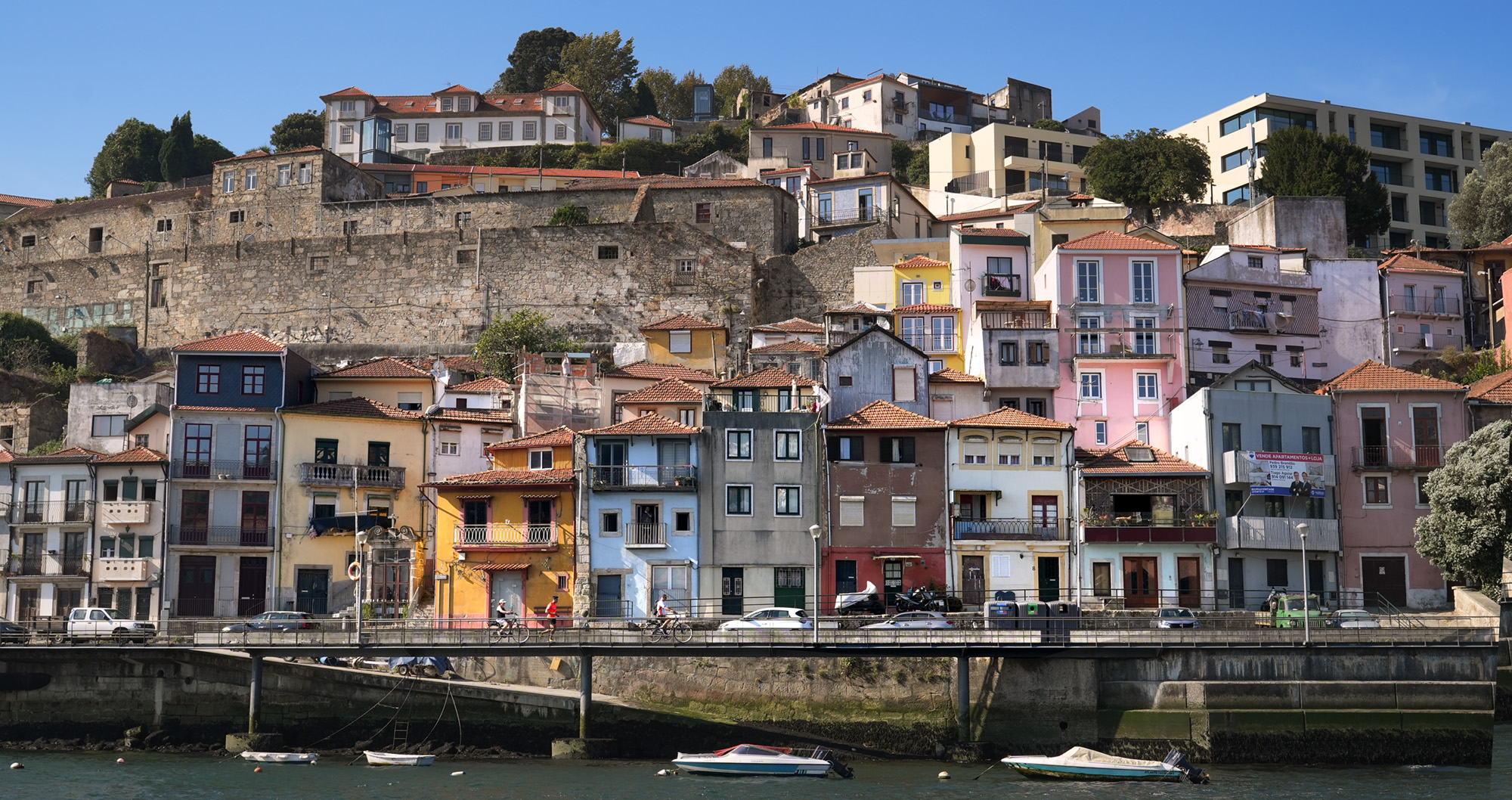
Fantastic old buildings perched along the riverside in Porto
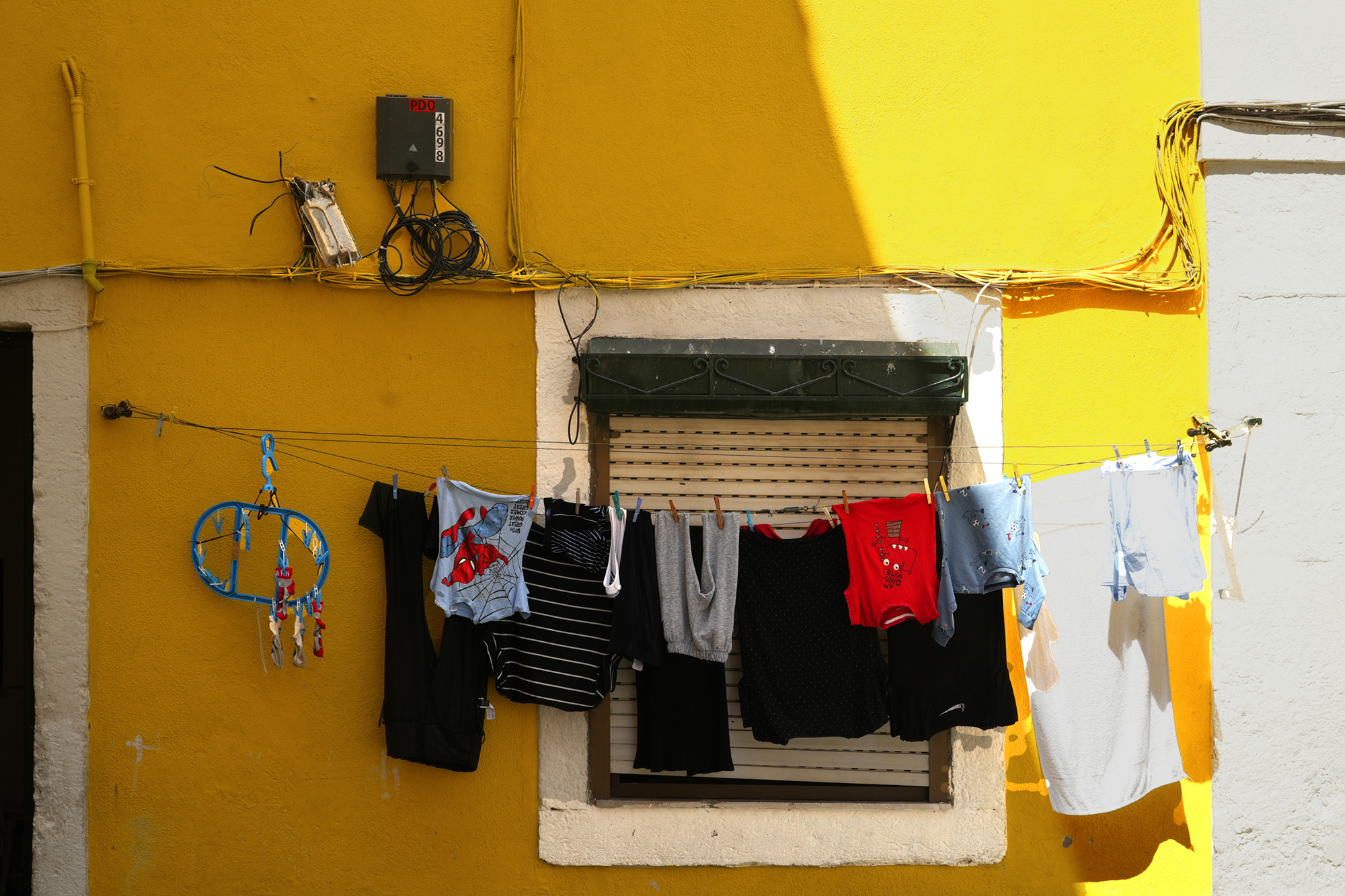
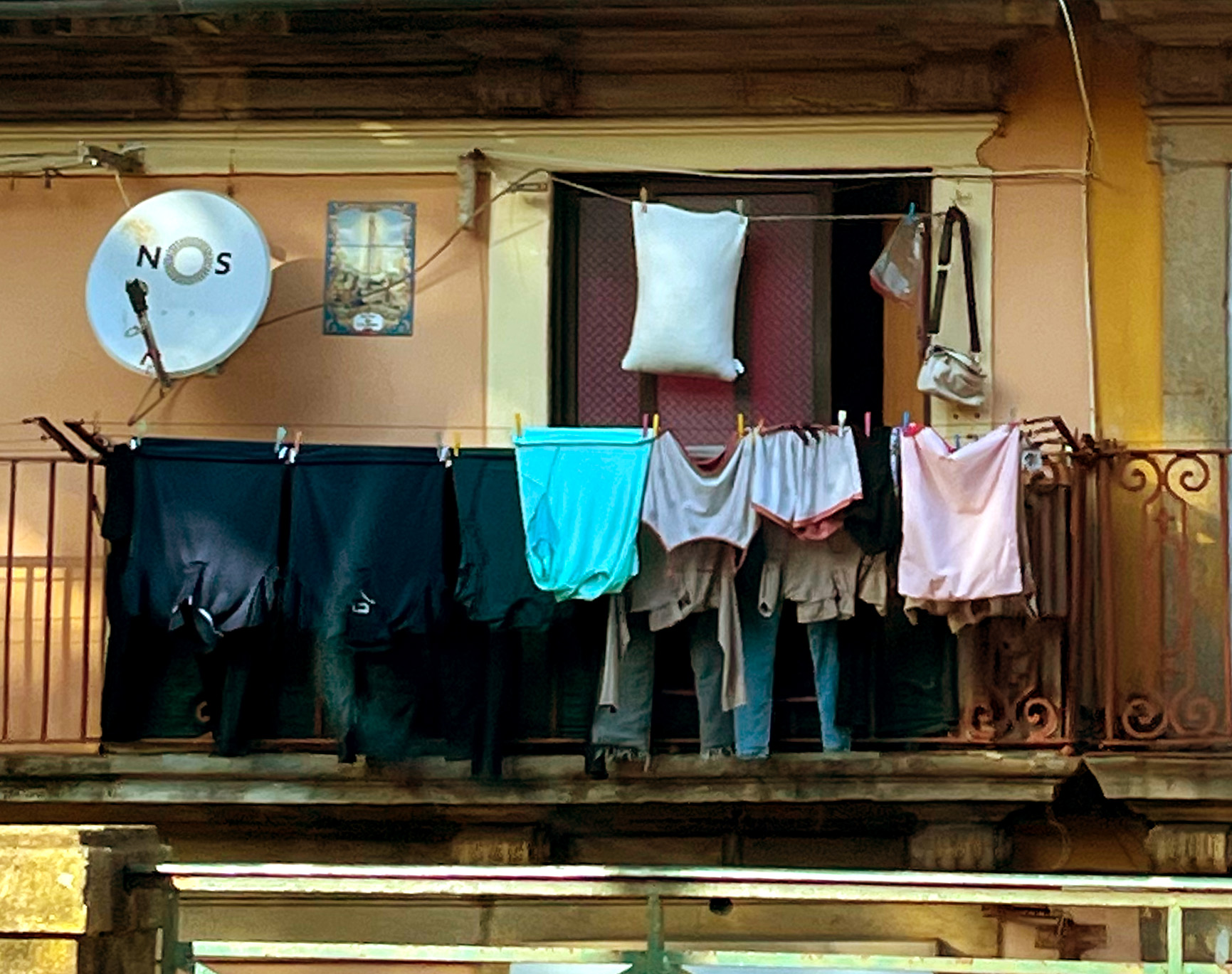
Washing day
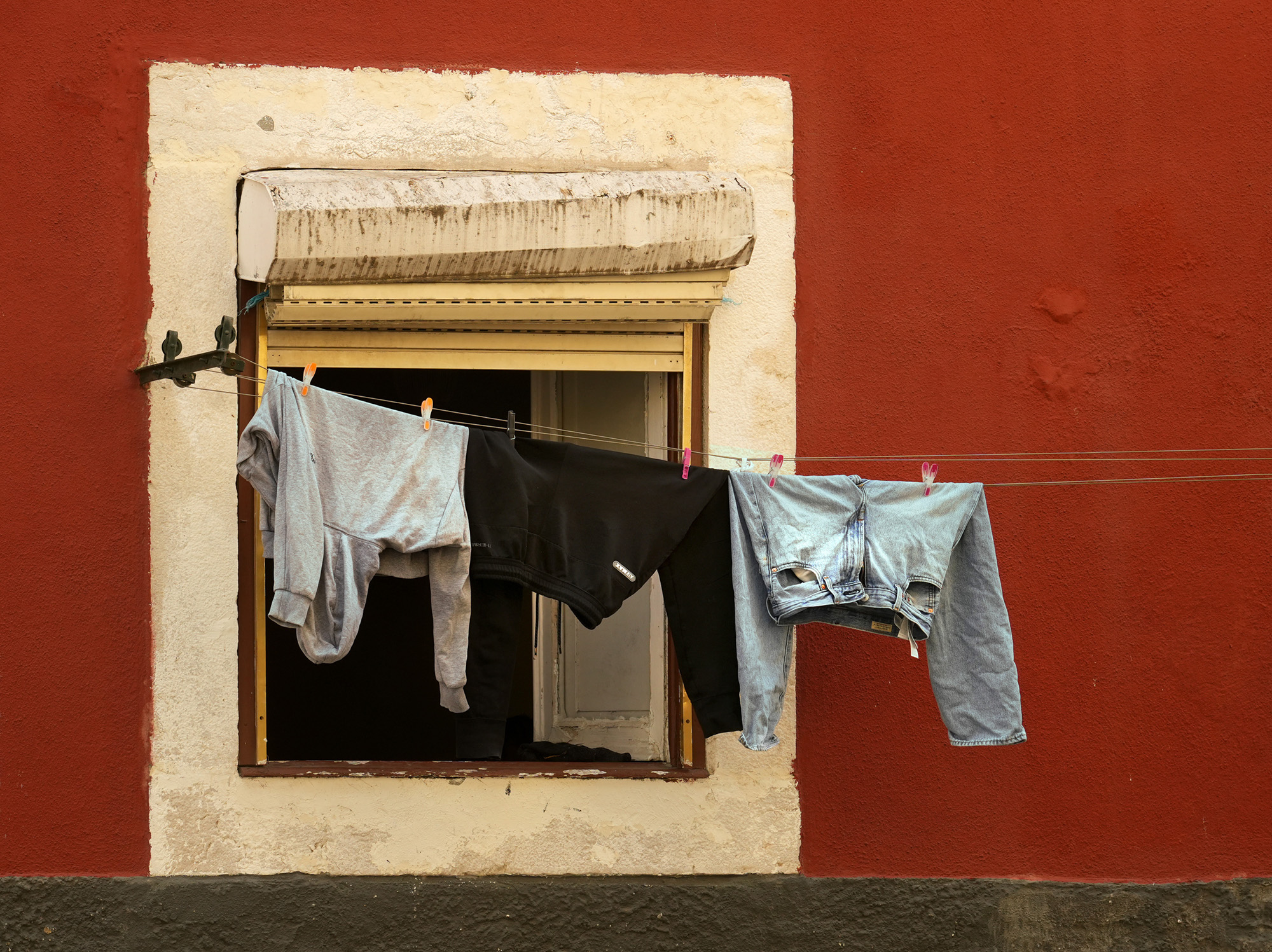
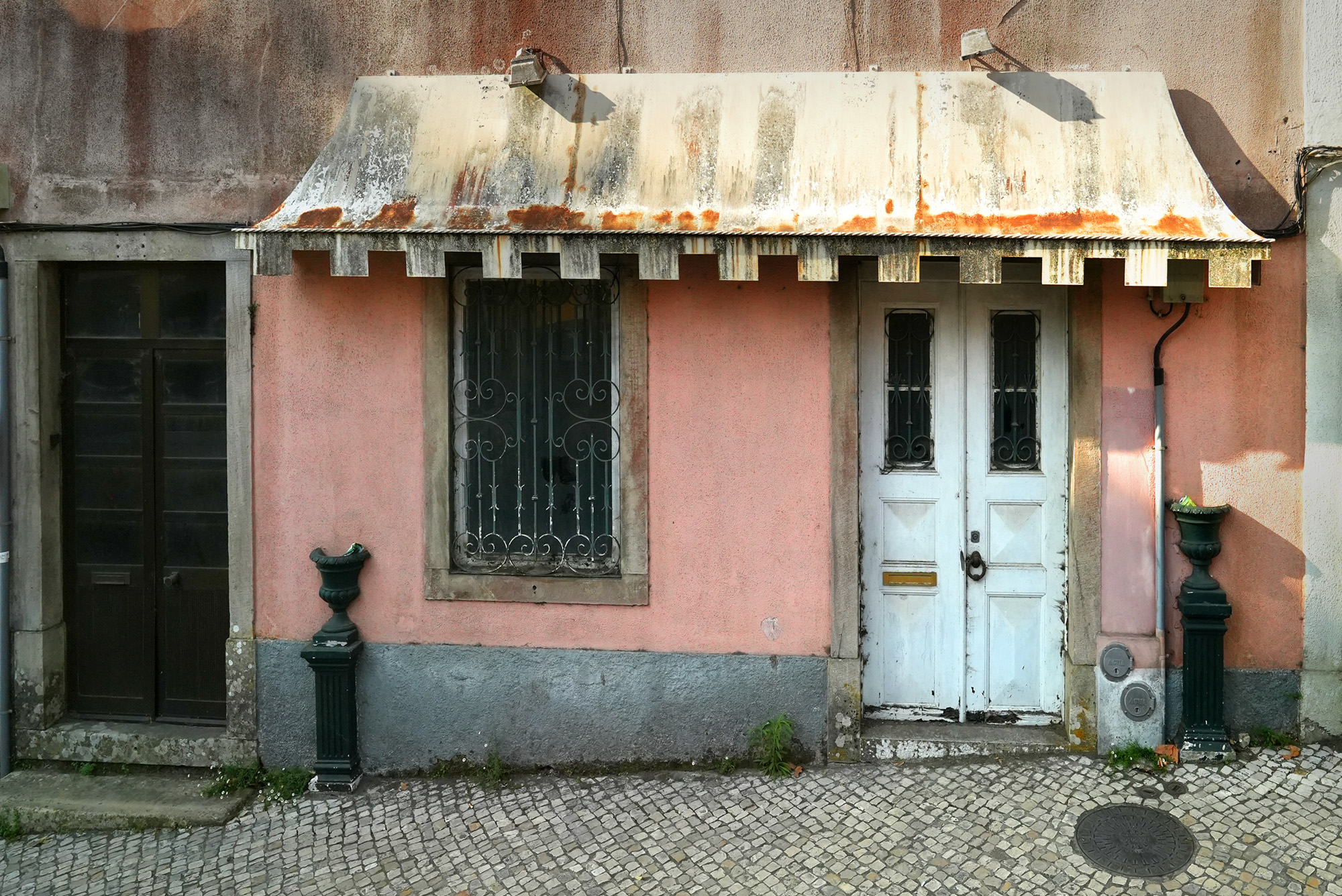
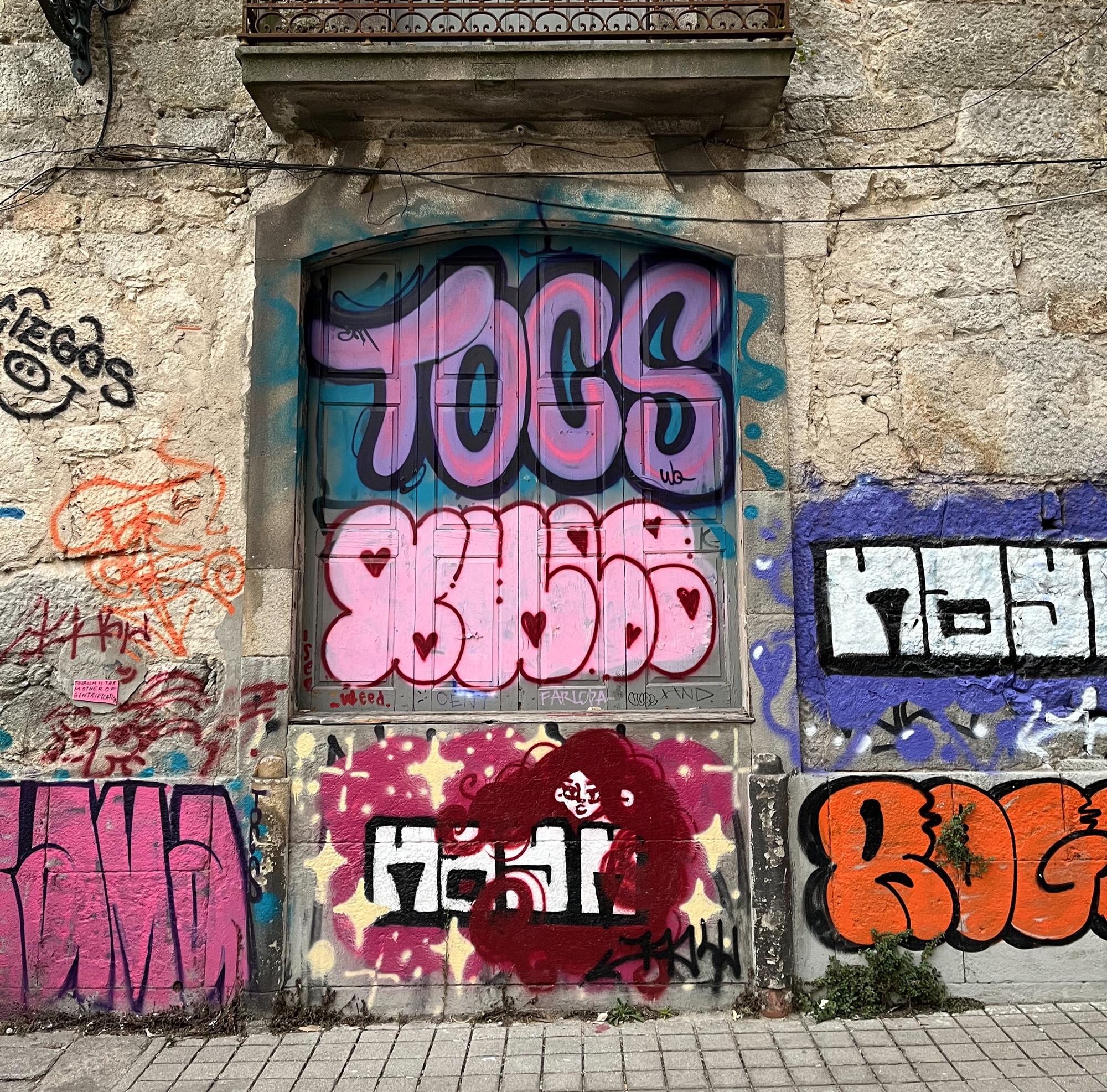
…Cant resist a pink wall
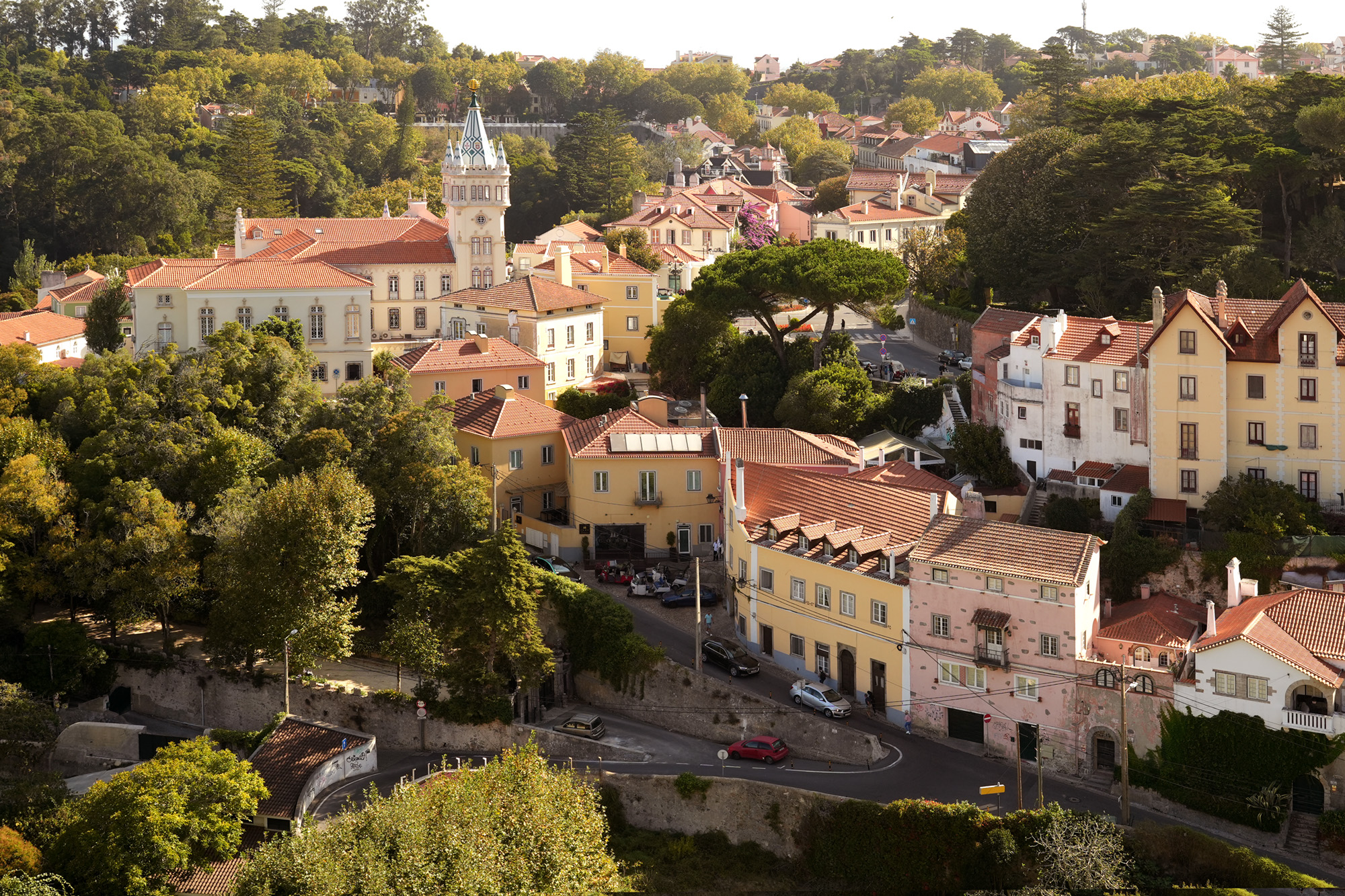
We toured the palace in Sintra then painted in the town square.
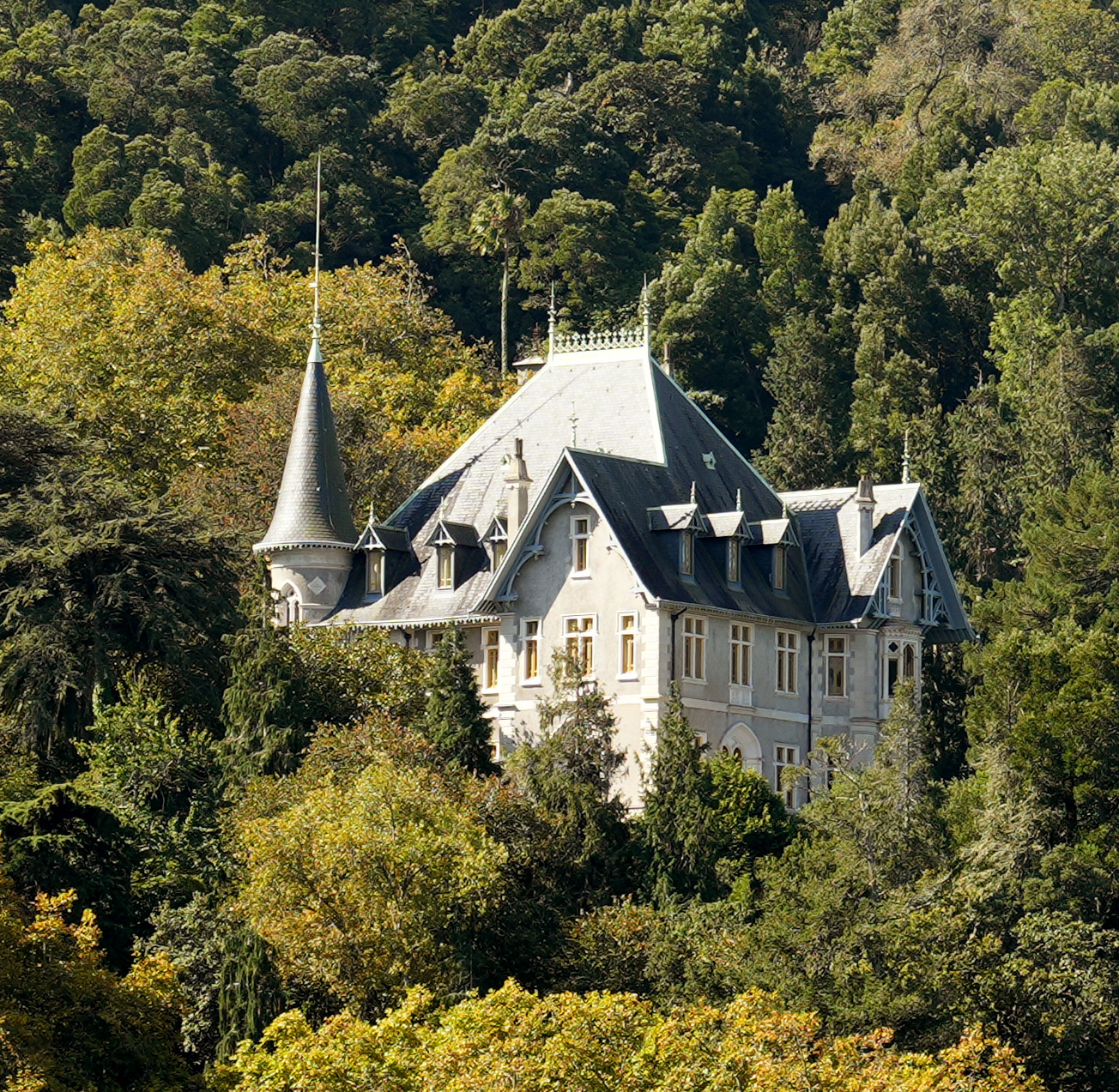
This beautiful building was tucked into the hillside above the town of Sintra
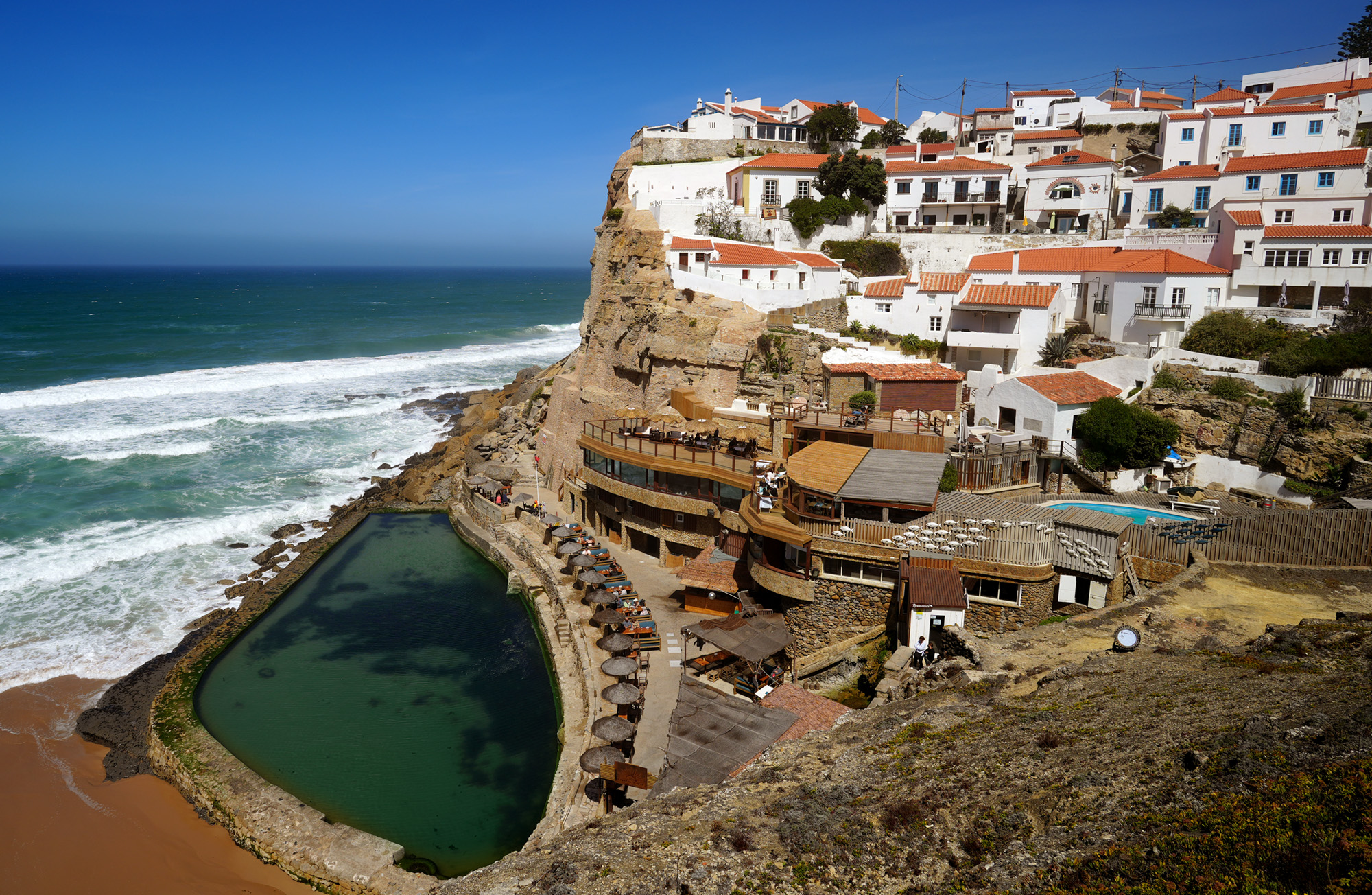
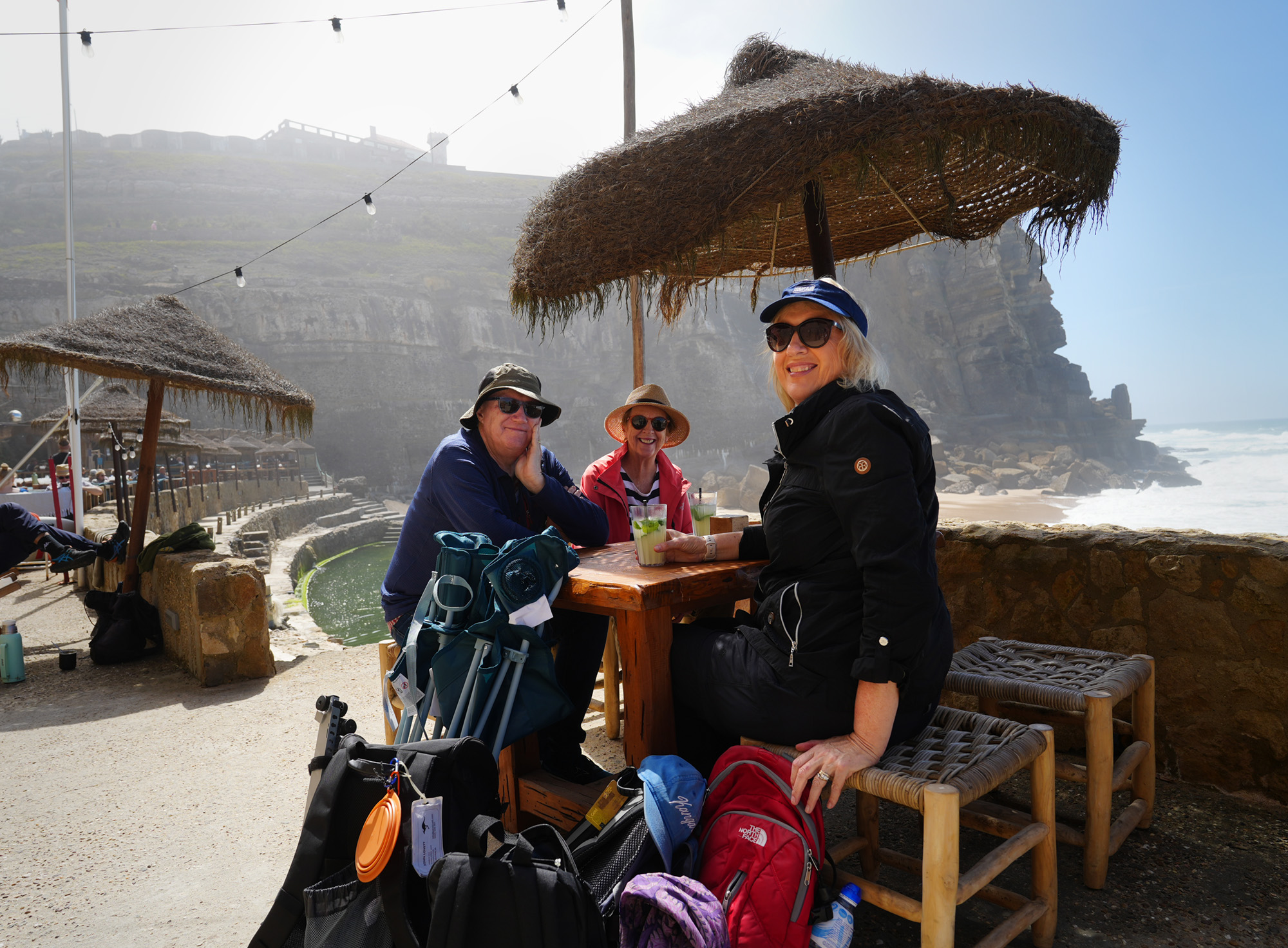
Azenhas do Mar was a beautiful seaside town where we spent a day painting and enjoying the warm coastal weather.
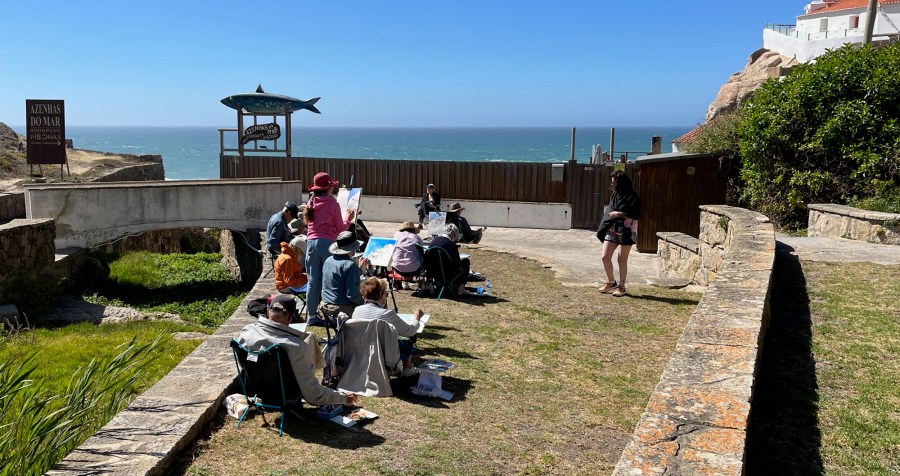
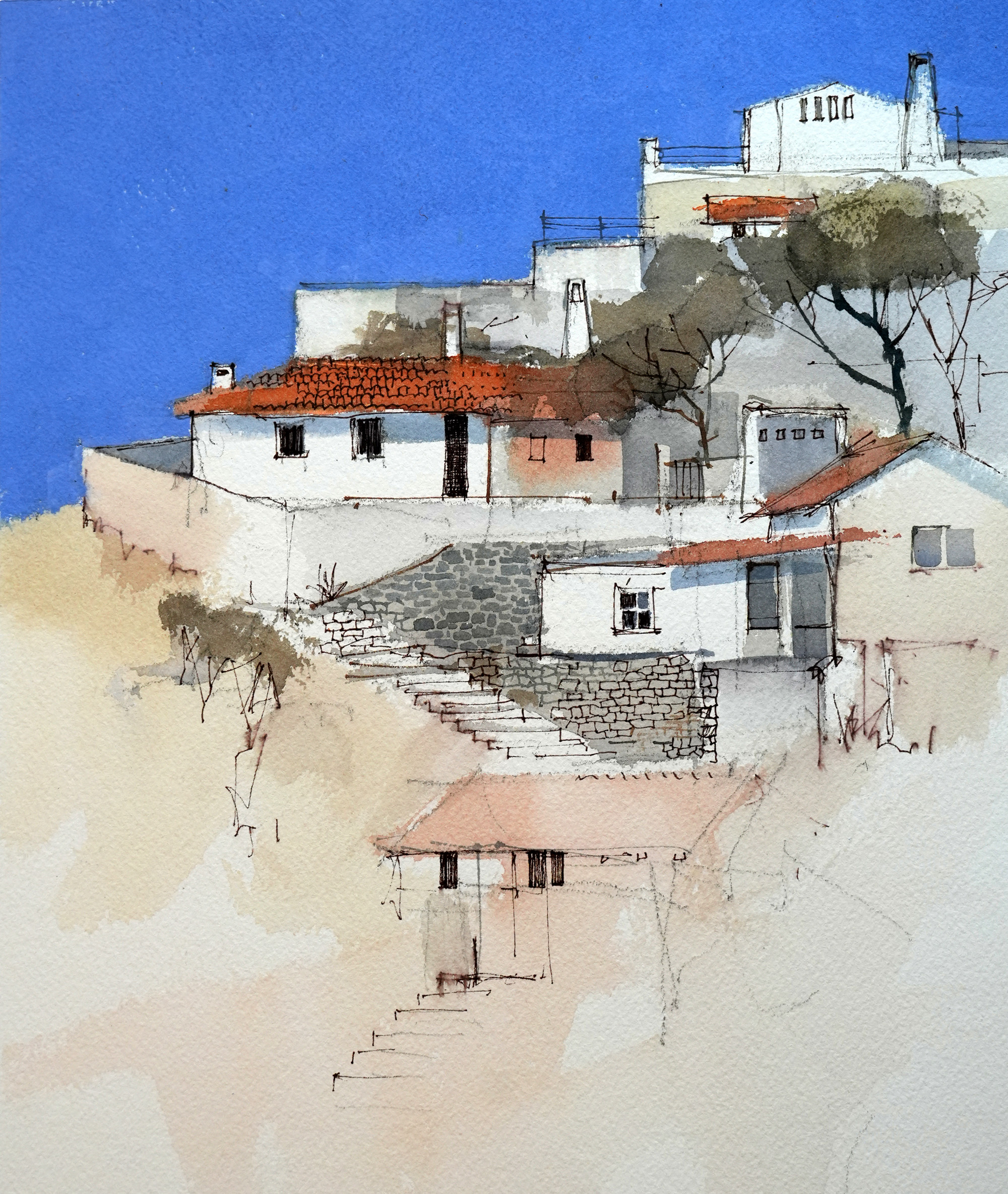
Lunch on the beach with Amanda and Gordon – Azenhas do Mar
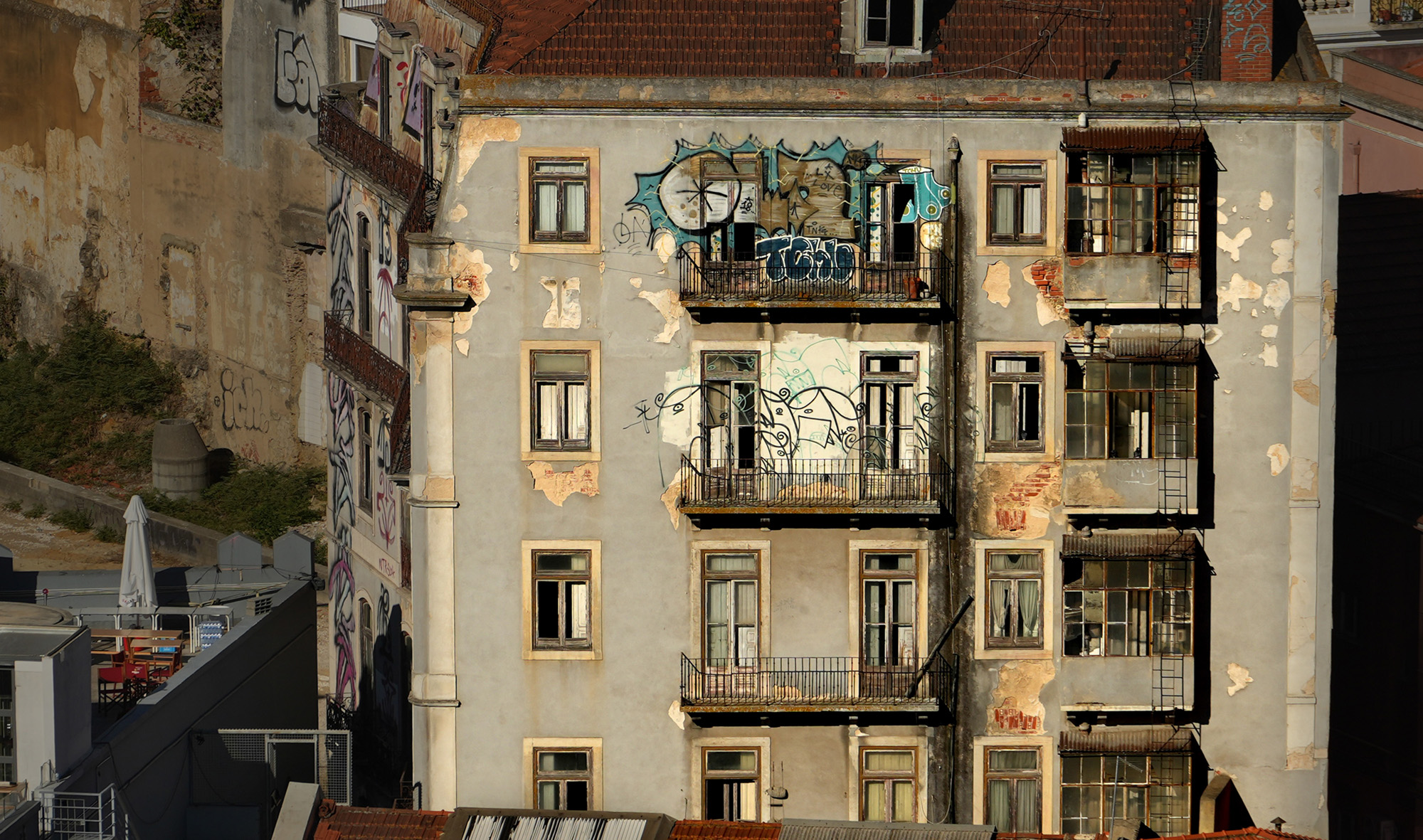
Most abandoned buildings eventually attract a coating of graffiti
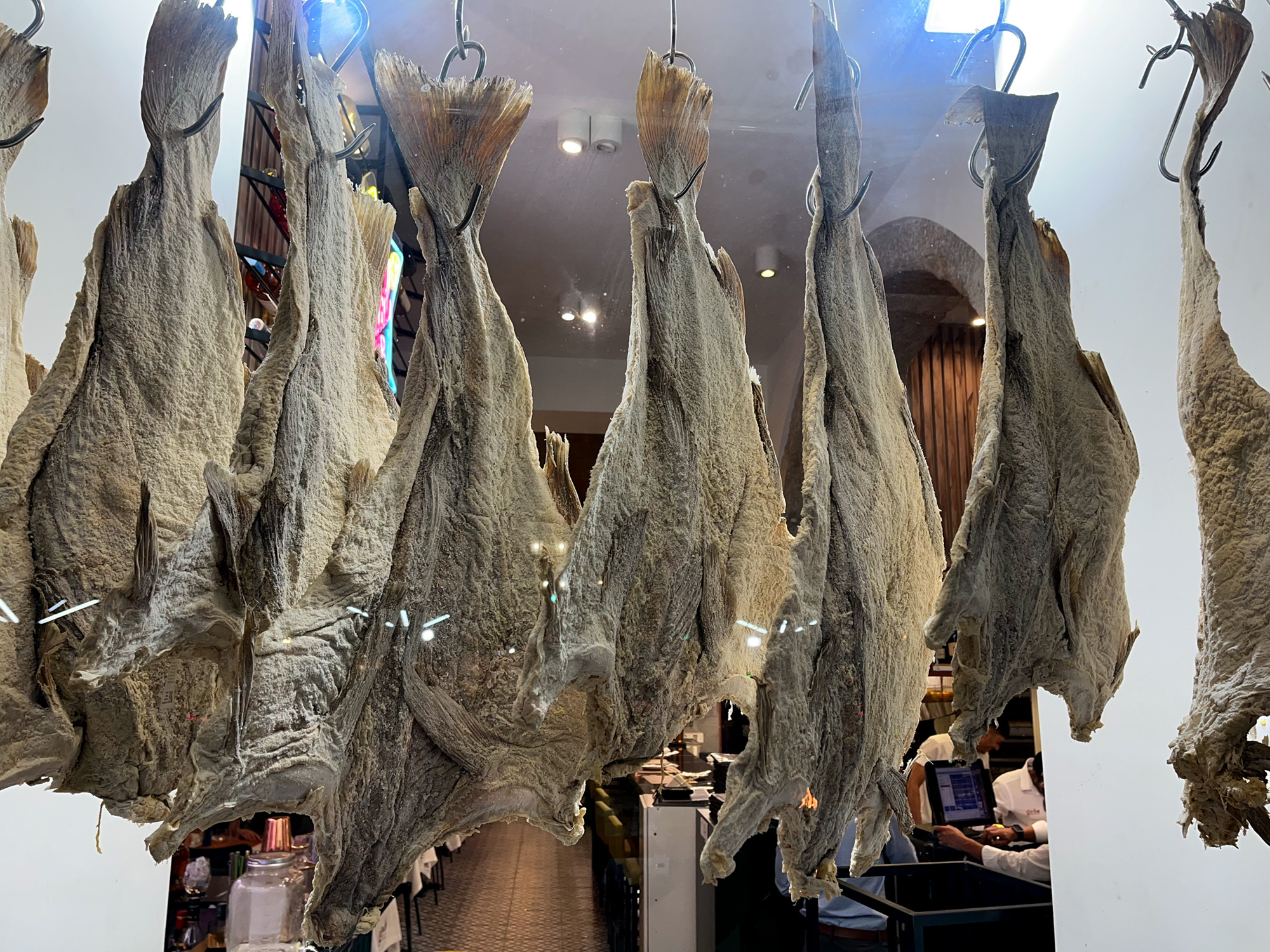
Dried, salted Cod waiting to be turned into a tasty delicacy.
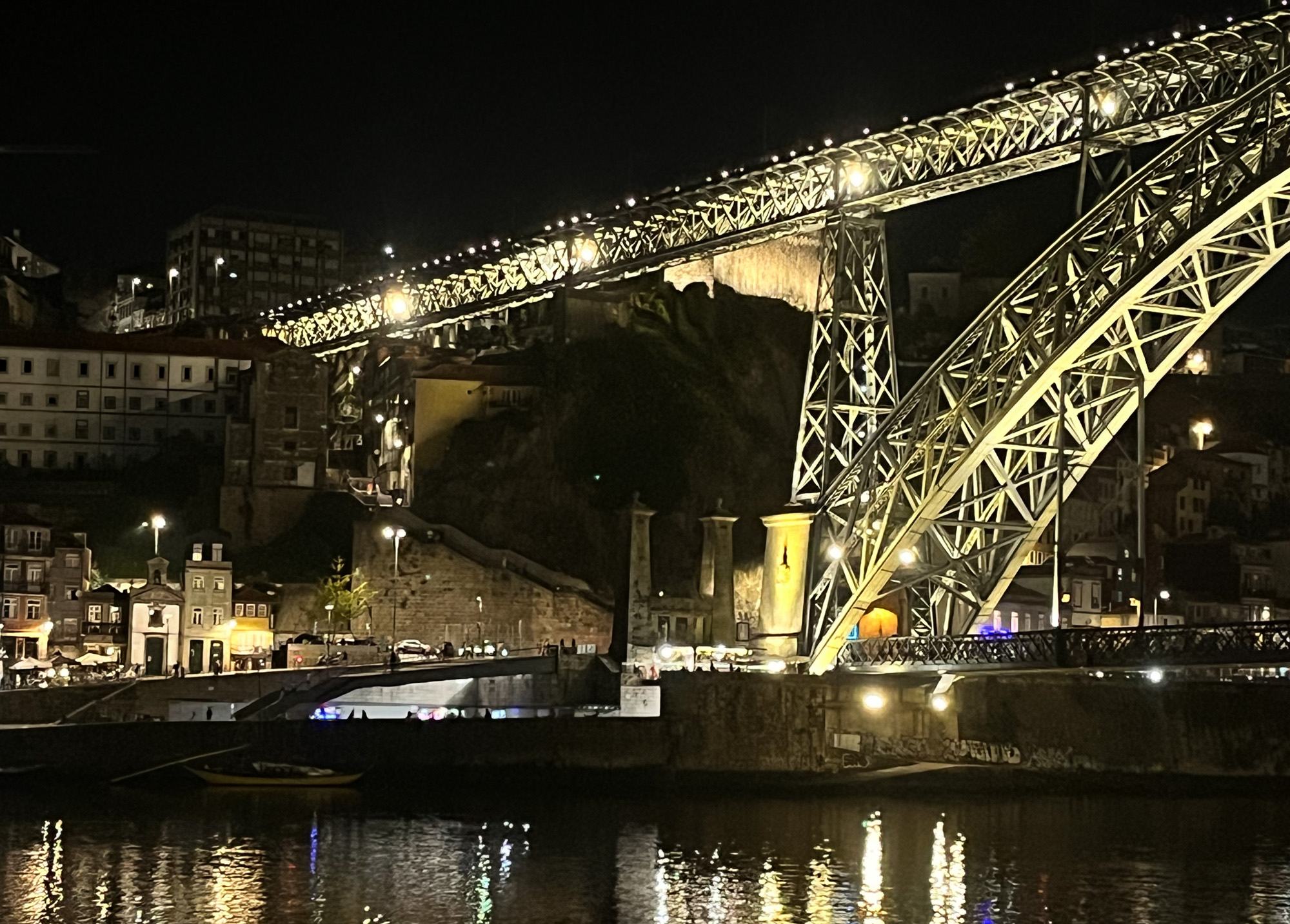
Bridge over the Douro River in Porto.
PAINT AFRICA

Join me in May 2025 for a fabulous painting, sketching and sight seeing journey through Africa.  

Be inspired by the animals in Chobe National Park, the architecture of South Africa and the splendour of Victoria Falls

Click Here For Details

TASMANIA

What a lot of fun, six weeks of workshops and travel in Tasmania. We had two workshops in Hobart and one traveling from Launceston to Smithton then on to Strahan and finally back to Hobart. We were spoilt with fabulous food, great accommodation, wonderful company and a coach to take us to the numerous painting locations.

We had some great painting locations and also did a lot of sketches.

While in Hobart we traveled down to the village of Franklin – Famous for it’s wooden boats

Beautifully built from Huon Pine

Life on the river

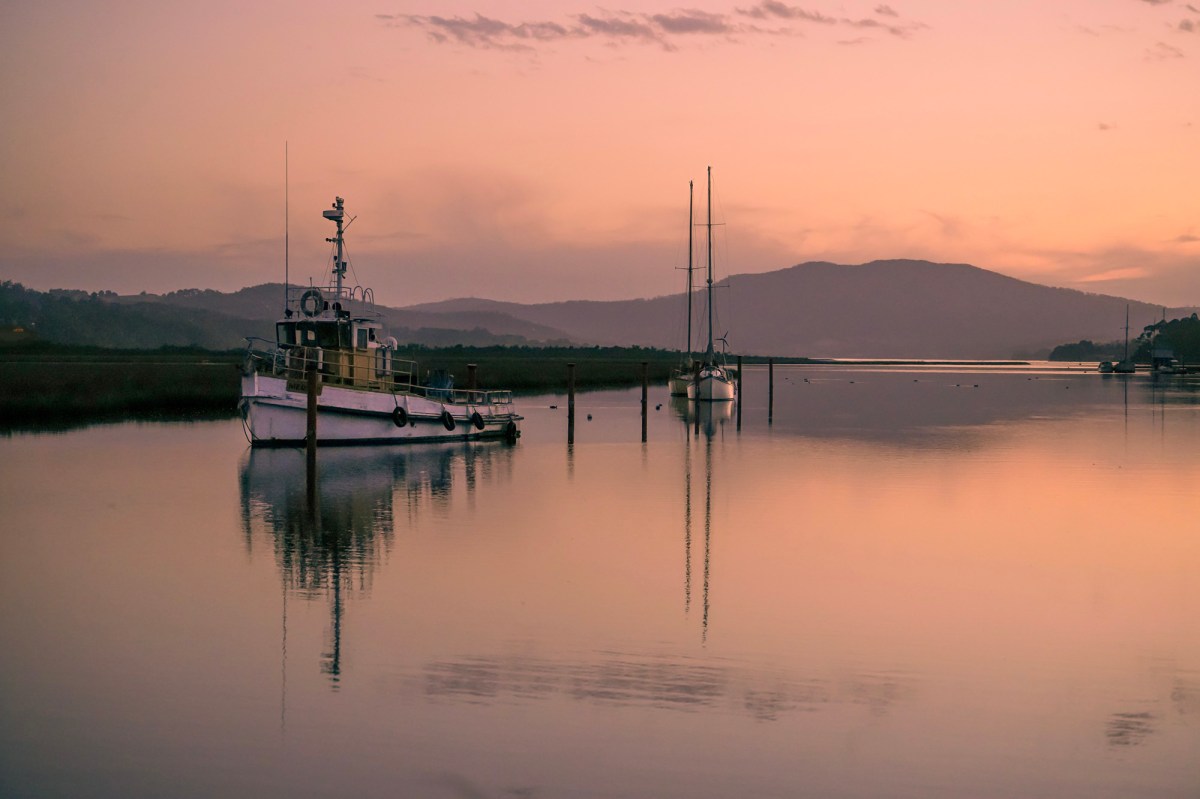
Late afternoon light was amazing.

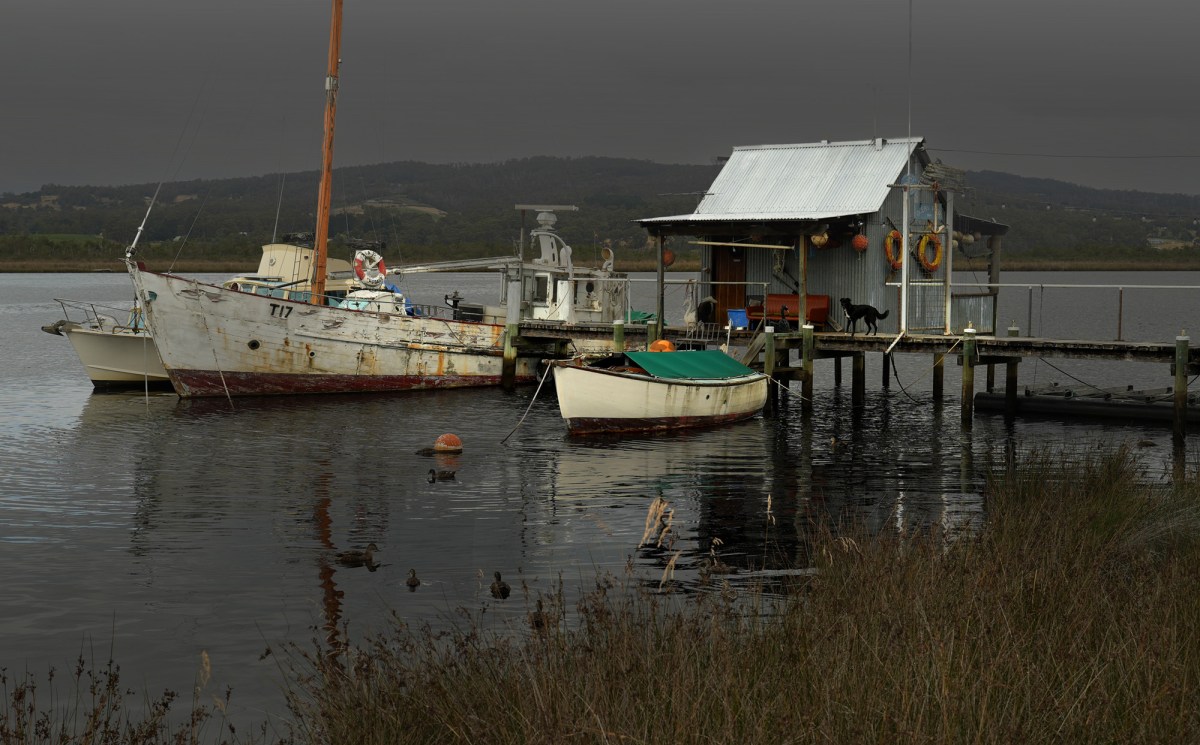
The old boathouse where wooden boats are built and repaired.

Parked carefully in a shed, this old Suzuki still has a lot of life in it yet.

I cant resist photographing houses painted this crazy green

Strahan Evening

Strahan early in the morning

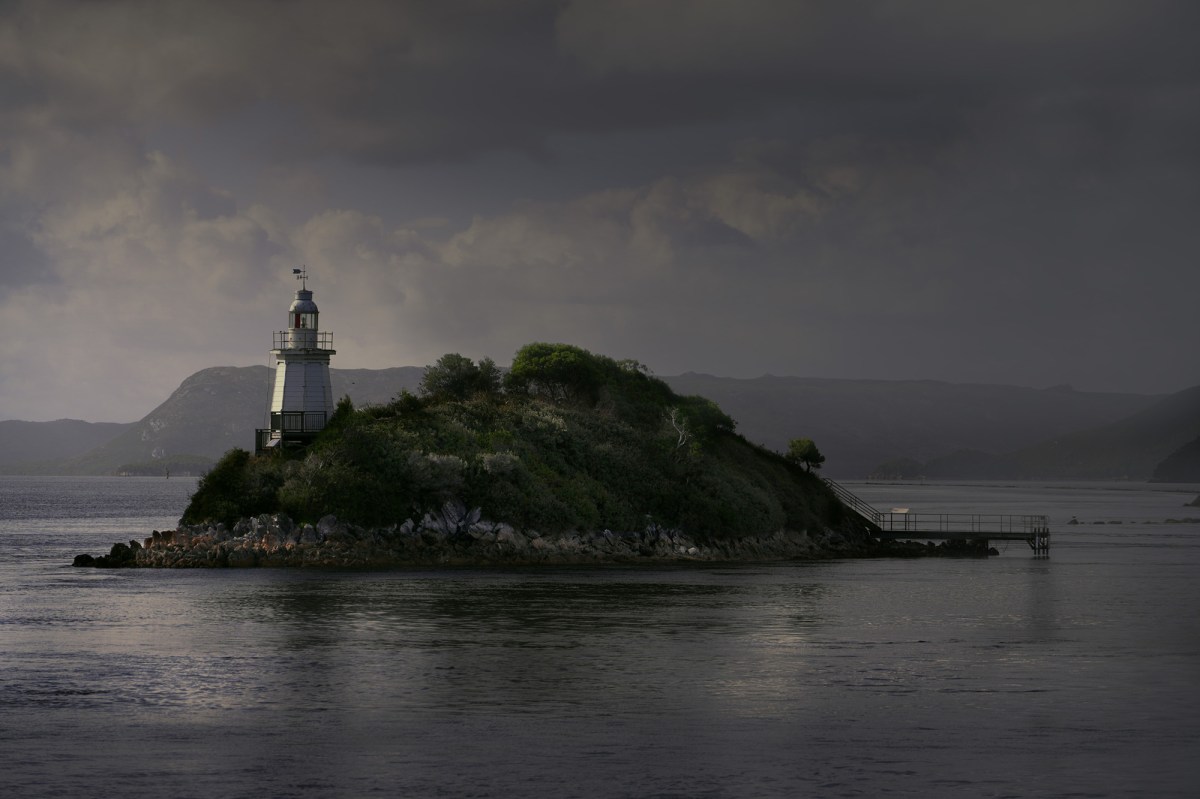
Hells Gate lighthouse

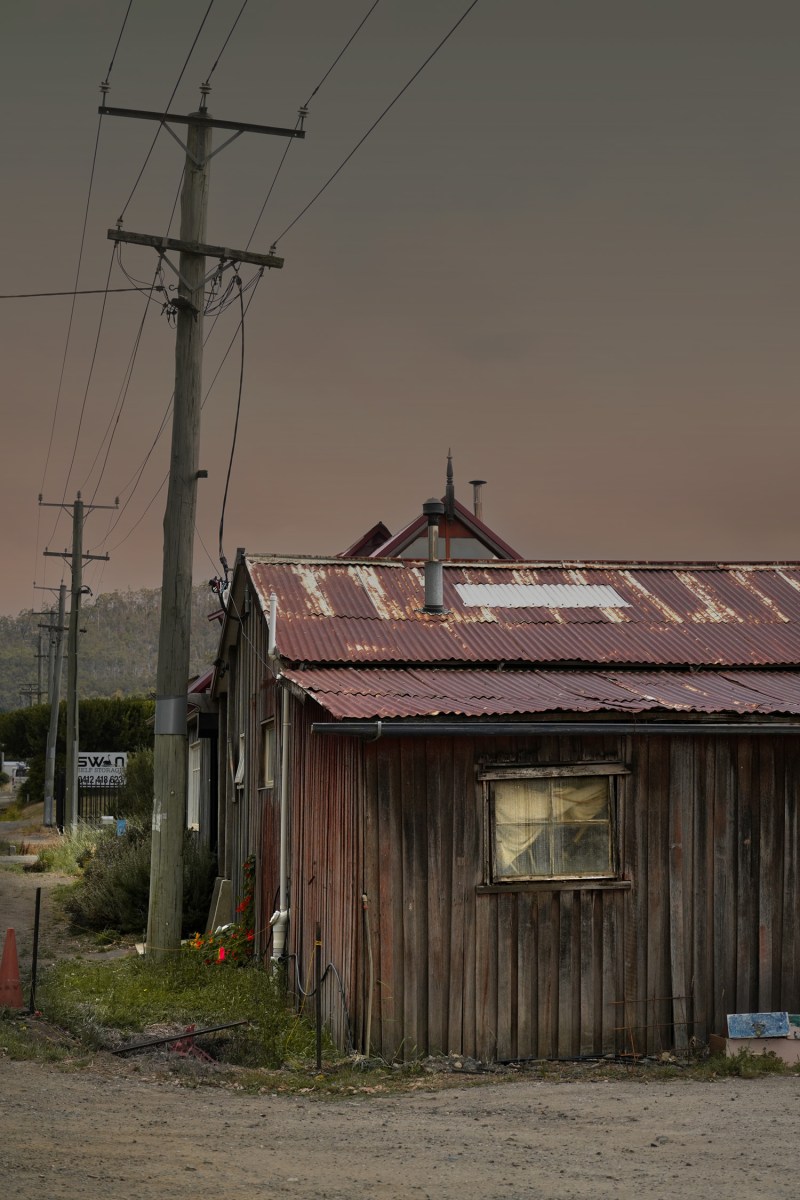
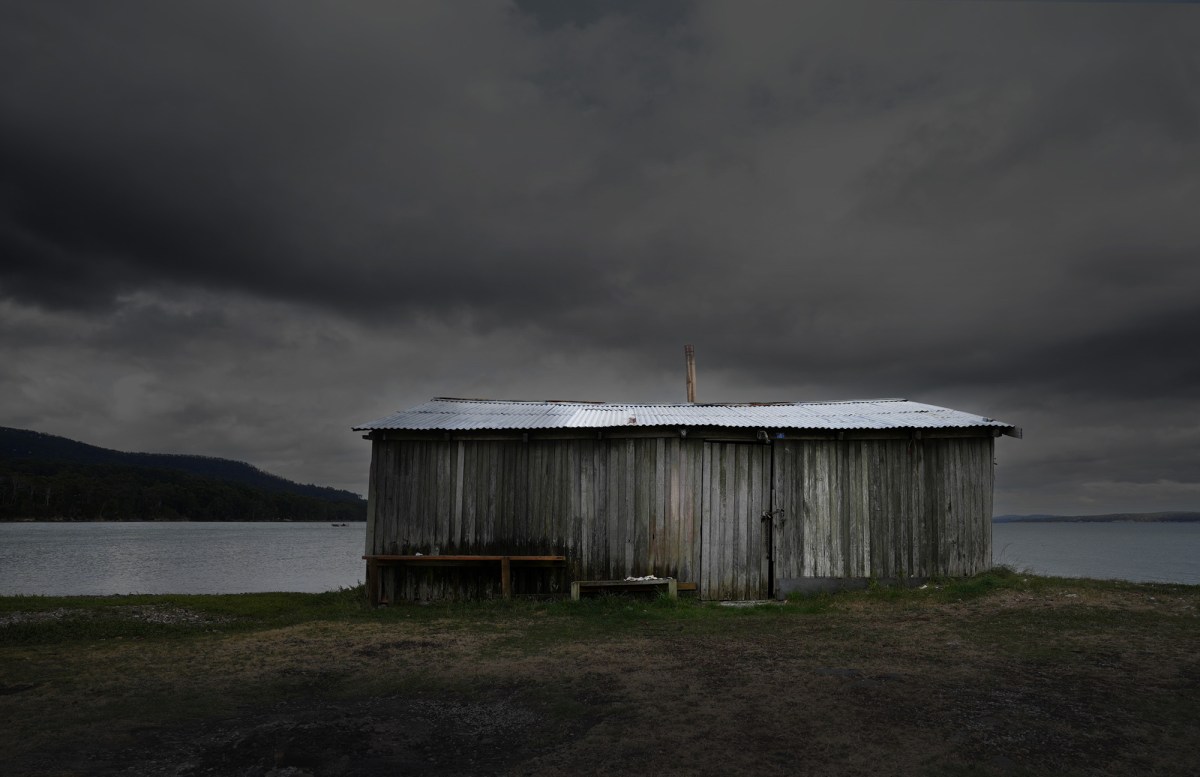
There are some fantastic old wooden boat sheds, apple sheds and huts south of Hobart – some in better condition than others.

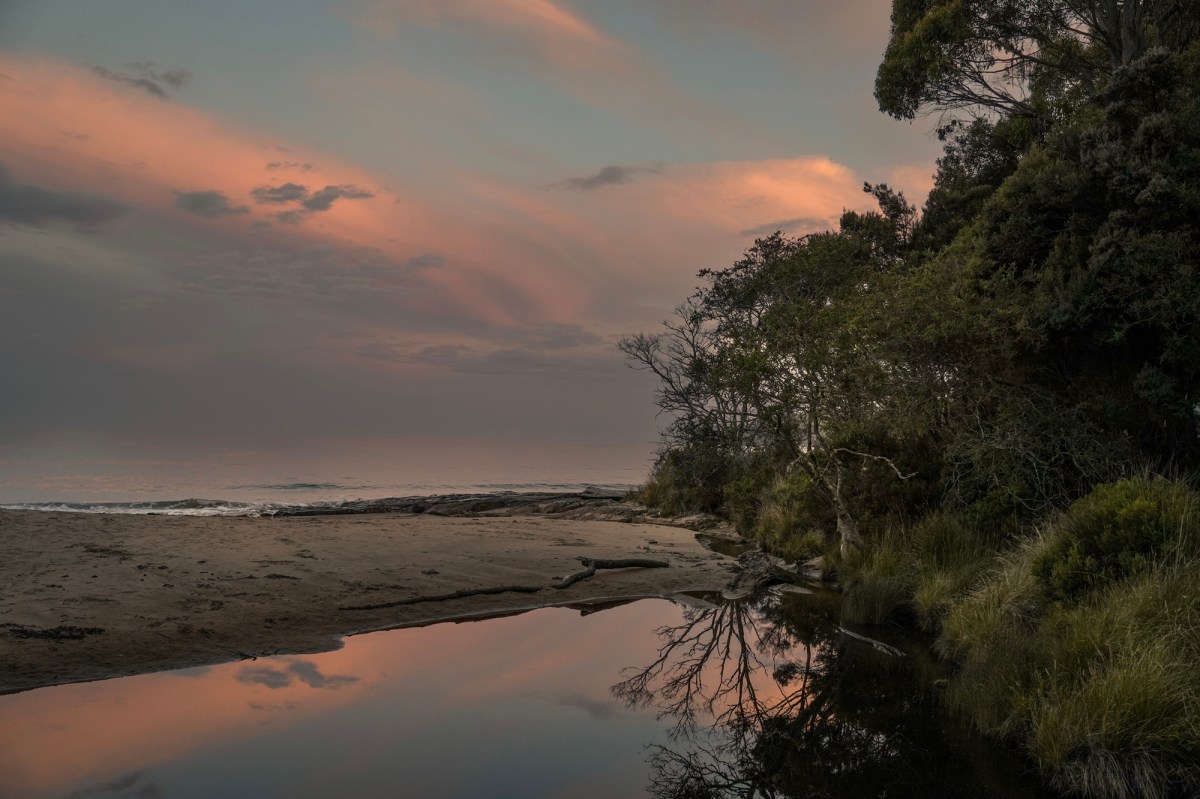
After the workshop Dianne and I drove down to Cockle Creek, the southern tip of Tasmania. Great camping spots, beautiful beaches and inlets.

We were lucky to see this Spotted Quoll out foraging

Great birdlife too.

Tasmania is a great place to travel. It is small and easy to get around, it has a huge variety of attractions. We travelled from the cold dramatic Western Tiers and Highland Lakes down to the sunny comfort of the coast in a couple of hours. The forests of the extreme south are unspoilt and beautiful. Tasmania’s history is dramatic and well preserved, and the state has some of the best food, wine and beer in Australia.

Well worth a visit.

NZ South Island

Two workshops, back to back, in the beautiful South Island of New Zealand. What a treat, the weather was surprisingly kind to us and the scenery spectacular.

© John Lovett 2023

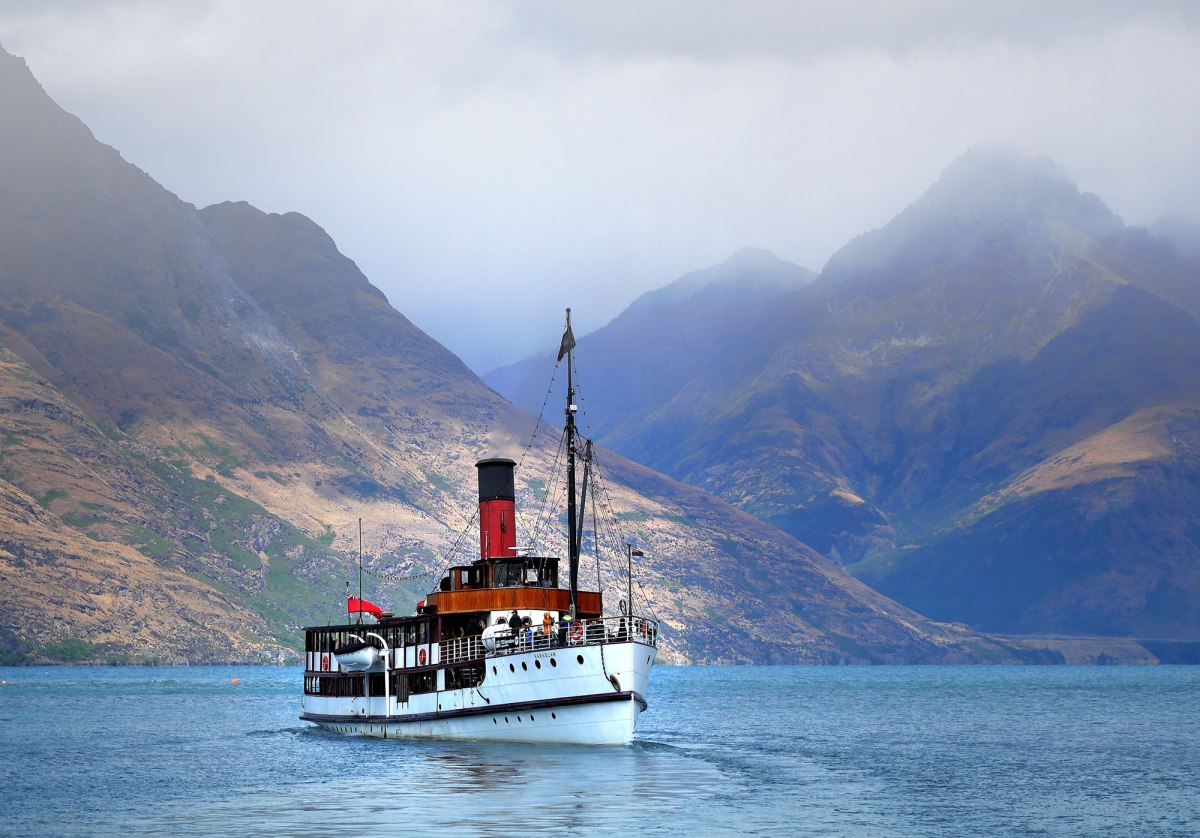
Queenstown was our starting point. This old steam powered launch, The Earnslaw, cruises up and down the lake

© John Lovett 2023
© John Lovett 2023

Painting on the shore of Lake Wakatipu.

© John Lovett 2023

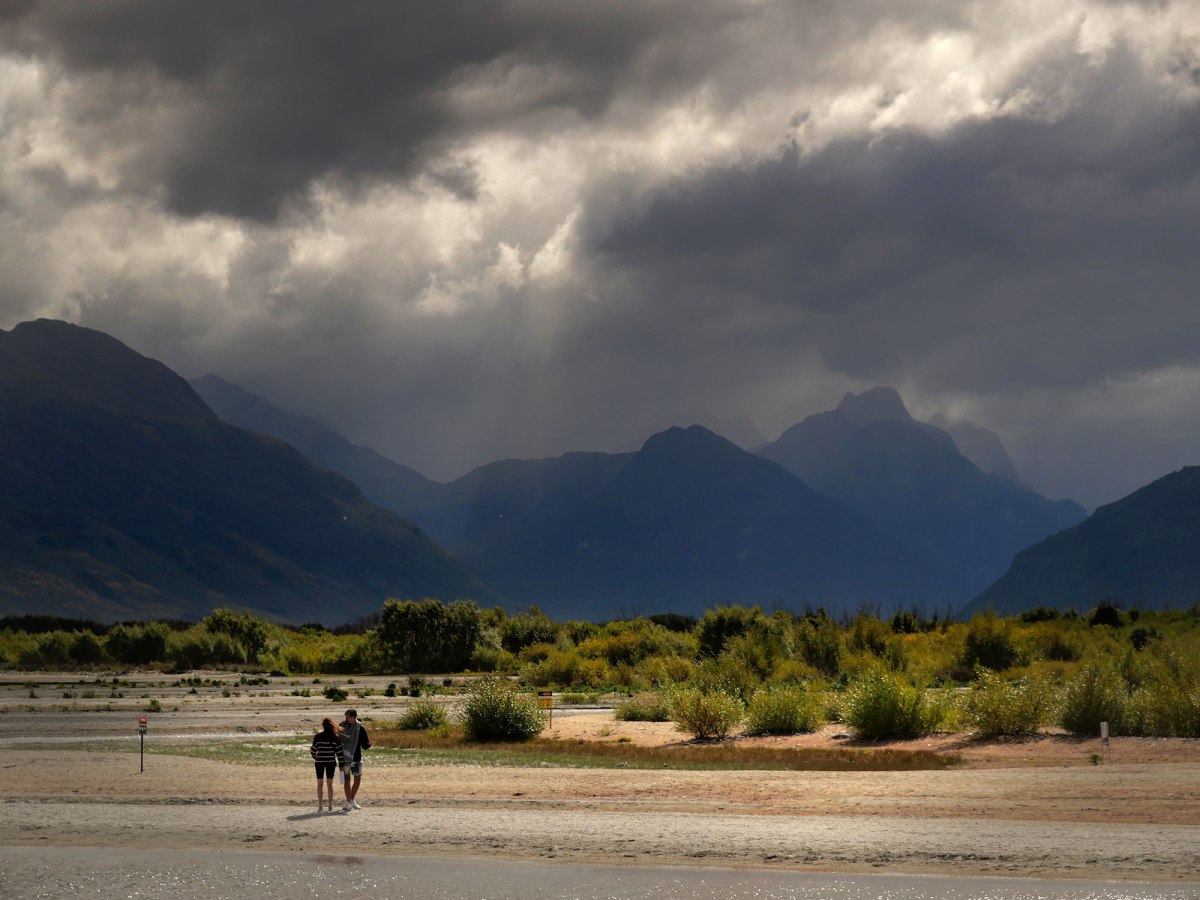
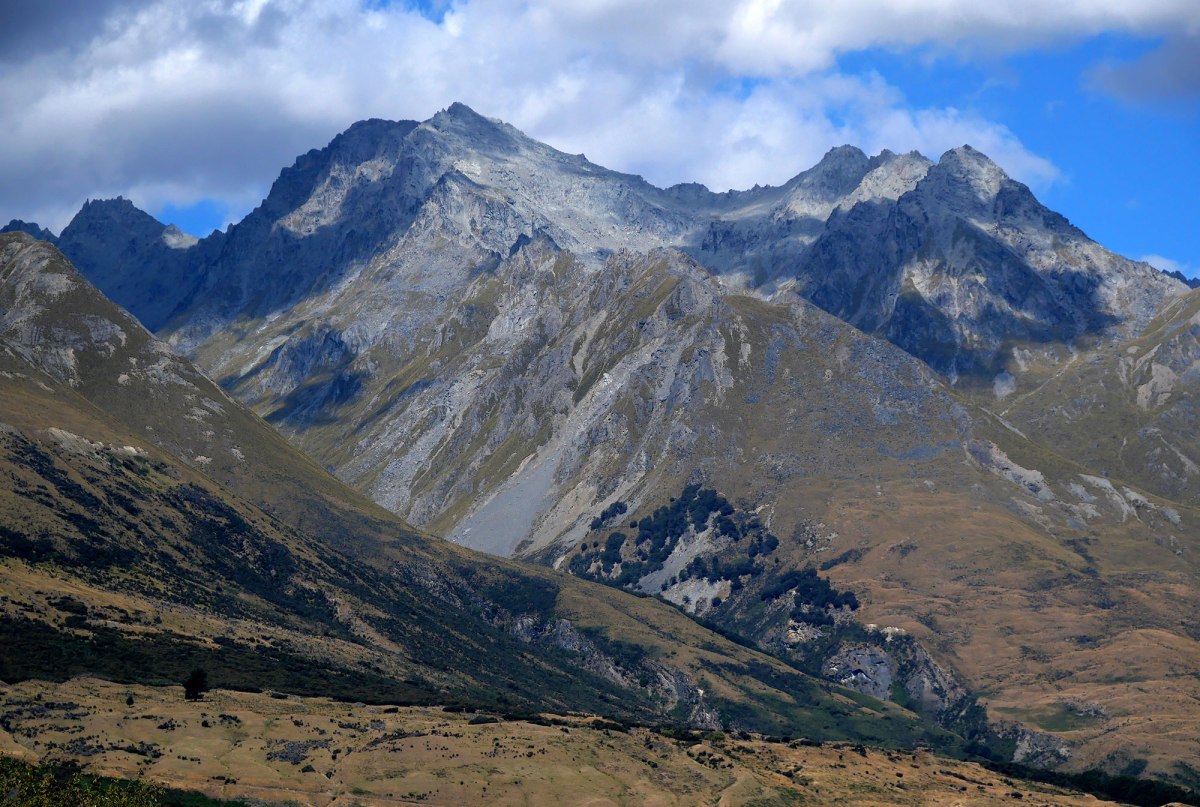
Glenorchy Mountains

© John Lovett 2023

Lake Wakatipu along the road to Glenorchy

© John Lovett 2023

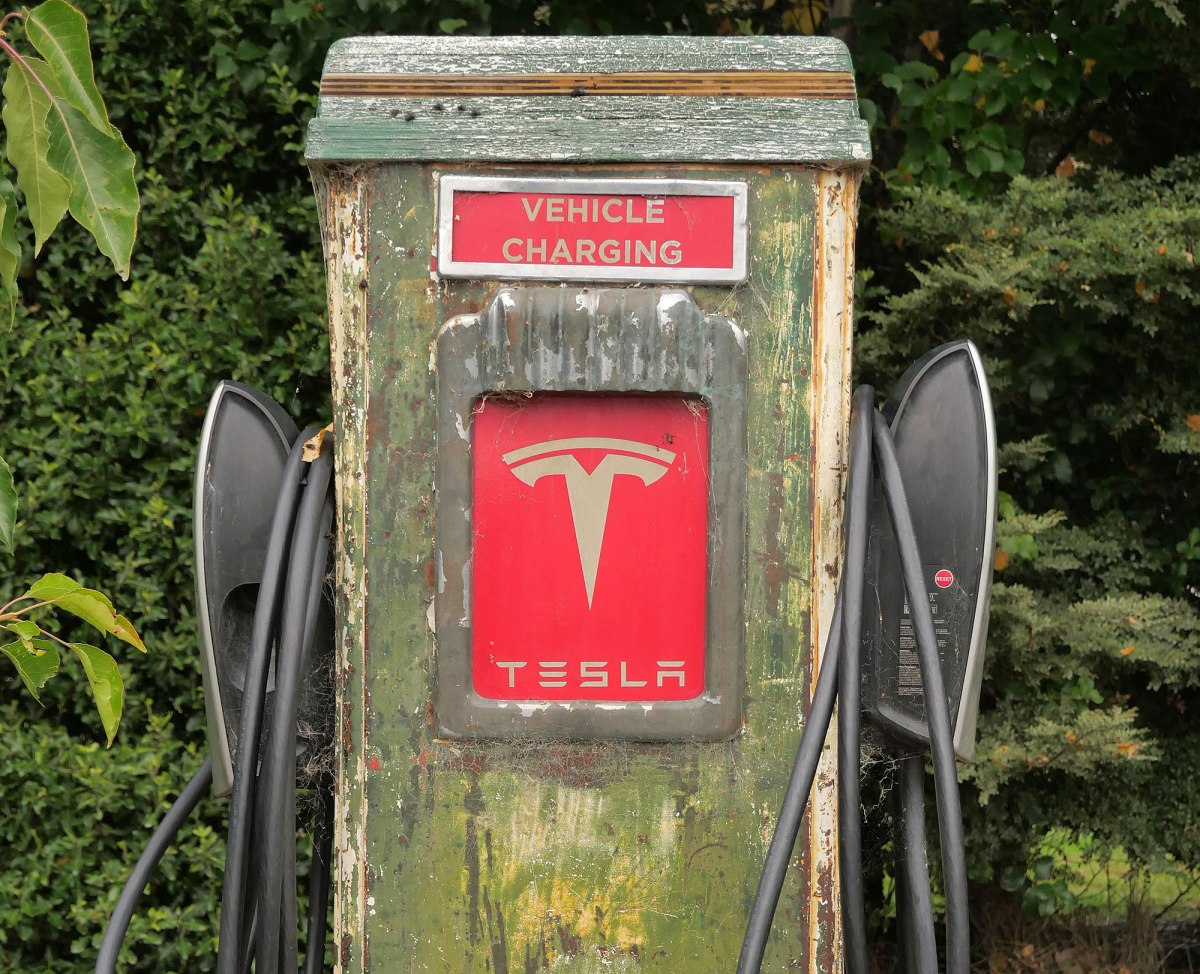
Petrol bowser recycled – Cardrona

© John Lovett 2023

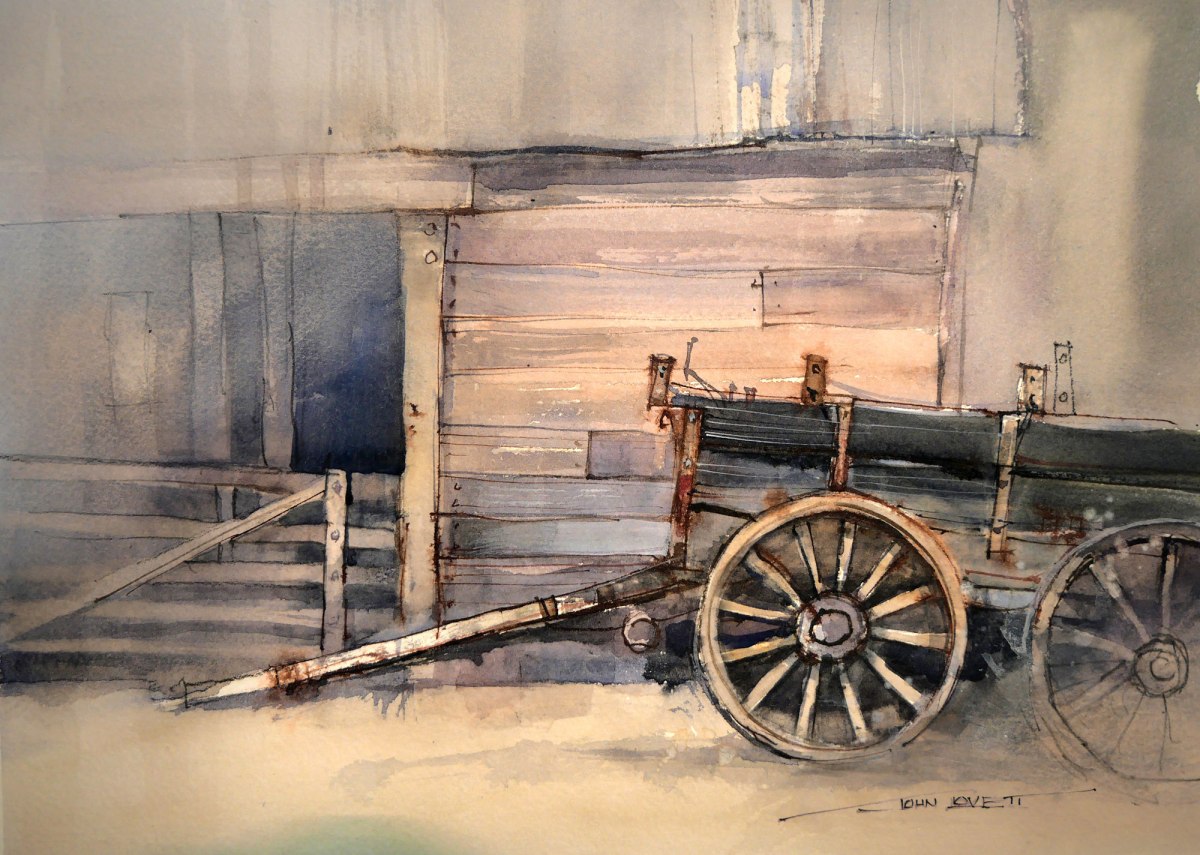
Old timber shed and wagon out the back of Cardrona Pub

© John Lovett 2023

Winter wood supply – Cardrona Pub

© John Lovett 2023

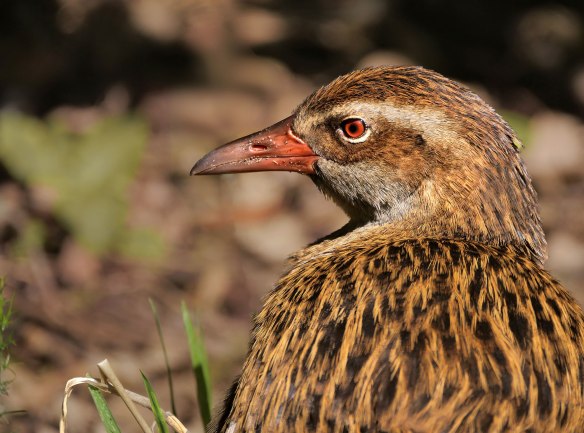
NZ Woodhen

© John Lovett 2023

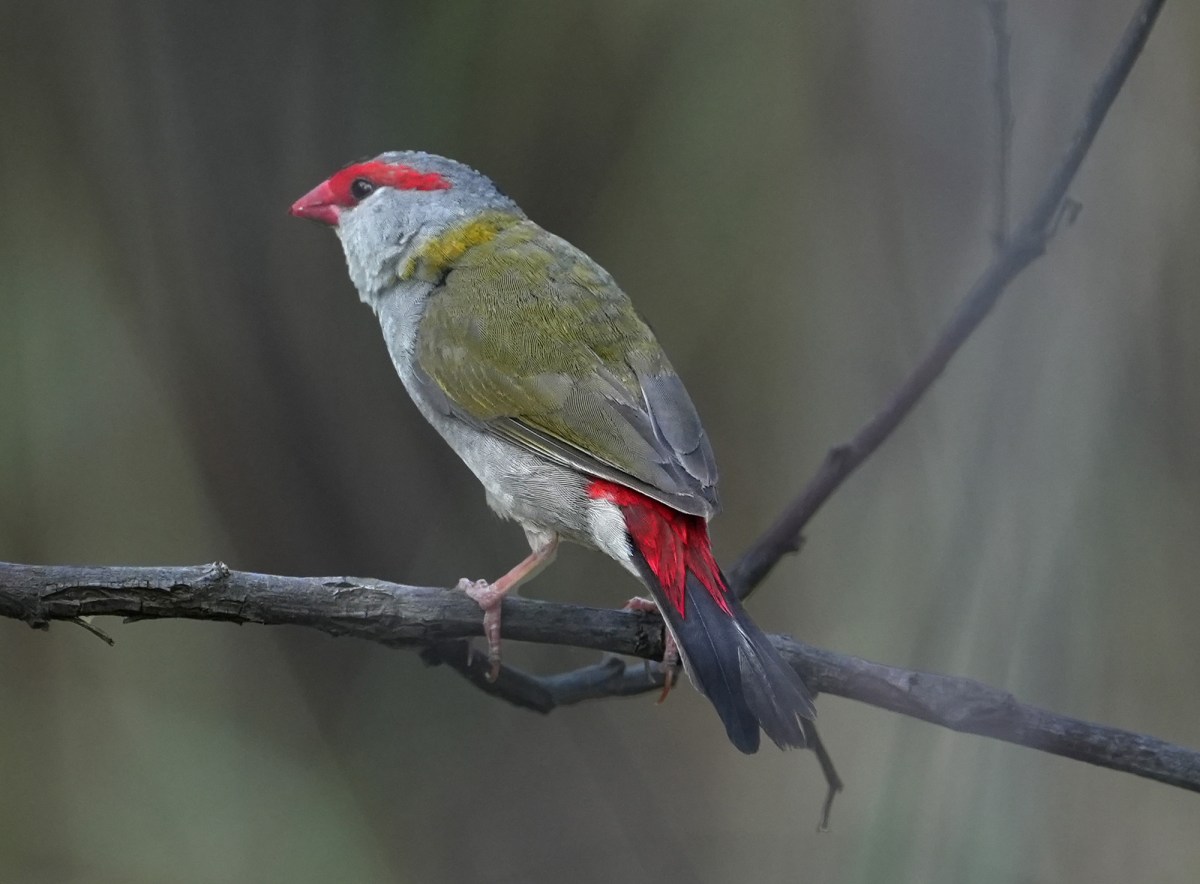
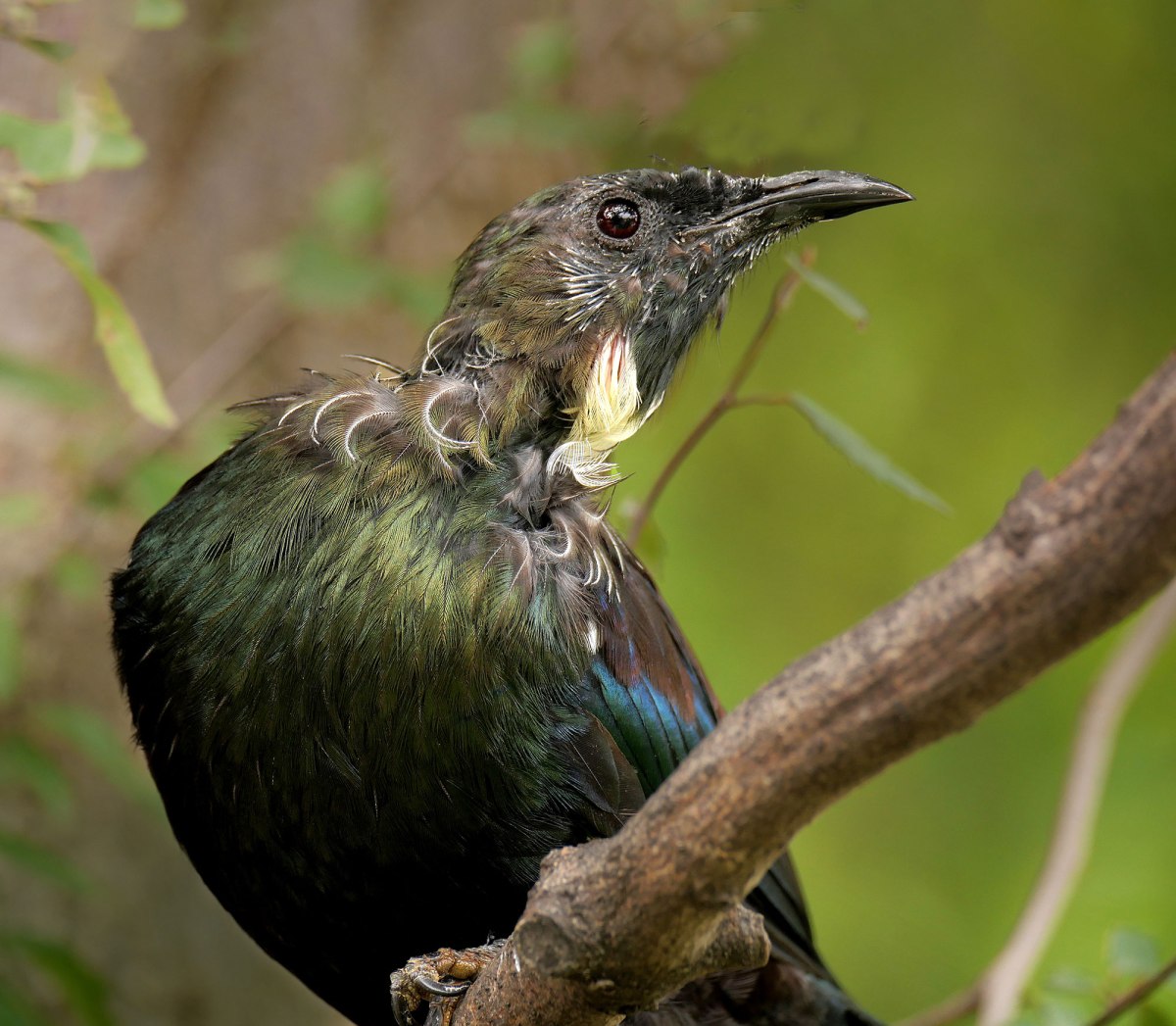
Tui Tui

© John Lovett 2023
© John Lovett 2023

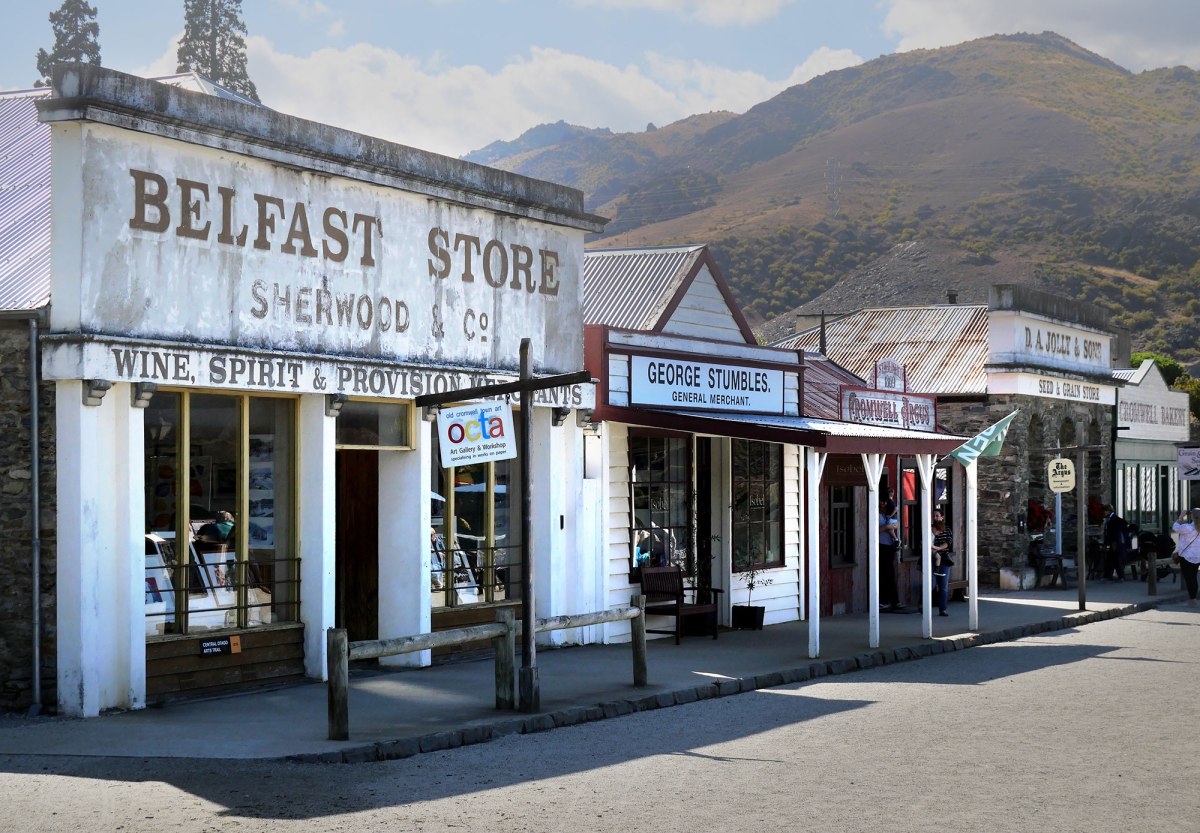
Historic remains of old Cromwell

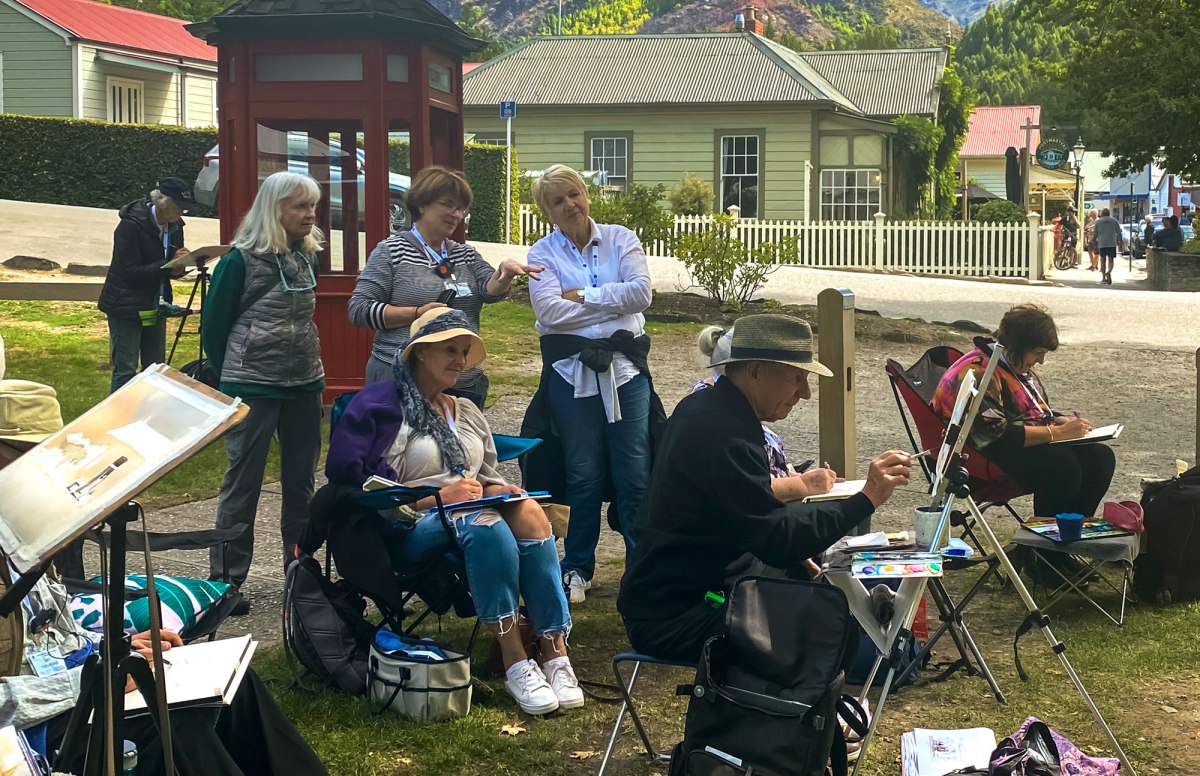
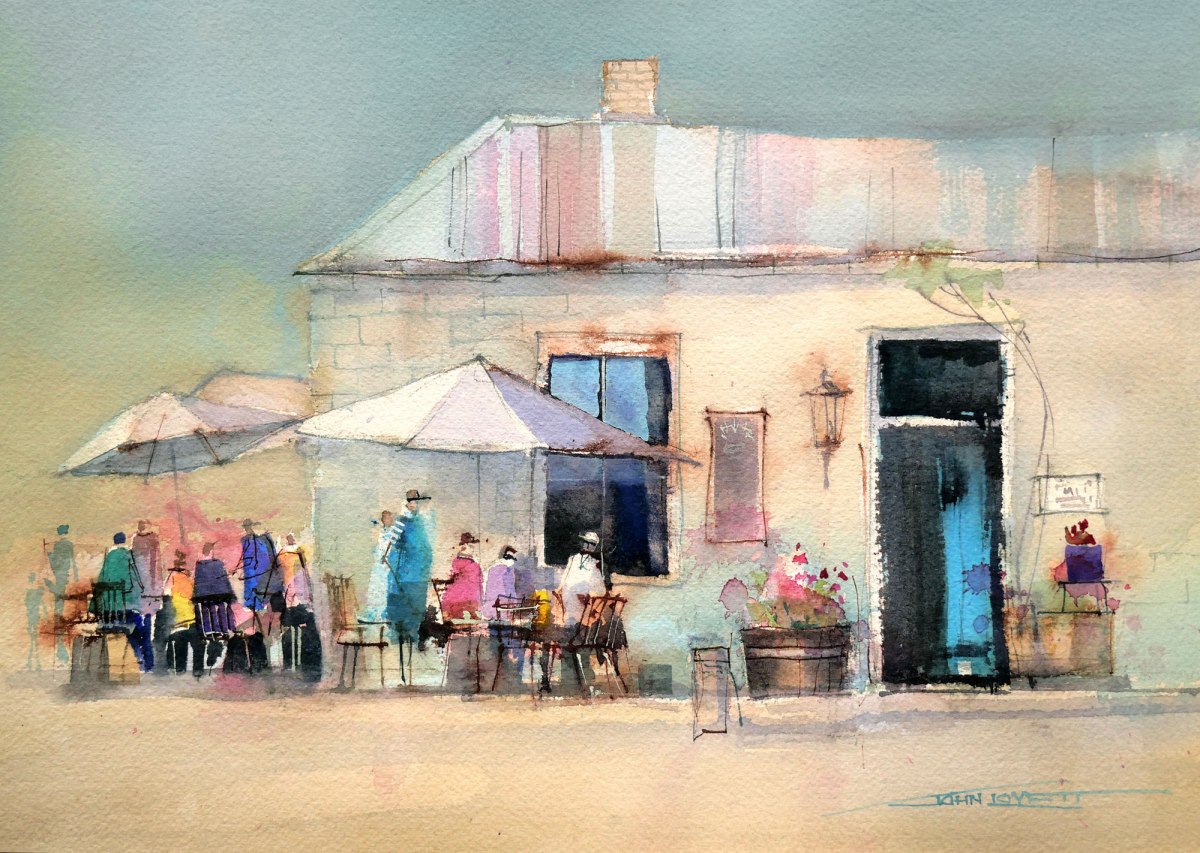
Arrowtown was a great place to paint – Interesting Cafes and bars, and coffee never too far away

© John Lovett 2023
© John Lovett 2023
© John Lovett 2023
© John Lovett 2023

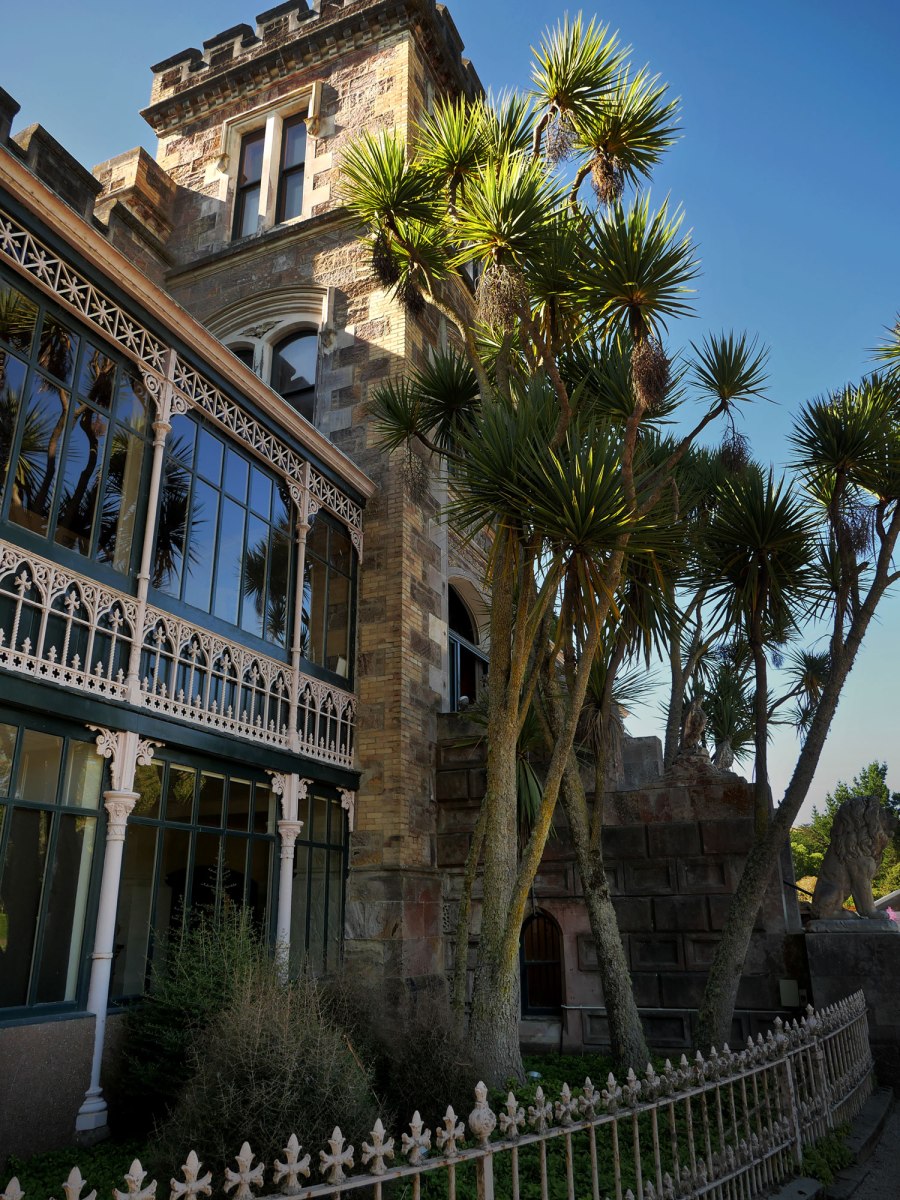
Larnach Castle – Dunedin – A fascinating history explained with enthusiasm by our knowledgable guide

© John Lovett 2023

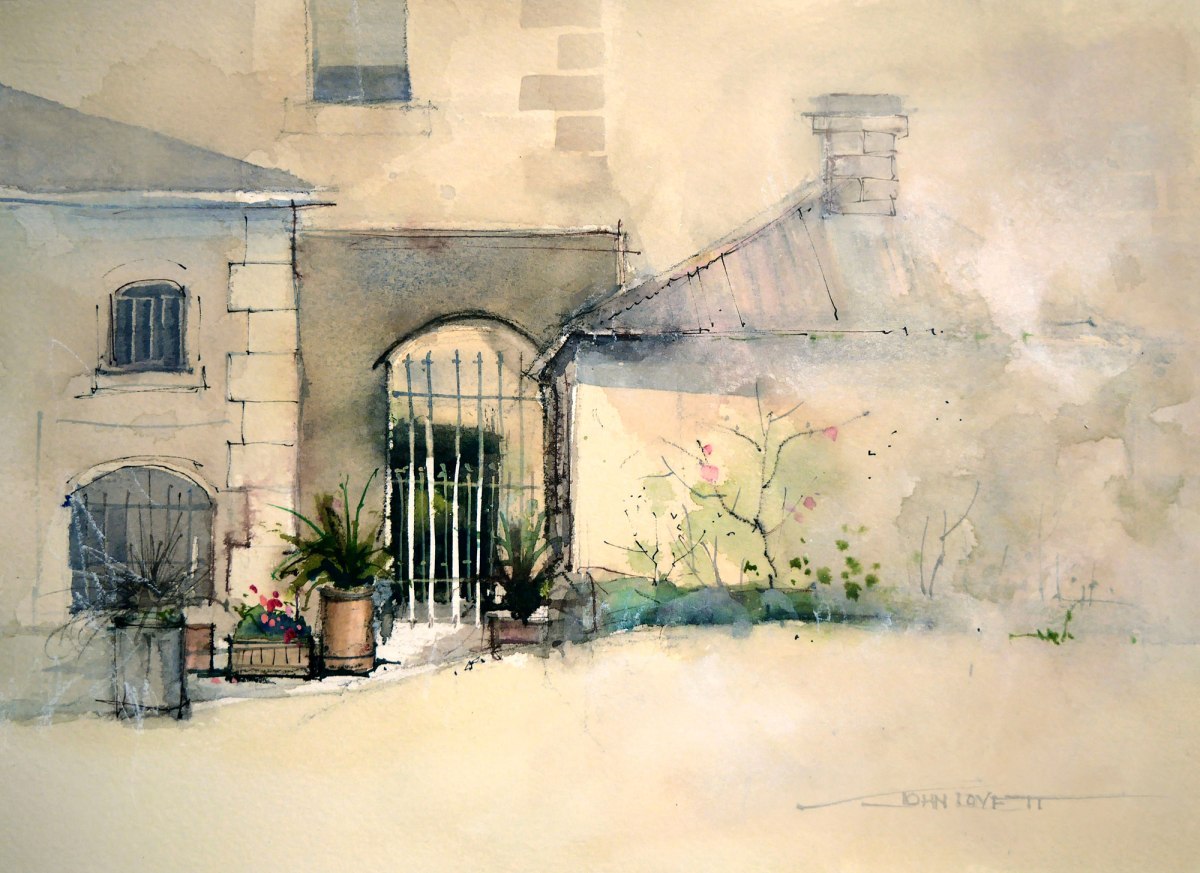
Iron gate behind the castle – keeps the ghosts in and the bad guys out.

© John Lovett 2023

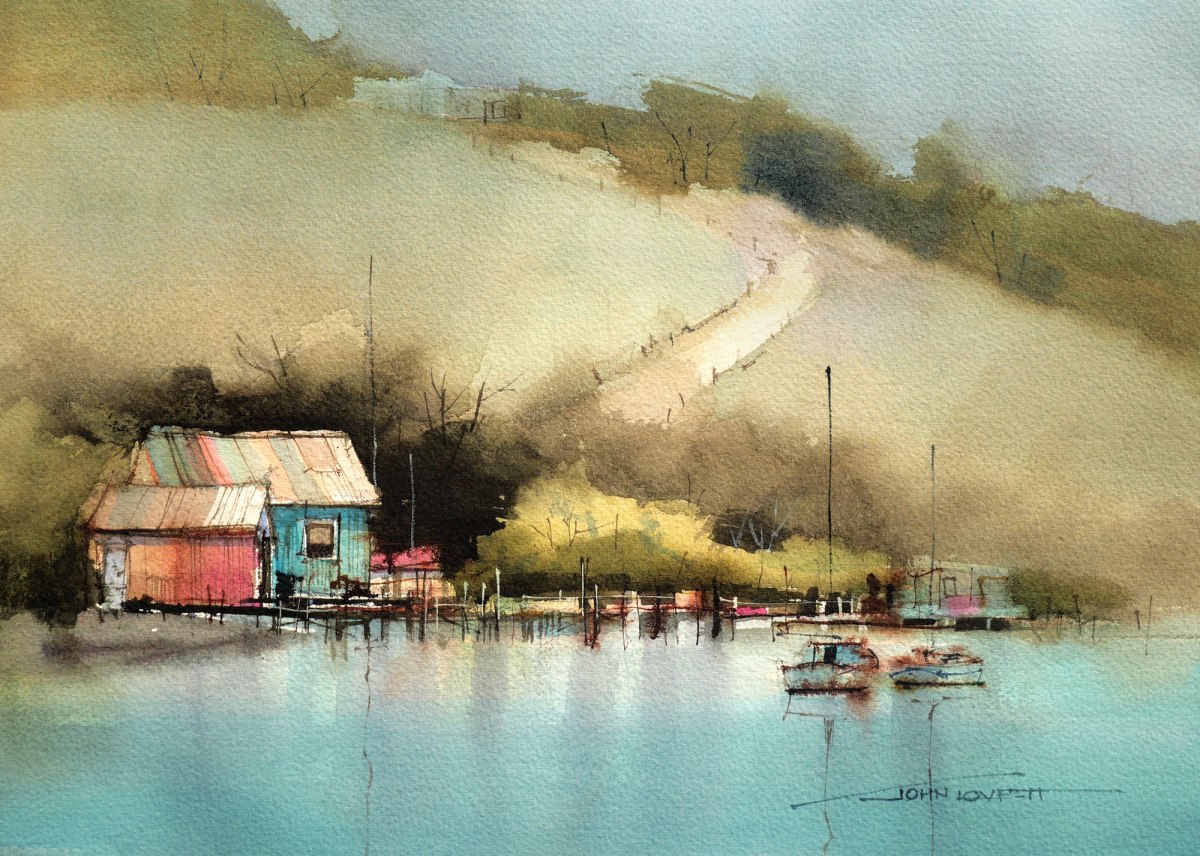
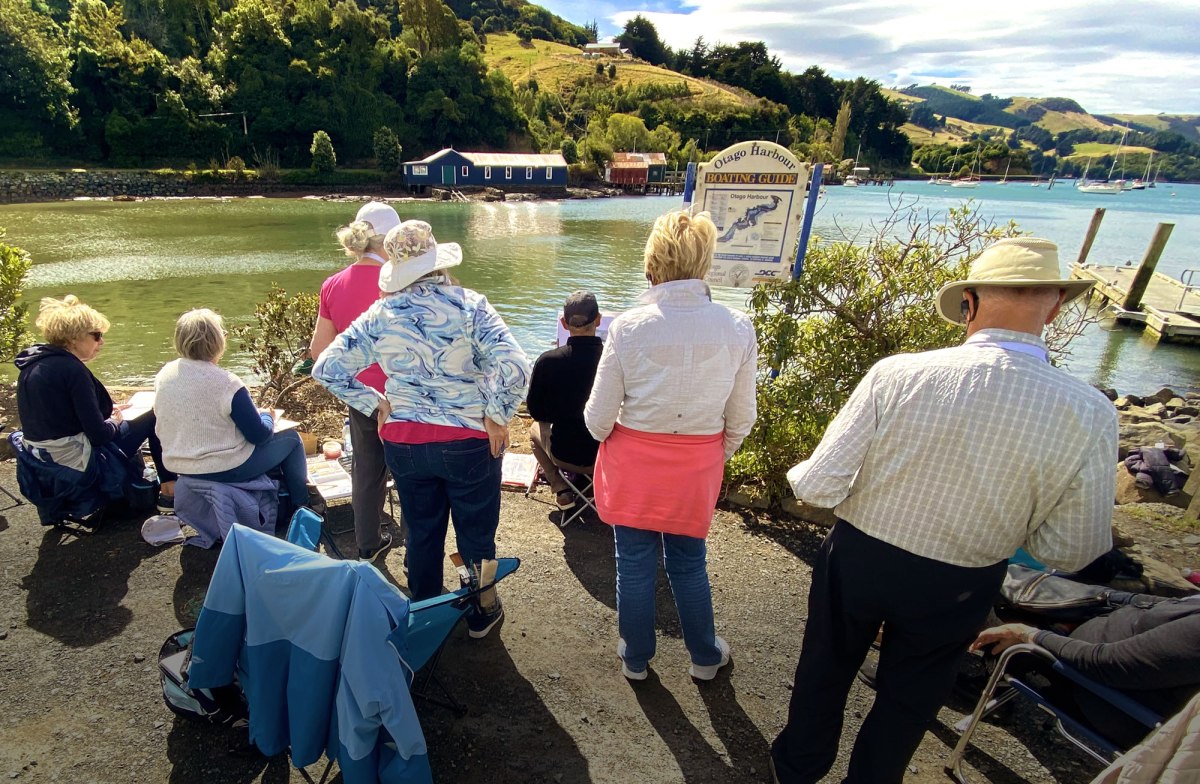
Boat sheds on Dunedin Harbour were fun to paint – sitting by the water on a sunny afternoon.

WEST TO WINTON

A workshop in Blackall and another spread between Longreach and Winton saw us load up the truck and head off to central Queensland for six weeks. The country was incredibly green after all the rain and flooding. Many roads were still closed and venturing off the bitumen was a slippery, muddy exercise.

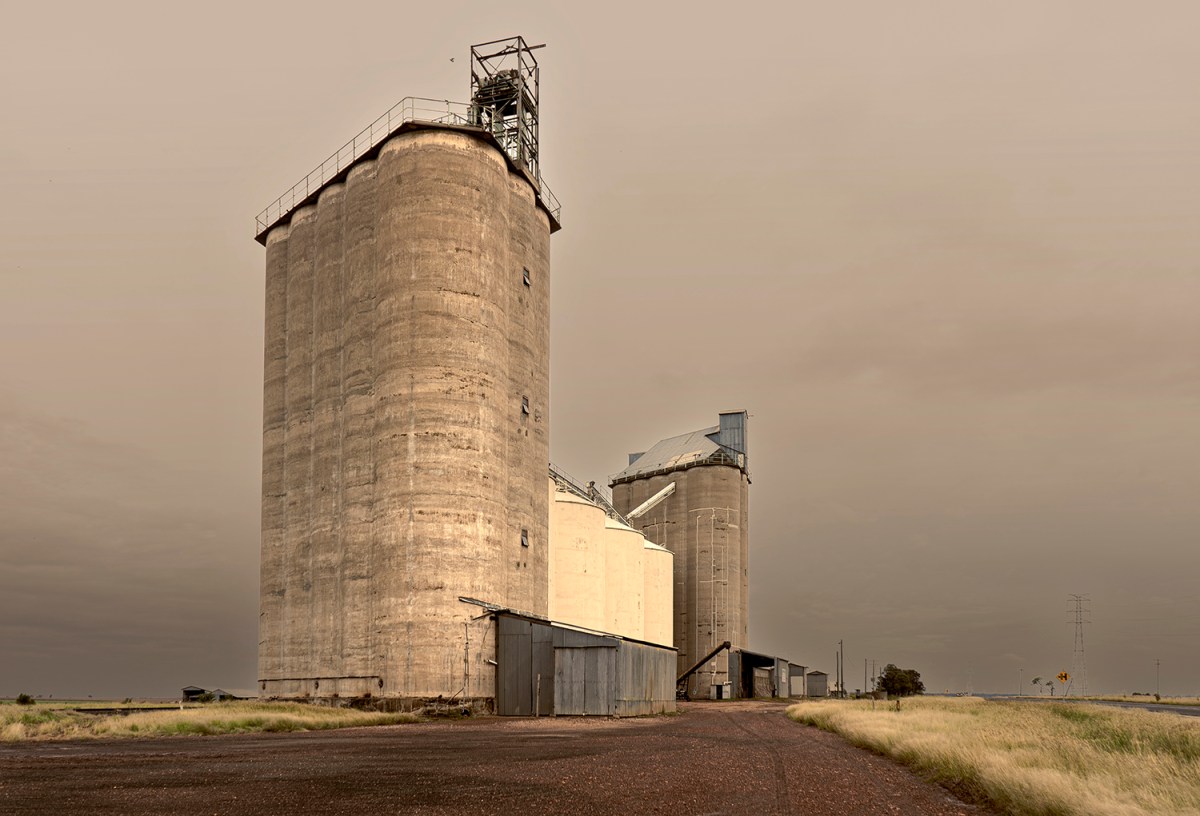
Silos on the road to Roma

This old pub at Wallumbilla looks less than inviting soaked in rain and surrounded by mud, but the local graziers couldn’t be happier.

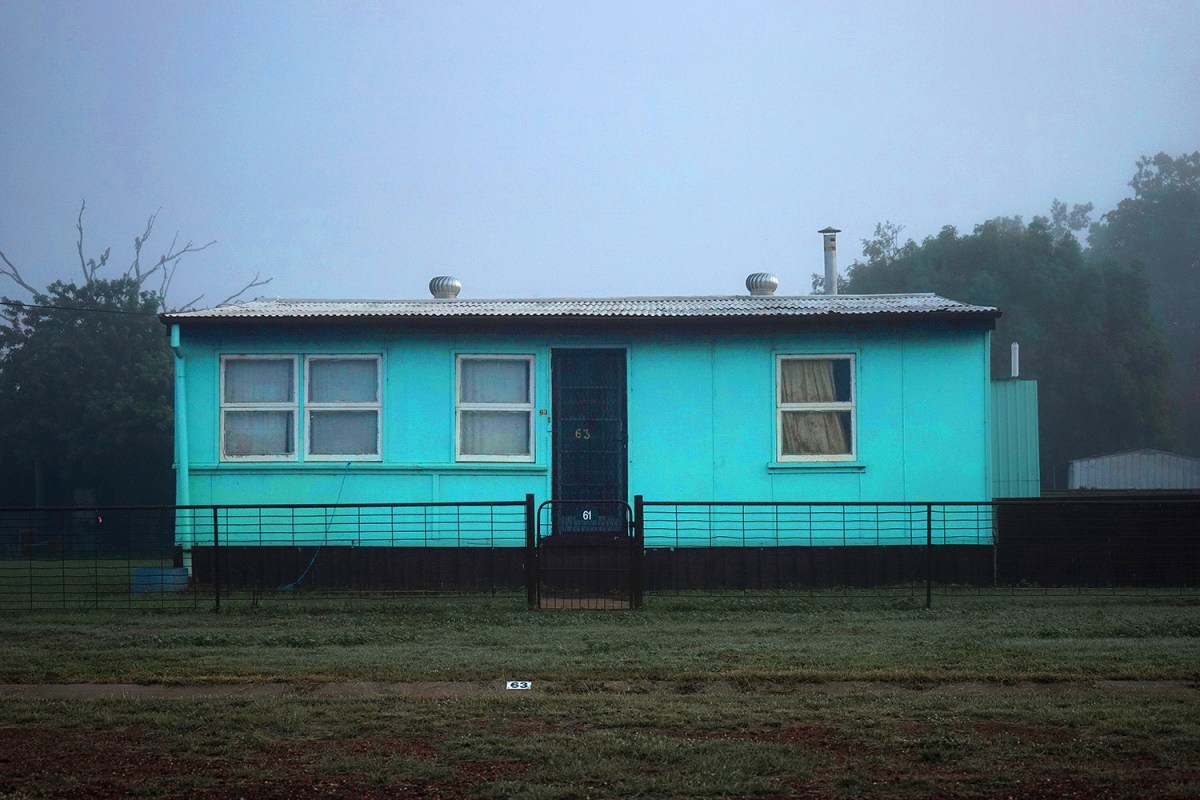
Retirement green confusion – Morvan.

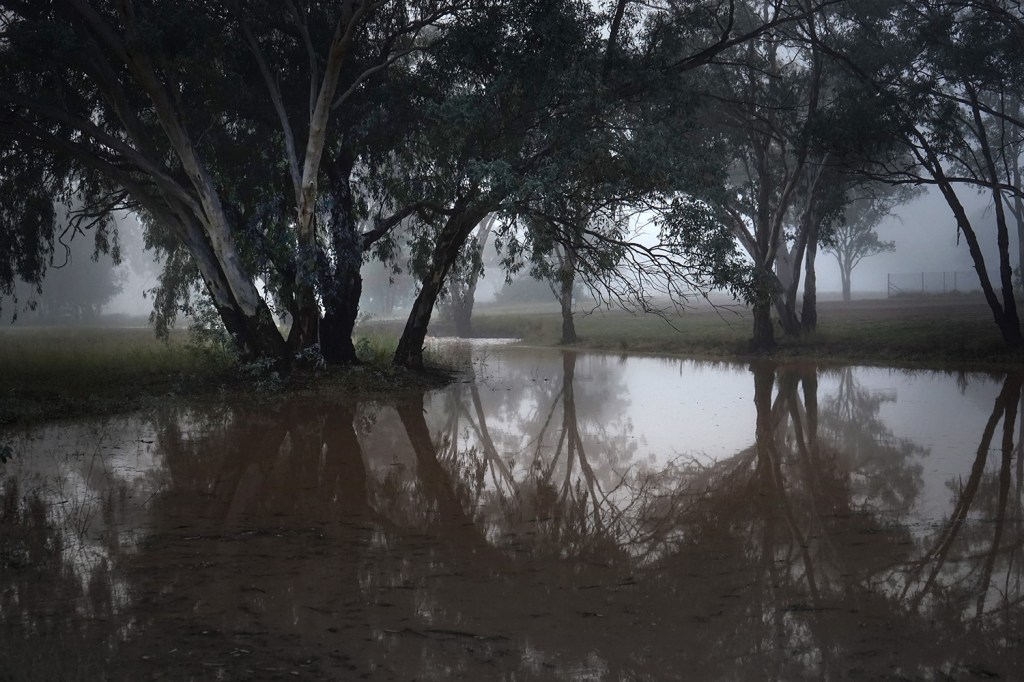
Early morning – Morven waterhole

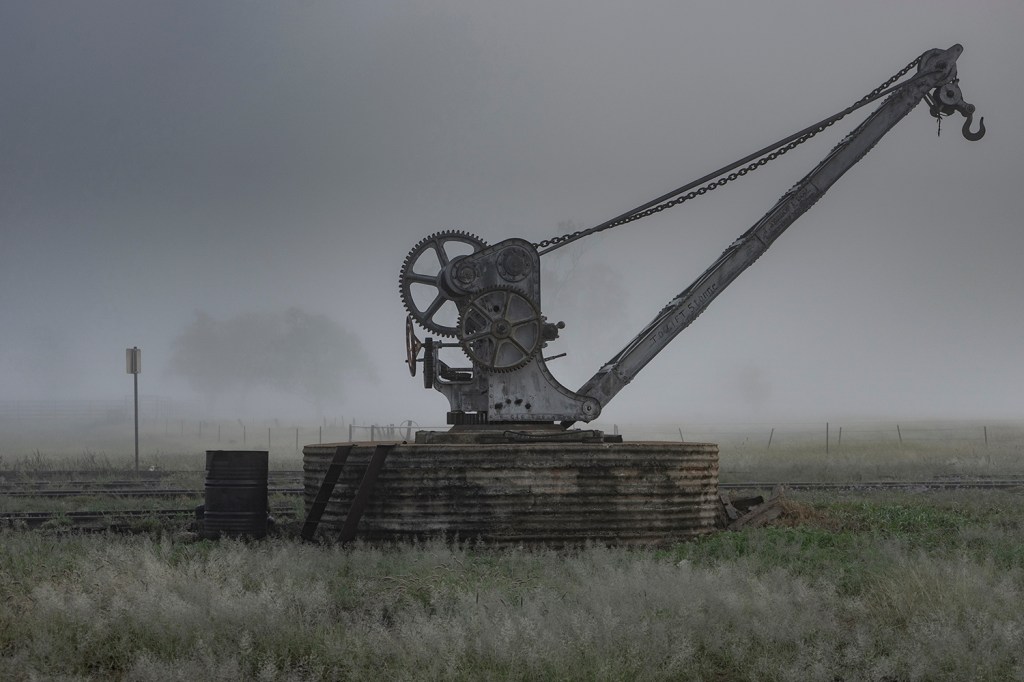
Disused railway crane – Morven

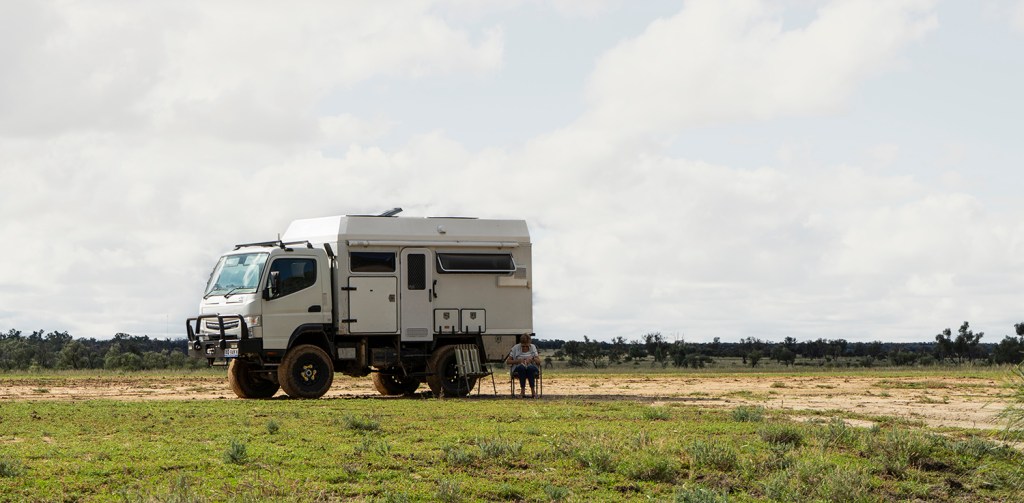
Camping out of Tambo was a little tricky – where there wasn’t grass there was thick, sticky mud.

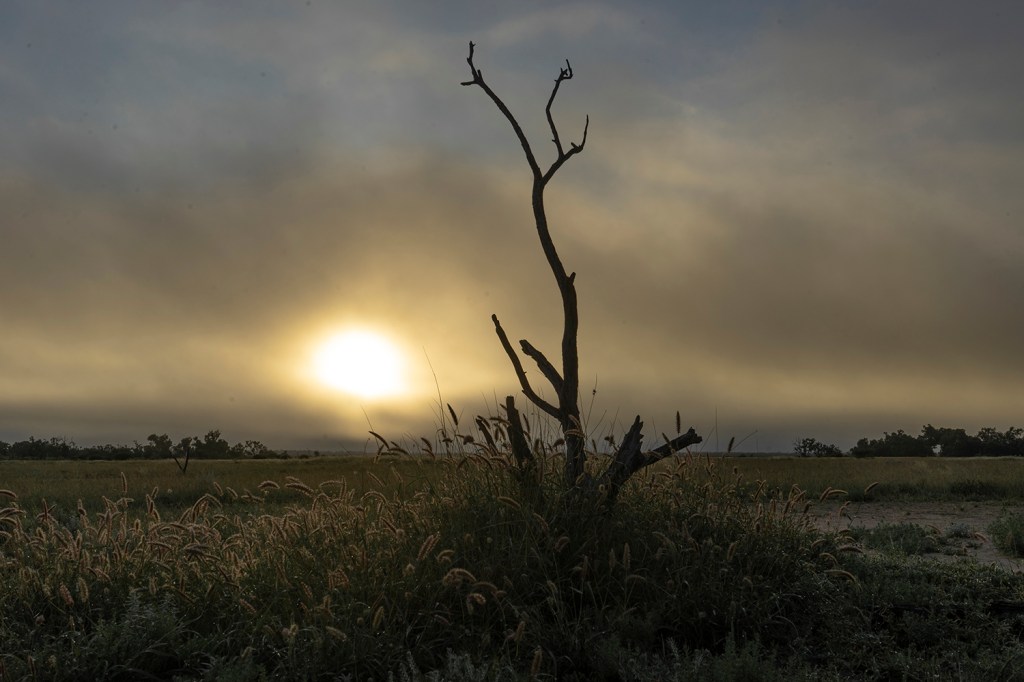
Sunrise through a layer of fog, Tambo

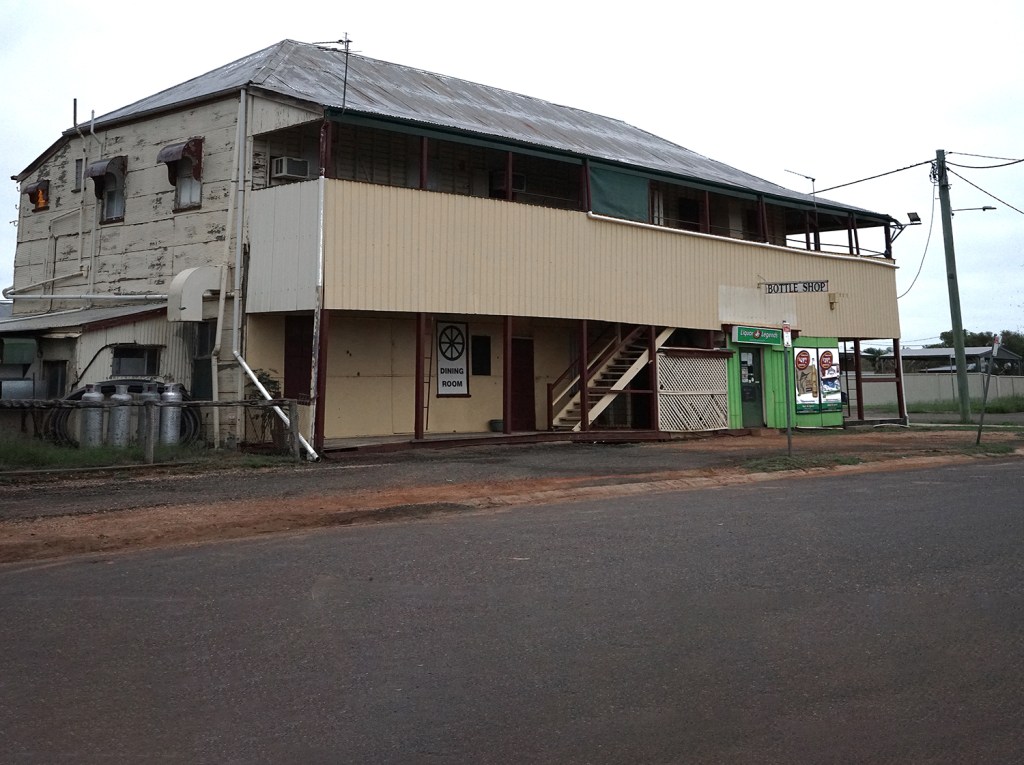
Union Hotel Blackall – still sells cold beer, but not much else

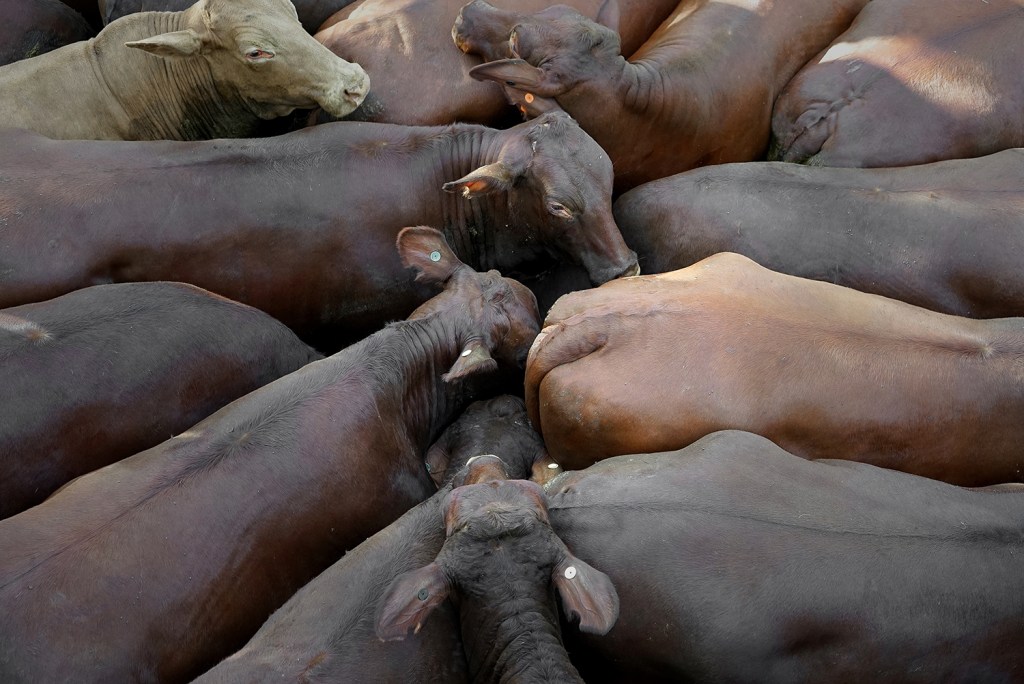
The weekly cattle sale in Blackall saw some fat’ healthy cattle, happy sellers and not so happy re-stockers.

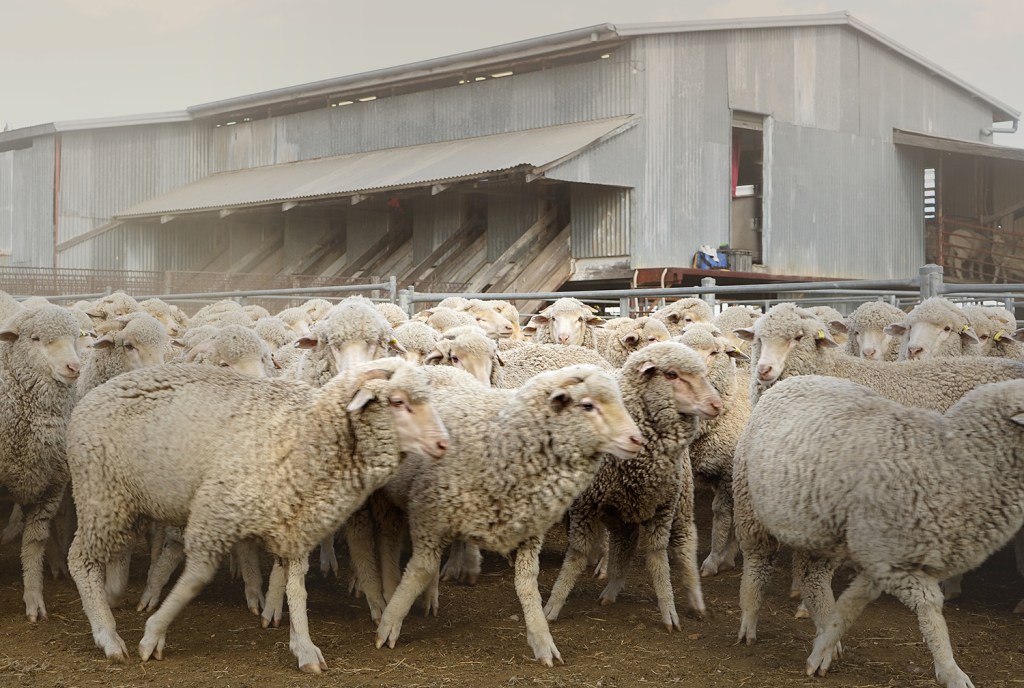
Lisa and Bruce, from one of the big sheep stations out of Blackall, invited us out to see the end of the shearing.

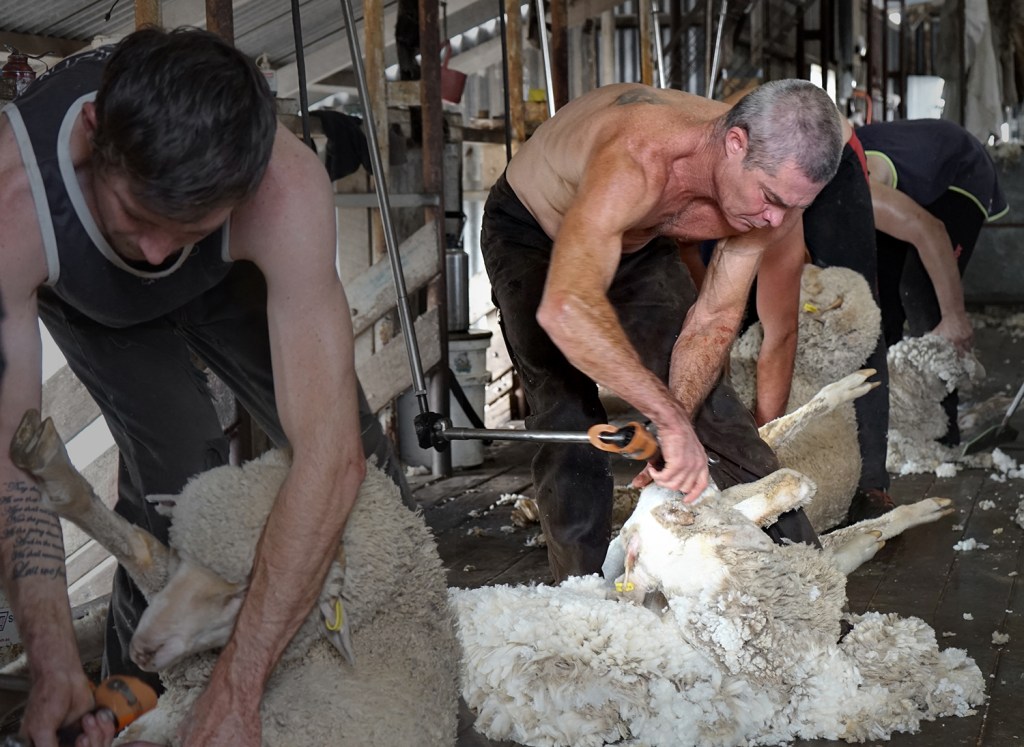
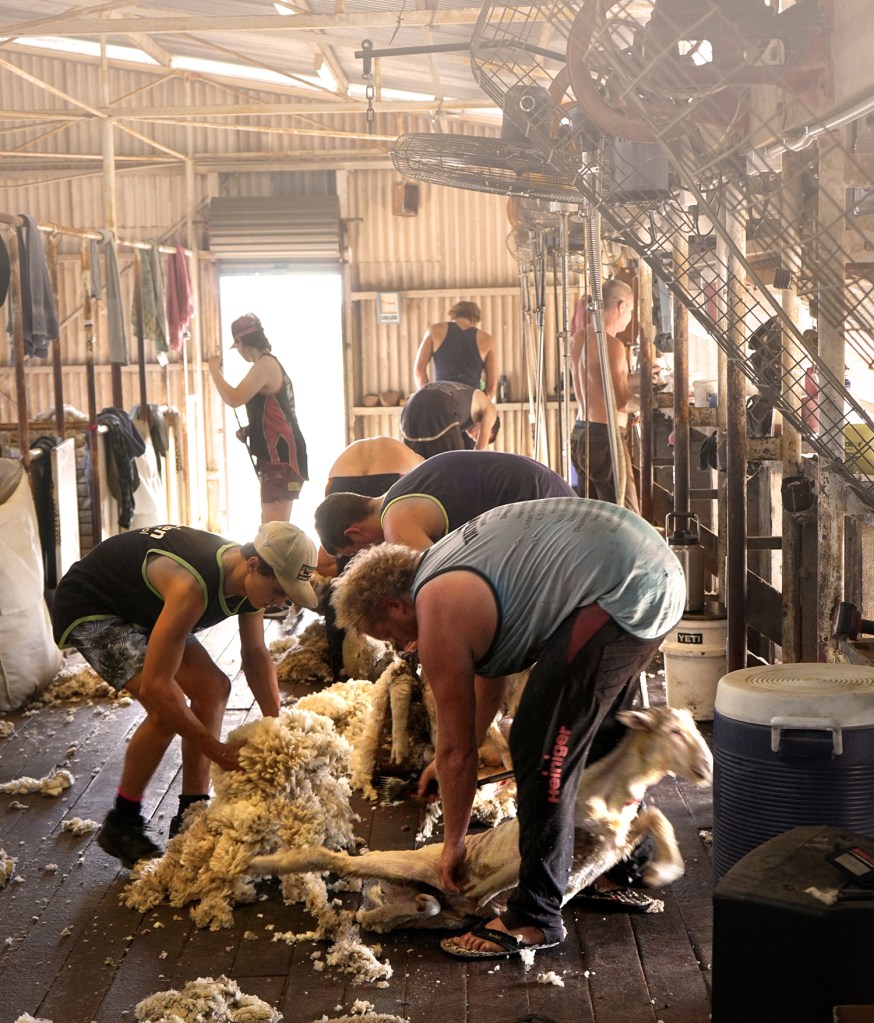
These guys work flat out, fired up by loud, fast music, high demand and and a competitive attitude.

Shearing their way through several thousand sheep is hard, back breaking work.

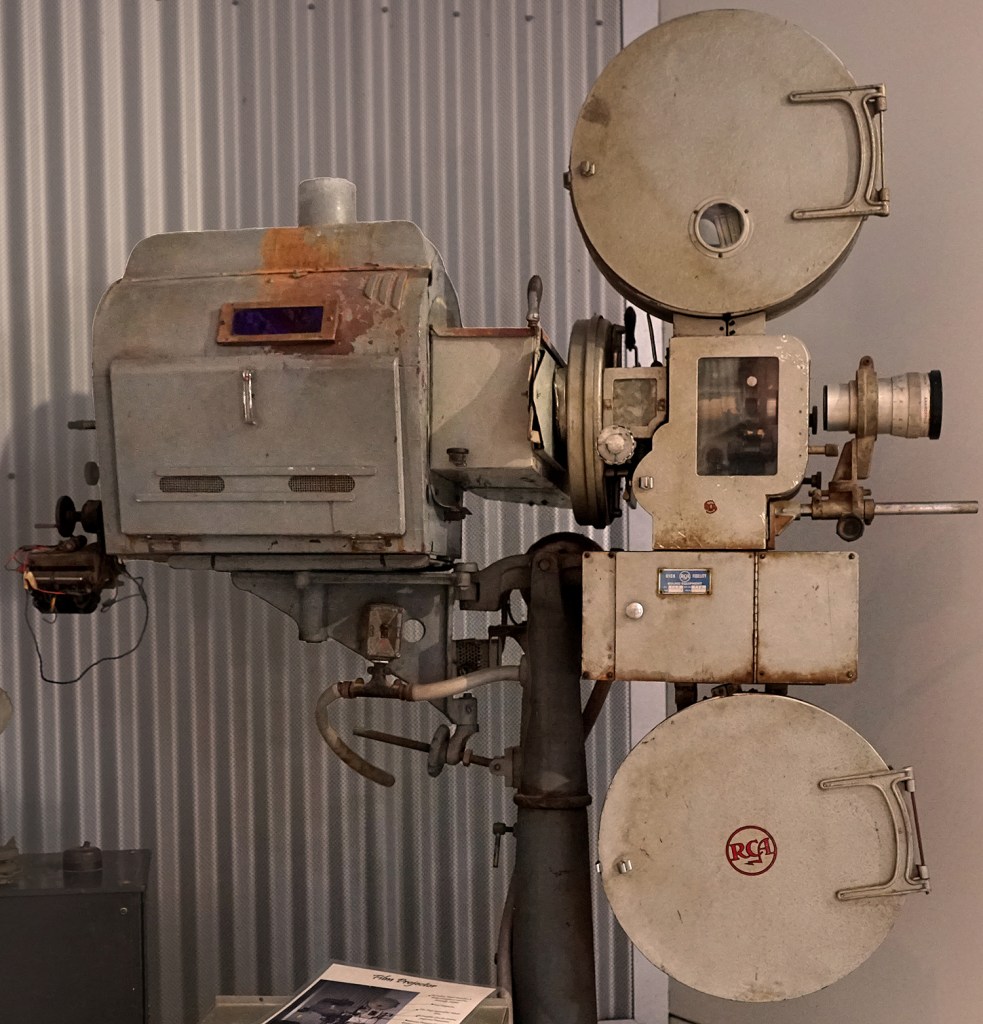
Ancient Technology from the Isisford Picture Theatre.

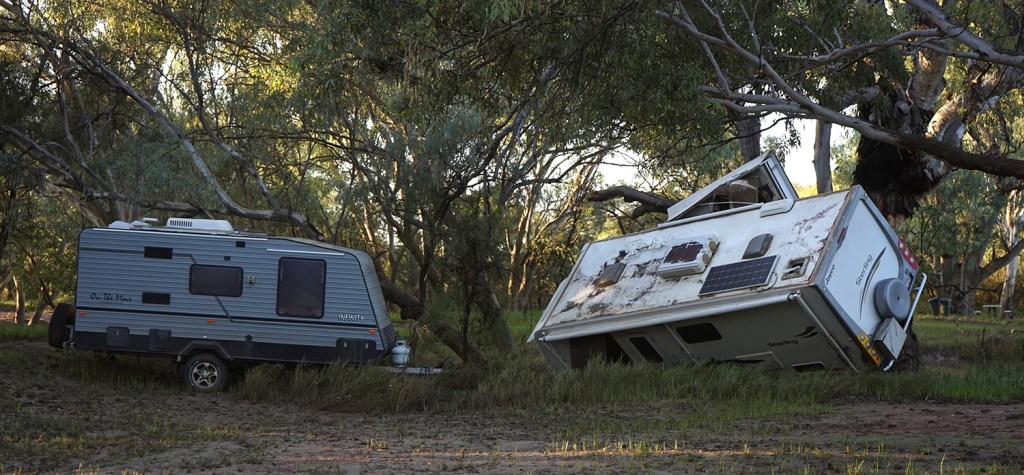
Drowned caravans camped in the Barcoo River, Isisford. Ignore the locals at your peril.

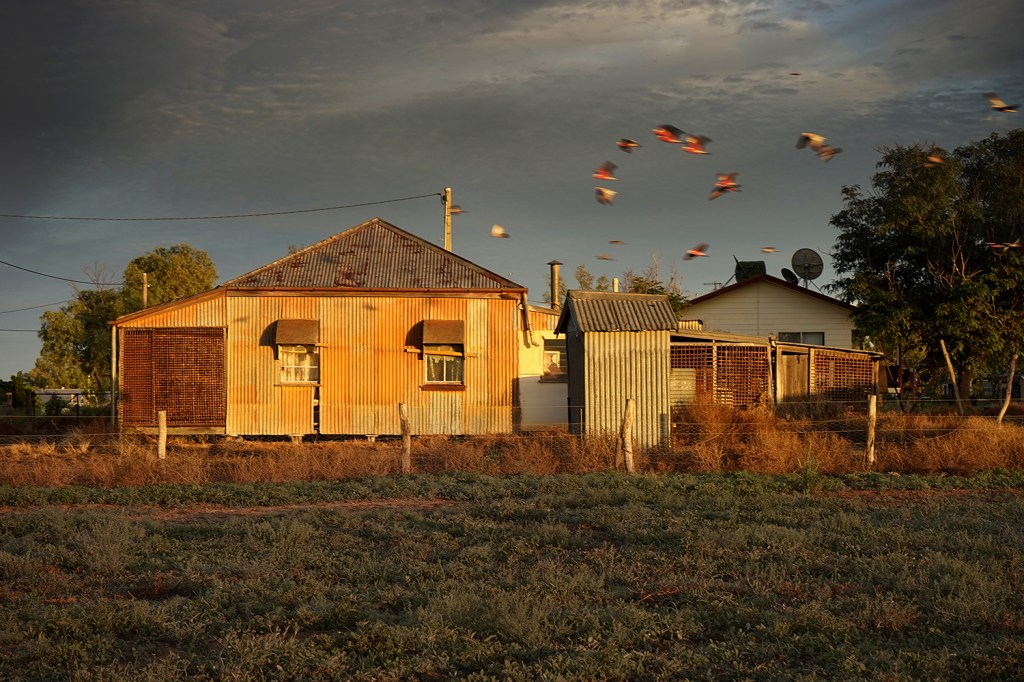
An empty paddock next to the old Langenbaker House in Ilfracombe made a great place to paint

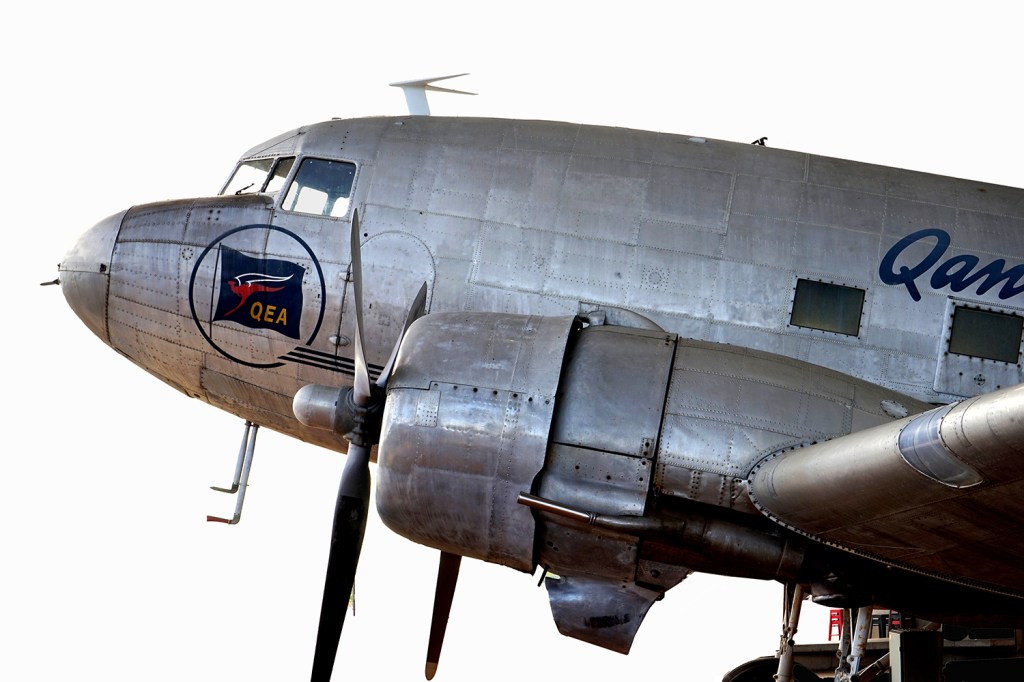
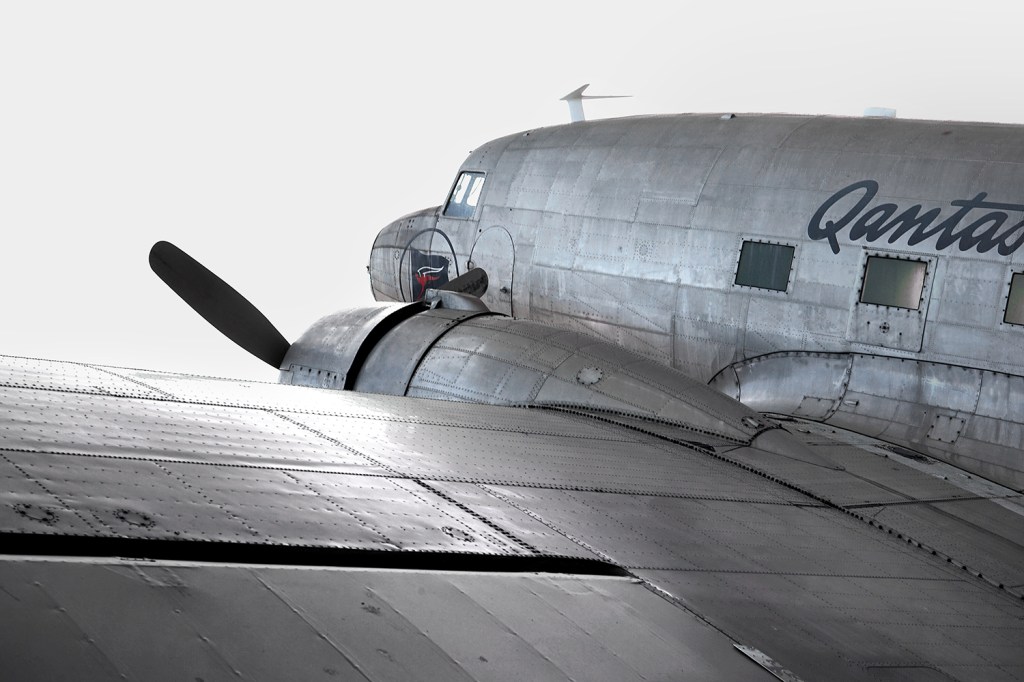
DC3 at the Qantas Museum Longreach

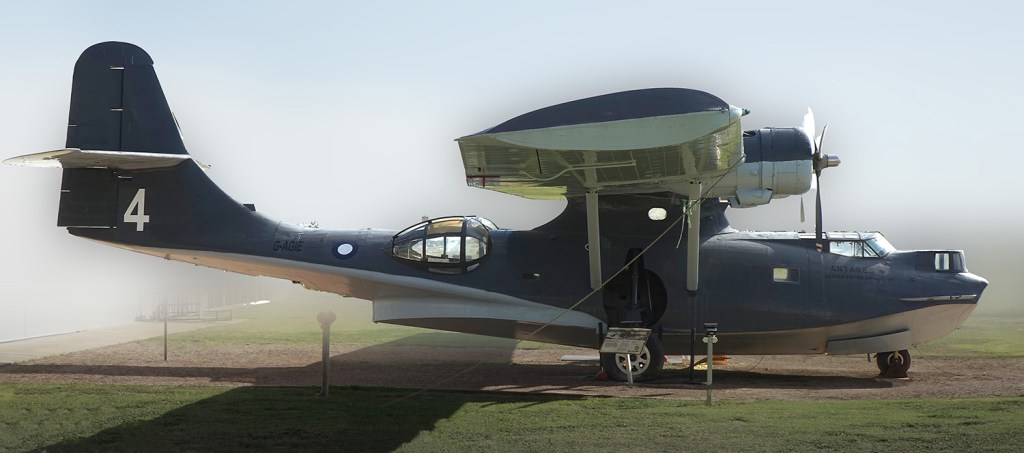
Retired Catalina at the Qantas Museum

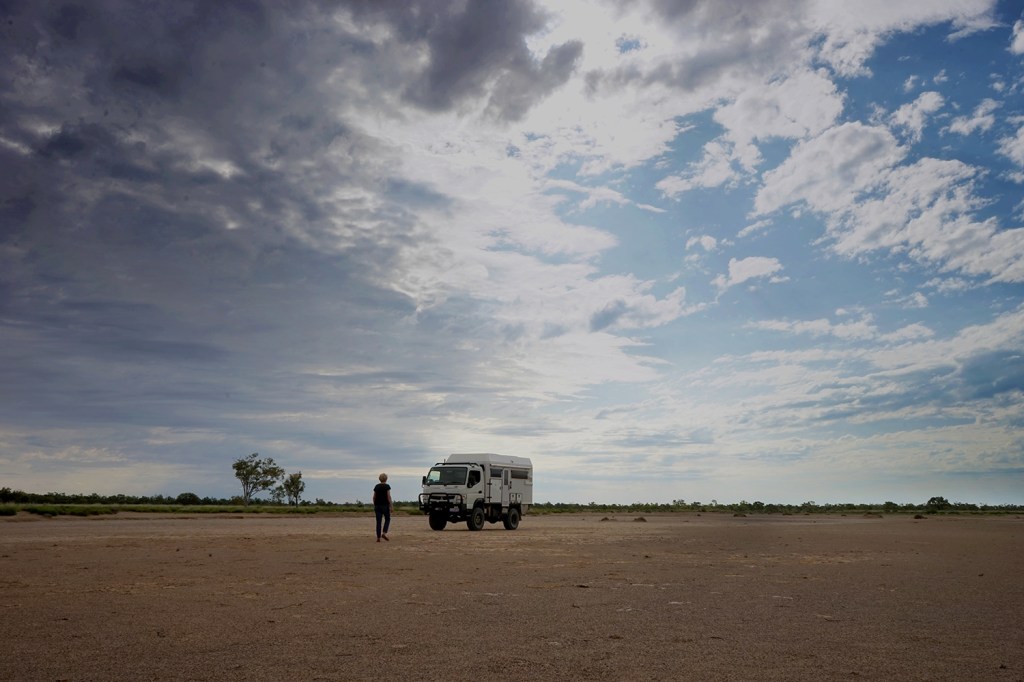
Before the workshop in Winton, Dianne and I went out to the clay pans at Bladensburg to find a painting location

Willy Mar’s old market garden store, Winton

We painted Willy Mar’s old truck (now up on blocks next to his old market garden and store.

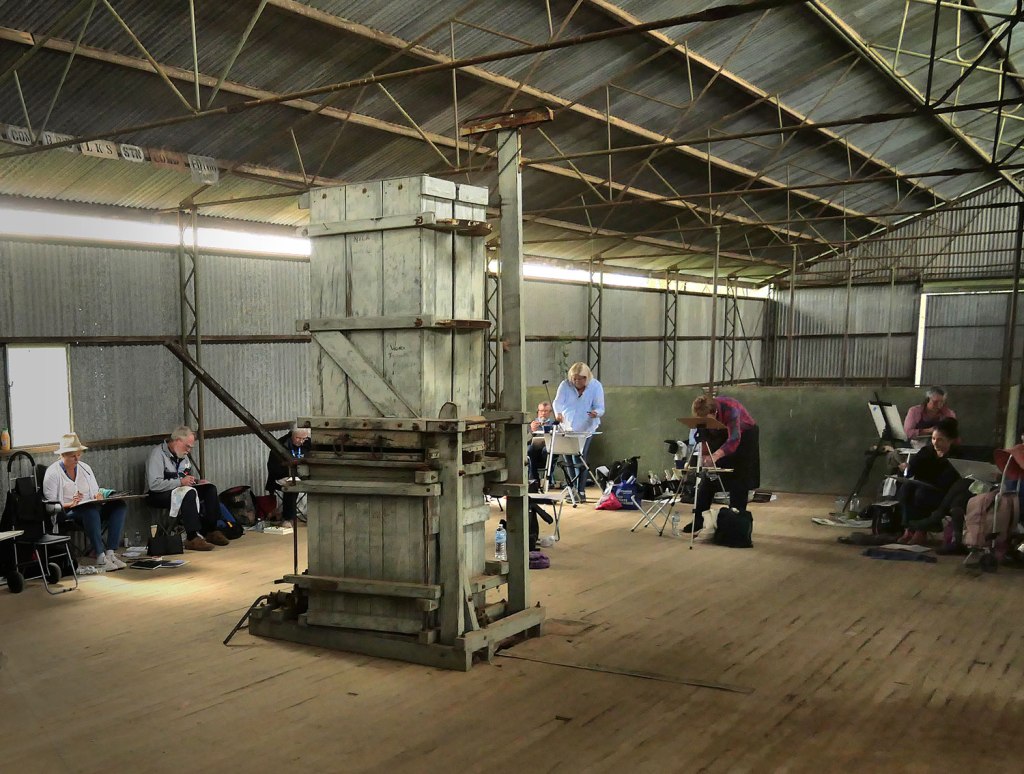
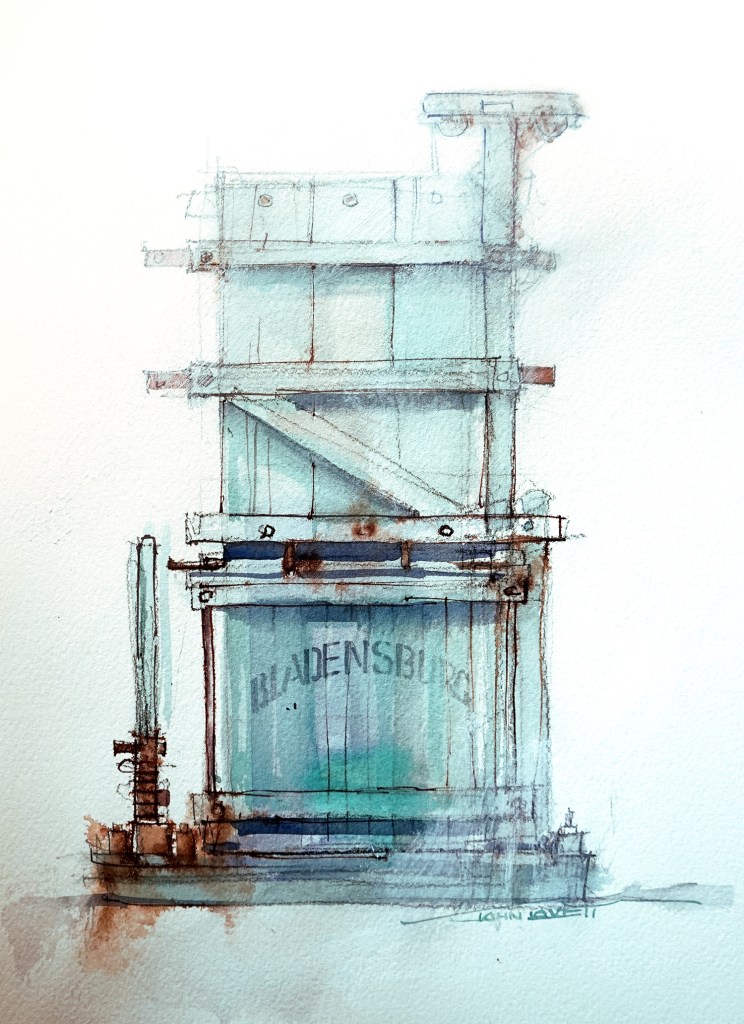
We spent a morning in the old Bladensburg woolshed painting the ancient wool press.

This was the demonstration painting I did. (Couldn’t help using Phthalo Green!)

Looking west towards Winton – an unusual sea of lush, green grass

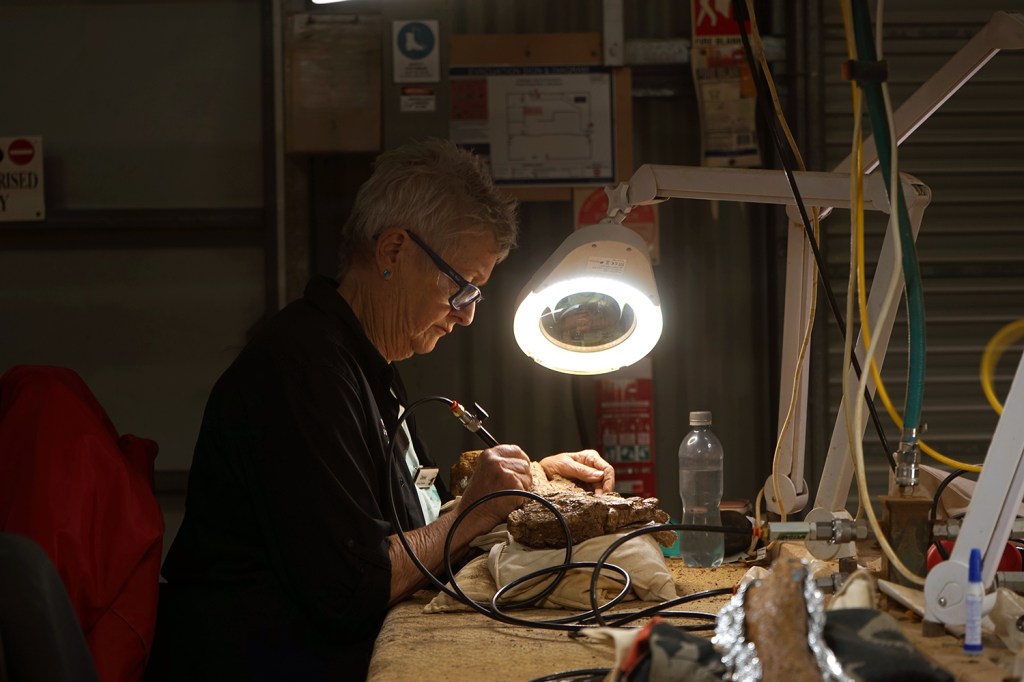
At the Winton Dinosaur Centre, volunteers work tirelessly separating rock from fossil to reconstruct the skeletons of dinosaurs.

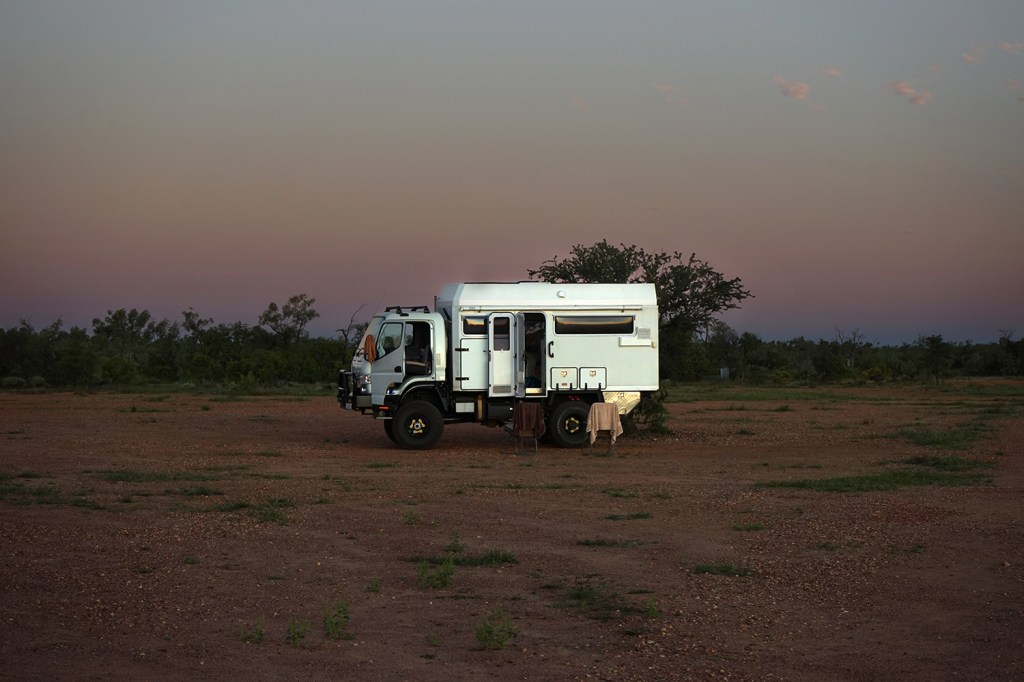
After the Winton workshop Dianne and I headed back out to Bladensburg to camp and watch the sun go down.

Heading east, we found this lake with amazing sunsets and fantastic birdlife.

Our camp, just visible from the top of a nearby hill

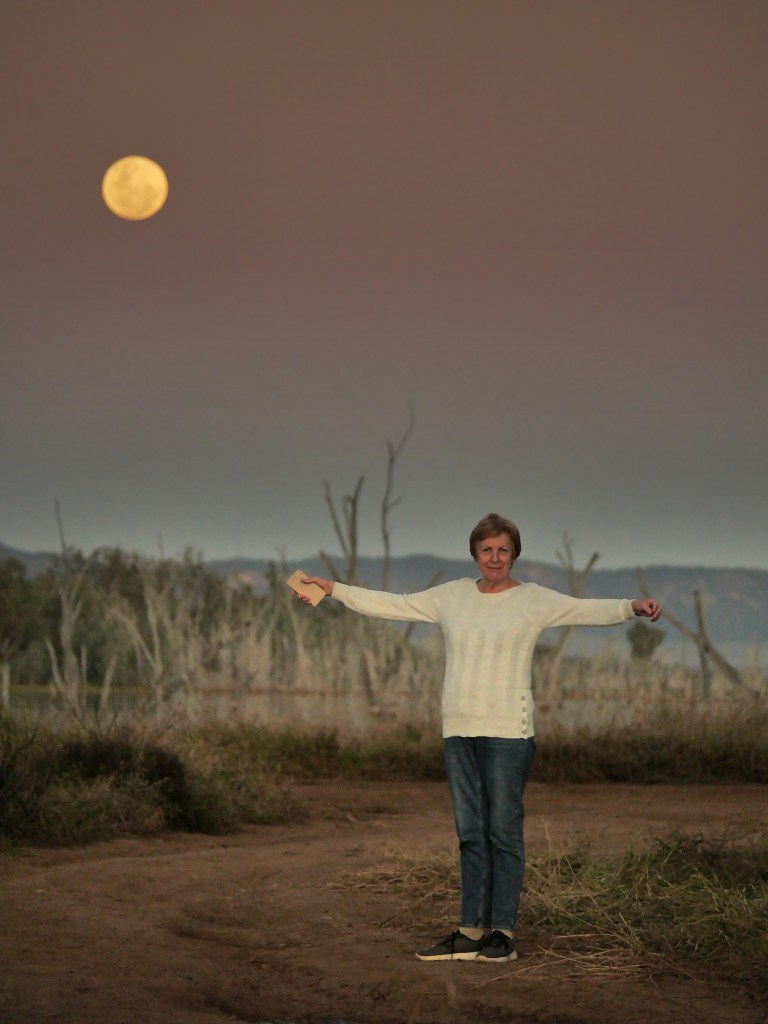
Sunset one side, full moon the other.

FLINDERS RANGES WORKSHOP

We left Arkaroola and headed down to Adelaide, exploring Wilpena, the southern Flinders and Burra, on the way. Our truck was parked in secure parking for the two weeks of the workshop. We spent a night in Adelaide, then we joined the painting group and travelled back up to Wilpena Pound Resort by coach for our first 5 days of the workshop.

The Flinders Ranges are a great place to paint – interesting buildings, spectacular gorges and a backdrop of magnificent purple mountains.

Here we painted the old Wilpena Station store where all the stations provisions were secured back in the 1800’s

This old door has been patched and repaired over the years, keeping the blacksmiths cottage secure for over a hundred years.

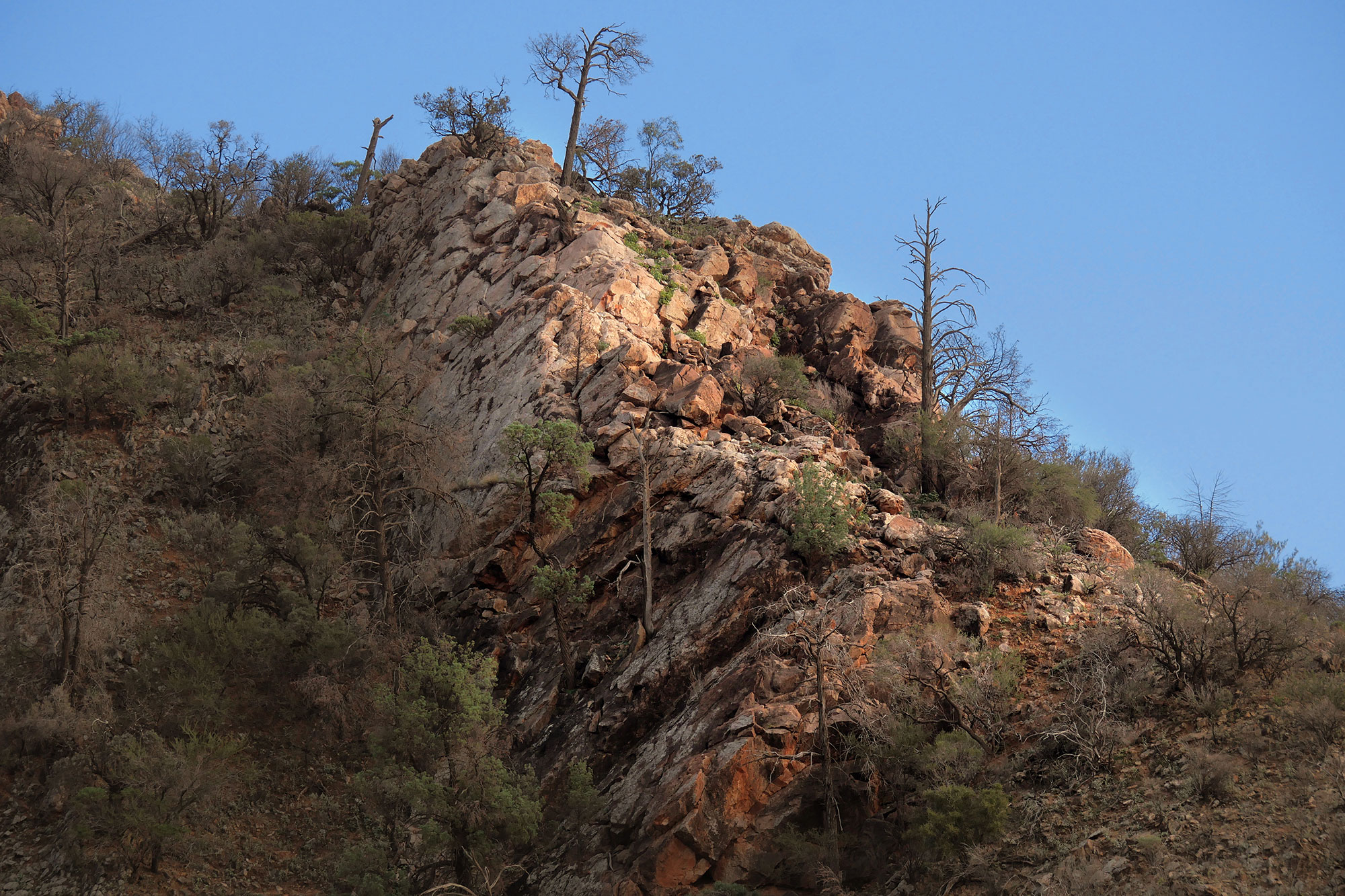
We painted the stony outcrops surrounding the Aroona Valley before going down into the Brachina Gorge to explore the rocks and pools


Brachina Gorge

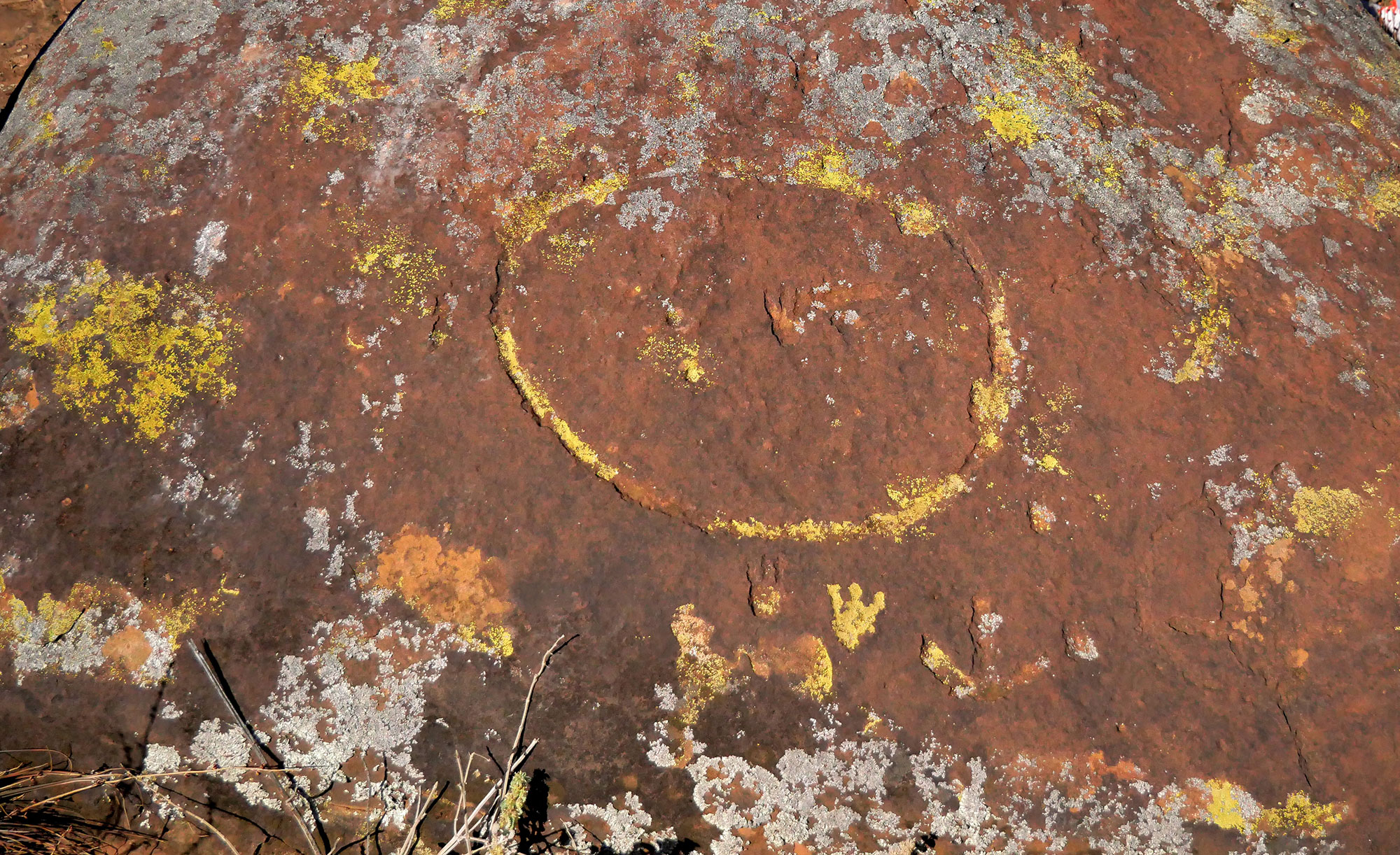
We had two great indigenous guides to show us around the Brachina Gorge area. They took us to see these ancient rock engravings with all sorts of interesting details.

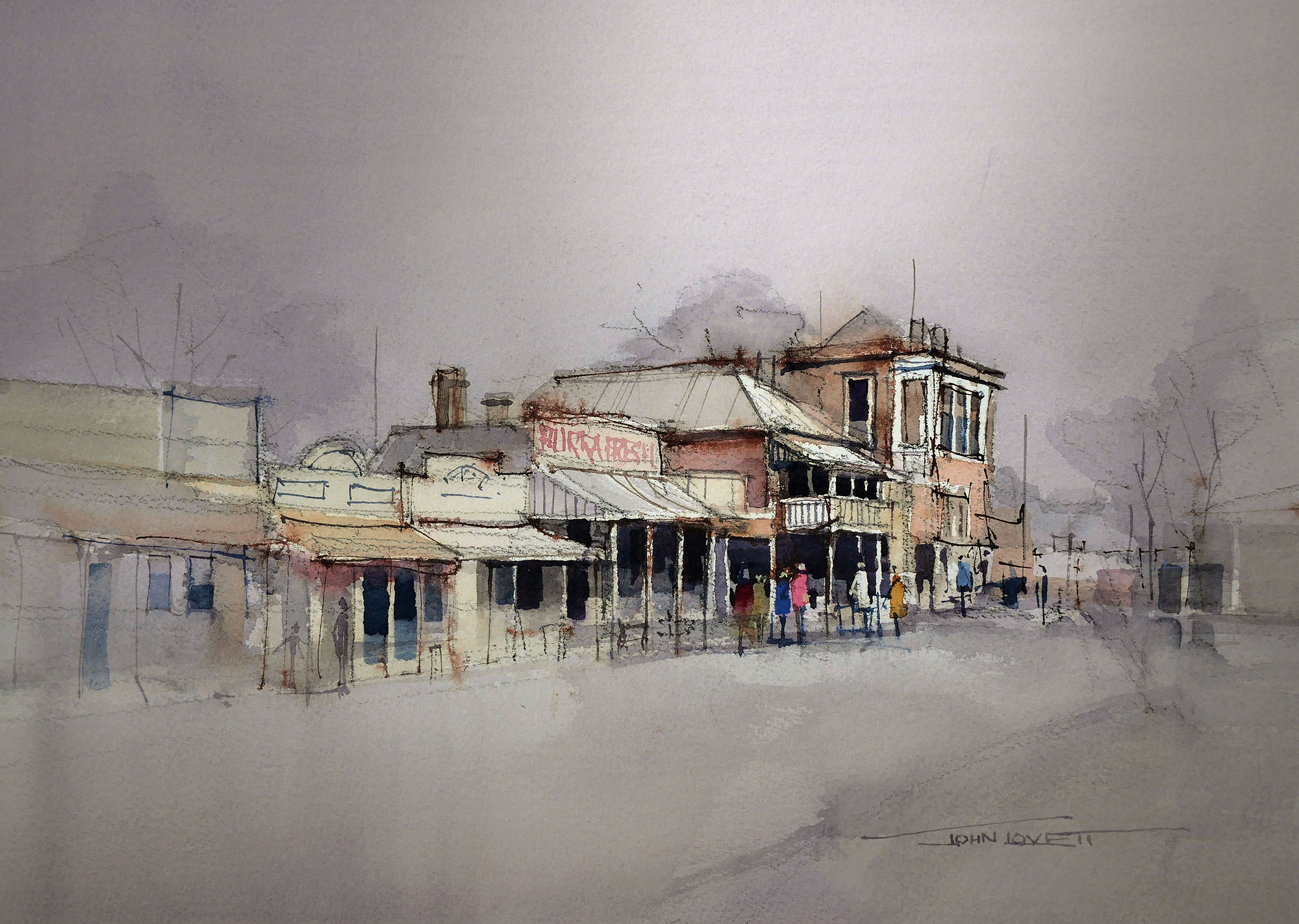
Leaving The Flinders, we moved on down to Burra, a beautiful little town with magnificent stone buildings built in the boom days of the towns copper mine in the 1800’s. We spent a few days in Burra exploring the area and painting.

Burra Main Street.

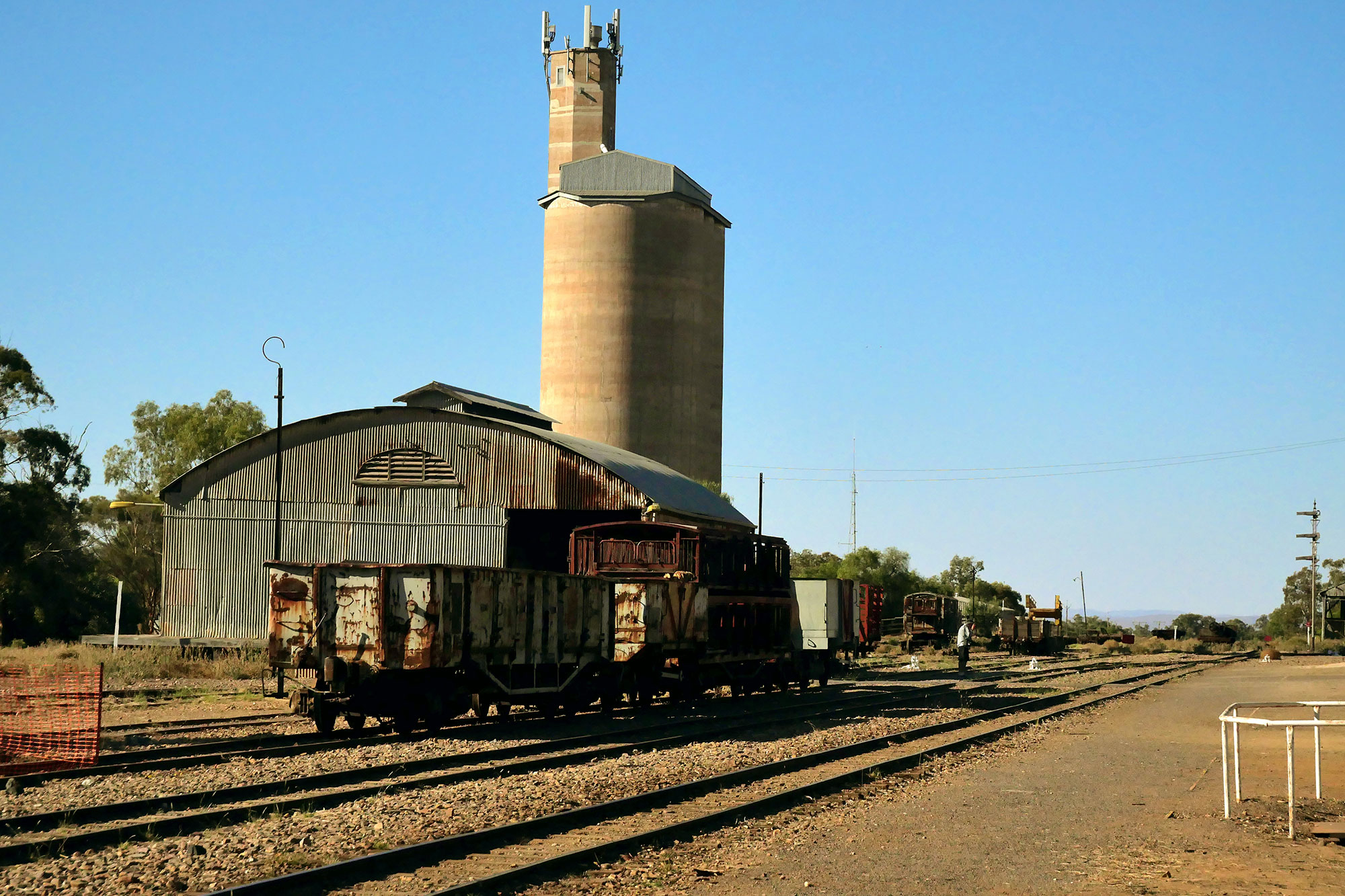
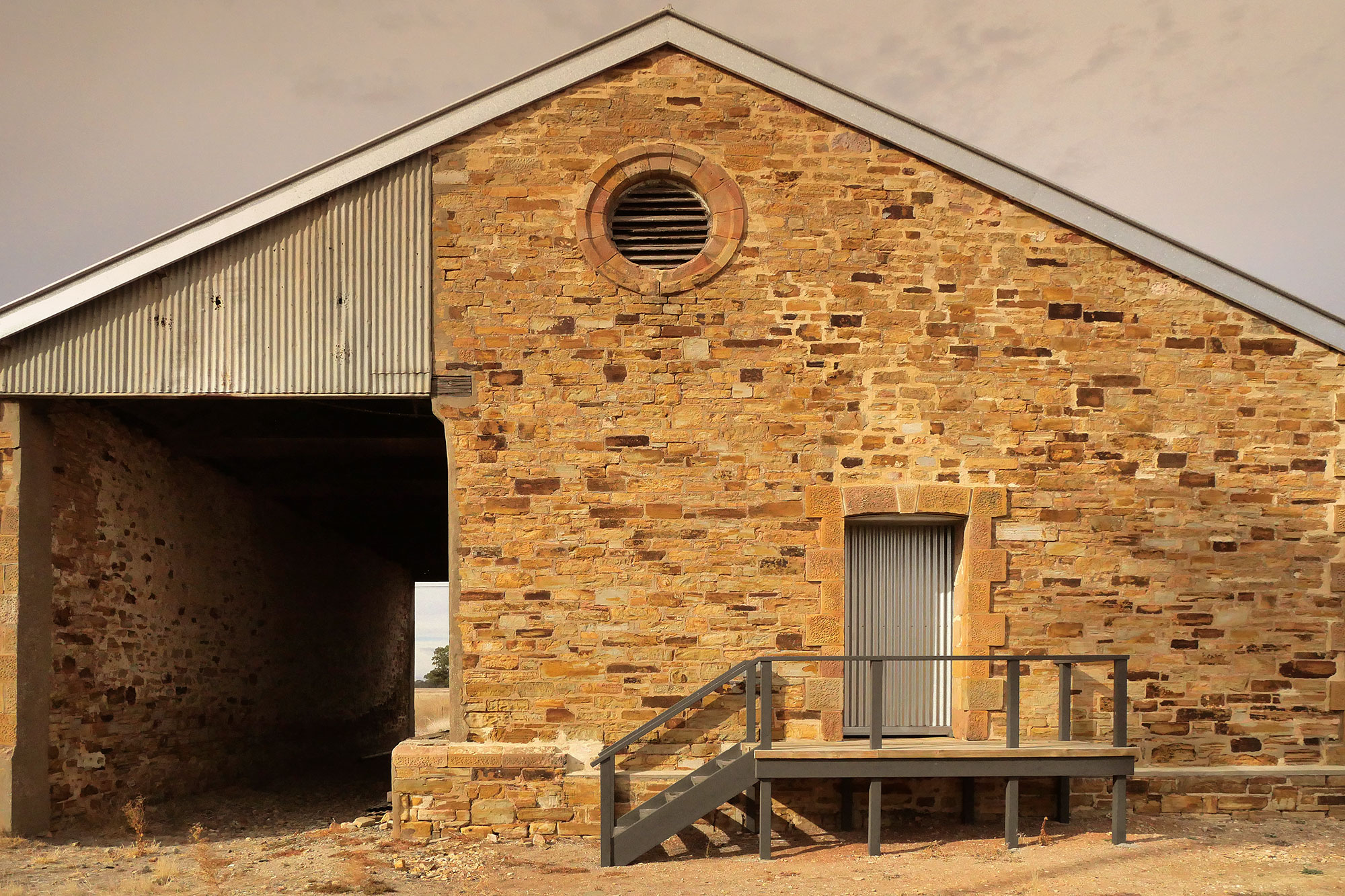
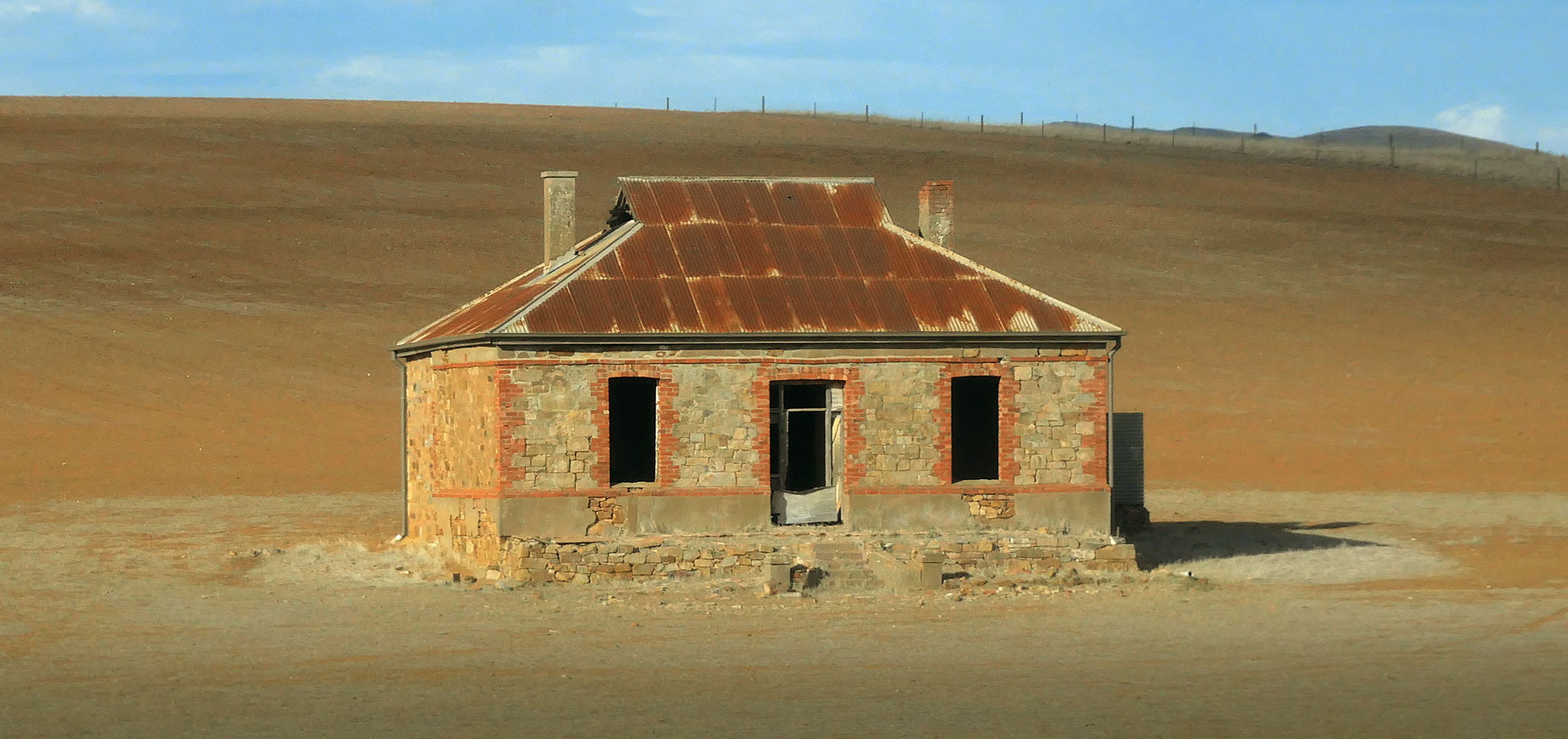
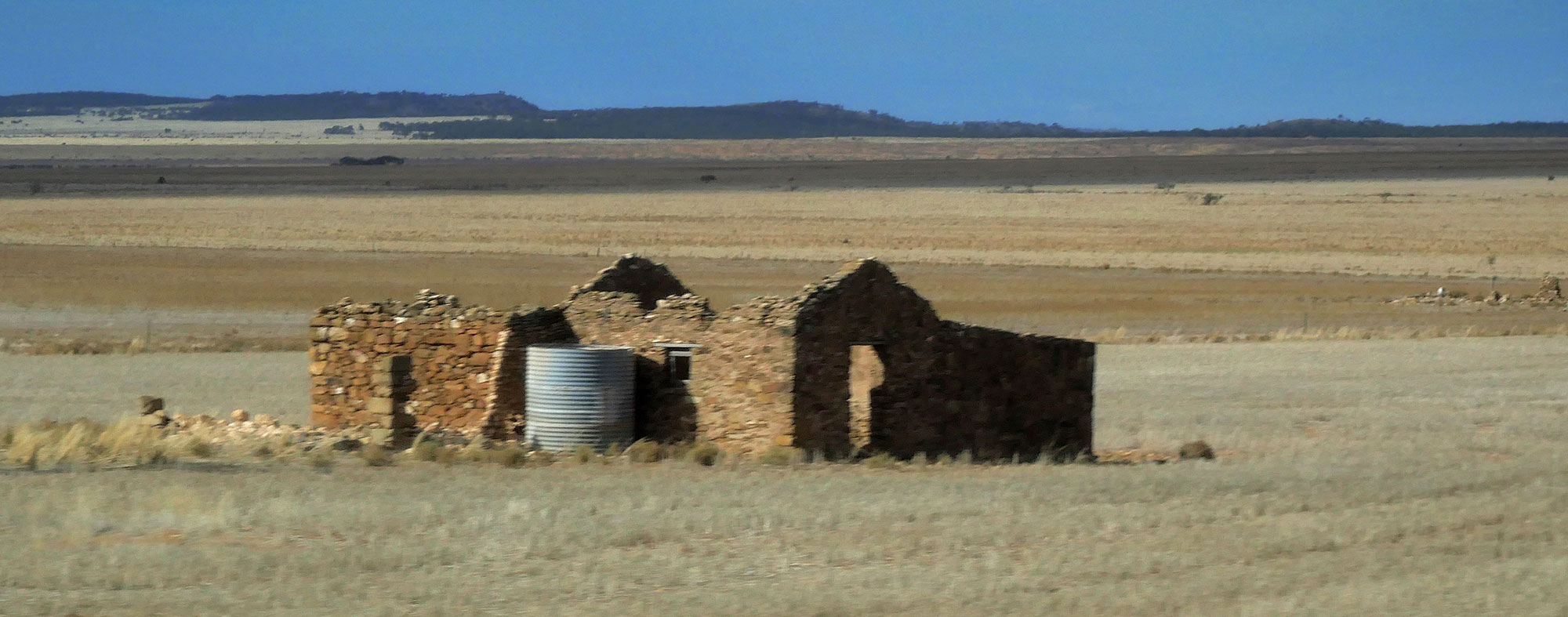
South Australia has a lot of old abandoned railway stations, some with old rolling stock, some with wheat silos and most of them built beautifully from local stone

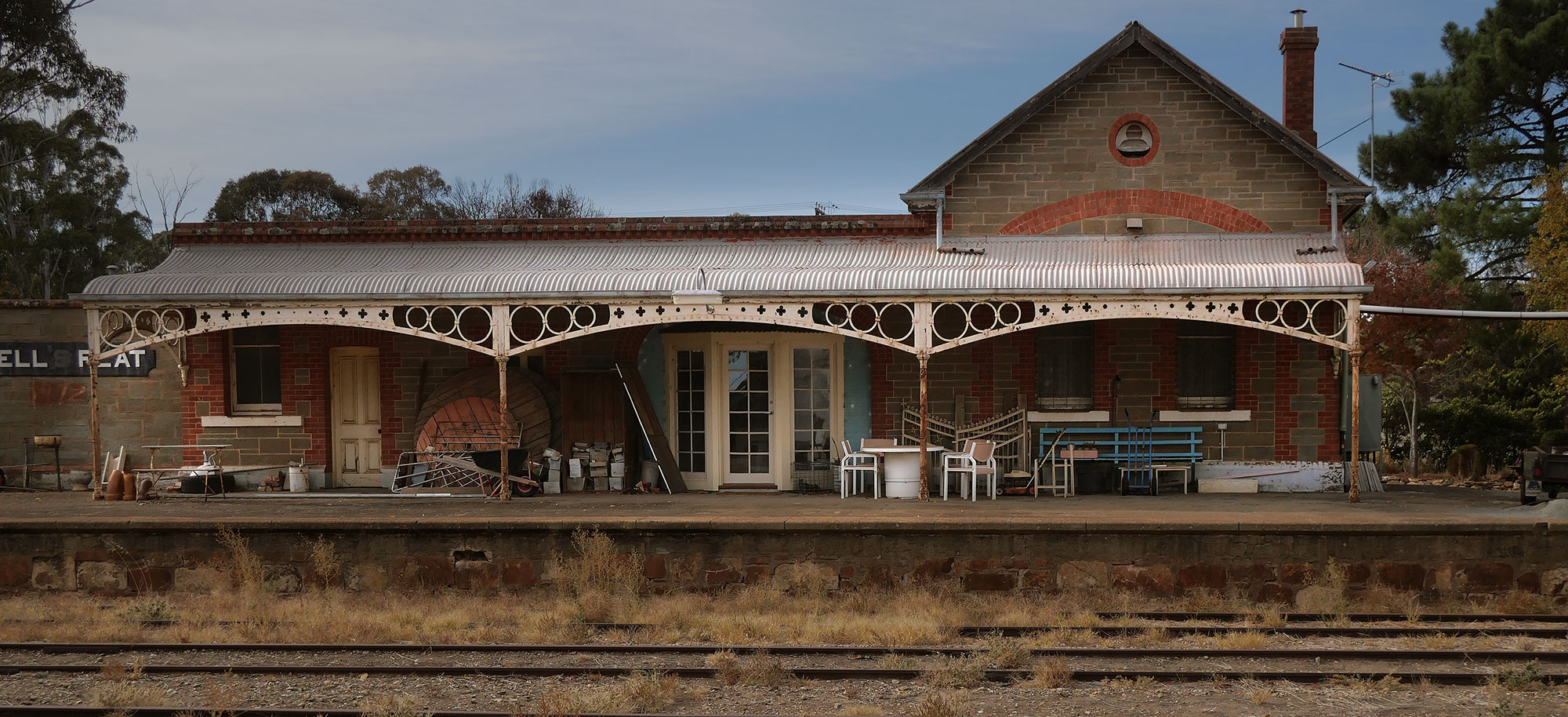
One of our group has explored all the old abandoned stations in the lower Finders. He got permission from the owners of this beautiful old station for us to visit.

We spent a morning painting the old Farrell Flat Station.


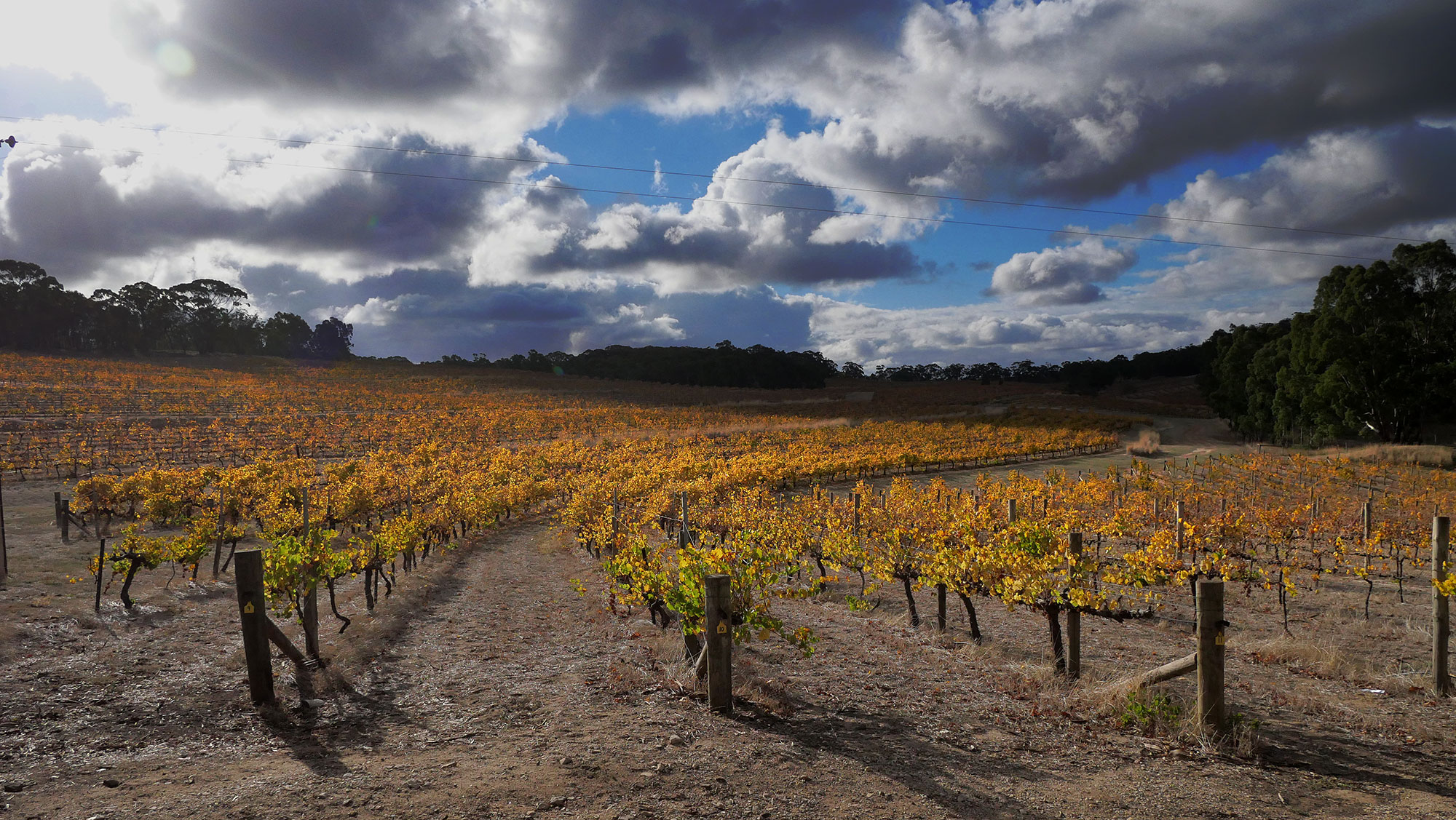
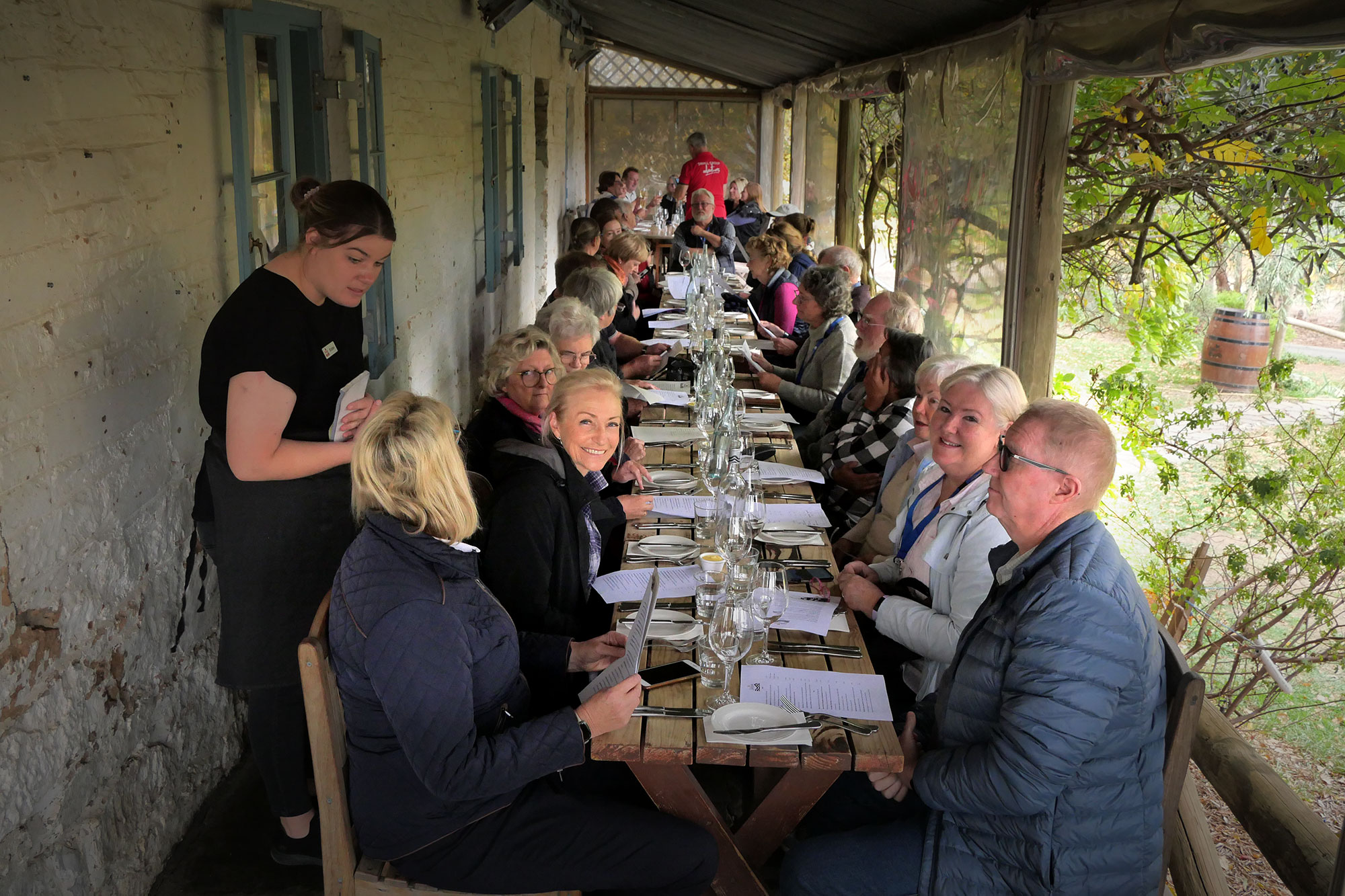
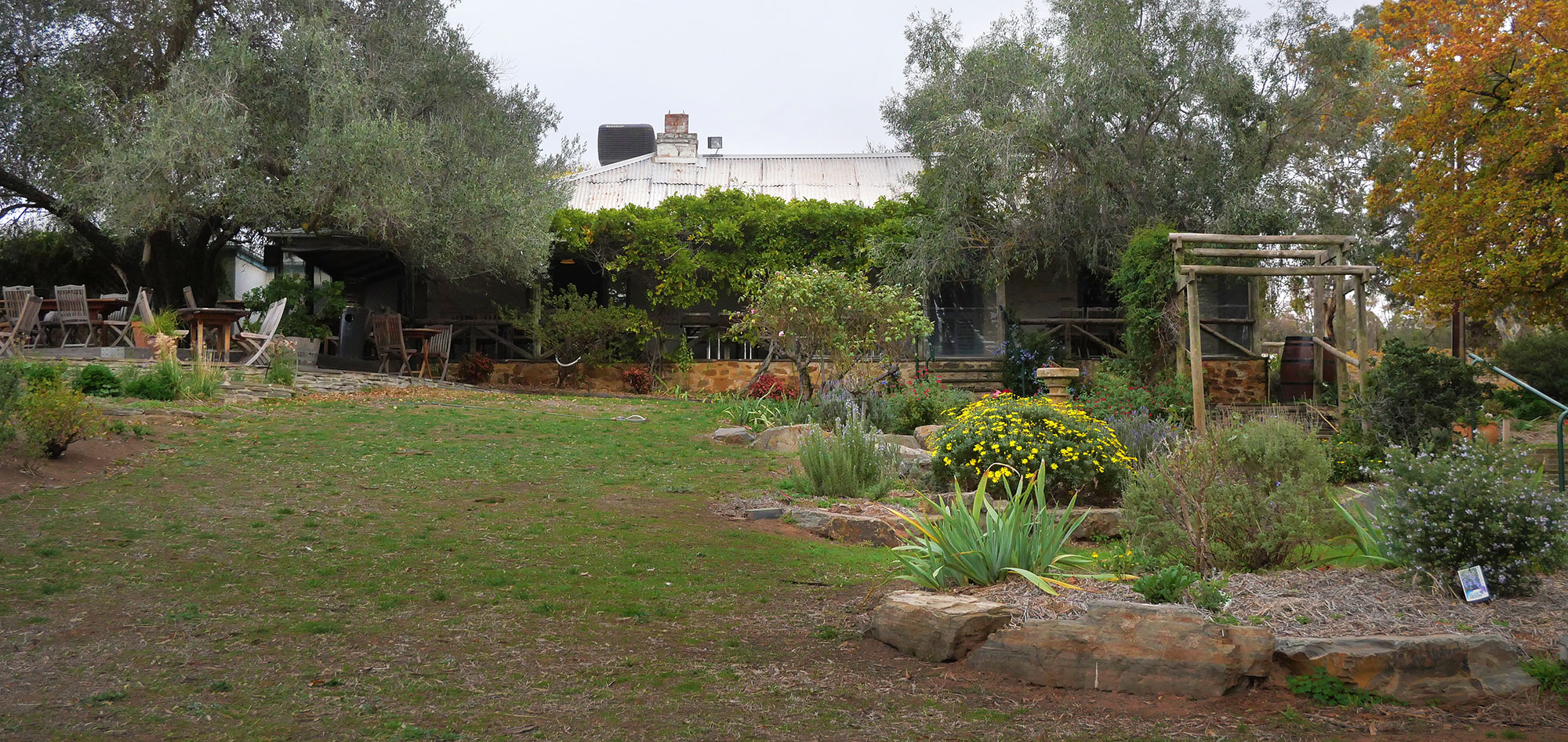
Skillogalee Vineyard made a good painting destination. We sampled their wines, had a fabulous meal and painted in the vineyard garden – What a great day.

Lunch on the Skillogalee verandah.

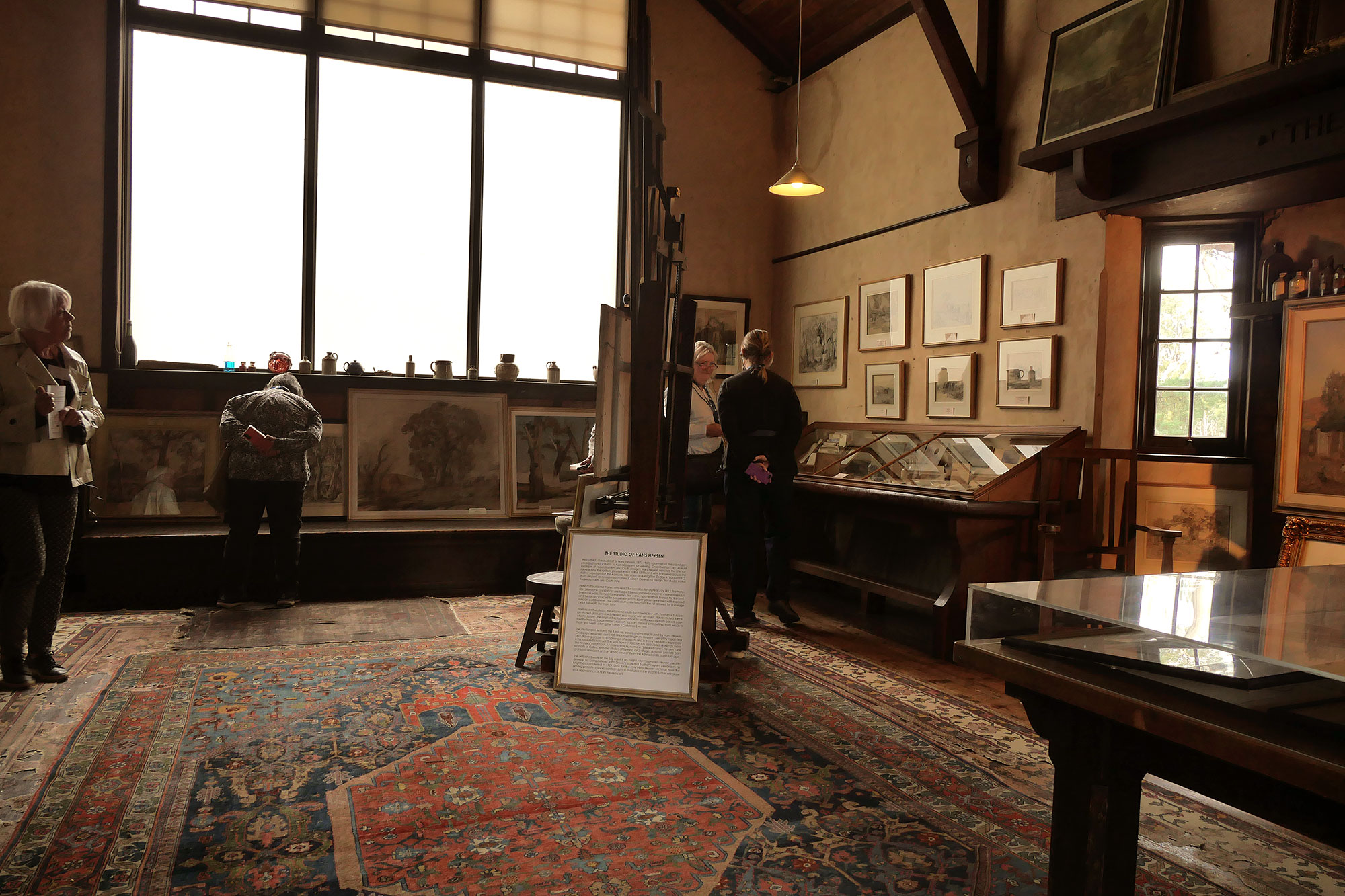
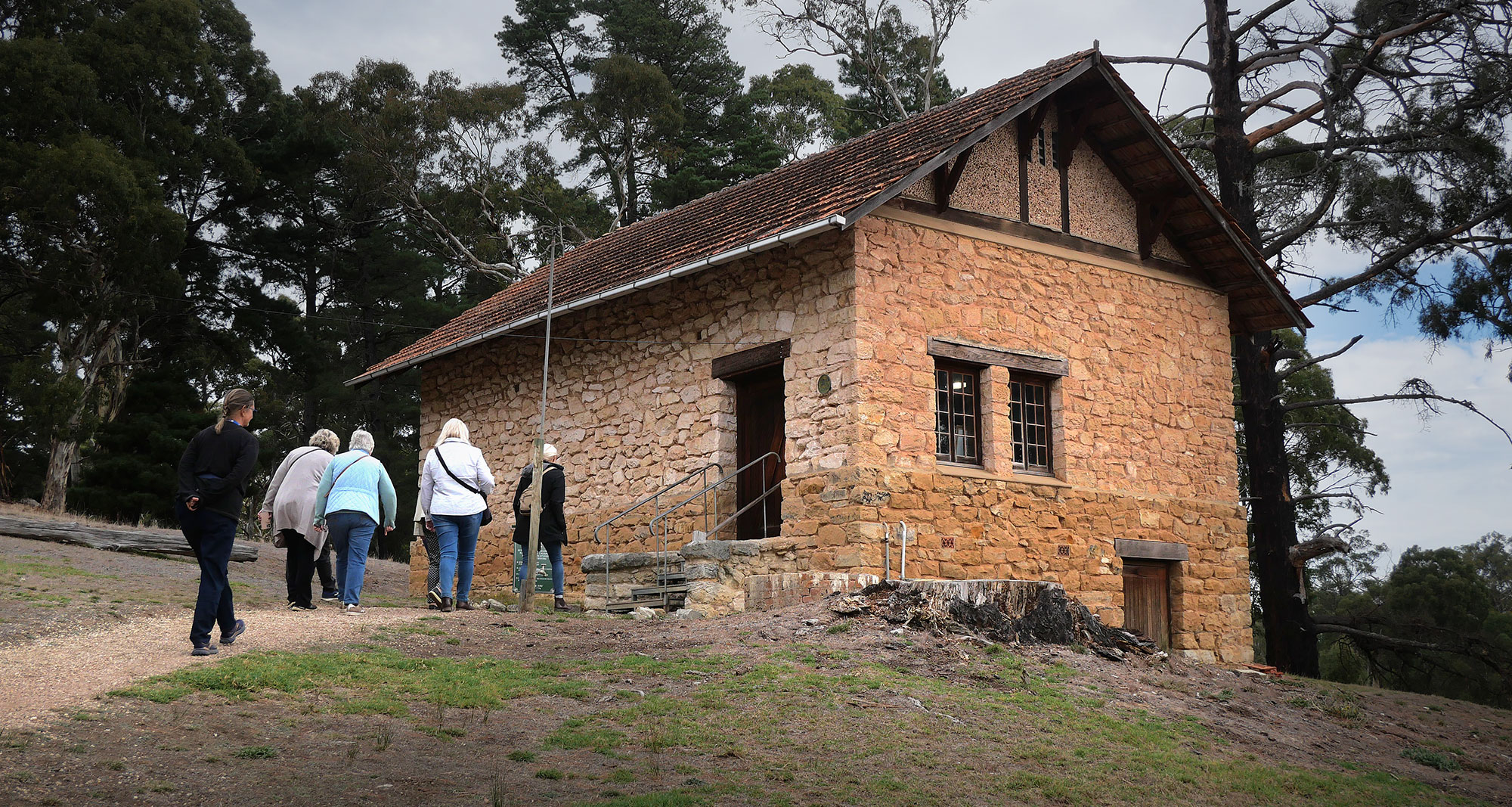
Our last couple of days were spent in Hahndorf in the Adelaide hills. We visited The Cedars – the home and studio of Hans Heysen.

A beautiful studio with huge, frosted, south facing windows and a large open fireplace


We were lucky to have “The Two Marks” on board as we travelled around South Australia. Mark One , the driver, had a terrific knowledge of the area and kept us entertained and informed with some great stories. Mark Two,  a local watercolourist and long time traveller through the region led us to some great painting locations we would have otherwise missed.

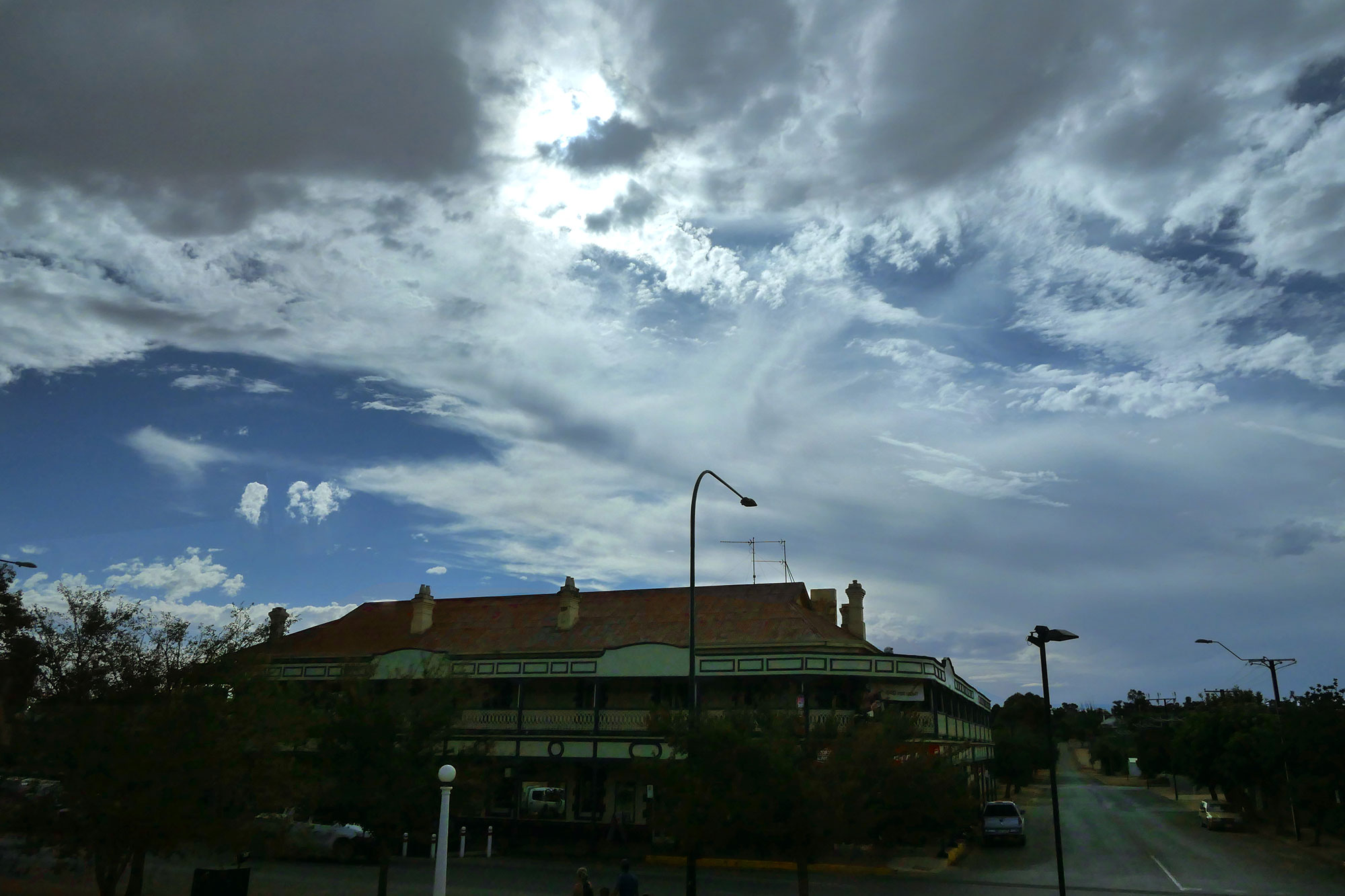
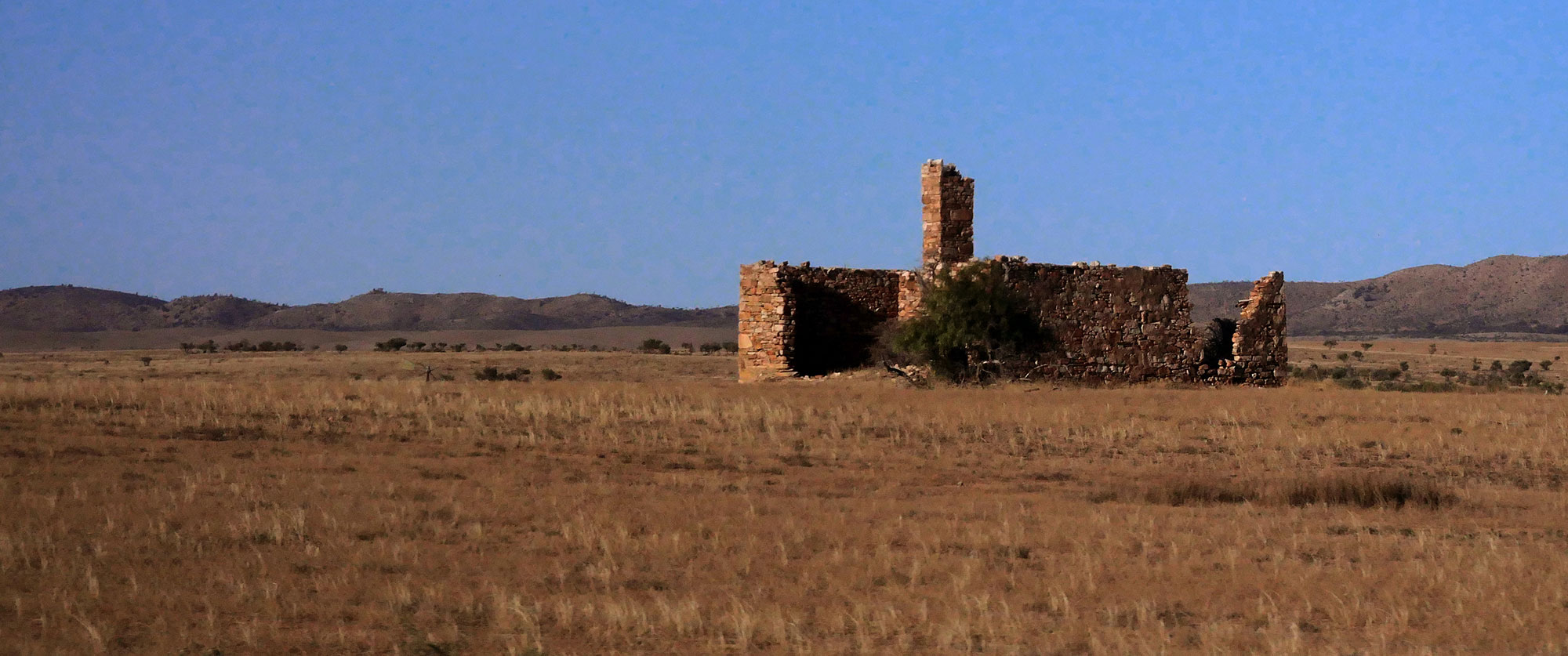
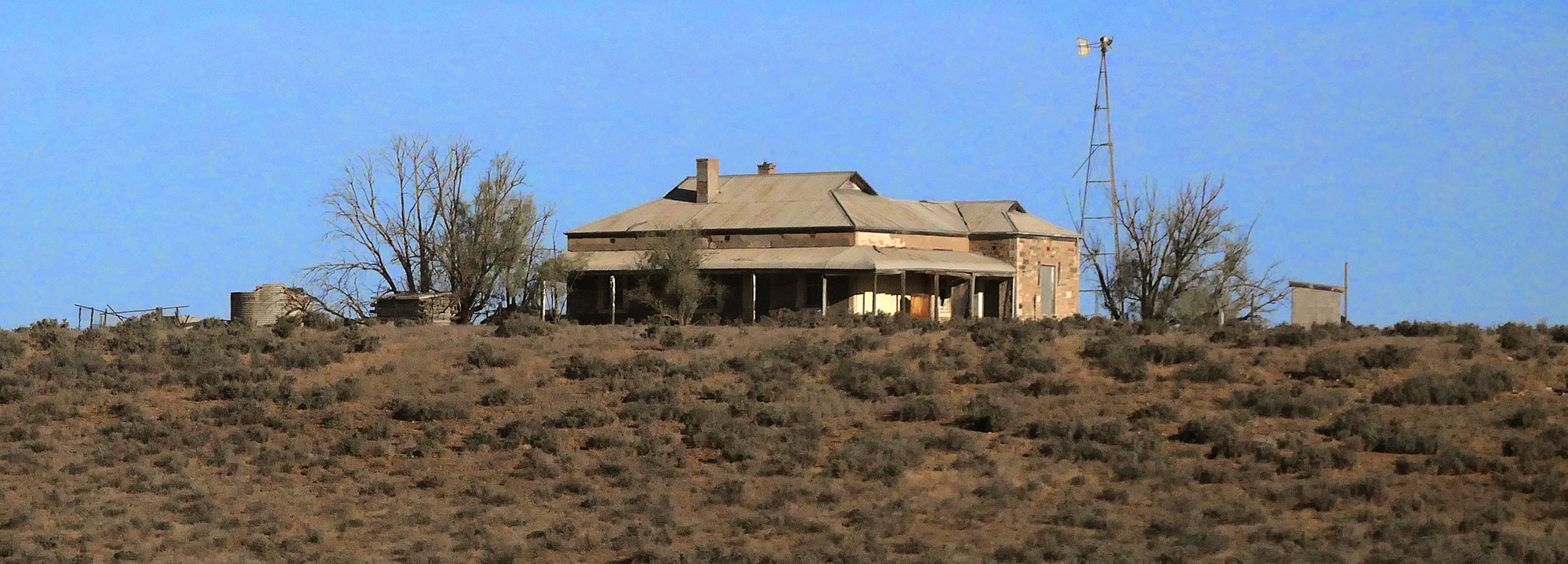
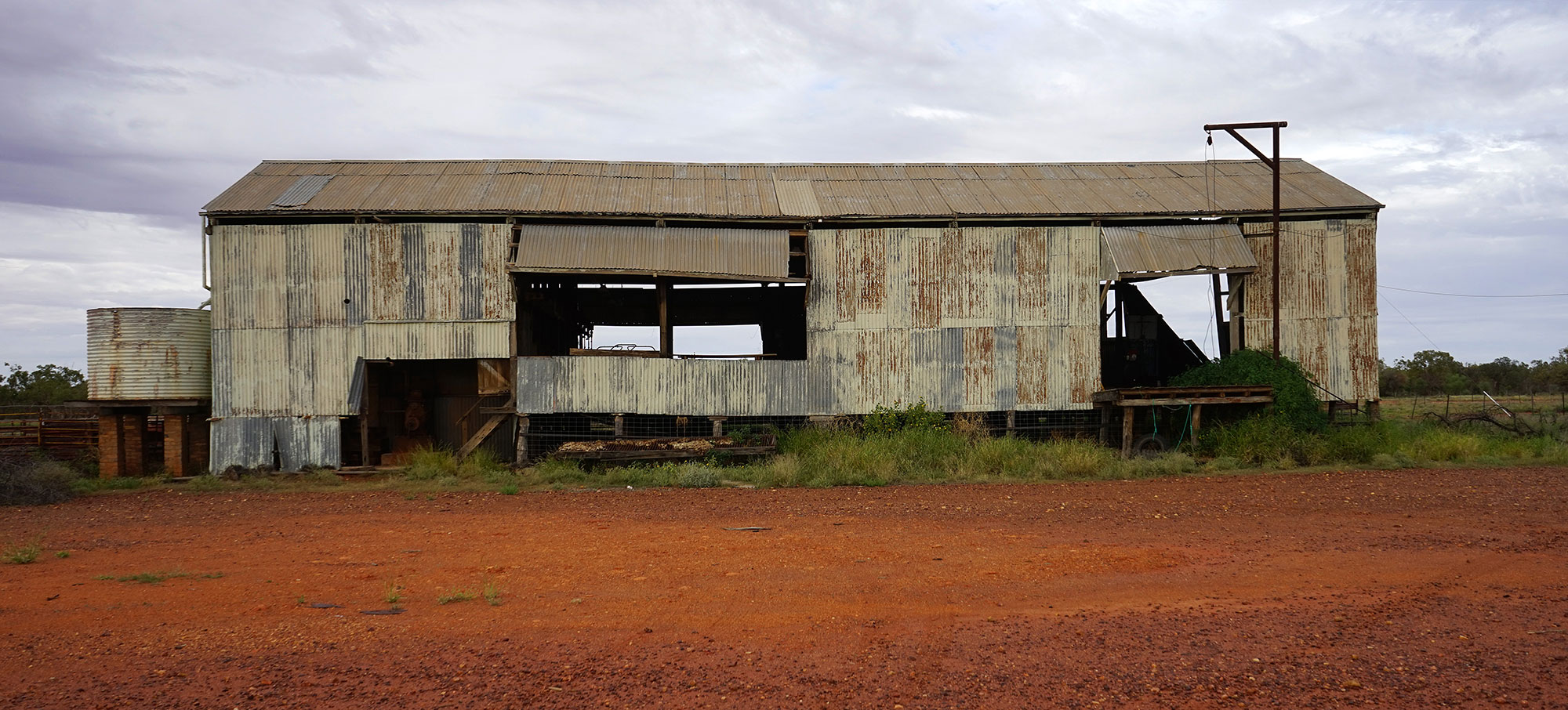
The passing vista of old abandoned buildings, big skies and bare rolling hills is unique to South Australia and is something that keeps drawing us back to this part of the country.


OLD STRZELECKI TRACK

After 12 months of Covid restrictions it sure is a good feeling to load up our truck and head out west again. Our plan is to head west through Queensland and cross the, now open, border into South Australia around Innamincka. From there we will follow Strzelecki Creek along the Old Strzelecki Track, stopping at some of the waterholes mentioned by John Conrick in his 1870 journey to find a route to drive cattle from Western Queensland to Adelaide.

We will leave our truck in Adelaide then travel by coach back up to the Flinders Ranges to conduct a painting workshop for two weeks

Crop dusting vast fields of Cotton near St. George, Qld.

Old Dynevor Downs shearing shed. Every time we drive past I stop and take a photo. Over the last 30 odd years we have seen it slowly deteriorate. Wild dogs have virtually shut down the wool industry in Western Queensland.
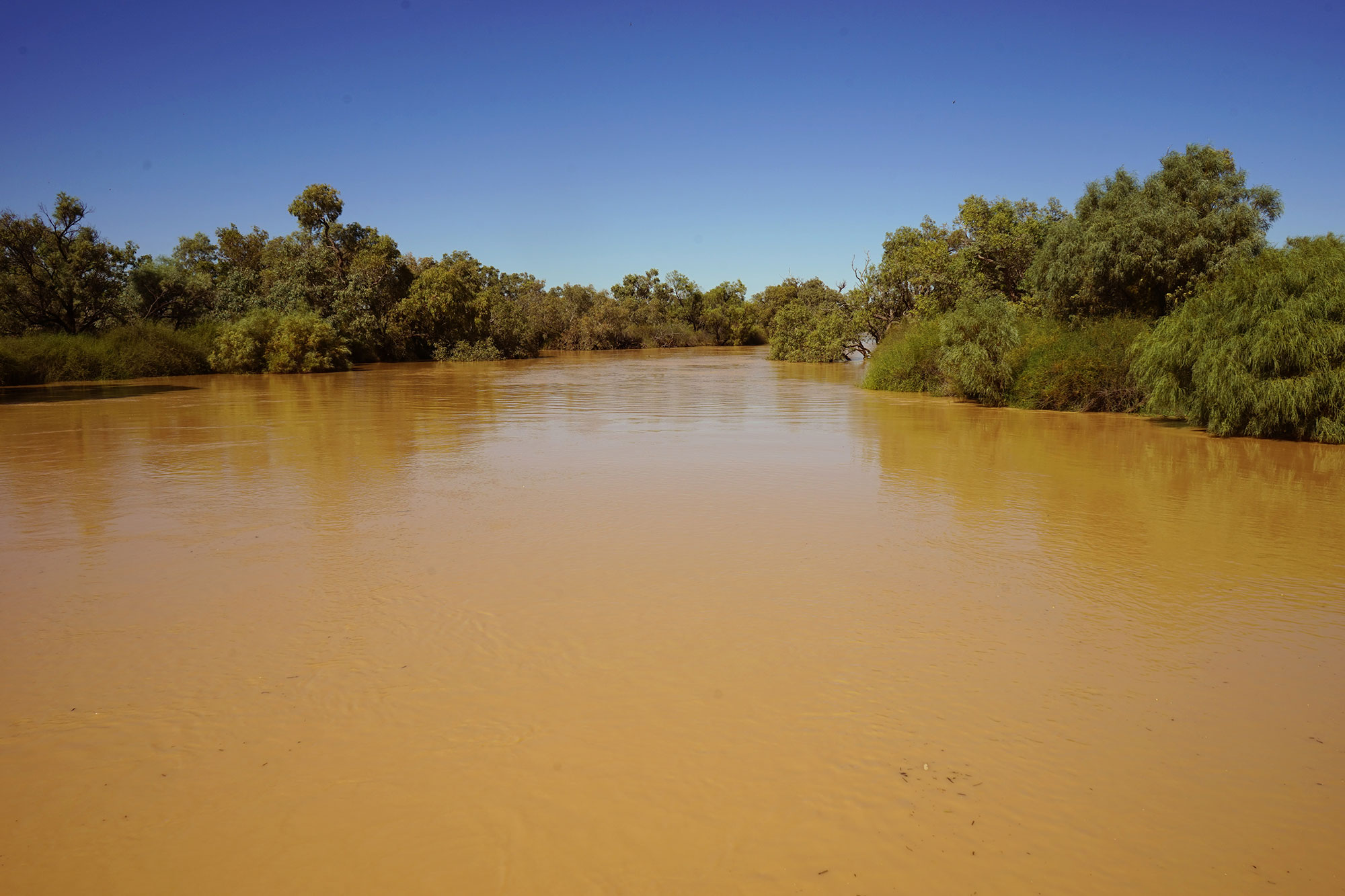
An unusual site – The Wilson river at Noccundra brim full of water.

As we head out through Western Queensland it is great to see all the creeks and waterholes full from recent rain.

The normally dry desert country is green and full of wild flowers at the moment.

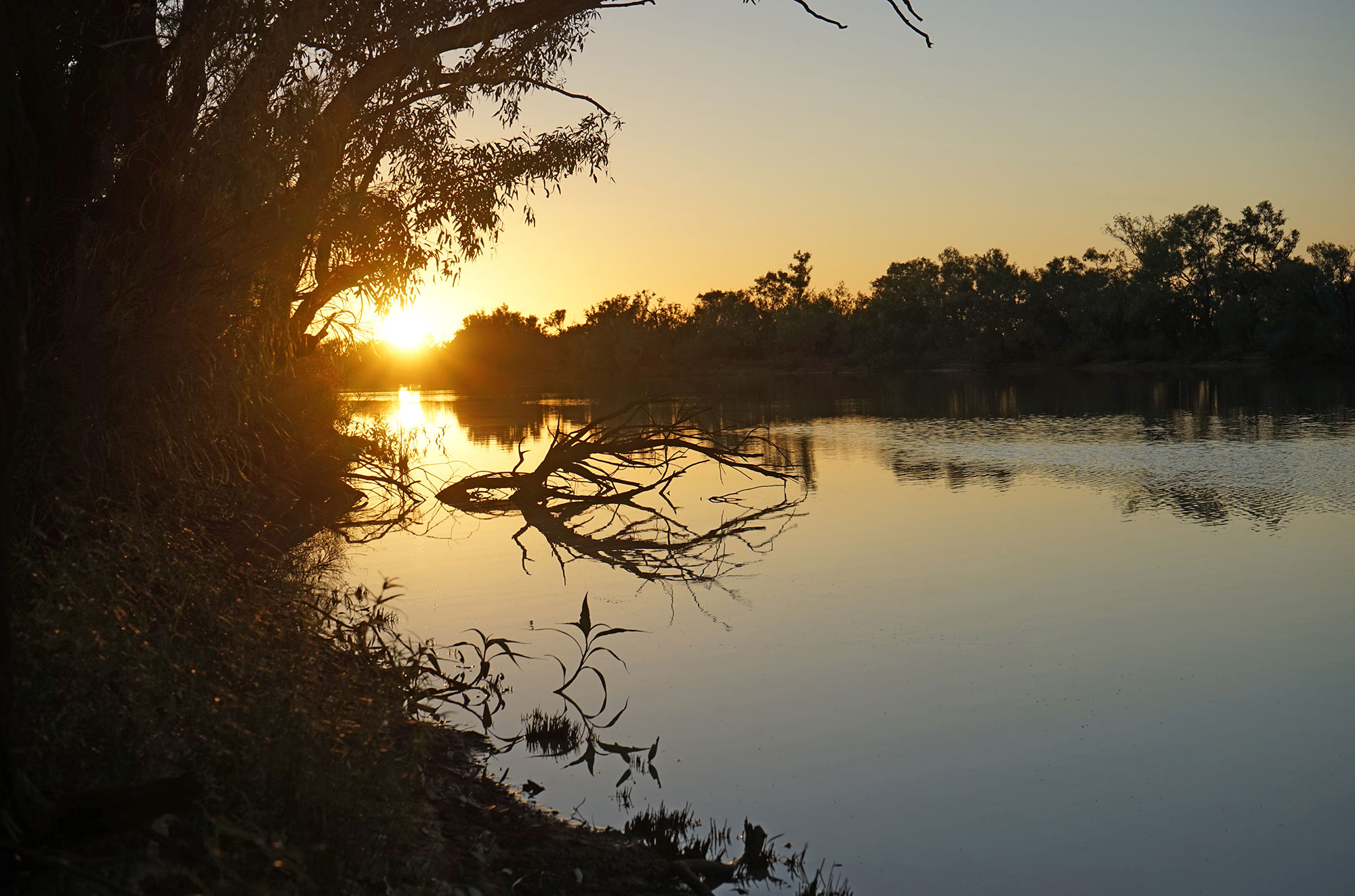
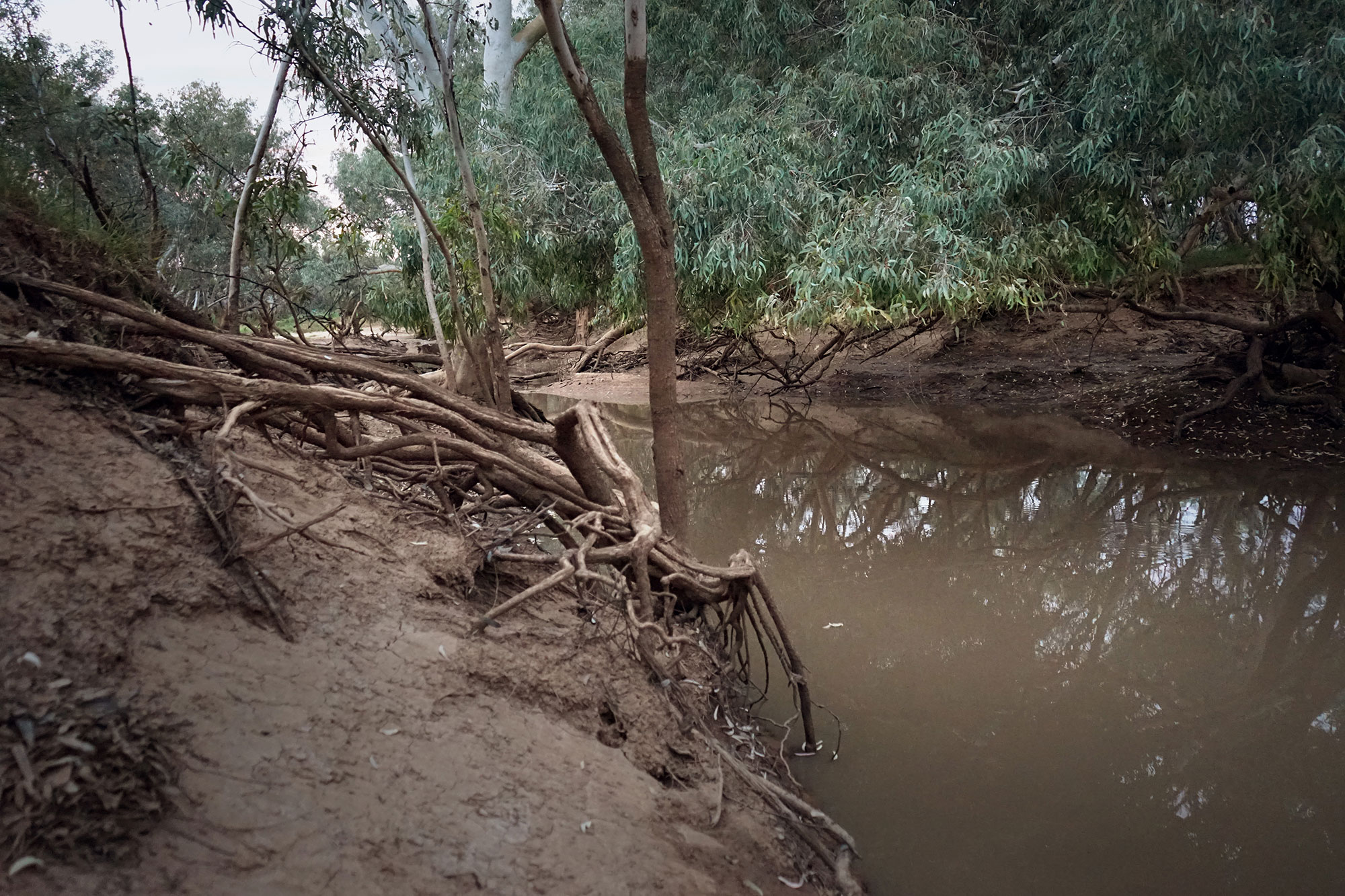
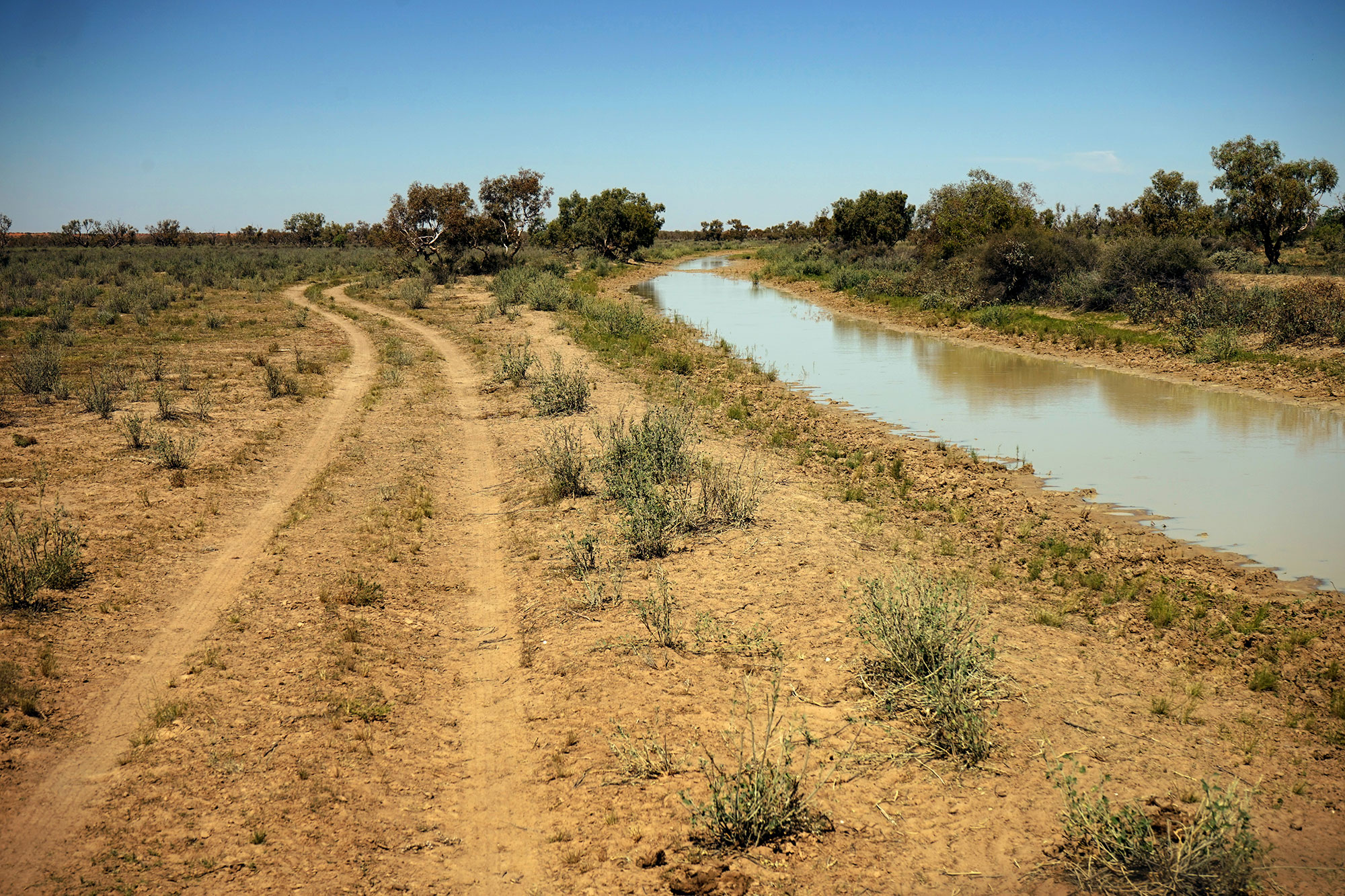
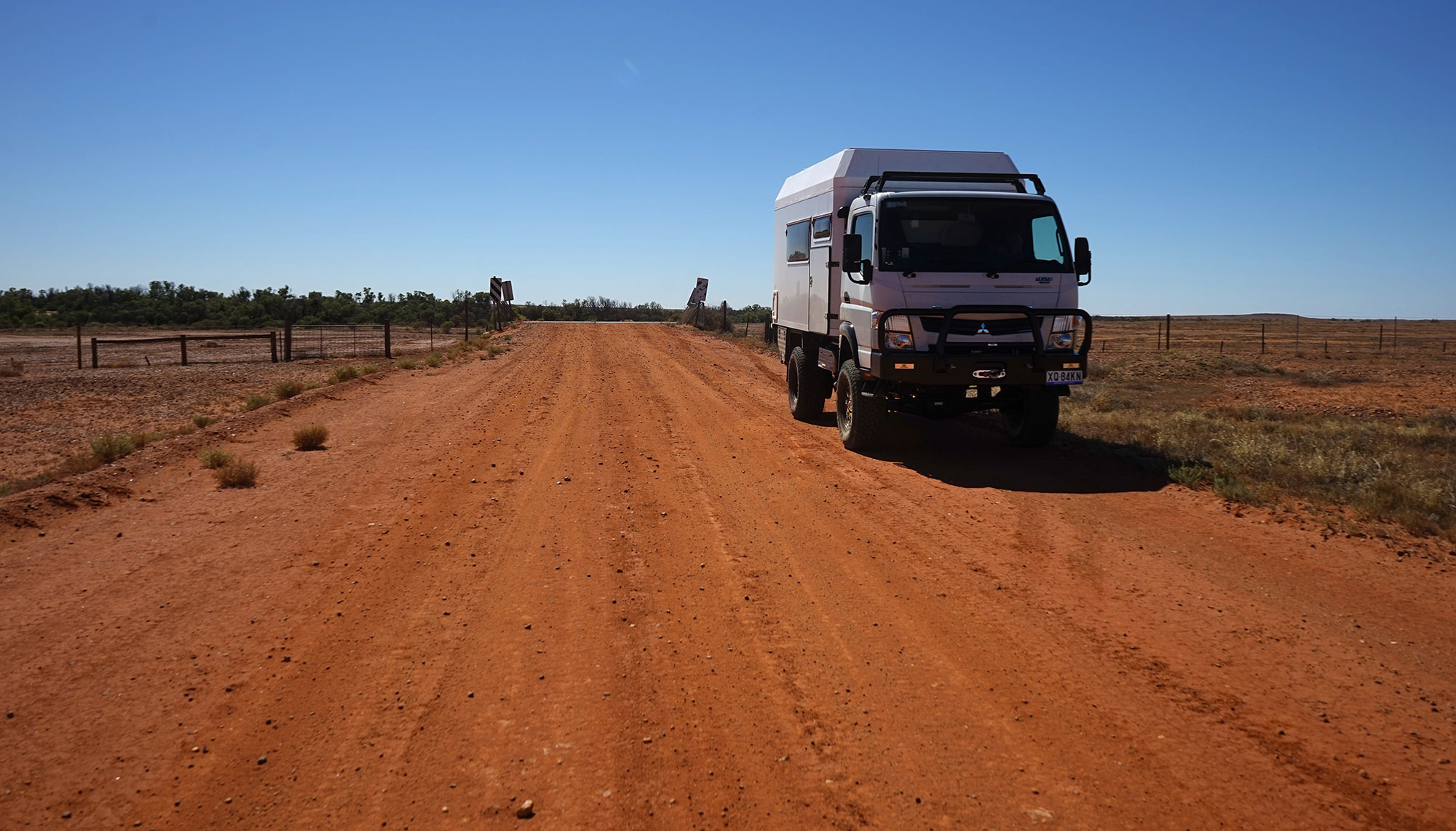
The Old Strzelecki Track could better be described as the Old Strzelecki River. Kilometres of the track were under water so we had to use side tracks most of the way. The abundance of water meant that birdlife was scattered far and wide, unlike in dry times when the odd small waterhole attracted hundreds of birds. We managed to find a couple of Conrick’s waterholes but the condition of the track made it difficult.

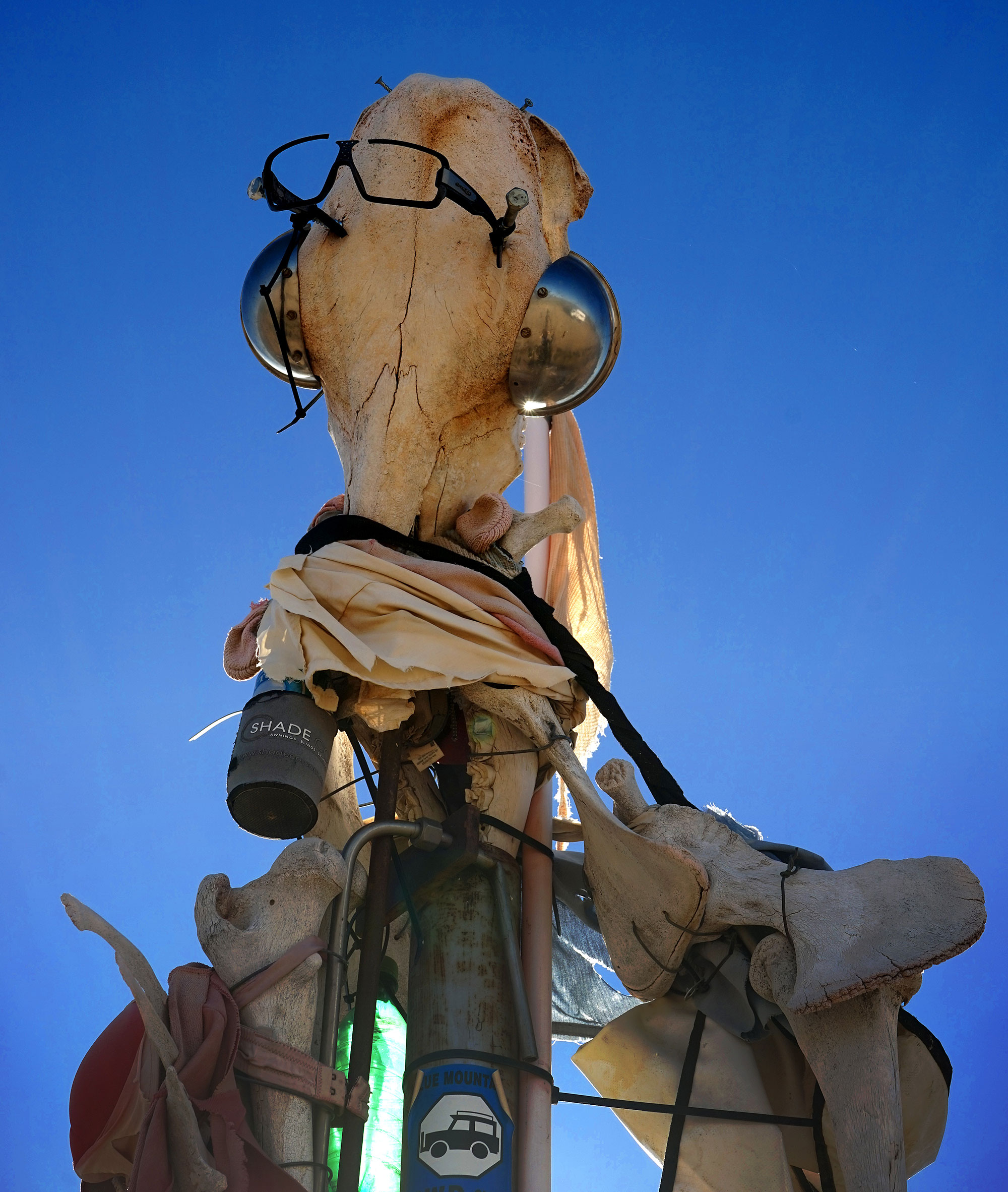
This ever changing sculpture made from camel bones and accumulated junk marks the end of the Strzelecki Track and the Northern approach to the Flinders Ranges.

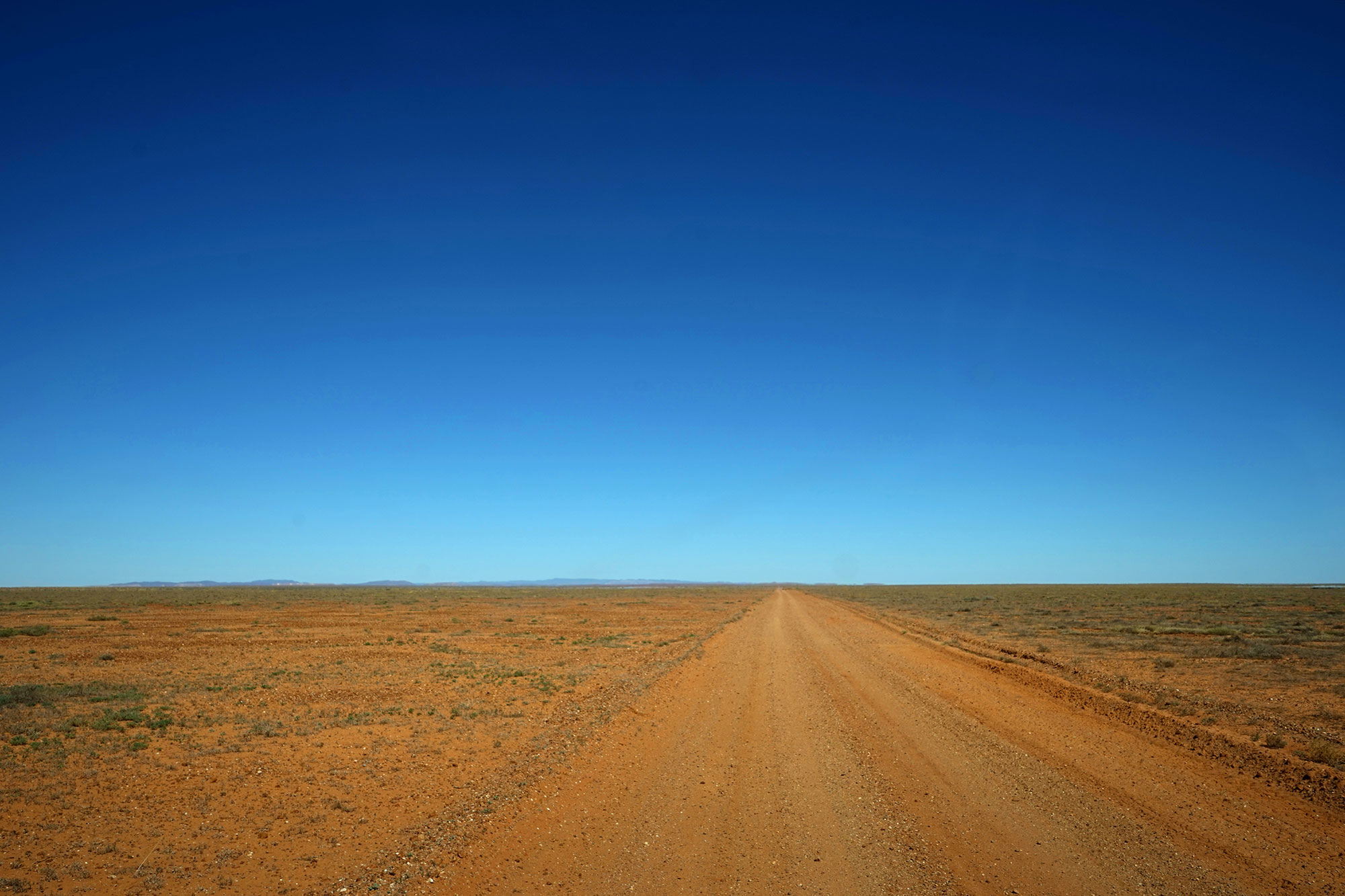
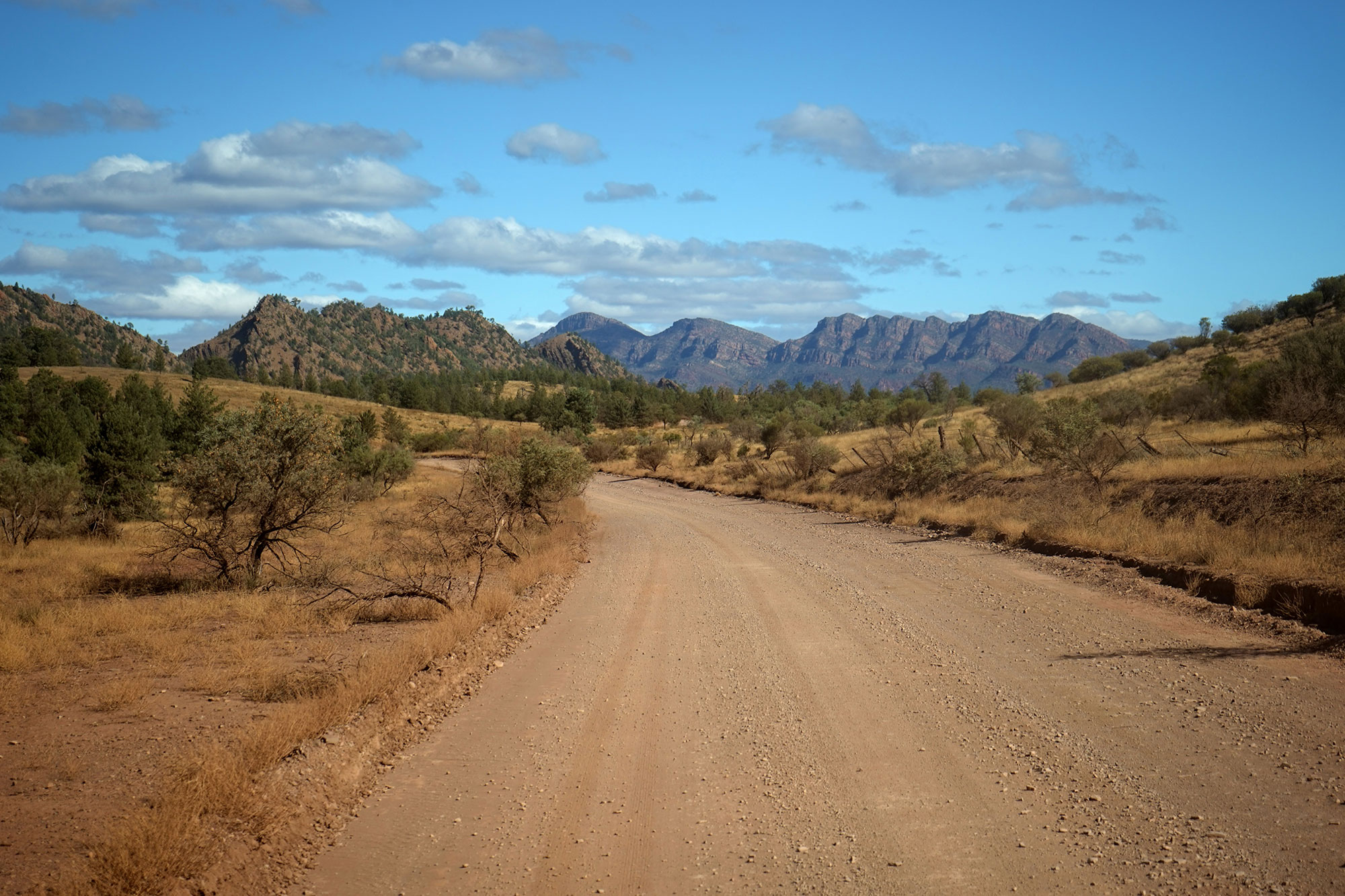
The track improves and far off in the distance The Flinders Ranges become visible

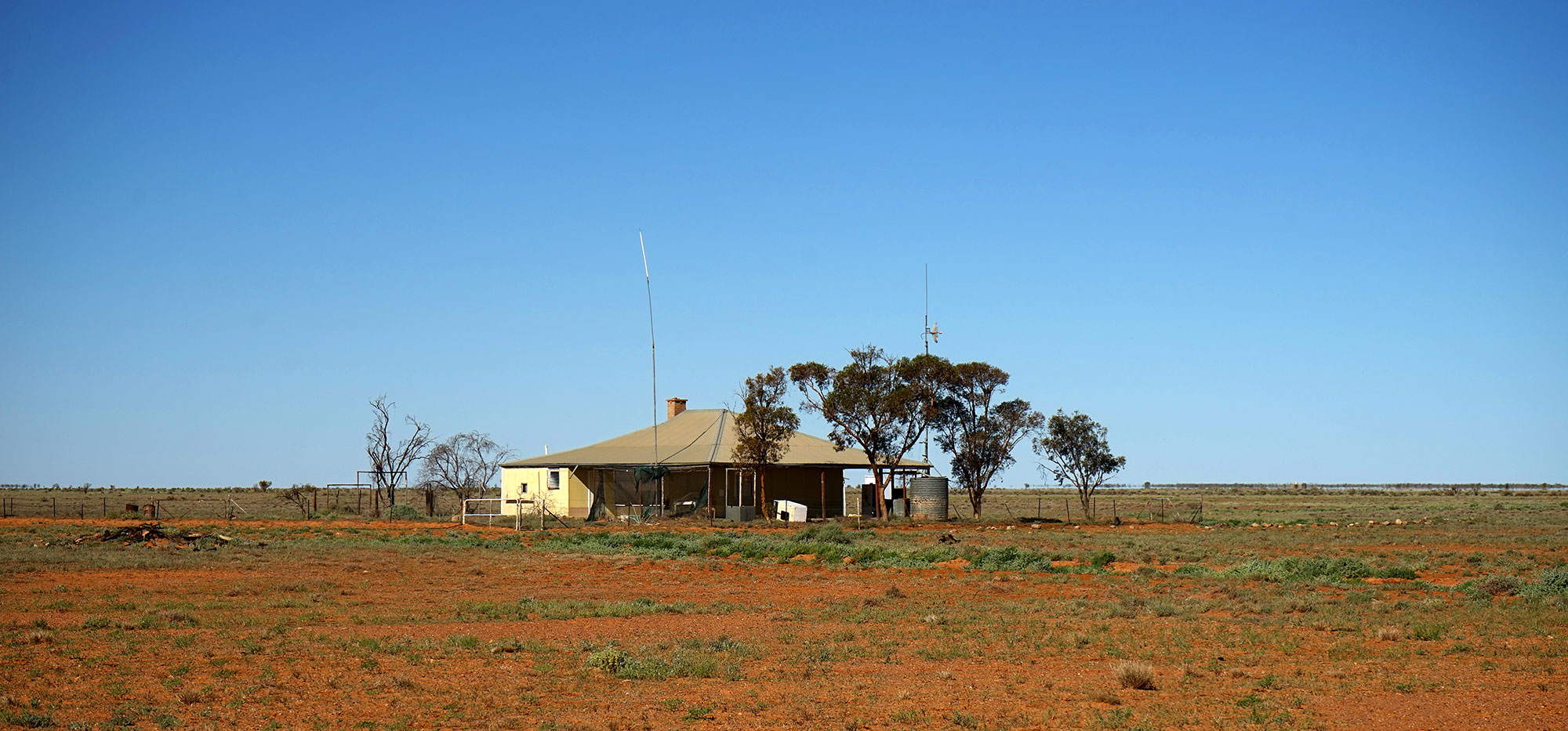
North Mulga Station sits on a lonely stretch of land at the Southern end of the Strzelecki.

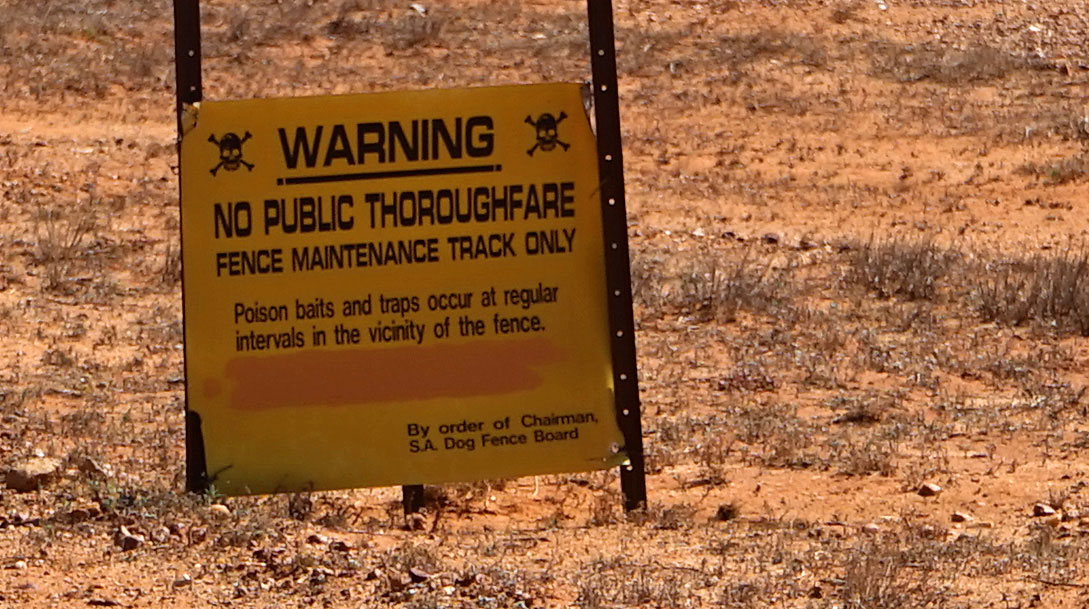
The southern end of the track crosses a dingo fence that stretches as far as the eye can see in both directions

Dogs are trapped and poisoned in an attempt to give the farmers a chance to raise stock on these huge properties.

A pair of Brolgas heading to a water hole at sunset

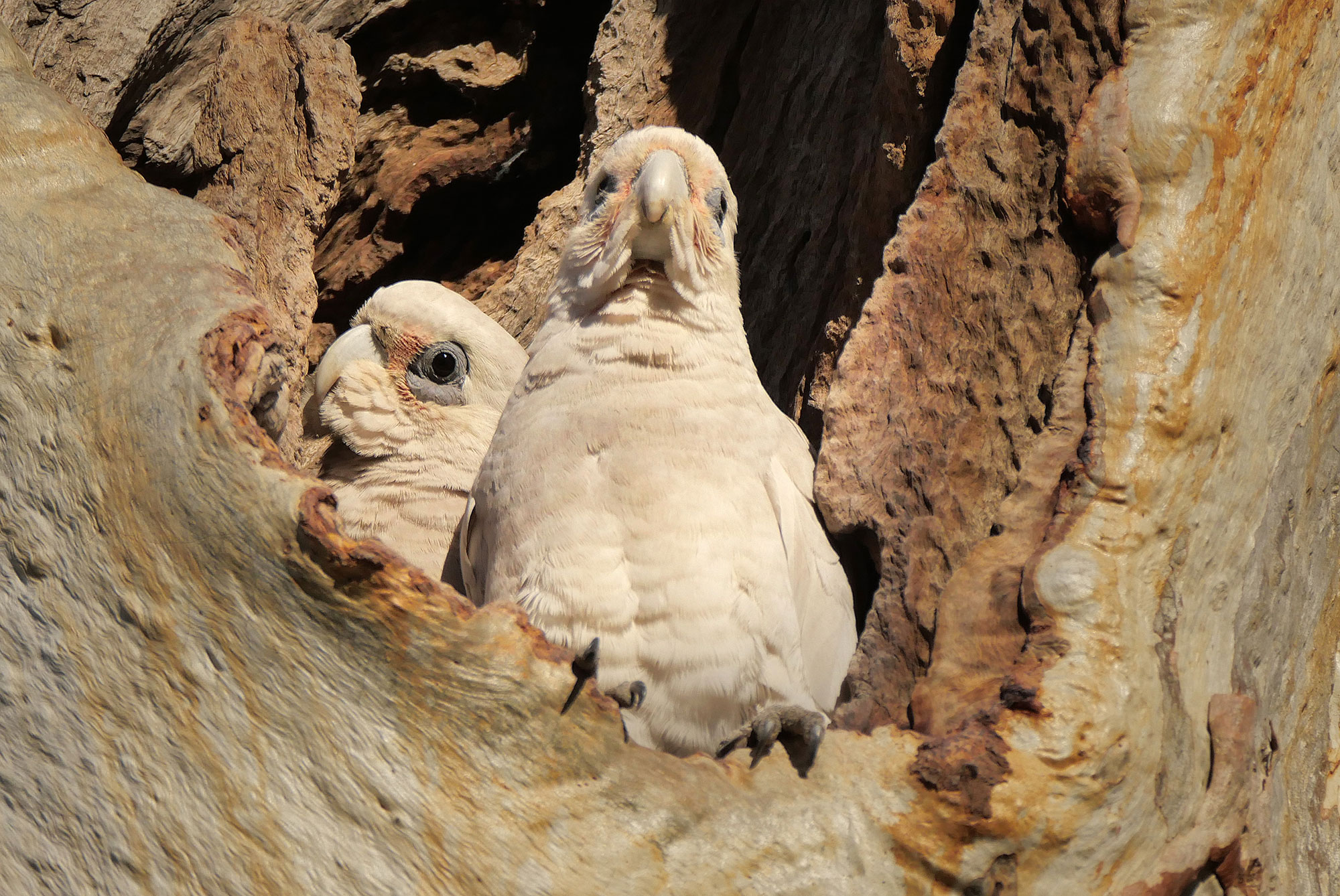
Corellas make a home in a giant River Red Gum

Approaching the Arkaroola turn off in the Northern Flinders.

Back into harsh, dry country around Arkaroola

The dark nights and clear air around Arkaroola are perfect for astronomy. There are a couple of large telescopes on the property.

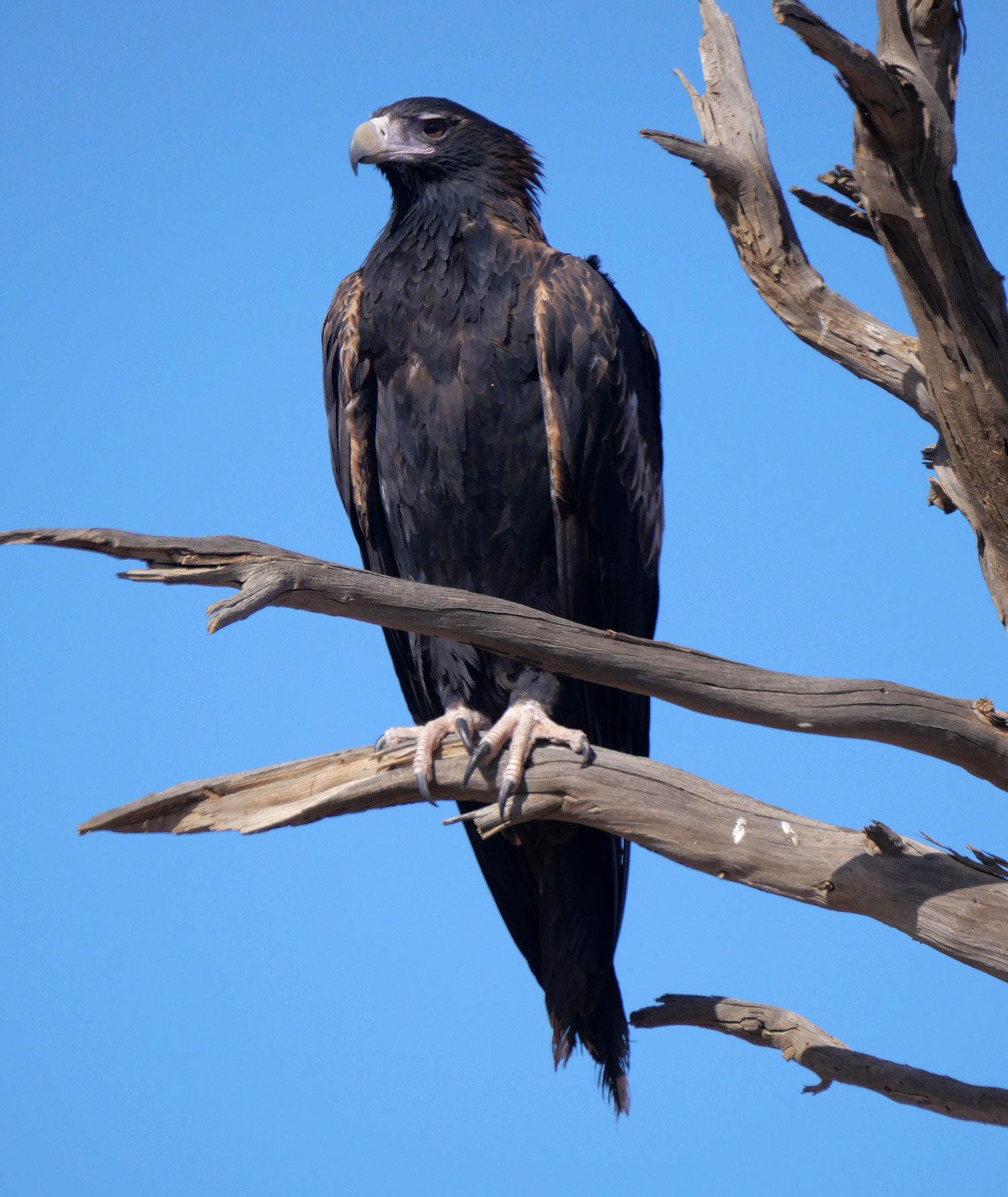
A big Wedge tail surveys the countryside.

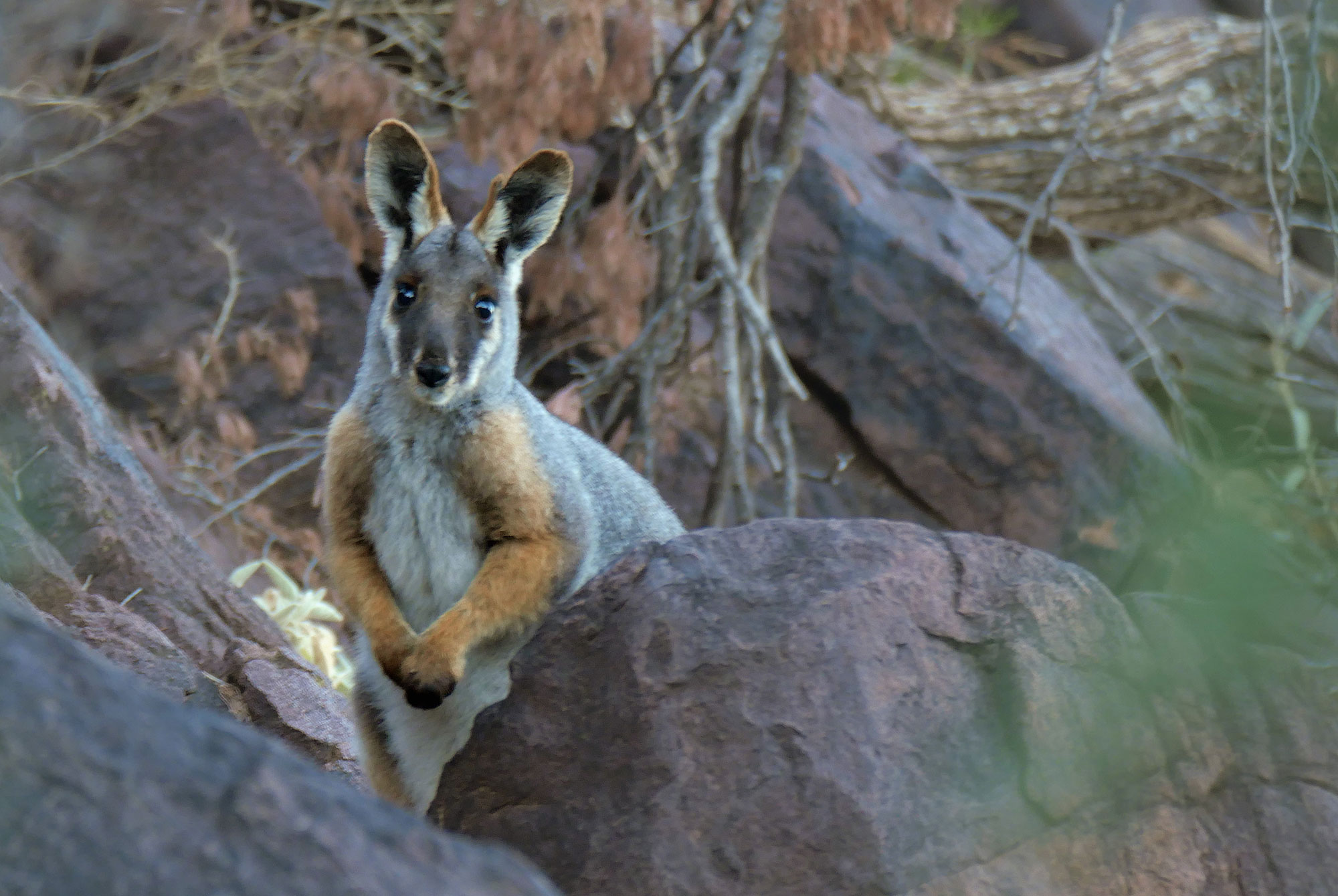
The small, endangered Yellow Footed Rock Wallaby lives in the hills around the Flinders Ranges.

Feral Goats also compete for grass and water in the area.

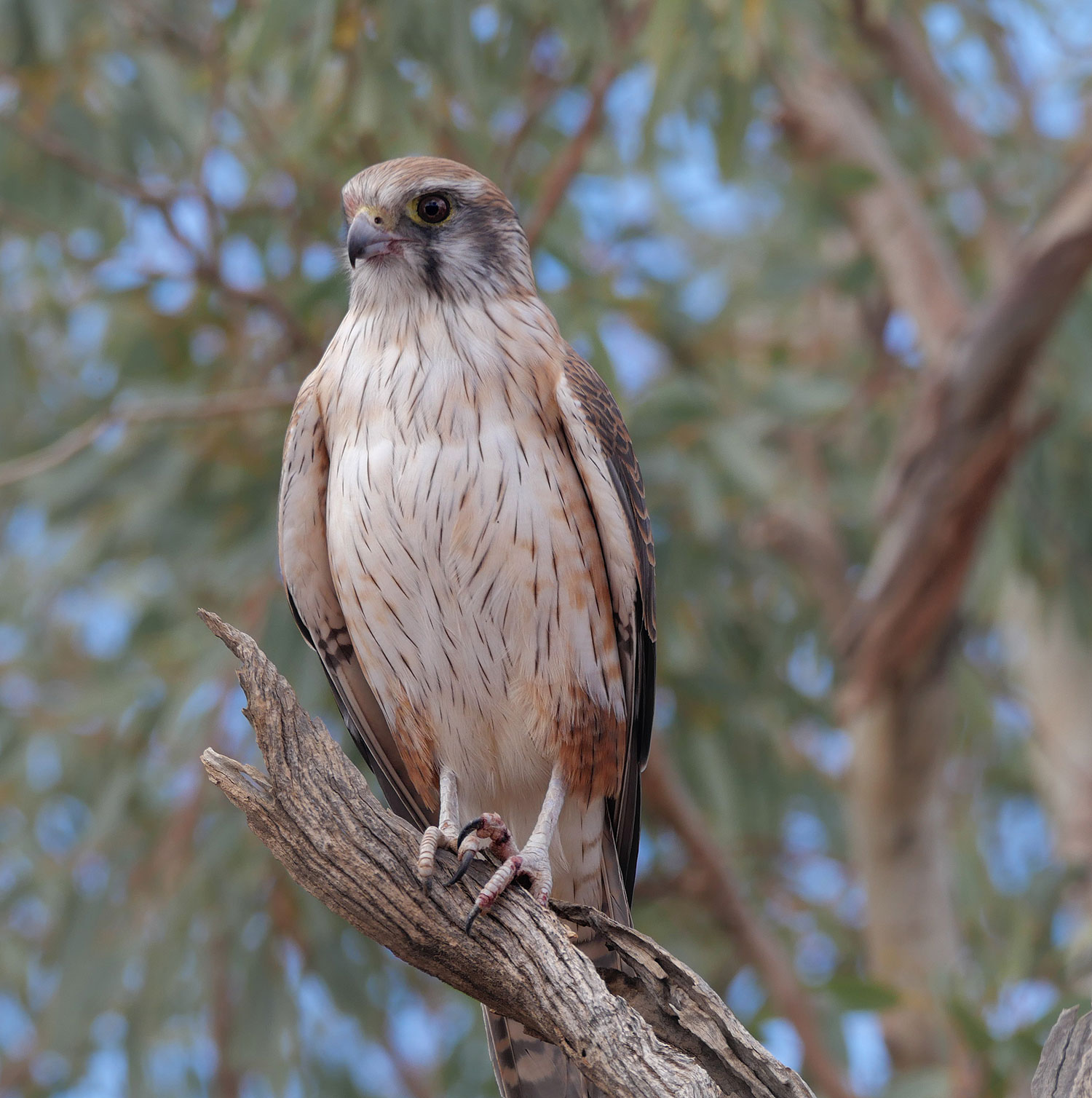
Nankeen Kestrel on an Arkaroola stump

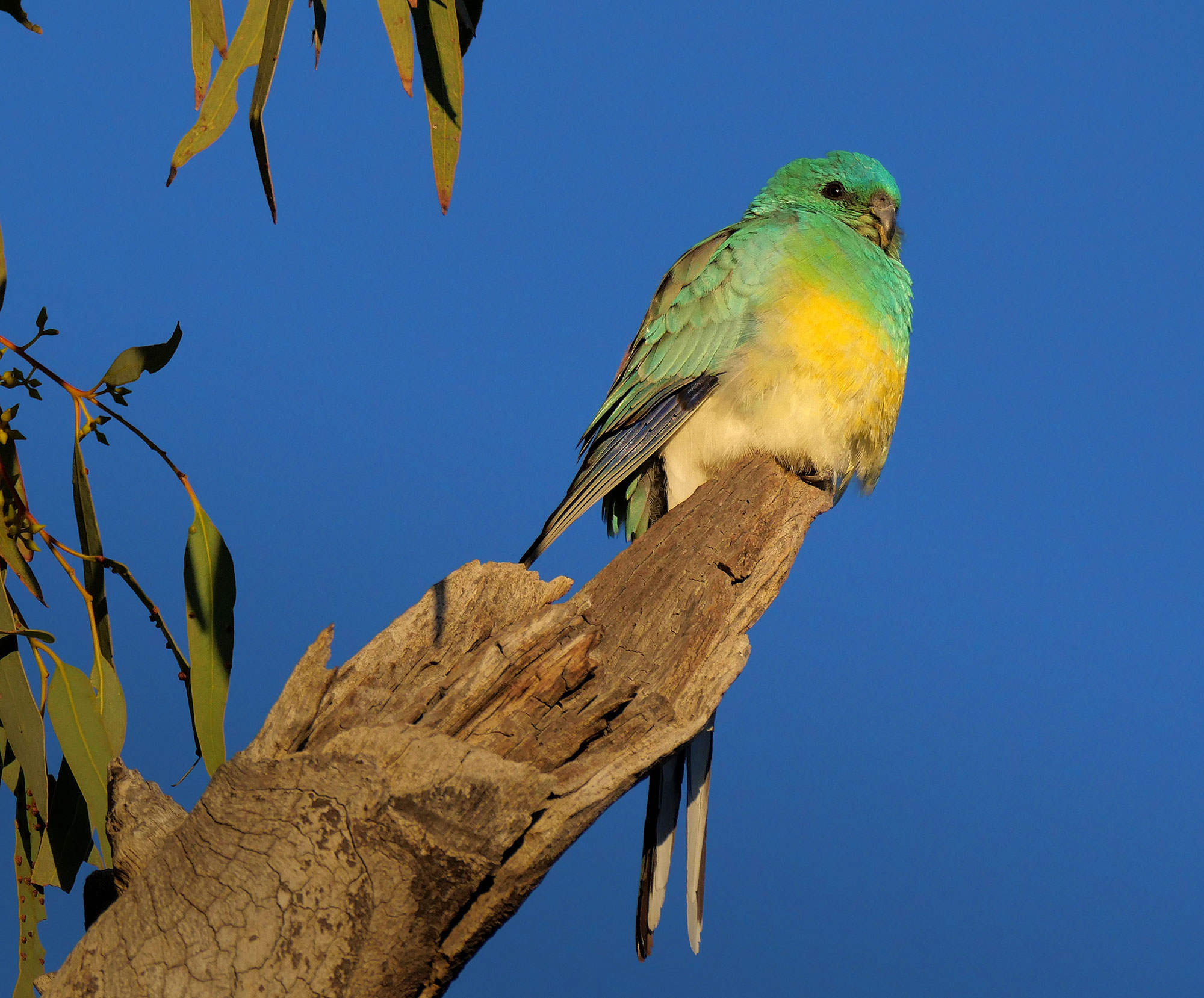
A happy parrot perched in the morning sun