ITALY 2025

The textures and colors of Italy have made it one of my favourite painting locations. We spent a few days in Florence before heading off to Tenuta di Sticciano, between Florence and San Gimignano, for an 8 day painting retreat. I had a small, enthusiastic group of artists, a spacious studio and beautiful surroundings right in the middle of some of the best Tuscan villages and landscapes.
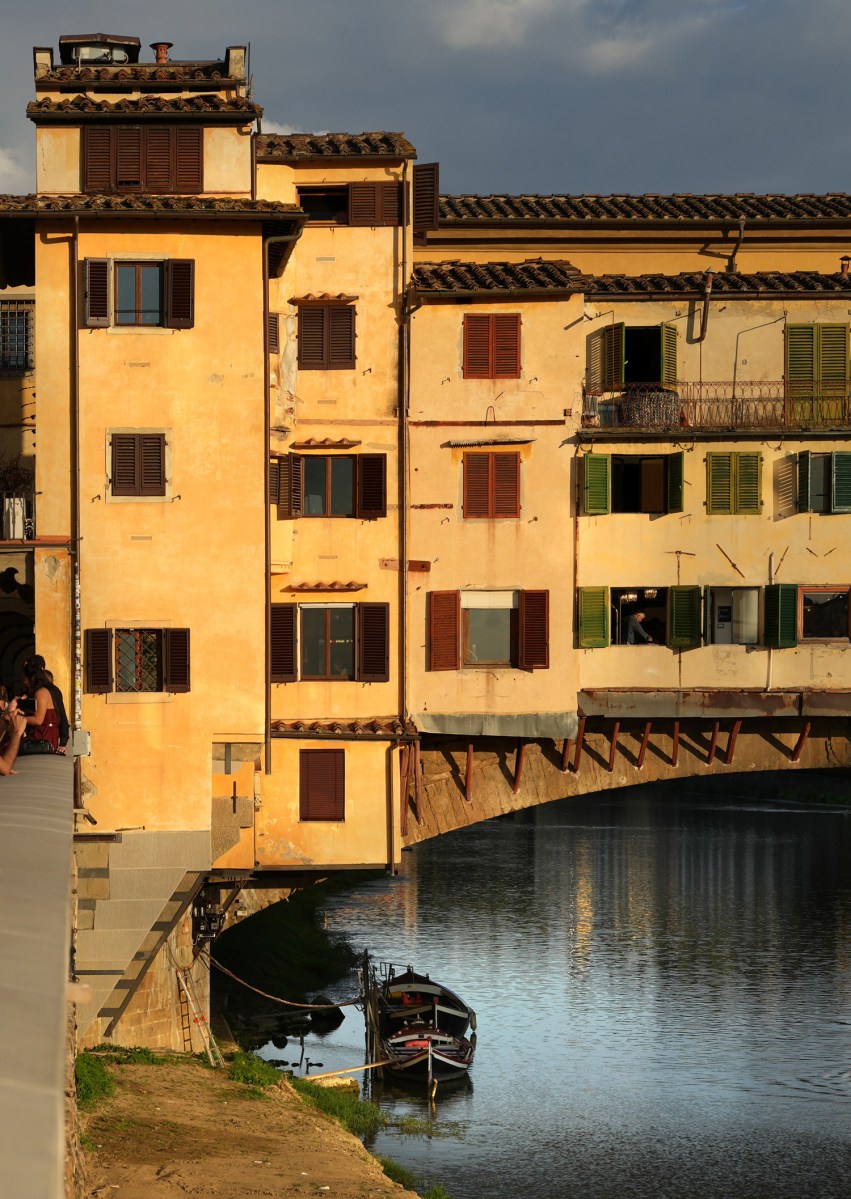
Early morning light on the Ponte Vecchio is one of the treats of Florence
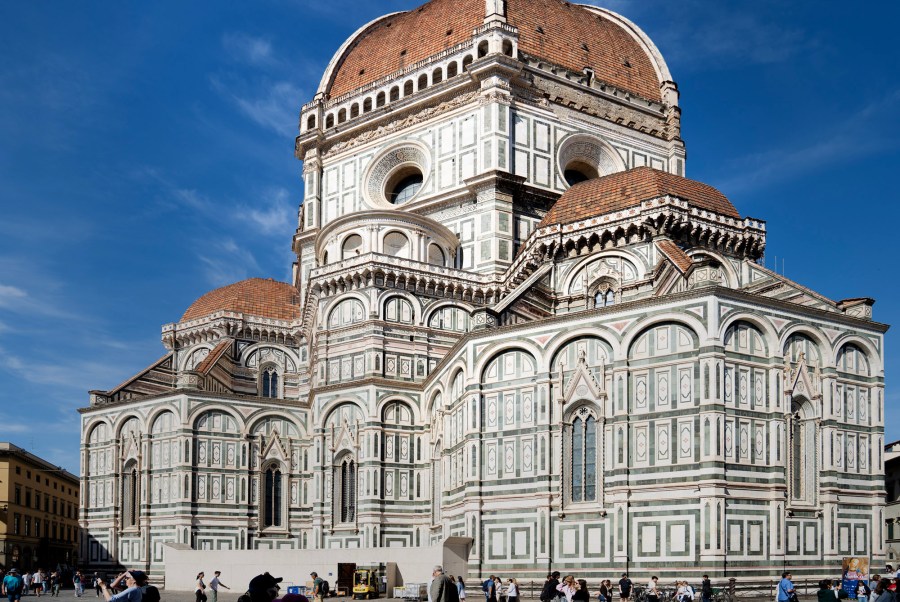
Florence Cathedral built in the 14th century without power tools, cranes, laser levels or computers – just a lot of hard working, skilled craftsmen with a hundred years to get the job done.
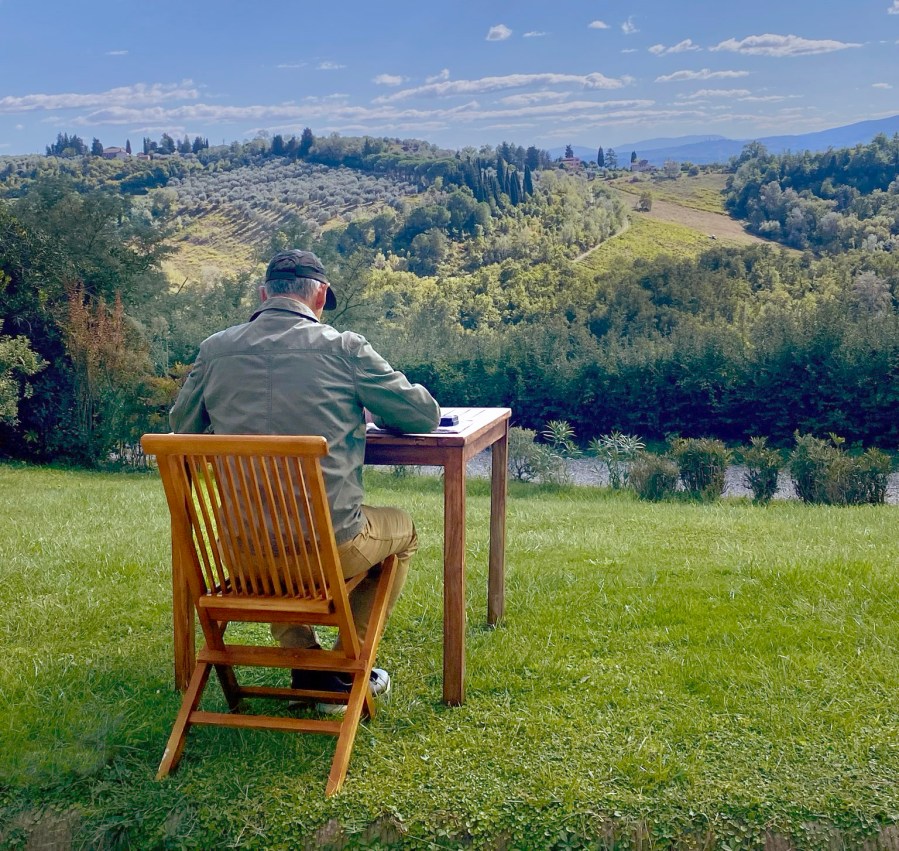
Plain air painting at Tenuta di Sticciano
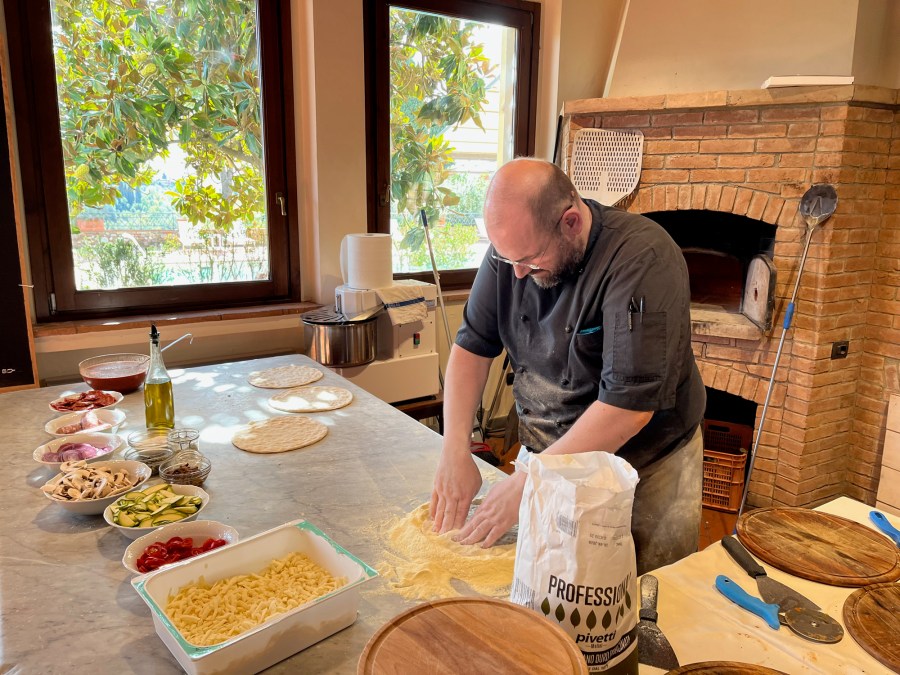
Our chef spoiled us with some fantastic traditional wood fired Pizzas
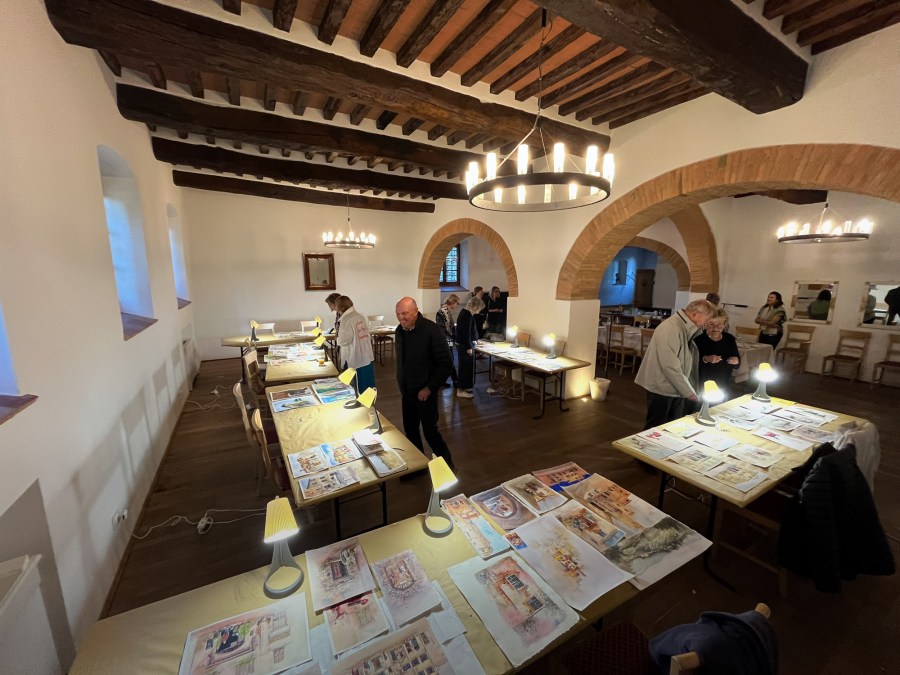
The painting studio at Tenuta di Sticciano was a great room. It was good to be able to display everyones work on the last day and enjoy what we had achieved with a glass of local wine.
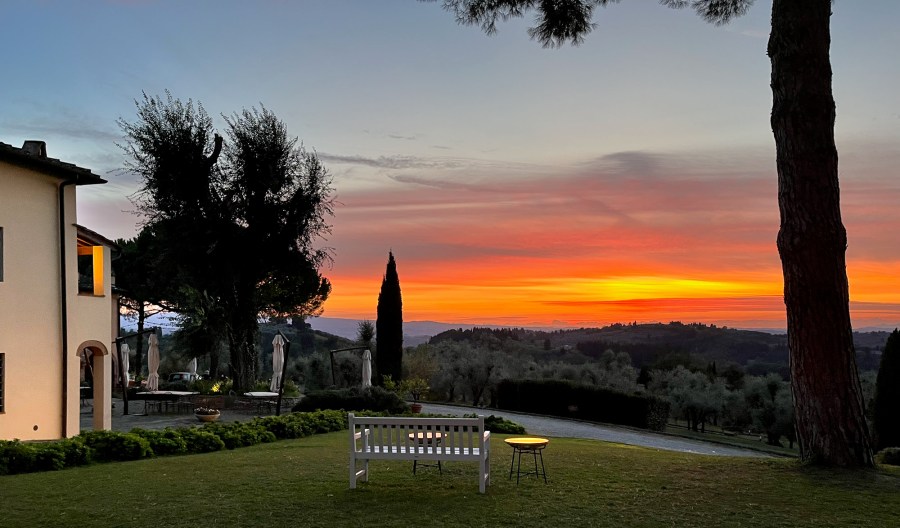
Beautiful Tuscan sunsets from our accommodation…
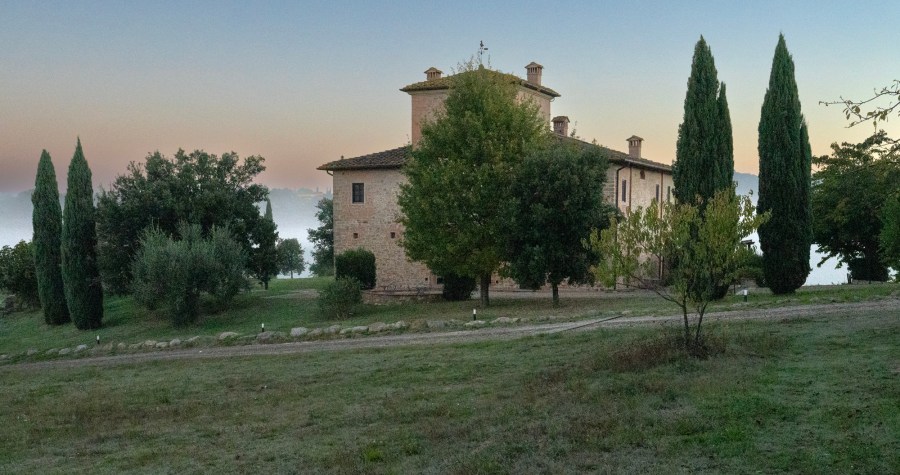
…and some heavy Tuscan fogs before the sun rose.
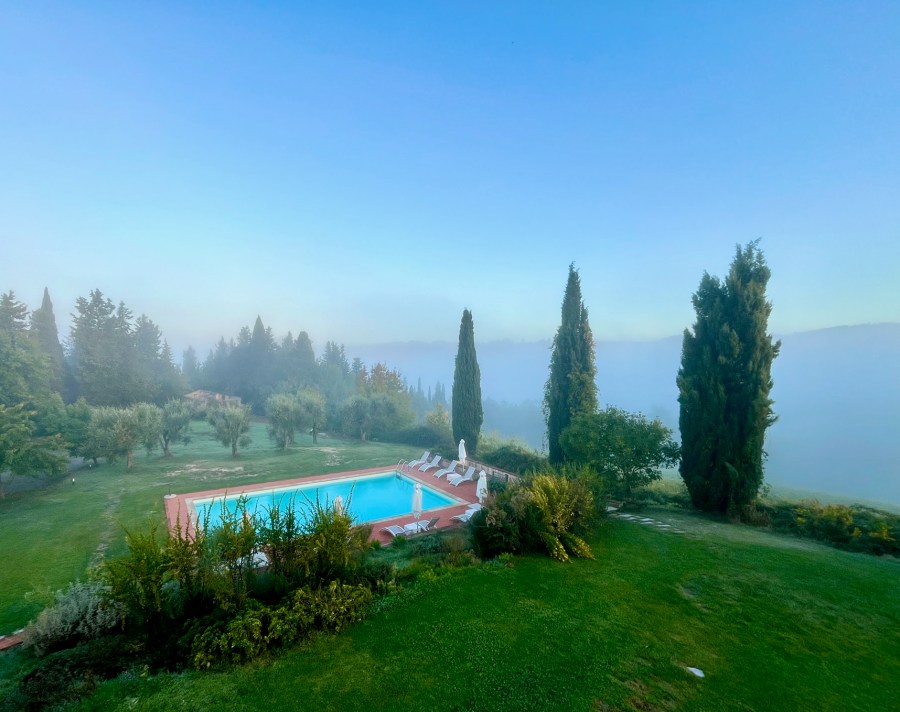
Hats off to Tori who managed to swim laps every morning – undaunted by fog and low temperatures!
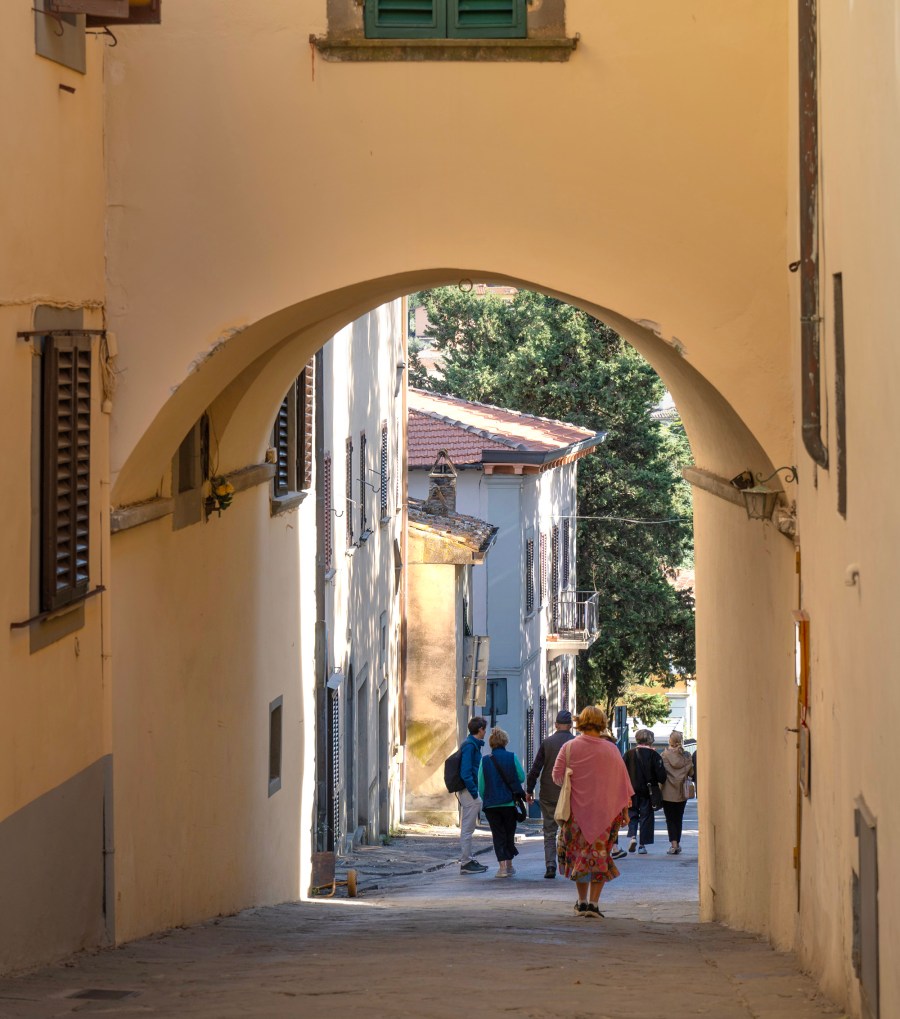
We visited a number of wonderful Medieval Tuscan villages, sketching and taking photographs which formed the basis for our paintings back in the studio.
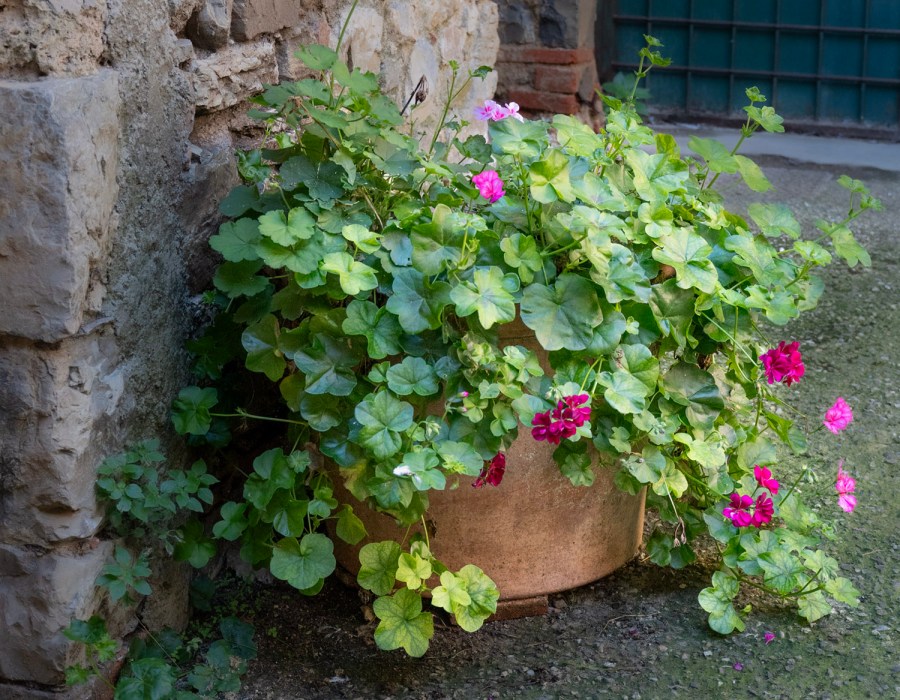
Always lots of geraniums.
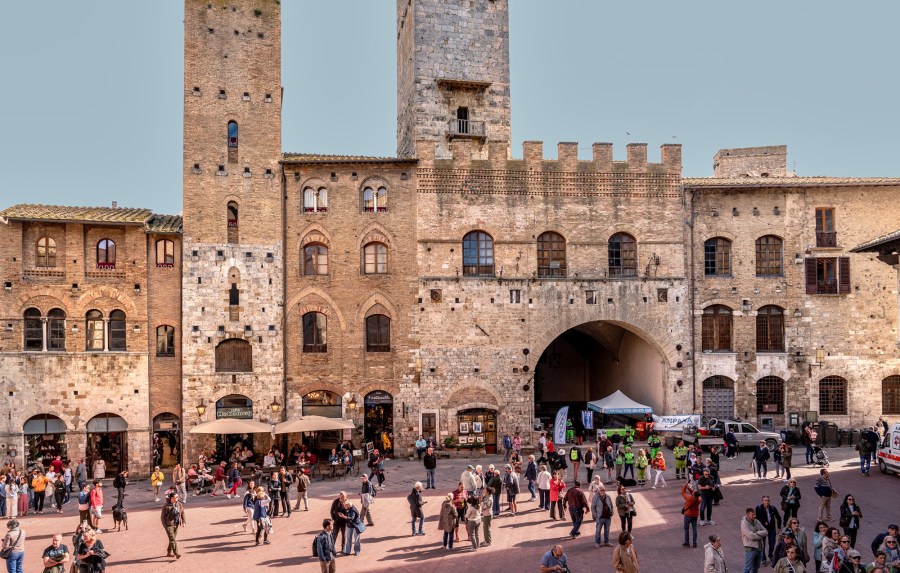
San Gimignano – Amazing textures, wonderful earthy colors and the worlds best Gelato’s
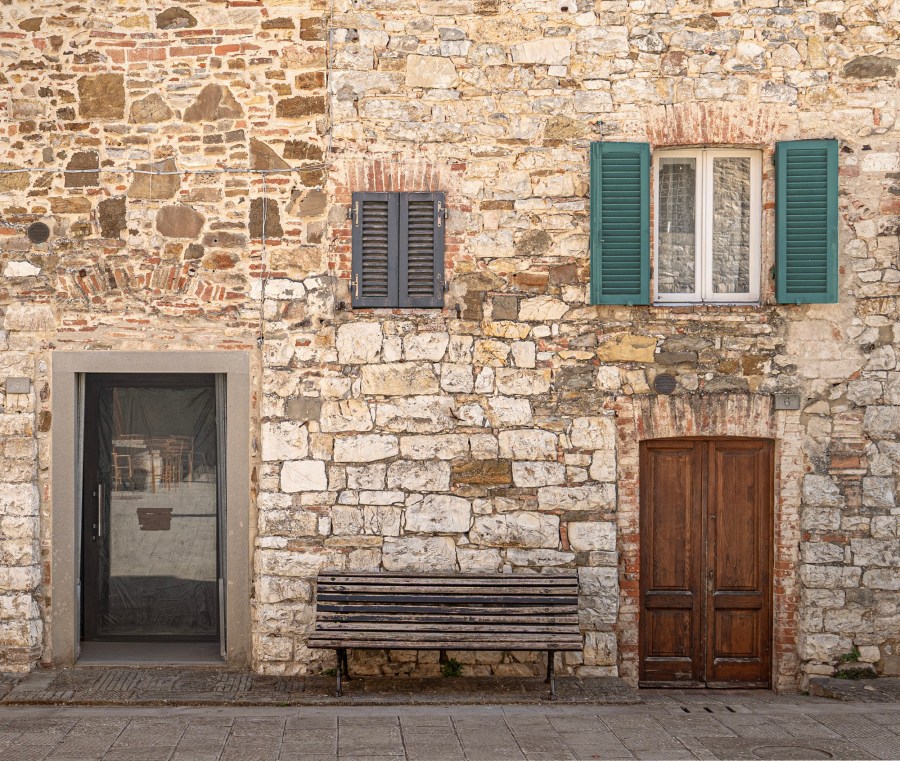
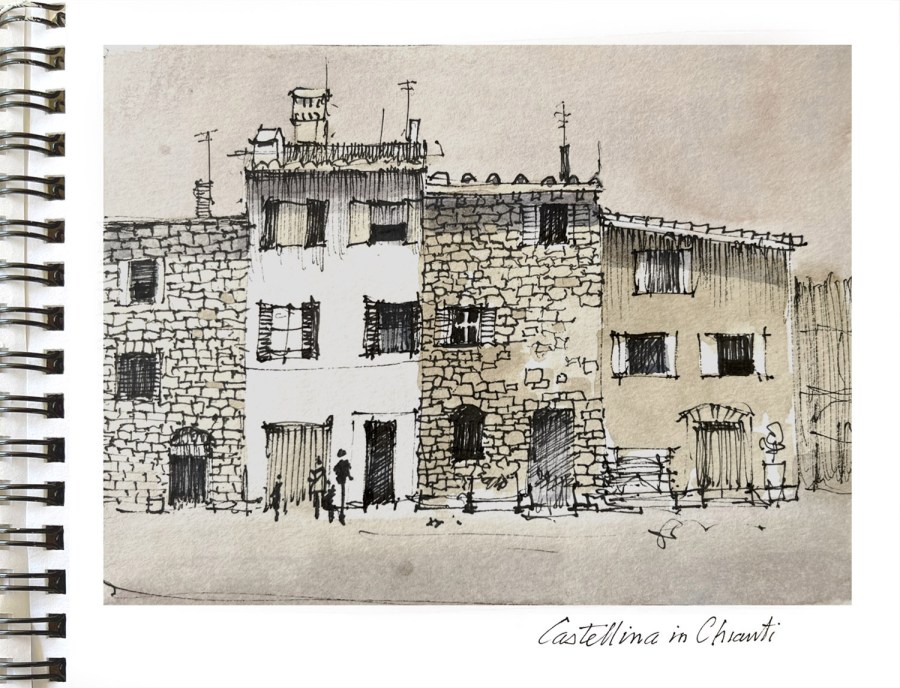
Beautiful brick and stone wall in Castellina in Chianti
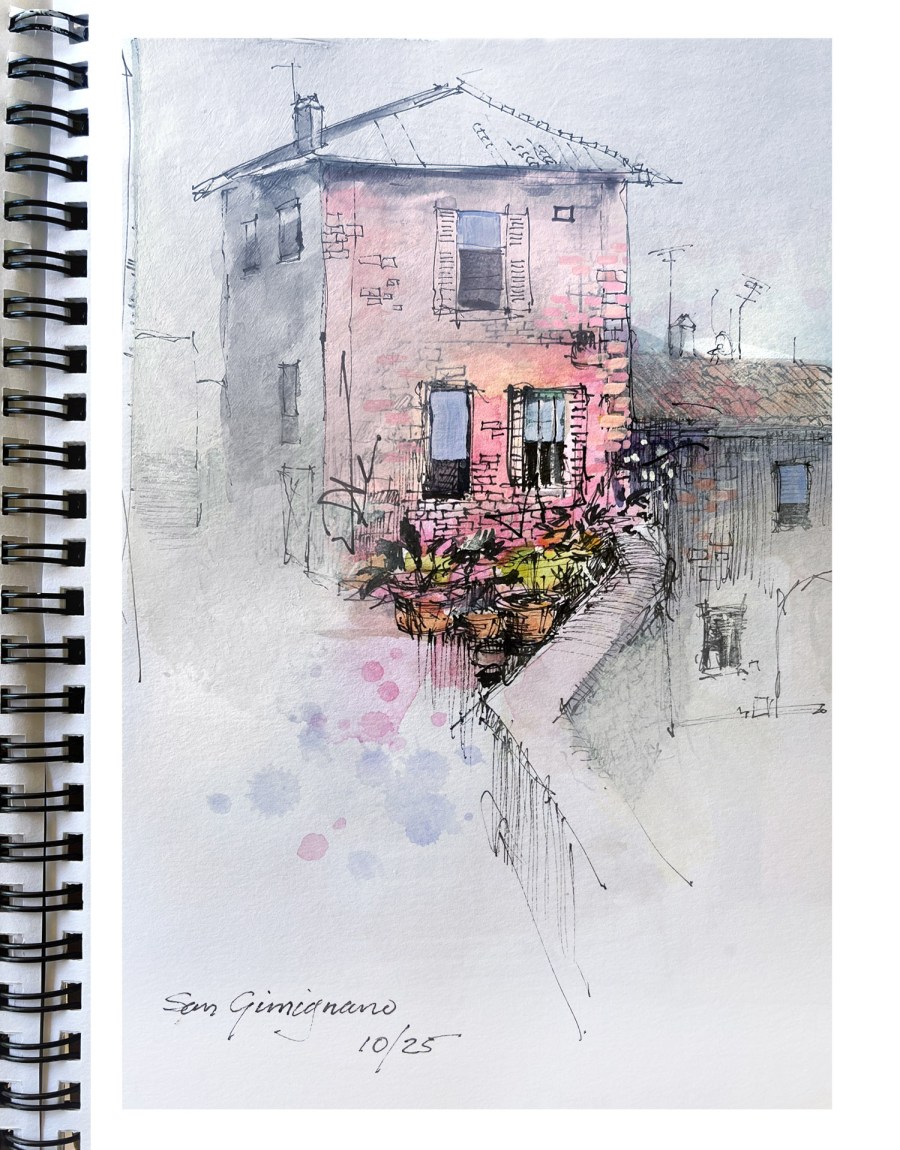
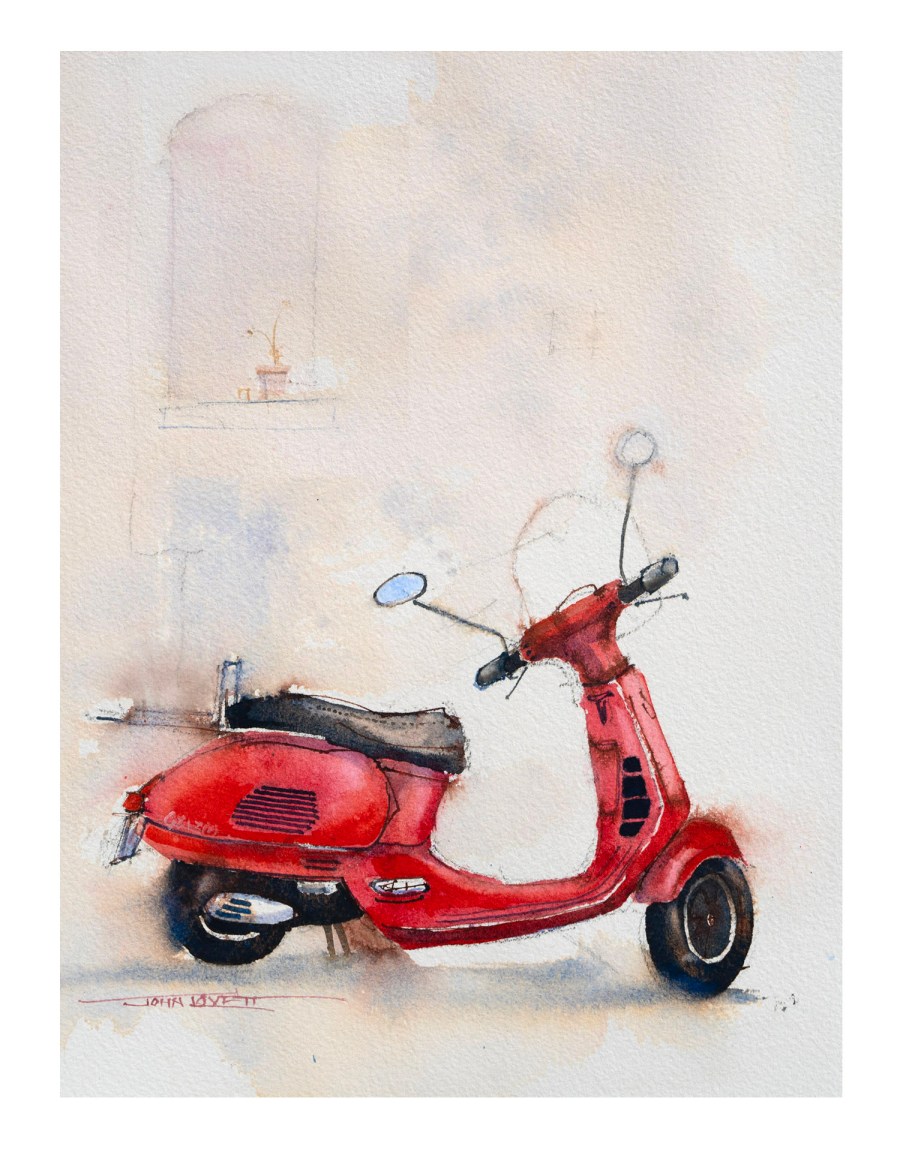
We couldn’t have a painting retreat in Italy without including a red Vespa.

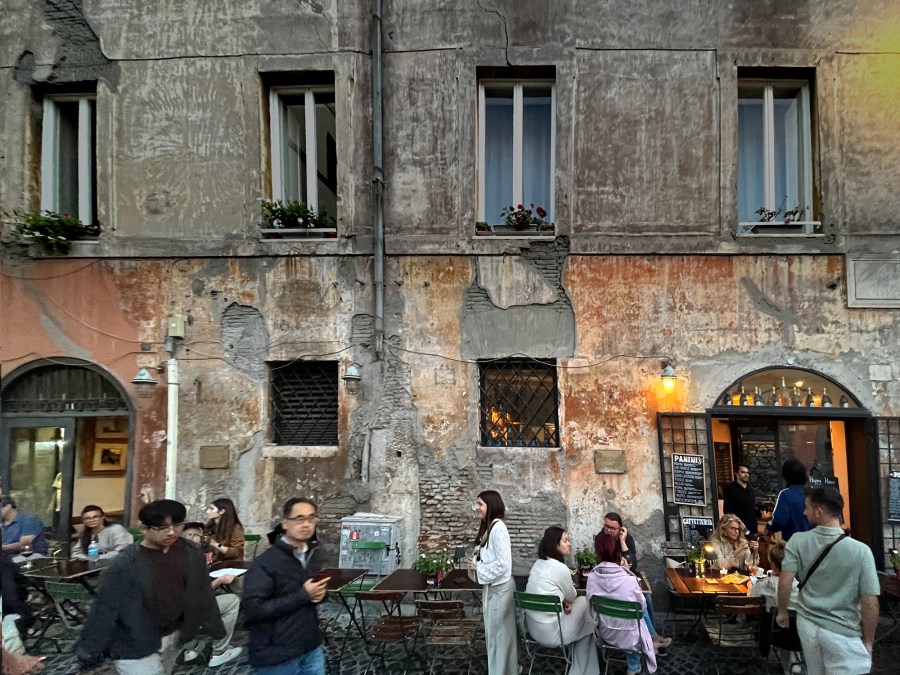
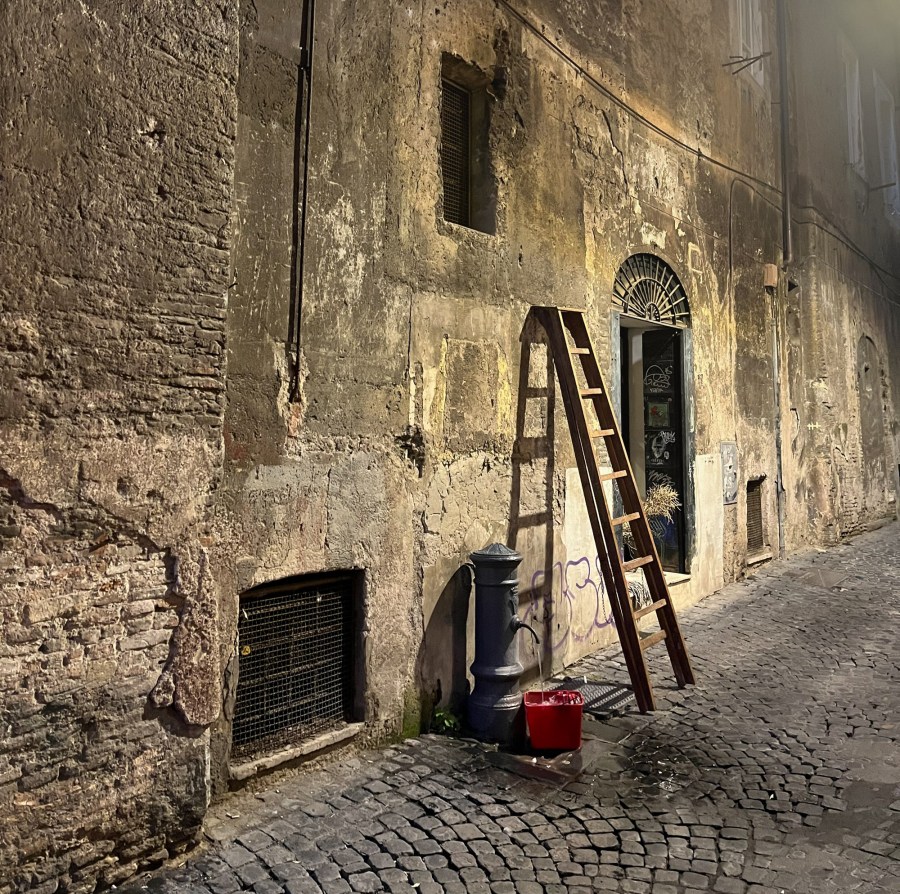
After the retreat in Tuscany Dianne and I caught the fast train to Rome. We made our way slowly through the Vatican Museum and enjoyed wandering around the city for three days.
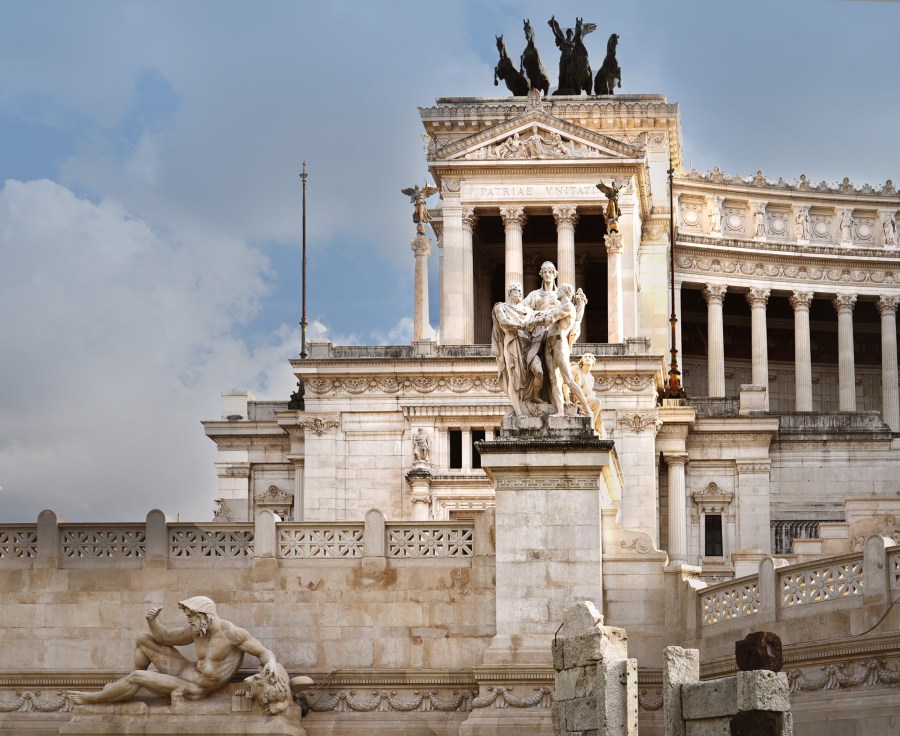
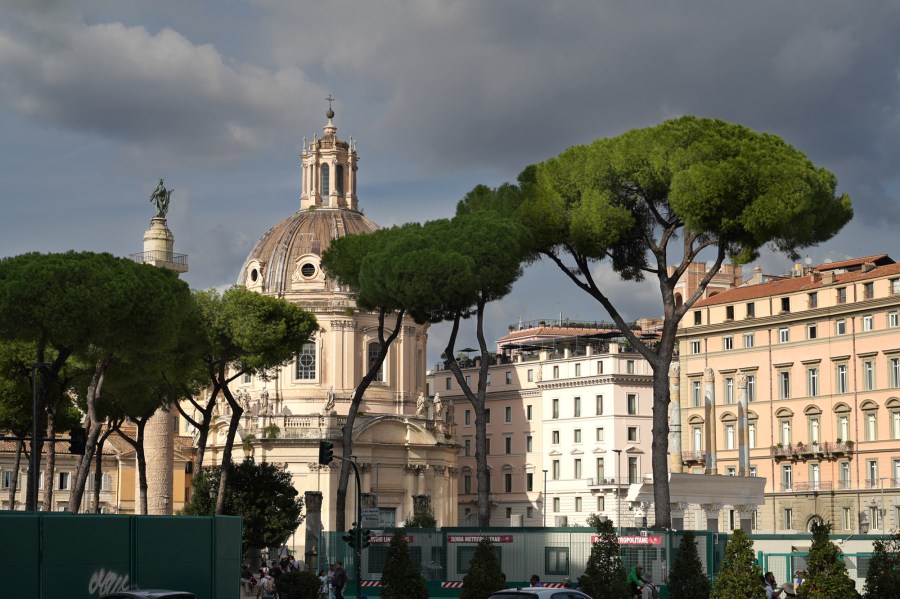
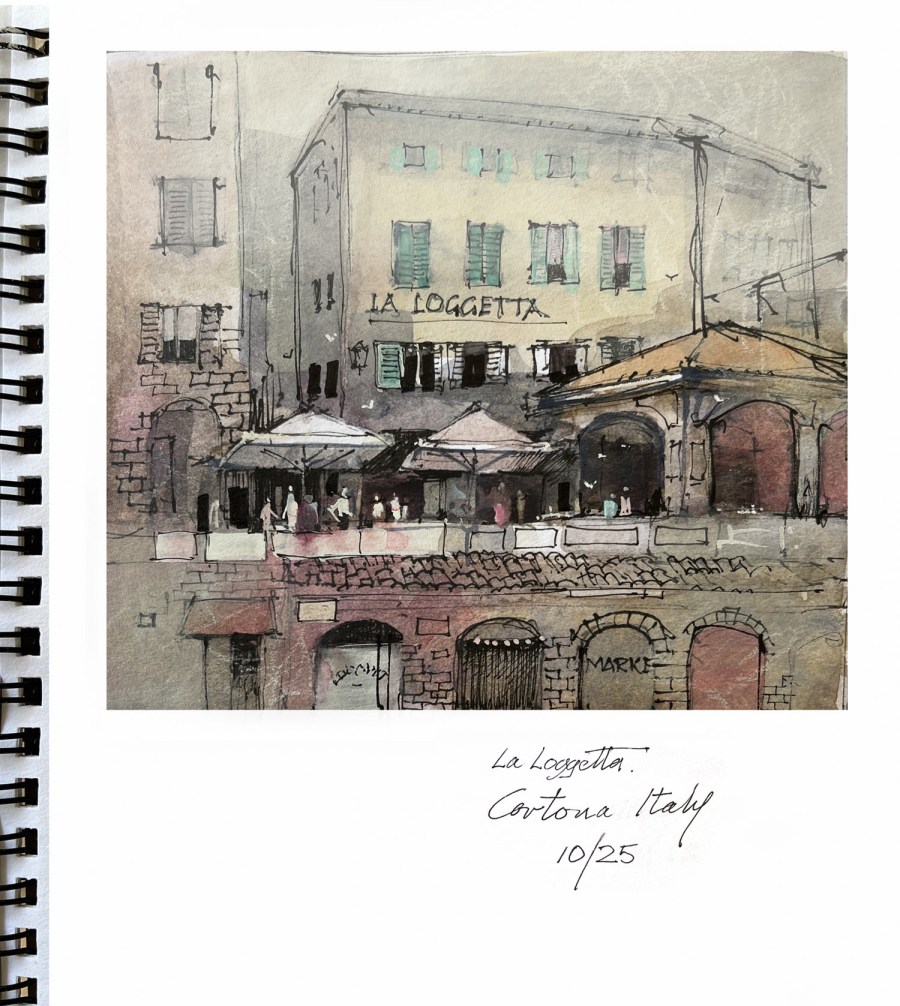
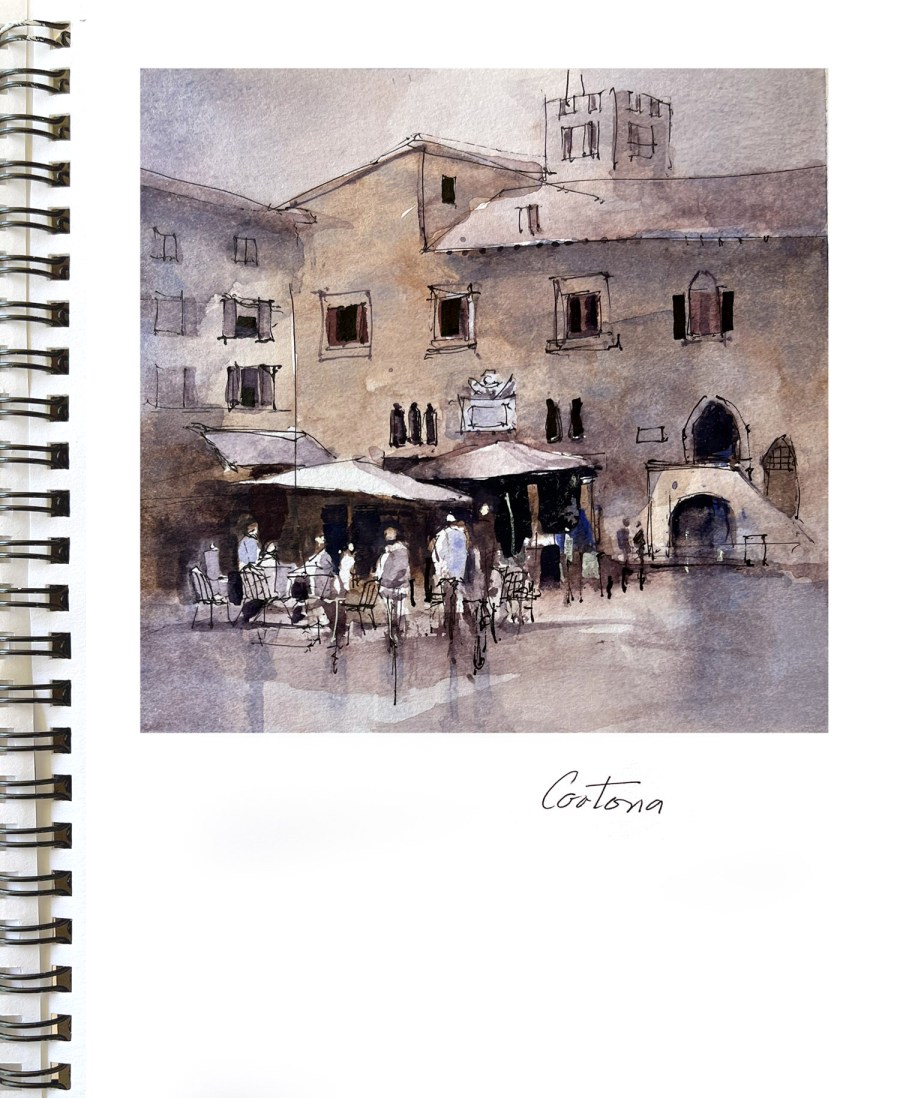
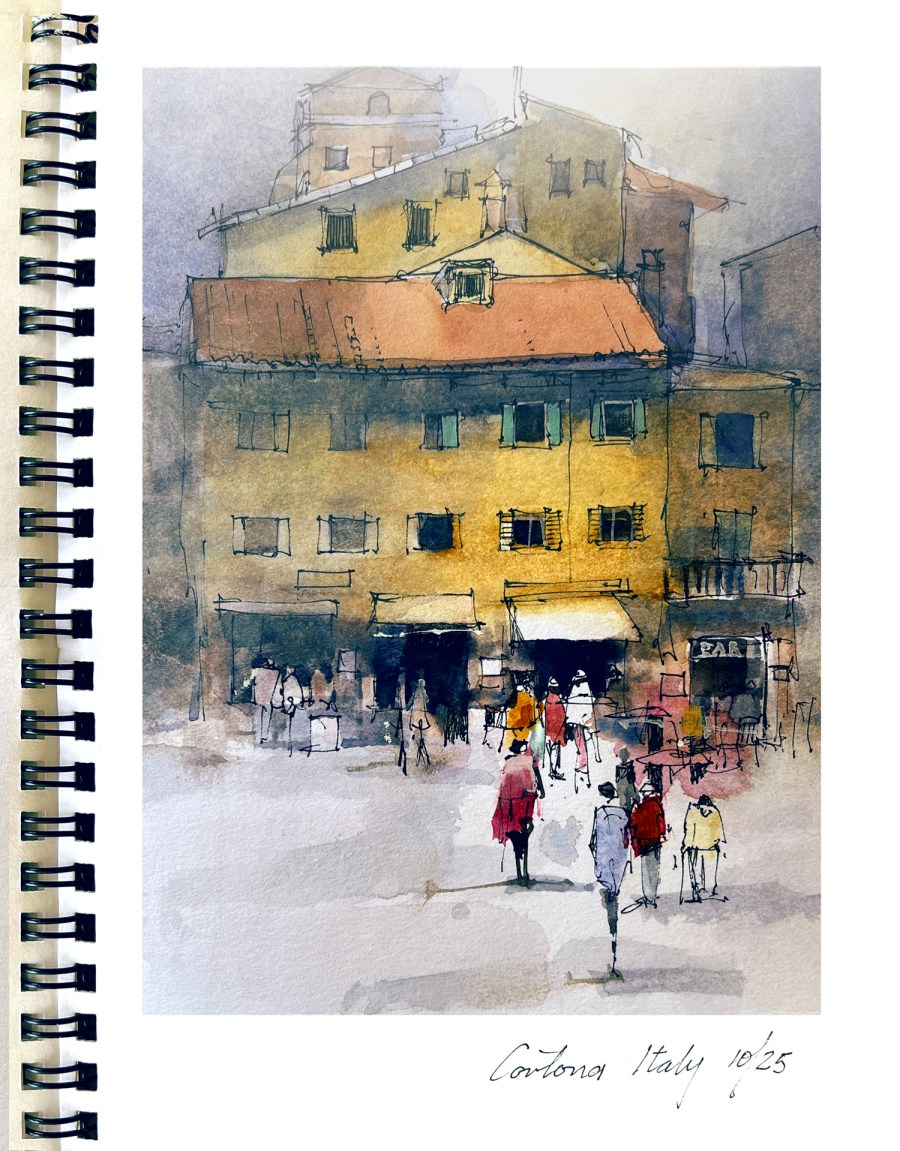
From Rome we headed up to the hill town of Cortona. The town’s history goes back to Etruscan times and it’s location, on top of a steep hill surrounded by flat plains is spectacular. The highest point in the town is dominated by a Medici Fort which is now a series of galleries presenting some fantastic photographic exhibitions.
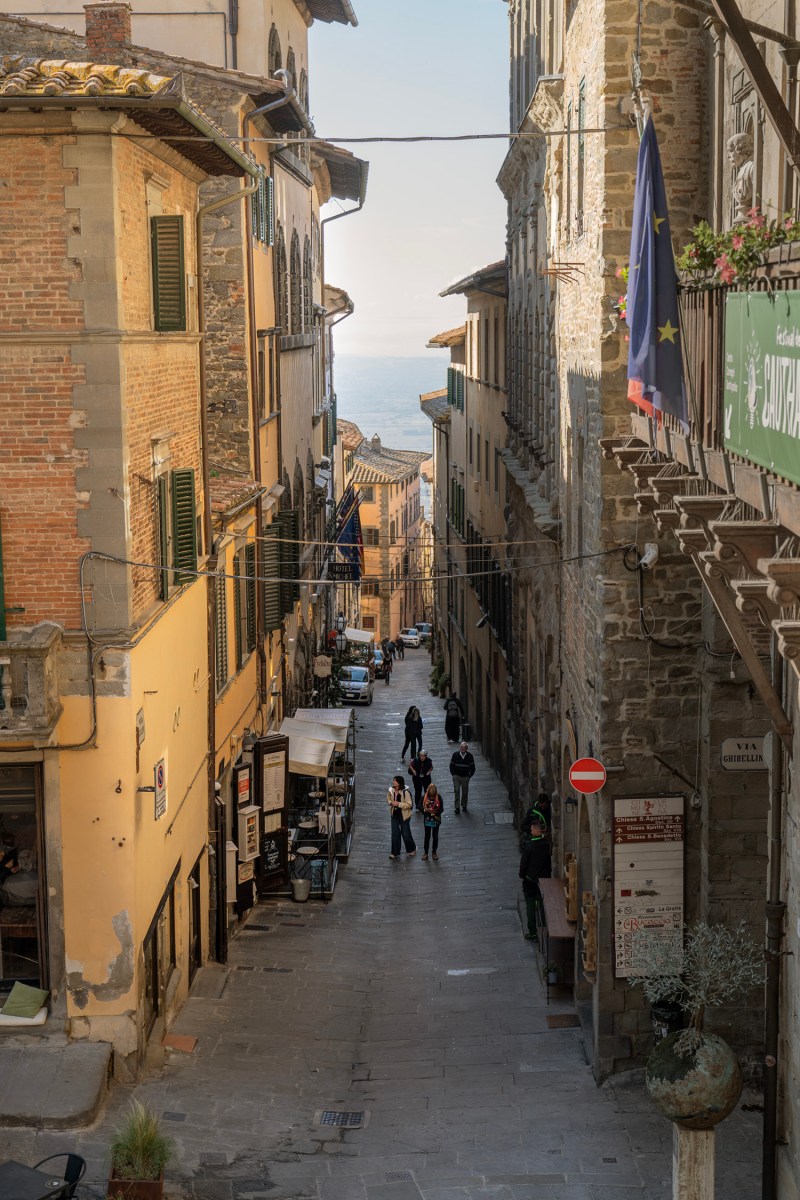
View of the only level street in Cortona from our apartment window.
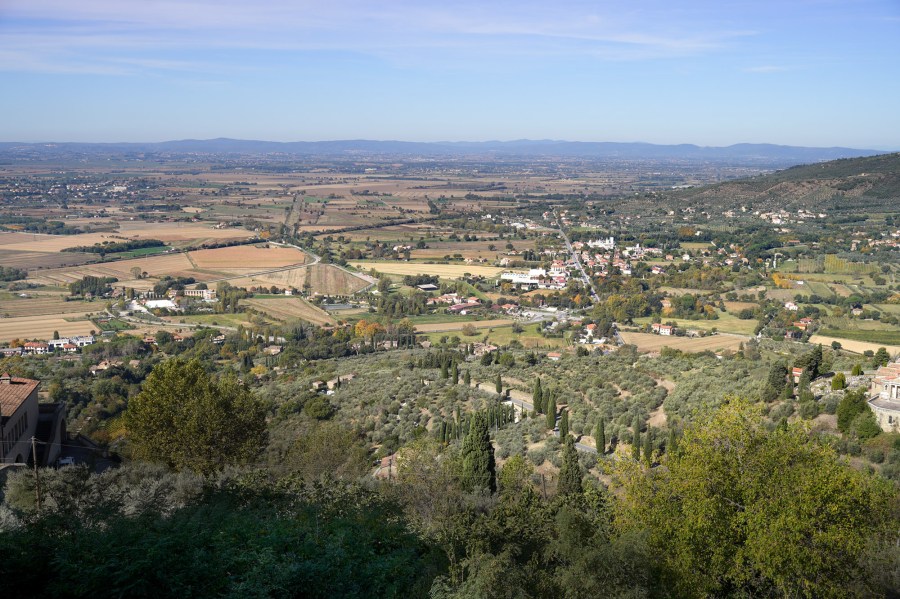
Breakfast with a view across the plains to distant mountains was amazing.
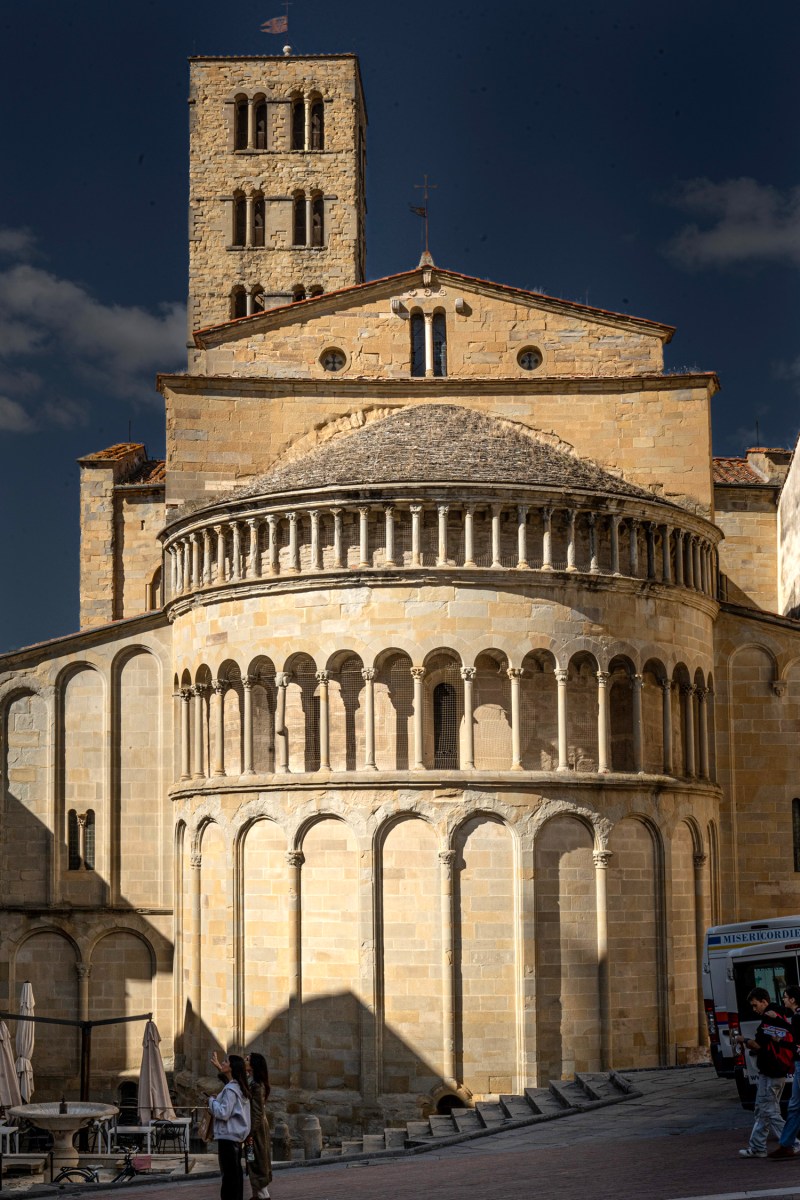
Not far from Cortona by train is the city of Arezzo – full of narrow winding streets and in the Piazza Crande is the impressive 12th Century church, Santa Maria della Pieve
Our stay in Italy was over way too quickly. Europe to Australia without a stop over is not a pleasant trip. We arrived back in Brisbane airport full of great memories but feeling like exhausted zombies.
AFRICA

Cape Town, Victoria Falls and Chobe National Park were the three destinations for our African workshop with Travelrite. We were kept busy with painting, sketching, site seeing, game drives and river cruises. The wildlife was fantastic and the villages and cities picturesque and interesting. We had a wonderful group and enjoyed ourselves immensely.

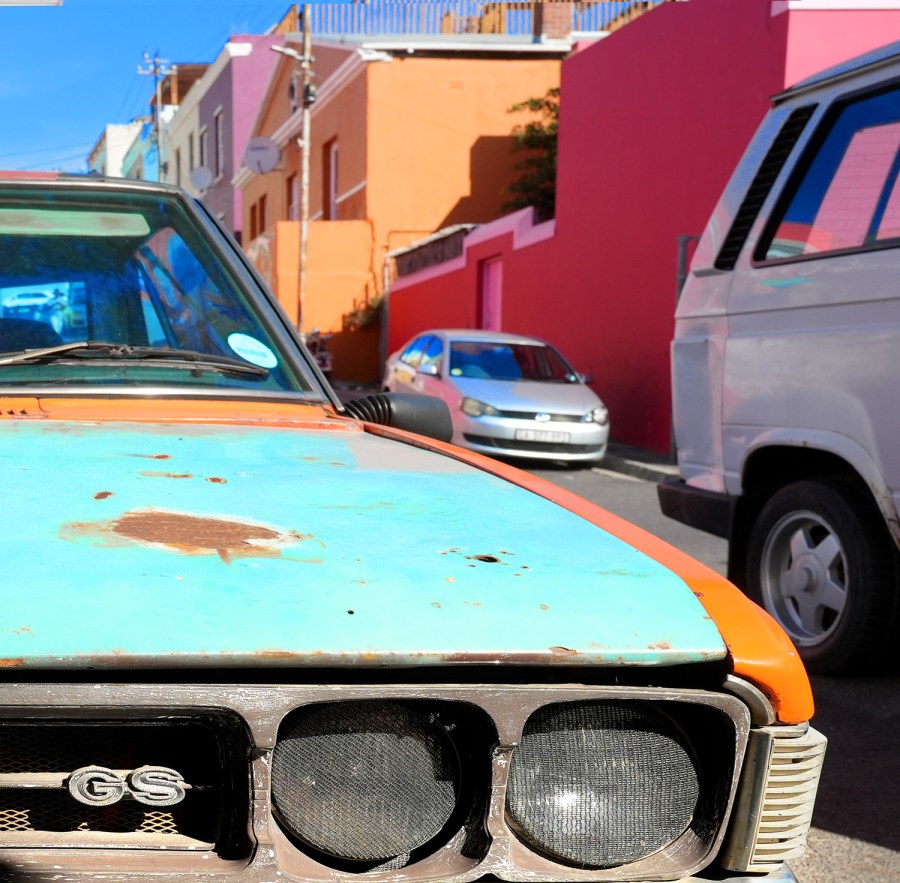
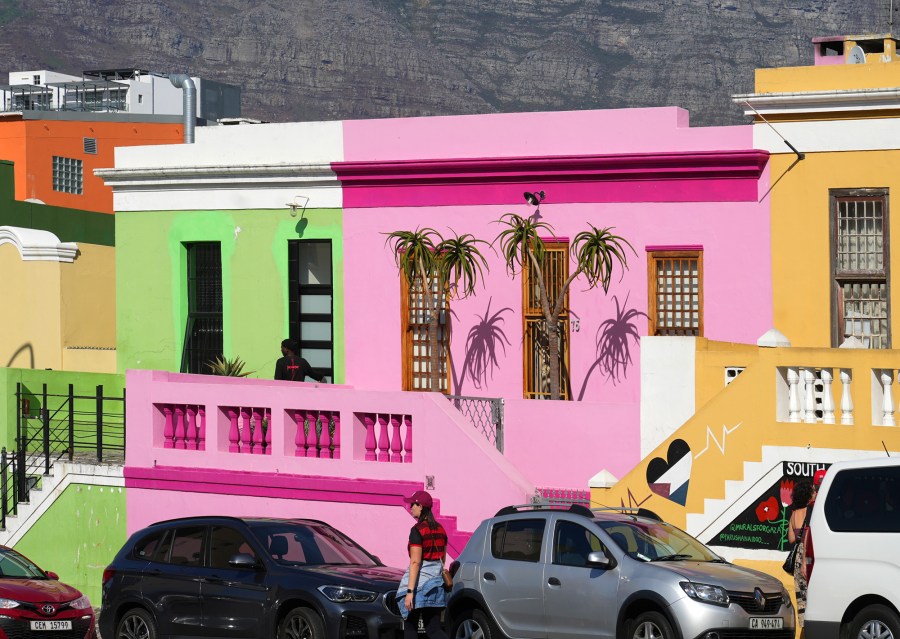
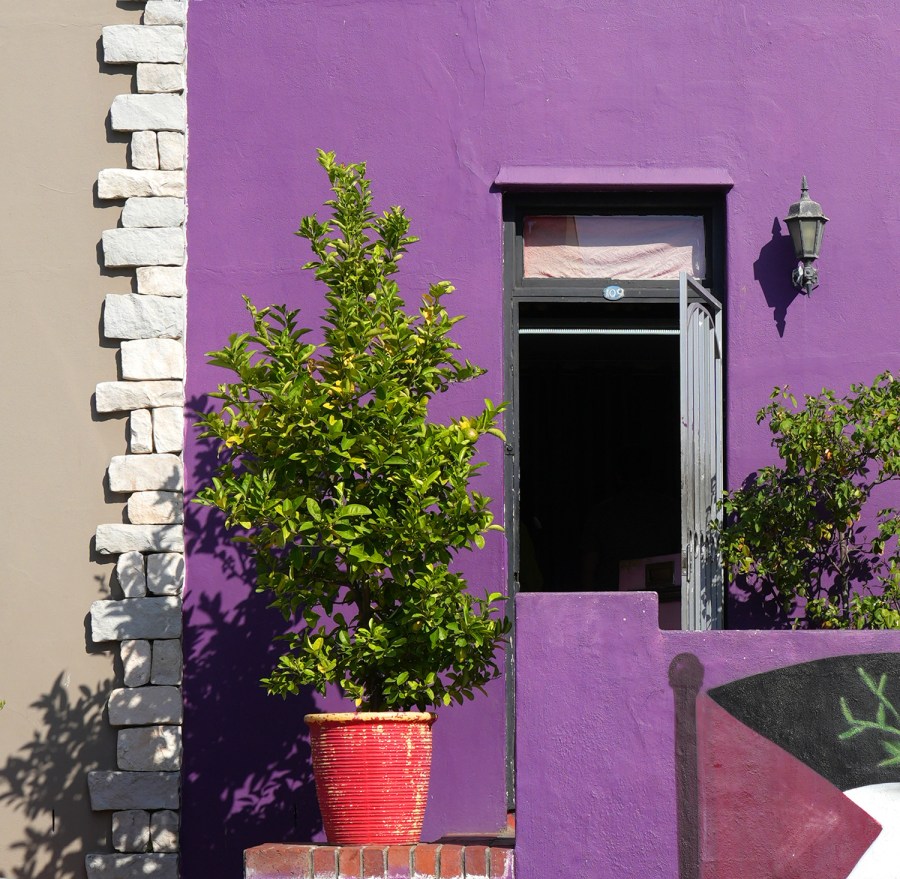
In Bo-Kaap, Cape Town, every house is painted a different color

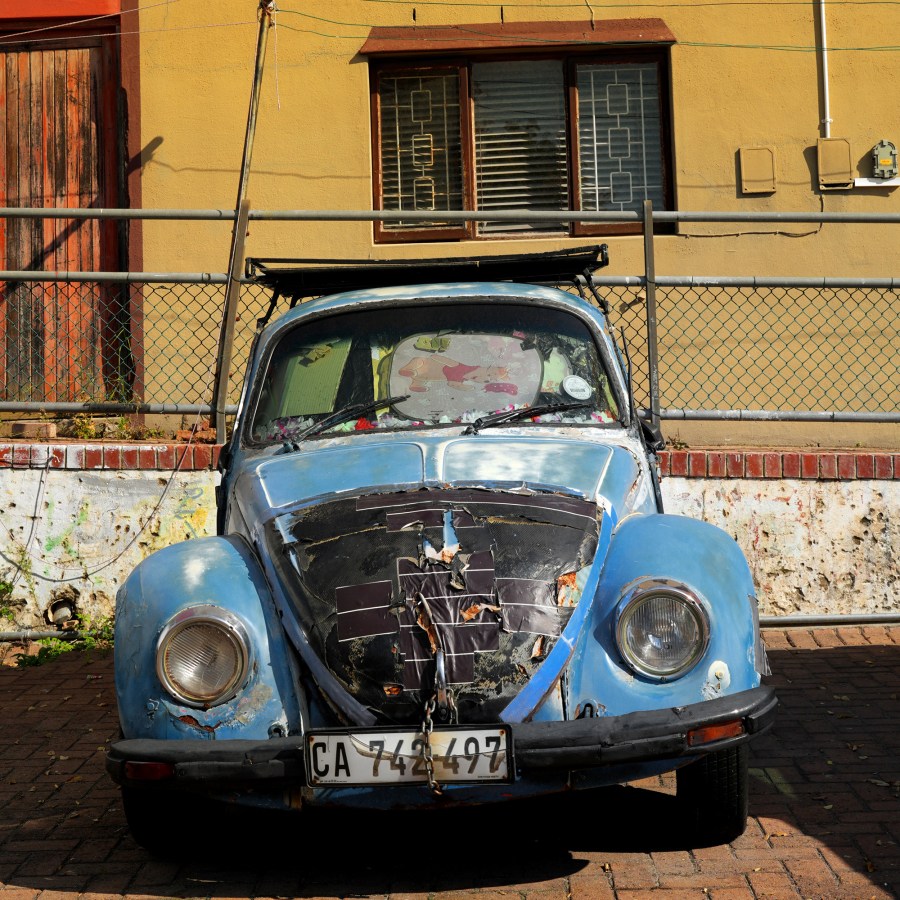
Bo-Kaap is also the home of some beautifully decaying old cars with rusting patinas, makeshift repairs, flat tyres and no rego.

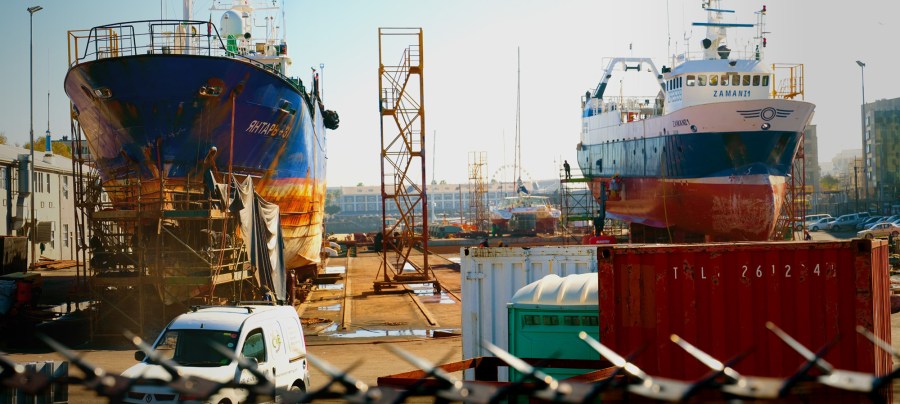
Down along the waterfront is a hive of activity. Ship yards fishing boats, cargo ships and tourism all spread out along the waterfront.

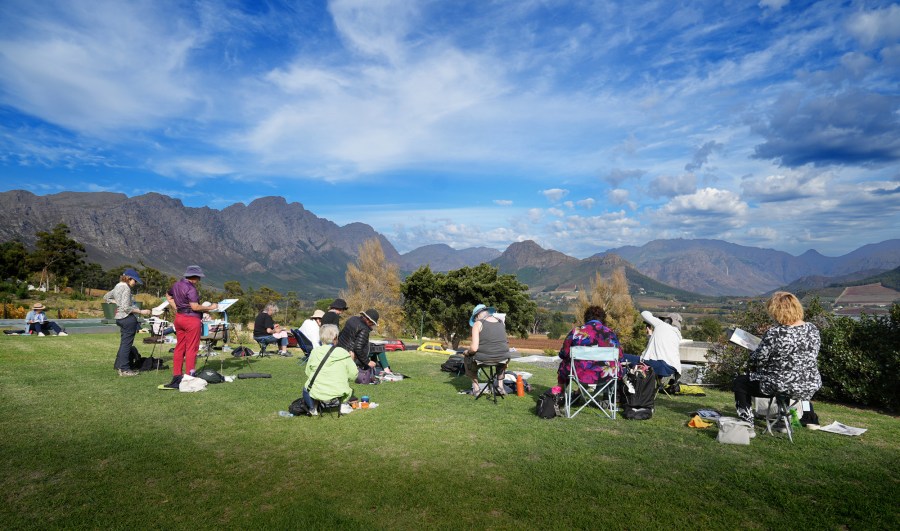
Painting above the Haute Cabriere vinyard, Franschhoek

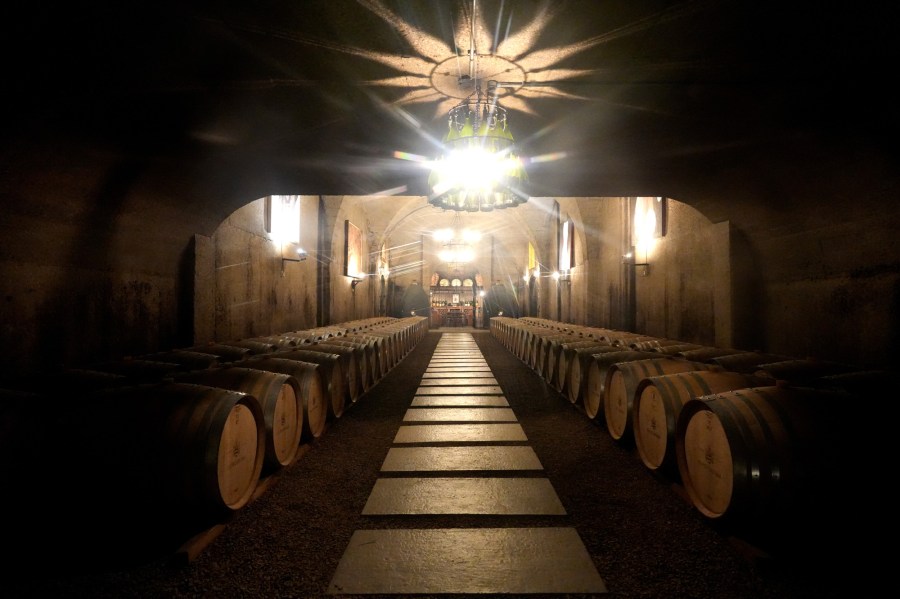
Haute Cabriere cellars

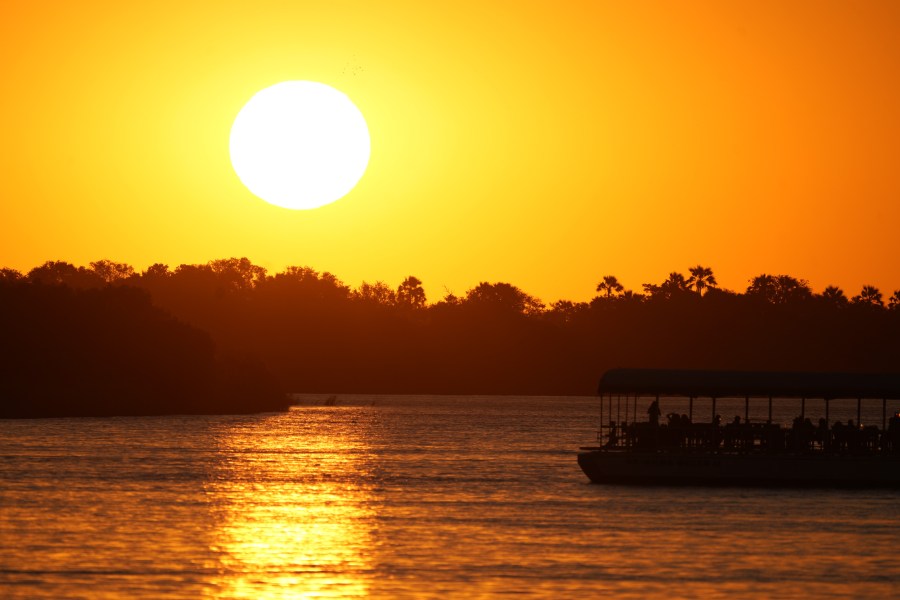
Sunset on the Zambezi River

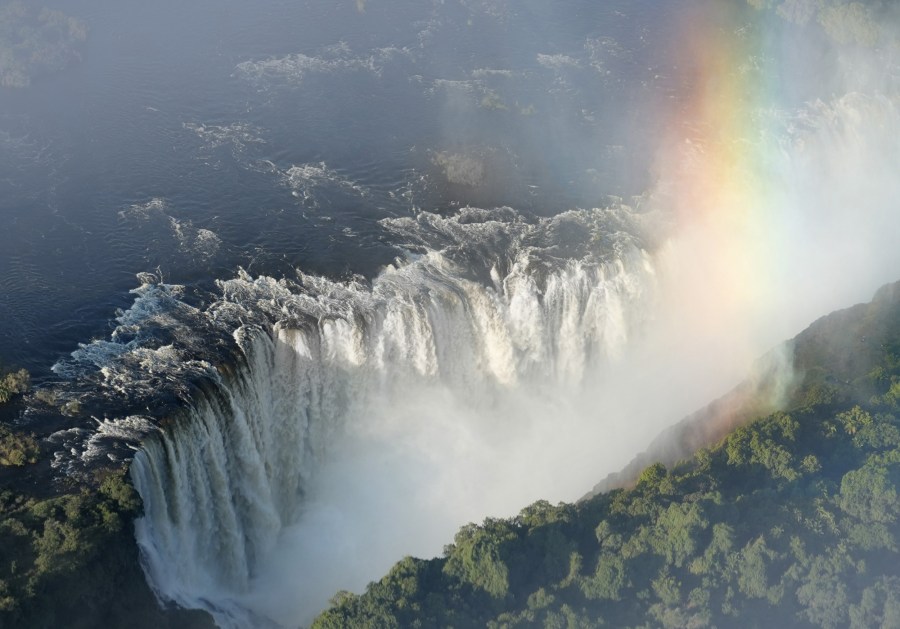
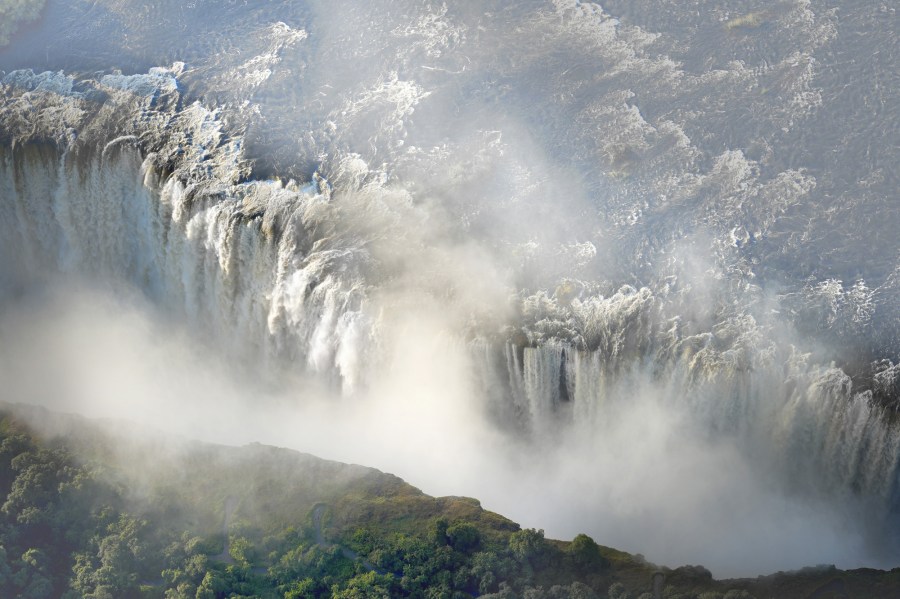
Spectacular Victoria Falls from Helicopter

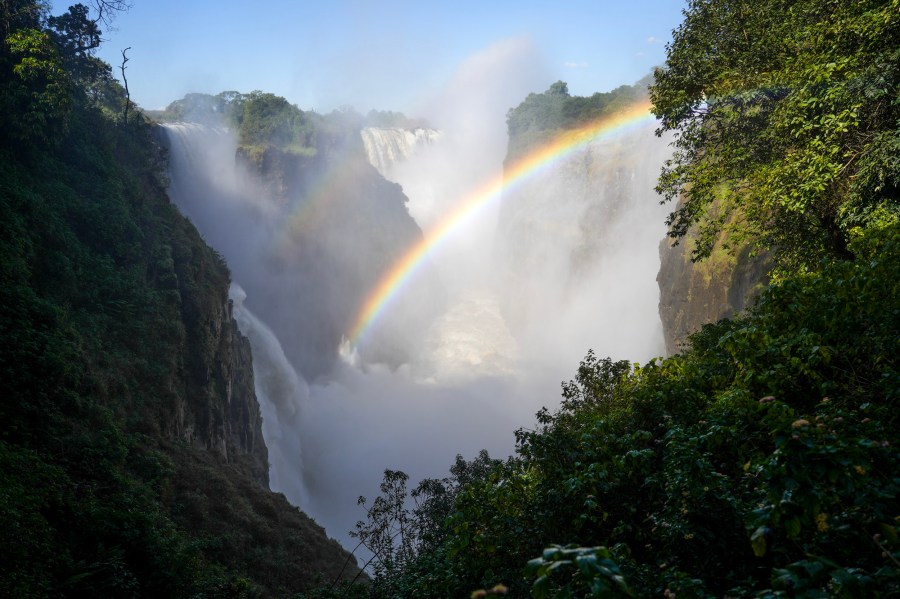
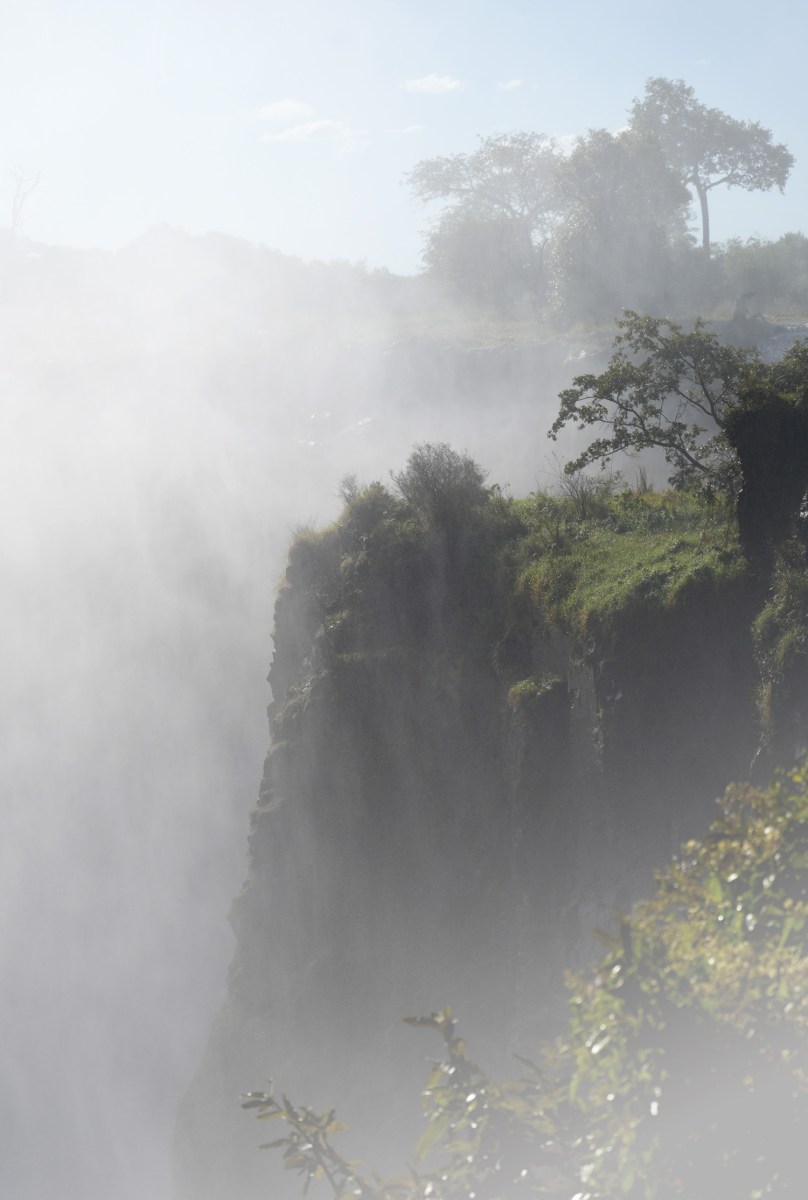
From the ground the falls are huge, impressive and very wet

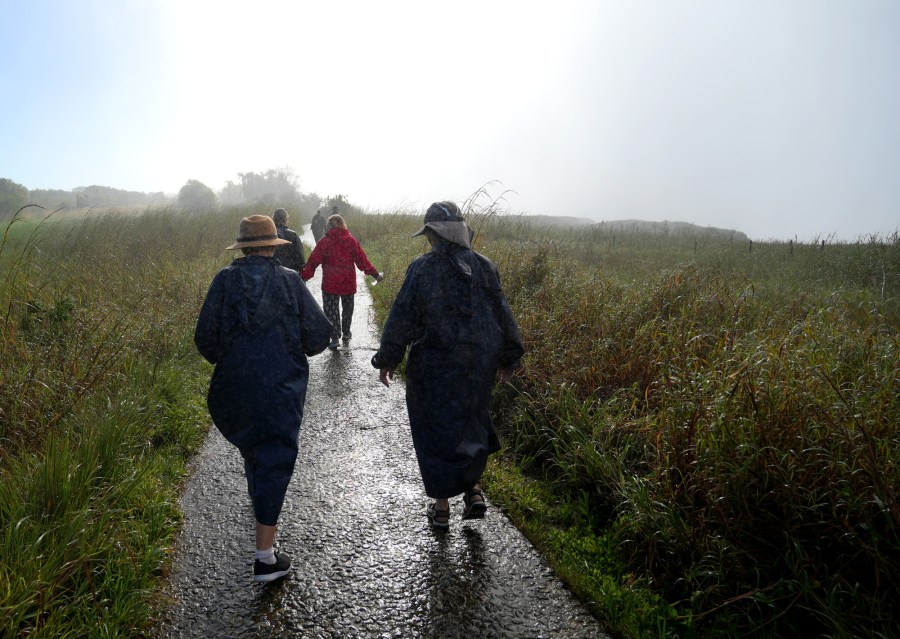
Raincoats on a sunny day

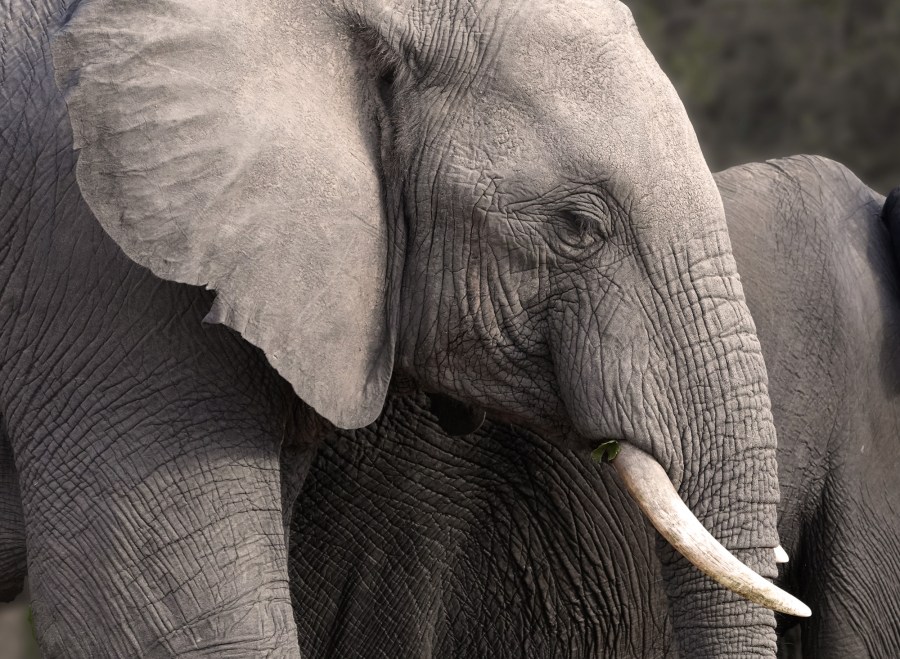
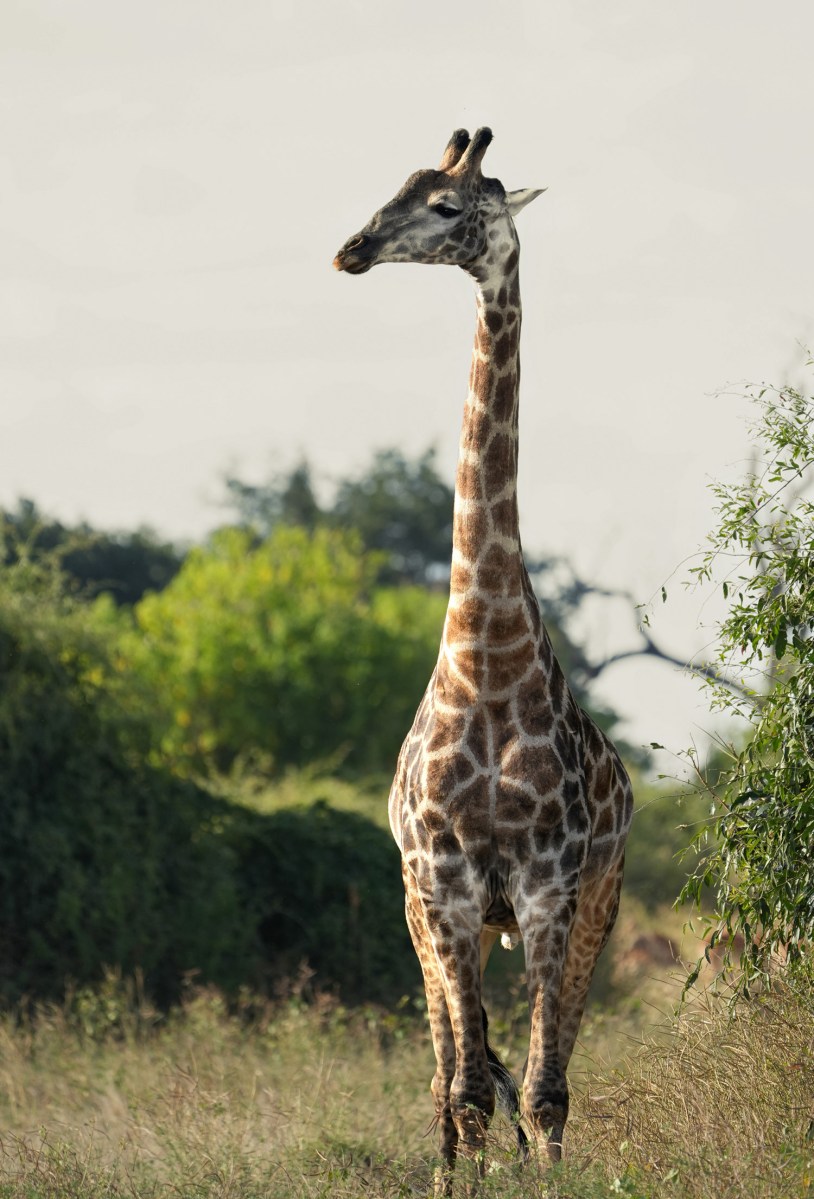
From Victoria Falls we moved on to Botswana and Chobe National Park. We saw a great variety of birds and animals on two afternoon game drives and a chilly 6am drive, plus a boat trip down the Chobe River late in the afternoon.

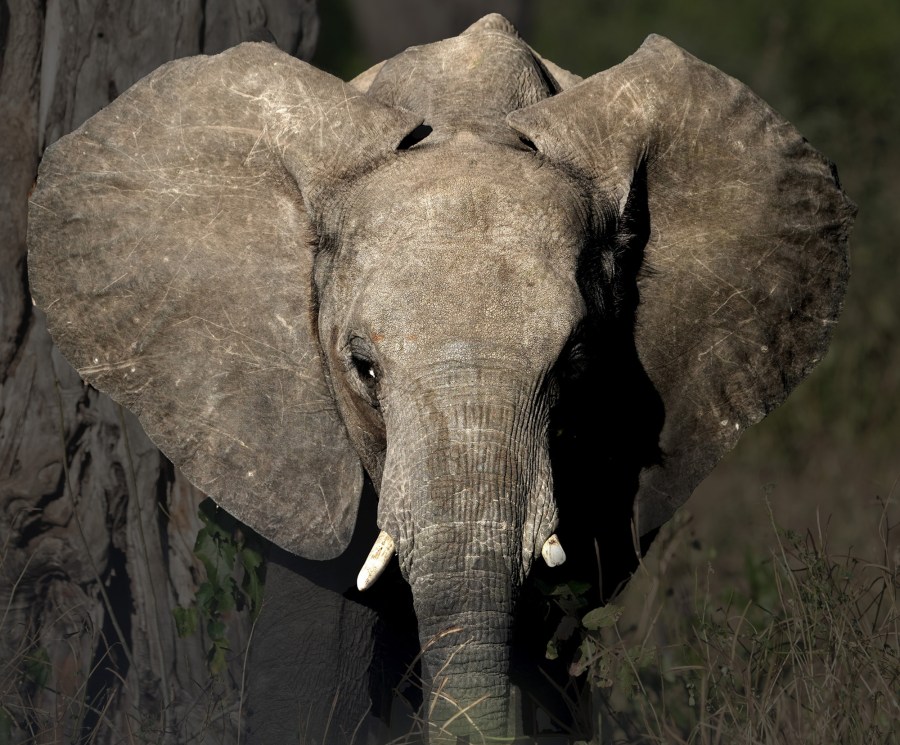
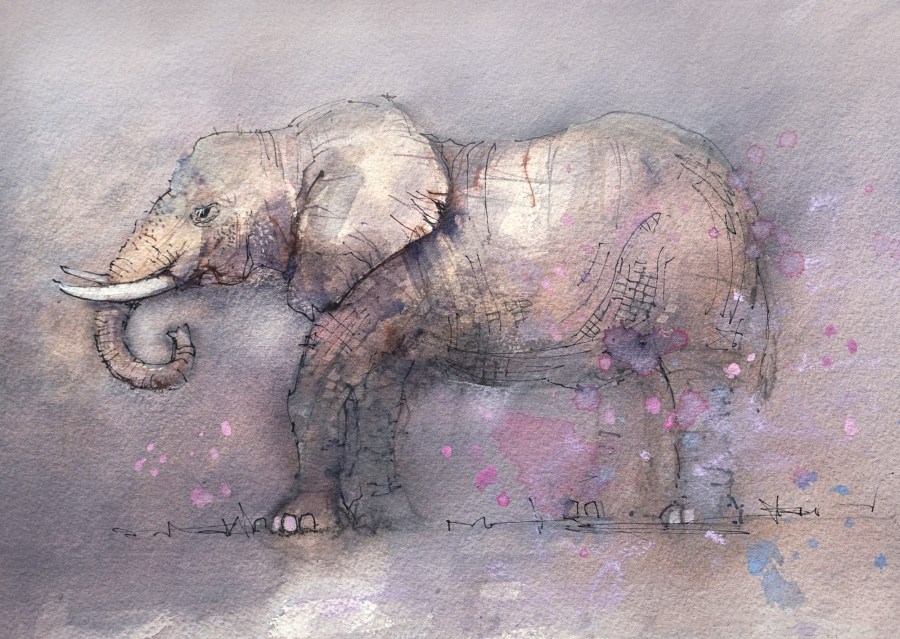
Elephant sketch

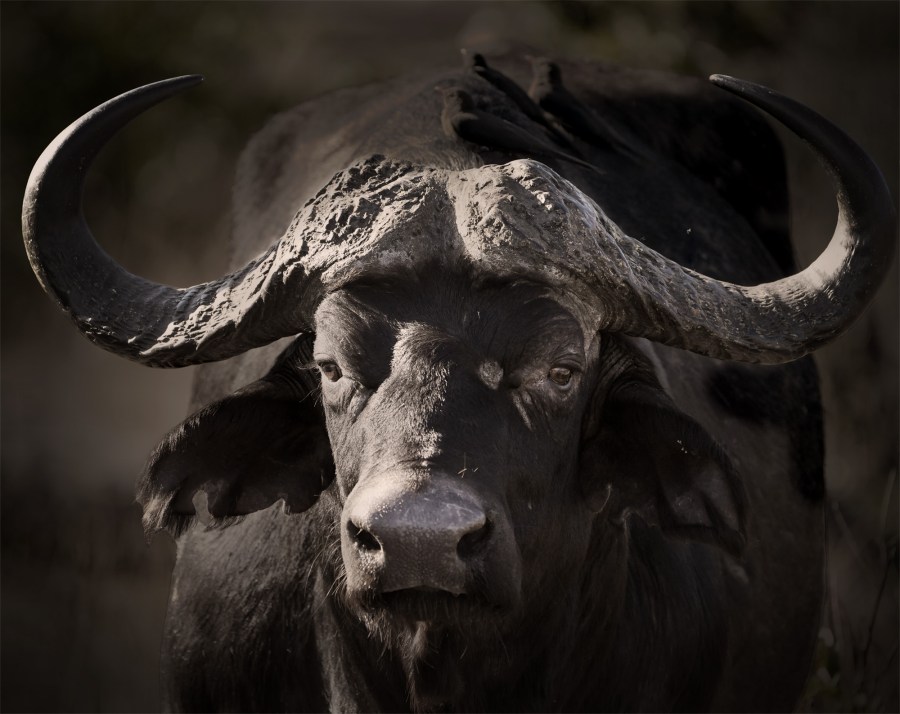
Cape Buffalo

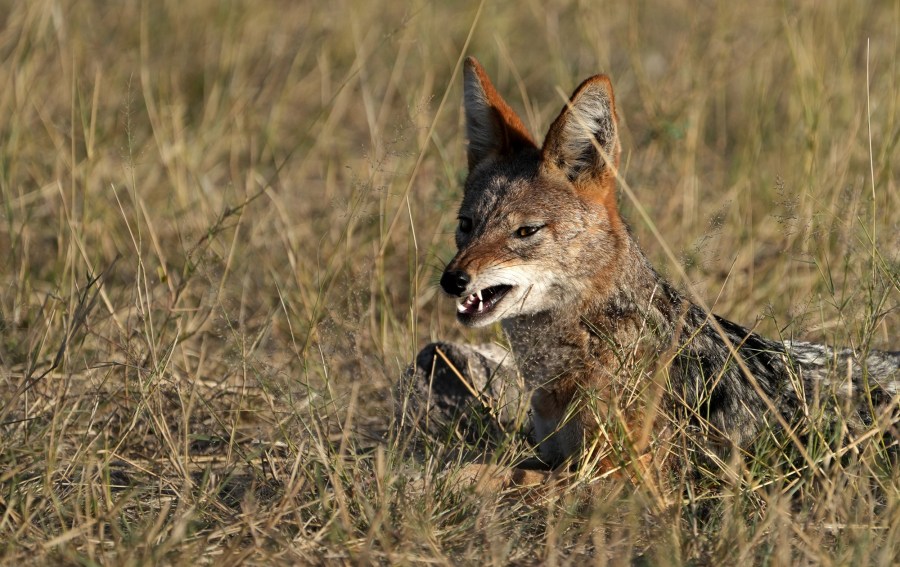
Black Backed Jackal

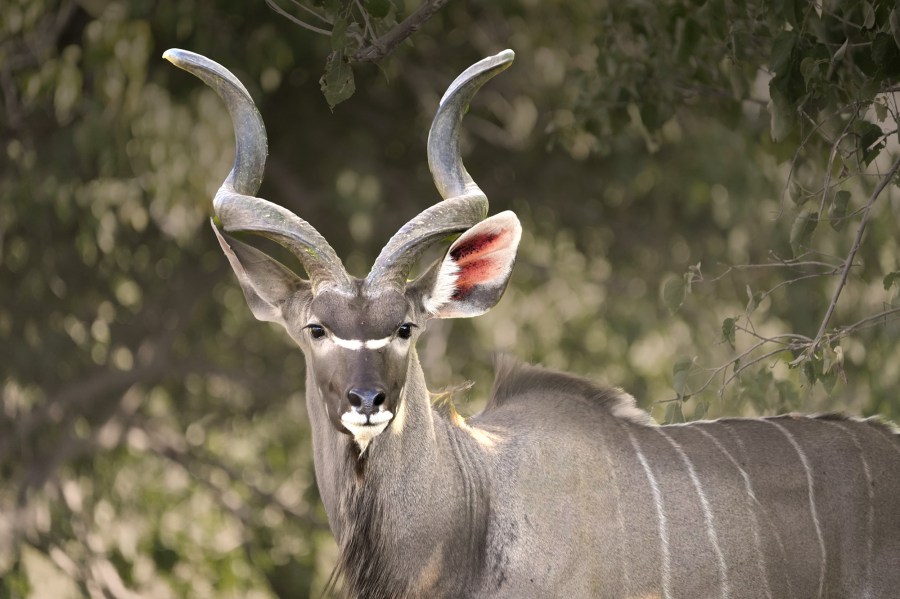
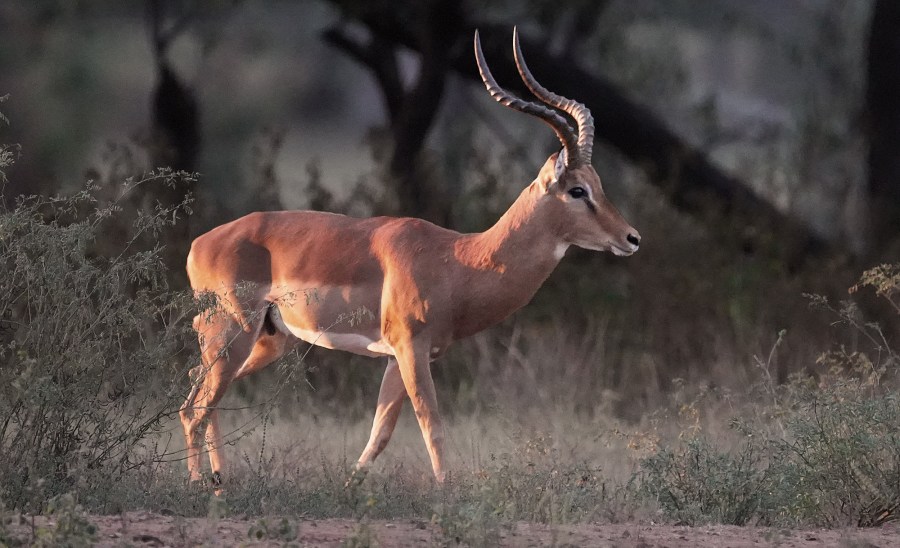
Male Kudu

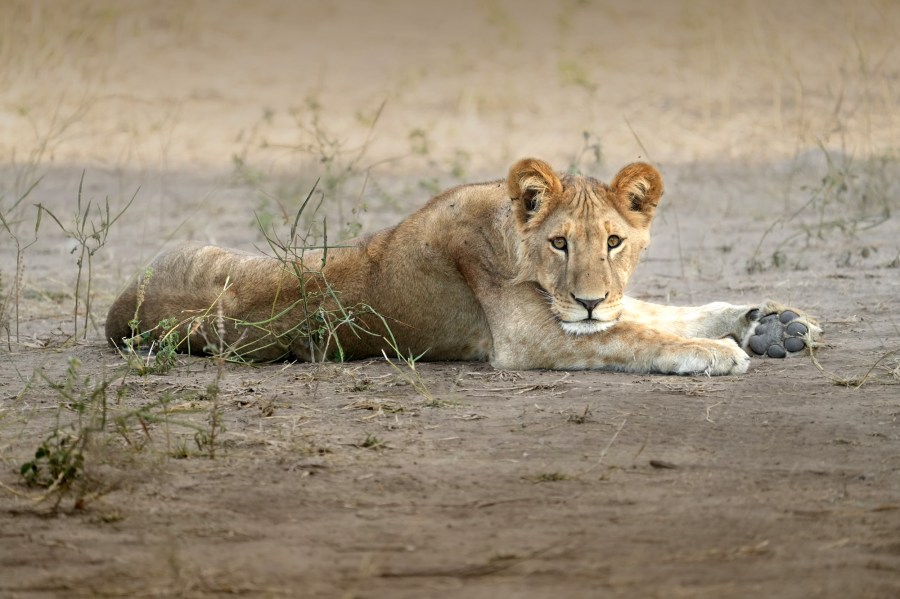
Young lion – mum was sound asleep a couple of meters away

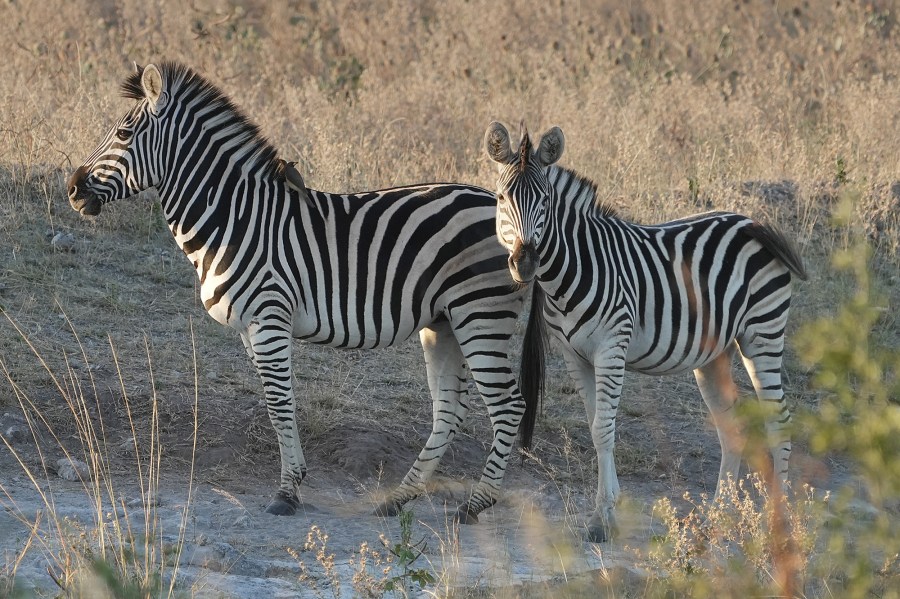
Zebras

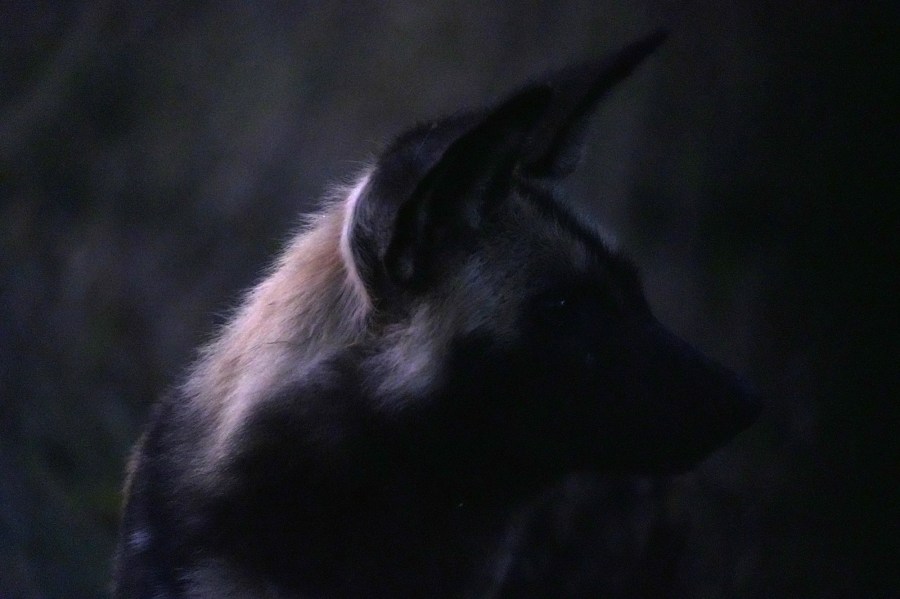
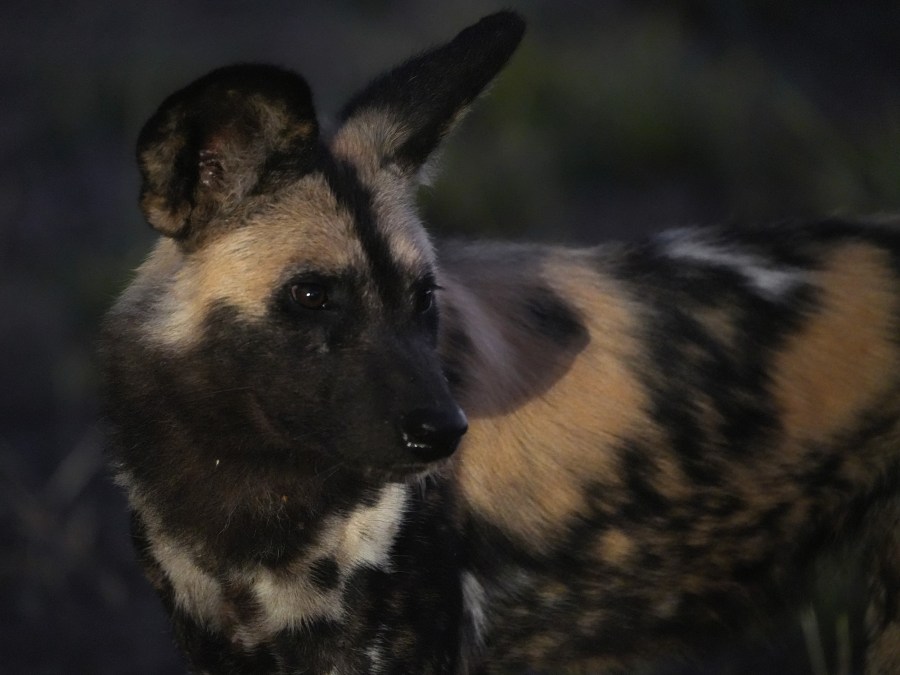
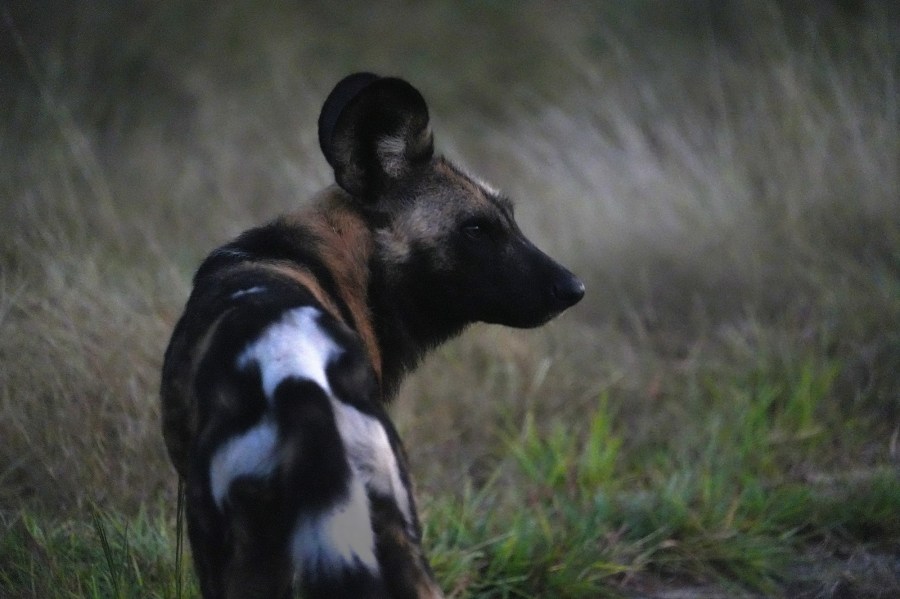
We came across this pack of African Wild Dogs beside the road very early one morning

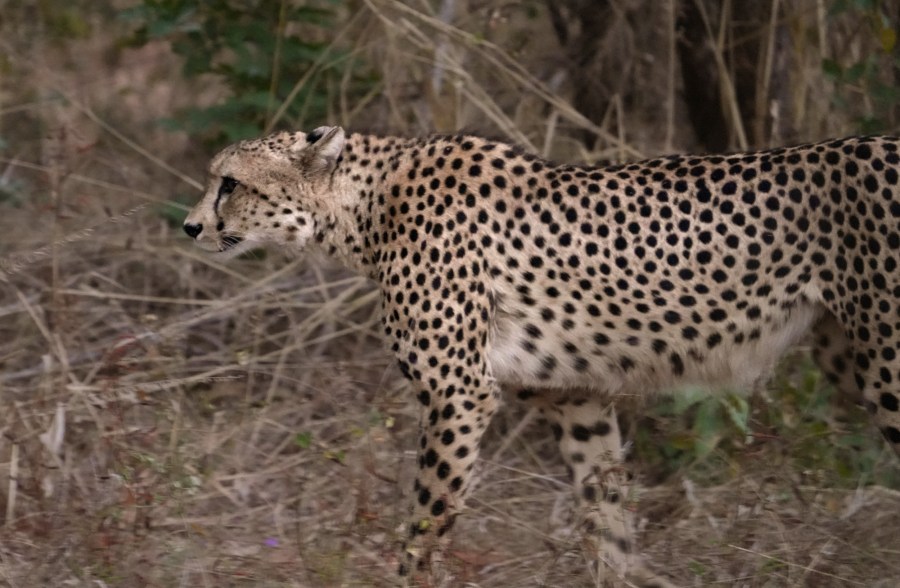
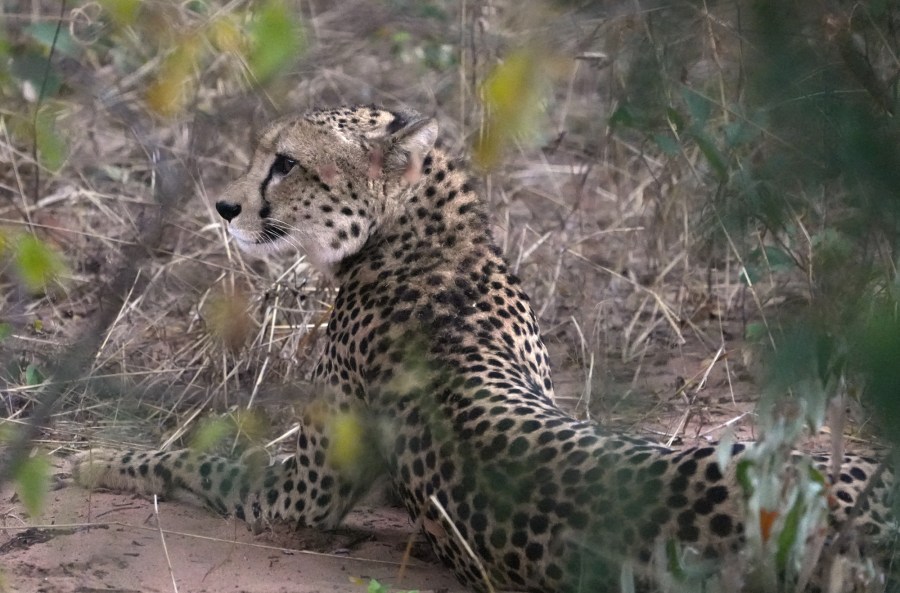
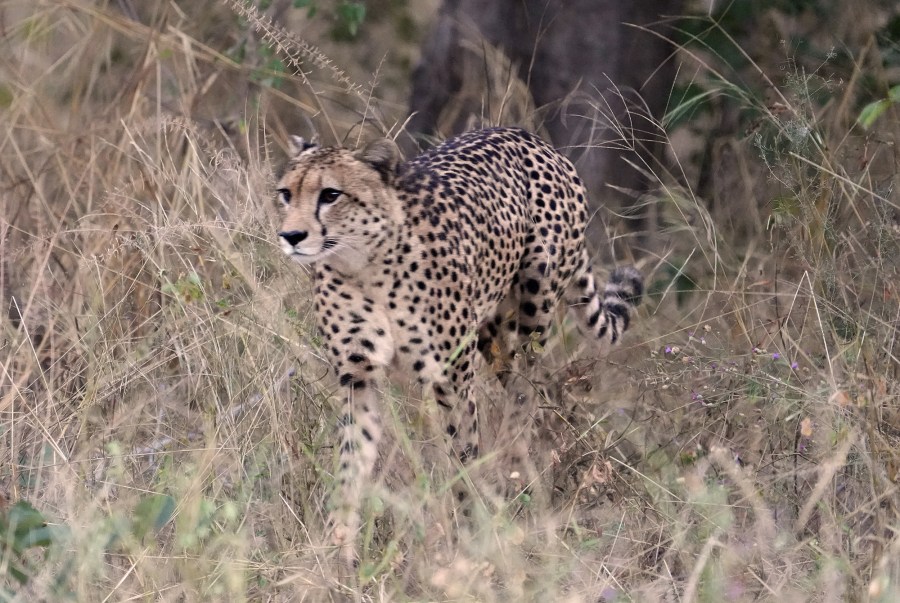
Cheetah – slowly through the grass

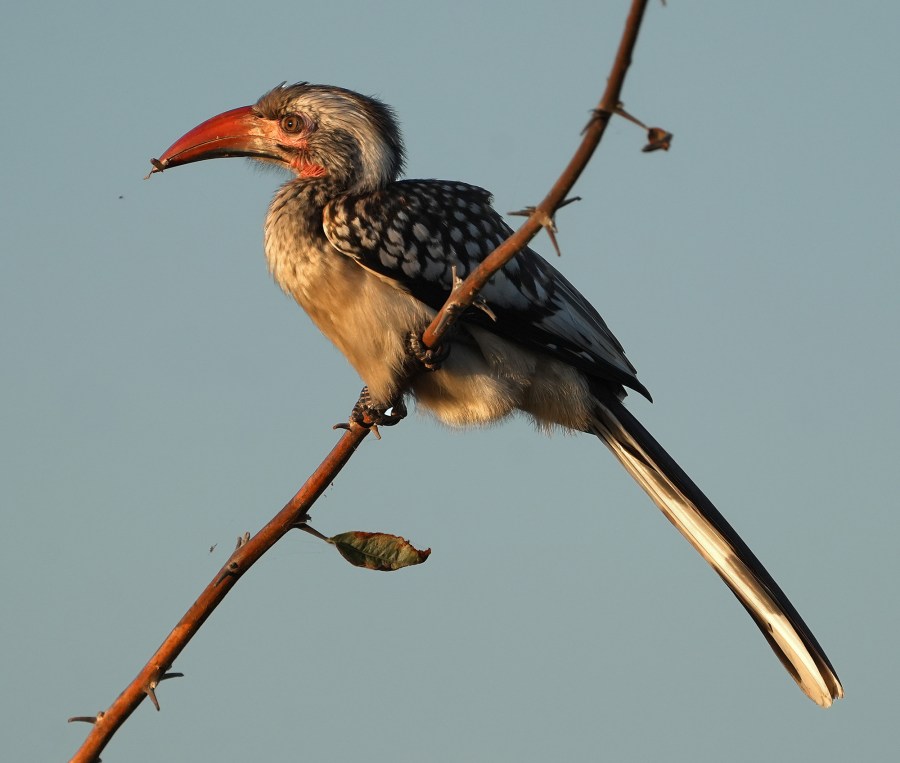
Red Billed Hornbill

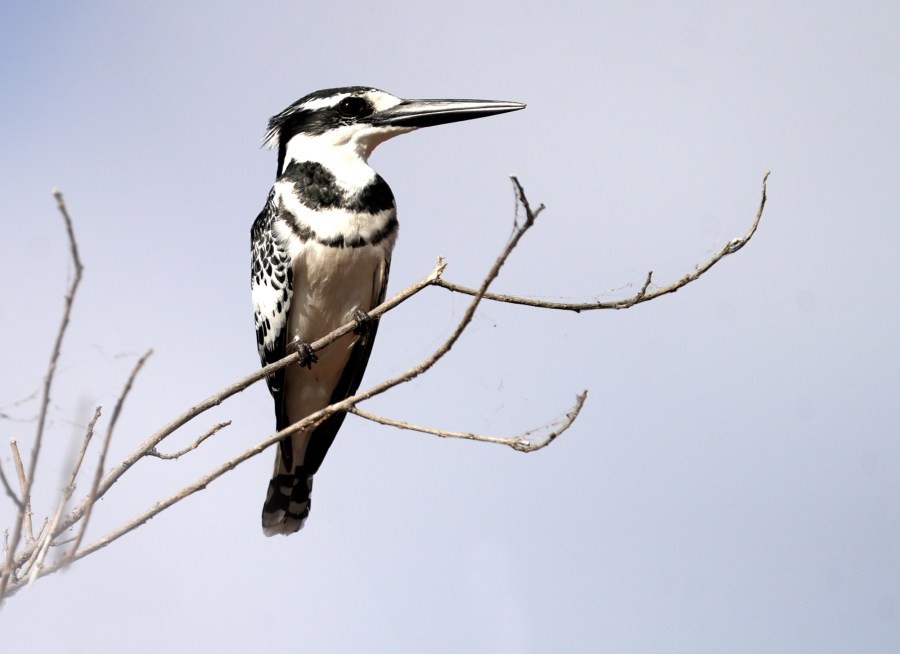
Pied Kingfisher

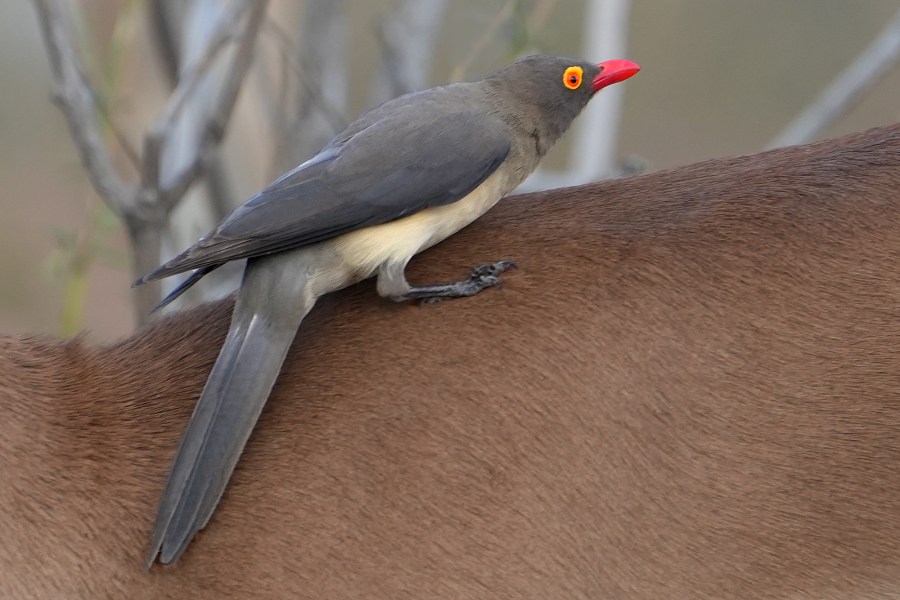
Red Billed Oxpecker – on the back of an Impala

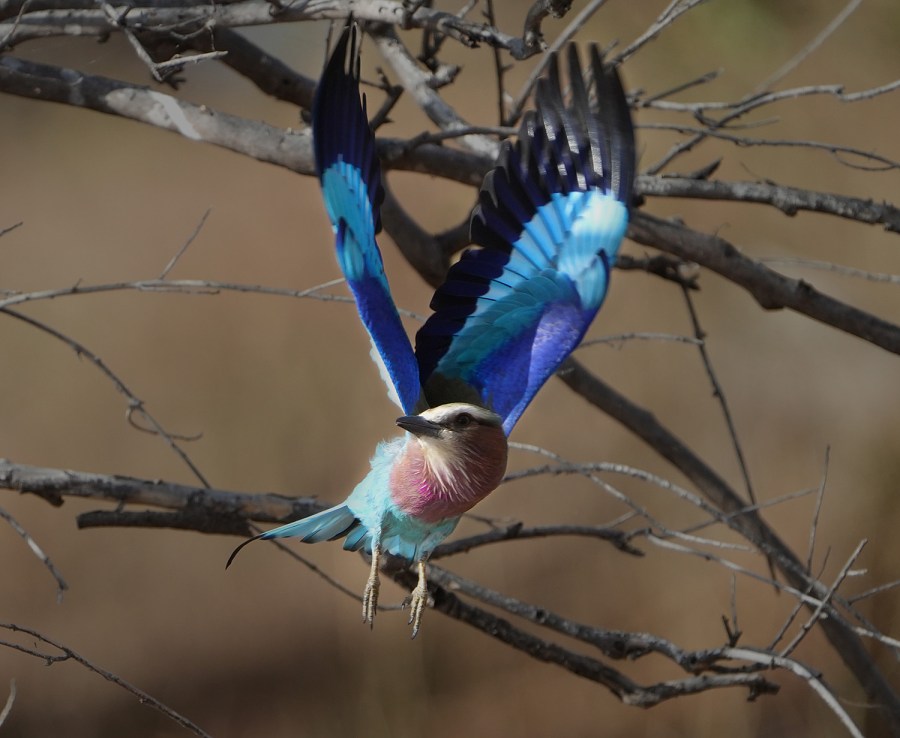
Lilac Breasted Roller

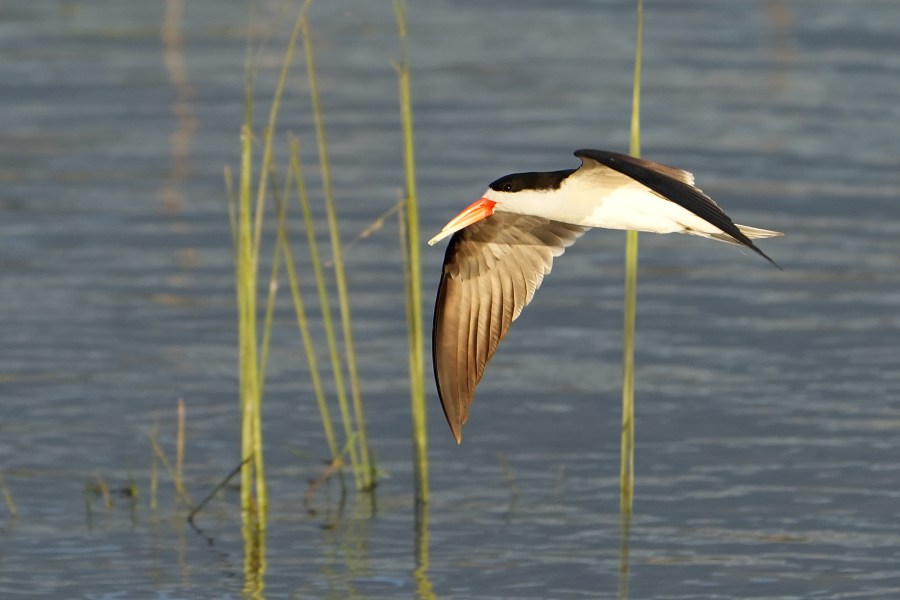
African Skimmer

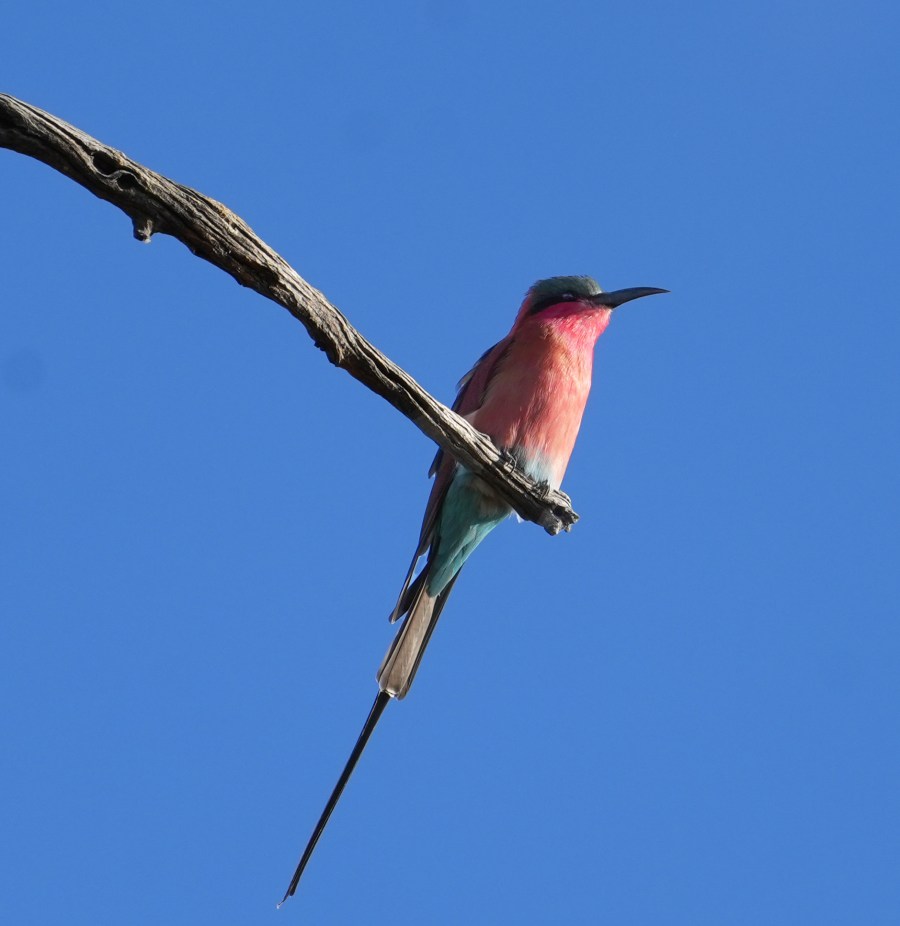
Carmine Bee Eater

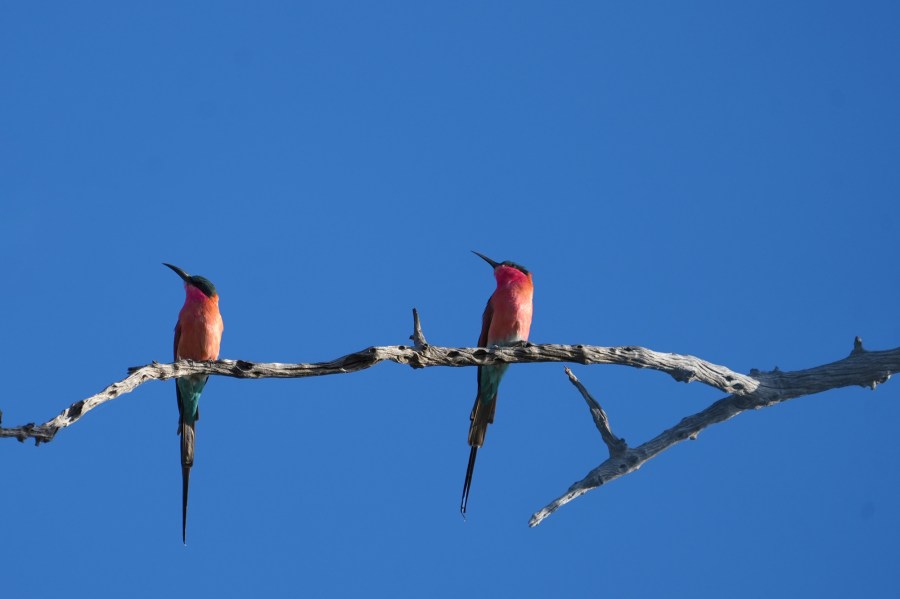
Carmine Bee Eaters

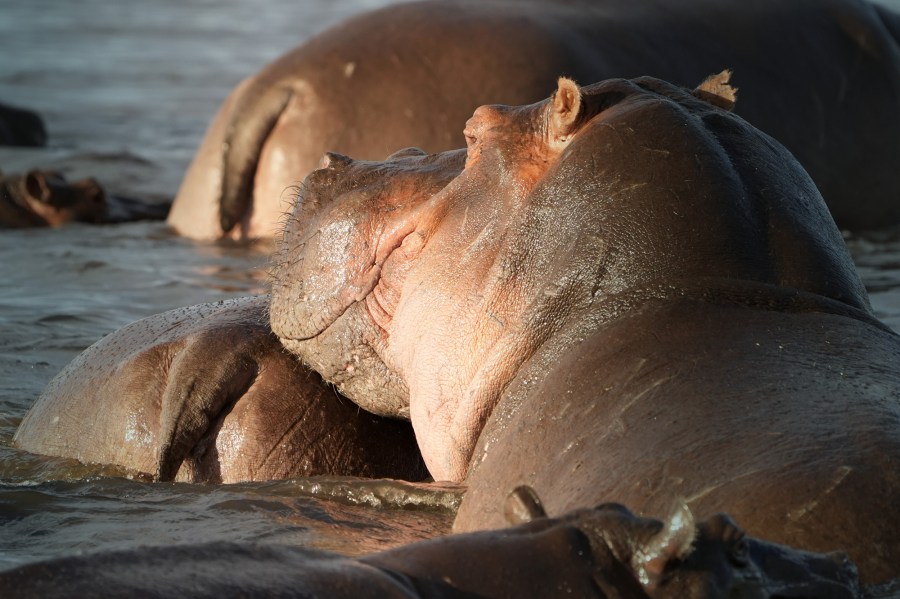
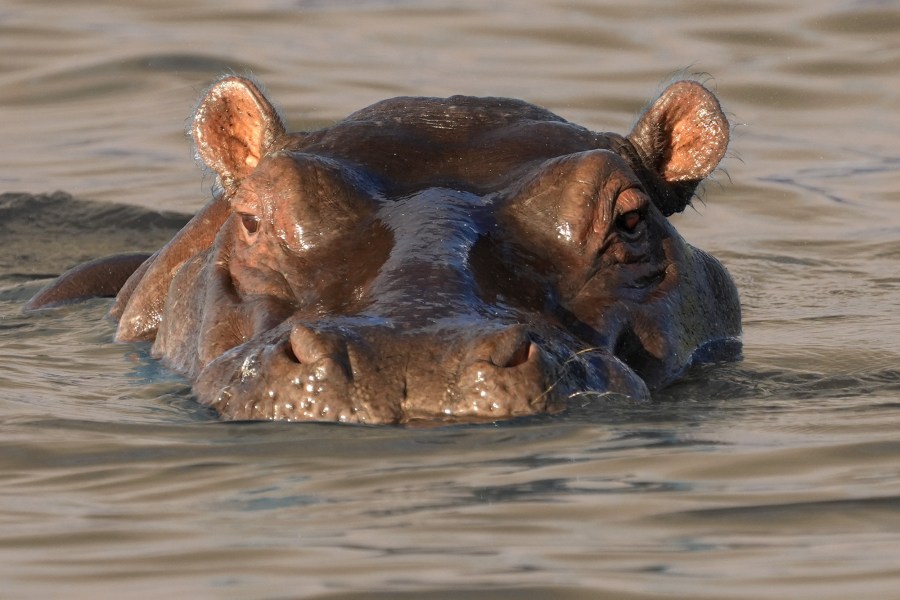
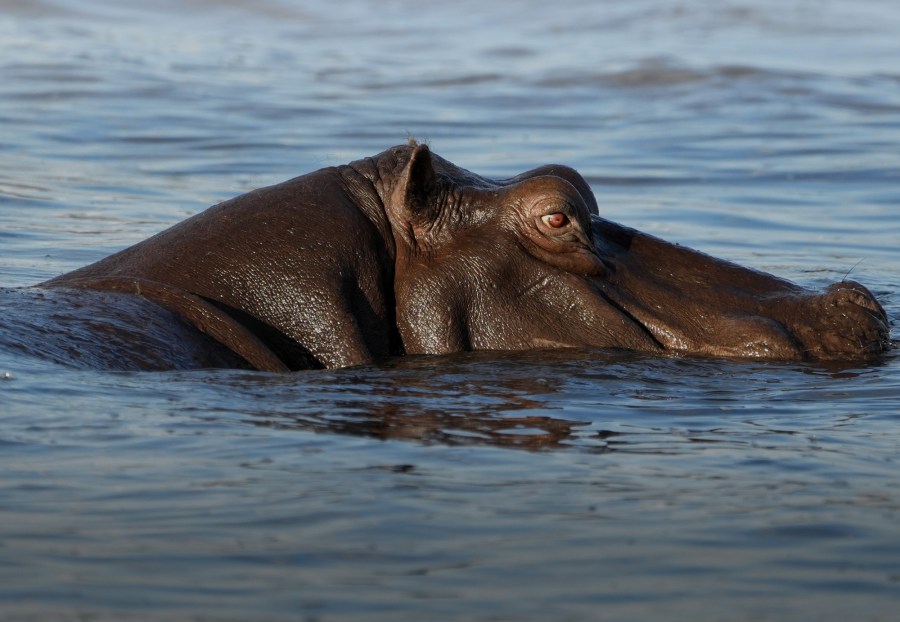
Hippos in the Chobe River

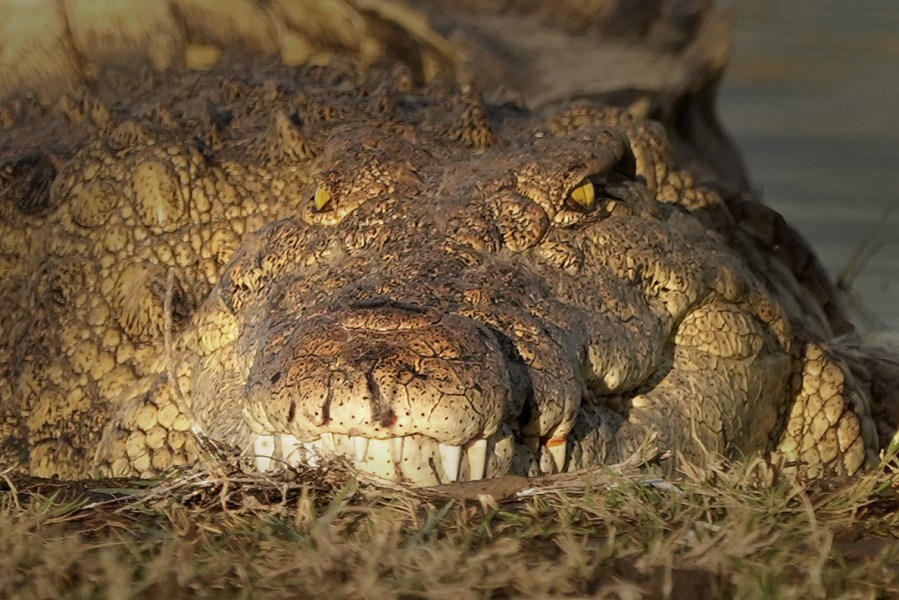
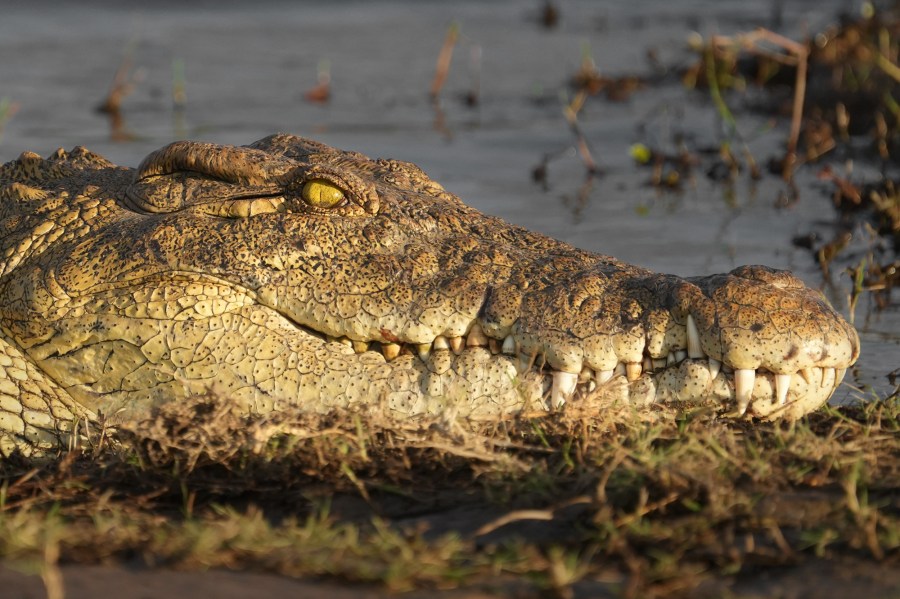
Happy looking Crocodile

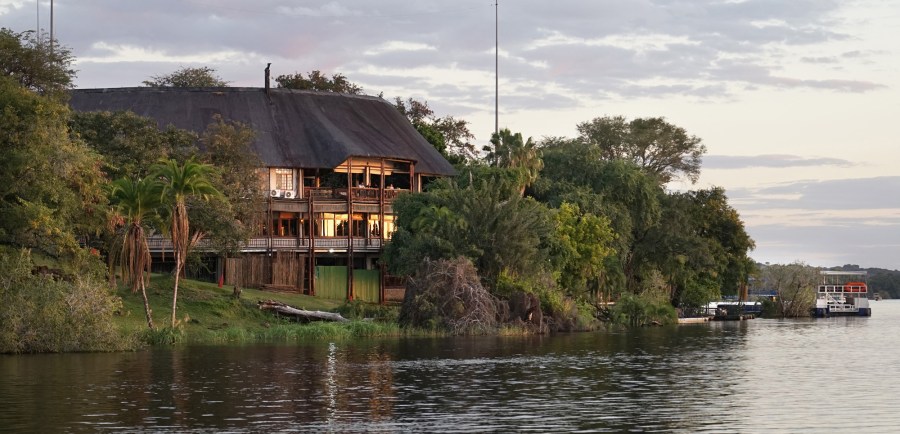
We stayed right on the river at the Cresta Mowana Resort

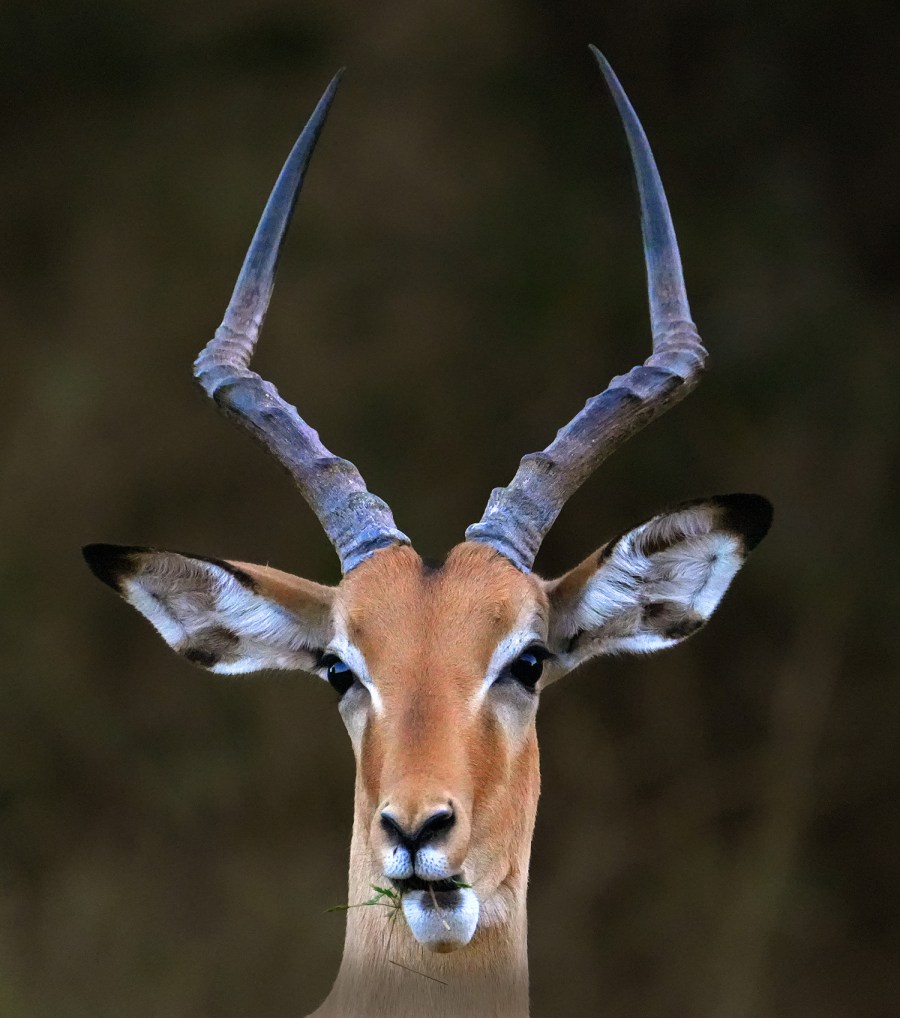
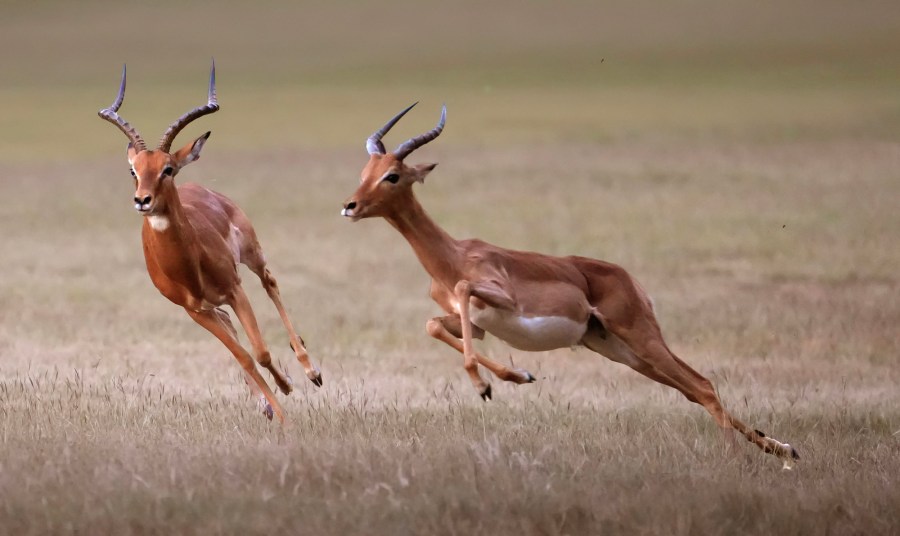
Impalas are common throughout the National Park.

We were sad to be leaving Africa and saying farewell to our great group of painters and fellow travellers. Lots of places still unseen, so we will definitely be back.

FRANCE

From Marrakesh we flew to Toulouse where we had a couple of days to explore the city. We were then picked up by a driver and taken through the French countryside to Domaine d’En Naudet, the beautiful venue for our week long painting retreat hosted by Uptrek.

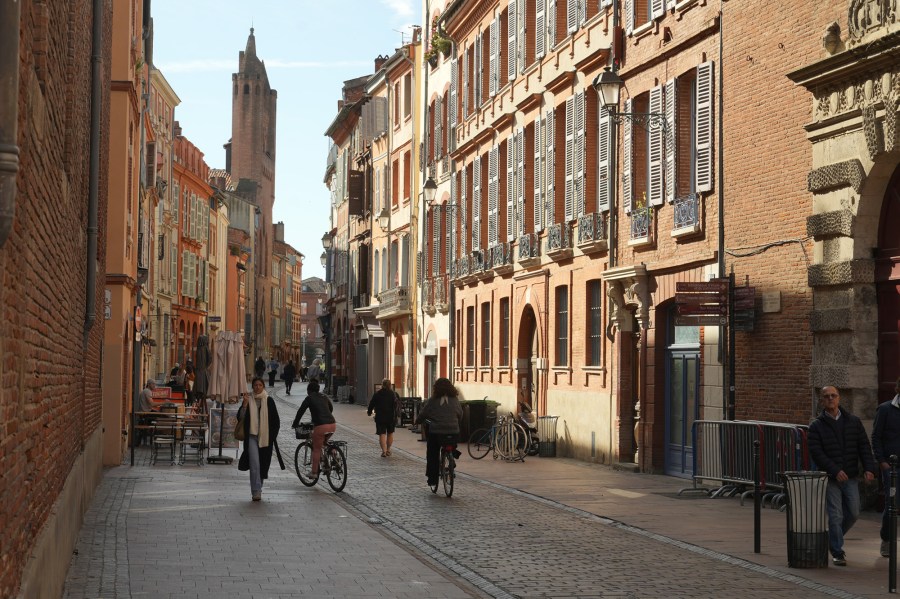
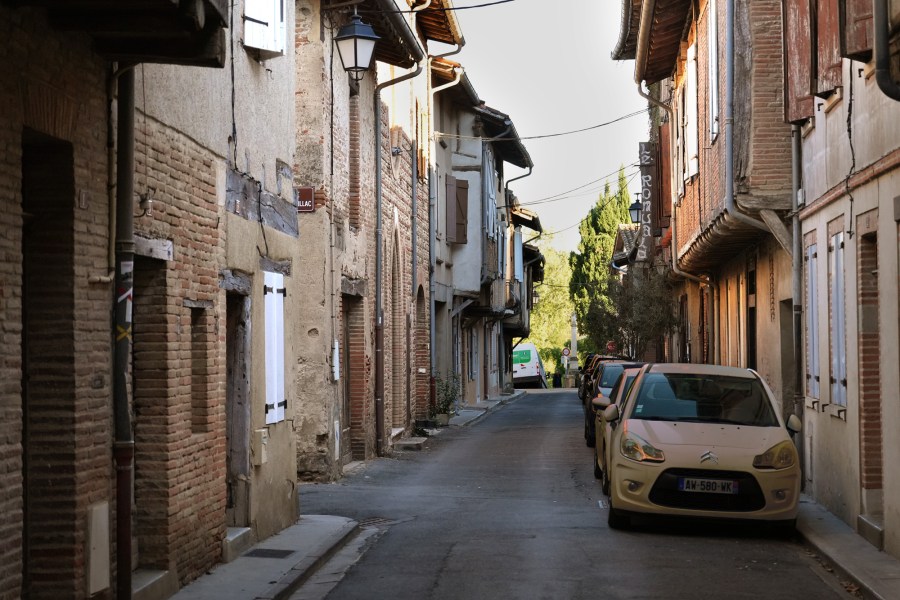
Winding streets of Toulouse.

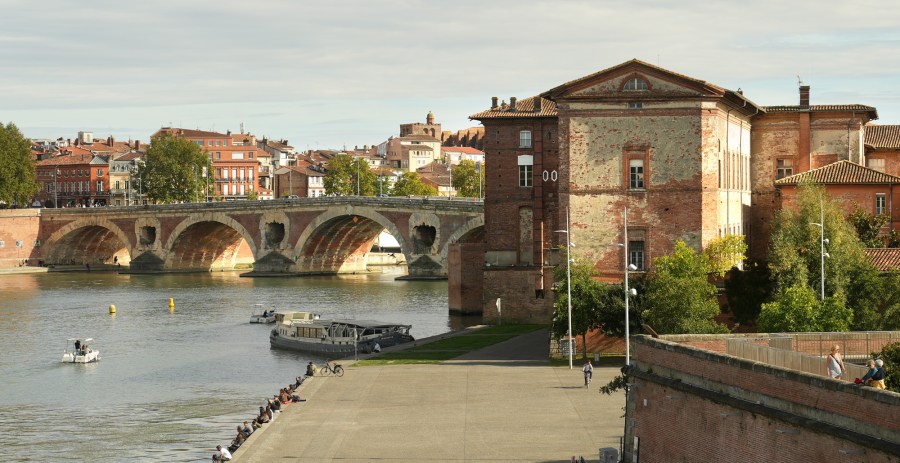
Bridge over the river Tarn, Toulouse.

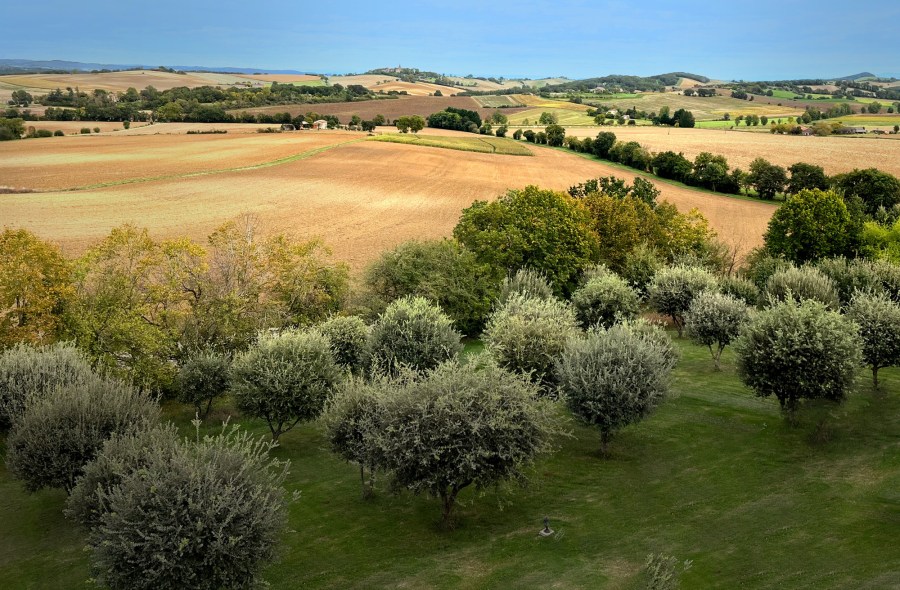
View of the countryside from the tower at Domaine d’En Naudet. The foreground trees are oaks planted to grow truffles.

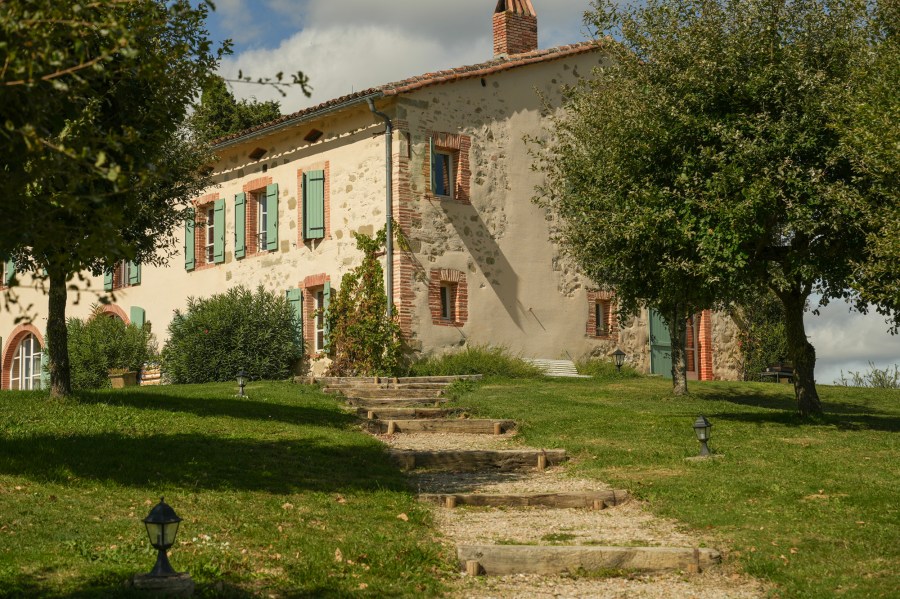
Domaine d’En Naudet

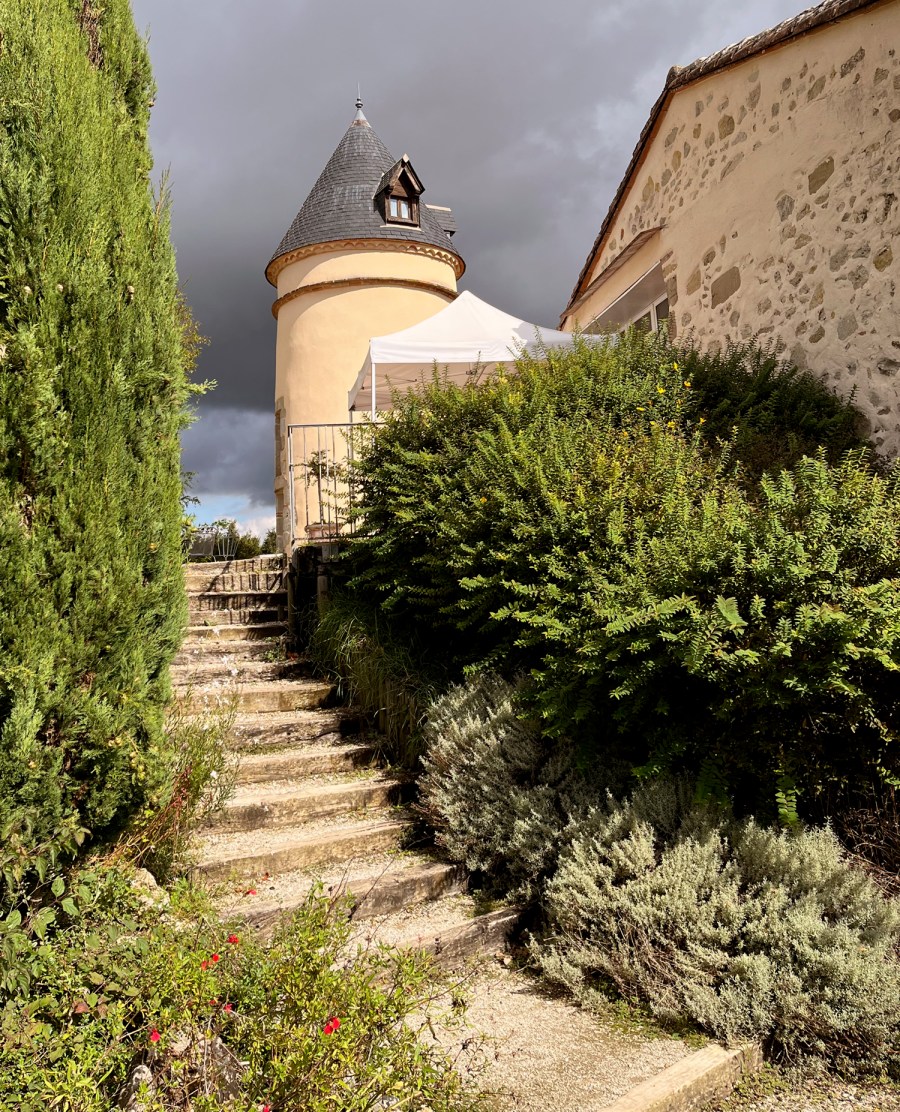
The tower at Domaine d’En Naudet was originally built for protection then in the early 1800’s converted to a pigeon house. It now serves as tall, thin accommodation.

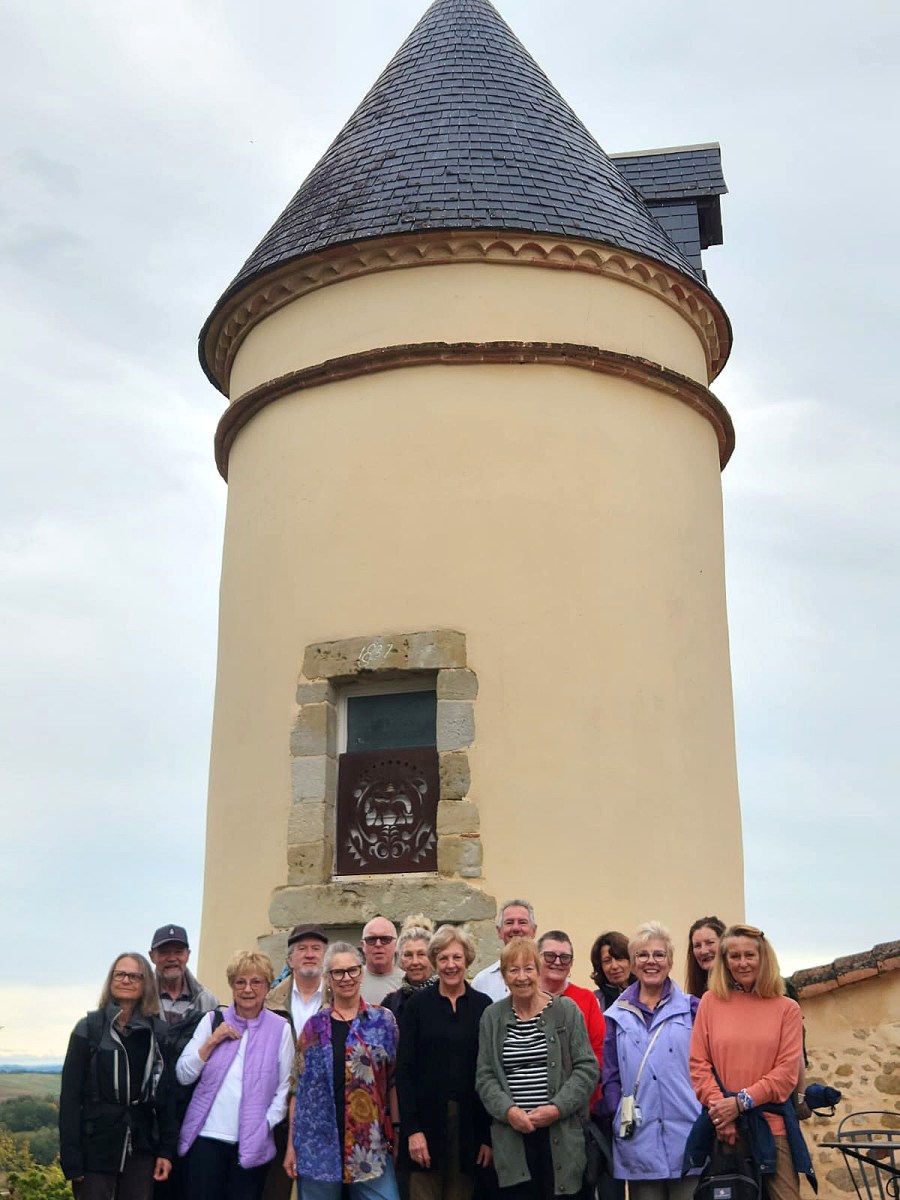
Our painting group gathered under the tower

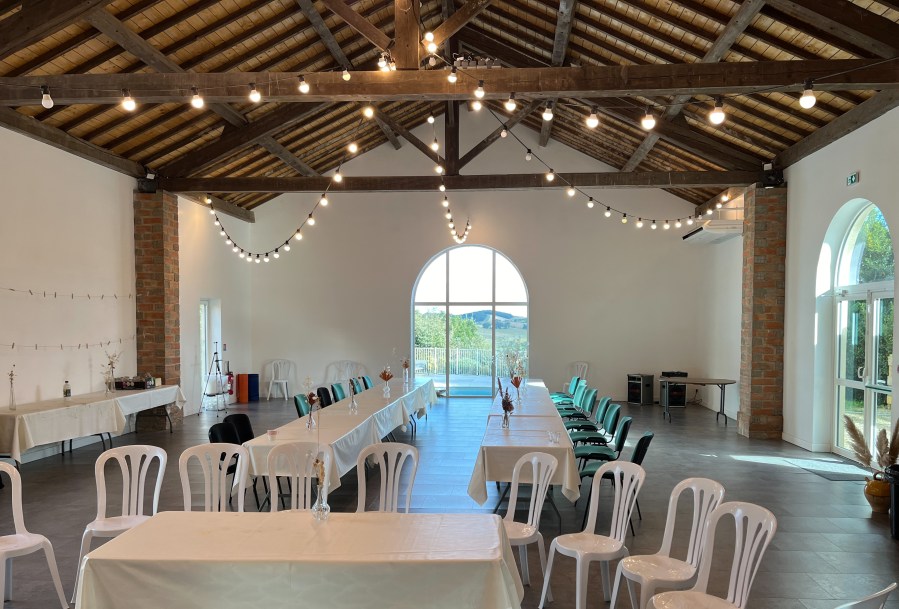
We were spoilt with a huge, well lit studio with attached kitchen and bathrooms and views from every window. Our hosts, Sophie and Nicholas, spoilt us with cakes, pastries, biscuits, cheese, fruit and coffee while we were busy painting in the studio

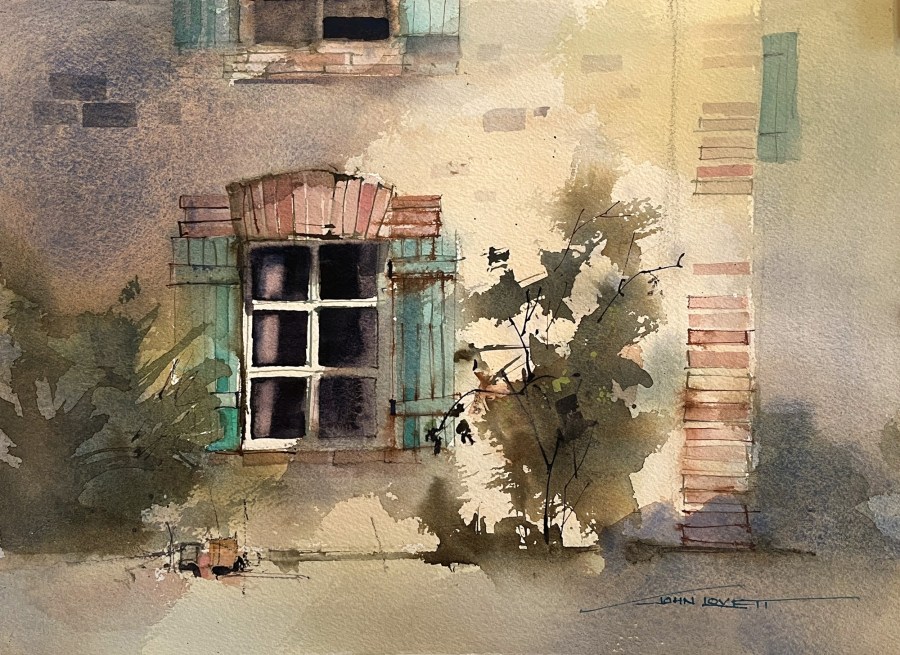
One of the downstairs windows at Domaine d’En Naudet.

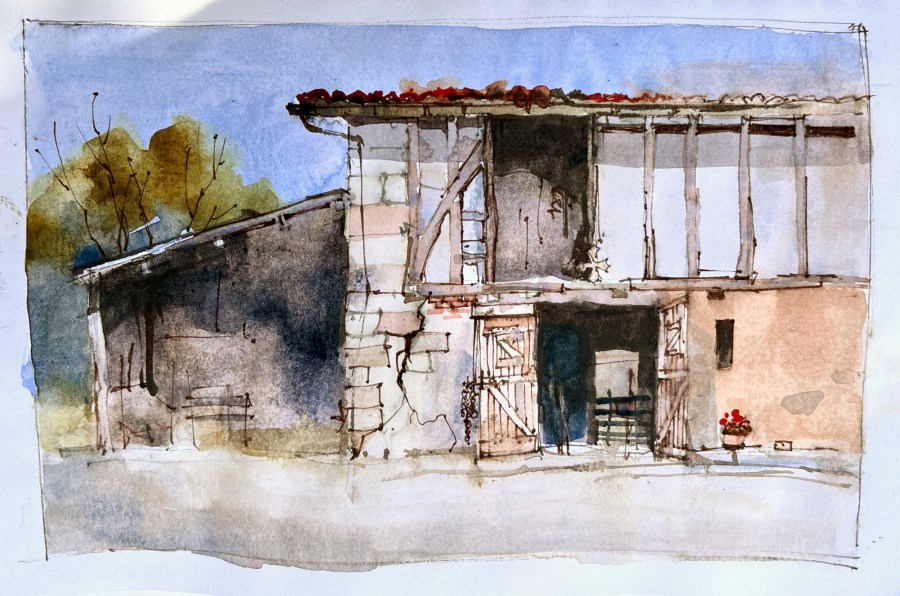
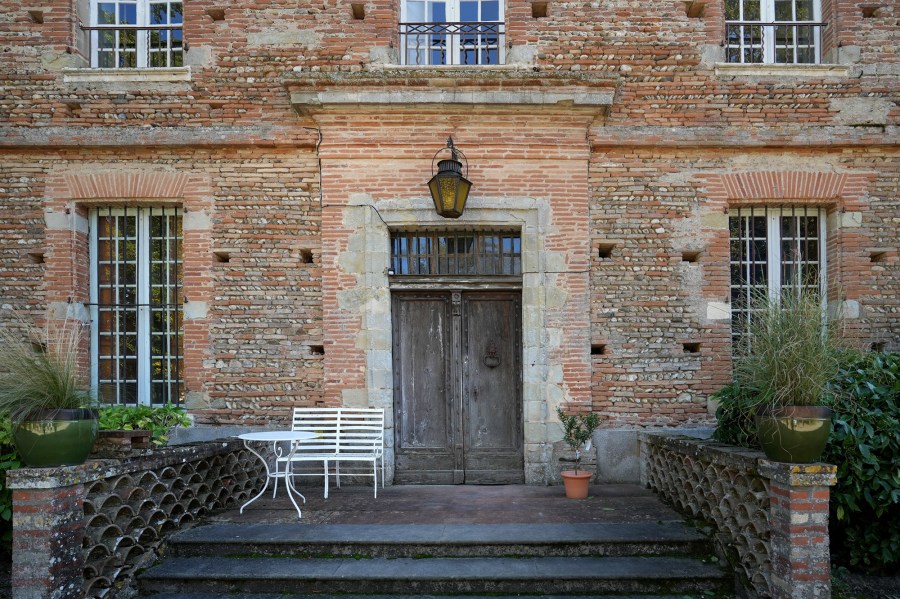
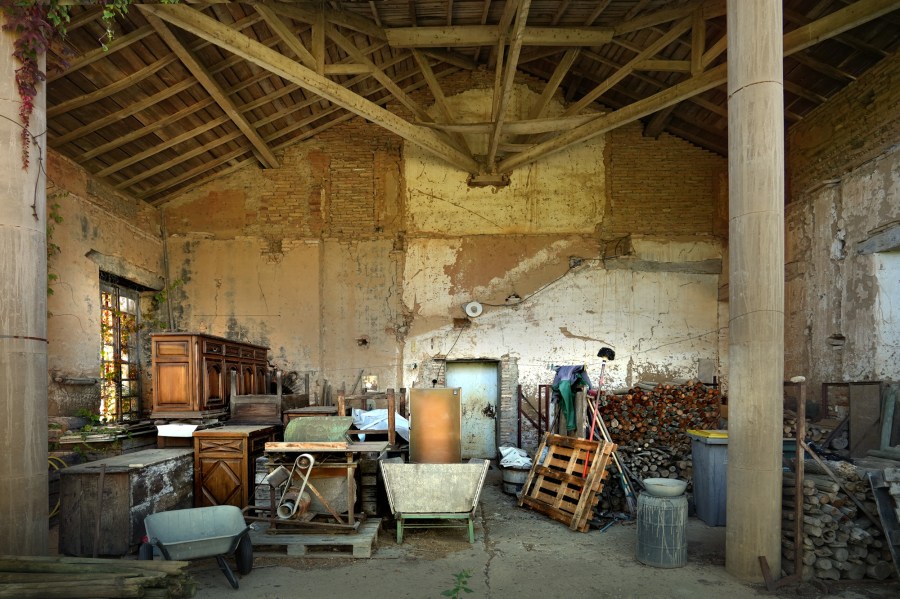
Our host Nicholas arranged for us to visit his nearby neighbour, Madeline. She lives in a wonderfull old Medieval house with attached barn. It was a magnificent, unspoilt building and a pleasure to sit and paint the rustic details

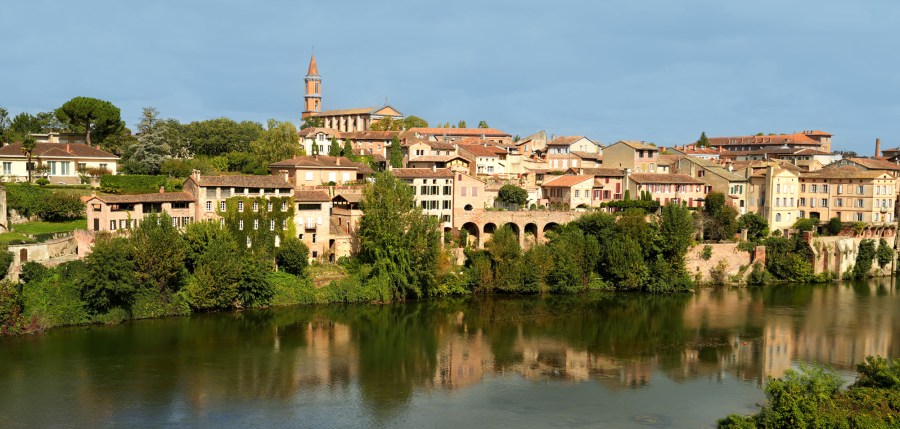
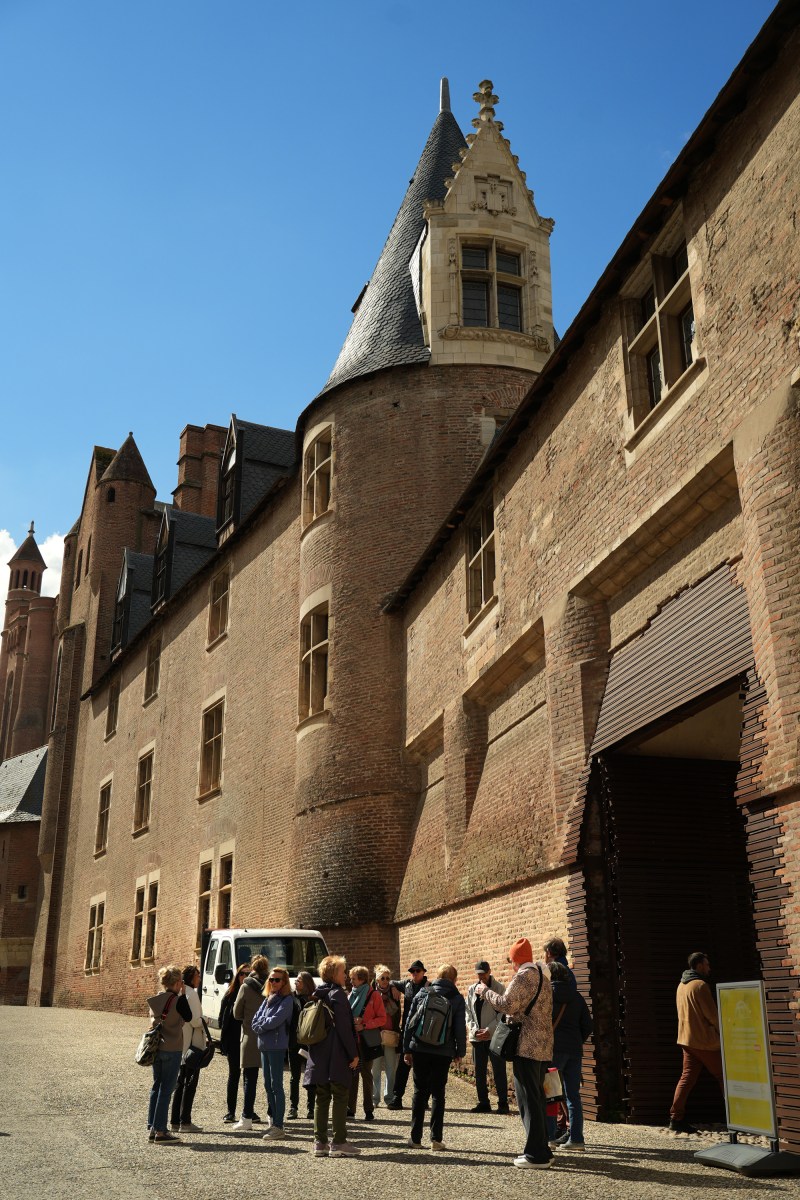
The town of Albi was a spectacular surprise

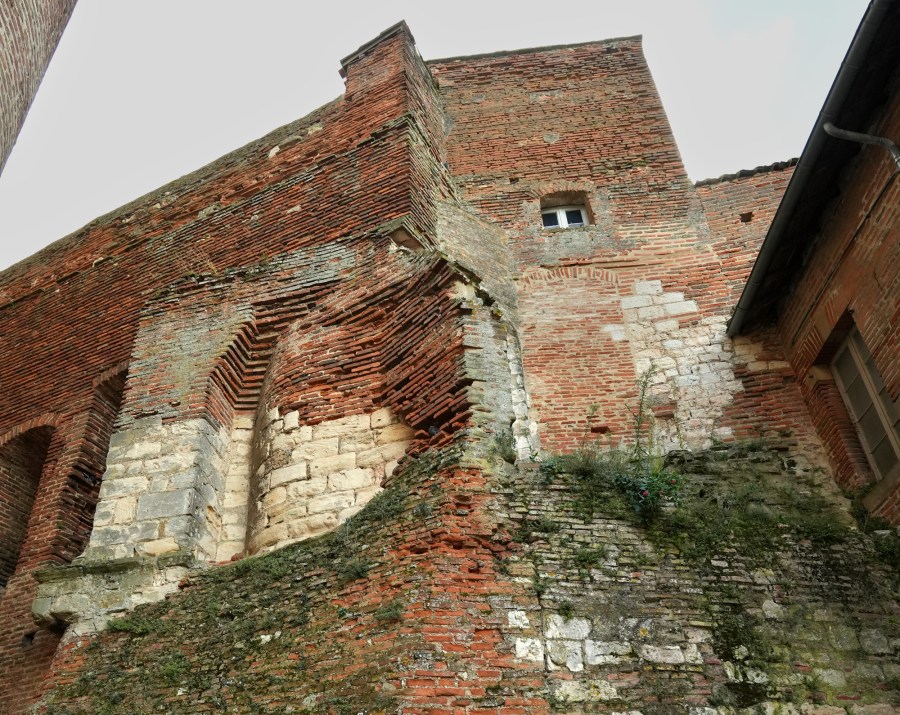
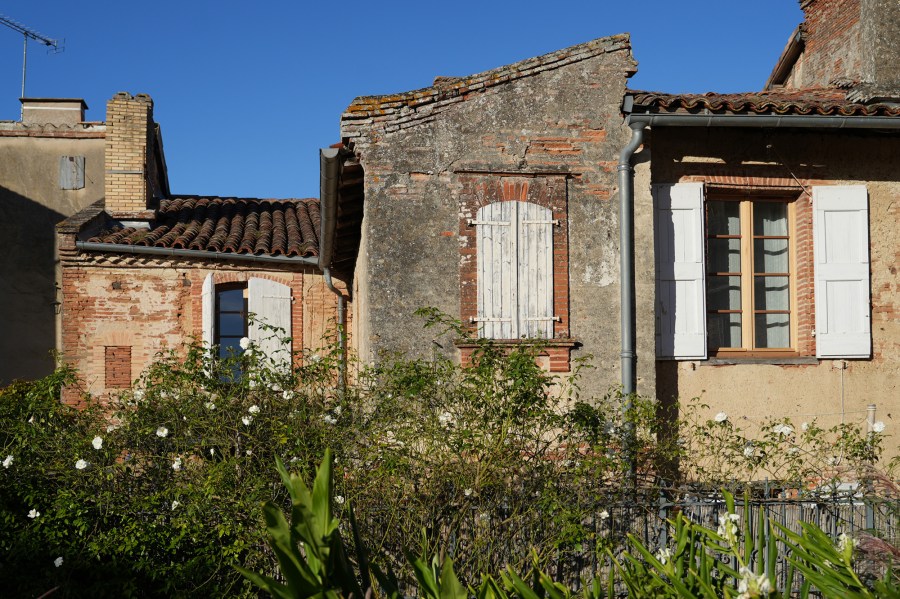
Ancient brick and stonework reveals the history of these fantastic old buildings. Centuries of alterations, renovations and repairs create an amazing texture and expose the skill of these tradesmen over the centuries.
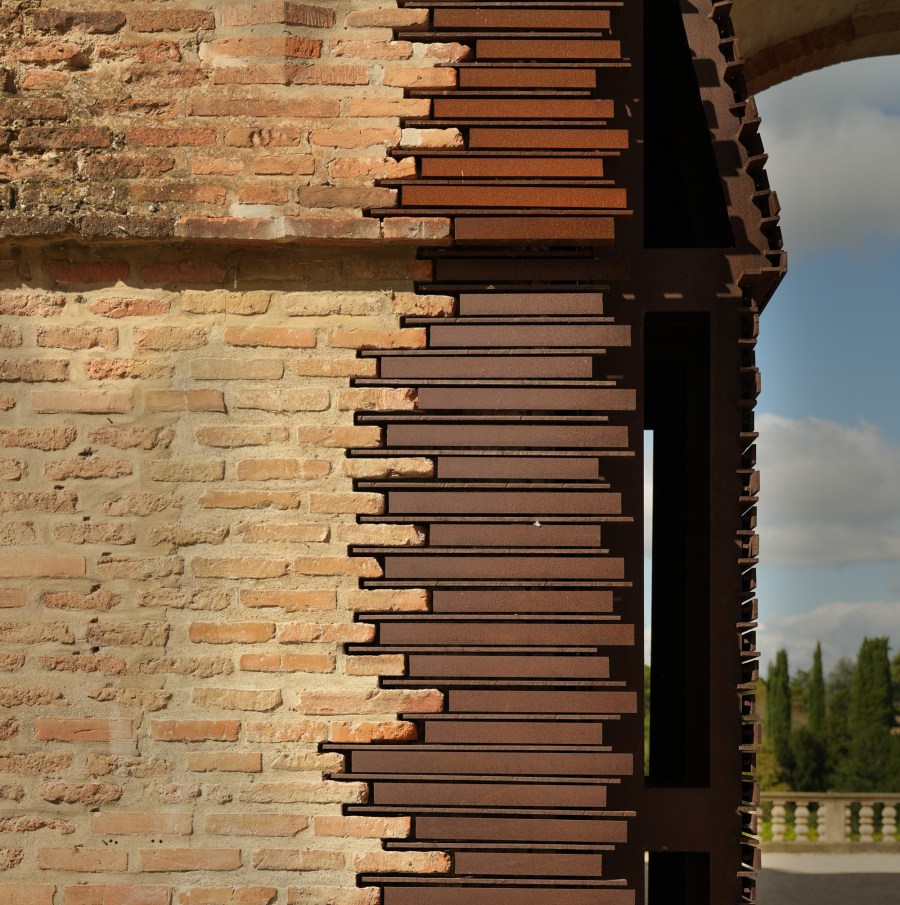
A modern steel gate blends beautifully with the ancient brickwork.

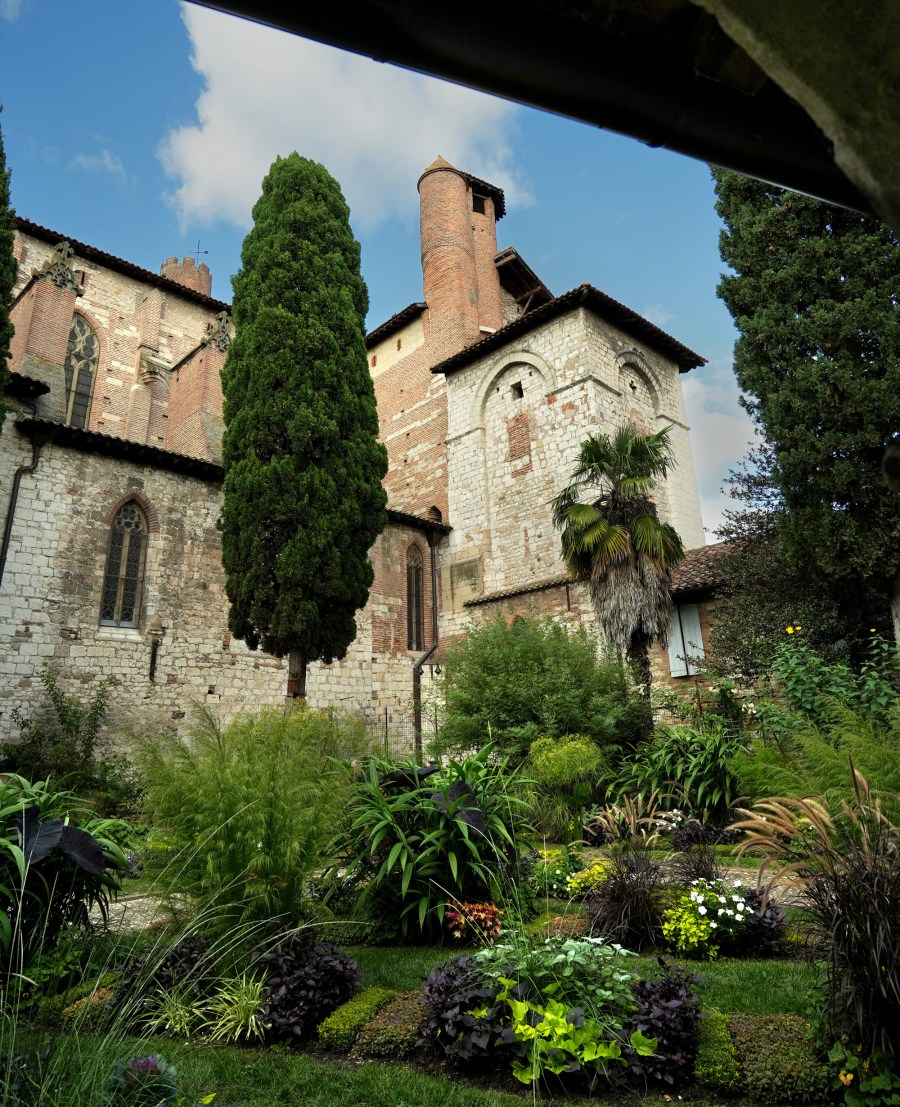
Saint-Salvy Cloister – Albi

Painting Albi from across the river Tarn


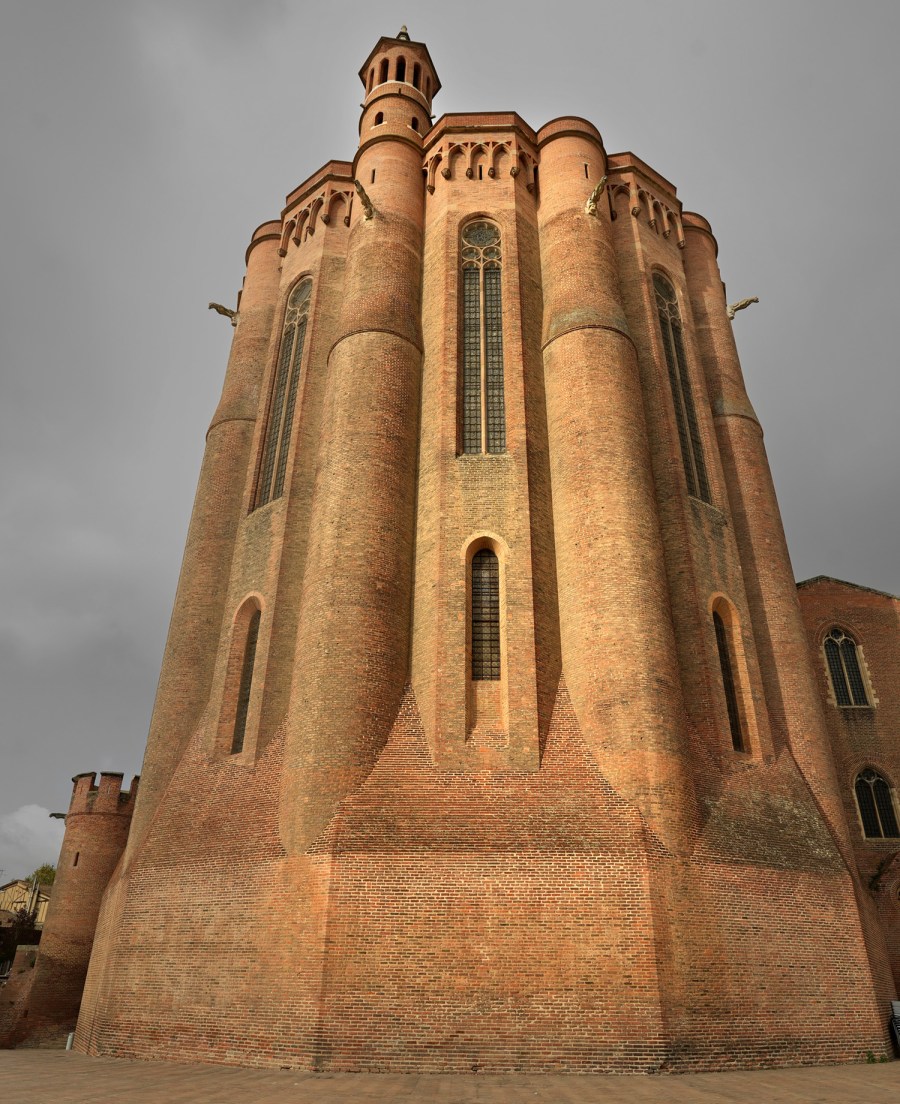
Sainte-Cecile Cathedral in Albi sure is an impressive building – lots of intricate, intersecting curves built entirely of brick.

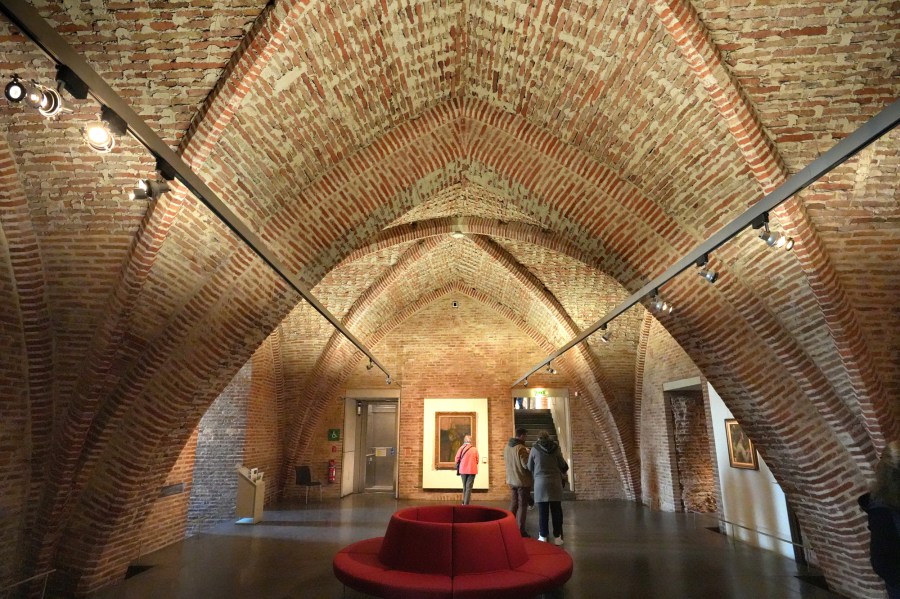
Next to the Cathedral Sainte-Cecile is the Toulouse Lautrec museum. Another massive, construction all built from brick with a great collection of Lautrec’s paintings drawings and posters.

Château Lastours sits on the banks of the Tarn River surrounded by beautiful vineyards. We had a tour through their winery one afternoon, and sampled some fabulous wines – all stopped with cork, unlike the screw caps that have taken over in Australia.

Château Lastours old store room

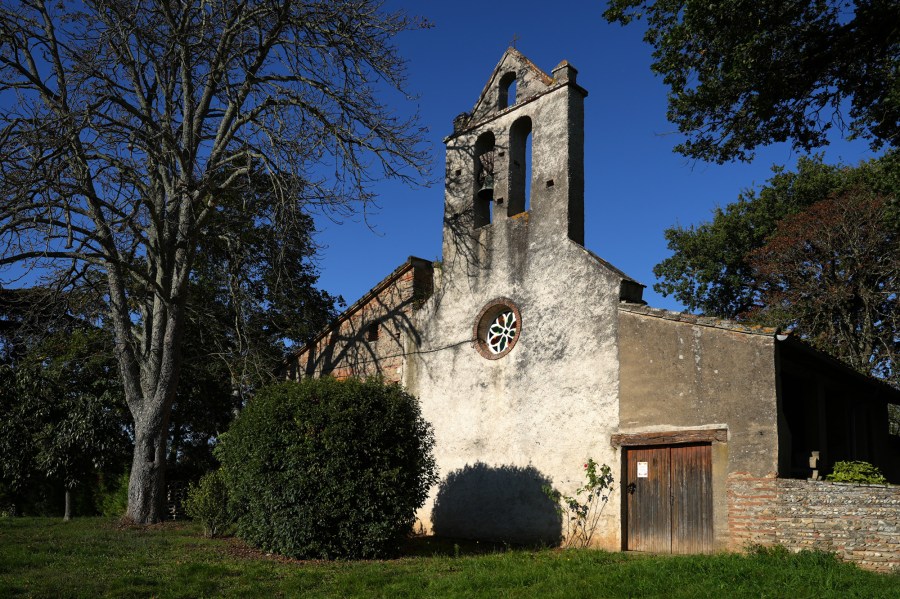
Old church in the grounds of Château Lastours

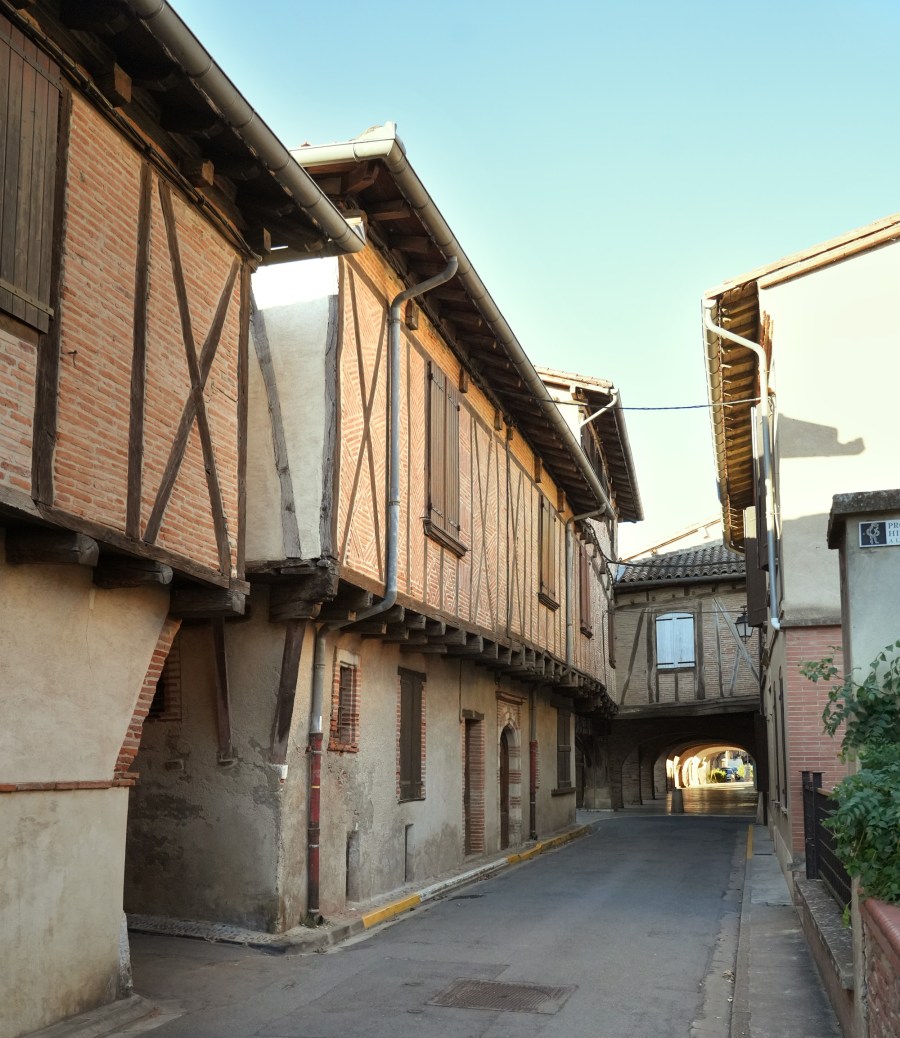
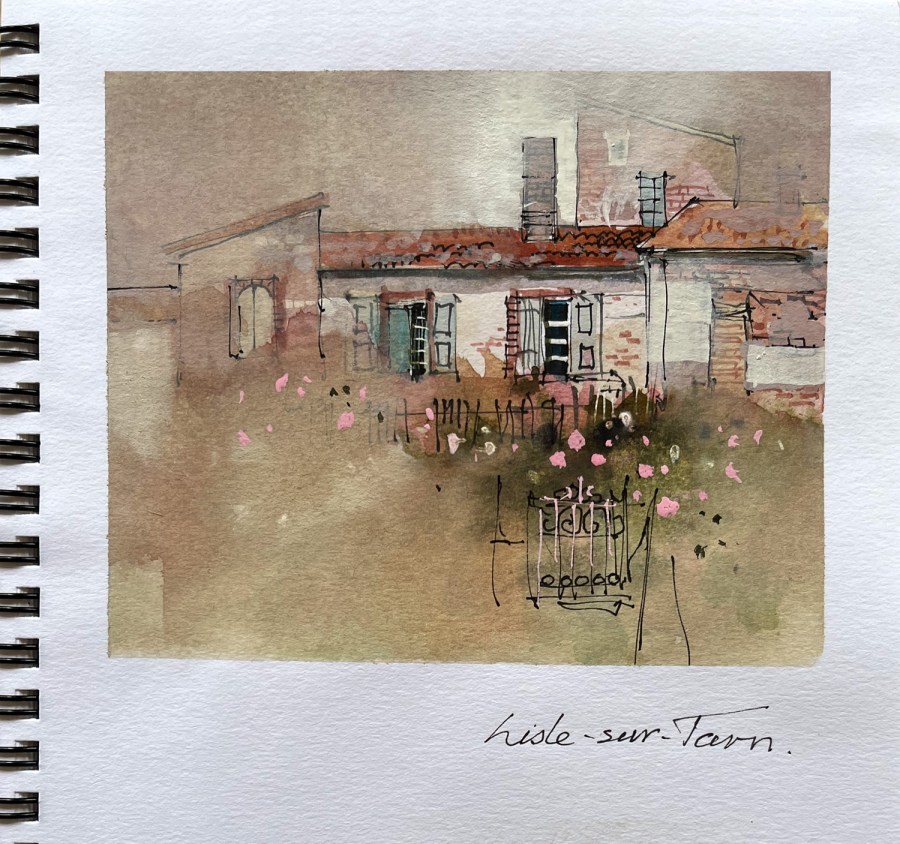
Not far from Château Lastours, on the way back to Domaine d’En Naudet, Nicholas took us to the village of Lisle-sur-Tarn. The village dates back to the 13th century and many of the old Medieval buildings are still intact. Taxes were paid on the footprint of a building, so it was common practise to build a small footprint ground floor, then cantilever a larger second story.

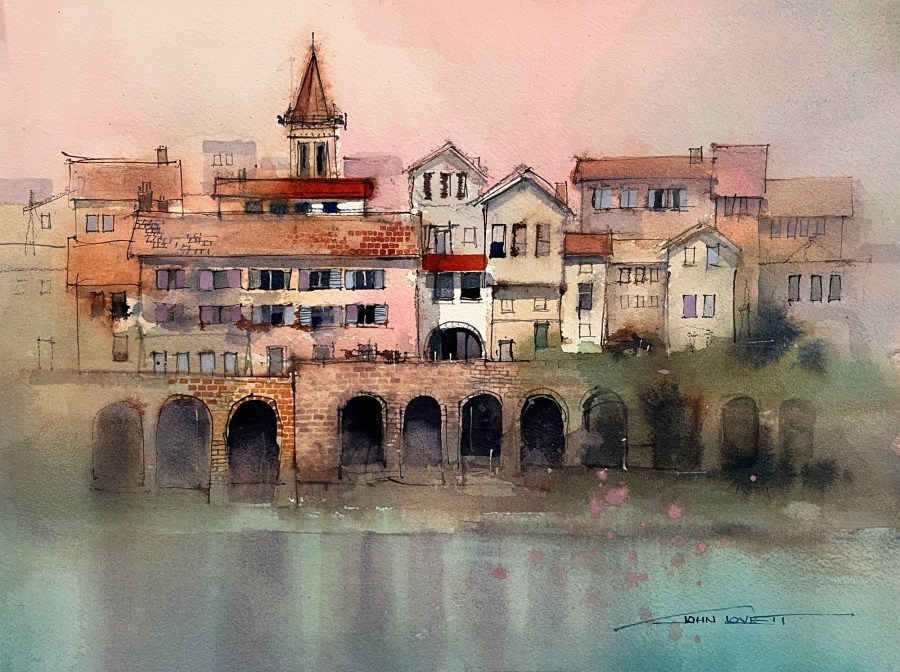
Southern France’s Occitanie region is a beautiful landscape filled with well preserved medieval towns and villages that make visible its long and fascinating history.

A wonderful place for a painting retreat.

Many thanks to Nicholas and Sophie for being such wonderful hosts, to Uptrek for organising the retreat and to the fabulous group of people who made the retreat so memorable and enjoyable.

WEST TO WINTON

A workshop in Blackall and another spread between Longreach and Winton saw us load up the truck and head off to central Queensland for six weeks. The country was incredibly green after all the rain and flooding. Many roads were still closed and venturing off the bitumen was a slippery, muddy exercise.

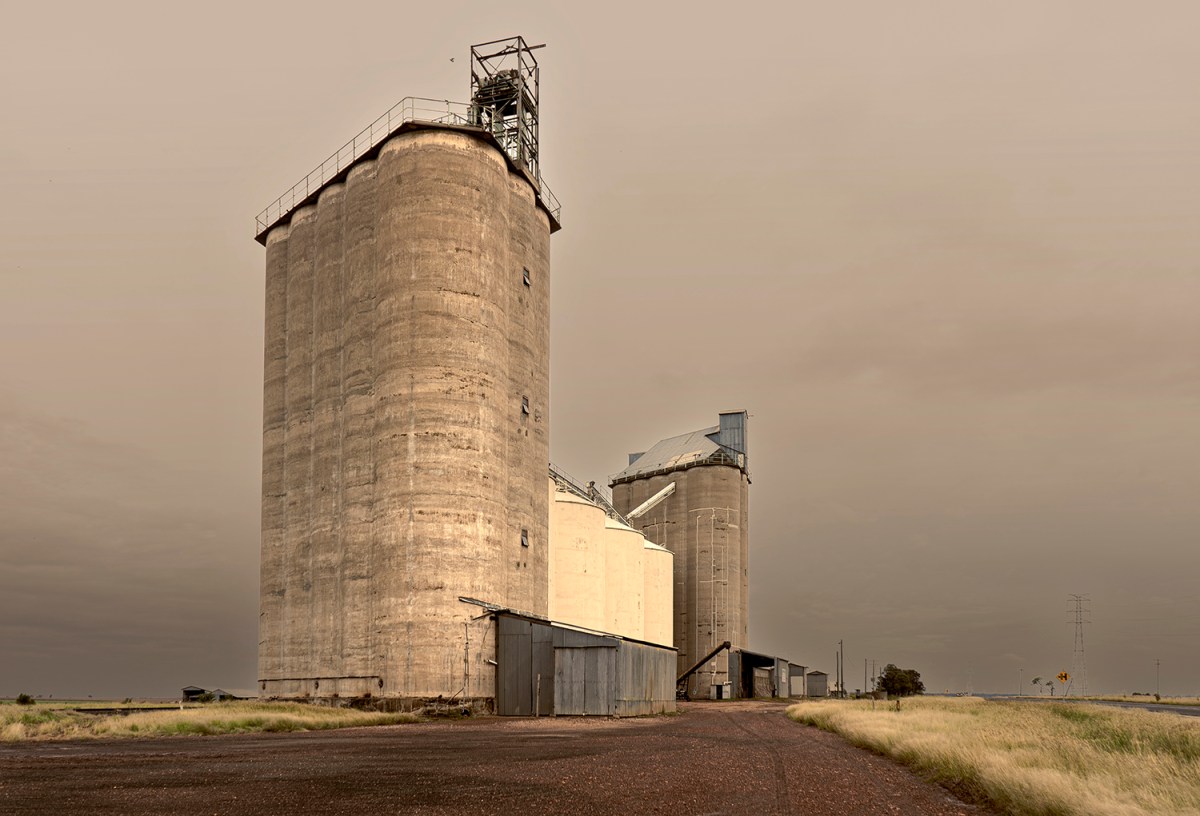
Silos on the road to Roma

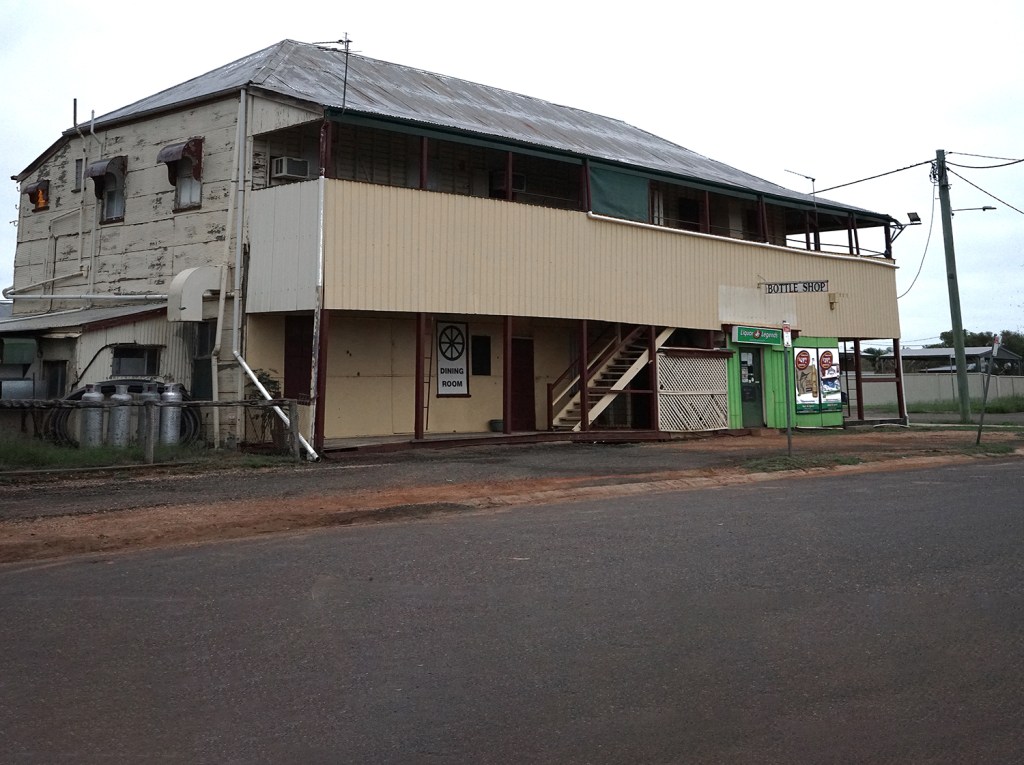
This old pub at Wallumbilla looks less than inviting soaked in rain and surrounded by mud, but the local graziers couldn’t be happier.

Retirement green confusion – Morvan.

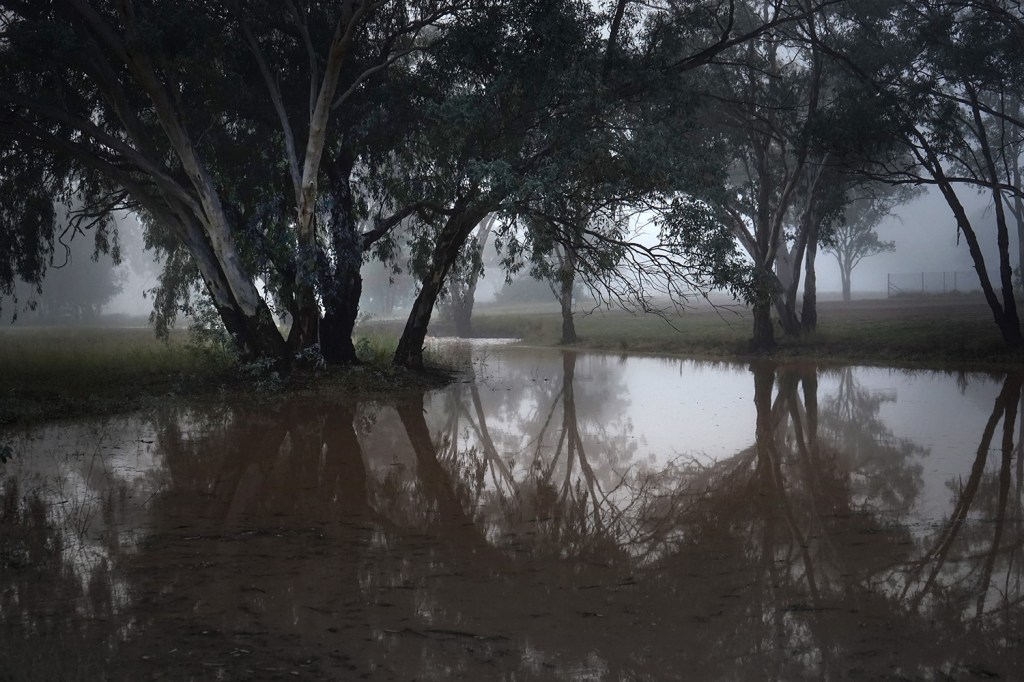
Early morning – Morven waterhole

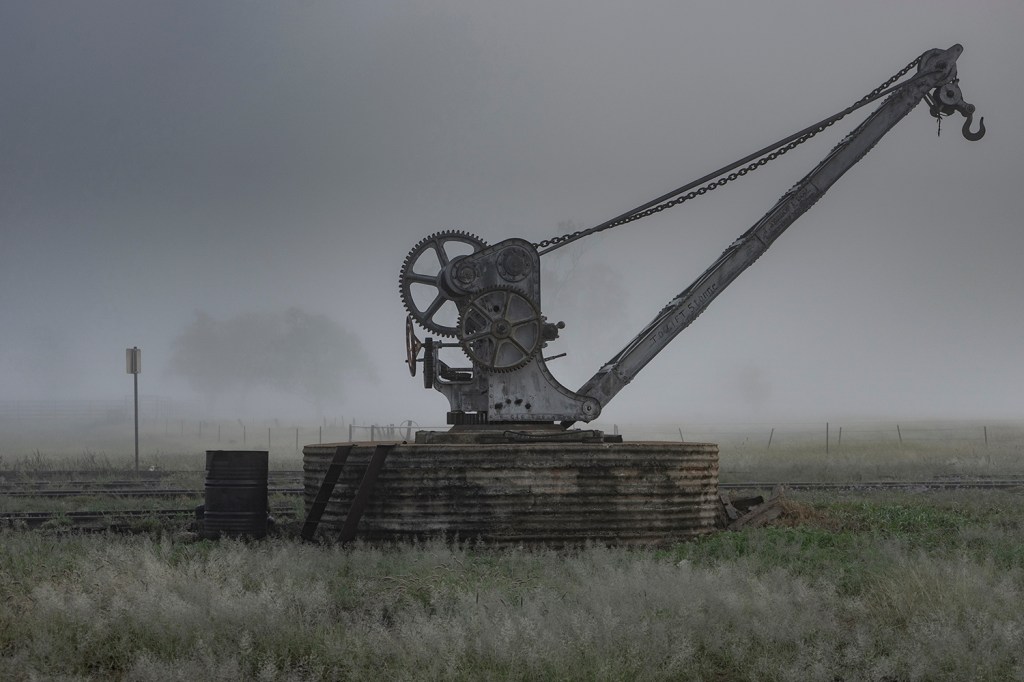
Disused railway crane – Morven

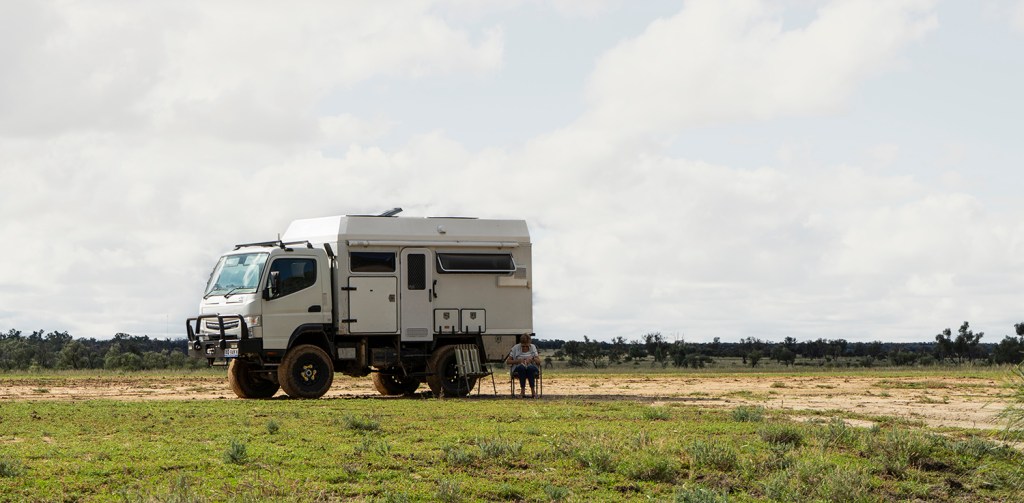
Camping out of Tambo was a little tricky – where there wasn’t grass there was thick, sticky mud.

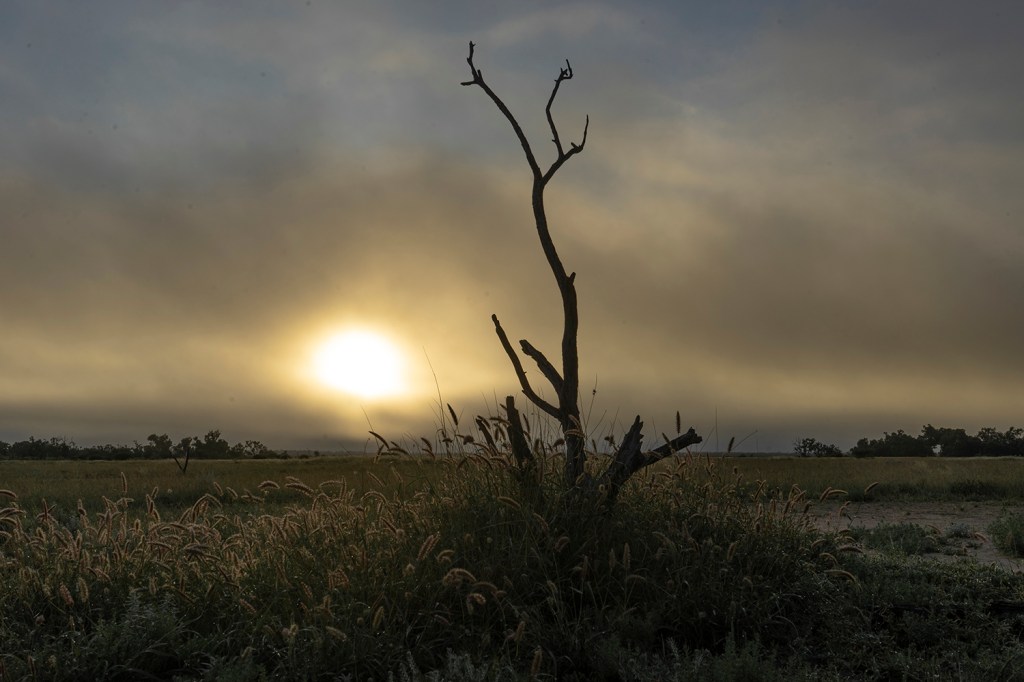
Sunrise through a layer of fog, Tambo

Union Hotel Blackall – still sells cold beer, but not much else

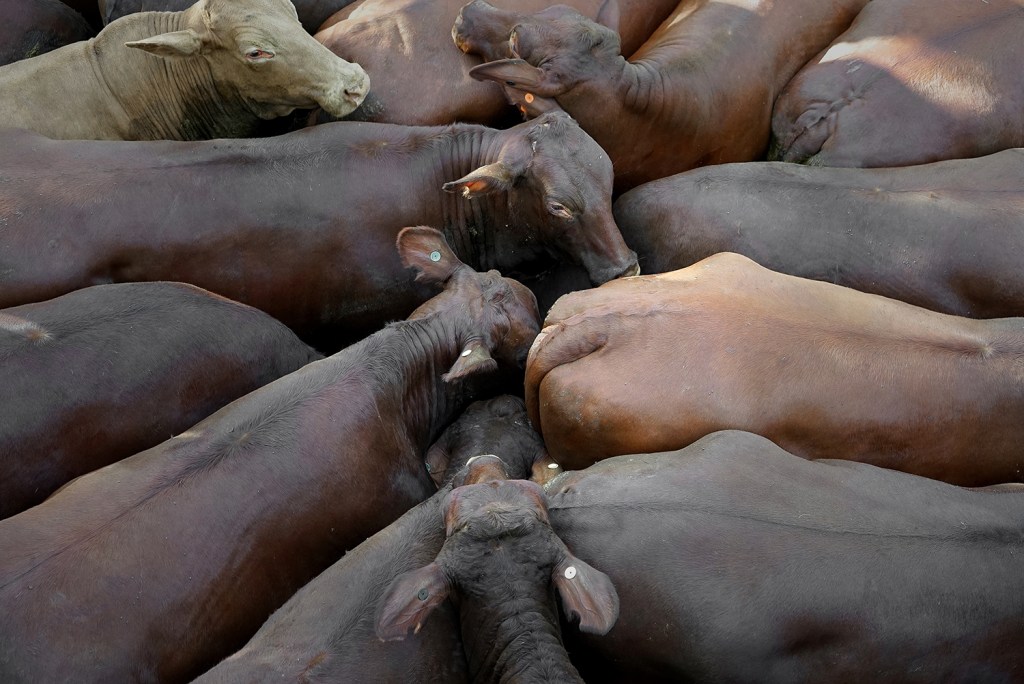
The weekly cattle sale in Blackall saw some fat’ healthy cattle, happy sellers and not so happy re-stockers.

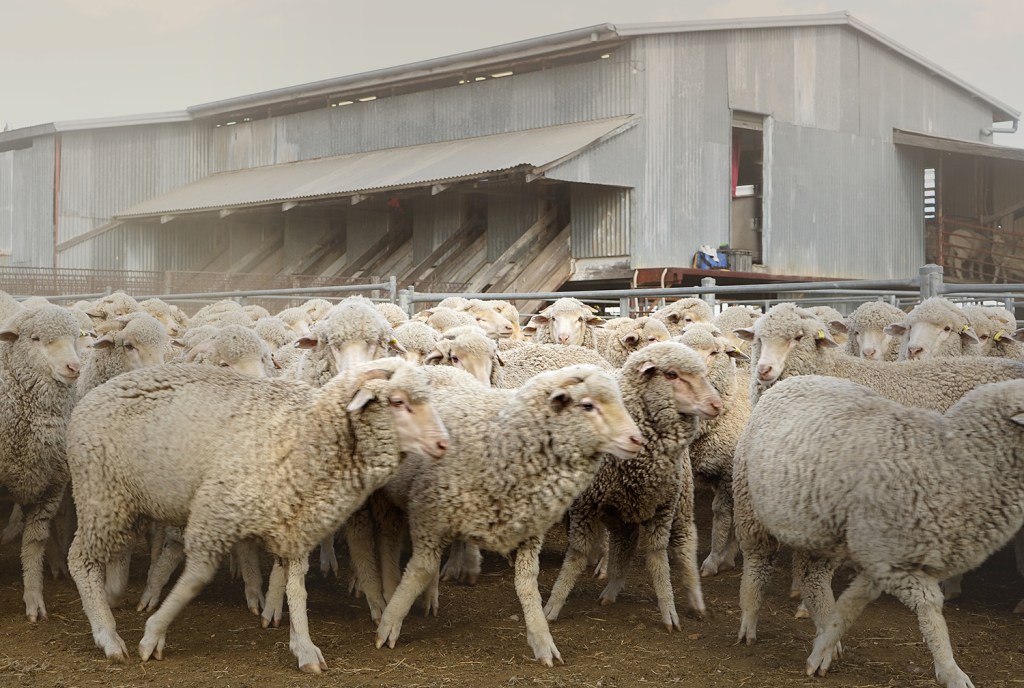
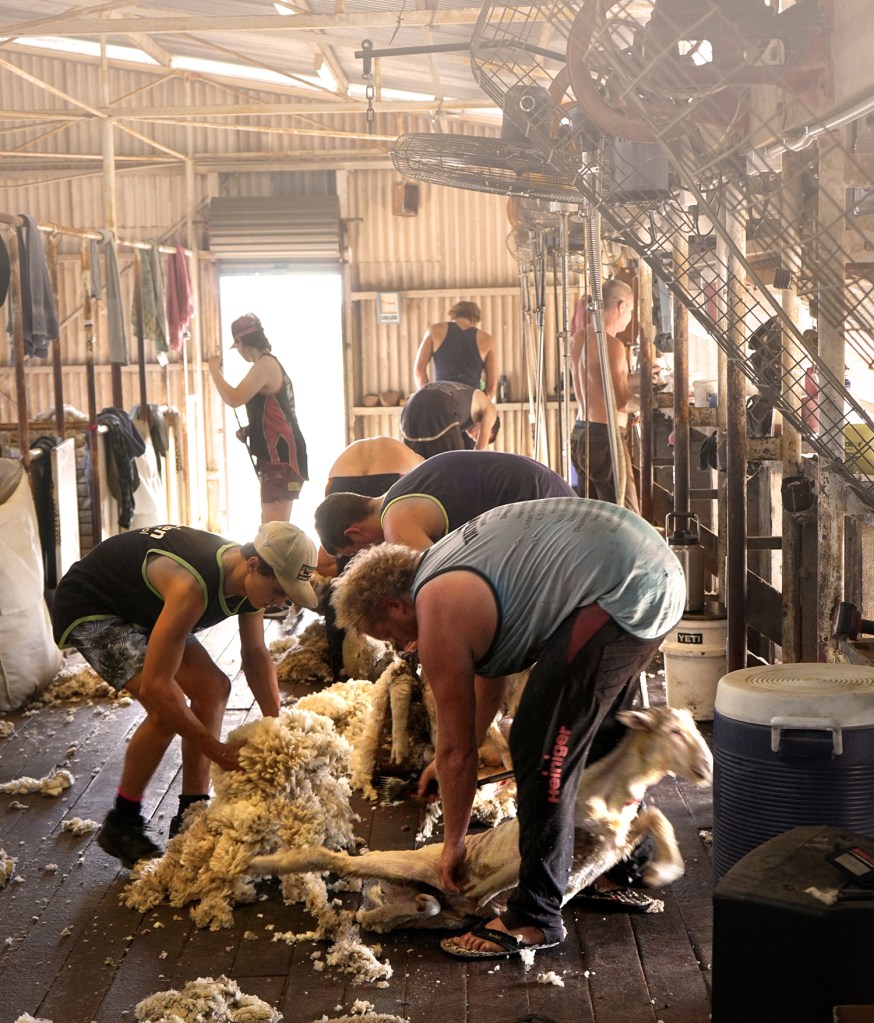
Lisa and Bruce, from one of the big sheep stations out of Blackall, invited us out to see the end of the shearing.

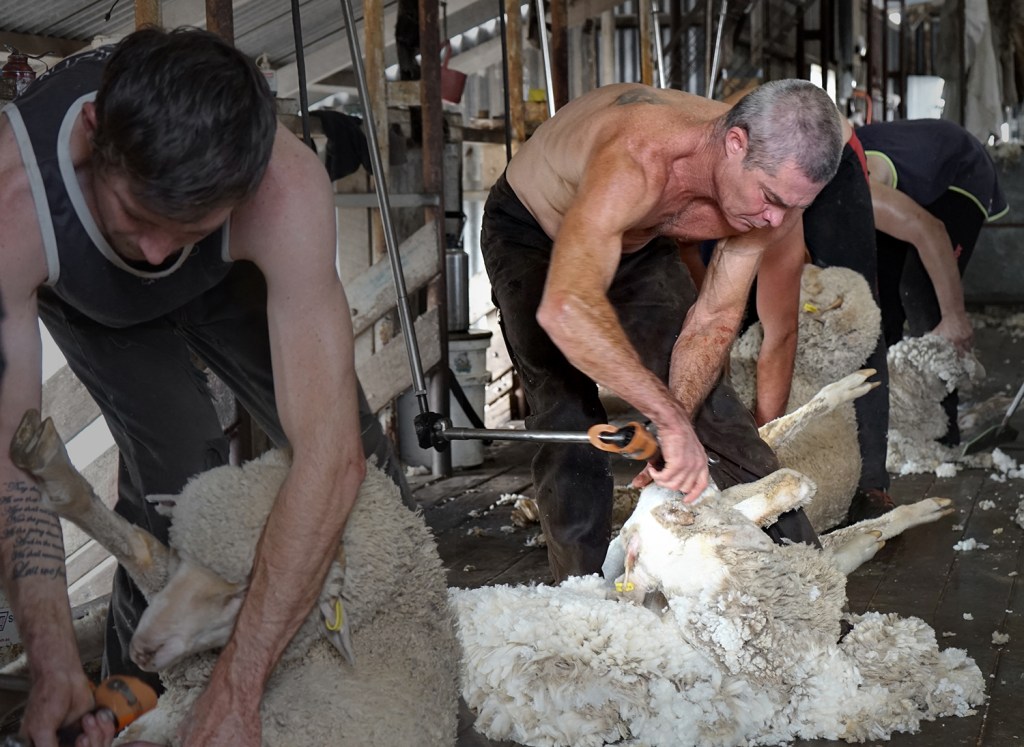
These guys work flat out, fired up by loud, fast music, high demand and and a competitive attitude.

Shearing their way through several thousand sheep is hard, back breaking work.

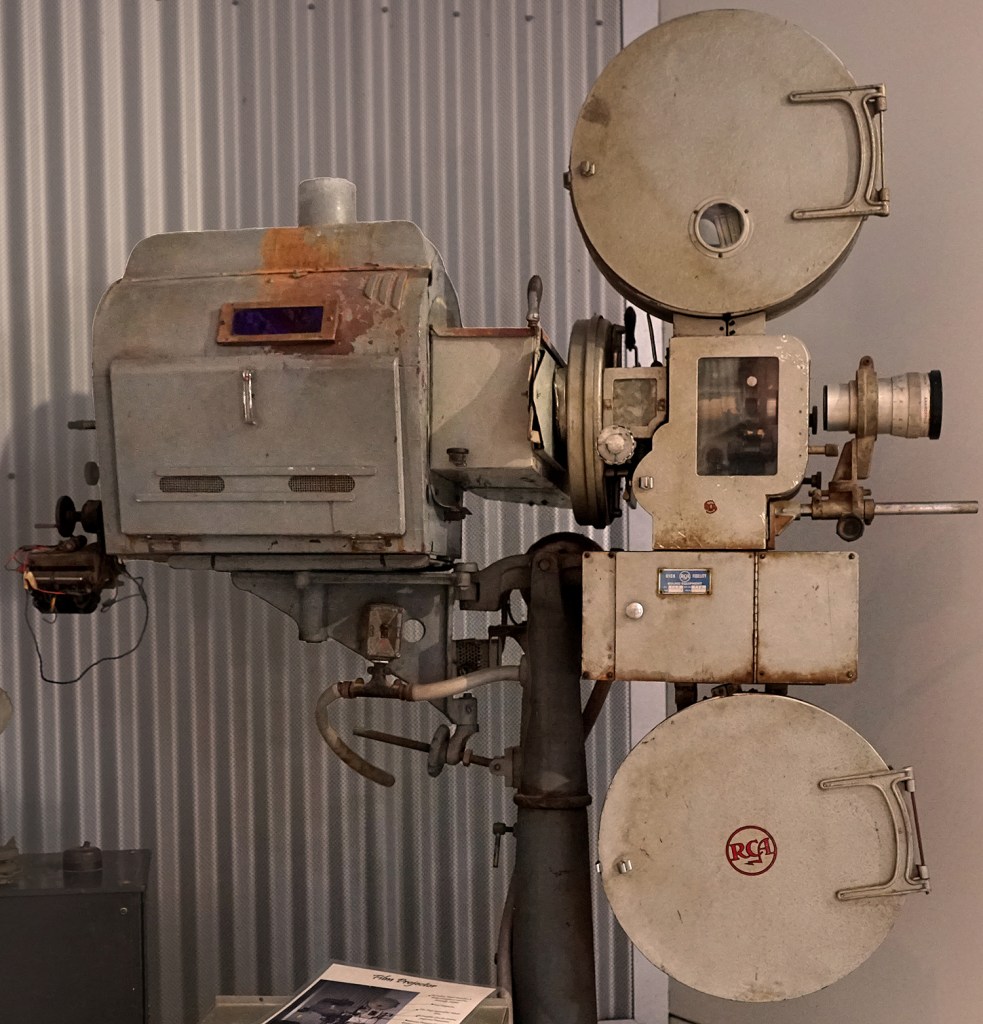
Ancient Technology from the Isisford Picture Theatre.

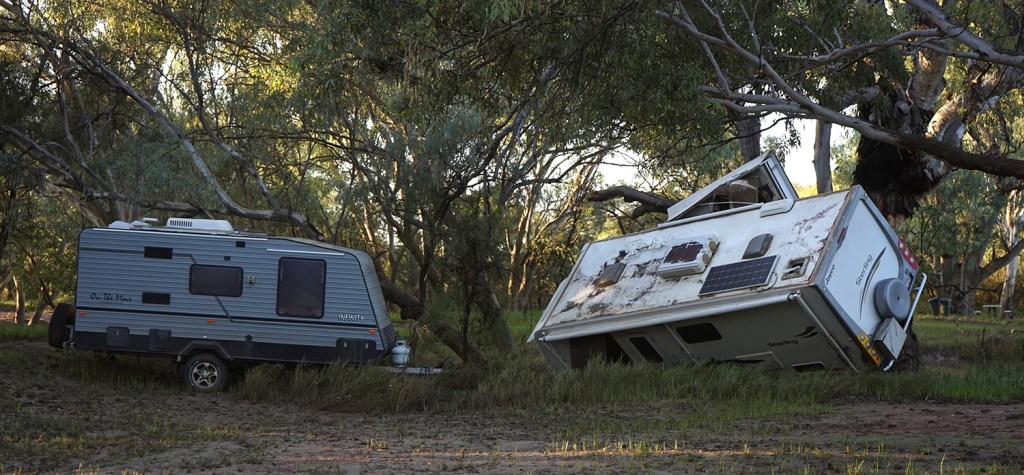
Drowned caravans camped in the Barcoo River, Isisford. Ignore the locals at your peril.

An empty paddock next to the old Langenbaker House in Ilfracombe made a great place to paint

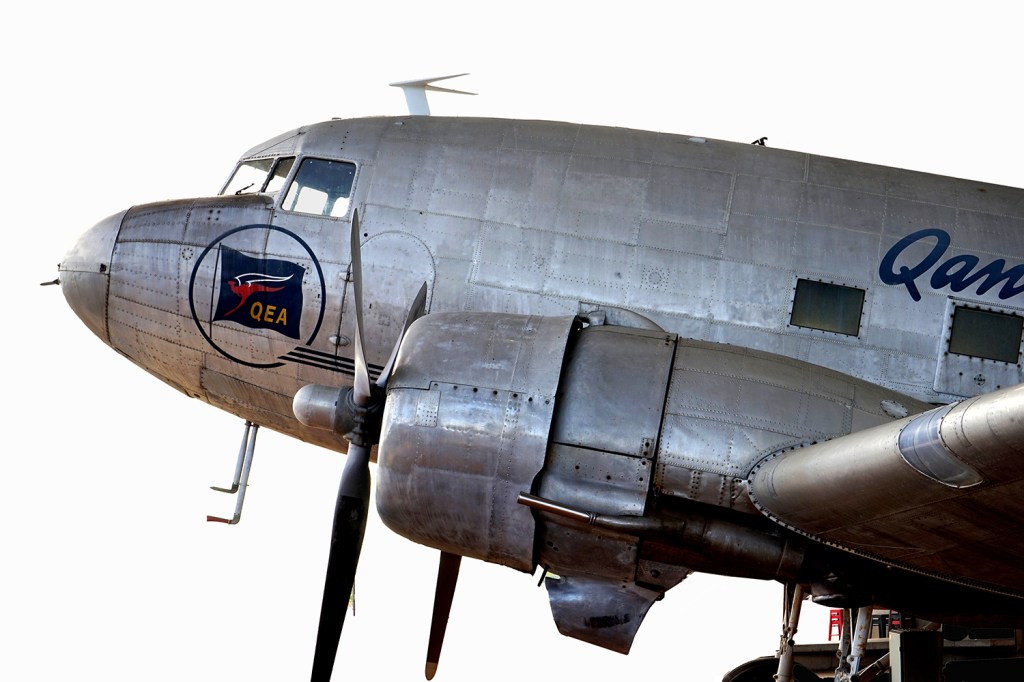
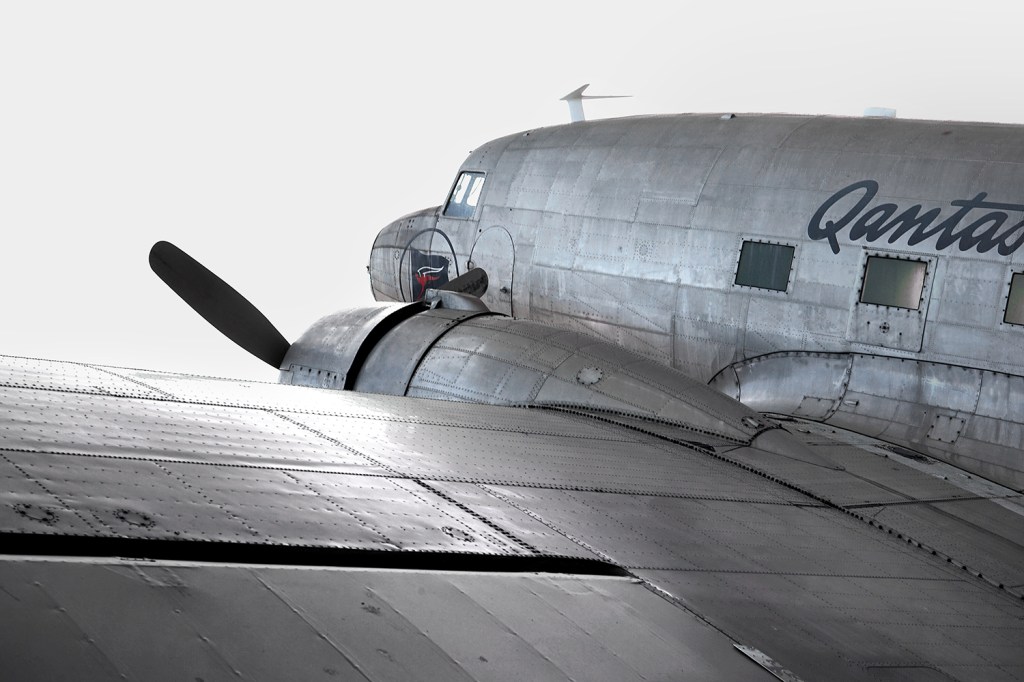
DC3 at the Qantas Museum Longreach

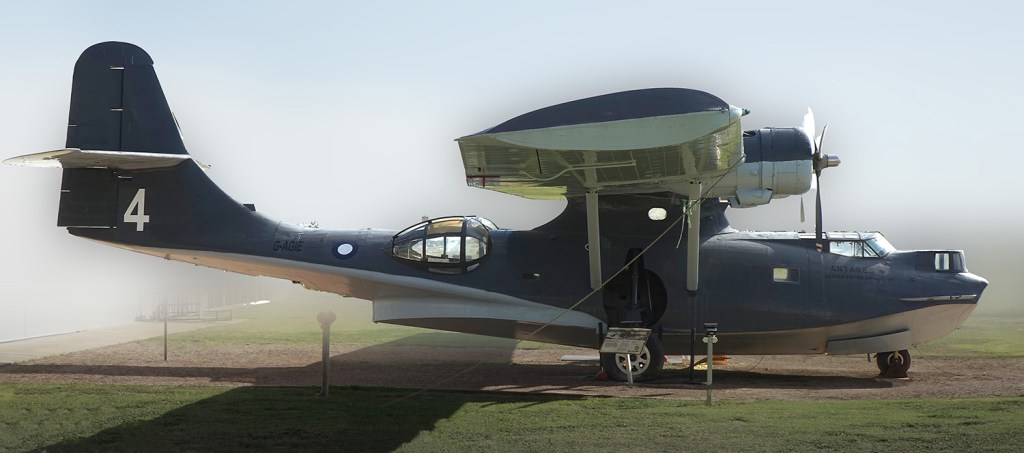
Retired Catalina at the Qantas Museum

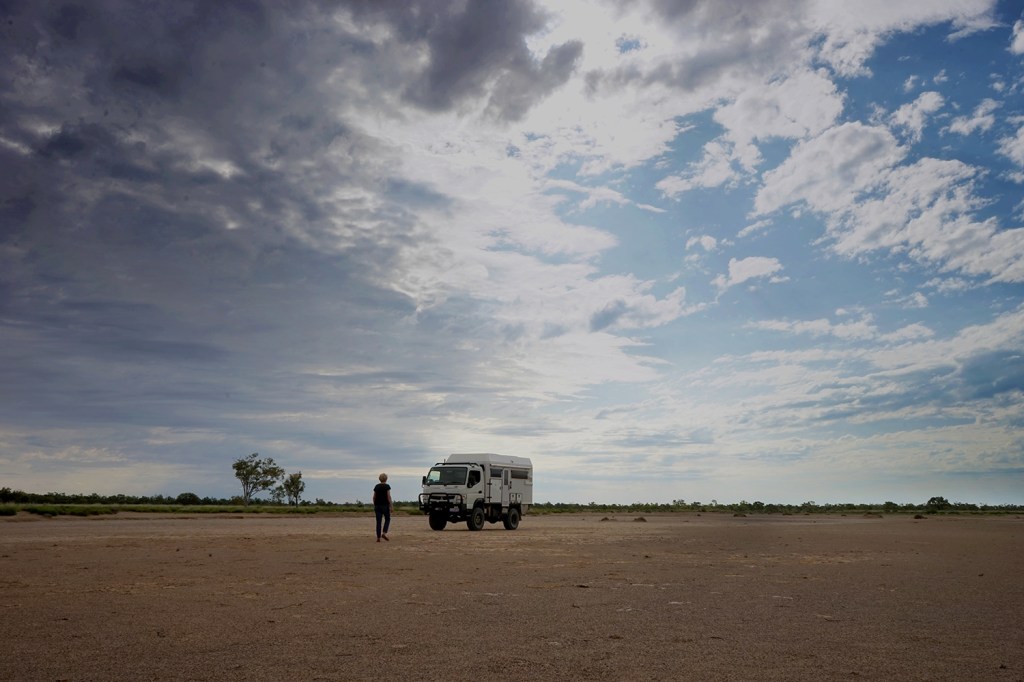
Before the workshop in Winton, Dianne and I went out to the clay pans at Bladensburg to find a painting location

Willy Mar’s old market garden store, Winton

We painted Willy Mar’s old truck (now up on blocks next to his old market garden and store.

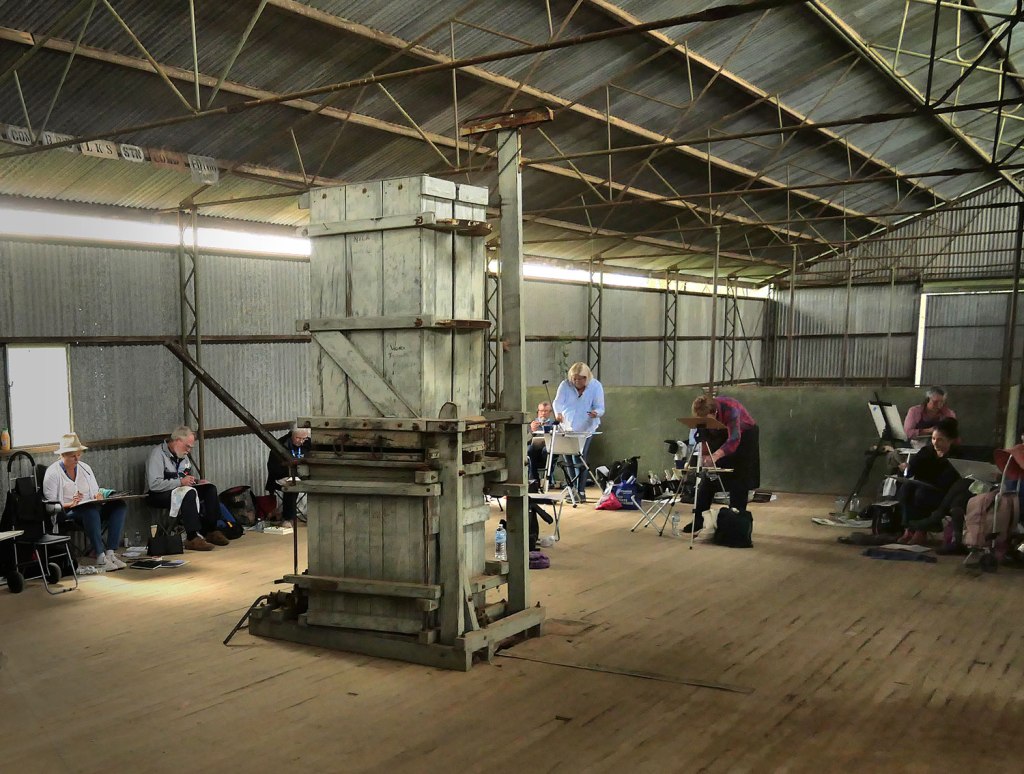
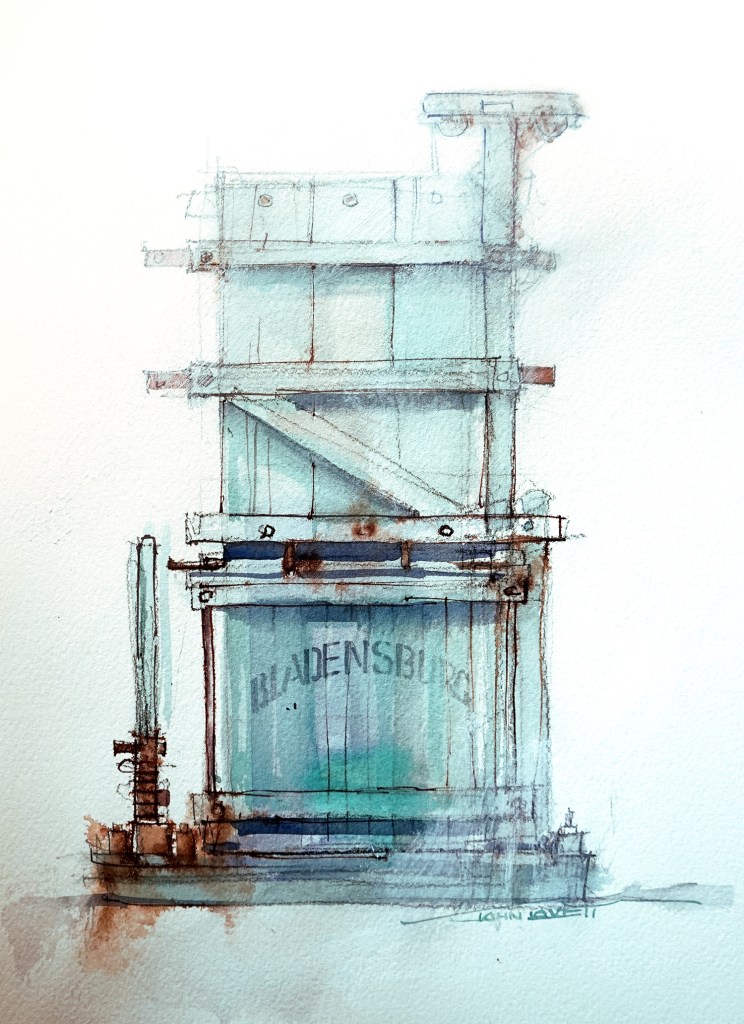
We spent a morning in the old Bladensburg woolshed painting the ancient wool press.

This was the demonstration painting I did. (Couldn’t help using Phthalo Green!)

Looking west towards Winton – an unusual sea of lush, green grass

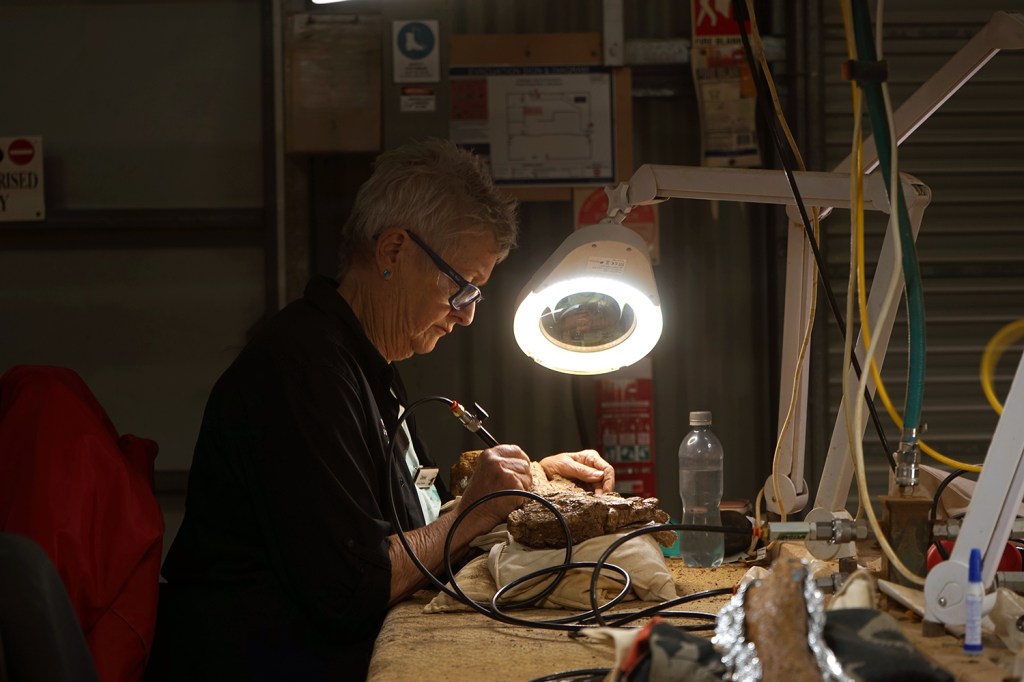
At the Winton Dinosaur Centre, volunteers work tirelessly separating rock from fossil to reconstruct the skeletons of dinosaurs.

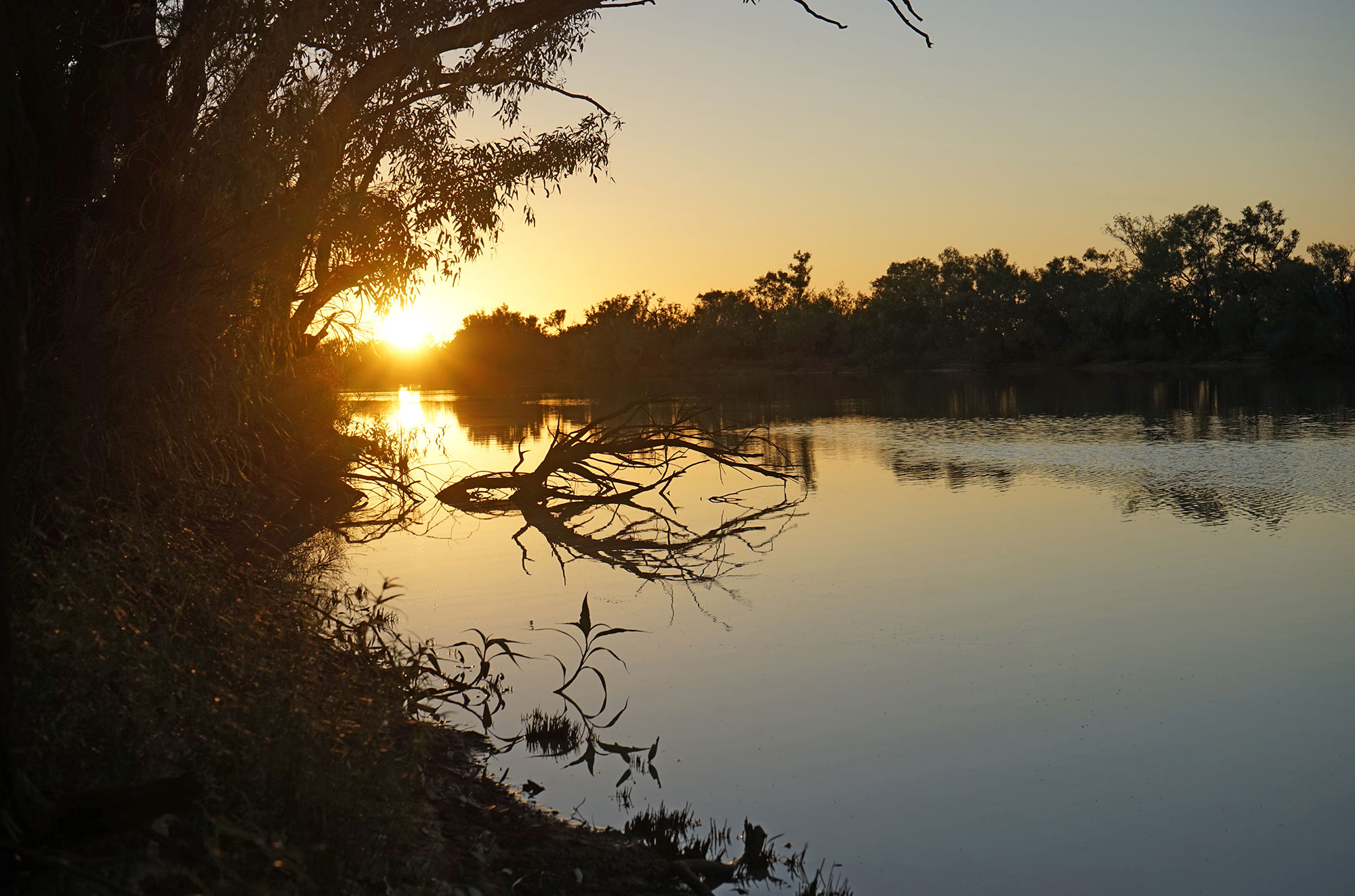
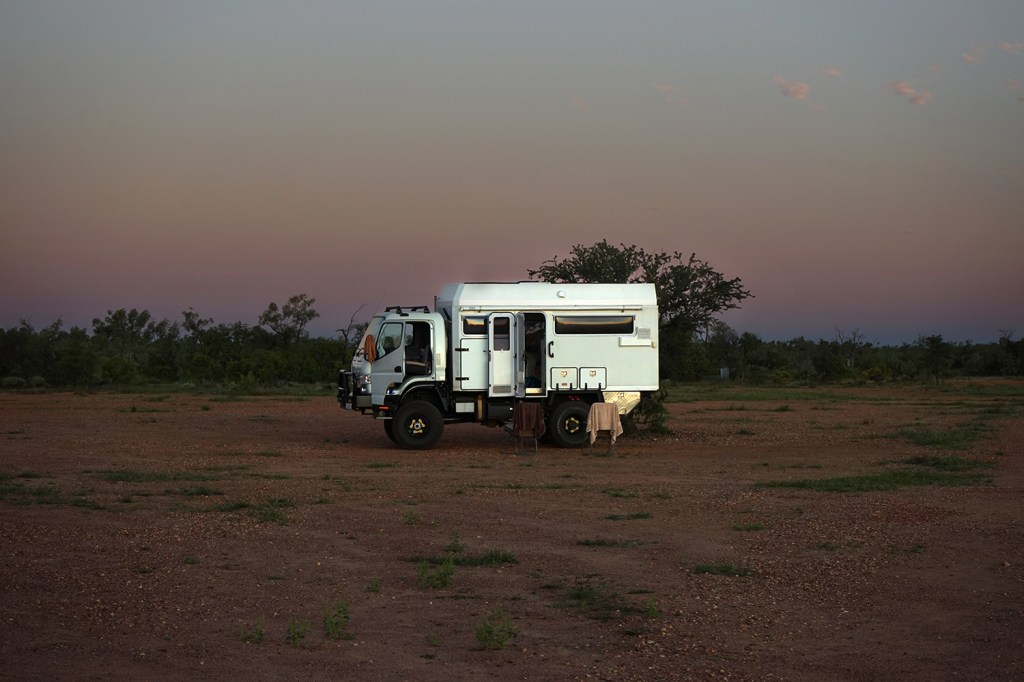
After the Winton workshop Dianne and I headed back out to Bladensburg to camp and watch the sun go down.

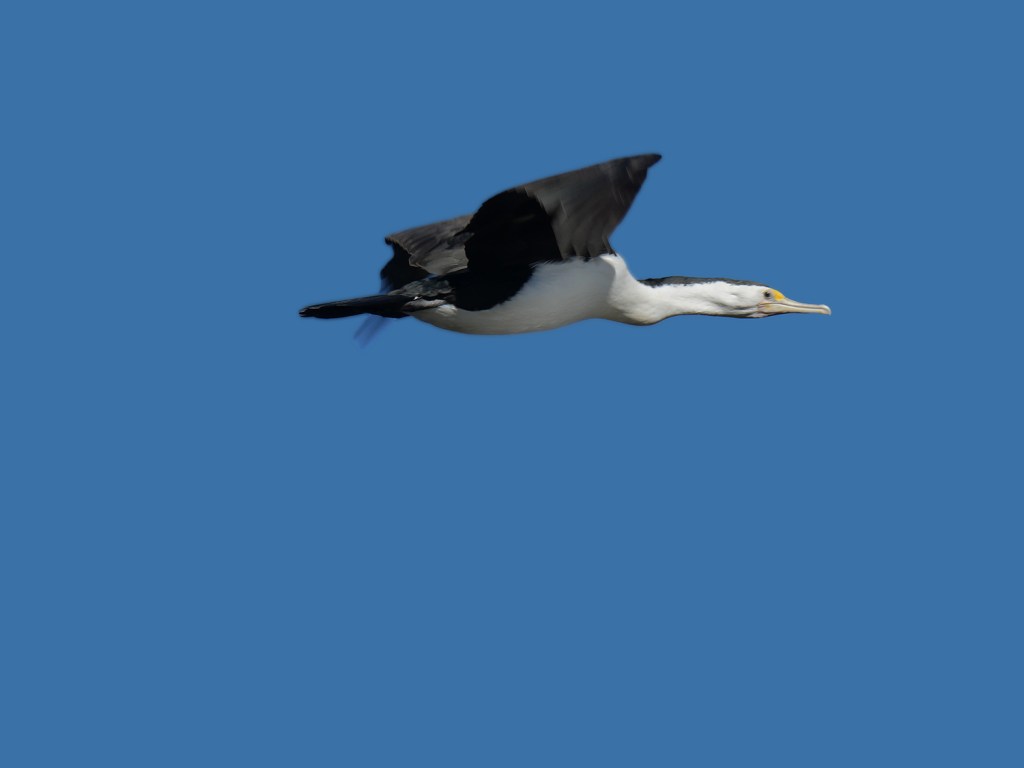
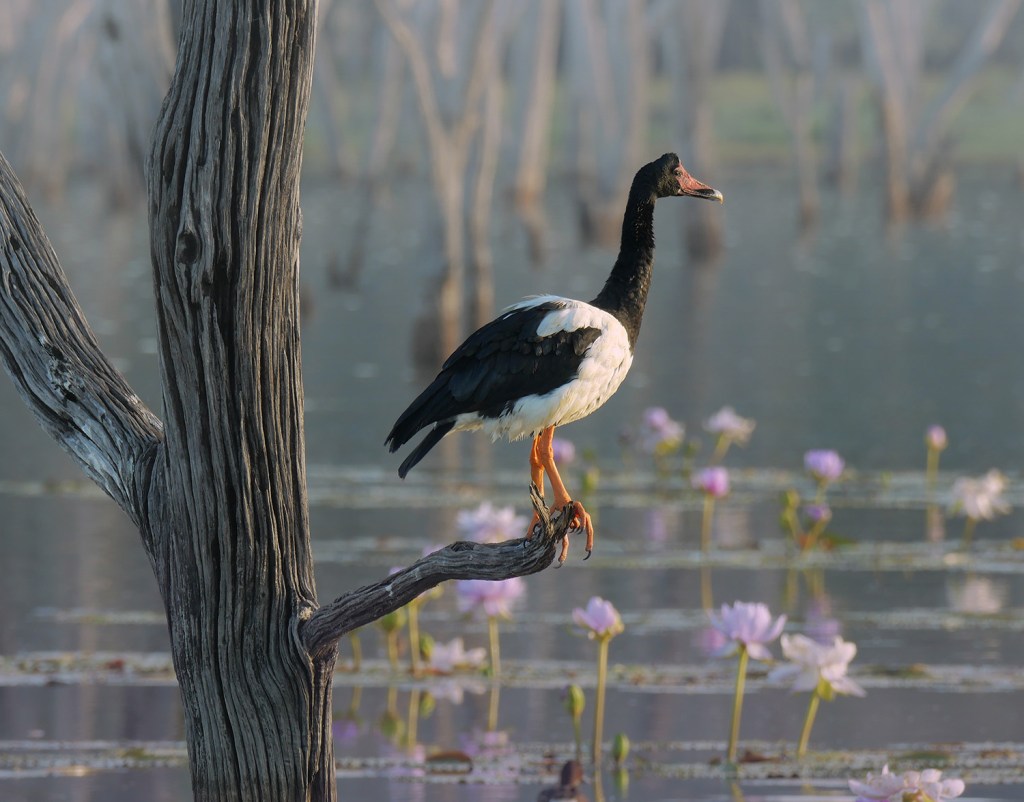
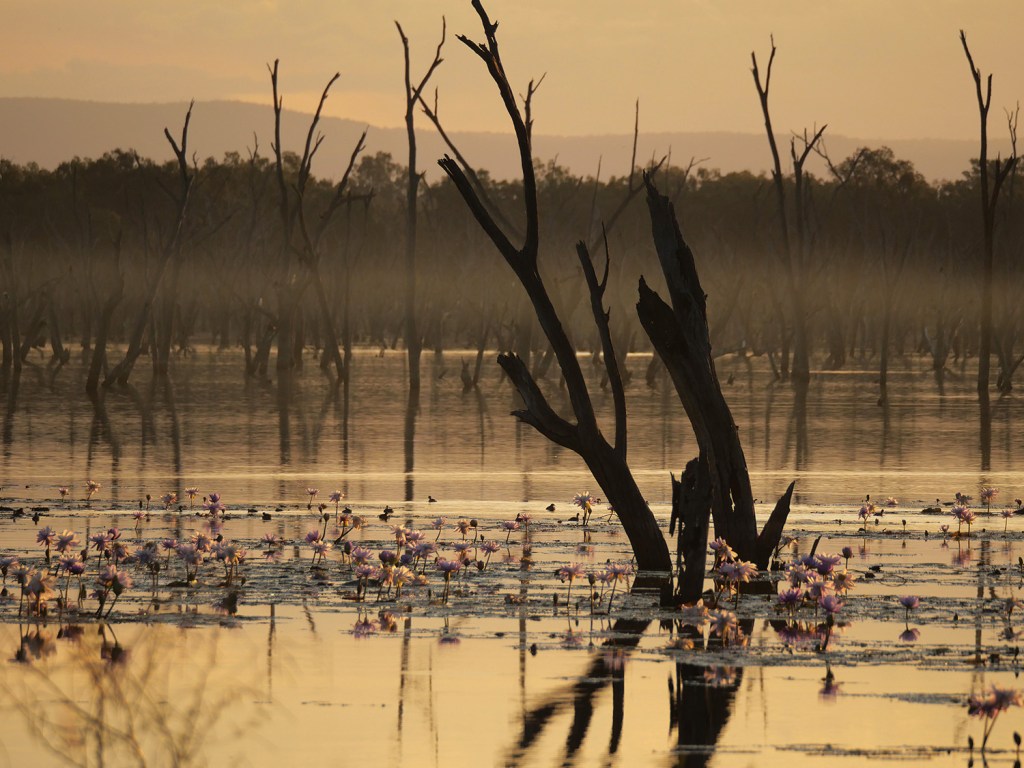
Heading east, we found this lake with amazing sunsets and fantastic birdlife.

Our camp, just visible from the top of a nearby hill

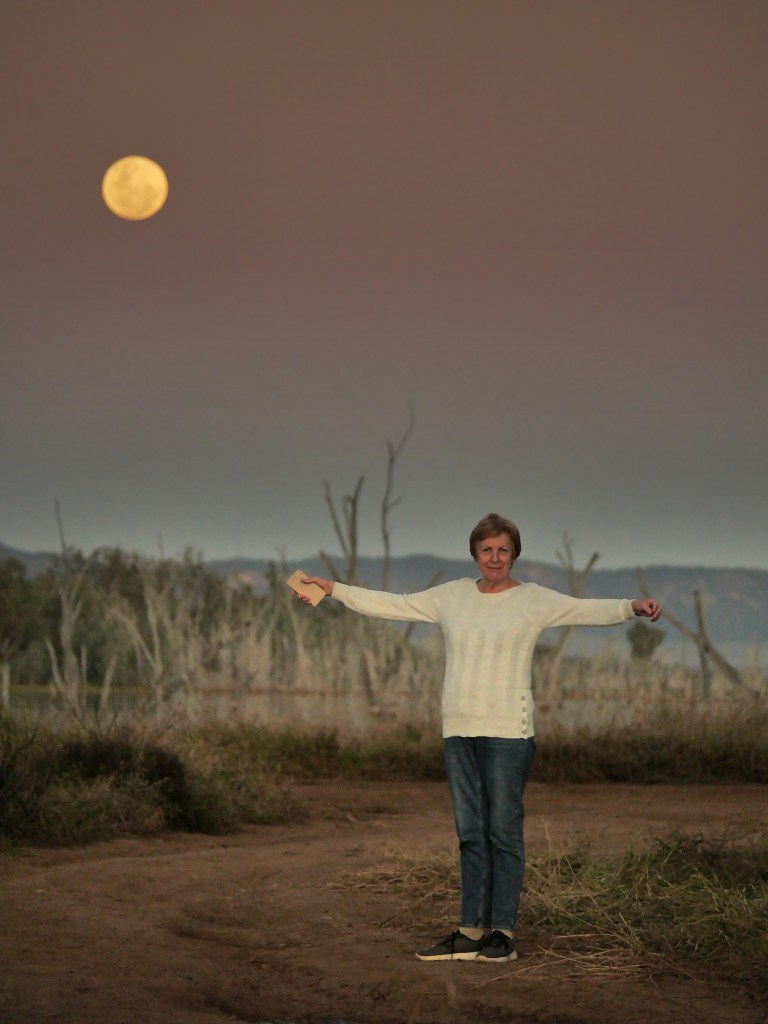
Sunset one side, full moon the other.

UP TO THE HIGH COUNTRY

After the Flinders Ranges Workshop we returned to Adelaide, picked up our truck from storage and headed south to Robe, a small fishing village. After two weeks of perfect weather for the workshop, we drove south into howling wind and rain.

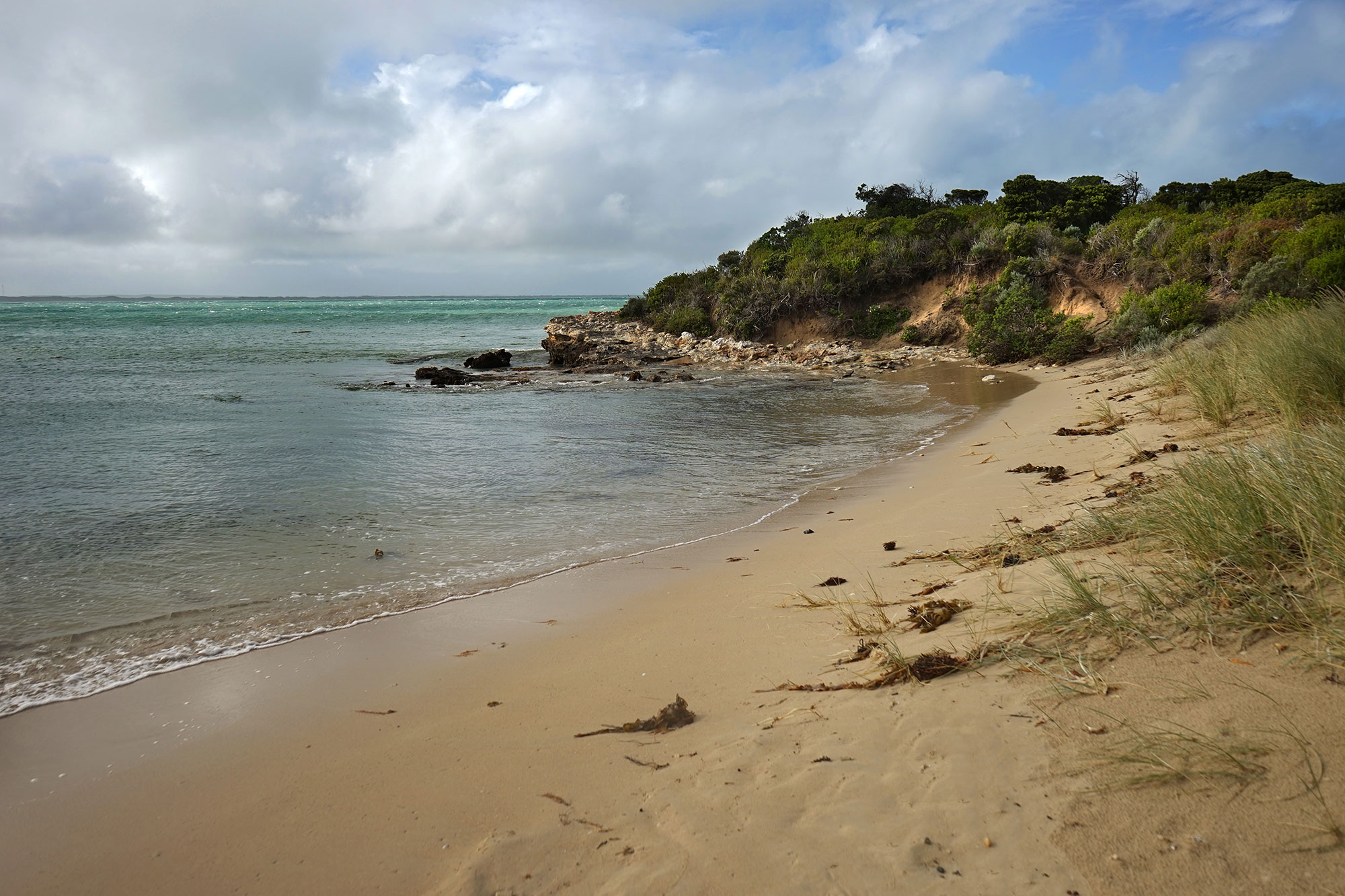
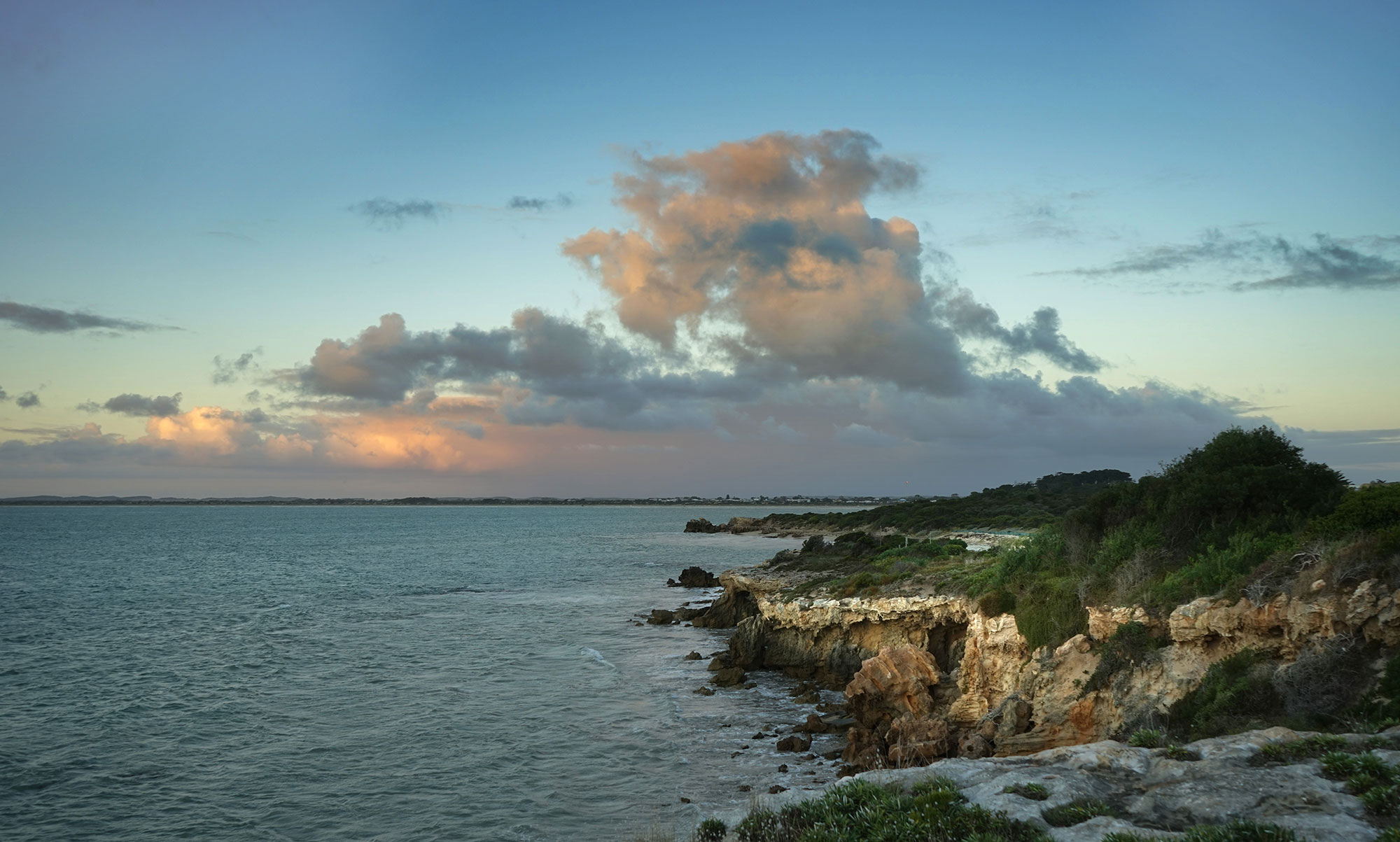
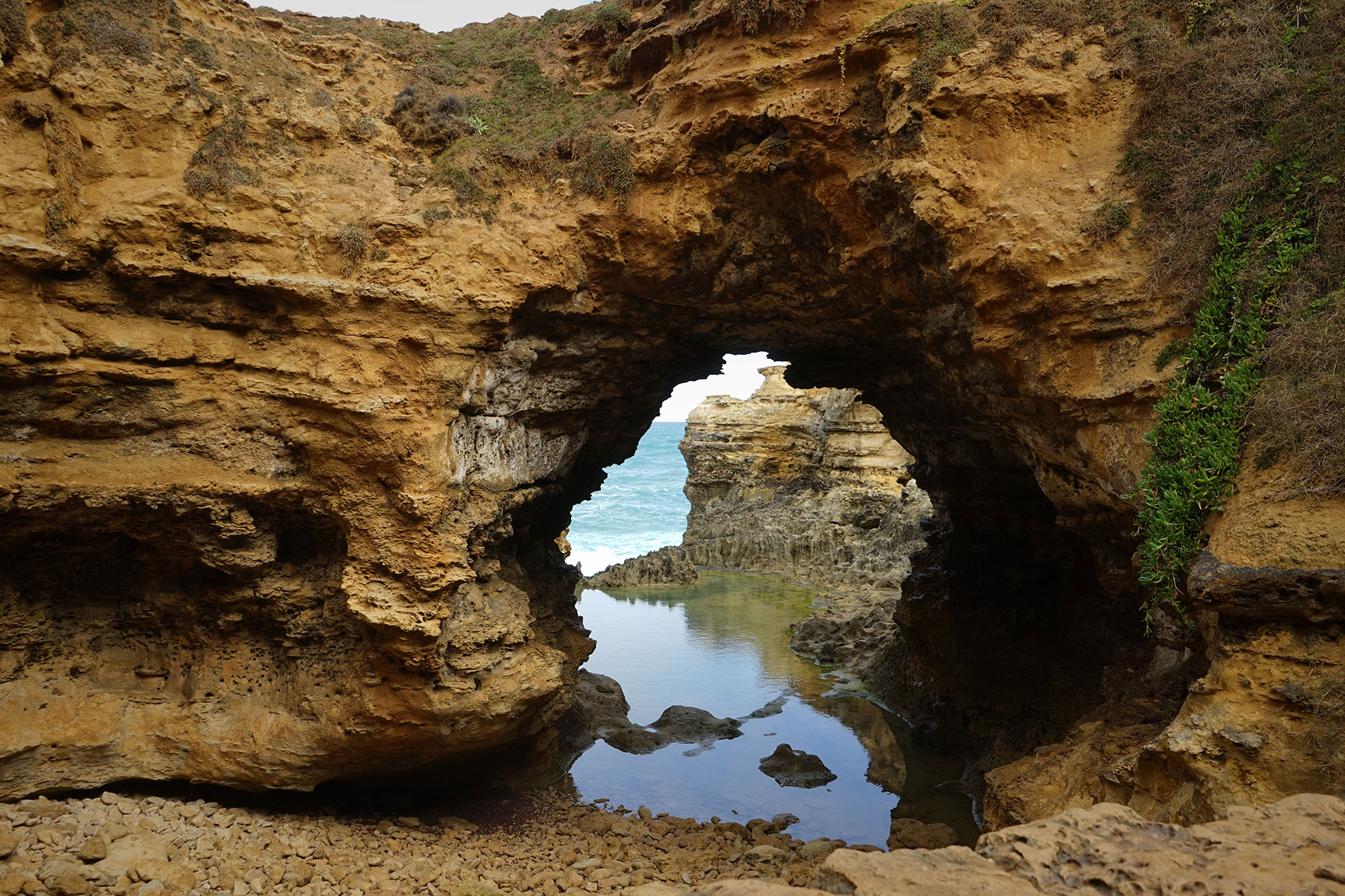
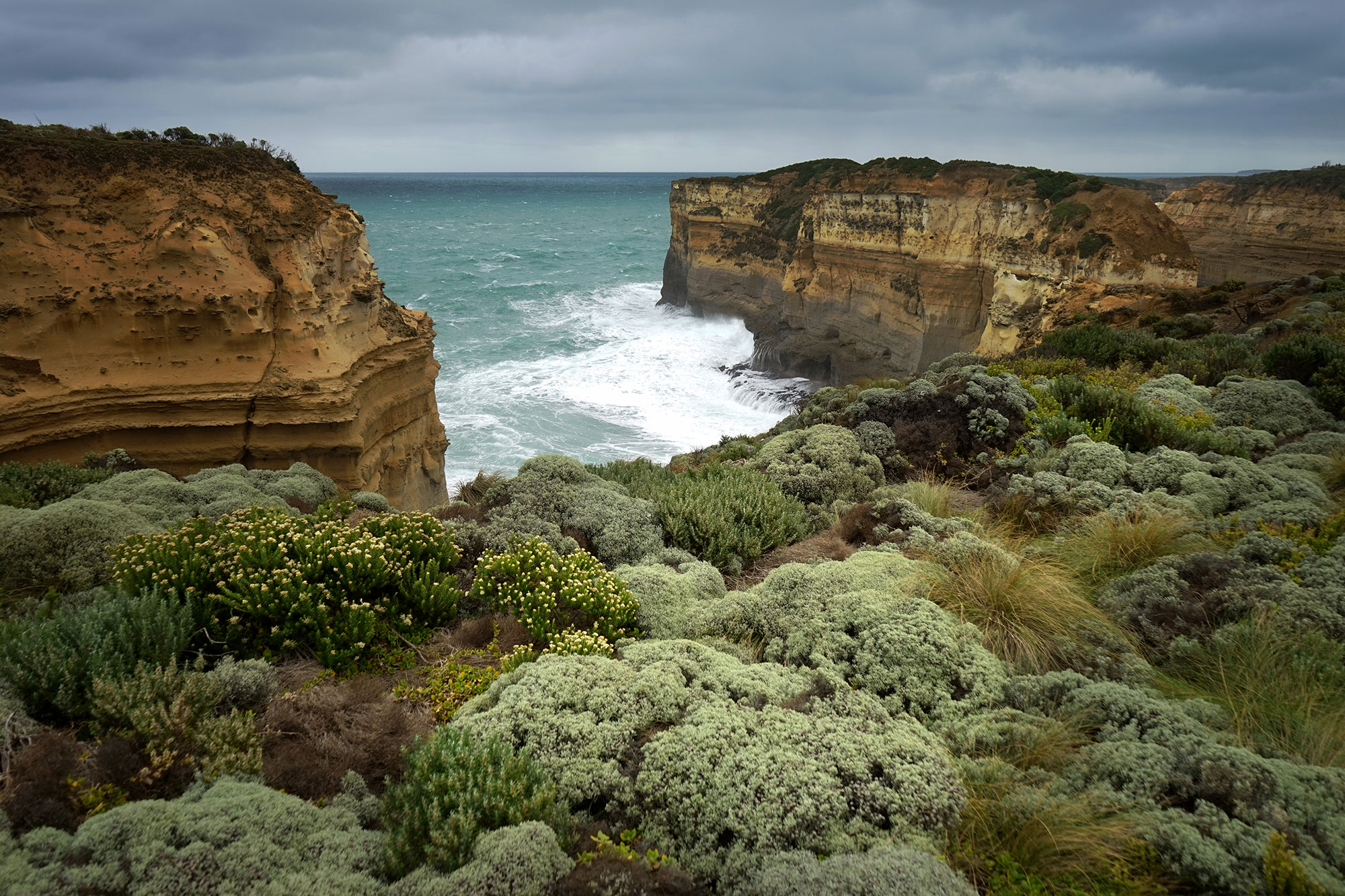
The coastline around Robe is rugged and isolated. We had a couple of days in Robe then turned east to follow the Great Ocean Road along the Victorian coast. By now the rain had eased but the wind was still howling in from Antarctica – Chilly, but spectacular.

We caught up with our kids in Melbourne for a few days then headed up to the Snowy Mountains

Always a great place to camp along the Swampy Plains River at Geehi. We were surprised at the number of rabbits (and foxes) – the calicivirus seems to have no effect here.

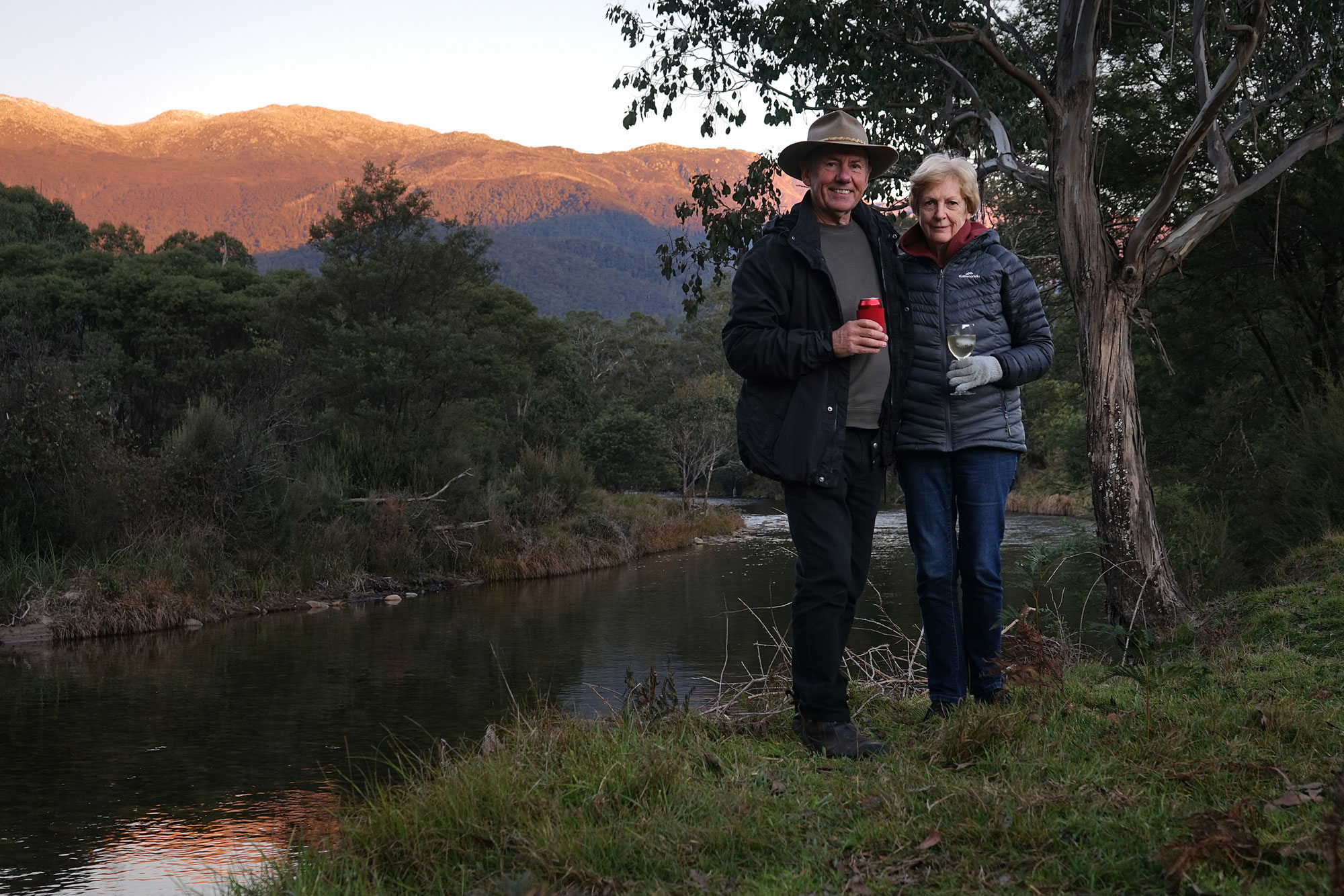
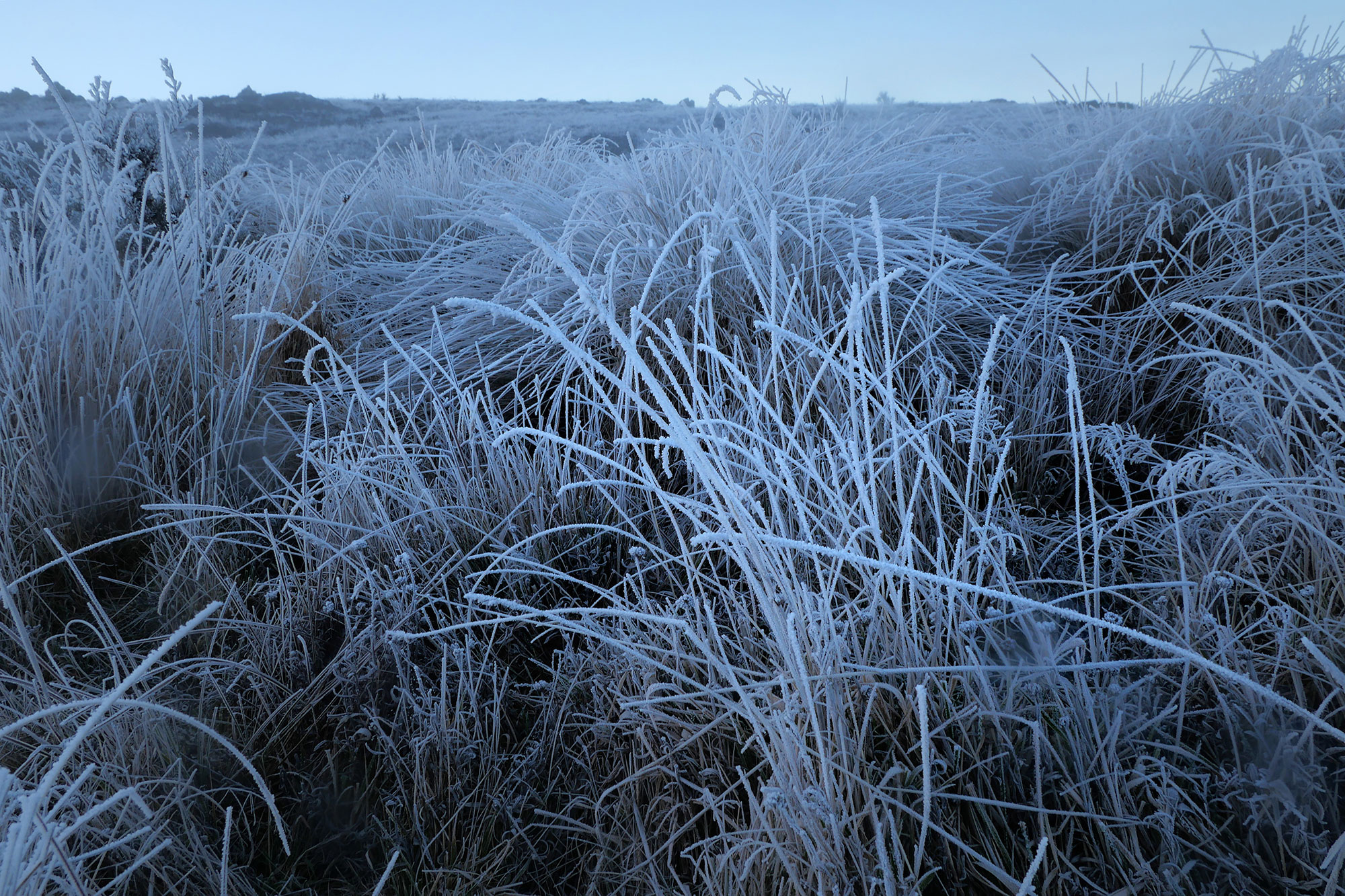
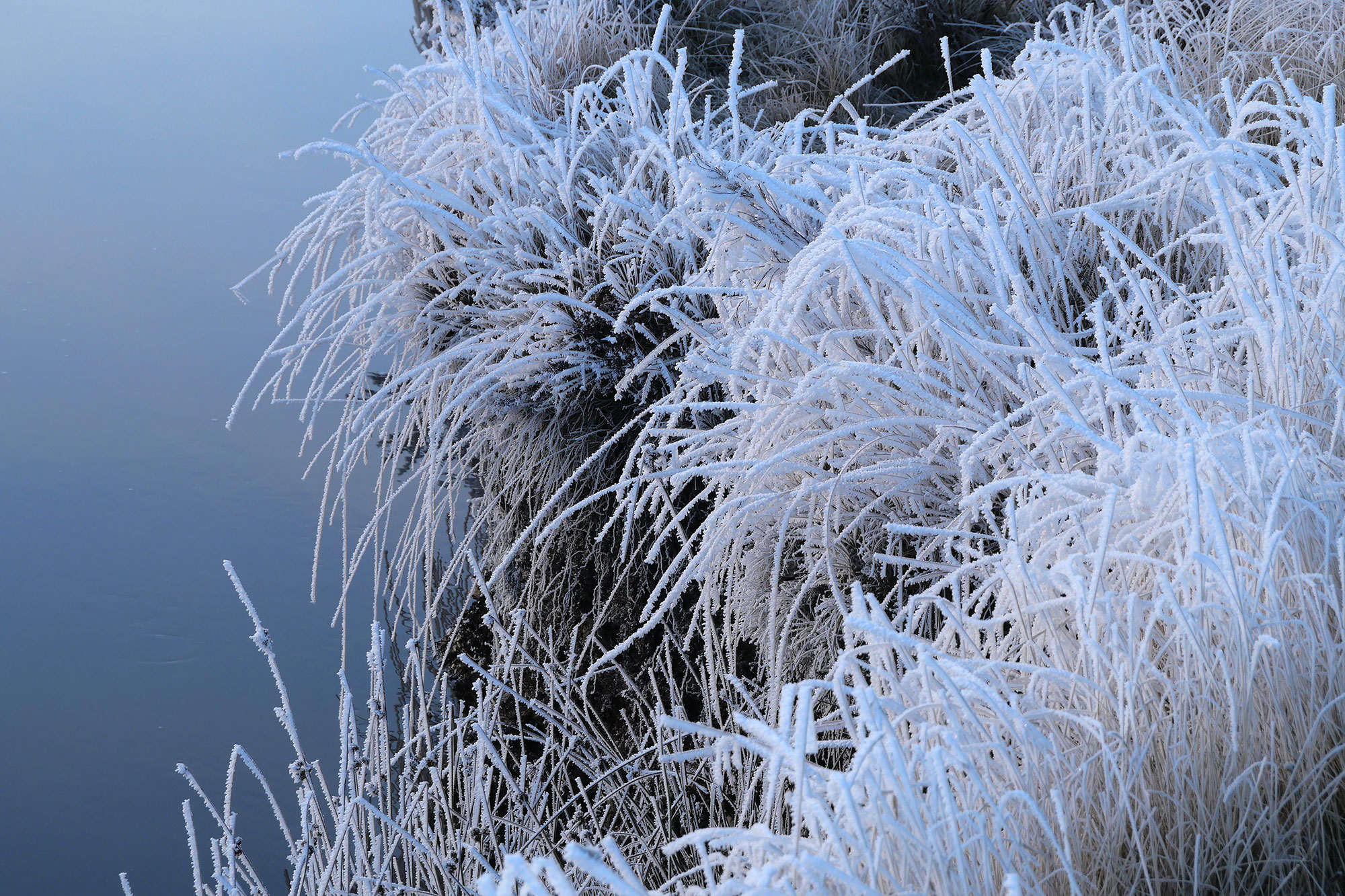
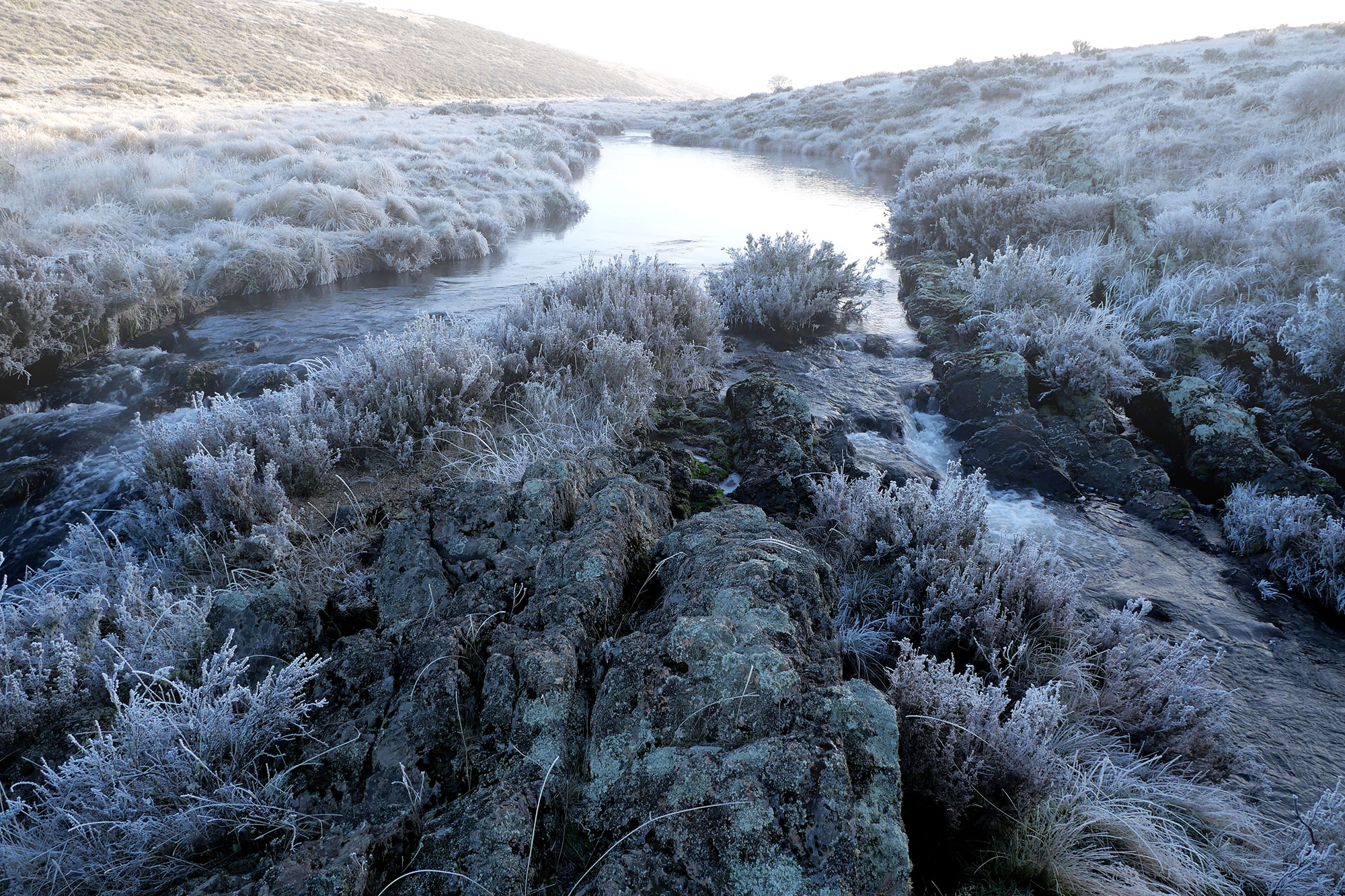
From Geehi we drove up over the mountains, Past Thredbo and on to the Murrumbidgee River on the Long Plain Road. We often camp here when we are in the High Country, but were amazed to find the area coated thickly in white next morning. Spectacular, but freezing cold!

A fisherman dropped in around 9am on his way to Tantangra Dam. He said the temperature readout in his Landcruiser was saying -5, so I dont know what it got down to overnight. Our water pipes were frozen, the hot water heater had frozen and burst and, in spite of filling with what we thought was winter diesel, couldn’t start the truck till after 10am.

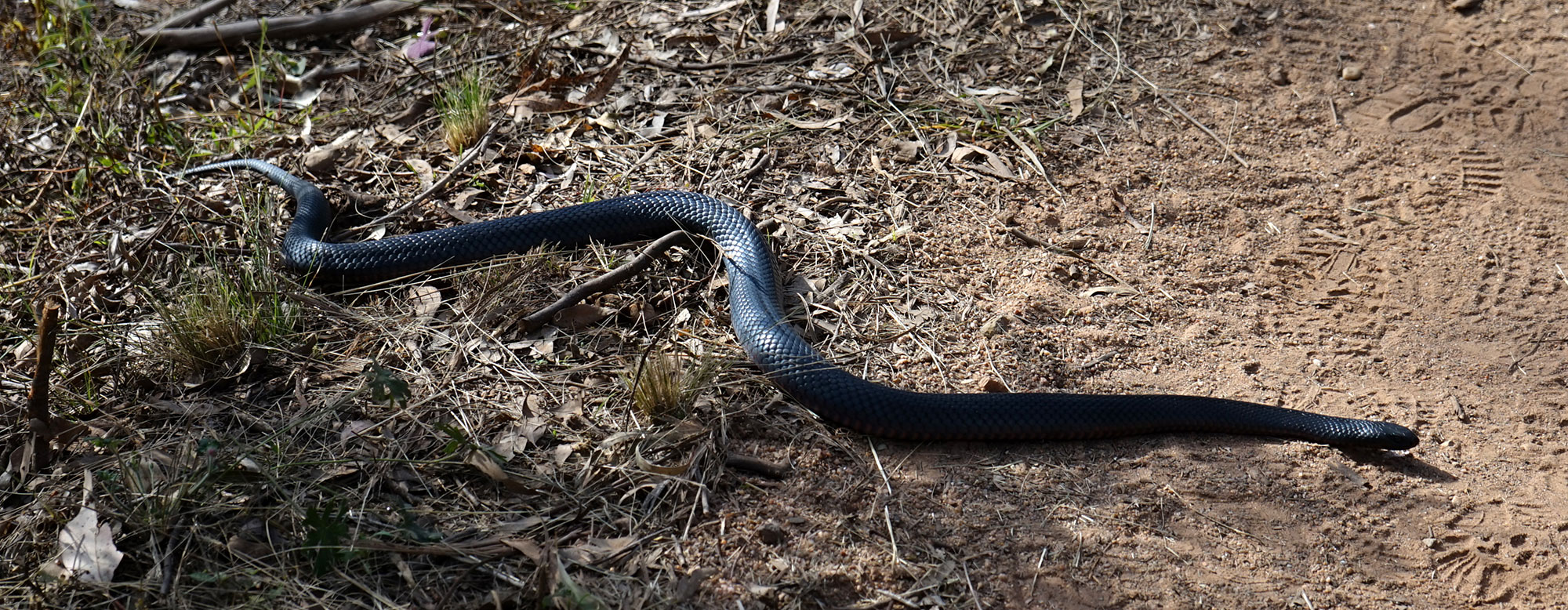
Leaving the snowy, we drove up to the Warrumbungle Mountains to spend a couple of days. This time of year encountering snakes is unusual but this big Red Bellied Black snake decided to cross the path right in front of us. We left him to crawl off into the bush.

FLINDERS RANGES WORKSHOP

We left Arkaroola and headed down to Adelaide, exploring Wilpena, the southern Flinders and Burra, on the way. Our truck was parked in secure parking for the two weeks of the workshop. We spent a night in Adelaide, then we joined the painting group and travelled back up to Wilpena Pound Resort by coach for our first 5 days of the workshop.

The Flinders Ranges are a great place to paint – interesting buildings, spectacular gorges and a backdrop of magnificent purple mountains.

Here we painted the old Wilpena Station store where all the stations provisions were secured back in the 1800’s

This old door has been patched and repaired over the years, keeping the blacksmiths cottage secure for over a hundred years.

We painted the stony outcrops surrounding the Aroona Valley before going down into the Brachina Gorge to explore the rocks and pools


Brachina Gorge

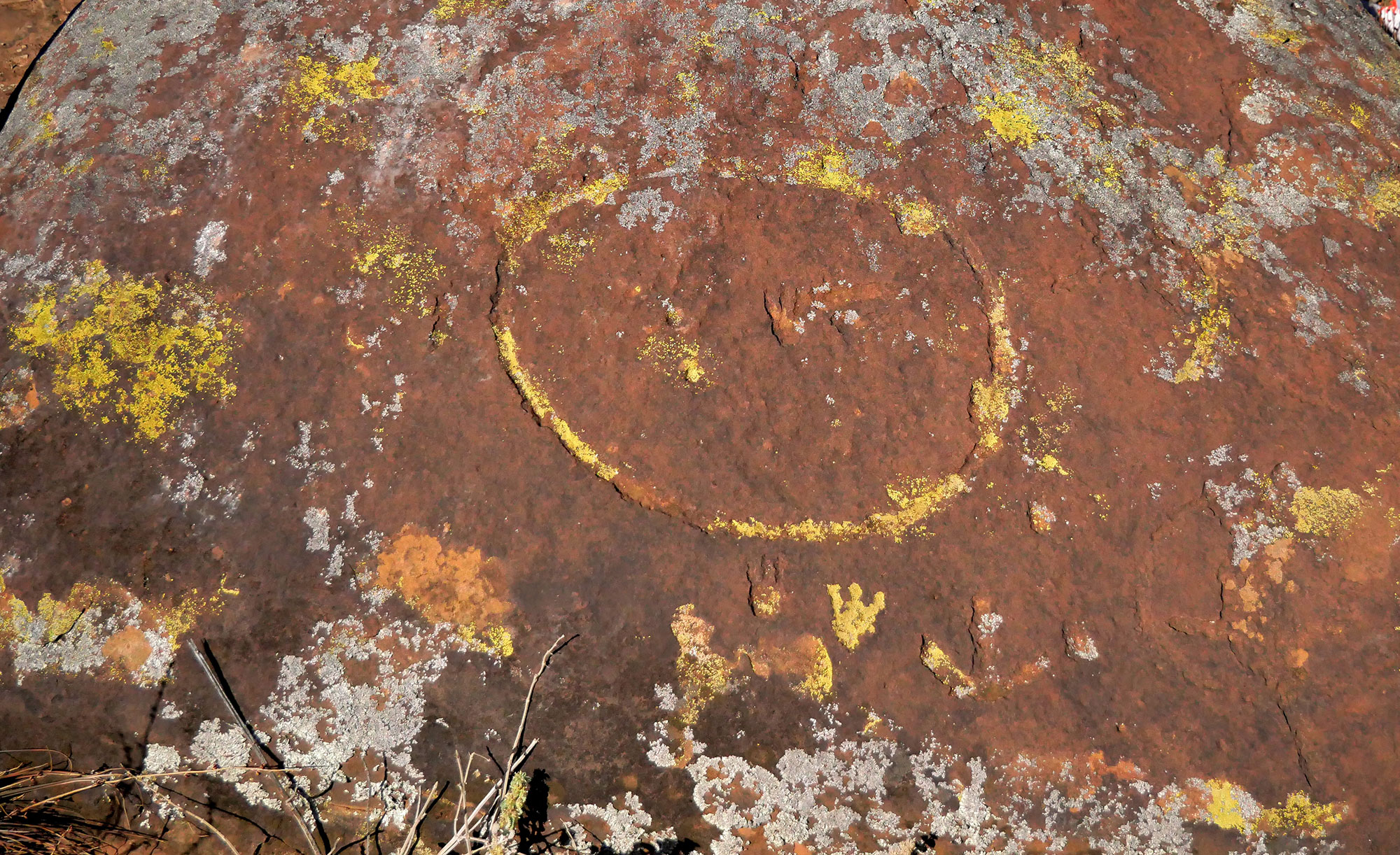
We had two great indigenous guides to show us around the Brachina Gorge area. They took us to see these ancient rock engravings with all sorts of interesting details.

Leaving The Flinders, we moved on down to Burra, a beautiful little town with magnificent stone buildings built in the boom days of the towns copper mine in the 1800’s. We spent a few days in Burra exploring the area and painting.

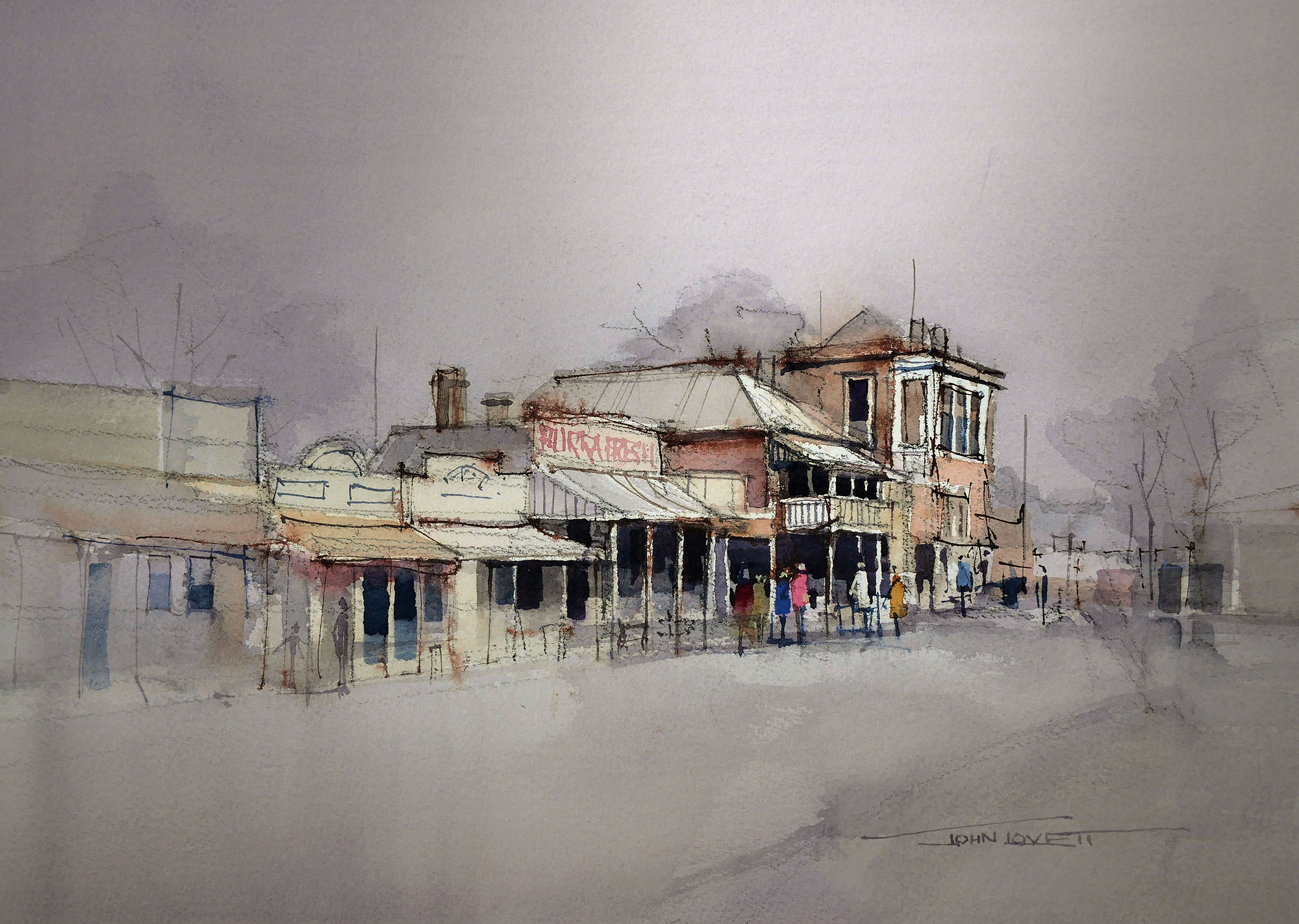
Burra Main Street.

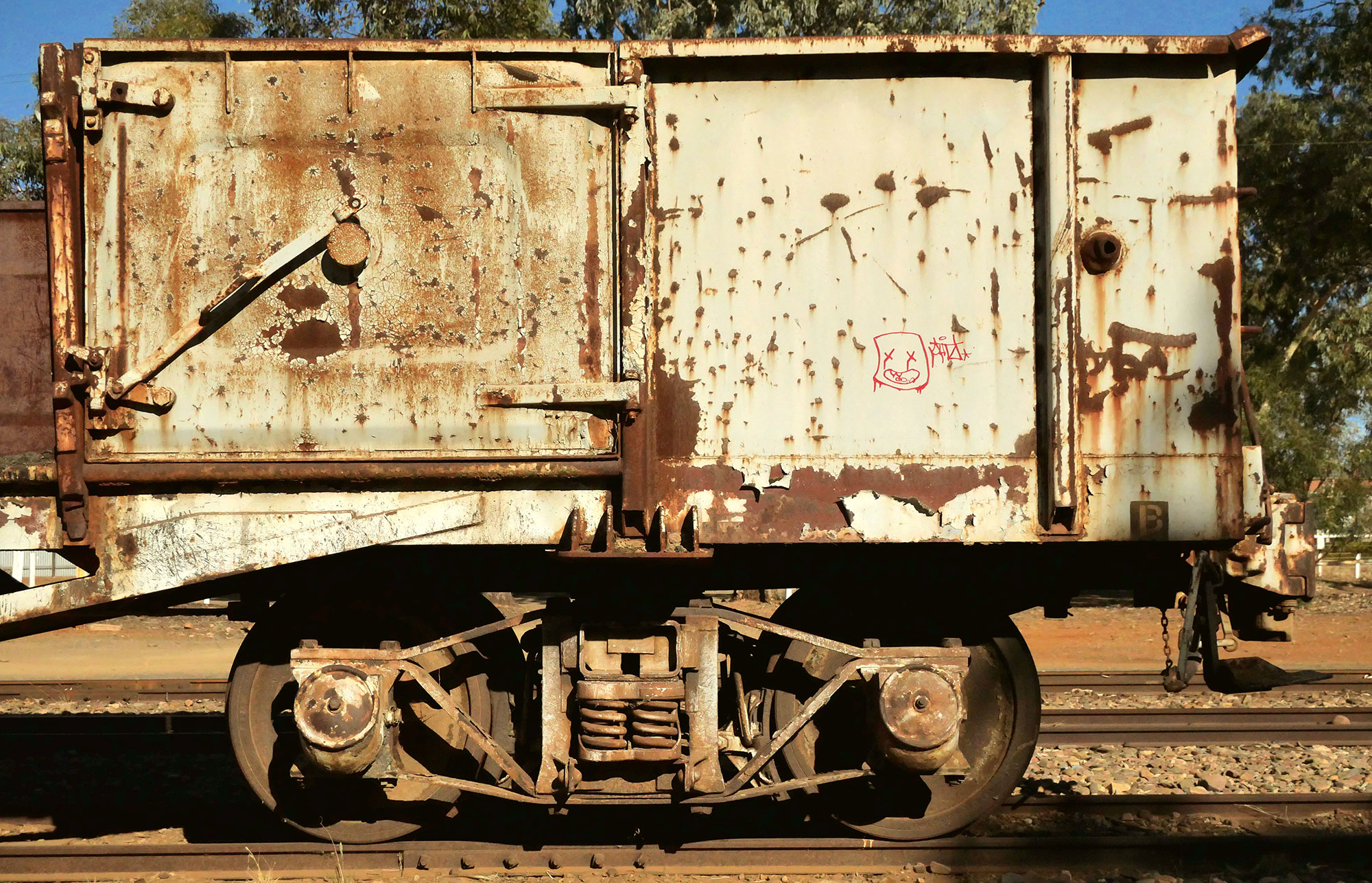
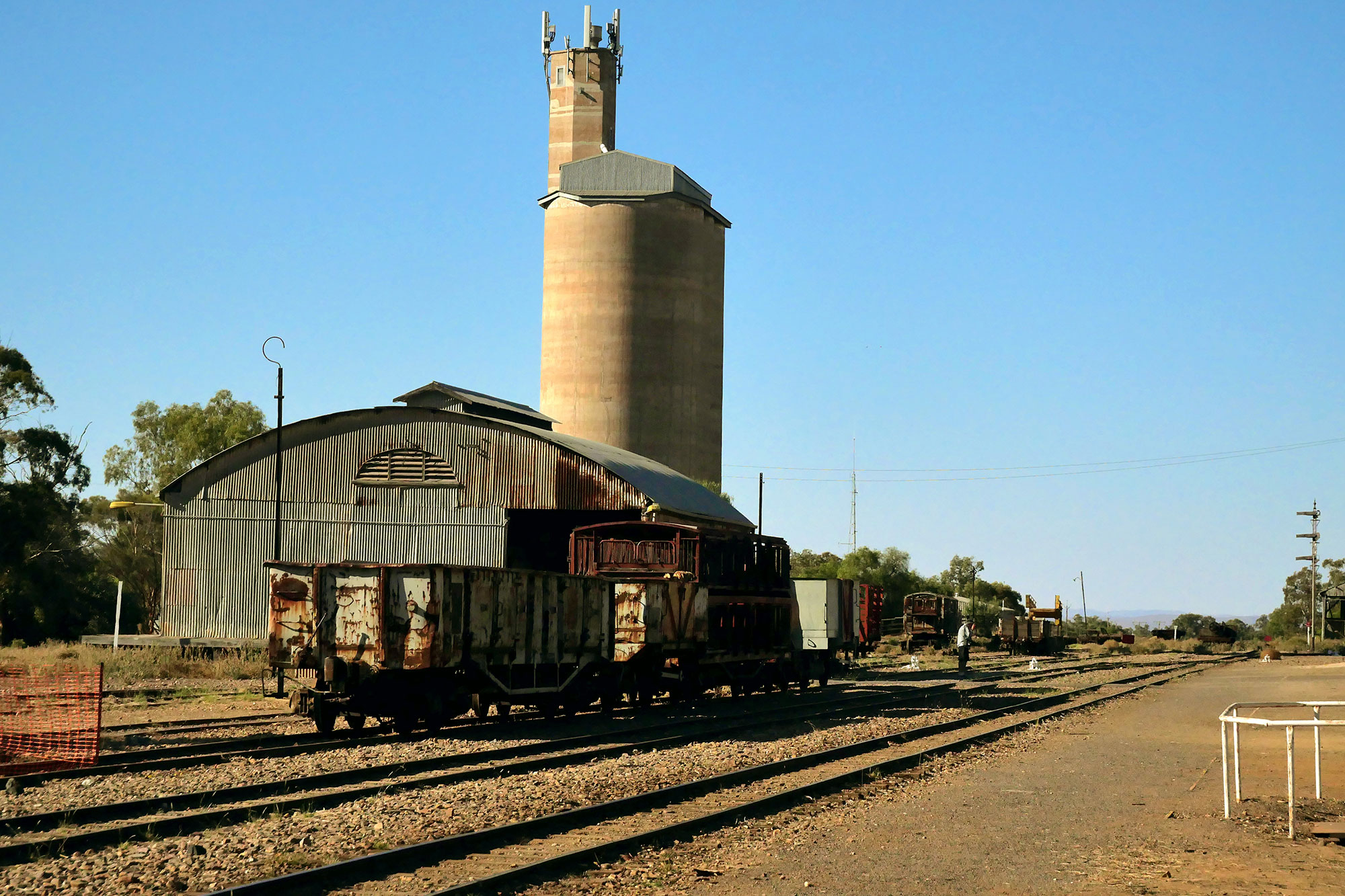
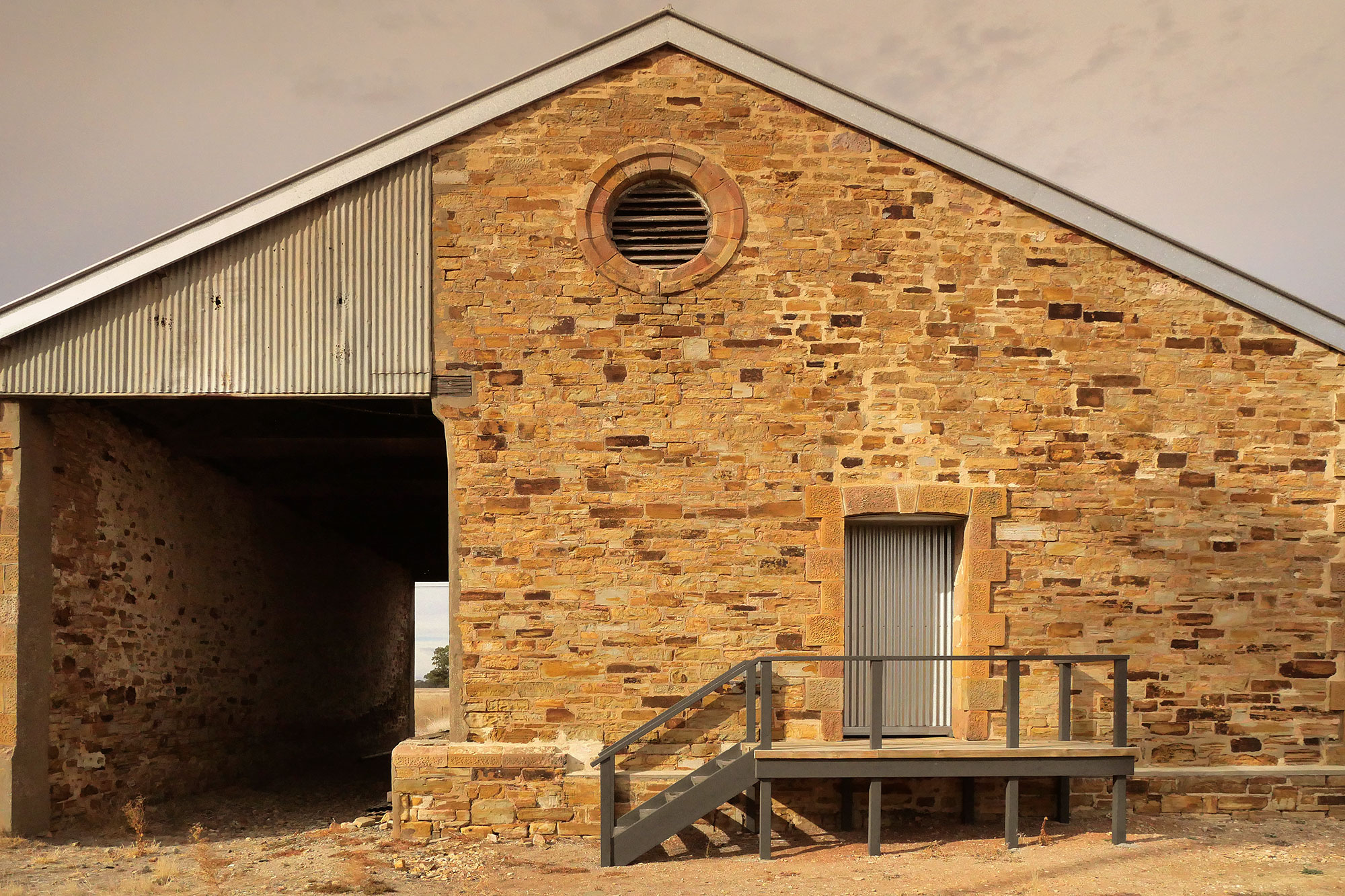
South Australia has a lot of old abandoned railway stations, some with old rolling stock, some with wheat silos and most of them built beautifully from local stone

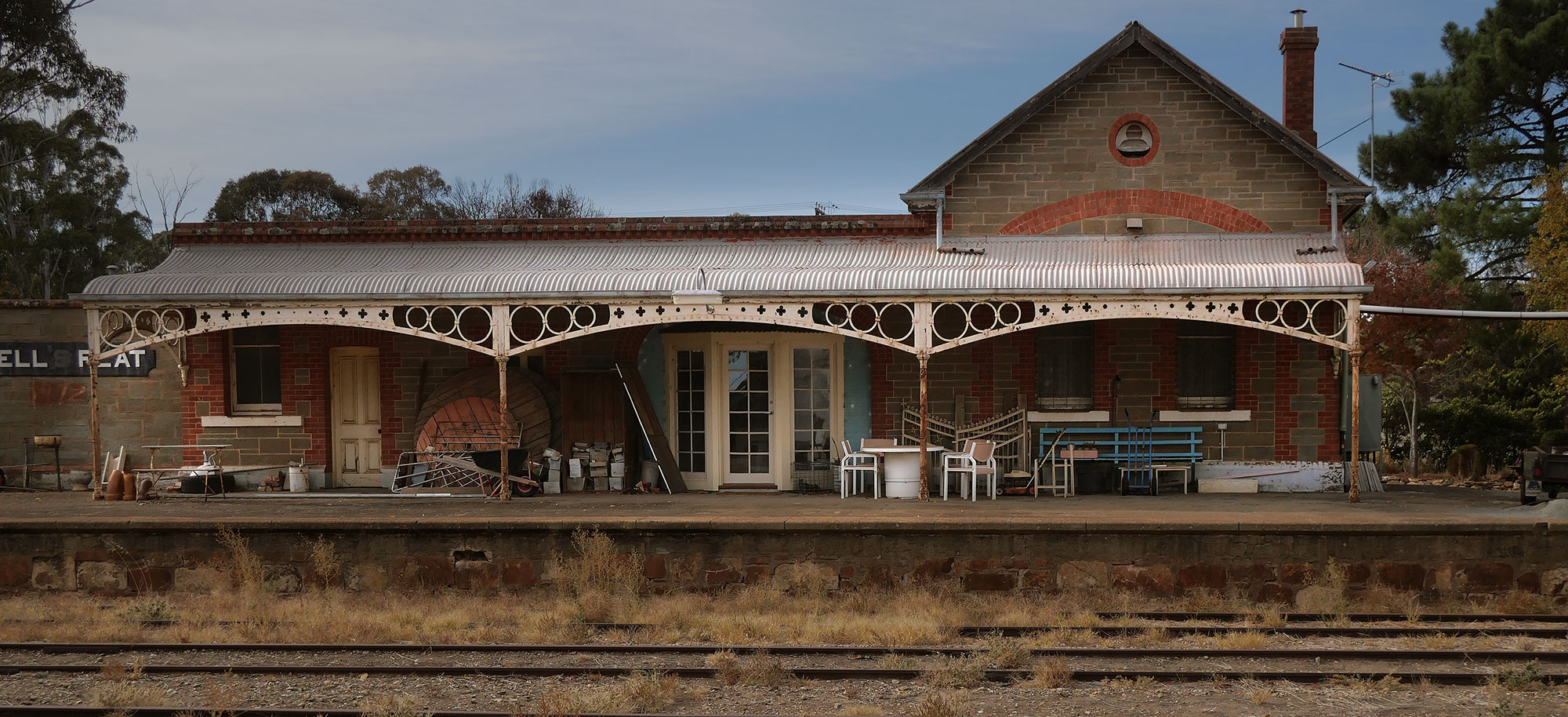
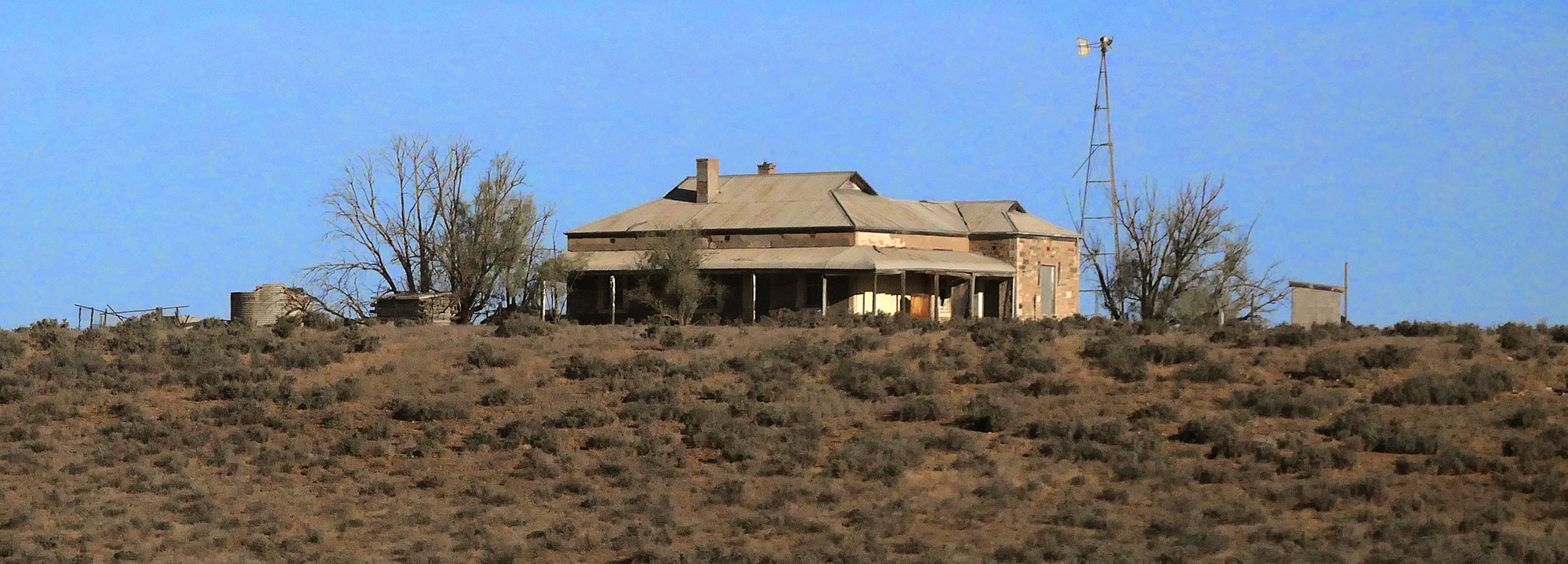
One of our group has explored all the old abandoned stations in the lower Finders. He got permission from the owners of this beautiful old station for us to visit.

We spent a morning painting the old Farrell Flat Station.


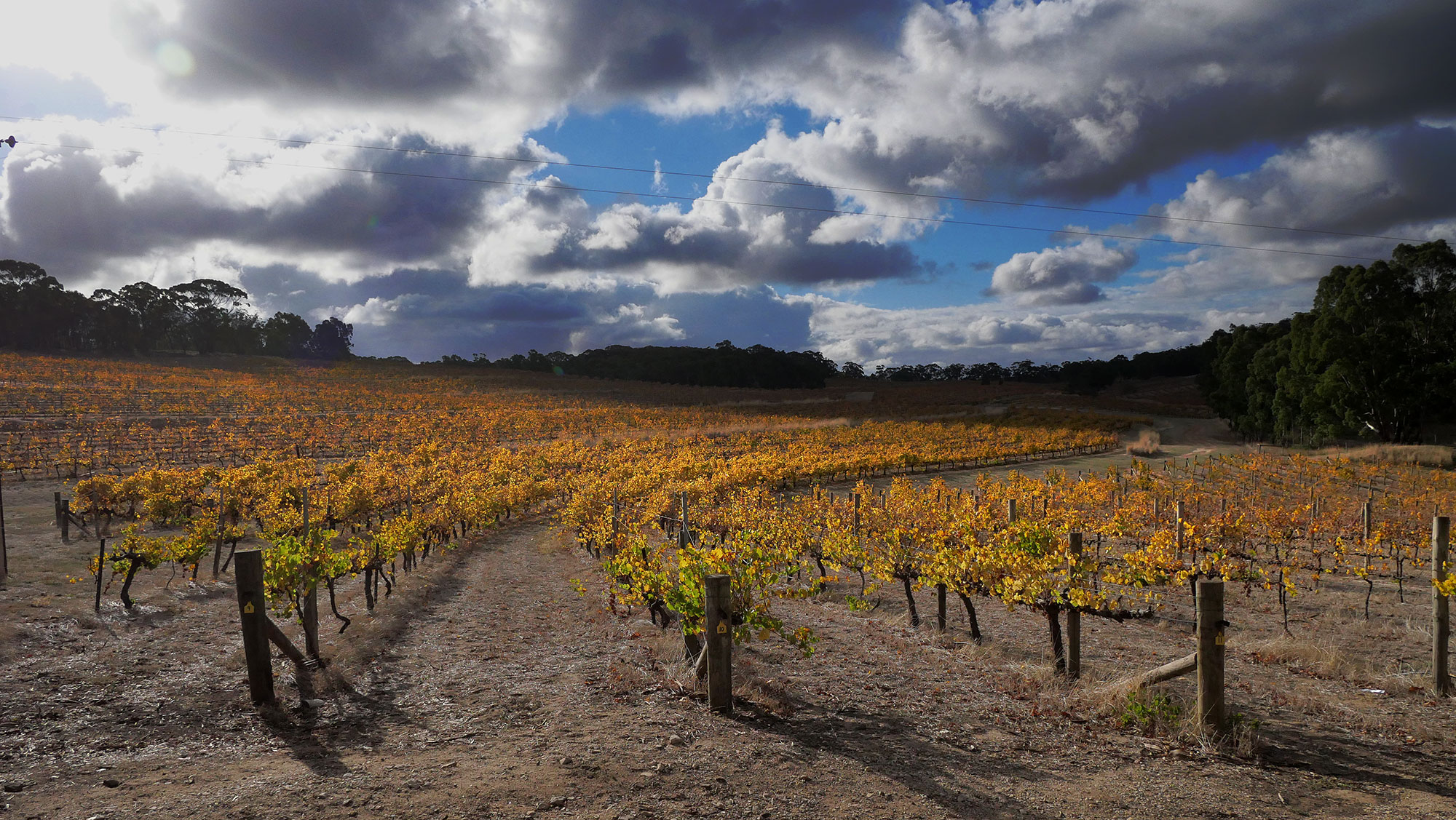
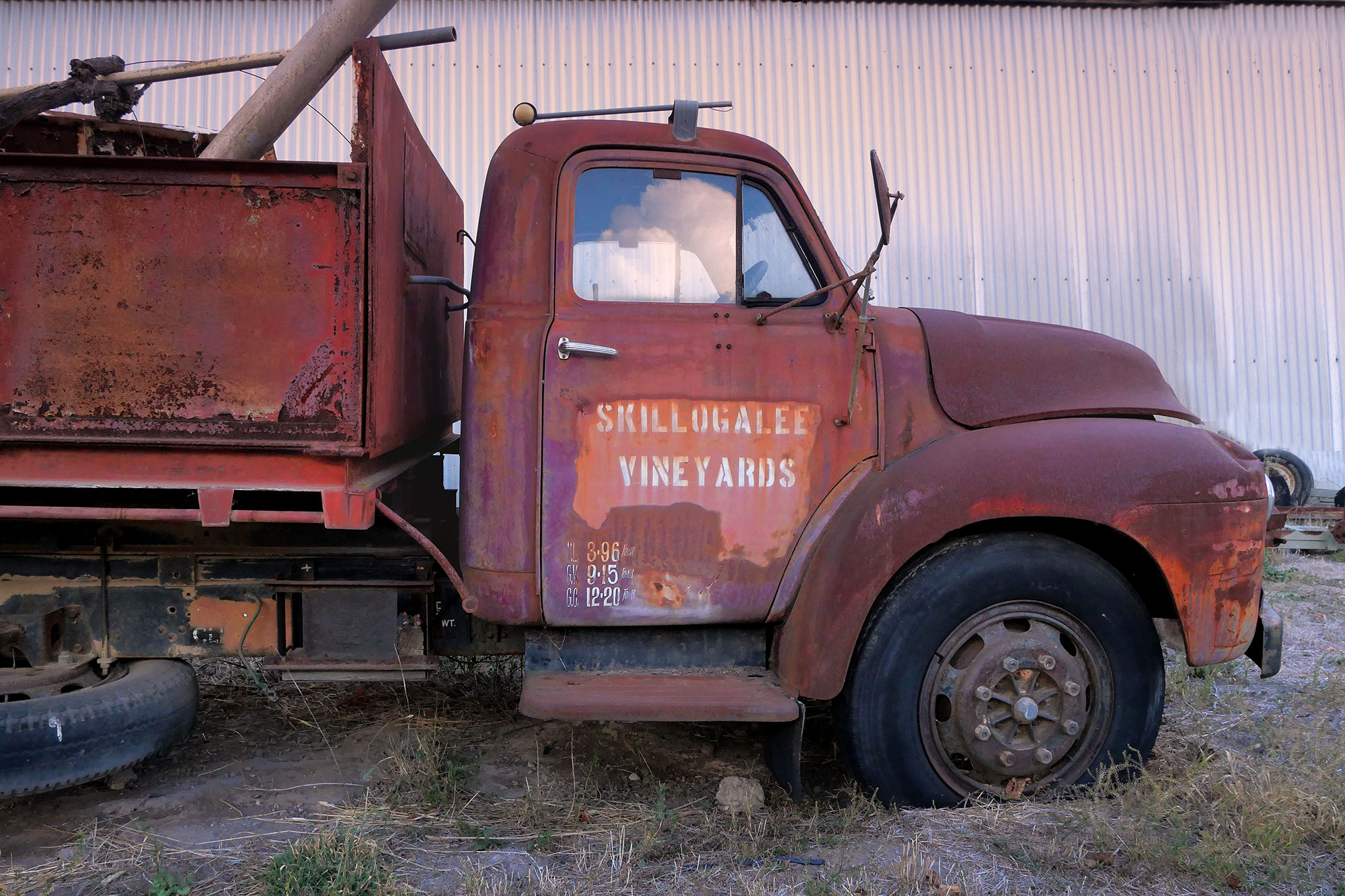
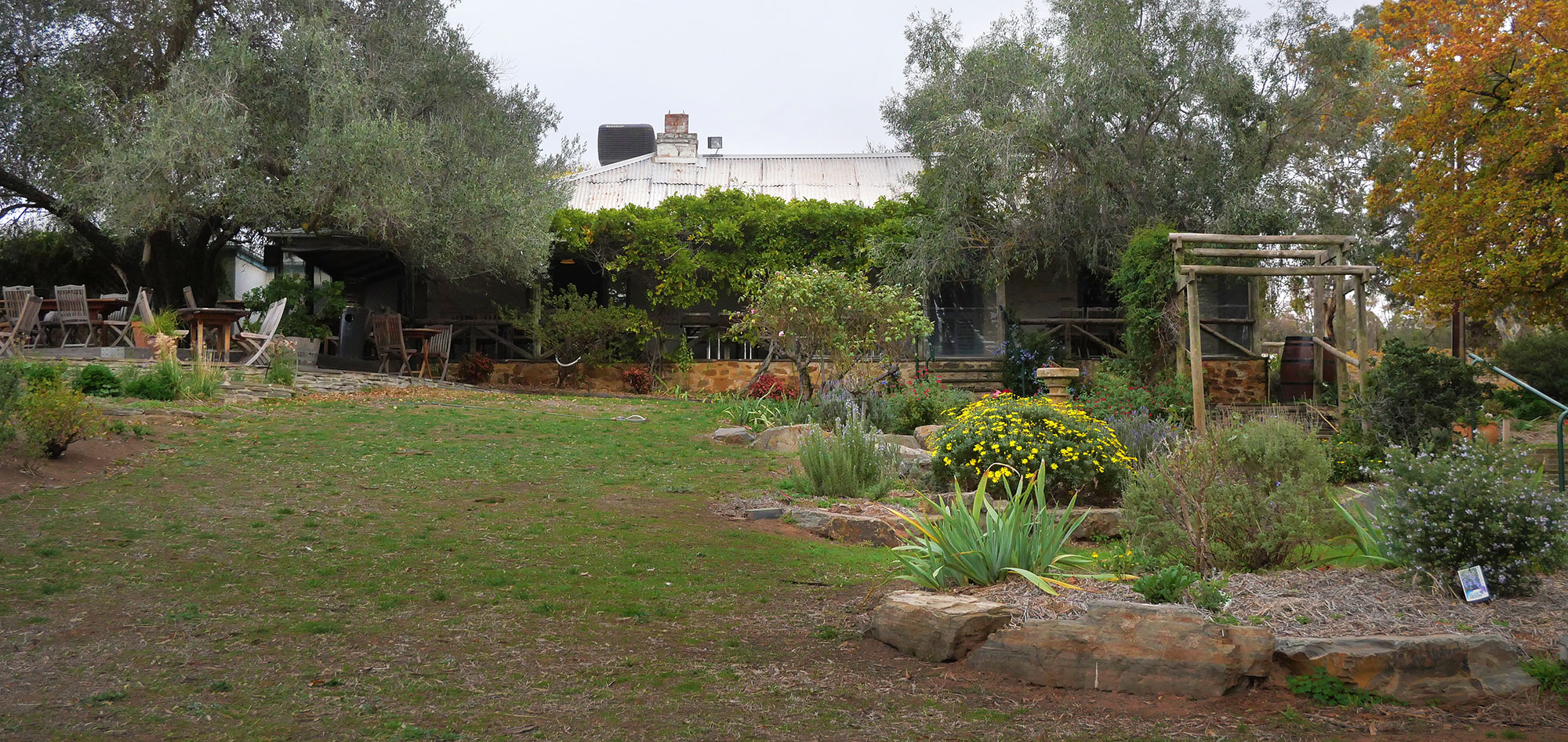
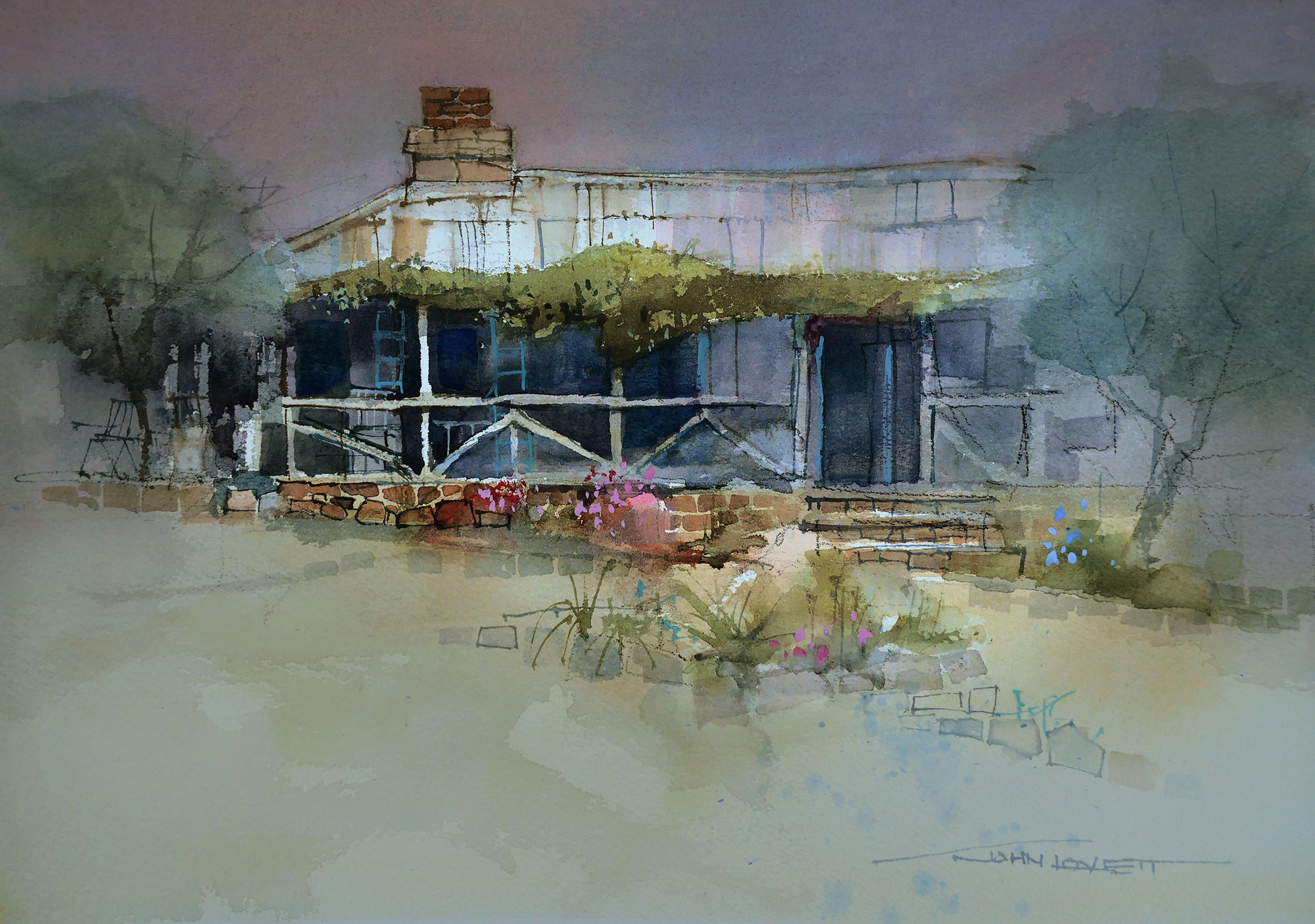
Skillogalee Vineyard made a good painting destination. We sampled their wines, had a fabulous meal and painted in the vineyard garden – What a great day.

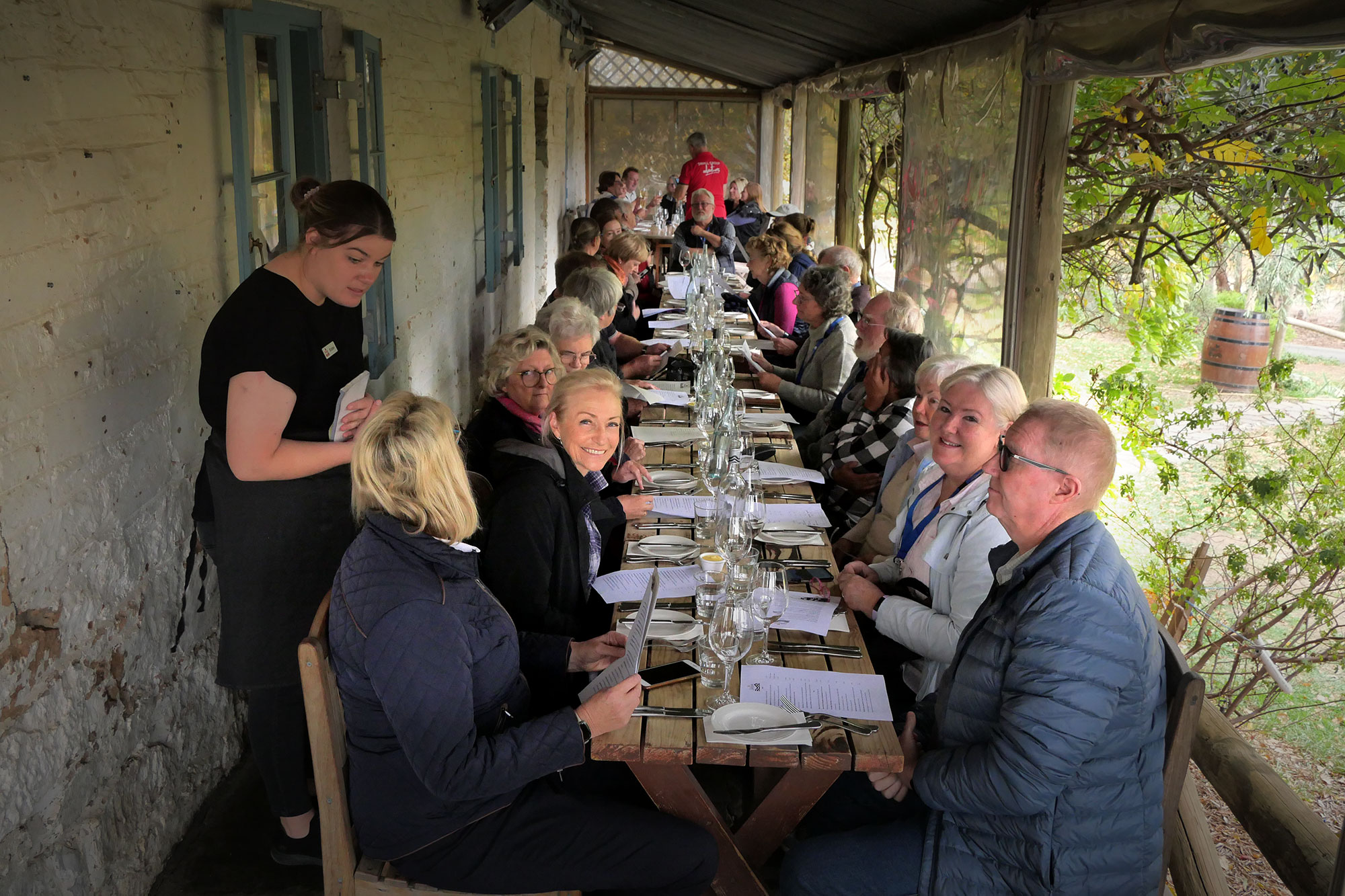
Lunch on the Skillogalee verandah.

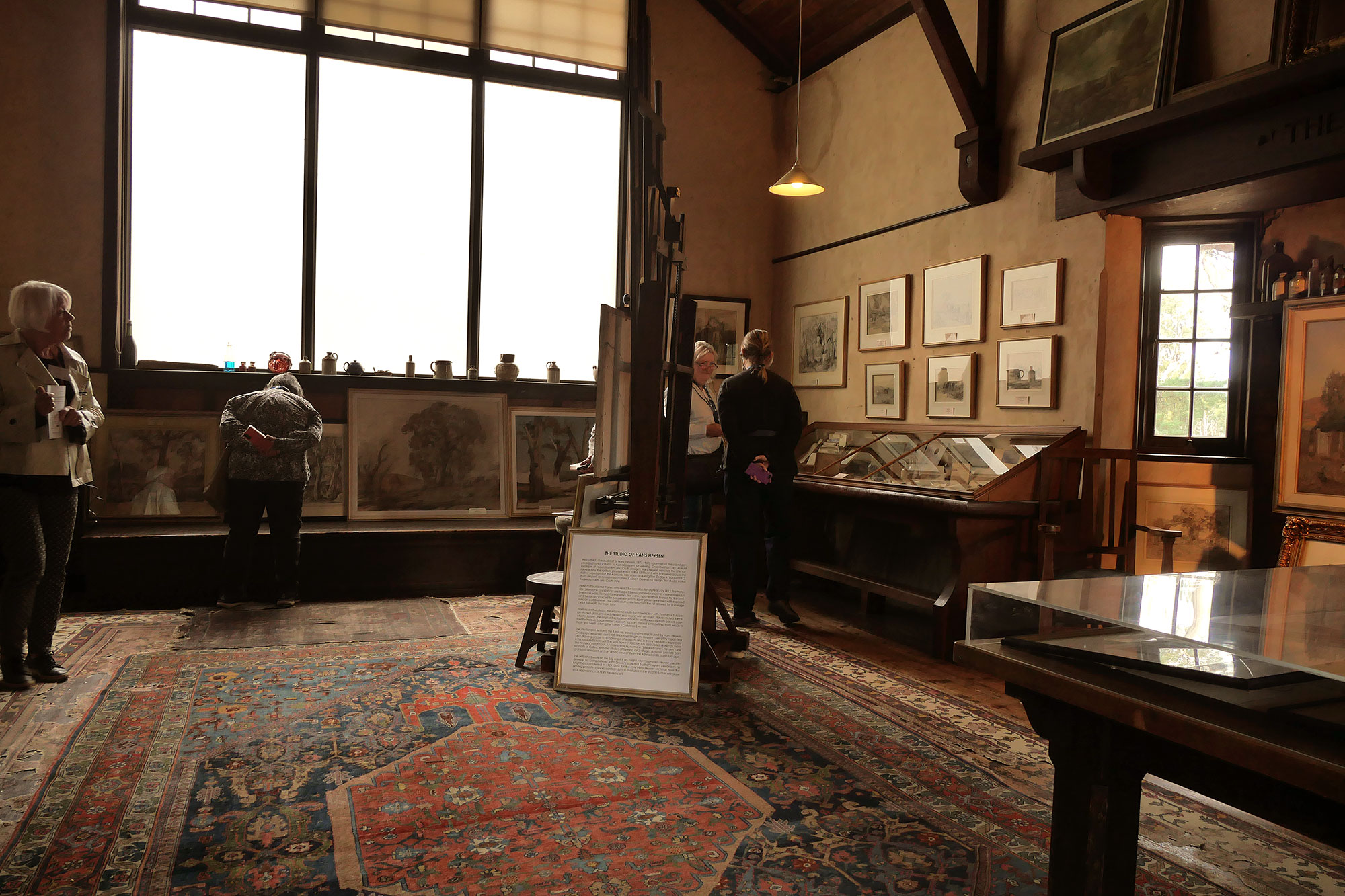
Our last couple of days were spent in Hahndorf in the Adelaide hills. We visited The Cedars – the home and studio of Hans Heysen.

A beautiful studio with huge, frosted, south facing windows and a large open fireplace


We were lucky to have “The Two Marks” on board as we travelled around South Australia. Mark One , the driver, had a terrific knowledge of the area and kept us entertained and informed with some great stories. Mark Two,  a local watercolourist and long time traveller through the region led us to some great painting locations we would have otherwise missed.
The passing vista of old abandoned buildings, big skies and bare rolling hills is unique to South Australia and is something that keeps drawing us back to this part of the country.


OLD STRZELECKI TRACK

After 12 months of Covid restrictions it sure is a good feeling to load up our truck and head out west again. Our plan is to head west through Queensland and cross the, now open, border into South Australia around Innamincka. From there we will follow Strzelecki Creek along the Old Strzelecki Track, stopping at some of the waterholes mentioned by John Conrick in his 1870 journey to find a route to drive cattle from Western Queensland to Adelaide.

We will leave our truck in Adelaide then travel by coach back up to the Flinders Ranges to conduct a painting workshop for two weeks

Crop dusting vast fields of Cotton near St. George, Qld.

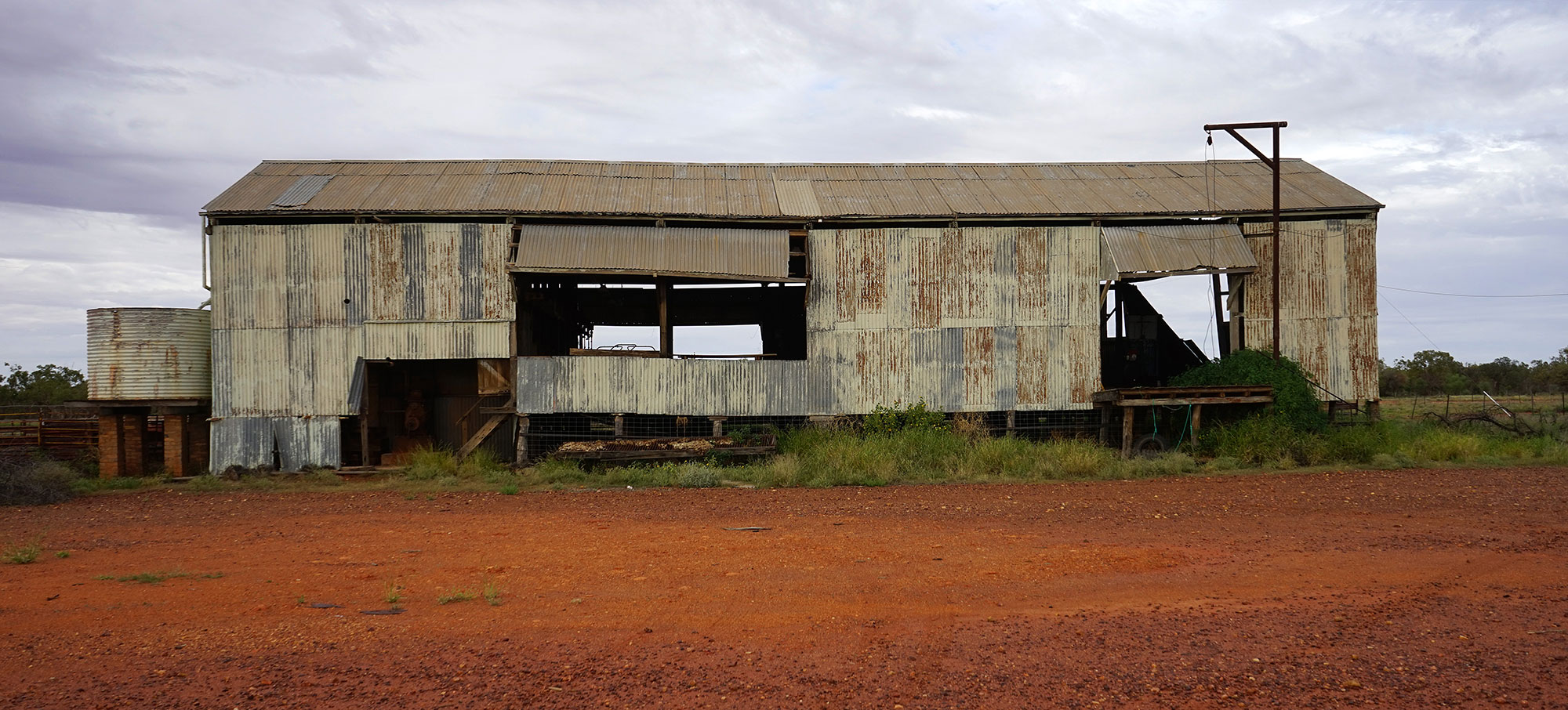
Old Dynevor Downs shearing shed. Every time we drive past I stop and take a photo. Over the last 30 odd years we have seen it slowly deteriorate. Wild dogs have virtually shut down the wool industry in Western Queensland.

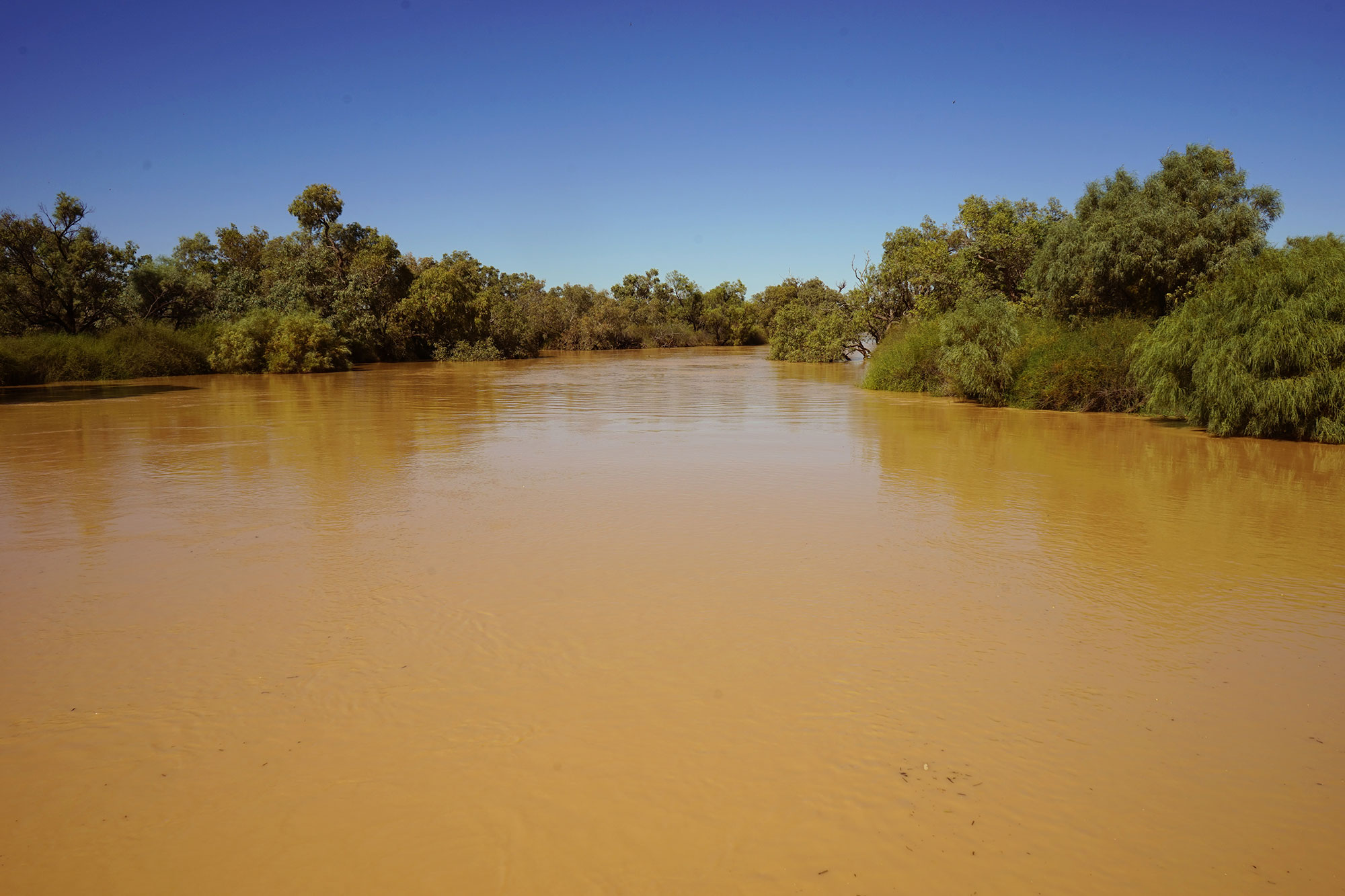
An unusual site – The Wilson river at Noccundra brim full of water.

As we head out through Western Queensland it is great to see all the creeks and waterholes full from recent rain.

The normally dry desert country is green and full of wild flowers at the moment.

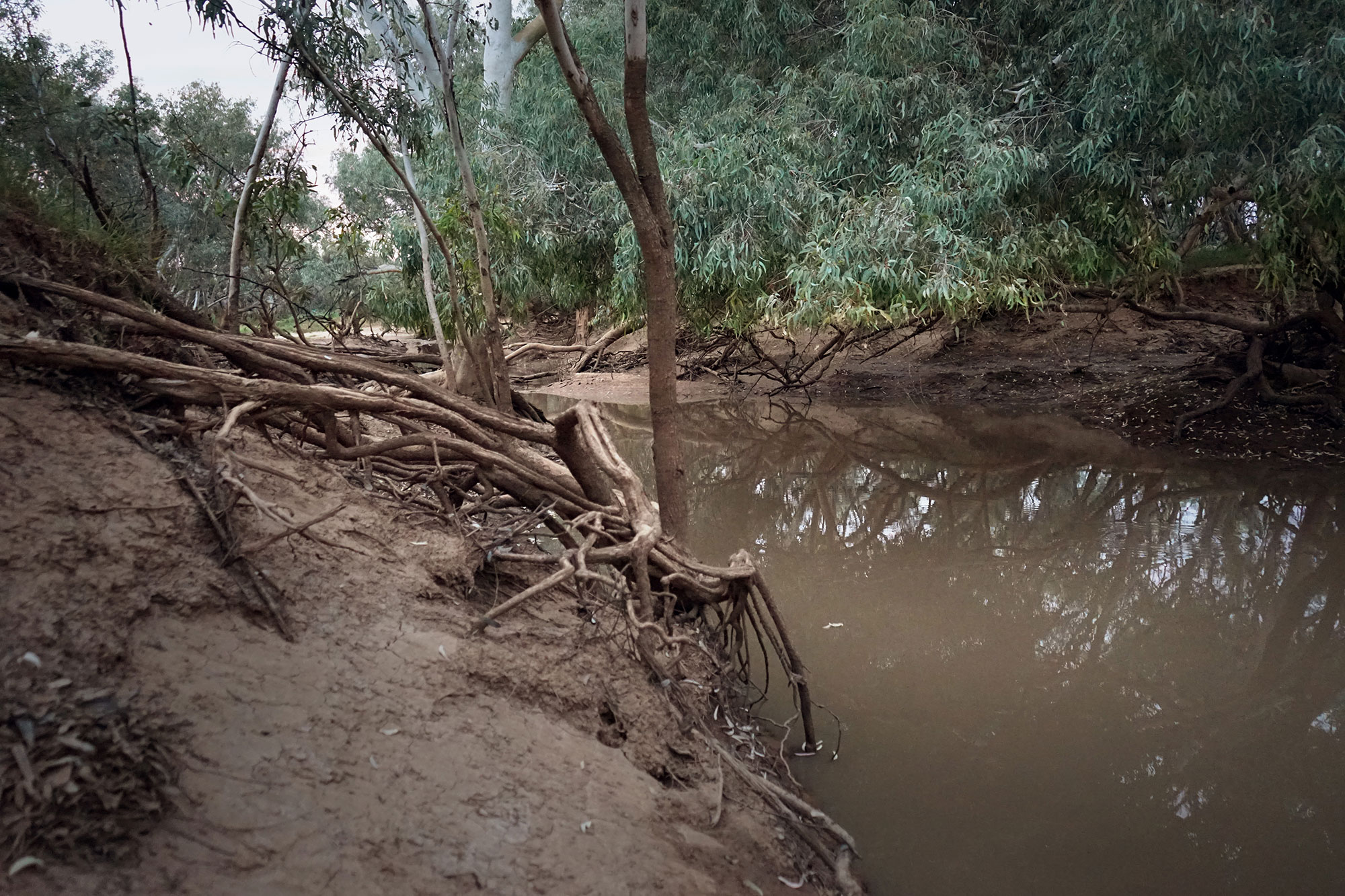
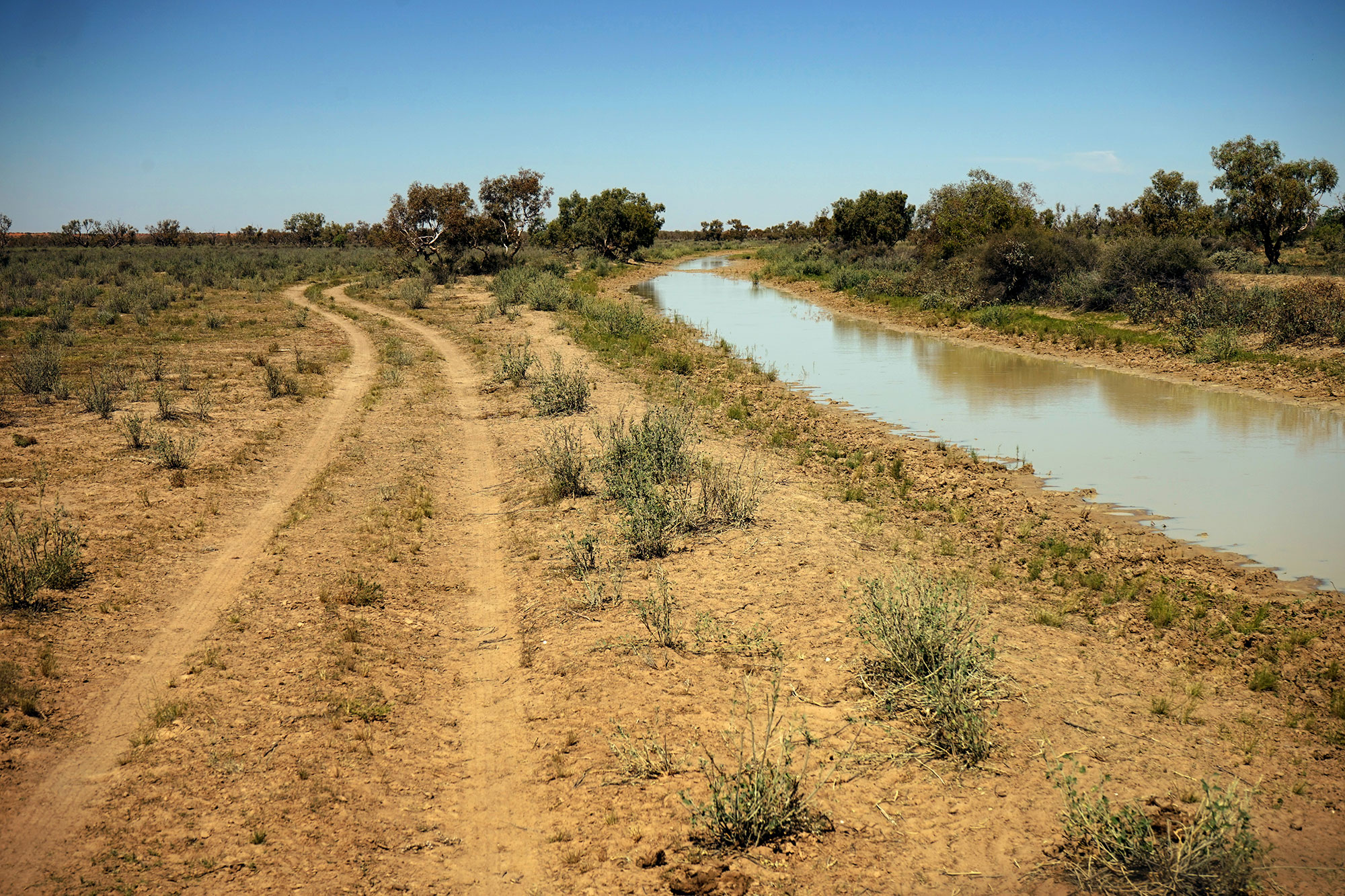
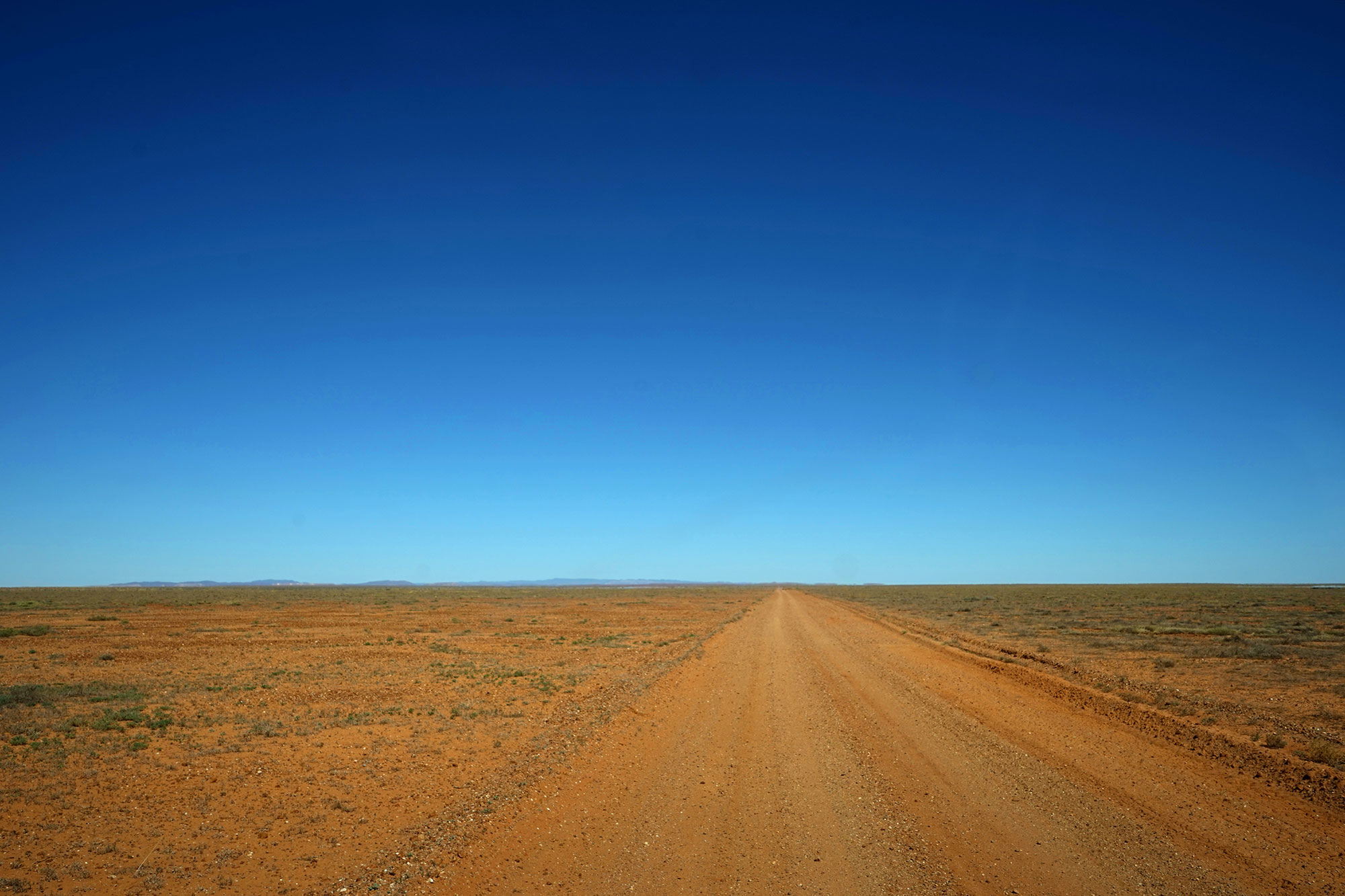
The Old Strzelecki Track could better be described as the Old Strzelecki River. Kilometres of the track were under water so we had to use side tracks most of the way. The abundance of water meant that birdlife was scattered far and wide, unlike in dry times when the odd small waterhole attracted hundreds of birds. We managed to find a couple of Conrick’s waterholes but the condition of the track made it difficult.
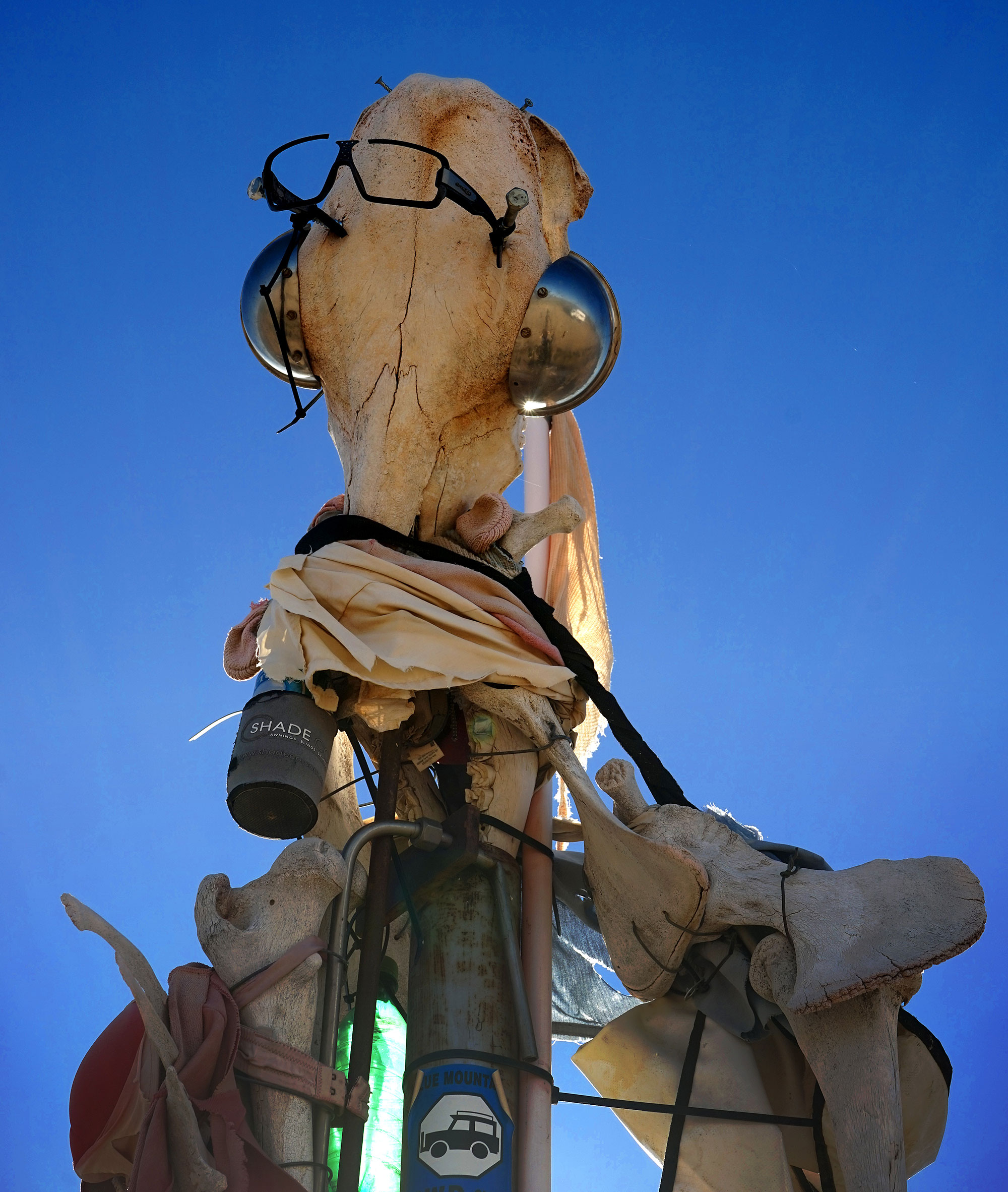
This ever changing sculpture made from camel bones and accumulated junk marks the end of the Strzelecki Track and the Northern approach to the Flinders Ranges.

The track improves and far off in the distance The Flinders Ranges become visible

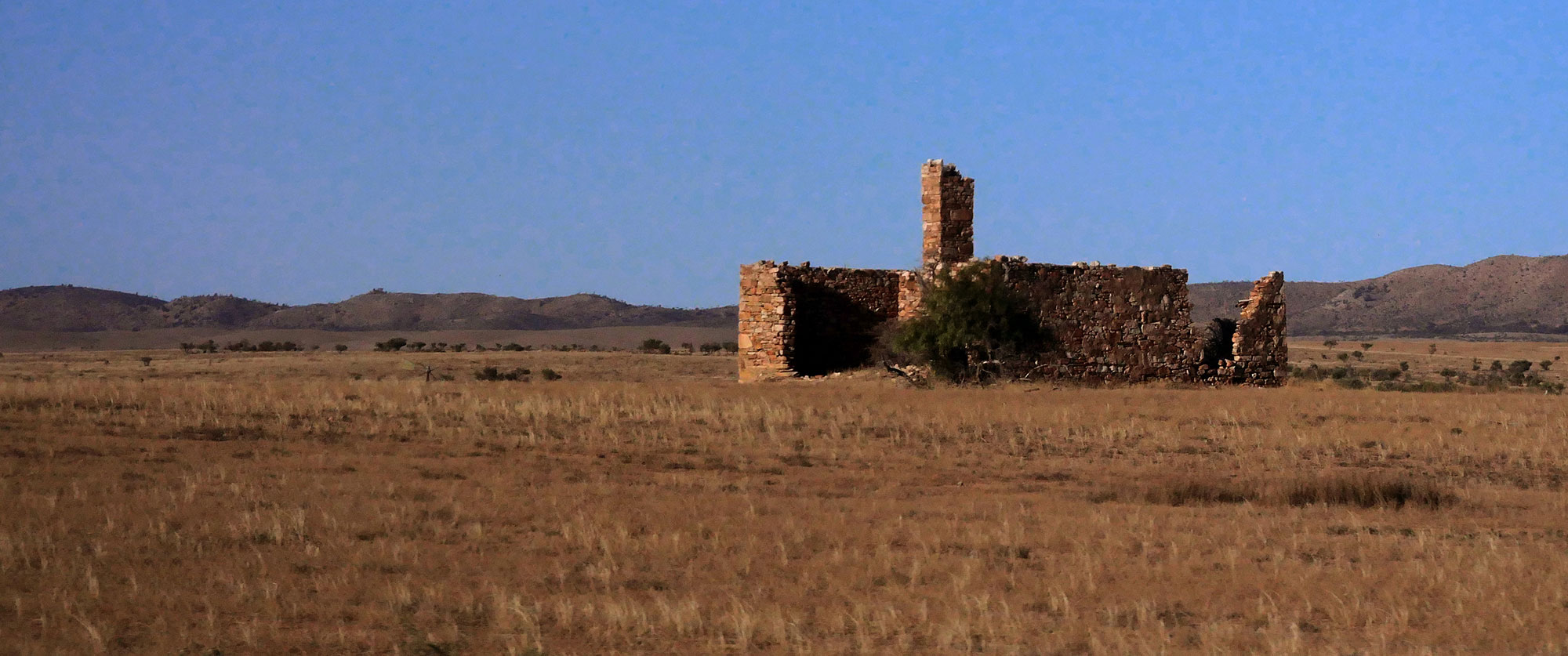
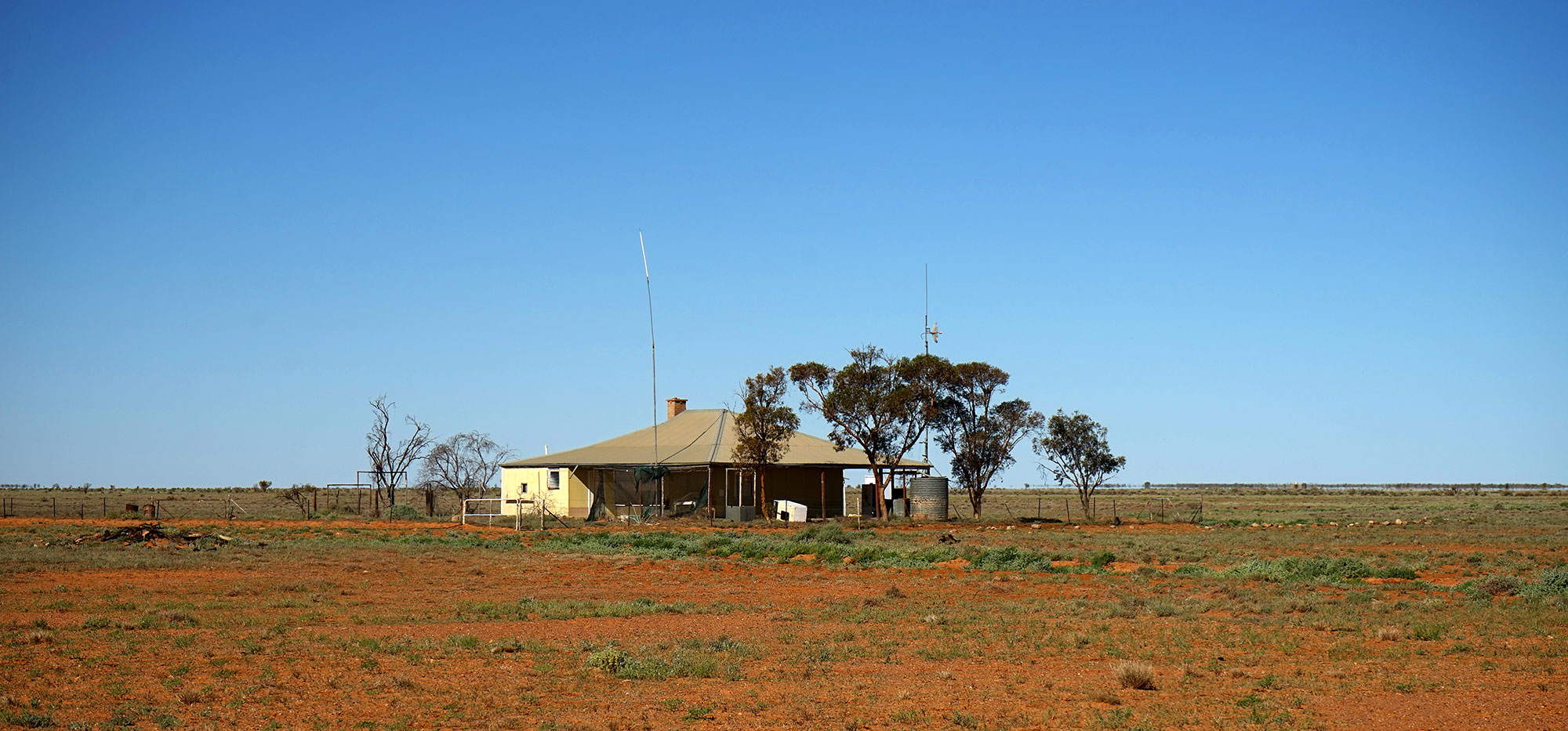
North Mulga Station sits on a lonely stretch of land at the Southern end of the Strzelecki.

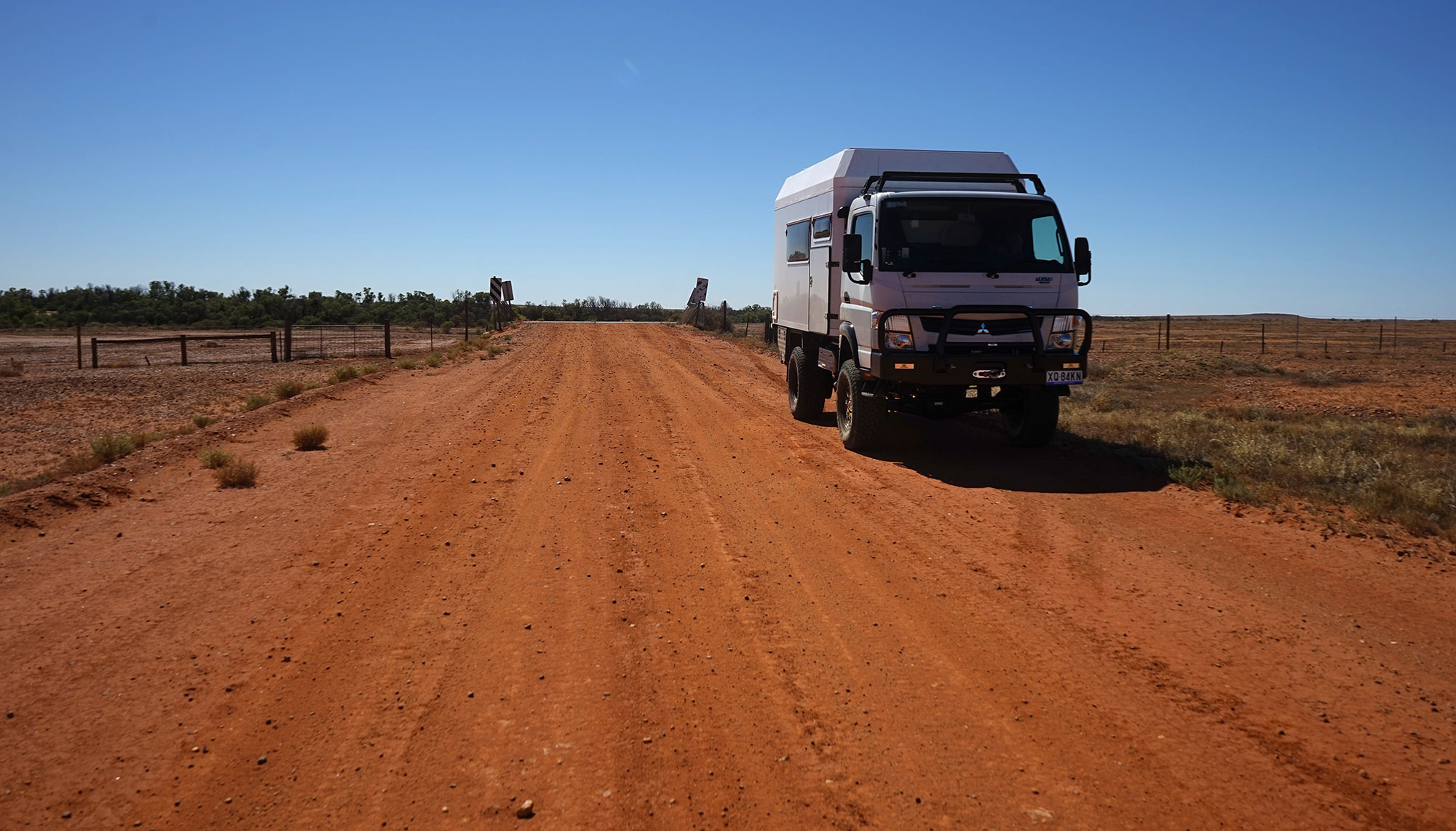
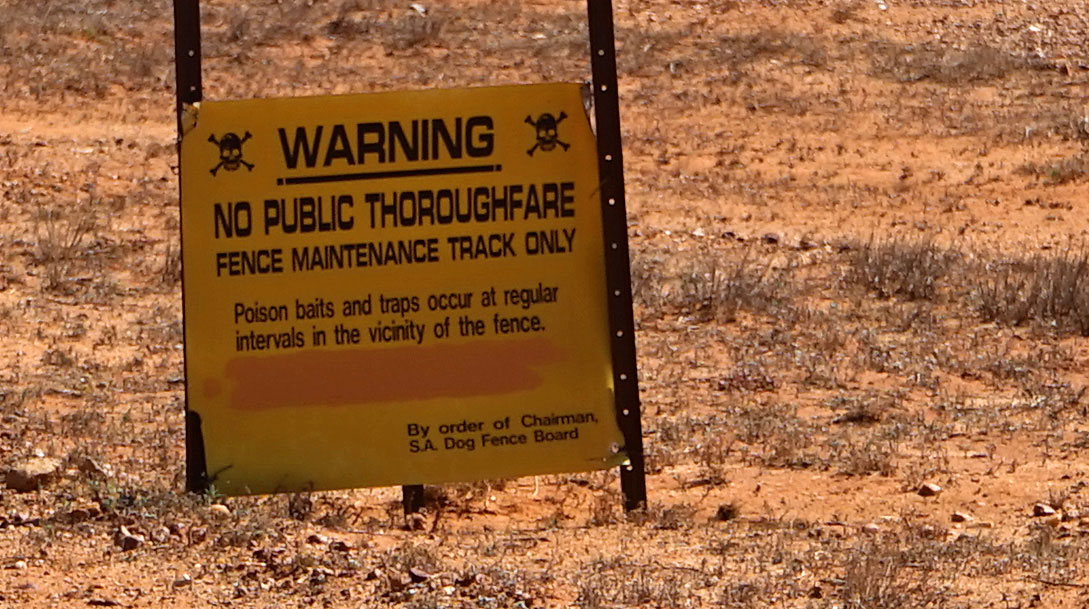
The southern end of the track crosses a dingo fence that stretches as far as the eye can see in both directions

Dogs are trapped and poisoned in an attempt to give the farmers a chance to raise stock on these huge properties.
A pair of Brolgas heading to a water hole at sunset

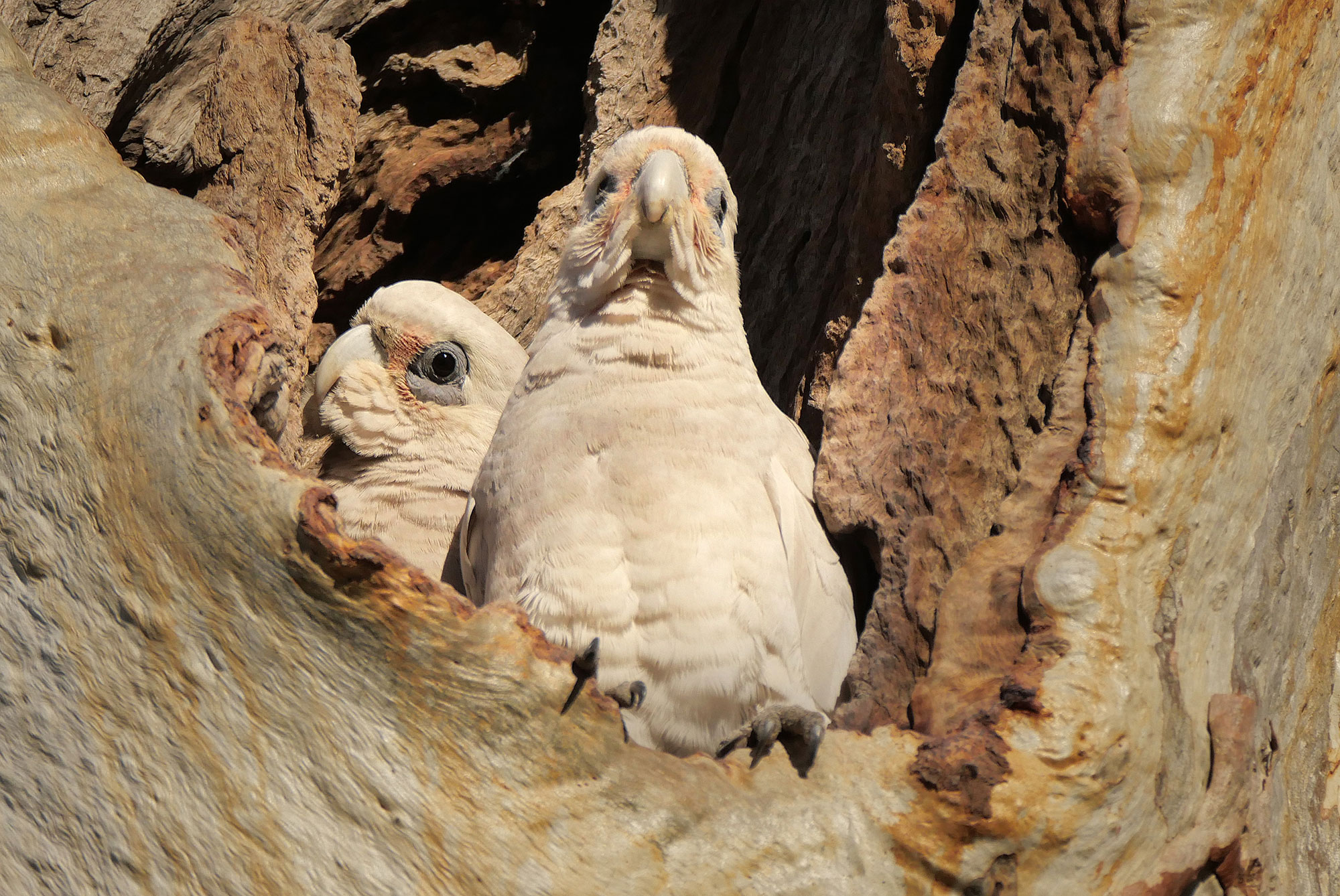
Corellas make a home in a giant River Red Gum

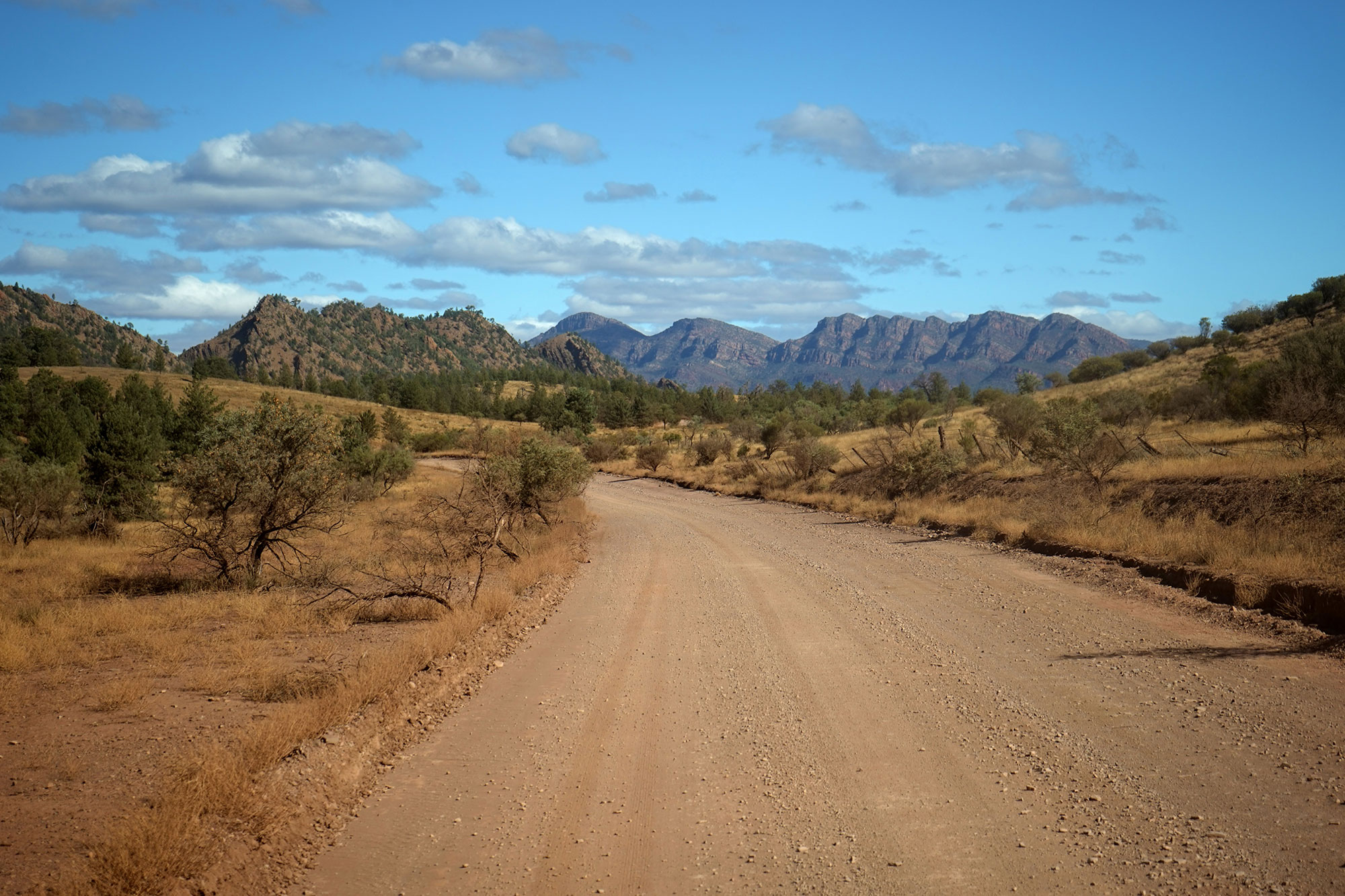
Approaching the Arkaroola turn off in the Northern Flinders.

Back into harsh, dry country around Arkaroola

The dark nights and clear air around Arkaroola are perfect for astronomy. There are a couple of large telescopes on the property.

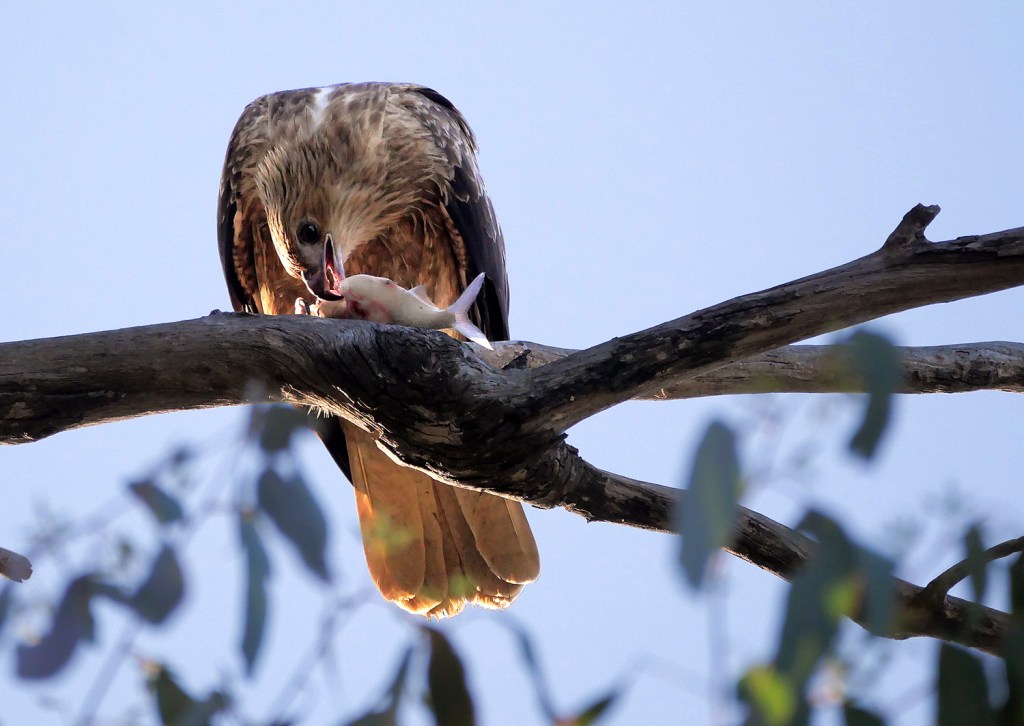
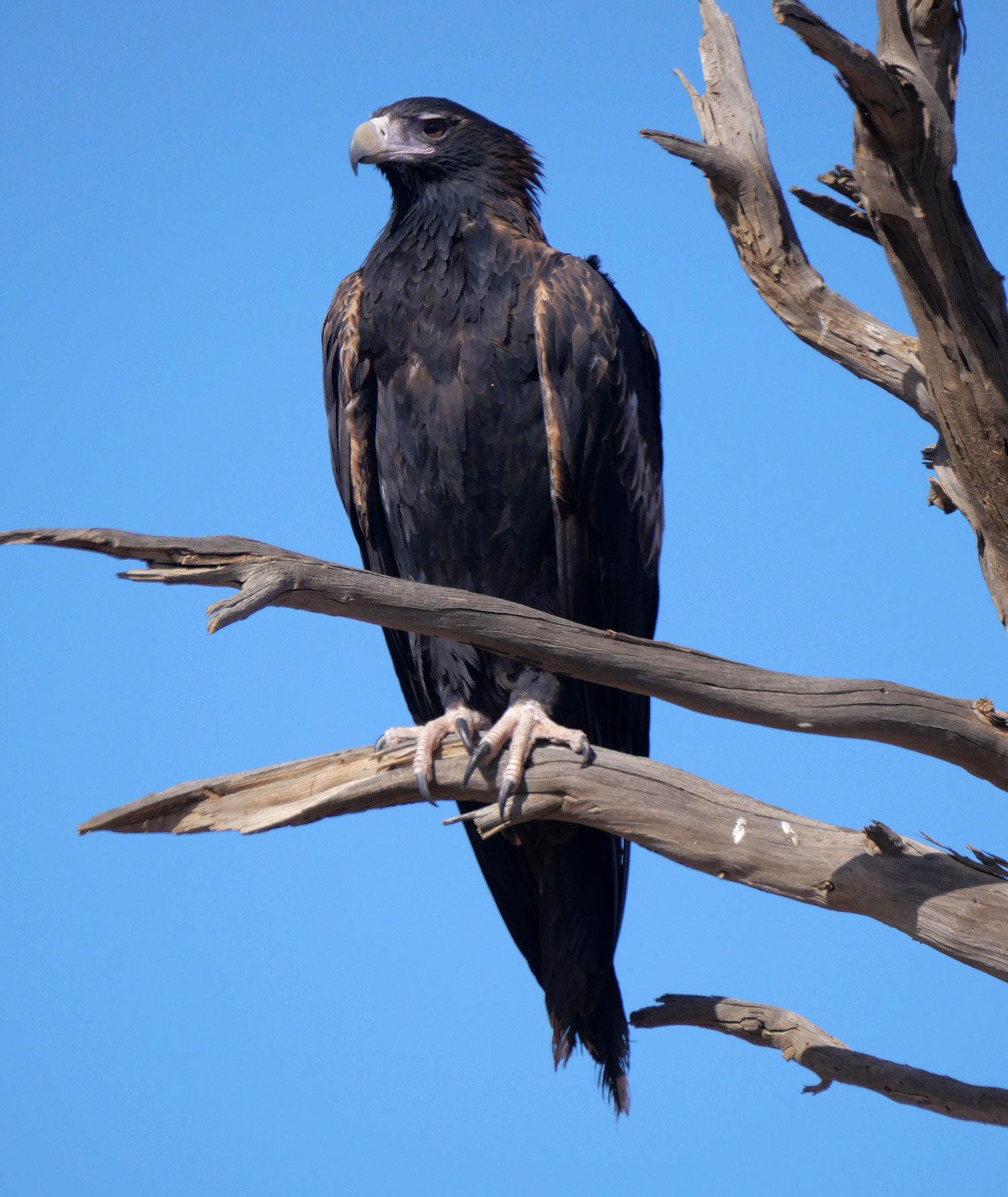
A big Wedge tail surveys the countryside.

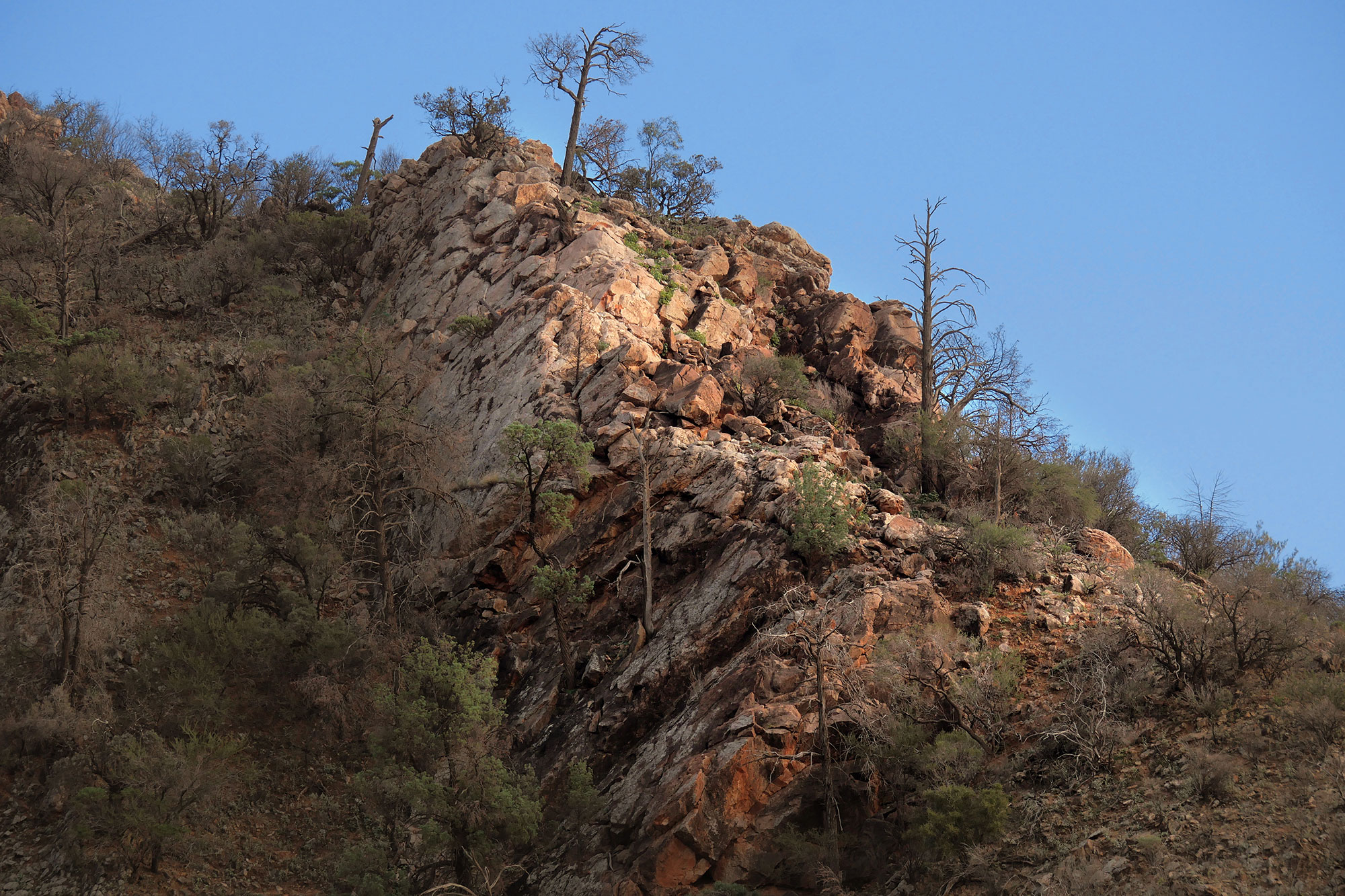
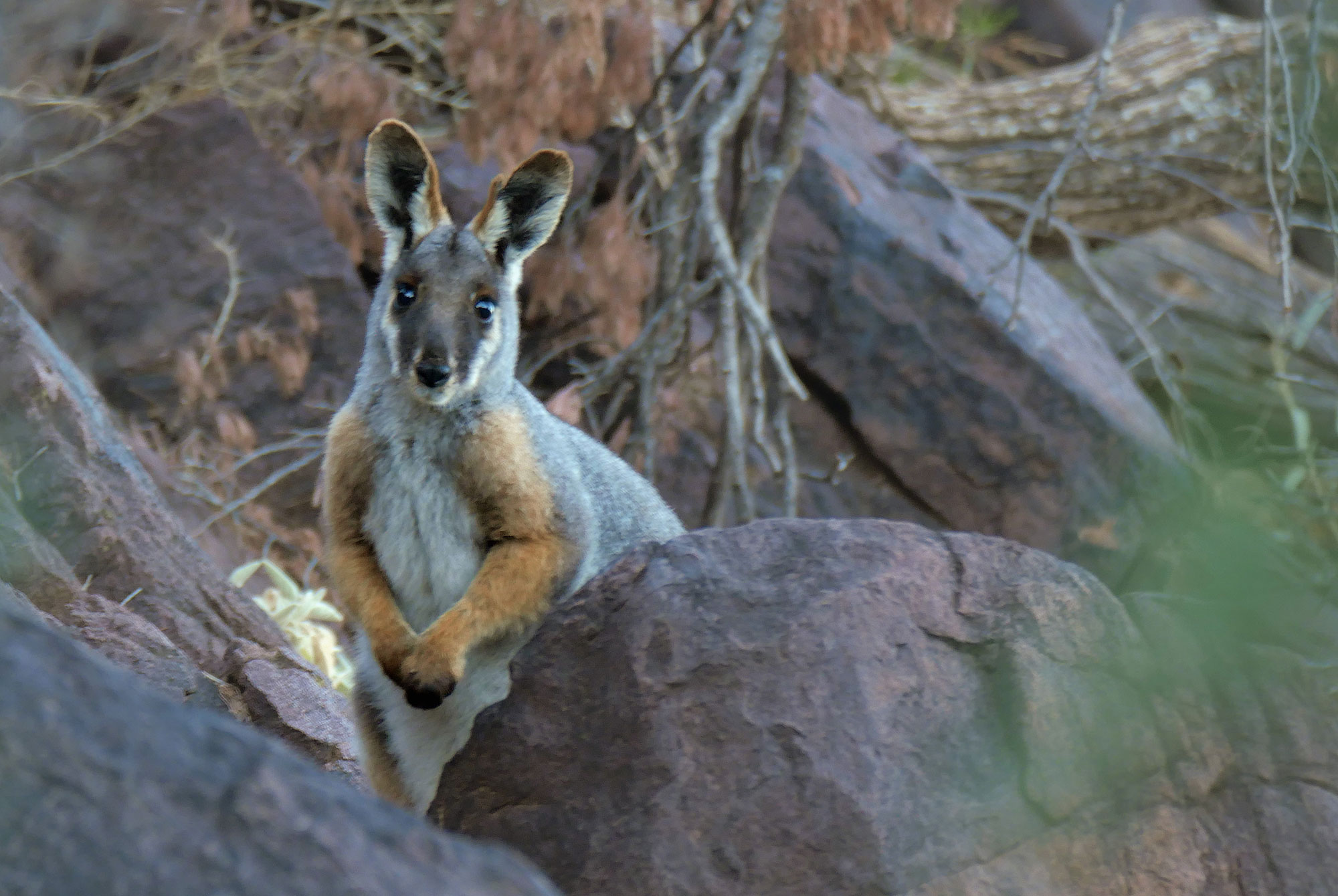
The small, endangered Yellow Footed Rock Wallaby lives in the hills around the Flinders Ranges.

Feral Goats also compete for grass and water in the area.
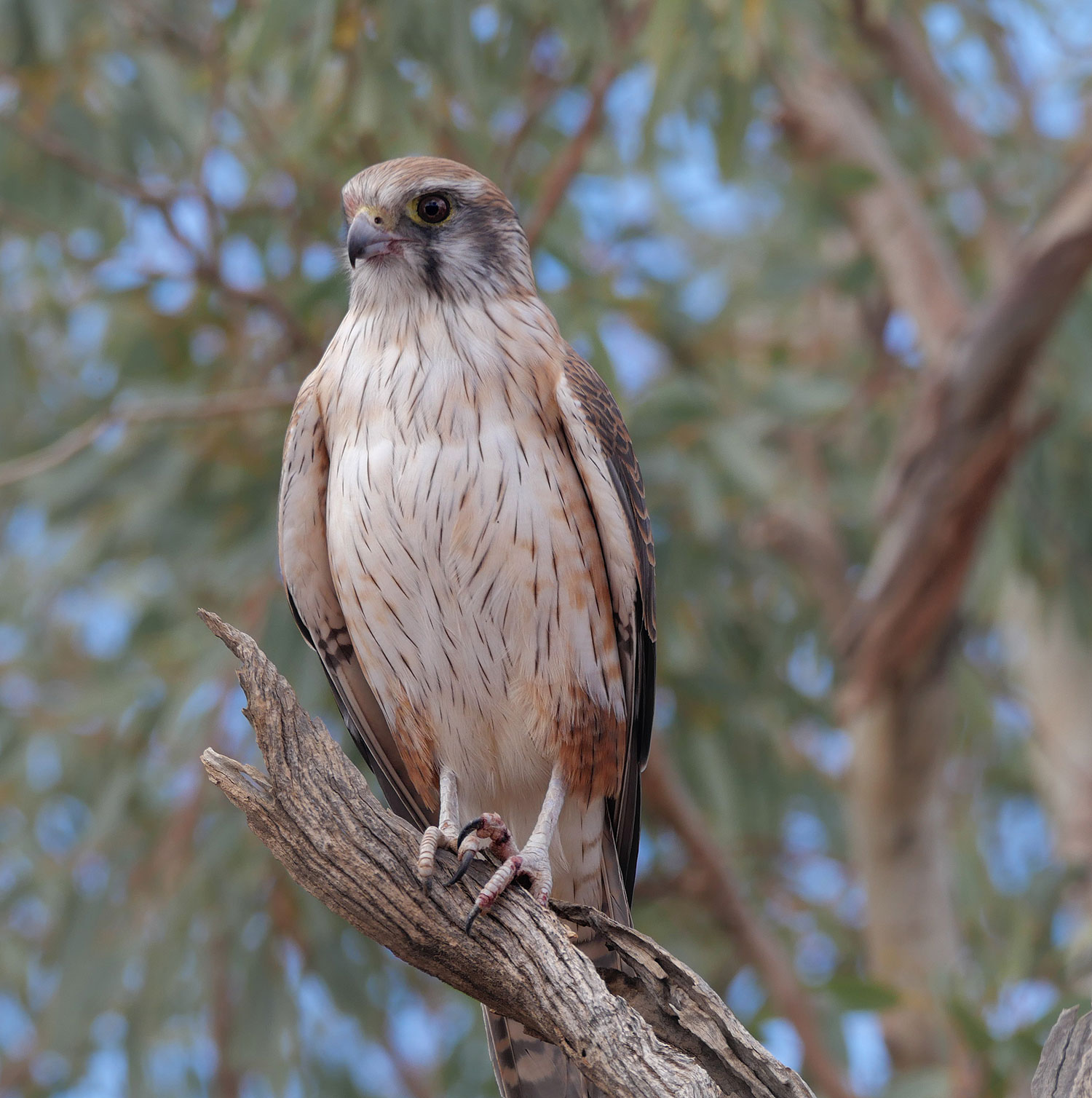
Nankeen Kestrel on an Arkaroola stump

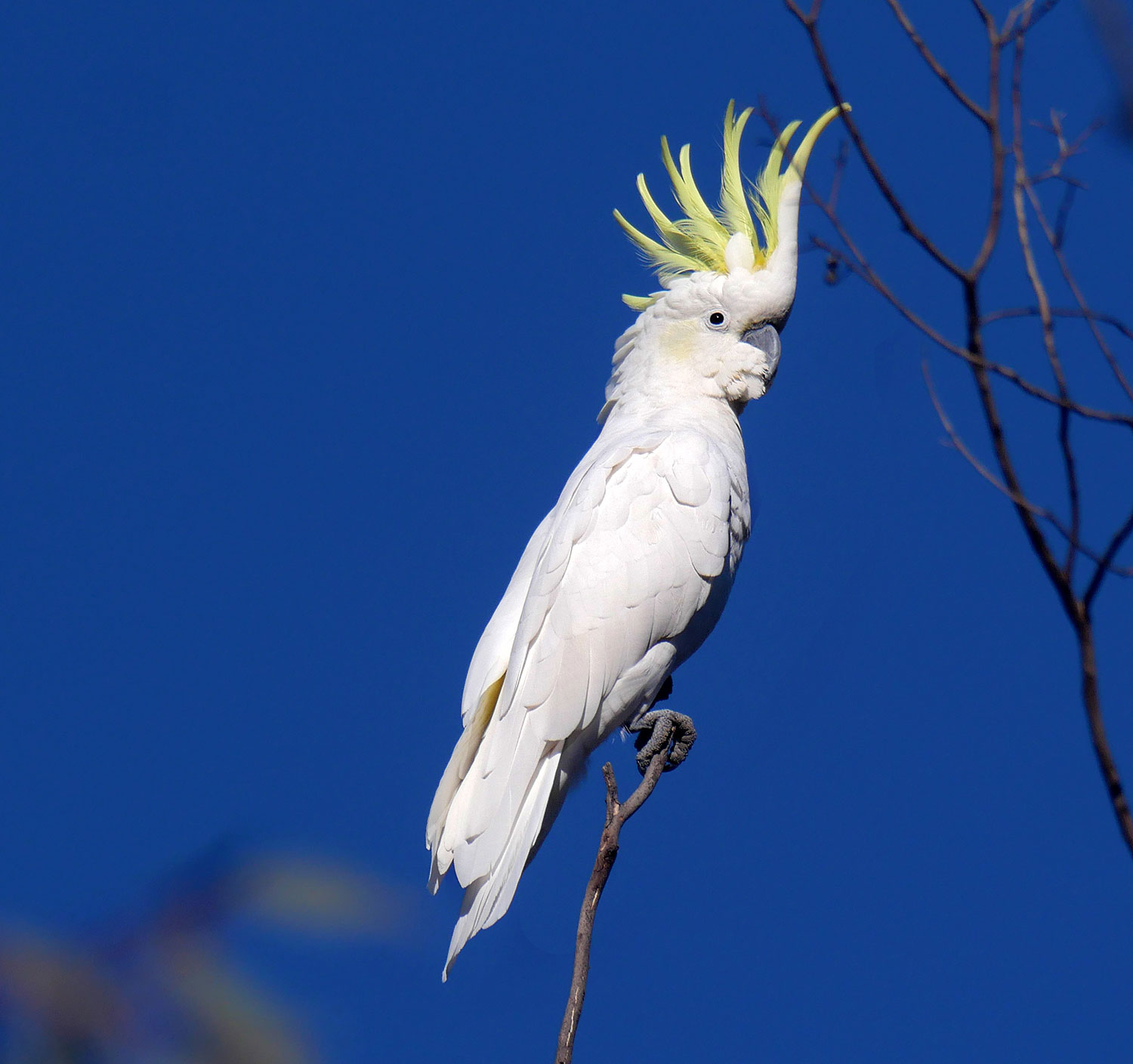
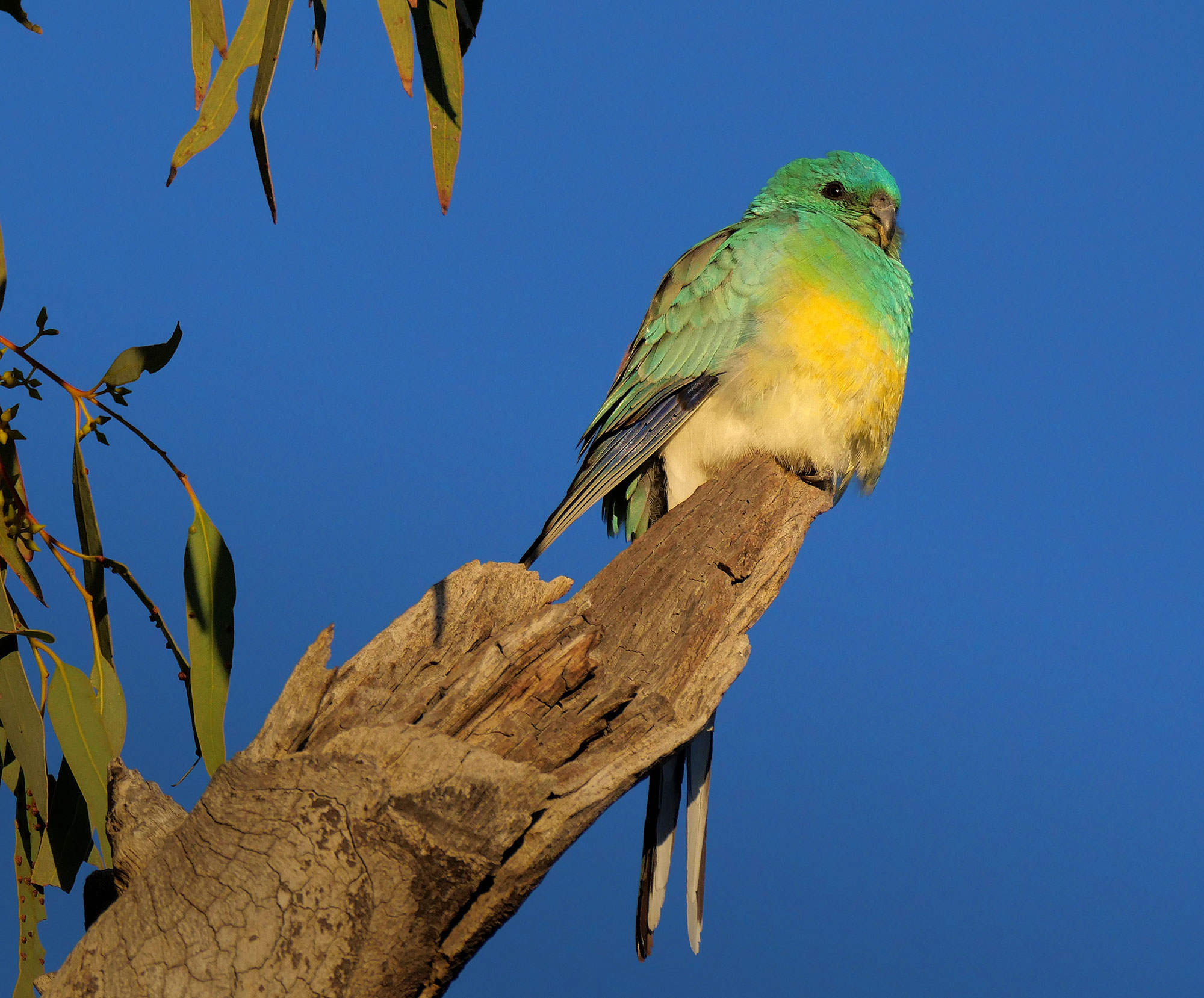
A happy parrot perched in the morning sun