STRANGE FORMATIONS

map

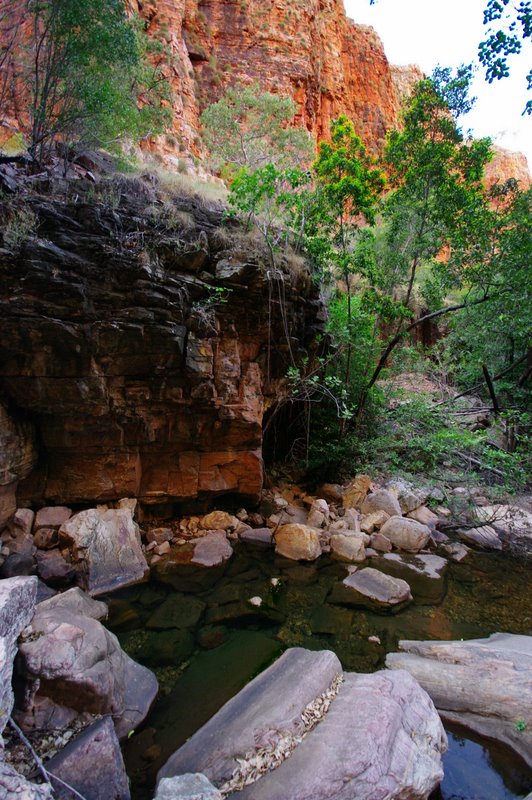
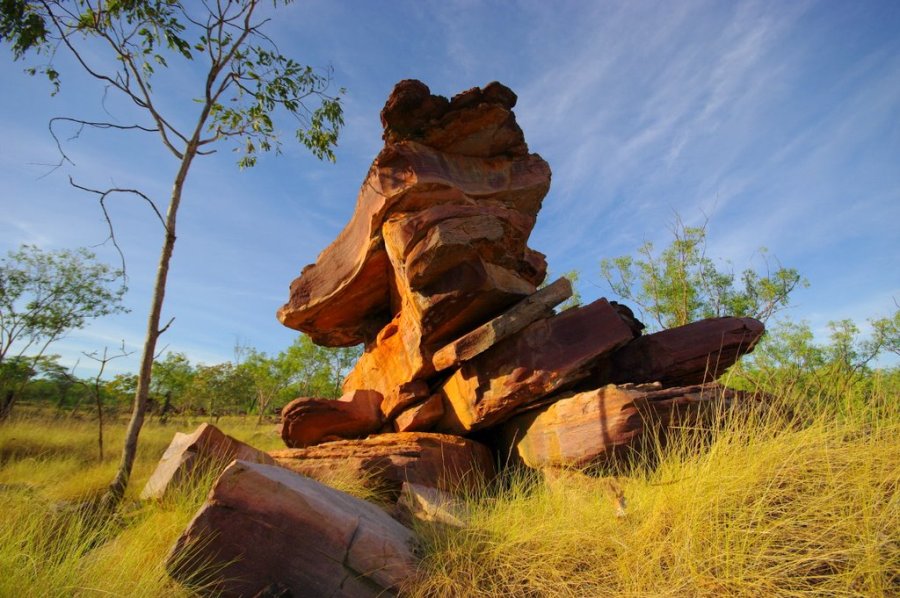
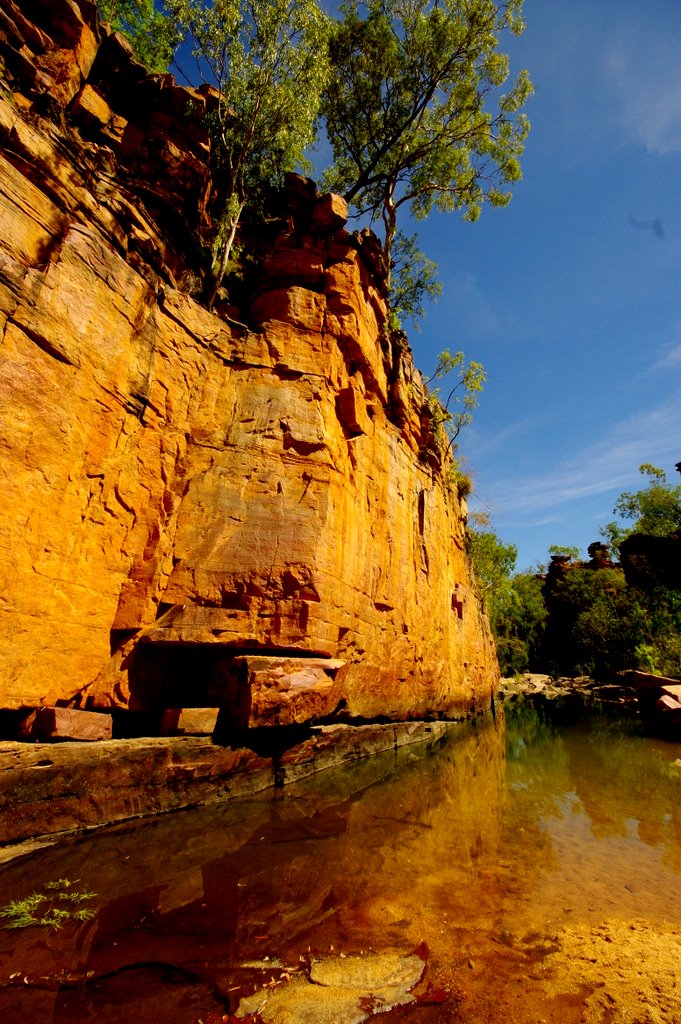
I woke early one morning at El Questro and went for a walk up towards the escarpment of the Cockburn Ranges. I followed a narrow winding gully and came across this weird rock shelf.

IMGP8224

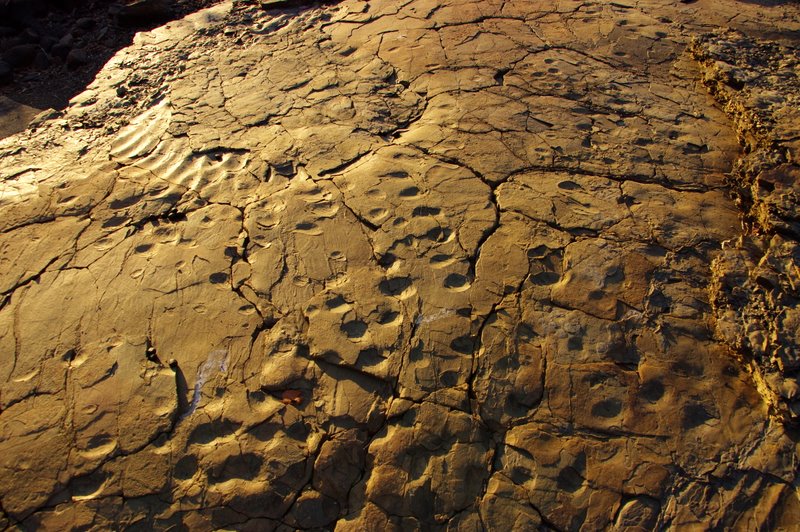
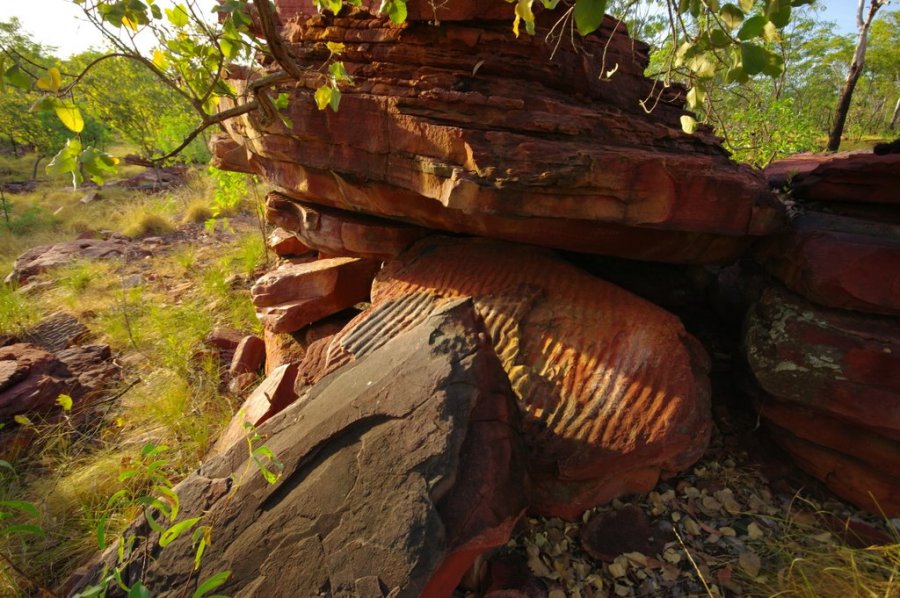
It was formed in sedimentary layers, the underlying layer having the appearance of tidal ripples. Covering this was, what appears to be, a series of layers of flat mud turned to solid rock.

IMGP8298

The really strange thing was the numerous fist sized oval depressions in this top layer.

The depressions are formed in rows and are evenly spaced.

They appear to have been formed when the mud layers were soft, but have hardened to dense, solid rock

IMGP8300

IMGP8225

This shot seems to indicate that the depressions were pressed into several layers of soft mud.

What caused the depressions?

The following day Jan, from our workshop group, came up with me to have a look. Jan has a background in science and a keen interest in geology – her son and his partner are both geologists. We scratched our heads and came up with various theories, but will wait til Jan gets some photos and samples back to her son for a more knowledgable analysis.

OUTBACK WORKSHOP 4

PURNULULU – BUNGLE BUNGLES

IMGP7707

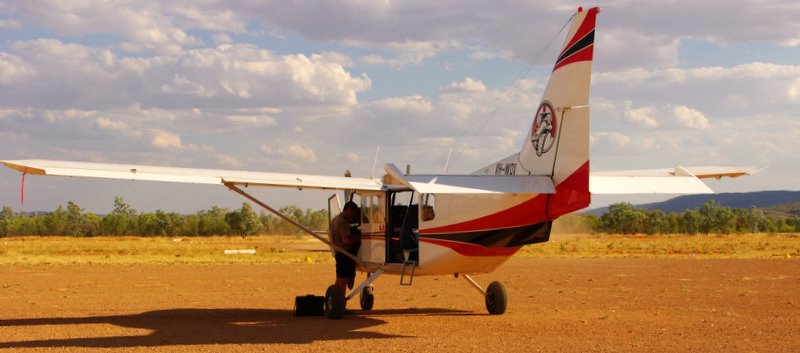
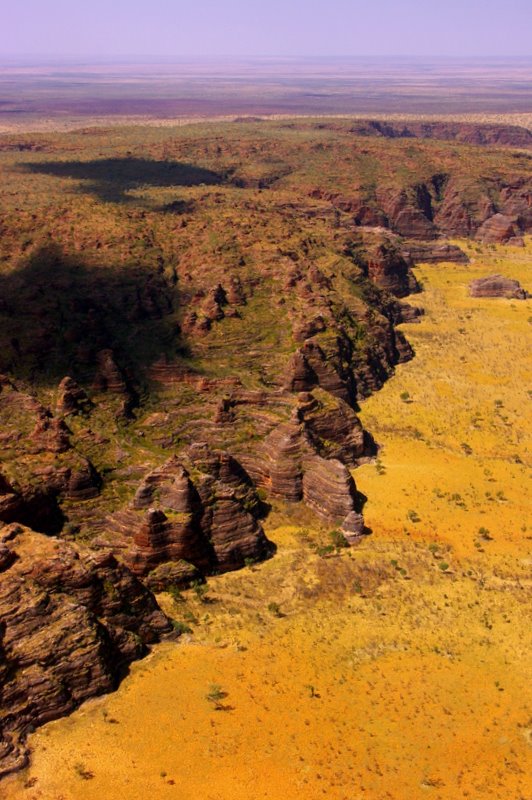
Our group flew to the Bungle Bungles from Kununurra in three small planes

IMGP7448

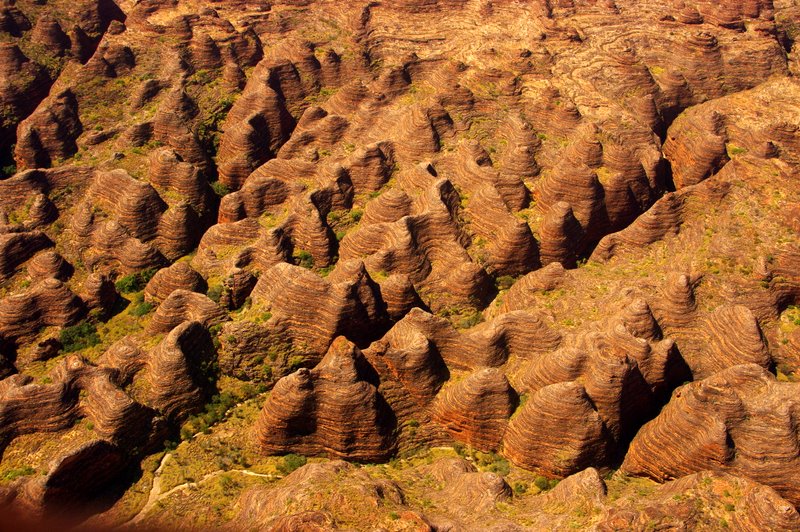
From the air the beehive domes form an amazing labyrinth.

IMGP7436

IMGP7444

IMGP7692

On the ground we met our guides and were taken by 4WD truck to a couple of interesting walks

IMGP7534

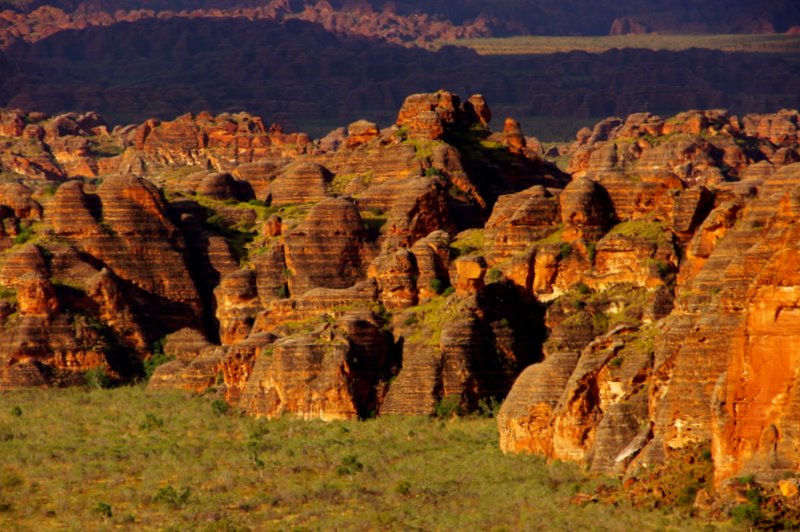
At ground level, the domes are massive

IMGP7680

Cathedral walk took us into an enormous cavern with a small opening at the top. Wet season run off pours in and fills the pool and creek. The acoustics in this cavern were incredible, and well demonstrated by our flute playing guide.

IMGP7700

Picanini Creek

IMGP7718

Horizontal stripes in the sandstone are formed by bacteria growing in the alternate, more porous, layers. As the bacteria dies the stone turnes black. The orange stripes are oxidised layers of white sandstone.

IMGP7709

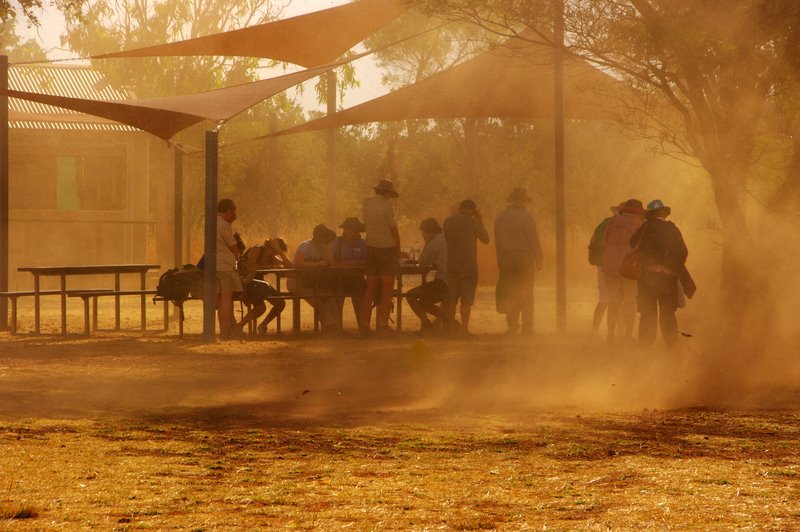
As we waited to fly back, a taxiing plane smothered us in dust – the disadvantage of an outdoor air terminal.

IMGP7757

IMGP7785

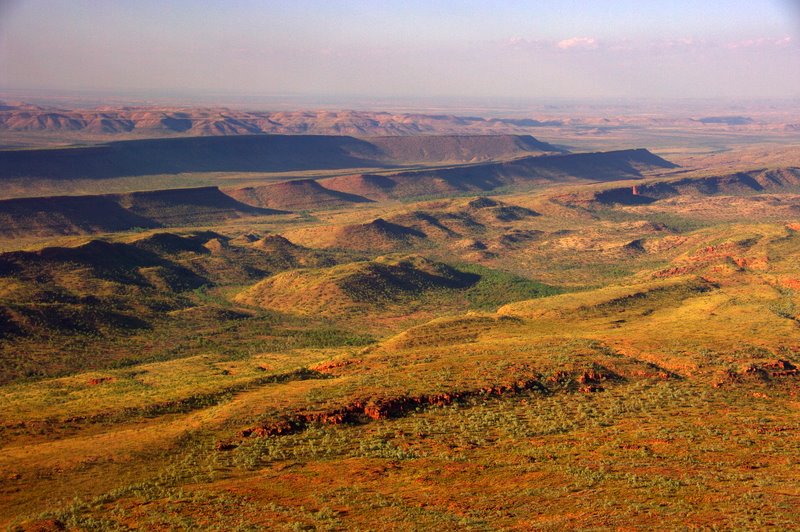
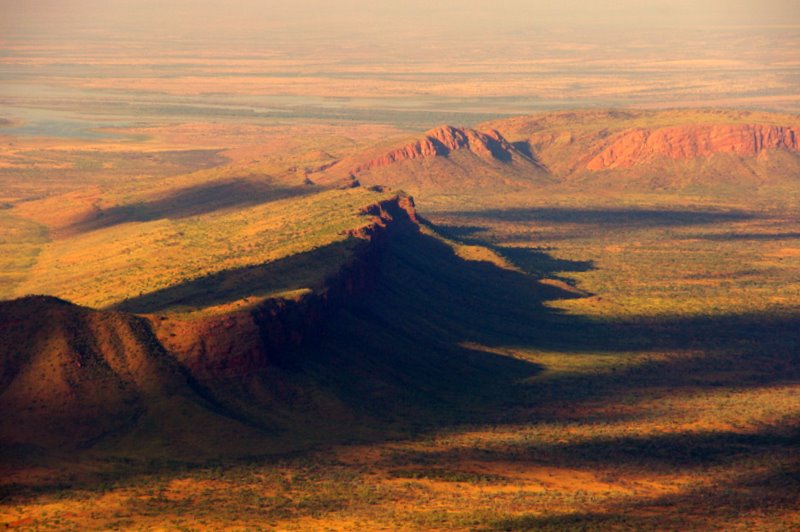
The country between Kununurra and the Bungle Bungles is magnificent. Flying back as the sun was setting was just amazing.

IMGP7803

Argyle diamond mine

IMGP7805

IMGP7817

IMGP7827

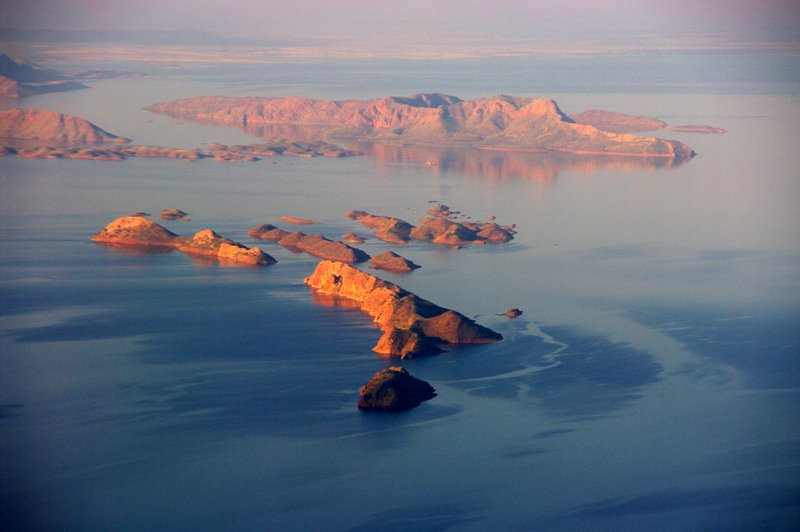
Lake Argyle and the Carr Boyd Ranges

IMGP7859

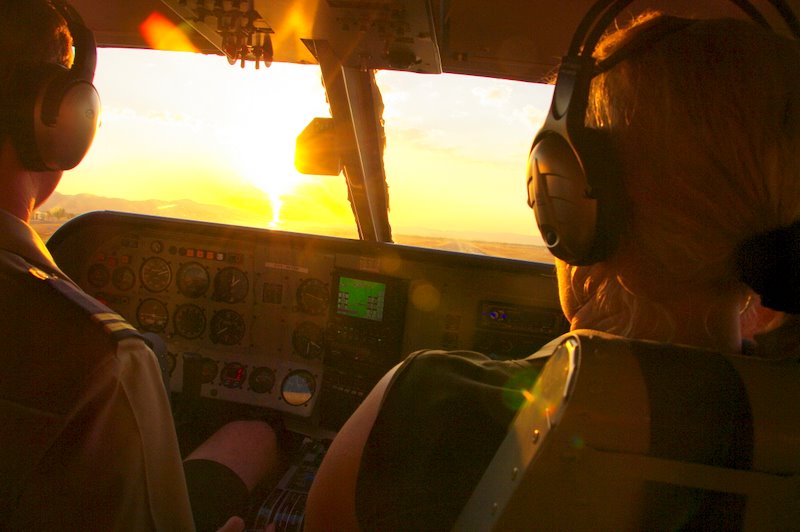
Sunset landing

OUTBACK WORKSHOP 3

OUTBACK WORKSHOP 3
It was interesting to see the landscape change as we headed west from Katherine.
The sparse savannah of the Northern Territory gave way to dramatic escarpments and weird vegetation as the West Australian boarder approached.
Boab Trees and Kapoks take over and spear grass is replaced by Cane grass.
Roadhouses are few and far between and the cost of diesel climbs as the distance from major centers increases. It appears there have been big changes at Victoria River roadhouse.
Temperatures were creeping up into the 40’s so we found a big sandstone overhang, just out of Kununurra and settled down in the shade for a morning painting.
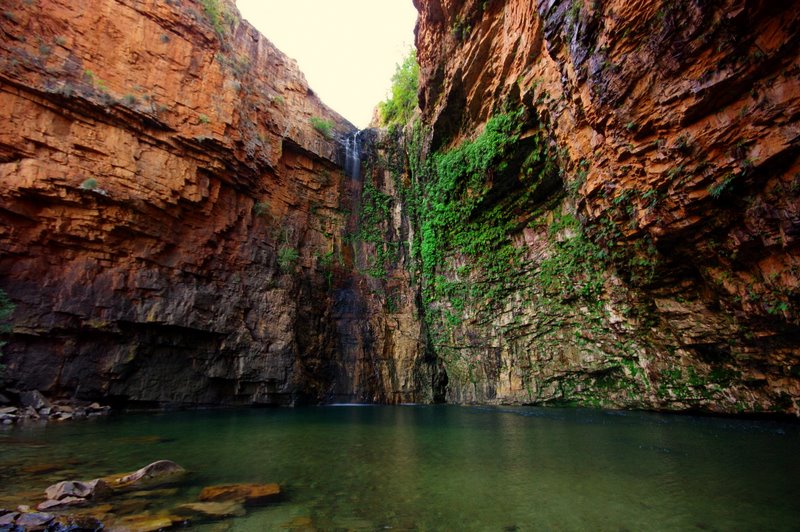
We flew to the Bungle Bungles the previous day and walked into Cathedral gorge. Because of weight restrictions, we couldn’t take painting gear. This spot, close to Kununurra, offered similar rockforms and was only 10 minutes from town.
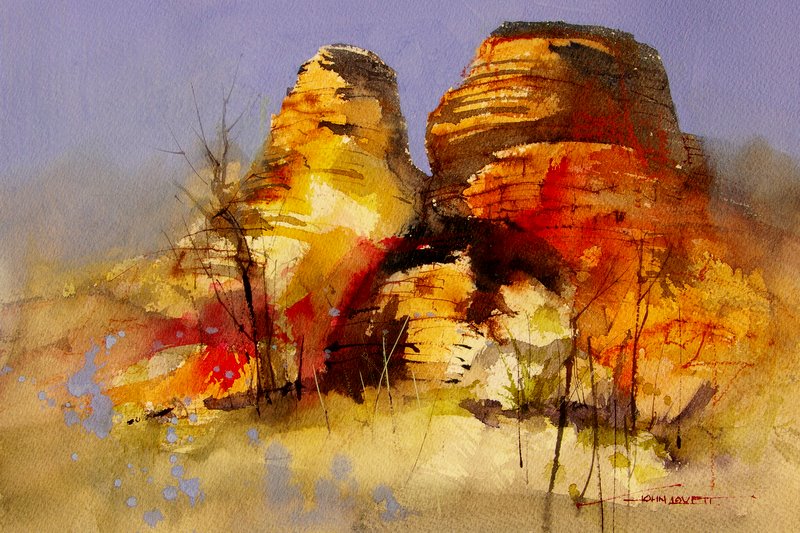
I love the contrast between transparent watercolour and flat, opaque gouache. I also used Burnt Sienna Ink and a sepia pastel pencil on this demonstration.
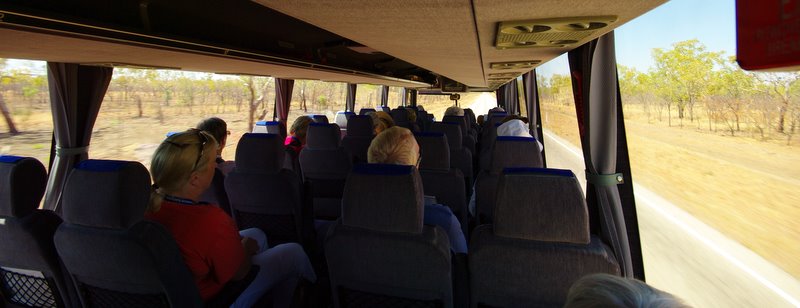
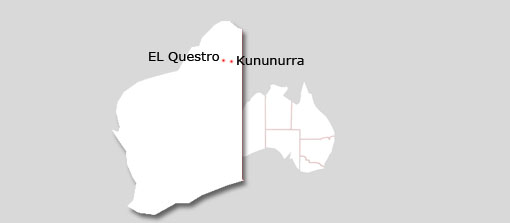
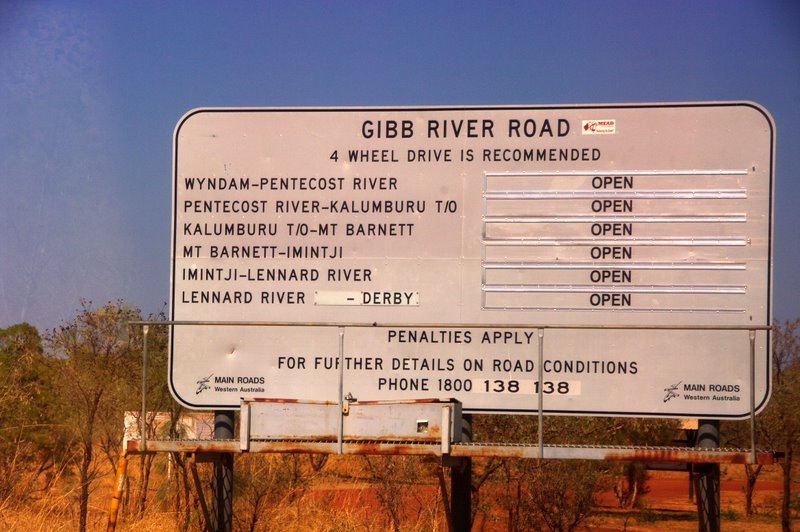
We left Kununurra by coach and headed down the Gibb River Road to El Questro. Being the end of the Dry, all roads were open. During the wet they can all be closed.
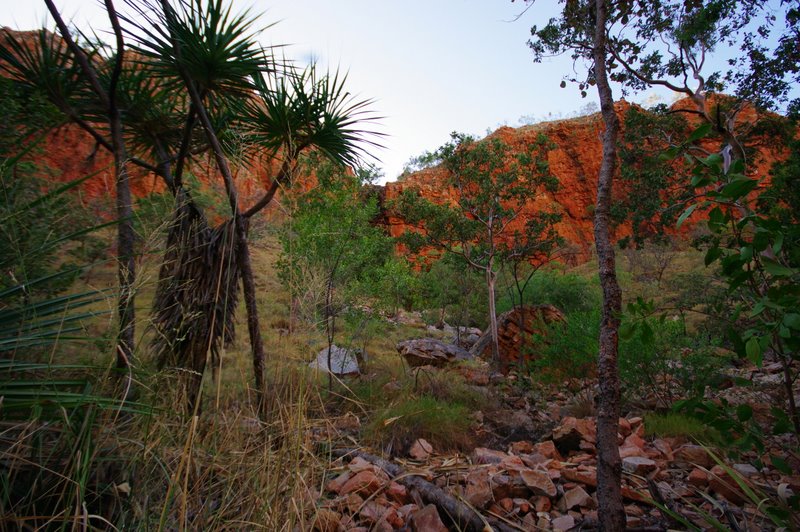
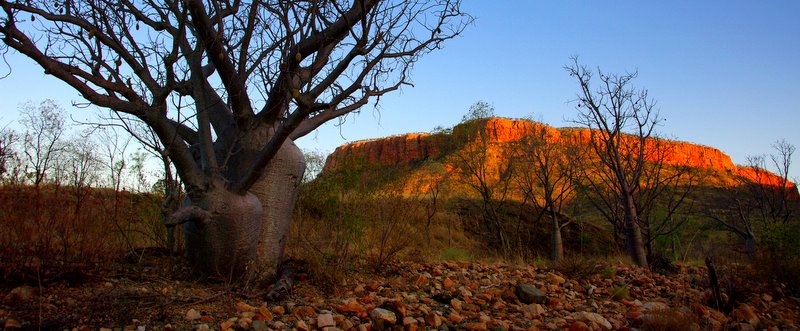
The landscape here is magnificent. The time to see it is just after sunrise and just before sunset. The middle of the day is hot and the light is flat and overhead.
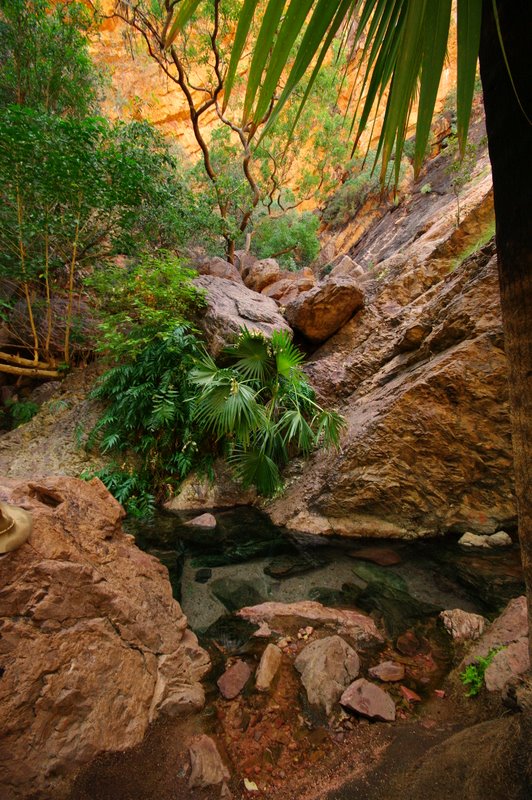
On El Questro Station are Zebedee springs. They are a series of thermal pools, tucked under an escarpment and jammed full of beautiful Livingstonia Palms. We spent a while swimming there, but had to be out by midday. Guests from the Homestead (paying $3,000 a day) are then ushered in to relax without the distraction of folks paying less.
El Questro’s airstrip is a busy place. When we arrived there were a dozen small planes lined up.
Another impressive feature of El Questro is Chamberlain Gorge. We did a boat cruise up the gorge and were amazed at it size.
The Gorge is full of archer fish, Catfish,and Barramundi.
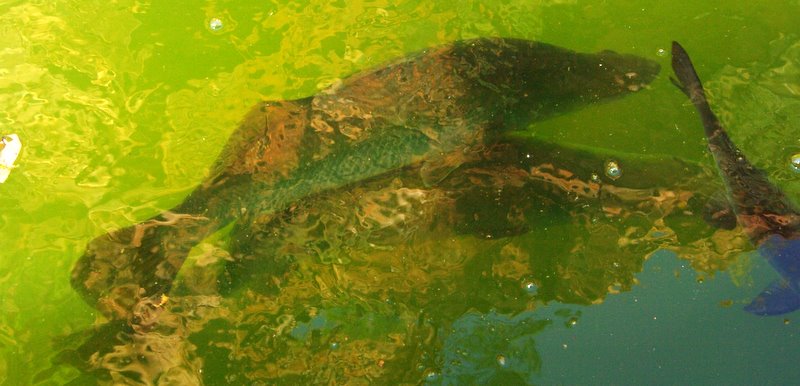
These two Barra were around a metre long.
Archer fish archering. I have never seen it before, except on telly. Thanks to a 12 shots per second frame rate, managed to get a photo of one. They can squirt water a couple of metres with pinpoint accuracy.
Our coach made a couple of unsuccessful attempts to climb the steep dusty track out of Chamberlain Gorge. Finally, with a long run up and no passengers it made it out.
…we were left to walk.
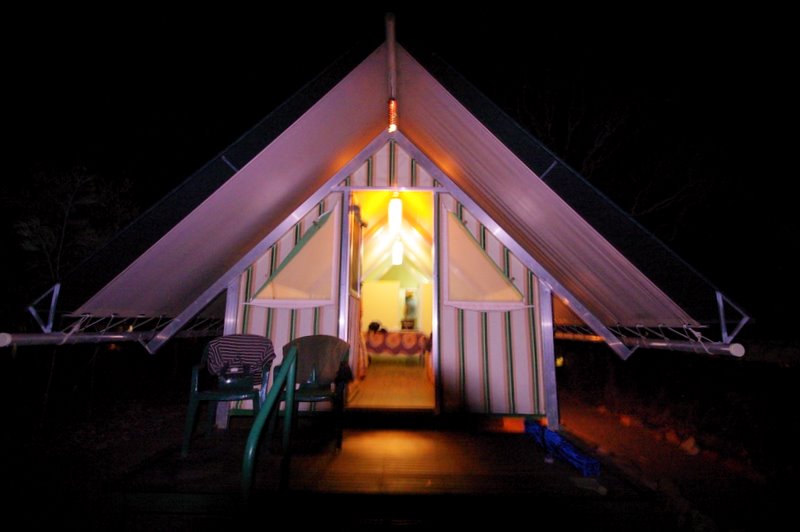
Our accommodation at El Questro were interesting, triple skinned tents with timber floors. Designed for the tropics, but struggling to cope with 40 plus temperatures.
The air-conditioned option is “The Homestead” but at $3000/night, a bit expensive!
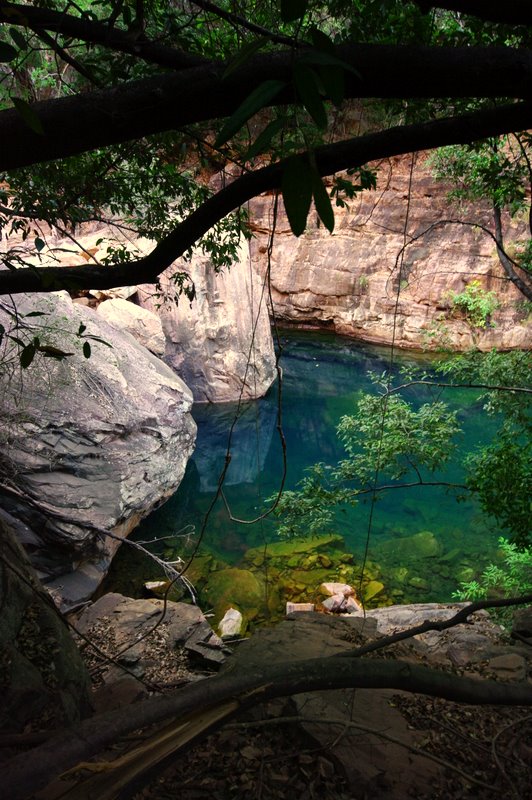
Emma Gorge, where we stayed on El Questro, is a great walk and early morning swim.
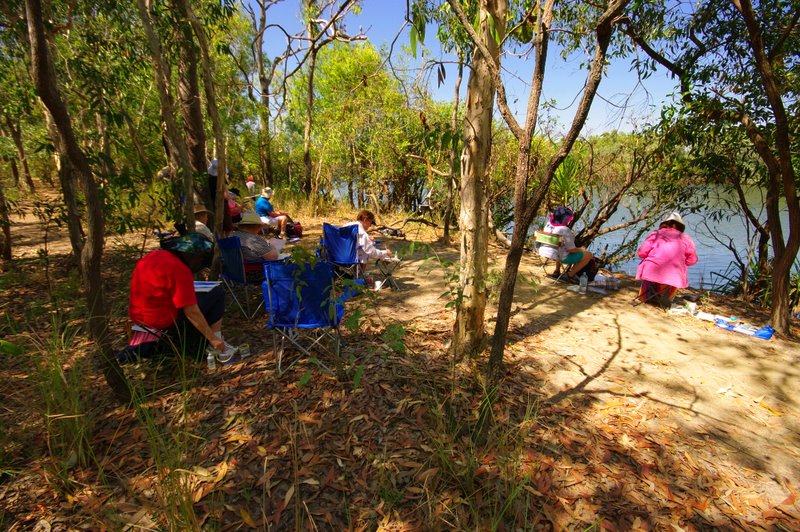
Our last painting day with the workshop was at, or in, the Pentacost river behind El Questro township.
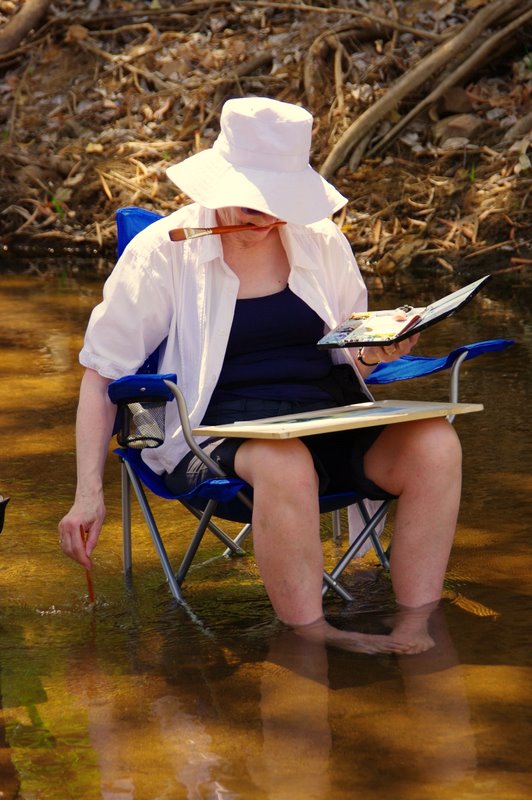
We started out packed into the shade of a large paperbark, but soon spread out into the river.
An endless supply of clean, cool water
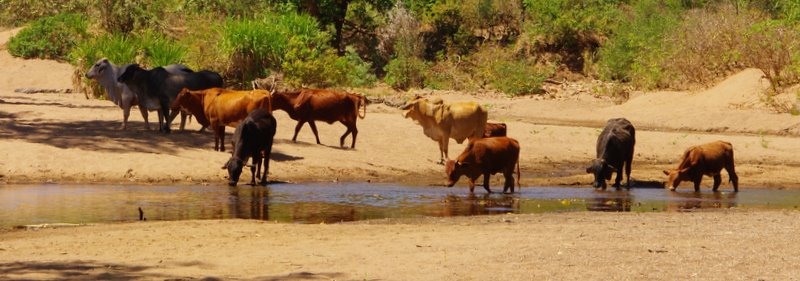
The cattle couldn’t quiet figure out what was going on.
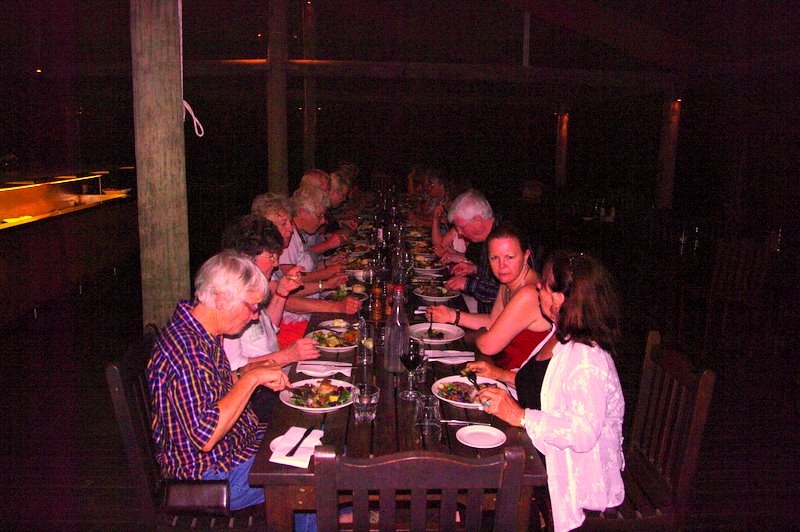
Farewell dinner at the Emma Gorge restaurant with the roof open.

KUNANURRA, EL QUESTRO
map

It was interesting to see the landscape change as we headed west from Katherine.
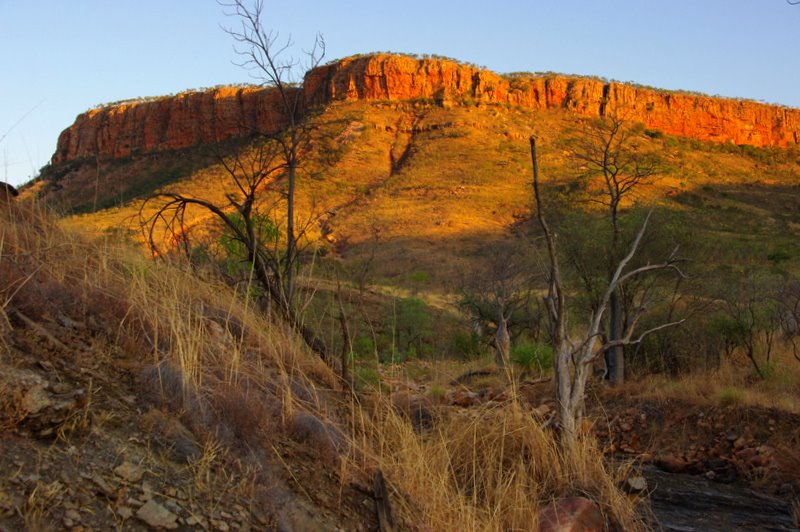
IMGP8213

The sparse savannah of the Northern Territory gave way to dramatic escarpments and weird vegetation as the West Australian boarder approached.
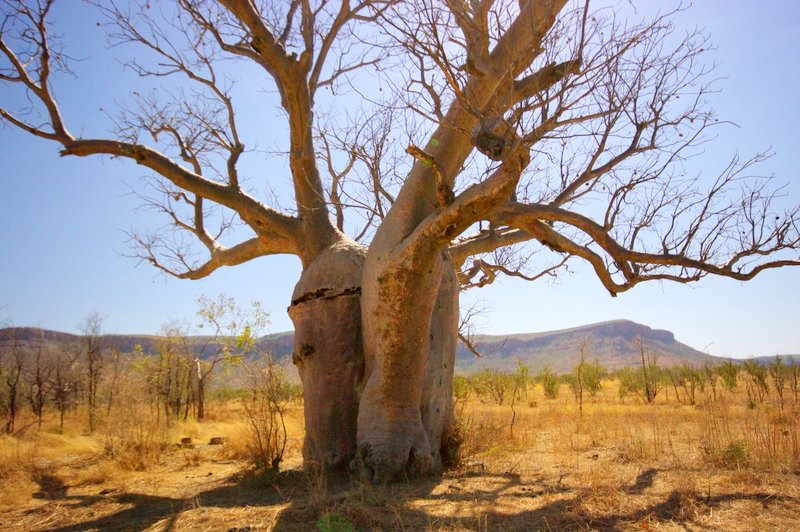
IMGP8320

Boab Trees and Kapoks take over and spear grass is replaced by cane grass

.

IMGP7251.

Roadhouses are few and far between and the cost of diesel climbs as the distance from major centers increases. It appears there have been big changes at Victoria River roadhouse.

.
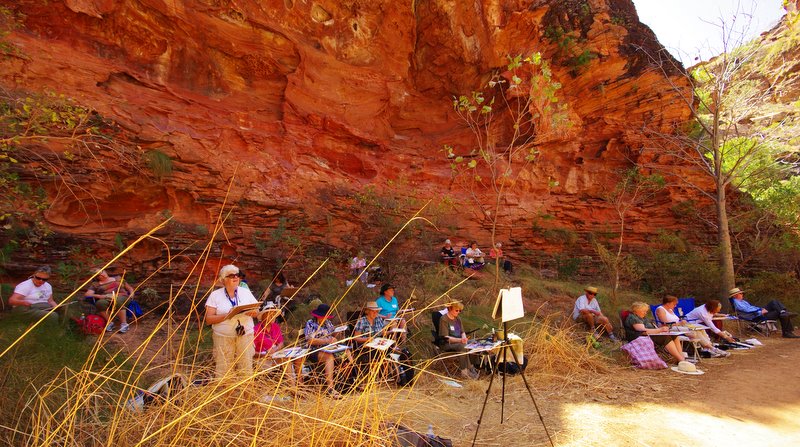
IMGP7870

Temperatures were creeping up into the 40’s so we found a big sandstone overhang, just out of Kununurra and settled down in the shade for a morning painting.
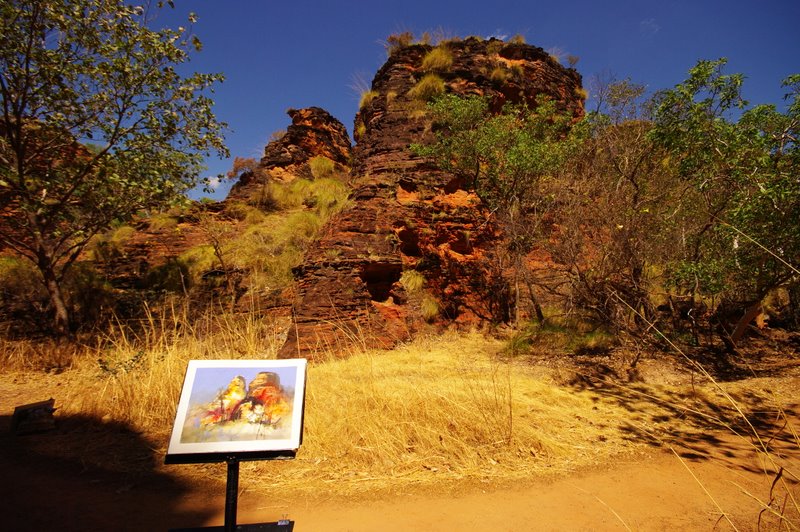
IMGP7878

We flew to the Bungle Bungles the previous day and walked into Cathedral gorge. Because of weight restrictions, we couldn’t take painting gear. This spot, close to Kununurra, offered similar rockforms and was only 10 minutes from town.
IMGP8308

I love the contrast between transparent watercolour and flat, opaque gouache. I also used Burnt Sienna Ink and a sepia pastel pencil on this demonstration.

.
IMGP7899

We left Kununurra by coach and headed down the Gibb River Road to El Questro. Being the end of the Dry, all roads were open. During the wet they can all be closed.

.
IMGP8211

The landscape here is magnificent. The time to see it is just after sunrise and just before sunset. The middle of the day is hot and the light is flat and overhead.

.
IMGP7920

On El Questro Station are the Zebedee springs. They are a series of thermal pools, tucked under an escarpment and jammed full of beautiful Livistona Palms. We spent a while swimming there, but had to be out by midday. Guests from the Homestead (paying $3,000 a day) are then ushered in to relax without the distraction of folks paying less.

.
IMGP7909

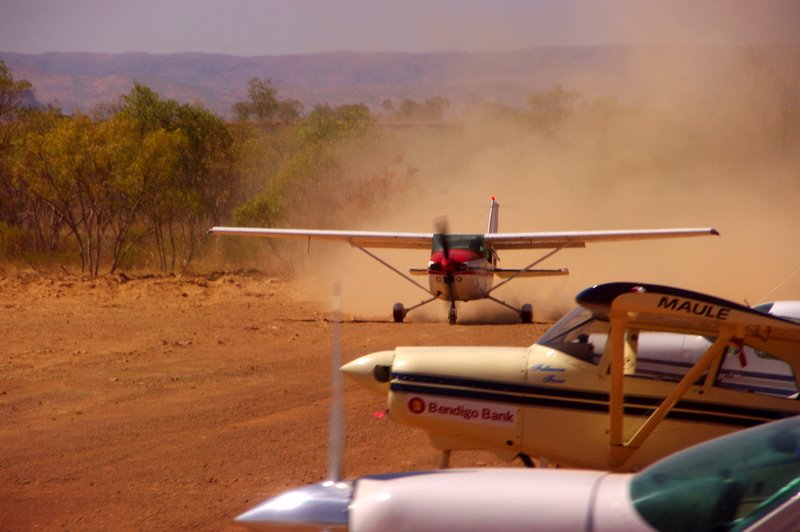
El Questro’s airstrip is a busy place. When we arrived there were a dozen small planes lined up.

.
IMGP7954

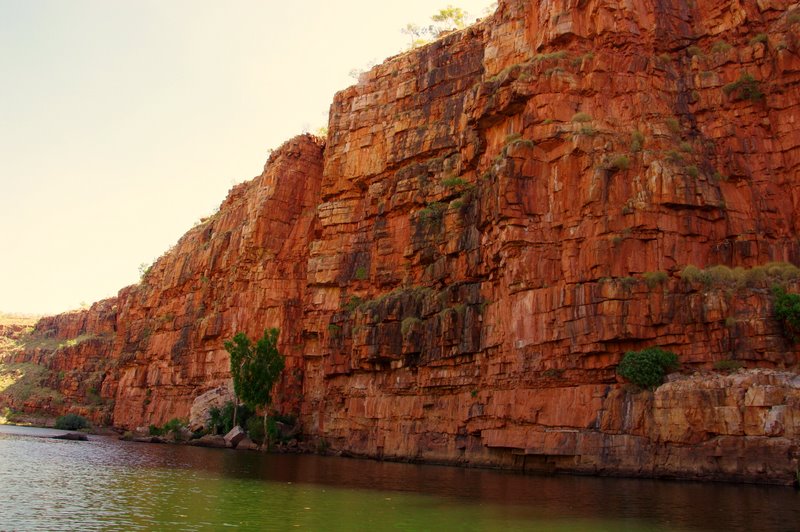
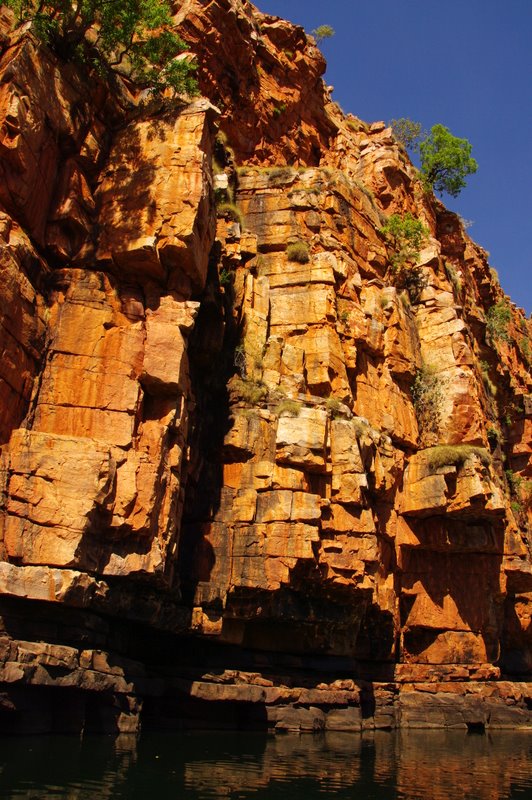
Another impressive feature of El Questro is Chamberlain Gorge. We did a boat cruise up the gorge and were amazed at it size.
IMGP7963

IMGP7935

The Gorge is full of archer fish, Catfish,and Barramundi.
IMGP8155

These two Barra were around a metre long.
IMGP8123

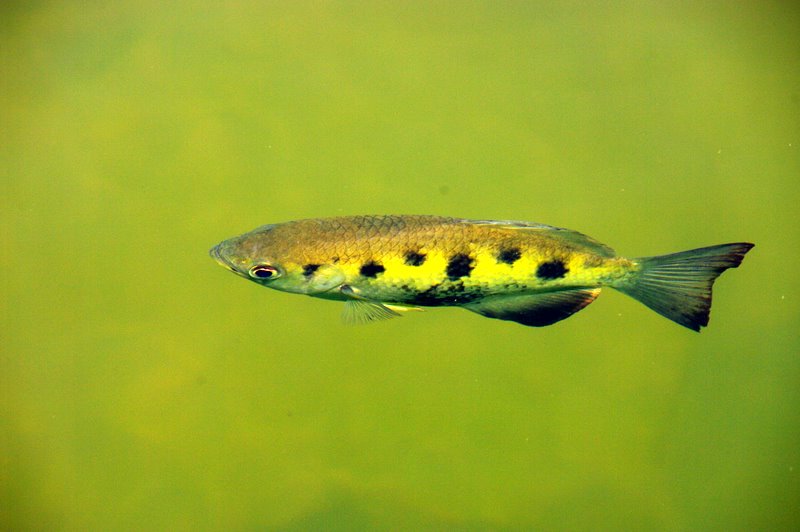
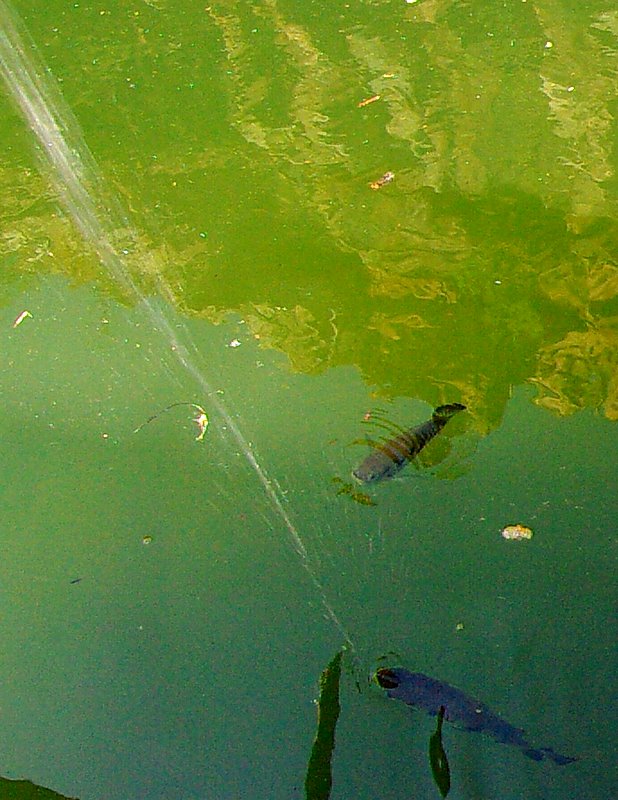
Archer fish archering.

I have never seen it before, except on telly. Thanks to a 12 shots per second frame rate, I managed to get a photo of one. They can squirt water a couple of metres with pinpoint accuracy.

.
IMGP8170

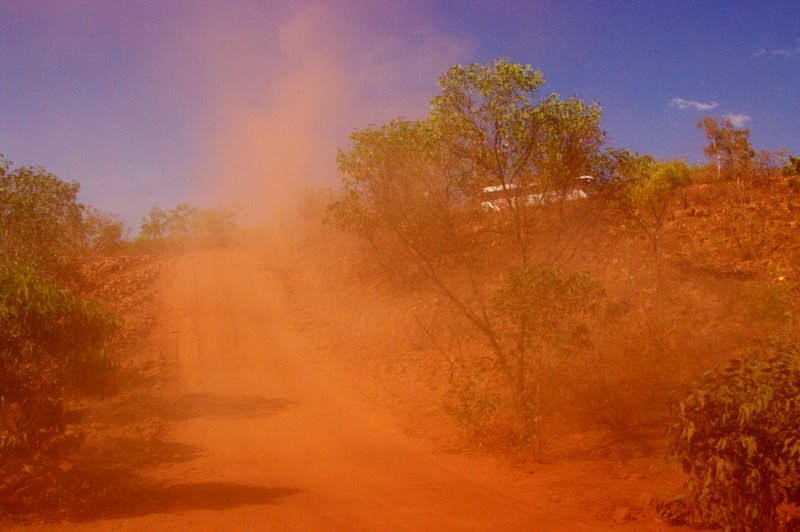
Our coach made a couple of unsuccessful attempts to climb the steep dusty track out of Chamberlain Gorge. Finally, with a long run up and no passengers, it made it out.
IMGP8171

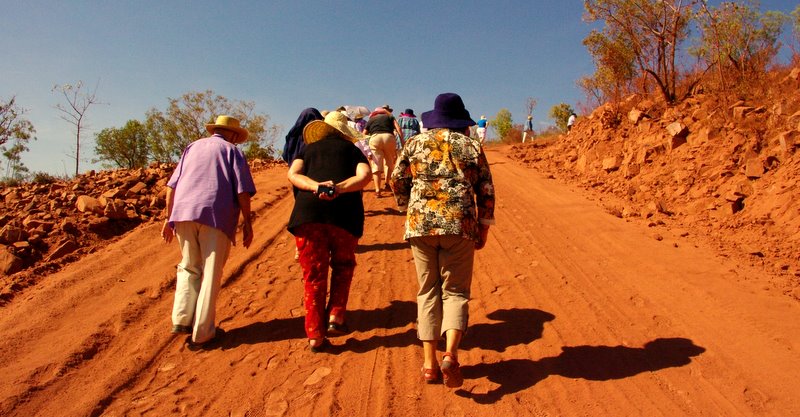
…we were left to walk.

.

IMGP8315

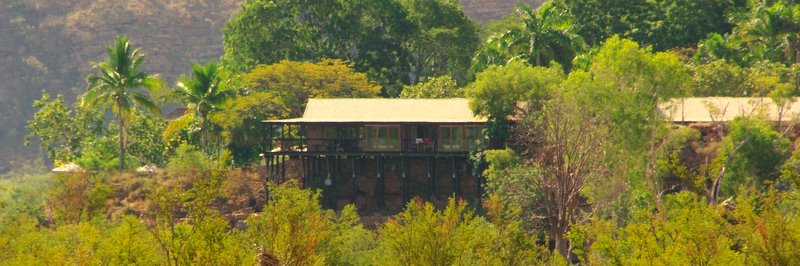
Our accommodation at El Questro were interesting, triple skinned tents with timber floors. Designed for the tropics, but struggling to cope with 40 plus temperatures.
IMGP8176

The air-conditioned option is “The Homestead” but at $3000/night, a bit expensive!

.

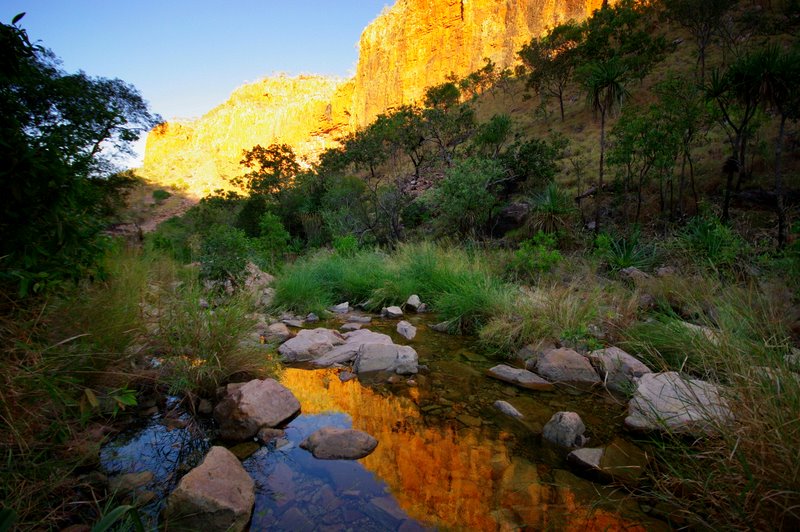
Emma Gorge is where we stayed on El Questro. It is a great walk and early morning swim.
IMGP8414

IMGP8416

IMGP8420

IMGP8430

IMGP8433

.

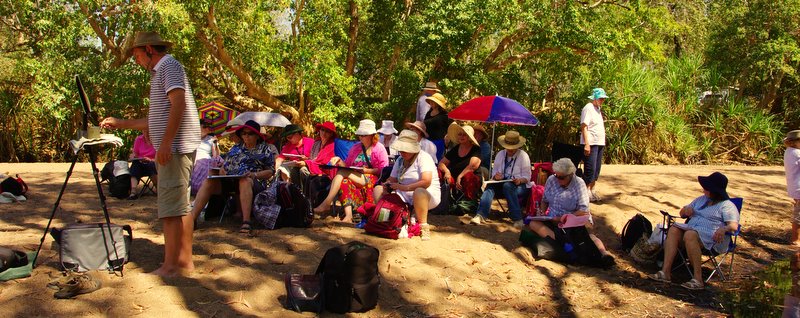
Our last painting day with the workshop was at, or in, the Pentacost river behind El Questro township.
IMGP8336

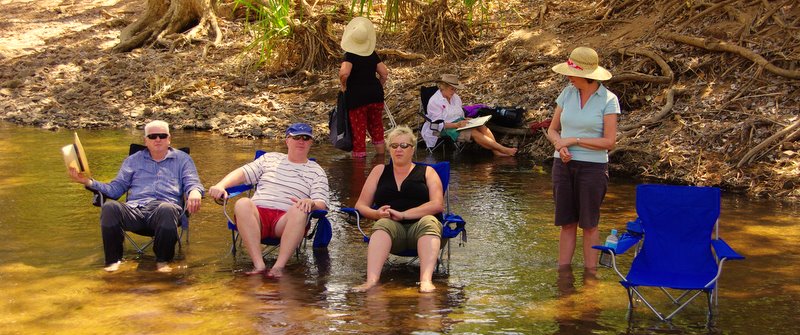
We started out packed into the shadow of a large paperbark, but soon spread out into the river.
IMGP8348

IMGP8354

An endless supply of clean, cool water
IMGP8347

The cattle couldn’t quiet figure out what was going on.

.
IMGP8394

Farewell dinner at the Emma Gorge restaurant with the roof open.

OUTBACK WORKSHOP 2

NITMILUK – KATHERINE GORGE

kathgorge

Nitmiluk National Park features a massive gorge carved through layers of sandstone by the Katherine River

IMGP7153

You can hire a canoe or take a boat cruise up the gorge. We had a guide with a good knowledge of the local geology, vegetation and cultural history, which gave us a better appreciation of the gorge.

IMGP7178

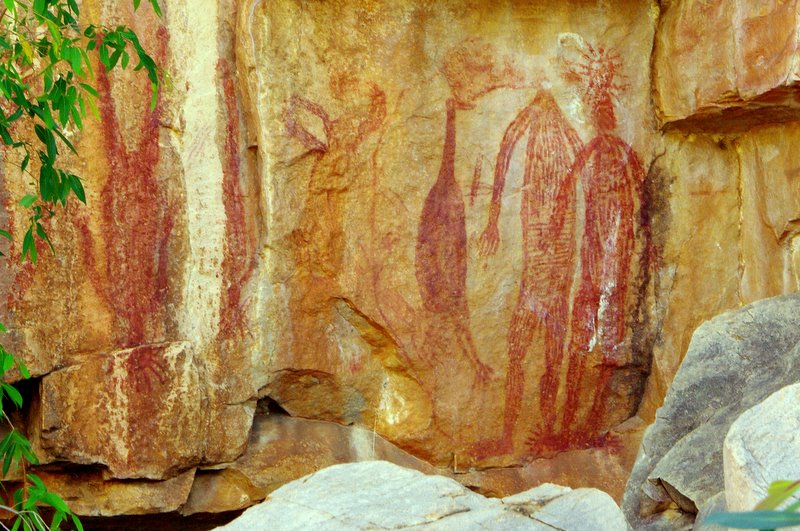
Ancient rock art is scattered throughout the gorge

IMGP7109

Dry season exposes sandy beaches and great swimming holes, once the saltwater crocs have been removed

IMGP7215

This little guy watched on, amused, as we painted on the banks of the river.

IMGP8305

Nitmiluk demonstration watercolor

OUTBACK WORKSHOP 1

DARWIN, KAKADU, KATHERINE

IMG_4703

We arrived back in Darwin, put our vehicle into storage and met Amanda and Gordon, our tour guides, at the Mindil Beach Markets. After wandering  around and watching the sun set into the ocean, we all headed back into the city for dinner.

IMGP6447

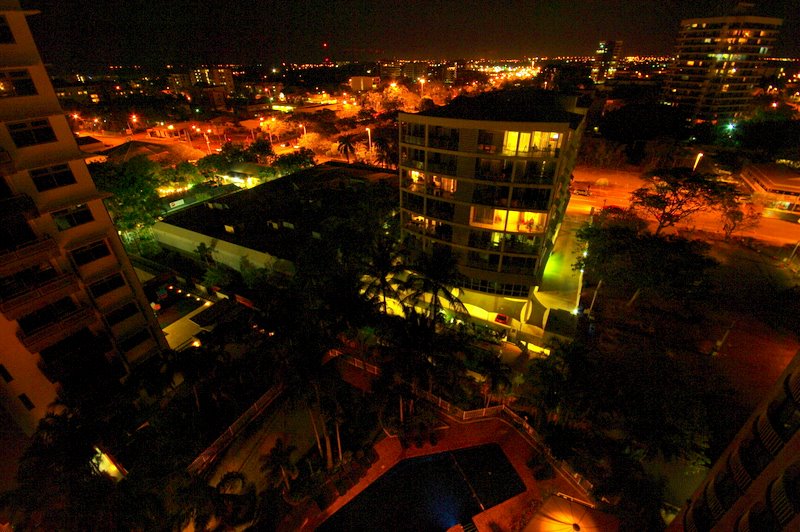
Monday, the 26 people that form our group got to know each other over drinks on the balmy veranda of the Holiday Inn.

IMGP6459

Tuesday, our first painting day,  we headed down to Government House , spread ourselves out on the rolling lawns opposite, and filled in the morning painting under the shade of a banyan tree.

IMGP6460

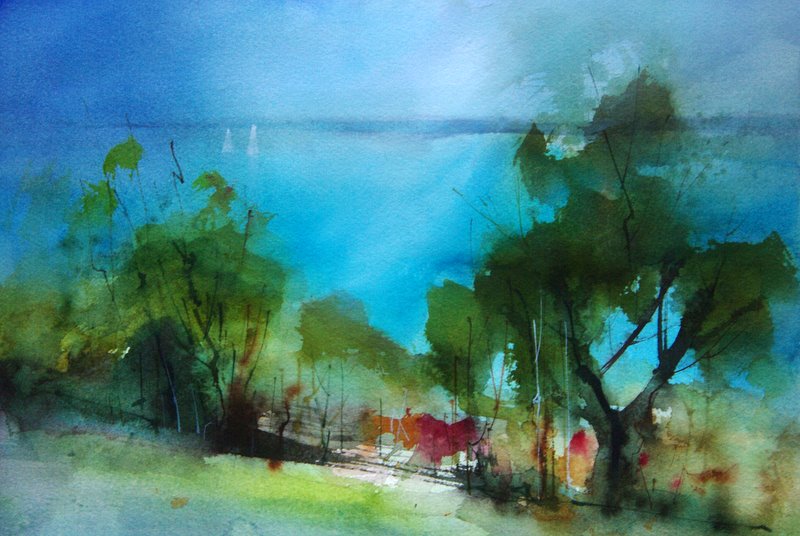
The afternoon was hot, so we found a shady spot opposite our hotel and painted the fringe of vegetation between us and the Arafura Sea

IMGP6480

Off to Kakadu and three days at Cooinda Lodge, Our coach driver had a tremendous knowledge of the aboriginal people of the area, having lived and worked with them over the years, He took us around Nourlangie and filled us in on many of the aboriginal customs and beliefs.

IMGP6510

Nourlangie

IMGP6539

Whistling Ducks – Yellow Waters. Except for the fact that these guys are walking around, they are the most artificial looking animal I have ever seen. They don’t  like getting wet either, happy just to stand beside the water.
IMGP6551

We watched this Croc cruise past our boat accompanied by a large Barramundi with a death wish.

IMGP6588

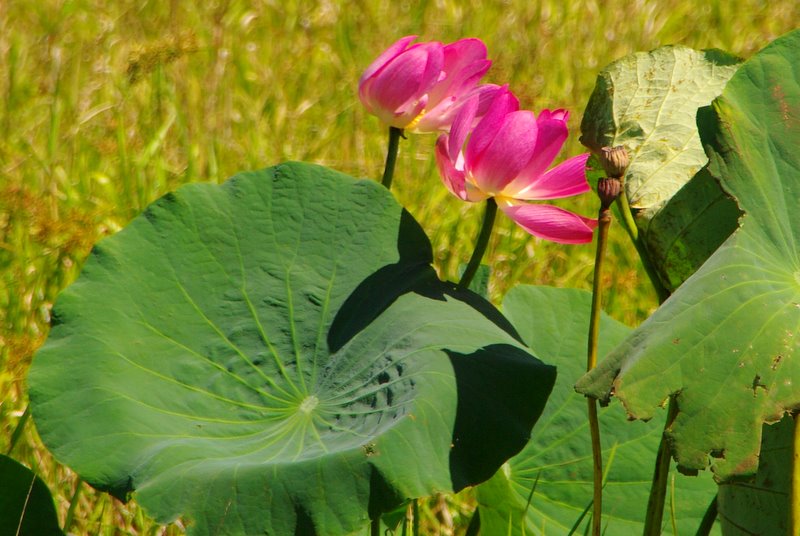
Red Lillys – It may not look like it, but every bit is edible!

IMGP6597

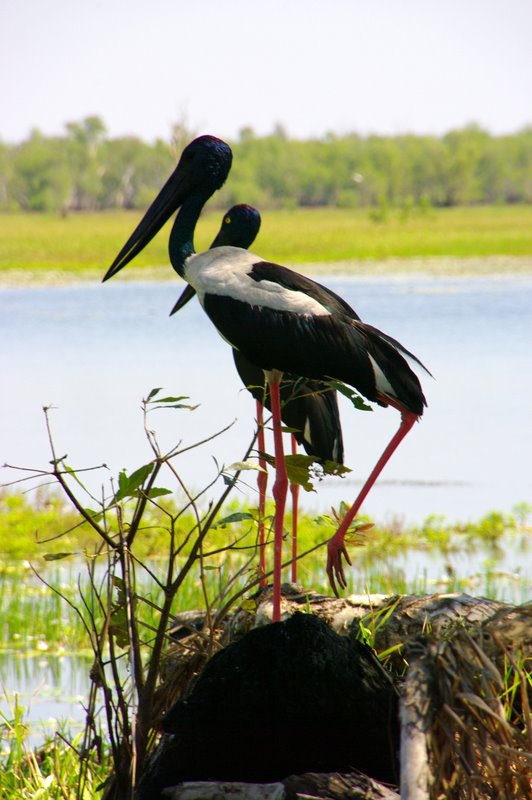
Pair of Jabiru (Male with dark eye)

IMGP6505

Cruising Black Cockatoo – they fly slowly in formation like a flock of B52’s on a mission.
IMGP6618

Wetland Waterlilies

IMGP6893

In the afternoon heat, an old Akubra in front of our lodge was a more comfortable option for a painting subject. Just so things didn’t become too comfortable, we limited ourselves to just two colours.

IMGP6622

Home Billabong at Cooinda Lodge was dotted with shady clearings looking across the water – great places to paint.

IMGP6894

Home Billabong – Cooinda

IMGP6757

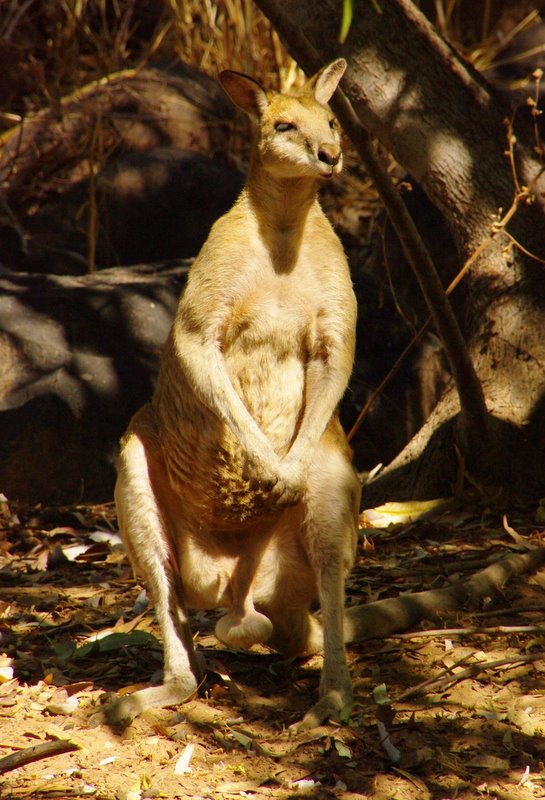
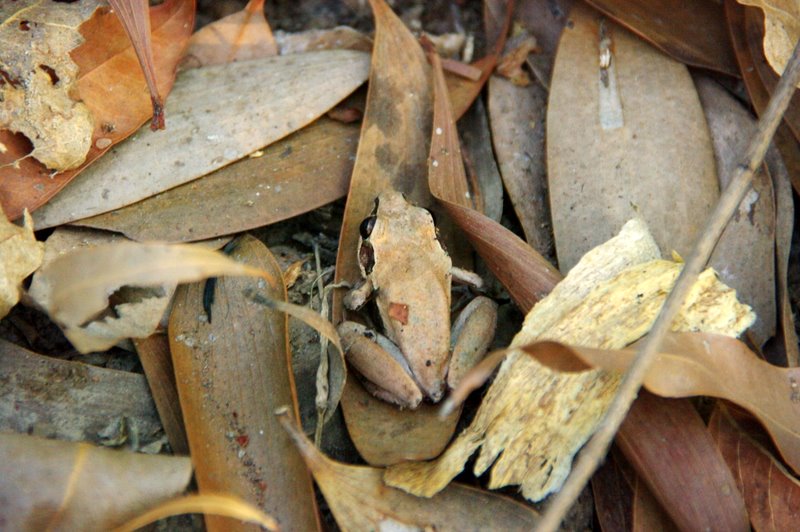
If this little fellow hadn’t hopped, we would never have seen him

IMGP6733

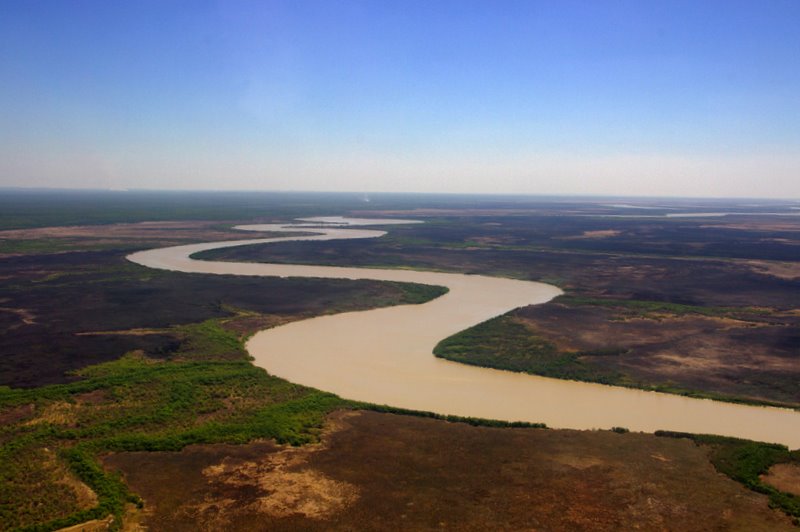
South Alligator River, meandering across the wetlands

IMGP6680

Arnhemland Escarpment

IMGP6703

Ranger Uranium Mine

IMGP6890

South to Katherine

IMGP6883

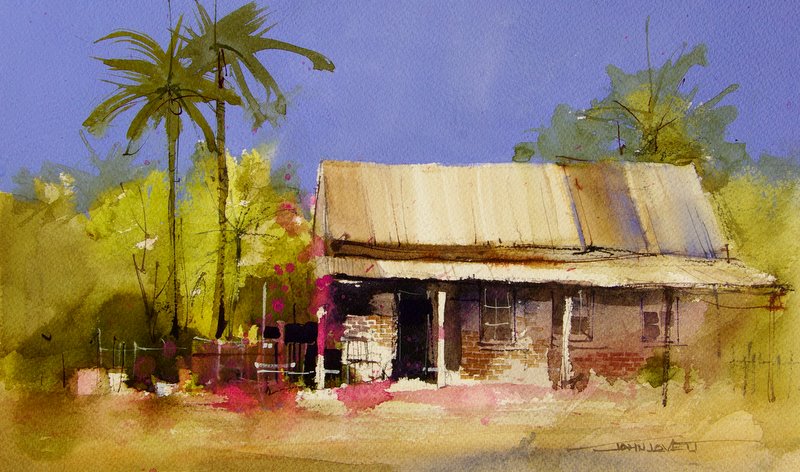
Gold rush architecture, Pine Creek NT

IMGP6896

Another shady Banyan tree, this time in Katherine

IMGP8312

Some transparent watercolor washes and a lot of pale Ultramarine Gouache made this demo a lot of fun.

IMGP8312-1

Splashes of Alizarin, ink marks, charcoal pencil lines and fine rigger strokes suggest a lot of complicated detail without being too descriptive.

UMBRAWARRA GORGE

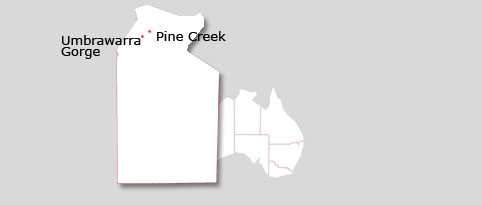
umbra map

This morning I was up before sunrise to explore the escarpment behind our camp at Umbrawarra Gorge. From the top of the escarpment the view was fantastic as the sun came up.  The country between the escarpment and the gorge is an undulating stretch of spinifex and spear grass, punctuated by amazing outcrops of weathered stone.

IMGP5249

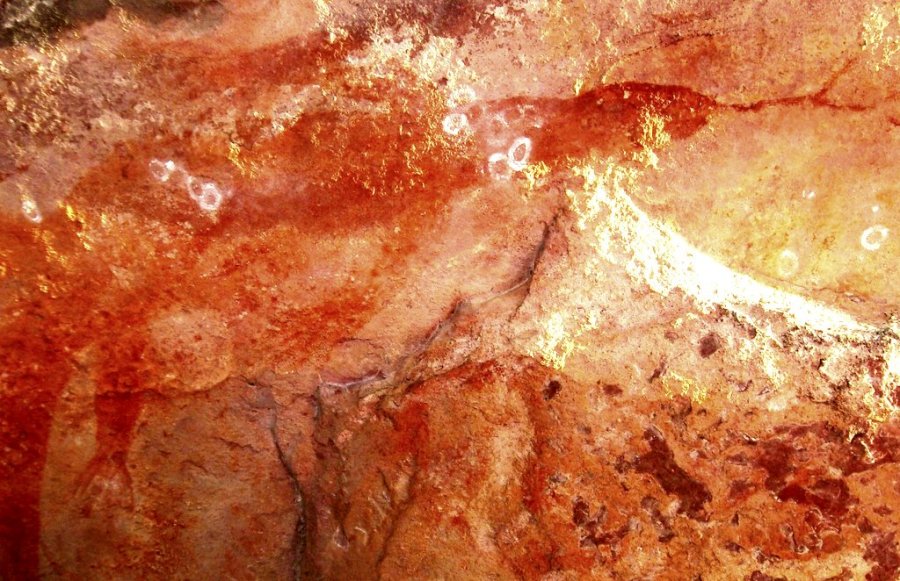
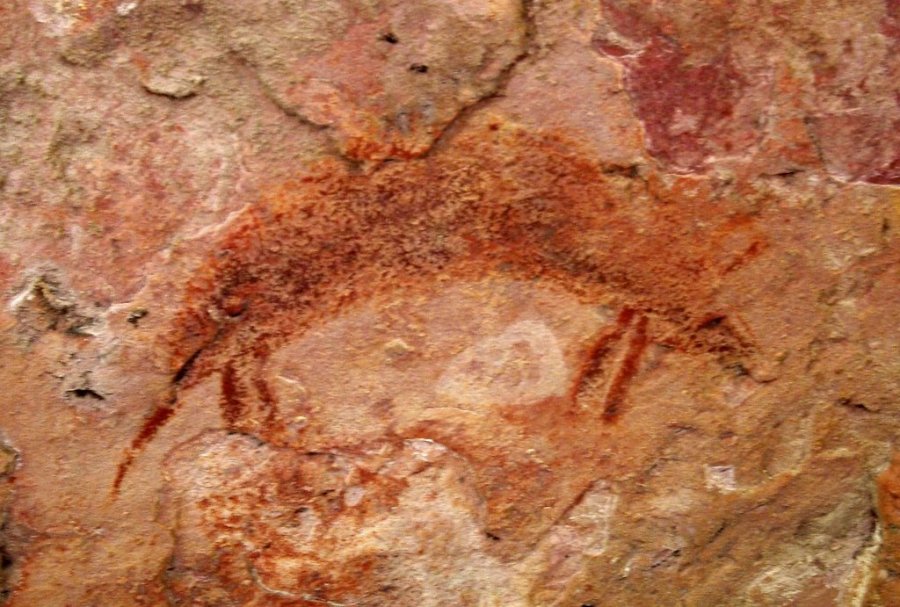
These outcrops vary in size and complexity. Some have large overhangs and cavities and many contain aboriginal paintings, grinding surfaces and flint chippings.

IMGP5240

IMGP5235

IMGP5236

These outcrops make great photographic subjects in the early morning light. The blue sky and sea of yellow spinifex provide a great colour arrangement.

IMGP5262

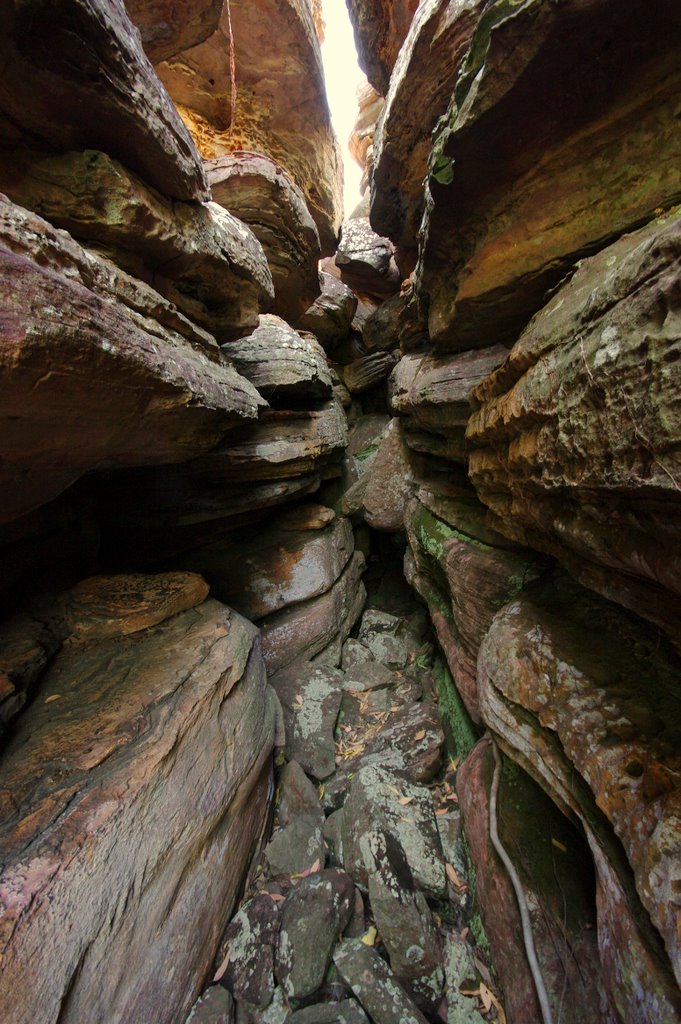
Crossing the area of grassland behind the escarpment eventually brings you to the Umbrawarra Gorge. I found more rock paintings along the top of the gorge, also some interesting caves and crevasses.

IMGP5264

IMGP5217

There are permanent waterholes at the bottom of the gorge, some with sandy beaches and full of small fish. The water is bloody freezing when you first dive in but after a while numbness sets in and it feels pretty good.

IMGP5135

IMGP5128

IMGP5251

Many of the rocks along the escarpment and through the gorge have a rippled surface similar to the texture of sand after the tide has gone out. I guess it means this whole area was once under water, or just that it’s covered in ripply rocks.

Dianne and I walked up the gorge and found some weird little red flowers covered with a sticky fluid to trap insects.

IMGP5174

These flowers looked like a type of soft cactus. They grew in clusters near the water and were about 20cm in diameter.

We also found some tiny yellow orchids, about the size of your little fingernail. They grew in shady pockets along the floor of the gorge

IMGP5165

Exploring the gorge and the surrounding country is a fantastic experience. The fascinating geography and interesting aboriginal art sites make you want to just keep on walking and exploring.

RAPIDS, RAINFORESTS AND RUBBER BOATS

Tully River

Tully River

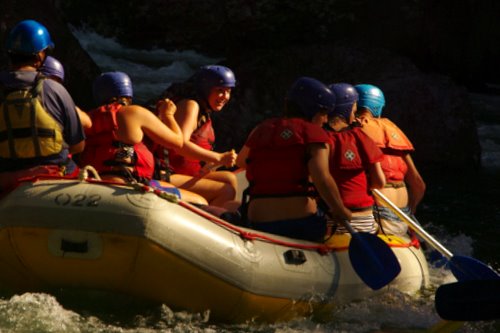
Fifty kilometres inland from Tully are the headwarters of the Tully river. A huge rainfall and a dam feeding a power station ensure a constant flow of water down a long series of rapids – the perfect setting for white water rafting.

The craze was started in the 70’s by a guy taking a few interested adventurers up to the head of the river in an old station wagon.

Tully Gorge Rafting

Tully Gorge Rafting

We drove up to the top of the gorge around 10:00am and saw 4 huge coaches unload a couple of hundred backpackers dressed in life jackets and helmets. The business sure has grown.

Down the Rapids

Down the Rapids

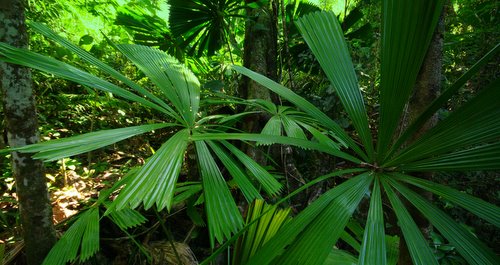
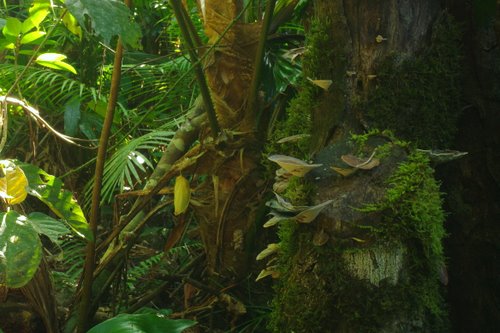
Tully Gorge has some fantastic rainforest. We saw a lot of Ullysis butterflies but were never quick enough to photograph one, so I will paint a word picture for you – They were very blue.

Rainforest Tully Gorge

Rainforest Tully Gorge

Rainforest Undergrowth

Rainforest Undergrowth