CAPE HILLSBOROUGH

beach

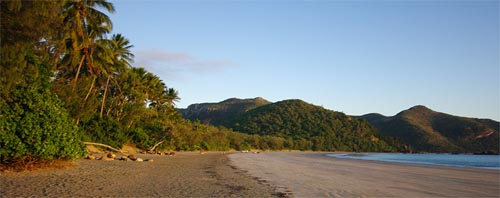
Cape Hillsborough is a small National Park at the southern end of the Whitsunday Islands. The main “resort” has camping,  cabins and a caravan park. It is right on the beach and has some great walks.

Smalleys Beach is also part of the national park and has more pleasant, bush camping with fewer facilities and few people.

beach rocks

Weird rocks on Cape Hillsborough Beach

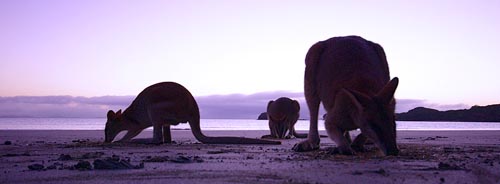
beach roos

Weird animals on Cape Hillsborough Beach

cane harvester

This time of year in North Queensland is cane harvest time. These huge trailers haul the cut cane by road to the nearest rail siding. There it’s dumped into bins and pulled by train to the closest sugar mill. It seems, along all the back roads, you are either stuck behind a huge tractor or waiting for a half  kilometre cane train to cross the road. Fortunately, the sugar that doesn’t find it’s way into little paper sachets for coffee shops, finds it’s way to Bundaburg to be turned into rum.

CARMILA BEACH

Carmila beach has a long stretch of unspoiled bush accessed by maze of sandy tracks. There is no surf due to the reef, but good fishing according to people lucky enough to catch them

Carmila Beach

Sand Ripples Carmila Beach Queensland

The tidal drop of around 6 metres, across a fairly flat beach, leaves some interesting patterns as the water runs out.

sunrise Carmila Beach Queensland

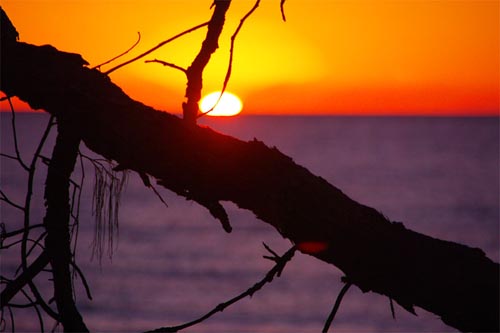
Sunrise through sheoaks. Recent big seas had washed many large sheoaks into the water. We made a fire with the dry wood and were surprised to find it burned very well.

YEPPOON

One of the most interesting collection of small boats and old, ricketty jettys are hidden under  the mangroves of Ross Creek, Yeppoon. The last time we visited Yeppoon was 12 years ago and I expected to see all the old jetties replaced with a modern marina. Amazingly, a protection order over a colony of flying foxes, roosting in the mangroves, has saved this fantastic piece of marine history (at least until the bats move on).

Yepoon low tide

Low Tide reflections Ross Creek, Yeppoon

Yeppoon jetty

Old Turpentine log jetty – Yeppoon

I conducted a two day workshop for a group of  a dozen keen watercolour painters in Yepoon. We painted frantically, finishing two paintings per day plus exercises and demonstration paintings. Morning tea and lunch were provided by the ladies attending the workshop. Huge plates of sandwitches, pasteries, cakes and biscuits – folks eat well in Yeppoon!

Yeppoon workshop

Yeppoon watercolour Workshop

FIRST DAY – Coolum Beach

Crawelled our way up the coast with peak hour hordes streaming out of Brisbane. Arrived in Coolum just on dark, so decided a meal and beer in the surf club would be a good idea.

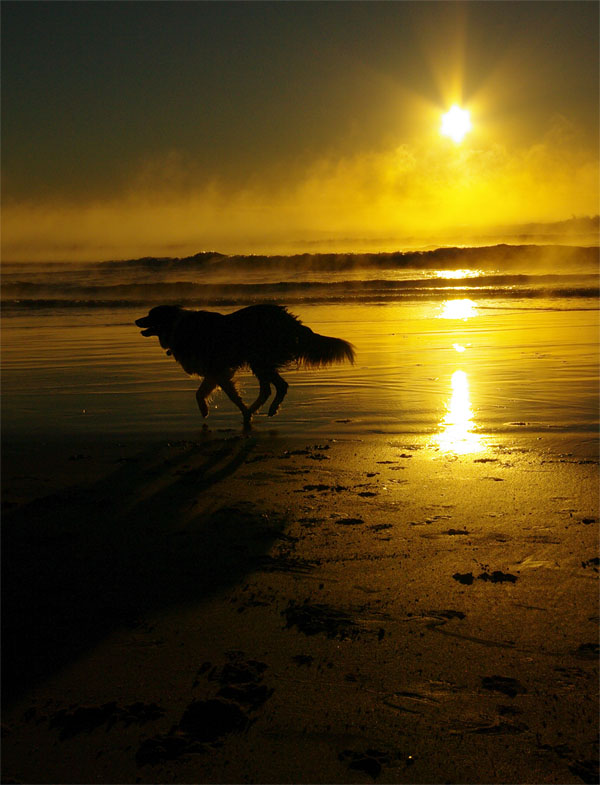
Dog at sunrise

Got up early to take some photos on the beach. There were lots of dogs and humans playing with tennis balls and sticks.

Two Legged Dog

Even a strange two legged spaniel

We left Coolum and headed away from the coast.  Taking the back roads on the western side of the mountains to avoid the traffic. All was well until we set up camp and the temperature dropped to around minus seven degrees.

We did, however, find where the wheel was invented. Not in ancient Greece or Rome, but in a paddock out the back of Gayndah, Queensland

Wooden Wheel

I think the tyre was a later refinement.

PAINTING MATERIAL

Five months traveling and three workshops, without the opportunity to restock, means a fair amount of paint, brushes and paper must be carried. I like to get as much done as possible in the workshops, so we usually complete 2-3 small paintings each day. At that pace the workshops alone will use up around 40 quarter sheets. Fortunately I only use a few colors (Indian Yellow/ Quinacridone Gold, Permanent Alizarin Crimson, Burnt Sienna, French Ultramarine Blue and Phthalo Blue) Half a dozen tubes of each of these plus a handful of other less used colors, Ink, Gesso, Gouache, a pile of brushes and pencils and things soon start to look like a mobile art supply store.

painting materials

Watercolors, Gouache, Acrylics, Gesso, Ink, Lightweight Easel, Folding Palette, Pastel Pencils, Black and White Charcoal Pencils, Derwent Inktense Pencils, One stroke Brushes, Liner Brushes, Hake Brushes, Old Bristle Brushes, Water Container and Towel
arches paper

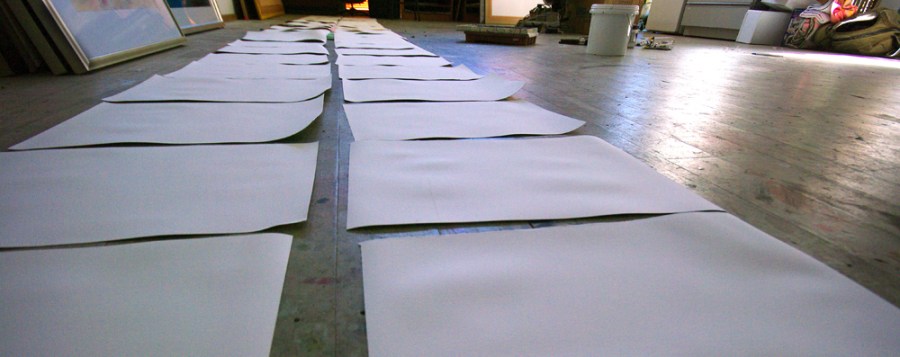
Fifty sheets of Arches 300gsm cold pressed paper – cut, soaked, flattened and drying on the studio floor.

Paper stored for traveling

Transporting watercolor paper over corrugated dirt roads can have disastrous results. Constant vibrations wear through the top surface of the sheets making them useless. Clamping the paper between two sheets of core board stops them moving against one another.

Finished paintings are clamped in the same way to keep them from damage.

WORKSHOP MATERIALS LIST

For people attending workshops, here is a list of materials I use most of the time and the brands I prefer.

PAINT

  • *Ultramarine Blue (Art Spectrum )
  • *Phthalo Blue ( Art Spectrum )
  • *Alizarin Crimson (W & N or Rowney)
  • Burnt Sienna (Rowney or Art Spectrum )
  • *Indian Yellow ( Rowney is the only real transparent one capable of mixing rich darks)       or
  • *Quinacridone Gold (Windsor & Newton) This is more permanent than Indian Yellow but a little less intense
  • *White Gouache
  • Small container of Gesso

Used less frequently : Cobalt Blue, Indigo, Rose Madder

*These are the most important colours.

INK

  • Burnt Siena pigmant ink (Art Spectrum)
  • Plain dip in pen and nib

BRUSHES

  • 1 inch flat Taklon (One Stroke)
  • 1/4 inch flat Taklon (One Stroke)
  • #2 Taklon liner

Neef are a good brand of taklon brush

  • An old 1/2” bristle house painting brush is also a handy thing to have.
  • 2” or 3” Hake brush or wide soft goat hair brush

OLD TOWEL

Handy for adjusting the amount of water in your brush.

PALETTE

The best palette is one with a fair amount of room for mixing and a slopingside on the paint wells. This allows dirty paint to run to the bottom of thewell keeping the fresh paint reasonably clean. For traveling, a small folding palette is best

PASTELS

A mixture of hard and soft pastels, Schwan Stabillo, or conte, pastel pencils and charcoal pencils.

WATER SPRAY BOTTLE

PAPER

I prefer Arches paper, but also like Saunders rough and Cottman (a cheap, heavily sized paper) for quick water colour sketches and demos

ROLLING STUDIO

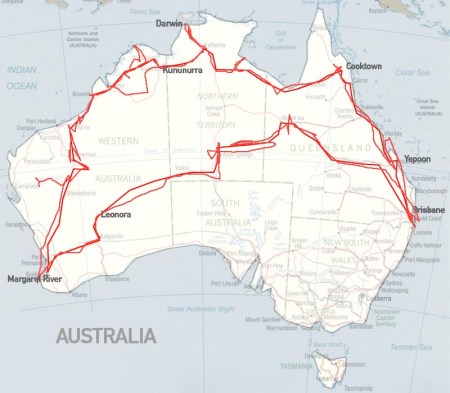
After months of research and a lot of planning, we are about to head off on a five month painting trip. We will travel north, stopping to conduct a workshop in Yepoon before making our way up the coast to Cooktown. Our rate of travel will depend on what we discover along the way. The only commitments are a two week workshop starting in Darwin and ending in Kununurra and another workshop in Margaret River in October.

The carefully drawn red texta line on this map shows roughly the route we plan to take.

map

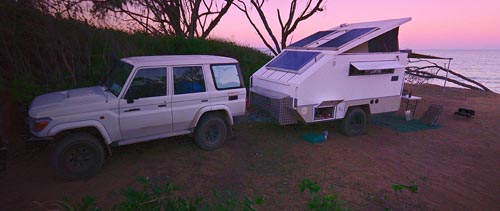
For most of this trip we will be towing a small, lightweight off road caravan. Solar powered and capable of carrying 250 litres of water – we can venture independently into remote areas for up to two weeks at a time. Carrying 220 litres of diesel gives us a range of over 1200kms before we need to refuel.

Rolling Studio

During the workshops we will take advantage of the luxury of Hotel accommodation. Occasionally we will leave the van to head into less accessible areas, relying on swags, a box of food supplies and cooking utensils, and a 12 volt fridge.

Landcruiser and caravan NT