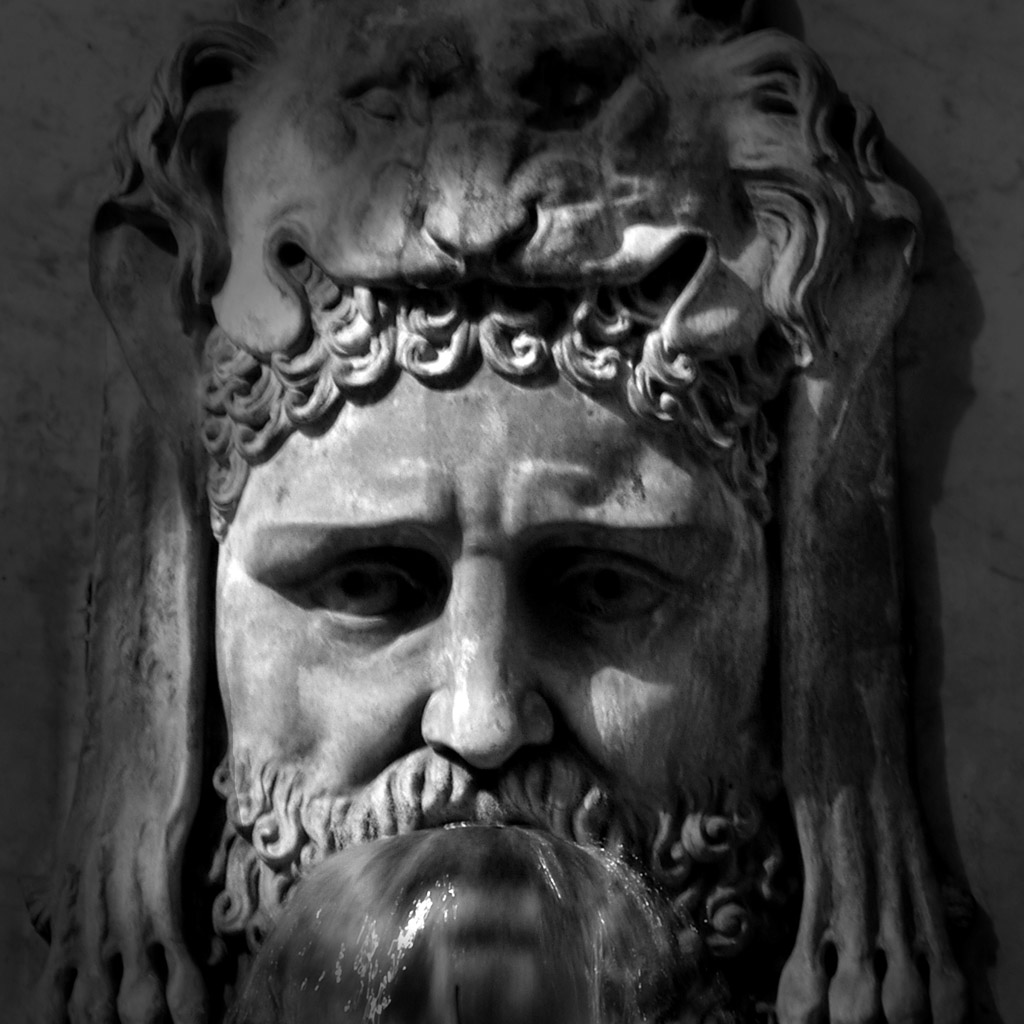
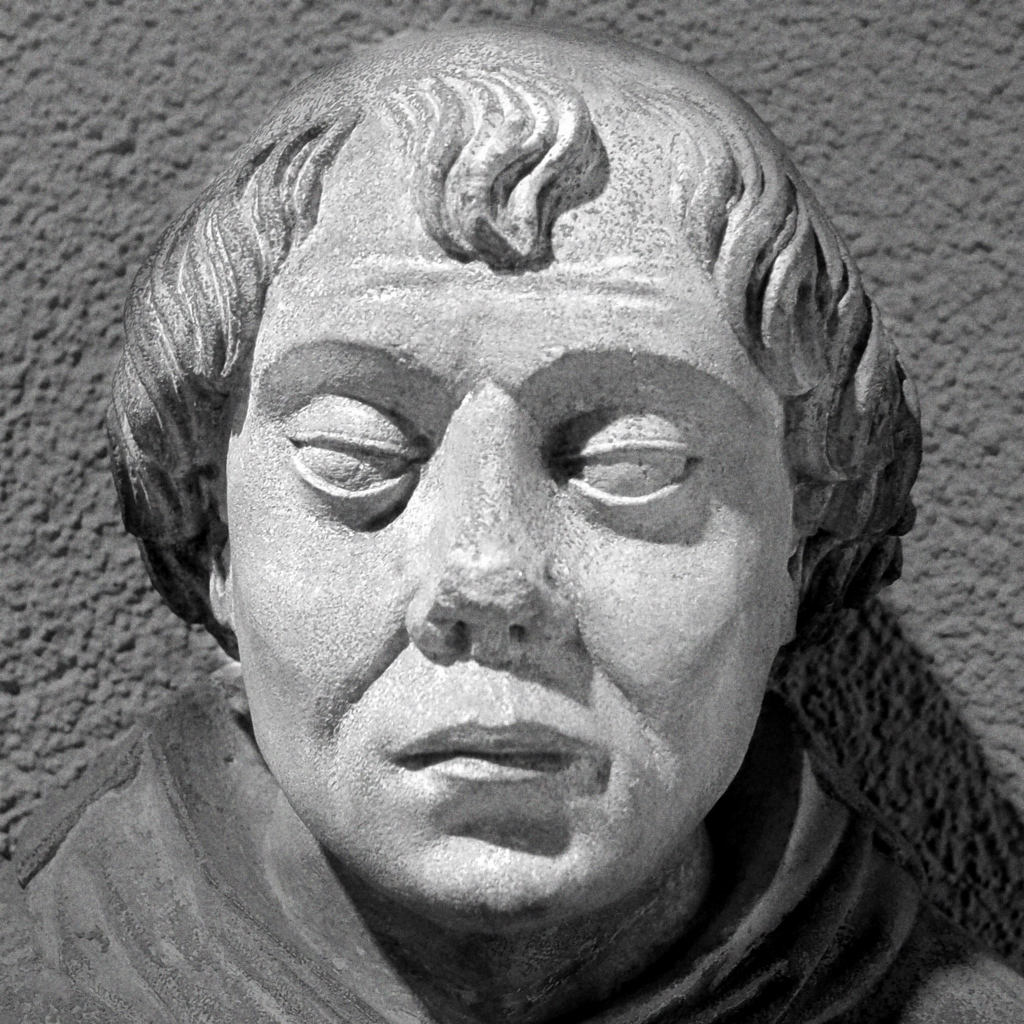
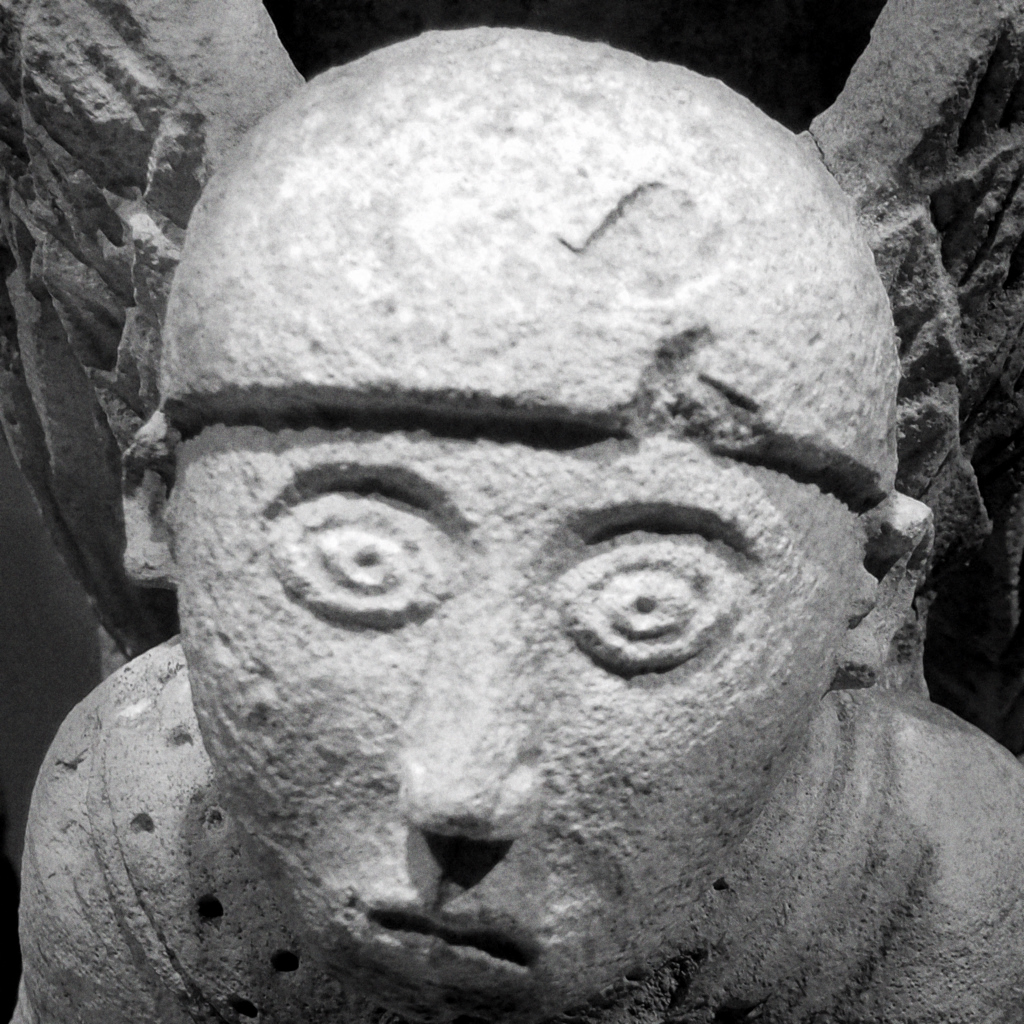
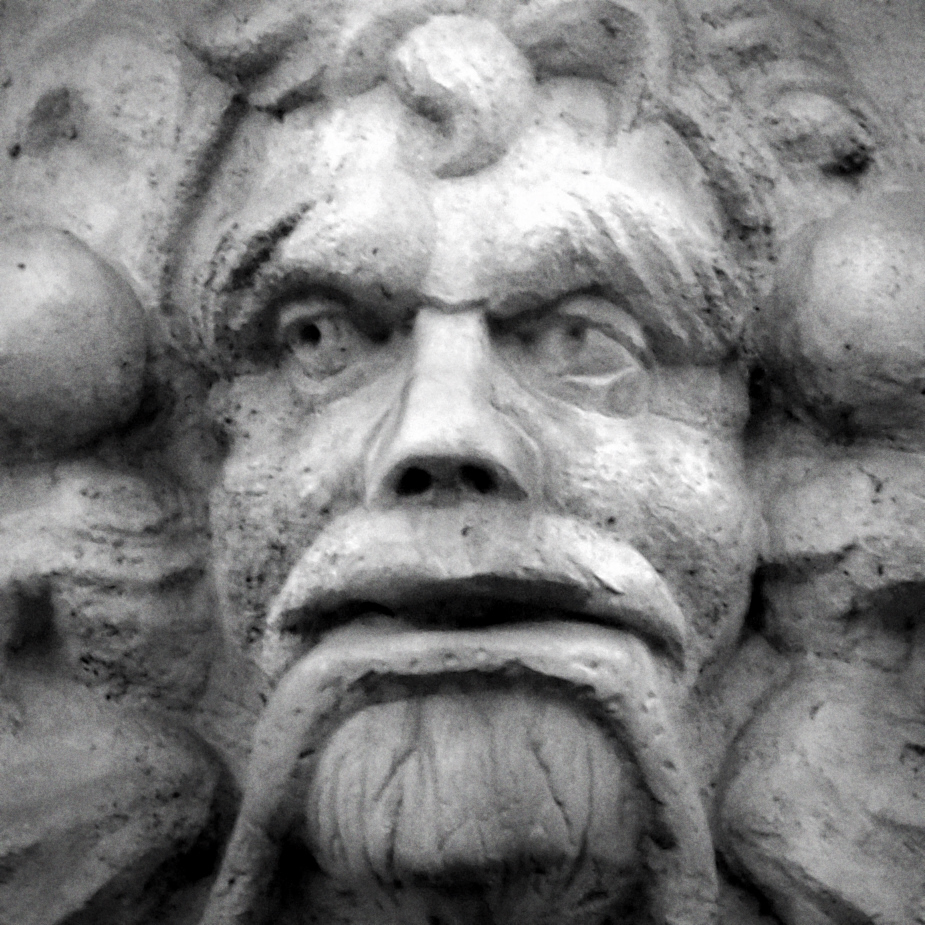
SCULPTED HEADS

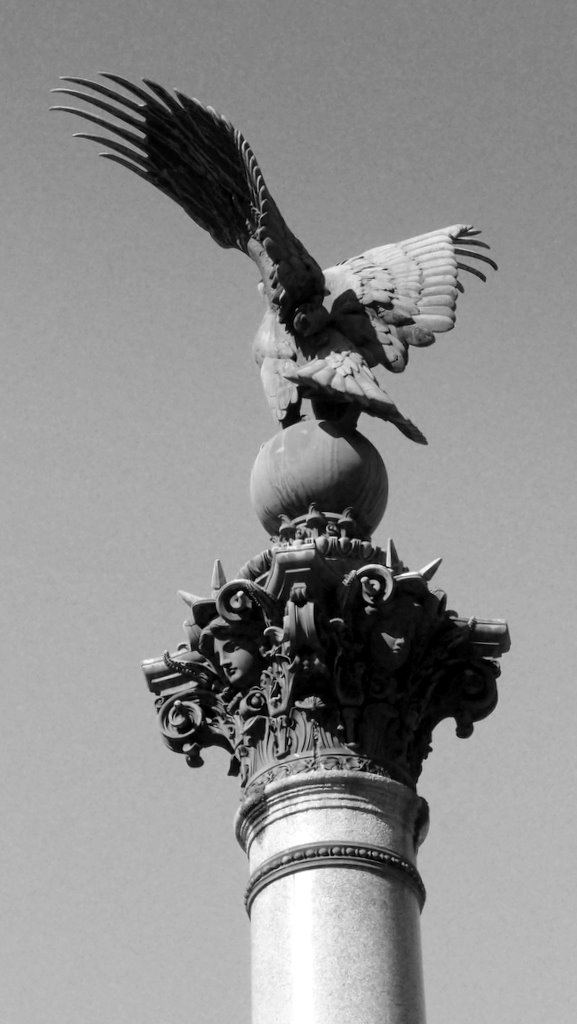
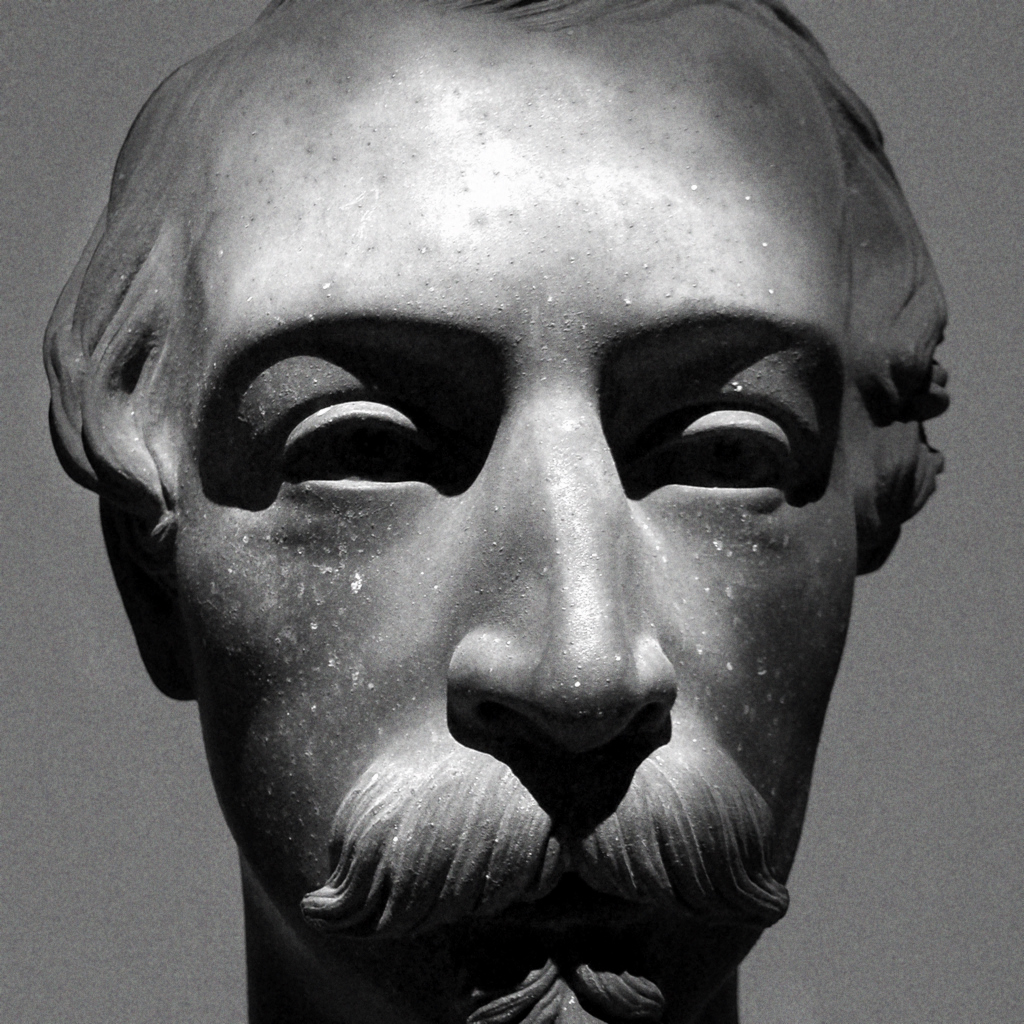
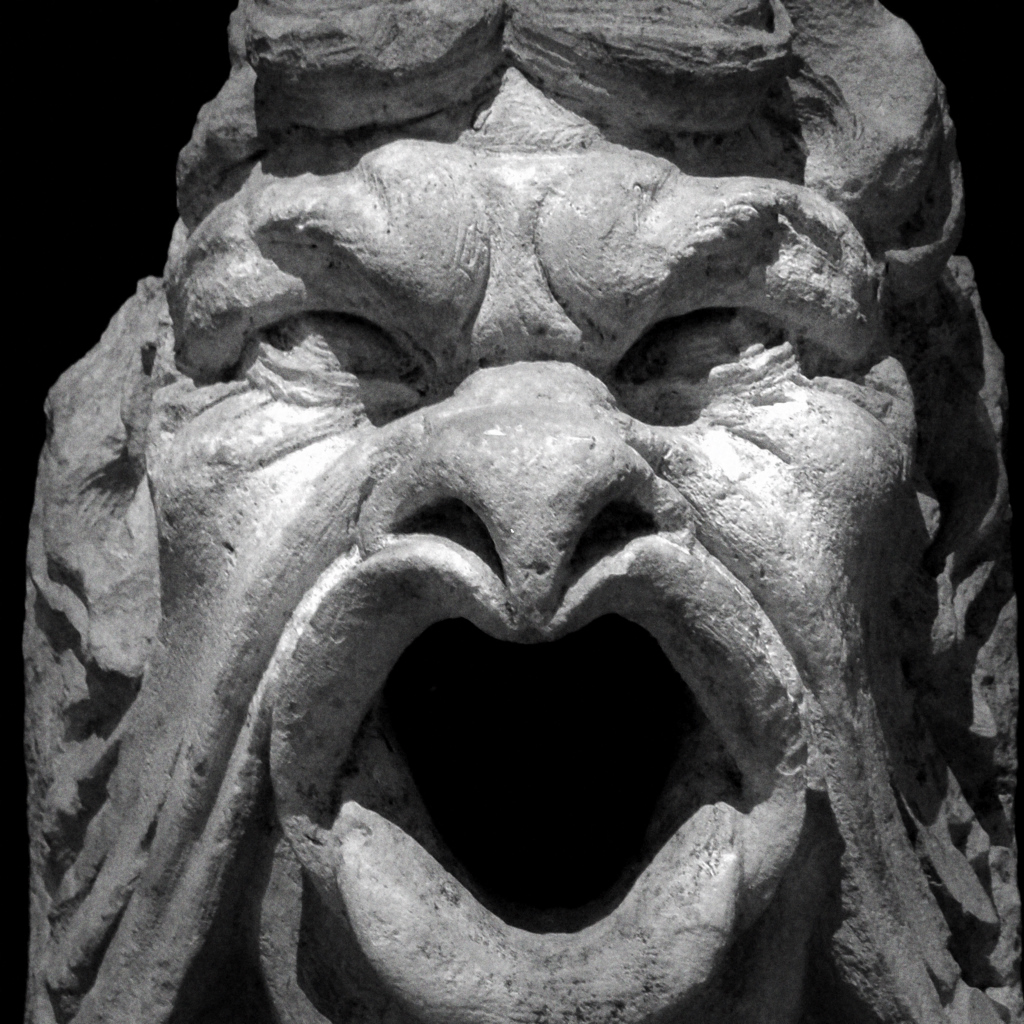
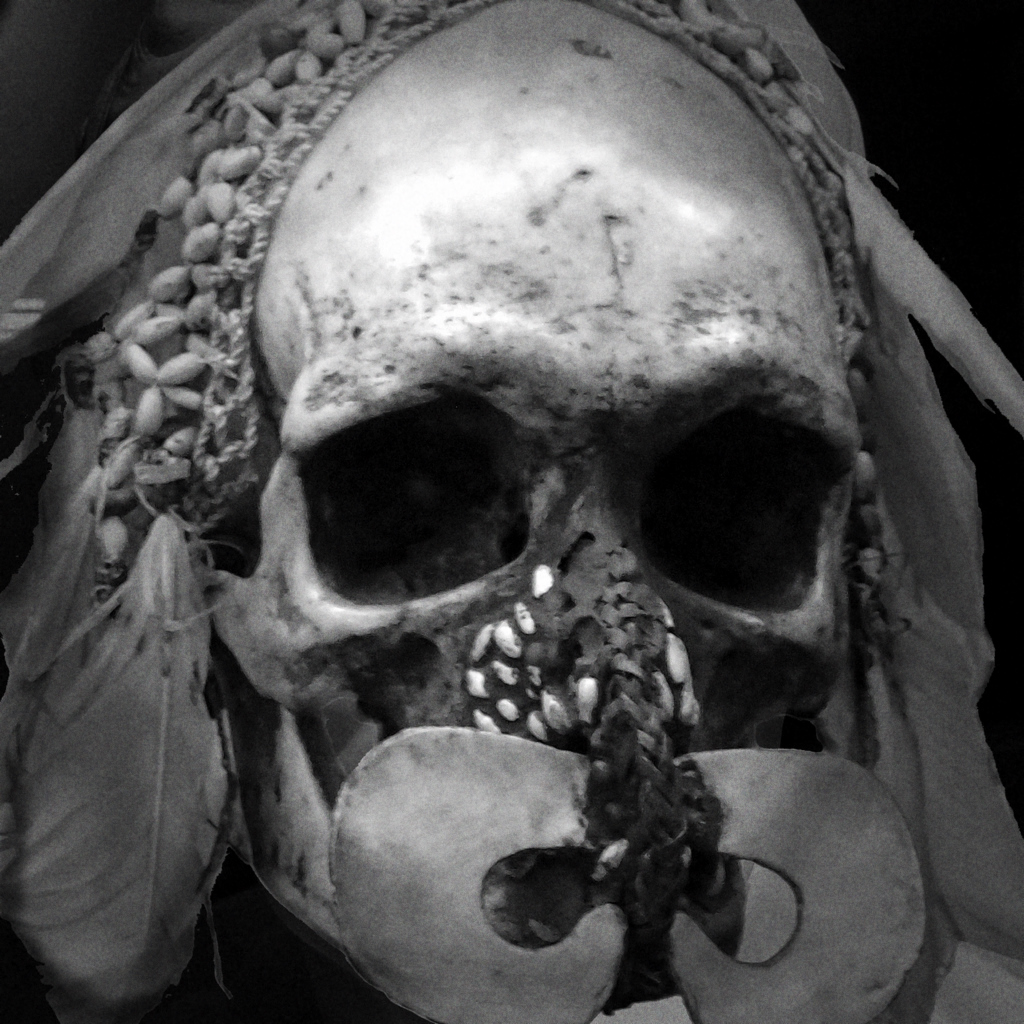
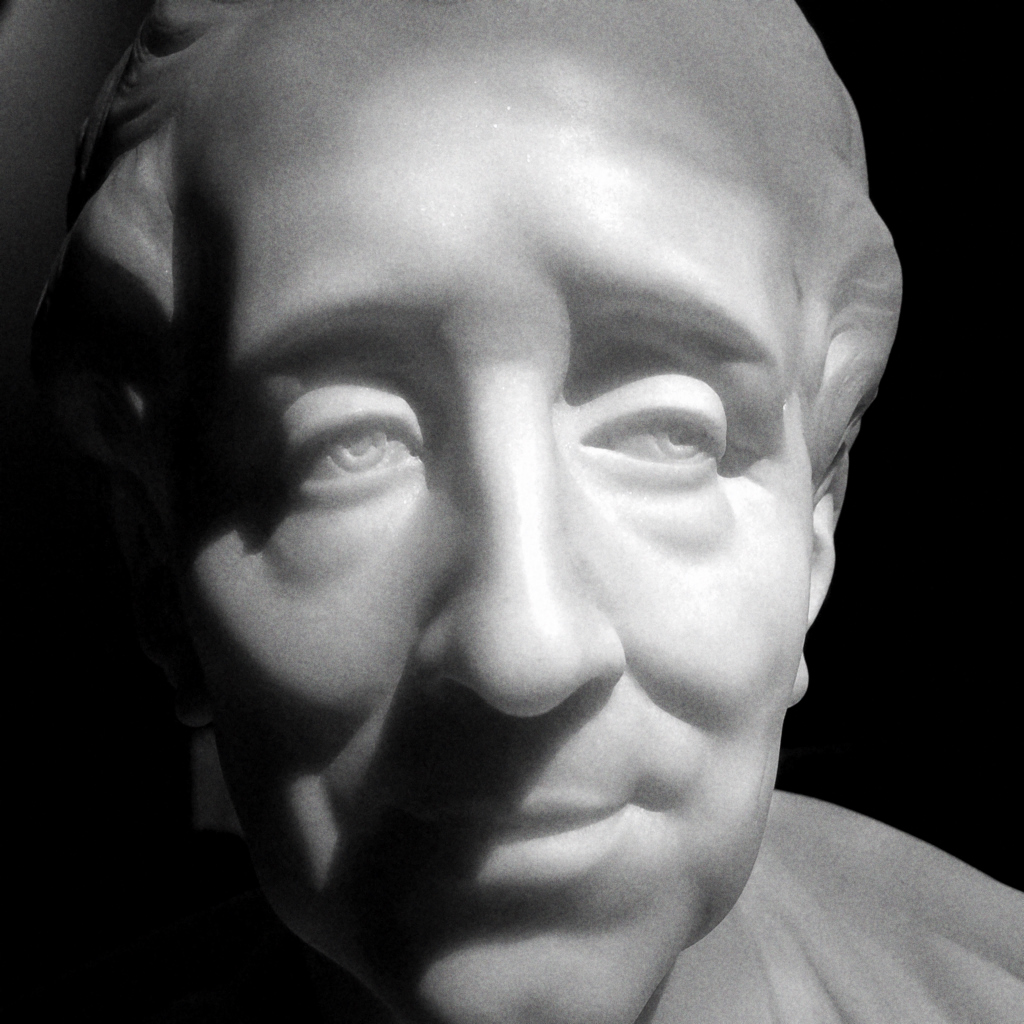
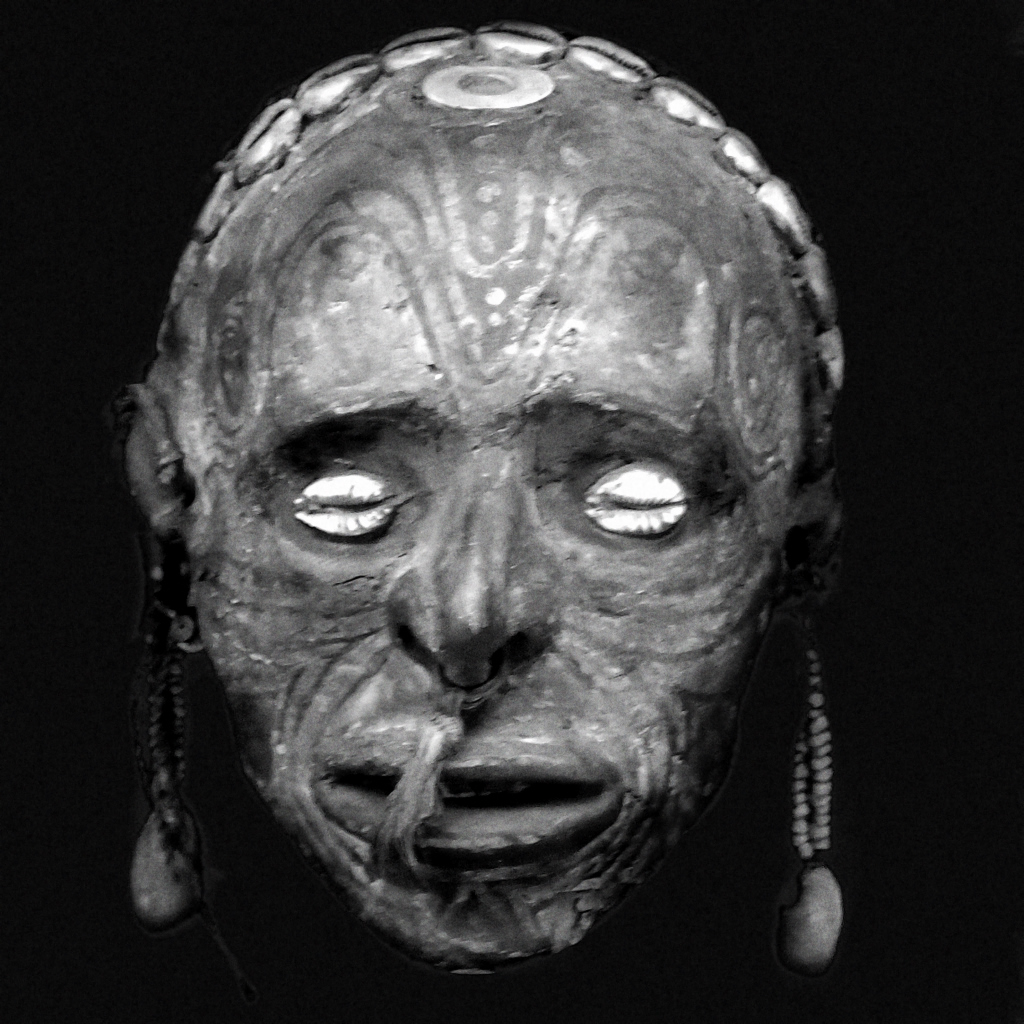
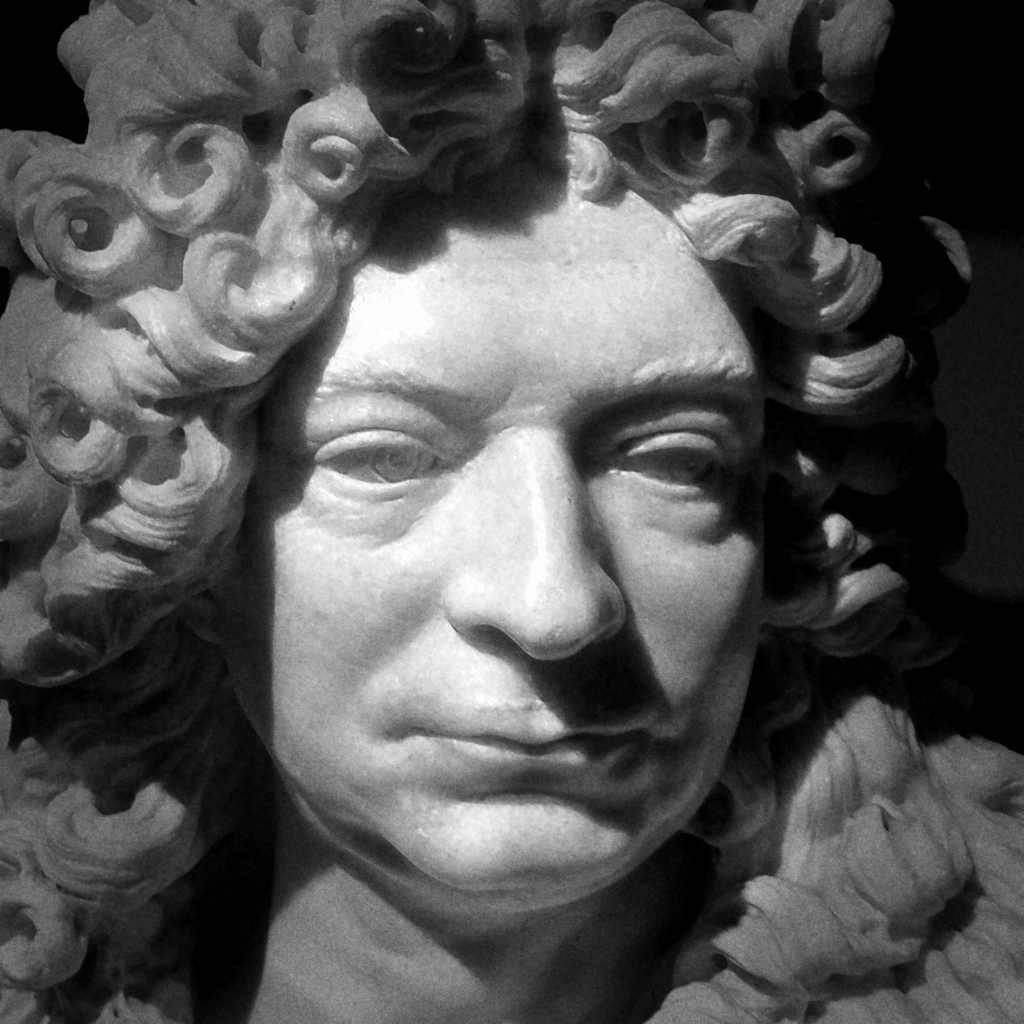
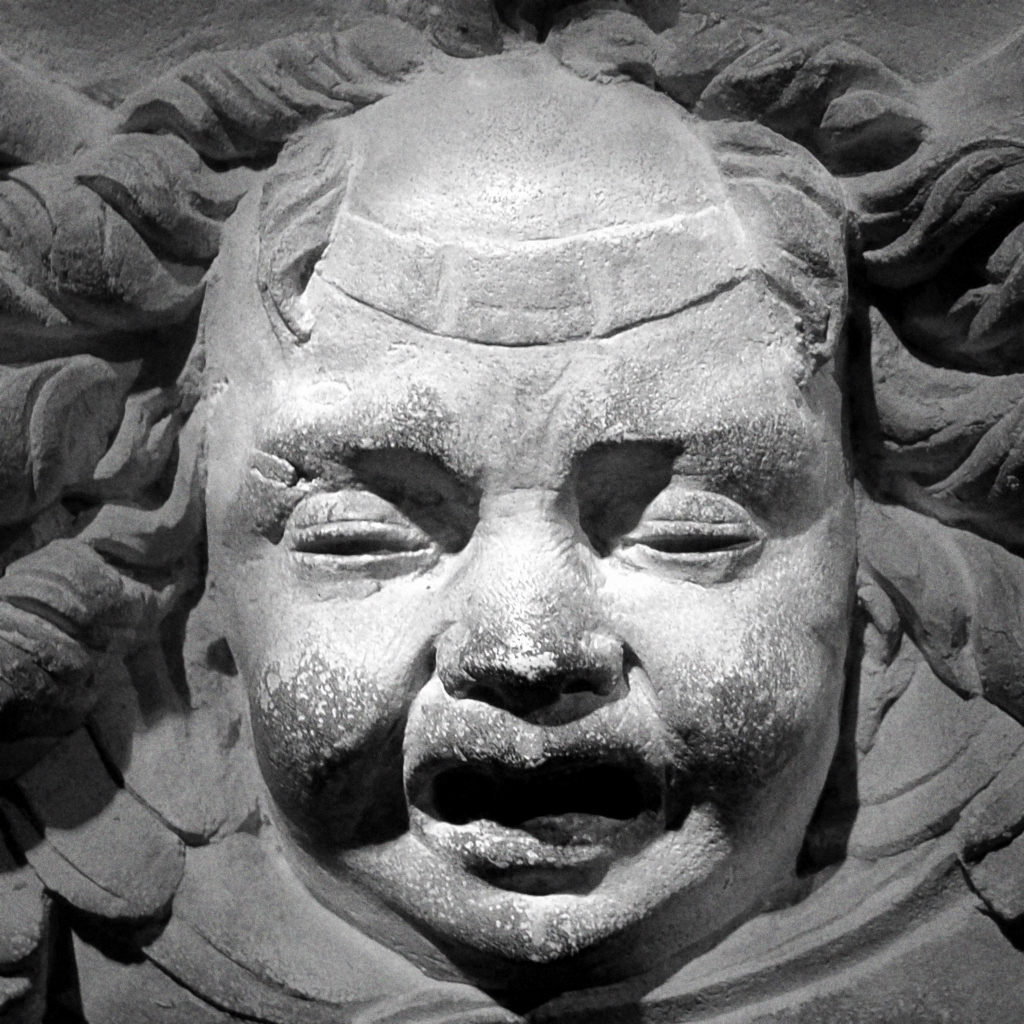
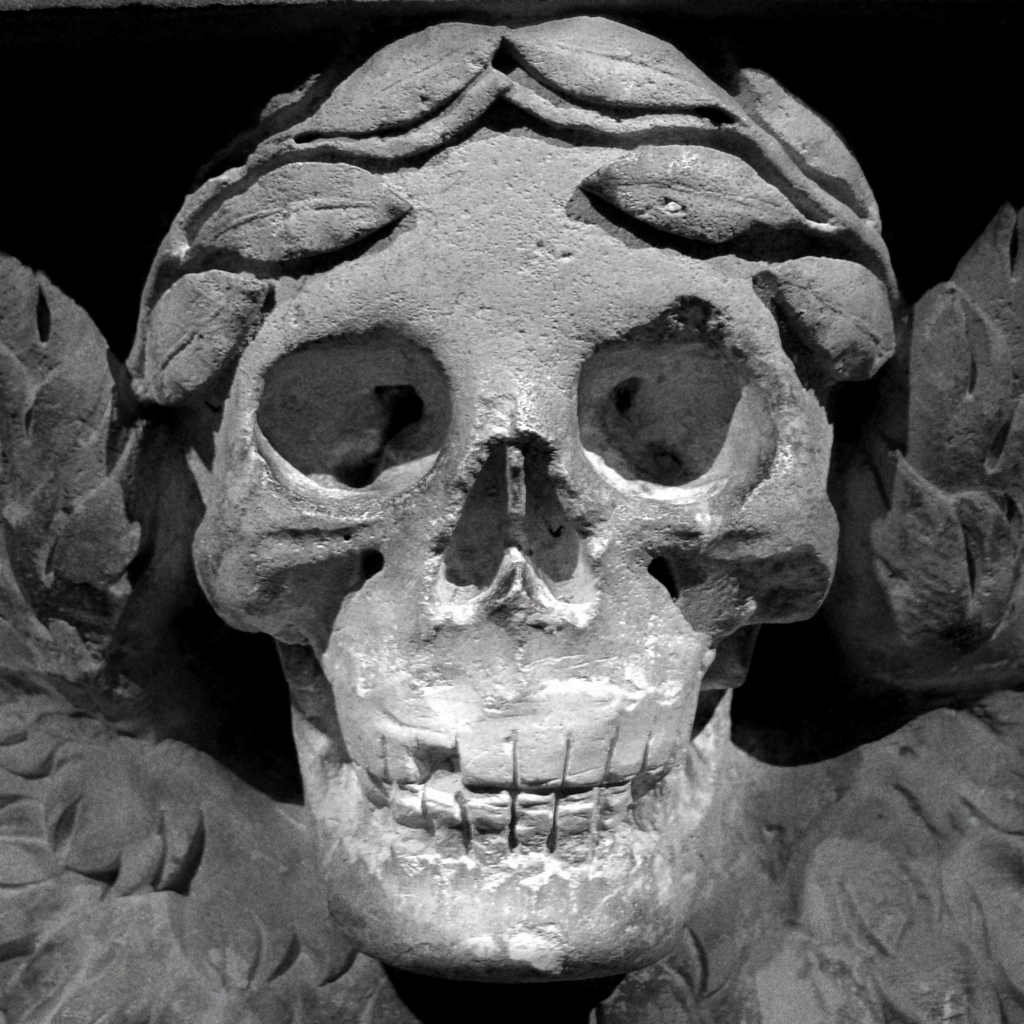
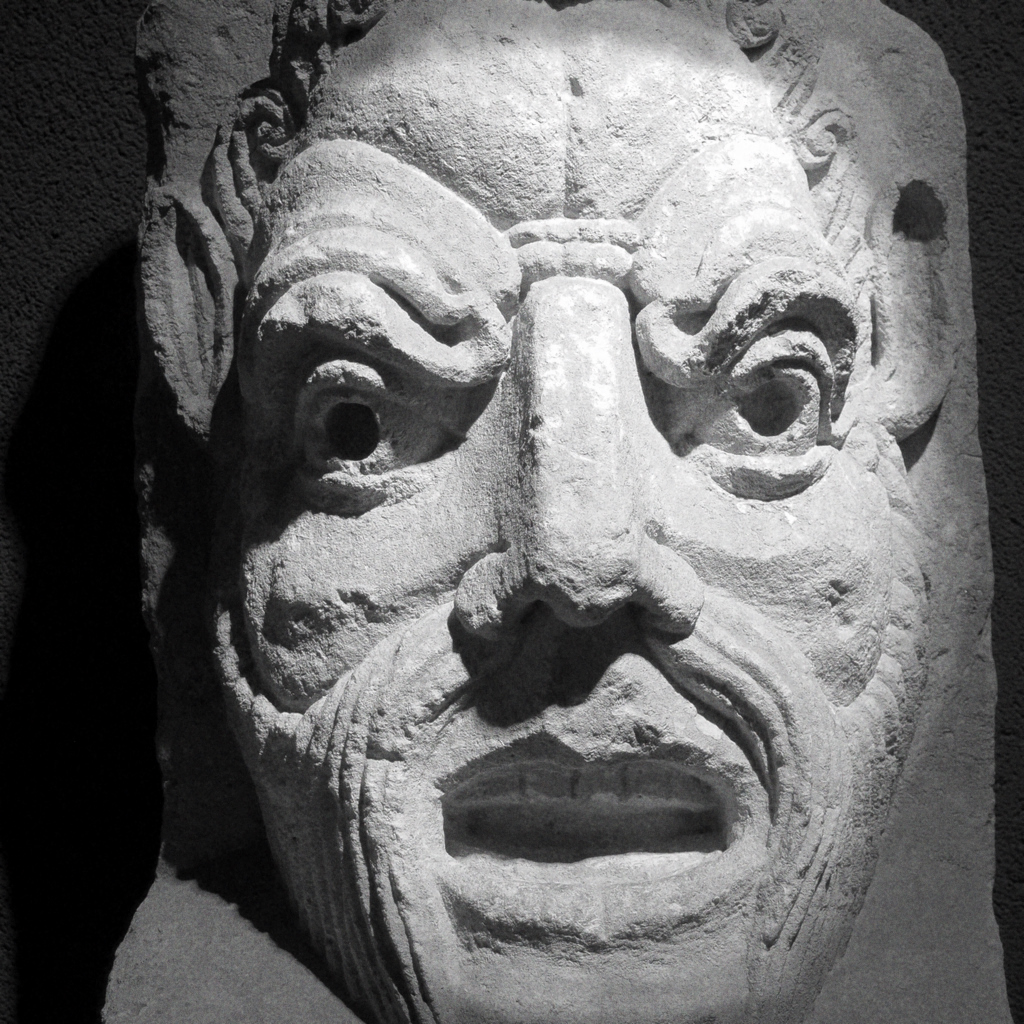
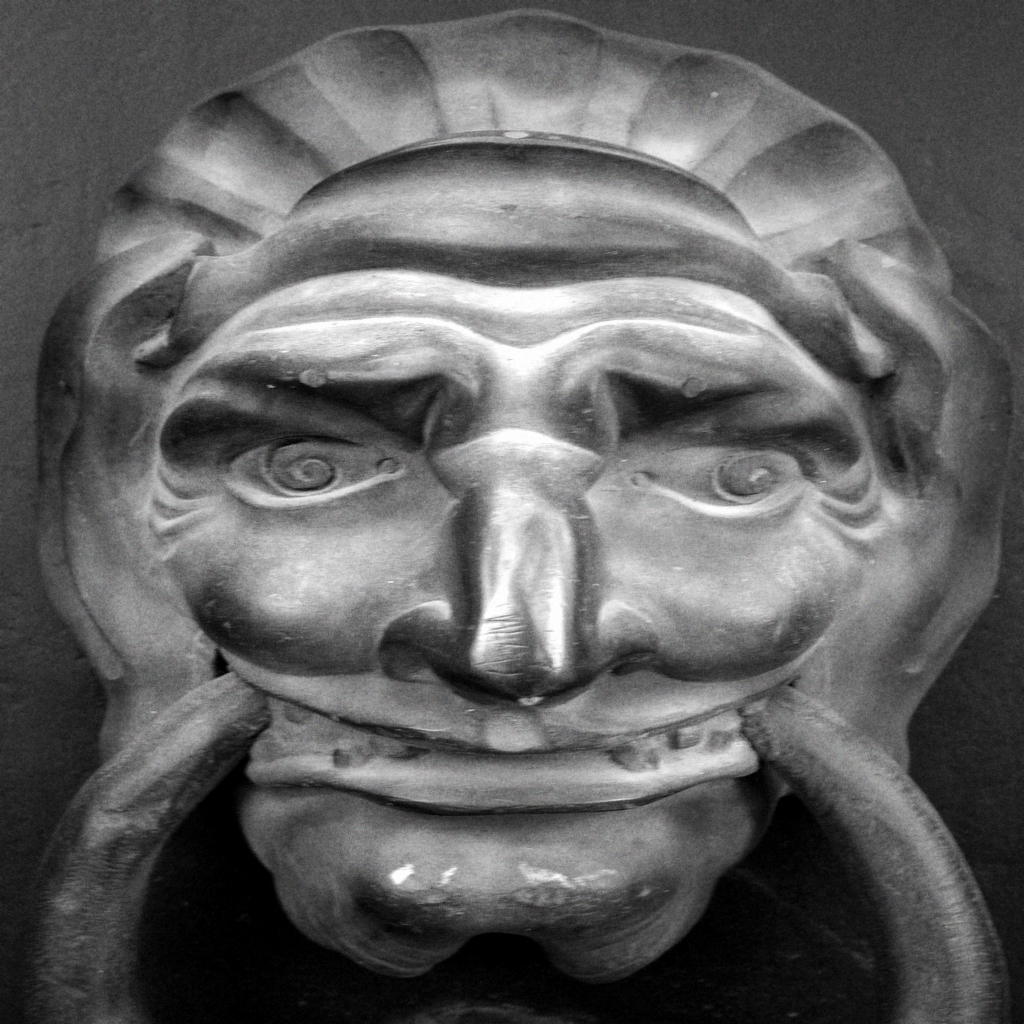
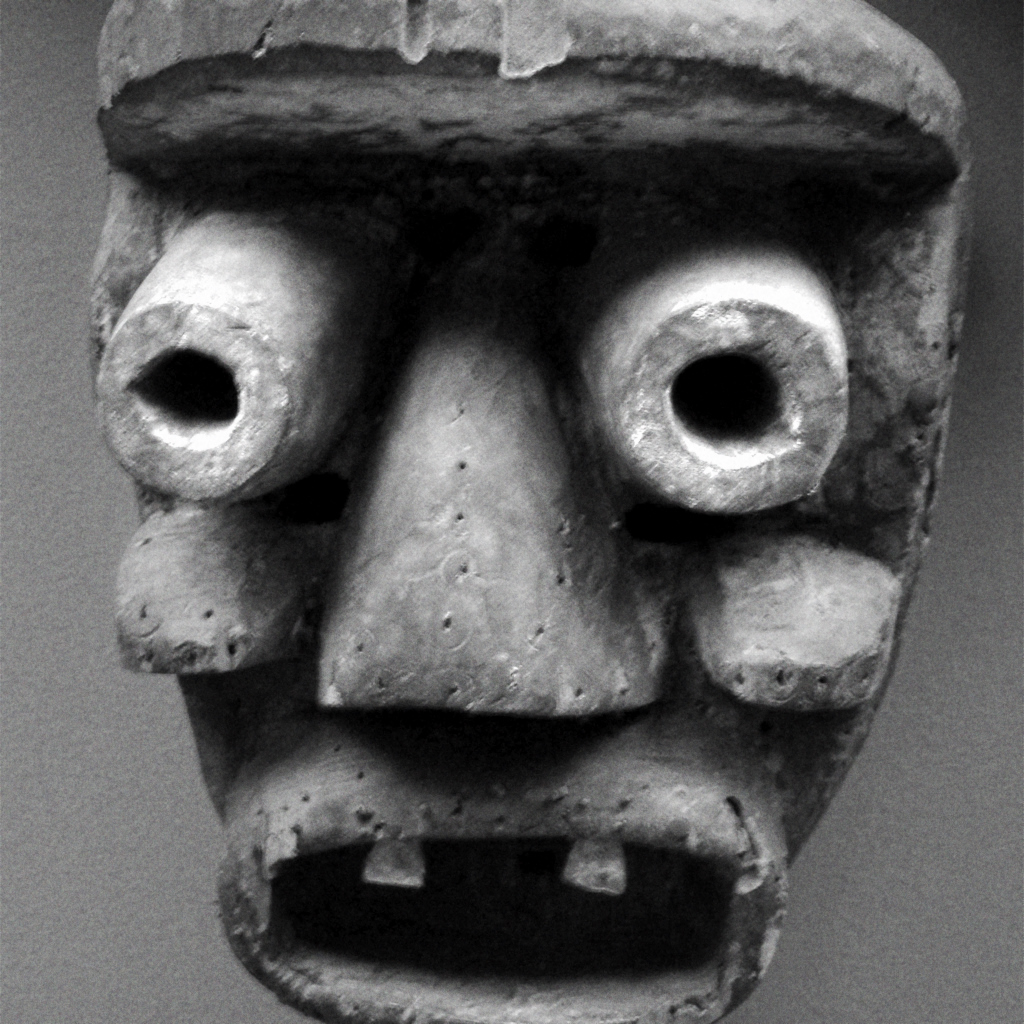
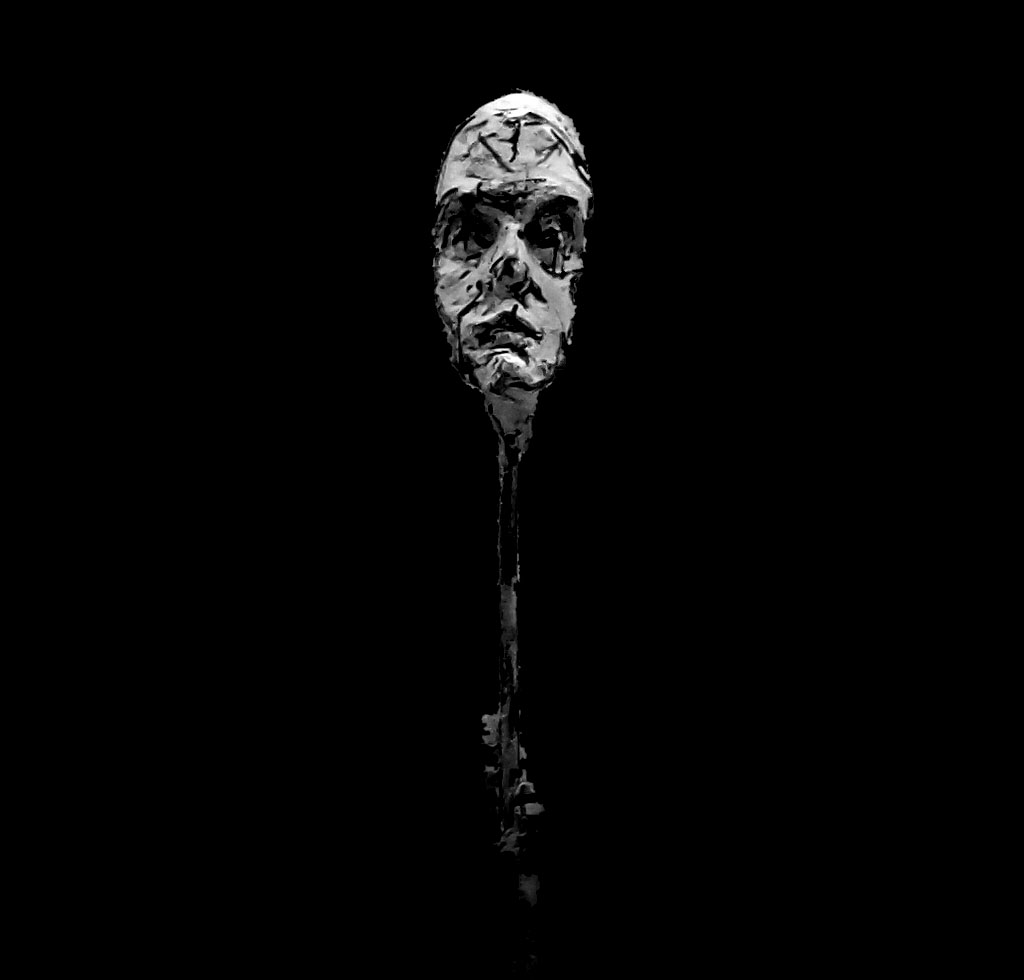
Looking through the collection of photographs I accumulated recently in France, I noticed there were a number of interesting sculpted heads. Some in art galleries, some in museums, some  decorating or protecting buildings, others saving their sitter to be viewed into eternity. Here are my favorites from this weird and wonderful collection.

CHATEAU DE LA FLEUNIE

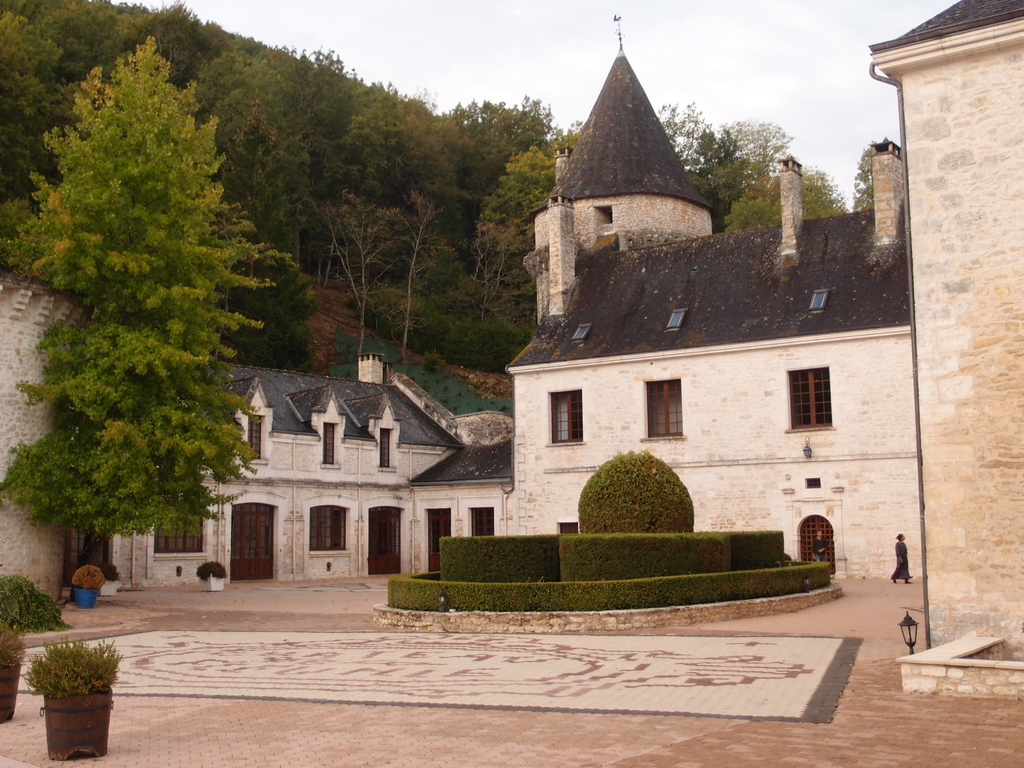
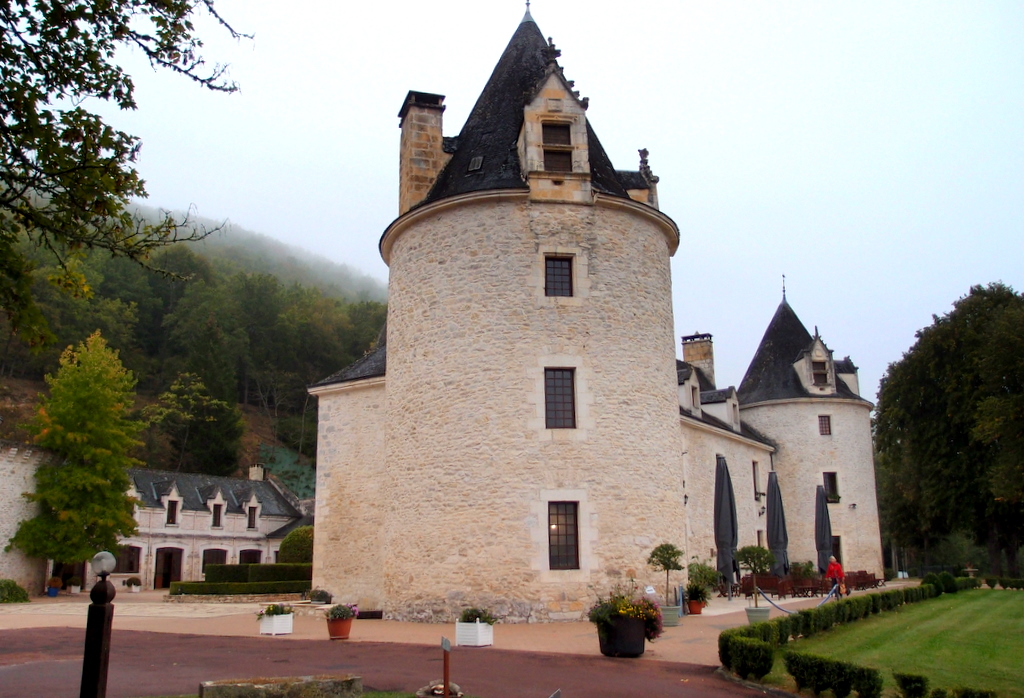
After our stay in Aix en Provence we boarded a coach and made our way through the French country side to Chateau de la Fluenie. The Chateau was built in the 1300’s and extended in the 1600’s. It is a beautiful old building set on manicured, spacious grounds just outside the small village of  Condat in the Dordogne

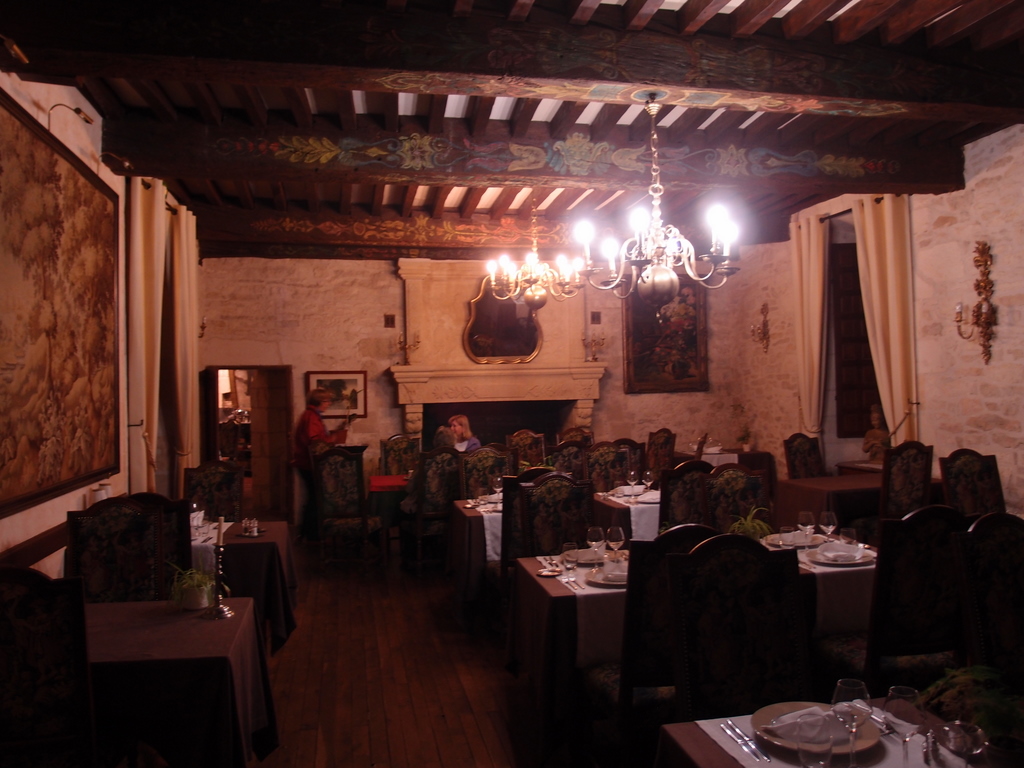
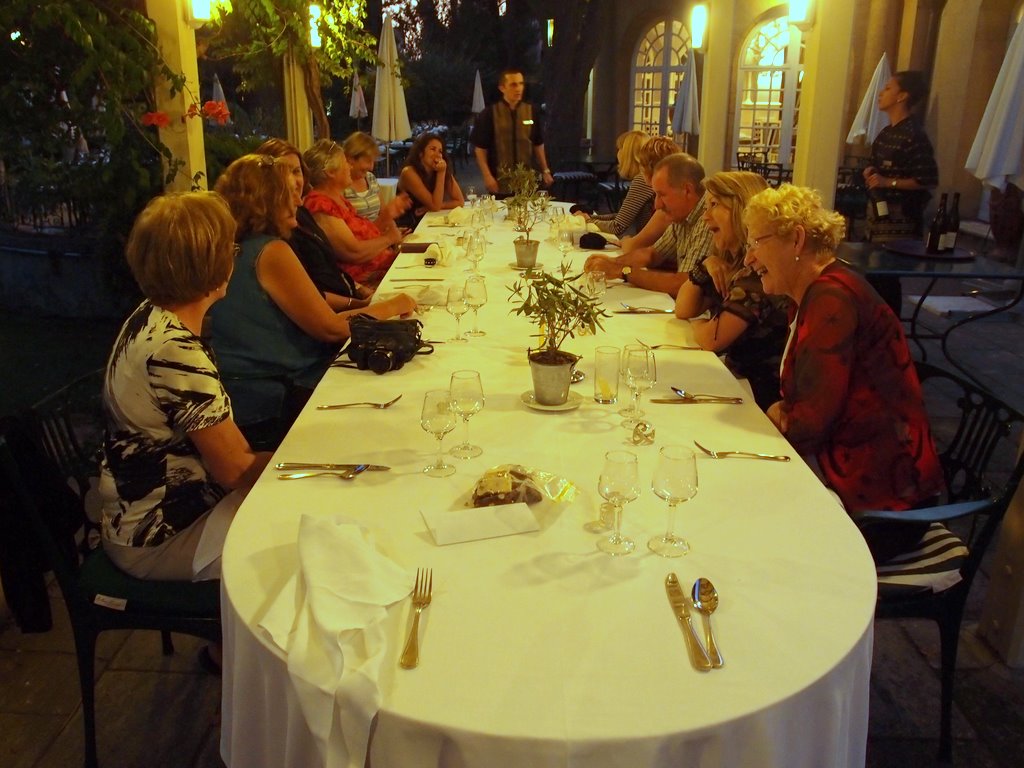
The main dining room

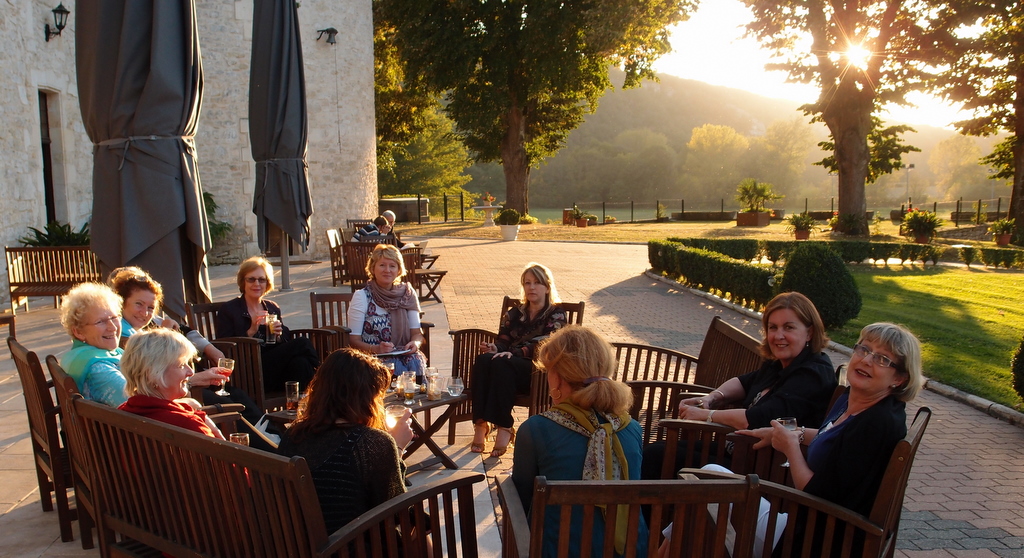
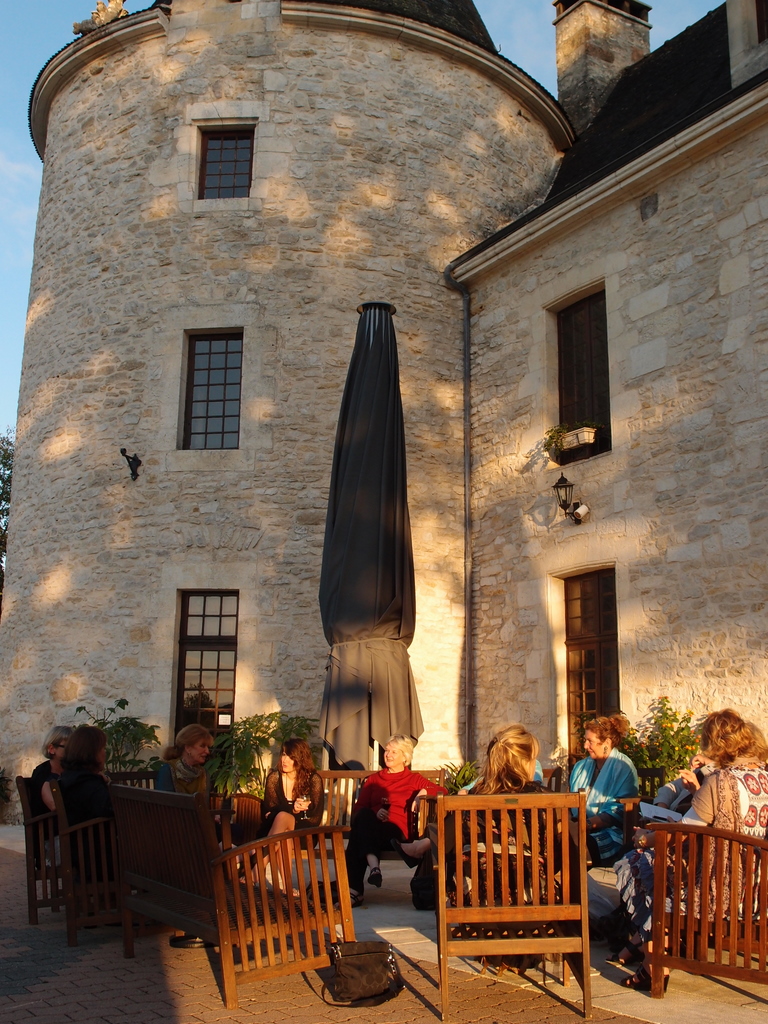
After a hard days painting it was nice to relax and enjoy drinks on the terrace as the sun went down.

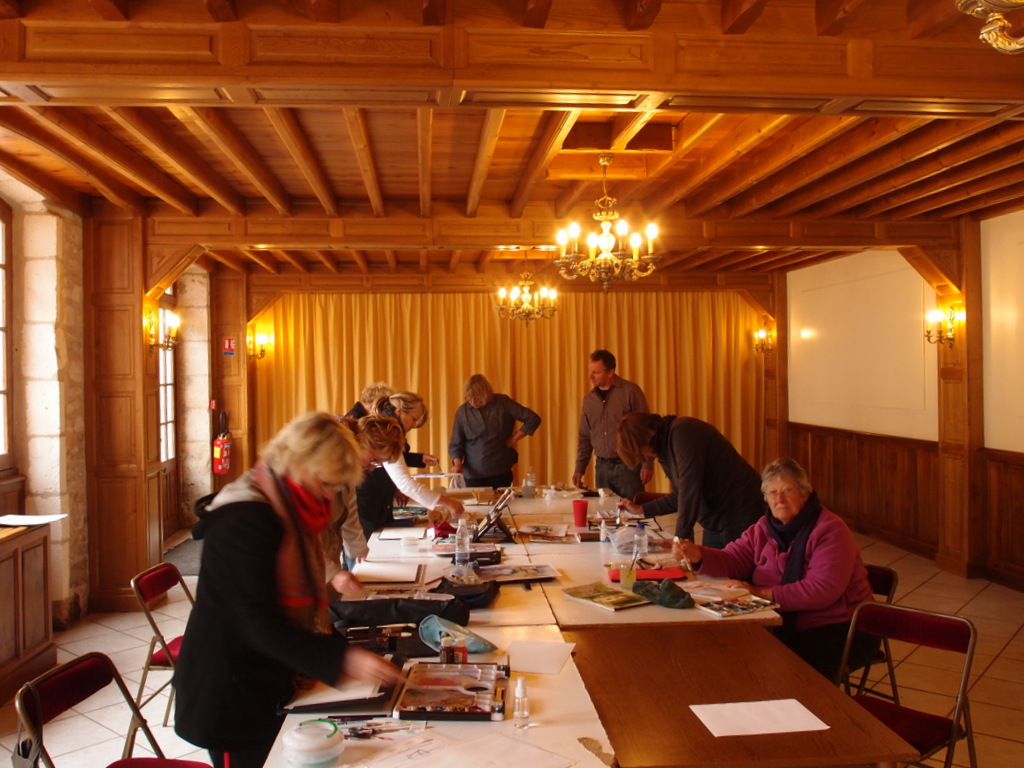
We were fortunate to have access to a large conference room,should the weather turn bad. Fortunately we had only one foggy morning where staying indoors made painting a lot more comfortable.

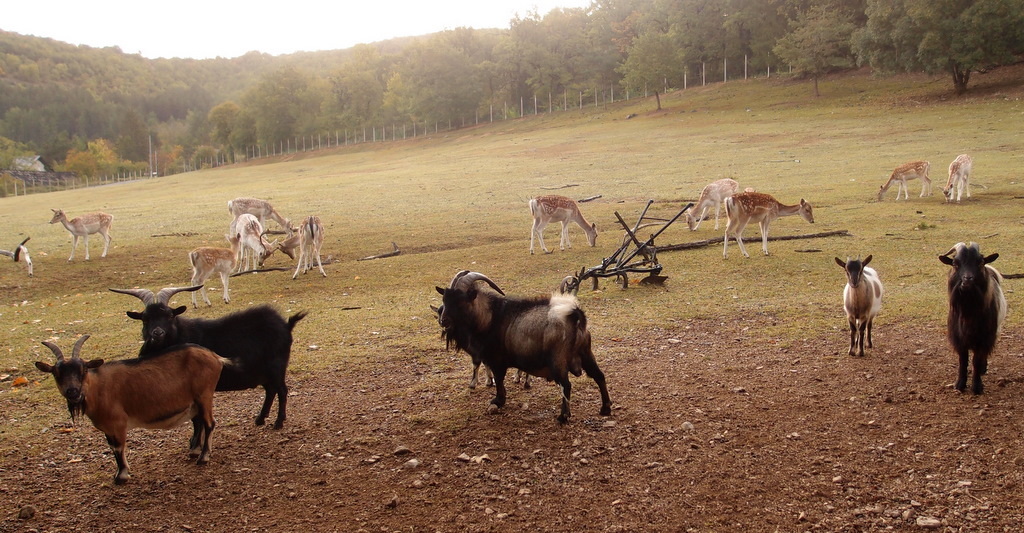
The Chateau had its own heard of deer and a collection of very small goats.

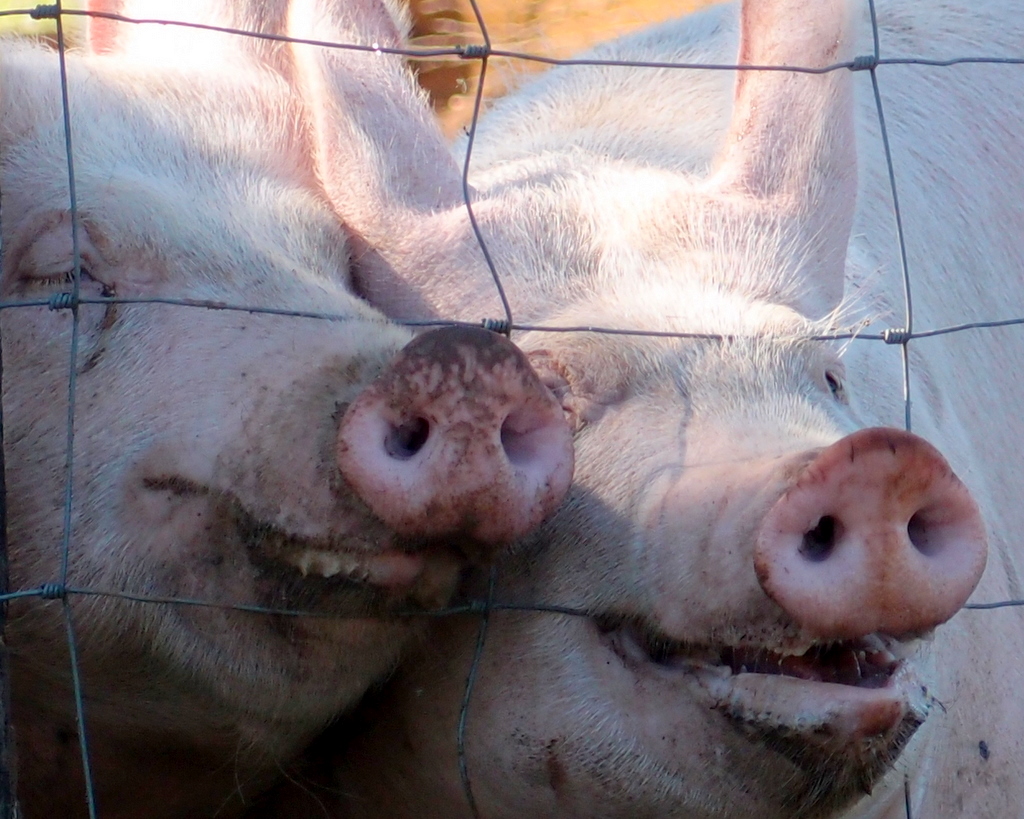
Further down the paddock were a pair of friendly pigs

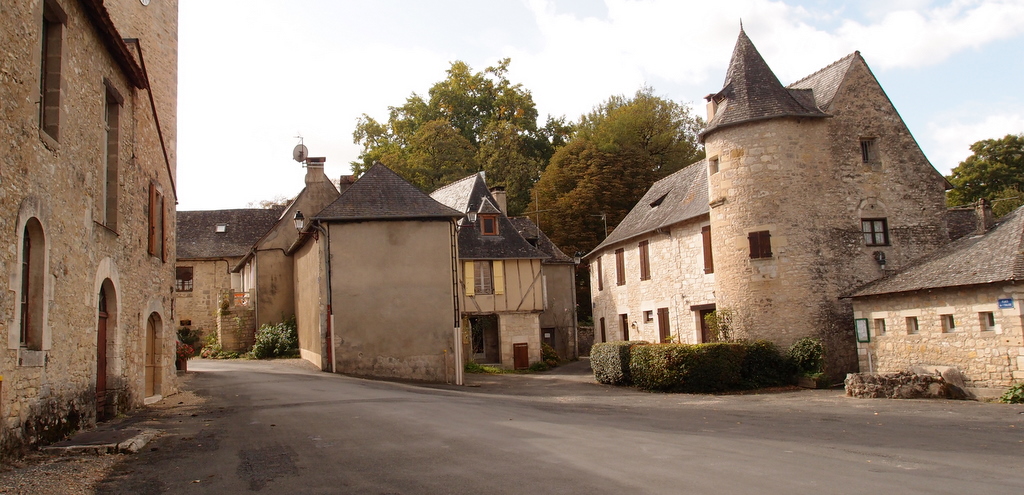
The small village of Condat, just down the road from La Fleunie, was a great place to paint. There was a bar, coffee shop and restaurant in the village, so we were well looked after.

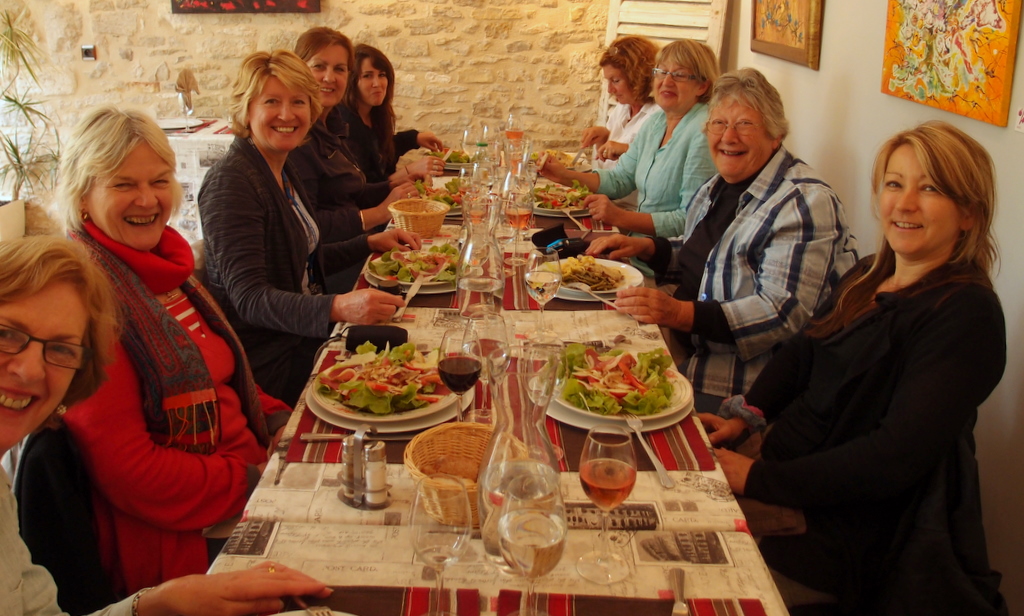
Lunch in Condat

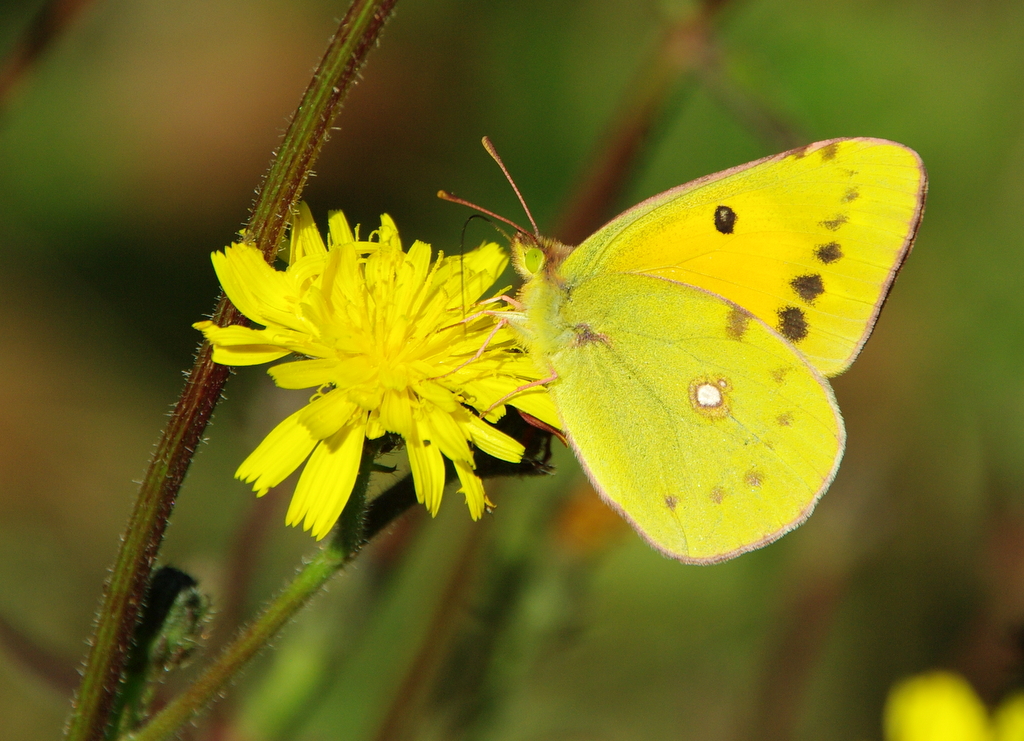
Butterfly disguised as dandelion.

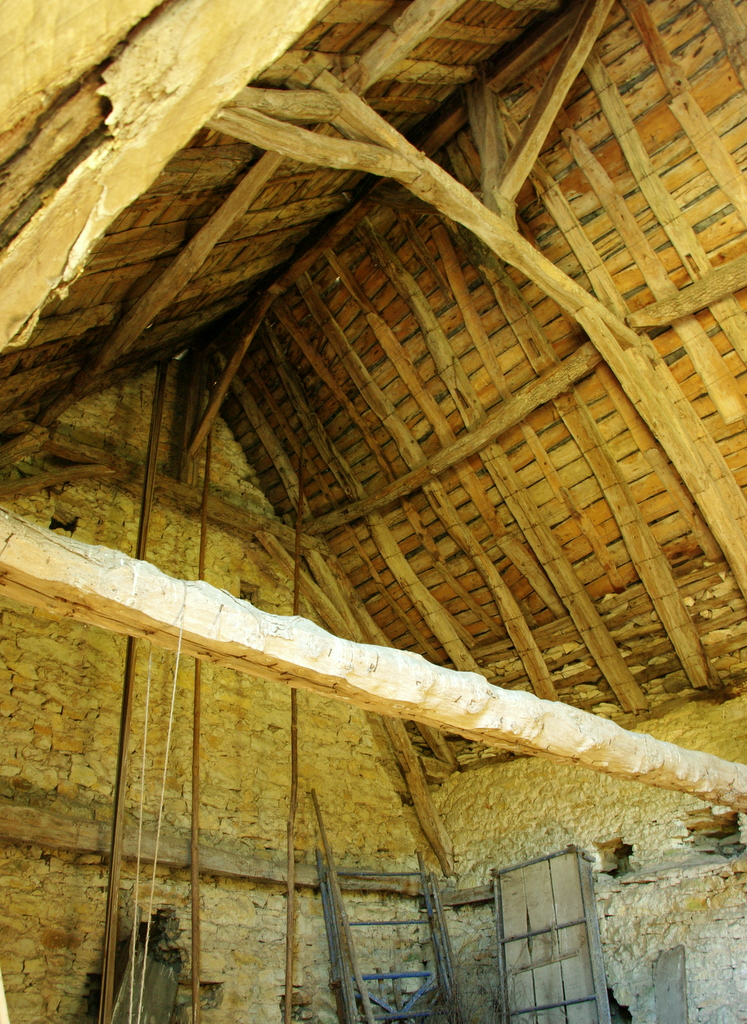
Hand hewn timber in the roof of an ancient Condat farm building.

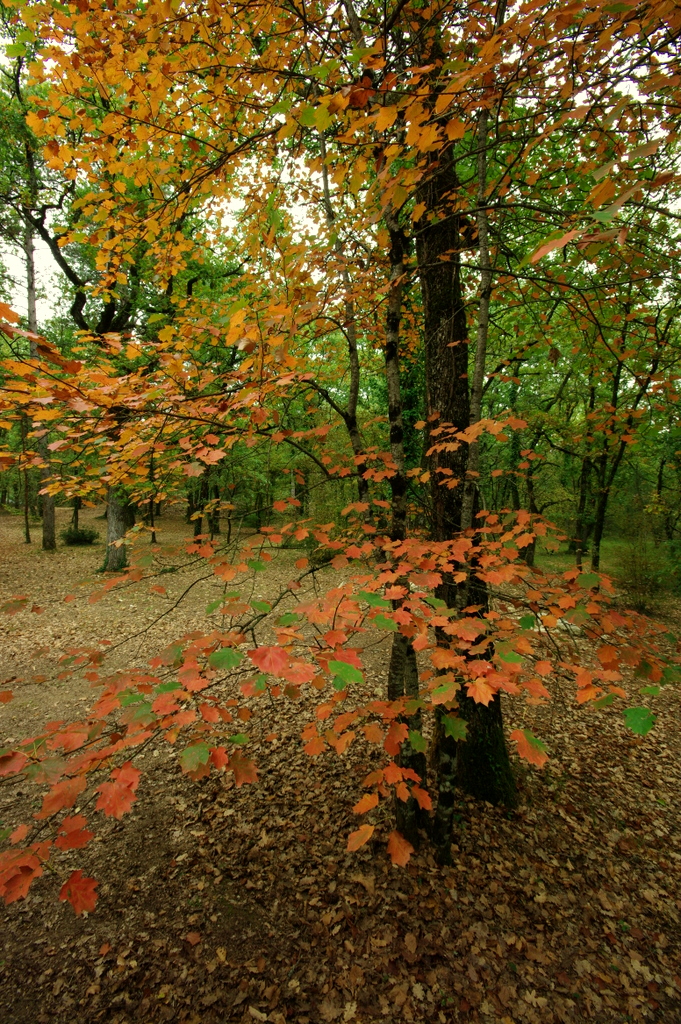
Trees in the region were getting ready to loose their leaves – some were bare, some where still green and some had fantastic colors.

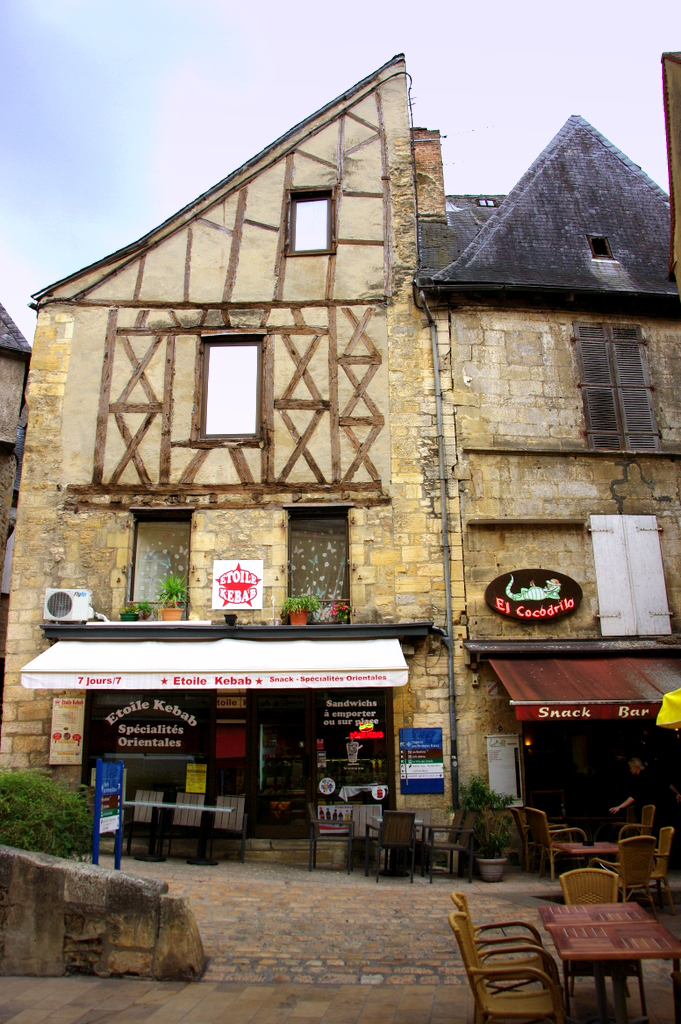
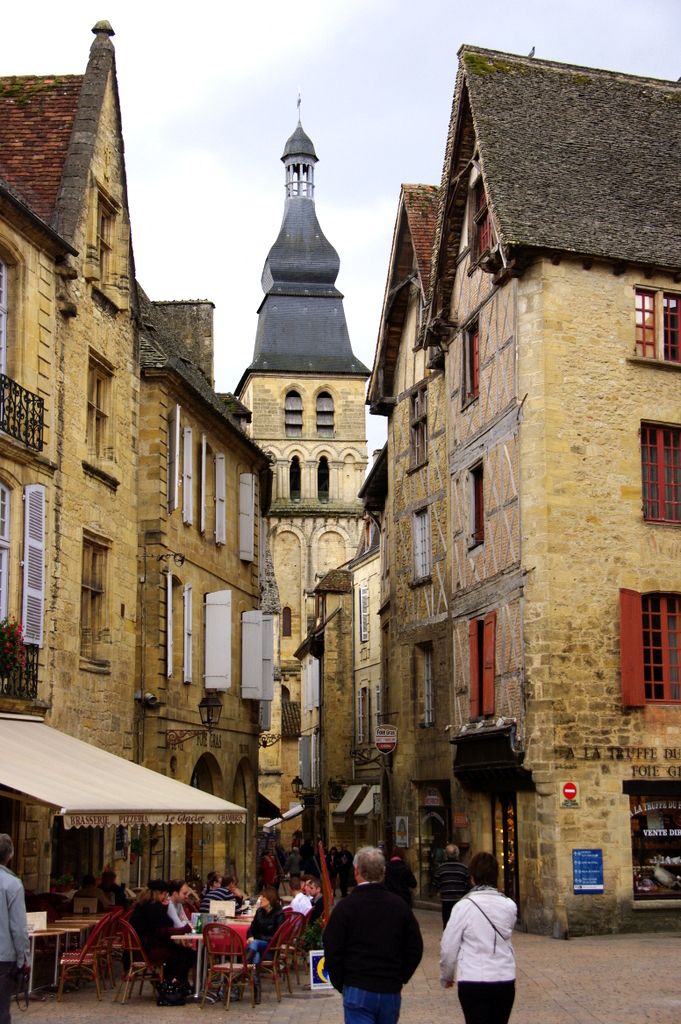
We visited the medieval town of Sarlat – beautiful old buildings, markets, shops and restaurants, plus a wealth of painting subjects. A great place to spend the day.

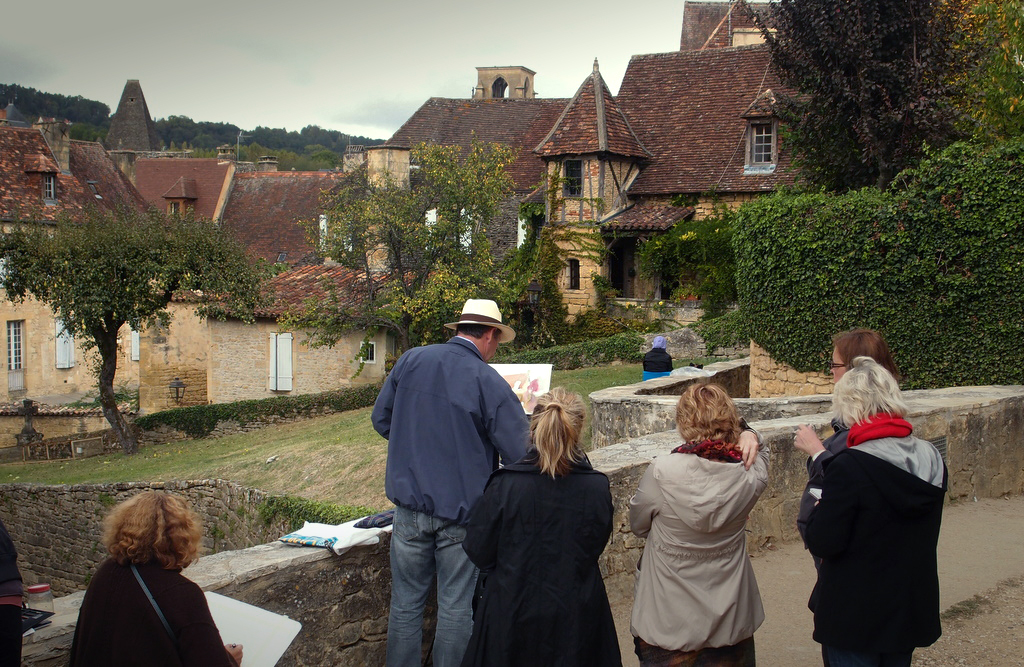
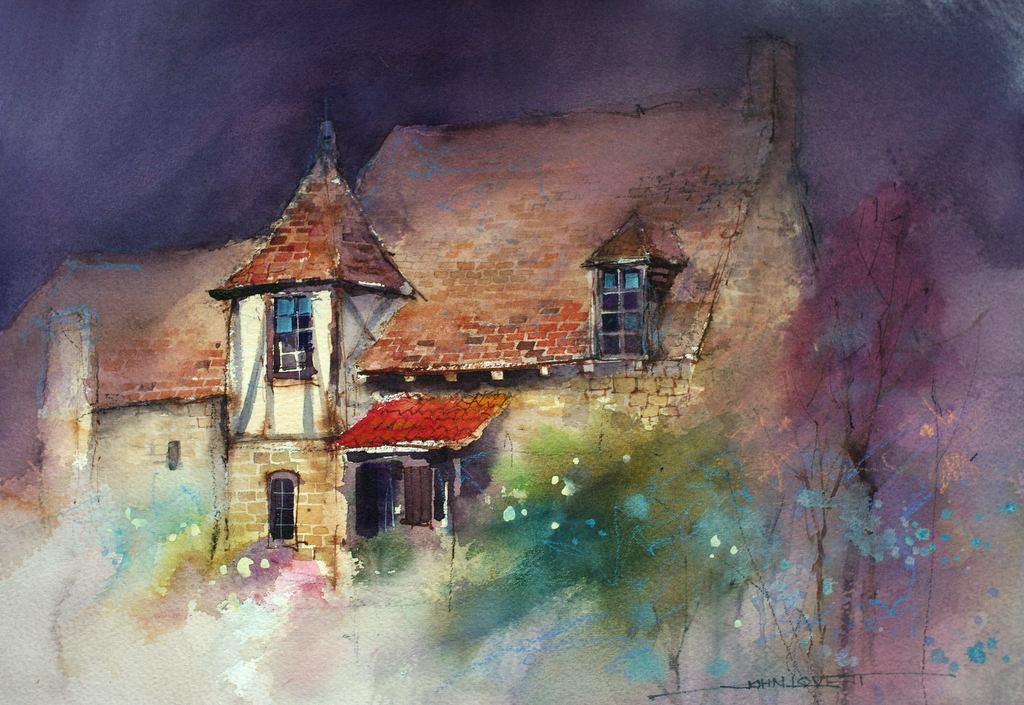
Behind the Cathedral we found a quiet spot with a great view of one of  the towns Medieval houses.

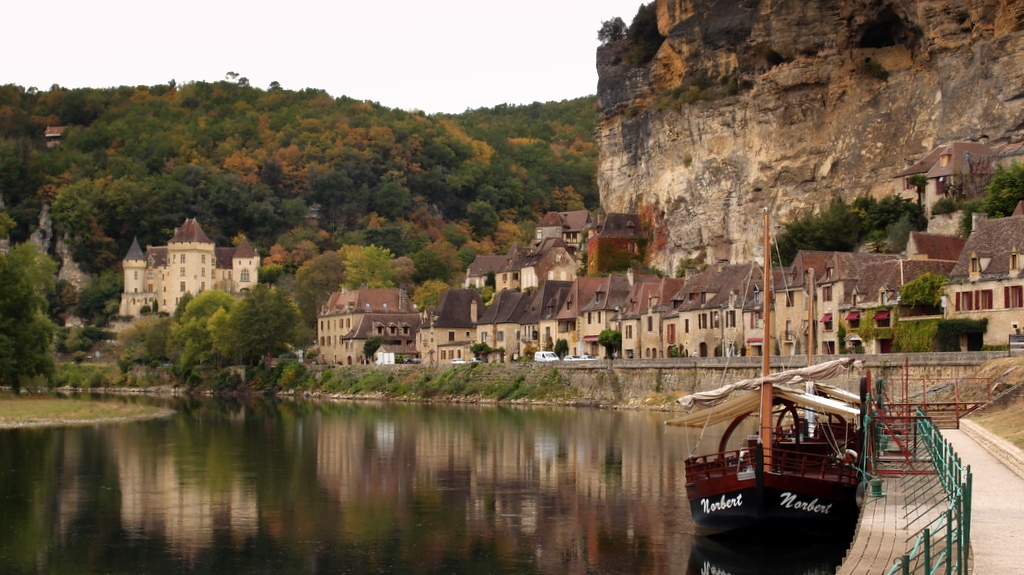
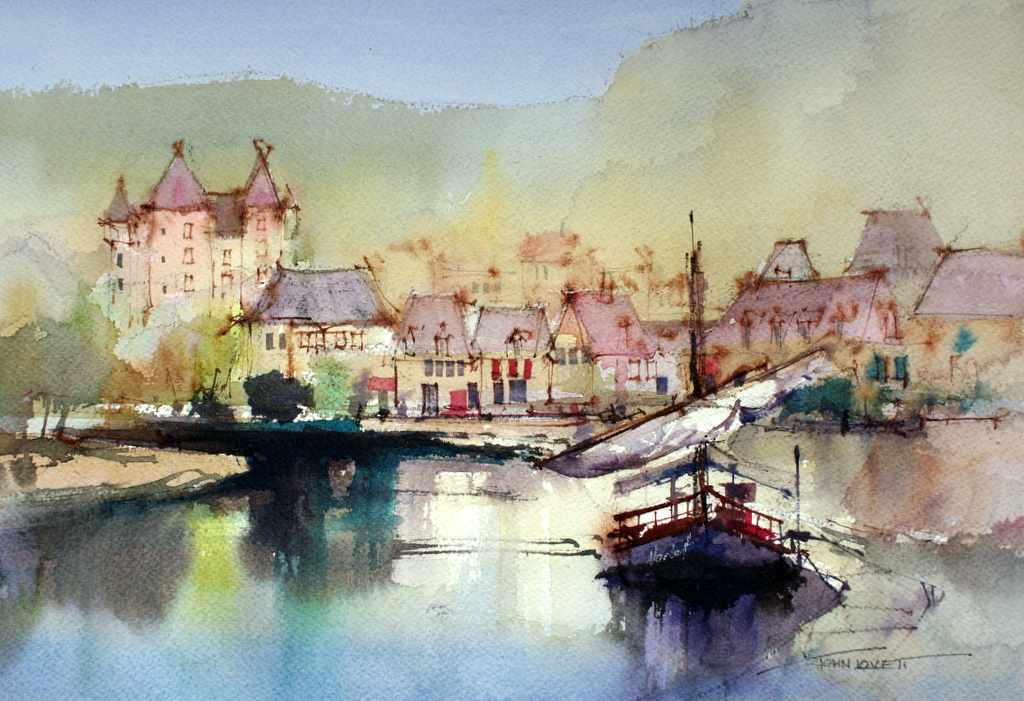
La Roque-Gageac was another medieval town tucked under a cliff on the bend of the Dordogne River. It seemed a strange location for a town, but looked spectacular reflected in the water. We spent most of the day painting there, then went to visit the Lascaux Caves. No photos due to copyright restrictions according to our guide?!

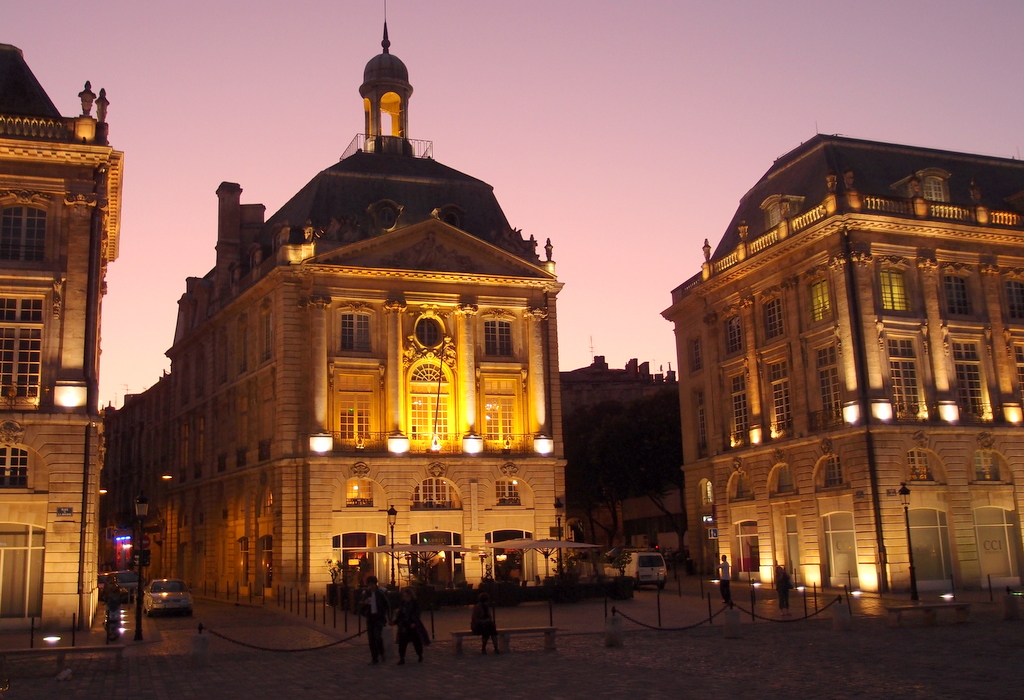
After the workshop we traveled to Bordeaux airport where everyone headed off in different directions.

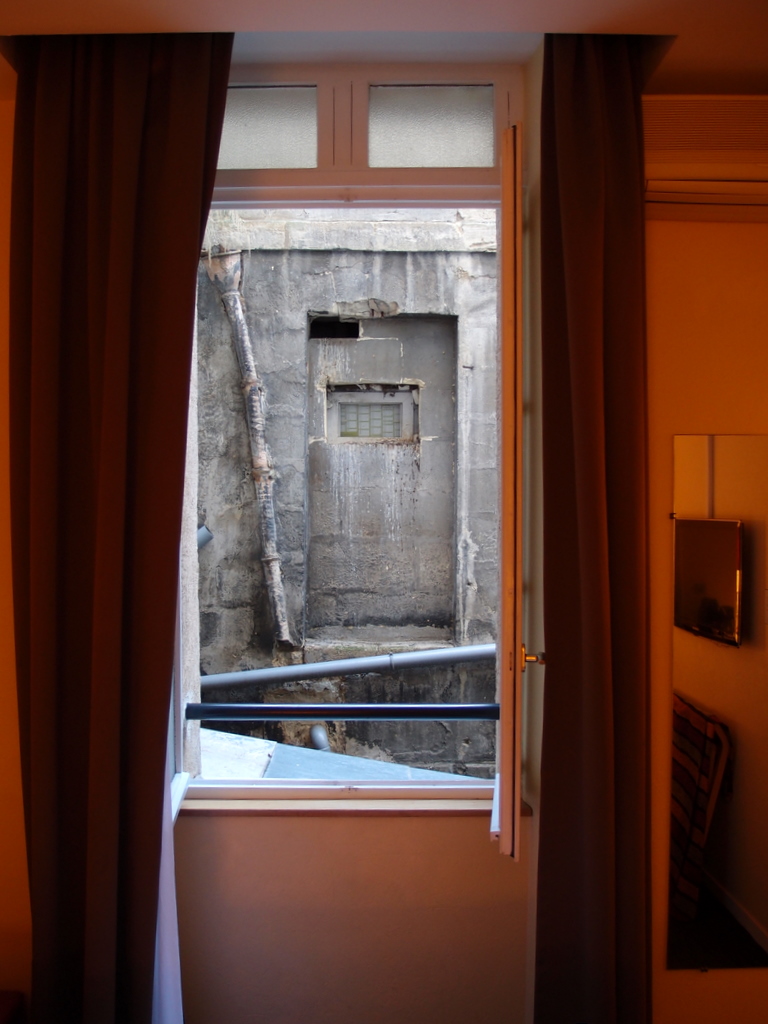
Dianne and I stayed a couple of days in Bordeaux and after the luxurious accommodation we were used to, the view from our room came as a bit of a shock.

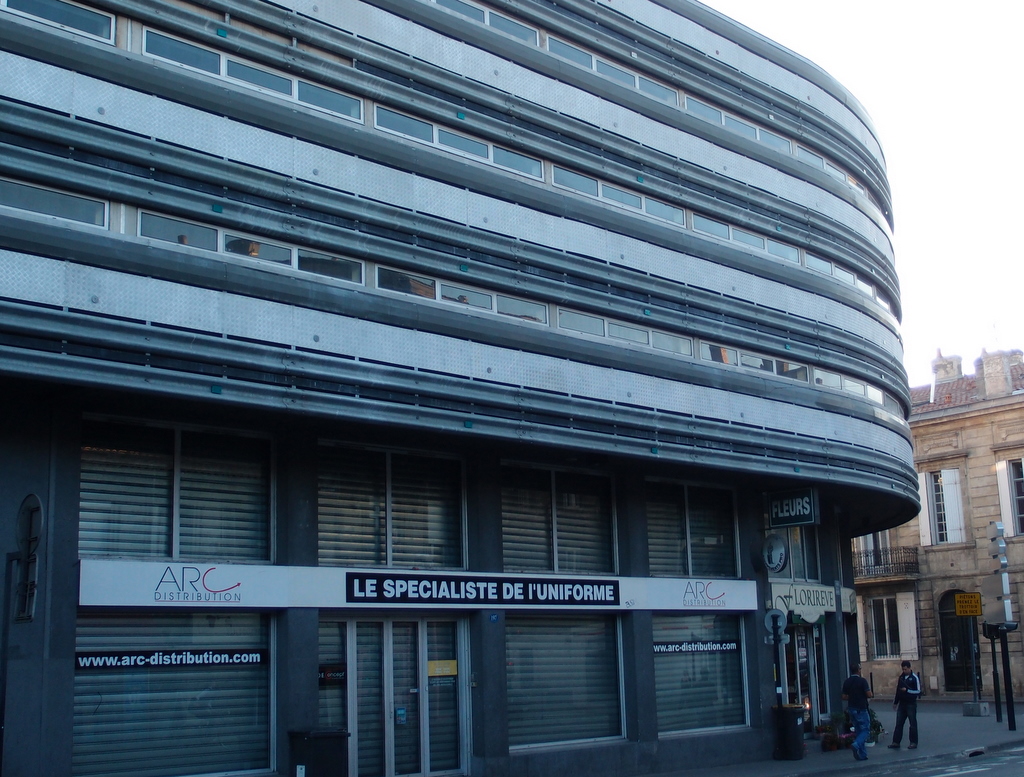
Bordeaux has some beautiful buildings, but not far from where we stayed was the building below. It must be the ugliest building in France, built from checker plate metal, freeway crash barriers and funny little windows.

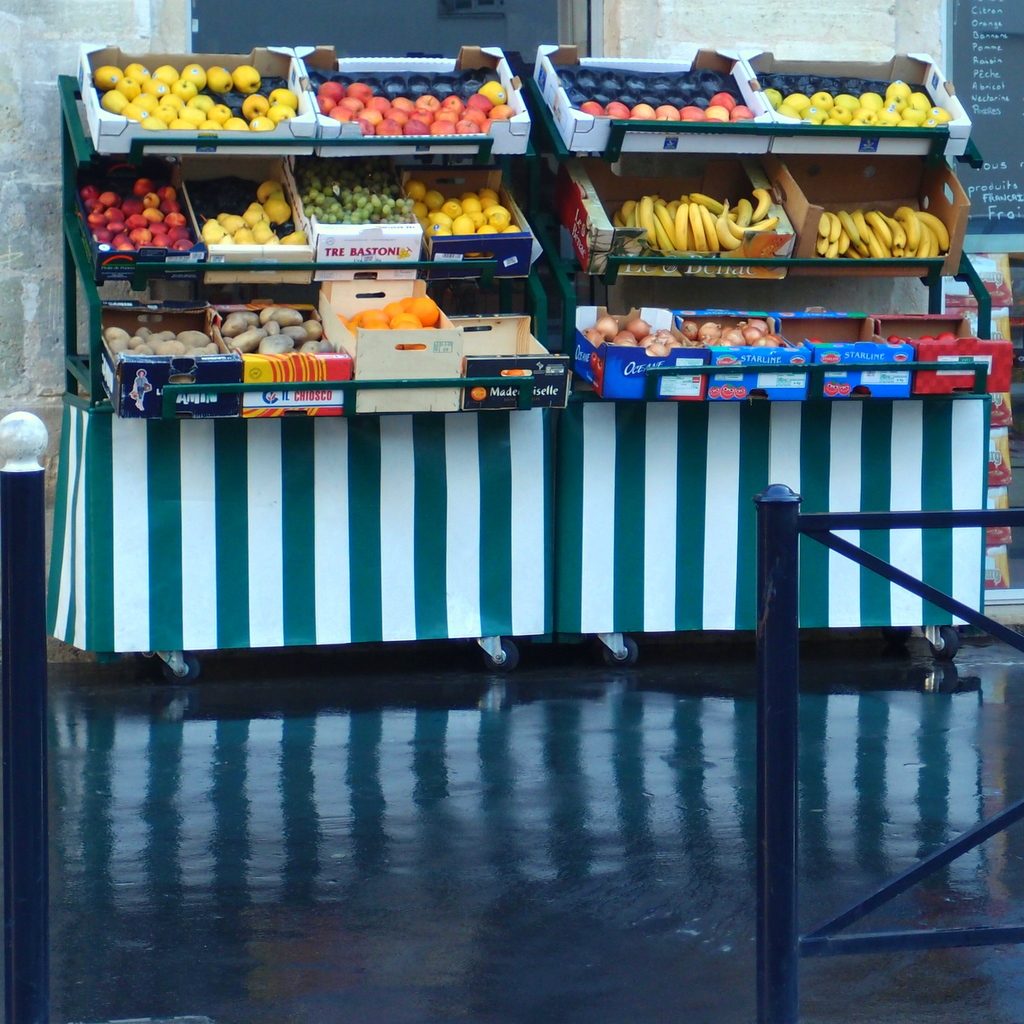
Bordeaux fruit stand

AIX WORKSHOP

After a week in Paris we flew to Marseilles to meet up with the people on our workshop. It was great to catch up with friends from previous workshops and meet up with the new students. A coach took us to our luxury hotel, Le Piggonet, on the outside of the old town of Aix en Provence.

The hotel was a beautiful old building set in magnificent gardens. We could have happily spent a week painting in the gardens, but the town of Aix had a lot to offer so we split our painting time between the hotel and the town.


Le Piggonet


Hotel Gardens


Painting in the Hotel gardens


Dining at Le Piggonet


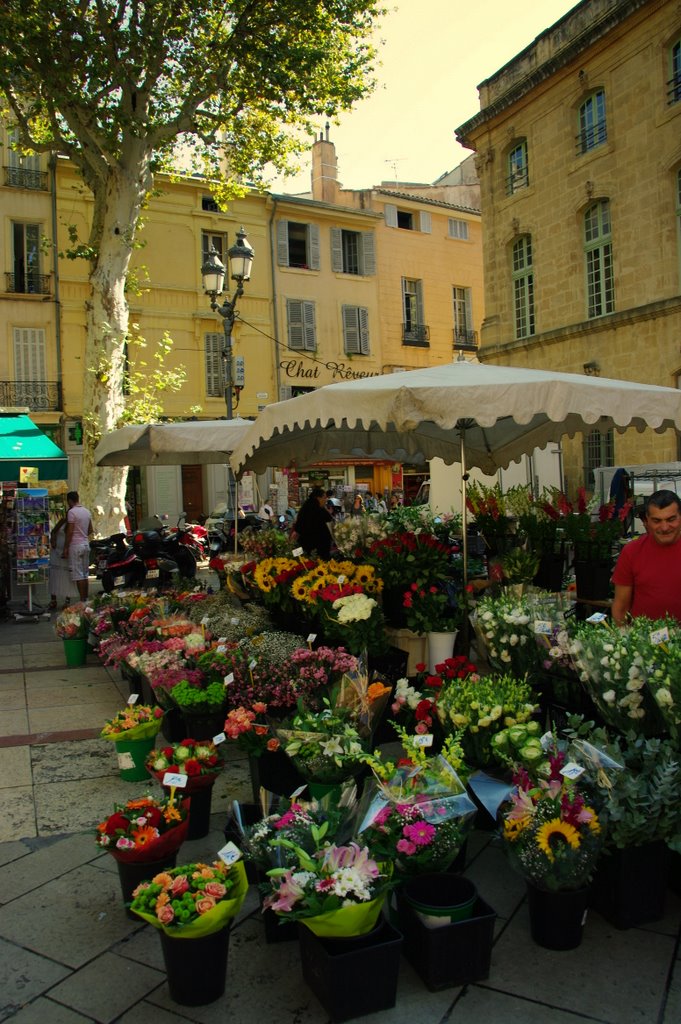
Flower markets Aix en Provence


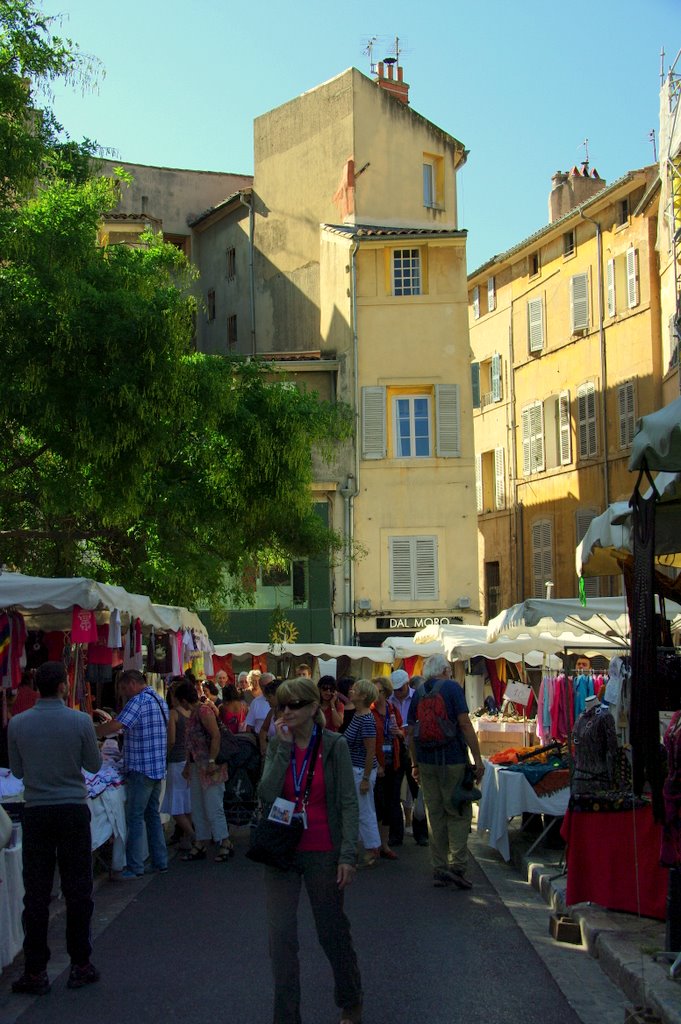
Street Markets

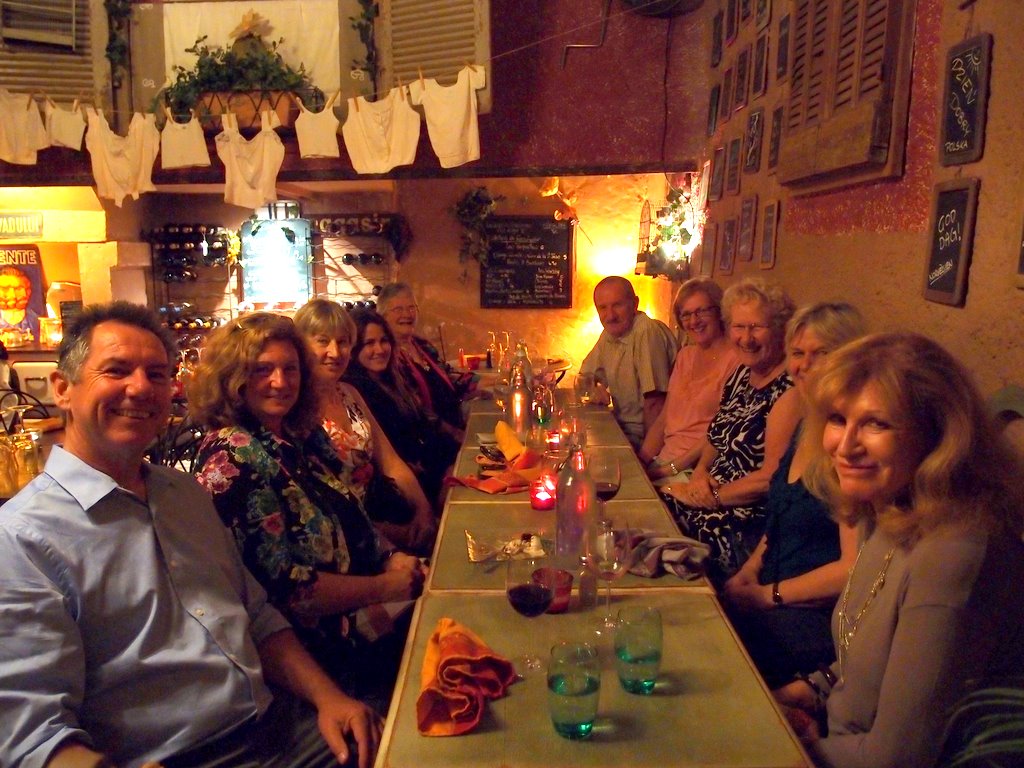
We were introduced to some fantastic restaurants in the town. One of our students lived in the country side not far from Aix and had a great knowledge of all the best restaurants. This was one of our favorites – Le Patio, a small family run restaurant with a great atmosphere, good service and fantastic food.

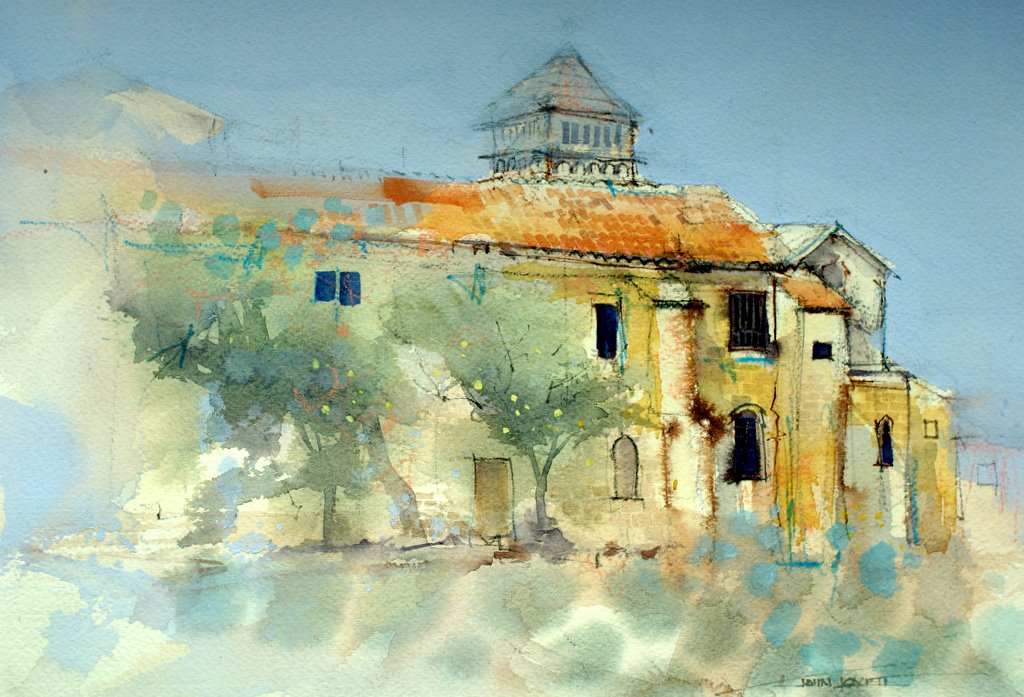
The little town of St. Remy is not far from Aix en Provence. We spent a day there, painting and visiting the Asylum Van Gogh spent time in. We were privileged to paint in the garden of the asylum, where Van Gogh would have often sat and sketched.

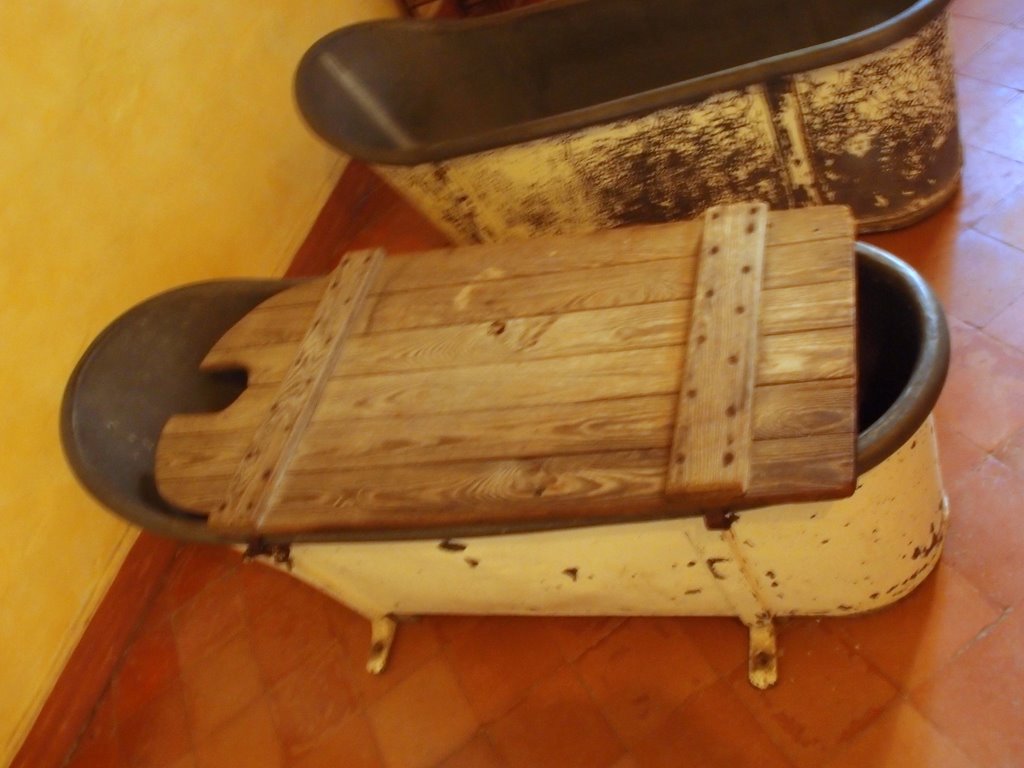
Although the asylum surroundings were idealic, life inside must have been horrific. These bath tubs were filled with cold water into which troublesome inmates were immersed and trapped under these wooden boards.

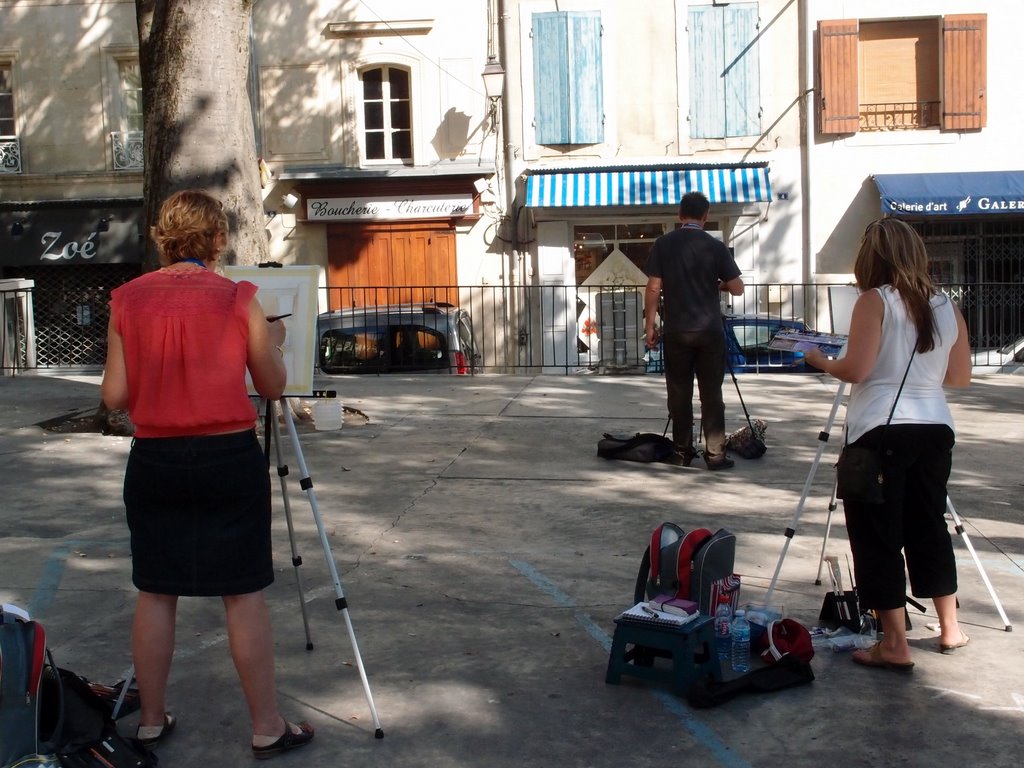
In the town of St. Remy, the main square provided a quiet, spacious area surrounded by ancient stone walls and wooden shutters. We spent an enjoyable afternoon painting there before heading back to our hotel for drinks under the plane trees.

Blue Shutters – St. Remy

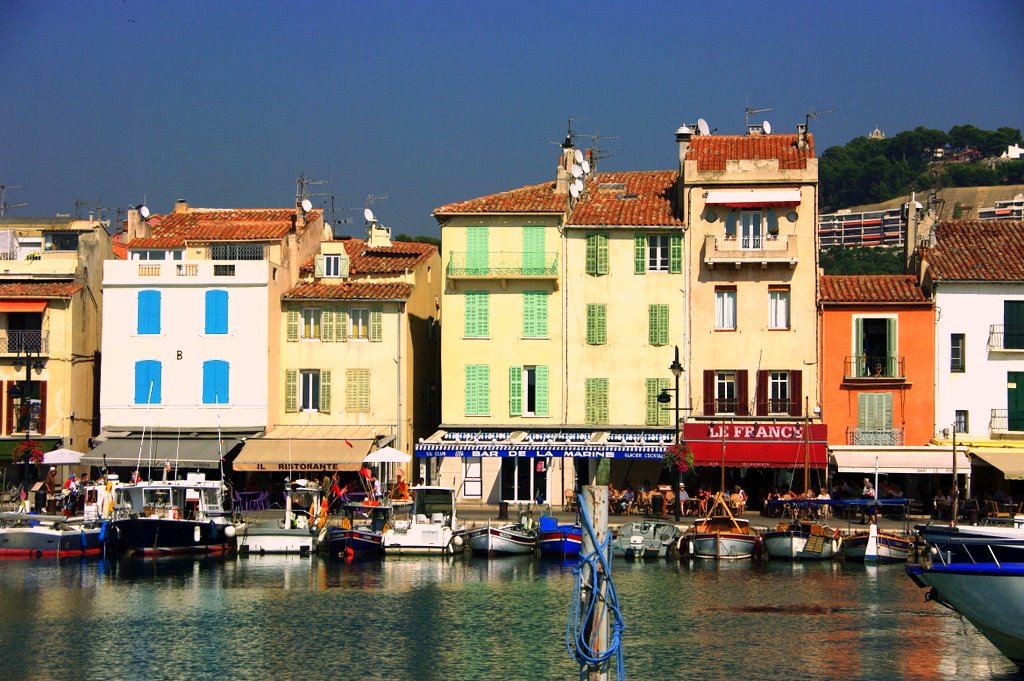
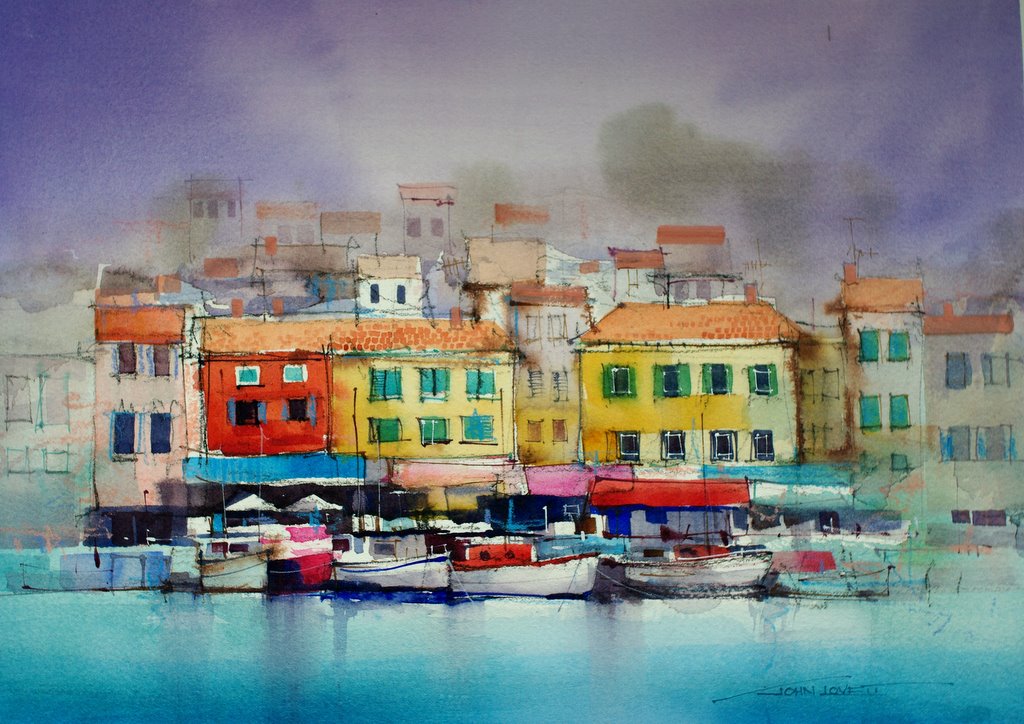
Cassis is a small fishing town on the Mediterranean coast not far from Aix. The busy harbour and backdrop of old buildings made a great painting subject. We shared the park across the harbour with the local boules players, cigarette smokers and baguette eaters. Under the shade of a grove of casuarina trees, we painted the changing vista of the harbour.

Cassis Waterfront

Paul Cezanne lived and painted in Aix en Provence. His house and studio have been made into a museum, crammed with his old coats, umbrellas, paint boxes, skulls, bones and still life props that feature in his paintings.

Cezanne had the house built to his design – living area downstairs, large studio upstairs.

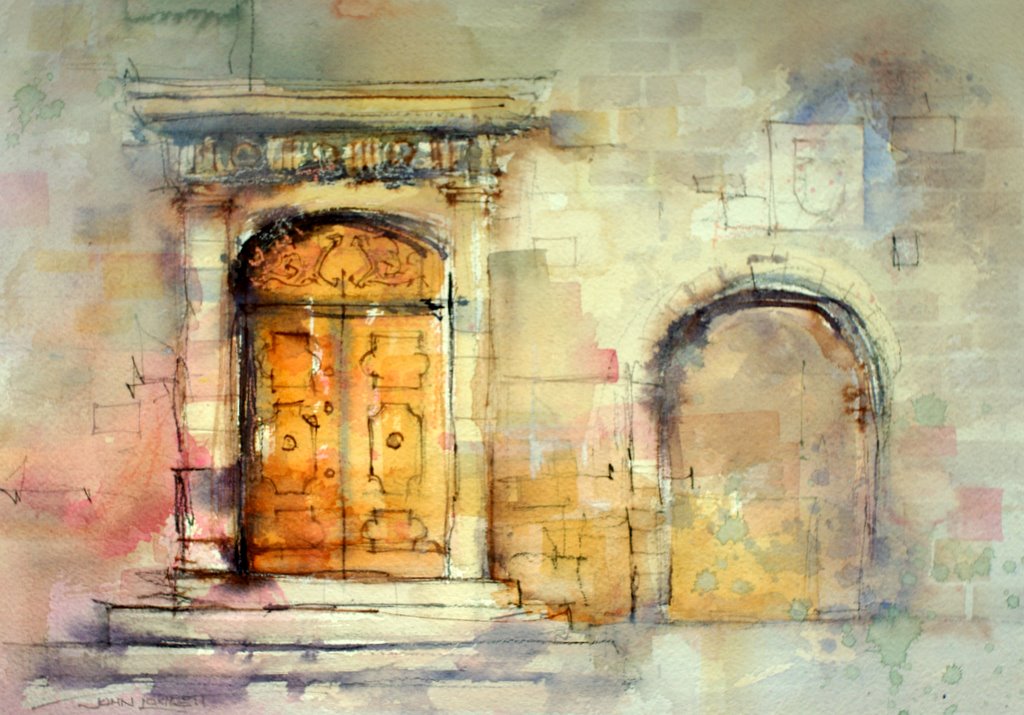
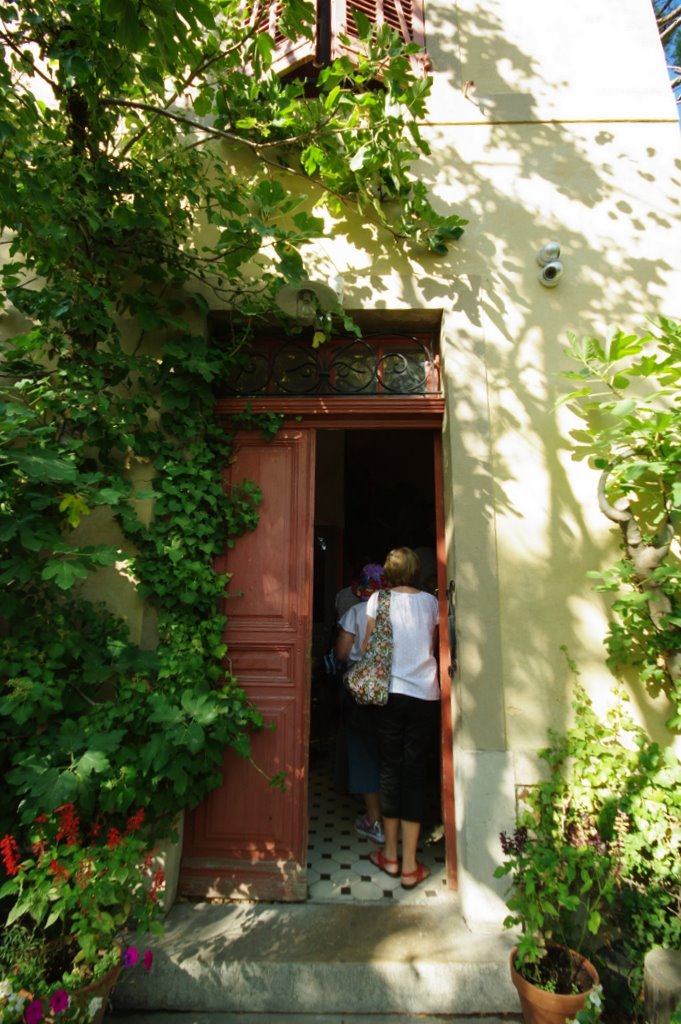
The studio ceiling is about 5 metres high and the Northern wall, almost completely glass. The walls are painted a mid tone, neutral gray and there is a 4 meter x .5 meter corner hatch to remove large works from the studio. It’s a fantastic studio, unfortunately no photographs are allowed inside. Below is the front door to the house.

OVER AFGHANISTAN

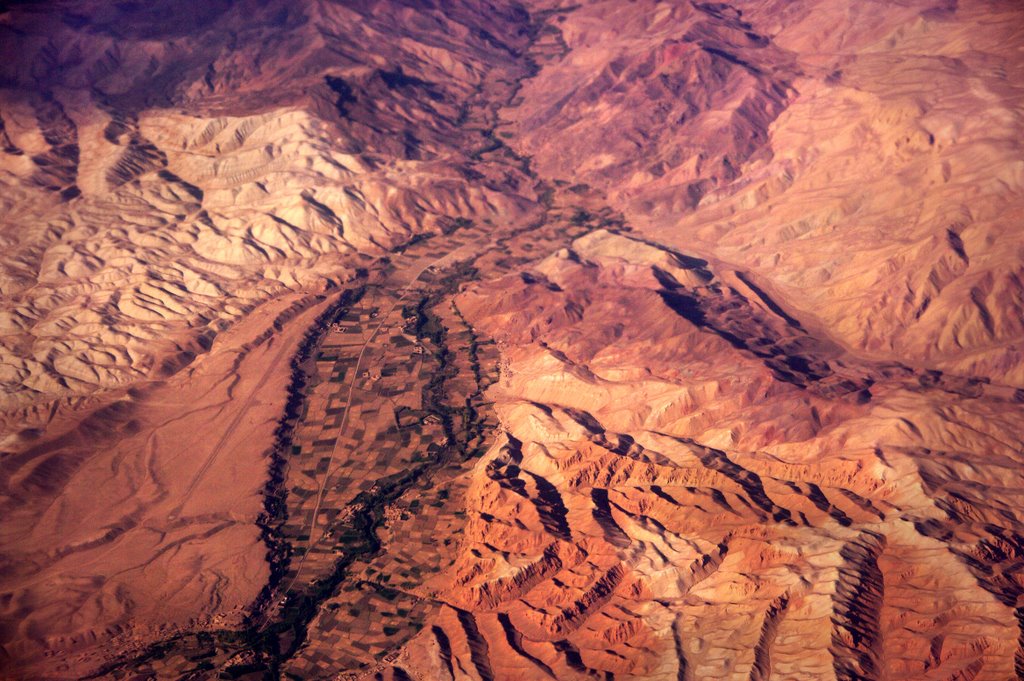
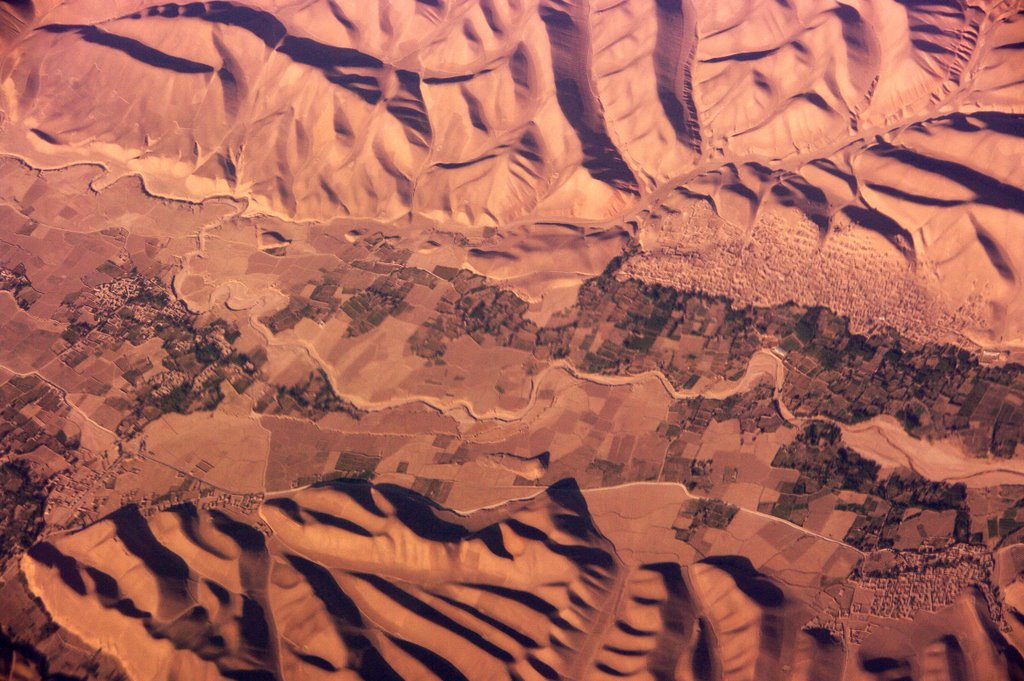
On our way to Europe we were lucky enough to fly directly over Afghanistan just as the sun was setting. The flight information screen put us half way between Kandahar and Kabul at 30,000 feet. The country was amazing – incredibly rugged with very little vegetation except for a few cropped and settled river valleys.

A military transport plane crossed under us at about four o’clock and, within a few seconds, disappeared out of sight. A cold reminder that, down among the cracks and crevasses of this beautiful landscape, a war is going on.

HUNTING MUSEUM PARIS

62, rue des Archives, Paris

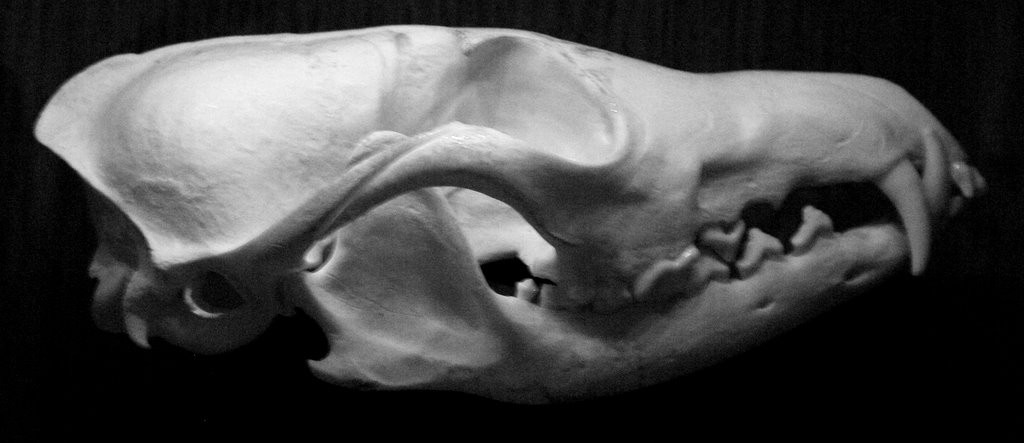
The Hunting Museum in Paris (Musée de la Chasse et de la Nature) is a fantastic mixture of artifacts and art work relating to the killing, eating, stuffing and preserving of animals.


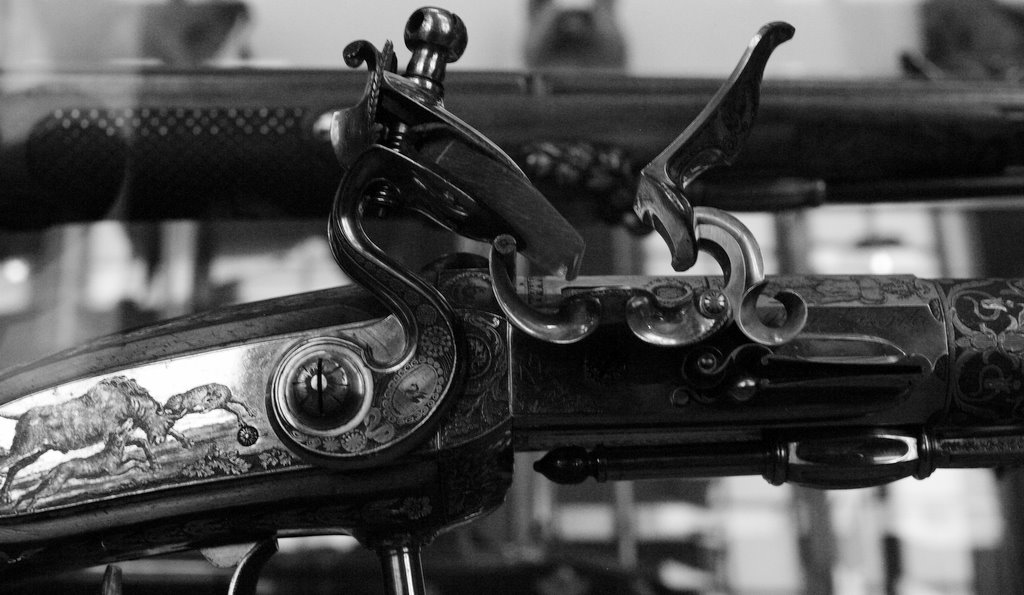
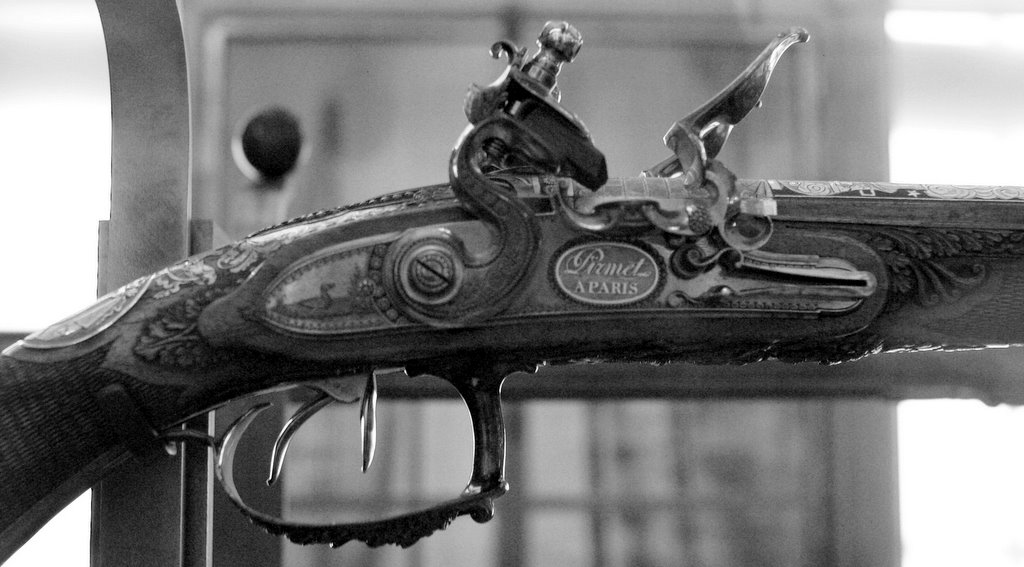
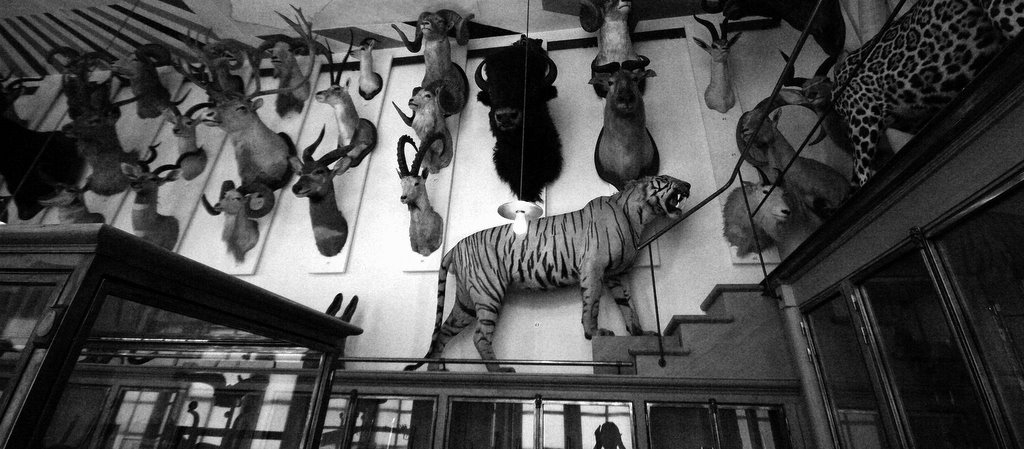
There is an incredible collection of elaborately decorated and beautifully engineered devices for hunting animals, and a trophy room chock full of just about everything that moves (or used to move)


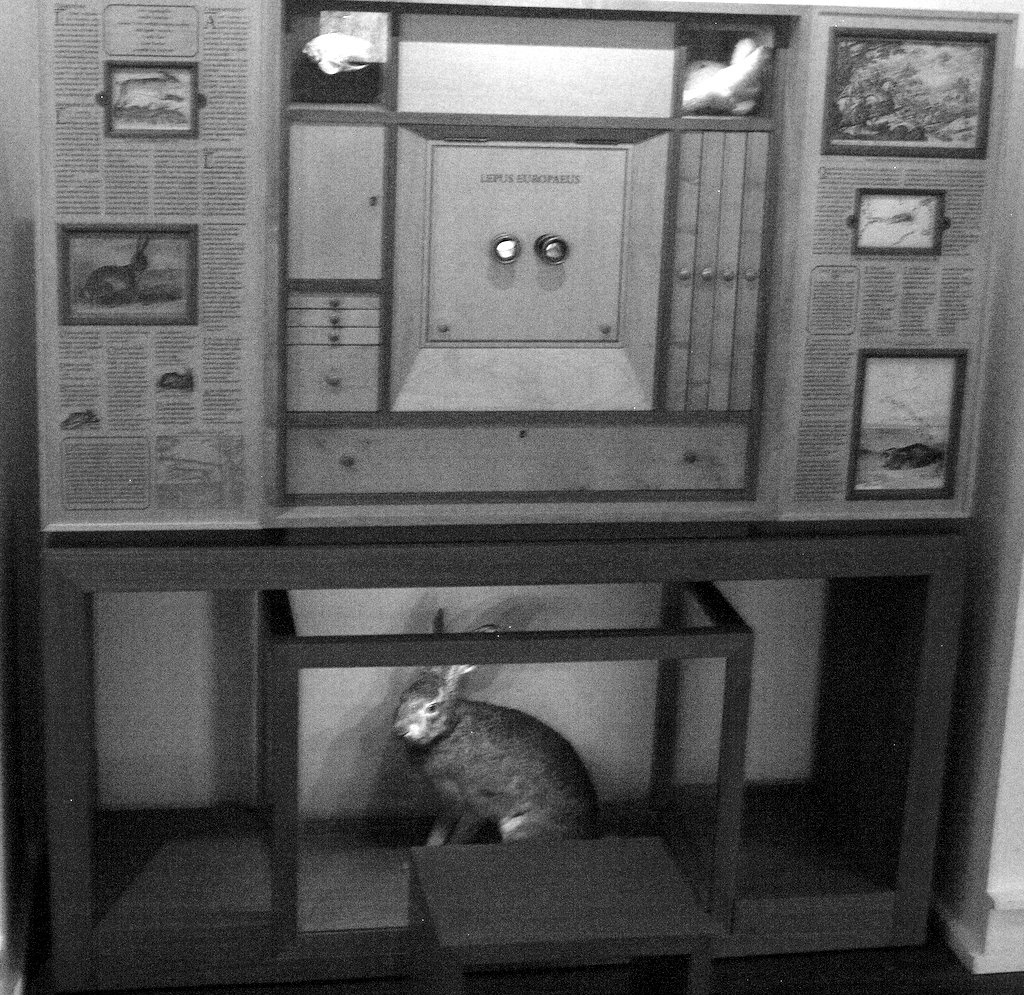
These beautifully made timber cabinets display various hunted animals – from a stuffed example to bones and droppings in tiny pull out draws. A number of slide out drawings and a video peep show visible through a pair of brass binoculars complete the display.


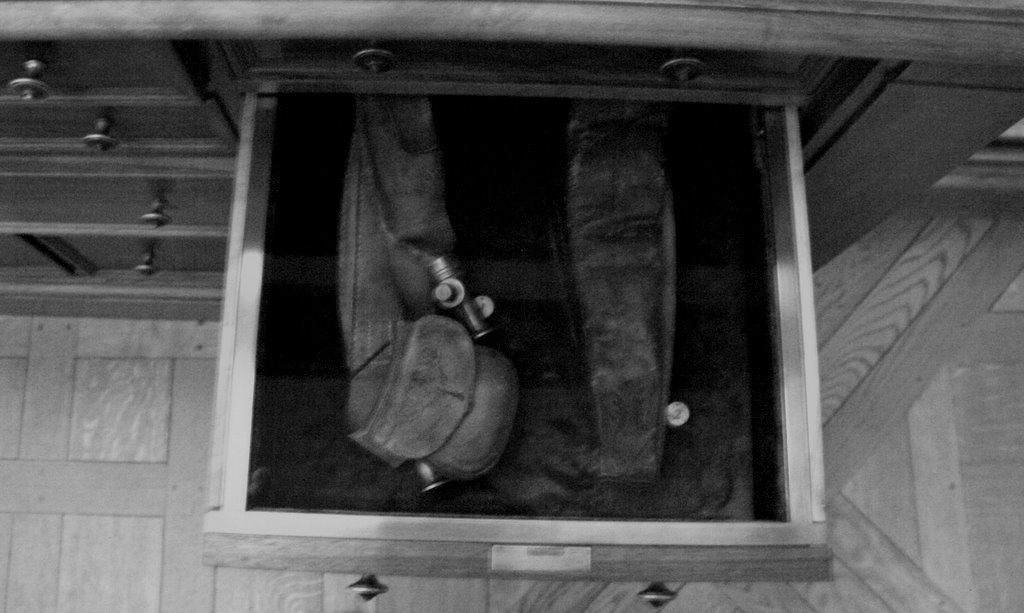
The glass storage cases for guns sit on top of numerous drawers crammed full of related hunting paraphernalia …


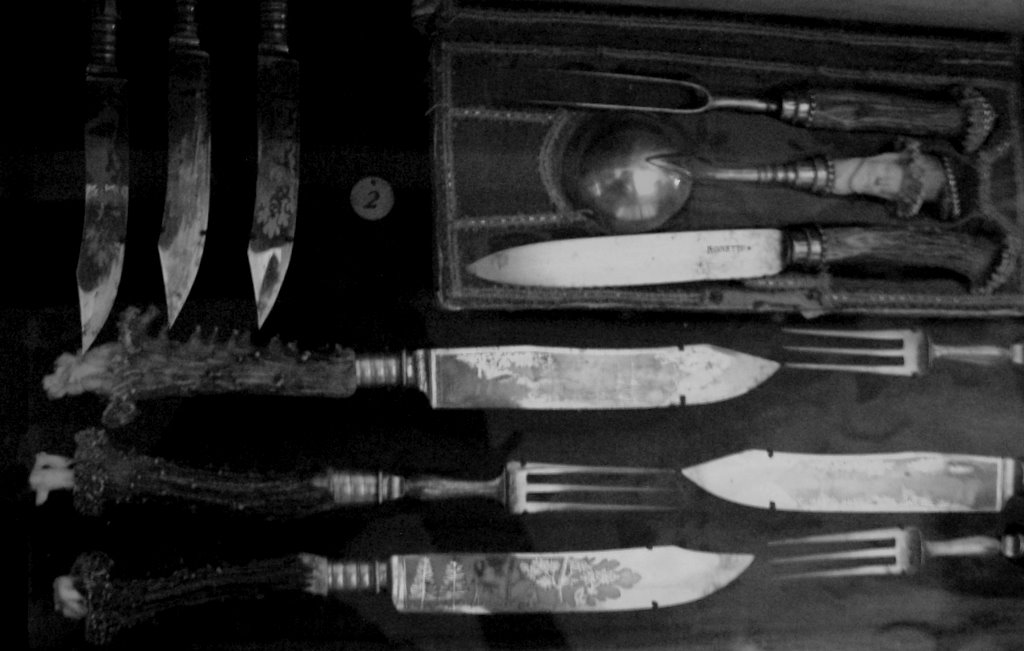
…even knives and forks for eating your kill.


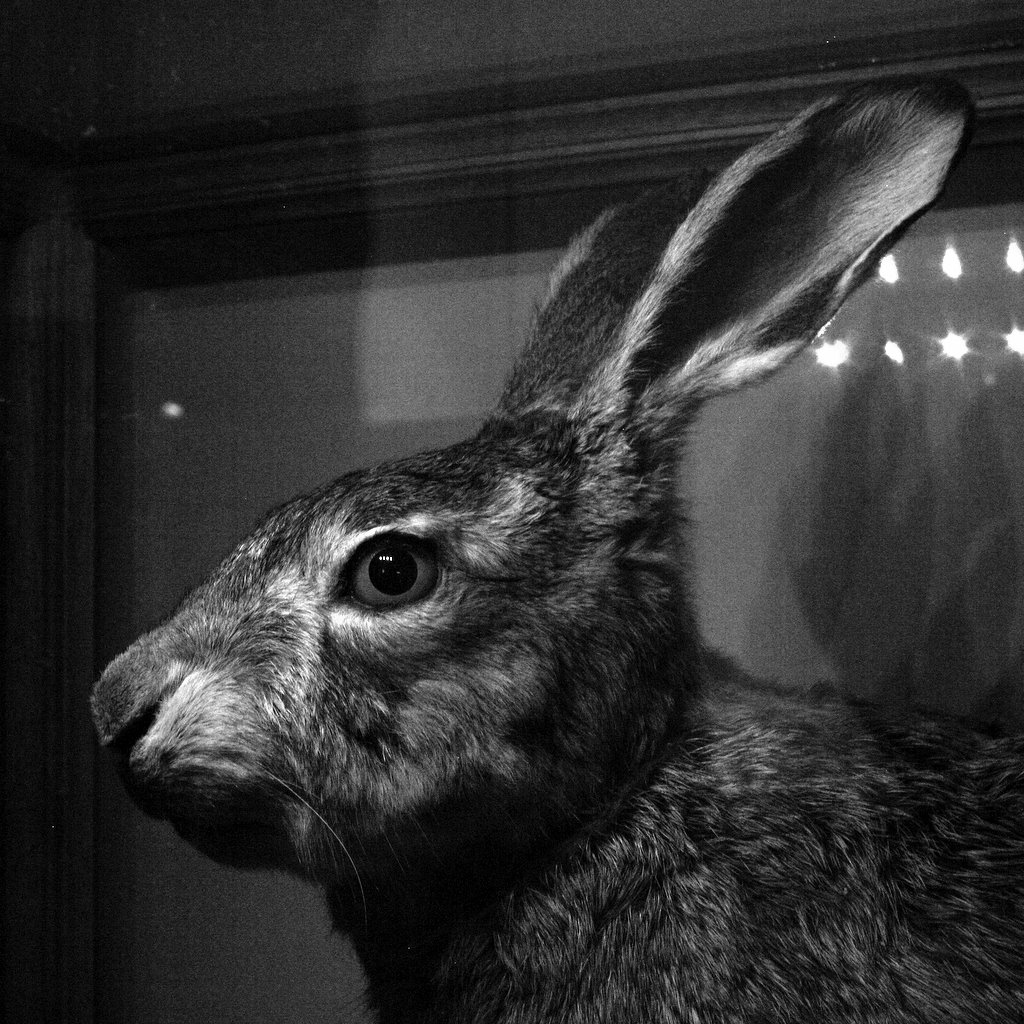
Unlucky rabbit


Even unluckier Fox


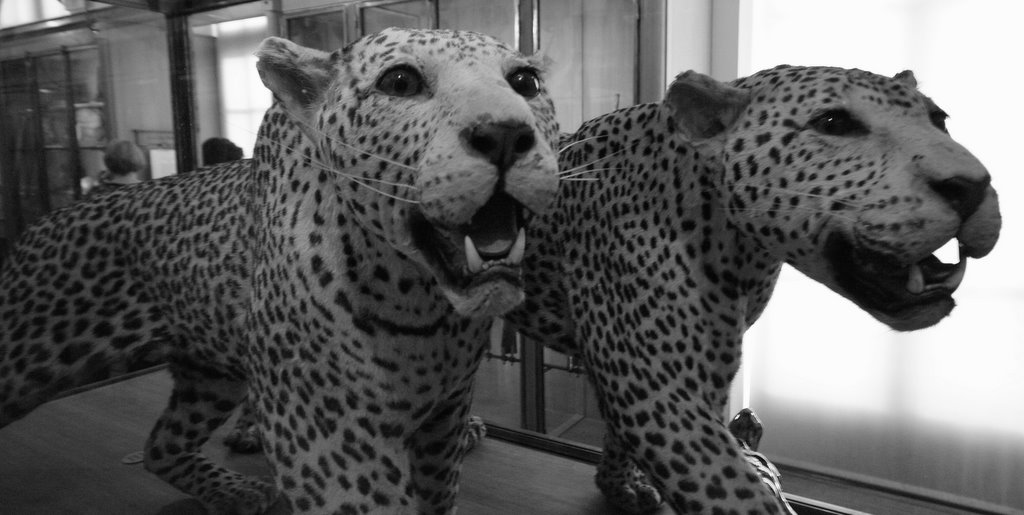
Handsomely stuffed leopards


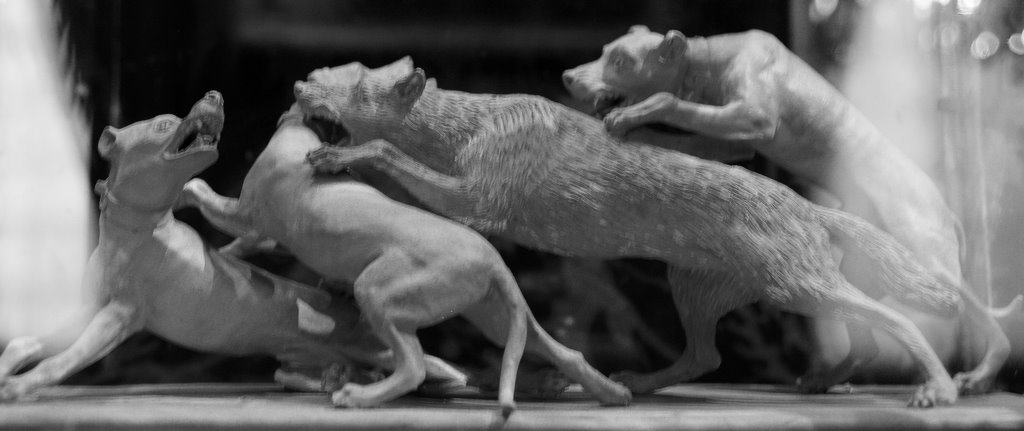
Hunting dogs and Wolf


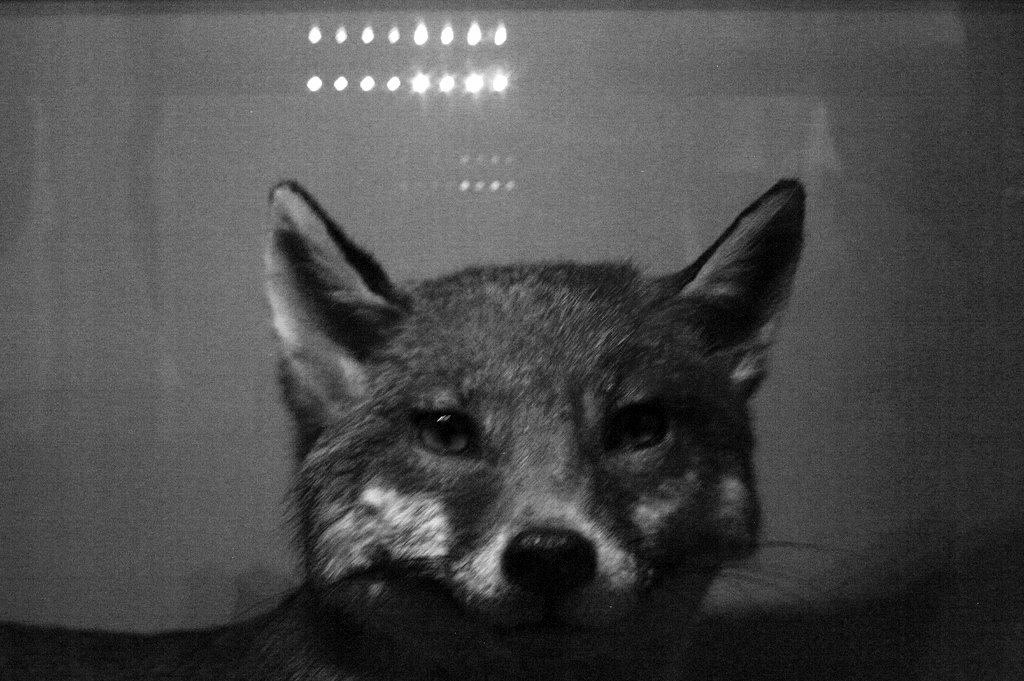
Stuffed fox still looks cautious


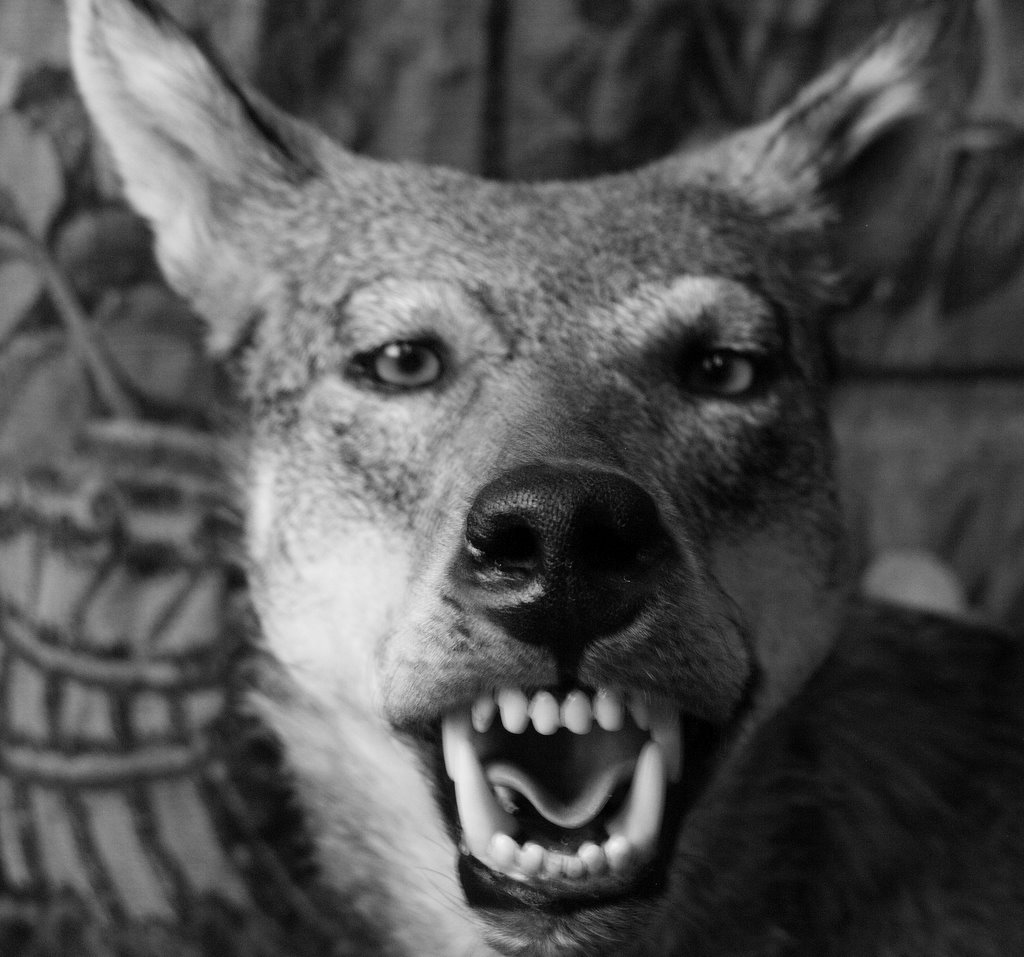
Stuffed hunting dog with poorly fitted false teeth

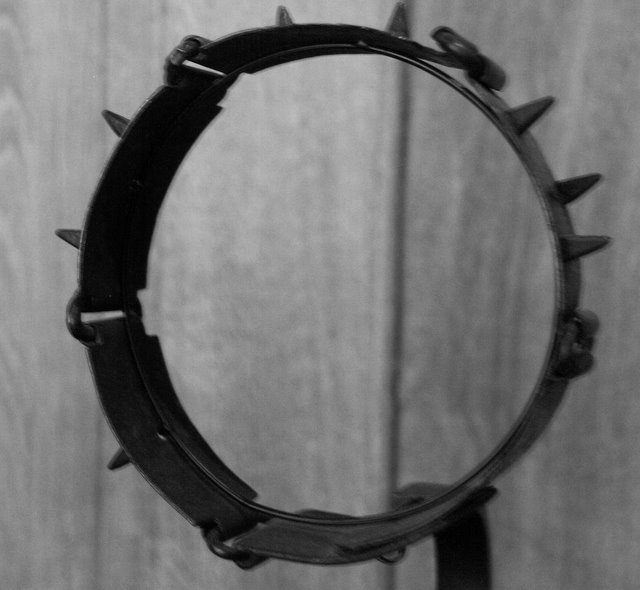
Heavy duty iron hunting dog collar.

The Museum is housed in a beautiful 17th century building renovated and decorated without compromise. The more you look the more magnificent detail you will find.

FRENCH TRANSPORT

The French are responsible for some cool and quirky cars – Peugeot, Renault and Citroen make up the bulk of cars on the road but, mixed with these is an interesting collection of other brands clogging the Rues and Boulevards. Here are a few that caught my eye.

Citroen 2CV – these cars pitch and roll so much that it is said you can tell their owners by their grazed elbows

Weird amphibious convertible on a Paris river barge

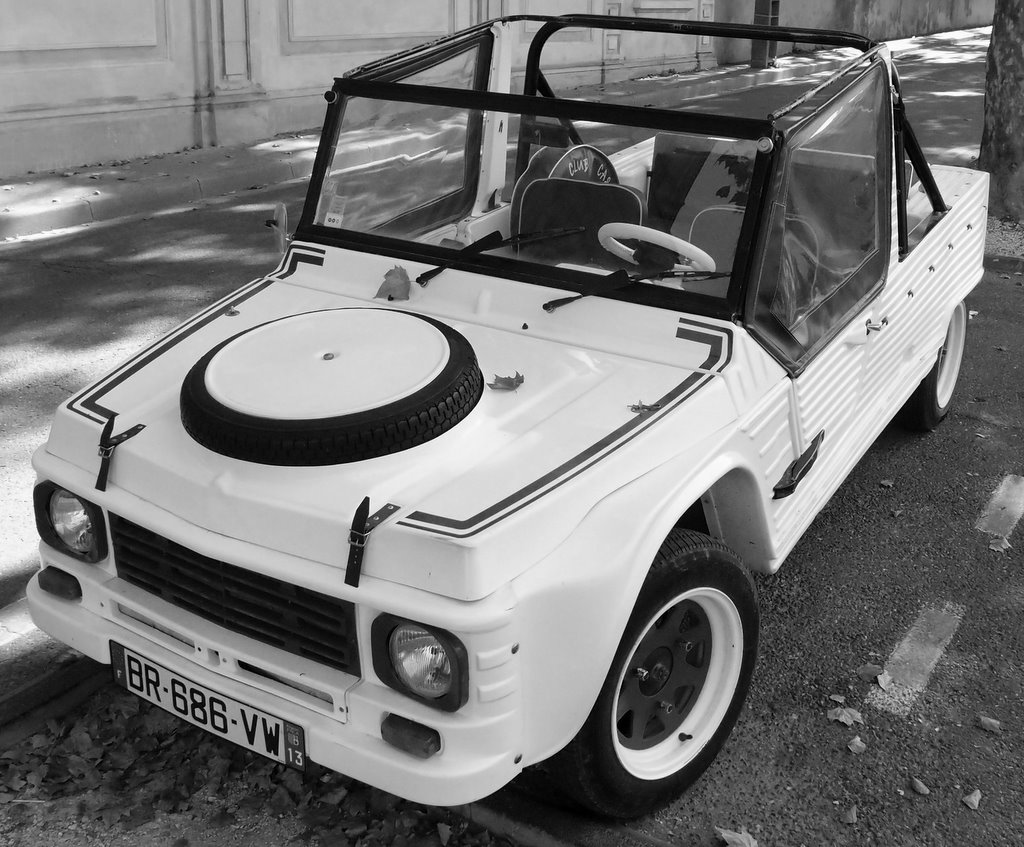
Practical Plastic Citroen

Minute Ute


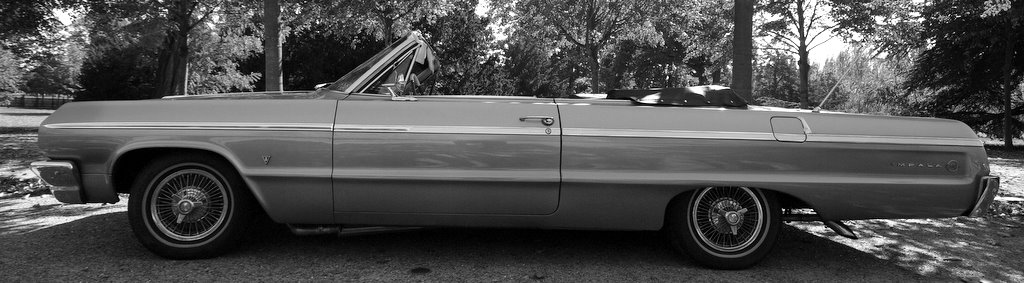
American extravagance in Paris


American muscle in Paris


British practicality in Paris


1960’s weirdness


Ancient  German engineering reborn


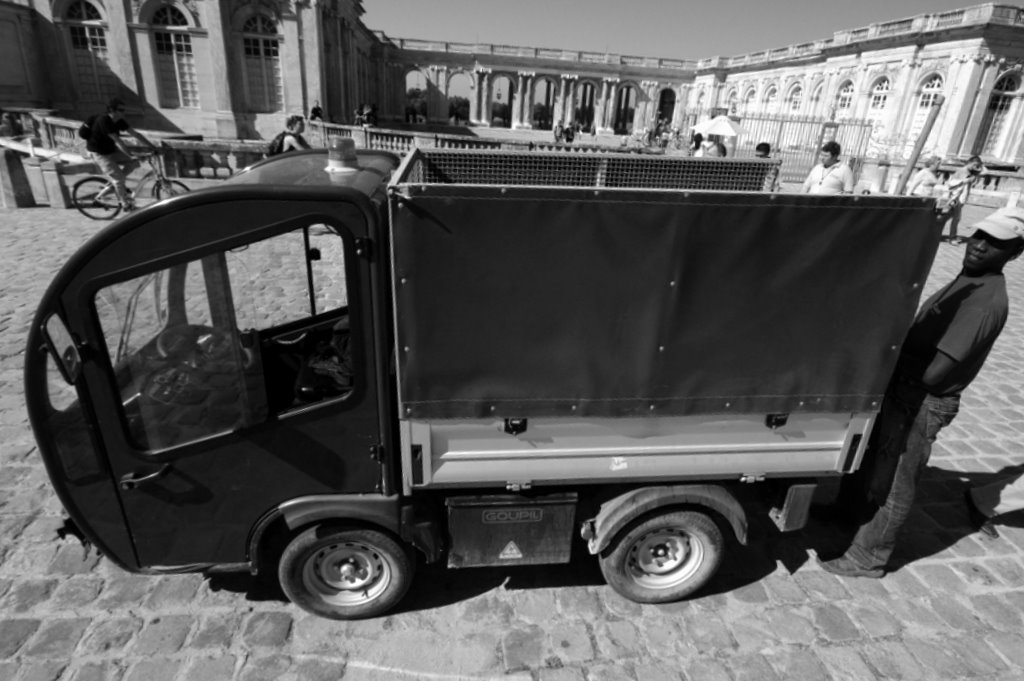
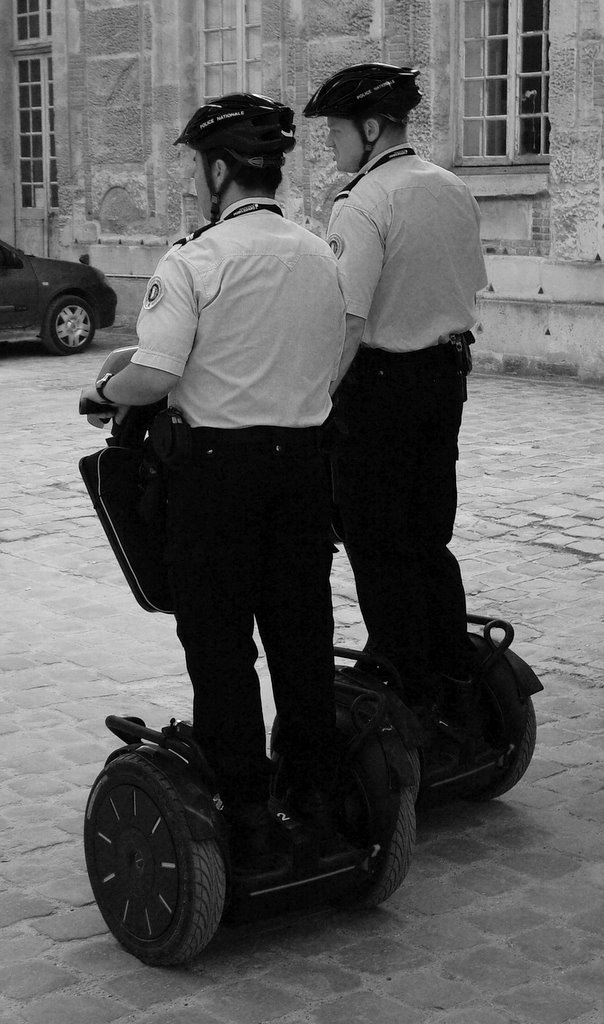
Tiny garbage truck at Versailles


Primitive 2CV

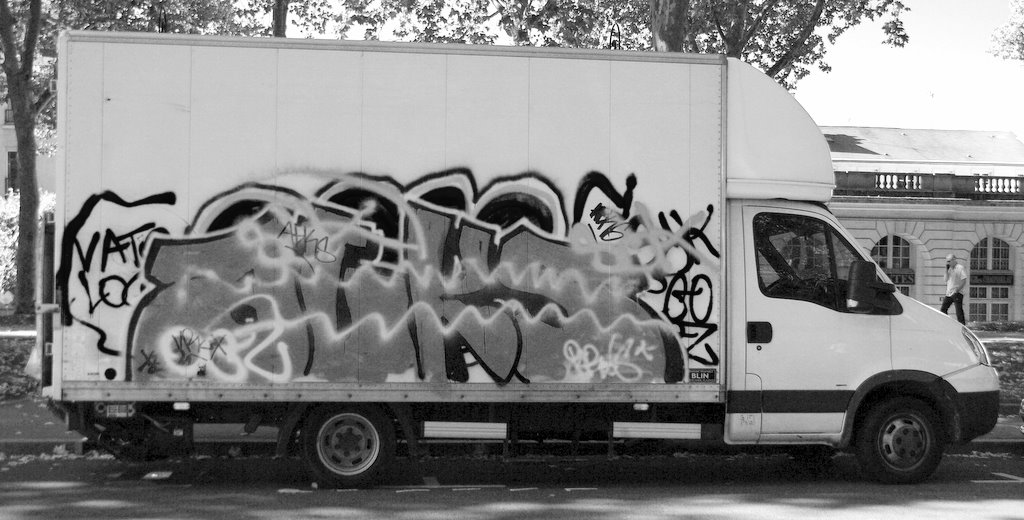
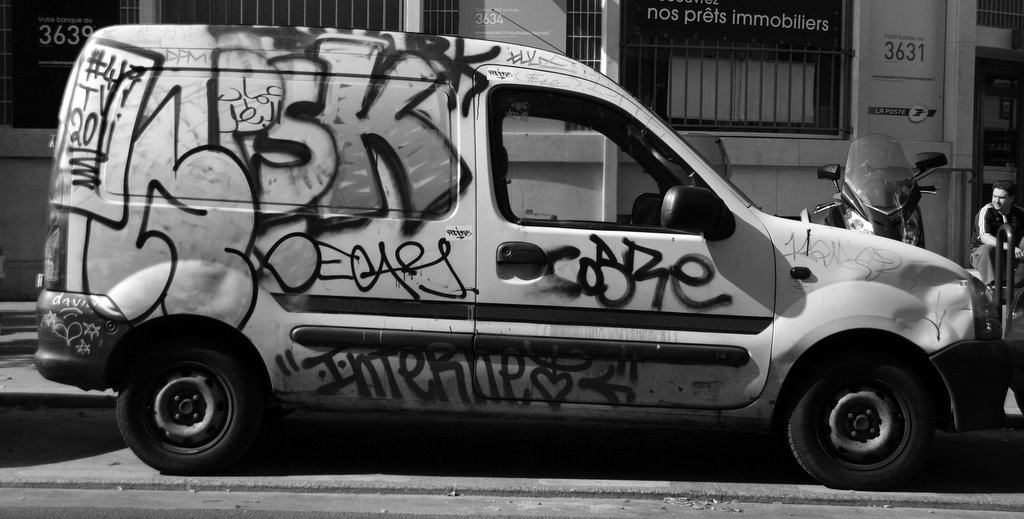
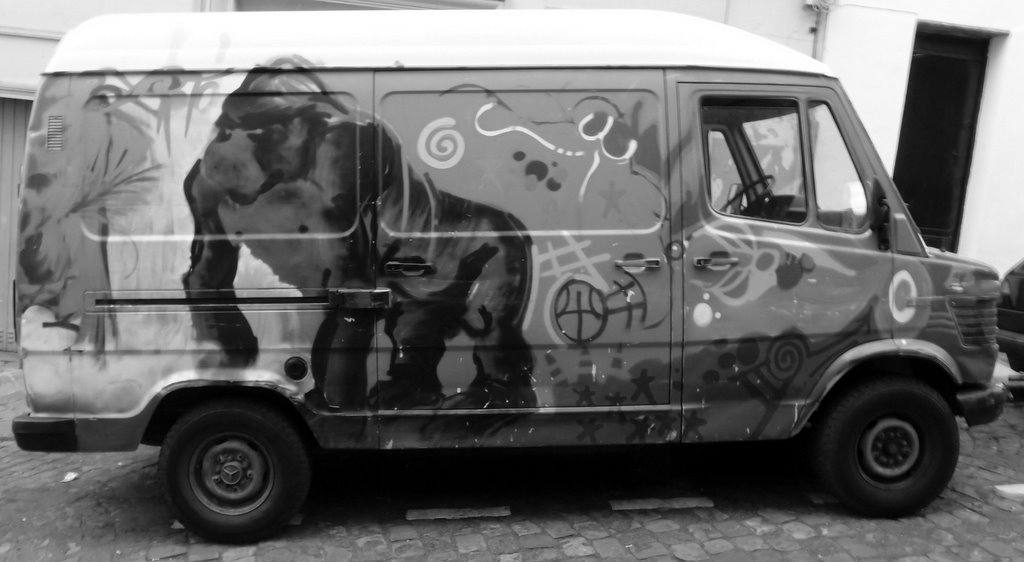
If you own a small white van in Paris and don’t have a garage, graffiti seems inevitable…

PARIS

We arrived in Paris with a week to explore the city before our workshop starts in Aix en Provence. Our apartment in Montmartre is great – close to some great bars and cafes, and just down the hill from Sacré Cœur.  A 6 day metro pass costs around 25 Euro and makes traveling around the city so easy – it is rare to wait more than a couple of minutes for a metro and the system is well signed and easy to follow – even for a pair of non French speaking Australians.


From a little bar at the top of Rue Tholoze – good beer and great view


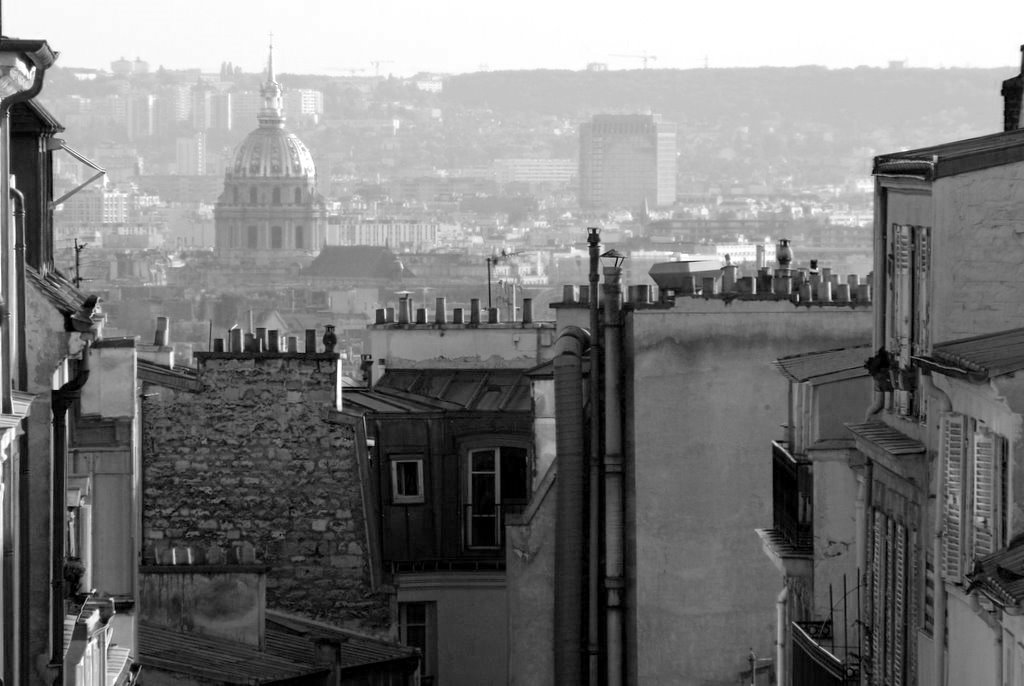
Montmartre rooftops
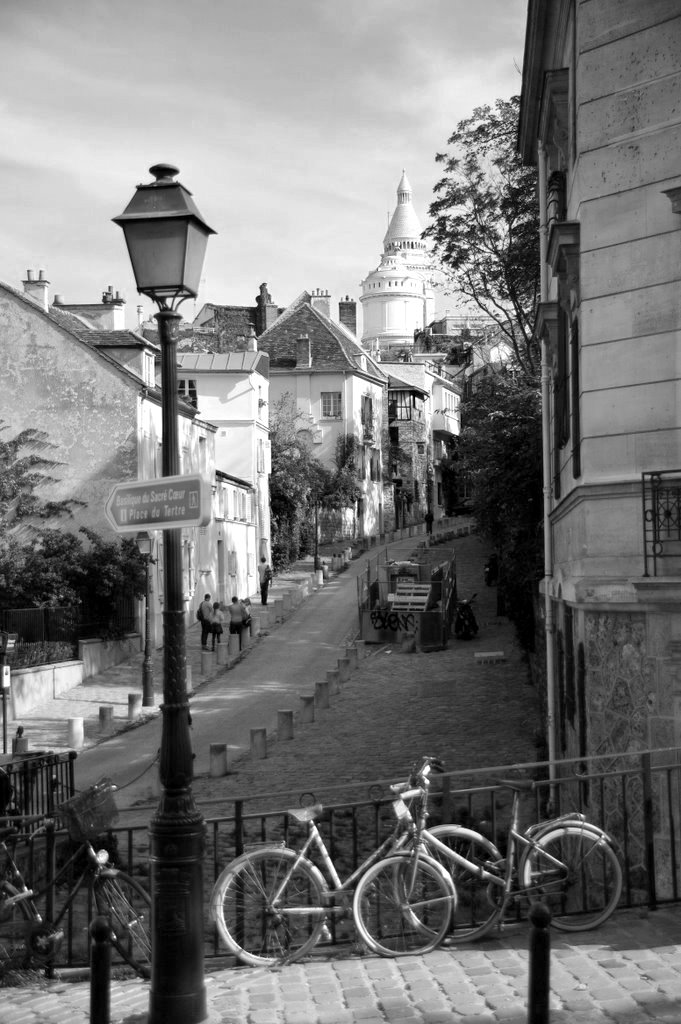

Path to Sacré Cœur
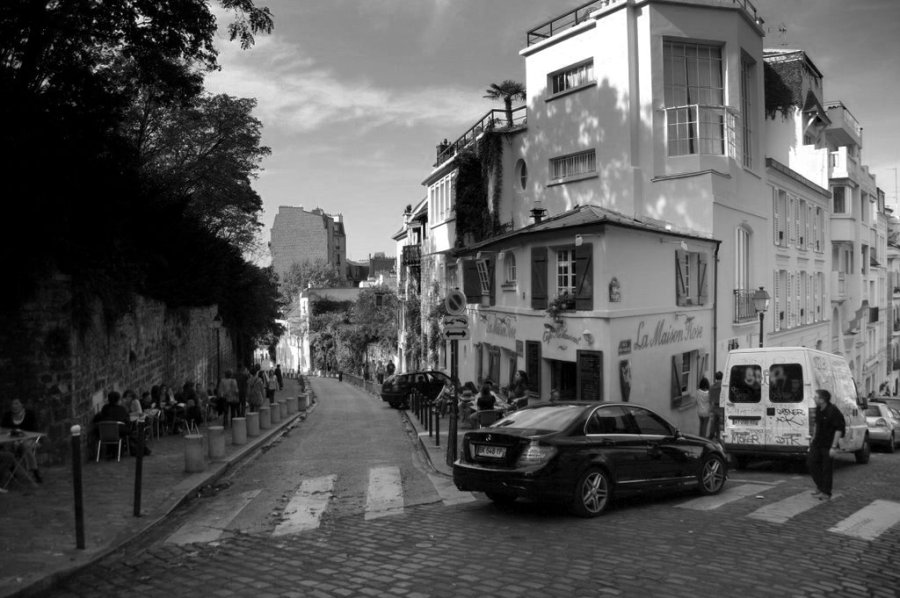

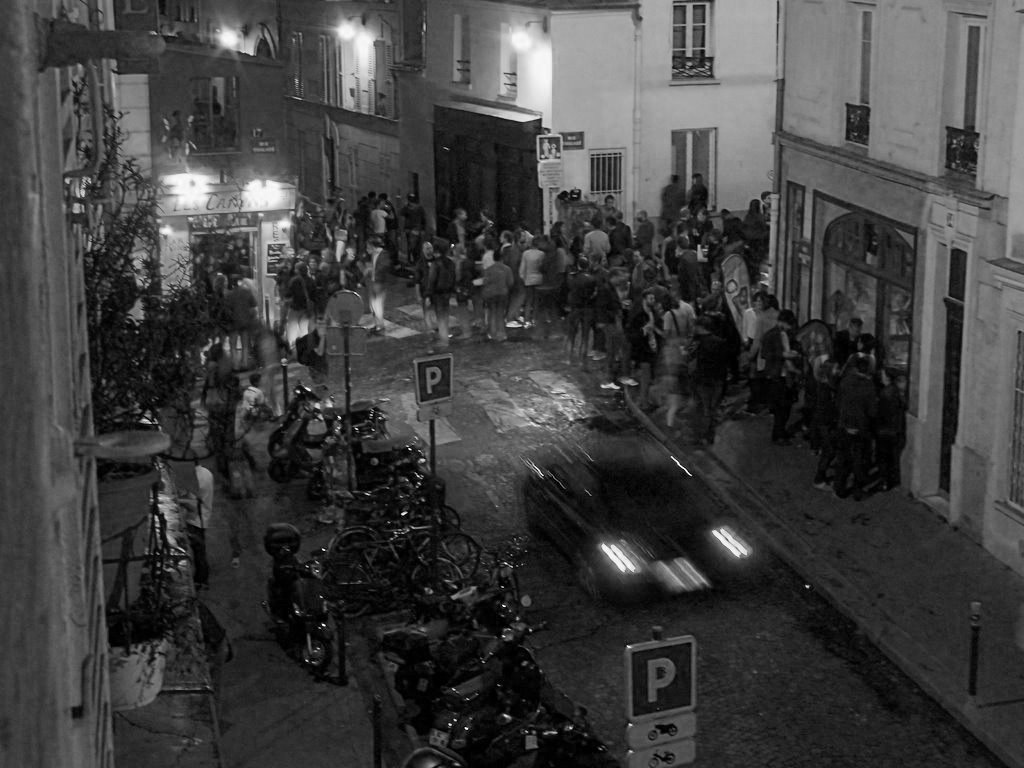
Montmatre backstreets
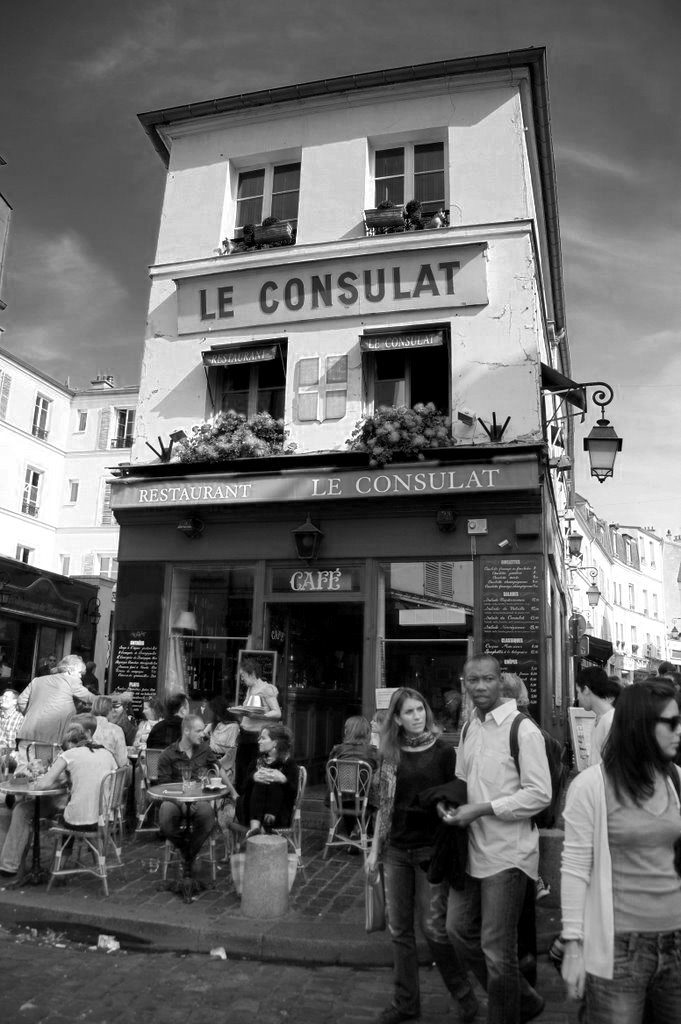

At the top of Montmatre near Sacré Cœur is the busy tourist area where artists crowd the square and sell their wares.
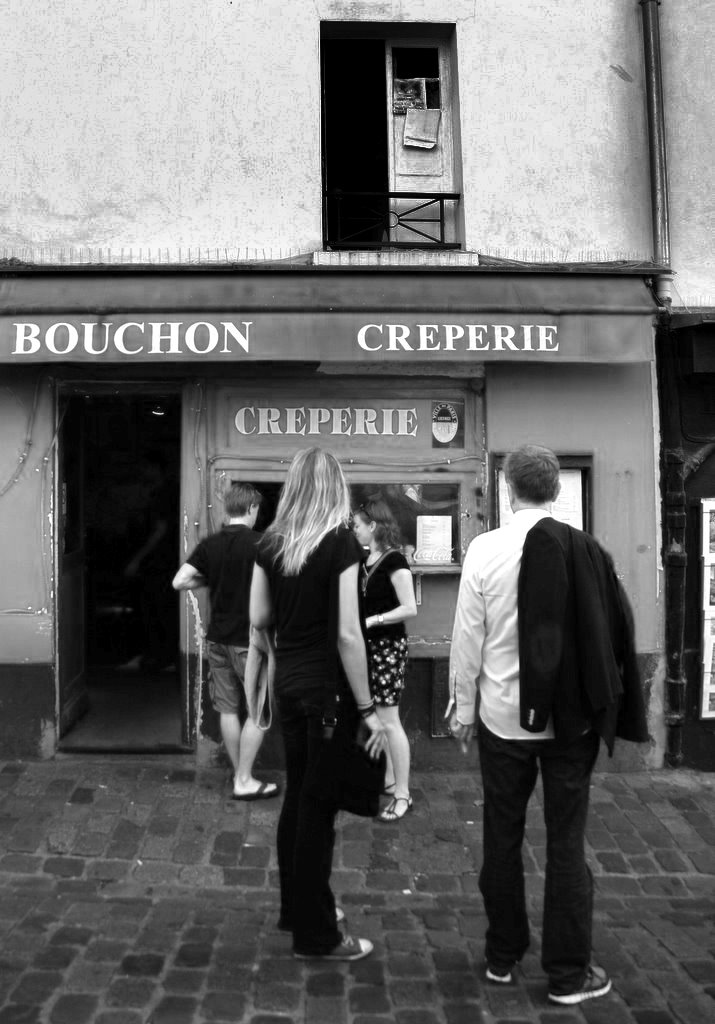

Two people trying to walk past a crepe shop.


Rooftops from Sacré Cœur


Our apartment has a beautiful old oak floor and staircase. when you walk into the building you can smell the linseed oil someone lovingly rubs into it.
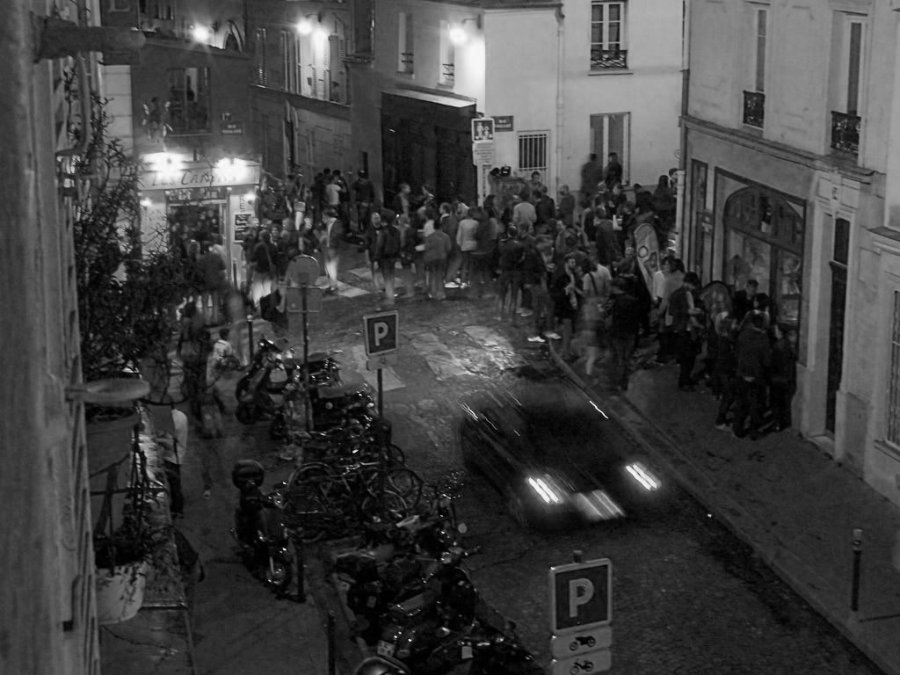

From our apartment window we look down on one of the busiest bars in Montmatre. I’m sure Picasso and Henry Miller and Alfred Jarry all drank here. Every night sees dozens of people spilling out onto the streets.


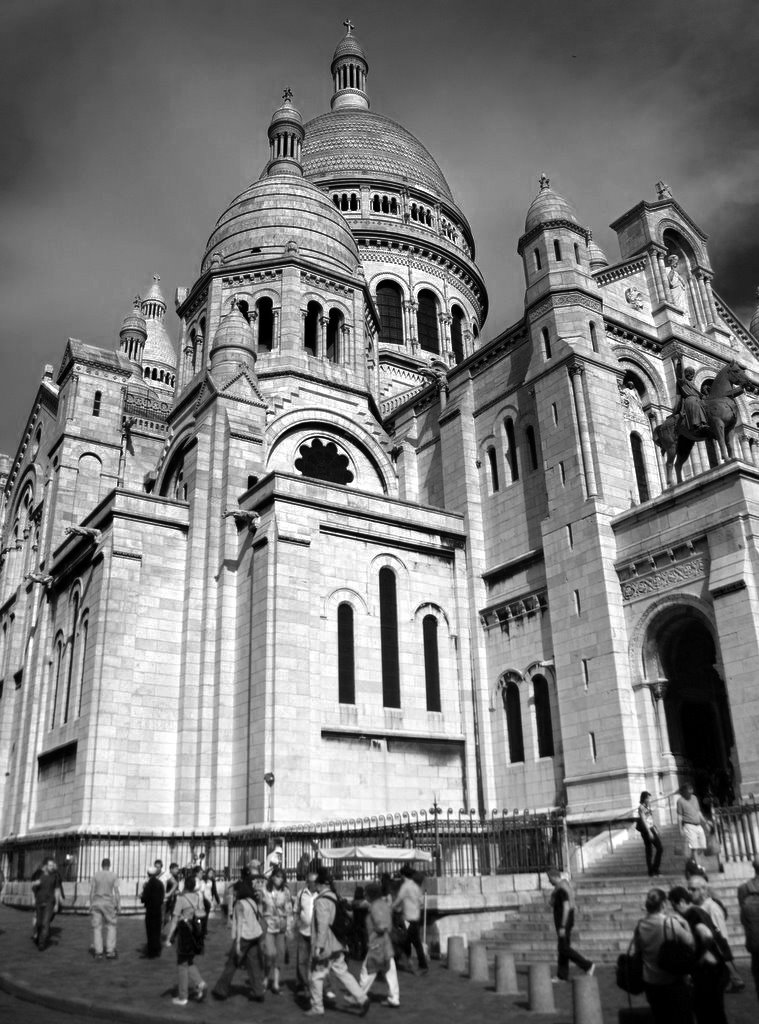
Sacré Cœur
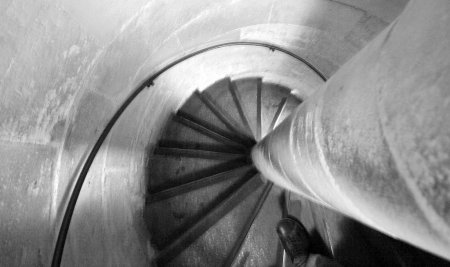
The Romans lay claim to the arch, but I think the French must have invented the spiral staircase. We have been up and down so many in the last few days – thankfully Sacré Cœur has a clockwise one going up and an anti clockwise one coming down.
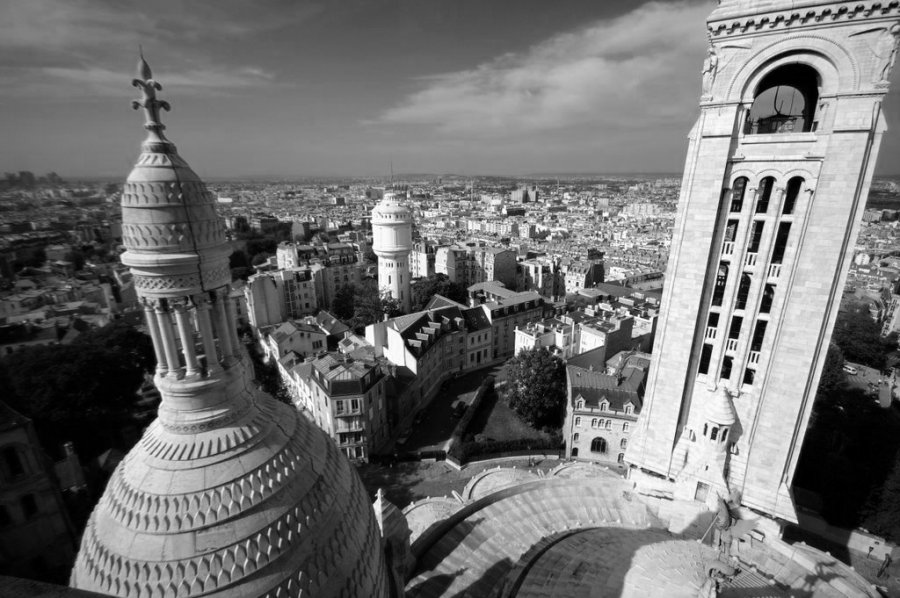

Spectacular views of Paris from the dome of Sacré Cœur
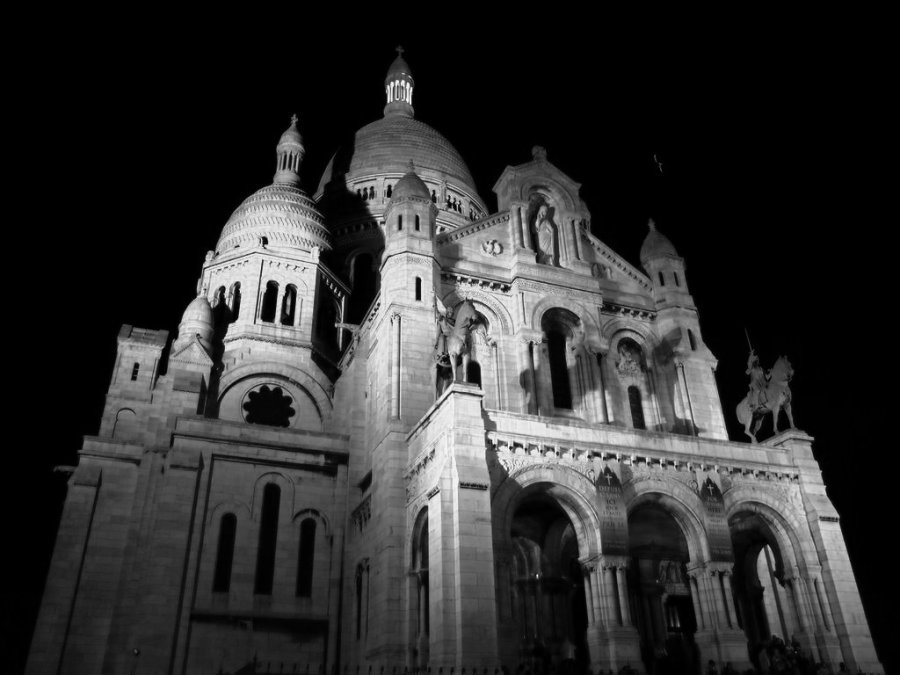

At night Sacré Cœur is a pretty scary sight.


Not near as scary as this strange grave in the Montmatre Cemetry…
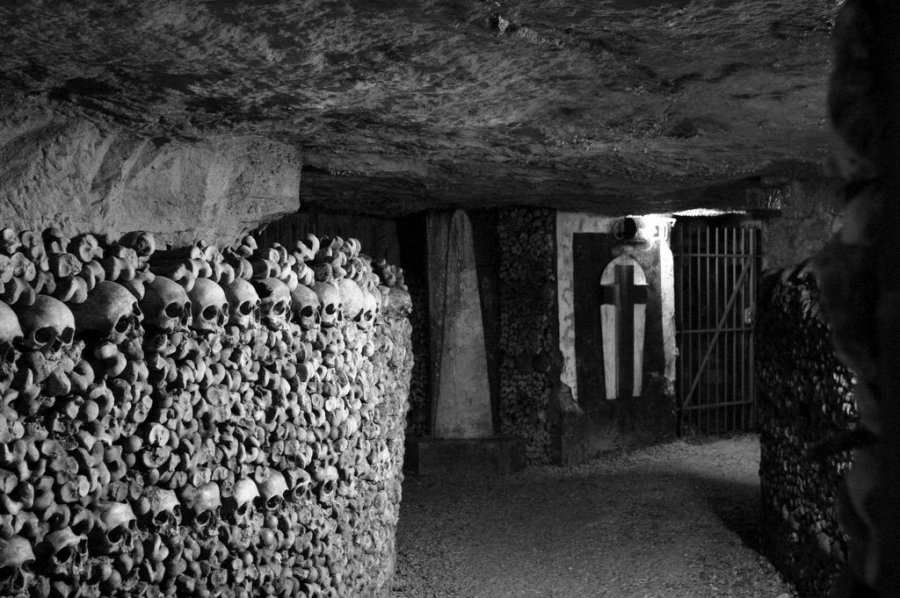

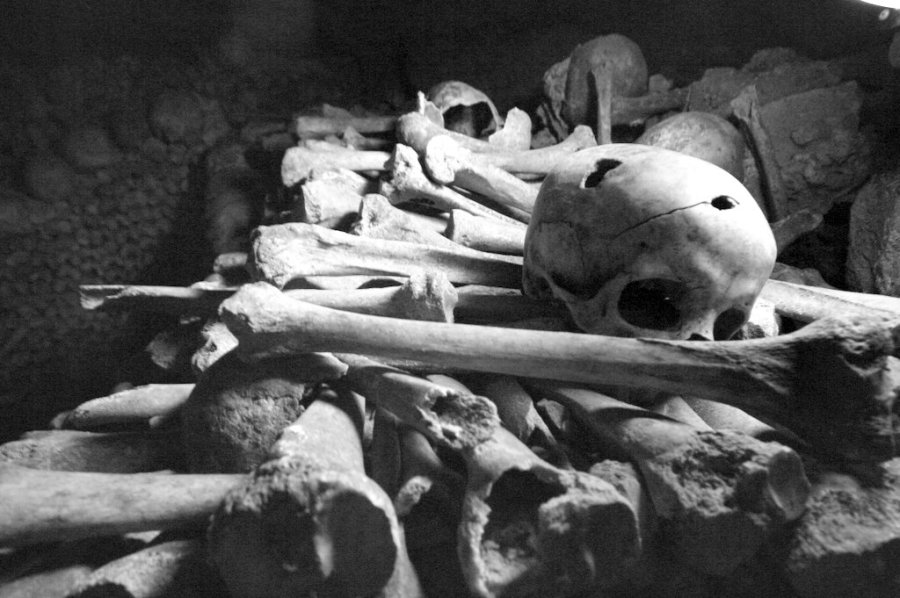
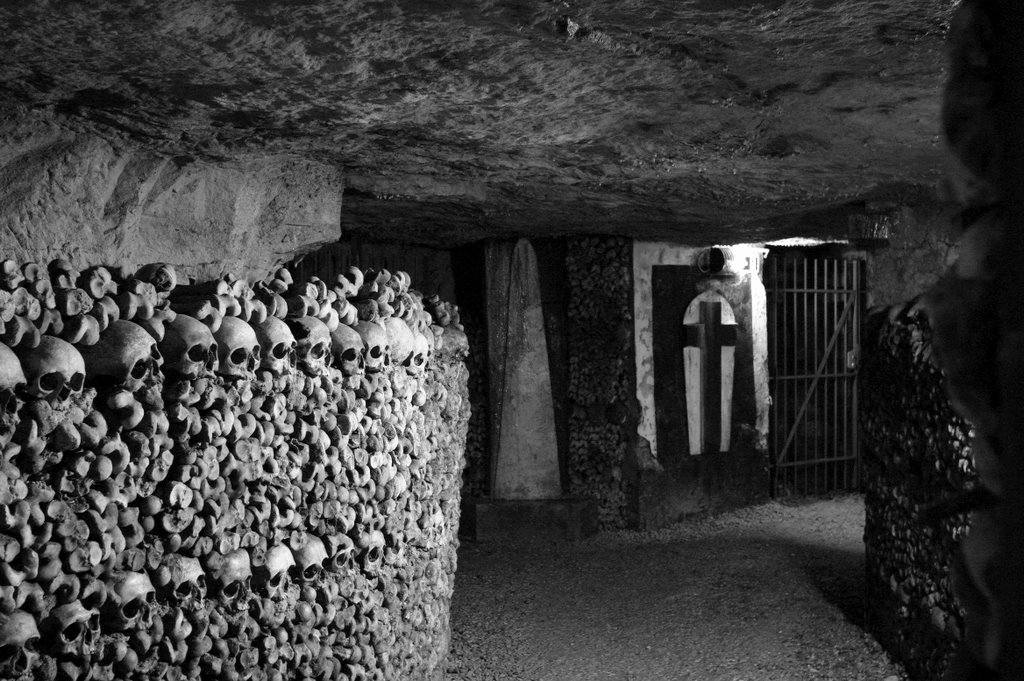
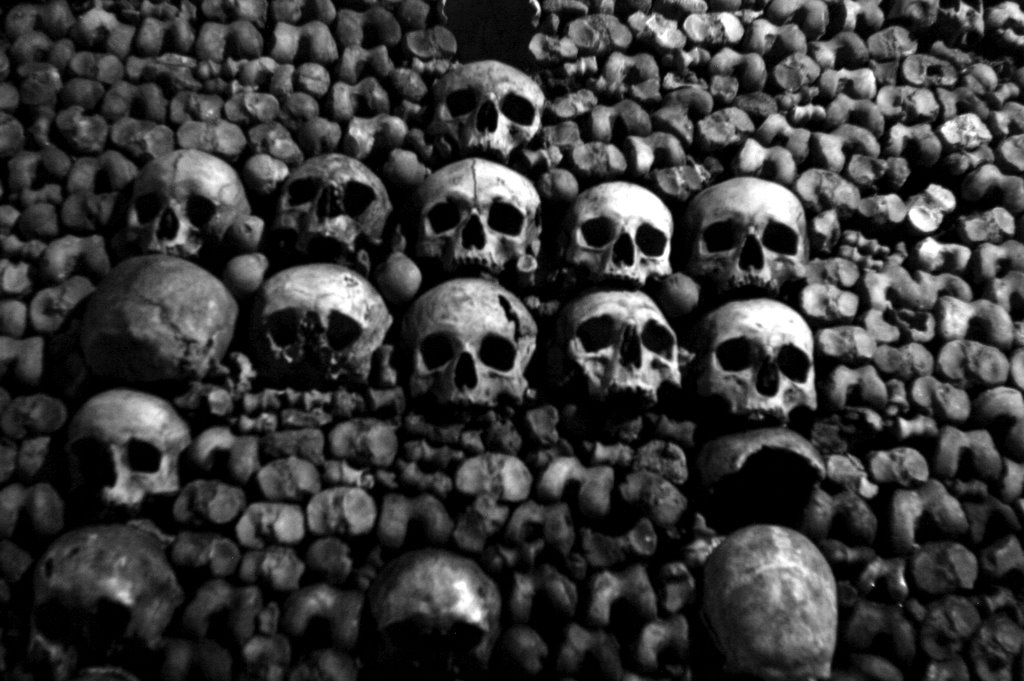
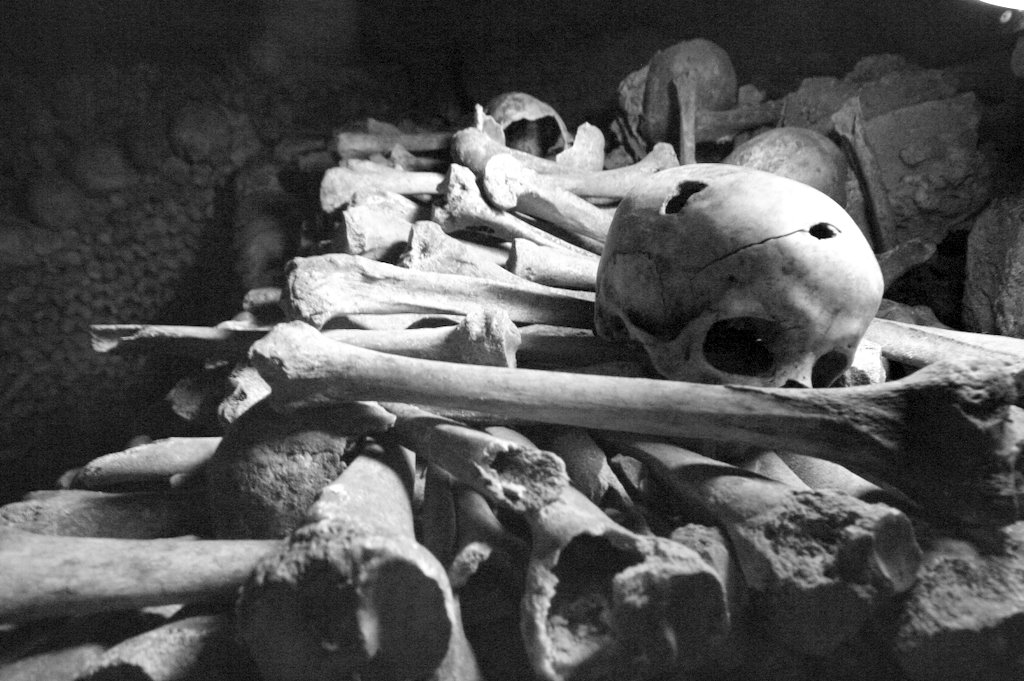
…or the walls of bones lining the catacombs under the streets of Paris
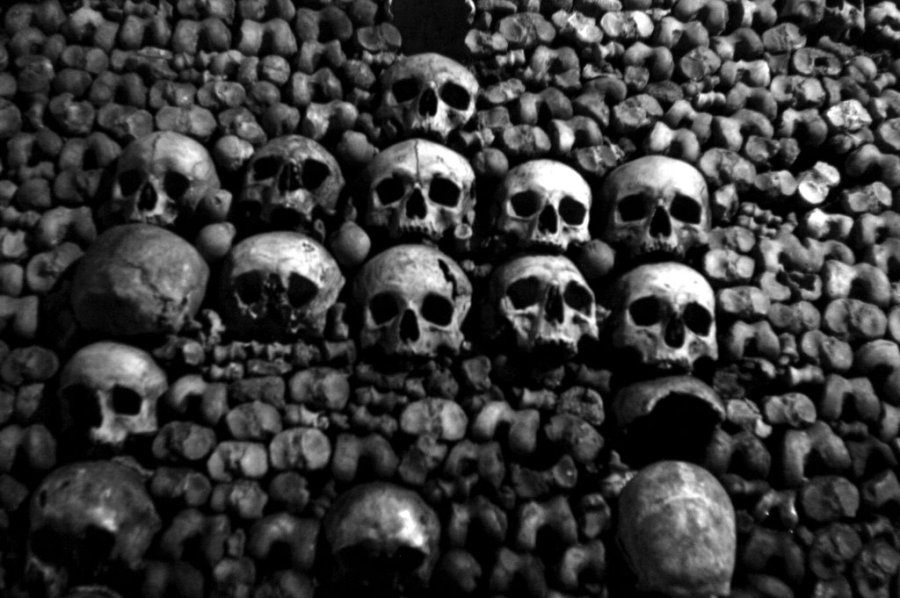
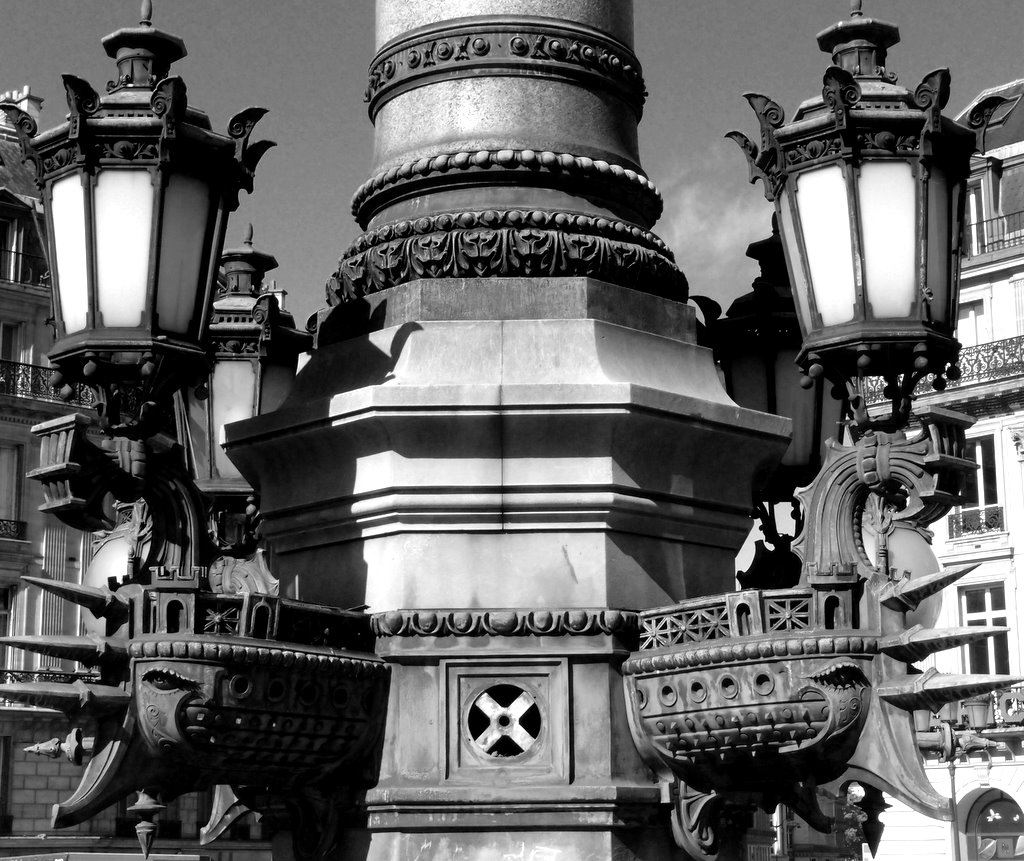
The French are right up there with the Italians when it comes to decorative ornamentation
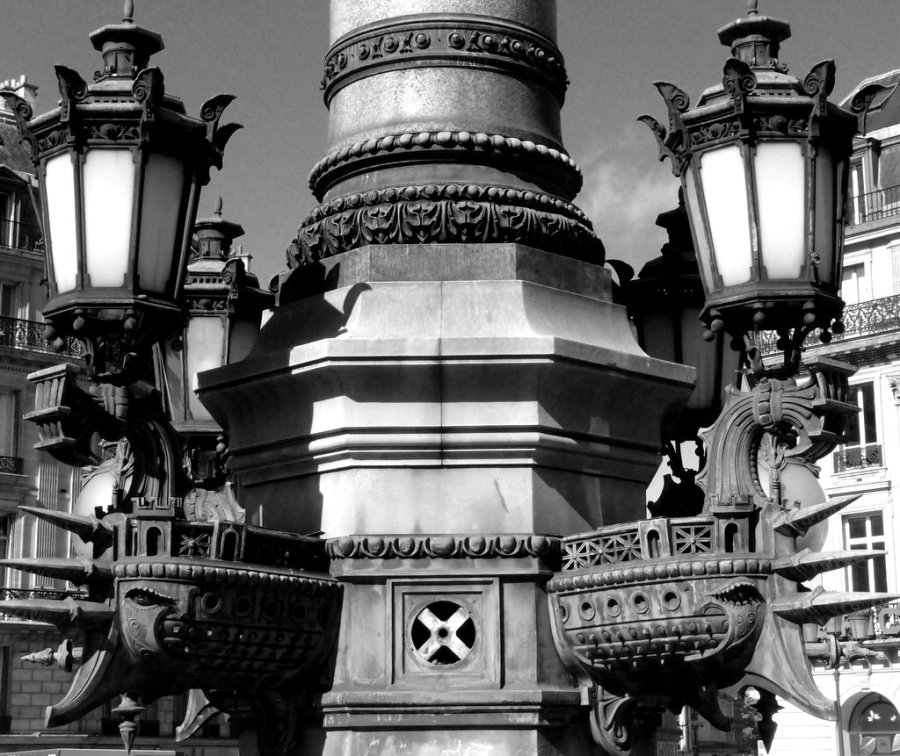
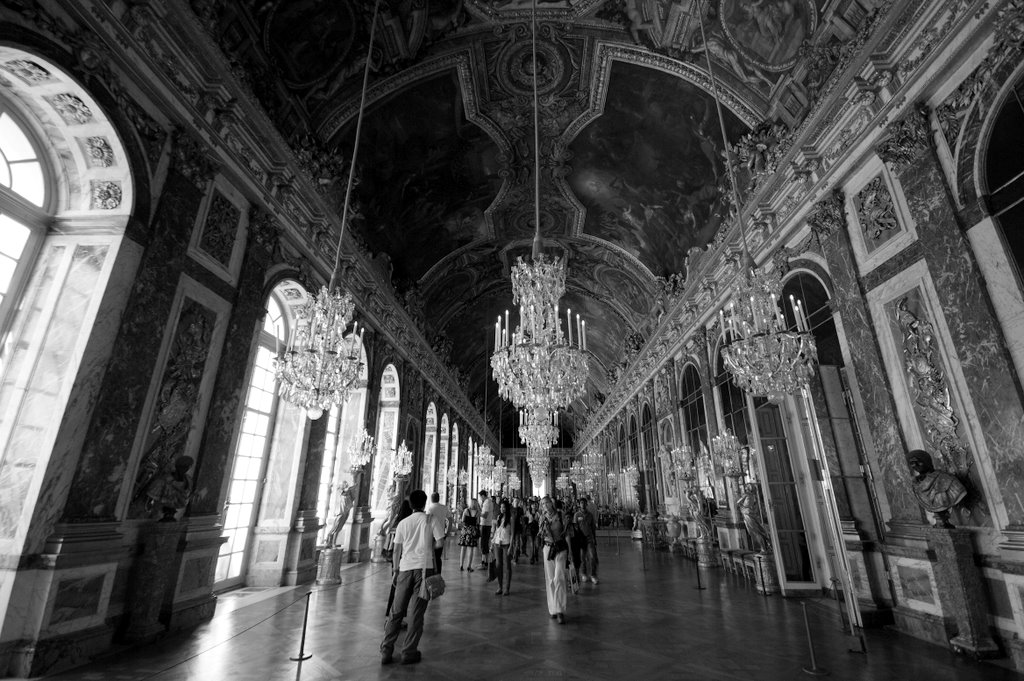
All through Paris are statues, ornamental gates, arches and fences and everywhere you look, beautifully decorated buildings. This all forms a backdrop to some of the most spectacularly presented humans on earth. The whole decoration thing went haywire back in the 1700’s and the Palace of Versailles  is a grand example of decorative excess. Unfortunately it was all carried out with tax payers money, bleeding the country into poverty, so the tax payers revolted and chopped off all the offending heads.
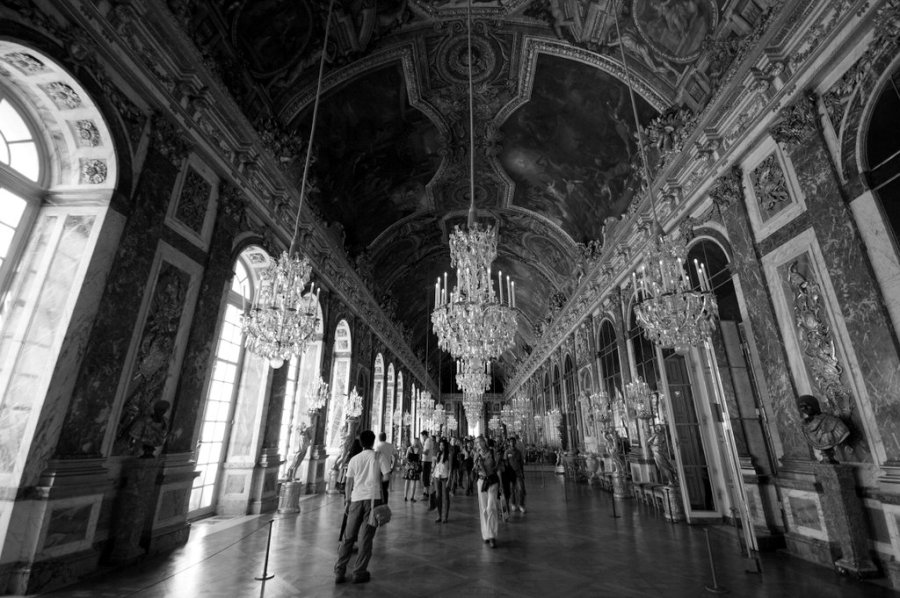

Hall of Mirrors, Palace of Versailles 


Chapel, Palace of Versailles
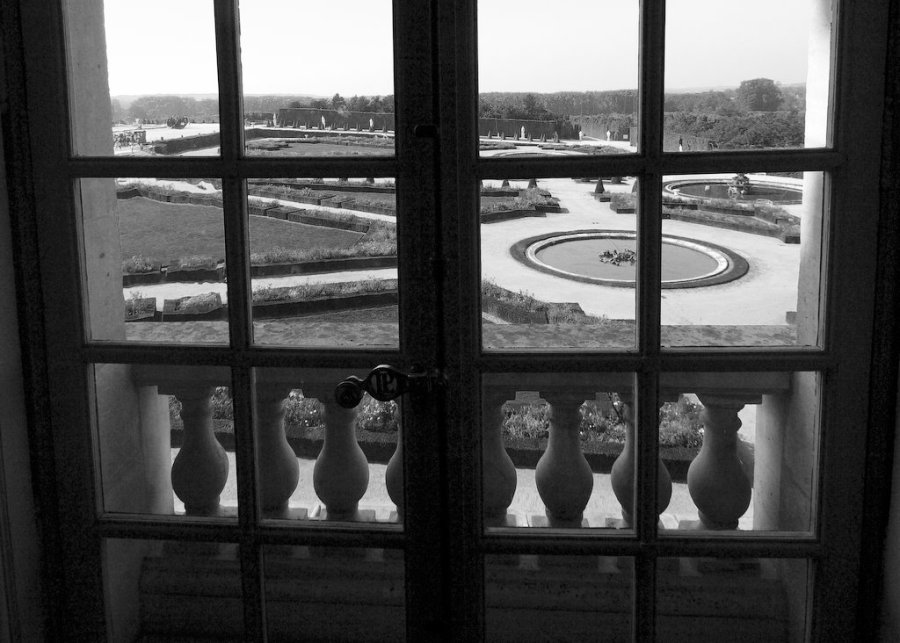

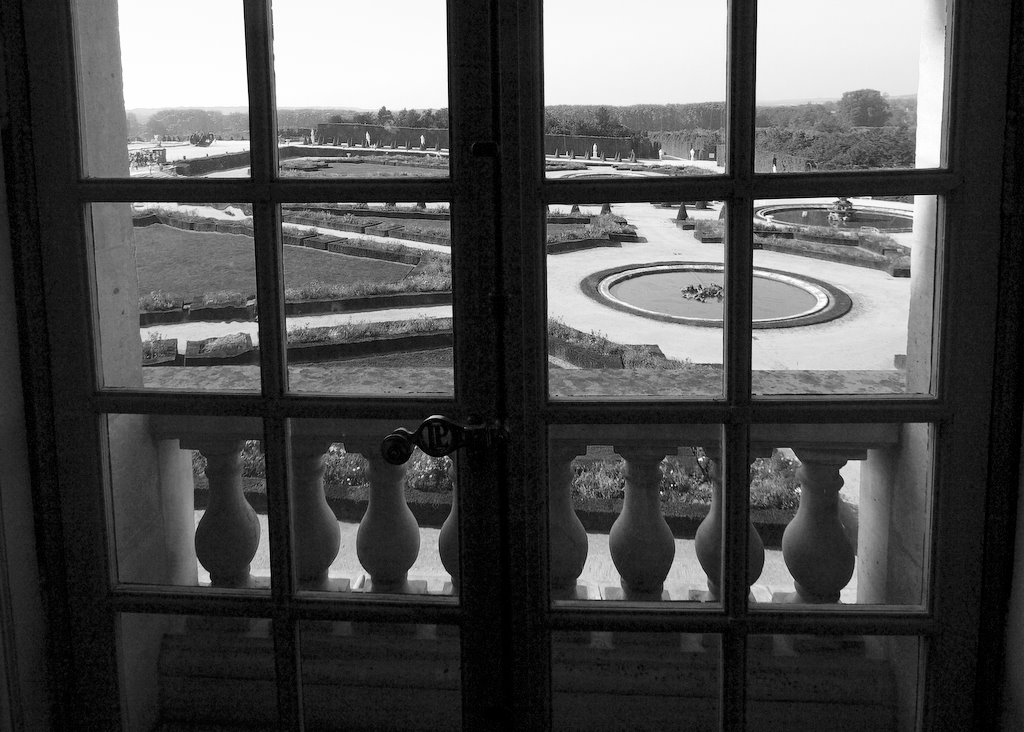
The Palace of Versailles has amazing gardens covering 100’s of hectares. This is the view Louis XIV would have enjoyed as he sat to gaze out his window.
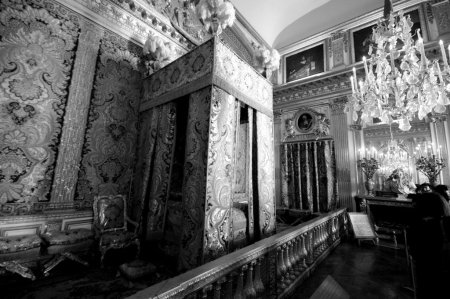

This would have been Louis’ bedroom – complete with everything except a flushing toilet

This room was used by Marie Antoinette when the disgruntled taxpayers came searching for her.

These elegant ladies in all their decorative finery were apparently riddled with nits and lice, had bad breath and didn’t smell too good, as it was believed at the time, that washing with water put germs into the pores of your skin causing nasty diseases.

This little abode was built to house the mistresses of the then rulers.
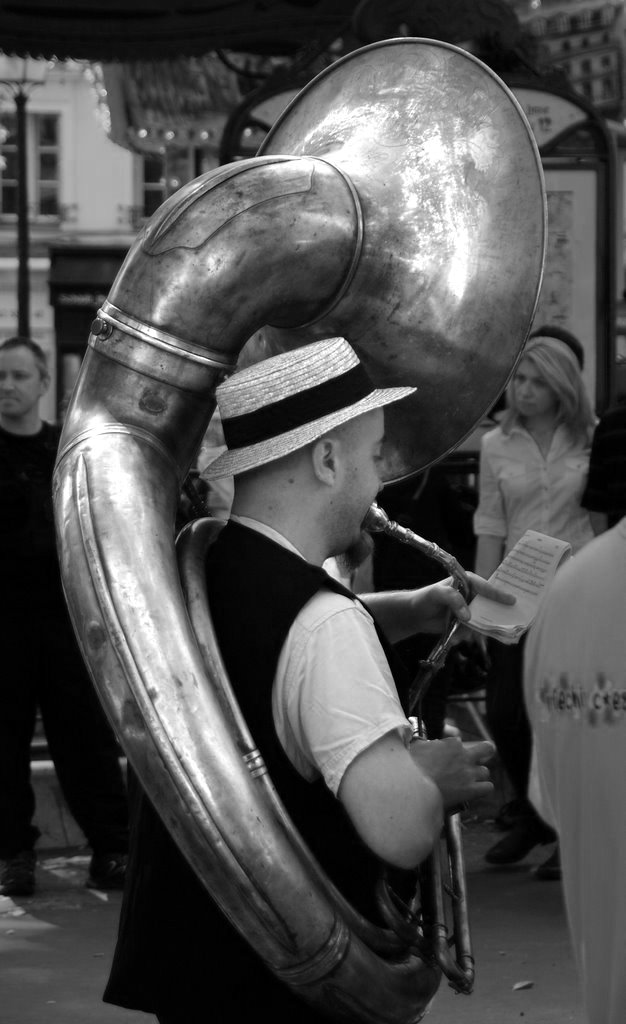

Busking with Tuba

How not to sell glasses