MOUNTAINS OF IRON

KARIJINI NATIONAL PARK

www.johnlovett.com (opens in a new window)

karijinimap

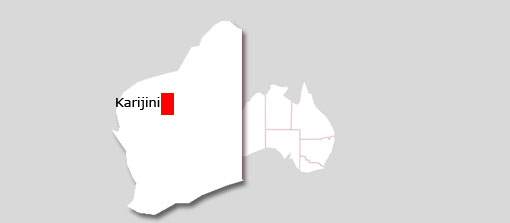
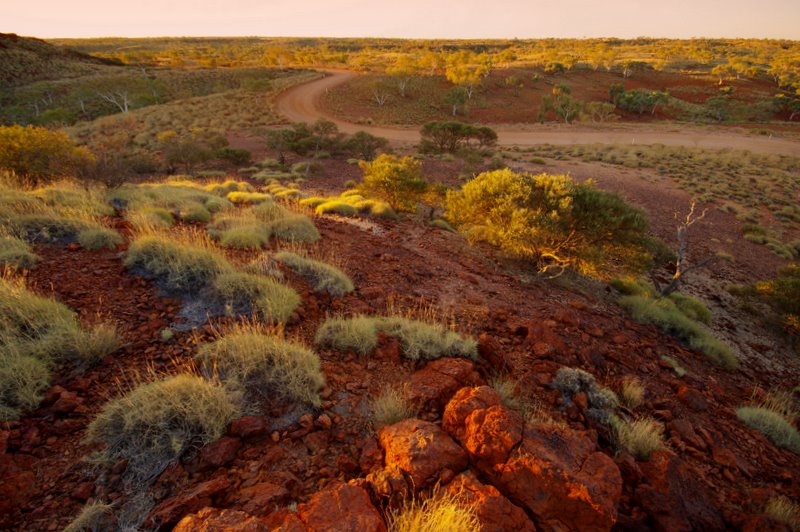
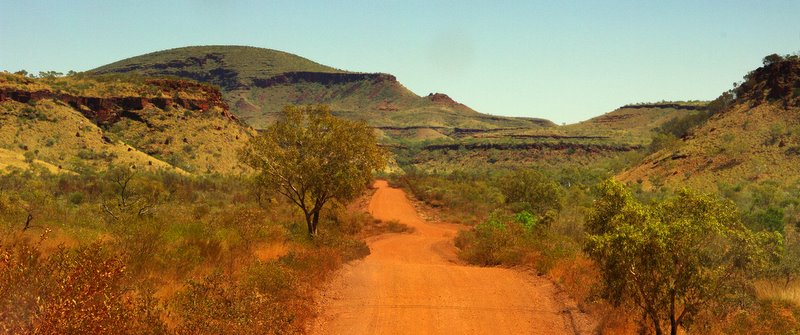
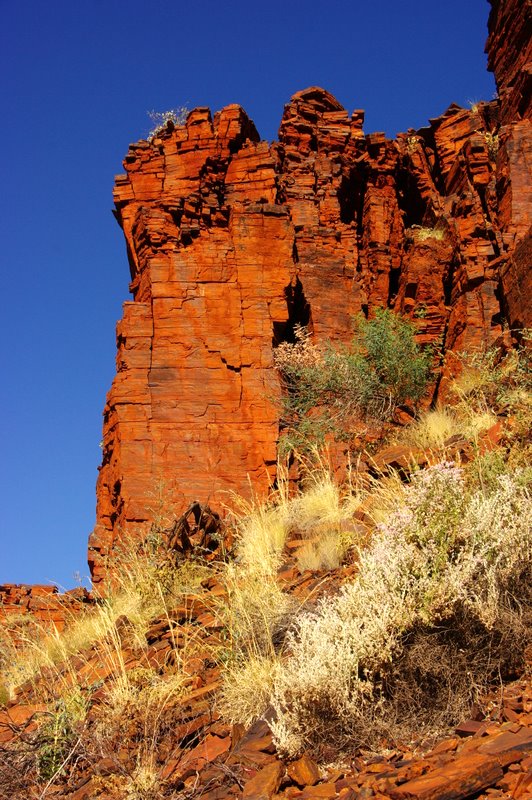
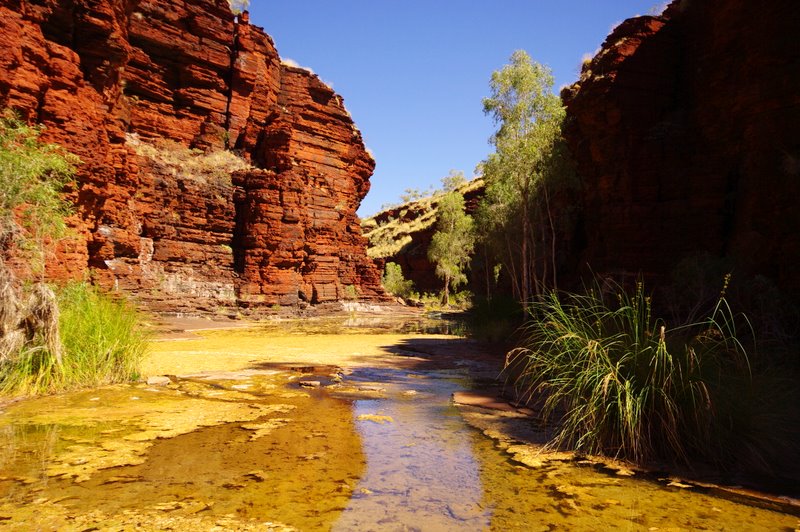
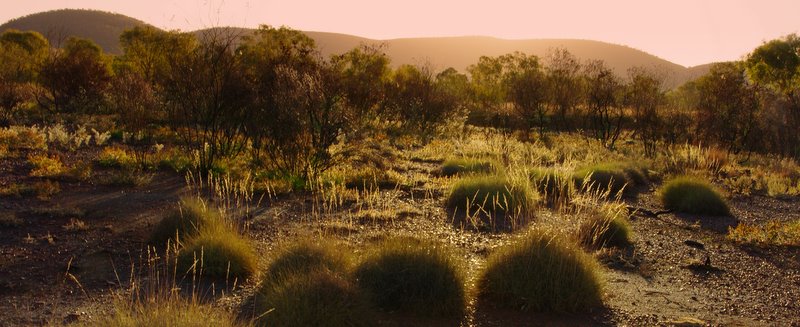
The Karijini landscape is dominated by the Hamersley Ranges. These are probably the oldest mountains on earth, the rocks dating back 2,500 million years. Driving through the Hamersleys is unique and beautiful. The undulating hills are covered with spinifex and broken by exposed weathered faces of deep red rock.

IMGP9952

IMGP0014

IMGP0200

.

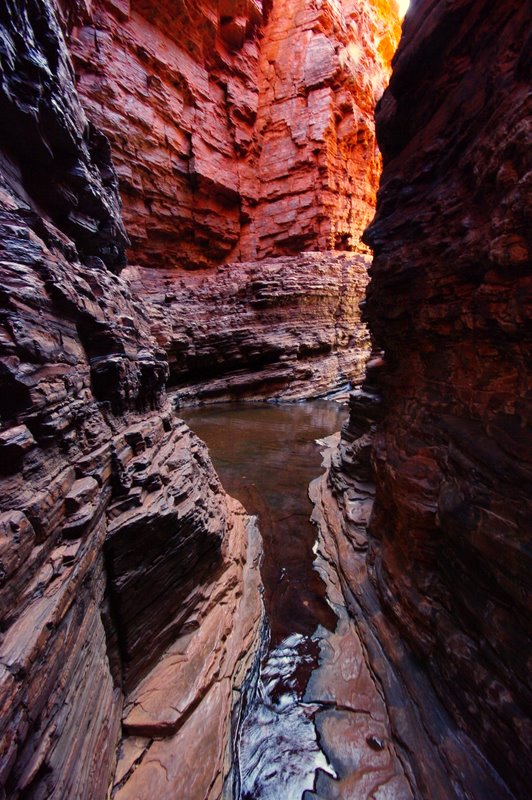
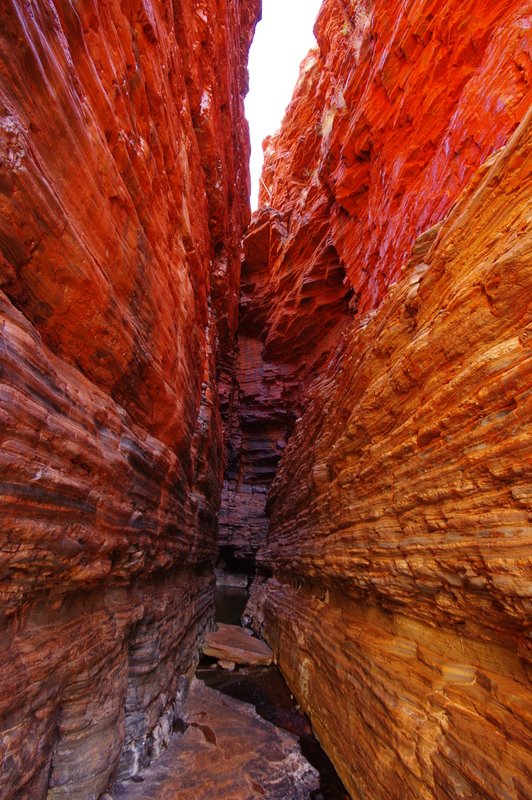
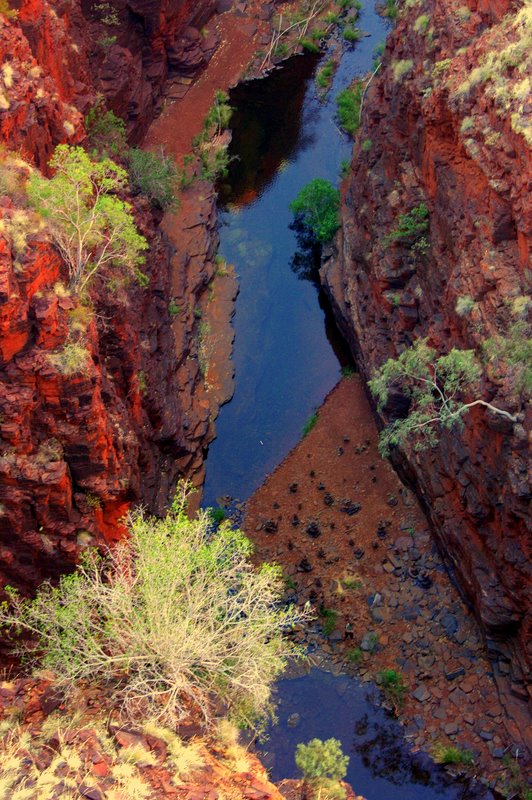
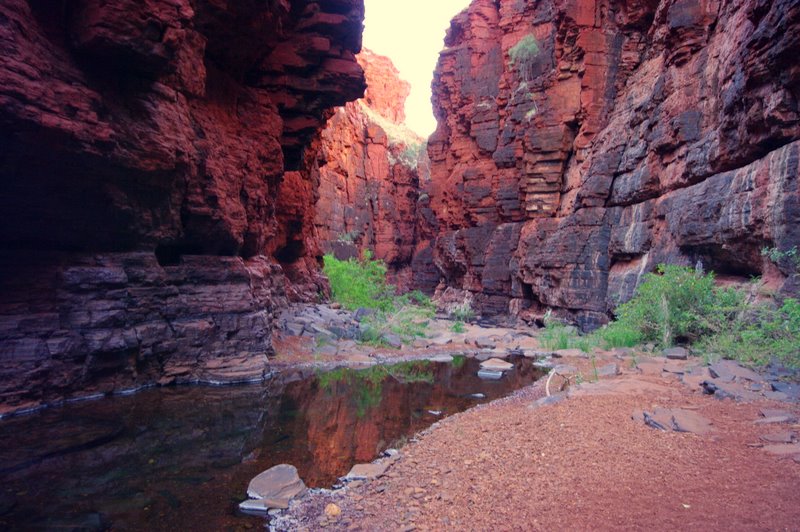
Cutting through the landscape are numerous gorges. Some are accessed by a short walk, others require climbing and scrambling over rocks and ledges, and some can only be reached with ropes and climbing equipment.

IMGP0062

IMGP0046

Some of the gorges narrow down to passages just wide enough for a person to squeeze through

IMGP0144

Others are broad and open with clear pools at the bottom

IMGP0154

IMGP0182

Looking down into the deeper gorges is an awesome sight. The surrounding country is undulating and fairly unspectacular, but the gorges seem to drop way below the surrounding landscape.

IMGP0224

Passing sculptors have installed some impressive structures using just rocks and gravity.

IMGP0258

IMGP0342

IMGP0397

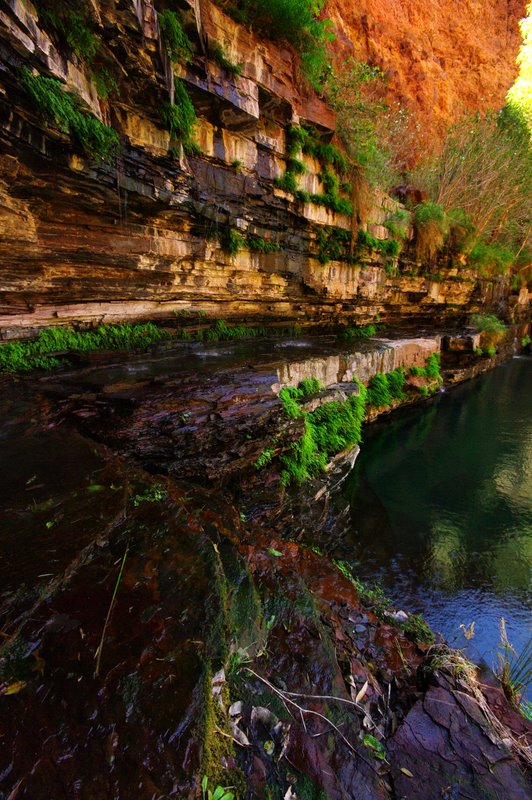
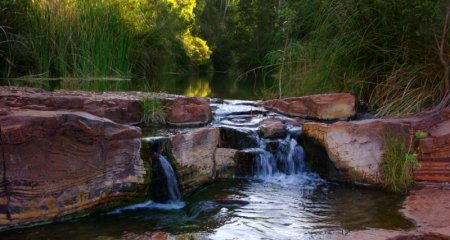
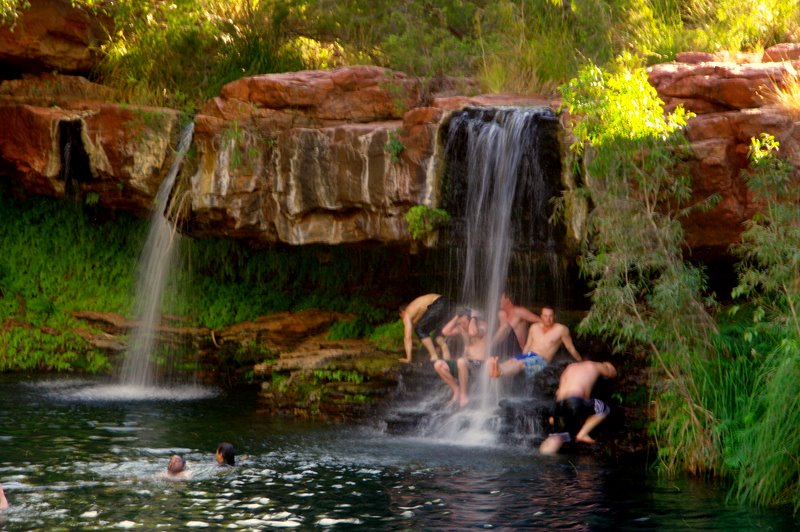
Waterfalls and waterholes are found throughout the gorges

IMGP0405

The water is usually freezing cold but, somehow, backpackers seem to be tolerant to near freezing water

IMGP0422

IMGP0435

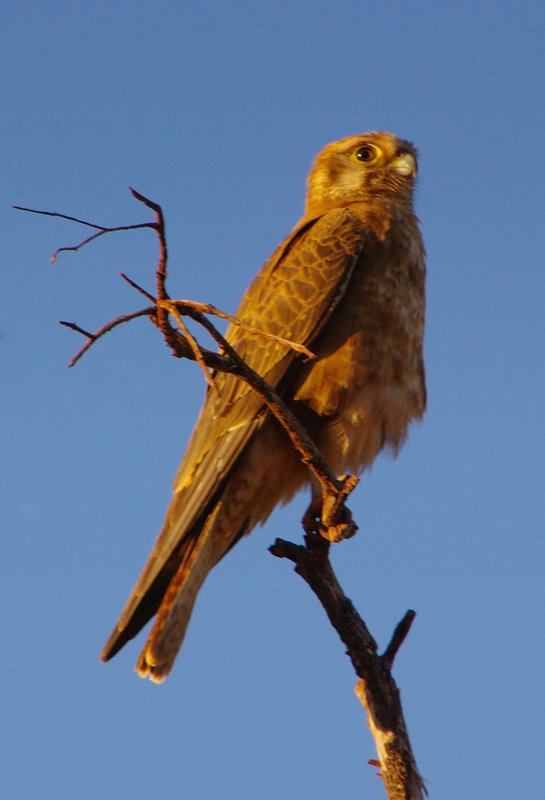
Whistling Kite – Pentax K20D 18 -250mm lens

IMGP0324

Scattered through the gorges are veins of blue asbestos. The Wittenoom and Yampire gorges have been closed because of the high concentration of asbestos

IMGP0318

IMGP0570

.

KARIJINI VISITORS CENTRE

IMGP0083

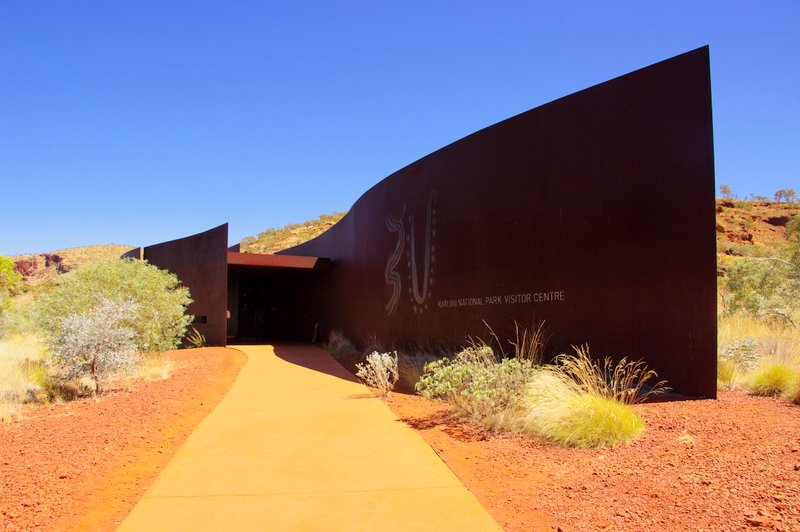
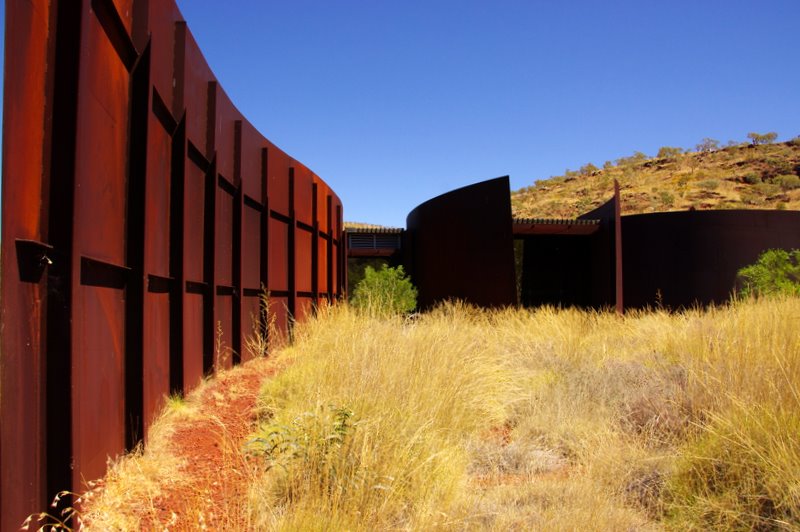
Architect John Nicholes designed the Karijini Visitors Centre to weather into the landscape. Most of the exterior of the structure is built from heavy welded steel panels. These are acid washed to rust, echoing the iron ore outcrops of the landscape.

IMGP0084

IMGP0089

It is an impressive building that also hints at the rusted remnants of the areas pastoral history.

IMGP9997

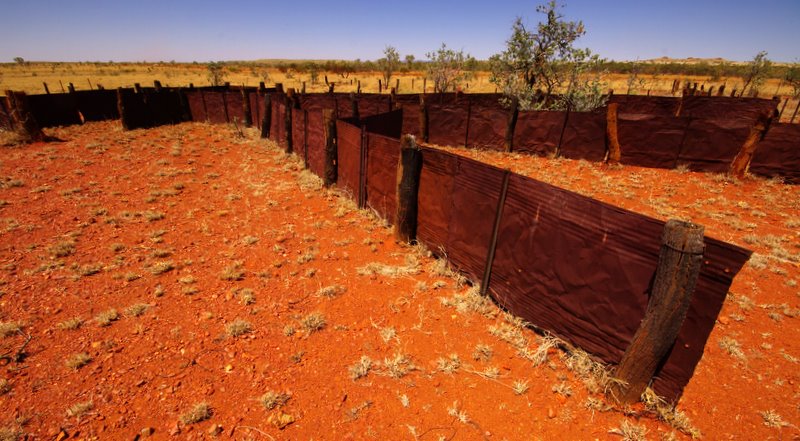
Old rusted Pilbra sheepyards, built from flattened oil drums

IMGP0091

Power is provided by a large solar array with a thumping big diesel generator, waiting for a rainy day.

THE PILBARA

www.johnlovett.com

pilmap

The Pilbara region in the northern half of WA  not only contains some of the countrys most beautiful scenery, but also generates the bulk of Australias foreign income. Tens of millions of dollars worth of iron ore, oil, gas and salt are shipped out of this area every day. The major towns of Port Hedland, Dampier, Karratha, and the mining towns of Tom Price and Newman are prosperous and incredibly busy.

Newman mines run 24 hours a day, the average wage of a mine worker is around $150,000/ year. They work a 12 hour shift, night shift one week, day shift the next week then the third week off. Food, accommodation, work clothes and equipment is all provided by the company.

IMGP9974

Huge trains, over 2 kilometers long , run constantly back and forth between the coast and the mines.

IMGP9983

Catching one of these trains at a crossing sure gives you plenty of time to stop and take a photograph.

IMGP9901

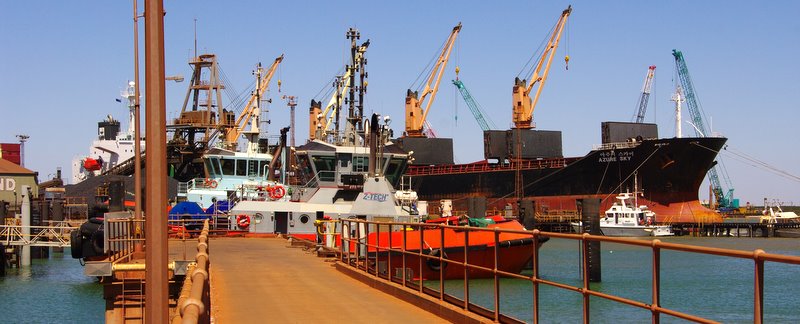
The little town of Port Hedland has an incredibly busy port, with a constant string of ships waiting at sea to come in and load.

IMGP9906

The whole town is coated in a fine red dust from the iron ore loading. Even the concrete shipping tower, high above the town, is stained iron ore red.

IMGP9896

It was disappointing to learn that the mountains of salt shipped out of Dampier and Port Hedland don’t find their way into little paper sachets to sprinkle on fish and chips.

Dampier Salt (owned by Rio Tinto) is the largest salt exporter in the world, selling mainly to the industrial chemical markets in Asia. It’s hard to imagine 5 million tons of salt being shipped across to Asia each year. It’s even harder to believe it has nothing to do with the salty taste of Asian food.

IMGP9912

A fine piece of installation art on the salt flats outside Dampier.

IMGP9995

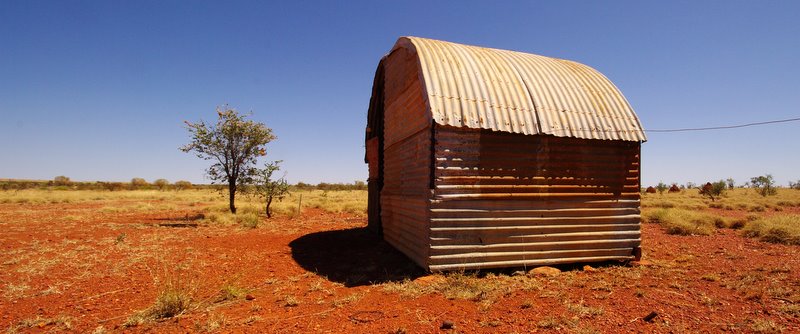
Remains of old sheep station out camp near Wittenoom – corrugated iron at its best

WHITE RAINBOW

We camped a night on a wind swept headland on the southern end of 80 mile beach, below Broome. In the morning the wind had stopped and as the sun came up, a heavy fog rolled in. When you faced directly away from the sun you could see a pure white rainbow in the fog. Really weird but a lot of fun to photograph.

IMGP9882

IMGP9879

IMGP9884

BEAGLE BAY / CAPE LEVEQUE

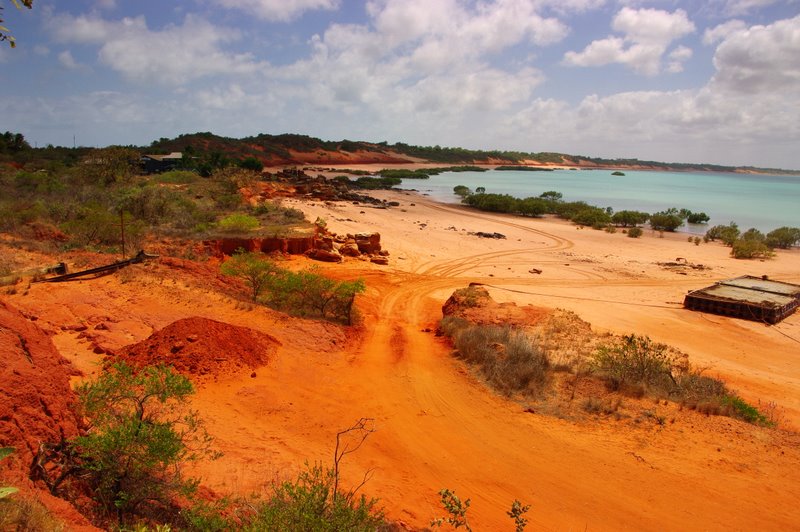
The Coast north of Broome looks amazing with turquoise water and red desert sand punctuated by mangroves. We decided to drive up to Beagle Bay, Cape Leveque and One Arm Point to have a look at the settlements and landscape.
The red desert sand is great to look at, but makes a really lousey road. From Broome to Beagle bay is non stop corrugations covered by a central ridge of sand and high sloping sand sholders, so keeping in a straight line was a bit of a challenge at times.
Beagle Bay is a sleepy little Aboriginal Community with an amazing church built by German Missionaries in 1917 The alter and much of the decoration inside is made from thousands of mother of pearl shells.
One Arm Point is another small Aboriginal Community with fishing shelters built along the waterfront
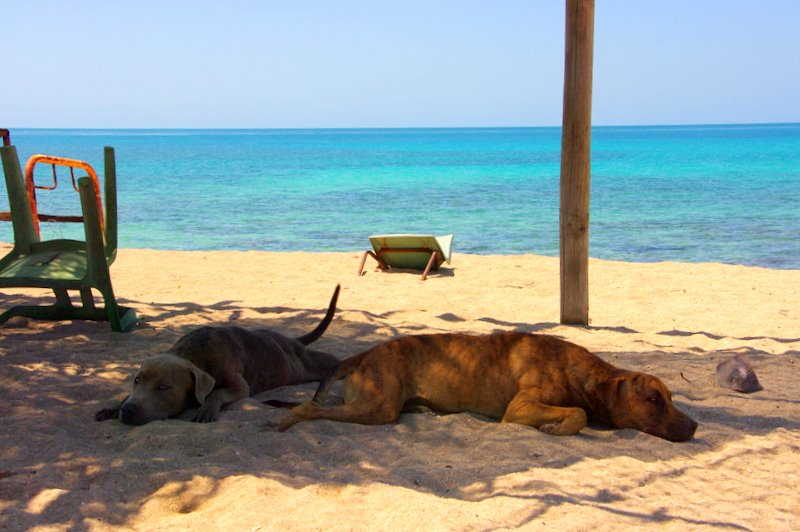
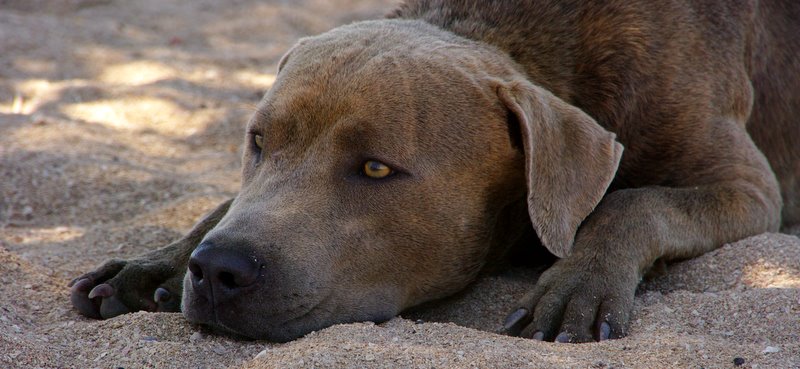
They are watched over by a pair of extremely laid back guard dogs. The one on the left could wag his tail slowly – that was about as active as they became.
Dog on holidays
Pentax K20D 500mm mirror lens
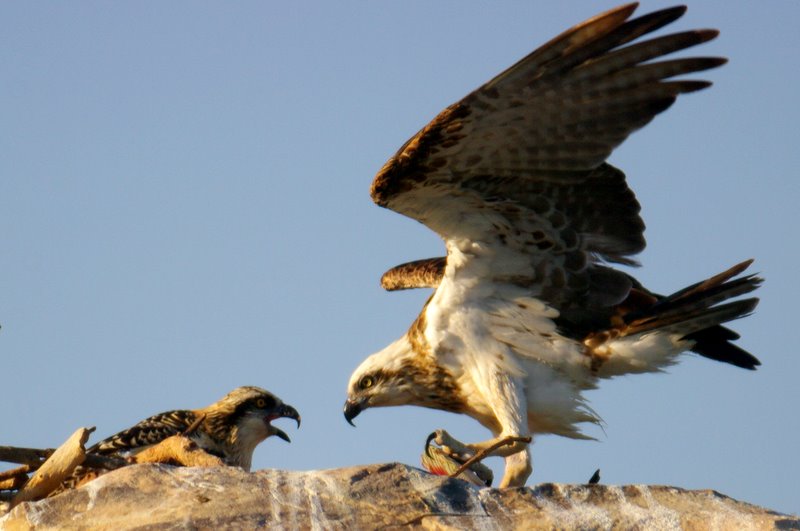
It was a lot of fun photographing this Osprey feeding its young chick not far from our camp at Gambanan, near Cape Leveque. The mother fed  the chick for almost half an hour, just as the sun was going down. The light was perfect and the bird wasn’t disturbed by me, perched among the rocks with a tripod and camera. After she had fed the fish to the chick, tiny piece by tiny piece, she carefully picked up all the scraps that had fallen beside the nest and gave them to the baby. Once the feeding had finished she mad a sharp squeek, the baby sat down in the nest and she took off.
Fifteen minutes later I was back at our camp. I heard another loud squeek and there was the mother Osprey in the tree beside us. (Dead tree on left)
Pentax K20D 500mm mirror lens
She had another large chunk of fish she spent the next 20 minutes eating. Just as it got dark her mate joined her.
When I woke at 5:00 next morning they were still there in the tree.

www.johnlovett.com
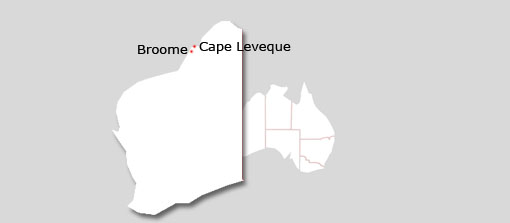
broomemap

IMGP9630

The Coast north of Broome looks amazing with turquoise water and red desert sand punctuated by mangroves. We decided to drive up to Beagle Bay, Cape Leveque and One Arm Point to have a look at the settlements and landscape.

.
IMGP9634

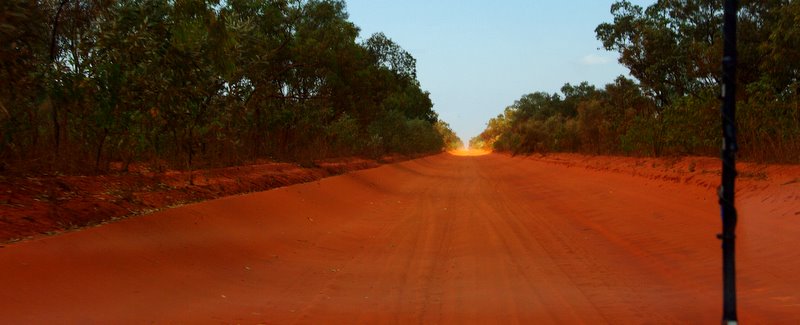
The red desert sand is great to look at, but makes a really lousy road. From Broome to Beagle bay is non stop corrugations covered by a central ridge of sand and high sloping sand shoulders, so keeping in a straight line was a bit of a challenge at times.

.
IMGP9641

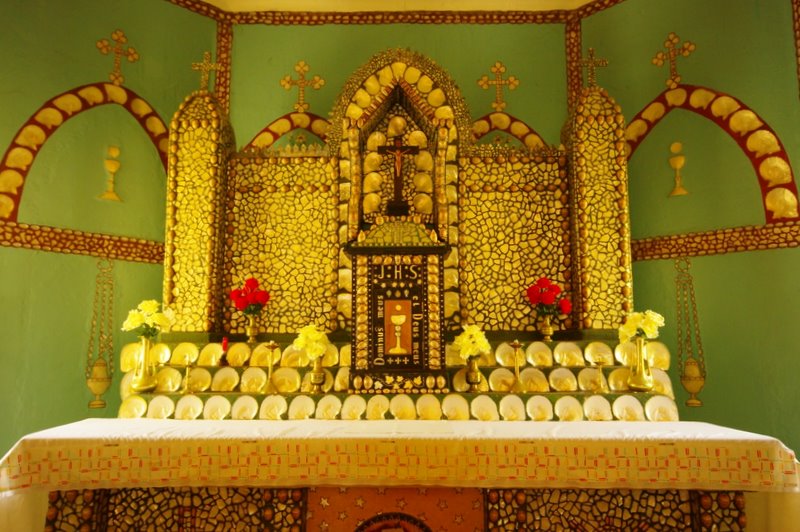
Beagle Bay is a sleepy little Aboriginal Community with an amazing church built by German Missionaries in 1917.  The alter and much of the decoration inside is made from thousands of mother of pearl shells.

.
IMGP9668

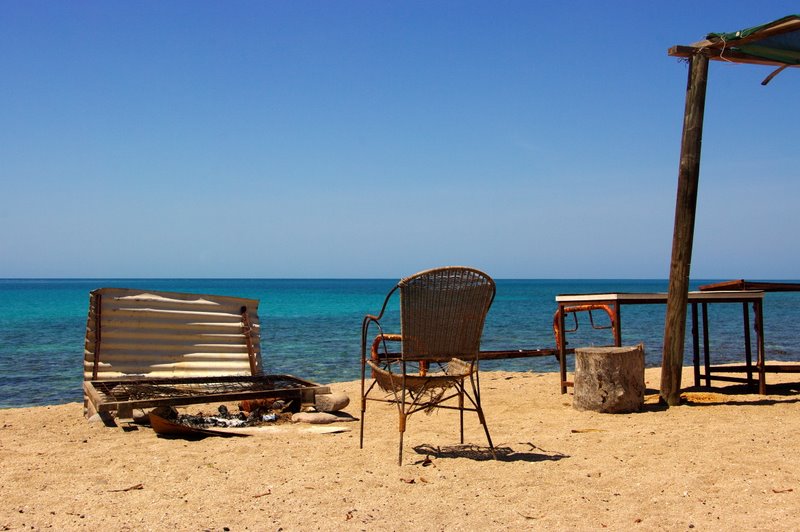
One Arm Point is another small Aboriginal Community with fishing shelters built along the waterfront
IMGP9676

They are watched over by a pair of extremely laid back guard dogs. The one on the left could wag his tail slowly – that was about as active as they became.
IMGP9677

Dog on holidays

.

IMGP9708

Pentax K20D 500mm mirror lens

It was a lot of fun photographing this Osprey feeding its chick at Gambanan, near Cape Leveque. The mother fed  the baby for almost half an hour, just as the sun was going down. The light was perfect and the bird wasn’t disturbed by me, perched among the rocks with a tripod and camera.

After she had fed the fish to the chick, she carefully picked up all the scraps that had fallen beside the nest and gave them to the baby. Once the feeding had finished she made a sharp squeak, the baby sat down in the nest and she took off.
IMGP9834

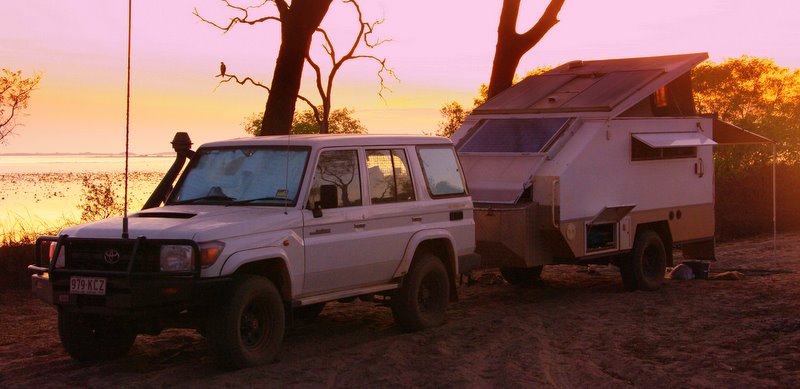
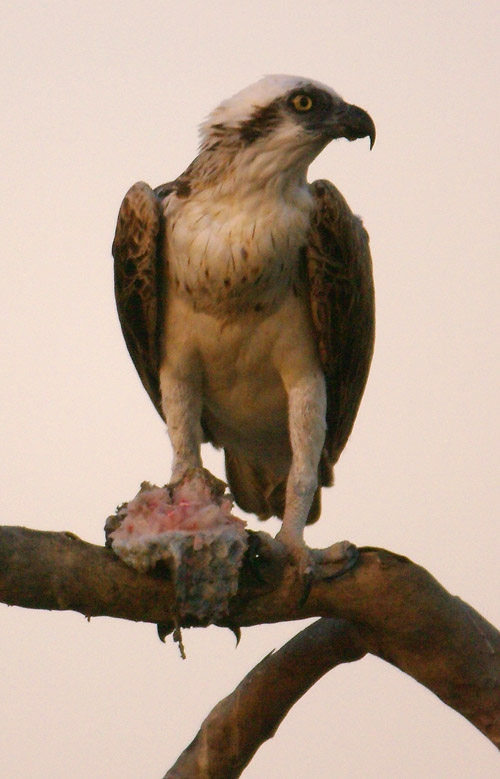
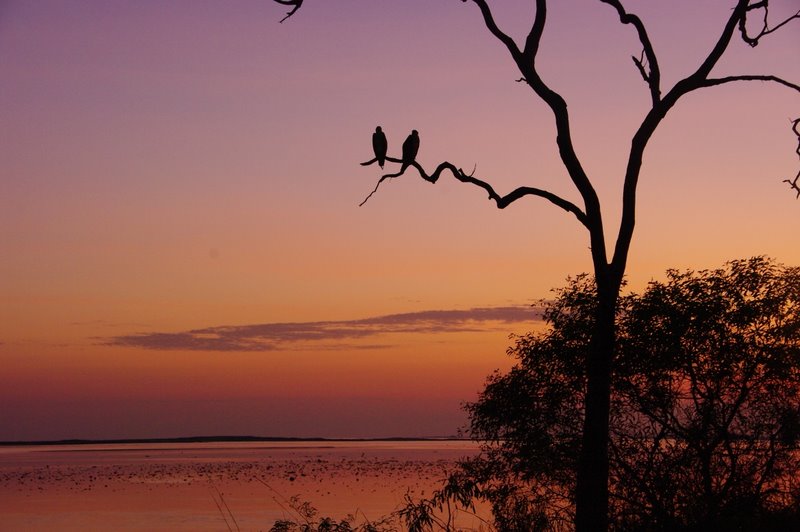
Fifteen minutes later I was back at our camp. I heard another loud squeak and there was the mother Osprey in the tree beside us. (Dead tree on left)
IMGP9788x

Pentax K20D 500mm mirror lens

She had another large chunk of fish and spent the next 20 minutes eating. Just as it got dark her mate flew in and joined her.
IMGP9827

When I woke at 5:00 next morning they were still there in the tree.

BOABS

CANE TOADS OF THE PLANT WORLD

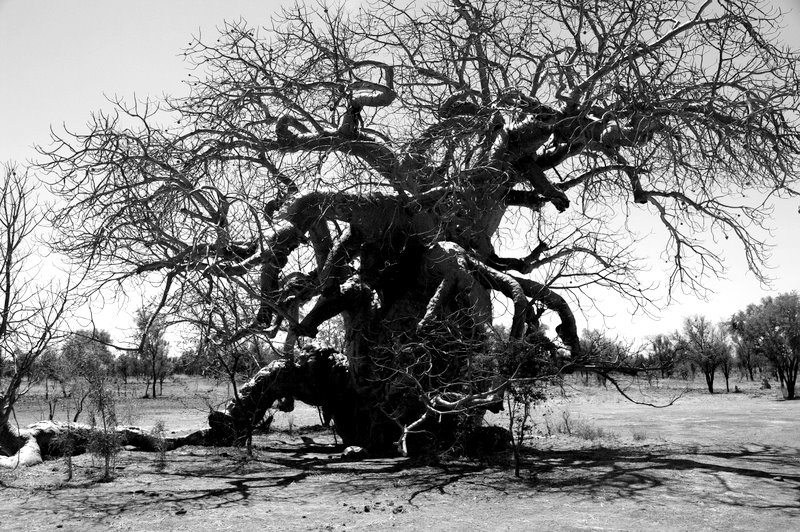
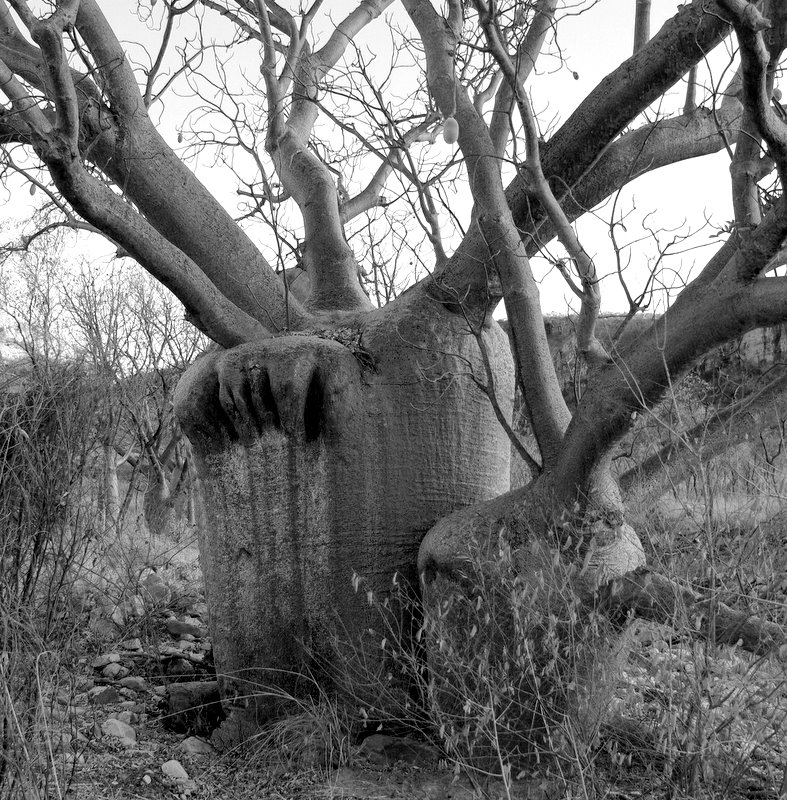
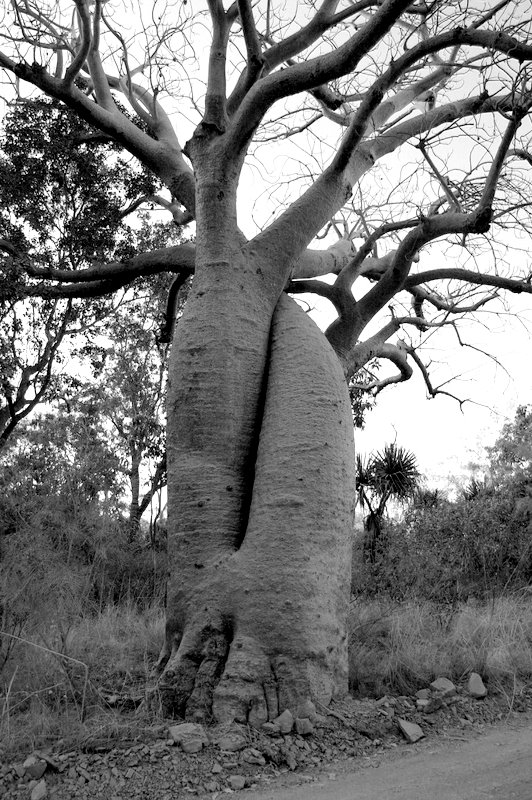
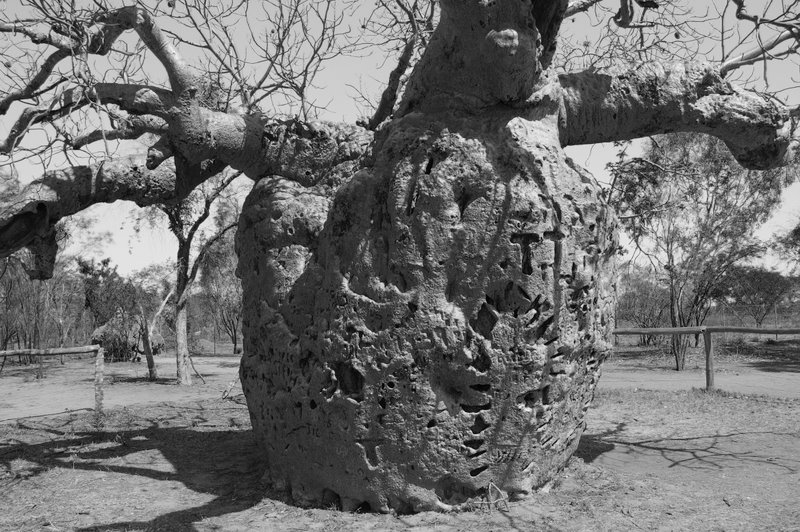
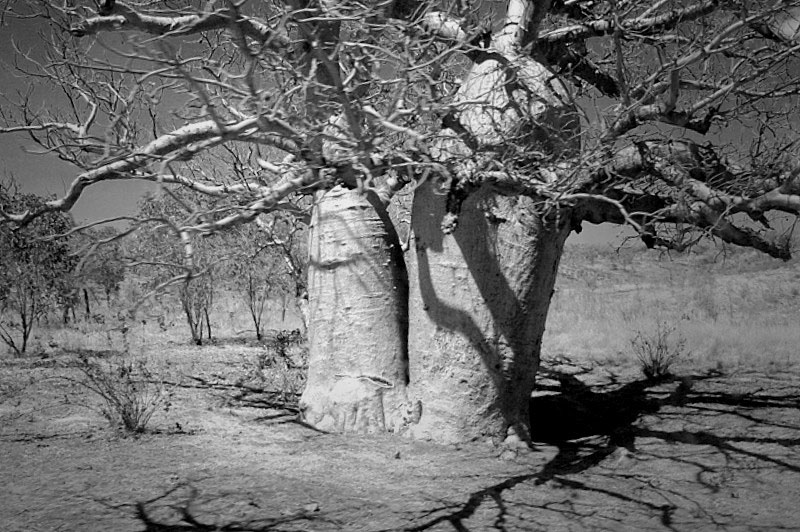
Boabs are unique to North Western Australia. Starting as a slender stick, boabs grow into the most incredible, distorted shapes. They don’t develop growth rings like a normal tree, but scientists have dated some at over 1500 years old. Every time I come across a big one, I cant help taking a photograph. Just when you think you have the ultimate Boab photo, another more distorted example will appear.

Here are a few of my favourites.

IMGP9604

IMGP7931

IMGP8507

IMGP9603

IMGP8212

IMGP8503

IMGP8231

IMGP9605

IMGP9622

WINDJANA GORGE

www.johnlovett.com

windjana map

At the southern end of the Gibb River Road is the Napier Range. It is a big chunk of eroded limestone  left over from a, once submerged, coral Reef.
IMGP9550

Napier Range at Windjana Gorge

.

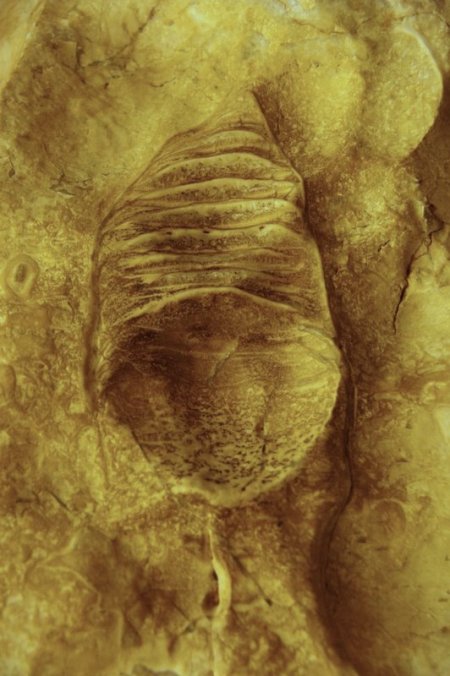
The limestone walls in the gorge have eroded into unusual shaped caves and caverns. There are fossils of ancient marine creatures embedded in many of the limestone walls.

IMGP9463

IMGP9561

A permanent water course cuts through the Napier Range to form Windjana Gorge. Large drifts of sand, thick vegetation and sheer sided walls make an early morning walk through the gorge pretty spectacular.

IMGP9510

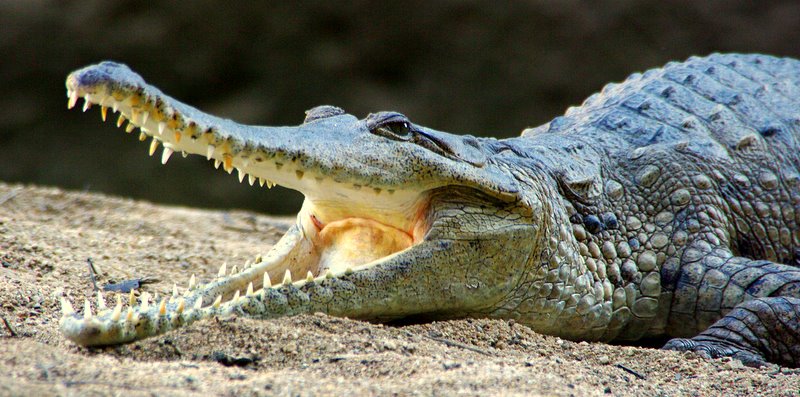
Late afternoon is a good time to spot crocodiles. The waterholes are full of reasonably timid fresh water crocs. Occasionally a salty will find it way there after the wet, so swimming is not a good idea.

IMGP9525

This old croc lost part of his top jaw in a fight. A common disability with fresh water crocs. We saw the croc below in Kununurra. He has a large piece of his lower jaw missing.

IMGP8779

IMGP9478

IMGP9596

Helpful, informative sign – Windjana National Park.

MT. ELIZABETH

www.johnlovett.com

mtelizabethmap

Mt Elizabeth Cattle station was first established by pioneer cattleman, Frank Lacy and his wife Theresa, in 1946. It is still run by Franks son Peter and his wife Pat. In recent years, as well as running around 6000 head of cattle, they have opened an area of the station to camping.

Mt. Elizabeth contains some great examples of both Wandjina and Bradshaw Rock Art. We made arrangments with the Lacy’s to visit some of these sites along the track to Walcott Inlet.

IMGP8887

Mt Elizabeth is typical of the west Kimberley landscape – lightly wooded, pandanus lined creeks and sandstone outcrops.

IMGP8997

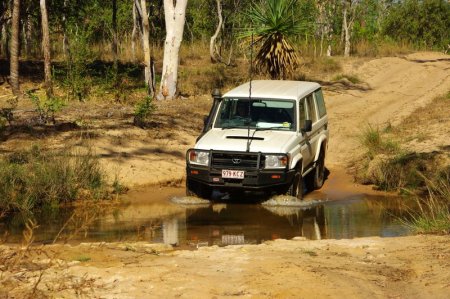
The Walcott Inlet track has many creek crossings but, at the end of the dry, most are fairly shallow.

IMGP8918

The Rock Art sites are scattered through the landscape, usually on protected sandstone overhangs.

IMGP8983

As in many rock art galleries, the underside of horizontal overhangs are a common painting surface, offering best protection from the elements.

IMGP8954

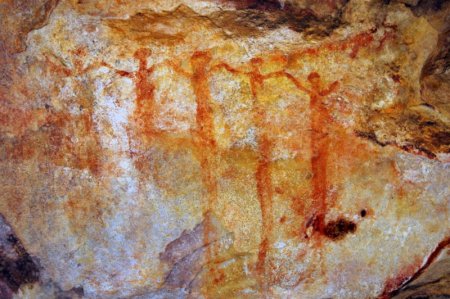
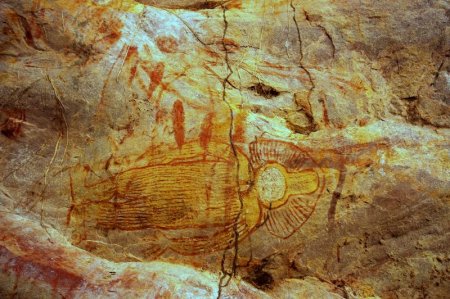
The subject and style of the paintings on Mt. Elizabeth vary considerably. There are seemingly light hearted images of figures and animals, such as the dancers above, as well as abstracted, symbolic figures like those below.

IMGP8949

IMGP8906

IMGP8937

Others, even after thousands of years, are just plain scary.

.

IMGP8913

The oldest examples on Mt. Elizabeth are the enigmatic Bradshaw Paintings. Their meaning and origin still a complete mystery.

IMGP8964

Linework on the Bradshaws is really fine and delicate compared to the Wandjina style paintings.

IMGP8959

IMGP8950

Here, old Bradshaw paintings have been overpainted with Wandjina images

IMGP8968

Some of the more abstract Wandjina paintings are incredibly beautiful and simple.

Distribution of the paintings is interesting. There are large galleries containing many paintings varying in style and subject. At some sites you would expect to find numerous paintings but just one small image will be found, tucked into an obscure corner.