DESERT COUNTRY


sa map

Heading East out of Coober Pedy towards William Creek is some of the most desolate country imaginable.
IMGP2188

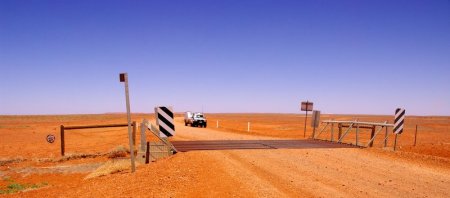
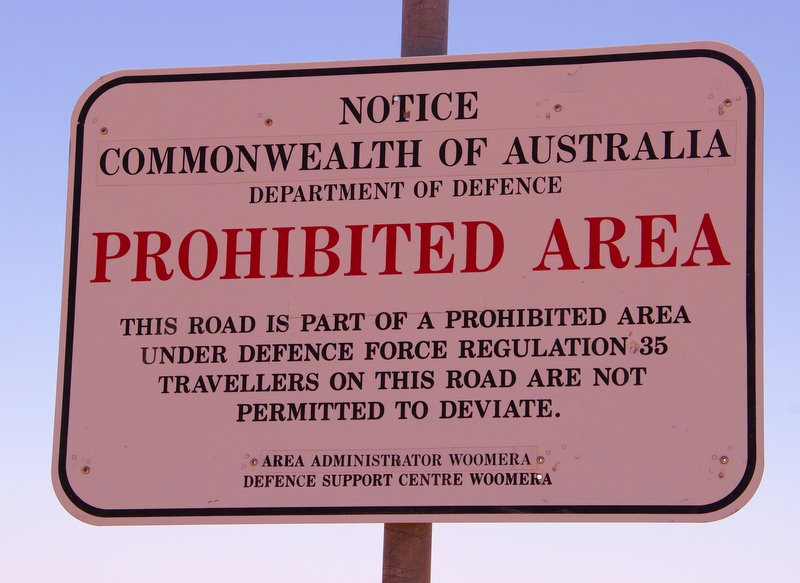
The track crosses the Dingo Fence and passes through part of the Woomera Defence Area.
IMGP2185

IMGP2331

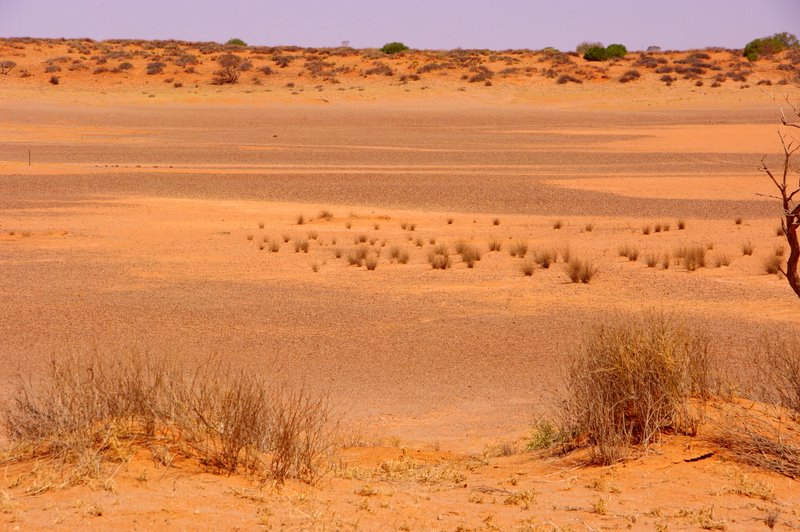
For a while there are only two things to look at. A huge blue sky and a dead flat absolutely featureless landscape.
IMGP2355

The flatness soon gives way to sand ridge country. Dry salt lakes and claypans are dotted through this area

IMGP2371

The old Ghan railway used to pass through here. Many of the old stone siding buildings are still standing. We also discovered that some of the discarded rusty railway spikes had found their way onto the track        …goodbye  tyre number three.

IMGP2409

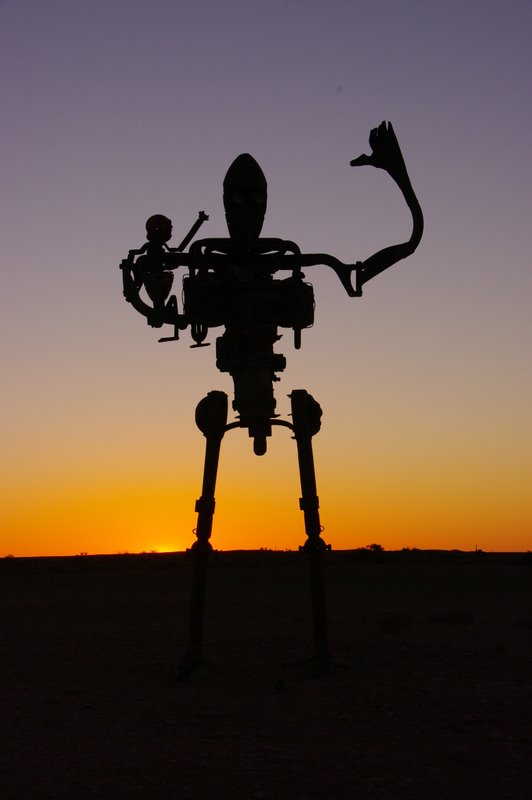
Weird creatures wander about at night…
IMGP2401

IMGP2414

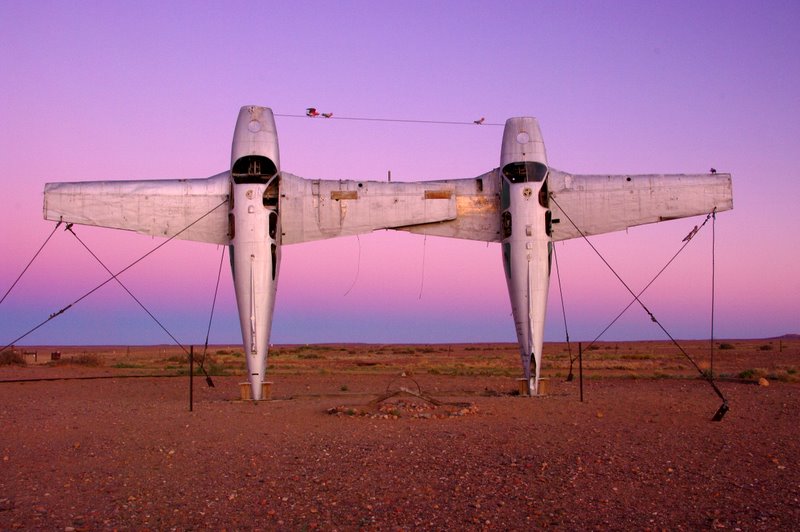
…and airplanes do strange things as the sun goes down.
IMGP2431

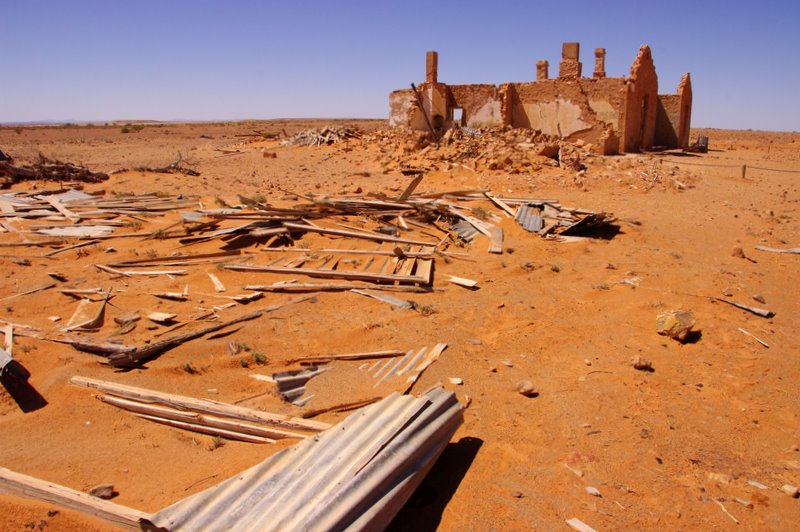
The Oodnadatta track ends at Maree where the track south takes you into the top of the Flinders Ranges. The ruins of Farina, once a thriving community, demonstrate just how hard this country can be.

WILLIAM CREEK PUB

Half way between Maree and Oodnadatta, on the southern edge of the Simpson Desert, is the William Creek Hotel. It was established in 1885 as a watering stop and provider of refreshing beverages for the original Ghan railway.

IMGP2357

It is the closest pub to Lake Eyre, which normally doesn’t mean much, but this year the Lake filled with water and the pub was busier than it has ever been.

IMGP2367

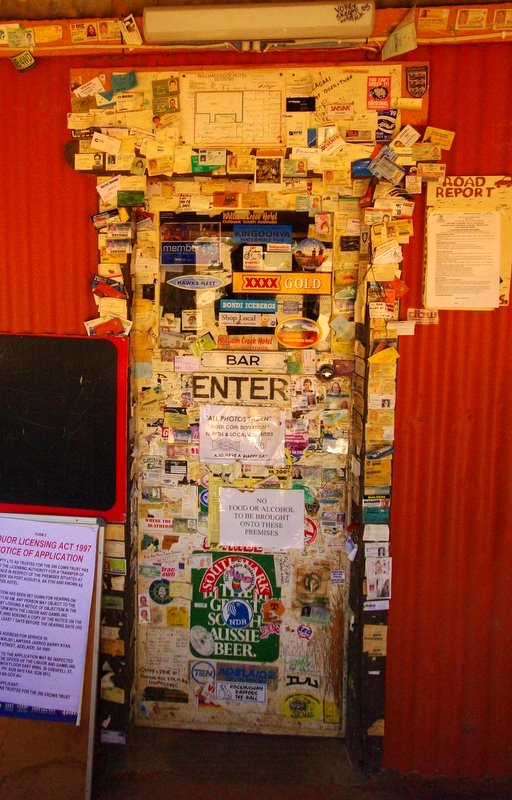
Entering through the front door is thirsty work if you stop to read all the business cards, student ID’s and numerous other items of social importance.

IMGP2364

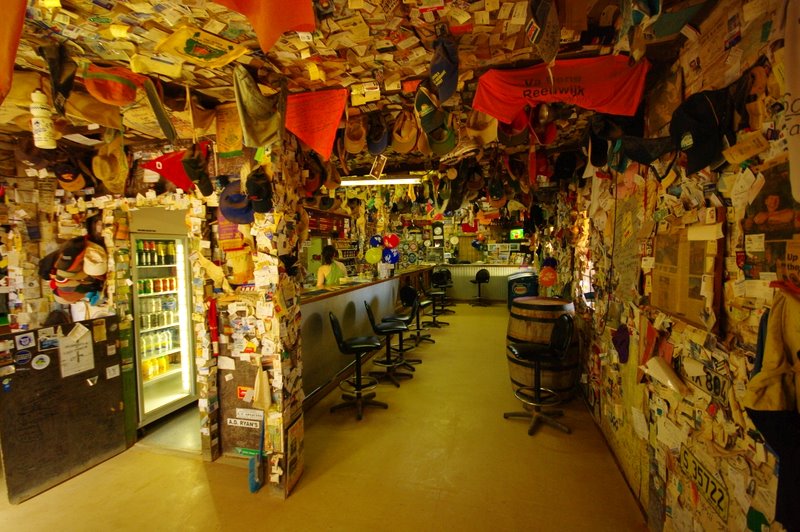
Once inside it is very hard to leave. Not just because of the excellent beer …
IMGP2362

…the abundance of  fascinating literature covering the walls, ceiling  and any other vertical surface will keep you reading for hours!

A pub not to be missed if you are traveling the Oodnadatta track.

COOBER PEDY

sa map

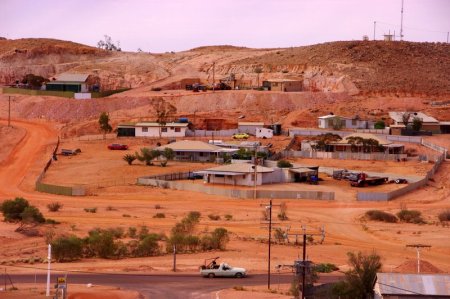
Coober Pedy is a strange town. Half the population live underground and most of what appears above ground is weirdly tacky.

IMGP2156

The landscape is sparse, barren and pink

IMGP2133

IMGP2121

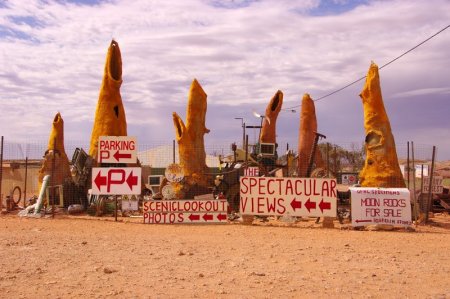
Tourist attractions and opal sales blend into crass, desperate attempts to extract money from passing visitors

IMGP2170

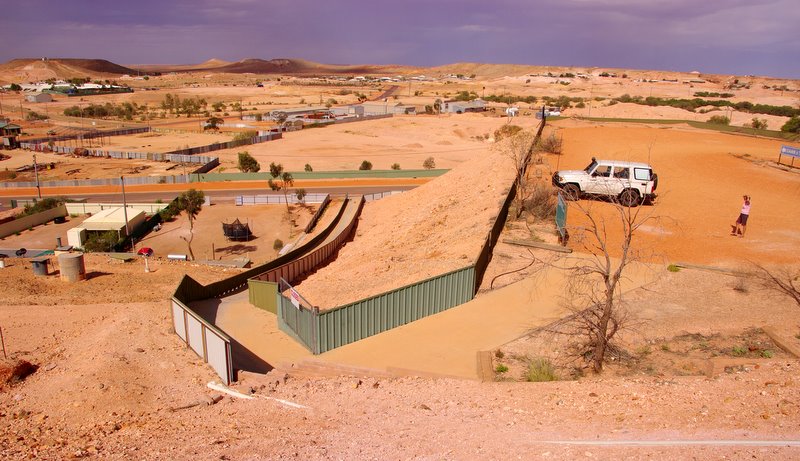
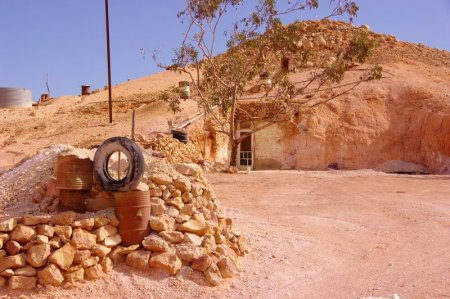
Underground houses are burrowed into the hillsides around the town

IMGP2181

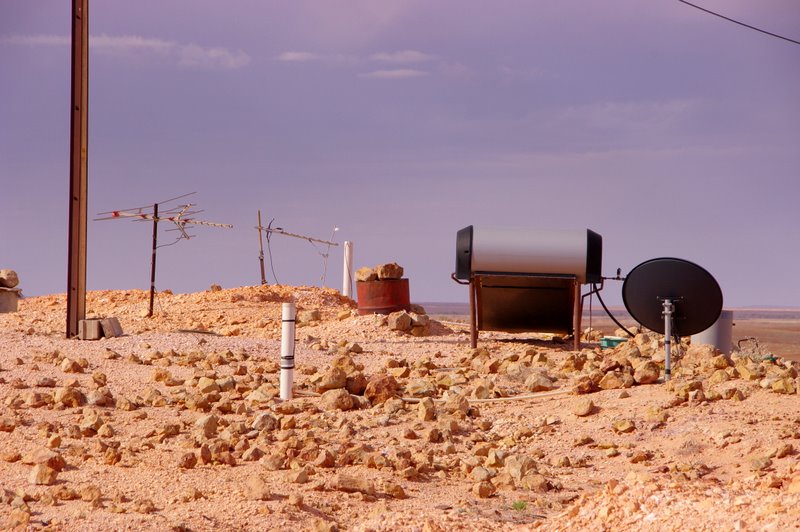
It is a strange sight, TV antennas, satelite dishes and solar heaters apparently mounted on the ground.

IMGP2140

Makeshift structures of corrugated iron and junk are everywhere.

IMGP2131

Trashed cars abandoned on the streets don’t look at all out of place

IMGP2123

Architecture leans more towards functional than decorative.

IMGP2114

The odd time function gives way to decoration the theme of over the top tackiness still triumphs.

The town is incredibly unique and, after a while, the trashy mixture of junk, dirt and recycled tin becomes oddly appealing.

ACROSS THE NT BORDER

gsr map

IMGP1946

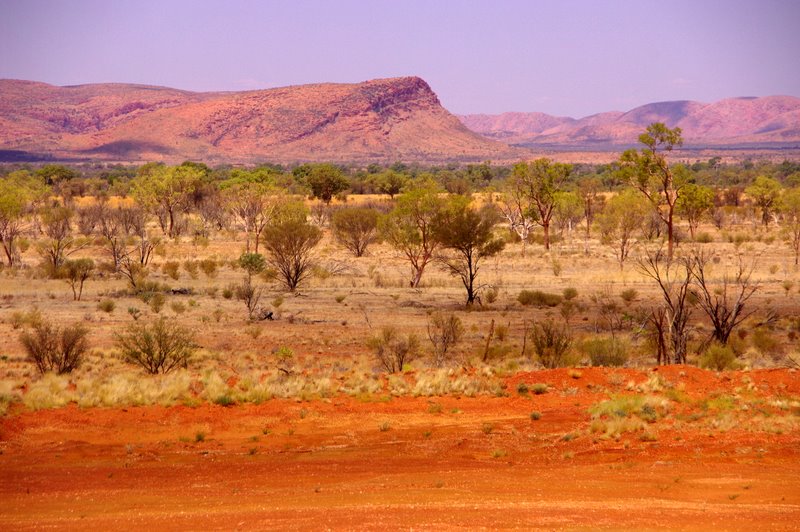
Approaching the NT border towards Docker River, the country changes into a series of spectacular ranges.  Reading Herbert Basedows 1903 journal of exploration through this area made it all the more fascinating. There were no tracks and the journey took him 8 months with a team of 18 camels.

IMGP1952

IMGP1948

IMGP1965

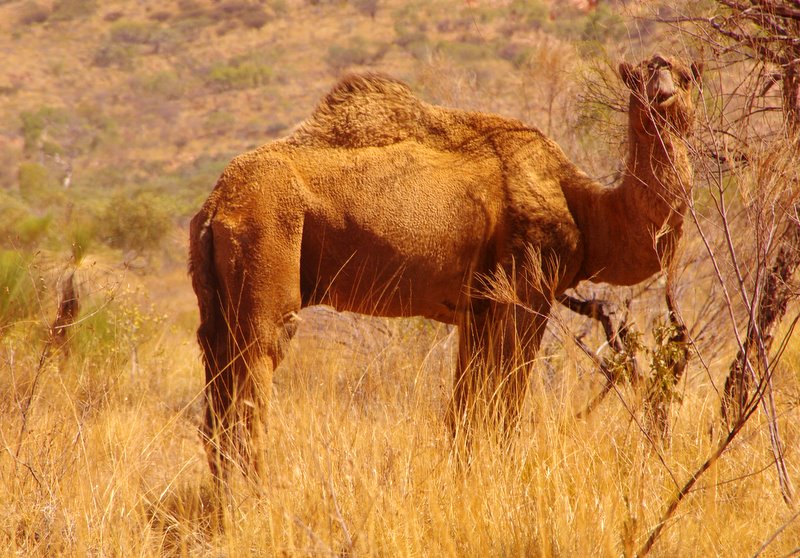
All along the Great Central Road are herds of wild camels. This old fellow was standing under a shady tree just outside Docker River.

IMGP1956

Approaching the NT WA border through a cracked and bug splattered windscreen.

IMGP2014

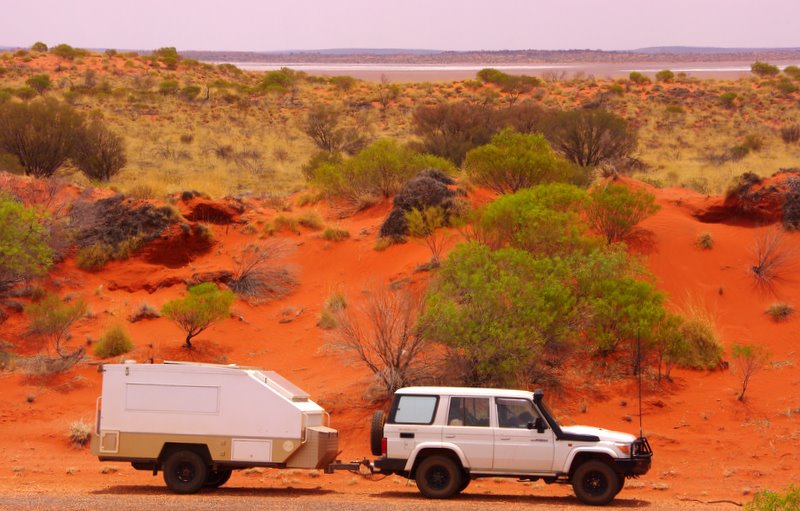
We camped the first night back in the Northern Territory between sandhills with a great view of Kata Tjuta (The Olgas).

IMGP2054

Ayers Rock (Uluru) is an awesome sight. Photos are useless, it is so massive – the only way to appreciate it is to visit it.

IMGP2045

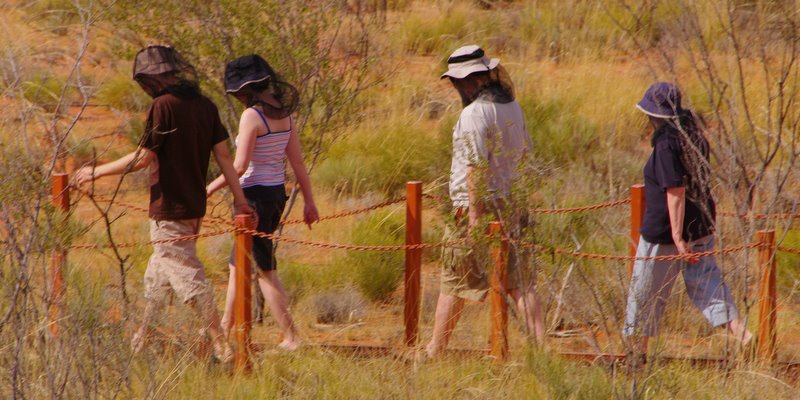
These strange characters, walking up to a viewing platform near Kata Tjuta, wore bags over their heads to annoy the flies!

IMGP2061

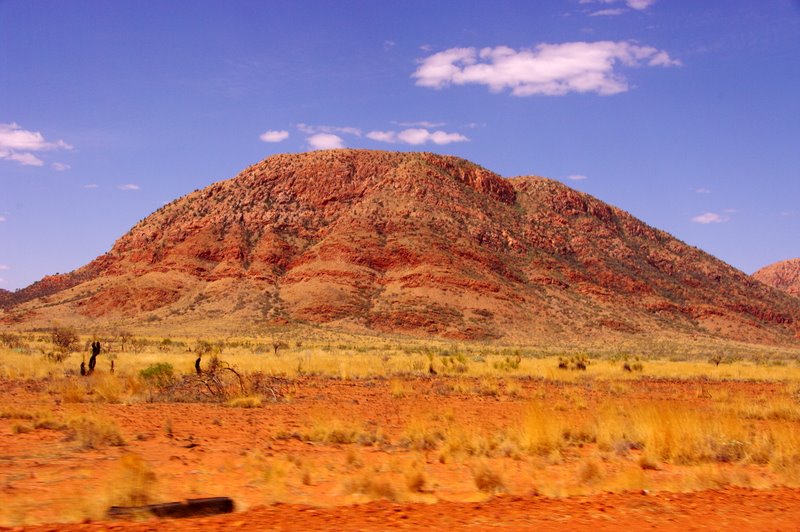
Around 50 kilometers east of Uluru is Mt Connor. It is like the poor cousin to Uluru, given just a passing glance thanks to it’s famous neighbour.

IMGP2067

I climbed to the top of a high sandridge to get a photograph of Mt Connor. In the distance to the north I could see a large salt lake half filled with water. An unusual sight in Central Australia.

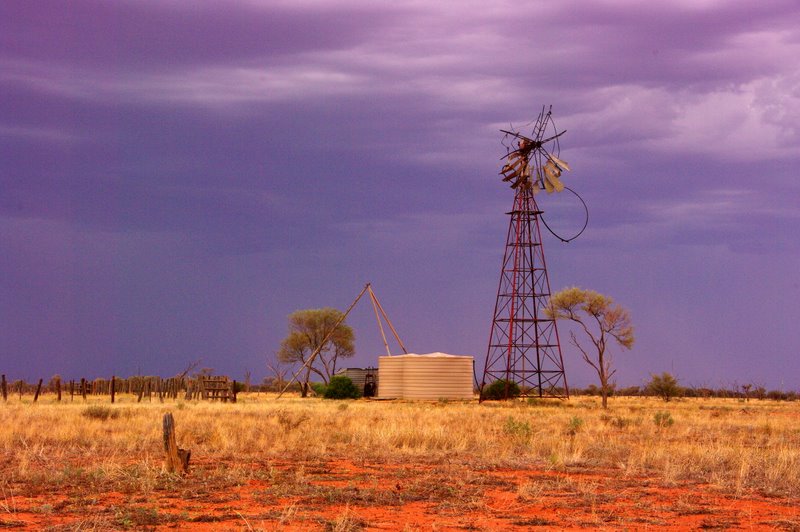
We traveled East to the Stuart Highway then turned South through gathering storm clouds to South Australia.

IMGP2091

CAMEL IN WATERHOLE

The Great Central Road skirts the Gibson and Great Victoria Deserts so water is pretty scarce. There are, however, a number of rockholes with permanent water scattered throughout the region. Whenever we saw one marked on the map we would seek it out with the aid of a GPS.

IMGP1803

IMGP1802

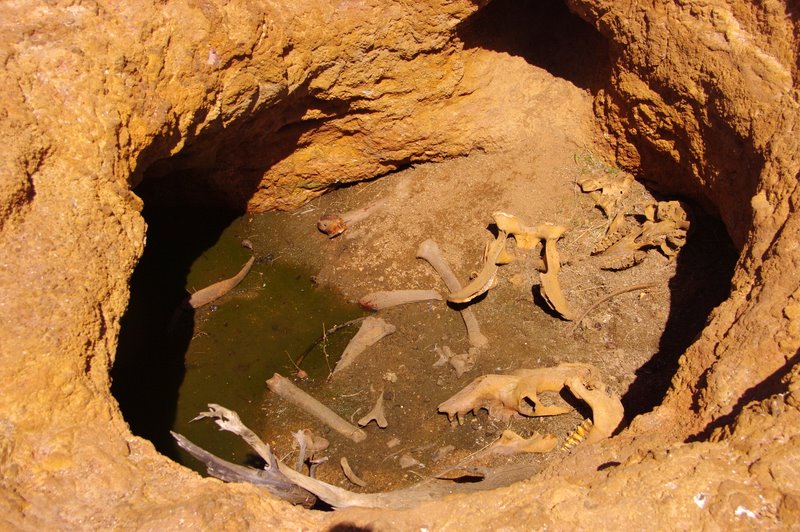
Some we found contained the bones of camels.

IMGP1885

As we approached one of these waterholes we spotted a dingo running away. We didnt think much about it until we reached the hole and found this poor old camel trapped and struggling.

A steel frame covering the hole to keep animals out had somehow been collapsed and pushed aside

IMGP1886

He was exhausted and badly cut from fighting to extract himself.

IMGP1887

If we left him he would have soon become a meal for the dingoes. We decided to try and pull him out of the rockhole. The caravan was unhooked and the car moved close to the waterhole. I managed to throw a rope over his neck and pull a snatch strap around him.

IMGP1891

IMGP1897

With the car in low range we slowly hauled him out. I expected him to lay there for a while recovering but as soon as I undid the shackle attaching the rope to the car he jumped to his feet, shook himself, then took off.

IMGP1898

He was last seen disappearing into the desert with a snatch strap and rope. I followed him for  five minutes expecting the rope to fall off, but by that time he was half a kilometre away so I left him to it.  A good excuse to return and search for the strap one day.

GREAT CENTRAL RD WRECKS

gsr map

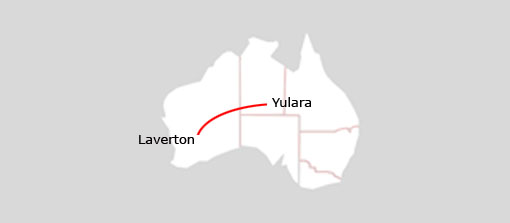
The Great Central Road runs from Laverton to Yulara, passing through the aboriginal communities of Cosmo-Newberry, Warburton, Warakurna and Docker River. The road takes in part of the old Gunbarrel highway to cover the 1500 kilometre distance.

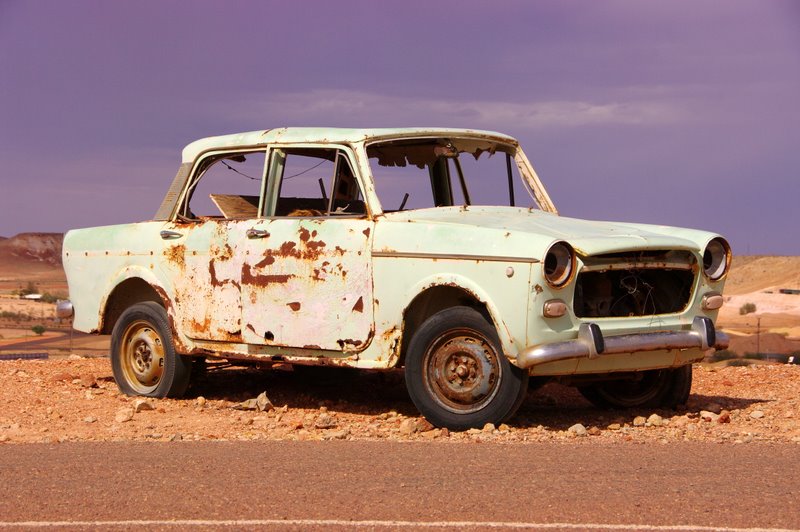
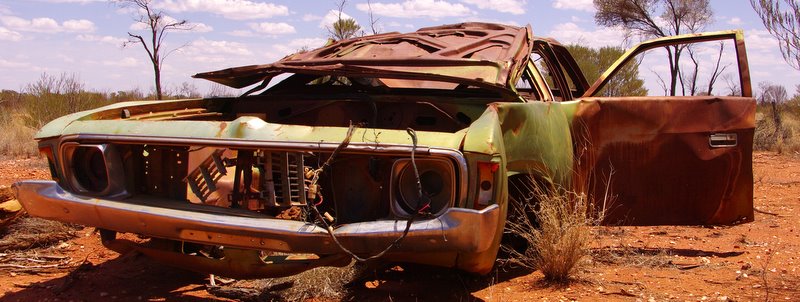
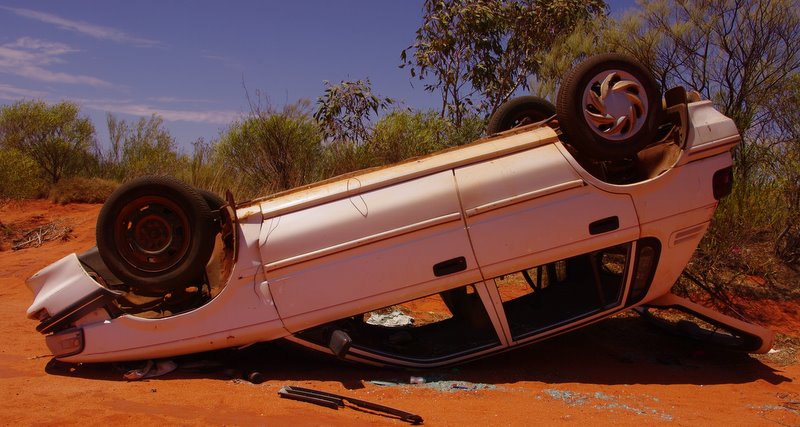
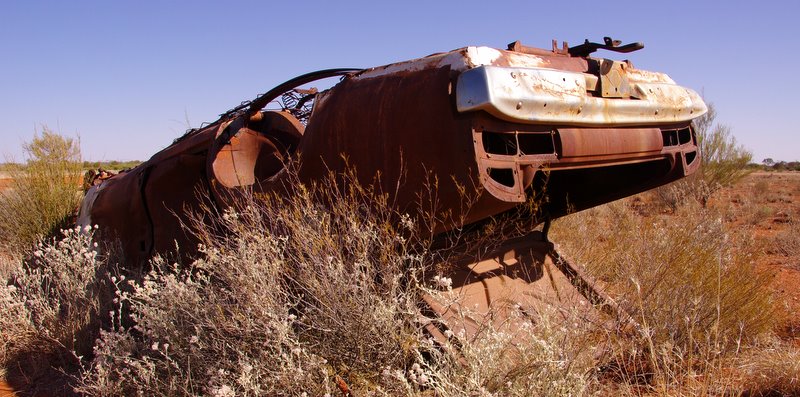
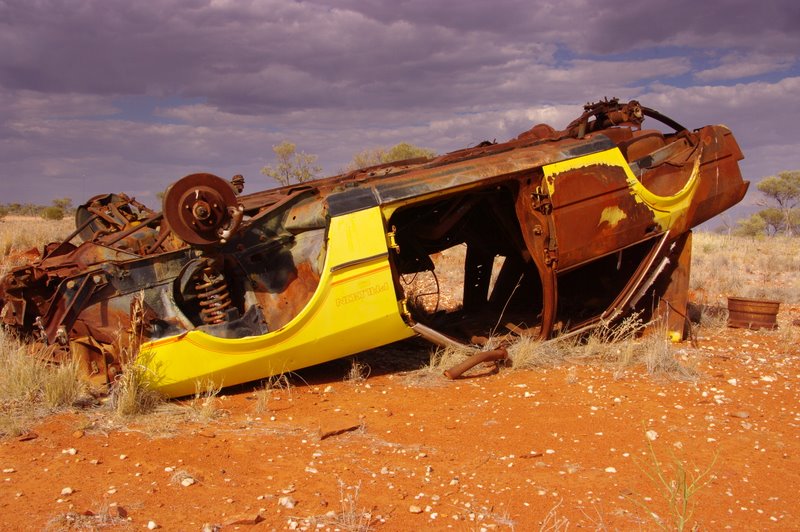
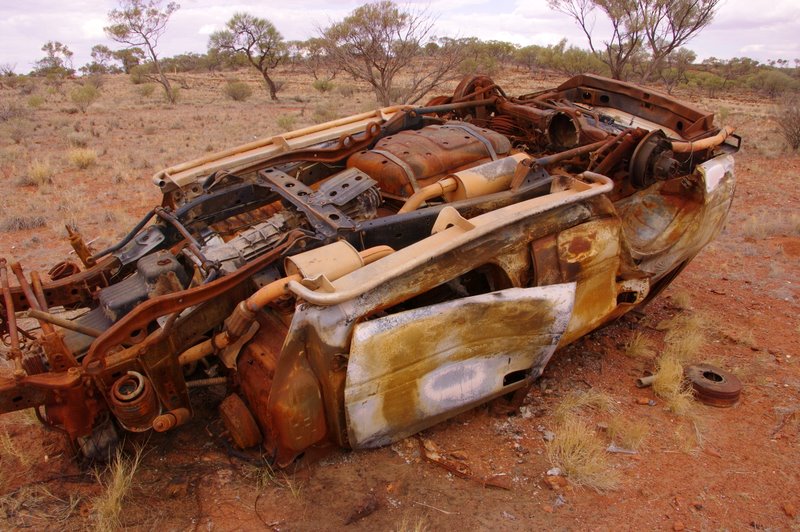
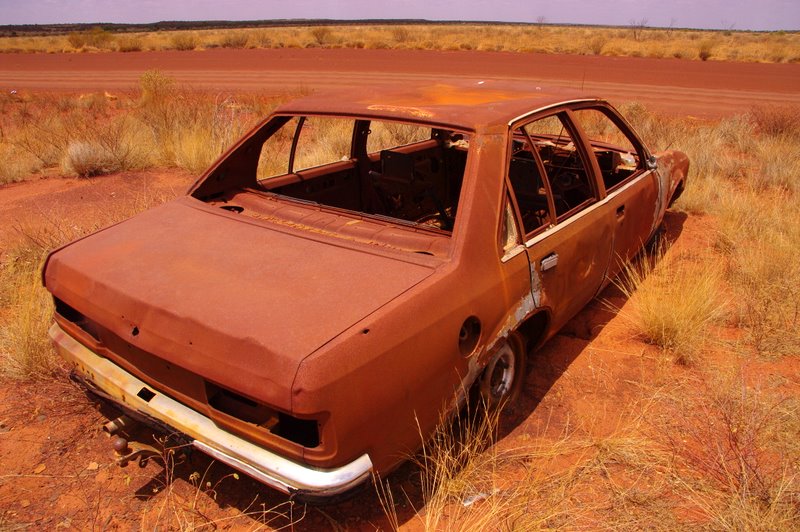
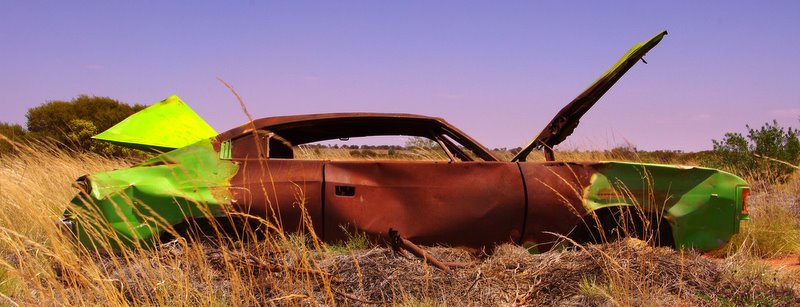
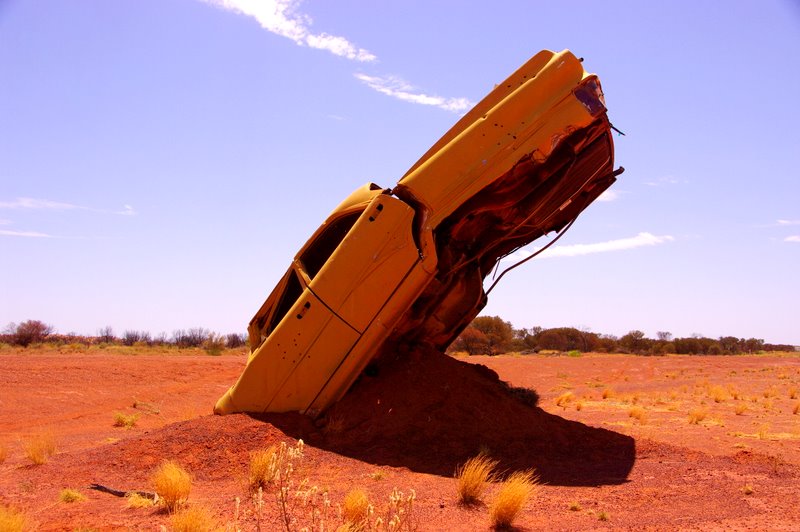
Most of the road is good, graded dirt with a few stretches of corrugations and some sand drifts around Docker River. Apart from the great scenery, camels, birds and kangaroos, there are hundreds of wrecked cars scattered along the road. Here are a few victims of speed, fatigue, alcohol or neglect that caught our attention…

IMGP1934

IMGP1929

IMGP1813

IMGP1913

IMGP1756

IMGP1876

IMGP1880

IMGP1832

IMGP1905

IMGP1830

IMGP1817

IMGP1814

IMGP1809

IMGP1805

IMGP1928

IMGP1815

GHOSTS OF GWALIA

kalgoorlie map

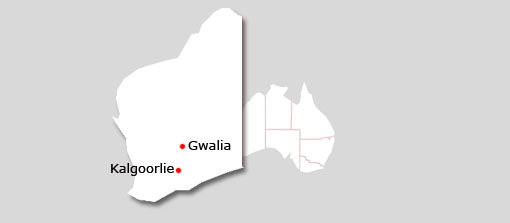
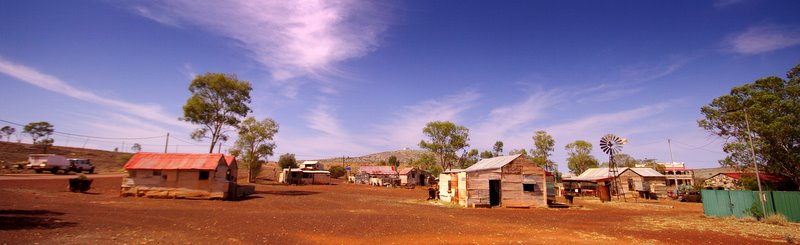
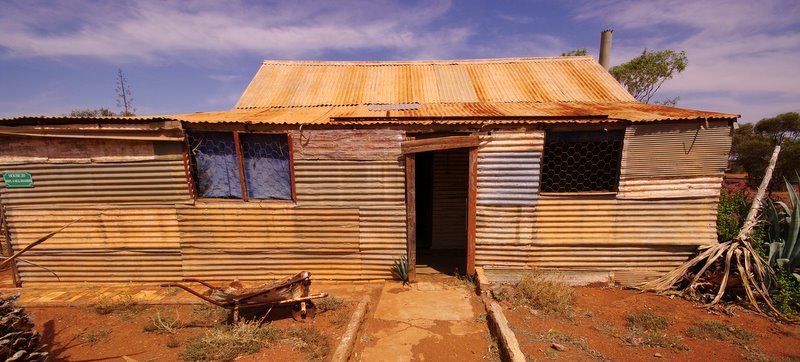
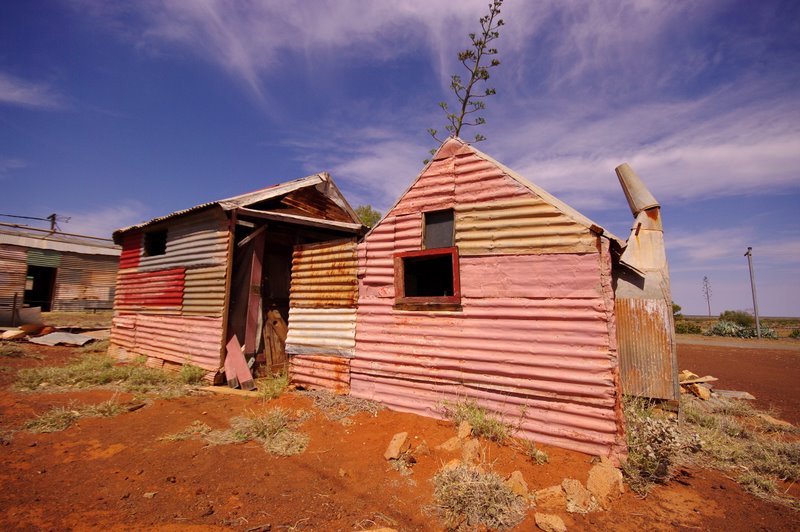
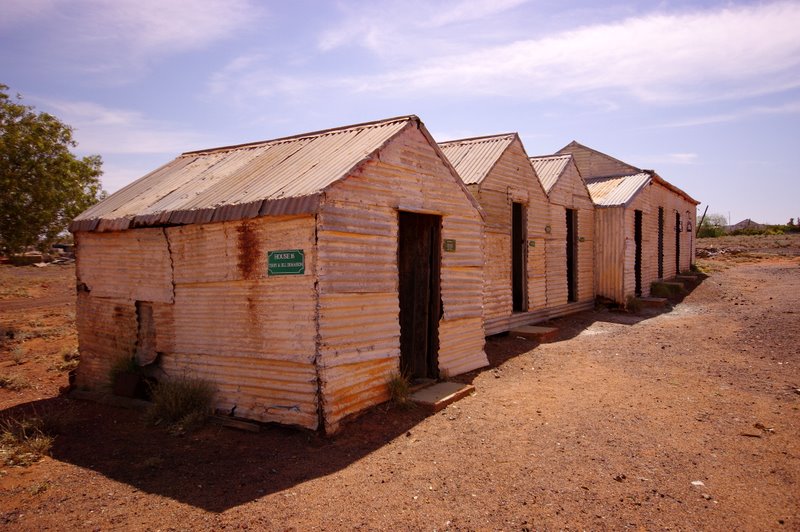
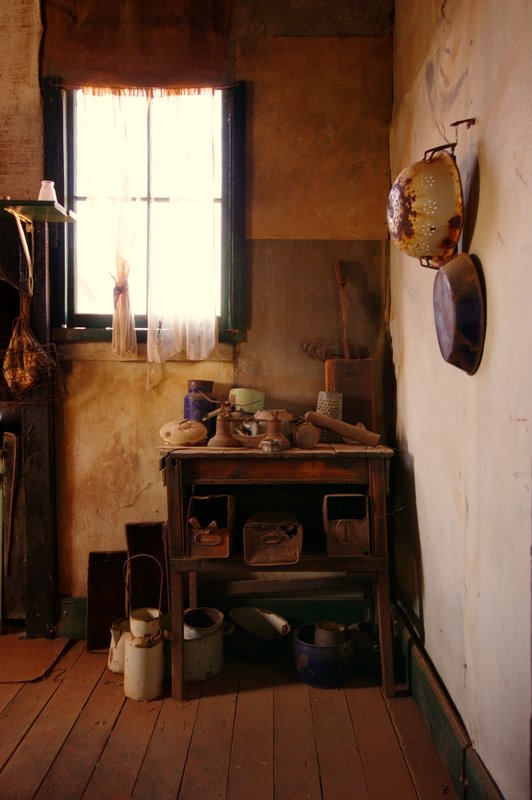
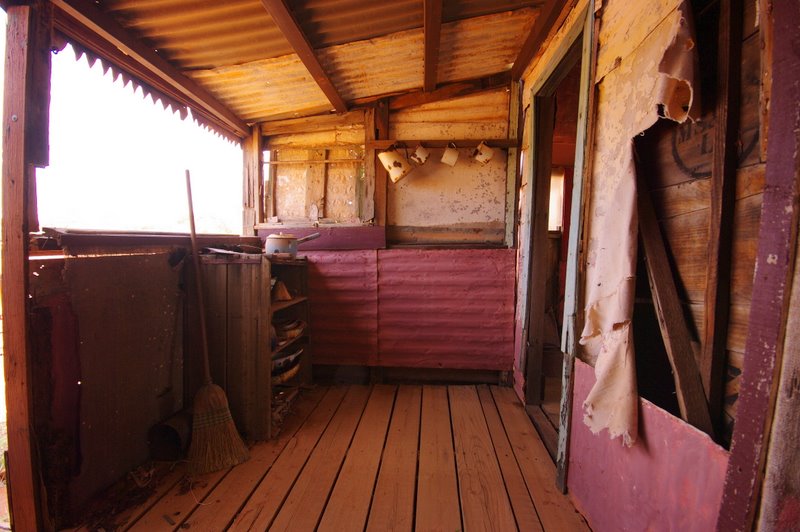
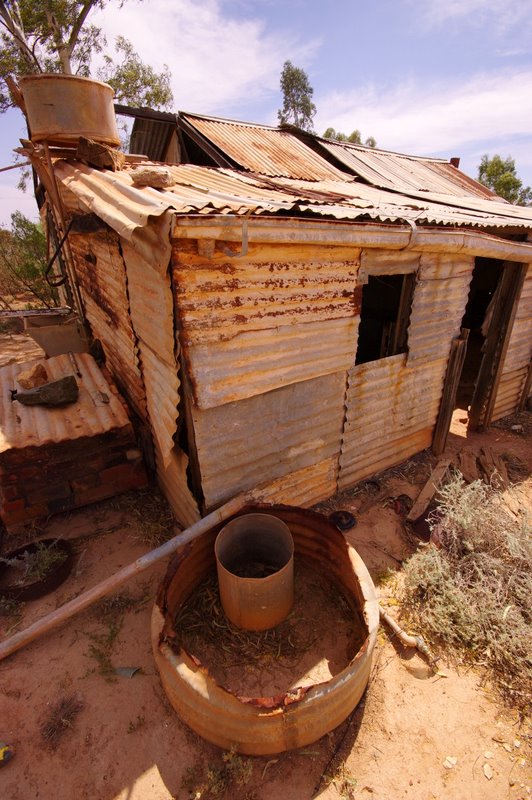
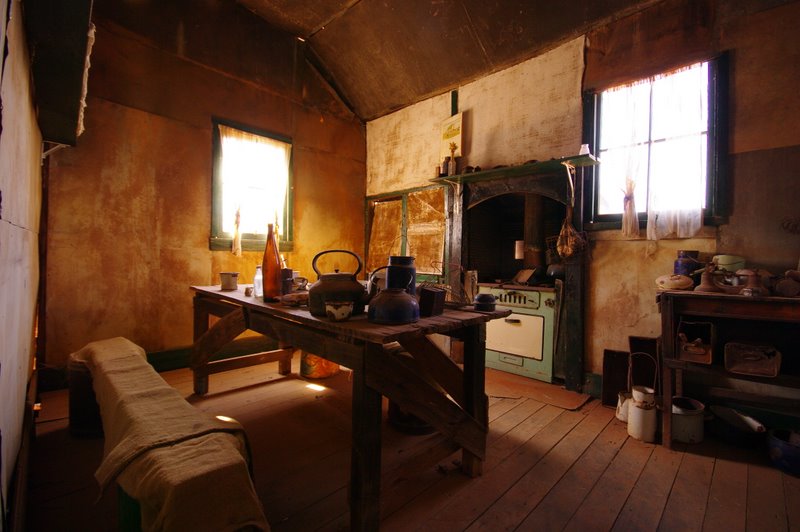
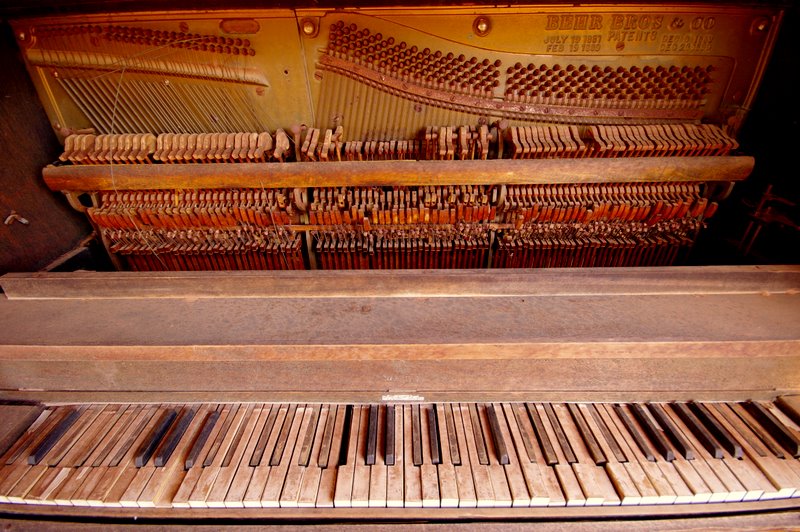
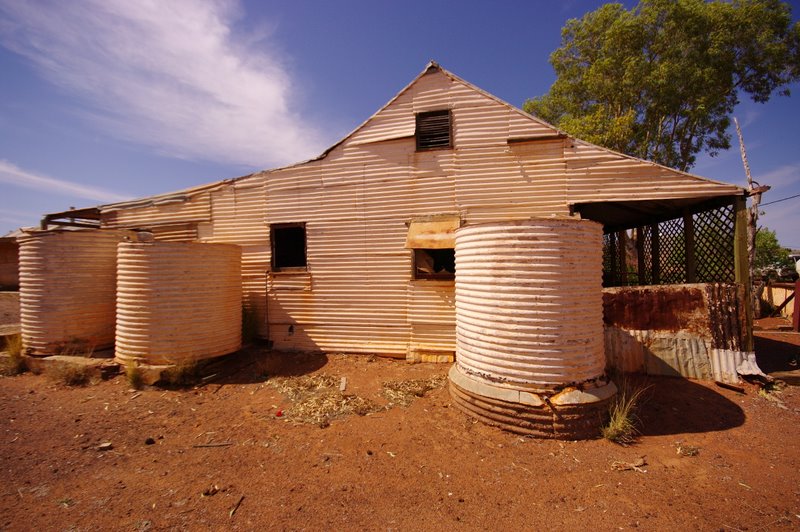
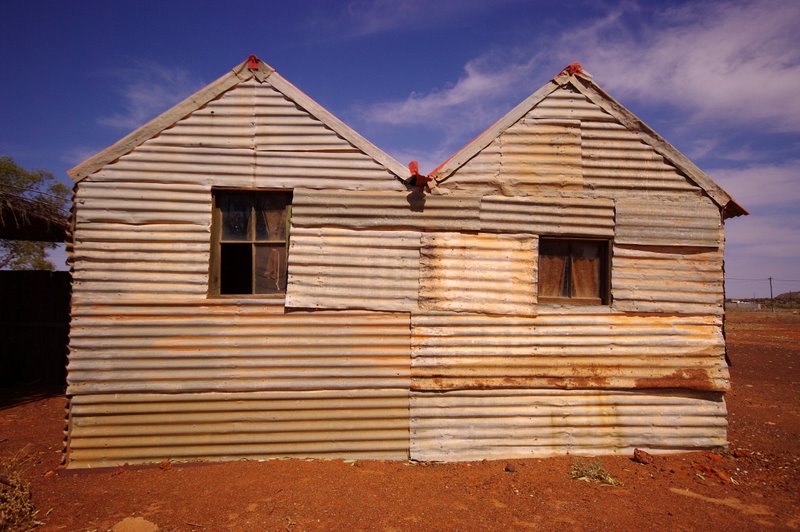
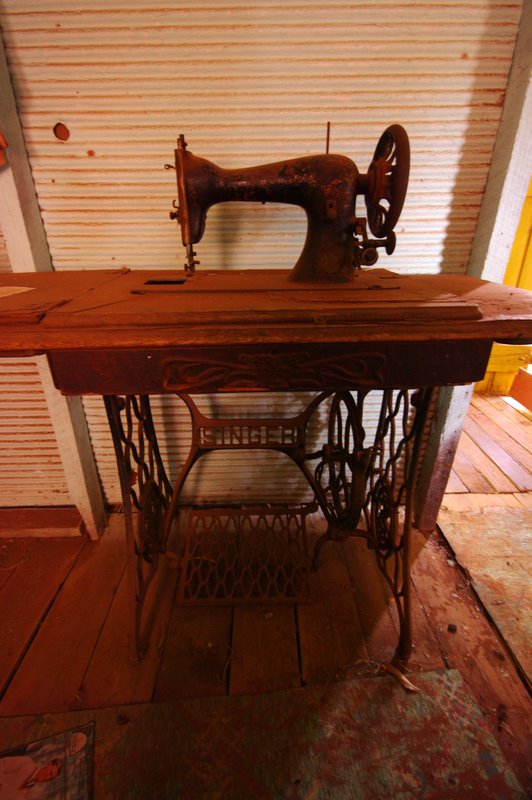
Gwalia, once the second biggest gold mining town in WA, is now almost deserted. The “Sons of Gwalia” mine closed in 1963 and the population of over 1500 disappeared overnight. The first mine manager, 23 year old Herbert Hoover, brought in cheap Italian labor to help make the mine profitable.  Hoover went on to become the 31st president of the USA. Most of the abandoned cottages built by the workers are still in good condition thanks to the hot, dry climate.

IMGP1660

.

IMGP1710

.

IMGP1687

.

IMGP1677

.

IMGP1608

.

IMGP1689

.

IMGP1704

.

IMGP1607

.

IMGP1612

.

IMGP1667

.

IMGP1650

.

IMGP1659

.

IMGP1700

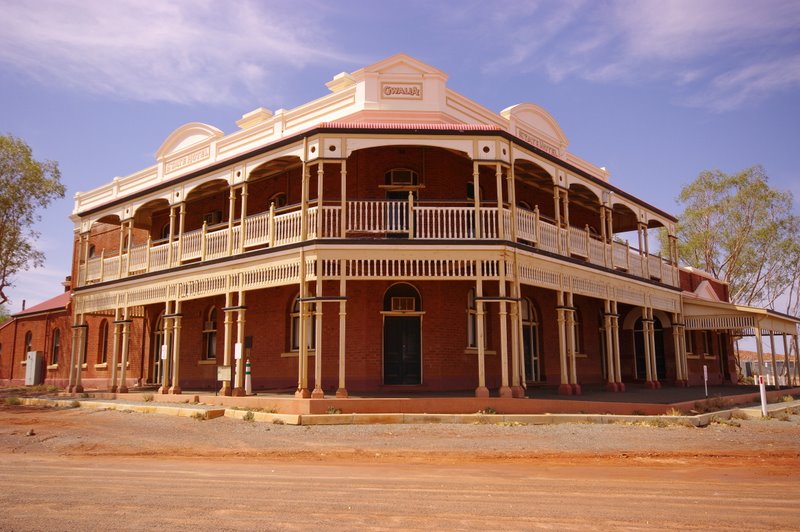
Gwalia’s State Hotel was the first state owned pub in WA. Built to counter the sly grog trade in the town, it is a stark contrast to the makeshift dwellings of the workers.

IMGP1733

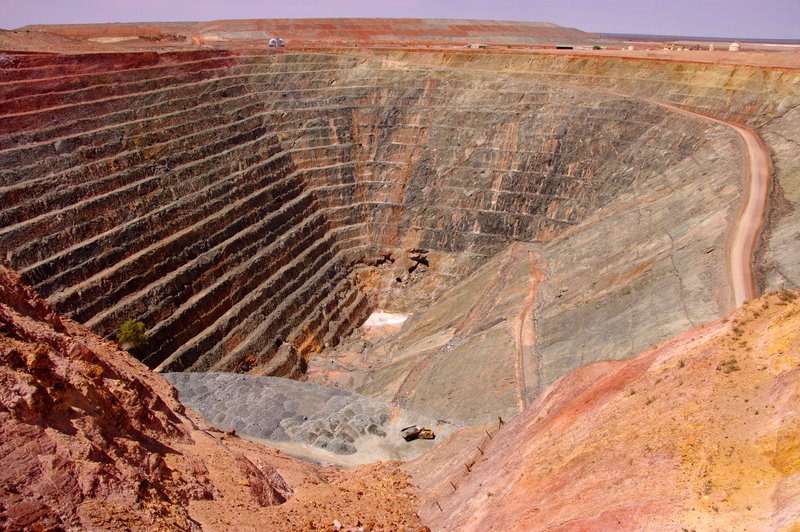
The Sons of Gwalia mine has since reopened and, judging by the size of the hole in the ground, must be doing fairly well.