PAINT BY ACCIDENT

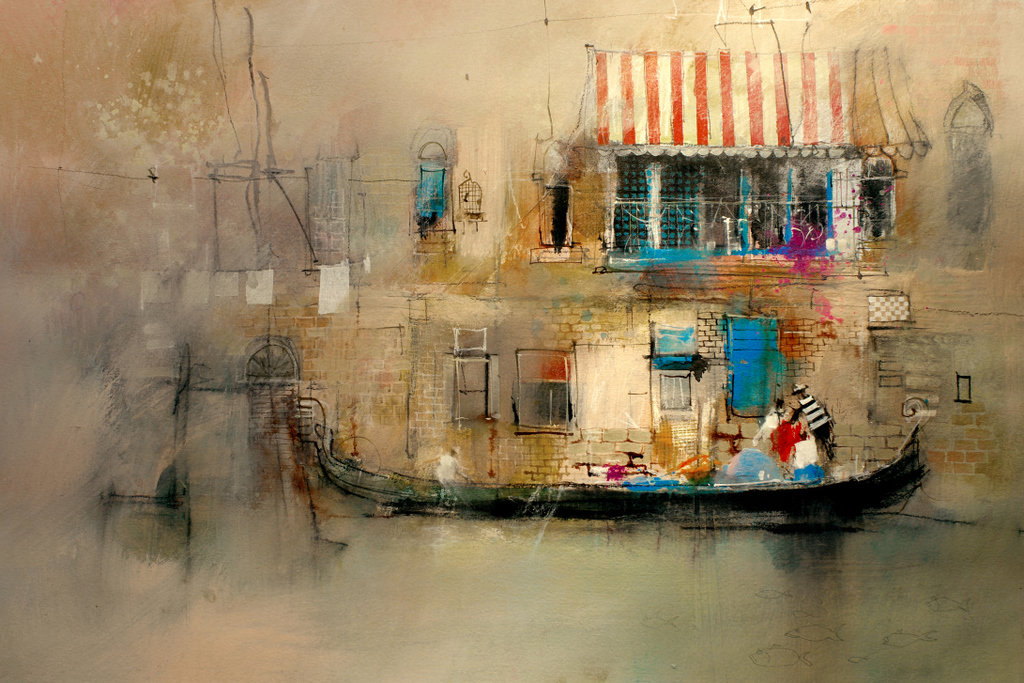
There is nothing like a looming magazine deadline to speed up the painting process. I had just finished an article on controlling color temperature for International Artist Magazine and realized I didn’t have an example of a dominant warm painting using a cool contrast. Rather than go through paintings I already had, I decided to work on a sketch I did along one of the little back canals in Venice.

Most of this painting was done using a 1″  bristle brush. I attacked it mercilessly using watercolor and pots of premixed acrylic and gesso, splashing the paint on and feathering it out with a 3″ Hake brush. This quickly covered the paper and provided the area of light at the focal point. Once the dark shapes were scrubbed in with the 1″ brush, I used a charcoal pencil to define the details – again very quickly and accidentally – sort of like draw first and ask questions later. After all this a small brush added all the details – bricks, window frames, striped awning etc.

It is a fantastic way to work, pushing and shoving until things somehow work themselves into place. The hardest thing is learning not to be careful until it is absolutely necessary! The beauty of building up a painting in layers like this means you really can’t go wrong – things can continually be worked over and changed.
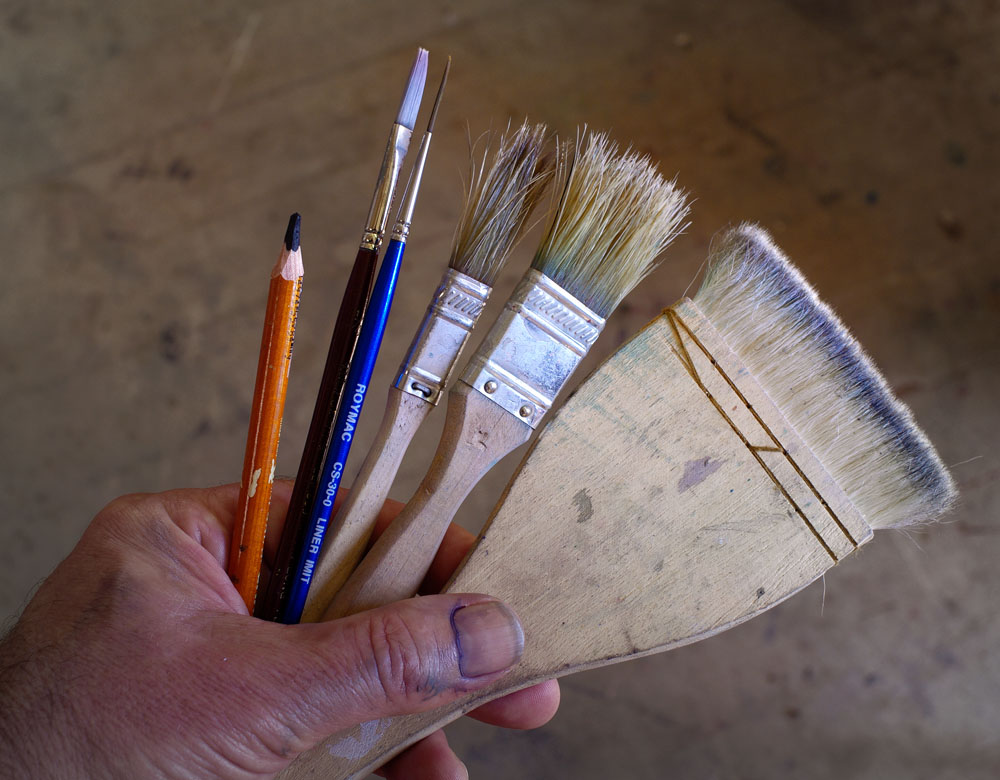
A rough looking collection of brushes, but perfect for this type of painting.

  • A charcoal pencil
  • 1/4″ flat One Stroke
  • #1 Liner Brush
  • 1/2″  Bristle Brush
  • 1″ Bristle Brush
  • 3″ Hake Brush

FLY SHOTS

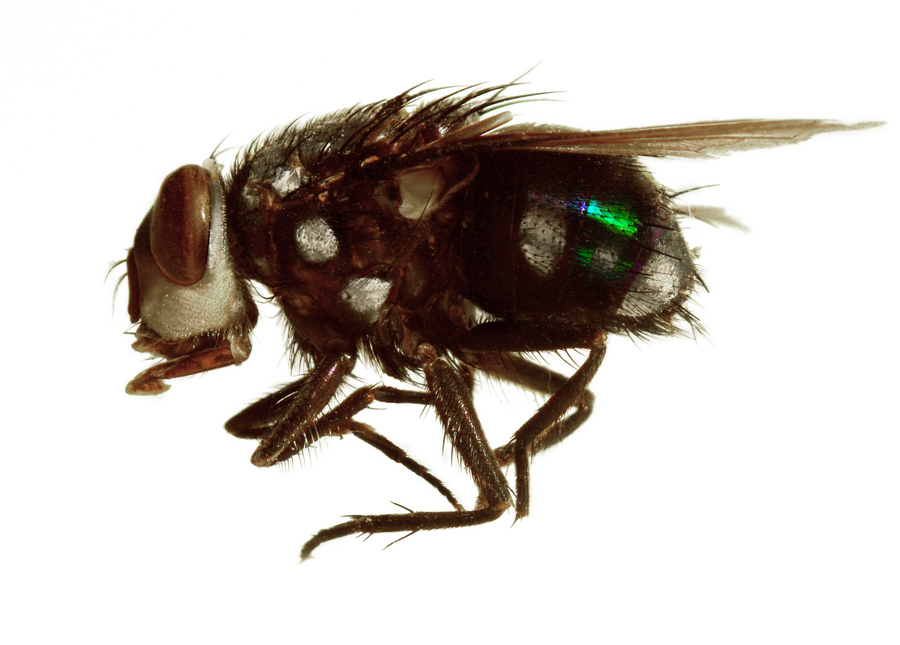
Occasionally one of these weird green blowflies get trapped against the big gable skylight in my studio. I picked this one up the other day, set him up with a light and took some photos. I used  an old 28mm vivitar close focus lens with a 1.4x converter. It is a great, sharp lens and despite it 30 year+ age, still works perfectly on my Pentax K20D. All functions are manual, but the camera will still automatically set the speed to suit the selected aperture. It also beeps and flashes a red square indicating where correct focus is occurring. Not bad for backwards compatibility!

They sure look interesting when you look at them this close.

MORE CHOOKS

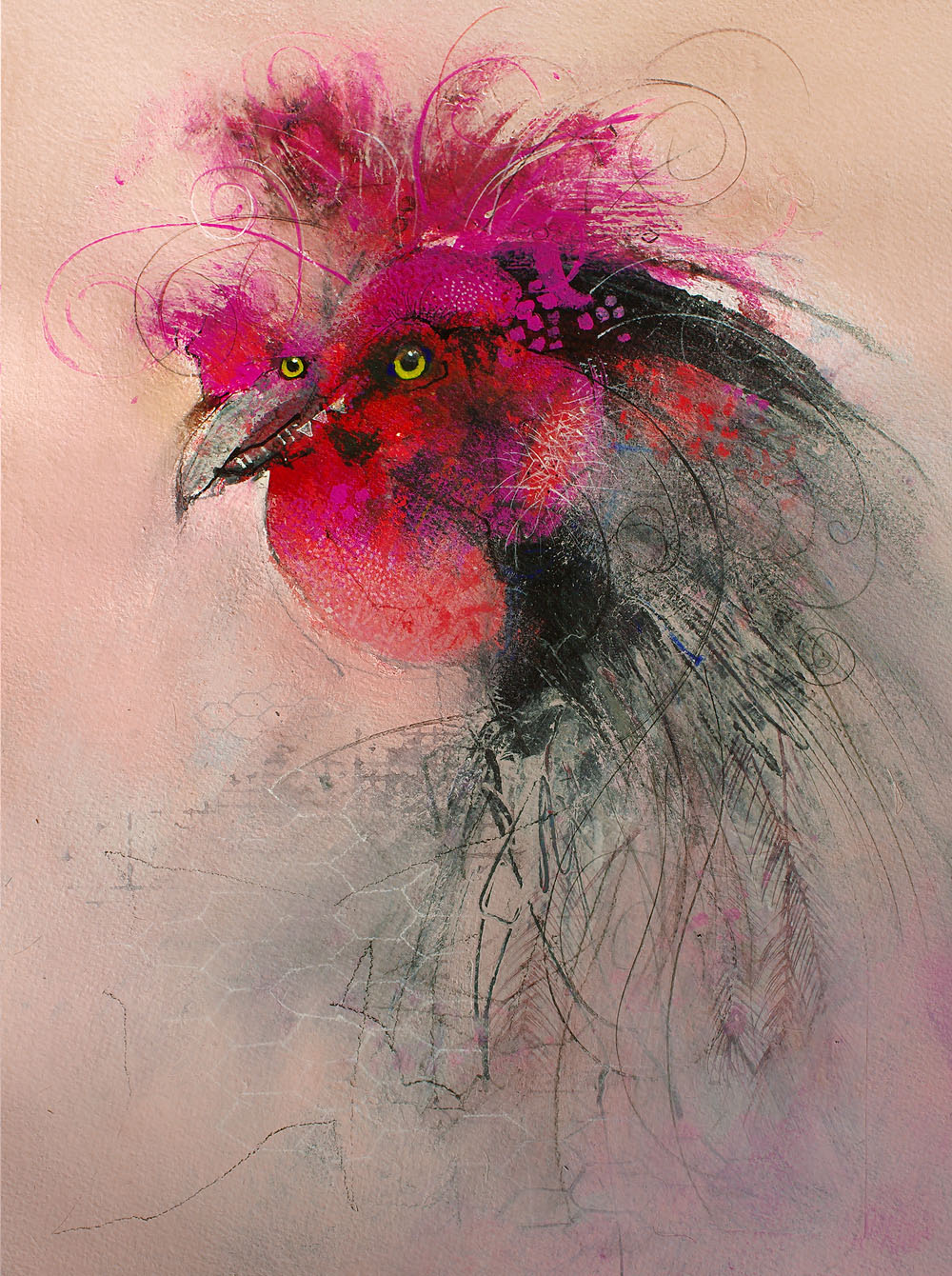
After playing around with watercolor and gouache for a while, I somehow drifted on to acrylic and ink in an effort to capture the wild, manic character of these killer chickens. I always took chickens for granted. It’s not till you start to draw them that you come to realize – behind all that innocent scratching and clucking lies a vicious, terrifying bird of prey!

Here are three more.

“Leghorn Watching” – Gouache, Acrylic, Ink, Watercolor and Charcoal.

“Rhode Island Red – Best of Breed” – Gouache, Acrylic, Ink, Watercolor and Charcoal.

“Black Australorp Considering”– Gouache, Acrylic, Ink, Watercolor and Charcoal.

WATERCOLOR CHICKEN

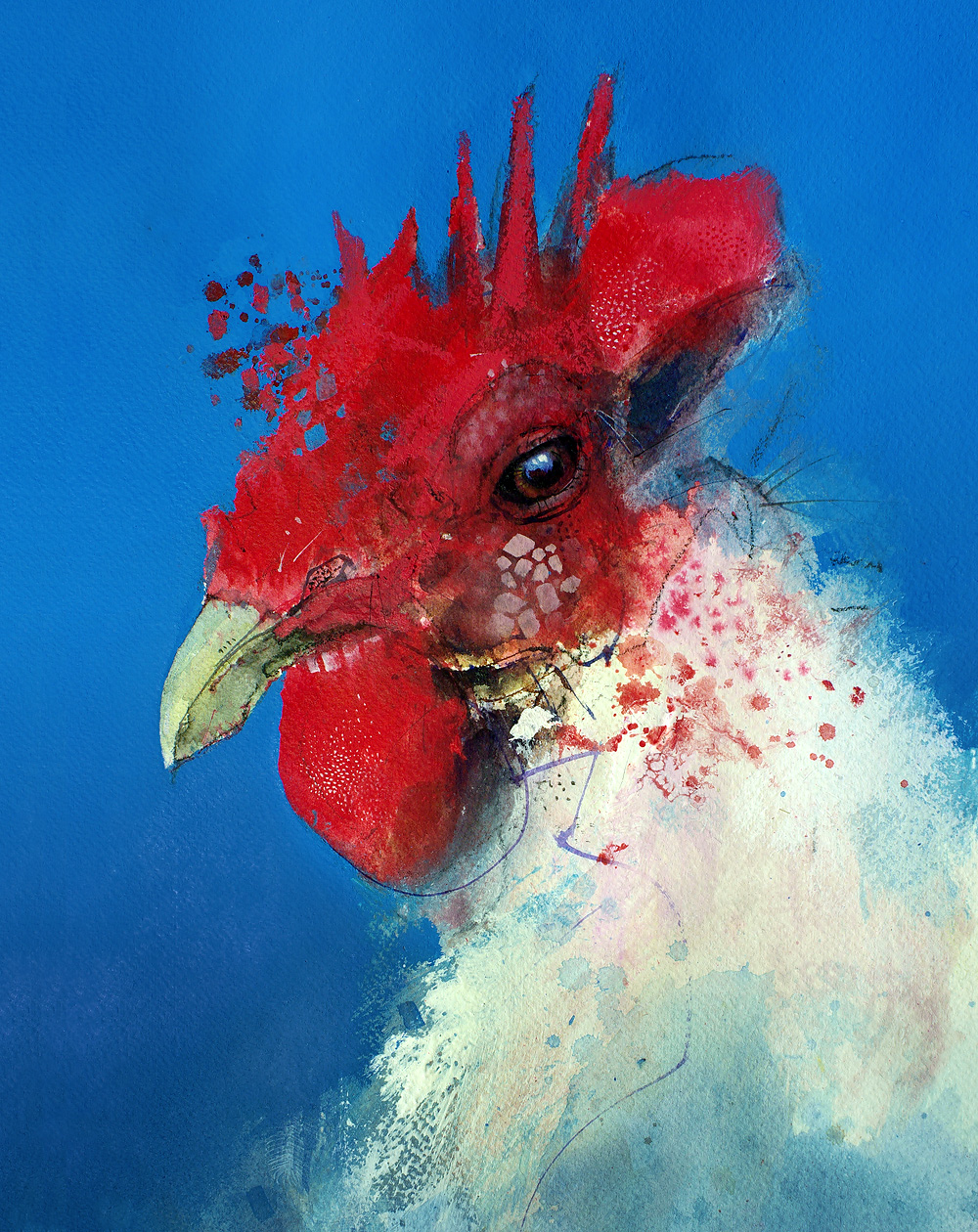
Over the past couple of months I have been busy working on a new book, which means I am madly leaping from one subject to another. Somehow I ended up choosing a chicken to demonstrate the different qualities of watercolor and Gouache. I hope to have the book finished before the end of the year. A step by step guide to painting this chicken will feature in book. It combines clear washes of watercolor and the opaque flatness of gouache to get that fantastic contrast between glowing transparency and flat, velvety gouache.

This type of subject is a lot of fun, I love the contrast between fine detail and loose abstraction. The face of the chicken leaves nothing to the imagination, but as the eye moves down the neck, things get a little out of control – just like a chicken tearing around in a chicken coop.

French Ultramarine Blue, Permanent Alizarin, Windsor Red, and Quinacridone Gold  with White Gouache provided all the necessary colors.

A few one stroke brushes and a rigger took care of the detail and the 1/2 inch bristle brush made all the mess.

The book should be available towards the end of the year. As soon as it’s out I will put a link on my website