CEFALU

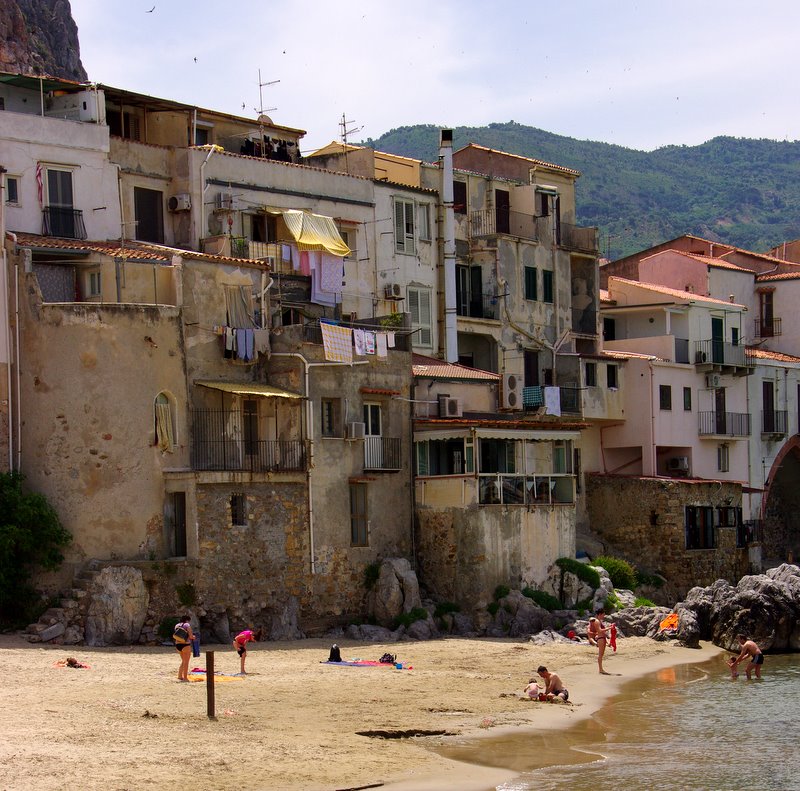
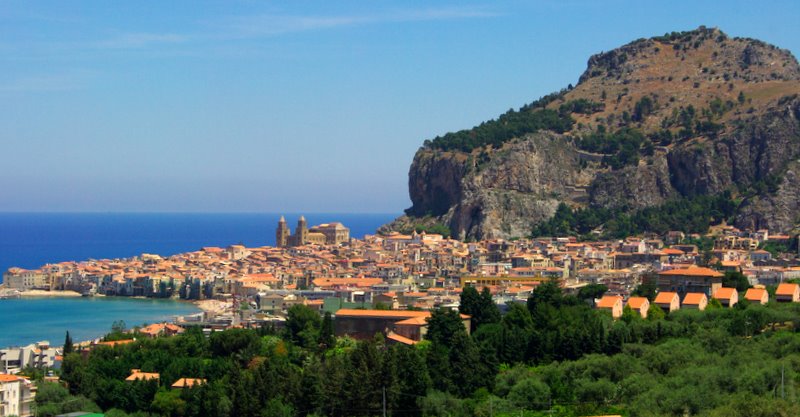
Tucked under an enormous rock outcrop on the North coast of Sicily, the small town of Cefalu is dominated by its impressive Norman cathedral.

The old town has a wonderful, busy character and it’s maze of streets and alleys are fun to explore.

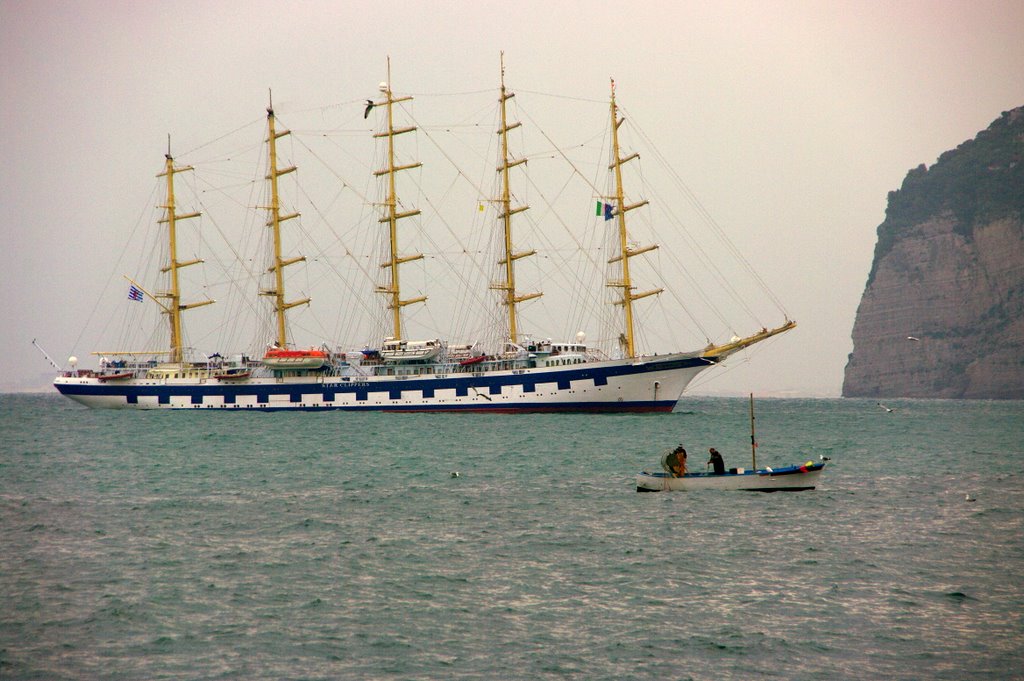
The town wraps around some attractive, sheltered beaches and has a fleet of small wooden fishing boats providing fresh fish for the local restaurants.

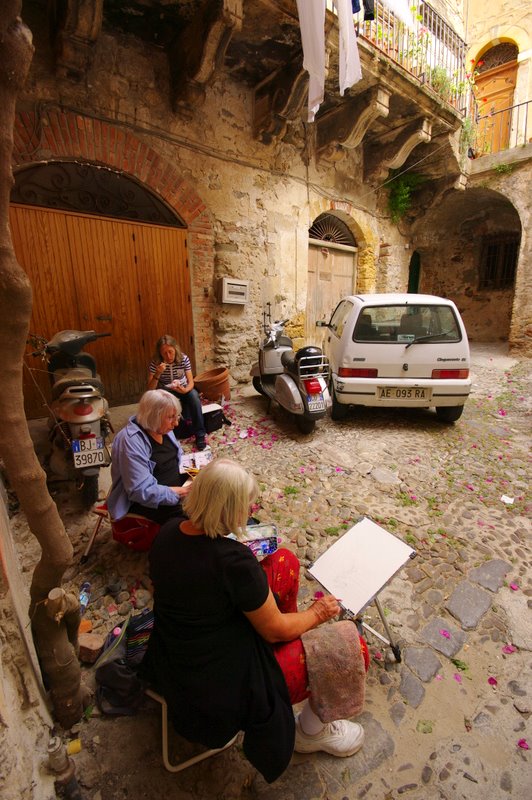
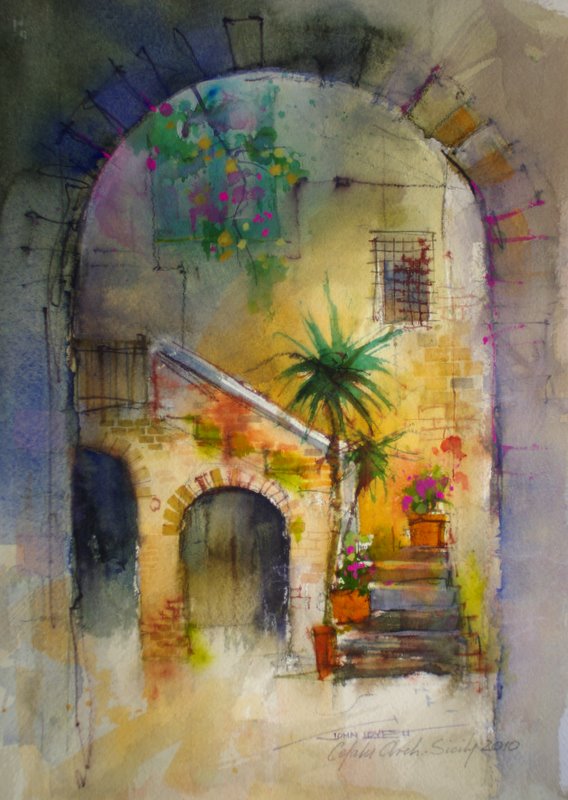
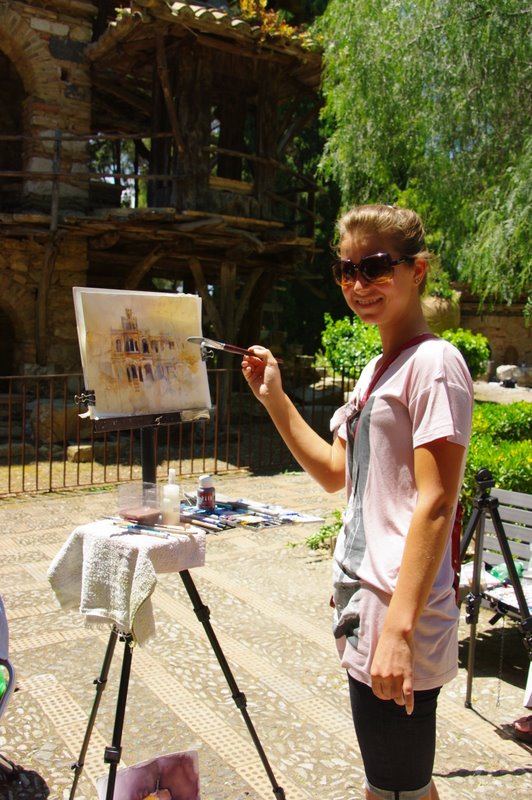
We managed to find some great painting locations tucked into out-of-the-way alleys.

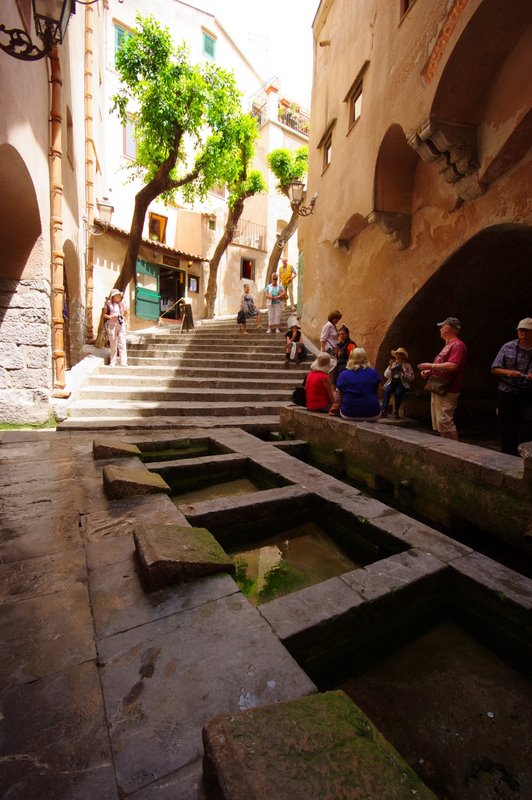
Up until 20 years ago, these old Roman wash tubs were still in use. An endless supply of clean, spring water flushes through them and out to sea. The luxury of electricity and white goods has relegated them to a tourist attraction.

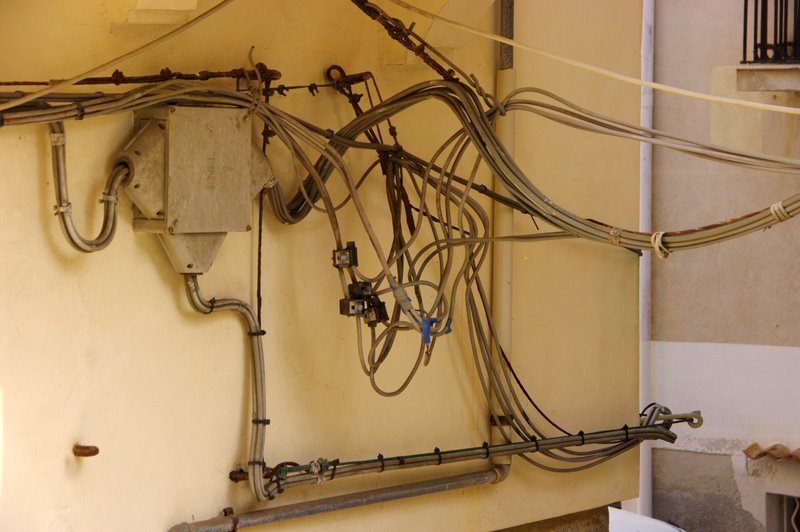
Electric wiring in Cefalu is an incredibly confusing tangle of cables, strung haphazardly from building to building.

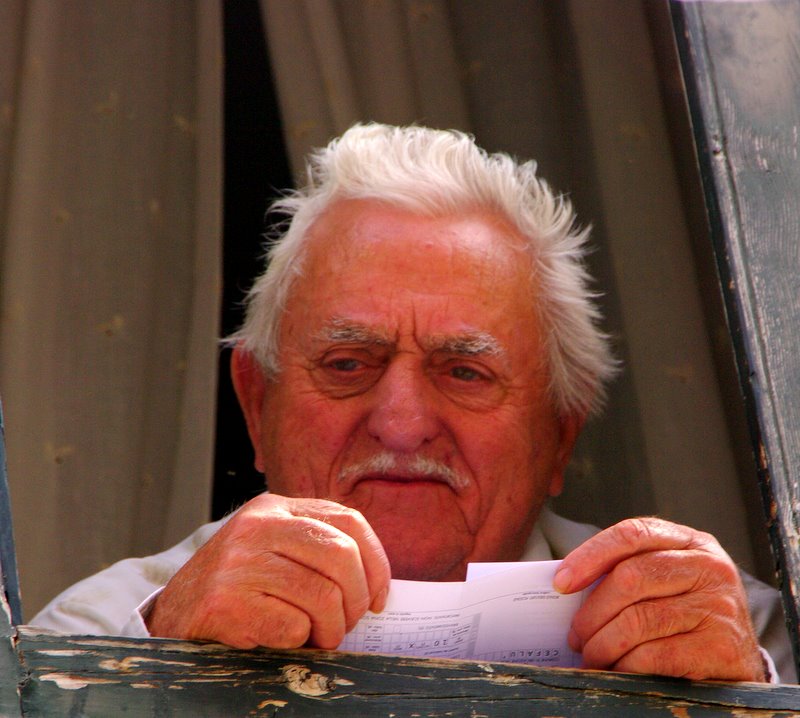
Little wonder the locals puzzle over electricity bills.

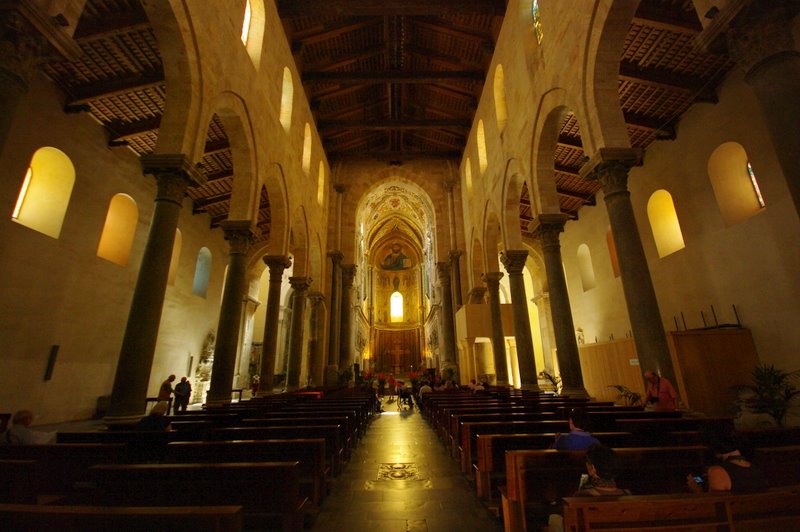
In the centre of town, the huge Norman cathedral is an impressive structure. Interior decoration is fairly schizophrenic,  having chopped and changed over the centuries according to religious preference, politics and fashion

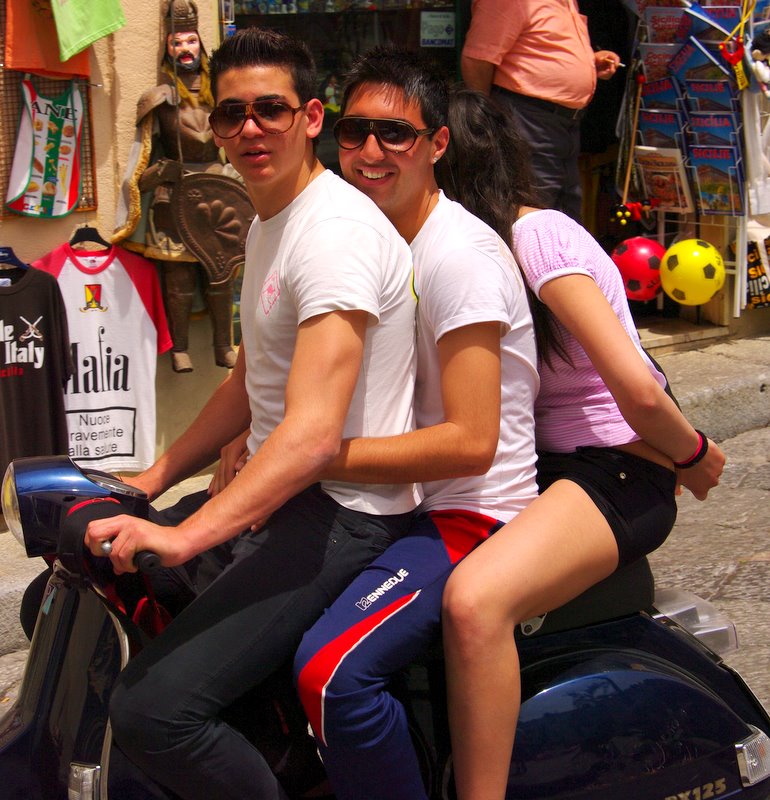
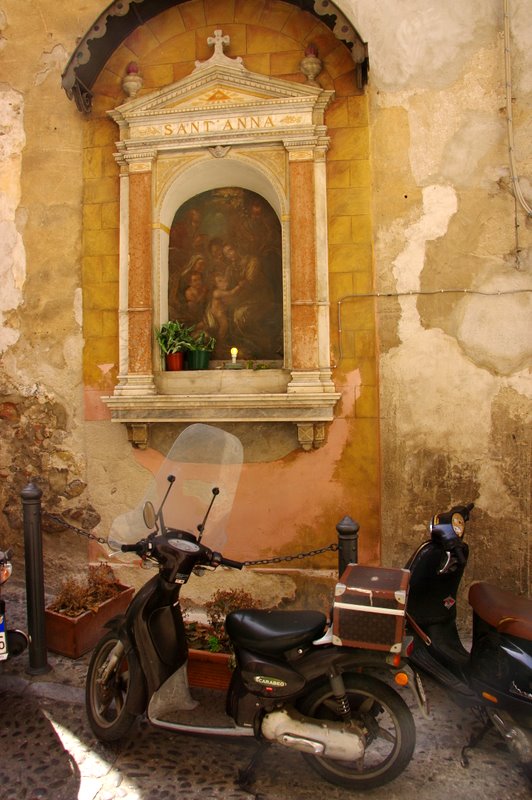
Young people in Cefalu have the same crazy desire to push a vesper to the edge of suicidal self destruction as is found in most of Italy.

Parking under religious icons guarantees safety here too!

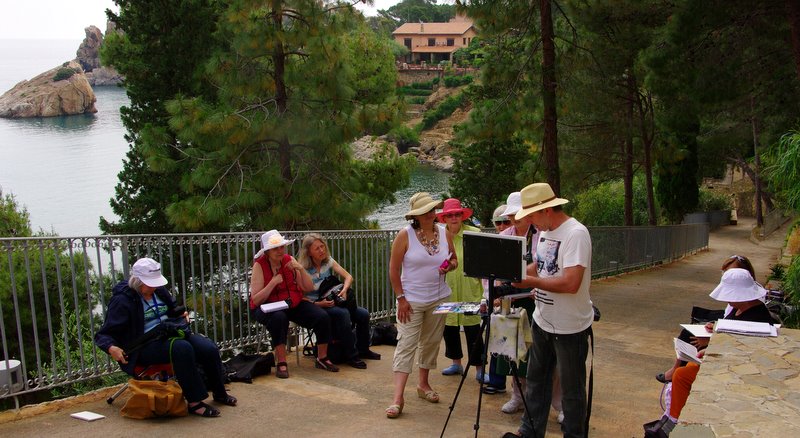
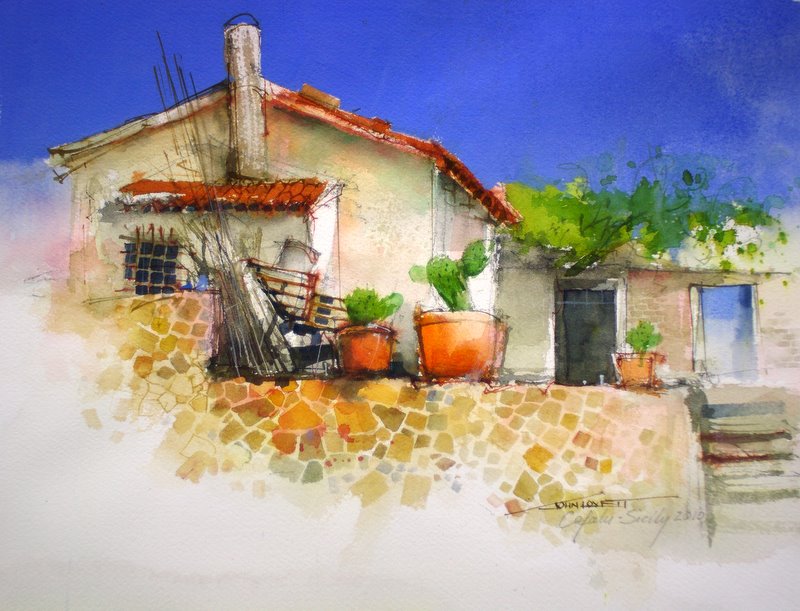
Our Hotel was perched above the bay on the opposite side of the rock to the town. This path led down to a terrace, swimming pool and small beach. It made a comfortable, shady spot to paint some old buildings and garden walls attached to the hotel.

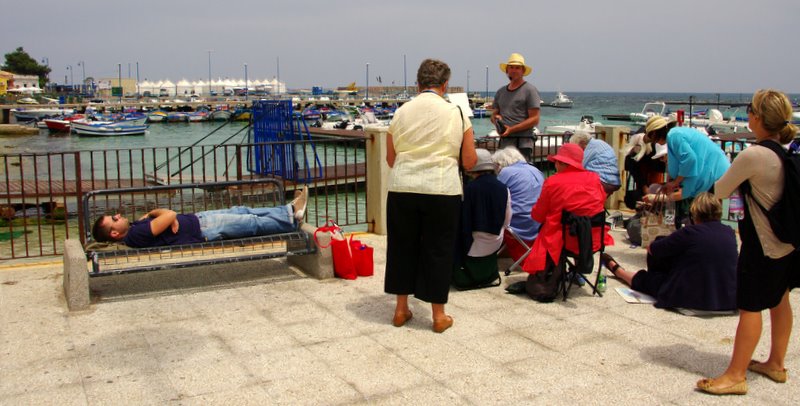
We found this poor fellow sound asleep on a bench at a small beach resort out of Palermo. He was a bit confused when he woke up and found 20 people spread around him with easels and paint boxes.

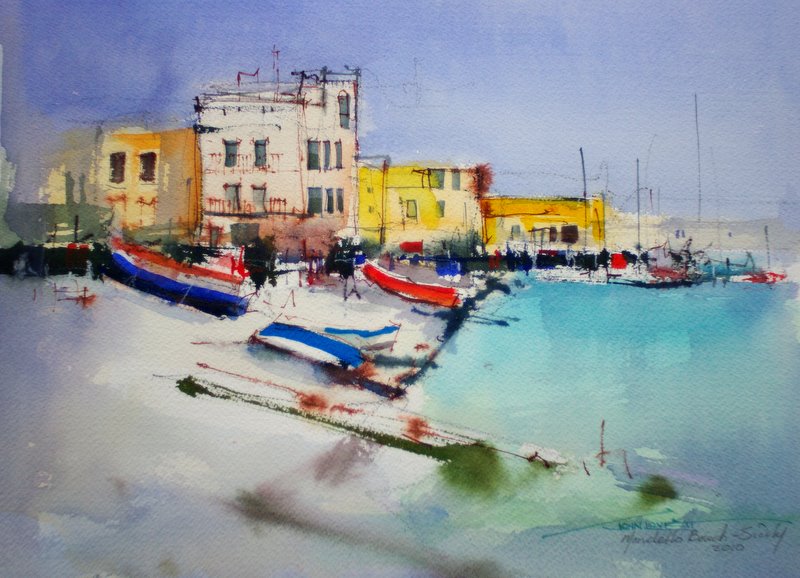
Mondello waterfront – Sicily

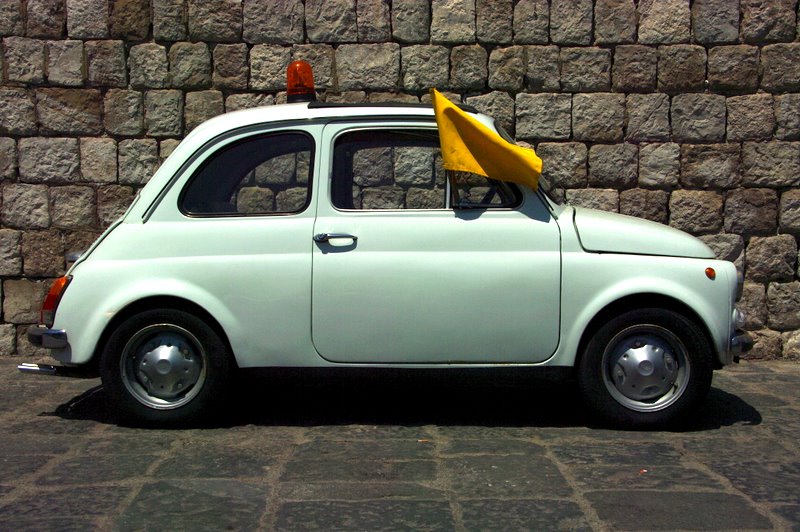
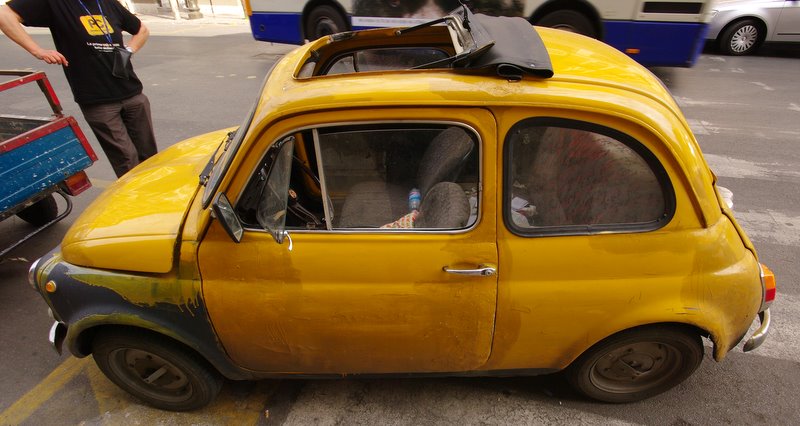
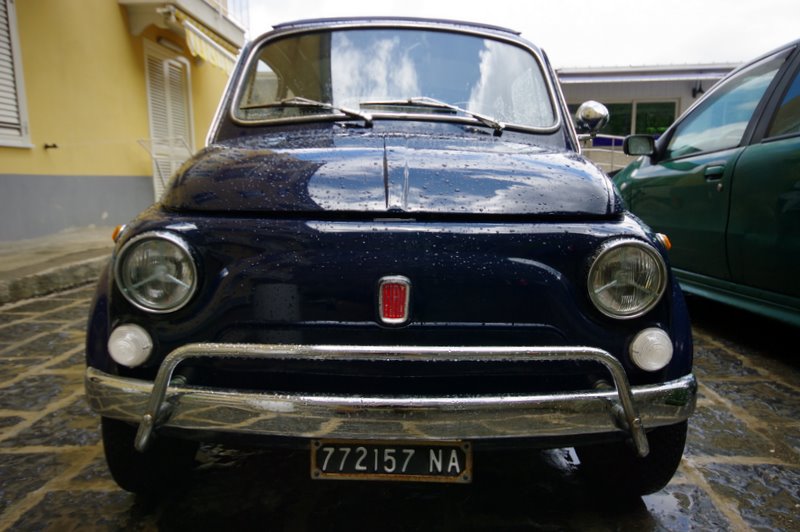
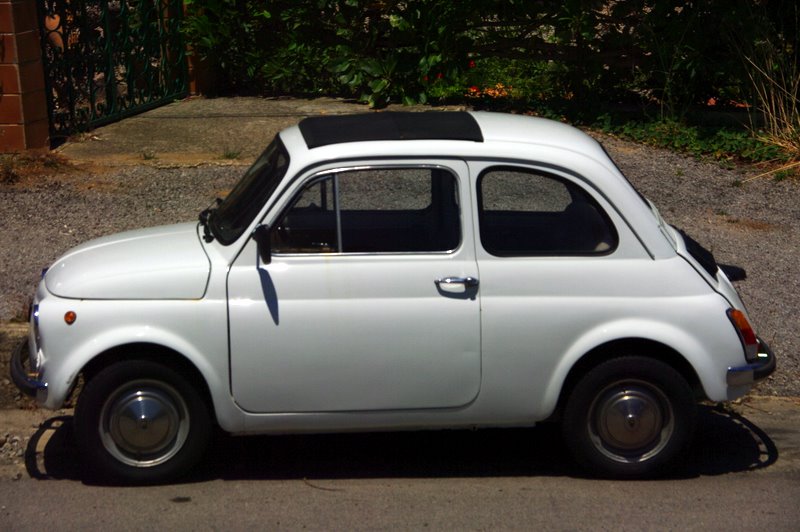
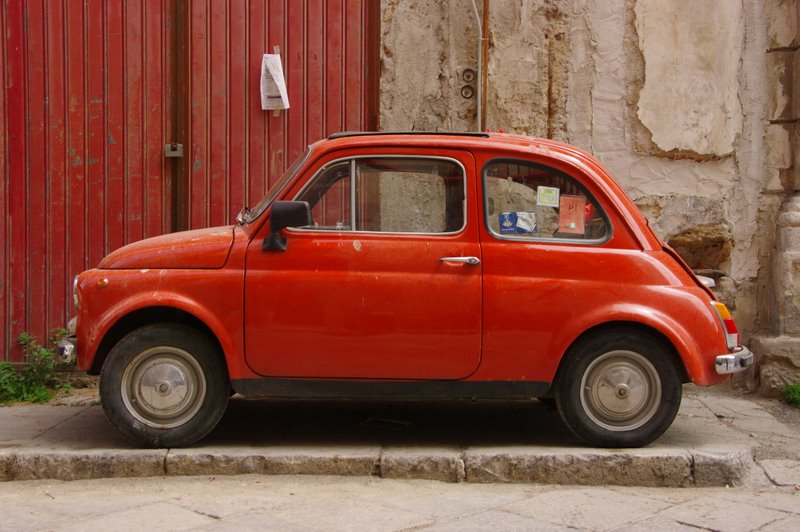
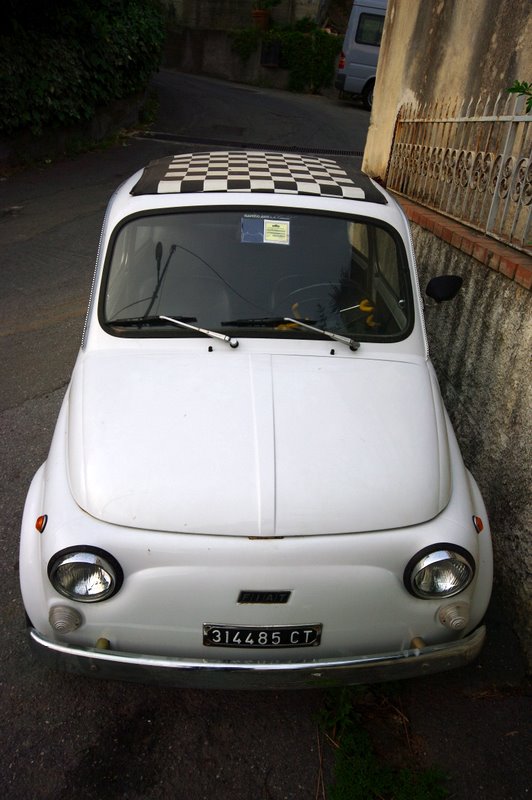
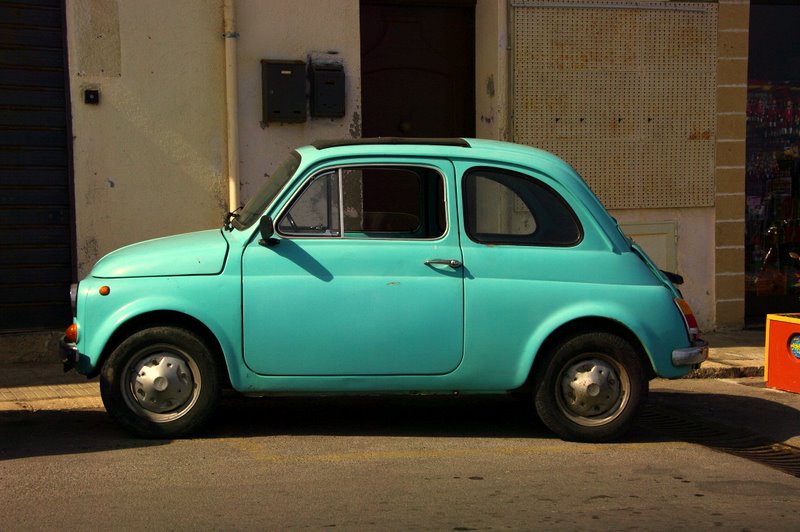
NATIONAL ICON

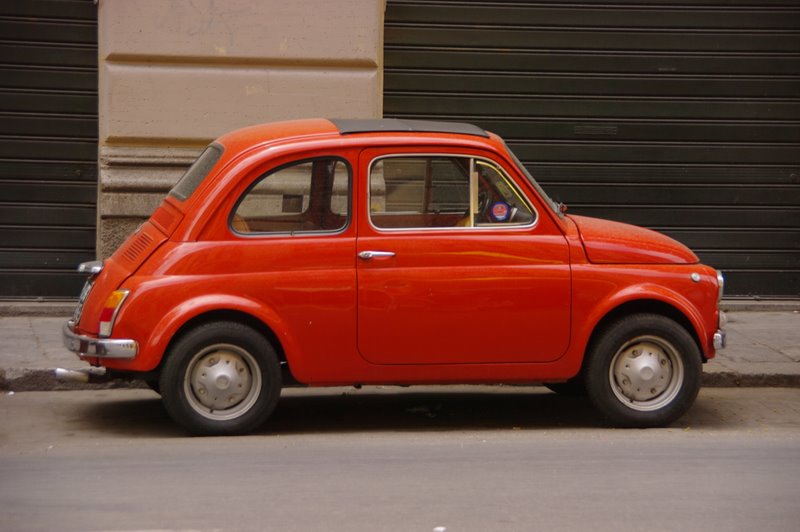
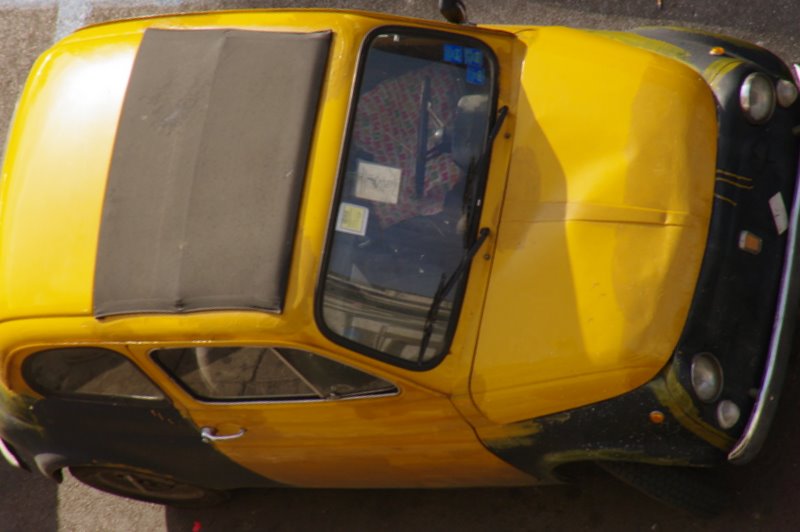
A few years ago the European Union made a ruling that any car over a certain age should be taken off the road in an effort to clean up air pollution. Italy said fine, but the Fiat 500 is a National Icon and, no matter what age, has a place on the roads of Europe. There are still thousands of these little cars on the roads and footpaths of Italy. Now joined by a brand new version, Italy would not be the same without them.

TICKING VOLCANO

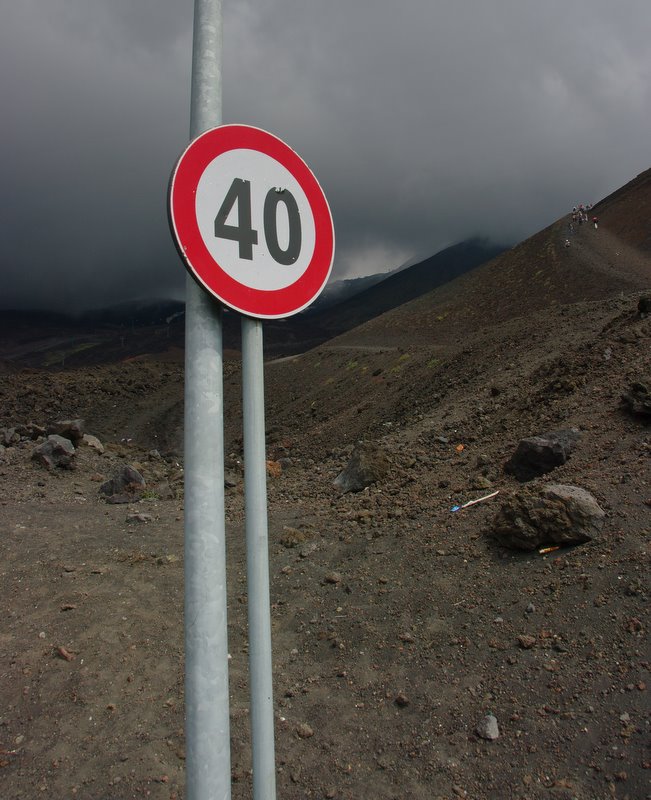
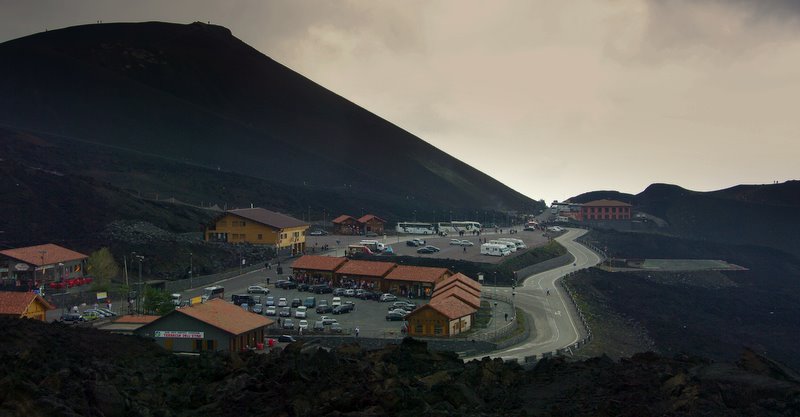
Mt Etna is one of the worlds most active volcanoes. It last erupted in 2008 and, according to our guide is overdue to erupt again. He took us up to the 2000 meter level and the scene is pretty impressive.

Huge lava flows have built up the landscape on the southern side of the mountain. The eruptions causing these flows have been occurring every 3-4 years

This tiny village was destroyed and re built several years ago, eight meters above it’s original location

Insurance is impossible for buildings on an active volcano, but the Sicilian government will pay up to 60% towards re building provided the business employs a certain number of people.

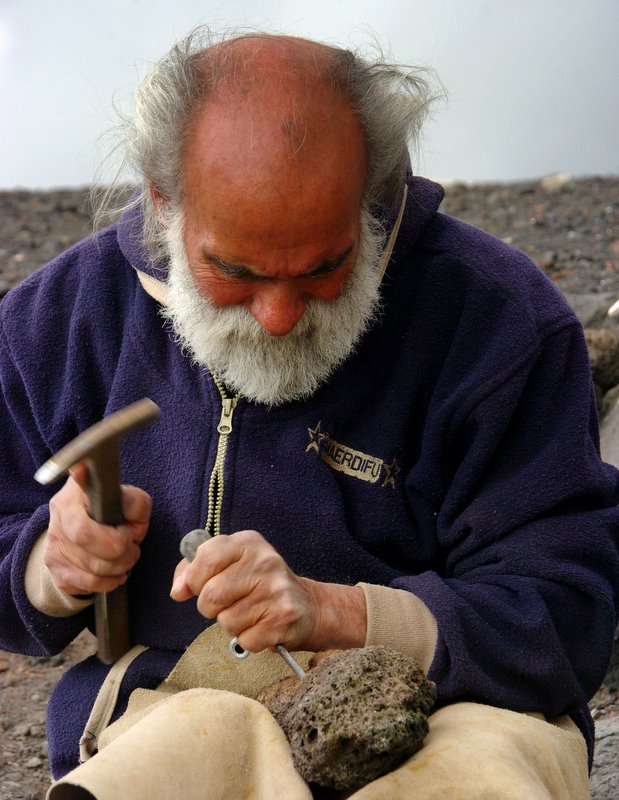
This guy gets around the problem by sitting outside in the freezing cold, carving and selling lava heads.

At the 2000 meter level there are several craters from previous eruptions.

We would have liked to have seen gushing lava and rocks being shot into the sky, but had to be satisfied with evidence of previous eruptions. The steam and strong smell of sulphur, according to our guide, indicates that an eruption is eminent.

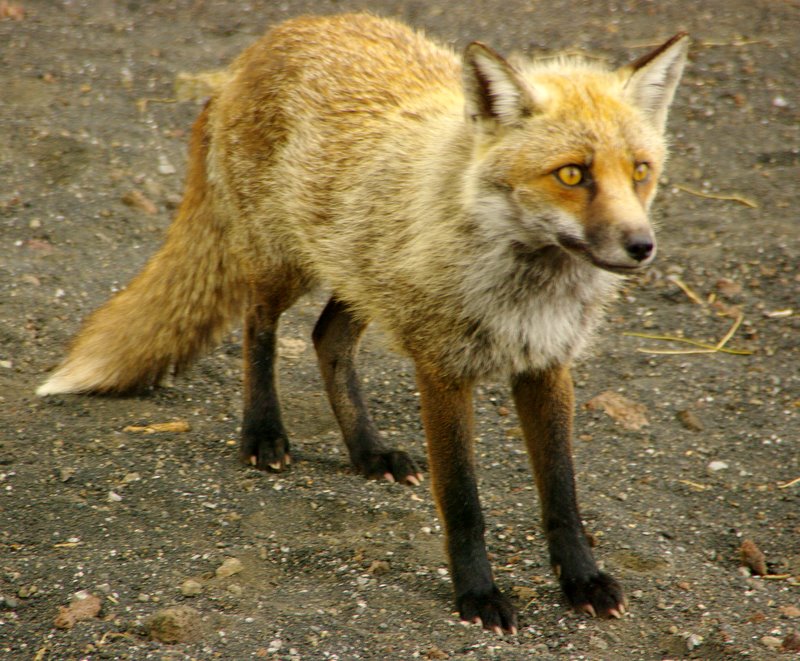
Red foxes live up around the snow line on the mountain. This guy was coaxed out of the woods by some tasty Sicilian pastry.

At the foot of Mt Etna is the small town of  Nicolosi. It still shows evidence of earthquake damage caused by past eruptions.

ON TO SICILY

After five days painting in Sorrento, we traveled back up the coast to Naples and flew to Sicily. Our first stop was Taormina, a town first settled by the Greeks then invaded by the Romans, the Arabs, Lord Rodger and the Normans and any other marauding horde that drifted across the salty waters of the Ionian Sea. Today the main invaders are tourists and traveling artists.
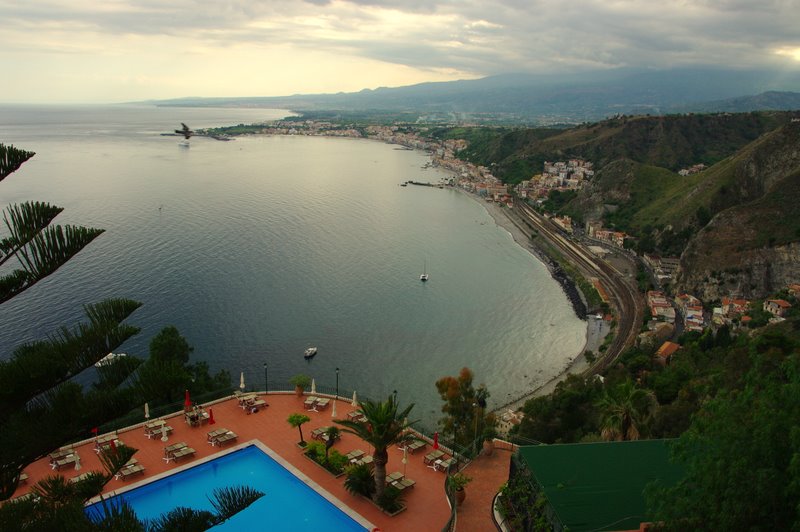
Our Hotel had fantastic view of the coast from its vantage point above the steep incline to the water.

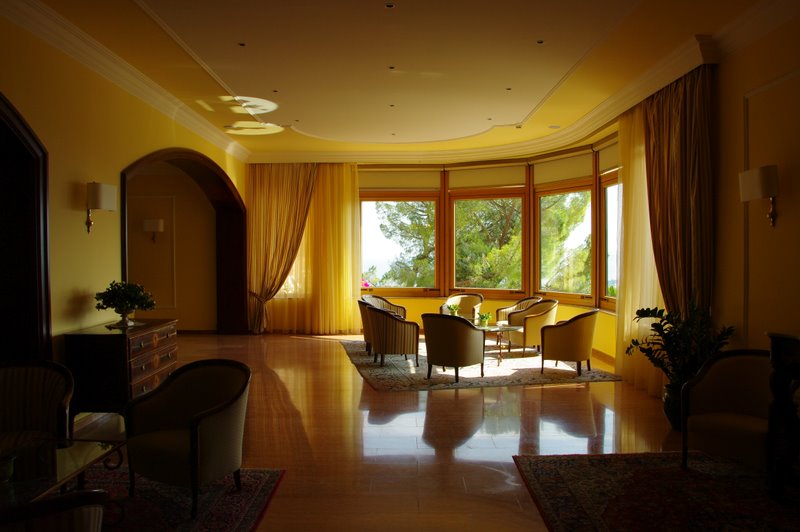
The Hotel was typical of the stylish, post war, Italian opulence created to attract tourists and build local economys.  High ceilings, large panoramic windows, polished marble floors and beautiful antique furniture created just the atmosphere to make a group of traveling artists feel right at home.

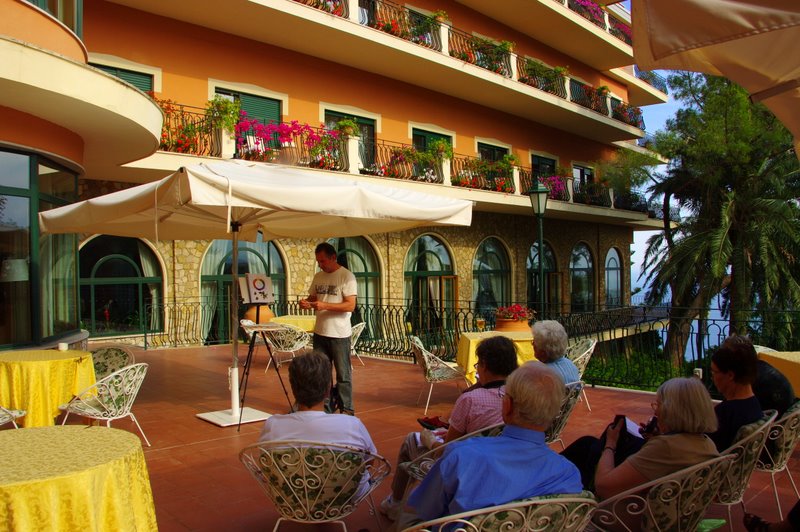
A large shaded terrace, adjacent to the bar and looking over the sea made a great location for our critique sessions at the end of a hard day painting.

Unusual in Italy, the white sandy beaches of Taormina look more like those in the tropics than from a volcanic island.

Rich Volcanic soil and plentiful water from melting snow mean the gardens of Taormina are something else.

On a hill in the middle of town, the Greeks built this theatre. It faced the sea breeze so the actors voices would be carried into the crowd. The Romans, less than happy with the Greek architecture, decided to add the brick structure across the far end of the theatre. After the Romans were moved on, various other pillages removed bits and pieces of the structure for their own creative efforts.
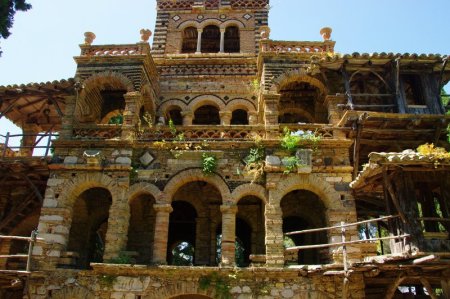
This impressive structure in the Town Gardens was built in the late 1800’s from a mixture of  salvaged ruins and contemporary materials. Paid for by a British woman, Florence Trevelyan, who was encouraged to leave England due to an affair with the future King Edward. The building served no practical purpose other than to decorate the garden.
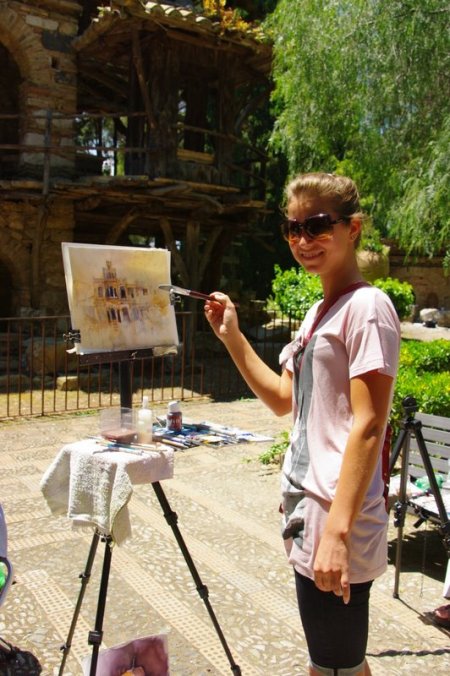
I wandered away from my painting of the garden structure to see how everyone else was going. The painting was quickly hijacked by this young girl. Her mother snapped a photo of her painting in the garden to send to the folks back home.

Hiding in the theatre alcoves.
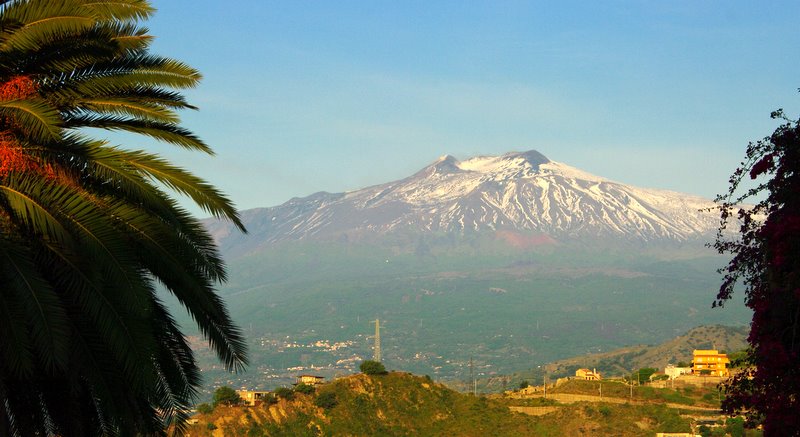
Mt. Etna makes an impressive backdrop to the town. It is often cloaked in cloud, but on a clear, still day, steam can be seen rising from the volcano’s crater.
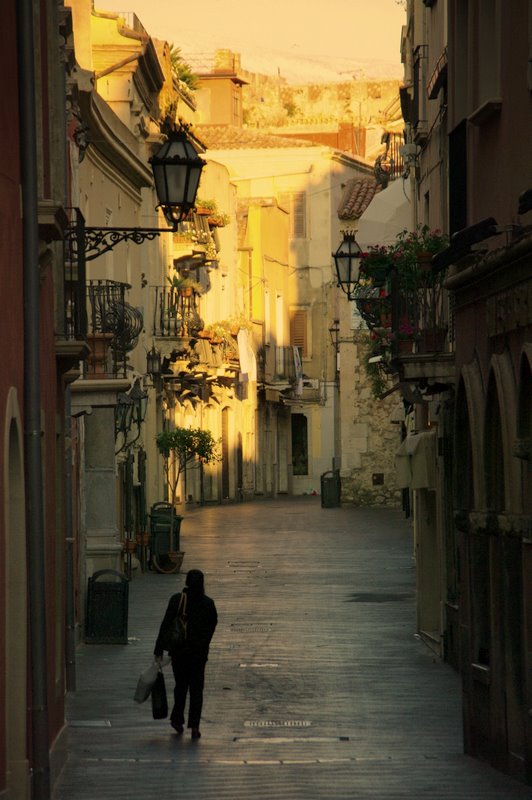
The old town of Taormina is made up of winding cobbled streets and narrow laneways. We arrived in a massive bus which the driver managed to maneuver through town to our hotel on roads a normal person wouldn’t attempt to ride a Vesper!
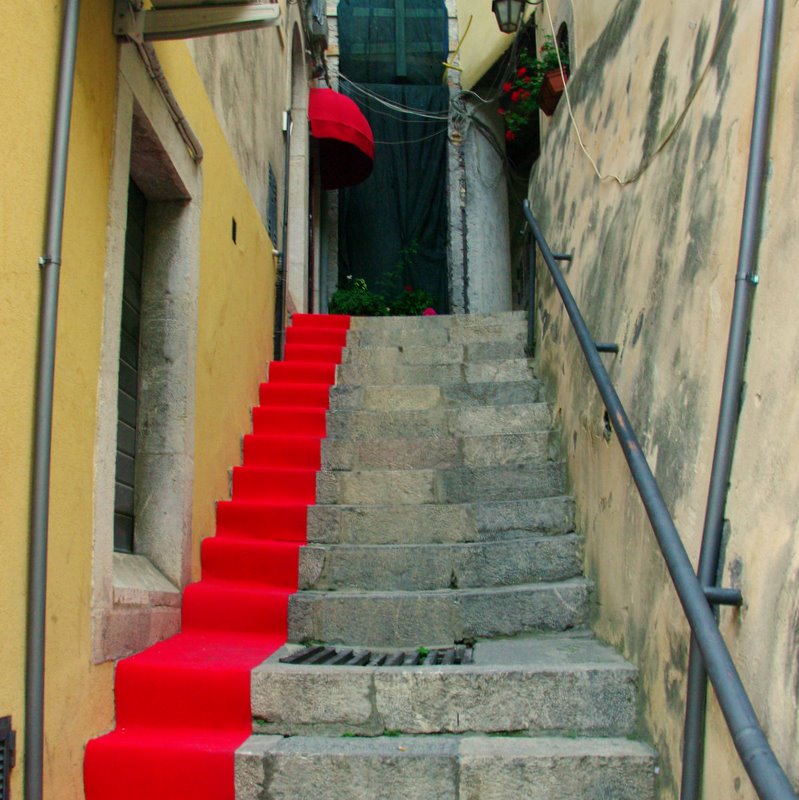
Red carpet for thin people.

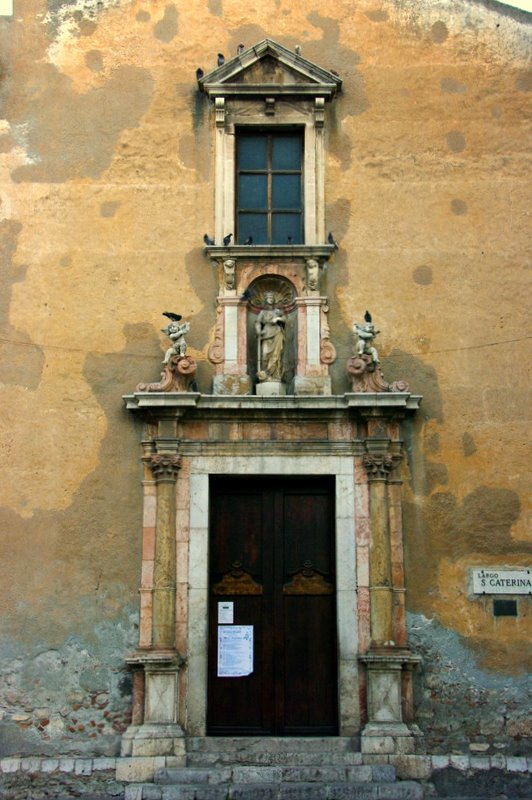
Ornate church doorway on not so ornate church.

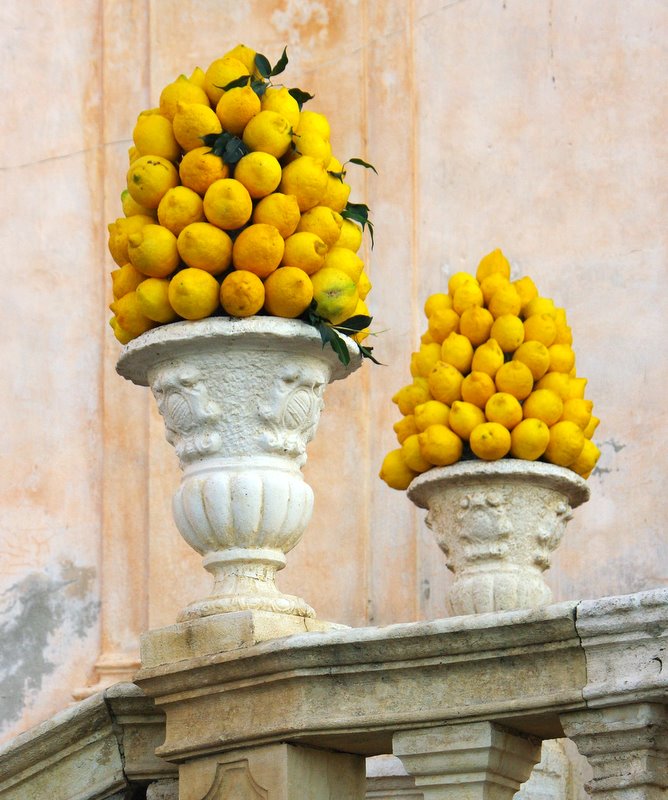
Ceremonial lemons outside a more ornate church.

Ice cream was introduced to Europe by the Sicilians. First brewed up on Mt Etna from a mixture of  Ice, fruit juice and sugar. The same recipe is followed today and is called Granite. The best Granite in Sicily comes from Saretto’s Bam Bar.

We were painting Saretto’s scooter and bar one afternoon and were all treated to a sample of his granite – what fantastic stuff! He showed us photos of numerous Hollywood icons enjoying his wares, and a quote from the New York Times stating his was the best granite in the world! You can’t argue with that.
The small square we sat in to paint, turned out to be the driveway to a lady’s house. We watched, amazed, as she somehow juggled a smart car into a dog kennel sized garage on a lane not much wider than the car. She was interested in our paintings and proud of her beautiful little corner of town. She later brought us down a bowl of cherries in ice to enjoy as we sat and painted. We found the local people in Taormina really friendly and extremely helpful.

POSITANO

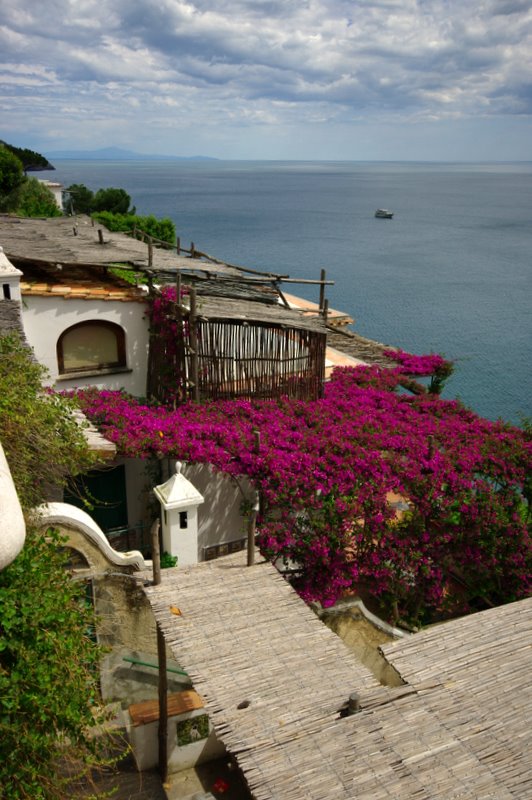
South from Sorrento runs a spectacular stretch of the Italian Coastline. The Amalfi Coast is made up of steep, rugged  inclines dropping into the Mediterranean. Dotted along the coast are numerous small towns and fishing villages, Positano being the best known. Anywhere a boat can be pushed into the water is reason enough to establish a town in coastal Italy.

Spectacular Amalfi coastline

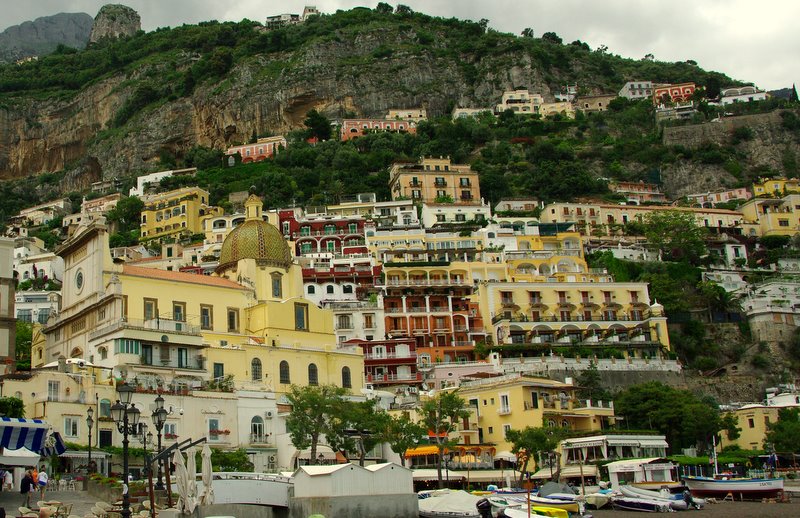
Positano was first settled in Medieval times and today thrives on tourism rather than fishing

The Positano landscape is amazing and the patchwork of buildings seem to defy gravity, clinging to near impossible building blocks

There are some impressive hotels, bars and restaurants scattered through the town. On the tables of some of these, Mick Jagger and Keith Richards hammered out the words to “Midnight Rambler” while relaxing in the balmy seaside air.

The towns folk are a happy lot in spite of an all day peak hour and a 50:1 vehicle to parking space ratio

POMPEI RELICS

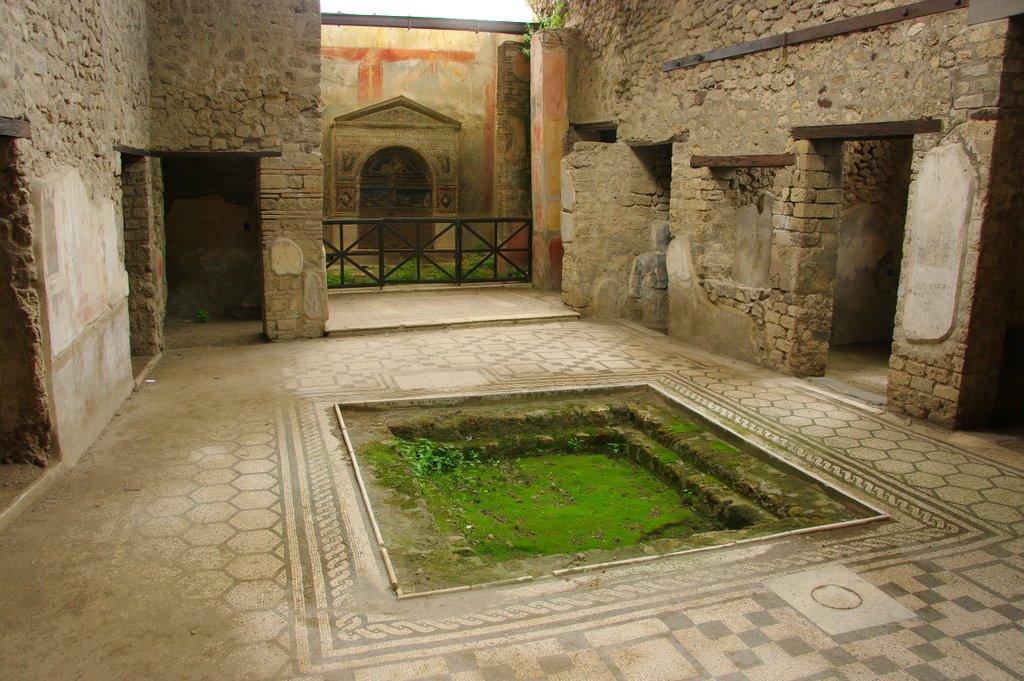
Wandering through the ruins of Pompei is a weird experience. The place feels like a recently evacuated settlement rather than a 2000 year old ruin. The major roads and alleyways are all well intact and many of the buildings still have walls and roofs in place. Spacious villas with internal court yards, mosaic floors and large painted frescos could be re-inhabited today. There are the remnants of many stores lining the main roads, large amphitheaters with food and drink venders shops outside, a public forum at the junction of the main roads, even a public toilet and brothel have been uncovered. It gives the impression that life really hasn’t changed much in 2000 years.

Oil, wine and honey pots

Columns were built of small scalloped bricks then rendered with plaster and painted to took like marble.

Deep ruts from wagon wheels suggest that rubber tyres were not popular 2000 years ago

Villas owned by the wealthy inhabitants were impressive structures.

Mosaic internal courtyard

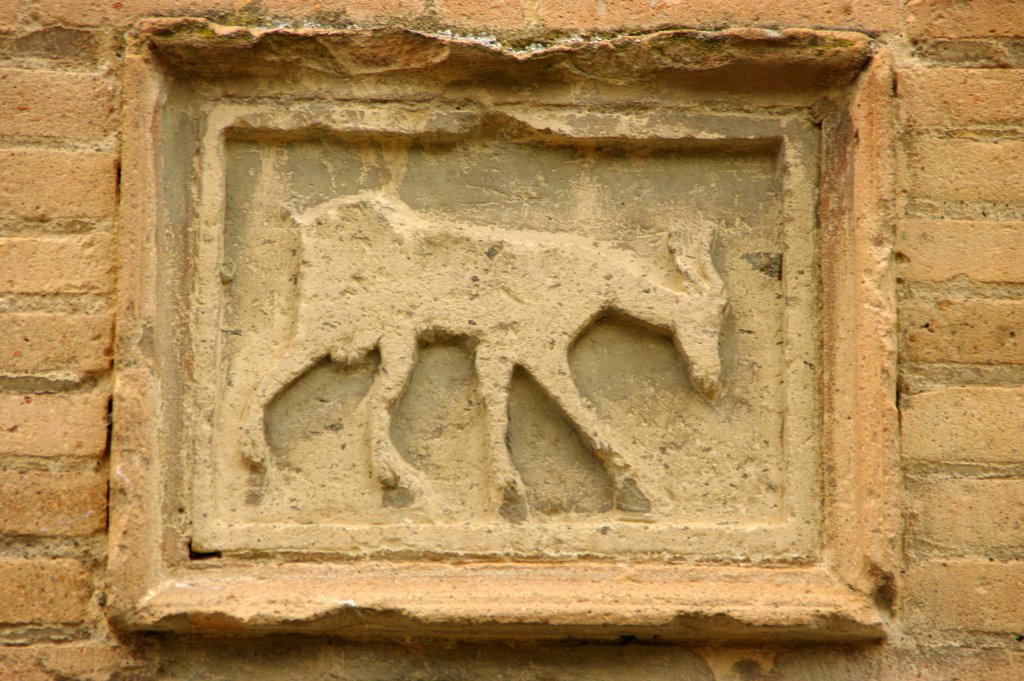
Carved sign on street corner

Large storage vessels in what was once a food store

Decorated alcove in a Villa

Before the compacted ash was removed, plaster was pumped into the cavities left by decomposed flesh. This encased the bone and made an accurate model of the unfortunate victim.

Ancient Roman bobcat

Interesting brick doorway locked into a stone wall.

Marble counter top in food vendor’s store.

Defiant columns in the shadow of Mt Vesuvius.

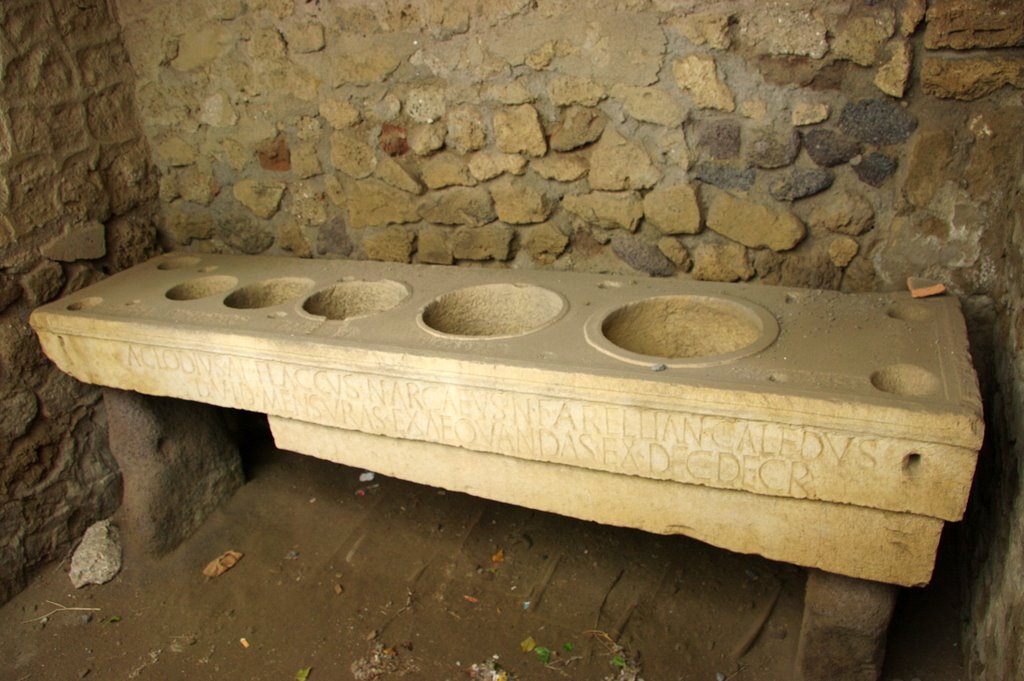
Public measuring device in the forum. Grain could be measured in the various sized holes to make sure merchants weren’t  cheating the public.

MARINA GRANDE

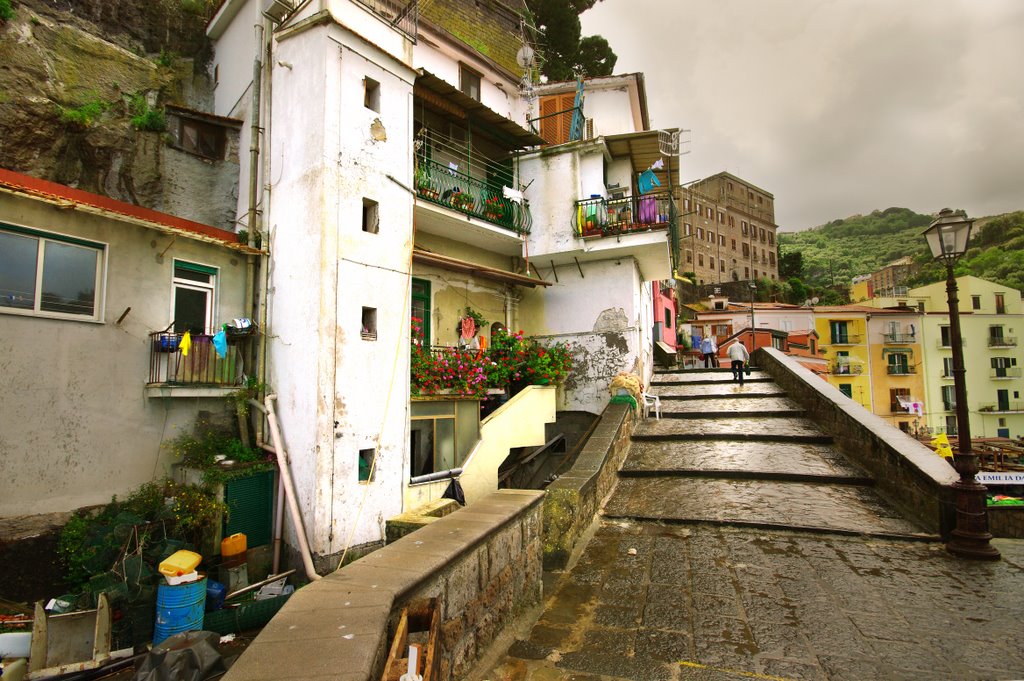
The last part of the town of Sorrento, towards the end of the Sorrento Peninsular is Marina Grande. It is the fishing village of Sorrento, tucked into it’s own little bay and protected by headlands on either side. Rock walls and pontoons shelter the harbour from the swell of the Mediterranean and provide a protected mooring for a fleet of small fishing boats.

Access from the main town of Sorrento is via a winding path that tunnels through the headland. You can also catch the bus. It follows the ridge behind the town then drops and twists to the marina – not a trip for the faint hearted, but then, any bus trip around Sorrento delivers the adrenaline equivalent to a roller coaster ride.

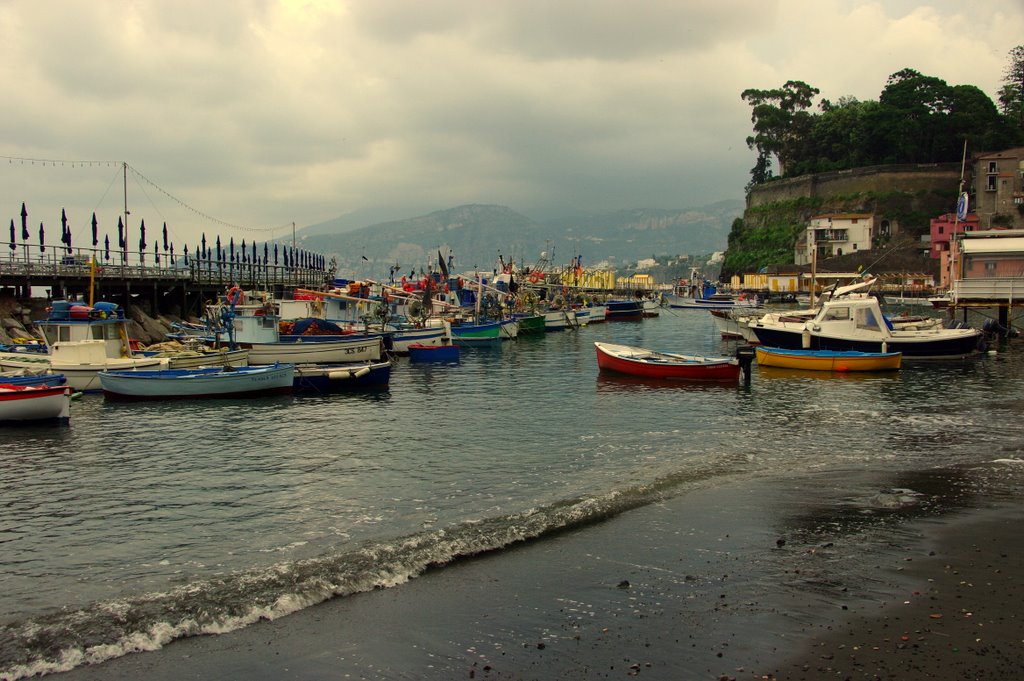
A beach of  black volcanic sand is dotted with colored fishing boats and set against a backdrop of old painted buildings.

This part of town is less inhabited by wandering tourists and more the home of fishermen and local villagers

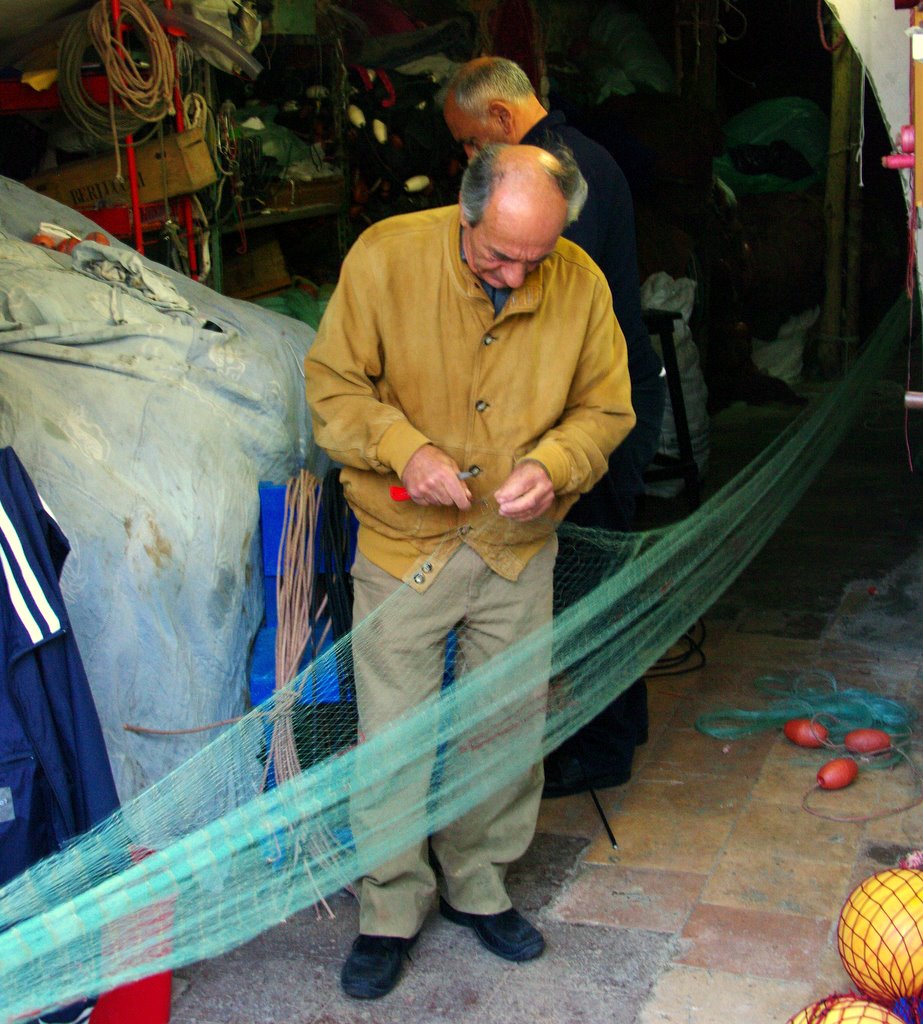
Many of the houses are owned by fishermen and piles of nets floats and ropes fill the alleyways.

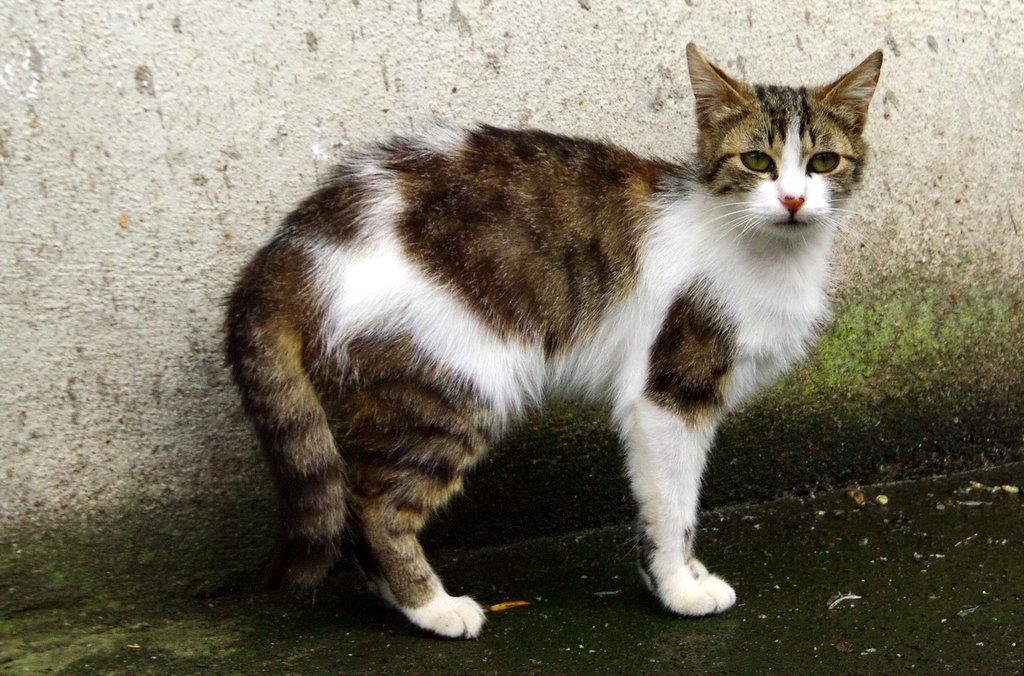
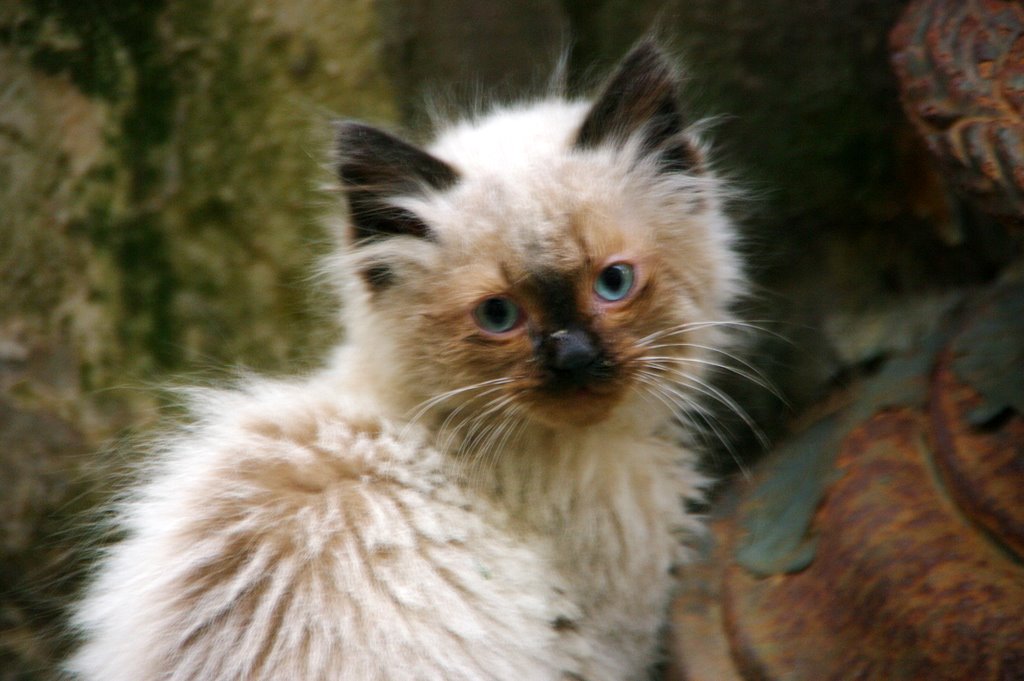
Of course, the cats of Marina Grande are all well fed and healthy

Most of the Sorrento fleet are still the old, brightly painted wooden boats that have been used for hundreds of years.

On the waterfront are a couple of restaurants.  This was the view from our table where we enjoyed a fantastic lunch of fresh sardines and salad