GREAT CENTRAL RD WRECKS

gsr map

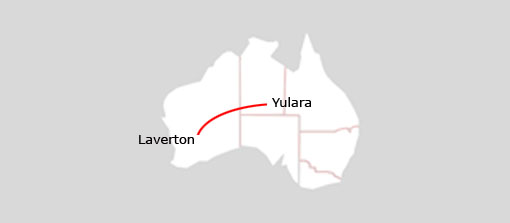
The Great Central Road runs from Laverton to Yulara, passing through the aboriginal communities of Cosmo-Newberry, Warburton, Warakurna and Docker River. The road takes in part of the old Gunbarrel highway to cover the 1500 kilometre distance.

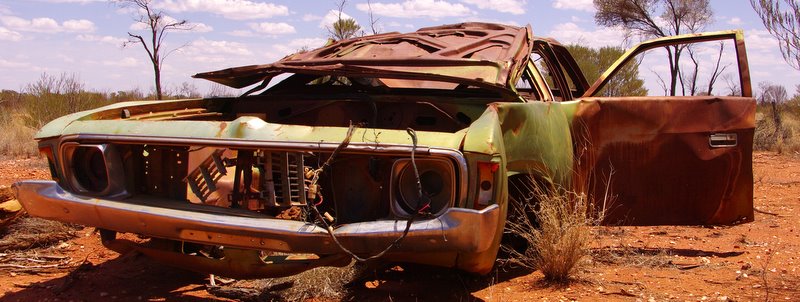
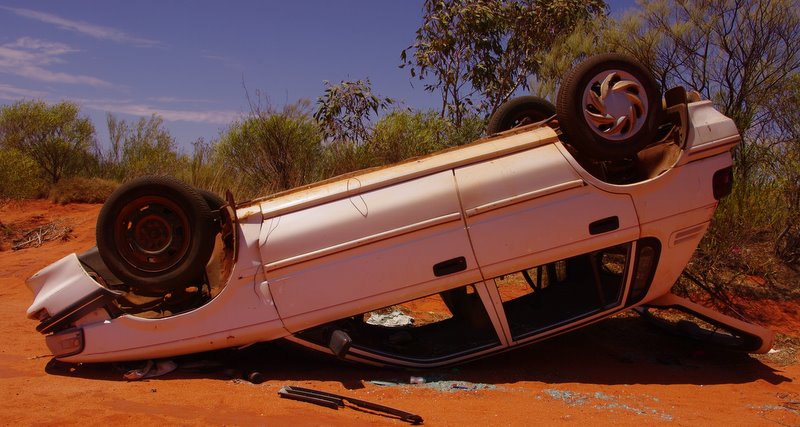
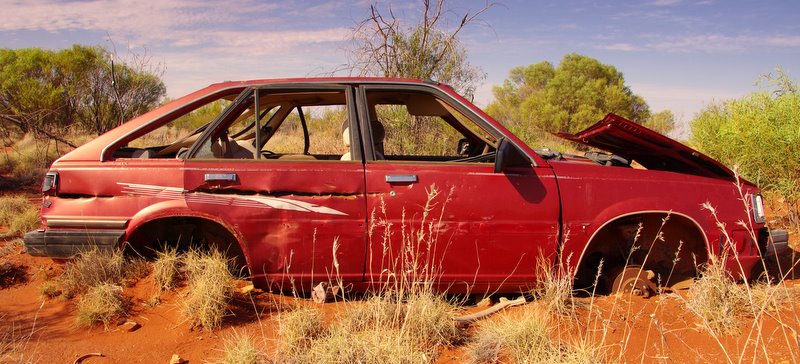
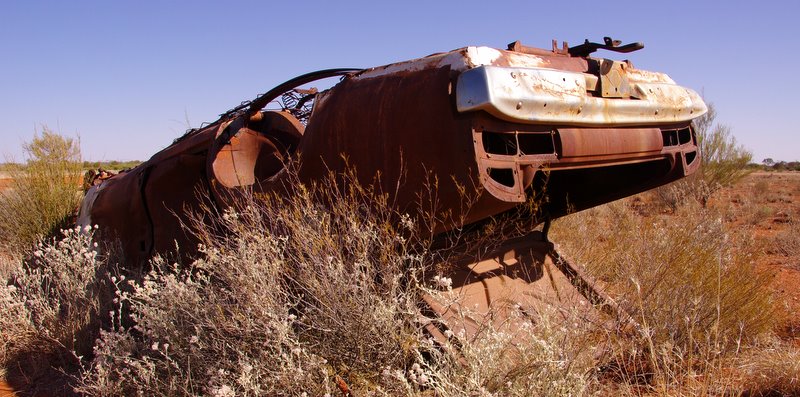
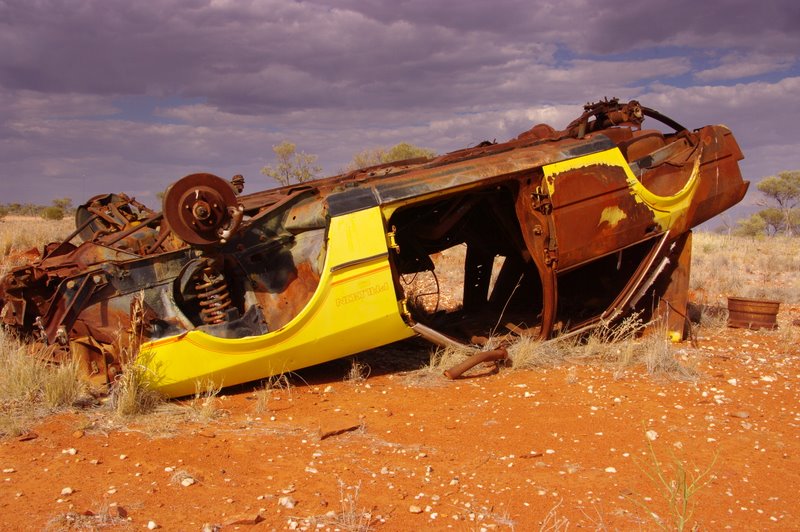
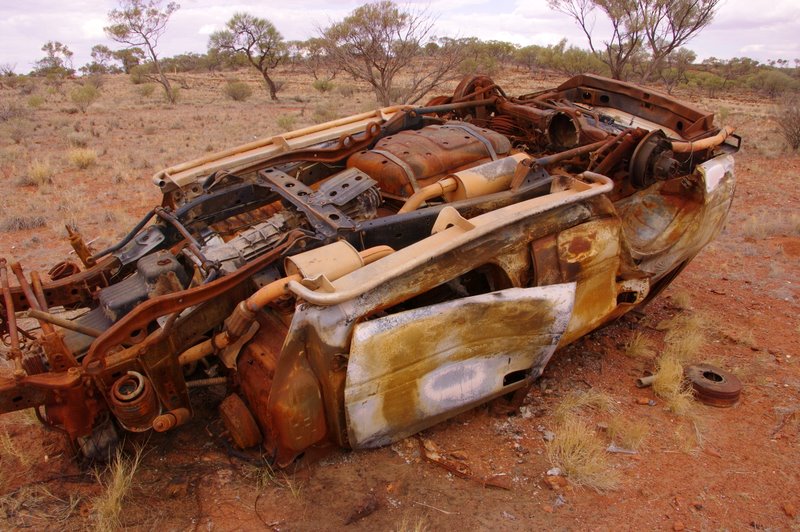
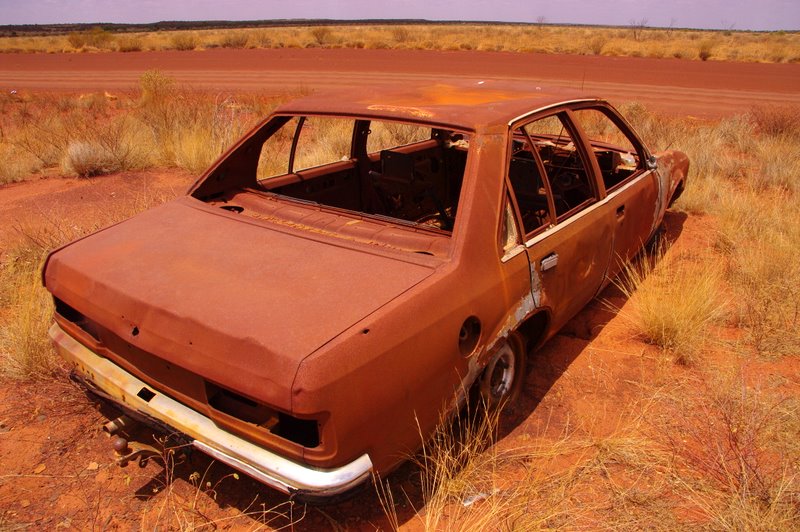
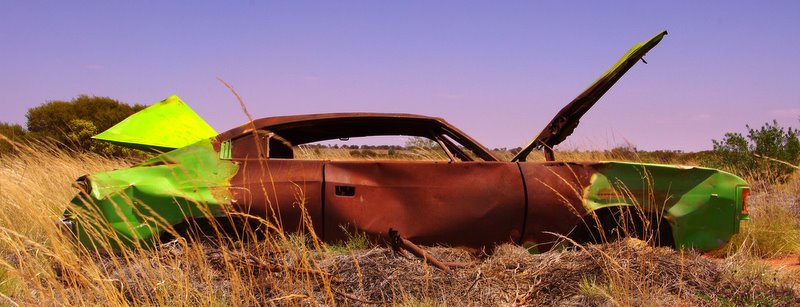
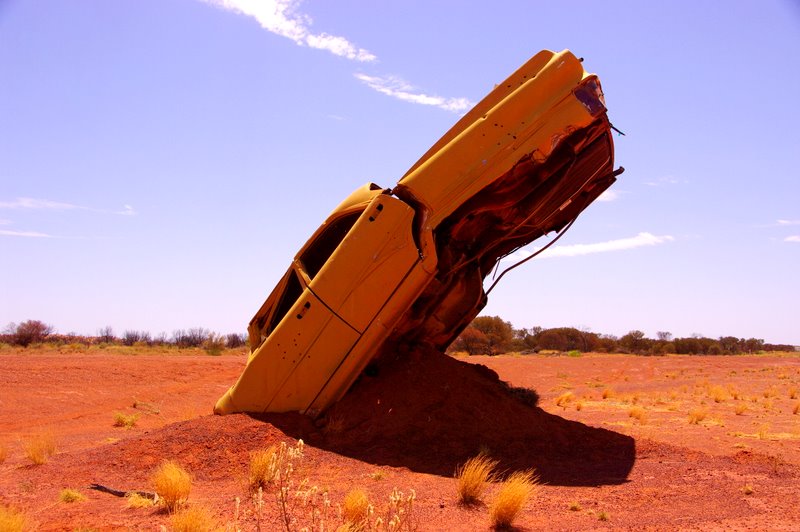
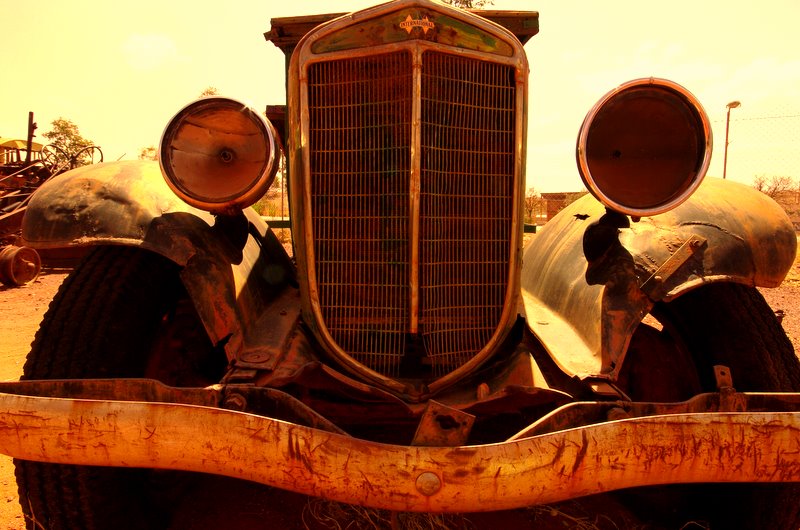
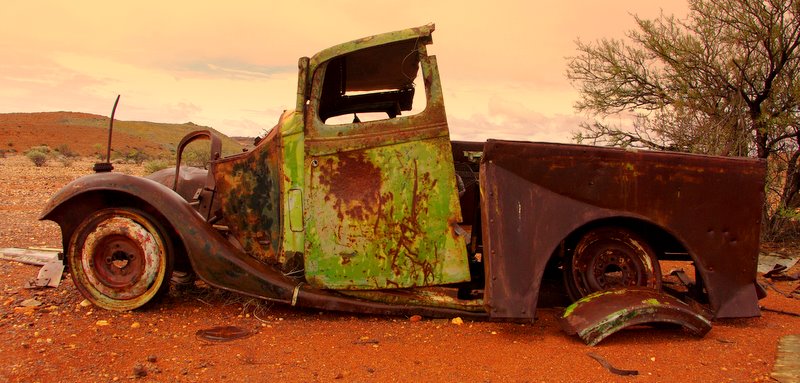
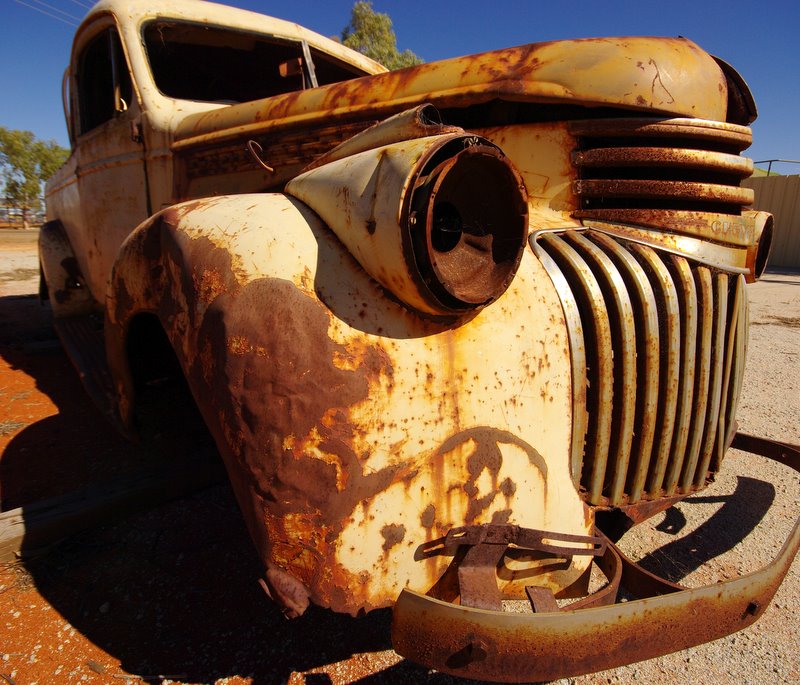
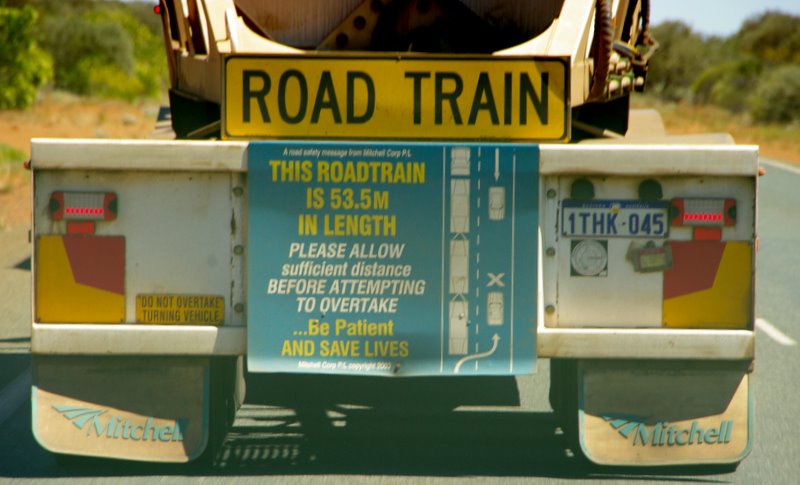
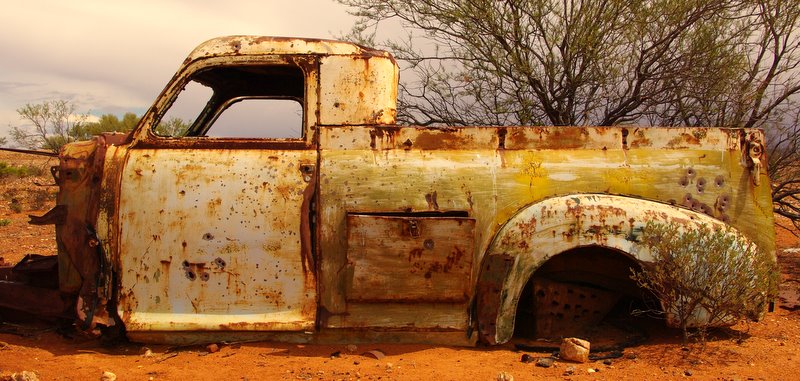
Most of the road is good, graded dirt with a few stretches of corrugations and some sand drifts around Docker River. Apart from the great scenery, camels, birds and kangaroos, there are hundreds of wrecked cars scattered along the road. Here are a few victims of speed, fatigue, alcohol or neglect that caught our attention…

IMGP1934

IMGP1929

IMGP1813

IMGP1913

IMGP1756

IMGP1876

IMGP1880

IMGP1832

IMGP1905

IMGP1830

IMGP1817

IMGP1814

IMGP1809

IMGP1805

IMGP1928

IMGP1815

GHOSTS OF GWALIA

kalgoorlie map

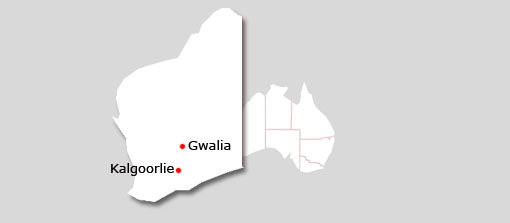
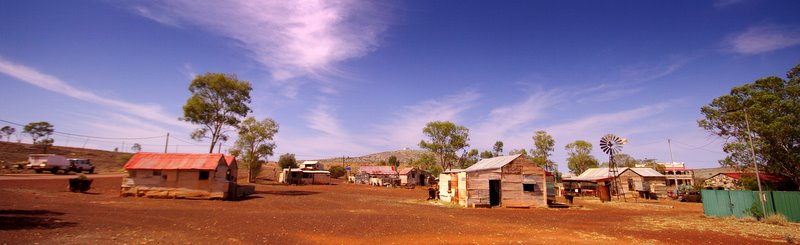
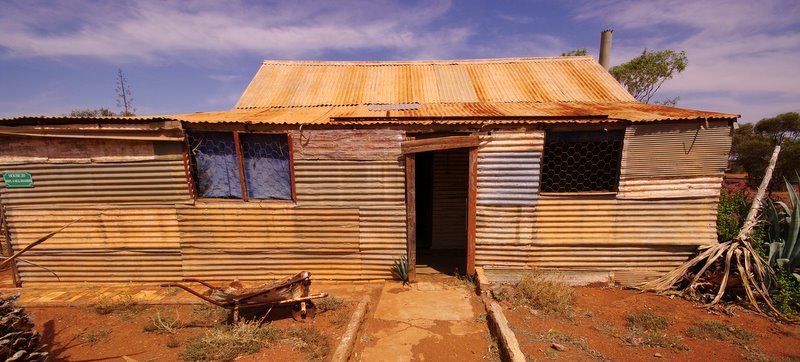
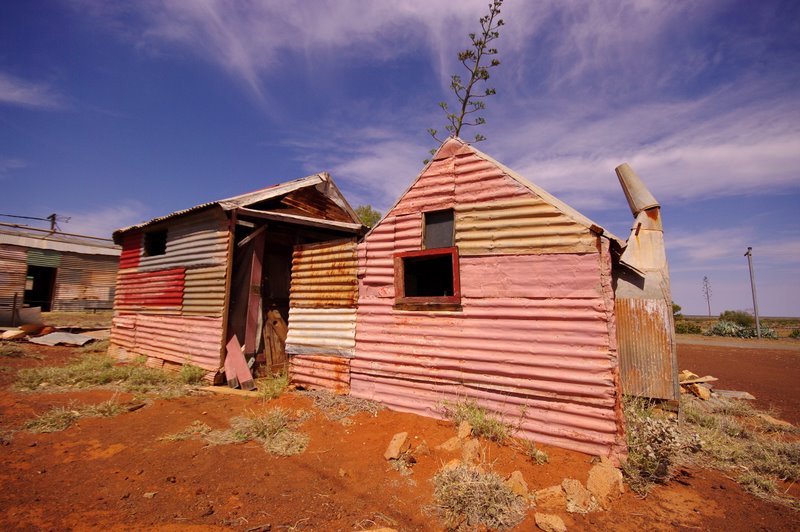
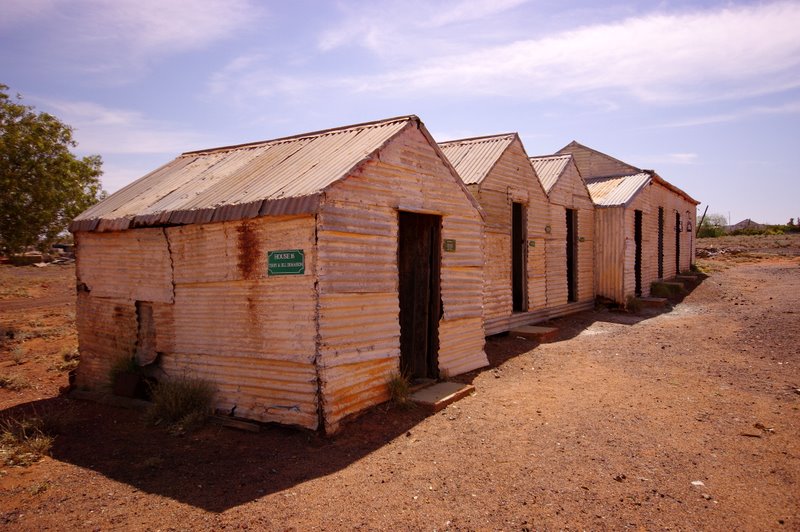
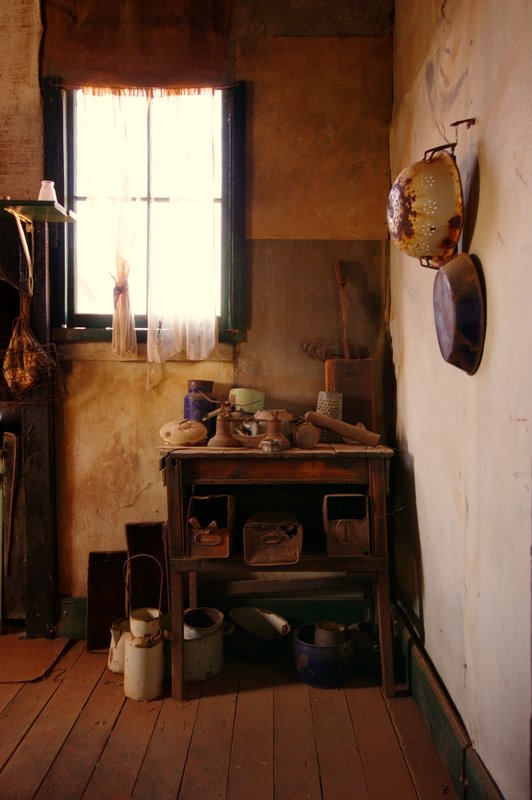
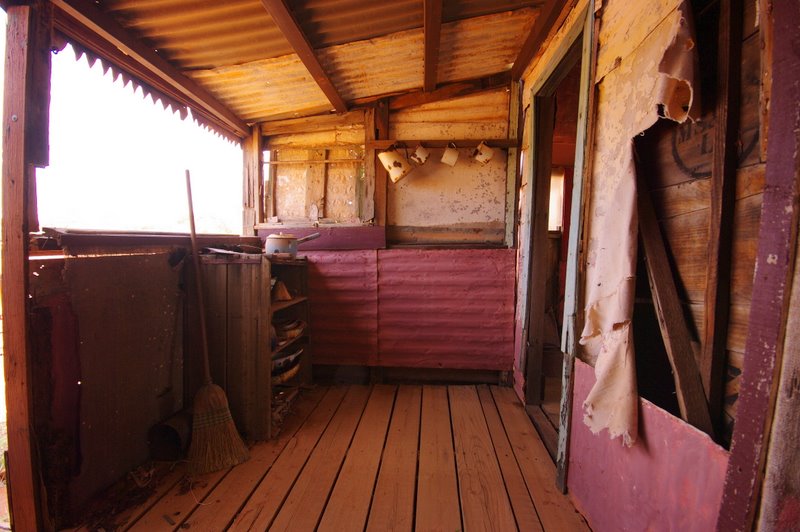
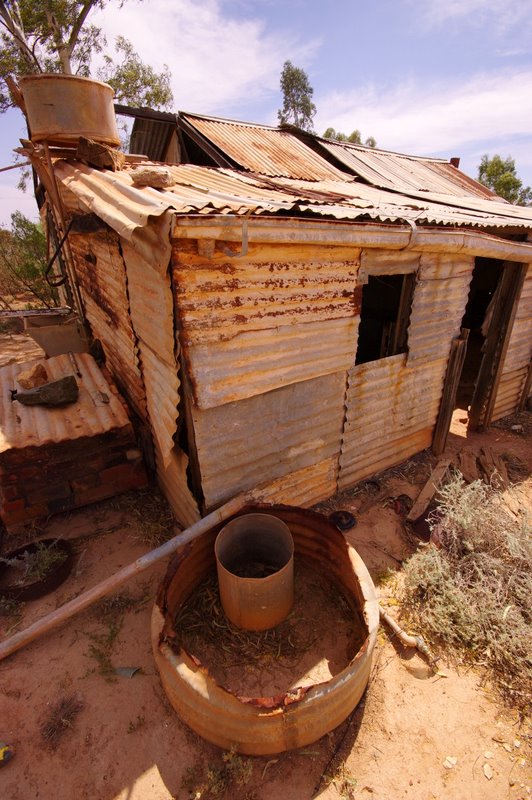
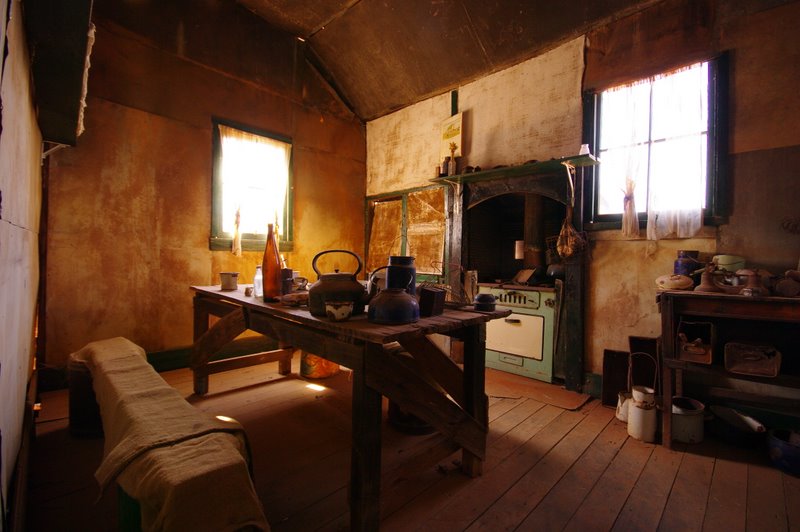
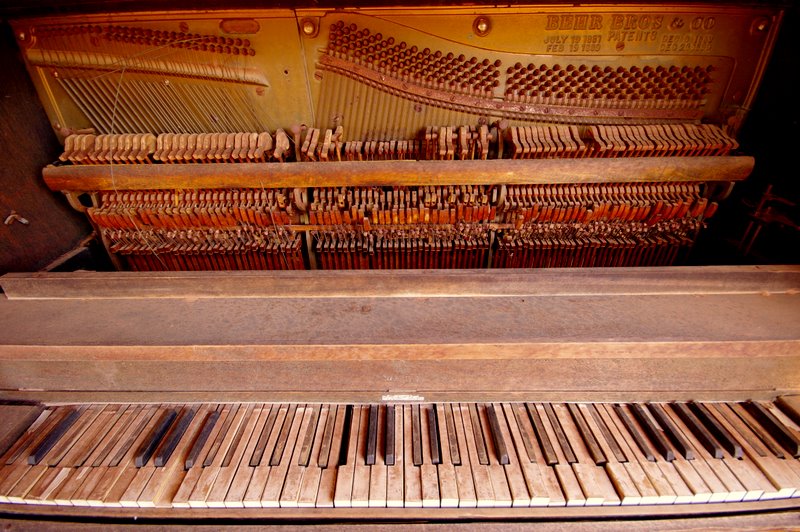
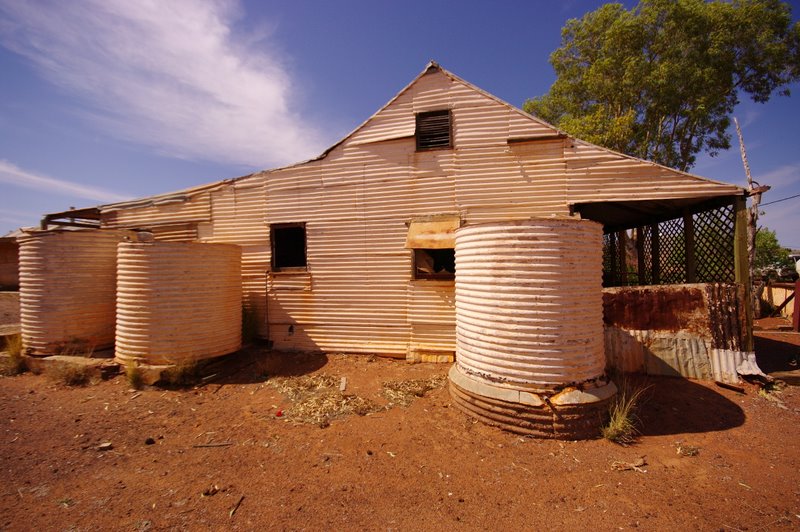
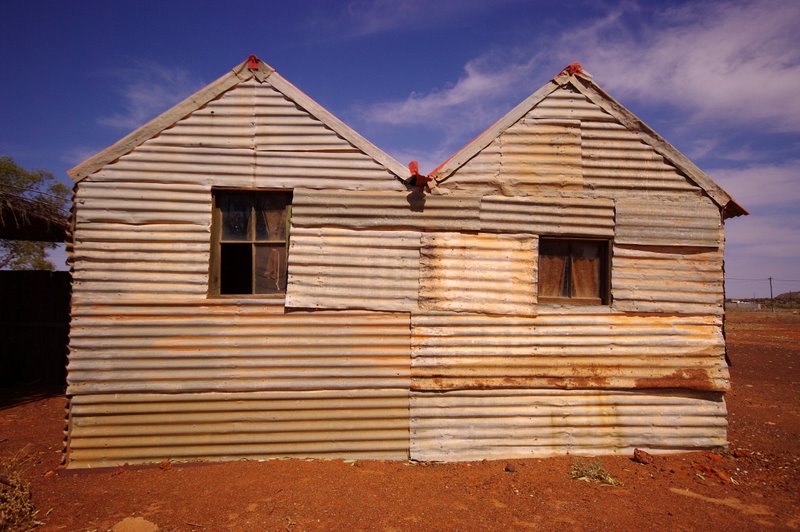
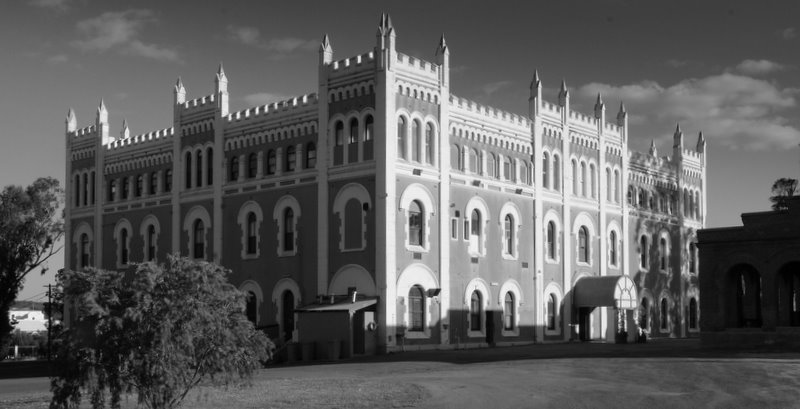
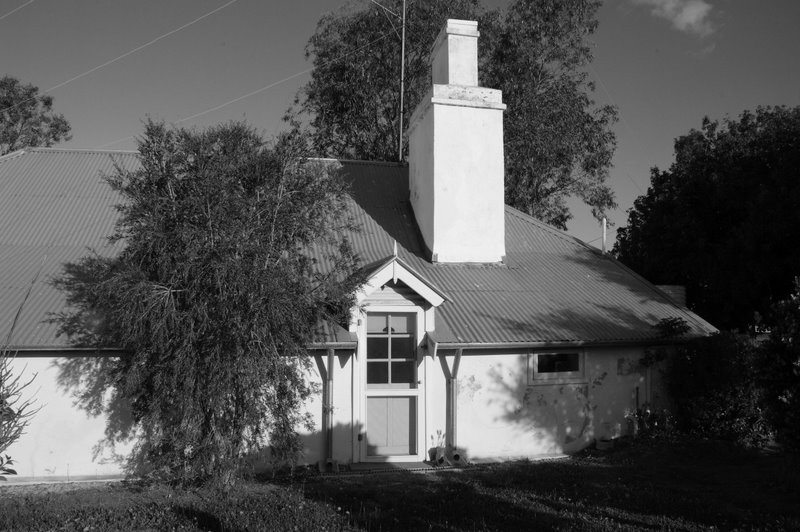
Gwalia, once the second biggest gold mining town in WA, is now almost deserted. The “Sons of Gwalia” mine closed in 1963 and the population of over 1500 disappeared overnight. The first mine manager, 23 year old Herbert Hoover, brought in cheap Italian labor to help make the mine profitable.  Hoover went on to become the 31st president of the USA. Most of the abandoned cottages built by the workers are still in good condition thanks to the hot, dry climate.

IMGP1660

.

IMGP1710

.

IMGP1687

.

IMGP1677

.

IMGP1608

.

IMGP1689

.

IMGP1704

.

IMGP1607

.

IMGP1612

.

IMGP1667

.

IMGP1650

.

IMGP1659

.

IMGP1700

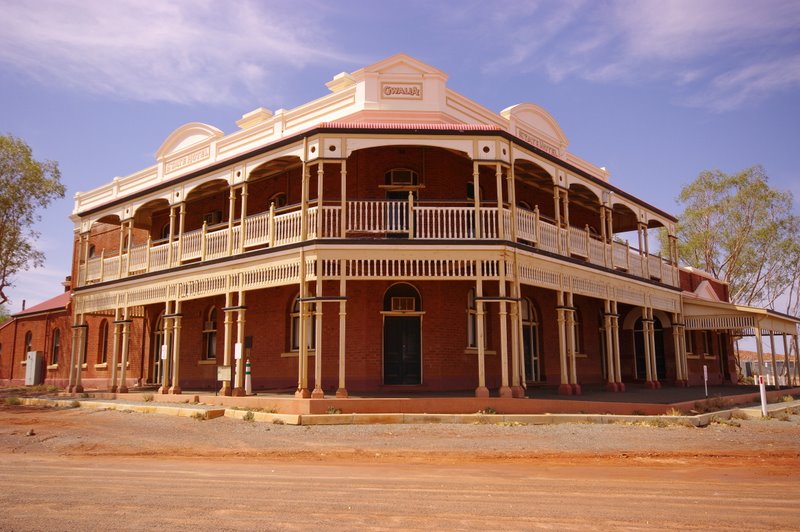
Gwalia’s State Hotel was the first state owned pub in WA. Built to counter the sly grog trade in the town, it is a stark contrast to the makeshift dwellings of the workers.

IMGP1733

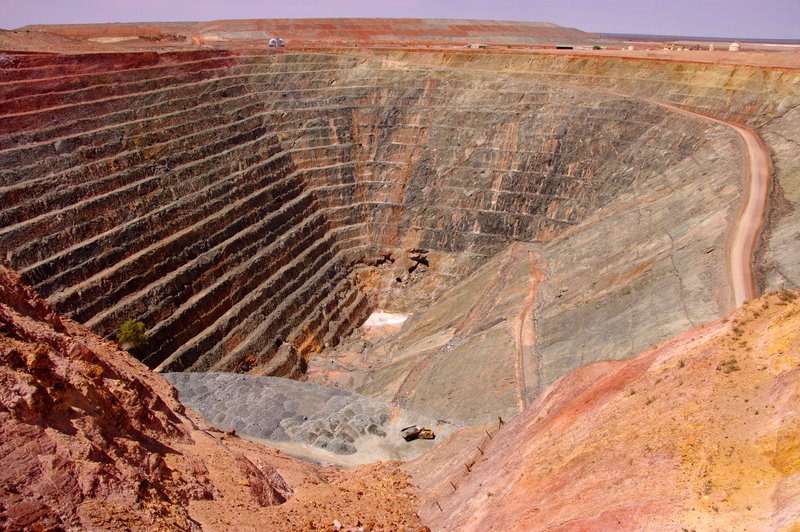
The Sons of Gwalia mine has since reopened and, judging by the size of the hole in the ground, must be doing fairly well.

MONASTIC

NEW NORCIA

A couple of hours North East of Perth is the monastic town of New Norcia. Established by Benedictine Monks in 1846, the town is still centred around the Monastery and Church. At its peak New Norcia housed 80 monks and farmed almost a million acres. Sheep, cattle, pigs, goats and bees were raised and grain crops, grapes, olives, fruit and vegetables were grown. They still have a bakery, produce olive oil and wine, and sell the surplus from the orchard and vegie garden through the Museum shop. There are only 9 monks running New Norcia at present.

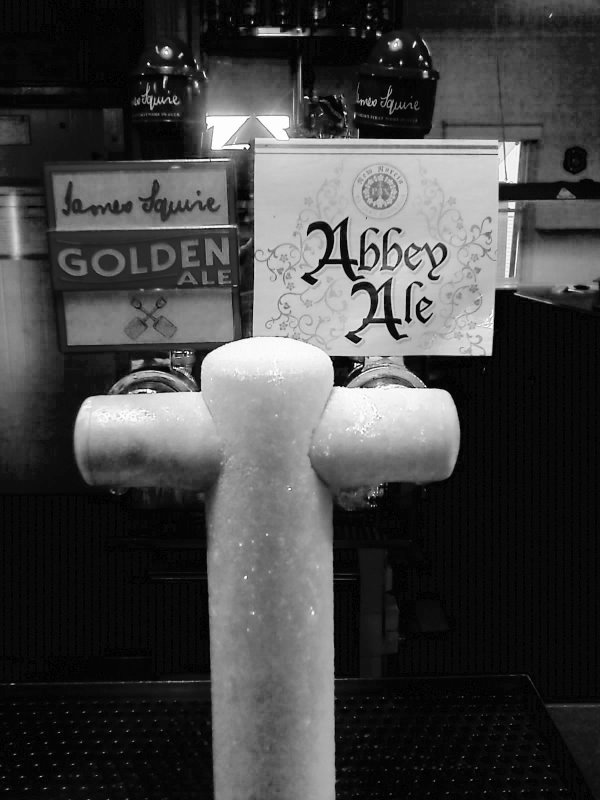
The museum gives a great insight into the early days of the town. The collection of religious art is fantastic and the Abbey Ale is heavenly.

IMGP1006

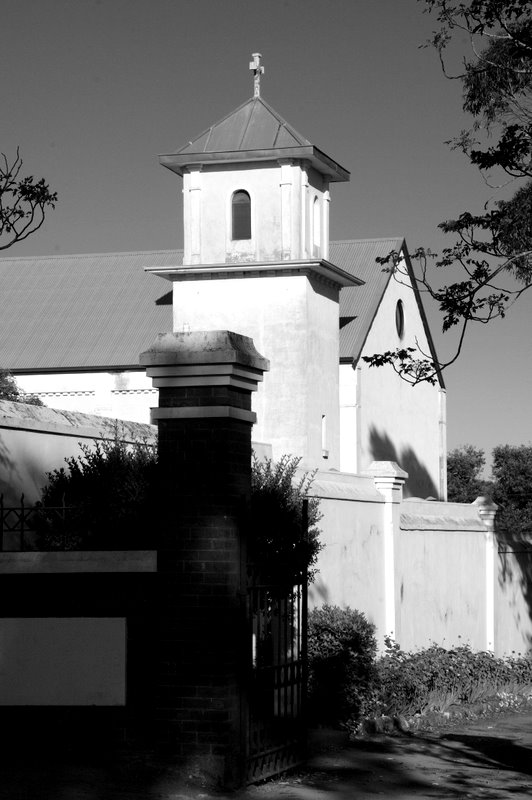
St Ildephonsus College

IMGP1004

Former Policemans cottage – looks like he must have been a really tall policeman but, for some reason, the wall is only 4′ high.

IMGP1014

St Gertrude’s College (back door)

IMGP1059

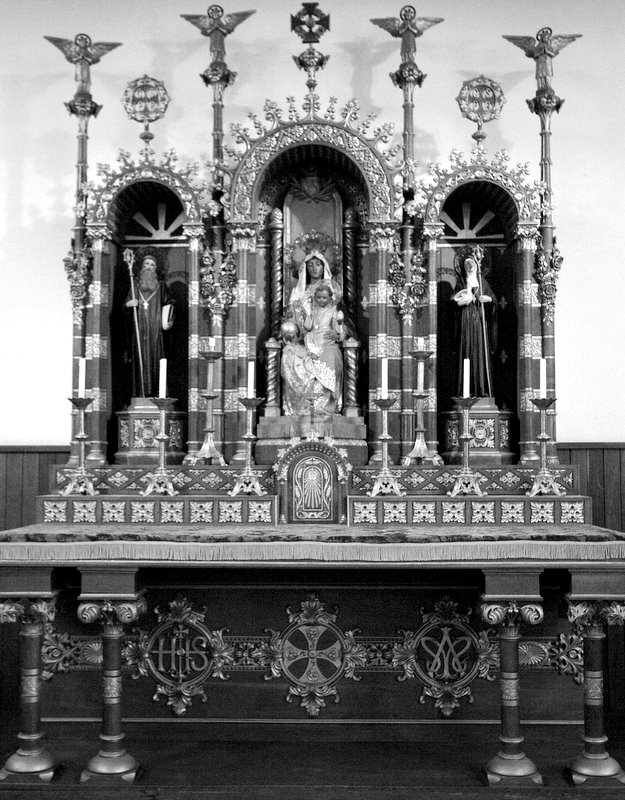
Finely hand carved  and gilded wooden alter

IMGP0987

Monastery

IMAGE_168

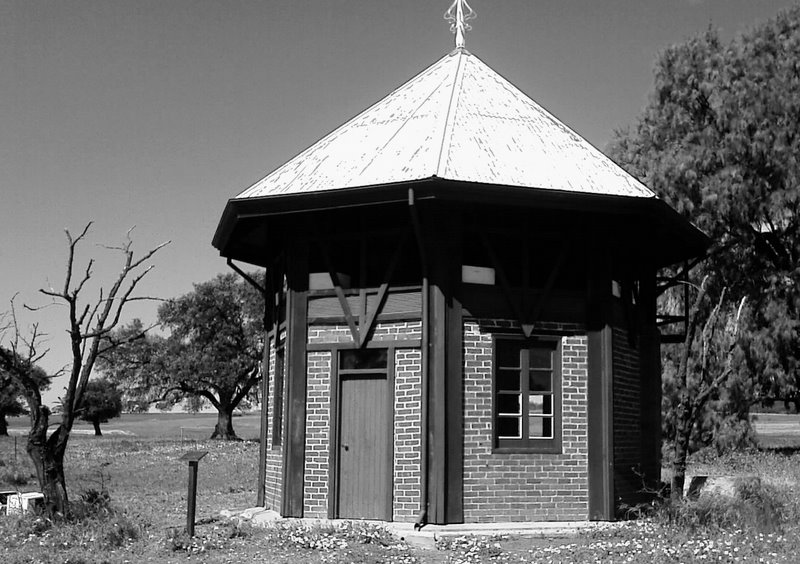
Apiary hand made bricks, timber and tin

IMAGE_170

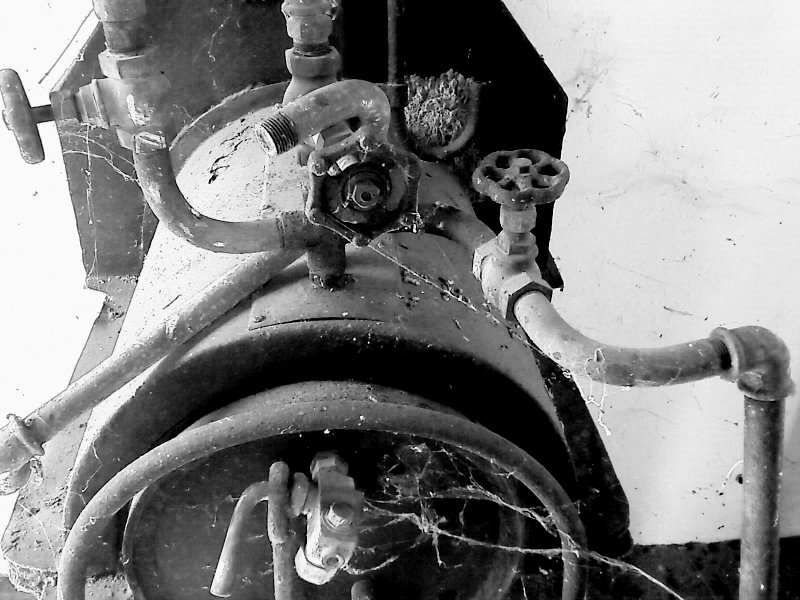
Device for processing honey

IMAGE_171

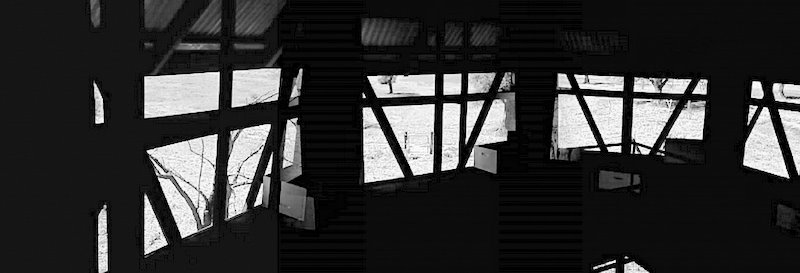
Inside apiary (panorama from mobile phone)

IMGP1002

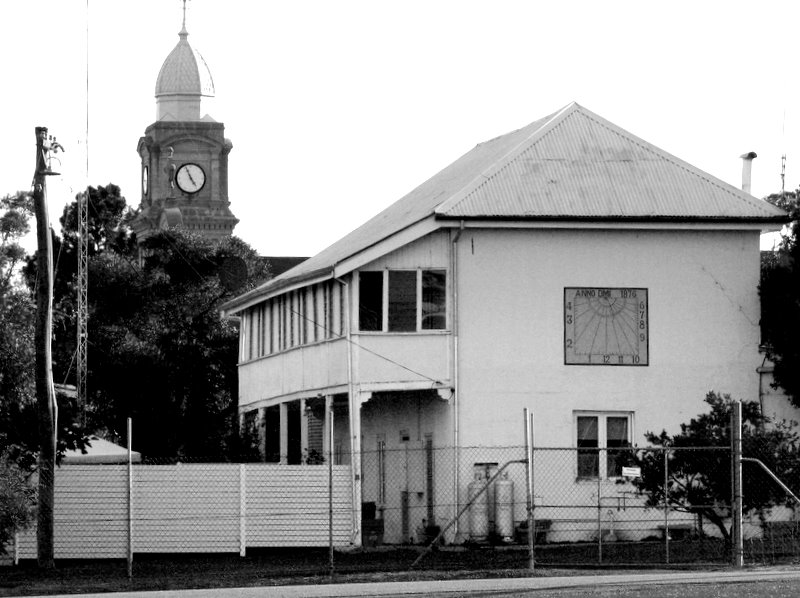
Unidentified building with 1 hour late sundial on Northern wall

IMGP0993

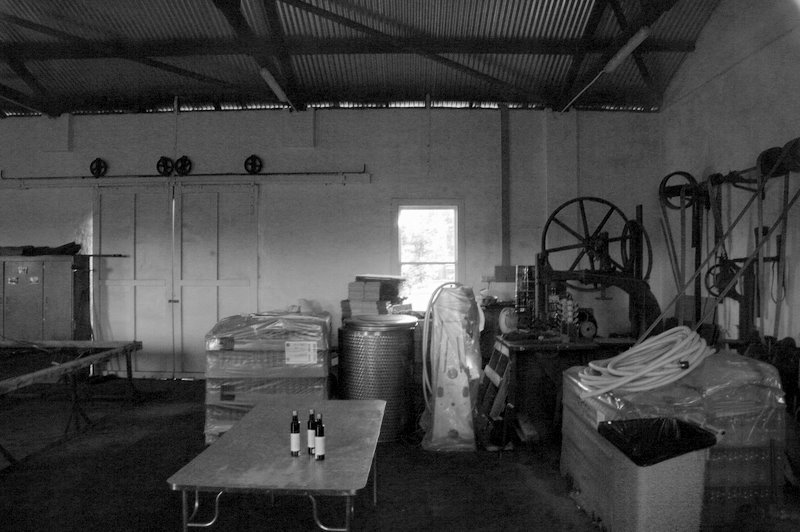
Olive oil processing shed

IMGP1095

Old Wine Press

IMGP1035

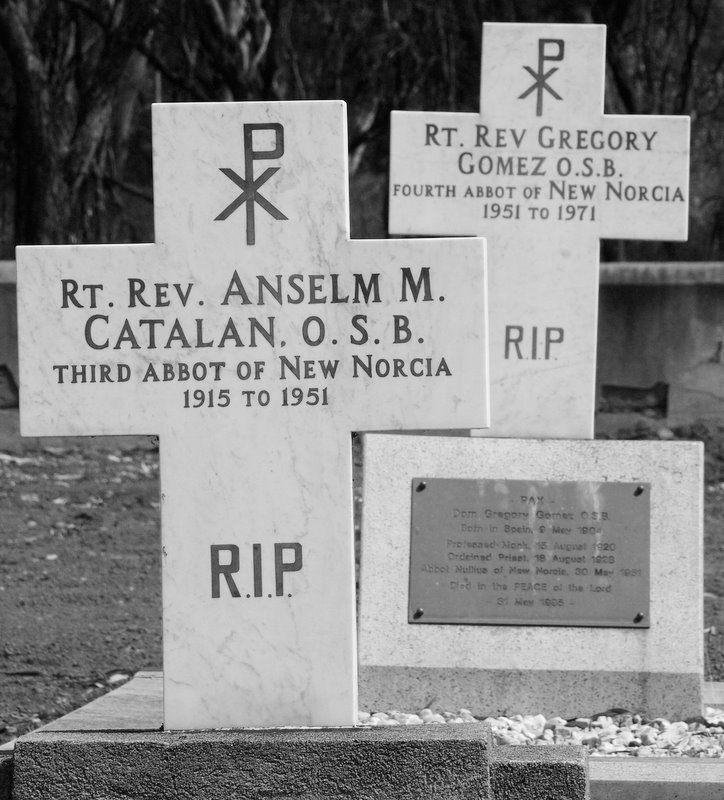
Graves of 3rd & 4th Abbots – all the former Abbots are buried along a line running through the center of the town. This line forms the long axis of a cross on which the town is laid out.

IMAGE_173

Monastic beer tap pumping Abbey Ale (7+%) in the New Norcia Pub

IMAGE_174

Pub Verandah

IMGP1067

Monks wash basin

BIG FLAT AND RED

GREAT NORTHERN HIGHWAY – Landscape

www.johnlovett.com – opens in a new window

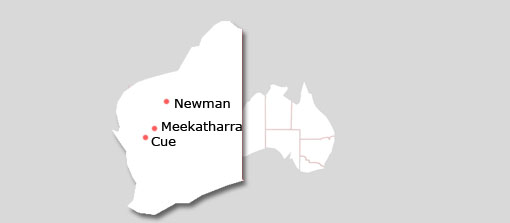
nmansthmap

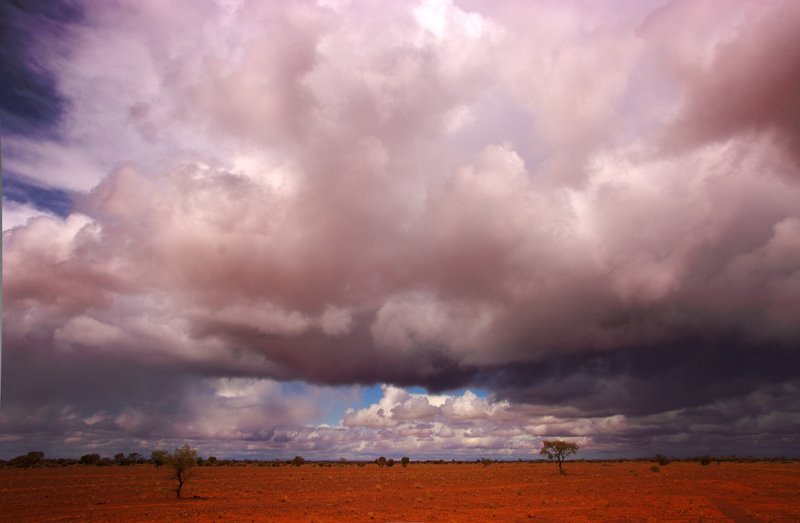
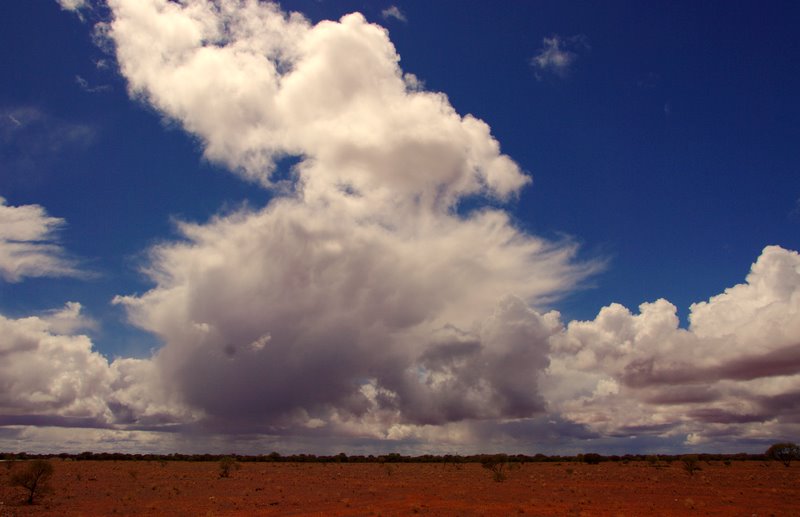
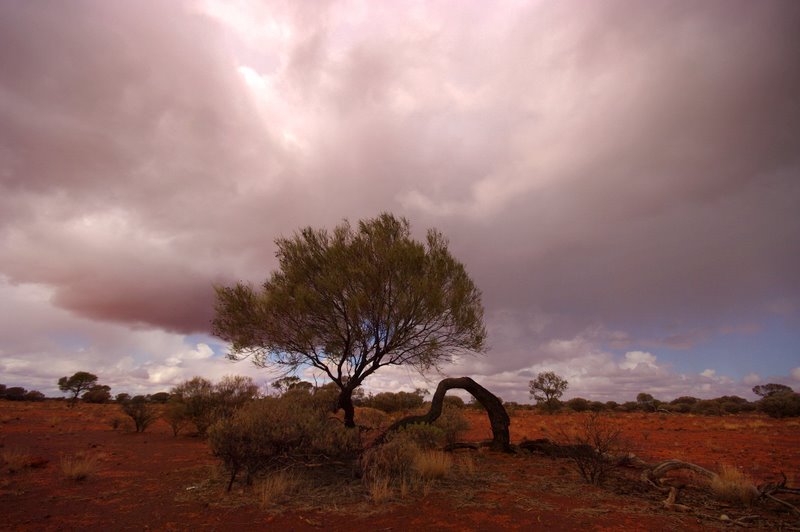
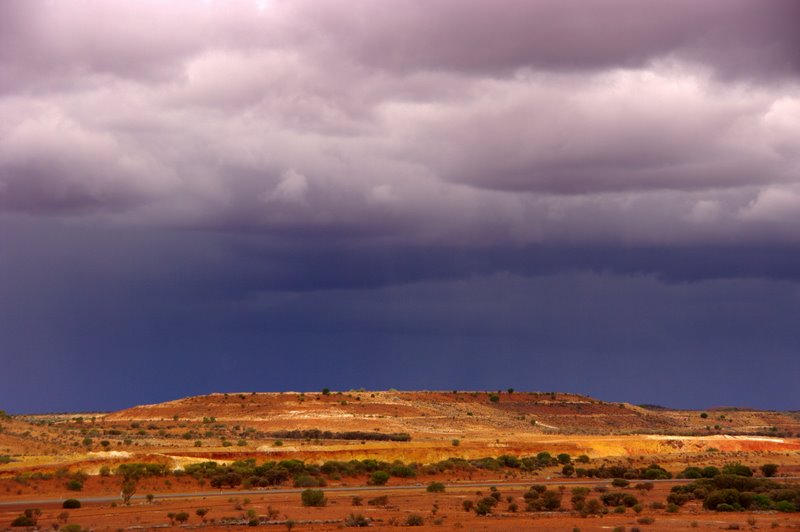
Once the Hamersley Ranges are left behind, the landscape flattens into arid, semi desert. Red sand ridges and low saltbush take over, broken by the odd small jump up or dry salt flat. After a couple of months of stinking hot weather it was a welcome relief to encounter cloud and a few heavy downpours of rain. The skys were spectacular, the colours were  intensified by the wet and the smell of rain was fantastic. Ideal conditions for racing around taking photos.

IMGP0648x

.

IMGP0649x

.

IMGP0634

.

IMGP0650

.

IMGP0660

.

IMGP0685

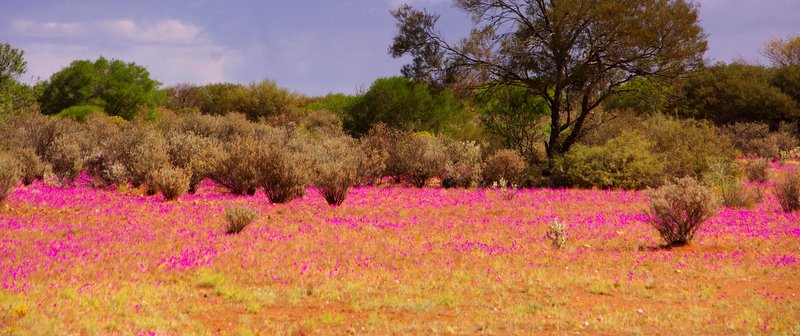
Further south, wildflowers began to appear

HIGHWAY RELICS

GREAT NORTHERN HIGHWAY – Vehicles

www.johnlovett.com – opens in a new window

nmansthmap

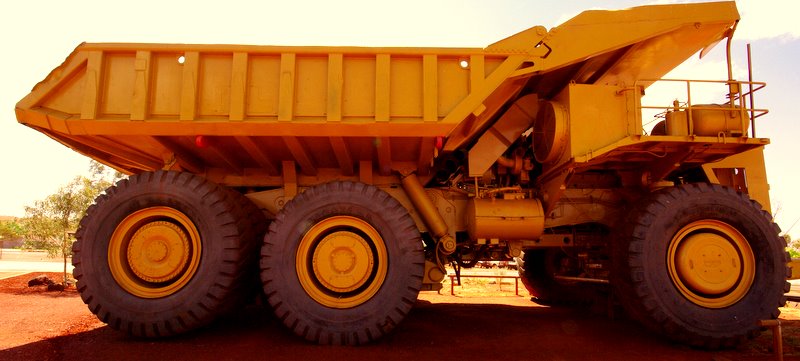
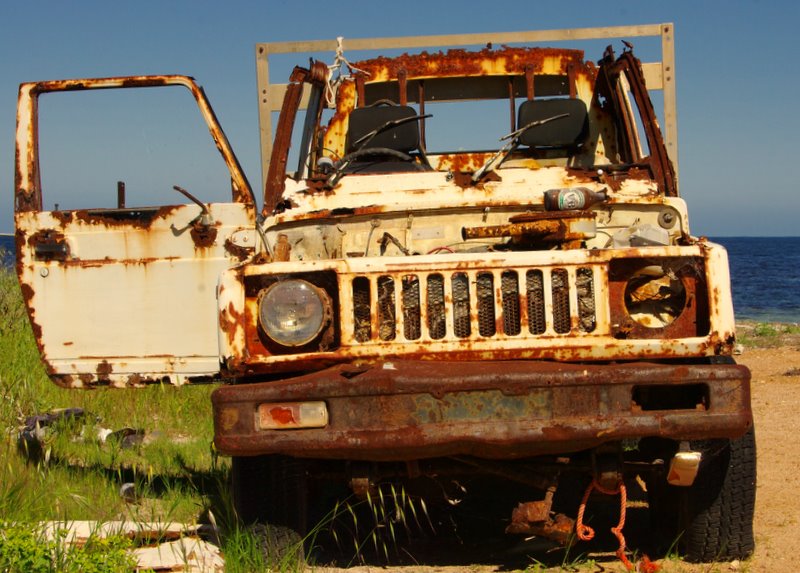
Scattered along the highway are some interesting vehicles and impressive wrecks. Here are some that caught my eye.

IMGP0610

.

IMGP0618

.

IMGP0675

.

IMGP0763

.

IMGP0804

.

IMGP0678

.

IMGP0953

SNAPPY GUMS

Eucalyptus leucophloia

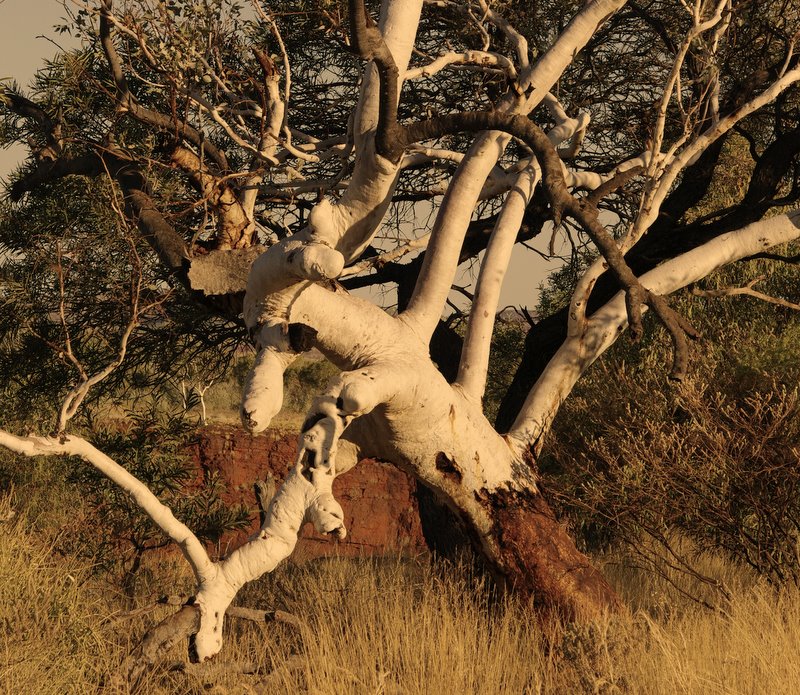
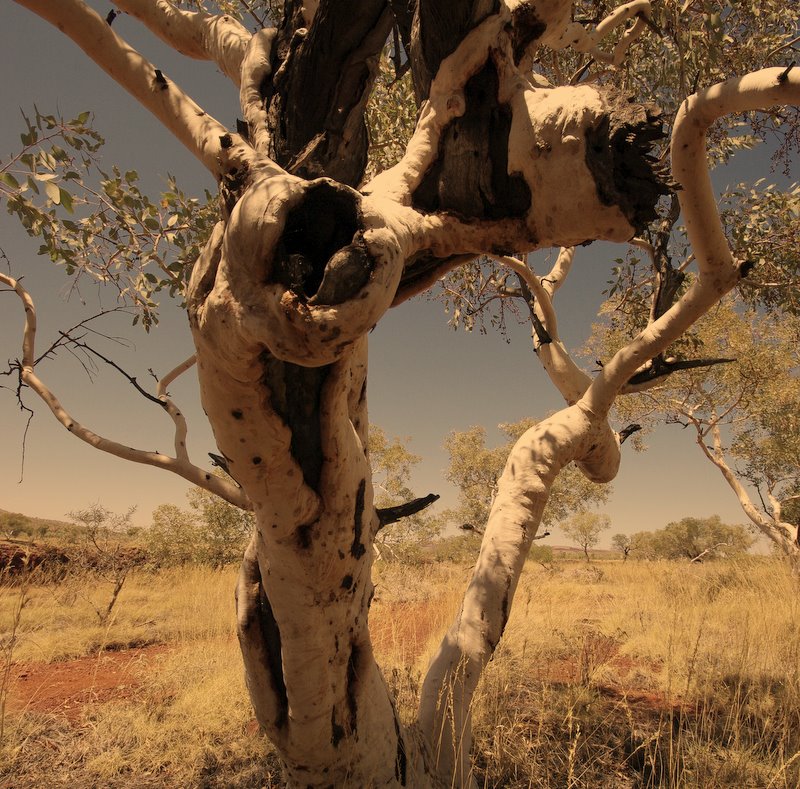
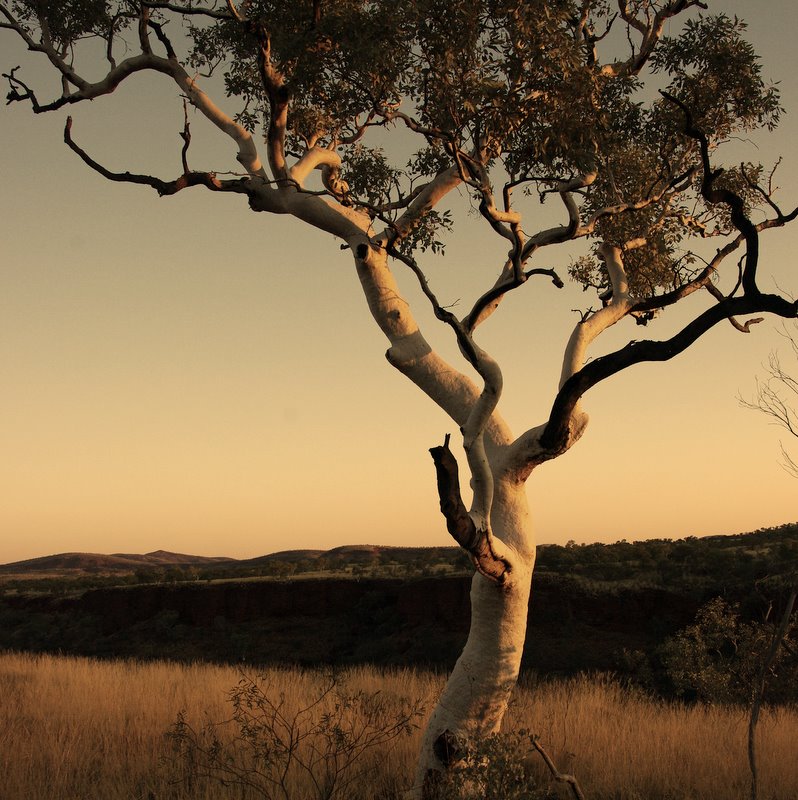
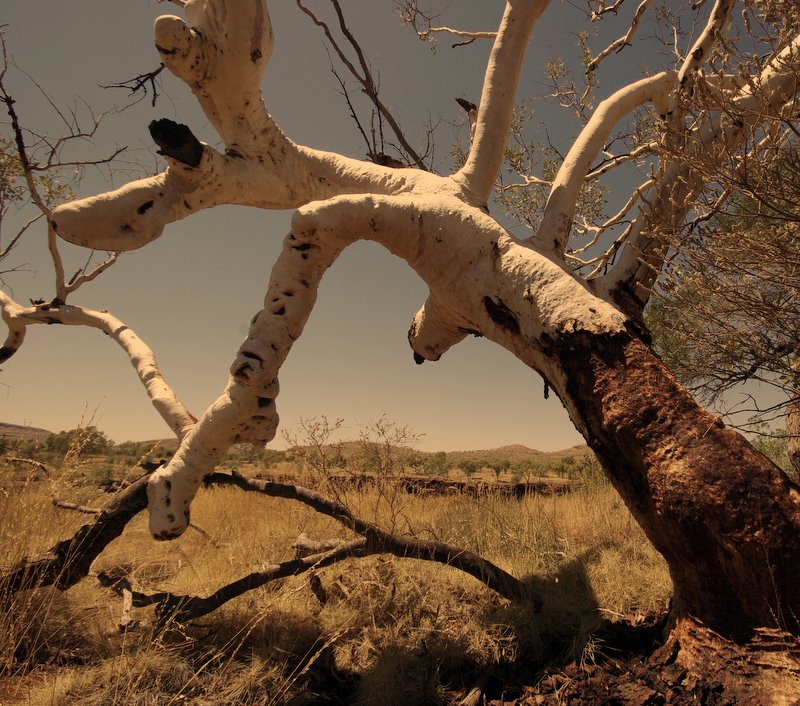
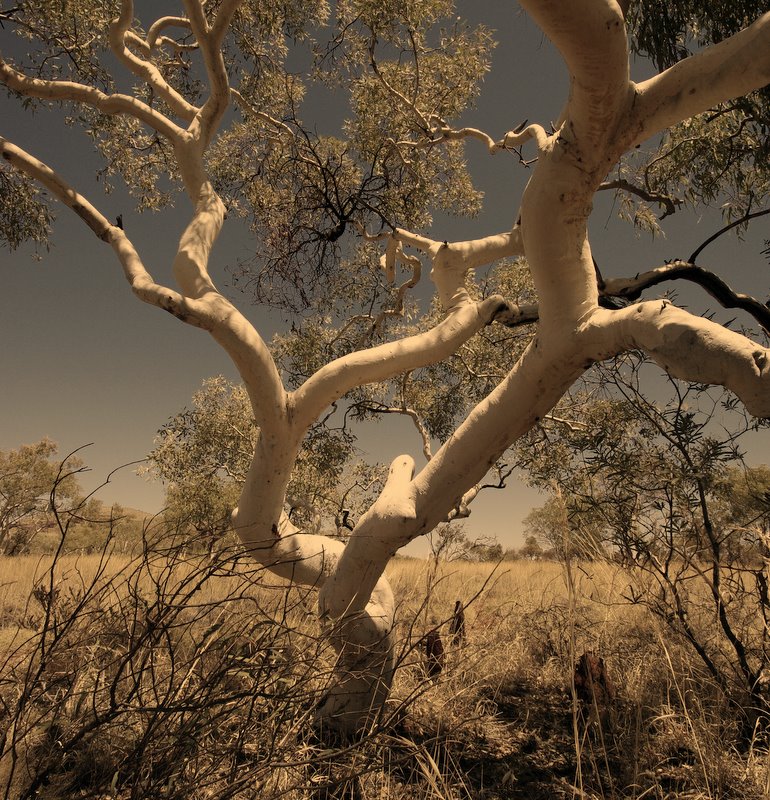
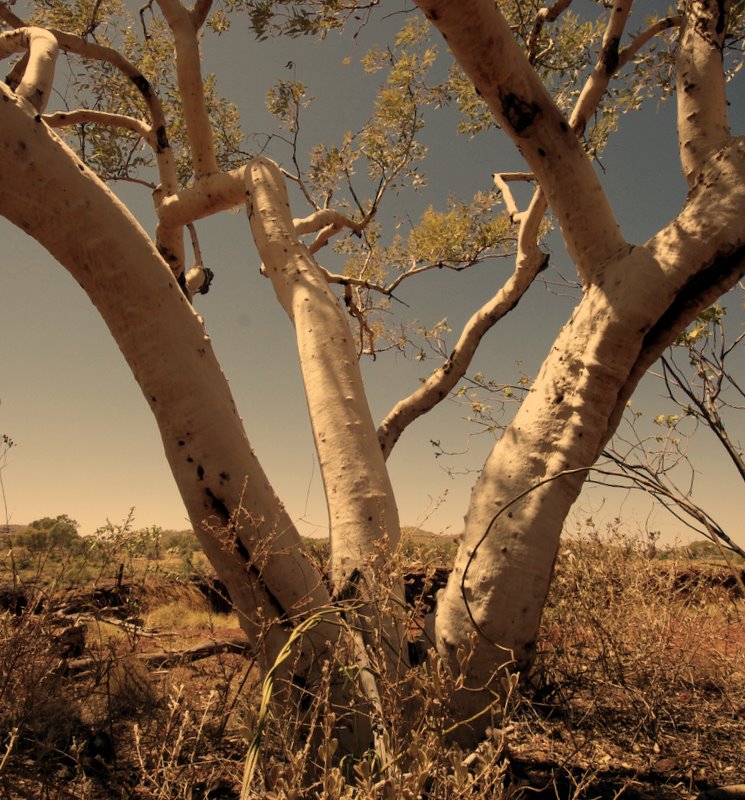
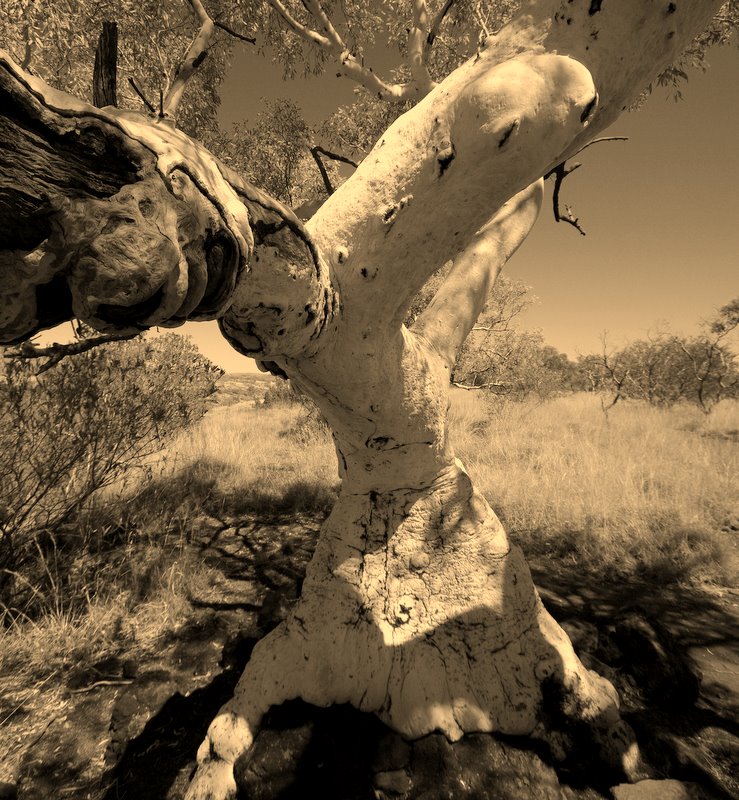
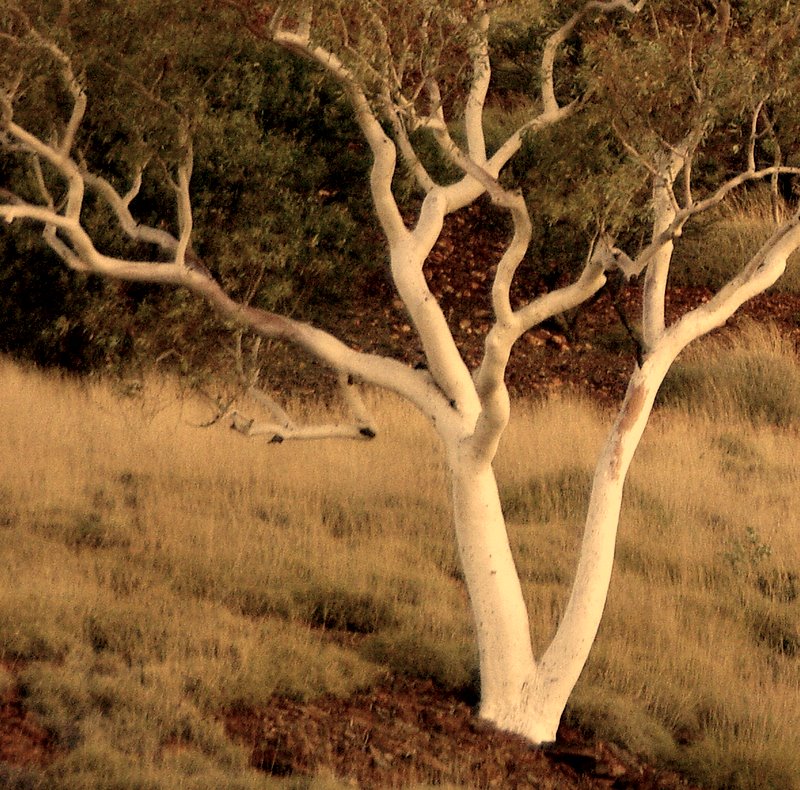
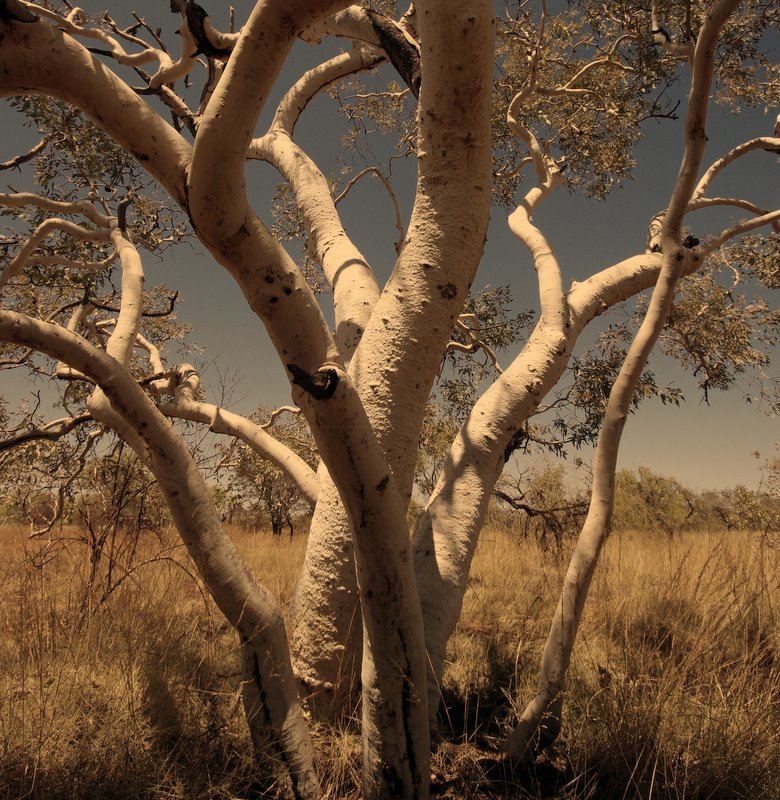
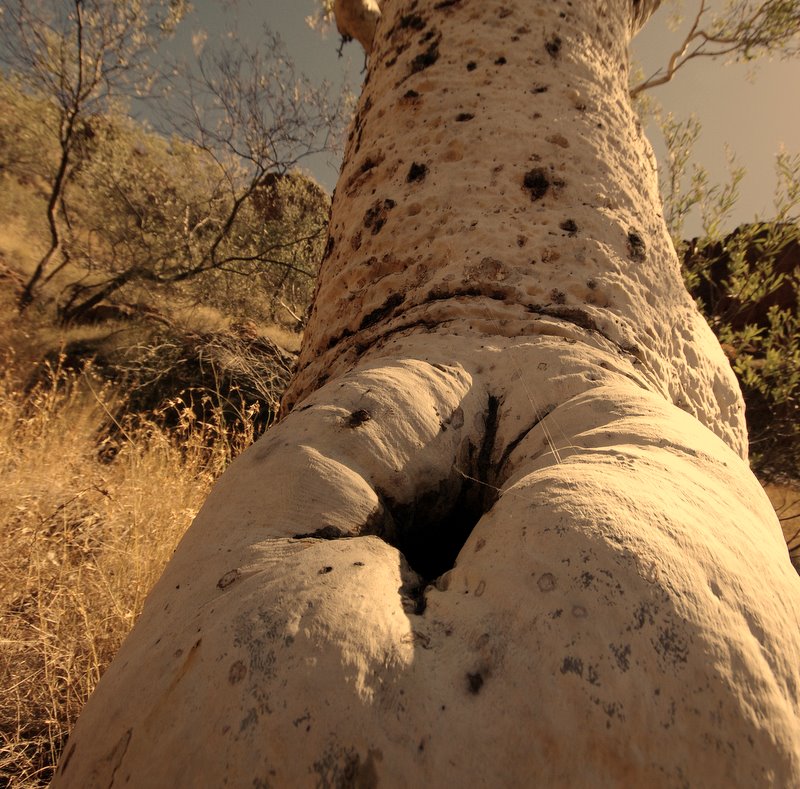
All across the Pilbra grows a small twisted eucalypt known as Snappy Gum.  So called because the dead branches snap cleanly across the grain when cracked across a rock or log. This makes them ideal for fire wood. The young trees are smooth and graceful, but as they age, develop into fantastic, knotted,twisted shapes. They are great fun to photograph, particularly with a 10mm lens. Here are some of my favorites.


IMGP0278

.

IMGP0367

.

IMGP0296

.

IMGP0368

.

IMGP0372

.

IMGP0371

.

IMGP0463

.

IMGP9958

.

IMGP0373

.

IMGP0475

.

MOUNTAINS OF IRON

KARIJINI NATIONAL PARK

www.johnlovett.com (opens in a new window)
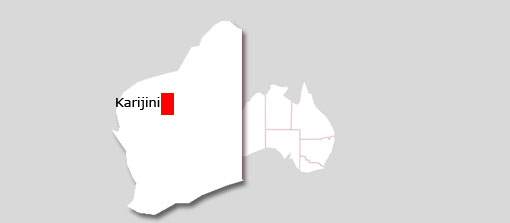
karijinimap

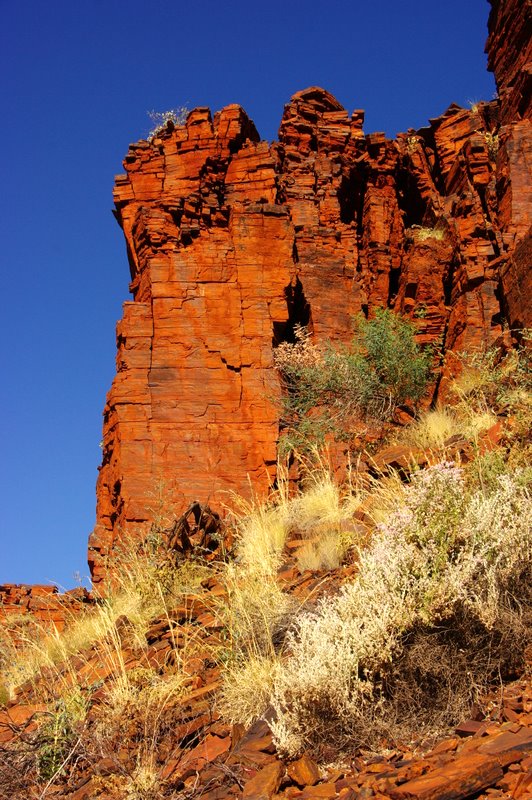
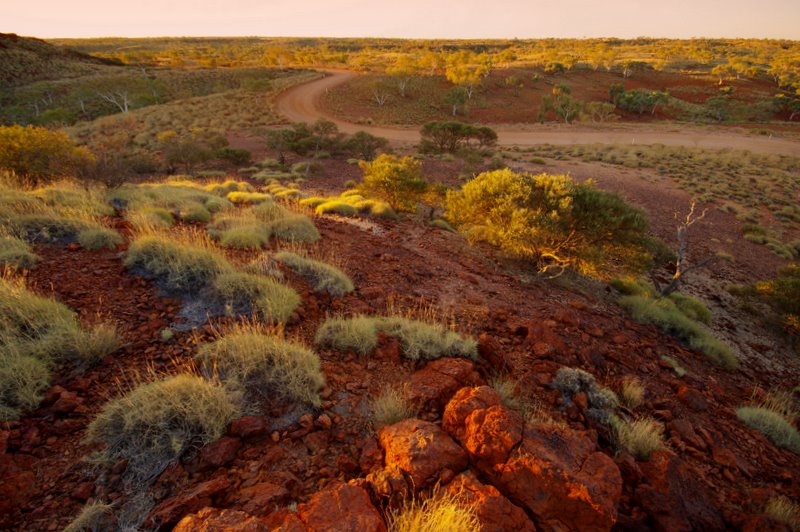
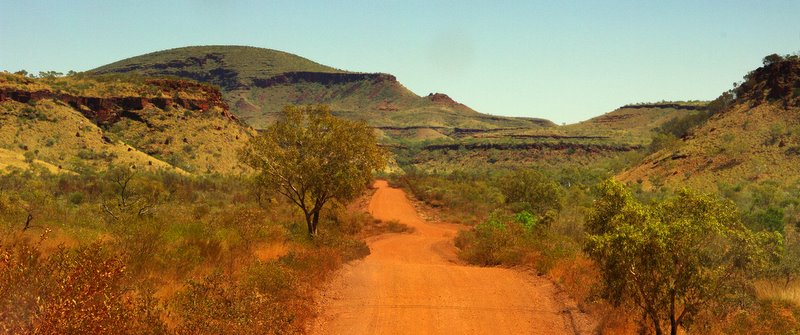
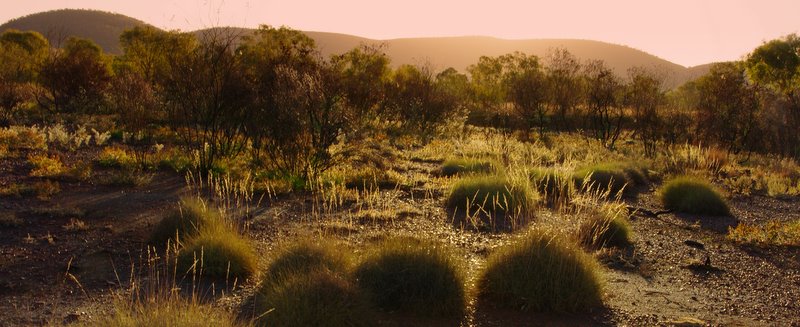
The Karijini landscape is dominated by the Hamersley Ranges. These are probably the oldest mountains on earth, the rocks dating back 2,500 million years. Driving through the Hamersleys is unique and beautiful. The undulating hills are covered with spinifex and broken by exposed weathered faces of deep red rock.
IMGP9952

IMGP0014

IMGP0200

.

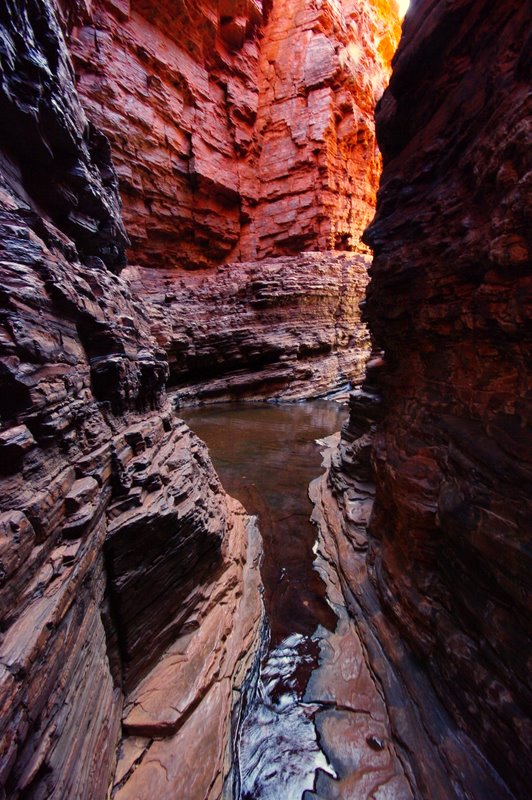
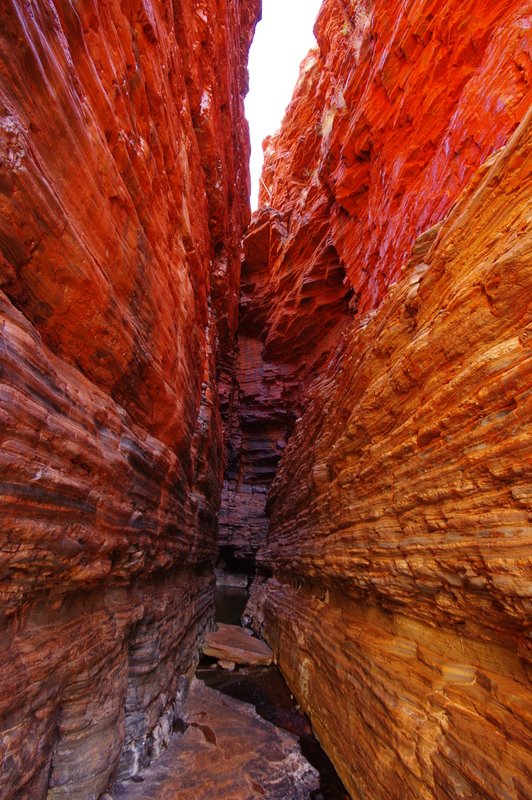
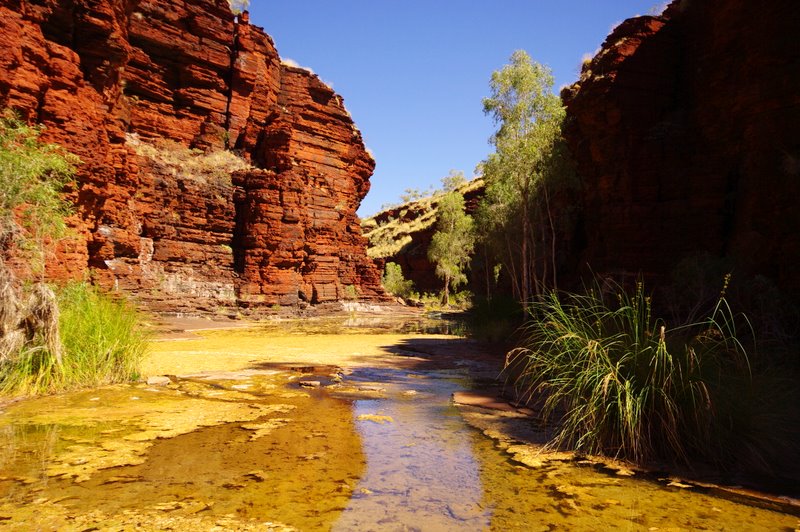
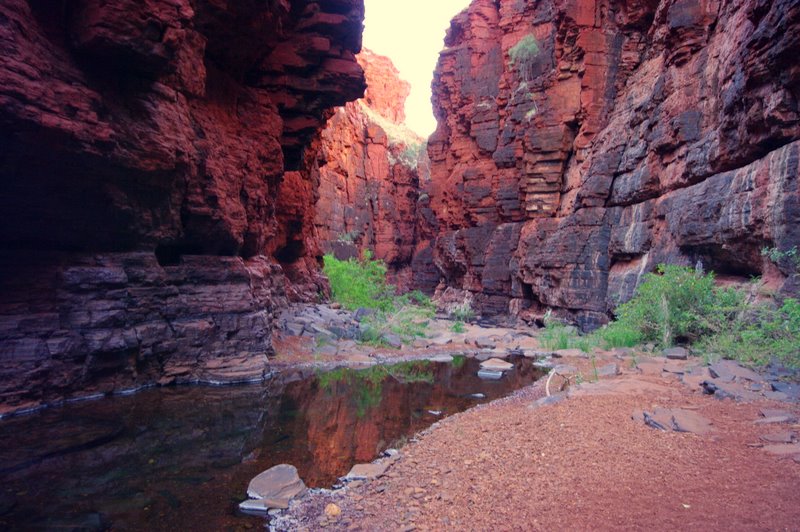
Cutting through the landscape are numerous gorges. Some are accessed by a short walk, others require climbing and scrambling over rocks and ledges, and some can only be reached with ropes and climbing equipment.
IMGP0062

IMGP0046

Some of the gorges narrow down to passages just wide enough for a person to squeeze through
IMGP0144

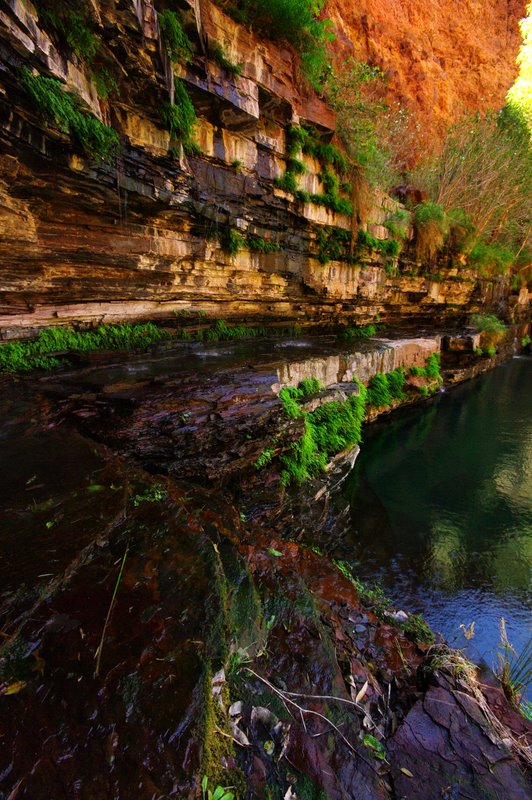
Others are broad and open with clear pools at the bottom

IMGP0154

IMGP0182

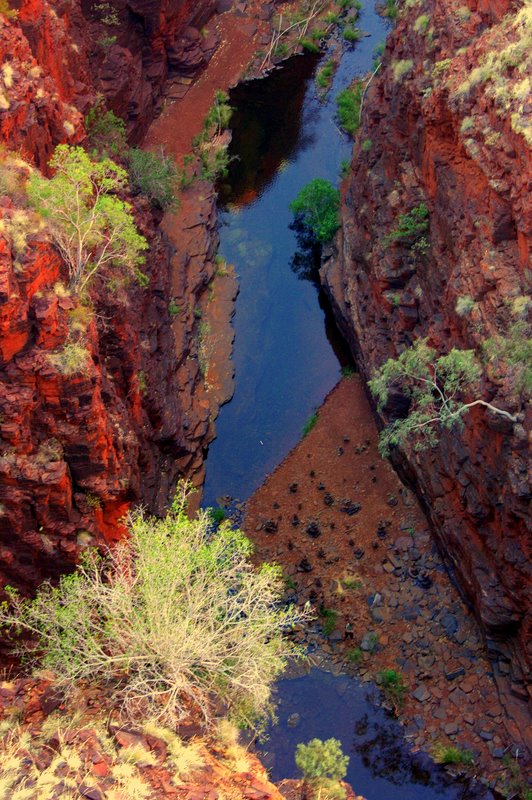
Looking down into the deeper gorges is an awesome sight. The surrounding country is undulating and fairly unspectacular, but the gorges seem to drop way below the surrounding landscape.

IMGP0224

Passing sculptors have installed some impressive structures using just rocks and gravity.
IMGP0258

IMGP0342

IMGP0397

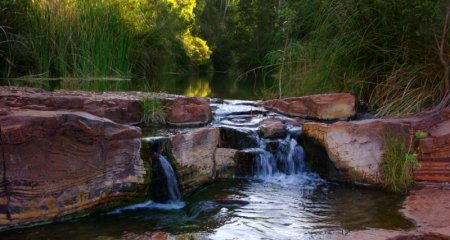
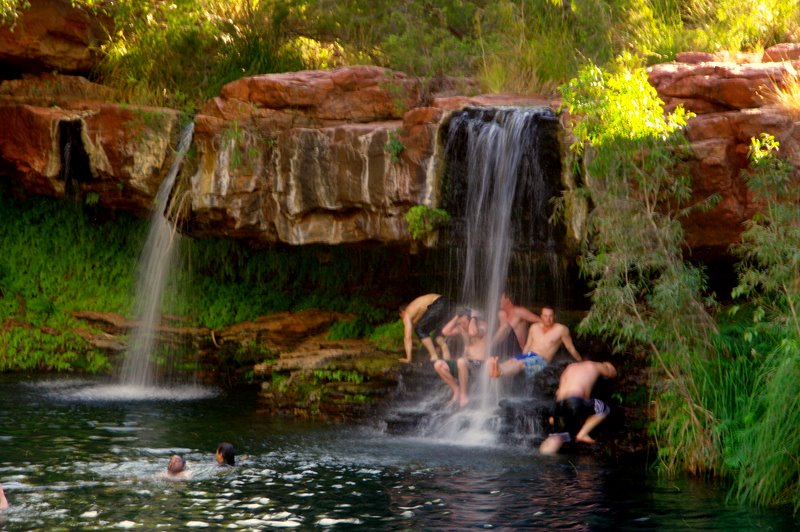
Waterfalls and waterholes are found throughout the gorges
IMGP0405

The water is usually freezing cold but, somehow, backpackers seem to be tolerant to near freezing water
IMGP0422

IMGP0435

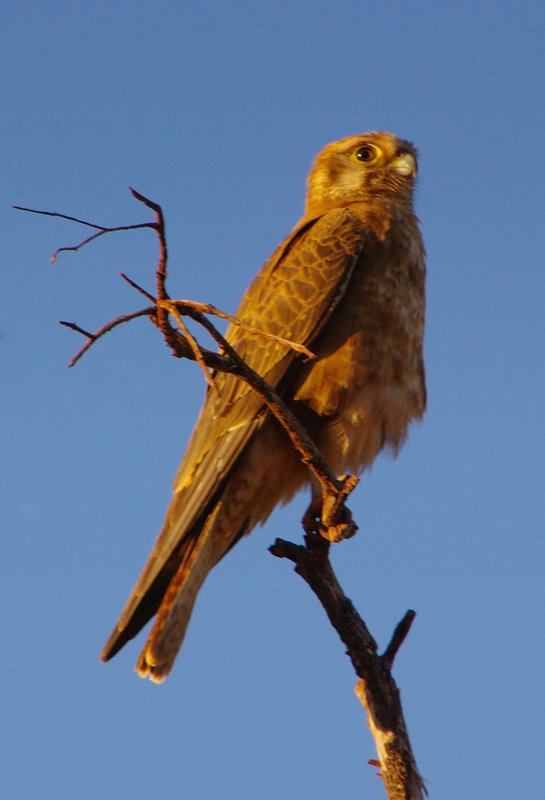
Whistling Kite – Pentax K20D 18 -250mm lens

IMGP0324

Scattered through the gorges are veins of blue asbestos. The Wittenoom and Yampire gorges have been closed because of the high concentration of asbestos
IMGP0318

IMGP0570

.

KARIJINI VISITORS CENTRE

IMGP0083

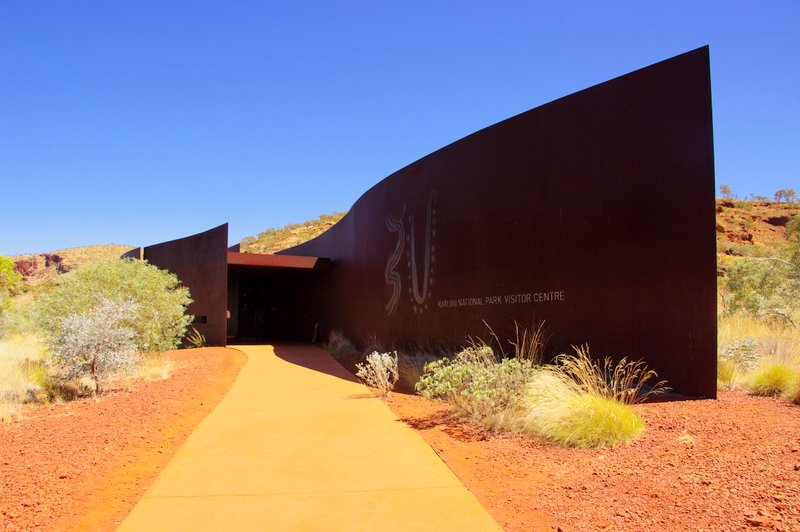
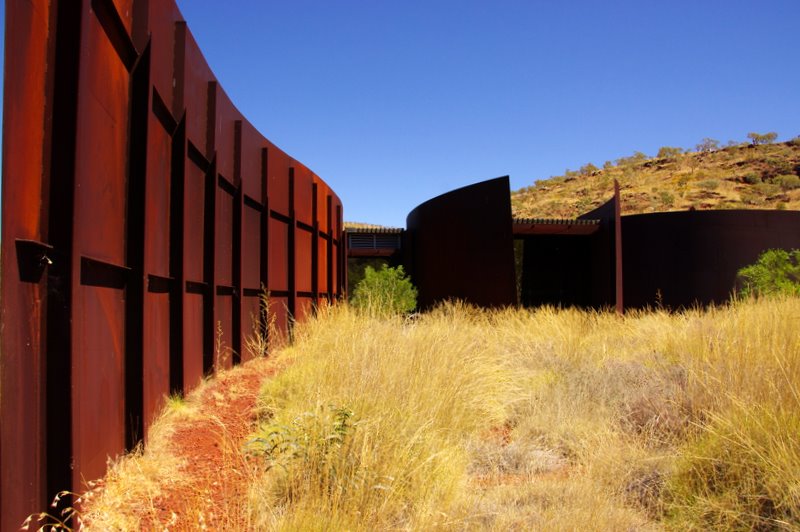
Architect John Nicholes designed the Karijini Visitors Centre to weather into the landscape. Most of the exterior of the structure is built from heavy welded steel panels. These are acid washed to rust, echoing the iron ore outcrops of the landscape.
IMGP0084

IMGP0089

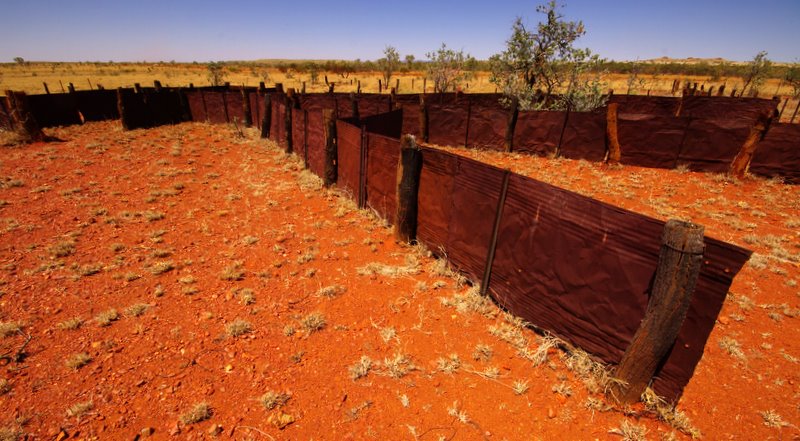
It is an impressive building that also hints at the rusted remnants of the areas pastoral history.
IMGP9997

Old rusted Pilbra sheepyards, built from flattened oil drums

IMGP0091

Power is provided by a large solar array with a thumping big diesel generator, waiting for a rainy day.