MONASTIC

NEW NORCIA

A couple of hours North East of Perth is the monastic town of New Norcia. Established by Benedictine Monks in 1846, the town is still centred around the Monastery and Church. At its peak New Norcia housed 80 monks and farmed almost a million acres. Sheep, cattle, pigs, goats and bees were raised and grain crops, grapes, olives, fruit and vegetables were grown. They still have a bakery, produce olive oil and wine, and sell the surplus from the orchard and vegie garden through the Museum shop. There are only 9 monks running New Norcia at present.

The museum gives a great insight into the early days of the town. The collection of religious art is fantastic and the Abbey Ale is heavenly.
IMGP1006

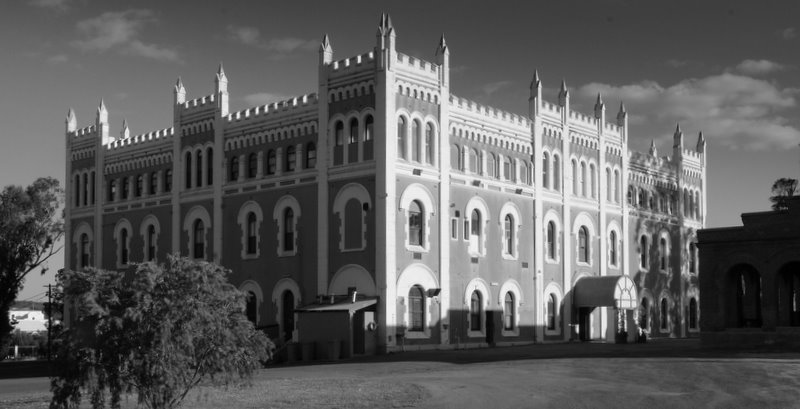
St Ildephonsus College

IMGP1004

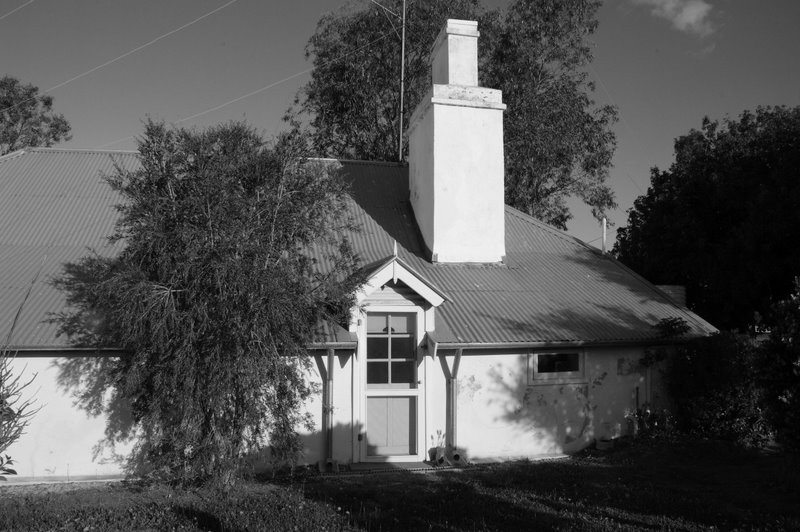
Former Policemans cottage – looks like he must have been a really tall policeman but, for some reason, the wall is only 4′ high.

IMGP1014

St Gertrude’s College (back door)

IMGP1059

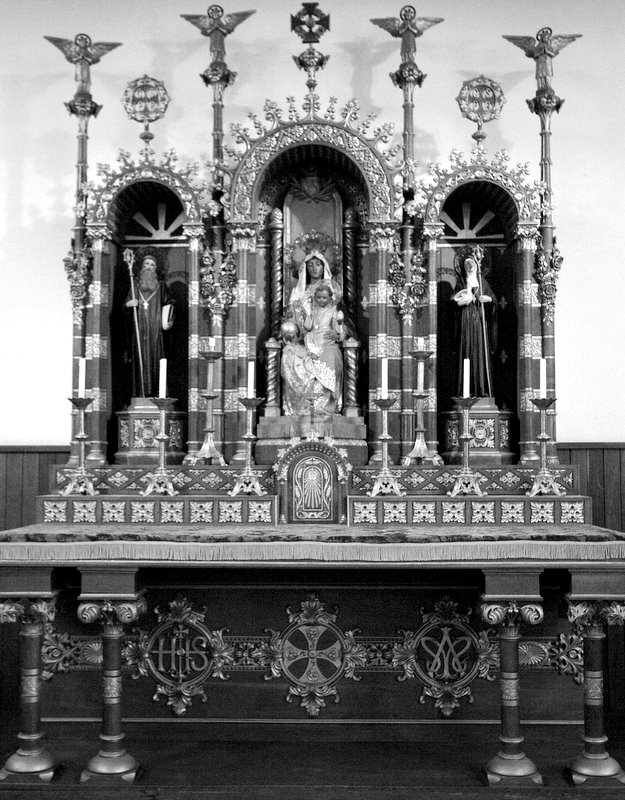
Finely hand carved  and gilded wooden alter
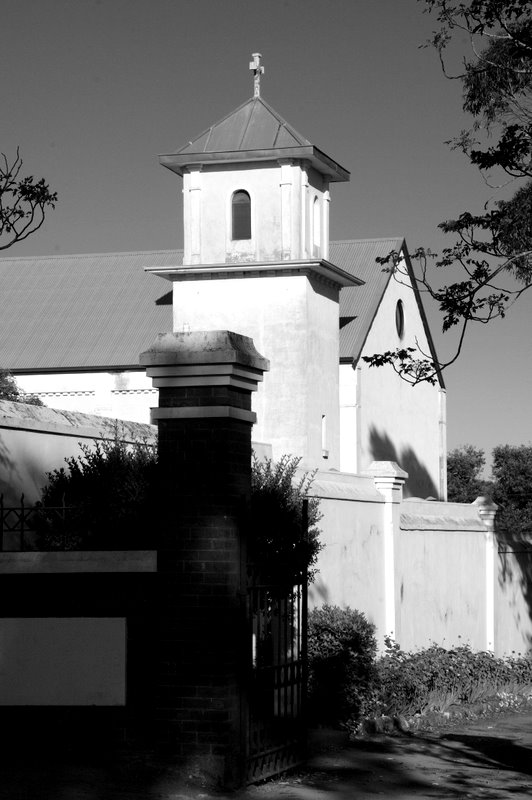
IMGP0987

Monastery

IMAGE_168

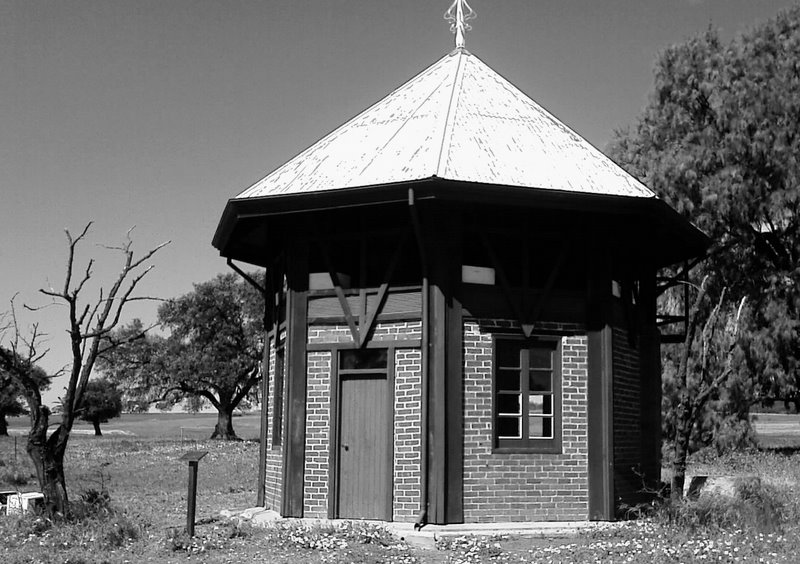
Apiary hand made bricks, timber and tin
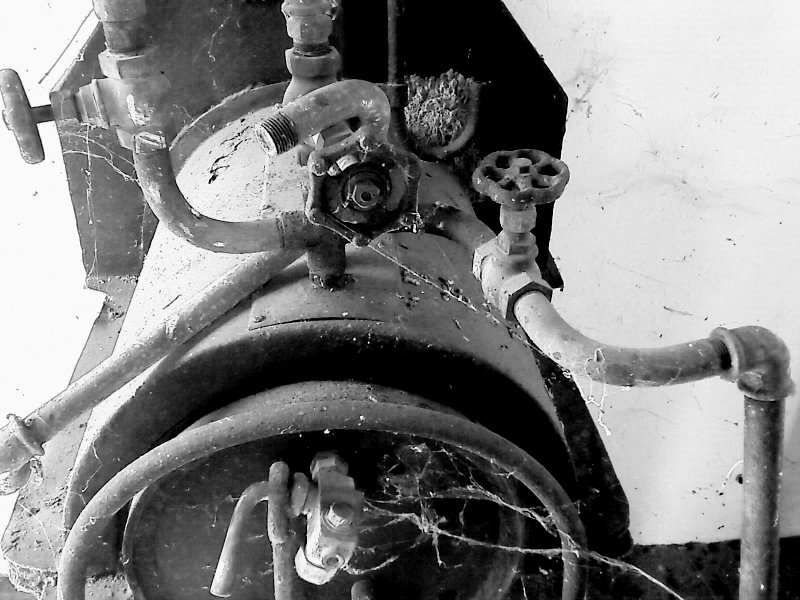
IMAGE_170

Device for processing honey

IMAGE_171

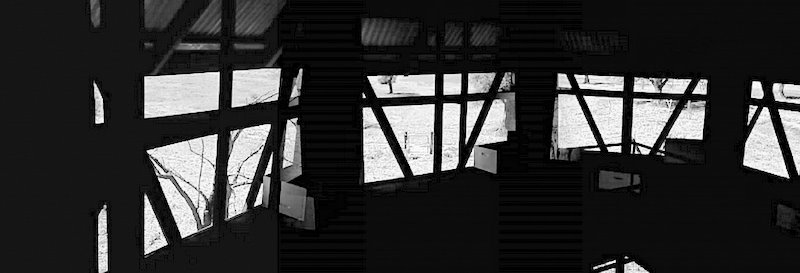
Inside apiary (panorama from mobile phone)
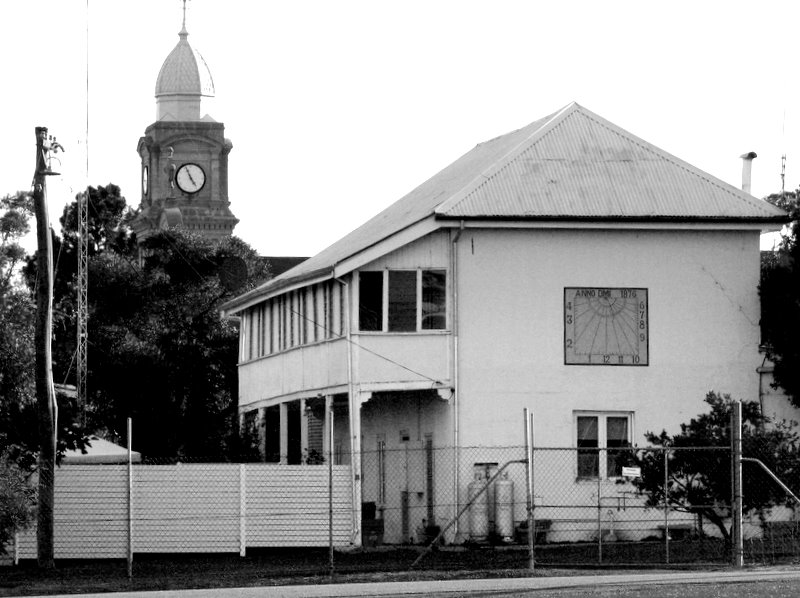
IMGP1002

Unidentified building with 1 hour late sundial on Northern wall
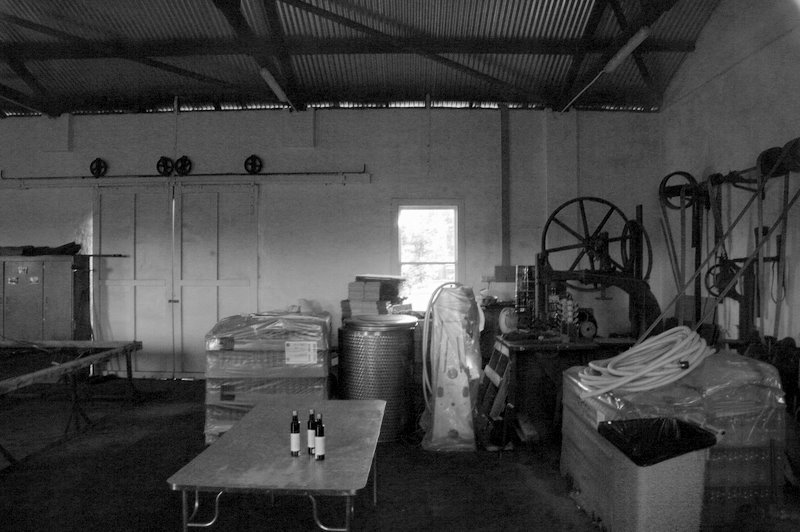
IMGP0993

Olive oil processing shed

IMGP1095

Old Wine Press

IMGP1035

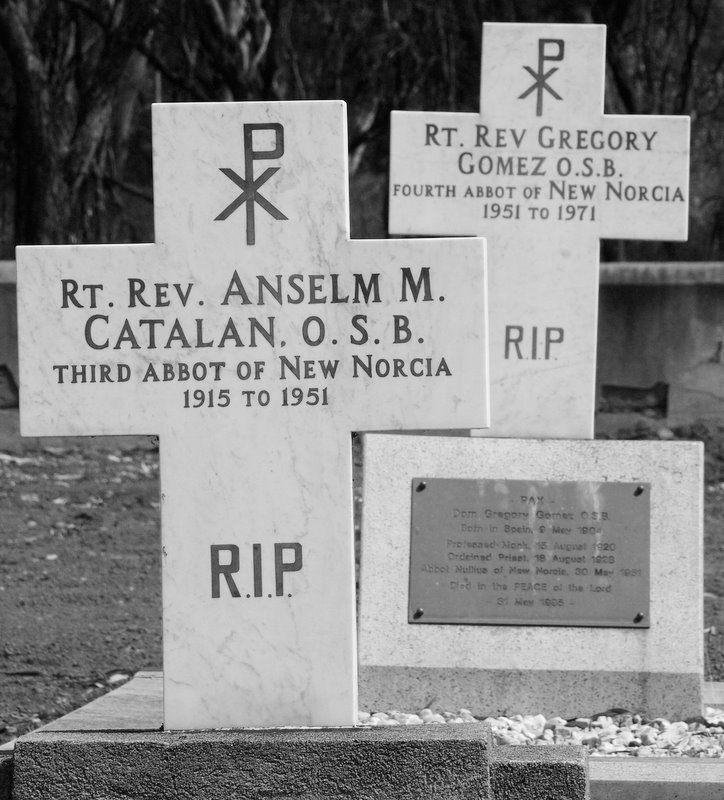
Graves of 3rd & 4th Abbots – all the former Abbots are buried along a line running through the center of the town. This line forms the long axis of a cross on which the town is laid out.
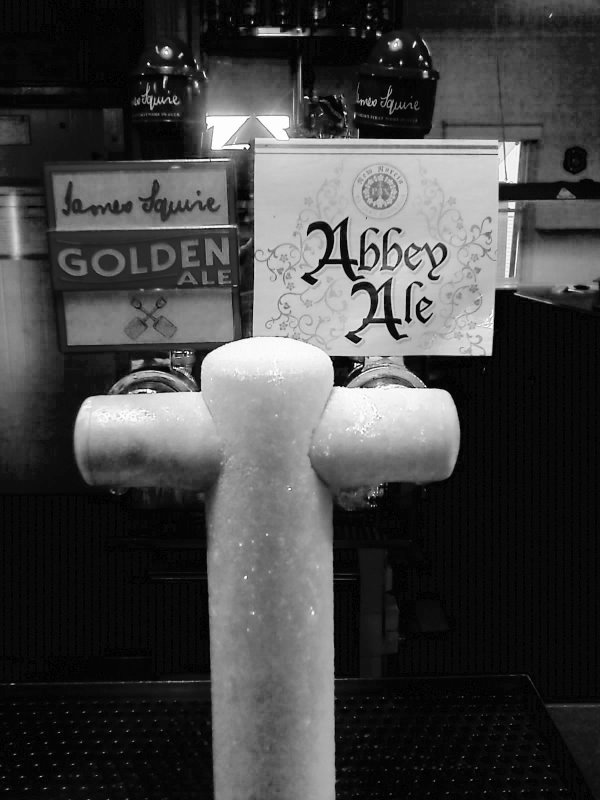
IMAGE_173

Monastic beer tap pumping Abbey Ale (7+%) in the New Norcia Pub

IMAGE_174

Pub Verandah

IMGP1067

Monks wash basin

MT. ELIZABETH

www.johnlovett.com

mtelizabethmap

Mt Elizabeth Cattle station was first established by pioneer cattleman, Frank Lacy and his wife Theresa, in 1946. It is still run by Franks son Peter and his wife Pat. In recent years, as well as running around 6000 head of cattle, they have opened an area of the station to camping.
Mt. Elizabeth contains some great examples of both Wandjina and Bradshaw Rock Art. We made arrangments with the Lacy’s to visit some of these sites along the track to Walcott Inlet.

IMGP8887

Mt Elizabeth is typical of the west Kimberley landscape – lightly wooded, pandanus lined creeks and sandstone outcrops.

IMGP8997

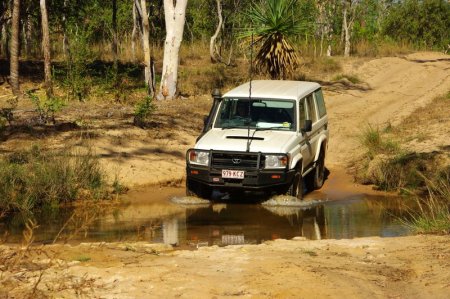
The Walcott Inlet track has many creek crossings but, at the end of the dry, most are fairly shallow.

IMGP8918

The Rock Art sites are scattered through the landscape, usually on protected sandstone overhangs.

IMGP8983

As in many rock art galleries, the underside of horizontal overhangs are a common painting surface, offering best protection from the elements.

IMGP8954

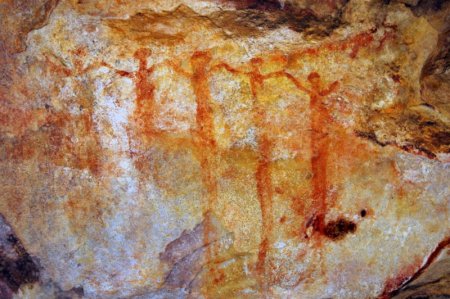
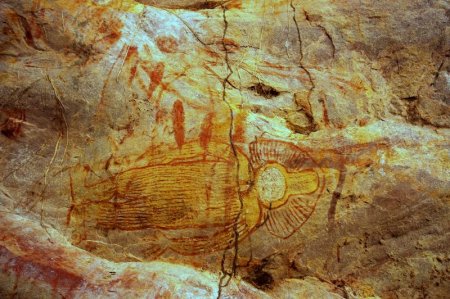
The subject and style of the paintings on Mt. Elizabeth vary considerably. There are seemingly light hearted images of figures and animals, such as the dancers above, as well as abstracted, symbolic figures like those below.

IMGP8949

IMGP8906

IMGP8937

Others, even after thousands of years, are just plain scary.

.

IMGP8913

The oldest examples on Mt. Elizabeth are the enigmatic Bradshaw Paintings. Their meaning and origin still a complete mystery.

IMGP8964

Linework on the Bradshaws is really fine and delicate compared to the Wandjina style paintings.

IMGP8959

IMGP8950

Here, old Bradshaw paintings have been overpainted with Wandjina images

IMGP8968

Some of the more abstract Wandjina paintings are incredibly beautiful and simple.

Distribution of the paintings is interesting. There are large galleries containing many paintings varying in style and subject. At some sites you would expect to find numerous paintings but just one small image will be found, tucked into an obscure corner.


MUDGINBERRI

IMGP5725

MEATWORKS SUNRISE

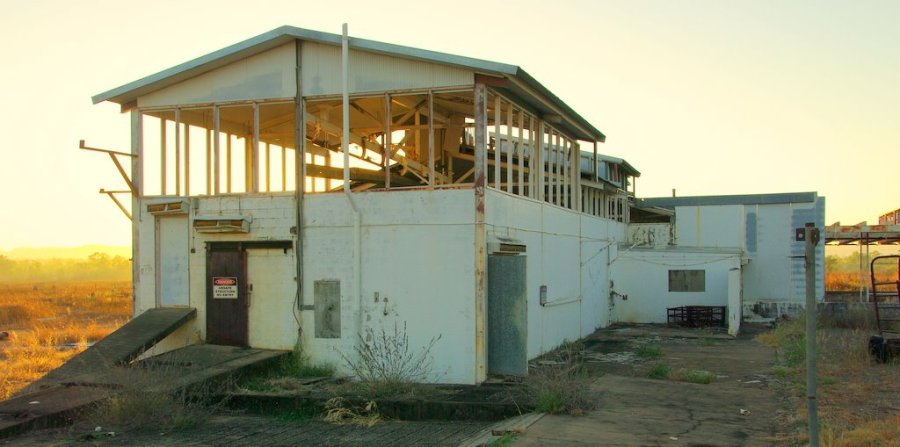
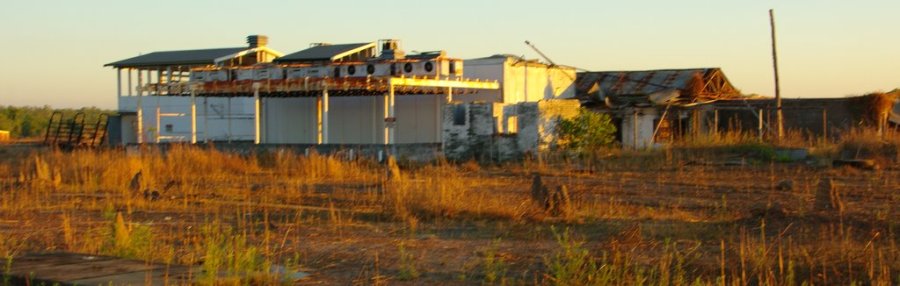
This, now defunct, little abattoir within Kakadu National Park was the catalyst for a huge change in the Australian Union movement. In 1985, the Australasian Meat Industry Employees Union were forced to pay 1.5 million dollars to the owners of  Mudginberri Meatworks to compensate  for costs and lost earnings due to Union picket lines halting production.

This led the ACTU to call three National strikes. The press turned the  AMIEU into public enemy number one. Ian Mclachlan, (president of the National Farmers Federation) said at the time that Mudginberri  “changed the nature of industrial relations in Australia”

The Barrister acting for Mudginberri at the time was Peter Costello.

So, this little slaughterhouse was the beginning of the end of union power in Australia. It’s demise was brought about by the refusal of meat inspectors to cross the picket line. In a sense, the meatworks became the sacrificial lamb to cripple  union power

IMGP5722

IMGP5733

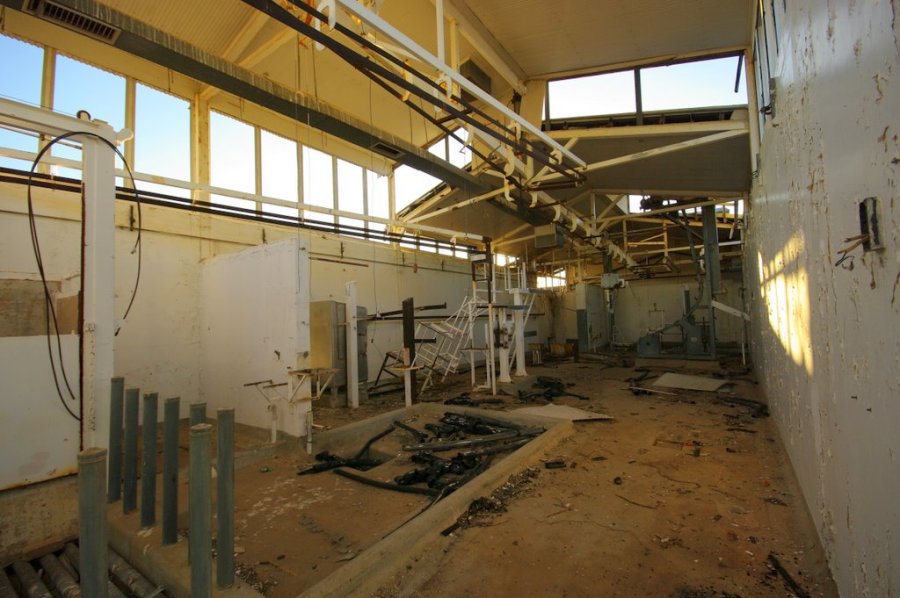
Feral water buffalo entered through a door at one end of this room and exited frozen and packed in small cardboard boxes at the other end.

IMGP5737

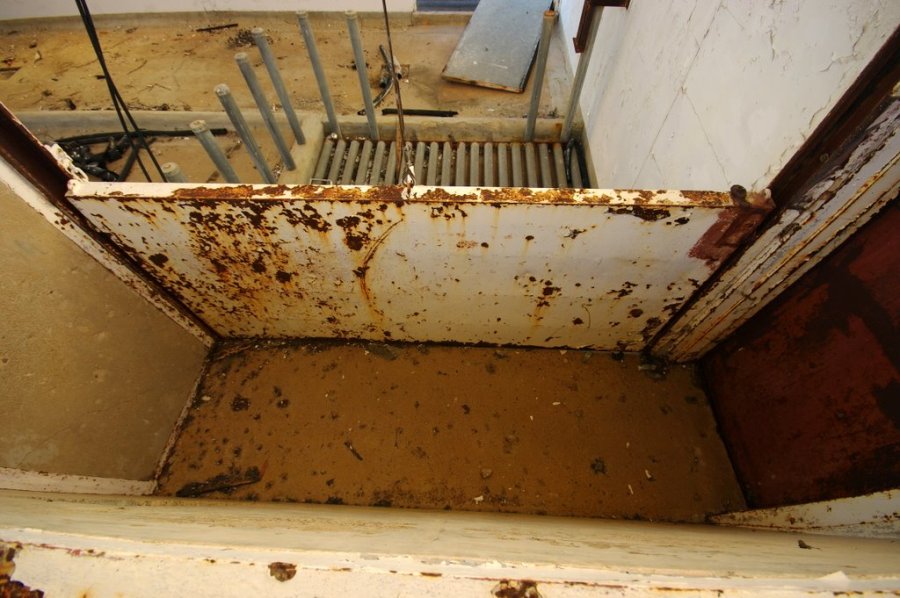
The Buffalo would enter through the door, lower right and be dispatched by the slaughter-man. The white steel petition would be lifted and the carcass hoisted from the grate beyond, to be conveyed through the processing room

IMGP5740

IMGP5741

25 years after the demise of Mudginberri, a pile of buffalo horns lie beaten and bleaching in the sun where a picket line once stood.

DARWIN

darwinmap

Darwin

  • Largest city in the NT
  • Smallest capital city in Australia (121,000)
  • Closer to 5 foreign capitals than to Canberra
  • Main income from mining and tourism
  • Re built after WWII air-raids and after Cyclone Tracy
  • 130kph on open road
  • Smoking still allowed in pubs
  • Weather is either hot and dry or hot and humid

IMGP5374

Parliament House – called the wedding cake – highly decorated on the outside, full of nuts on the inside

IMGP5398

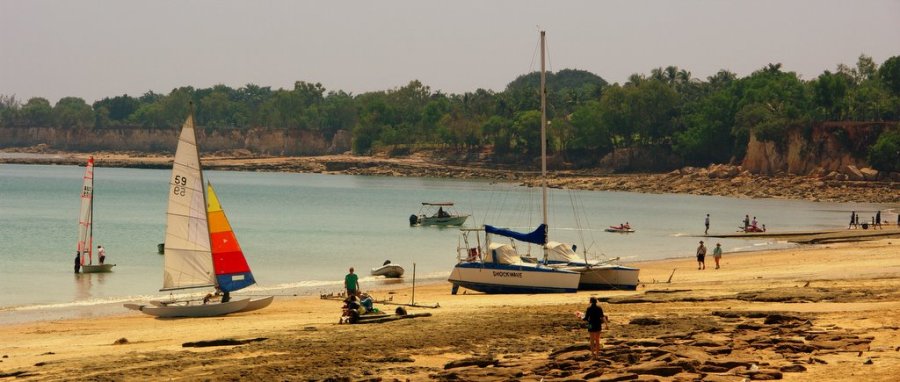
Fanny Bay- great sailing and fishing but not too much swimming – too many crocs and box jellyfish

IMGP5484

Some interesting vessels moored in the harbour, some look like refugee boats from Indonesia.

IMGP5501

Cliffs along Fanny Bay

IMGP5487

Spectacular sunsets – the smoke haze of the dry season gives the sky a warm glow as the sun gets lower

IMGP5521

IMGP5469

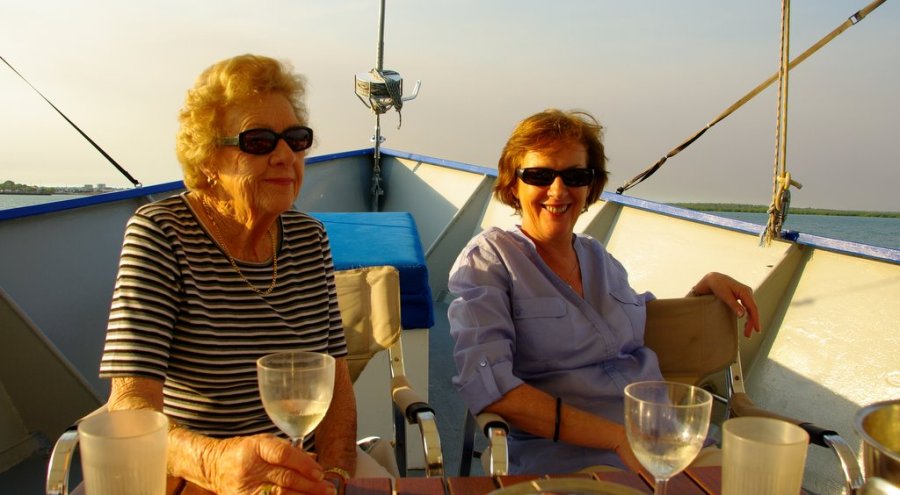
Enjoying the relaxed, top end lifestyle

IMGP5564

Darwin has a rich Chinese history dating back to the start of the Pine Creek Goldrush. This is the Darwin Chinese Temple where Buddhism, Taoism and Confucianism are practiced simultaneously?

IMGP5554

IMGP5594

Doctors Gully, where tourists pay $11 per head to feed bread to fish so the fish will come back and more tourists can pe $11 a head to do the same. The formula has worked for 50 years.

IMGP5381

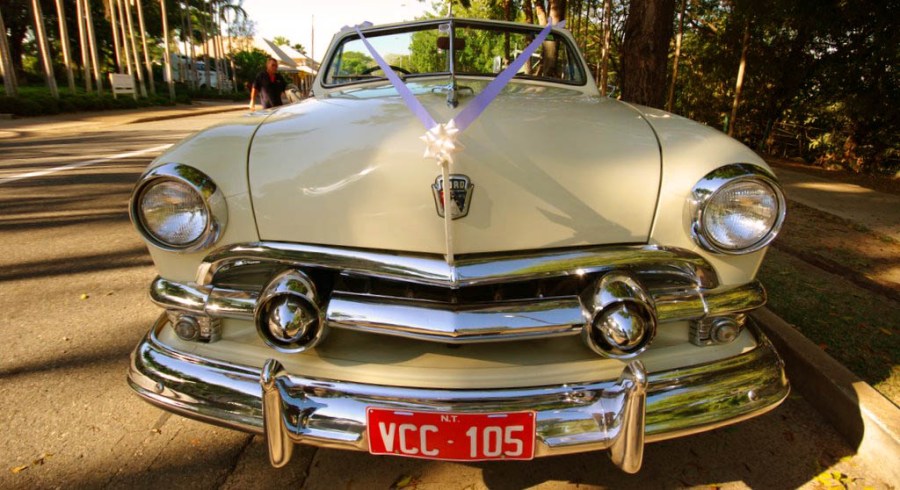
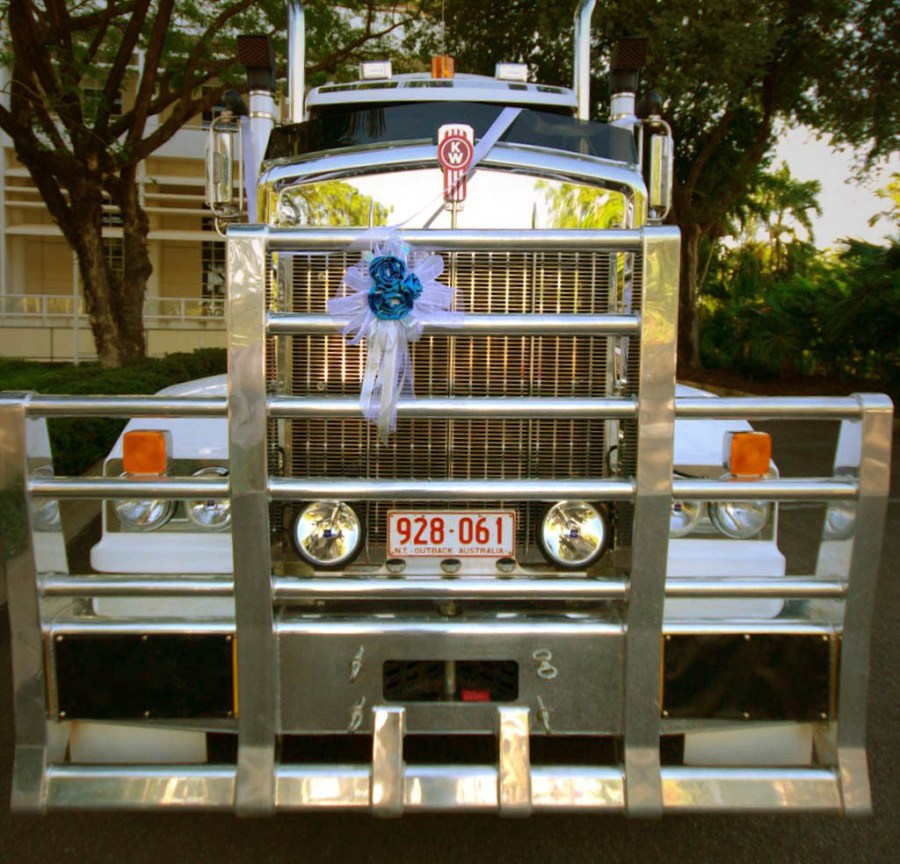
Weddings, like most things in Darwin, tend to be big – the bigger the better

IMGP5383

At this wedding, the bride arrived in a road train

IMGP5371

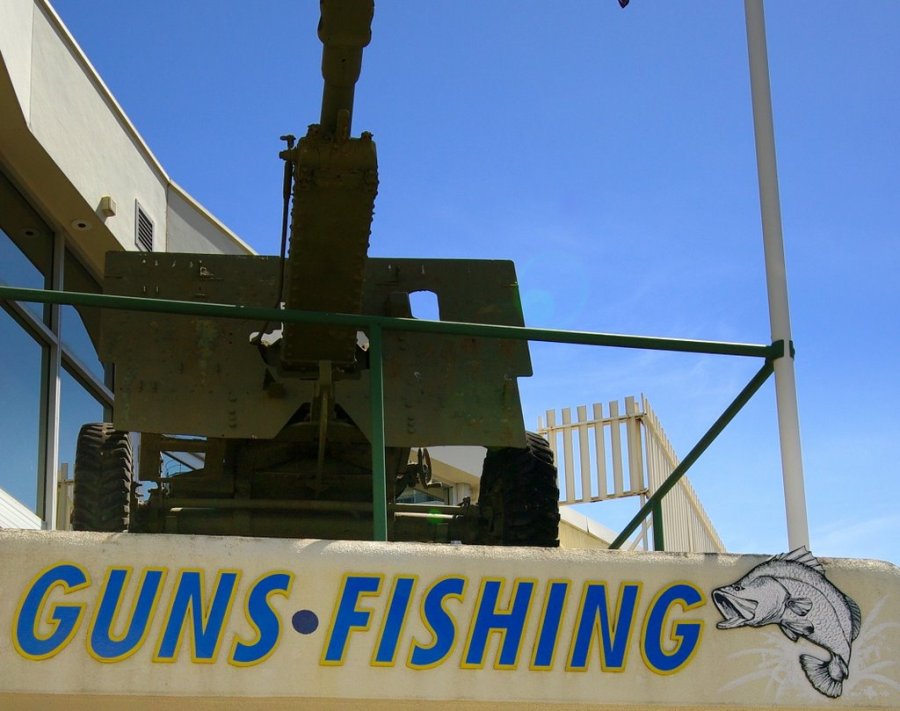
…and if you want to buy a gun in Darwin, you may as well make it a big one

SAMA SAJA

IMGP5416

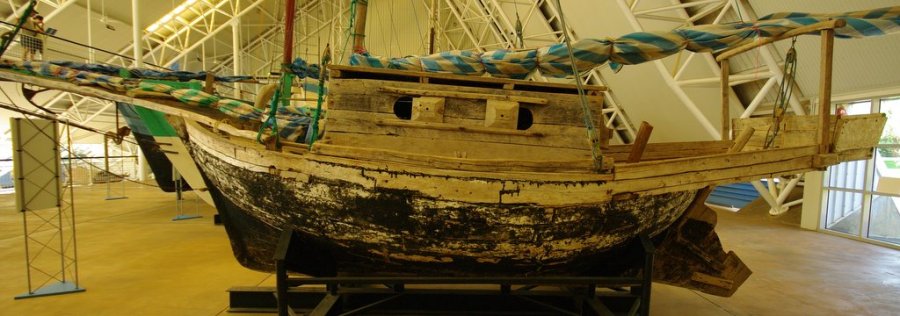
The Darwin Museum has a fantastic display of Indonesian boats sailed to Australia by refugees. This little boat the “Sama Jasa” is only 5 meters long. It sailed across the sea with 6 people on board, landed on Bathurst Island, just off Darwin, in 1986. The crew were detained by customs, taken with the boat to Darwin and held in detention as illegal immigrants. How frustrating, after surviving a trip like that.

IMGP5414

Most of the boat is unpainted timber, the cabin is held together with rusty steel nails. The rigging is made from fencing wire. Below the waterline is coated with bitumen and lime.

IMGP5411

The Australian artist, Ian Fairweather, tells of a similar journey in his autobiography. In Darwin during the war, Fairweather built a raft out of aeroplane fuel tanks and drifted out of Darwin harbour late one night. After drifting for a week or so he washed up on an Indonesian beach where he was arrested by the authorities and sent straight back to Darwin.

PUBS

IMGP4349

Croydon sprang up in the 1880’s. It was a gold rush town, swelling to over 7000 people and 122 pubs. The Club Hotel is the sole survivor, which gives a clue to the quality of their beer. It’s a typical Queensland pub of the era – all timber, high ceilings, wide veranda with outside seats. a great place for a beer and a meal.

IMGP4637

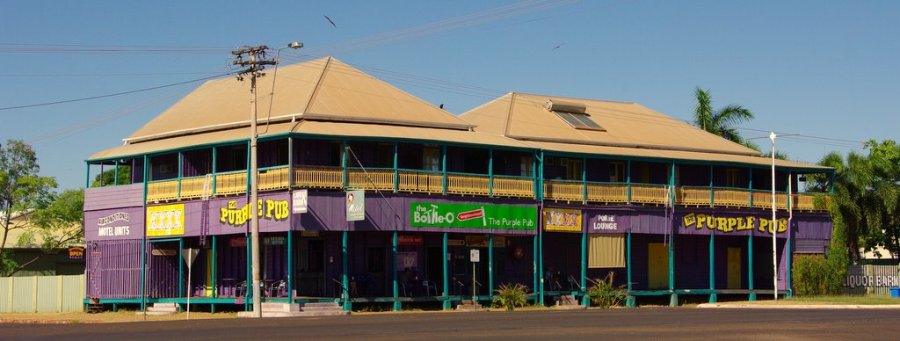
Normanton’s “Purple Pub” is built in the same wide veranda, high ceiling style, but is an unusual combination of two separately roofed buildings. I doubt it was called the purple pub when it was built in the late 1800’s –  purple wasn’t invented till way after that. It’s now the best known landmark in town.

A green butchery has sprung up since we were last there, but it doesn’t seem to be attracting near as much attention.

Mt Morgan 1

This is a shot I took of the National Hotel, Mt Morgan back in the early 80’s. It was a great pub with lots of character. I went back to Mt Morgan 5 years later, intending to stay in the National, only to find it had been converted to a Methodist Church!

Mt Morgan 2

Returning to Mt Morgan this trip, we drove up the hill to see what had become of the old pub.

Well, the Methodist  church had vacated and it was now a private residence. What a shame, such a great example of over the top, goldrush, hotel architecture should have drifted away from it’s intended purpose.

Mt Morgan 3

.

.

.

Daly Waters Pub is one of the NT’s most famous. Built  on a busy droving route in the 1930’s, it was once a watering hole for thirsty cattlemen. Today it attracts tourists from all over the world. There are walls adorned with signed thongs, bras, knickers and foreign banknotes, marking the travels of thousands of visitors enjoying a rowdy beer.

daly waters pub

Couldn’t resist taking a photo of this colour coordinated lady taking a photo of someone drinking a pint outside the pub.

BOURKE AND WILLS CAMP 119

BOURKE AND WILLS CAMP 119
Still standing 150 years later – this blazed coolibah tree, between Normanton and Bourktown, marks the site of Bourke and Wills second last camp before returning south.
Not far from the campsite, maybe a kilometre downstream, I spotted this croc lying under the pandanus palms. Poor old Bourke and Wills were sick and exhausted at this point. Crossing the creeks and rivers must have been a nerve-wracking experience for them. They survived all that, only to perish on their return to the base camp on Coopers Creek, missing their departing comrades by just hours.

IMGP4639

Still standing 150 years later – this blazed coolibah tree, between Normanton and Bourktown, marks the site of Bourke and Wills second last camp before returning south.

IMGP4643

Not far from the campsite, maybe a kilometre downstream, I spotted this croc lying under the pandanus palms. Poor old Bourke and Wills were sick and exhausted at this point. Crossing the creeks and rivers must have been a nerve-wracking experience for them. They survived all that, only to perish on their return to the base camp on Coopers Creek, missing their departing comrades by just hours.