STREETS OF PALERMO

We had planned a day painting in Palermo, so after some questioning, decided the Plaza Marina was the place to go. After a long stop start procession through the town our bus driver stopped by a small park surrounded by dilapidated buildings. We couldn’t work out why and, after some head scratching, discovered it was a “photo stop” –  the only problem being there was nothing worth photographing!

After a traffic snarled circuit of the waterfront we decided to head out to Mondello to paint. That was our introduction to Palermo which tainted our enthusiasm to stay there before flying back to Rome. However, intriged by the infamous mafia history, we stayed a day to have a look around.

We were told that, around the time two high profile, anti mafia judges were killed, there was a 12 month period in Polermo that saw almost 1000 murders! This grisly fact also influenced our perception of the city.

It’s a strange town where hotel safes just sit loose in the cupboards.

where rubbish and broken furniture litter the streets…

abandoned Vespers decay in back alleys…

securely locked, with owners never to return…

Vehicles in various states of disrepair somehow cling to life…

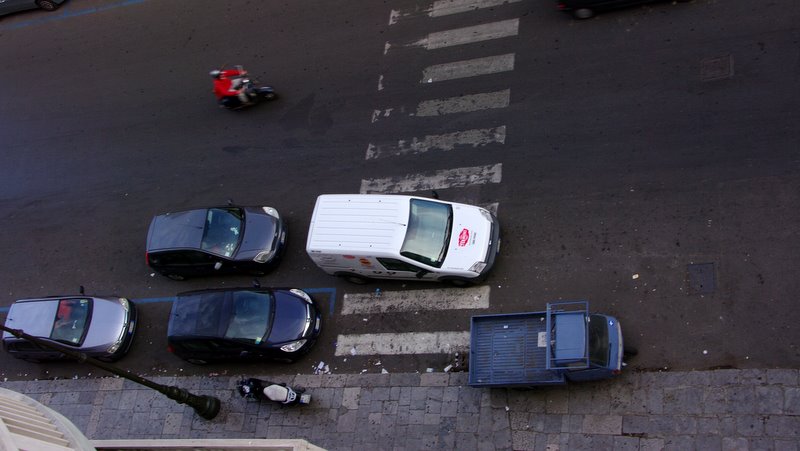
double parking anywhere is condoned…

garbage bins overflow…

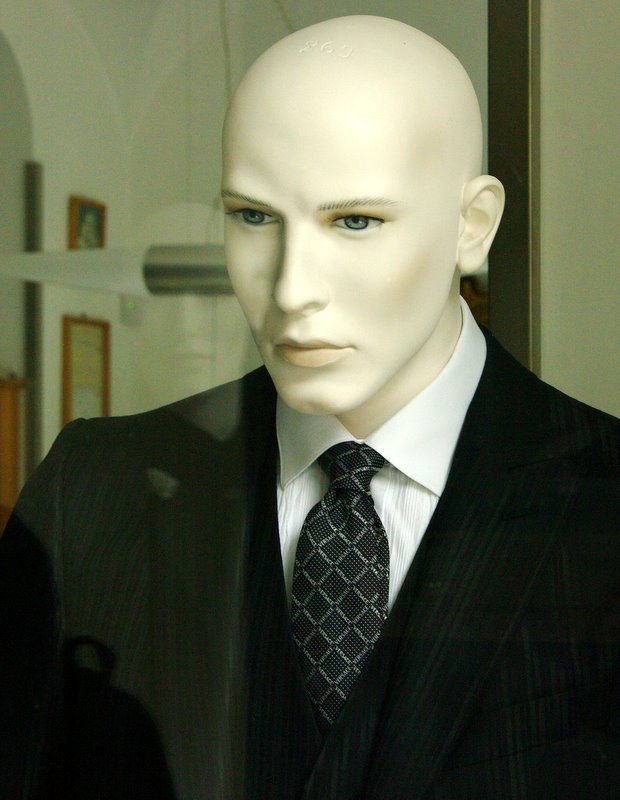
strange characters in dark suits haunt the city…

kids play with handguns…

and in any other city, a man carrying a violin case probably plays for an orchestra…

The secrets whispered through confession box windows in the churches of Polermo would raise the hairs on the back of the hardest necks.

CEFALU

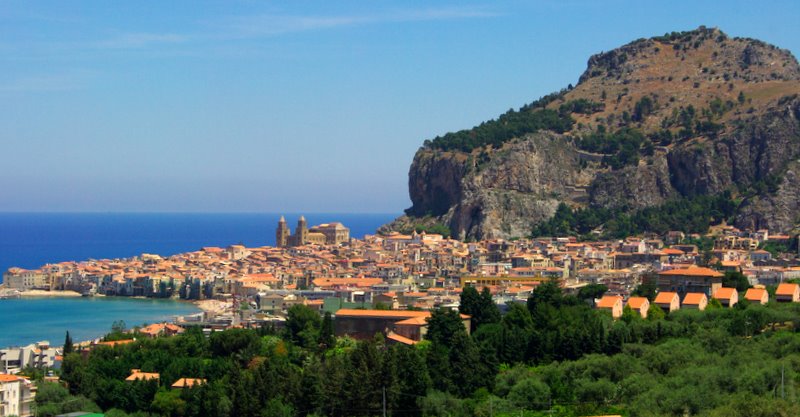
Tucked under an enormous rock outcrop on the North coast of Sicily, the small town of Cefalu is dominated by its impressive Norman cathedral.

The old town has a wonderful, busy character and it’s maze of streets and alleys are fun to explore.

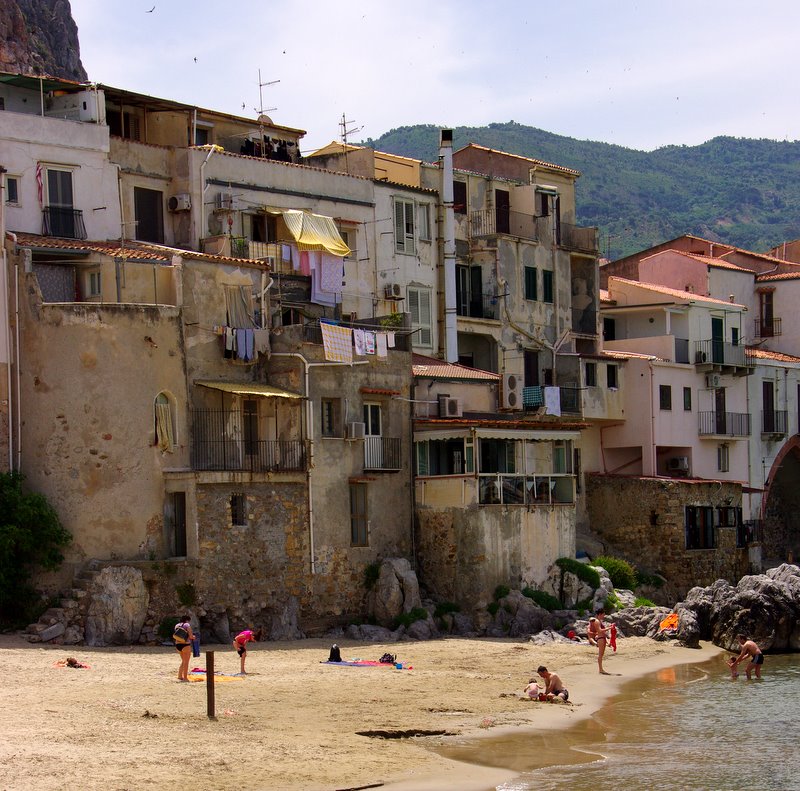
The town wraps around some attractive, sheltered beaches and has a fleet of small wooden fishing boats providing fresh fish for the local restaurants.

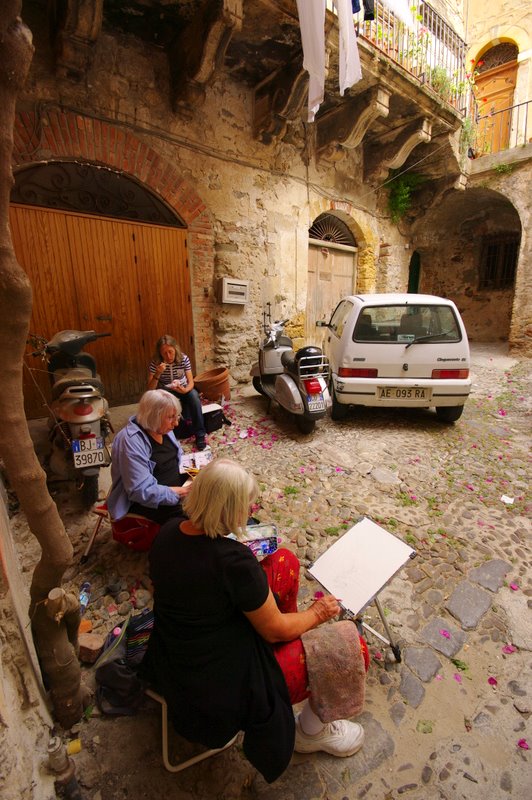
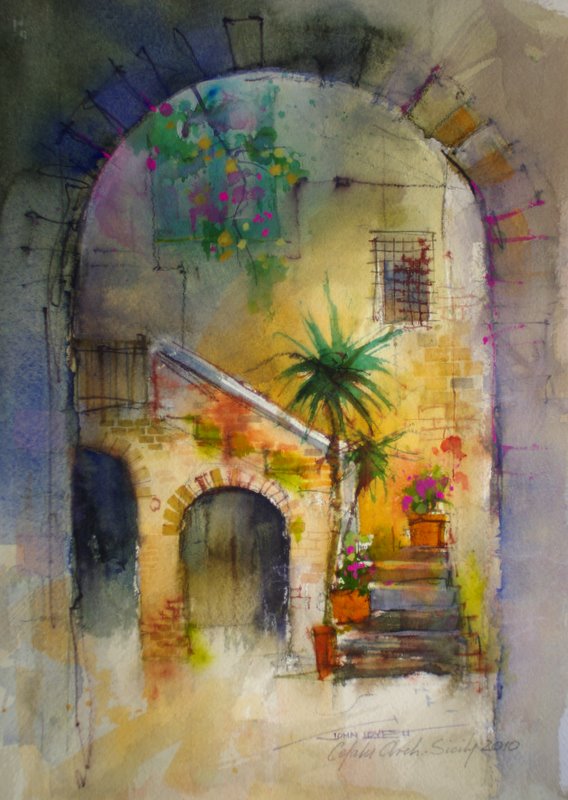
We managed to find some great painting locations tucked into out-of-the-way alleys.

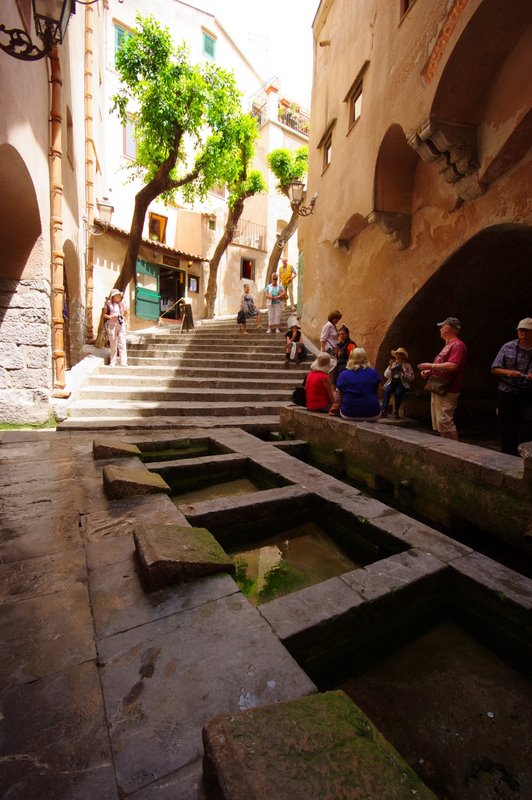
Up until 20 years ago, these old Roman wash tubs were still in use. An endless supply of clean, spring water flushes through them and out to sea. The luxury of electricity and white goods has relegated them to a tourist attraction.

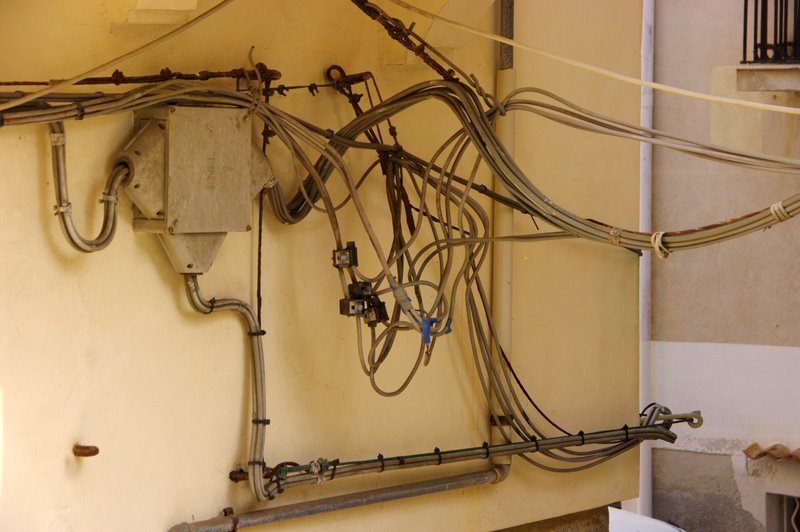
Electric wiring in Cefalu is an incredibly confusing tangle of cables, strung haphazardly from building to building.

Little wonder the locals puzzle over electricity bills.

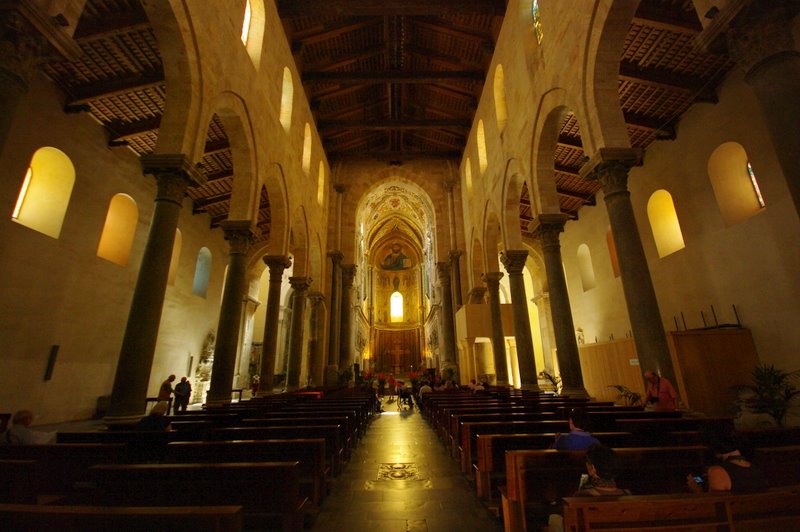
In the centre of town, the huge Norman cathedral is an impressive structure. Interior decoration is fairly schizophrenic,  having chopped and changed over the centuries according to religious preference, politics and fashion

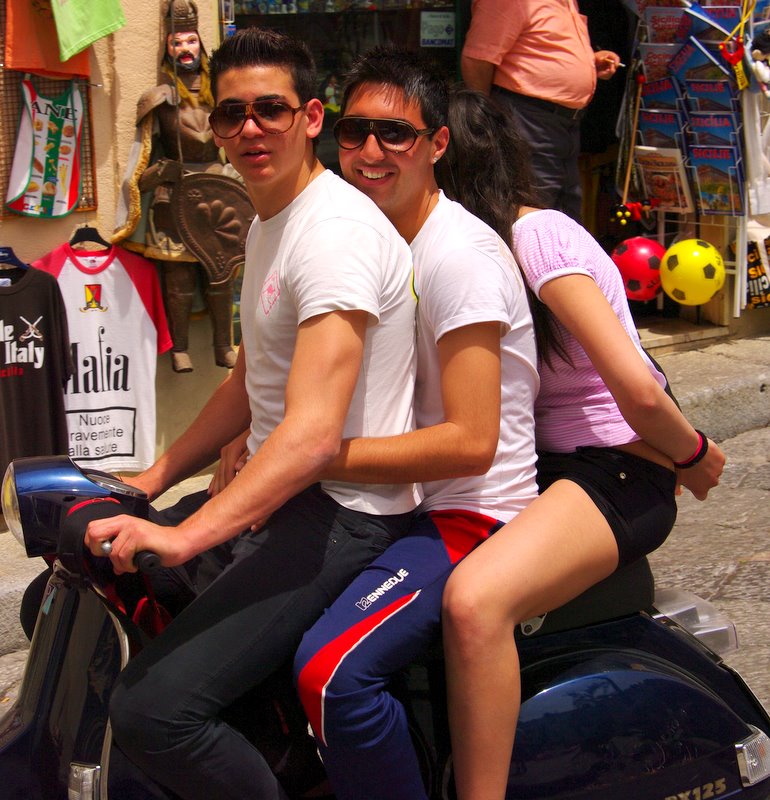
Young people in Cefalu have the same crazy desire to push a vesper to the edge of suicidal self destruction as is found in most of Italy.

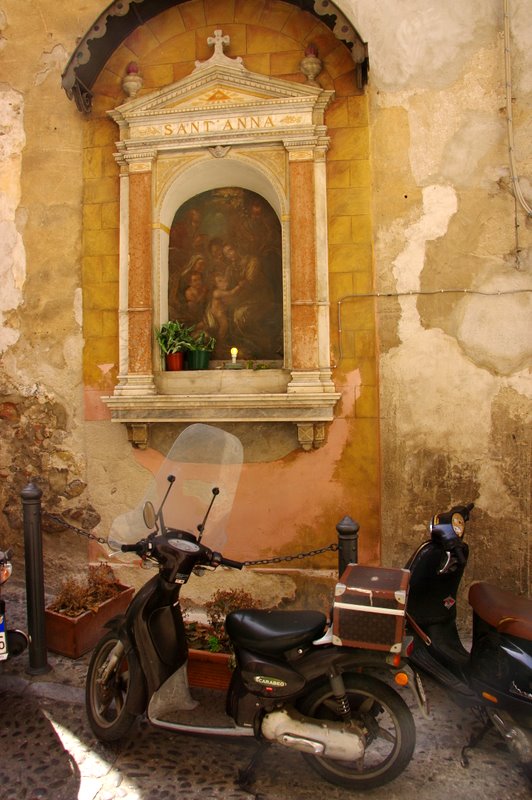
Parking under religious icons guarantees safety here too!

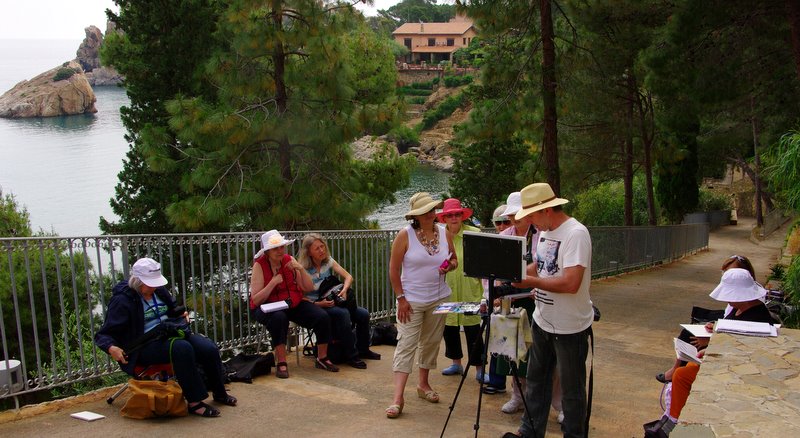
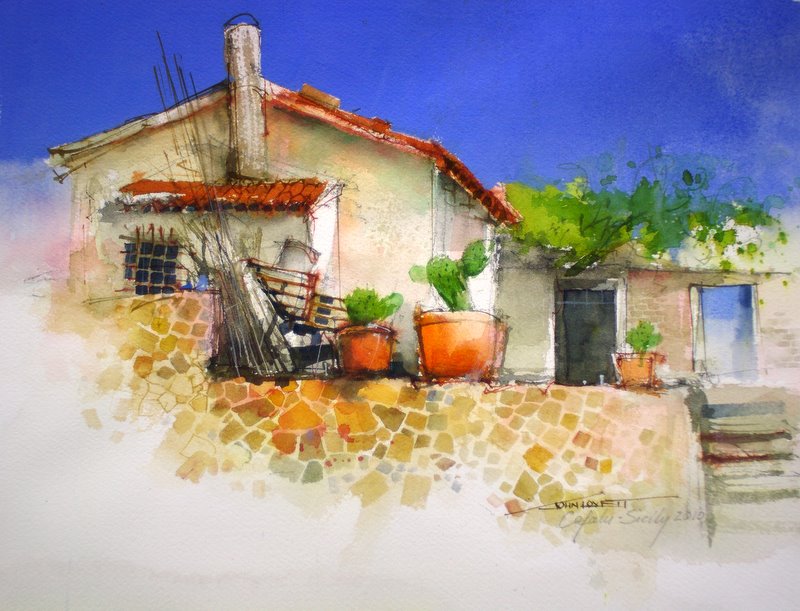
Our Hotel was perched above the bay on the opposite side of the rock to the town. This path led down to a terrace, swimming pool and small beach. It made a comfortable, shady spot to paint some old buildings and garden walls attached to the hotel.

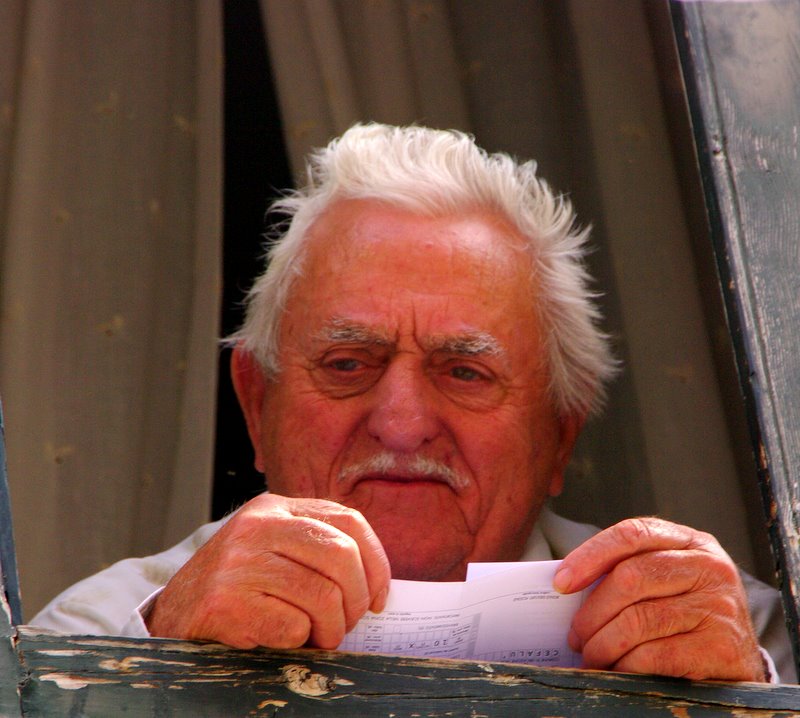
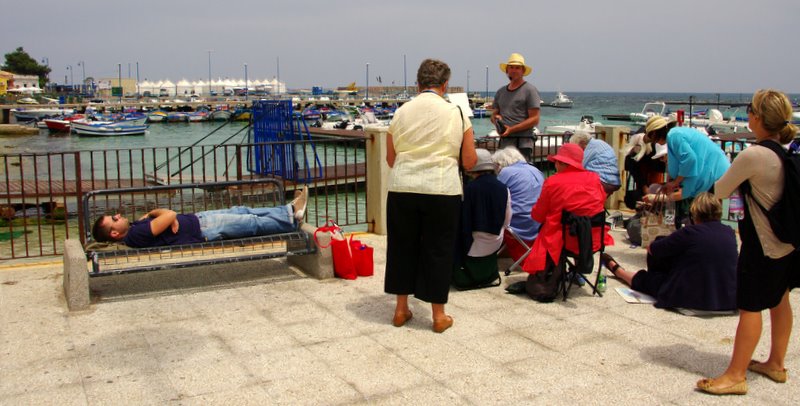
We found this poor fellow sound asleep on a bench at a small beach resort out of Palermo. He was a bit confused when he woke up and found 20 people spread around him with easels and paint boxes.

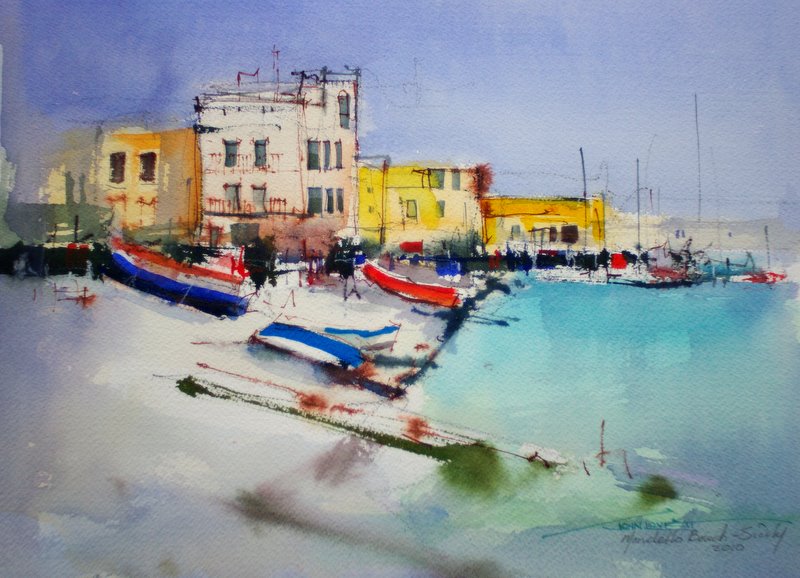
Mondello waterfront – Sicily

NATIONAL ICON

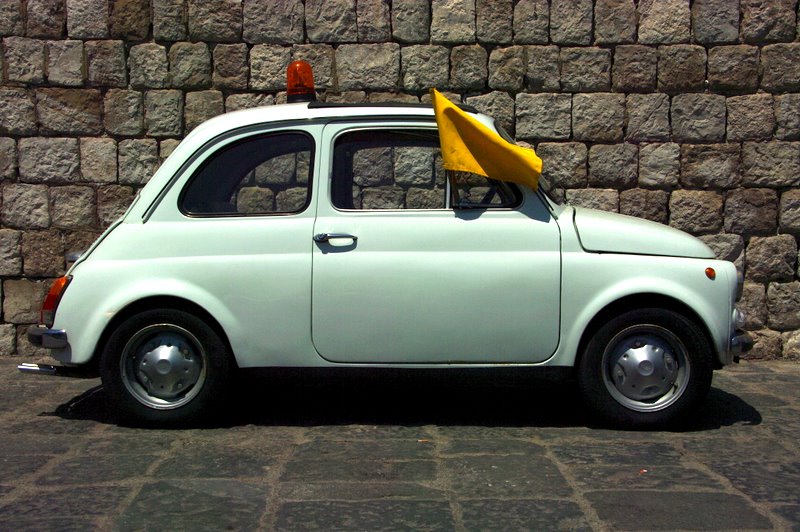
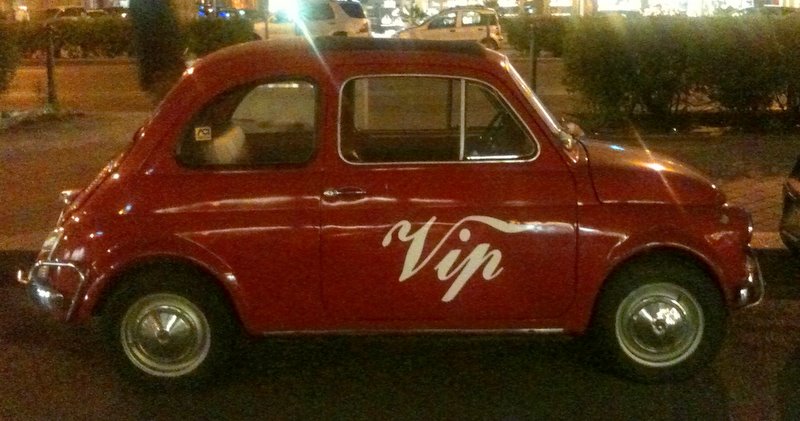
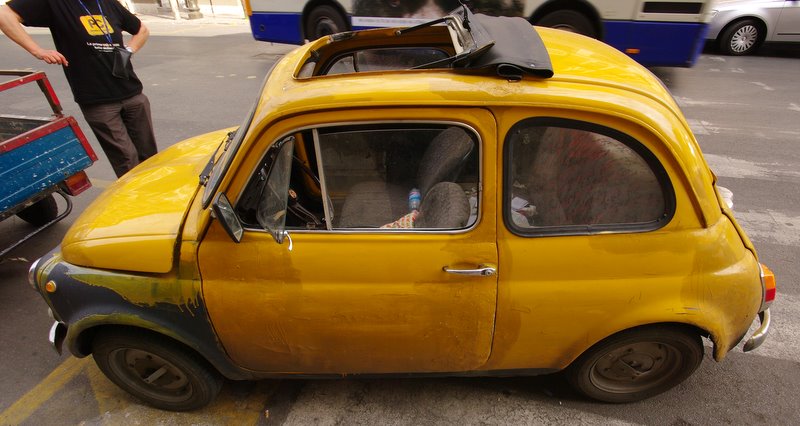
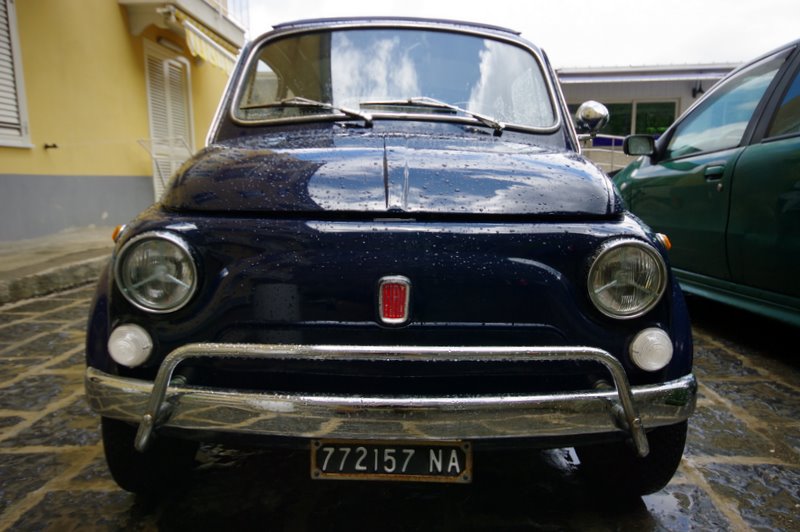
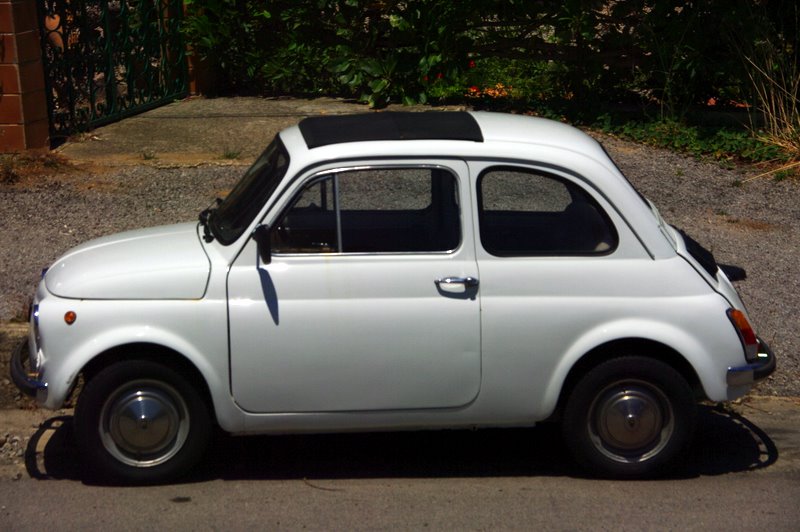
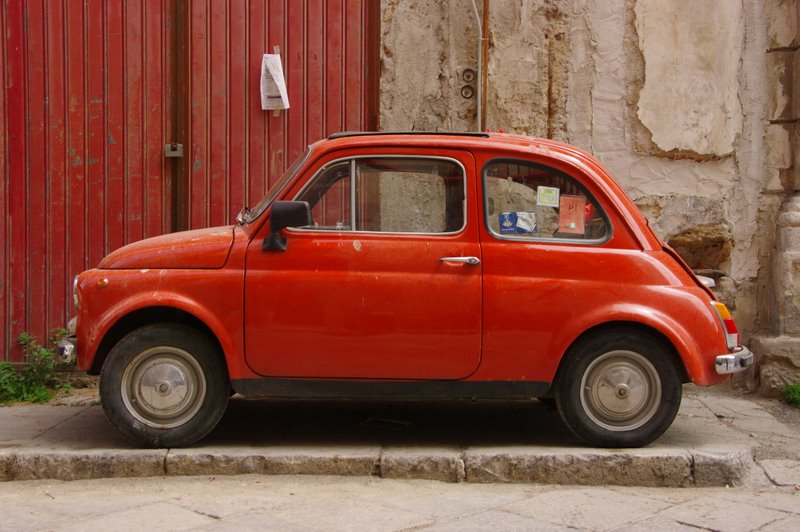
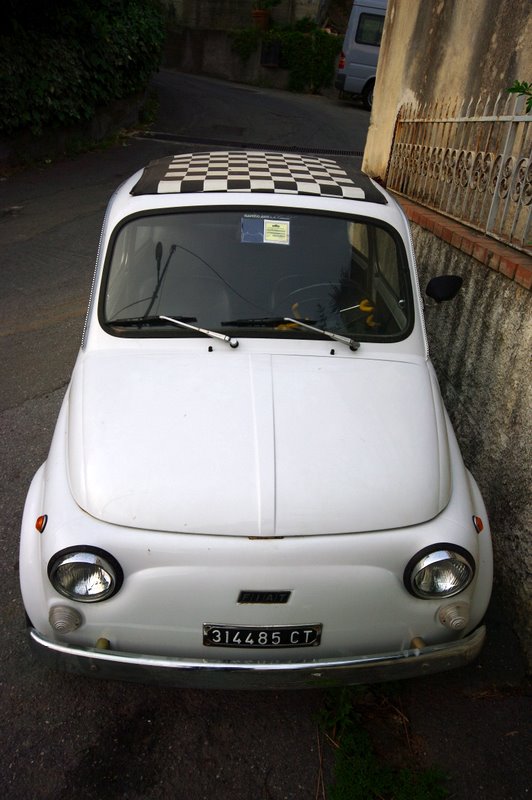
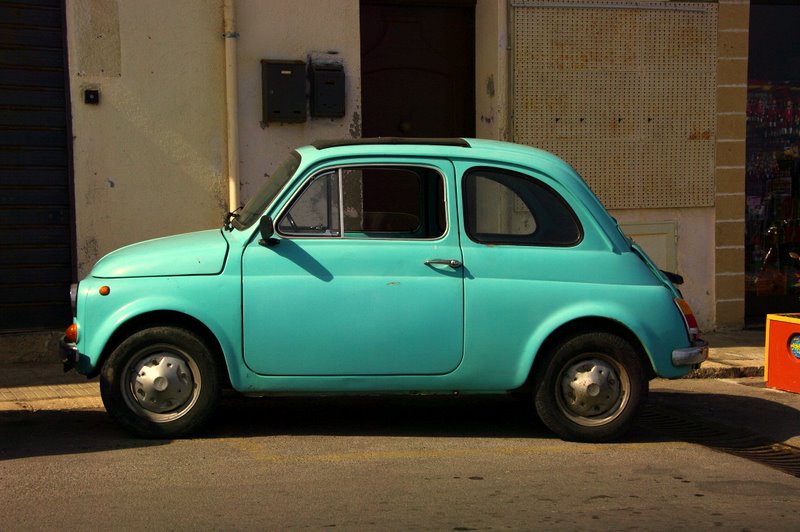
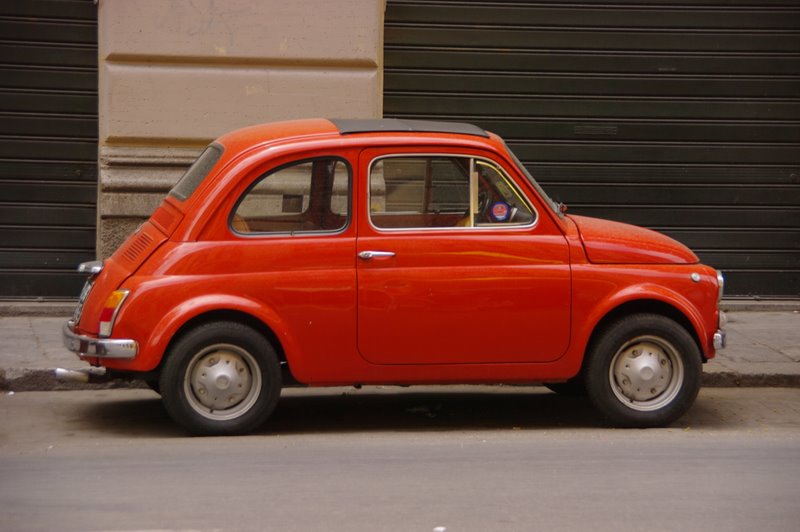
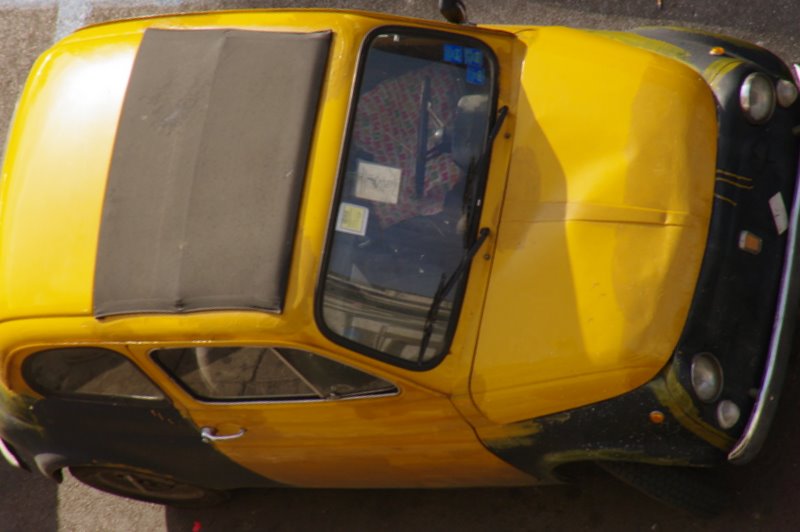
A few years ago the European Union made a ruling that any car over a certain age should be taken off the road in an effort to clean up air pollution. Italy said fine, but the Fiat 500 is a National Icon and, no matter what age, has a place on the roads of Europe. There are still thousands of these little cars on the roads and footpaths of Italy. Now joined by a brand new version, Italy would not be the same without them.

ON TO SICILY

After five days painting in Sorrento, we traveled back up the coast to Naples and flew to Sicily. Our first stop was Taormina, a town first settled by the Greeks then invaded by the Romans, the Arabs, Lord Rodger and the Normans and any other marauding horde that drifted across the salty waters of the Ionian Sea. Today the main invaders are tourists and traveling artists.
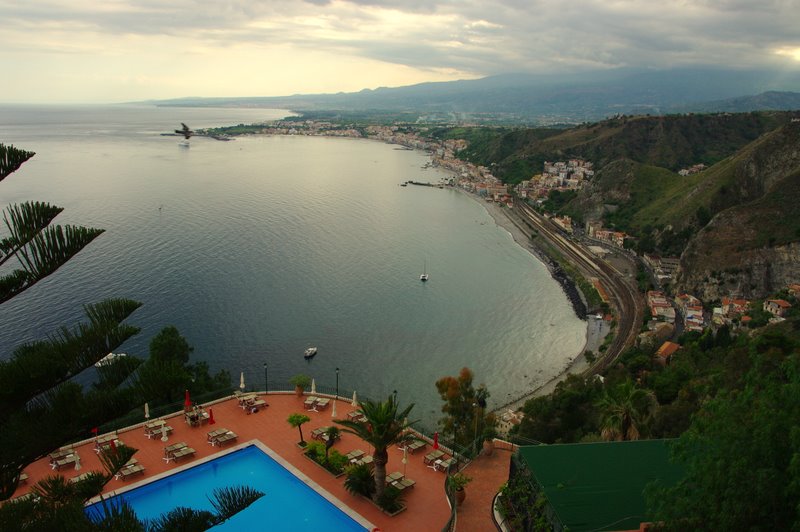
Our Hotel had fantastic view of the coast from its vantage point above the steep incline to the water.

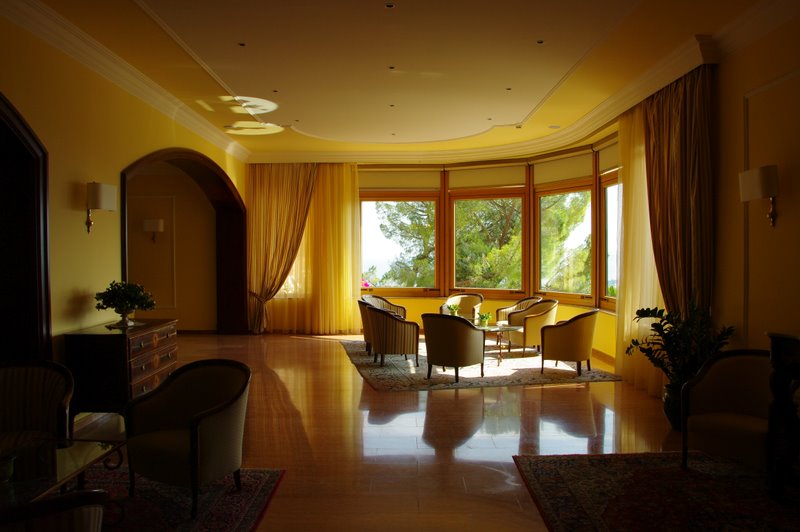
The Hotel was typical of the stylish, post war, Italian opulence created to attract tourists and build local economys.  High ceilings, large panoramic windows, polished marble floors and beautiful antique furniture created just the atmosphere to make a group of traveling artists feel right at home.

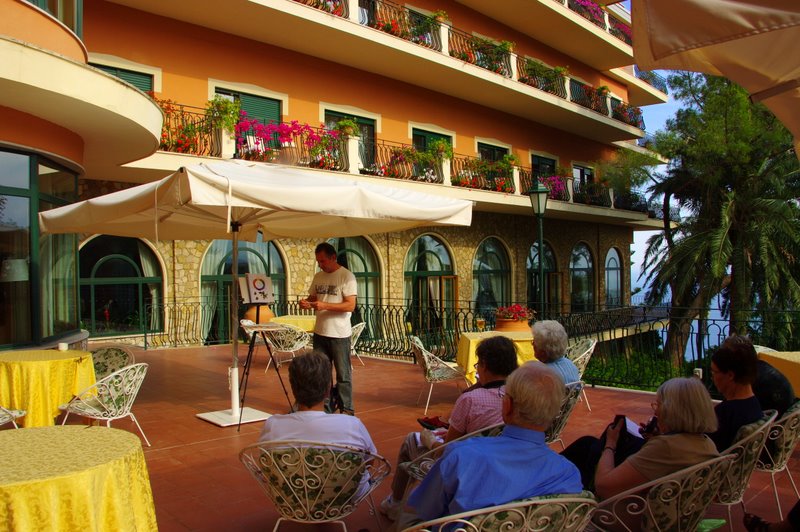
A large shaded terrace, adjacent to the bar and looking over the sea made a great location for our critique sessions at the end of a hard day painting.

Unusual in Italy, the white sandy beaches of Taormina look more like those in the tropics than from a volcanic island.

Rich Volcanic soil and plentiful water from melting snow mean the gardens of Taormina are something else.

On a hill in the middle of town, the Greeks built this theatre. It faced the sea breeze so the actors voices would be carried into the crowd. The Romans, less than happy with the Greek architecture, decided to add the brick structure across the far end of the theatre. After the Romans were moved on, various other pillages removed bits and pieces of the structure for their own creative efforts.
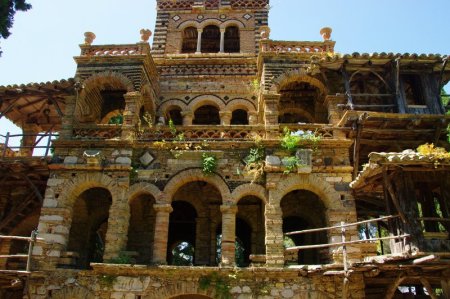
This impressive structure in the Town Gardens was built in the late 1800’s from a mixture of  salvaged ruins and contemporary materials. Paid for by a British woman, Florence Trevelyan, who was encouraged to leave England due to an affair with the future King Edward. The building served no practical purpose other than to decorate the garden.
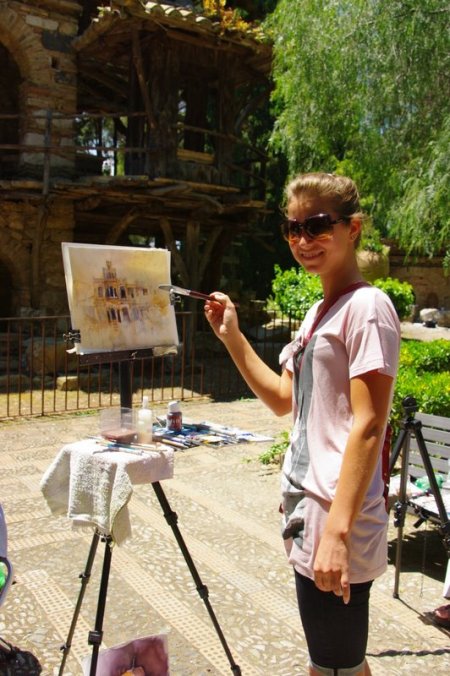
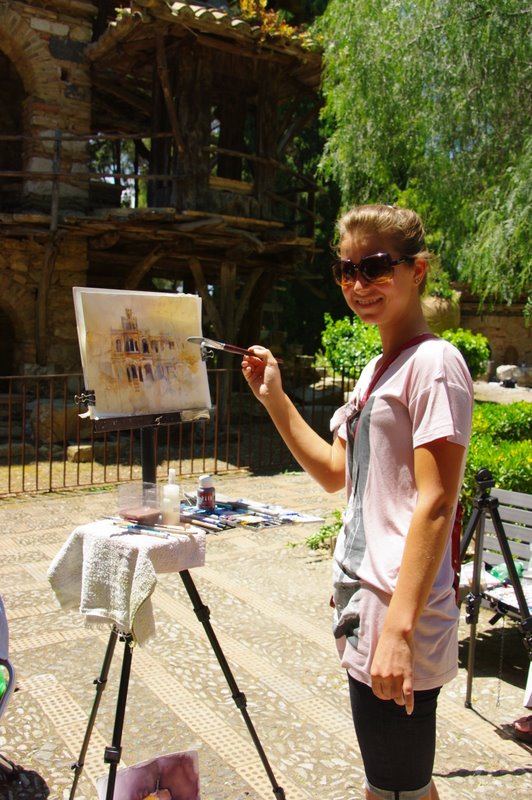
I wandered away from my painting of the garden structure to see how everyone else was going. The painting was quickly hijacked by this young girl. Her mother snapped a photo of her painting in the garden to send to the folks back home.

Hiding in the theatre alcoves.
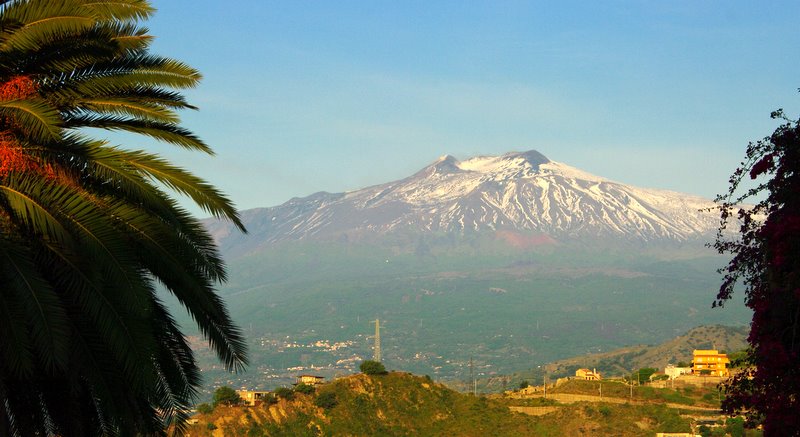
Mt. Etna makes an impressive backdrop to the town. It is often cloaked in cloud, but on a clear, still day, steam can be seen rising from the volcano’s crater.
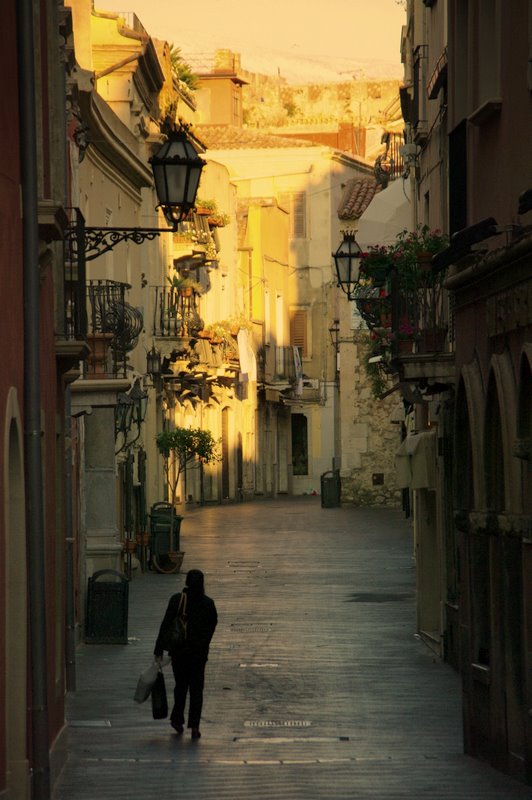
The old town of Taormina is made up of winding cobbled streets and narrow laneways. We arrived in a massive bus which the driver managed to maneuver through town to our hotel on roads a normal person wouldn’t attempt to ride a Vesper!
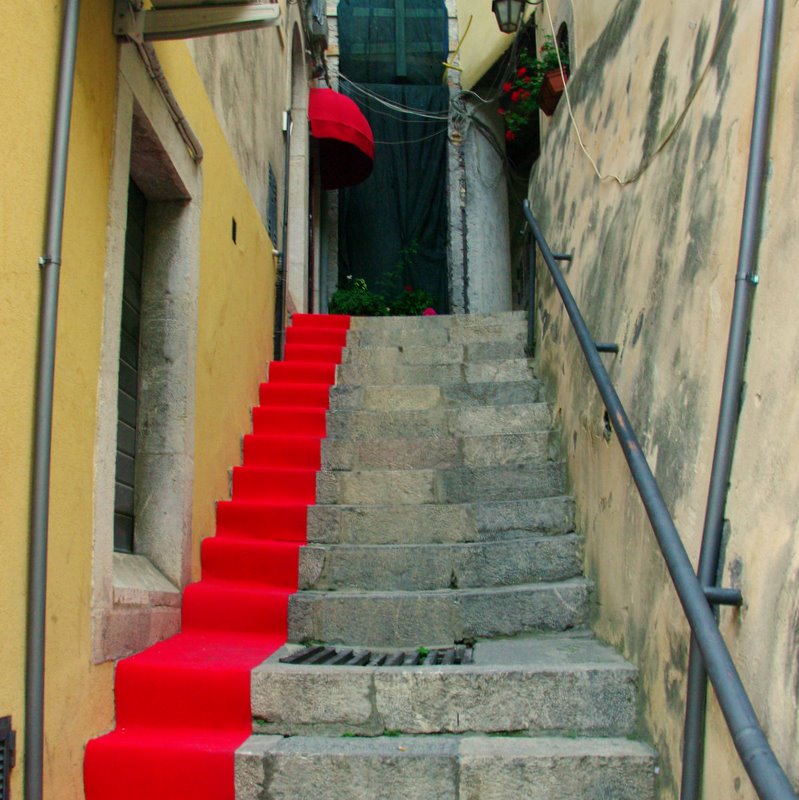
Red carpet for thin people.

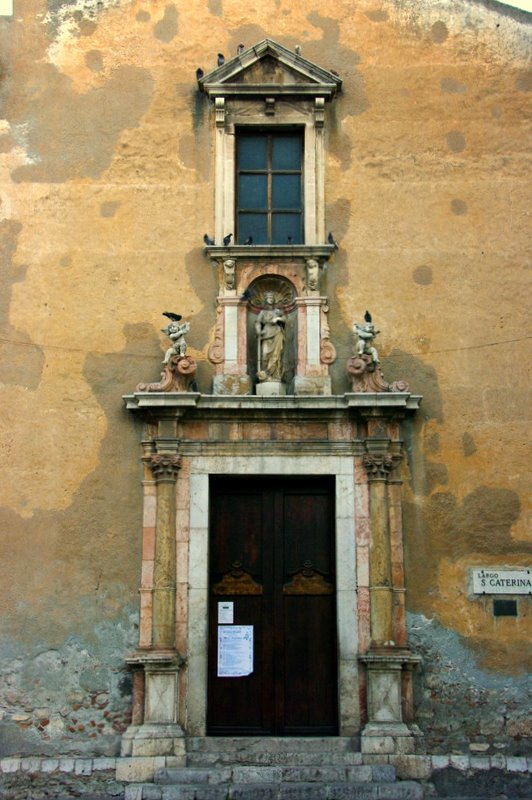
Ornate church doorway on not so ornate church.

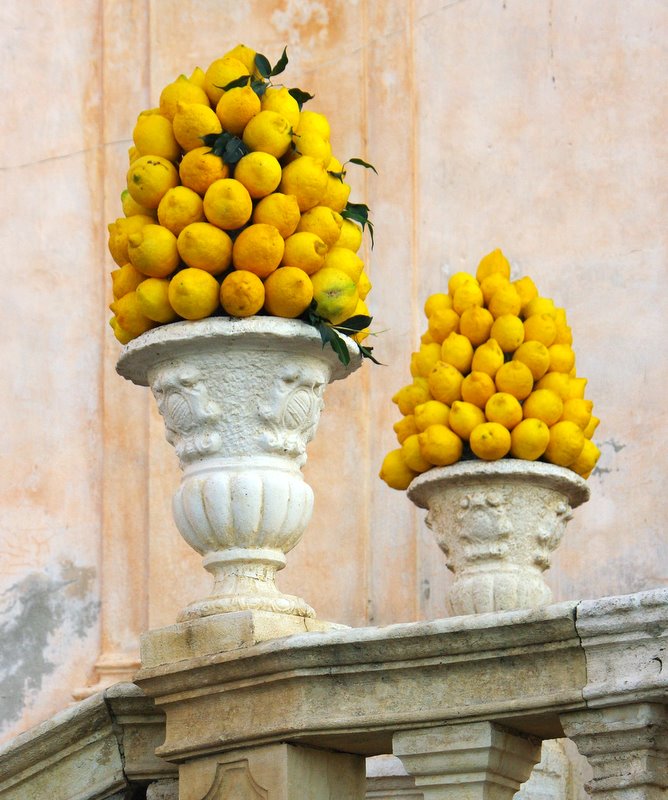
Ceremonial lemons outside a more ornate church.

Ice cream was introduced to Europe by the Sicilians. First brewed up on Mt Etna from a mixture of  Ice, fruit juice and sugar. The same recipe is followed today and is called Granite. The best Granite in Sicily comes from Saretto’s Bam Bar.

We were painting Saretto’s scooter and bar one afternoon and were all treated to a sample of his granite – what fantastic stuff! He showed us photos of numerous Hollywood icons enjoying his wares, and a quote from the New York Times stating his was the best granite in the world! You can’t argue with that.
The small square we sat in to paint, turned out to be the driveway to a lady’s house. We watched, amazed, as she somehow juggled a smart car into a dog kennel sized garage on a lane not much wider than the car. She was interested in our paintings and proud of her beautiful little corner of town. She later brought us down a bowl of cherries in ice to enjoy as we sat and painted. We found the local people in Taormina really friendly and extremely helpful.

POMPEI RELICS

Wandering through the ruins of Pompei is a weird experience. The place feels like a recently evacuated settlement rather than a 2000 year old ruin. The major roads and alleyways are all well intact and many of the buildings still have walls and roofs in place. Spacious villas with internal court yards, mosaic floors and large painted frescos could be re-inhabited today. There are the remnants of many stores lining the main roads, large amphitheaters with food and drink venders shops outside, a public forum at the junction of the main roads, even a public toilet and brothel have been uncovered. It gives the impression that life really hasn’t changed much in 2000 years.

Oil, wine and honey pots

Columns were built of small scalloped bricks then rendered with plaster and painted to took like marble.

Deep ruts from wagon wheels suggest that rubber tyres were not popular 2000 years ago

Villas owned by the wealthy inhabitants were impressive structures.

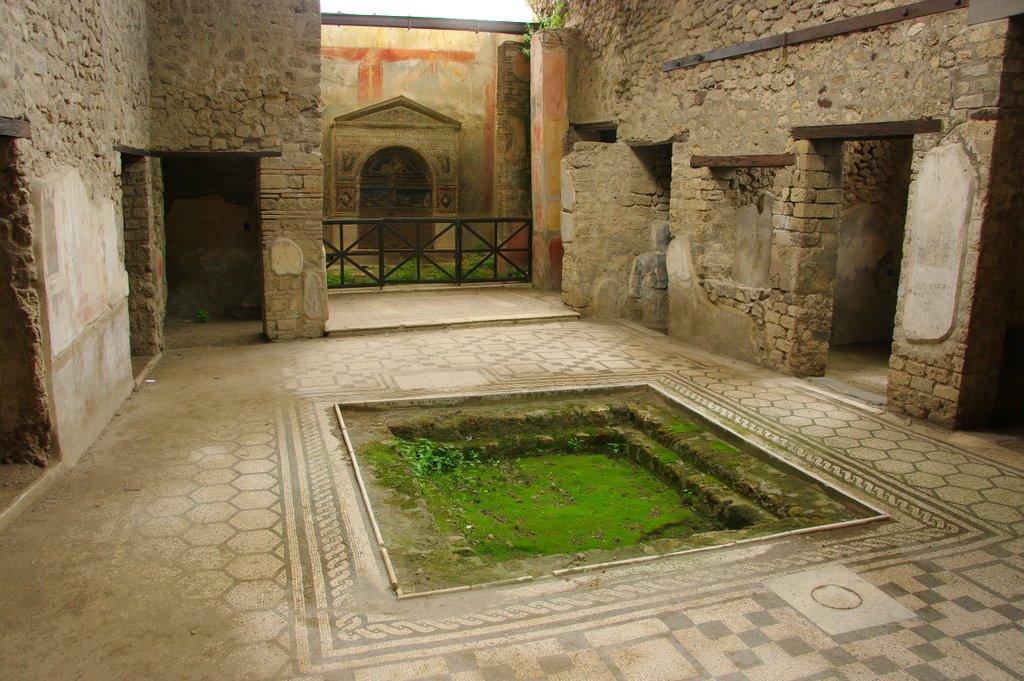
Mosaic internal courtyard

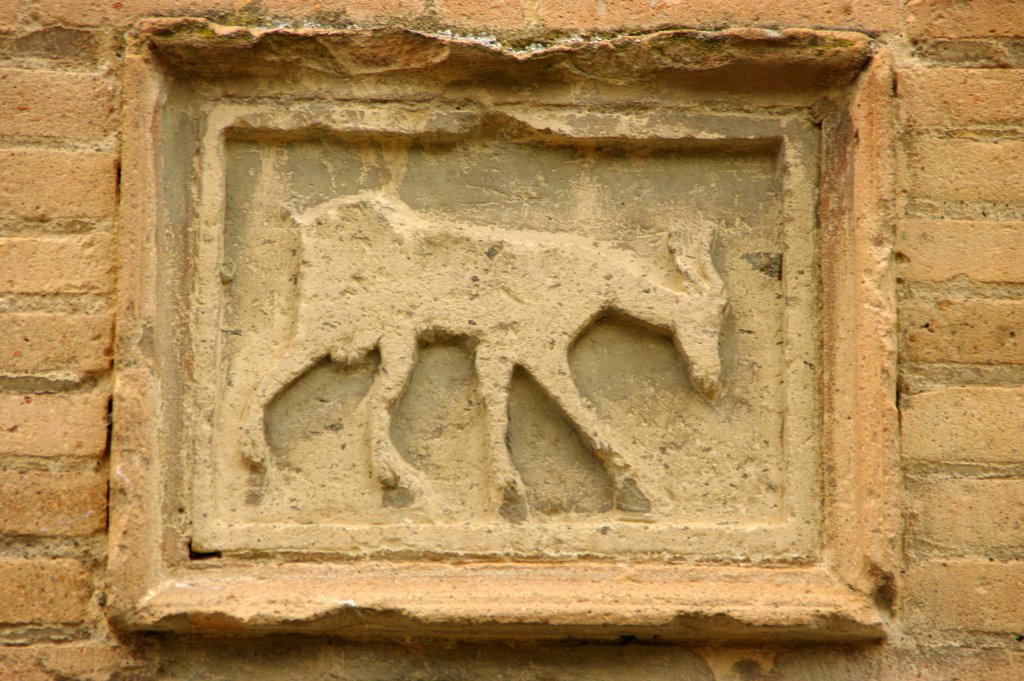
Carved sign on street corner

Large storage vessels in what was once a food store

Decorated alcove in a Villa

Before the compacted ash was removed, plaster was pumped into the cavities left by decomposed flesh. This encased the bone and made an accurate model of the unfortunate victim.

Ancient Roman bobcat

Interesting brick doorway locked into a stone wall.
Marble counter top in food vendor’s store.
Defiant columns in the shadow of Mt Vesuvius.

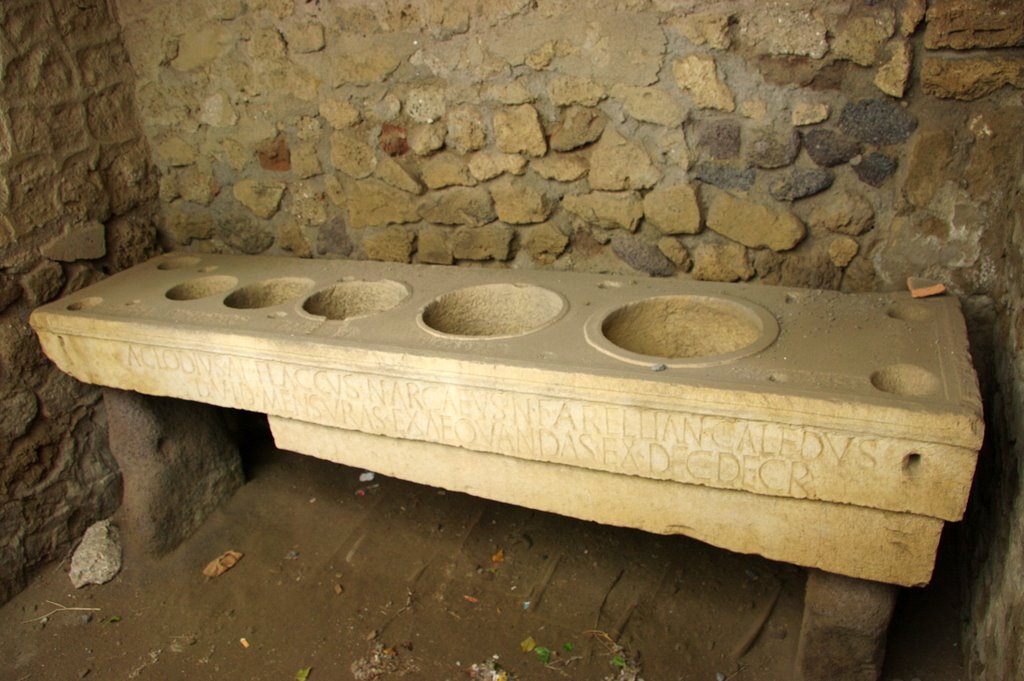
Public measuring device in the forum. Grain could be measured in the various sized holes to make sure merchants weren’t  cheating the public.

GHOSTS OF GWALIA

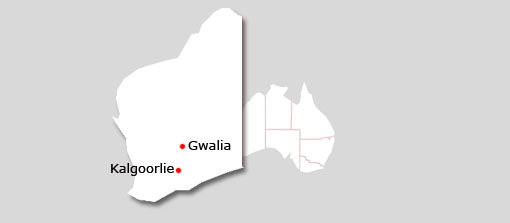
kalgoorlie map

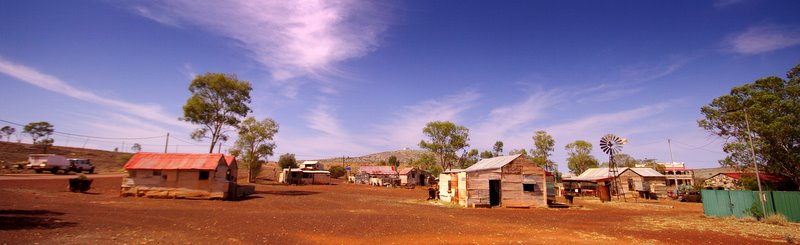
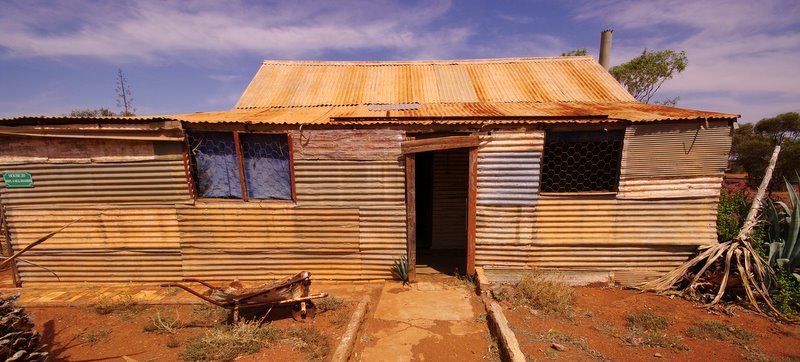
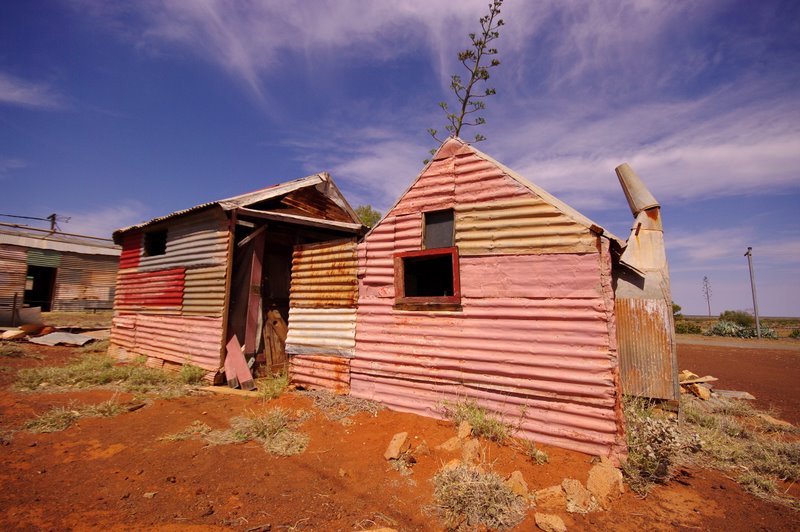
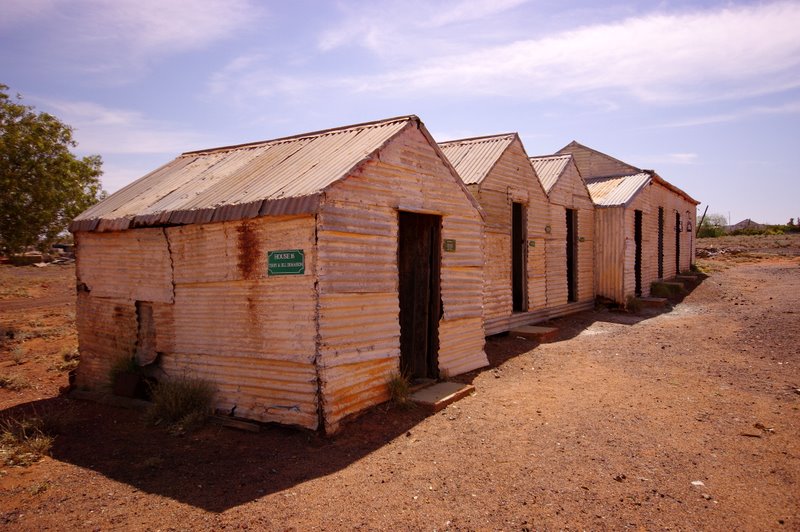
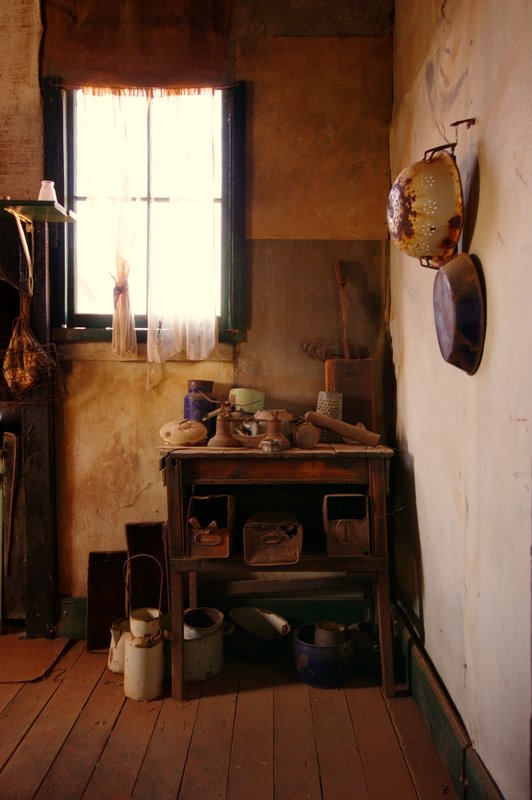
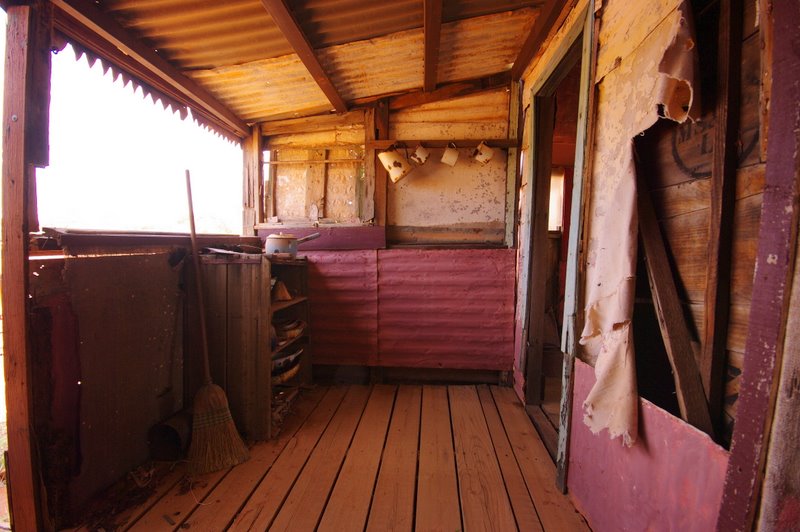
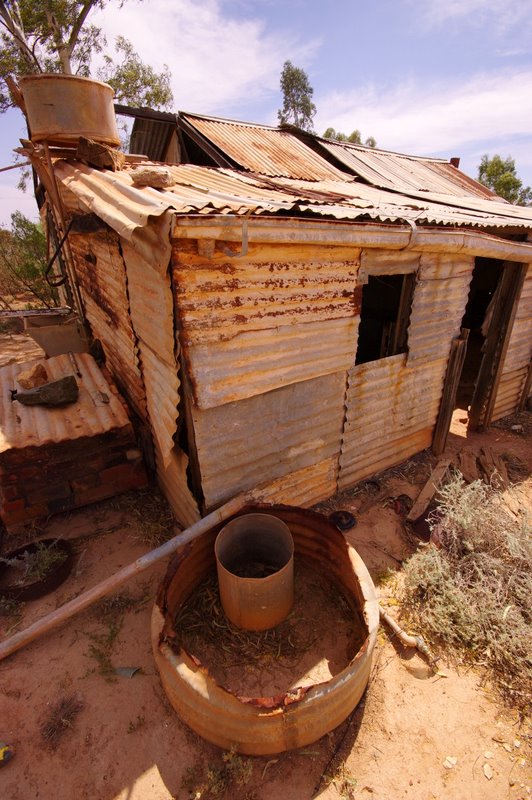
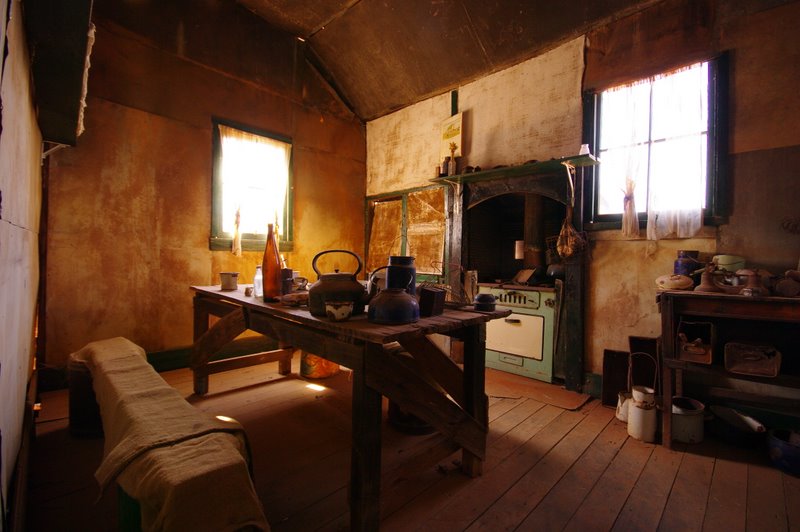
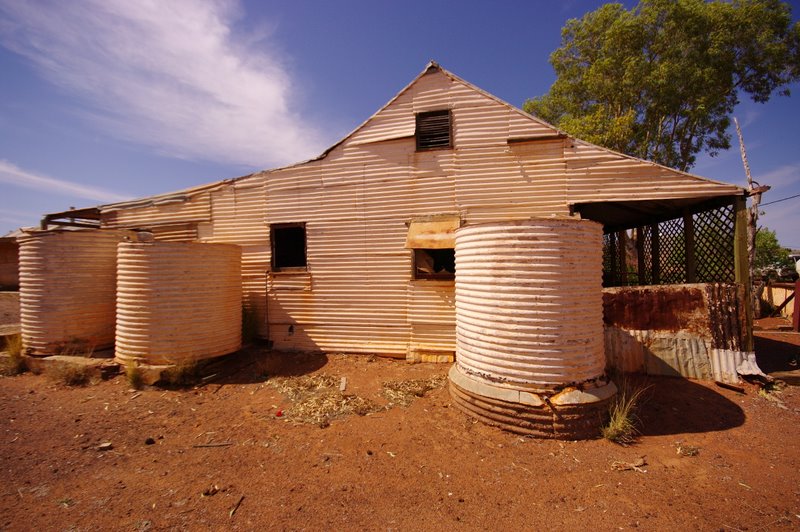
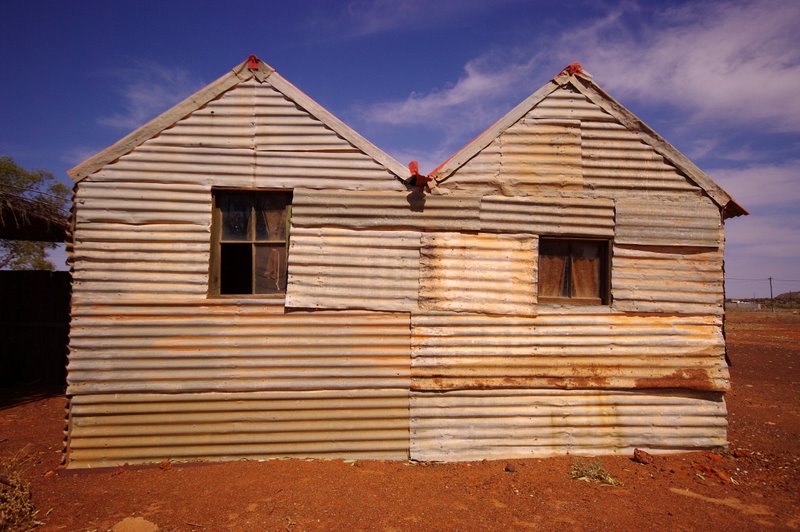
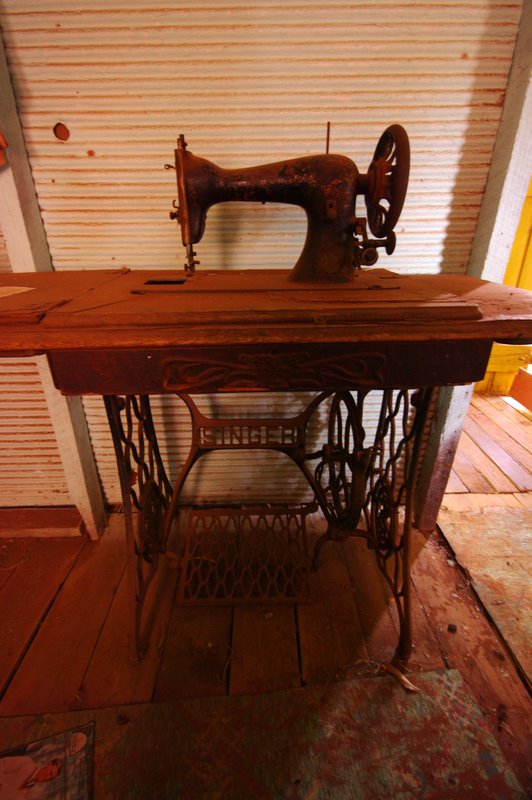
Gwalia, once the second biggest gold mining town in WA, is now almost deserted. The “Sons of Gwalia” mine closed in 1963 and the population of over 1500 disappeared overnight. The first mine manager, 23 year old Herbert Hoover, brought in cheap Italian labor to help make the mine profitable.  Hoover went on to become the 31st president of the USA. Most of the abandoned cottages built by the workers are still in good condition thanks to the hot, dry climate.

IMGP1660

.

IMGP1710

.

IMGP1687

.

IMGP1677

.

IMGP1608

.

IMGP1689

.

IMGP1704

.

IMGP1607

.

IMGP1612

.

IMGP1667

.

IMGP1650

.

IMGP1659

.

IMGP1700

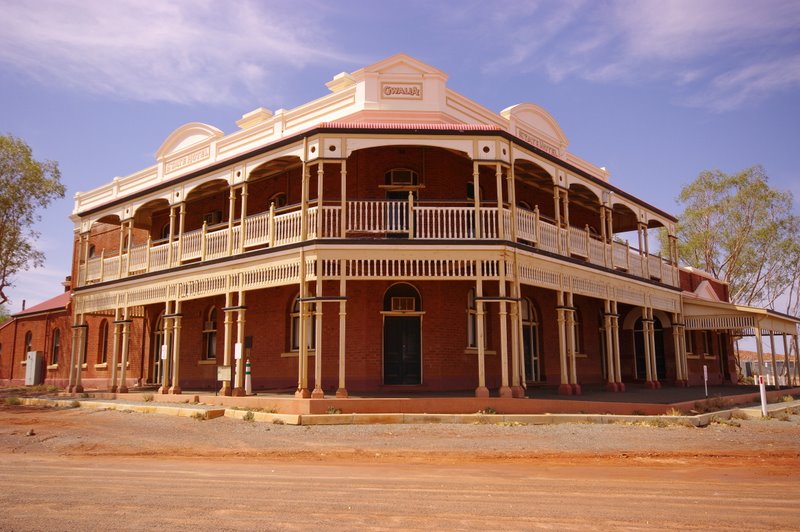
Gwalia’s State Hotel was the first state owned pub in WA. Built to counter the sly grog trade in the town, it is a stark contrast to the makeshift dwellings of the workers.

IMGP1733

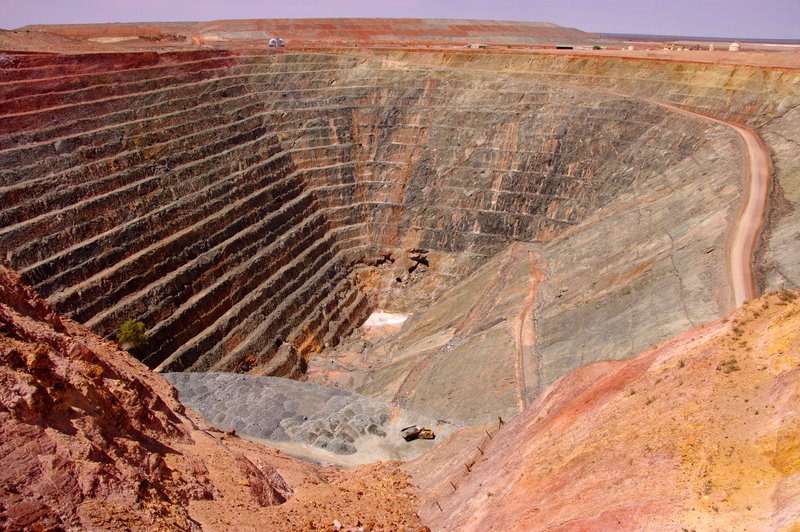
The Sons of Gwalia mine has since reopened and, judging by the size of the hole in the ground, must be doing fairly well.

KALGOORLIE / COOLGARDIE

kalgoorlie map

Kalgoorlie and Coolgardie are the two major towns in WA’s Southern Goldfields. They are both typical of the over the top gold mining towns of the late 1800’s. The banks, government buildings and, most noticeably, the pubs are all very impressive and contrast sharply with the humble dwellings constructed by the miners.

IMGP1501

One of the more spectacular gardens in Coolgardie relies less on water and more on discarded junk to keep it vibrant and attractive

IMGP1512

.

IMGP1518

The main streets in Coolgardie and Kalgoorlie are wide enough to land a jumbo jet on. Apparently they had to be that width to turn a camel train around.

IMGP1526

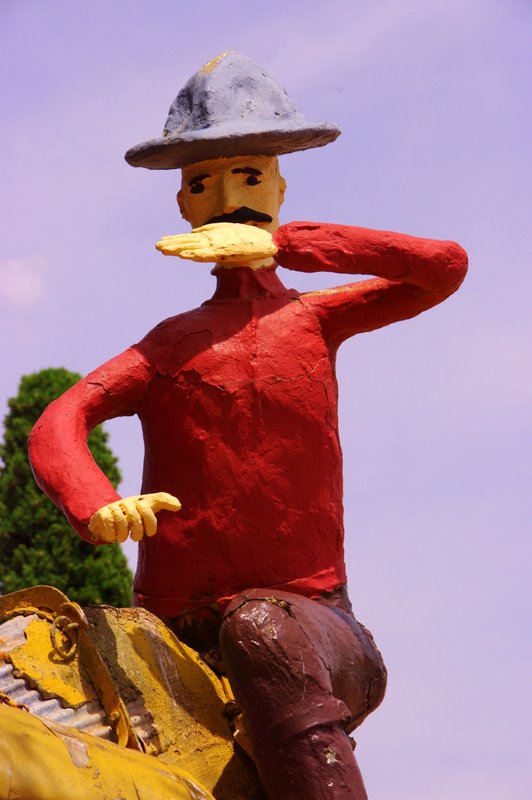
Frightening statue of man trying to turn around a camel train. – Coolgardie

IMGP1521

Interesting tall corrugated iron building – Coolgardie

IMGP1524

Attractive stone government building – Coolgardie

IMGP1527

Coolgardie RSL and Marvel Bar Hotel

IMGP1539

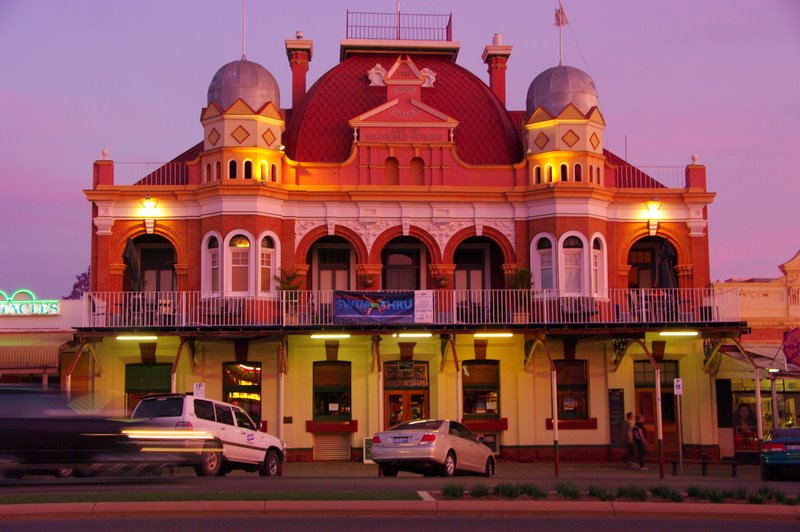
One of Kalgoorlie’s more spectacular hotels

IMGP1545

Exchange Hotel in the center of Kalgoorlie

IMGP1556

Metropole  Hotel in the Boulder district on the outskirts of Kalgoorlie

IMGP1562

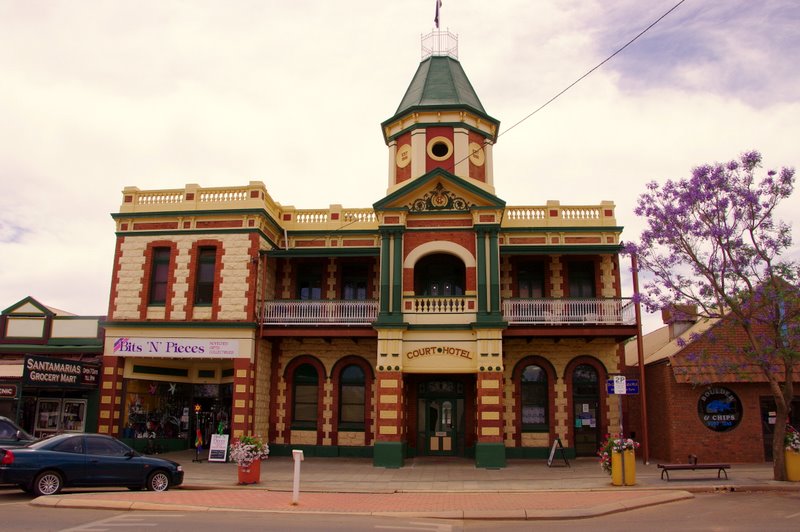
Court Hotel – Boulder

IMGP1570

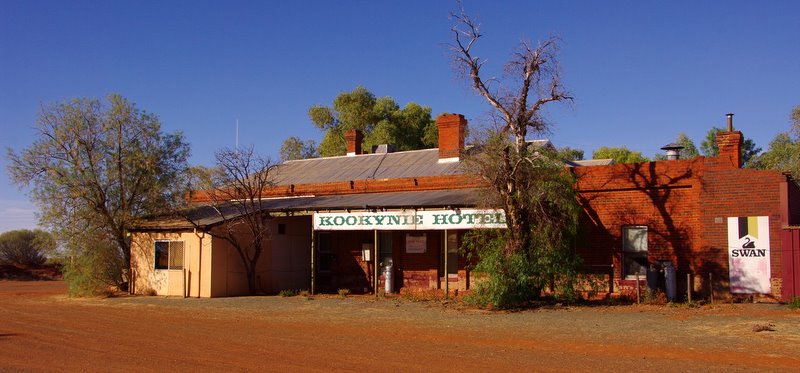
A couple of hundred kilometres north of Kalgoorlie things are a little less opulent. The Kookynie hotel is the only remaining business in town. The faded for sale sign on the wall suggest its days may be numbered.